 Small batches, high standards. Our rapid prototyping service makes validation faster and easier —
  EN
EN


Custom Aluminum Sheet Metal: 9 Essential Points Before You Order
Understanding Custom Aluminum Sheet Metal Fundamentals
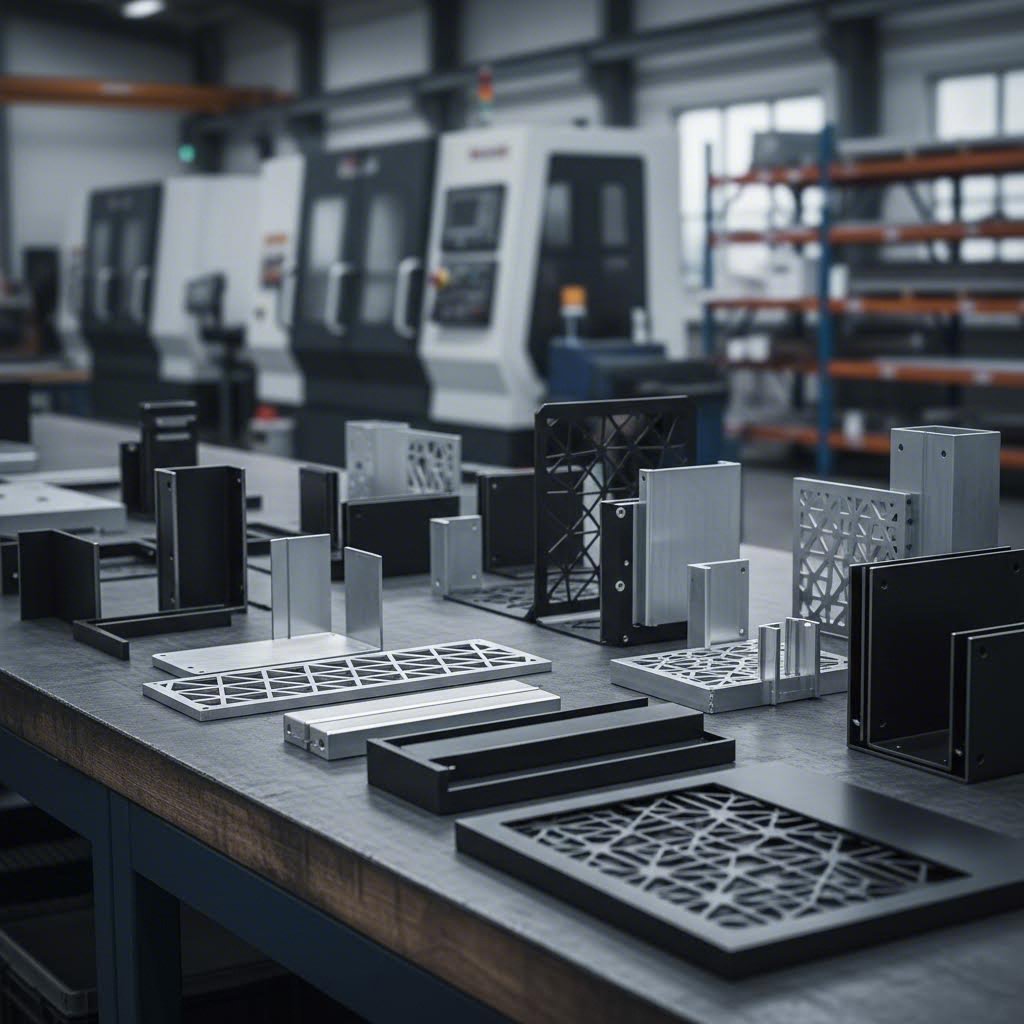
When you walk through a modern manufacturing facility, you'll notice aluminum everywhere. From aerospace components to architectural features, this versatile material shapes countless products we use daily. But here's the thing: not all aluminum sheet metal is created equal. Understanding the difference between standard alu sheets and custom fabricated options can save you time, money, and headaches on your next project.
Custom aluminum sheet metal refers to aluminum sheeting that's fabricated to meet specific project requirements rather than purchased in pre-defined, off-the-shelf configurations. While standard sheet aluminum comes in fixed dimensions, gauges, and finishes, custom aluminum products are tailored from the ground up to match your exact specifications.
What Makes Aluminum Sheet Metal Custom
Think of standard aluminum sheet metal as buying clothes off the rack. It works for general purposes, but the fit might not be perfect. Custom fabrication, on the other hand, is like having a tailor create something specifically for you. The aluminum fabrication process begins with understanding your application requirements, then moves through material selection, precision cutting, forming, and finishing stages.
Several fundamental characteristics define custom work:
- Precise dimensions: Parts cut to exact measurements with tight tolerances, rather than standard 4-by-8-foot sheets
- Specific alloy selection: The right aluminum grade chosen based on strength, corrosion resistance, and formability needs
- Tailored surface finishes: Options ranging from anodizing to powder coating, matched to aesthetic and functional requirements
- Application-driven specifications: Every aspect designed around how the part will perform in its intended environment
Why Manufacturers Choose Customization Over Stock Materials
Standard aluminum sheet offers convenience and lower upfront costs for general applications like roofing panels or basic ducting systems. However, this convenience comes with significant limitations. Projects demanding precision, intricate designs, or non-standard dimensions simply cannot be served effectively by off-the-shelf options.
Industries such as automotive, aerospace, electronics, and industrial manufacturing increasingly require components that fit exact specifications and withstand rigorous operational conditions. According to industry specialists, custom sheet metal provides the structural integrity, functional precision, and aesthetic appeal that standard options cannot deliver.
Here's what separates custom from standard aluminum sheet products:
- Flexibility in design: Complex shapes and intricate features achievable without compromising material integrity
- Dimensional accuracy: Tolerances measured in thousandths of an inch rather than approximate fits
- Material optimization: Less waste since parts are cut specifically for your project
- Integrated finishing: Surface treatments applied as part of the fabrication workflow
- Quality assurance: Inspection at every stage ensures parts meet performance criteria
The growing demand across industries reflects a simple reality: when performance and reliability matter, custom aluminum sheet metal delivers results that stock materials cannot match. Whether you're sourcing parts for electronics enclosures, HVAC components, or precision machinery, understanding these fundamentals positions you to make smarter purchasing decisions.
Aluminum Alloy Selection Guide for Every Application
Now that you understand what makes aluminum sheet metal custom, the next critical decision involves choosing the right alloy. Sounds complex? It doesn't have to be. Think of aluminum alloys like different grades of steel or types of wood. Each one brings specific strengths to the table, and selecting the wrong one can compromise your entire project.
Aluminum metal isn't a one-size-fits-all material. The alloy you choose directly impacts how your parts perform under stress, resist corrosion, accept welds, and form into complex shapes. Making an informed decision here saves costly rework and ensures your custom aluminum sheet metal meets real-world demands.
Breaking Down Popular Aluminum Alloys for Sheet Metal Projects
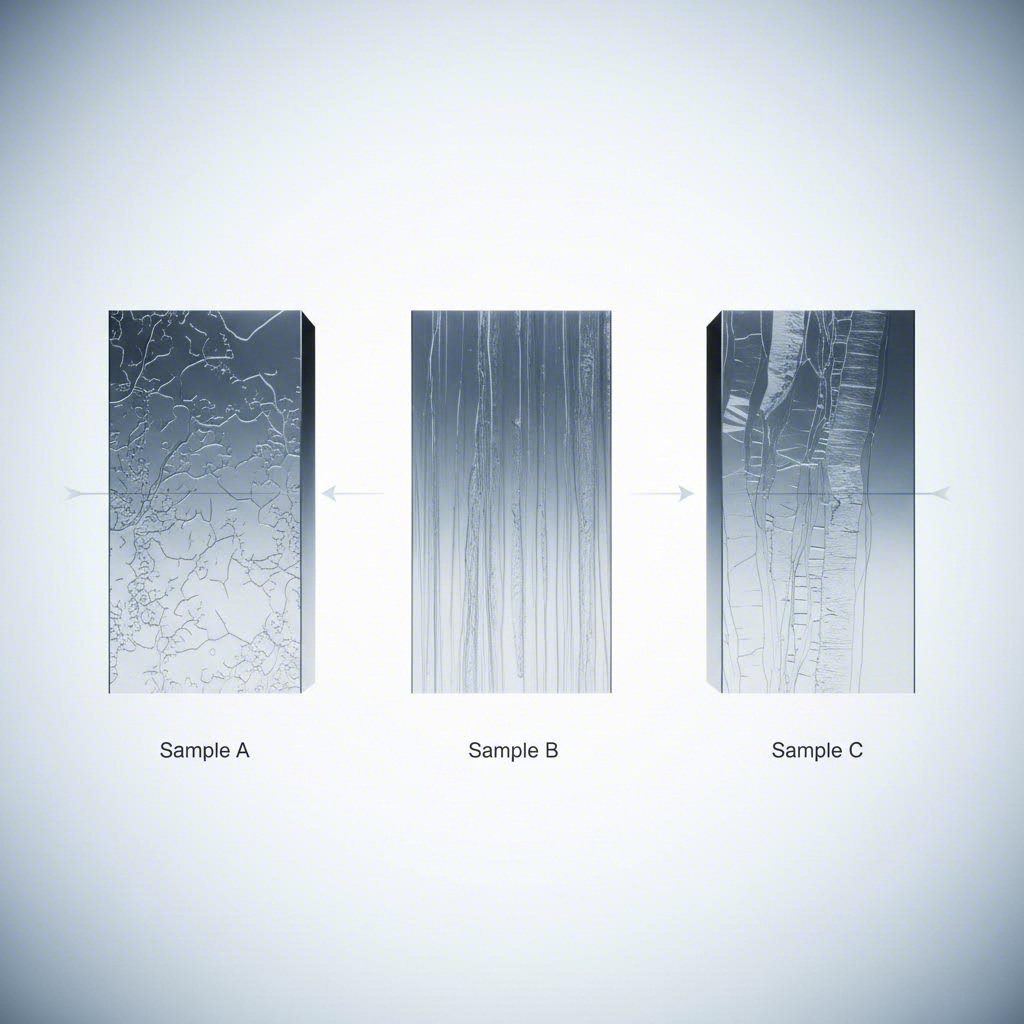
When browsing specifications, you'll encounter four-digit numbers like 3003, 5052, 6061, and 7075. These aren't random codes. They identify specific aluminum alloy families, each engineered for distinct performance characteristics.
According to industry alloy comparison data, the primary alloying elements determine each grade's behavior:
- 3003 (Aluminum-Manganese): Contains manganese as the main alloying element, enhancing corrosion resistance and strength over pure aluminum
- 5052 (Aluminum-Magnesium): Magnesium provides excellent corrosion resistance and good strength without heat treatment
- 6061 (Aluminum-Magnesium-Silicon): Combines magnesium and silicon for strength, corrosion resistance, and excellent machinability
- 7075 (Aluminum-Zinc): Zinc creates one of the strongest aluminum alloys available, favored in aerospace applications
Here's a comprehensive comparison to guide your selection:
| Alloy | Corrosion Resistance | Formability | Weldability | Strength Rating | Ideal Applications |
|---|---|---|---|---|---|
| 3003 | Good | Excellent | Excellent | Moderate | Roofing, cooking utensils, storage tanks, HVAC components |
| 5052 | Excellent | Excellent | Excellent | Good | Marine equipment, medical devices, fuel tanks, pressure vessels |
| 6061 | Good | Excellent | Excellent | Excellent | Structural components, pipelines, bicycle frames, electrical equipment |
| 7075 | Excellent | Low | Low | Superior | Aerospace structures, military applications, automotive performance parts |
Matching Alloy Properties to Your Application Needs
Numbers on a chart only tell part of the story. What do these properties actually mean when your parts are in service? Let's break down each characteristic in practical terms.
Corrosion Resistance: Will your parts face moisture, saltwater, or chemical exposure? 5052 aluminum sheet excels in marine environments precisely because it contains no copper, making it naturally resistant to saltwater degradation. If you're fabricating boat hulls or outdoor signage, this matters significantly more than for indoor electrical enclosures.
Formability: How much bending, shaping, or drawing does your design require? Alloys like 3003 and 5052 aluminum bend without cracking, making them ideal for complex geometries. Meanwhile, 7075's hardness resists forming, so it's better suited for machined parts rather than bent sheet metal components.
Weldability: Does assembly require welding? According to sheet metal fabrication specialists, 7075 tends to crack after welding, making mechanical fastening preferable for high-strength applications. Both 5052 and 6061 weld beautifully for structural assemblies.
Strength Rating: What loads must your parts handle? 6061 offers an excellent balance between strength and workability, which explains why it's the most popular and cost-efficient alloy for general-purpose applications. When strength-to-weight ratio is paramount, 7075 delivers roughly 1.5 times the strength of 6061.
Heat Treatability: Can you enhance properties through heat treatment? 5052 is not heat-treatable, relying instead on cold-working methods for strengthening. Both 6061 and 7075 respond excellently to heat treatment processes like T6 tempering, allowing you to optimize mechanical properties after fabrication.
One common misconception involves confusing aluminum with aluminum steel sheets. These are entirely different materials. Aluminum alloys contain no steel. The confusion typically arises from surface treatments like galvanizing that create steel-aluminum composites for specific roofing applications.
For anodized aluminum sheet metal applications, 6061 accepts anodizing exceptionally well, producing a uniform protective layer that enhances both appearance and durability. If your project demands colored or clear anodized finishes, factor this into your alloy selection early in the design process.
Choosing the right alloy isn't about finding the "best" option. It's about matching material properties to your specific performance requirements, processing needs, and budget constraints. With this foundation in place, you're ready to tackle the next critical specification: thickness and gauge selection.
Thickness and Gauge Selection Made Simple
You've selected your alloy. Now comes the question that trips up many first-time buyers: how thick should your aluminum sheet be? The gauge system adds another layer of confusion because it works backward from what you'd expect. Don't worry. Once you understand the logic, making the right thickness decision becomes straightforward.
Aluminum sheet thickness directly affects structural performance, weight, formability, and cost. Getting it wrong means either over-engineering (wasting money on material you don't need) or under-engineering (risking part failure). Neither outcome helps your project succeed.
Decoding Aluminum Sheet Gauge Numbers
Here's the counterintuitive part: lower gauge numbers mean thicker material. A 16 gauge aluminum thickness measures approximately 1.29 mm, while an 18 gauge aluminum sheet comes in thinner at roughly 1.02 mm. This inverse relationship traces back to 19th-century wire drawing operations, where gauge measured how many times metal passed through drawing dies. More passes produced thinner wire, hence higher gauge numbers.
According to fabrication industry standards, the gauge system isn't universal across metals. An 18-gauge steel sheet measures 0.0478 inches thick, while 18-gauge aluminum measures only 0.0403 inches. Using the wrong gauge chart leads to ordering material that's either too thick or too thin for your application.
When working with custom aluminum sheet metal, you'll encounter the Brown & Sharpe gauge system (also called American Wire Gauge or AWG) as the standard for non-ferrous metals including aluminum. Here's a practical reference chart:
| Gauge Number | Thickness (inches) | Thickness (mm) | Typical Applications | Relative Cost |
|---|---|---|---|---|
| 10 | 0.1019 | 2.59 | Fuel tanks, vehicle chassis, heavy structural skins | High |
| 12 | 0.0808 | 2.05 | High-pressure containers, automotive bodies, toolboxes | Medium-High |
| 14 | 0.0641 | 1.63 | Solar panel frames, HVAC ducts, industrial enclosures | Medium |
| 16 | 0.0508 | 1.29 | Signs, railings, roofing structures | Medium |
| 18 | 0.0403 | 1.02 | Aesthetic cladding, flashings, light panels | Low-Medium |
| 20 | 0.0320 | 0.81 | Aircraft panels, light casings, beverage cans | Low |
| 22 | 0.0253 | 0.64 | Appliances, nameplates, decorative trim | Low |
| 24 | 0.0201 | 0.51 | Insulation jacketing, automotive trim | Low |
A 1/8 aluminum sheet (sometimes written as 1 8 aluminum sheet in search queries) corresponds roughly to 0.125 inches or approximately 8-gauge material. This thickness falls into plate territory rather than sheet metal and serves heavy-duty structural applications requiring significant load-bearing capacity.
How Thickness Impacts Performance and Cost
Thickness isn't just about strength. It creates a balancing act between four competing factors that you must weigh against your project requirements:
- Structural integrity: Thicker material resists bending, denting, and fatigue failure under load. Critical for load-bearing components.
- Weight considerations: Every increase in thickness adds weight. Aerospace and automotive applications often demand thin aluminum sheet to minimize mass.
- Formability: Thinner sheets bend more easily with smaller radii. Thicker material requires larger bend radii to avoid cracking.
- Cost implications: Material cost increases proportionally with thickness. A 10-gauge sheet costs roughly twice what a 20-gauge sheet costs per square foot.
According to aluminum specification guidelines, material thicker than 6 mm (approximately 0.236 inches) transitions from sheet metal to plate classification. This distinction matters because plate typically requires different fabrication processes and equipment.
When should you choose thin aluminum sheet versus thicker options? Application-specific recommendations help clarify this decision:
- Signage applications: 16 to 20 gauge provides adequate rigidity for indoor signs while keeping weight manageable. Outdoor signs may require 14 gauge for wind resistance.
- Automotive panels: 18 to 22 gauge balances formability for complex curves with sufficient strength for body panels. Structural components demand 10 to 14 gauge.
- HVAC components: 14 to 18 gauge handles ductwork pressure requirements while allowing easy bending and seaming during installation.
- Structural applications: 10 to 14 gauge delivers the load-bearing capacity needed for frames, brackets, and support members.
One critical factor often overlooked involves thickness tolerances. The measurement shown on specification charts represents nominal thickness, not an exact value. Industry standards like ASTM B209 establish acceptable tolerance ranges that vary with sheet width and thickness. For precision applications, specify your required tolerance range and request a Mill Test Certificate confirming actual measured thickness upon delivery.
With your alloy and thickness decisions made, the next step involves understanding how different fabrication methods affect your custom aluminum sheet metal parts.
Fabrication Methods and Precision Capabilities
Your alloy is selected. Your thickness is specified. Now comes the question that shapes your final part quality: how will your custom aluminum sheet metal actually be cut? Understanding fabrication methods isn't just academic knowledge. It directly impacts tolerance, edge finish, lead time, and project cost.
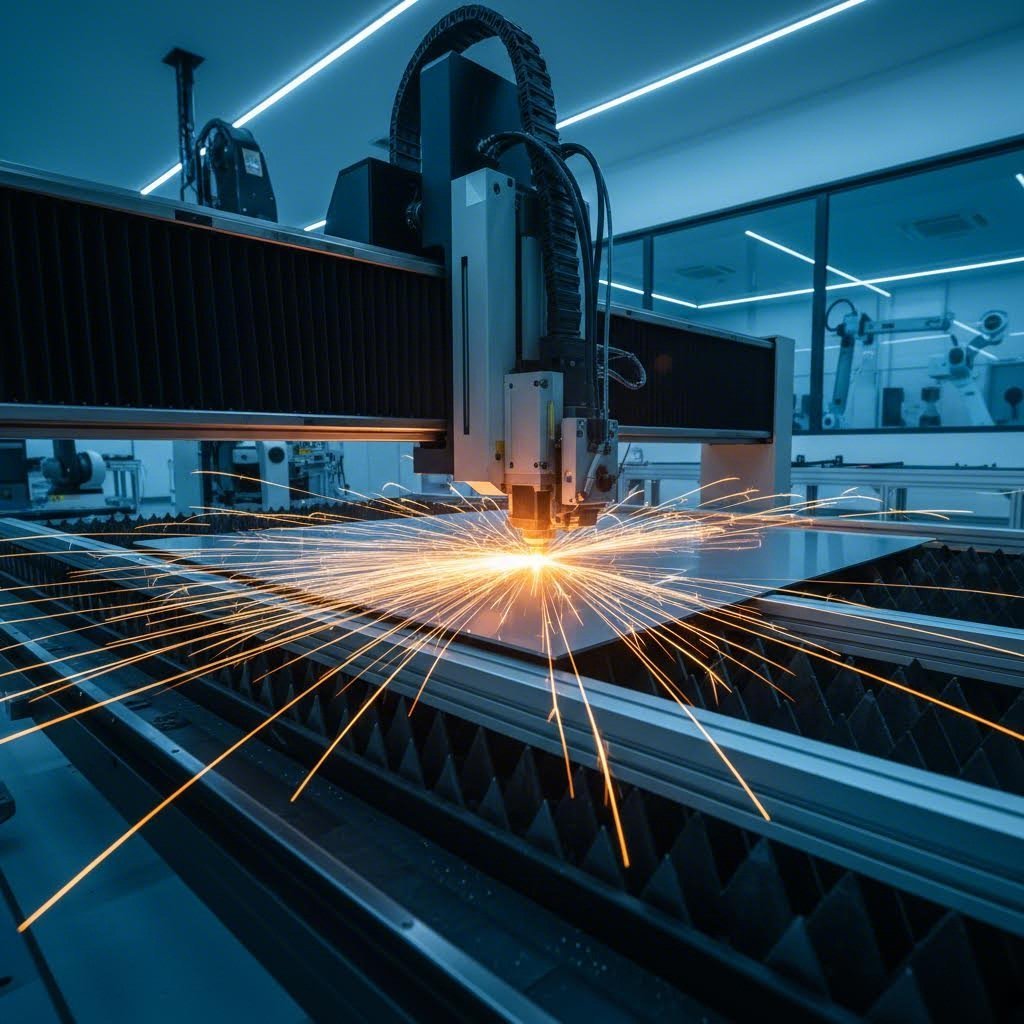
When you're figuring out how to cut aluminum sheet metal, you'll encounter four primary technologies: laser cutting, CNC routing, waterjet cutting, and stamping. Each brings distinct advantages depending on your material thickness, design complexity, and production volume. Let's break down what each method delivers so you can make an informed decision.
Comparing Cutting Technologies for Aluminum Sheet
The best way to cut aluminum sheet depends entirely on your specific requirements. What works brilliantly for thin decorative panels might fail completely for thick structural components. According to fabrication specialists at SendCutSend, material selection, size, tolerance, and post-processing needs all factor into choosing the ideal cutting method.
Here's a comprehensive comparison to guide your aluminum cut decision:
| Fabrication Method | Precision Tolerance | Edge Quality | Thickness Capability | Relative Speed | Cost Factor |
|---|---|---|---|---|---|
| Laser Cutting | ±0.005" (0.13 mm) | Excellent (may require deburring on thick material) | Up to 1.0" (25.4 mm) | Fastest (up to 2,500 in/min) | Low to Medium |
| CNC Routing | ±0.005" (0.13 mm) | Very Good (superior finish on plastics and composites) | Varies by material | Medium | Medium |
| Waterjet Cutting | ±0.005" (0.13 mm) | Excellent (no burrs or dross) | Up to several inches | Slowest | Higher |
| Stamping | ±0.005" to ±0.015" | Good (may require secondary finishing) | Typically up to 0.25" (6.35 mm) | Very Fast (high volume) | Low per unit (high tooling cost) |
Laser Cutting: High-powered fiber lasers ranging from 4kW to 12kW use an amplified light beam to melt, burn, and vaporize aluminum along a preprogrammed path. This method delivers exceptional speed and precision for cutting aluminum sheet. According to industry data, laser cutting can achieve speeds up to 2,500 inches per minute while maintaining tight tolerances. The process creates a small "kerf" (the width of material removed during cutting), and experienced fabricators compensate for this automatically in their programming.
One consideration with laser cutting involves the heat-affected zone (HAZ). Because lasers are thermal processes, adjacent material can experience slight property changes. However, the incredibly fast cutting speed and small beam diameter minimize heat transfer significantly. For simple geometries, HAZ is virtually nonexistent.
CNC Routing: Unlike thermal cutting, CNC routers use a rotating carbide cutter mounted in a computer-controlled spindle. The cutter plunges into the material and moves along preprogrammed paths. This method excels for plastics, composites, and woods but also handles aluminum effectively. The resulting surface finish often surpasses laser cutting, particularly on thicker materials.
CNC routing does have constraints. Interior corners cannot be sharper than the cutter diameter (typically 1/8 inch), requiring a minimum radius of 0.063 inches on all interior edges. Additionally, small fixture tabs hold parts during machining, which may leave slight marks requiring hand finishing.
Waterjet Cutting: This process uses extremely high-pressure water (up to 60,000 PSI) mixed with finely crushed garnet abrasive. The jet abrades through material without generating heat, completely eliminating HAZ concerns. This makes waterjet ideal for applications where thermal effects are unacceptable, such as aerospace components with strict material property requirements.
The tradeoff? Waterjet cutting is significantly slower than laser cutting and typically costs more per part. However, for difficult-to-process materials or when edge quality is paramount, the investment pays off.
Stamping: For high-volume production, stamping uses hardened dies to shear or form aluminum sheet in a single press stroke. Once tooling is created, stamping produces parts extremely quickly at low per-unit costs. The limitation lies in upfront tooling investment, which only makes economic sense at higher production quantities.
Which Fabrication Method Fits Your Project
Choosing how to cut aluminum sheet starts with understanding your priorities. Ask yourself these questions:
- What tolerance do you actually need? If ±0.009" works, waterjet becomes viable. If you need ±0.005" or tighter, laser or CNC routing serves better.
- How thick is your material? Thin sheets favor laser cutting. Thicker plate may require waterjet capabilities.
- Does heat sensitivity matter? Aerospace and certain industrial applications prohibit thermal processes entirely.
- What's your production volume? Prototypes and low volumes suit laser or waterjet. High volumes justify stamping tooling investment.
- What edge quality is acceptable? Parts requiring no secondary finishing benefit from waterjet's burr-free edges.
Beyond cutting, your fabrication workflow likely includes secondary operations. According to PEKO Precision, a complete sheet metal fabrication process typically flows through these stages:
- Design and programming: CAD files are converted to machine instructions, with toolpaths optimized for your chosen cutting method
- Cutting: Your selected process creates the base part geometry from flat sheet stock
- Bending and forming: Press brakes or forming equipment shape flat cutouts into three-dimensional parts. Key considerations include bend allowance, springback compensation, and minimum bend radii to prevent cracking
- Joining: Parts requiring assembly go through welding, riveting, or mechanical fastening operations
- Finishing: Surface treatments like deburring, anodizing, or powder coating prepare parts for final use
Understanding this workflow helps you communicate effectively with fabrication partners. When requesting quotes for custom aluminum sheet metal, specify not just cutting requirements but also any bending, forming, or finishing operations your design demands.
Each fabrication decision ripples through the entire production process. The right cutting method paired with appropriate secondary operations delivers parts that meet your specifications without unnecessary cost or delay. With fabrication fundamentals covered, let's explore how surface finishes and protective treatments can enhance your aluminum parts.
Surface Finishes and Protective Treatments
Your custom aluminum sheet metal parts are cut, formed, and ready for the final step that often makes or breaks their performance: surface finishing. Imagine receiving beautifully fabricated components only to watch them corrode, scratch, or look dull within months. The right finish prevents that scenario entirely.
Surface treatments do more than make parts look good. They protect against environmental damage, enhance durability, and can even improve functional properties like electrical conductivity or paint adhesion. According to aluminum finishing specialists at Comhan, surface treatments serve three primary purposes: protecting the material, embellishing its appearance, and ensuring better adhesion for subsequent coatings.
Surface Finish Options That Transform Your Parts
When ordering custom aluminum sheet metal, you'll encounter several finish categories. Each offers distinct benefits depending on your application requirements, budget, and aesthetic preferences.
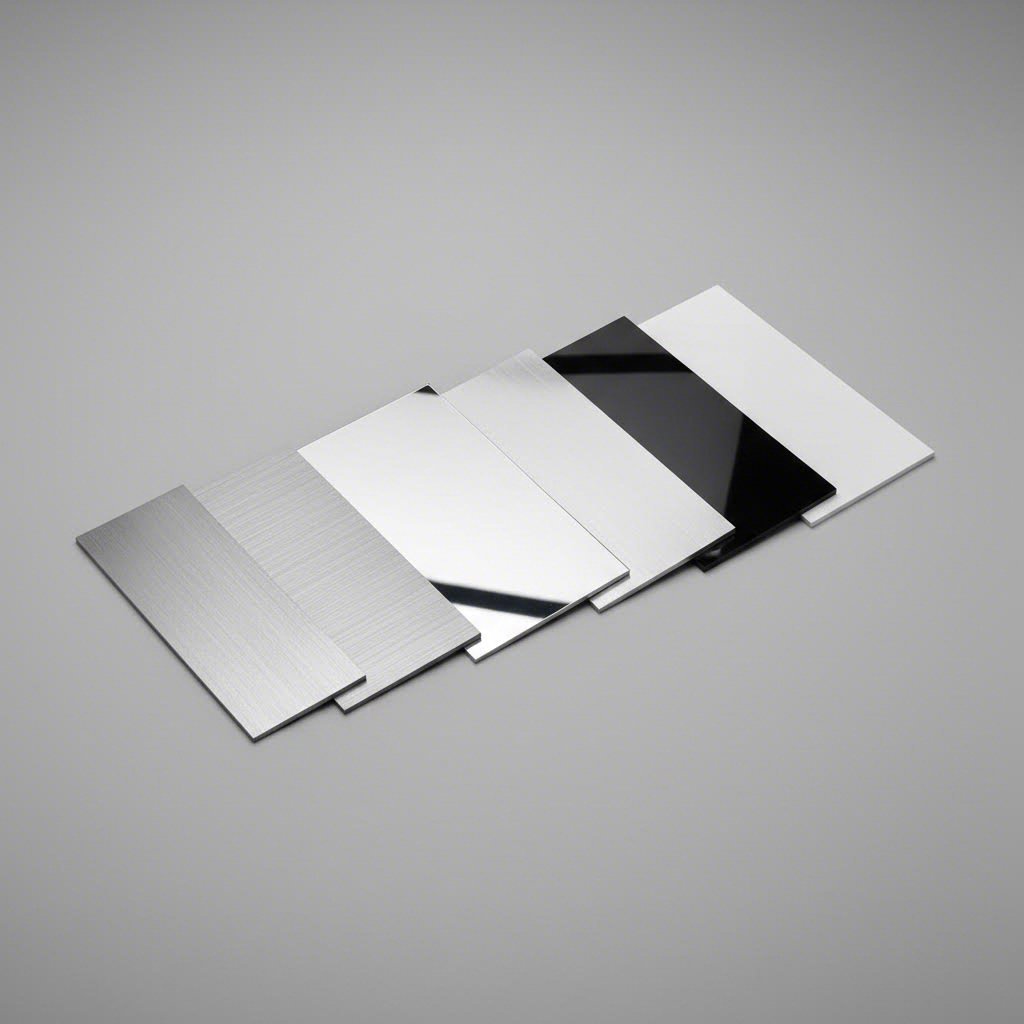
- Mill Finish: The natural state of rolled aluminum as it comes from the mill. This unprocessed surface shows minor scratches and roller marks but works perfectly for hidden components or parts receiving secondary finishes. It's the most economical option when appearance doesn't matter.
- Brushed Finish: Created by abrading the surface with fine grit, producing uniform directional lines. This finish hides fingerprints and minor scratches while delivering a contemporary industrial aesthetic. Ideal for architectural panels, appliance fronts, and decorative trim.
- Polished Aluminum Sheet: Mechanical buffing creates mirror-like reflectivity. While stunning visually, polished surfaces show fingerprints and scratches readily, requiring more maintenance. Best suited for decorative applications, reflectors, and high-end consumer products.
- White Aluminum Sheet Metal: Achieved through powder coating or wet painting, this finish provides both color and protection. Popular for signage, architectural cladding, and equipment enclosures where clean aesthetics matter.
- Black Aluminum Sheet: Another powder-coated or painted option offering sleek, professional appearance. Common in electronics enclosures, automotive trim, and display fixtures.
Protective Treatments for Long-Term Performance
Beyond aesthetics, protective treatments dramatically extend part life by creating barriers against corrosion, wear, and environmental degradation.
Anodizing: This electrochemical process doesn't add a coating to aluminum. Instead, it transforms the surface layer into a hard, protective aluminum oxide. According to the Aluminum Association's finishing specifications, anodized aluminum sheets come in multiple classes based on coating thickness:
- Protective and Decorative (less than 0.4 mils): Suitable for interior applications with minimal wear exposure
- Architectural Class II (0.4-0.7 mils): Standard for commercial building applications
- Architectural Class I (0.7 mil and thicker): Maximum protection for demanding exterior environments
Anodizing also enables color integration through dyes or electrolytic deposition, creating durable tinted finishes that won't peel or flake like paint.
Powder Coating: Electrostatically applied powder adheres to aluminum, then cures in an oven to form a continuous protective film. This process uses no solvents, making it environmentally friendlier than wet paint. The resulting finish resists chipping, scratching, and fading while offering unlimited color options. However, the texture remains slightly rougher than wet paint finishes.
Wet Painting: When aesthetics take precedence, wet paint delivers the smoothest finish achievable. It also handles large parts that won't fit in powder coating spray booths. Decorative effects impossible with powder coating become feasible with wet paint application.
Pre-Treatment Matters: Regardless of which protective treatment you select, proper pre-treatment determines success. Degreasing, rinsing, and applying conversion coatings ensure optimal adhesion. Without adequate preparation, finishes peel prematurely, wasting your investment.
When specifying finishes for your custom aluminum sheet metal order, communicate clearly with your fabricator. Include the Aluminum Association designation system (such as AA-M10 C12 C22 A31 for an Architectural Class II clear matte anodized finish) to eliminate ambiguity. Specify whether you need mill finish, anodized, or painted surfaces, and clarify any color matching requirements upfront.
Understanding surface options positions you to request exactly what your application demands. Next, let's examine how these choices, along with other project decisions, affect your overall costs.
Cost Factors and Budget Optimization Strategies
You've selected your alloy, specified thickness, chosen a fabrication method, and decided on surface finishes. Now comes the question every buyer asks: how much will this actually cost? Understanding what drives custom aluminum sheet metal pricing helps you make smarter decisions and avoid budget surprises.
Pricing for custom fabricated parts isn't as straightforward as buying stock material. Multiple variables interact, and small design changes can create significant cost differences. According to fabrication cost analysis from JLCCNC, the material you choose has the biggest impact on cost, but fabrication complexity, quantity, and finishing requirements all contribute to your final invoice.
What Drives Custom Aluminum Sheet Metal Pricing
How much does aluminum cost per pound? As of October 2025, primary aluminum trades at approximately $1.17 to $1.84 per pound depending on regional premiums. According to current market data, the London Metal Exchange price sits around $1.30 per pound, while U.S. buyers pay an additional Midwest Premium of roughly $0.77 to $0.81 per pound, bringing the actual landed price closer to $2.10 per pound.
But raw material cost represents just the starting point. Your total project cost depends on several interconnected factors:
-
Material Costs:
- Base aluminum price fluctuates with global commodity markets
- Alloy grade affects pricing. Specialty alloys like 7075 cost more than common grades like 3003
- Sheet thickness directly correlates with cost. Thicker material means more aluminum per square foot
- Scrap rates matter. Complex designs generating significant waste increase effective material cost
-
Fabrication Complexity:
- Each bend, hole, or welded seam adds setup time and machining operations
- A simple laser-cut bracket costs far less than an enclosure with multiple bends, countersinks, and welded corners
- Tight tolerances (such as ±0.05 mm instead of ±0.2 mm) require slower cutting speeds and additional quality checks
- Complex geometries may require specialized fixturing or multi-stage operations
-
Quantity Considerations:
- Setup costs spread across more units dramatically reduce per-piece pricing
- A batch of 500 parts costs significantly less per unit than a batch of 5
- Prototype quantities carry higher unit costs due to fixed programming and setup expenses
-
Finish Requirements:
- Powder coating typically adds $0.20 to $1.00 per pound to part cost
- Anodizing varies based on coating thickness class
- Zinc plating, polishing, and other treatments each add processing steps and cost
-
Lead Time Impacts:
- Standard production typically takes 5-7 days
- Rush orders may include a 20-40% surcharge to prioritize your job
- Planning ahead eliminates premium charges for expedited processing
What is the price of aluminum when processing costs are included? According to industry data, the final cost of processed aluminum products generally falls between $2.00 and $4.50 per pound once fabrication is factored in. Extrusion adds $0.50 to $1.50 per pound, machining adds $1.00 to $3.00 per pound, and die casting adds $0.80 to $2.50 per pound depending on complexity.
Smart Strategies to Optimize Your Project Budget
How much does aluminum sell for after fabrication depends largely on decisions you control. By making strategic choices early in the design stage, you can achieve up to 30% cost savings without sacrificing part quality.
Consider these budget optimization approaches:
- Choose the thinnest material that meets requirements: A 1.2 mm stainless steel sheet can cost 40-60% more to process than 0.8 mm mild steel due to increased machine load and reduced cutting speed. The same principle applies to aluminum. Balance strength and manufacturability by selecting the thinnest gauge that satisfies structural demands.
- Simplify your design: Reducing the number of bends decreases forming time. Eliminating unnecessary features cuts machining operations. Each simplification compounds into meaningful savings.
- Standardize hole sizes and features: Using common drill bit sizes and standard tooling reduces setup changes between parts.
- Relax tolerances where possible: If your design doesn't require extreme precision, specifying ±0.2 mm instead of ±0.05 mm enables faster processing and lower costs.
- Optimize blank size and nesting: Work with your fabricator to minimize scrap. Shaped blanks and efficient nesting layouts can reduce material waste by 15-25%.
- Batch similar parts together: Ordering multiple part types simultaneously allows shared setup costs across your order.
- Plan ahead for standard lead times: Rush fees disappear when you build adequate time into your project schedule.
Understanding these cost factors positions you to have productive conversations with fabricators. When requesting quotes, provide complete specifications including material grade, thickness, tolerances, finish requirements, and quantity. The more detail you share upfront, the more accurate your quote will be.
With cost fundamentals covered, the next step involves understanding design practices that prevent manufacturing headaches and keep your project on budget.
Design for Manufacturability Best Practices
You've selected the perfect alloy, specified the right thickness, and understand your fabrication options. But here's where many projects stumble: a beautiful CAD design that looks flawless on screen can become a manufacturing nightmare. Why? Because aluminum sheets metal don't always behave the way solid modeling software predicts.
Design for Manufacturability (DFM) bridges the gap between what you envision and what fabricators can actually produce. Following these guidelines doesn't just prevent headaches. According to aluminum fabrication specialists, proper design preparation streamlines production, reduces costs, and delivers parts that match your specifications the first time.
Design Rules That Reduce Manufacturing Headaches
Think of DFM rules as guardrails that keep your project on track. Each guideline addresses real-world limitations of fabrication equipment and material behavior. When you design within these parameters, your fabricated aluminum parts arrive faster, cost less, and perform better.
- Maintain uniform material thickness throughout your design. Sheet metal starts as a flat sheet of consistent thickness. Your entire part must share that same aluminum sheet metal thickness. Unlike machined components, you cannot create thicker sections or variable wall thicknesses without welding separate pieces together.
- Follow the 4T rule for feature placement. Keep all holes, tabs, slots, and other features at least four times the material thickness away from bend lines. According to Protolabs design guidelines, placing features too close causes awkward deformation in the press brake. For 0.050-inch copper, that means 0.200 inches of clearance minimum. The same principle applies to aluminum.
- Specify realistic bend radii. When you bend sheet metal, the press brake tool creates a rounded internal radius, not a sharp corner. The most common internal bend radius is 0.030 inches (0.762 mm). Remember that the external radius equals the internal radius plus material thickness. Designing for sharp 90-degree corners sets your project up for failure.
- Use consistent bend radii throughout your part. Want to save money? Specify the same radius for every bend. When your fabricator doesn't need to change tooling between operations, you avoid additional labor charges. Different radii on each bend look fancy in CAD but cost extra in production.
- Incorporate corner relief at bend intersections. Where two bends meet at a corner, material needs somewhere to go. Without corner relief cuts, the metal tears or bunches unpredictably. Standard practice calls for relief cuts slightly larger than the bend radius to allow clean forming.
- Account for the K-factor in flat pattern development. The K-factor represents where the neutral axis falls within your material during bending. According to sheet metal design specifications, this value typically ranges between 0.25 and 0.50 depending on material, bend angle, and forming method. Incorrect K-factor values result in parts that don't match intended dimensions after forming.
- Send properly formatted CAD files. Your custom cut aluminum sheet order should include a CAD file showing the part in its folded state with bend lines clearly indicated. Solid objects without bend information force fabricators to guess your intent, leading to errors and delays.
- Specify tolerances appropriate to your application. Tighter tolerances cost more. Standard sheet metal tolerances of ±0.010 to ±0.020 inches work for most applications. Reserve precision tolerances for features that genuinely require them.
Common Mistakes That Inflate Costs and Delay Projects
Even experienced engineers make errors that complicate fabrication. Understanding these pitfalls helps you avoid them before submitting your design for quoting.
- Overly tight tolerances: Specifying ±0.001-inch tolerances when ±0.010 inches works perfectly fine adds machining time, inspection requirements, and cost. According to fabrication industry experts, this ranks among the most common and expensive design mistakes.
- Features too close to edges: Holes, slots, or tabs positioned near sheet edges may deform during forming or even tear out entirely. Maintain adequate edge distance based on material thickness and feature size.
- Underestimating required bend radius: Designing tight bends that exceed material limits causes cracking or failure. Different aluminum alloys have different minimum bend radii. Heat-treated 7075-T6 requires much larger radii than annealed 5052-H32 to prevent cracking.
- Ignoring tolerance stacking: When multiple bends, holes, and features interact, individual tolerances accumulate. A part with five bends each at ±0.010 inches can have ±0.050 inches of cumulative variation at the final feature. Design critical features relative to common datums rather than daisy-chaining dimensions.
- Complex geometries without functional necessity: Every additional bend, hole, or feature adds setup time and processing cost. Simplify your design by asking whether each feature truly serves a purpose.
When working with an aluminum plate cutter or laser system, remember that these machines interpret your CAD geometry literally. Ambiguous dimensions, missing bend information, or conflicting specifications create confusion that delays production and may result in scrapped parts.
Proper DFM preparation pays dividends throughout your project. Fabricators can quote more accurately, production runs faster, and your aluminum parts arrive matching your expectations. With these design fundamentals mastered, you're ready to explore how different industries apply custom aluminum sheet metal to meet their unique requirements.

Industry Applications and Certification Requirements
Now that you've mastered design principles, here's where everything comes together: understanding how different industries actually use custom aluminum sheet metal. Each sector brings unique demands that influence every specification decision you've learned about. What works for architectural panels won't cut it for aerospace components, and automotive requirements differ significantly from HVAC applications.
Knowing these industry-specific requirements helps you communicate effectively with fabricators and ensures your parts meet not just dimensional specifications but also regulatory and performance standards your application demands.
Industry Applications Driving Custom Aluminum Demand
Aluminum's combination of strength, lightweight properties, and corrosion resistance makes it indispensable across multiple sectors. According to PSHardware's industry guide, applications span from construction and architecture to transportation, consumer goods, and industrial manufacturing. Let's examine what each major sector requires.
Automotive Industry: Perhaps no sector demands more from custom aluminum sheet metal than automotive manufacturing. Every aluminum panel on a vehicle body must meet strict tolerances while remaining lightweight enough to improve fuel efficiency. Chassis components, suspension parts, and structural members require documented traceability and quality management systems that ensure consistent performance across millions of parts.
According to NSF certification guidelines, IATF 16949 has become the international standard for automotive quality management systems. This certification focuses on driving continuous improvement with emphasis on defect prevention and reduction of variation and waste throughout the supply chain. Most major automotive OEMs mandate IATF 16949 certification for their suppliers, regardless of organization size.
For automotive projects requiring certified manufacturers, working with suppliers that offer rapid prototyping capabilities alongside mass production becomes essential. Manufacturers like Shaoyi (Ningbo) Metal Technology combine 5-day rapid prototyping with IATF 16949-certified production for chassis, suspension, and structural components. This dual capability allows automotive buyers to validate designs quickly before committing to full production runs.
HVAC Industry: Heating, ventilation, and air conditioning systems rely heavily on aluminum for ductwork, heat exchangers, and equipment enclosures. The material's excellent thermal conductivity makes it ideal for heat transfer applications. According to industry specialists, aluminum's conductivity properties make it popular for radiators, HVAC ducts, and heat exchanging components.
Signage and Graphics: From roadside billboards to retail displays, aluminum panels provide durability and weather resistance. Indoor signs typically use thinner gauges for weight savings, while outdoor applications require heavier material to withstand wind loads. Surface finish matters significantly here, with anodized or powder-coated surfaces providing both aesthetics and long-term protection.
Architectural Applications: Modern architecture relies on aluminum for roofing, siding, window frames, cladding panels, and ceilings. The aluminium roofing sheet segment continues growing as architects specify the material for its contemporary appearance and corrosion resistance. According to construction industry data, aluminum's combination of weather resistance and design flexibility makes it a preferred choice for building facades and structural elements.
Aerospace Sector: When weight savings translate directly into fuel efficiency and payload capacity, aerospace applications demand the highest standards. According to Protolabs aerospace analysis, aluminum alloys dramatically decrease aircraft weight because they're significantly lighter than steel, allowing aircraft to carry more weight or increase fuel efficiency. Common aerospace applications include fuel delivery systems, heat exchangers, manifolds, turbo pumps, and various structural fasteners.
Trailer and Transportation: Aluminum sheet metal for trailer applications balances durability with weight reduction. Fleet operators specify aluminum siding and structural components to increase payload capacity without sacrificing structural integrity. The 5052 alloy frequently appears in this sector due to its excellent corrosion resistance and formability.
Sector-Specific Requirements You Need to Know
Each industry brings distinct requirements that shape material selection, fabrication processes, and quality standards. Understanding these differences helps you specify parts that meet both functional and regulatory demands.
| Industry | Preferred Alloys | Typical Thickness | Finish Requirements | Quality Certifications |
|---|---|---|---|---|
| Automotive | 5052, 6061, 6082 | 0.8mm - 3.0mm | E-coat, powder coat, or bare for welding | IATF 16949, ISO 9001 |
| HVAC | 3003, 5052 | 0.5mm - 1.5mm | Mill finish, painted | SMACNA standards |
| Signage | 3003, 5052 | 0.8mm - 2.0mm | Anodized, powder coated, vinyl-ready | UL certification for illuminated signs |
| Architectural | 3003, 5005, 5052 | 1.0mm - 3.0mm | Anodized Class I/II, PVDF coating | AAMA 2603/2604/2605 |
| Aerospace | 2024, 6061, 7075 | 0.5mm - 6.0mm | Chromate conversion, anodized | AS9100, NADCAP |
| Trailer/Transport | 5052, 6061 | 1.5mm - 4.0mm | Mill finish, painted, textured | DOT compliance, ISO 9001 |
Certification Deep Dive: The IATF 16949 certification deserves special attention because it represents one of the most rigorous quality management frameworks in manufacturing. According to NSF's certification overview, this standard was published in 2016 by the International Automotive Task Force, replacing the earlier ISO/TS 16949. It builds upon ISO 9001's structure while adding automotive-specific requirements focusing on defect prevention, waste reduction, and product safety.
Organizations certified to IATF 16949 must demonstrate compliance across all ten clauses of the standard, considering their entire operational ecosystem including supply chain, customers, and stakeholders. Benefits reported by certified organizations include improved customer satisfaction, increased efficiency, better risk management, and greater staff engagement. The certification follows a three-year cycle with surveillance audits in years one and two, and recertification in year three.
What This Means for Buyers: When sourcing aluminum panels or other custom components for automotive applications, verifying your supplier's IATF 16949 certification should be non-negotiable. This certification confirms that your fabrication partner maintains the quality systems automotive OEMs require. Suppliers offering comprehensive DFM support alongside rapid quote turnaround (such as 12-hour response times) demonstrate the service responsiveness that keeps automotive projects on schedule.
Aluminium Fabrication Considerations by Sector: Beyond certifications, each industry presents unique aluminium fabrication challenges:
- Automotive: High-volume stamping with tight tolerances, welding compatibility, and surface preparation for paint adhesion
- HVAC: Seam welding, forming for ductwork, and maintaining conductivity properties
- Signage: Precision cutting for graphics application, consistent flatness, and edge finishing
- Architectural: Large panel handling, hidden fastener systems, and thermal break considerations
- Aerospace: Material traceability, non-destructive testing, and zero-defect acceptance criteria
Understanding these industry-specific demands positions you to communicate effectively with fabricators and select suppliers equipped for your particular application. With industry requirements clarified, the final step involves choosing the right supplier and navigating the ordering process successfully.
Choosing the Right Supplier and Ordering Process
You've defined your specifications, understood fabrication options, and identified your industry requirements. Now comes the decision that determines whether all that preparation pays off: selecting the right fabrication partner. Where can I buy aluminum sheets that meet my exact specifications? The answer depends less on geography and more on finding a supplier whose capabilities, certifications, and service standards align with your project demands.
According to Howard Precision Metals, metals of superior quality are essential for building components and products that have reliability and longevity. If you settle for less with your metal supplier, it could negatively affect the reputation and performance of your business. Choosing the right aluminum sheet supplier isn't just about finding the lowest price. It's about building a partnership that delivers consistent results.
Evaluating Custom Aluminum Sheet Metal Suppliers
Before requesting quotes, establish clear evaluation criteria. Not every fabricator has the same capabilities, and mismatched expectations lead to delays, quality issues, and frustration. Whether you're searching for aluminum sheets near me or considering overseas partners, these factors separate reliable suppliers from risky choices.
- Capabilities and Equipment: Does the supplier operate the fabrication equipment your project requires? A well-equipped aluminum sheet supplier should offer extrusion presses, anodizing, powder coating, and CNC machining in-house or through trusted partners. According to Kimsen Global's supplier audit guidelines, confirming monthly tonnage capacity and flexibility to scale is crucial for managing demand spikes, especially in long-term supply agreements.
- Certifications and Qualifications: Verify that your prospective supplier holds all required certifications for your industry. ISO 9001 for quality management and ISO 14001 for environmental management represent minimum indicators of reliability. For automotive applications, IATF 16949 certification is essential. Ask for documentation rather than accepting verbal assurances.
- Track Record and Reputation: Look for suppliers with proven export history to demanding markets like the U.S., EU, or Japan. Exporting experience signals global-standard processes and product compliance. Find customer satisfaction ratings if possible. An abundance of positive reviews compared to any negative feedback builds confidence in your selection.
- Quality Control Processes: Ask how the company inspects incoming material, in-process goods, and finished parts. According to Swisher Manufacturing, quality assurance follows the production phase with fabricators inspecting finished metal parts for defects, checking dimensions, material quality, and surface finishes against your approved specifications.
- Workforce Expertise: Find out the size of the supplier's team and the certifications and skills they possess. You may need professionals experienced in specific services such as creating custom aluminum extrusions or handling specialized finishing work.
- Communication Responsiveness: One of the major keys to developing an enduring relationship with a metal supplier is attentive customer service. Take note of how quickly they respond to inquiries. Is there one dedicated point of contact, or are you bounced from person to person? Suppliers offering rapid quote turnaround, such as 12-hour response times like those provided by Shaoyi (Ningbo) Metal Technology, demonstrate the service standards quality buyers should expect.
- Lead Time Reliability: Develop a timeline to share with potential suppliers. According to Howard Precision Metals, having a timeline helps eliminate complications and misunderstanding with production and delivery. Confirm the supplier can accommodate your project's estimated timeframe before committing.
When searching for sheet aluminum for sale, don't limit yourself to local options if your specifications demand specialized capabilities. Many buyers find that where to buy aluminum sheets becomes less about proximity and more about matching technical requirements with supplier expertise. Global sourcing opens access to specialized manufacturers who may offer better quality, faster lead times, or more competitive pricing than regional alternatives.
From Quote Request to Delivered Parts
Understanding the typical ordering workflow helps you navigate the process smoothly and avoid common pitfalls that delay production or compromise quality.
Step 1: Initial Inquiry and Design Submission
Start by submitting your design files to prospective fabricators. According to Swisher Manufacturing's ordering guide, fabrication experts rely on accurate specifications to deliver parts that align with your goals. Create clear designs using CAD software, finalizing materials, dimensions, tolerances, and other technical details. These parameters form the foundation of your order.
Ensure all design files are accurate and compatible with your fabrication provider's machinery. Any discrepancies or missing information could lead to extended production times or errors.
Step 2: Quote Review and DFM Feedback
Quality suppliers analyze your blueprint and provide recommendations to refine the design for manufacturability. This might include optimizing material usage, suggesting alternative features that reduce cost, or identifying potential production challenges before they become problems.
Comprehensive DFM support distinguishes excellent suppliers from adequate ones. Partners like Shaoyi (Ningbo) Metal Technology provide thorough design feedback as part of their standard process, helping optimize your manufacturing before production begins.
Step 3: Order Confirmation and Production
After accepting the finalized design and quote, the fabrication service begins manufacturing. Maintain regular contact to stay updated on project status, potential delays, or design adjustments. Common production methods include laser cutting, CNC machining, stamping, and welding, with the required method depending on your part's complexity and function.
Step 4: Quality Inspection and Shipping
Finished parts undergo inspection for defects, dimensional accuracy, material quality, and surface finish compliance. Request documentation confirming inspection results, especially for certified applications. Finally, parts are packaged with appropriate protection, such as rust inhibitors, plastic wrapping, wooden crates, and edge guards, to ensure they arrive in optimal condition.
Budget Considerations: Request price quotes during initial consultation and account for factors like materials, labor, and shipping costs. Comparing quotes from multiple providers can highlight competitive pricing. However, the lowest quote doesn't always represent the best value. Factor in quality assurance capabilities, communication responsiveness, and on-time delivery track records.
When you find aluminum sheets for sale that meet your specifications, confirm that pricing includes all finishing operations, inspection requirements, and packaging standards your project demands. Hidden costs for secondary operations can quickly erode initial savings from low base quotes.
The best fabrication partners understand that no two projects are alike and offer bespoke solutions to meet your exact needs.
By following this structured approach to supplier evaluation and ordering, you position your custom aluminum sheet metal projects for success. The right partner doesn't just deliver parts. They become an extension of your manufacturing capability, providing the expertise, quality systems, and responsive service that keep your production running smoothly.
Frequently Asked Questions About Custom Aluminum Sheet Metal
1. What is the difference between custom and standard aluminum sheet metal?
Custom aluminum sheet metal is fabricated to meet specific project requirements including precise dimensions, specific alloy selection, tailored surface finishes, and application-driven specifications. Standard sheets come in pre-defined sizes and configurations. Custom fabrication offers flexibility for complex shapes, tighter tolerances measured in thousandths of an inch, optimized material usage with less waste, and integrated finishing options that stock materials cannot provide.
2. Which aluminum alloy is best for sheet metal projects?
The best alloy depends on your application. 3003 offers excellent formability for HVAC and roofing. 5052 provides superior corrosion resistance ideal for marine and medical applications. 6061 delivers the best balance of strength, weldability, and machinability for structural components. 7075 offers the highest strength-to-weight ratio but has limited formability and weldability, making it suited for aerospace and high-performance automotive parts.
3. How do I choose the right thickness for aluminum sheet metal?
Thickness selection balances structural integrity, weight, formability, and cost. For signage, 16-20 gauge works well. Automotive panels typically use 18-22 gauge for body work and 10-14 gauge for structural components. HVAC applications require 14-18 gauge. Consider that thicker material costs more, adds weight, and requires larger bend radii. Always specify the thinnest gauge that meets your structural requirements to optimize costs.
4. What certifications should I look for in a custom aluminum sheet metal supplier?
Essential certifications vary by industry. ISO 9001 indicates reliable quality management systems. For automotive applications, IATF 16949 certification is mandatory, focusing on defect prevention and waste reduction. Aerospace projects require AS9100 and NADCAP certifications. Architectural applications should meet AAMA 2603/2604/2605 standards. Always verify certifications with documentation rather than verbal assurances, and confirm suppliers can provide material traceability and Mill Test Certificates.
5. How much does custom aluminum sheet metal fabrication cost?
Costs depend on material prices (approximately $2.10 per pound landed price in the U.S.), alloy grade, thickness, fabrication complexity, quantity, finish requirements, and lead time. Processed aluminum typically ranges from $2.00 to $4.50 per pound including fabrication. To optimize costs, choose the thinnest adequate material, simplify designs, standardize features, relax tolerances where possible, and plan ahead to avoid rush fees. Larger batch quantities significantly reduce per-unit pricing.