 Small batches, high standards. Our rapid prototyping service makes validation faster and easier —
  EN
EN


CNC Parts Decoded: From Machine Components To Custom Machined Products
What CNC Parts Actually Means and Why It Matters
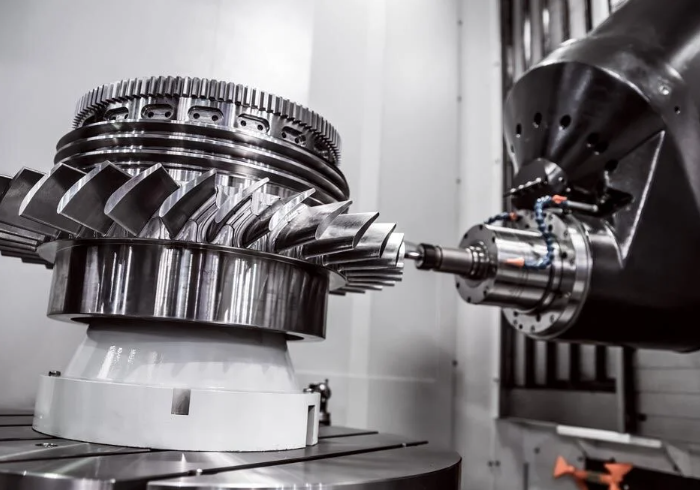
When you search for "CNC parts," you might find yourself overwhelmed by results that seem to point in completely different directions. Are you looking for a replacement spindle for your milling machine, or do you need precision-machined aluminum brackets for your next project? This confusion exists because the term encompasses two entirely distinct categories that buyers, technicians, and engineers encounter daily.
Machine Components vs Machined Products
Understanding this fundamental distinction can save you hours of frustration and potentially costly mistakes. The phrase "CNC parts" refers to both the internal components that make up a CNC machine itself AND the finished products that these machines create. Imagine searching for automotive parts without knowing whether you need something under the hood or a custom-fabricated body panel—that's the challenge many face when navigating this terminology.
For buyers sourcing replacement components, this clarity determines whether you're contacting a machine tool supplier like CNC Router Parts LLC or reaching out to a custom machining service. Technicians performing maintenance need to understand parts of a CNC machine to diagnose issues accurately, while engineers designing products require machined components with specific tolerances and material properties.
Understanding the CNC Parts Terminology Divide
To help you quickly identify which category applies to your situation, consider this breakdown:
| Category | Definition | Examples | Who Needs This |
|---|---|---|---|
| CNC Machine Components | Internal parts that make up the CNC machine itself | Spindles, ball screws, linear guides, stepper motors, controllers | Machine owners, maintenance technicians, machine builders |
| CNC Machined Products | Custom parts manufactured using CNC equipment | Aluminum brackets, steel shafts, plastic housings, brass fittings | Product designers, manufacturers, procurement specialists |
Throughout this guide, you'll find detailed information on both categories of CNC components. Whether you're troubleshooting a worn cnc part on your shop floor or specifying custom-machined components for an aerospace application, the sections ahead will provide the practical knowledge you need to make informed decisions.
Essential Components Inside Every CNC Machine
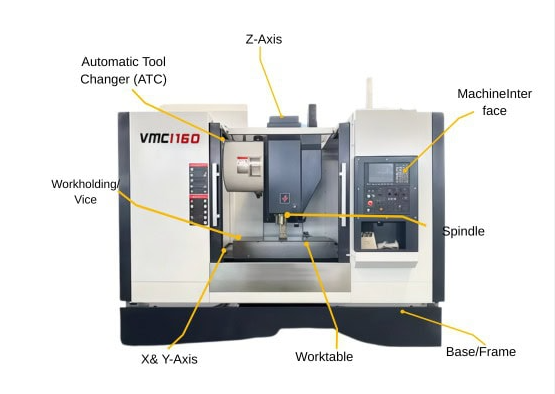
Ever wondered what actually happens beneath the covers of a CNC machine? While most guides simply list component names, understanding how these CNC machine parts function—and work together—transforms you from a passive user into someone who can diagnose problems, optimize performance, and make smarter purchasing decisions. Let's break down the four major component categories that form the heart of every CNC system.
Mechanical Components That Enable Precision Movement
The mechanical systems of a CNC machine translate digital commands into physical motion with remarkable accuracy. These components of a CNC machine bear the responsibility of positioning tools and workpieces within microns of their intended locations.
- Spindles: The rotating heart of any CNC machine, spindles hold and drive cutting tools at speeds ranging from a few hundred to tens of thousands of RPM. High-speed spindles generate the cutting power needed to remove material efficiently while maintaining surface finish quality.
- Ball Screws: These precision-ground threaded shafts convert rotary motion from motors into linear movement. According to industry specifications, ball screws can achieve high-speed feed with excellent movement efficiency and minimal heat generation. Their recirculating ball bearings virtually eliminate backlash, enabling positioning accuracy that sliding mechanisms simply cannot match.
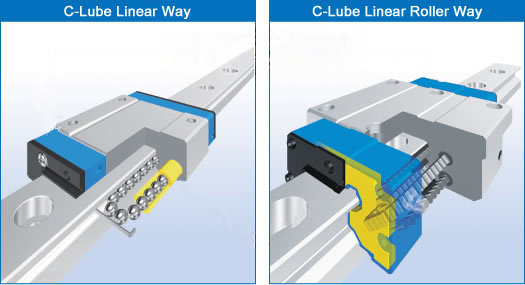
- Linear Guides (Rails): Also called slide rails or linear slides, these components support and guide the moving axes along their travel paths. Modern linear guides use rolling friction rather than sliding friction, reducing the friction coefficient to approximately 1/50th of traditional sliding guides. This dramatic reduction enables smoother motion, lower power consumption, and extended component life.
- Bearings and Bushings: Supporting every rotating and sliding component, precision bearings minimize friction while maintaining tight tolerances under heavy loads and high speeds.
For hobbyists and DIY builders sourcing these mechanical components, suppliers like OpenBuilds Part Store offer modular solutions that simplify custom machine construction while maintaining professional-grade quality standards.
Electrical Systems Powering CNC Operations
Sounds complex? Think of electrical components as the muscles and nervous system of your CNC machine—they provide the power and feedback necessary for precise, coordinated movement.
- Servo Motors: Unlike simple motors that just spin, servo motors operate within closed-loop systems that continuously monitor and adjust their position. A servo motor merges with a controller and feedback device into a closed-loop system, enabling real-time correction that maintains positioning accuracy even under varying loads.
- Stepper Motors: These motors move in discrete angular steps, making them ideal for applications requiring precise positioning without the complexity of encoder feedback. They're commonly found in smaller CNC routers and 3D printers.
- CNC Drive Units: The cnc drive amplifies control signals to power motors appropriately. Modern drives use pulse-width modulation (PWM) to regulate motor speed and torque with exceptional efficiency. PWM waveforms relay modulation signals to motors, where longer ON pulses deliver more voltage and accelerate rotation.
- Sensors and Encoders: Position encoders, limit switches, and proximity sensors provide the feedback loop essential for accurate machining. These devices continuously report axis positions, tool presence, and safety conditions to the control system.
- Power Supplies: Stable, clean power delivery prevents electrical noise from affecting positioning accuracy. Quality power supplies also protect sensitive electronics from voltage spikes and fluctuations.
Control Architecture and Software Integration
The control system serves as the brain coordinating all machine functions. When you load a G-code program, these components interpret commands and orchestrate the symphony of movements that produce your finished part.
- CNC Controllers: These specialized computers process machining programs and generate coordinated motion commands for each axis. Controllers employ PID (proportional, integral, derivative) algorithms to continuously minimize the difference between commanded positions and actual positions—ensuring your cuts land exactly where intended.
- Human-Machine Interface (HMI): Touchscreens, keypads, and display panels allow operators to load programs, adjust parameters, and monitor machine status in real-time.
- Software Interfaces: CAM software generates toolpaths, while post-processors translate these into machine-specific code. Modern CNC accessories often include network connectivity for remote monitoring and program transfer.
- Motion Control Cards: In PC-based systems, dedicated motion control hardware handles the real-time calculations required for smooth, coordinated multi-axis movement.
The true precision of a CNC machine emerges not from any single component, but from how seamlessly mechanical, electrical, and control systems communicate and compensate for each other's variations.
These three systems don't operate in isolation. When a servo motor moves an axis, the linear guide ensures smooth travel, the ball screw converts rotation to linear motion, the encoder confirms the position, and the controller adjusts the drive signal—all happening thousands of times per second. This integrated approach explains why quality matters across every component category: a weak link anywhere in the chain compromises the entire system's performance.
With this foundation in place, you might wonder what materials go into manufacturing these critical components—and why those choices directly impact how long your machine maintains its precision.
Materials That Make CNC Components Reliable
Have you ever wondered why a spindle can rotate at 20,000 RPM for years without failing, or why linear guides maintain micron-level accuracy despite constant friction? The answer lies in carefully selected materials—each chosen for specific properties that match the demands of its application. Understanding these material choices helps you evaluate component quality, predict service life, and make smarter replacement decisions for your CNC machinery parts.
Why Material Selection Determines Component Lifespan
Every cnc component faces a unique combination of stresses: mechanical loads, friction, heat generation, and environmental exposure. The materials used in manufacturing must address all these challenges simultaneously while maintaining dimensional stability over thousands of operating hours.
Consider what happens inside a spindle bearing during high-speed machining. The bearing races experience:
- Cyclic stress: Repeated loading and unloading as balls roll across surfaces millions of times
- Frictional heat: Temperatures that can exceed 150°C during aggressive cutting operations
- Contamination exposure: Coolant mist, metal chips, and airborne particles seeking entry
- Precision demands: Tolerances measured in microns that must remain stable despite thermal expansion
This is why spindle bearings use specialized chromium steel alloys like AISI 52100. According to material science principles, this steel achieves exceptional hardness (60-64 HRC after heat treatment) while maintaining enough toughness to resist fatigue cracking. The chromium content—approximately 1.5%—provides moderate corrosion resistance and enhances hardenability throughout the bearing cross-section.
Ball screws face similar challenges but with an added twist: they must convert rotary motion to linear travel with virtually zero backlash. Manufacturers typically use hardened alloy steels for the screw shaft and nut, often with surface treatments like induction hardening or nitriding. These processes create a hard outer shell (resisting wear) over a tough core (resisting shock loads)—the best of both worlds for precision motion components.
Hardened Steel vs Aluminum in CNC Construction
Walk around any machine shop, and you'll notice CNC machines use both steel and aluminum extensively—but in very different locations. This isn't arbitrary; it reflects fundamental trade-offs between strength, weight, thermal properties, and cost.
Where hardened steel dominates:
- Linear guide rails: These specialty parts use case-hardened steel (typically 58-62 HRC surface hardness) because they must resist wear from rolling elements while maintaining flatness and straightness within microns. Softer materials would quickly develop grooves, destroying positioning accuracy.
- Spindle shafts: High-carbon tool steels withstand the bending forces from cutting loads while maintaining concentricity at extreme rotational speeds.
- Ball screw assemblies: The combination of high contact stresses and constant motion demands materials with exceptional fatigue resistance—something only quality steel alloys can provide.
Where aluminum excels:
- Machine structures and frames: Aluminum's excellent strength-to-weight ratio reduces moving mass, enabling faster acceleration and deceleration without sacrificing rigidity.
- Gantry systems: Lower weight means motors can achieve higher speeds with less power consumption and reduced wear on drive components.
- Heat sinks and motor mounts: Aluminum's thermal conductivity (roughly five times higher than steel) efficiently dissipates heat from motors and drives.
Some cnc component manufacturers also incorporate brass and bronze alloys in specific applications. You'll find brass bushings in older or specialized machines where their self-lubricating properties and corrosion resistance outweigh the need for extreme hardness. Bronze alloys, particularly phosphor bronze, appear in lead screws for manual adjustments where the lower friction coefficient reduces operator effort.
Polymers and engineering plastics have carved out their own niches in modern CNC design. Acetal (POM/Delrin) appears in anti-backlash nuts for light-duty applications, offering excellent dimensional stability and low friction at a fraction of steel's cost. PTFE-based materials serve as bearing surfaces and seals where chemical resistance and extremely low friction matter more than load capacity.
The right material in the wrong application fails quickly—but the right material in the right application can outlast the machine itself.
When evaluating replacement parts or upgrading your machine, consider how material choices affect long-term performance. A cheaper linear guide made from inadequately hardened steel might save money initially, but accelerated wear will cost far more in lost precision and frequent replacements. Understanding these material fundamentals transforms you from simply buying parts to investing in lasting performance—which leads naturally to recognizing how component quality directly impacts the parts you machine.
How Machine Component Quality Affects Your Output
Imagine machining a batch of precision shafts, only to discover that every single one measures 0.05mm oversize on one axis. You check your G-code—it's correct. Your tooling looks fine. Your workholding is solid. So where did the error come from? The answer often hides in plain sight: the cnc machining parts inside your machine have degraded just enough to push your output beyond acceptable tolerances.
The relationship between internal component condition and finished part quality isn't just theoretical—it's measurable, predictable, and absolutely critical for anyone producing cnc machining products that demand consistent accuracy.
How Component Wear Translates to Part Defects
Every mechanical component in your CNC machine experiences gradual wear. What makes this challenging is that wear doesn't announce itself dramatically—it creeps in slowly, often masked by automatic compensation or operator adjustments, until suddenly your parts fail inspection.
Ball Screw Degradation and Positioning Errors
When ball screws wear, the recirculating balls no longer make consistent contact with the screw threads. This creates backlash—a small dead zone where the motor rotates but the axis doesn't move. On lathe cnc parts, backlash manifests as:
- Dimensional variations between features machined in opposite directions
- Circular interpolation that produces slightly oval shapes instead of true circles
- Thread pitches that vary slightly along the length of the workpiece
- Shoulder positions that drift depending on approach direction
A ball screw with just 0.02mm of backlash might seem insignificant, but when you're machining parts with ±0.01mm tolerances, that backlash consumes your entire error budget before you even account for other variables.
Spindle Runout and Surface Finish Problems
Spindle runout—the amount a rotating spindle deviates from perfect concentricity—directly transfers to your workpiece. When you're holding a cutting tool, runout causes the tool to trace a slightly larger circle than its nominal diameter. But the real damage shows up in surface finish.
A spindle with 0.01mm runout essentially turns every cutting edge into a slightly different tool. One edge cuts deeper, the next shallower, creating a characteristic waviness pattern on machined surfaces. On reflective materials like aluminum, this waviness becomes visible to the naked eye. On precision sealing surfaces, it can cause functional failures.
Drive System Quality and Repeatability
Your drive system—motors, encoders, and amplifiers working together—determines how consistently your machine returns to the same position. Poor-quality drives or degraded components introduce:
- Velocity ripple that creates surface finish variations during contouring
- Following errors that compound during rapid direction changes
- Thermal drift as motors heat up during extended operations
- Inconsistent acceleration that affects tool engagement angles
The Precision Chain from Machine to Workpiece
Here's what many operators don't realize: errors from multiple components don't simply average out—they stack. This concept, called tolerance stacking, explains why a machine with several "acceptable" component conditions can still produce unacceptable parts.
When ball screw backlash, linear guide wear, spindle runout, and encoder resolution errors combine, your total positioning uncertainty can exceed the sum of individual specifications—turning marginally acceptable components into collectively unacceptable system performance.
Consider a typical milling operation where you need to position a hole within 0.025mm of its nominal location:
| Error Source | Typical Contribution | Cumulative Effect |
|---|---|---|
| X-axis ball screw backlash | ±0.008mm | 0.008mm |
| Y-axis ball screw backlash | ±0.006mm | 0.014mm |
| Linear guide straightness | ±0.005mm | 0.019mm |
| Spindle runout at tool tip | ±0.008mm | 0.027mm |
In this scenario, even though each component falls within typical wear limits, the combined effect exceeds your 0.025mm tolerance requirement. This is why manufacturers of critical cnc machining products maintain strict component condition thresholds—not just minimum acceptable standards.
Why Quality Components Pay for Themselves
Investing in premium-grade components isn't about chasing specifications on paper. It's about maintaining tighter tolerances over longer service intervals, which translates directly to:
- Fewer rejected parts and reduced scrap rates
- Longer intervals between calibration and adjustment
- More consistent first-article approvals on new jobs
- Reduced inspection time as parts consistently fall within tolerance
- Extended machine uptime between maintenance shutdowns
The precision chain connecting your machine's internal components to your finished workpiece quality is only as strong as its weakest link. Understanding this relationship empowers you to prioritize maintenance investments, diagnose quality problems at their source, and make informed decisions about when component replacement becomes more economical than continued adjustment and compensation.
Recognizing these quality connections naturally raises the next question: how do you know when specific components have degraded enough to require replacement?
Recognizing When CNC Parts Need Replacement
You've noticed your parts aren't measuring quite right lately. Or maybe there's a new sound coming from the spindle that wasn't there last month. How do you know when it's time to order cnc replacement parts versus simply adjusting your program or tightening a bolt? Knowing the difference between normal operation and impending failure can save you from costly emergency downtime—and prevent scrapped parts from eating into your margins.
The challenge is that cnc spare parts rarely fail catastrophically without warning. Instead, they degrade gradually, often masked by compensation algorithms or operator adjustments. By the time failure becomes obvious, you've likely been producing marginal parts for weeks. Let's examine the warning signs that experienced technicians use to catch problems early.
Visual Warning Signs of Component Failure
Your eyes are powerful diagnostic tools when you know what to look for. Many parts for cnc machines telegraph their condition through visible changes that precede functional failure.
Ball Screws and Linear Guides:
- Discoloration or darkening: Heat-induced color changes on ball screw shafts indicate lubrication breakdown or excessive friction—both precursors to accelerated wear
- Visible wear tracks: Shiny, polished paths on linear guide rails where carriages travel suggest contamination damage or inadequate lubrication
- Pitting or spalling: Small craters or flaking on ball screw threads signal fatigue failure has begun—replacement becomes urgent
- Rust or corrosion: Even minor surface oxidation on precision surfaces indicates protective lubricant film has failed
Spindles and Bearings:
- Lubricant leakage: Grease or oil weeping from spindle seals indicates seal degradation and potential contamination ingress
- Burn marks on tool holders: Discoloration where tools seat suggests excessive runout generating friction heat
- Metal particles in coolant: Shiny flakes in your coolant tank often originate from wearing spindle bearings
Electrical Components:
- Burnt smell or discoloration: Darkened areas on motor housings or drive units indicate overheating events
- Frayed or cracked cable insulation: Especially in cable carriers where repeated flexing causes fatigue
- Corroded connections: Green or white deposits on electrical terminals increase resistance and cause intermittent faults
Performance Symptoms That Signal Replacement Time
When your cnc spare parts begin failing, the machine tells you through its behavior—if you're listening. These performance symptoms often appear before visual signs become obvious.
Dimensional Drift Indicators:
- Parts measuring consistently oversize or undersize in one axis direction
- Circular features producing oval shapes during inspection
- Position errors that change depending on approach direction (classic backlash symptom)
- Dimensions that drift throughout a production run as the machine warms up
- First-part accuracy that degrades by end-of-shift
Surface Finish Degradation:
- Waviness patterns appearing on previously smooth surfaces
- Chatter marks despite using proven speeds and feeds
- Inconsistent finish quality between identical operations
- Visible tool marks from what should be finishing passes
Auditory Warning Signs:
Experienced operators develop an ear for their machines. When sounds change, something has changed mechanically:
- Grinding or scraping: Metal-on-metal contact where smooth motion should occur—often indicates contaminated or dry linear guides
- Clicking or popping: Particularly during direction reversals, suggests ball screw nut wear or loose mechanical connections
- High-pitched whine: Bearing noise that increases with spindle speed signals bearing wear or improper preload
- Rumbling or growling: Low-frequency vibration sounds from motors or gearboxes indicate bearing deterioration
- Intermittent squealing: Often related to belt tension issues or pulley bearing wear in belt-driven spindles
Preventive vs Reactive Replacement Strategies
Understanding these symptoms leads to a critical decision: do you replace parts for cnc machines on a scheduled basis, or wait until symptoms demand action?
Reactive replacement waits for clear failure indicators before ordering parts. This approach minimizes parts inventory costs but risks unplanned downtime. It works reasonably well for non-critical components or machines with backup capacity.
Preventive replacement schedules component changes based on operating hours, cycles, or calendar time—regardless of apparent condition. This strategy suits production environments where downtime costs far exceed component costs. Critical spindle bearings, for example, might be replaced every 8,000 operating hours even if they still perform acceptably.
A hybrid approach often proves most practical: monitor key indicators, establish baseline measurements when components are new, and replace when degradation reaches predetermined thresholds—but before failure becomes imminent.
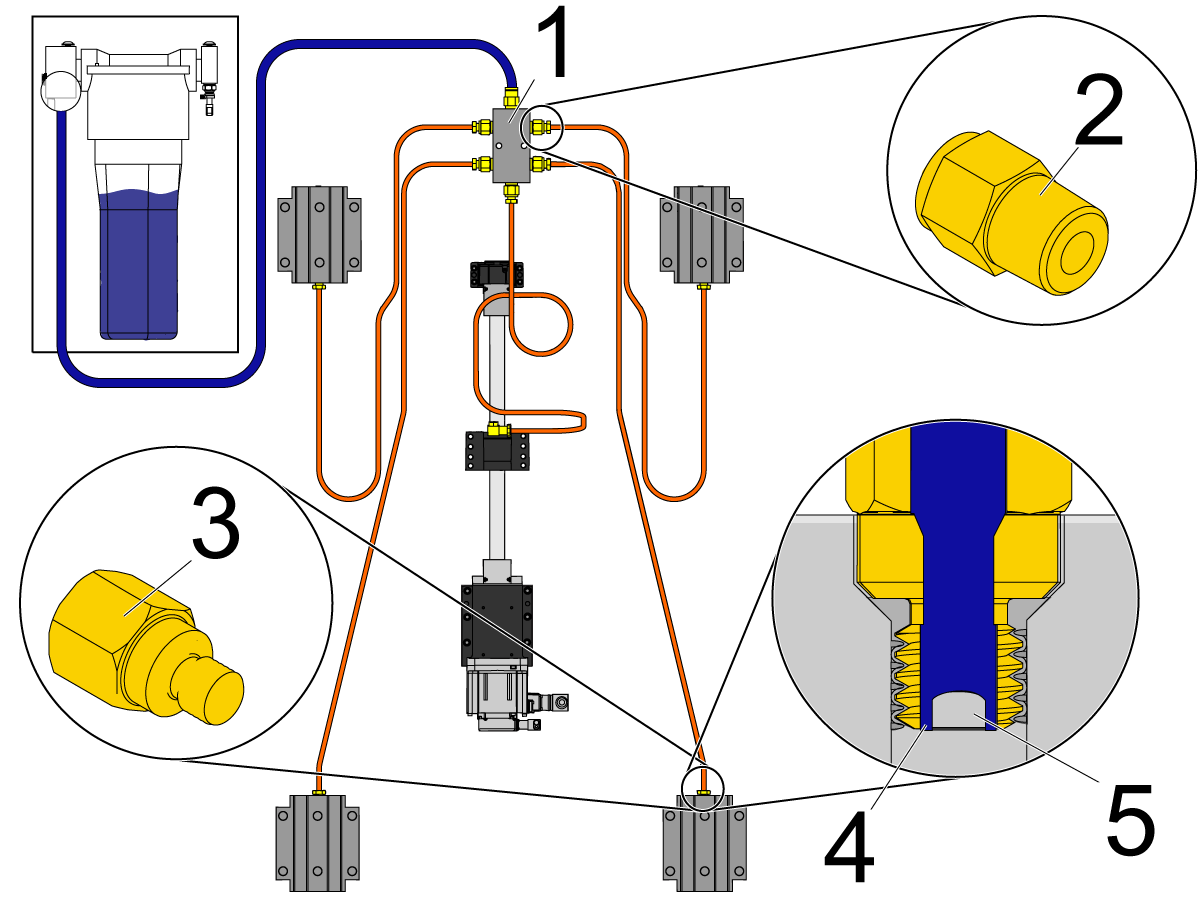
Proper lubrication dramatically extends the interval between replacements. Using quality lubricants like Mobil SHC 220 grease for linear guides and ball screws maintains the protective film that prevents metal-to-metal contact. Many shops standardize on SHC 220 or equivalent synthetic greases because their thermal stability and long service life justify the premium over conventional lubricants.
The best time to order replacement parts is when you first notice symptoms—not when you can no longer ignore them.
Building a small inventory of critical cnc replacement parts—spindle bearings, ball screw nuts, and drive belts—ensures that when symptoms appear, you can schedule replacement at your convenience rather than scrambling during an emergency.
Once you've identified which components need replacement, the next challenge becomes finding compatible parts—especially when your machine uses a mix of standardized and proprietary components.
Understanding CNC Parts Compatibility Across Machines
So you've identified a worn ball screw or failing drive motor—now comes the tricky part. Can you simply order a replacement from any supplier, or are you locked into buying from your machine's original manufacturer? The answer depends on whether your cnc machines parts follow industry standards or use proprietary designs. Understanding this distinction can save you significant money and lead time when sourcing replacements.
Standardized Components That Work Across Brands
Good news first: many critical CNC components follow international standards that ensure cross-brand compatibility. These standardized parts for cnc machine applications give you flexibility in sourcing and often provide access to higher-quality aftermarket options.
Common standardized components include:
- Linear guides and rails: Most manufacturers adhere to ISO dimensional standards for rail widths, carriage mounting patterns, and height specifications. A 20mm-width linear guide from one manufacturer typically interchanges with another brand's equivalent model.
- Ball screws: Diameter, lead, and mounting dimensions often follow DIN or JIS standards. However, preload specifications and ball return systems may vary between manufacturers.
- Stepper and servo motors: NEMA frame sizes (NEMA 17, NEMA 23, NEMA 34) standardize mounting hole patterns and shaft dimensions. Metric equivalents follow IEC standards.
- Spindle tooling interfaces: BT, CAT, HSK, and other taper systems follow strict international specifications, allowing toolholders to work across different machine brands using the same taper style.
- Electrical connectors: Many drives and controllers use standard connector types and communication protocols like RS-485, EtherCAT, or Modbus.
When shopping for standardized cncparts, focus on matching critical specifications: load ratings, accuracy grades, and preload classes. A C3 accuracy ball screw from Brand A should perform equivalently to a C3 from Brand B—the classification system exists precisely to ensure this interchangeability.
Navigating Proprietary Parts Challenges
Here's where sourcing gets complicated. Many machine builders deliberately use proprietary components to maintain control over their service revenue stream—or simply because their designs require non-standard specifications.
Commonly proprietary components include:
- CNC controllers and HMI panels: The software and hardware integration typically locks you into the original manufacturer's ecosystem
- Spindle cartridges: Custom bearing arrangements, cooling channels, and sensor integration often require OEM-specific replacements
- Custom servo motors: Machines designed for specific performance envelopes may use motors with non-standard windings, encoders, or mounting configurations
- Specialty drive amplifiers: Particularly on older machines where the control architecture predates current communication standards
Before ordering any replacement, document these critical specifications:
- Electrical requirements: Voltage, current ratings, phase configuration, and connector pinouts
- Physical dimensions: Mounting hole patterns, shaft sizes, and envelope constraints
- Interface protocols: Communication standards, encoder types, and feedback signal formats
- Performance specifications: Speed ratings, torque curves, accuracy classes, and thermal limits
When comparing replacement options, weigh these factors carefully:
| Consideration | OEM Parts | Aftermarket Parts |
|---|---|---|
| Quality Assurance | Guaranteed compatibility; tested for your specific machine model | Varies widely; premium aftermarket can match or exceed OEM quality |
| Warranty Coverage | Typically 12-24 months; may include installation support | Often 6-12 months; limited to component failure only |
| Cost | Premium pricing (often 30-100% higher than aftermarket) | Significant savings possible on standardized components |
| Lead Time | Can be weeks or months for less common models | Often faster availability from multiple distribution channels |
| Technical Support | Full application support from manufacturer | Limited to specifications; integration is your responsibility |
| Machine Warranty Impact | Maintains original warranty status | May void warranty on newer machines; verify before installing |
A practical approach? Use OEM parts for proprietary, safety-critical, or warranty-sensitive components. Choose quality aftermarket sources for standardized cncparts like linear guides, ball screws, and standard-frame motors where specifications clearly match and savings justify any additional integration effort.
With compatibility considerations understood, you're ready to explore the other side of the CNC parts equation—the custom precision components these machines create for demanding applications across countless industries.

Custom CNC Machined Parts for Precision Applications
Now that we've explored the internal components that make CNC machines tick, let's flip the perspective entirely. What about the products these machines actually create? Custom cnc parts represent the output side of CNC technology—precision components manufactured to exact specifications for applications where close enough simply isn't good enough.
Whether you're developing a prototype for a new product or scaling up to full production, understanding how CNC machining transforms raw materials into finished components helps you communicate effectively with suppliers and make informed sourcing decisions.
Industries Relying on Custom CNC Components
CNC machining has become the backbone of precision manufacturing across virtually every industry. According to manufacturing experts, CNC machining is widely used in industries such as aerospace, automotive, medical, robotics, and industrial equipment manufacturing due to its ability to create complex geometries with tight tolerances. But what specific components does each sector demand?
Aerospace and Defense:
- Turbine blades and engine components requiring exotic alloy machining
- Structural brackets and fittings with strict weight-to-strength requirements
- Hydraulic manifolds with complex internal passages
- Precision housings for avionics and guidance systems
Automotive:
- Engine blocks, cylinder heads, and transmission cases
- Suspension components demanding consistent dimensional accuracy
- Brake system parts where safety tolerances are non-negotiable
- Custom performance parts for racing and aftermarket applications
Medical Devices:
- Surgical instruments requiring biocompatible materials and mirror finishes
- Orthopedic implants machined from titanium and medical-grade alloys
- Diagnostic equipment housings with precise sensor mounting features
- Prosthetic components customized to patient-specific geometries
Robotics and Automation:
- Actuator housings and joint components
- Custom mounting plates and structural frames
- Precision gearbox components and shaft couplings
- End effector tooling and gripper mechanisms
For hobbyists and makers, diy cnc components have opened doors to custom fabrication that was previously accessible only to industrial manufacturers. From custom drone frames to mechanical keyboard plates, cnc cut parts enable individuals to bring their designs to physical reality with professional-grade precision.
From Prototype to Production-Ready Parts
What makes CNC machining ideal for precision components? The journey from concept to finished part reveals why this technology dominates when accuracy matters.
The Custom CNC Parts Workflow:
1. Design and Engineering
Every custom cnc part begins as a CAD model—a digital representation defining every dimension, tolerance, and surface finish requirement. Engineers specify critical features, material callouts, and geometric tolerances that the finished part must achieve.
2. CAM Programming
CAM software translates your design into toolpaths—the precise movements the cutting tool will follow. Programmers select cutting strategies, feeds, speeds, and tool sequences optimized for your specific material and geometry.
3. Material Selection
Choosing the right material balances performance requirements against machinability and cost. Common options include:
- Aluminum alloys (6061, 7075): Excellent machinability, good strength-to-weight ratio, corrosion resistance
- Stainless steels (303, 304, 316): Corrosion resistance for harsh environments, varying machinability
- Carbon steels (1018, 4140): Cost-effective strength, heat-treatable for hardness
- Titanium alloys: Exceptional strength-to-weight ratio, biocompatibility, challenging to machine
- Engineering plastics (Delrin, PEEK, Nylon): Lightweight, chemical resistant, electrically insulating
4. Machining Operations
The actual cutting process removes material with remarkable precision. CNC machining automates the cutting, drilling, milling, and turning processes, ensuring precision and consistency across every part produced. Multi-axis machines can approach workpieces from virtually any angle, creating features that would be impossible with manual methods.
5. Quality Verification
Finished cnc cut parts undergo inspection using coordinate measuring machines (CMMs), optical comparators, or precision gauges. Critical dimensions are documented and compared against specifications before parts ship.
The true value of CNC machining emerges when you need identical parts—whether that's two prototypes or two thousand production units, each one matches the digital model within specified tolerances.
This repeatability explains why industries with zero tolerance for variation—medical devices, aerospace, automotive—rely so heavily on CNC technology. A surgical instrument must function identically whether it's the first piece machined or the ten-thousandth.
For demanding applications, particularly automotive components where safety and reliability are paramount, selecting the right manufacturing partner becomes as important as the design itself. Certified suppliers with robust quality systems ensure that your custom cnc parts meet specifications consistently—a topic worth exploring as you move from understanding the technology to actually sourcing components for your projects.
Choosing Reliable CNC Parts Suppliers
You've designed your component, selected your material, and established your tolerances. Now comes a decision that can make or break your project: which cnc machining parts supplier do you trust with production? The difference between suppliers isn't always obvious from a quote sheet. Quality certifications, process controls, and delivery capabilities separate manufacturers who consistently deliver from those who leave you scrambling to meet deadlines with rejected parts.
Whether you're sourcing prototype quantities or establishing a long-term production relationship, understanding what distinguishes excellent cnc machine parts suppliers from adequate ones helps you avoid costly mistakes and build a reliable supply chain.
Certifications That Signal Manufacturing Excellence
Think of certifications as a supplier's resume—they demonstrate verified competence in specific manufacturing disciplines. While many certifications exist, certain ones carry particular weight for precision CNC applications.
IATF 16949: The Automotive Industry Gold Standard
If you're sourcing components for automotive applications, IATF 16949 certification isn't optional—it's essential. This standard goes far beyond basic quality management. According to industry certification requirements, IATF 16949 details five core tools that suppliers must implement to produce serial parts with minimal defects:
- APQP (Advanced Product Quality Planning): A structured approach for developing stable production processes that eliminate risks before production begins
- FMEA (Failure Mode & Effect Analysis): Systematic identification and mitigation of potential design and process failures
- SPC (Statistical Process Control): Real-time monitoring of critical process parameters to catch variations before they produce defects
- MSA (Measurement System Analysis): Verification that inspection equipment and methods deliver reliable, repeatable measurements
- PPAP (Production Part Approval Process): Documentation proving the supplier can consistently produce parts meeting customer specifications
These integrated tools create a quality ecosystem that prevents defects rather than simply detecting them. When a cnc parts supply partner holds IATF 16949 certification, you're working with an organization that has demonstrated mastery of automotive-grade quality systems.
ISO 9001: The Universal Quality Foundation
For non-automotive applications, ISO 9001:2015 certification confirms that a supplier maintains documented quality management processes. While less rigorous than IATF 16949, this certification still indicates commitment to consistent quality, traceability, and continuous improvement.
Environmental and Energy Certifications
Increasingly, procurement teams evaluate suppliers on sustainability credentials. ISO 14001-2015 environmental certification demonstrates environmental management systems addressing emissions, materials handling, and waste reduction—factors that matter for corporate sustainability reporting and responsible sourcing initiatives.
Evaluating Supplier Capabilities for Your Needs
Certifications open the door, but matching supplier capabilities to your specific requirements determines project success. Here's what experienced procurement professionals evaluate when selecting cnc machine parts suppliers.
Statistical Process Control Implementation
Ask potential suppliers how they monitor critical dimensions during production runs. Quality-focused manufacturers implement SPC to track process capability in real-time. According to supplier evaluation best practices, robust quality control systems should include SPC charts for critical parameters, establishing both process control limits and reaction plans when variations occur.
A supplier running SPC catches drift before it produces out-of-tolerance parts. Without it, you're relying on final inspection to catch problems—after scrap has already been generated.
Lead Time and Responsiveness
Manufacturing capability means nothing if parts arrive too late. Evaluate suppliers on both standard lead times and their ability to expedite when necessary. Some certified manufacturers maintain capacity specifically for rapid-response orders—lead times as fast as one working day aren't marketing fantasy when suppliers structure their operations for flexibility.
For example, Shaoyi Metal Technology demonstrates how IATF 16949-certified suppliers can combine quality systems with rapid delivery, offering automotive precision components with lead times that support just-in-time manufacturing requirements.
Equipment and Capacity Assessment
Understanding a supplier's equipment roster reveals their true capabilities. When assessing CNC service providers, evaluate machine age, maintenance schedules, and technological currency. A cnc parts dept running outdated equipment may struggle with tight tolerances or complex geometries that modern machines handle routinely.
Use this framework when comparing potential cnc parts supply partners:
| Evaluation Criteria | What to Look For | Red Flags |
|---|---|---|
| Quality Certifications | IATF 16949 for automotive; ISO 9001 minimum for general machining; current certification dates | Expired certifications; inability to provide audit documentation |
| Process Controls | Documented SPC implementation; control plans for critical dimensions; reaction procedures | Reliance on final inspection only; no statistical tracking |
| Inspection Capabilities | CMM equipment; calibrated measuring tools; documented inspection procedures | Visual inspection only; outdated or uncalibrated equipment |
| Lead Time Performance | Documented on-time delivery rates above 95%; expedite capabilities; clear communication | Vague delivery commitments; history of missed deadlines |
| Material Traceability | Documented material certifications; lot tracking; incoming material inspection | Cannot provide material certs; no traceability system |
| Technical Expertise | Engineering support for DFM feedback; experienced programmers; material knowledge | Quote-only interaction; no technical consultation available |
| Communication | Responsive project management; proactive issue notification; clear documentation | Difficult to reach; surprises on delivery day |
Sample Part Evaluation
Before committing to production volumes, request sample parts with full measurement reports. Reviewing sample parts with measurement documentation validates claims about precision capabilities and demonstrates the supplier's inspection rigor. Pay attention not just to whether dimensions fall within tolerance, but to how centered they are—a supplier consistently hitting nominal indicates better process control than one bouncing between tolerance limits.
The cheapest quote rarely delivers the lowest total cost—factor in reject rates, delivery reliability, and the hidden expense of managing underperforming suppliers.
Building relationships with qualified cnc machining parts supplier partners takes initial effort but pays dividends through consistent quality, reliable delivery, and reduced procurement overhead. Once you've established these partnerships, maintaining the CNC equipment that produces your own parts—or understanding how your suppliers maintain theirs—becomes the final piece of the precision manufacturing puzzle.
Maintaining CNC Parts for Long-Term Performance
You've invested in quality components, sourced reliable suppliers, and understand how your CNC machine works. But here's the reality: even the finest cnc supplies and precision components degrade without proper care. The difference between machines that deliver consistent accuracy for decades and those requiring frequent repairs comes down to one factor—maintenance discipline.
Think of maintenance as protecting your investment. According to research by Deloitte, manufacturers implementing preventive maintenance programs typically see 25-30% reduction in maintenance costs, 70-75% decrease in breakdowns, and 35-45% improvement in uptime. These aren't marginal gains—they're transformational results that directly impact your bottom line.
Building a Preventive Maintenance Schedule
Effective maintenance isn't about random inspections—it's about structured routines that catch problems before they escalate. Your cnc machine accessories and core components each require attention at different intervals.
Daily Tasks (10-15 minutes per machine):
- Visual inspection for chips, debris, and coolant residue on machine surfaces
- Check coolant levels and concentration—proper ratios prevent bacterial growth and ensure effective cooling
- Verify lubrication system function and oil levels in reservoirs
- Test emergency stops and safety interlocks
- Inspect way covers and bellows for damage that could allow contamination
Weekly Tasks:
- Clean and inspect linear guides for wear patterns or dry spots
- Check belt tension and alignment on spindle drives
- Examine electrical connections for looseness or corrosion
- Clean coolant nozzles to ensure proper flow
- Verify hydraulic and pneumatic pressure readings
Monthly Tasks:
- Test coolant concentration with a refractometer—maintain 5-10% for optimal performance
- Replace air filters in pneumatic systems and enclosures
- Check backlash in each axis using diagnostic software
- Measure spindle runout with a dial indicator
- Inspect and replenish lubrication at all grease points
Proper lubrication deserves special attention. Quality synthetic greases like Mobil Mobilith SHC 220 provide superior protection for linear guides and ball screws compared to conventional lubricants. The thermal stability and extended service life of Mobilith SHC 220 justify the premium—components stay protected even during demanding operations that generate significant heat. Many cnc specialties shops standardize on SHC 220 grease because it maintains its protective film under conditions that would break down lesser lubricants.
Calibration Practices That Preserve Precision
Calibration isn't a one-time event—it's an ongoing commitment to accuracy. As maintenance experts note, calibration ensures accuracy during operations, and regular checks help maintain precision and prevent costly mistakes.
Annual Calibration Should Include:
- Geometric accuracy verification—squareness, parallelism, and straightness of all axes
- Positioning accuracy checks using laser interferometry or ballbar testing
- Spindle bearing inspection for wear, play, or preload changes
- Ball screw backlash measurement compared to baseline specifications
- Complete backup of machine parameters and control settings
Document every calibration result. Over time, this data reveals trends—gradual backlash increase, for instance, signals ball screw wear long before it causes rejected parts. Catching these patterns early lets you schedule replacements during planned downtime rather than suffering emergency breakdowns.
Would you rather spend 15 minutes daily on maintenance tasks, or deal with a multi-day shutdown and emergency repairs?
Your CNC Maintenance Action Checklist:
- Establish daily, weekly, and monthly maintenance routines for each machine
- Stock critical cnc supplies including lubricants, filters, and common wear parts
- Train operators to recognize early warning signs of component wear
- Implement a documentation system—paper logs or CMMS software—to track all maintenance activities
- Schedule annual professional calibration with proper measurement equipment
- Build relationships with certified suppliers who can respond quickly when replacements are needed
The precision chain connecting your machine's condition to your finished part quality remains only as strong as your weakest maintenance practice. By implementing these routines, you're not just preventing breakdowns—you're ensuring every part you produce meets specifications, every deadline gets met, and your CNC investment delivers returns for years to come.
Frequently Asked Questions About CNC Parts
1. What are CNC parts?
CNC parts has two meanings: components that make up CNC machines (spindles, ball screws, linear guides, motors) and products manufactured by CNC machines (precision brackets, shafts, housings). Machine components enable automated cutting operations, while machined products are custom parts created using computer-controlled equipment from materials like aluminum, steel, titanium, and plastics.
2. What are the 7 major parts of a CNC machine?
The seven key CNC machine components include: Machine Control Unit (MCU) that processes programs, input devices for loading code, drive systems with servo or stepper motors, machine tools like spindles and cutting implements, feedback systems with encoders and sensors, the bed and table for workholding, and cooling systems for thermal management. These components work together to convert digital instructions into precise physical movements.
3. How do I know when CNC parts need replacement?
Watch for visual signs like discoloration on ball screws, wear tracks on linear guides, and lubricant leakage from spindles. Performance symptoms include dimensional drift, circular features becoming oval, surface finish degradation, and unusual sounds like grinding or clicking during operation. Implementing preventive maintenance with quality lubricants like Mobil SHC 220 grease extends component life significantly.
4. What certifications should CNC parts suppliers have?
For automotive applications, IATF 16949 certification is essential as it requires implementation of APQP, FMEA, SPC, MSA, and PPAP quality tools. ISO 9001:2015 serves as the baseline for general machining suppliers. Certified suppliers like Shaoyi Metal Technology combine these quality systems with rapid lead times, offering automotive precision components with delivery as fast as one working day.
5. Are CNC parts interchangeable between different machine brands?
Many components follow international standards and are interchangeable. Linear guides typically adhere to ISO dimensional standards, motors follow NEMA or IEC frame sizes, and tooling interfaces like BT, CAT, and HSK tapers are standardized. However, controllers, custom spindle cartridges, and specialty drive amplifiers are often proprietary. Always verify specifications including dimensions, voltage ratings, and interface protocols before ordering replacements.