 Small batches, high standards. Our rapid prototyping service makes validation faster and easier —
  EN
EN


Inside A CNC Machining Factory: 9 Essential Points Before You Partner
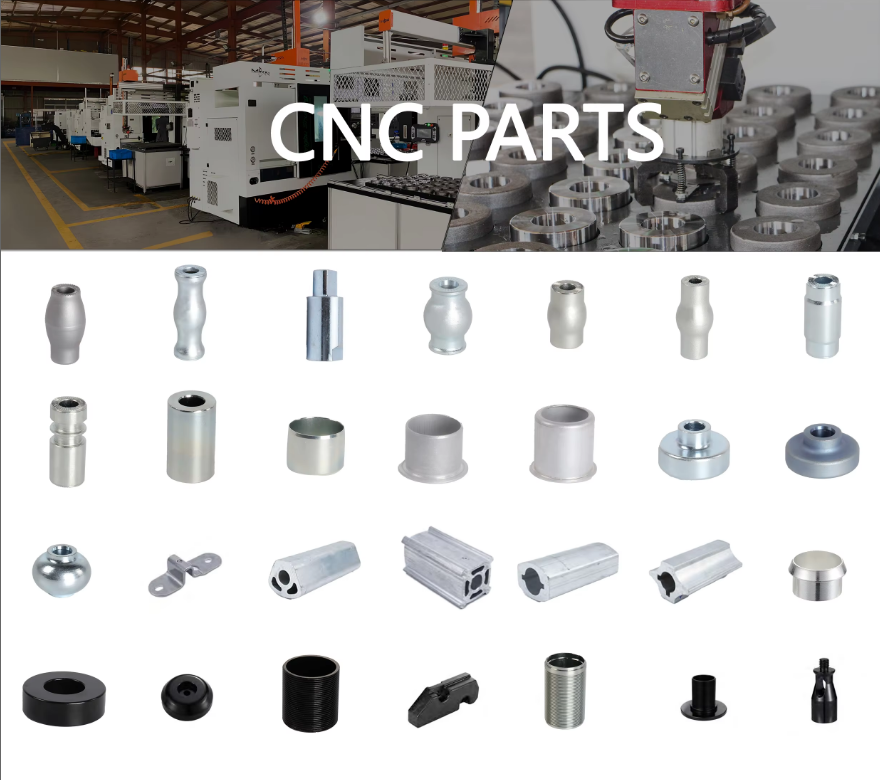
What Defines a Modern CNC Machining Factory
Ever wondered how your car's engine components or a surgeon's precision instruments get made with such incredible accuracy? The answer lies in the heart of a CNC machining factory—a sophisticated manufacturing hub that transforms raw materials into finished parts with micrometer-level precision.
So, what is CNC exactly? The cnc meaning is straightforward: Computer Numerical Control. It's a technology where pre-programmed code directs machines to cut, shape, and finish components automatically. But here's where it gets interesting—a CNC machining factory takes this concept and scales it into something far more powerful than a typical machine shop.
From Blueprint to Finished Part
Think of a CNC machining factory as the bridge between digital designs and physical reality. The process starts with CAD files that define every dimension of your part. These blueprints feed into sophisticated software that generates precise toolpaths, which then guide cutting tools through metal, plastic, or specialty alloys. Unlike manual machining, where human hands control every movement, CNC systems execute instructions down to the micrometer—again and again—with remarkable consistency.
The cnc definition extends beyond just automated cutting. According to Fictiv's production guide, modern CNC production leverages multi-axis machines to achieve tight tolerances, superior dimensional accuracy, and high reliability within demanding production deadlines.
The Evolution of Precision Manufacturing
CNC technology has roots in mid-20th-century military applications, starting with punch tape and analog controls. Today's factories represent decades of innovation—integrating robotics, real-time monitoring, and predictive maintenance into their operations. The c.n.c meaning has evolved from "a computer doing the driving" to encompassing entire automated ecosystems where machines communicate, adapt, and optimize continuously.
Why Scale Matters in CNC Production
Here's the critical distinction: a CNC machining factory differs from a small shop in its capacity for high-volume, consistent output. While a local machine shop might handle 1 to 1,000 parts with flexibility and quick turnaround, factories are designed for orders ranging from 1,000 to 100,000+ parts. They feature multiple production lines, automated material handling, and rigorous quality control systems that ensure every part meets specification.
Why does this matter to you? Because understanding these capabilities before engaging suppliers can save you time, money, and manufacturing headaches. A factory-scale operation offers economies of scale, integrated services like heat treatment and surface finishing, and certifications required for demanding industries like aerospace and automotive.
Before you partner with any manufacturing facility, you'll want to grasp what separates a true production powerhouse from a general-purpose shop. The following sections will guide you through everything you need to evaluate—from equipment and quality standards to industry-specific requirements.
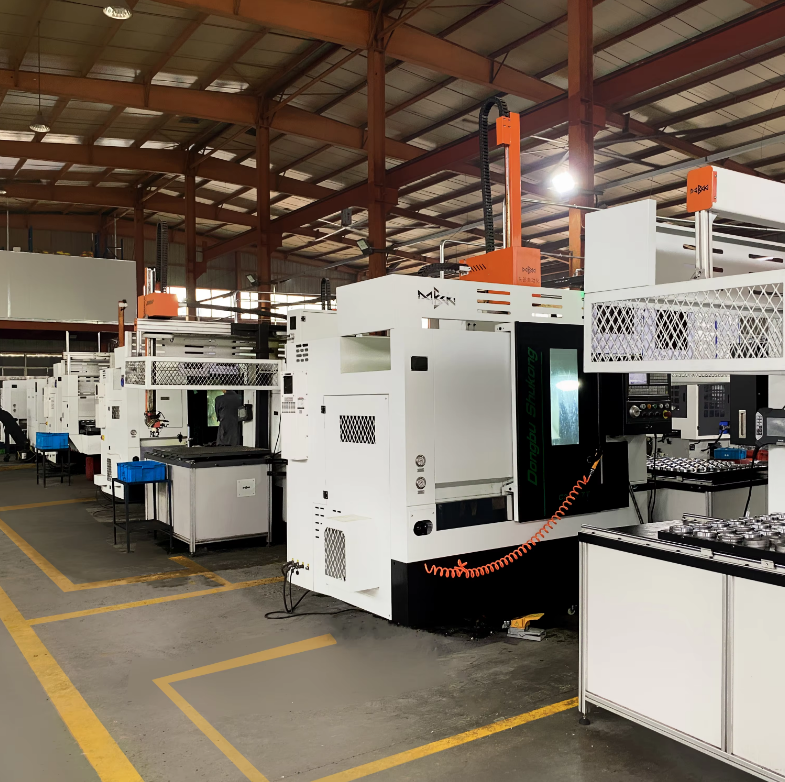
Essential Equipment Inside a CNC Machining Facility
Walk into any professional CNC machining factory, and you'll encounter an impressive array of specialized machinery—each designed for specific manufacturing challenges. Understanding what equipment a facility operates tells you a lot about its capabilities and whether it can handle your project requirements.
So what exactly should you expect to find? Let's break down the core machine types that define a well-equipped production facility.
Multi-Axis Milling Centers and Their Applications
A CNC milling machine is often considered the workhorse of precision manufacturing. These versatile machines use rotating cutting tools that move across a stationary workpiece, removing material to create complex shapes and features.
Modern milling machines come in several configurations:
- 3-Axis Mills: The foundational option, moving along X, Y, and Z axes. Ideal for straightforward parts like brackets, plates, and simple housings.
- 4-Axis Mills: Add rotary motion capability, allowing features to be machined on multiple faces without repositioning the workpiece.
- 5-Axis Mills: The gold standard for complex geometries. According to TechniWaterjet's multiaxis machining guide, simultaneous 5-axis movement enables machining of intricate surfaces and tight tolerances that would otherwise require multiple setups.
When evaluating milling machines at a potential supplier, look for brands like Haas, DMG Mori, or Mazak—names synonymous with precision and reliability. The presence of 5-axis capabilities signals a facility prepared for aerospace brackets, medical implants, and mold cavities requiring exceptional accuracy.
Precision Lathe Operations for Cylindrical Components
While milling machines excel at prismatic parts, lathes dominate when cylindrical or symmetrical components are needed. A lathe machine operates by rotating the workpiece while stationary cutting tools shape the material—perfect for shafts, bushings, fasteners, and pulleys.
A CNC lathe brings computer control to traditional turning operations, enabling:
- High-speed turning: Fast cycle times for production runs
- Threading and grooving: Precise screw threads and channels
- Live tooling: Modern lathes can perform milling, drilling, and tapping operations without secondary setups
Imagine you need thousands of precision pins for an automotive assembly. A CNC lathe delivers repeatable accuracy across every single piece—something manual operations simply cannot match at scale.
Specialized Equipment for Complex Geometries
Beyond standard milling and turning, professional factories invest in specialized equipment for challenging applications:
- EDM Machines (Electrical Discharge Machining): An EDM machine uses controlled electrical sparks to erode material, making it invaluable for hardened steels, titanium, and carbide. Wire EDM cuts intricate shapes while sinker EDM creates complex mold cavities. According to RCO Engineering, EDM produces exceptionally smooth finishes and handles geometries impossible for conventional cutting tools.
- CNC Grinding Equipment: When surface finish and dimensional accuracy are paramount, grinding machines deliver tolerances conventional cutting cannot achieve. Surface grinders, cylindrical grinders, and centerless grinders each serve specific finishing needs.
- Swiss-Type Lathes: Designed for small, intricate parts with tight tolerances—common in medical device and electronics manufacturing.
The equipment mix reveals a factory's specialization. A facility heavy on multi-axis milling machines likely targets aerospace and medical work, while one emphasizing lathes and grinding may focus on automotive drivetrain components.
A factory's machine lineup is like a chef's knife collection—the right tools determine what's possible.
When you're evaluating potential manufacturing partners, ask for an equipment list. Better yet, request a facility tour. Seeing well-maintained, modern machinery in action—along with operators who understand each machine's capabilities—provides confidence that your parts will meet specification.
But equipment alone doesn't guarantee results. The next critical factor to consider is matching the right type of facility to your specific production needs and volume requirements.
Types of CNC Factories and How to Choose the Right One
Here's a scenario you might recognize: you have a new product design ready for manufacturing, but when you search for "cnc fabrication near me," you're flooded with options—from small shops to massive industrial facilities. How do you know which one fits your project?
The truth is, not all CNC machining facilities are created equal. Each type serves different purposes, and choosing the wrong one can mean delays, budget overruns, or parts that don't meet your specifications. Let's explore the main categories and help you find the right match.
Matching Factory Type to Your Production Volume
Production volume is often the first filter when selecting a manufacturing partner. According to Kesu Group's industry analysis, the distinction between facility types fundamentally comes down to scale and operational focus.
Job Shops operate as flexible, smaller facilities ideal for prototyping and low-volume orders. If you need 1 to 1,000 parts with quick turnaround, a job shop delivers agility that larger operations cannot match. These fabrication shop environments prioritize versatility—their equipment handles diverse projects rather than optimizing for a single product line. Lead times typically range from 1 to 3 weeks for custom work.
Production Facilities are designed for high-volume manufacturing, handling orders from 1,000 to 100,000+ parts. These factories invest heavily in automation, multiple machine lines, and integrated quality systems. While setup times may be longer initially, per-unit costs drop significantly at scale. Expect lead times of 2 to 4 weeks for large batch production.
Imagine you're launching a consumer electronics product. Your prototype run of 50 units fits perfectly with a local machine shop. But when demand jumps to 10,000 units monthly? That's when production-scale facilities become essential.
Specialty Manufacturers vs General-Purpose Facilities
Beyond volume, specialization matters enormously. Some facilities focus exclusively on specific industries or material types, while others position themselves as general-purpose manufacturers.
Specialty Manufacturers concentrate on particular sectors—aerospace, medical devices, automotive, or electronics. An auto machine shop, for example, understands the unique tolerances, materials, and certifications automotive components demand. Their equipment, operator training, and quality systems align with industry-specific requirements. If your project falls within their expertise, you benefit from accumulated knowledge and streamlined processes.
General-Purpose Facilities handle diverse projects across multiple industries. They offer flexibility but may lack deep expertise in specialized applications. For standard components without stringent regulatory requirements, these facilities often provide excellent value.
When searching for "cnc machine service near me," consider whether your project requires specialized knowledge. Medical implants, aerospace brackets, or automotive safety components benefit from manufacturers who understand sector-specific compliance and documentation requirements.
Capability Tiers and Project Complexity
Think of manufacturing facilities in tiers based on their technical capabilities:
- Entry-Level Shops: Basic 3-axis milling and standard turning. Suitable for simple geometries and common materials like aluminum and mild steel.
- Mid-Tier Facilities: 4-axis and some 5-axis equipment, broader material expertise, and in-house quality inspection. Handle moderately complex components.
- Advanced Production Factories: Full 5-axis capabilities, EDM, Swiss-type lathes, and comprehensive automation. Equipped for aerospace-grade tolerances and exotic alloys.
The right tier depends on your part complexity. Overpaying for capabilities you don't need wastes budget, while under-specifying leads to quality issues or rejected quotes.
Factory Type Comparison
| Factor | Job Shop | Production Factory | Specialty Manufacturer |
|---|---|---|---|
| Typical Order Size | 1–1,000 parts | 1,000–100,000+ parts | Varies by industry focus |
| Lead Time | 1–3 weeks | 2–4 weeks | 2–6 weeks (certification-dependent) |
| Specialization Level | Generalist, flexible | Volume-optimized | Industry-specific expertise |
| Best For | Prototypes, custom one-offs, small batches | Consistent high-volume production | Regulated industries, complex requirements |
| Automation Level | Minimal | High (robotic loading, pallet changers) | Moderate to high |
| Cost Structure | Lower setup, higher per-unit | Higher setup, lower per-unit at scale | Premium pricing for specialized work |
As RevPart's supplier guide emphasizes, even facilities that look identical on paper can deliver vastly different results. Their areas of expertise, preferred quantities, and material experience all influence outcomes.
The key takeaway? Match your project requirements—volume, complexity, industry, and timeline—to a facility designed for exactly that type of work. A perfect prototype partner may be the wrong choice for production scaling, and vice versa.
Of course, selecting the right facility type is just the starting point. Once you've narrowed your options, you'll need to verify that potential partners meet rigorous quality and certification standards—which brings us to the next essential evaluation criteria.
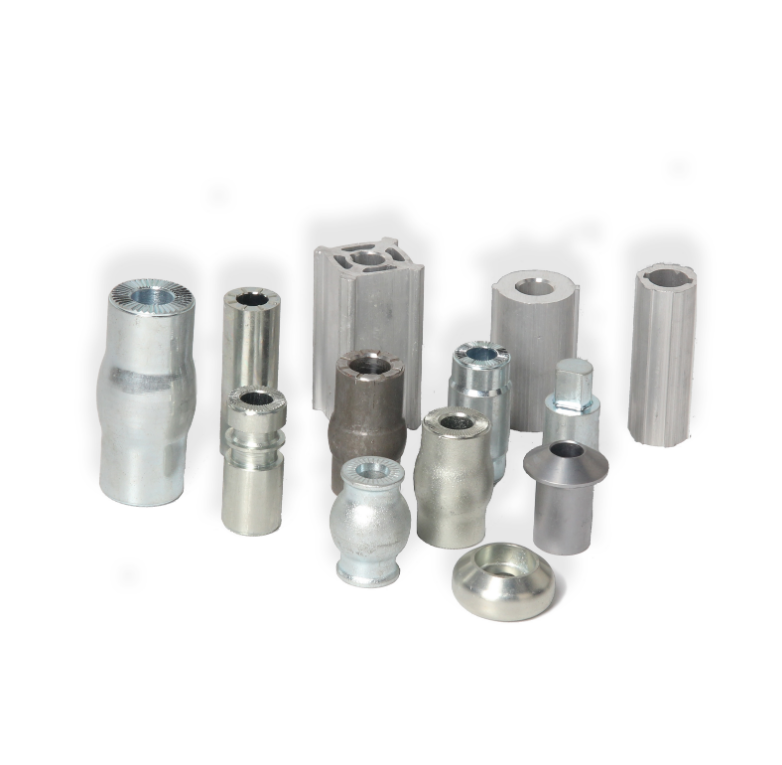
Quality Assurance Standards and Certifications to Verify
You've identified the right type of facility for your project. But how do you know if that CNC machining factory can actually deliver consistent, reliable parts? The answer lies in their quality assurance framework—a combination of certifications, control systems, and inspection capabilities that separate professional operations from the rest.
Think of quality certifications as a supplier's resume. They don't guarantee perfection, but they confirm that independent auditors have verified documented processes, trained personnel, and continuous improvement practices. Let's explore what to look for.
Certifications That Signal Manufacturing Excellence
Not all certifications carry equal weight, and the ones that matter depend on your industry. According to Modo Rapid's supplier certification guide, these standards act as safety nets—giving you confidence that your supplier's processes are audited and reliable.
Here are the key certifications every buyer should understand:
- ISO 9001: The global baseline for quality management systems. Think of it as a driver's license for manufacturing—it verifies documented quality control processes, traceability, and continuous improvement practices. If a facility lacks ISO 9001, proceed with extreme caution.
- IATF 16949: Tailored specifically for automotive supply chains. This certification layers additional requirements like defect prevention, statistical process control, and advanced product quality planning (APQP) onto ISO 9001 foundations. For automotive or racing components, this certification is non-negotiable.
- AS9100: The aerospace and defense standard that incorporates all ISO 9001 requirements plus additional safety and reliability protocols. When lives depend on precision—landing gear brackets, structural fasteners, engine components—AS9100 certification ensures the supplier operates under stricter documentation and risk management.
- ISO 13485: Essential for medical device manufacturing. This standard addresses biocompatibility requirements, sterilization considerations, and the rigorous traceability that regulatory bodies like the FDA demand.
- ITAR Registration: Required for defense projects involving controlled technical data. If your components serve military applications, ITAR compliance ensures proper handling of sensitive information.
Why do these matter so much? Certifications require independent audits that verify a facility's claims. A cnc machinist working in an ISO 9001-certified environment follows documented procedures that reduce variation and catch issues before parts ship. That translates directly to fewer surprises when your order arrives.
Quality Control Systems and Statistical Process Control
Certifications establish the framework, but daily quality control systems determine actual results. Professional facilities implement Statistical Process Control (SPC) to monitor and maintain consistency throughout production runs.
Here's how effective quality control works in practice:
- First Article Inspection (FAI): Before full production begins, manufacturers examine the first produced part to confirm it meets dimensional and functional specifications. FAI catches tooling issues, programming errors, or material problems early—preventing entire batches of defective parts.
- In-Process Inspection: Rather than waiting until completion, operators verify critical dimensions at multiple stages. This real-time monitoring identifies drift before tolerances are exceeded.
- Statistical Process Control: SPC software tracks measurement data across production runs, identifying trends that might indicate tool wear or process variation. According to 3ERP's quality control guide, SPC helps maintain consistency while minimizing variations that lead to rejected parts.
- Documentation and Traceability: Complete records link every part to specific material lots, machine settings, operator actions, and inspection results. This traceability proves invaluable when investigating issues or demonstrating regulatory compliance.
When evaluating potential suppliers, ask about their SPC implementation. Facilities using real-time monitoring and data-driven decision-making demonstrate a commitment to quality that goes beyond paperwork.
Inspection Equipment and Measurement Capabilities
Even the best processes mean nothing without proper verification equipment. The machinist tools and inspection capabilities a facility operates reveal its commitment to precision.
Coordinate Measuring Machines (CMMs) represent the gold standard for dimensional verification. According to ITP Styli's metrology guide, these sophisticated instruments determine geometry by detecting specific points on part surfaces within a three-dimensional coordinate system. Modern CMMs achieve measurement uncertainties within micrometers—essential for verifying tight tolerances.
Beyond CMMs, look for these inspection capabilities:
- Precision Measuring Instruments: Micrometers, calipers, height gauges, and bore gauges for routine dimensional checks
- Surface Roughness Testers: Evaluate surface finish quality against specifications
- Optical Comparators: Project magnified part profiles for visual inspection of complex geometries
- Hardness Testing Equipment: Verify material properties meet requirements using Rockwell, Brinell, or Vickers methods
- Non-Destructive Testing (NDT): Ultrasonic, magnetic particle, or dye penetrant testing to detect hidden flaws without damaging parts
The tooling investment extends beyond inspection. Professional facilities maintain calibrated lathe tooling, precision tool holders, and quality cutting inserts. Suppliers running equipment from manufacturers like Haas understand that worn or substandard tooling directly impacts part quality. Look for facilities that track tool wear systematically and replace inserts before degradation affects your parts.
A facility's inspection equipment reveals whether they verify quality or simply hope for the best.
When requesting quotes, ask potential partners about their inspection capabilities and calibration schedules. A professional CNC machining factory will gladly share this information—quality systems are a competitive advantage they're proud to demonstrate.
Understanding quality standards provides a foundation, but different industries impose additional requirements that go beyond general certifications. Next, we'll examine how sector-specific needs shape manufacturing expectations.
Industry Applications and Sector-Specific Factory Requirements
You've verified quality certifications and inspection capabilities. But here's the reality: a facility that excels at automotive components might struggle with medical implants, and vice versa. Each industry imposes unique demands on tolerances, materials, documentation, and compliance—and the right CNC machining factory for your project depends on understanding these sector-specific requirements.
Whether you're sourcing engine components from an engine machine shop or precision instruments for surgical applications, the manufacturing partner you choose must demonstrate proven expertise in your industry. Let's break down what each major sector demands.
Automotive Component Manufacturing Requirements
The automotive sector operates on razor-thin margins and zero tolerance for defects. Every CNC operator working on automotive parts understands that a single faulty component can trigger costly recalls affecting thousands of vehicles.
What makes automotive manufacturing distinct?
- Volume and Consistency: Automotive production runs often exceed 100,000 parts annually. Facilities must maintain identical quality across massive quantities.
- IATF 16949 Certification: According to American Micro Industries, this global standard combines ISO 9001 principles with sector-specific requirements for continuous improvement, defect prevention, and stringent supplier oversight.
- PPAP Documentation: Production Part Approval Process documentation proves that manufacturing processes consistently produce parts meeting specifications.
- Tight Tolerances on Critical Components: Drivetrain parts, brake systems, and steering components demand tolerances of ±0.05 mm or tighter.
When searching for an auto machine shop near me, look beyond general machining capabilities. The facility should demonstrate experience with automotive-specific materials like high-strength steels, aluminum die-cast alloys, and engineered plastics. They should also understand FMEA (Failure Mode and Effects Analysis) and have robust traceability systems linking every part to material certifications and production data.
Aerospace-Grade Precision Standards
Imagine machining a titanium bracket that will experience extreme stress at 30,000 feet. There's no room for "close enough" when lives depend on component integrity.
Aerospace manufacturing represents the pinnacle of precision requirements:
- AS9100 Certification: This standard extends ISO 9001 with aerospace-specific controls emphasizing risk management, configuration management, and complete traceability throughout complex supply chains.
- NADCAP Accreditation: For special processes like heat treating, chemical processing, and non-destructive testing, NADCAP accreditation validates that manufacturers perform these critical operations at the highest standard.
- Exotic Material Expertise: Titanium alloys, Inconel, and other high-performance materials require specialized cutting strategies, enhanced cooling systems, and experienced CNC machine operators who understand work hardening challenges.
- Exceptional Tolerances: According to Modus Advanced's tolerance guide, achieving precision below ±0.0125 mm requires full environmental control—temperature regulation within ±0.5°C and vibration isolation.
Aerospace facilities invest heavily in 5-axis machining centers, climate-controlled production areas, and comprehensive documentation systems. Every part carries a paper trail from raw material certification through final inspection.
Medical Device Manufacturing Protocols
When a component will be implanted in a human body or used in life-saving equipment, manufacturing standards shift dramatically. Medical device manufacturing combines precision requirements with biocompatibility and regulatory compliance.
Key considerations include:
- ISO 13485 Certification: This quality management standard addresses the complete product lifecycle—from design controls through manufacturing, sterilization, and complaint handling. It's the definitive standard for medical device quality.
- FDA 21 CFR Part 820 Compliance: U.S. manufacturers must follow the Quality System Regulation governing design, production, and tracking of medical devices.
- Material Traceability: Every implant-grade titanium bar, surgical stainless steel plate, or PEEK polymer sheet must be traceable to specific material certifications and lot numbers.
- Surface Finish Requirements: Implants often require mirror-polished surfaces below Ra 0.4 μm to minimize bacterial adhesion and promote tissue integration.
Medical manufacturing demands meticulous documentation. Facilities maintain Device History Records linking each finished product to every material, process parameter, inspection result, and operator action involved in its creation.
Electronics and High-Precision Components
Consumer electronics, semiconductor equipment, and telecommunications hardware present their own manufacturing challenges. Components are often miniaturized, requiring exceptional precision on features measured in tenths of millimeters.
While electronics manufacturing doesn't always require sector-specific certifications, it demands:
- Micro-Machining Capabilities: Swiss-type lathes and high-speed spindles for tiny, intricate components
- ESD (Electrostatic Discharge) Controls: Proper handling procedures to prevent damage to sensitive parts
- Tight Cosmetic Standards: Consumer-facing components require flawless surface finishes
- RoHS Compliance: Restrictions on hazardous substances in materials
Interestingly, career opportunities in these specialized sectors continue growing. If you've searched for cnc machinist jobs near me, you've likely noticed that aerospace, medical, and automotive facilities actively recruit operators with industry-specific experience. Specialized knowledge commands premium compensation.
Industry Requirements Comparison
| Requirement | Automotive | Aerospace | Medical Devices | Electronics |
|---|---|---|---|---|
| Primary Certification | IATF 16949 | AS9100 + NADCAP | ISO 13485 | ISO 9001 (minimum) |
| Typical Tolerances | ±0.05 mm to ±0.25 mm | ±0.0125 mm to ±0.05 mm | ±0.025 mm to ±0.1 mm | ±0.05 mm to ±0.15 mm |
| Common Materials | Aluminum, steel, cast iron, engineering plastics | Titanium, Inconel, aluminum alloys, composites | Ti-6Al-4V, 316L stainless, PEEK, cobalt chrome | Aluminum, copper, brass, engineering plastics |
| Documentation Level | PPAP, control plans, FMEA | First article inspection, complete traceability | Device History Records, validation protocols | Inspection reports, material certificates |
| Special Requirements | SPC data, supplier audits | Special process accreditation, FOD prevention | Biocompatibility, sterile packaging | ESD controls, cosmetic standards |
Notice the dramatic differences across sectors. Aerospace tolerances can be 20 times tighter than standard automotive requirements. Medical device documentation extends far beyond what electronics manufacturers typically provide. These distinctions explain why specialized facilities exist—and why choosing a partner with proven sector expertise matters so much.
Beyond specialized equipment like a cnc plasma cutter for sheet metal work, industry expertise shows in subtler ways: how operators handle materials, how quality teams document processes, and how engineering staff communicate with customers about design optimization.
The best CNC machining factory for your project is one that already speaks your industry's language.
When evaluating potential partners, ask for case studies and customer references within your specific sector. A facility that proudly shares aerospace project examples but hesitates when asked about medical device experience is telling you something important about where their true capabilities lie.
Understanding industry requirements helps narrow your search, but there's another critical factor that cuts across all sectors: material processing expertise. The materials your parts require significantly influence which facilities can serve you effectively.
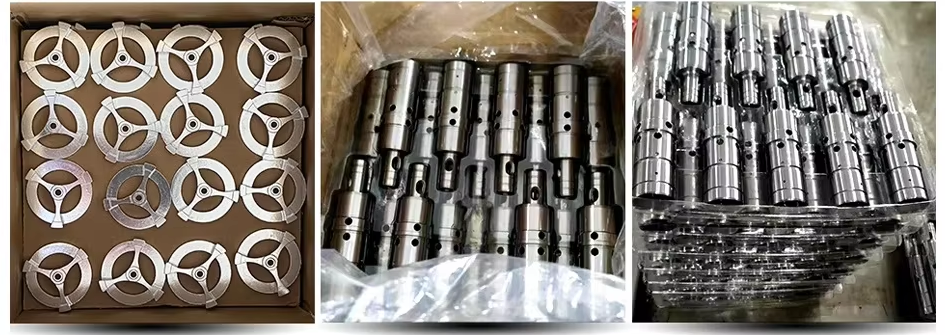
Material Capabilities and Processing Expertise
Here's something that might surprise you: two CNC machining factories with identical equipment can produce vastly different results when working with the same material. Why? Because material expertise—the accumulated knowledge of cutting speeds, tool selection, coolant strategies, and workholding techniques—separates competent manufacturers from exceptional ones.
When you're evaluating potential manufacturing partners, their material processing capabilities deserve close attention. A facility's experience with your specific material family directly impacts part quality, lead times, and overall project success. Let's explore what defines true material expertise.
Aluminum and Steel Processing Expertise
Aluminum and steel represent the workhorses of precision manufacturing—and for good reason. These materials offer predictable behavior, excellent machinability, and broad application versatility. But don't mistake familiarity for simplicity.
Aluminum alloys require specific considerations:
- 6061-T6: The general-purpose champion. Excellent machinability with good strength-to-weight ratio. Ideal for brackets, housings, and structural components.
- 7075-T6: Aerospace-grade strength approaching steel. Requires sharper tooling and careful chip evacuation to prevent built-up edge formation.
- 2024: High fatigue resistance for aircraft structures. More challenging to machine than 6000-series alloys.
Professional facilities running aluminum maintain high-speed spindles (15,000+ RPM) and use specialized coatings on cutting tools to prevent material adhesion. A skilled operator on a metal lathe understands that aluminum's softness creates its own challenges—including the tendency to produce long, stringy chips that can mar surface finishes.
Steel processing demands different strategies entirely:
- 1018/1020 Mild Steel: Easy to machine with good weldability. Common for fixtures and low-stress components.
- 4140 Alloy Steel: Excellent strength after heat treatment. Requires robust machine rigidity and appropriate cutting speeds.
- Stainless Steels (303, 304, 316): Work hardening creates significant challenges. Milling operations need constant chip load and rigid setups to prevent surface hardening that dulls tools rapidly.
The vertical milling machine cutting steel operates at fundamentally different parameters than one processing aluminum—slower speeds, heavier feeds, and enhanced coolant delivery to manage heat generation.
Engineering Plastics and Composite Machining
Engineering plastics present unique challenges that metal-focused shops often underestimate. Unlike metals, plastics are poor thermal conductors—meaning heat generated during cutting stays concentrated at the tool-workpiece interface.
Common engineering plastics include:
- Delrin (Acetal): Excellent dimensional stability and low friction. Relatively easy to machine with proper support.
- PEEK: High-performance polymer for medical and aerospace applications. Expensive material that demands precise cutting parameters to avoid waste.
- Ultem (PEI): Exceptional heat resistance. Requires sharp, polished tooling and careful chip control.
- Acrylic (PMMA): Facilities offering cnc acrylic service understand the balance between achieving optical clarity and preventing stress crazing during machining.
- Nylon: Tends to absorb moisture and swell. Experienced operators condition material before precision operations.
Composite materials—carbon fiber reinforced polymers, fiberglass, and G10—introduce abrasive particles that rapidly wear conventional tooling. Facilities machining composites invest in diamond-coated or polycrystalline diamond (PCD) cutting tools and implement specialized dust extraction systems.
Interestingly, shops experienced with a wood cnc machine often transition more easily to plastics than pure metalworking facilities. Wood and plastics share characteristics like thermal sensitivity and the need for sharp, clean cuts to prevent surface damage.
Exotic Alloys and Specialty Materials
When your application demands extreme performance—high temperatures, corrosive environments, or exceptional strength—exotic alloys enter the picture. These materials command premium prices and require proportionally advanced processing capabilities.
- Titanium Alloys (Ti-6Al-4V): The aerospace and medical workhorse. Low thermal conductivity means heat concentrates at the cutting edge, accelerating tool wear. Successful titanium machining requires reduced cutting speeds, rigid setups, and high-pressure coolant systems delivering fluid directly to the cutting zone.
- Inconel and Nickel Superalloys: Designed to maintain strength at extreme temperatures. These materials work harden aggressively—once the surface hardens, subsequent cutting becomes exponentially more difficult. Operators must maintain constant chip load and avoid dwelling in cuts.
- Cobalt Chrome: Common in medical implants for its biocompatibility and wear resistance. Requires carbide or ceramic tooling and careful attention to surface finish specifications.
- Tungsten: Exceptionally hard and dense. Machining tungsten demands specialized grinding processes rather than conventional milling in many cases.
A mill machine processing Inconel operates fundamentally differently than one cutting aluminum. Feed rates drop dramatically, tool life expectations shrink, and operators monitor every cut for signs of work hardening or tool degradation.
Material expertise isn't just about knowing what works—it's about understanding why certain approaches fail.
Factory-specific considerations extend beyond the cutting operation itself. Coolant systems must match material requirements—some plastics degrade with petroleum-based coolants, while certain aluminum alloys demand specific additives to prevent staining. Tooling investments for exotic alloys can exceed the cost of standard carbide inserts by ten times or more. And operator expertise—understanding how different materials behave, sound, and look during machining—develops only through extensive hands-on experience.
When evaluating potential manufacturing partners, ask about their experience with your specific material grade—not just the material family. A facility comfortable with 6061 aluminum may struggle with 7075. A shop producing stainless steel shafts daily might have limited experience with medical-grade 316L requirements. Material expertise shows in the details.
Understanding material capabilities helps you identify qualified suppliers, but there's still the practical matter of cost. How do material choices, along with other factors, influence what you'll actually pay for machined components?
Cost Factors and Pricing Structures Explained
You've identified qualified suppliers with the right equipment, certifications, and material expertise. Now comes the question every buyer eventually asks: what will this actually cost? Understanding CNC machining pricing isn't just about comparing bottom-line numbers—it's about recognizing what drives those numbers and where opportunities exist to optimize your investment.
The reality is that CNC machining costs vary dramatically based on decisions you control. According to Unionfab's comprehensive cost breakdown, factors like part geometry, material selection, machining strategy, tolerance requirements, and production volume all influence your final price. Let's break down exactly how these elements affect your project economics.
Understanding CNC Machining Cost Drivers
Think of a CNC machine quote as a recipe with multiple ingredients—each one contributing to the total. Here are the primary cost components you'll encounter:
- Material Costs: Raw material pricing varies enormously. Aluminum sits at the low end, while titanium and PEEK can cost 10 to 20 times more. Beyond the base material price, factor in waste—CNC machining is subtractive, meaning you're paying for material that becomes chips on the floor.
- Machining Time: CNC programming and machine operation charge by the hour. A 3-axis mill typically runs around $40 per hour, while 5-axis equipment commands $75 to $120 per hour according to industry benchmarks. Complex geometries requiring multiple setups multiply these hourly charges.
- Setup Fees: Before cutting begins, operators must configure tooling, fixtures, and machine parameters. These one-time costs get distributed across your order quantity—making per-part costs drop significantly at higher volumes.
- Tolerance Requirements: Tighter tolerances demand slower cutting speeds, more careful handling, and additional inspection time. A part requiring ±0.001" precision costs substantially more than one accepting ±0.010" tolerances.
- Surface Finishing: Post-machining operations add cost layers. Simple deburring might add $2 to $5 per part, while anodizing runs $3 to $12, and electroplating can reach $10 to $30 per component.
- Heat Treatment: When material properties need enhancement, expect additional processing costs. Standard hardening and tempering typically ranges from $5 to $25 per part, while specialized titanium heat treatment can exceed $100.
Understanding these components helps you identify where adjustments might reduce costs without sacrificing functionality. Sometimes relaxing a single non-critical tolerance or selecting a more machinable alloy dramatically changes the pricing equation.
Volume Pricing and Production Economics
Here's where production economics get interesting. The relationship between quantity and per-unit cost follows a predictable curve—but the savings potential often surprises first-time buyers.
Why do larger orders cost less per part? Setup costs get amortized across more units. A $500 programming and setup fee adds $50 to each part when ordering 10 units. Order 500 parts, and that same fee contributes just $1 per piece. According to Coherent Market Insights, consolidating orders and leveraging economies of scale can yield substantial savings in CNC machining projects.
Consider this practical example: a manufacturer quoting an aluminum component might offer:
- 10 parts: $85 per unit
- 100 parts: $35 per unit
- 500 parts: $15 per unit
- 1,000+ parts: $8 per unit
The pricing drop from 10 to 1,000 units can exceed 90%. This doesn't mean ordering more than you need makes sense—but it does suggest that slight increases in batch size sometimes achieve significant savings without creating storage or cash flow problems.
Production economics also favor repeat orders. When a supplier retains your tooling, fixtures, and cnc programming files, subsequent runs eliminate setup costs entirely. Building long-term relationships with manufacturing partners often unlocks preferential pricing that one-time buyers never see.
Total Cost of Ownership Considerations
Experienced procurement professionals know that the machining quote only tells part of the story. Total cost of ownership encompasses everything from initial quotation through delivery and beyond.
What else should you factor in?
- Shipping and Logistics: Domestic suppliers offer faster delivery but potentially higher labor costs. Overseas manufacturing reduces per-part pricing but adds shipping expenses, customs duties (typically 5% to 20% of product value), and extended lead times.
- Quality Costs: A lower quote means nothing if 15% of parts fail inspection. Factor in the cost of potential rework, delays, and the overhead of managing quality issues with distant suppliers.
- Communication Overhead: Time zone differences, language barriers, and response delays create hidden costs in project management hours.
- Packaging Requirements: Standard corrugated boxes with bubble wrap usually ship free. Custom protective packaging—wooden crates or flight cases for sensitive components—can add $50 to $500 or more depending on requirements.
- Inventory Carrying Costs: Ordering larger batches to capture volume pricing ties up capital and warehouse space. Balance unit savings against storage and financing costs.
When comparing quotes across suppliers, build a total cost model that includes these factors. A manufacturer offering slightly higher per-part pricing might deliver better total value through faster lead times, higher quality rates, or included services that competitors charge separately.
Evaluating Quotes and Asking the Right Questions
According to Frigate's negotiation guide, obtaining itemized quotes provides full transparency into the pricing structure. Rather than accepting a single bottom-line number, request breakdowns showing material costs, machining time, setup fees, finishing operations, and inspection charges separately.
This transparency enables informed negotiation. Maybe you can supply material directly, eliminating the supplier's markup. Perhaps you can accept a longer lead time in exchange for lower machining rates. Or you might consolidate orders with a cnc plasma table operation at the same facility to capture multi-process discounts.
Questions worth asking every supplier include:
- What tolerance adjustments would meaningfully reduce machining costs?
- Are there alternative materials with similar properties but better machinability?
- What volume threshold triggers your next pricing tier?
- Can you hold tooling and programs for future repeat orders?
- What services are included versus billed separately?
Remember that cnc jobs and cnc machinist jobs command skilled labor rates—and those rates vary significantly by region. A facility operating a press brake machine alongside CNC equipment might offer integrated metal fabrication services that reduce your total supplier management burden.
The lowest quote rarely delivers the lowest total cost. Evaluate the complete picture before deciding.
Pricing negotiations work best when approached collaboratively. Suppliers appreciate customers who understand cost drivers and propose realistic optimizations rather than simply demanding lower numbers. Design for manufacturability discussions often uncover savings opportunities neither party initially recognized.
Armed with knowledge of cost structures and pricing dynamics, you're ready to move beyond theoretical evaluation toward practical supplier assessment. The next step involves building a systematic approach to verify that potential partners actually deliver on their promises.
Factory Evaluation Checklist for Informed Decisions
You've researched equipment capabilities, understood quality certifications, and analyzed cost structures. But how do you translate that knowledge into a systematic evaluation of actual suppliers? Without a structured approach, comparing CNC machining factories becomes frustrating—like trying to judge restaurants by their menus alone without ever tasting the food.
This evaluation framework transforms your supplier search from guesswork into a repeatable, evidence-based process. Whether you're searching for a machining workshop near me or evaluating facilities across continents, these steps apply universally. According to Davantech's CNC supplier audit checklist, a structured scoring approach compresses audit time while forcing critical conversations about traceability, process control, and corrective action maturity.
Pre-Qualification Questions to Ask Every Supplier
Before investing time in facility visits or detailed technical discussions, a pre-qualification screening eliminates clearly unsuitable candidates. These initial questions separate serious contenders from mismatched suppliers quickly.
Start with these essential inquiries:
- Certification Verification: Request copies of ISO 9001, IATF 16949, AS9100, or relevant industry certifications. Verify the certificate scope specifically covers CNC machining and confirm validity with the issuing registrar. Expired or incorrectly scoped certifications represent immediate disqualifiers.
- Capacity Assessment: Ask about current production utilization. Facilities operating above 85% capacity may struggle with your timeline. Request their monthly output capacity and typical lead times for orders matching your volume requirements.
- Material Experience: Inquire specifically about experience with your material grades—not just material families. A shop comfortable with 6061 aluminum may lack expertise with 7075-T6. Ask for examples of similar projects completed.
- Equipment List: Request a machine inventory showing make, model, axis count, and working envelope sizes. This reveals whether they possess equipment appropriate for your part geometry and tolerance requirements.
- Communication Responsiveness: Notice how quickly they respond to your initial inquiry. According to FindMyFactory's partner selection guide, aim for initial responses within 24 hours, technical questions within 48 hours. Slow response during courtship often predicts poor communication during production.
If you're searching for a milling machine shop near me for urgent prototyping needs, response time becomes even more critical. A supplier who takes a week to return your quote request likely won't meet aggressive development timelines.
On-Site Evaluation Best Practices
Virtual assessments only go so far. When stakes are high—significant production volumes, critical applications, or long-term partnership potential—nothing replaces walking the shop floor yourself. Here's a step-by-step evaluation process:
- First Impressions Matter: Observe overall cleanliness and organization as you enter. Professional facilities maintain 5S standards (Sort, Set in order, Shine, Standardize, Sustain). Cluttered aisles, scattered tooling, and disorganized workstations often signal deeper operational problems.
- Examine Active Production: Request to observe jobs in progress. Watch how operators interact with machines, handle workpieces, and verify dimensions during runs. In-process inspection happening at machine stations indicates embedded quality culture.
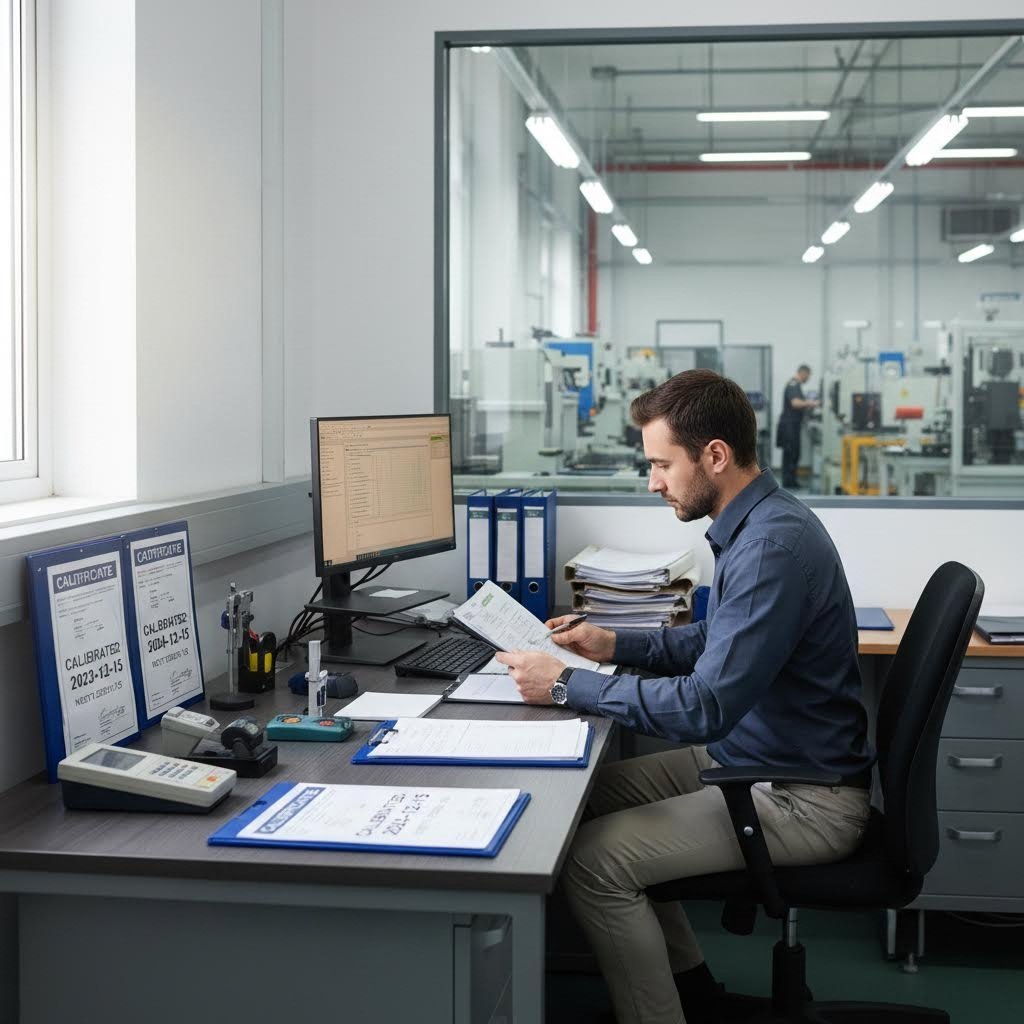
- Review Machine Condition: Look at equipment age and maintenance indicators. Calibration stickers should display current dates. Preventive maintenance logs should be accessible and up-to-date. Ask about their PM schedule and how they handle unplanned downtime.
- Inspect Quality Infrastructure: Tour the inspection area. Modern CMMs, calibrated measuring instruments, and environmental controls for precision measurement indicate serious quality commitment. Ask to see recent calibration certificates for critical equipment.
- Evaluate Material Handling: Check how raw materials are stored, labeled, and traced. Look for clear separation between conforming and nonconforming material. Quarantine areas should be clearly marked and controlled. Material certificates should be readily traceable to specific job lots.
- Assess Documentation Systems: Request to review a completed job traveler from a recent order. Professional facilities maintain detailed records linking every operation, inspection result, and operator action to specific parts. This traceability proves invaluable when investigating quality issues.
- Meet Key Personnel: Speak with quality managers, engineering staff, and shop floor supervisors—not just sales representatives. Their technical knowledge and responsiveness to questions reveals operational depth.
Certified facilities like Shaoyi Metal Technology demonstrate exactly these quality indicators—their IATF 16949 certification and documented SPC processes exemplify what serious automotive suppliers implement. When evaluating any potential partner, look for similar evidence of systematic quality management.
Red Flags and Warning Signs to Watch For
Experience teaches evaluators what danger signals demand attention. Watch for these warning signs during your assessment:
- Reluctance to Share Information: Professional manufacturers proudly display certifications, quality metrics, and capability data. Hesitation to provide documentation or allow facility access often conceals problems.
- Inconsistent Quality Records: Ask about first-pass yield rates and defect trends. Facilities unable to produce this data likely don't track it—meaning they're flying blind on quality performance.
- Absent Corrective Action Systems: Inquire how they handle nonconformances. Robust facilities document issues, conduct root cause analysis (5-Why or Fishbone methods), and verify corrective actions prevent recurrence. Vague answers suggest reactive rather than systematic problem-solving.
- High Employee Turnover: Ask about workforce stability. Constant operator turnover disrupts institutional knowledge and process consistency. Experienced machinists carry invaluable expertise that doesn't transfer to new hires overnight.
- Outdated Equipment Without Investment: While older machines can produce excellent parts when maintained, a facility showing no capital investment in recent years may be struggling financially or failing to keep pace with technology.
- Missing Traceability: Pick a random part in production and ask to see its complete documentation trail—material certification, operation records, inspection data. Inability to produce this quickly indicates weak systems.
- Disorganized MRB (Material Review Board) Areas: Check how nonconforming parts are handled. Scattered reject piles without clear disposition labels suggest quality escapes waiting to happen.
Sample Part Evaluation
Never commit to production volumes without first evaluating sample parts. This critical step validates that theoretical capabilities translate into actual results.
When requesting samples:
- Provide Complete Documentation: Supply full drawings, tolerance specifications, material requirements, and surface finish expectations. Incomplete information leads to samples that don't represent production intent.
- Request First Article Inspection Reports: Professional facilities provide FAI documentation showing dimensional measurements for every specified feature. Compare reported values against your tolerances.
- Verify Material Certifications: Confirm the sample was manufactured from material matching your specification. Request mill certificates tied to the sample parts.
- Assess Surface Finish: Visual inspection catches obvious defects, but measure surface roughness against specification using appropriate instruments.
- Evaluate Packaging: How samples arrive indicates how production parts will ship. Damaged samples suggest inadequate protection during transit.
If you've been searching for a cnc shop near me or cnc near me for rapid turnaround, sample evaluation becomes particularly important. Quick quotes mean nothing if delivered parts don't meet specification.
Documentation Review Checklist
Beyond physical inspection, thorough documentation review validates a supplier's systems. Request and evaluate:
| Document Type | What to Verify | Red Flag Indicators |
|---|---|---|
| Quality Manual | Scope covers CNC machining, revision control current | Outdated revisions, missing procedures |
| Calibration Records | All critical equipment calibrated, certificates current | Overdue calibrations, missing instruments |
| Training Records | Operators qualified for assigned equipment and processes | No formal training documentation |
| Corrective Action Log | Issues documented, root causes identified, actions verified | Open items without closure, no trend analysis |
| Supplier Audit Reports | Evidence of sub-tier supplier oversight | No incoming inspection, unverified material sources |
| Production Control Plans | CTQ features identified with inspection frequency defined | No documented process controls |
Facilities offering cnc routing services near me for specialized work should demonstrate the same documentation rigor as large production factories. Scale doesn't excuse weak quality systems.
Scoring and Comparison Framework
To compare multiple suppliers objectively, implement a weighted scoring system. According to Davantech's audit methodology, assigning weights (1-3) to each evaluation criterion and scoring responses (0=Poor, 1=Partial, 2=Effective) creates quantifiable comparison data.
Prioritize weights based on your project requirements:
- Weight 3 (Critical): Certifications, inspection capabilities, material traceability
- Weight 2 (Important): Equipment condition, documentation systems, communication responsiveness
- Weight 1 (Desirable): Facility appearance, proximity, additional services
Calculate weighted scores for each supplier and compare grand totals. This objectivity helps justify decisions to stakeholders and creates documentation supporting your supplier selection rationale.
The goal isn't finding a perfect supplier—it's identifying partners whose strengths align with your priorities and whose weaknesses you can manage.
When pictures of machine shops or virtual tours aren't enough, this systematic evaluation process delivers the confidence needed for commitment. Complete your assessment, score your candidates, and select partners based on evidence rather than promises.
Evaluation frameworks identify qualified suppliers, but the real value emerges over time through sustained partnership. Building relationships that deliver consistent quality, responsive communication, and mutual growth requires deliberate effort beyond the initial selection process.
Building Long-Term Manufacturing Partnerships
You've evaluated equipment, verified certifications, analyzed costs, and conducted thorough supplier assessments. But here's what separates successful manufacturing programs from frustrating ones: the quality of the ongoing relationship. Finding a qualified CNC machining factory is just the beginning—building a partnership that delivers consistent value over years requires deliberate strategy and mutual commitment.
According to Anebon Metal's partnership guide, long-term partners become extensions of each other's teams, contributing knowledge, anticipating needs, and enabling continuous improvement. This synergy results in better outcomes, faster turnaround times, and a competitive edge in markets where precision and responsiveness are critical.
From First Order to Strategic Partnership
Every long-term relationship starts with a single transaction. How you approach those initial orders sets the foundation for everything that follows.
Start with clear expectations from day one:
- Define Success Metrics: Establish measurable quality benchmarks, delivery targets, and communication response expectations before production begins. According to Anebon Metal, setting quality and performance benchmarks early prevents conflicts and ensures both parties understand what success looks like.
- Invest in Relationship Building: Designate dedicated contacts on both sides—project managers or engineers who develop deep mutual understanding over time. This continuity reduces miscommunication and builds institutional knowledge.
- Begin with Manageable Scope: Start with smaller orders that test capabilities before committing to large production volumes. This approach limits risk while establishing working processes.
- Document Everything: Create clear records of specifications, communications, and decisions. This documentation becomes invaluable when scaling production or troubleshooting issues months later.
What's CNC partnership really about? It's treating your manufacturing supplier as a strategic asset rather than a commodity vendor. Facilities operating in cnc industries understand that their success depends on customer success—and the best partners demonstrate this through proactive communication and problem-solving.
Scaling Production with Your Manufacturing Partner
The true test of a manufacturing partnership comes when demand changes. Can your supplier handle volume increases without sacrificing quality? Will they support you during slow periods without abandoning the relationship?
According to UPTIVE's prototype-to-production guide, bridging the gap between prototyping and full-scale production requires partners who can adjust capacity appropriately—scaling up for mass production or down for limited editions without compromising quality.
Key considerations for scaling relationships include:
- Capacity Planning: Share your demand forecasts openly. Partners who understand your growth trajectory can prepare equipment, tooling, and workforce accordingly.
- Tooling Retention: Ensure your supplier retains fixtures, cutting programs, and setup documentation between orders. This eliminates repeated setup costs and maintains process consistency.
- Volume Flexibility: Discuss pricing structures across different volume scenarios. Understanding how costs change from prototype quantities through production volumes helps you plan effectively.
- Lead Time Commitments: As relationships mature, expect suppliers to prioritize your orders. Facilities like Shaoyi Metal Technology demonstrate partnership readiness through capabilities that scale from rapid prototyping to mass production with lead times as fast as one working day—exactly the responsiveness growing programs require.
Factory automation increasingly enables this scaling flexibility. Modern machining manufacturing facilities implement robotic loading, pallet systems, and lights-out production that expand capacity without proportional labor increases. When evaluating partners, ask about their automation investments and how these systems support customer scaling needs.
Collaborative Approaches to Design Optimization
The most valuable manufacturing partnerships go beyond order fulfillment into collaborative engineering. Your supplier's machining expertise—accumulated across thousands of projects—represents knowledge that can improve your products.
According to Protolabs' manufacturing partnership guide, design firms benefit enormously from manufacturers who offer engineering expertise and design consultations. This makes the designing process smoother, helps refine product designs faster, and makes long-term production more cost-effective.
Leverage your partner's expertise through:
- Early Supplier Involvement: Engage manufacturing partners during design phases rather than after drawings are finalized. Their input on tolerances, material selection, and feature geometry can prevent costly redesigns.
- Design for Manufacturability Reviews: Request DFM feedback on new designs. Experienced engineers often identify opportunities to simplify machining operations, reduce cycle times, or improve part quality through minor design adjustments.
- Process Innovation: Collaborate on continuous improvement initiatives. Perhaps a different fixturing approach reduces setup time. Maybe alternative toolpath strategies improve surface finish. Partners invested in your success actively seek these optimizations.
- Prototype Iteration Support: During development, you may need rapid design iterations. Whether you're testing concepts on a desktop cnc machine in your engineering lab or need production-representative samples, partners who support quick-turn prototyping accelerate your development timeline.
Consider how a desktop cnc mill serves product development teams—enabling quick concept verification before committing to full-scale production. Similarly, manufacturing partners who support the complete product lifecycle from initial concepts through volume production provide continuity that fragmented supplier relationships cannot match.
Sustaining Partnership Value Over Time
Long-term partnerships require ongoing investment from both parties. According to Anebon Metal, sustaining successful relationships involves continuous improvement, regular performance reviews, and cultivating a win-win mindset.
Best practices for partnership sustainability include:
- Regular Business Reviews: Schedule periodic meetings to evaluate quality metrics, delivery performance, and improvement opportunities. Use these sessions to align future production plans and address emerging challenges.
- Open Feedback Channels: Foster an environment where both parties feel empowered to suggest improvements or raise concerns constructively. Joint problem-solving strengthens relationships.
- Responsive After-Sales Support: Evaluate how partners handle post-production needs—troubleshooting, component replacements, or design revisions for next-generation products. Strong after-sales support indicates genuine partnership commitment.
- Celebrate Successes: Acknowledge milestones and achievements together. Recognition reinforces goodwill and shared commitment to continued collaboration.
The best manufacturing partnerships feel less like vendor relationships and more like extended team collaboration.
When evaluating potential long-term partners, look for facilities demonstrating partnership-ready characteristics: IATF 16949 certification for automotive applications, documented SPC processes, and proven capability to scale with customer needs. Shaoyi Metal Technology's precision CNC machining services exemplify these qualities—offering the combination of quality systems, responsiveness, and scaling capability that successful partnerships require.
Building these relationships takes time and deliberate effort. But the payoff—consistent quality, responsive support, collaborative innovation, and competitive advantage—makes the investment worthwhile. Your CNC machining factory partner should be more than a supplier. They should be a strategic asset contributing to your success for years to come.
Frequently Asked Questions About CNC Machining Factories
1. What is CNC in a factory?
Computer Numerical Control (CNC) in a factory refers to automated manufacturing where pre-programmed software directs machinery movements to cut, shape, and finish components with micrometer-level precision. Unlike manual operations, CNC systems execute instructions consistently across thousands of parts, making them ideal for high-volume production. Factory-scale CNC operations feature multiple production lines, automated material handling, and rigorous quality control systems that ensure every part meets specification.
2. What do CNC machinists get paid?
CNC machinist salaries vary by region and specialization. In the UK, average salaries range from £25,000 to £45,000 annually, with hourly rates between £13 and £23. In the United States, the Bureau of Labor Statistics reports a median annual wage of $56,150, with transportation equipment manufacturing offering higher wages around $60,300. Specialized industries like aerospace, medical devices, and automotive typically offer premium compensation for operators with sector-specific experience and certifications.
3. What is the hourly rate for a CNC machine?
CNC machining hourly rates depend on machine complexity and region. In the UK, rates typically range from £25 to £120 per hour. A standard 3-axis mill runs around $40 per hour, while 5-axis equipment commands $75 to $120 per hour. These rates reflect machine depreciation, operator labor, tooling costs, and facility overhead. Additional factors like material type, tolerance requirements, and production volume also influence final pricing structures.
4. How do I choose the right CNC machining factory for my project?
Match factory capabilities to your project requirements by evaluating production volume needs, industry certifications, equipment capabilities, and material expertise. For prototypes and small batches under 1,000 parts, job shops offer flexibility. For volumes exceeding 1,000 parts, production facilities provide economies of scale. Industry-specific projects require certified specialists—IATF 16949 for automotive, AS9100 for aerospace, or ISO 13485 for medical devices. Request sample parts, verify certifications with issuing registrars, and conduct facility tours when possible.
5. What certifications should I look for in a CNC machining supplier?
Essential certifications depend on your industry. ISO 9001 serves as the baseline quality management standard every professional facility should hold. Automotive applications require IATF 16949 certification with its emphasis on defect prevention and statistical process control. Aerospace components demand AS9100 certification plus NADCAP accreditation for special processes. Medical device manufacturing needs ISO 13485 compliance. Defense projects require ITAR registration. Always verify certificate scope covers CNC machining specifically and confirm validity directly with the issuing registrar.