 Small batches, high standards. Our rapid prototyping service makes validation faster and easier —
  EN
EN


Choosing A CNC Machining Company? Avoid These 8 Costly Mistakes
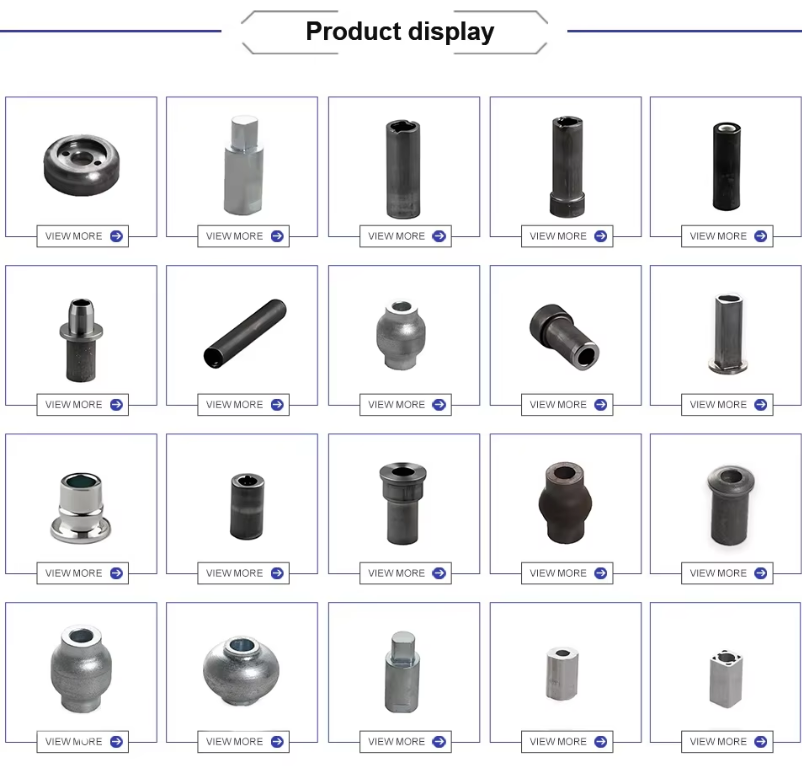
What a CNC Machining Company Actually Does
Ever wondered how your smartphone's intricate metal casing or an aircraft's precision components come to life? The answer lies in the work of a CNC machining company. These specialized manufacturers use computer numerical control technology to transform raw materials like metal, plastic, and composites into precisely engineered parts. Understanding what these companies do—and how they operate—is essential before you commit to a manufacturing partner.
From Digital Design to Physical Part
So what is CNC, exactly? The CNC meaning refers to Computer Numerical Control, a process where pre-programmed software dictates the movement of factory machinery and tools. Instead of manual operation, computers guide cutting tools with remarkable accuracy, often achieving tolerances within thousandths of an inch. When you submit a digital design file to a machining provider, their equipment reads those instructions and carves, drills, or shapes raw stock into your finished component. This CNC definition captures the essence of modern precision manufacturing—where digital blueprints become tangible products.
The Role of Automation in Precision Manufacturing
Why does this matter for your business? Automation eliminates human error and enables repeatability that manual machining simply cannot match. Whether you need one prototype or ten thousand identical parts, the c.n.c meaning translates to consistency across every single unit. Modern facilities operate multi-axis machines that can approach workpieces from virtually any angle, creating complex geometries that were impossible just decades ago.
Why Businesses Outsource CNC Work
Most companies outsource their machining needs because purchasing and maintaining CNC equipment requires significant capital investment and specialized expertise. Partnering with an established provider gives you access to advanced technology, experienced operators, and quality control systems without the overhead.
This guide serves as an unbiased buyer-education resource. You'll learn how to evaluate potential partners and avoid costly mistakes that could derail your project. Here's what we'll cover:
- Different types of machining companies and when to use each
- The complete process from design submission to delivery
- Evaluation criteria and red flags to watch for
- Industry-specific requirements for automotive, aerospace, and medical
- Lead time factors and pricing considerations
- Common selection mistakes and how to prevent them
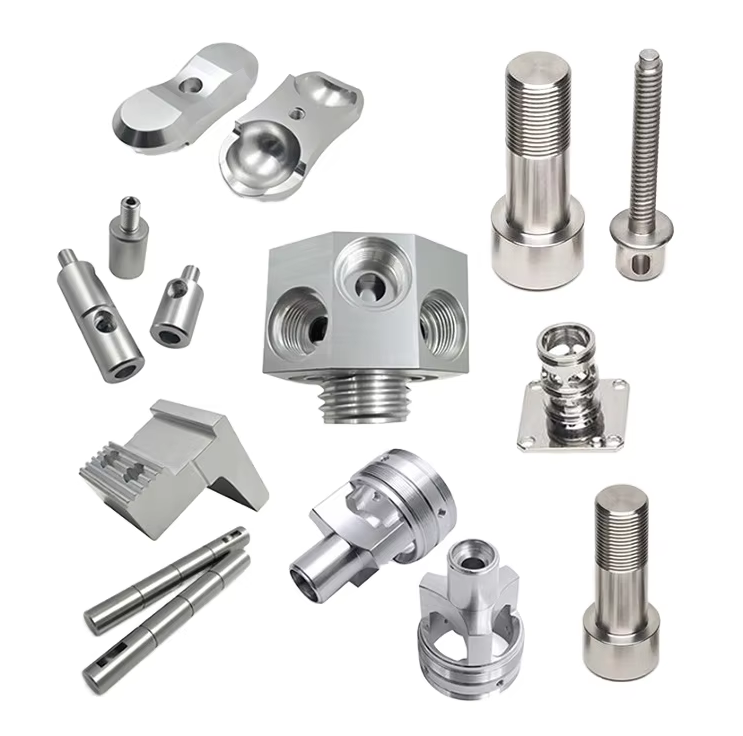
Types of CNC Machining Companies and When to Use Each
Not all CNC machining companies operate the same way. When searching for machine shops near me, you'll quickly discover that these businesses fall into distinct categories—each designed to serve different project requirements. Choosing the wrong type can mean overpaying for simple work or getting subpar results on complex jobs. Let's break down the key differences so you can match your needs to the right partner.
Job Shops vs Production Facilities
Imagine you need a custom one-off bracket for a prototype machine. Would you approach the same manufacturer that produces 50,000 identical automotive fasteners monthly? Probably not—and here's why.
Job shops are primarily make-to-order manufacturers handling custom, low-volume work. According to ECI Solutions, these facilities spend significant time setting up machines since each order is unique. Their workflows are complex and vary from project to project, with work centers designed to handle diverse operations. If you browse pictures of machine shops in this category, you'll typically see versatile equipment configurations ready to tackle whatever comes through the door.
Production facilities, on the other hand, operate as make-to-stock manufacturers with standardized, linear workflows. They forecast demand based on historical patterns and optimize for efficiency across large runs. Less setup time means lower per-unit costs—but only when volumes justify their minimums.
When Specialty Expertise Matters
Beyond the job shop versus production divide, specialty machining companies carve out niches based on industry focus or material expertise. Consider these common specializations:
- Engine machine shop facilities focus on automotive and industrial engine components, with expertise in cylinder boring, crankshaft grinding, and head resurfacing
- Prototype machining shops prioritize speed and iteration, delivering initial models quickly for testing and evaluation
- Aerospace-certified facilities maintain AS9100D compliance and specialize in exotic alloys and tight-tolerance work
- Medical device manufacturers operate in cleanroom environments with FDA-compliant documentation systems
A fabrication shop handling general metalwork won't have the specialized knowledge that an auto machine shop brings to engine rebuilding. When your project demands industry-specific expertise, seeking out machinist companies near me with proven track records in your sector prevents costly learning curves at your expense.
Matching Company Type to Project Needs
How do you determine which type fits your situation? Start by honestly assessing your project parameters. The following comparison highlights the key differences:
| Factor | Job Shop | Production Facility | Specialty Shop |
|---|---|---|---|
| Typical Order Volume | 1-500 pieces | 1,000+ pieces | Varies by niche |
| Lead Times | 1-4 weeks typical | 4-12 weeks for setup, then rapid | Depends on complexity |
| Pricing Model | Per-job quoting, higher unit cost | Volume discounts, lower unit cost | Premium for expertise |
| Setup Flexibility | High—handles diverse jobs | Low—optimized for consistency | Moderate—within specialty |
| Ideal Use Cases | Prototypes, custom parts, repairs, short runs | Ongoing production, standard components | Industry-specific applications, exotic materials |
A common mistake? Approaching a high-volume production facility for prototype work. They may decline small orders entirely—or quote prices that make no economic sense. Conversely, asking a small job shop to scale up for production runs often strains their capacity and quality systems.
The right match depends on where your project falls in the product lifecycle. Early-stage development calls for flexible job shops that embrace iteration. Once designs stabilize and volumes increase, transitioning to production-focused partners reduces costs. And when your application demands specialized certifications or material expertise, industry-focused shops deliver the precision your project requires.
Understanding these distinctions prepares you for the next critical step: knowing exactly what happens once you submit your project to a CNC machining company.
The Complete CNC Machining Process Explained
What actually happens after you send your design files to a CNC machining company? If you've never worked with a precision manufacturer before, the process can seem like a black box. Understanding each step—from initial file submission to final delivery—helps you set realistic expectations and communicate effectively with your manufacturing partner. Let's walk through the complete workflow so you know exactly what to anticipate.
Preparing Your Design Files
Your journey begins with design files. Most CNC machining companies accept CAD models in formats like STEP, IGES, or native files from programs such as SolidWorks, AutoCAD, or Fusion 360. These digital blueprints contain every dimension, tolerance, and feature specification your part requires.
But here's what first-time buyers often miss: your files need to be manufacturing-ready. According to Yijin Hardware, engineers must consider machining limitations during design, including tool access to internal features, appropriate wall thicknesses, and realistic tolerance specifications. A design that looks perfect on screen might be impossible—or prohibitively expensive—to actually produce.
Before submitting, verify these file requirements:
- 3D model accuracy—ensure your geometry is watertight with no open surfaces or duplicate features
- Tolerance callouts—specify critical dimensions that require tight tolerances versus those with standard allowances
- Material specifications—indicate your required material grade, not just generic material type
- Surface finish requirements—define Ra values for functional surfaces
- 2D drawings—include dimensioned drawings for parts with complex tolerancing or GD&T requirements
What Happens During the Quoting Phase
Once your files arrive, the real analysis begins. A CNC machinist or applications engineer reviews your design to assess manufacturability. They examine geometric complexity, required tooling, material costs, and estimated machine time. This evaluation determines whether your part can be produced on standard equipment or requires specialized setups.
Expect the quoting process to take anywhere from 24 hours for simple parts to several days for complex assemblies. Many companies now offer instant online quoting for straightforward geometries, but intricate designs still require human review. During this phase, you might receive design-for-manufacturability (DFM) feedback suggesting modifications that could reduce costs or improve quality.
The quote itself typically includes material costs, CNC programming time, machine time, secondary operations, quality inspection, and shipping. Don't be surprised if you're asked clarifying questions—good manufacturers want to understand your application to recommend the best approach.
From Raw Stock to Finished Component
After you approve the quote and place your order, the manufacturing sequence unfolds through distinct stages. Here's what happens behind the scenes:
-
CNC Programming and CAM Processing
Your CAD model gets translated into machine-readable instructions. CAM software like Mastercam or PowerMill calculates optimal toolpaths for milling, turning, or other operations. The programmer selects appropriate cutting tools, determines spindle speeds and feed rates, and generates G-code that controls every machine movement. This CNC programming phase typically takes 2-8 hours depending on part complexity. -
Material Procurement and Preparation
Raw stock gets sourced based on your specifications. Whether you need aluminum billet, stainless steel bar, or engineering plastic, the material must meet required grades and certifications. Stock is cut to manageable sizes for loading into machines. -
Machine Setup and Fixturing
A CNC machine operator prepares the equipment for your specific job. This involves mounting the workpiece in vises, chucks, or custom fixtures that hold it securely during machining. The operator installs required cutting tools—end mills, drills, boring bars, or specialized lathe tooling—and precisely measures each tool's position. Coordinate systems get established to align the machine's movements with your part geometry. Setup can range from 30 minutes to several hours. -
Machining Operations
Now the actual cutting begins. On lathes, the workpiece rotates while cutting tools remove material to create cylindrical features, threads, and bores. Milling operations use rotating cutters against stationary workpieces to create pockets, slots, and complex 3D surfaces. Modern CNC equipment achieves positioning accuracy within 0.0001" through closed-loop servo systems. Roughing passes remove bulk material quickly, followed by finishing passes that achieve final dimensions and surface quality. -
Secondary Operations
Many parts require additional processing after primary machining. This might include heat treatment, surface finishing, anodizing, plating, or assembly with other components. Some features may require EDM (electrical discharge machining) for extremely tight tolerances or hardened materials. -
Quality Inspection
Before shipping, finished parts undergo dimensional verification. Coordinate measuring machines (CMM) check critical features with 0.0001" accuracy. Surface finish gets measured with profilometers. Visual inspection identifies any cosmetic defects. First article inspection reports document that initial parts meet all specifications before full production proceeds. -
Packaging and Shipping
Approved parts get cleaned, preserved if necessary, and packaged to prevent damage during transit. Documentation—including inspection reports, material certifications, and certificates of conformance—accompanies the shipment.
Typical lead times vary dramatically based on complexity and order volume. Simple prototype parts might ship in 3-5 business days. Production runs requiring specialized tooling or multiple setups often take 3-6 weeks. Rush services are usually available at premium pricing.
Understanding this workflow puts you in a stronger position when evaluating potential partners. You'll know the right questions to ask—and recognize when something doesn't add up. Speaking of evaluation, let's examine the specific criteria that separate reliable CNC machining companies from those that consistently disappoint.
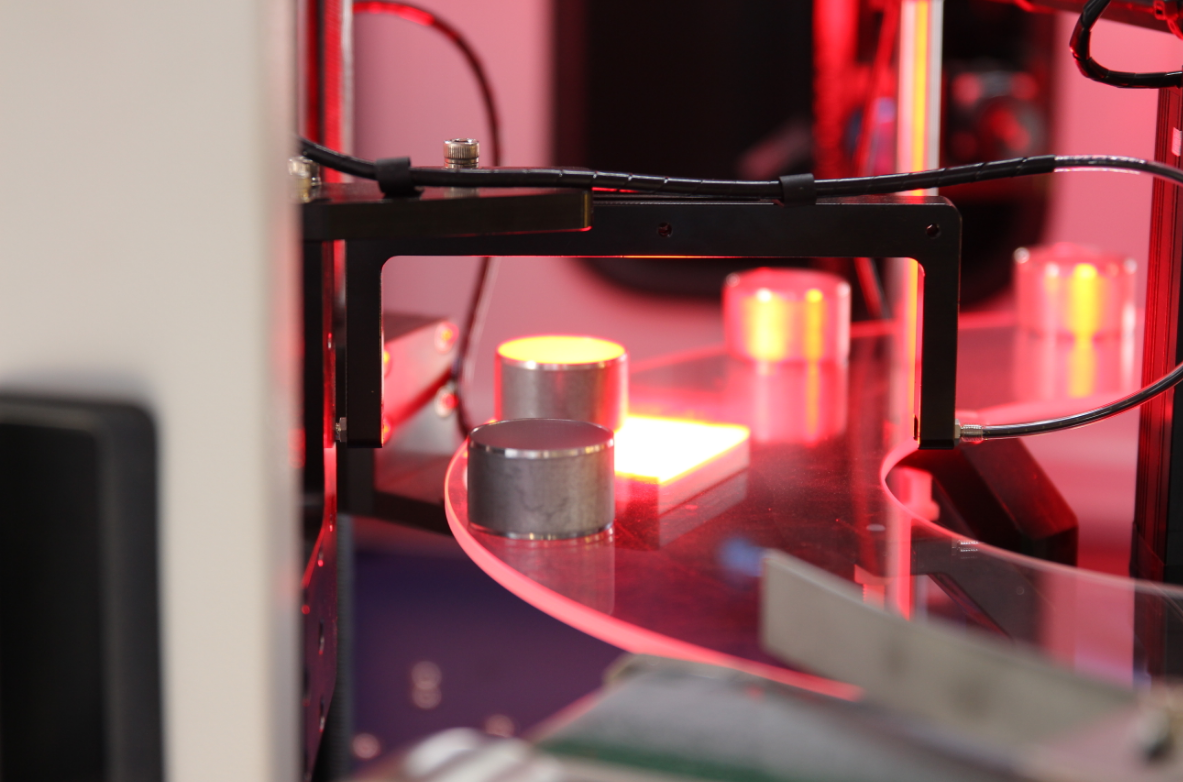
How to Evaluate and Select the Right CNC Partner
You've identified potential CNC machining companies, but how do you separate the exceptional from the mediocre? Selecting the wrong partner can lead to missed deadlines, out-of-spec parts, and budget overruns that derail your entire project. A systematic evaluation framework helps you make confident decisions based on capabilities rather than sales pitches. Let's explore the critical factors that predict manufacturing success.
Equipment and Technology Assessment
The machines a facility operates directly determine what they can produce—and how well. According to PEKO Precision Products, OEM evaluation teams must assess machine types, capacity, and capability to ensure shops can meet their prospective orders. But what should you actually look for?
Start with machine diversity. A well-equipped facility typically operates multiple platforms: CNC milling machines for prismatic parts, CNC lathe equipment for turned components, and specialized systems for unique applications. Does your project require five-axis machining for complex geometries? Wire EDM machine capabilities for intricate profiles or hardened materials? A CNC plasma cutter for thick plate work? Verify the shop has equipment matched to your specific requirements.
Beyond machine types, consider technology age and maintenance practices. Modern equipment from manufacturers like Haas offers advanced features—and shops investing in Haas tooling and current-generation machines signal commitment to precision. Ask about preventive maintenance schedules and calibration frequency. Machines that receive regular attention produce consistent results.
Capacity matters as much as capability. A vertical milling machine sitting idle benefits you; that same machine booked solid for months creates scheduling headaches. Inquire about current utilization rates and how the shop handles capacity planning. The best partners maintain enough flexibility to accommodate your timeline without compromising quality on existing commitments.
Don't overlook supporting technology. Effective shops utilize comprehensive MRP or ERP systems to manage the production mix. As PEKO notes, these systems help with supply chain management, planning, routing, and shipping—all factors that directly affect your delivery dates and communication experience.
Questions to Ask Before Committing
Smart buyers ask probing questions before signing purchase orders. These inquiries reveal more than glossy brochures ever could. Use this checklist during your evaluation conversations:
- What certifications do you maintain, and can you provide current certificates? Don't accept vague claims—request documentation.
- What is your inspection process, and what equipment do you use for quality verification? CMMs, optical comparators, and surface finish gauges indicate serious quality commitment.
- Can you share references from customers in my industry? Speaking with existing clients reveals real-world performance.
- How do you handle non-conforming parts? The answer exposes their quality culture and problem-solving approach.
- What is your on-time delivery rate over the past 12 months? Specificity matters—general claims lack credibility.
- Who will be my primary contact, and what is your communication protocol? Understanding the relationship structure prevents frustration later.
- What is your financial stability, and are there any ownership changes planned? As PEKO emphasizes, putting faith in a struggling company creates supply chain risks.
- How do you approach continuous improvement? Look for evidence of Six Sigma, Lean, or Kaizen implementations with measurable results.
- What happens if my requirements change mid-project? Flexibility matters when designs evolve.
- Do you have capacity for my projected volumes over the next 12-24 months? Planning for growth prevents painful transitions.
Quality certifications deserve particular attention because they establish baseline expectations. Most precision machine shops hold ISO 9001 certification, demonstrating fundamental quality management systems. But according to TUV Nord, industry-specific certifications add critical requirements beyond this foundation.
AS9100D certification—the aerospace standard—ensures shops can produce flight-worthy parts with appropriate controls. The standard emphasizes product safety, traceability, and configuration management essential for aviation, space, and defense applications. IATF 16949 certification serves the automotive sector, focusing on defect prevention, variation reduction, and waste elimination throughout the supply chain. Both standards build upon ISO 9001 while adding sector-specific requirements that protect your interests.
For medical applications, ISO 13485 certification demonstrates compliance with medical device quality requirements. These certifications aren't just paperwork—they represent audited systems that catch problems before they reach you.
Red Flags That Signal Problems
Sometimes what a company doesn't say—or how they behave—reveals more than their answers. Watch for these warning signs during your evaluation:
- Reluctance to provide references—reputable shops proudly share customer contacts
- Vague answers about capacity or lead times—precision manufacturers know their schedules
- Outdated or poorly maintained equipment—this predicts quality and reliability issues
- No documented quality system—even without formal certification, good shops have procedures
- Pricing dramatically below competitors—unsustainably low quotes often indicate corner-cutting or bait-and-switch tactics
- Poor communication during the quoting process—if they're unresponsive now, imagine production problems
- Unwillingness to discuss financials—transparency about business health protects your supply chain
- High employee turnover—experienced machinists produce better parts; constant churn indicates workplace problems
- Disorganized facilities—cluttered shops with poor material handling often produce inconsistent results
- Resistance to site visits—trustworthy partners welcome customer inspections
One often-overlooked evaluation dimension involves supply chain management. Shops handling complex projects must coordinate incoming materials and secondary operations like heat treatment or plating. Ask how they manage these external dependencies. A great EDM machine or precision CNC lathe means nothing if raw materials arrive late or outside vendors create bottlenecks.
The evaluation process takes time—but far less time than recovering from a failed supplier relationship. Document your findings, compare candidates objectively, and trust verified performance over persuasive presentations. A thorough upfront assessment prevents the costly mistakes that plague buyers who rush their decisions.
With a solid evaluation framework in place, you're prepared to assess partners for any application. But different industries impose unique requirements that demand specialized consideration—let's examine what aerospace, automotive, and medical sectors specifically require from their machining partners.
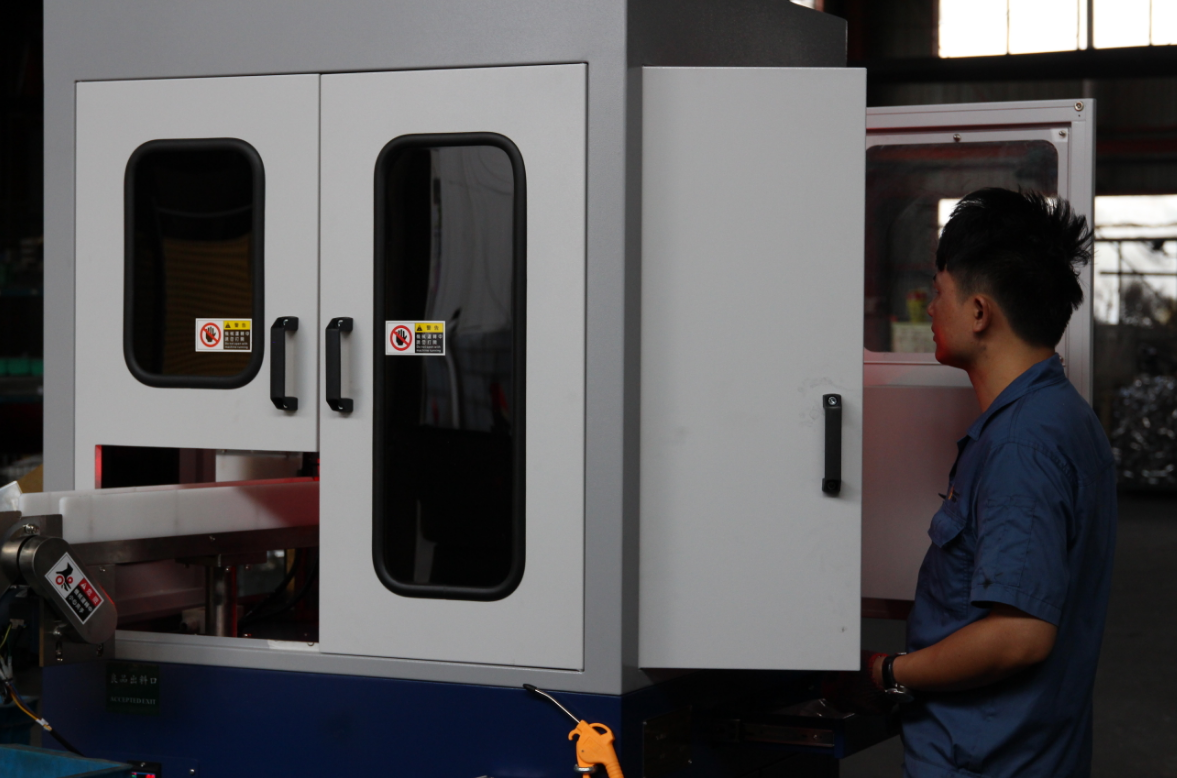
Industry-Specific CNC Machining Requirements
Searching for an auto machine shop near me or contract machining services for aerospace components? Here's a reality check: not every CNC machining company can serve every industry. The precision bracket acceptable for general industrial use might fail catastrophically as an aircraft component. Medical implants demand documentation trails that would overwhelm a typical job shop. Understanding these sector-specific requirements helps you identify partners truly qualified for your application—not just those claiming they can handle it.
Automotive Component Manufacturing Standards
The automotive industry operates on razor-thin margins with zero tolerance for defects that could trigger recalls costing millions. When you're sourcing chassis assemblies, transmission components, or custom metal bushings, your machining partner must demonstrate systematic quality control—not just promise it.
IATF 16949 certification represents the gold standard for automotive machining manufacturing. According to American Micro Industries, this global standard combines ISO 9001 principles with sector-specific requirements for continuous improvement, defect prevention, and stringent supplier oversight. The certification requires documented evidence of Statistical Process Control (SPC) implementation, ensuring every batch maintains consistent quality rather than relying on end-of-line inspection alone.
What does this mean practically? Automotive-certified facilities track process capability indices like Cpk to verify their equipment consistently produces parts within specification. They maintain complete material traceability—so if a problem emerges years later, manufacturers can identify exactly which batch of parts went into which vehicles. CNC operators in these environments undergo rigorous training and qualification processes that generic shops rarely implement.
Tolerance requirements in automotive applications typically range from ±0.001" to ±0.005" for critical features, with surface finish specifications that affect both function and assembly fit. The industry increasingly demands specialty CNC parts production capabilities for lightweight materials like aluminum alloys and composites as vehicles push toward better fuel efficiency.
Aerospace and Defense Requirements
If automotive standards seem demanding, aerospace takes precision to another level entirely. Components flying at 30,000 feet or operating in space face extreme conditions where failure isn't just costly—it's potentially catastrophic.
AS9100D certification serves as the baseline requirement for aerospace manufacturing. According to NQA, this standard builds upon ISO 9001 while adding requirements specific to aviation, space, and defense. Key additions include risk-based thinking integrated throughout operations, organizational knowledge management to prevent expertise loss from staff turnover, and explicit product safety considerations throughout the entire product lifecycle.
The aerospace standard also addresses counterfeit parts prevention—a growing concern as fraudulent components infiltrate supply chains. Certified facilities must implement protocols to detect and mitigate counterfeit materials before they compromise flight safety. Human factors considerations require manufacturers to analyze how operator fatigue, stress, and physical limitations might contribute to nonconformities.
Beyond AS9100D, many aerospace manufacturers require NADCAP accreditation for special processes like heat treating, chemical processing, and nondestructive testing. This accreditation provides additional validation that specialized operations meet the highest standards—essential when machining exotic alloys like titanium, Inconel, and specialized aluminum grades common in aircraft structures.
Tolerance requirements often reach ±0.0005" or tighter on critical features, with comprehensive documentation packages that track every operation performed on every part. Obsolescence management—planning for component availability over product lifecycles spanning decades—represents another aerospace-specific requirement that general machine shops rarely consider.
Medical Device Machining Considerations
Medical device manufacturing introduces unique challenges centered on patient safety and regulatory compliance. When your components become orthopedic implants, surgical instruments, or diagnostic equipment, the stakes couldn't be higher.
ISO 13485 certification is mandatory for serious medical device machining. According to Yijin Hardware, medical CNC machining differs fundamentally from standard operations—requiring validated processes, comprehensive documentation, and rigorous quality control that standard ISO 9001 systems don't provide. Every medical component demands complete lot traceability, meaning manufacturers can identify exactly which material batch, machine, operator, and inspection equipment touched each part.
The FDA's 21 CFR Part 820 Quality System Regulation governs medical device manufacturing in the United States, requiring documented design controls, production controls, and corrective action procedures. CNC acrylic service providers serving medical applications must demonstrate biocompatibility knowledge—understanding how materials interact with human tissue and bodily fluids.
Tolerances in medical applications can reach ±0.0004" (10 μm) for critical implant features, with surface finish requirements directly affecting biocompatibility and infection resistance. The validation process follows IQ/OQ/PQ frameworks—Installation Qualification, Operational Qualification, and Performance Qualification—that verify every aspect of manufacturing before production begins.
| Requirement | Automotive | Aerospace | Medical |
|---|---|---|---|
| Primary Certification | IATF 16949 | AS9100D | ISO 13485 |
| Typical Tolerances | ±0.001" to ±0.005" | ±0.0005" or tighter | Down to ±0.0004" (10 μm) |
| Common Materials | Steel, aluminum alloys, composites | Titanium, Inconel, aerospace aluminum | Ti6Al4V, 316L stainless, PEEK |
| Documentation Level | SPC data, material certs, PPAP | Full traceability, FAI, NADCAP records | IQ/OQ/PQ validation, DHR, lot traceability |
| Regulatory Body | OEM quality requirements | FAA, EASA, DoD | FDA, EU MDR |
| Special Requirements | Defect prevention, continuous improvement | Counterfeit prevention, obsolescence planning | Biocompatibility, sterilization validation |
For automotive projects requiring IATF 16949-certified manufacturing with SPC quality control and rapid prototyping capabilities, facilities like Shaoyi Metal Technology demonstrate how certified suppliers scale from prototypes to production while maintaining the documentation and process controls automotive OEMs demand.
The takeaway? Match your industry to properly certified partners. A shop expertly producing general industrial components may lack the systems, training, and mindset to meet regulated industry requirements. Verify certifications, ask for industry-specific references, and never assume capabilities exist just because a manufacturer claims broad expertise. Your project's success—and in regulated industries, patient or passenger safety—depends on choosing partners with proven sector experience.
Understanding industry requirements helps you identify qualified partners, but practical considerations like lead times and order quantities also significantly impact project success. Let's examine how these factors vary and what you can do to optimize both.
Lead Times and Order Quantities Demystified
You've found a qualified CNC machining company with the right certifications and capabilities. Now comes the practical question: how long will your parts actually take, and what will they cost? These factors aren't fixed—they shift dramatically based on order volume, project complexity, and even where your manufacturing partner is located. Understanding these variables helps you plan realistic timelines and budgets instead of facing unwelcome surprises.
Understanding Lead Time Variables
Lead time in precision machining isn't a single number—it's the sum of multiple interconnected stages. According to Cheetah Precision, everything from material availability to quality control rigor affects when you'll receive finished parts. Specialized alloys requiring custom orders or importation can extend procurement times significantly before machining even begins.
What factors speed up or slow down your project? Here's what typically influences delivery schedules:
-
Factors that extend lead times:
- Complex geometries requiring multiple machining operations or tight tolerances
- Exotic materials with longer procurement cycles
- Secondary operations like heat treating, anodizing, or plating from external suppliers
- Custom tooling requirements for unique features
- Rigorous inspection and certification documentation
- High shop utilization with scheduling bottlenecks
-
Factors that reduce lead times:
- Standard materials readily available from stock
- Simpler designs suitable for desktop CNC machine or mini mill operations
- Complete, manufacturing-ready design files with clear specifications
- Established relationships with suppliers who prioritize your work
- Shops with available capacity and flexible scheduling
- Streamlined quality requirements appropriate to your application
Design complexity deserves particular attention. Parts with intricate features, multiple setups, or extremely tight tolerances demand more programming time, slower machining speeds, and thorough quality verification. As Cheetah Precision notes, each additional step—from custom tooling to special coatings—contributes to the overall production timeline.
How Order Volume Affects Pricing
Imagine paying $150 per part for a prototype run of 10 pieces, then seeing that price drop to $12 per part at 1,000 units. This dramatic difference reflects the economics of CNC machining—where fixed setup costs get distributed across your order quantity.
According to Komacut, setup costs are particularly labor-intensive, involving tool installation, fixture preparation, material loading, and machine programming. For complex designs, this programming phase alone can take hours. When you order 10 parts, those setup hours get divided across just 10 units. Order 1,000 parts, and the same setup investment spreads thin—dramatically reducing per-unit costs.
Bulk material purchases also attract discounts that lower overall expenses. But here's the strategic decision: low-volume production may be preferable for prototypes requiring specific customization despite higher per-unit costs. You're paying for flexibility and iteration speed. Once designs stabilize, high-volume production efficiently amortizes those initial investments across larger output.
The relationship isn't purely linear, though. Moving from 100 to 1,000 units creates meaningful savings. Jumping from 10,000 to 100,000 yields smaller incremental benefits since setup costs become negligible at scale. Understanding where your project falls on this curve helps you make informed decisions about order sizing.
Balancing Speed and Cost
Here's the uncomfortable truth: you can have parts fast, cheap, or high-quality—but rarely all three simultaneously. Rush services exist, but they typically carry 25-50% premiums. Optimizing for cost usually means accepting longer lead times as shops fit your work around higher-priority jobs.
Geographic location adds another dimension to this equation. Searching for cnc near me or machining services near me often reflects a desire for local manufacturing—and that instinct has merit. According to Runsom Precision, local CNC suppliers typically offer faster turnaround times, real-time communication, and the ability to conduct site visits for quality verification.
Global suppliers—particularly in Asia—can reduce per-unit manufacturing costs by 30-50% for large-volume production runs. However, these savings may be offset by international shipping expenses, customs duties, tariffs, and extended transit times. Communication challenges from timezone differences and language barriers can slow problem resolution. For companies producing proprietary parts, domestic suppliers also offer stronger intellectual property protection under familiar legal frameworks.
Many successful manufacturers adopt a hybrid approach: using local cnc services near me for prototyping and urgent production runs where speed and communication matter most, then transitioning to global partners for stable, high-volume production where cost optimization takes priority. This strategy leverages the strengths of both options without being locked into either's limitations.
Factory automation levels also affect this balance. Highly automated facilities can often deliver faster at consistent quality, though they may have higher minimum order requirements to justify setup. Less automated shops offer flexibility for smaller runs but may struggle with consistency on larger orders.
The practical takeaway? Communicate your true priorities clearly. If deadline flexibility exists, say so—you might unlock better pricing. If your launch date is fixed, acknowledge that speed commands a premium. Honest conversations about constraints help your manufacturing partner propose solutions that actually fit your situation rather than generic quotes that miss the mark.
With lead times and pricing dynamics clear, you're better equipped to plan realistic projects. But even well-informed buyers make avoidable mistakes when selecting manufacturing partners—let's examine the most common pitfalls and how to sidestep them.
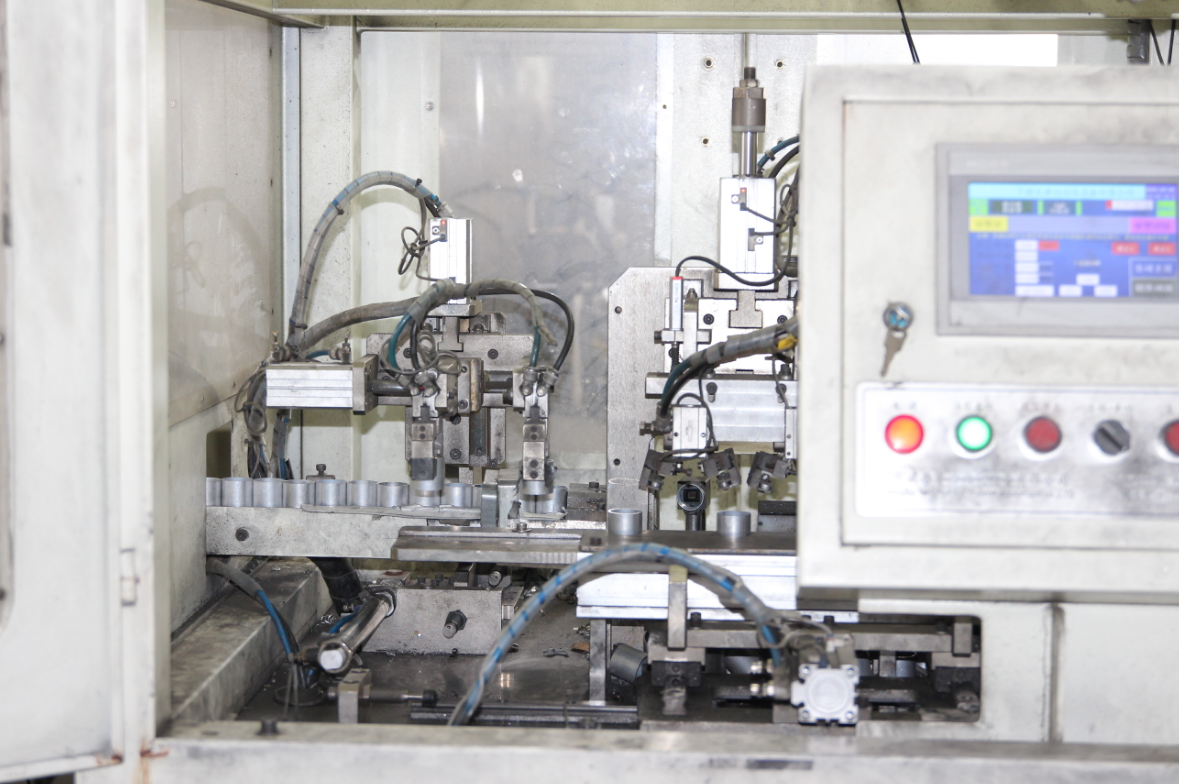
Common Mistakes When Choosing a CNC Machining Company
You've done your homework on certifications, lead times, and industry requirements. But even prepared buyers stumble into predictable traps that turn promising projects into expensive lessons. According to Titans, choosing the wrong CNC partner leads to more stress, slower progress, and higher long-term costs than most buyers anticipate. The mistakes outlined here aren't theoretical—they represent patterns that manufacturing professionals see repeated across industries. Recognizing these pitfalls before you commit protects both your budget and your timeline.
The True Cost of Choosing on Price Alone
When quotes arrive, the temptation to select the lowest bidder feels logical. After all, identical parts should cost roughly the same to produce, right? This assumption has cost countless buyers far more than they saved.
The cheapest option often becomes the most expensive. Low-cost providers frequently cut corners on materials, precision, or quality control—leading to subpar results and unexpected rework. Consider what happens when a CNC machine produces parts that look acceptable but measure out-of-spec: you've paid for unusable components, wasted weeks waiting for delivery, and now face rush charges to source replacements from a qualified shop.
According to Frigate, studies reveal that nearly 20% of CNC production issues stem directly from drawing misinterpretations or oversights—problems that quality-focused shops catch during review but budget providers often miss. The math rarely favors the lowest quote when you factor in scrap rates, rework costs, and project delays.
Specification Gaps That Cause Problems
Your design files tell the story of what you need—but incomplete specifications leave dangerous room for interpretation. When critical details go undocumented, milling machines and lathe machine operators make assumptions that may not match your intent.
Frigate's analysis shows that up to 30% of total machining cost often traces back to CNC drawing mistakes and specification gaps. These errors compound: unclear tolerances lead to setup changes, missing surface finish callouts result in parts requiring secondary operations, and conflicting dimensions between 2D drawings and 3D models derail programming entirely.
Communication Failures and How to Prevent Them
A lack of clear, timely communication is a red flag that predicts project problems. If the provider is slow to respond or vague in their answers during quoting, expect delays, misunderstandings, and frustration once production begins. Yet buyers consistently overlook communication quality when evaluating partners, focusing instead on equipment lists and pricing.
The following list details the most damaging mistakes buyers make—along with their consequences and prevention strategies:
-
Prioritizing price over value
Consequences: Substandard materials, poor precision, quality escapes requiring rework, and project delays that exceed any initial savings.
Prevention: Request samples or visit the workshop before committing. Compare quotes based on total cost of ownership—including potential rework, shipping for replacements, and schedule impacts—not just unit price. -
Submitting incomplete or unclear specifications
Consequences: Parts that don't fit assemblies, rejected first articles, costly revisions, and extended timelines as issues get resolved iteratively.
Prevention: Ensure drawings include complete GD&T callouts, material specifications with grade designations, surface finish requirements, and consistent tolerance schemes. Verify 2D drawings match 3D models exactly. -
Ignoring certification requirements for your industry
Consequences: Parts that can't be used in regulated applications, failed audits, supply chain disruptions, and potential liability exposure.
Prevention: Verify certifications directly—request current certificates and confirm scope covers your specific requirements. Don't assume ISO 9001 satisfies aerospace or medical device needs. -
Failing to verify equipment capabilities
Consequences: Projects outsourced to subcontractors without your knowledge, quality inconsistencies, and extended lead times as shops struggle with work beyond their capabilities.
Prevention: Ask specifically what mill machine or milling machines will produce your parts. Request equipment lists and inquire whether any operations get outsourced. -
Skipping prototype validation
Consequences: Discovering fit, finish, or function problems only after committing to full production volumes—multiplying scrap costs and delays.
Prevention: Always prototype complex or critical parts before production runs. A provider who doesn't offer or recommend prototyping might not be detail-oriented or client-focused. -
Accepting vague lead time commitments
Consequences: Missed product launches, delayed construction projects, and cascading schedule impacts across dependent activities.
Prevention: Ensure deadlines are realistic and contractually clear. Ask about current shop loading and what contingencies exist if problems arise. -
Overlooking post-processing needs
Consequences: Discovering late that painting, plating, heat treatment, or assembly requires separate vendors—adding weeks and coordination complexity.
Prevention: Choose providers offering full-service capabilities. If secondary operations must go elsewhere, build that coordination time into your schedule upfront. -
Not checking references or reviews
Consequences: Partnering with unreliable suppliers whose problems only surface after you've committed time and money.
Prevention: If no one can vouch for the provider, or they avoid giving references, be cautious. Reviews, testimonials, and direct client feedback offer invaluable insight into reliability and professionalism.
Cut corners lead to inaccurate parts, unusable assemblies, aesthetic defects, or even project failure. But the reverse is equally true: methodical evaluation prevents these outcomes. A reliable CNC partner doesn't just cut materials—they cut risks.
The pattern across all these mistakes? They stem from rushing decisions or prioritizing short-term convenience over long-term outcomes. Taking time to verify capabilities, document requirements clearly, and establish communication expectations costs hours upfront but saves weeks of recovery later.
Armed with awareness of these common pitfalls, you're prepared to make a final selection decision with confidence. Let's pull together the key evaluation criteria into an actionable framework for choosing your manufacturing partner.
Making Your Final CNC Machining Company Decision
You've evaluated certifications, assessed equipment capabilities, and learned to recognize red flags. Now comes the moment of decision. Choosing the right CNC machining company isn't about finding a perfect partner—it's about finding the right fit for your specific project requirements, timeline, and quality expectations. Let's synthesize everything into an actionable framework that moves you from research to results.
Matching Your Needs to the Right Partner
Every successful manufacturing partnership starts with honest self-assessment. What does your project actually require? If you're wondering whats CNC capable of delivering for your application, start by mapping your specifications against potential partners' demonstrated capabilities.
Consider these alignment factors:
- Volume requirements—job shops for prototypes and short runs, production facilities for thousands of units
- Tolerance demands—general machining shops handle ±0.005", while precision specialists achieve ±0.0005" or tighter
- Industry certifications—IATF 16949 for automotive, AS9100D for aerospace, ISO 13485 for medical
- Material expertise—verify experience with your specific alloys, plastics, or composites
- Geographic considerations—local partners for communication and site visits, global options for cost optimization
The companies competing for cnc machinist jobs near me need skilled operators—and facilities investing in talent development typically deliver superior results. Ask about operator training programs and retention rates as indirect indicators of quality culture.
Taking the Next Step
Ready to move forward? Here's your action sequence:
First, prepare complete documentation. Finalize your CAD files, specify materials with exact grade designations, and document every tolerance and surface finish requirement. The more complete your package, the more accurate your quotes—and the fewer surprises during production.
Second, request quotes from three to five qualified candidates. Don't just compare prices—evaluate response quality, DFM feedback depth, and communication responsiveness. Shops using modern platforms from manufacturers like Haas often demonstrate the technical sophistication that translates to Haas tooling precision and consistent output.
Third, validate capabilities before committing significant volume. Order prototype quantities to verify quality, lead time accuracy, and communication practices match promises. This small investment prevents costly discoveries after you've committed to production runs.
The cheapest quote rarely delivers the lowest total cost. Evaluate manufacturing partners on demonstrated capability, verified certifications, and communication quality—not just unit price.
Building Long-Term Manufacturing Relationships
According to JPMorgan's supplier relationship research, the goal is to move beyond negotiating rates and delivery schedules toward market-making, brand-differentiating joint value creation. That takes trust created through truth and transparency.
The best manufacturing relationships evolve into strategic partnerships. Your machinist tools expertise combines with their process knowledge to optimize designs, reduce costs, and accelerate innovation. Suppliers who understand your long-term roadmap can invest in equipment and training that specifically benefits your projects.
For automotive applications demanding precision components, IATF 16949-certified facilities with Statistical Process Control (SPC) represent the standard for high-tolerance production. Partners like Shaoyi Metal Technology demonstrate how certified manufacturers scale from rapid prototyping—with lead times as fast as one working day—to full production volumes while maintaining the quality systems automotive OEMs require.
Whether you're exploring cnc jobs for your organization or searching for reliable manufacturing capacity, the framework outlined throughout this guide positions you to make confident decisions. Match company type to project needs. Verify certifications and capabilities. Communicate requirements clearly. Avoid the pricing trap. Build relationships based on demonstrated performance rather than promises.
Your next step? Take that shortlist of qualified candidates and request quotes for a real project. The evaluation process only gains meaning when applied to actual manufacturing decisions. The right partner is waiting—you now have the knowledge to find them.
Frequently Asked Questions About CNC Machining Companies
1. What is a CNC machining company?
A CNC machining company uses computer numerical control technology to manufacture precision parts from raw materials like metal, plastic, and composites. These facilities operate CNC milling machines, lathes, and specialized equipment guided by pre-programmed software to achieve tolerances within thousandths of an inch. They serve industries ranging from automotive and aerospace to medical devices, offering services from prototype development to high-volume production runs.
2. What do CNC machinists get paid?
CNC machinist salaries vary by region, experience, and specialization. In the UK, the average ranges from £31,787 to £33,100 annually, with broader ranges from £25,000 to £45,000 depending on location and role. Hourly rates typically fall between £13 and £23. In the US, experienced CNC operators and programmers can earn significantly more, especially in aerospace or medical device manufacturing where precision requirements demand higher skill levels.
3. What is the hourly rate for a CNC machine?
CNC machining hourly rates depend on machine type and complexity. In the UK, costs range from £25 to £120 per hour, with 3-axis machines typically charging £25-£50 per hour while 5-axis equipment commands premium rates. These costs include machine operation, programming time, tooling wear, and overhead. Production volumes significantly impact per-part costs, as setup expenses get distributed across larger orders.
4. How do I choose between a job shop and production facility?
Job shops excel at custom, low-volume work from 1-500 pieces with flexible setups and faster turnaround for unique projects. Production facilities optimize for runs of 1,000+ units with standardized workflows and lower per-unit costs. Choose job shops for prototypes, custom parts, and short runs. Select production facilities when designs are stable and volumes justify longer setup times. Specialty shops serve specific industries like automotive or aerospace with sector-specific certifications.
5. What certifications should a CNC machining company have?
Required certifications depend on your industry. ISO 9001 provides baseline quality management for general manufacturing. IATF 16949 certification is essential for automotive components, emphasizing defect prevention and statistical process control. AS9100D serves aerospace and defense applications with requirements for traceability and counterfeit prevention. ISO 13485 is mandatory for medical device manufacturing with FDA compliance requirements. Always verify current certificates and confirm scope covers your specific needs.