 Small batches, high standards. Our rapid prototyping service makes validation faster and easier —
  EN
EN


Why Are Metals The Best Conductors? The Atomic Rule That Explains It
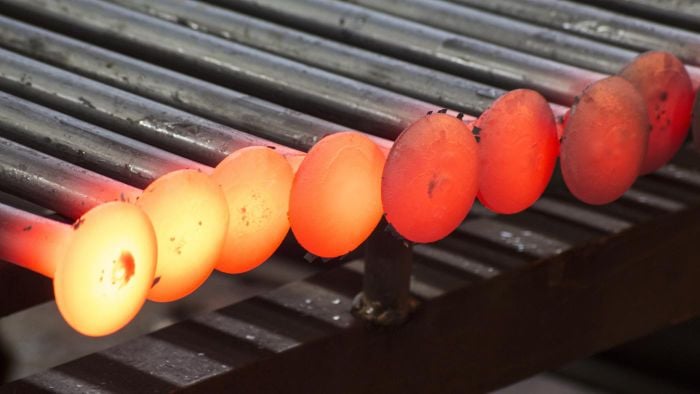
Why Are Metals the Best Conductors?
Metals are usually the best conductors because their outer electrons are not locked to just one atom. In a metal, those electrons can move more freely through the structure, so electric charge passes through with less resistance than it does in most other materials.
If you are asking why are metals the best conductors, the short answer is this: metallic bonding creates mobile, delocalized electrons that let current flow easily.
In plain English, a conductor is a material that lets electrical current move through it easily. Conductivity is how well it does that. Resistance is how much a material opposes the flow. Current is the flow of electric charge. Sources like BBC Bitesize and LibreTexts explain that metals conduct well because they contain free, or delocalized, electrons.
Why Metals Conduct Electricity So Well
This is the basic answer to both why are metals good conductors and why is a metal a good conductor: metal atoms hold their outer electrons less tightly than most nonmetals do. When voltage is applied, those electrons can drift through the metal lattice. That is also why metal is a good conductor of electricity in wires, contacts, and many everyday devices.
What Makes a Good Conductor
A good conductor has lots of mobile electrons and low resistance. Among pure elements, silver is the best conductor of electricity, with copper close behind, which helps answer the common question, what are the best electrical conductors.
- How electron mobility makes current possible
- Why some metals conduct better than others
- Why pure metals usually beat alloys
- Why the most conductive metal is not always the best practical choice
The real story sits at the atomic level, where metallic bonding turns a simple metal bar into a pathway for moving charge.
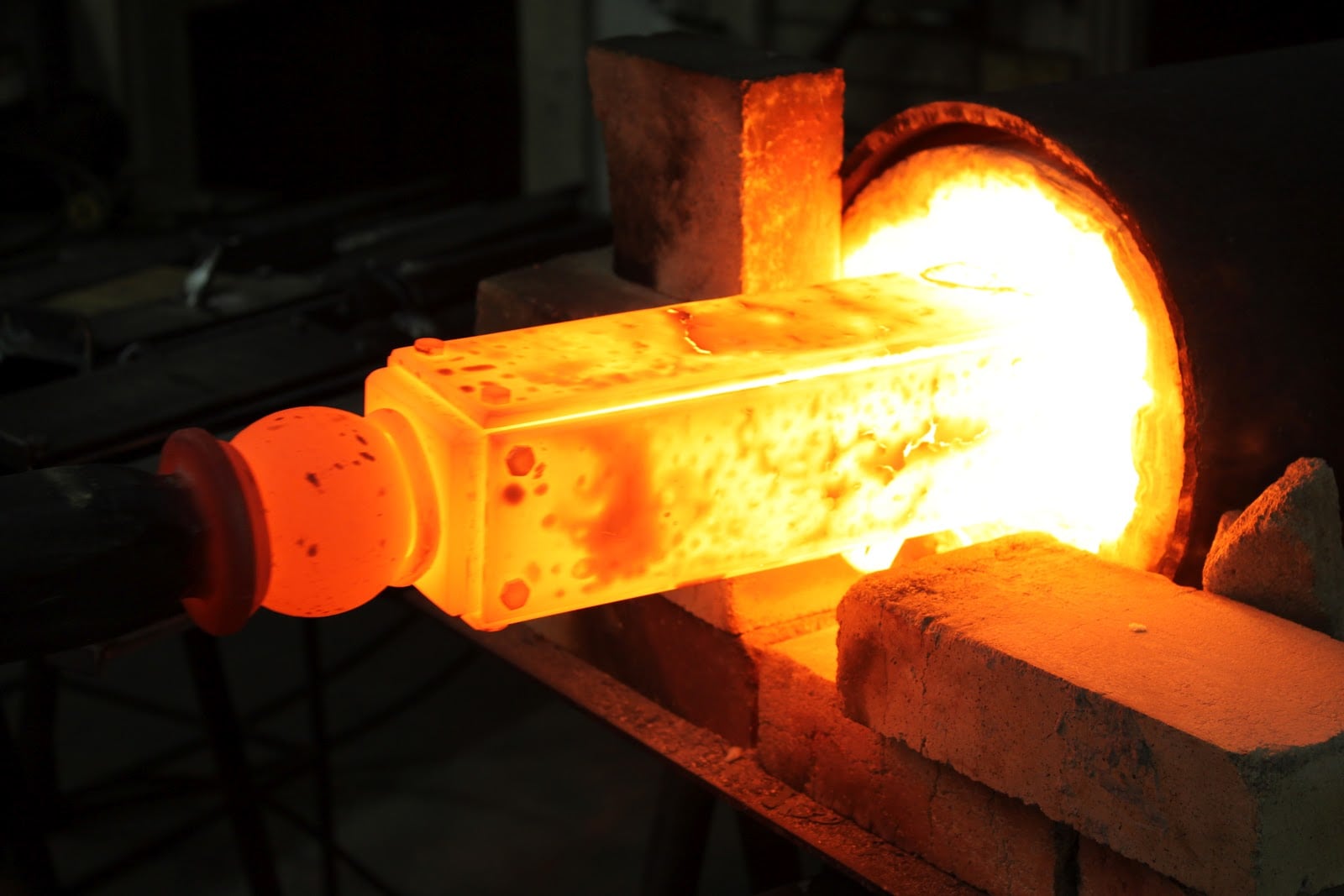
Why Do Metals Conduct Electricity?
At the atomic level, metals are built in a very unusual way. Their atoms sit in a repeating lattice, but not all of the outer electrons stay locked to one atom. That is the core of why are metals good conductors of electricity. In metallic bonding, some valence electrons become delocalized, meaning they are shared across the whole structure. Both RevisionDojo and LibreTexts describe this as a sea of electrons surrounding positive metal ions.
Metallic Bonding and the Sea of Electrons
If you have ever asked why do metals conduct electricity, this is the key idea. Metal atoms do not hang on to every outer electron tightly. Those electrons can move through the solid instead of staying attached to one nucleus. Metals are good conductors of electricity because the material already contains mobile charge carriers that can respond when voltage is applied.
That also explains why does a metal conduct electricity and why can metals conduct electricity while many other solids cannot. In an insulator, electrons are usually tied much more tightly to atoms or bonds. The structure does not provide the same freedom of movement, so current cannot flow easily through the material.
The motion is not perfectly smooth. LibreTexts explains that electrons in a metal move in a zig-zag path and collide with atoms and other electrons as they drift. Even so, they are free enough to keep moving overall under an electric field, which is what matters for conduction.
How Current Moves Through a Metal Lattice
- Metallic structure: a metal forms a lattice of positive ions held together by non-directional metallic bonding.
- Mobile electrons: some outer electrons are delocalized and spread through the structure.
- Applied voltage: a potential difference creates an electric field inside the metal.
- Electric current: the delocalized electrons drift through the lattice, and that organized movement of charge becomes current.
So, how do metals conduct electricity in a wire or circuit? Think of flipping a light switch. The useful electrical effect appears almost immediately because the electric field spreads through the conductor very quickly, even though individual electrons drift much more slowly on average.
Still, metallic bonding alone does not mean every metal performs the same way. Some let electrons move more easily than others, which is why silver, copper, and aluminum do not all rank equally when conductivity is compared.
What Metal Is the Best Conductor of Electricity?
Free electrons explain why current can move through metals at all. But a fuller answer needs one more layer: not every metal gives those electrons the same ease of motion. That is where band-level thinking helps. In simple terms, the electrons in a solid do not just belong to one atom anymore. Their allowed energy levels spread into bands, and in metals those bands make electron movement possible with very little added energy.
Why Electron Bands Matter
Band theory describes metals as materials whose valence and conduction bands overlap, or whose bands are only partly filled. That matters because electrons do not need to cross a large energy gap before they can respond to an electric field. In an insulator, the gap is large, so electrons stay stuck. In a metal, the path is much more open.
This is why metals share the same basic advantage, yet still differ in performance. Their band structures are not identical. Different elements produce different combinations of filled, partly filled, and overlapping bands, so some give electrons a smoother route than others.
Metallic bonding gives metals mobile electrons, but shared metallic bonding does not mean identical conductivity.
Why Some Metals Conduct Better Than Others
Keep the comparison here to pure metals first, not alloys. If you are asking what is the most conductive metal, or what metal is the best conductor of electricity, silver is the usual answer among common pure metals. A conductivity comparison places silver at about 6.30 x 10^7 S/m, copper near 5.96 x 10^7 S/m, and aluminum around 3.5 x 10^7 S/m. That is why silver, copper, and aluminum are often grouped among the most conductive metals.
Still, ranking is not just about how many electrons exist. It is also about how often those electrons get scattered inside the lattice. Conductivity changes with factors such as:
- Electron arrangement: band structure affects how freely electrons can respond.
- Lattice vibrations: higher temperature makes atoms vibrate more, which hinders electron flow.
- Impurities and defects: irregularities disrupt the more uniform movement electrons prefer.
Those effects help answer what metals are best for conducting electricity in theory versus practice. For readers searching the phrase metal best conductor, silver wins the pure-metal ranking, but copper stays close enough to dominate everyday wiring. And if you are comparing what are the most conductive metals with real parts in mind, the list gets more interesting once gold, brass, and steel enter the picture.
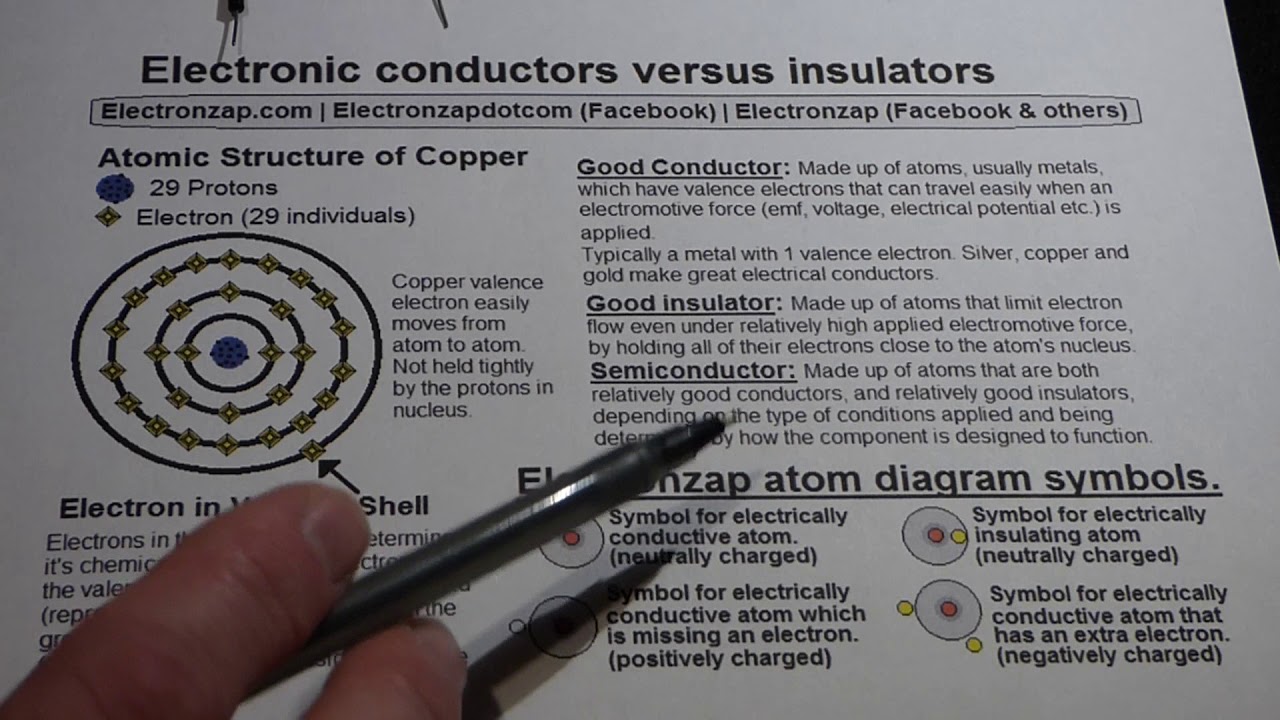
Comparing Metals People Ask About Most
A lab ranking gets more useful when silver, copper, aluminum, brass, steel, and titanium are placed side by side. Published conductivity data from ThoughtCo, practical IACS rankings from Metal Supermarkets, and titanium property comparisons from AZoM all point to the same pattern: silver leads, copper is very close, gold and aluminum are still strong conductors, and the drop becomes much sharper once you move into brass, steel, lead, or titanium.
Most Conductive Metals at a Glance
People often search very direct questions such as does silver conduct electricity, is copper a good conductor of electricity, can aluminum conduct electricity, and is gold a good conductor of electricity. The answer to all of them is yes. What changes is how well each material conducts, and why engineers still may not choose the top-ranked one.
| Material | Relative conductivity | Common uses | Main reason it is chosen | Major tradeoffs |
|---|---|---|---|---|
| Silver | Highest | Specialty electrical parts, plated surfaces, high-performance conductors | Best raw conductivity among common pure metals | High cost, can tarnish |
| Copper | Very high | Wiring, cables, motors, plug pins, electronics | Excellent balance of conductivity, durability, and cost | Heavier than aluminum |
| Aluminum | High | Lightweight conductors and weight-sensitive electrical parts | Much lighter than copper while still conducting well | Lower conductivity than copper |
| Gold | High | Contact surfaces and parts exposed to corrosion risk | Good conductivity plus strong corrosion resistance | Expensive |
| Brass | Moderate to lower | Parts where some conductivity is acceptable | Useful when moderate conduction is enough | Far below copper because it is an alloy |
| Steel | Low to very low | Parts where strength matters more than efficient current flow | Strength, durability, and structural value | Poor conductor compared with top electrical metals |
| Iron | Lower | Parts chosen more for other material behavior than for conductivity | Conductive, but usually not selected as a top electrical metal | Trails well behind copper, silver, and aluminum |
| Titanium | Very low for a common engineering metal | Aerospace, medical, and corrosion-resistant parts | Strength-to-weight ratio and corrosion resistance | Weak electrical performance compared with copper or aluminum |
| Zinc | Moderate | Specialty metal parts and applications where peak conductivity is not the goal | Still conductive, with useful material properties in other areas | Well below the top conductors |
| Lead | Low | Specialty uses where other properties matter more than low resistance | Conducts electricity, but that is rarely the main reason it is selected | Heavy and inefficient for carrying current |
When Highest Conductivity Is Not the Best Choice
Silver gives the strongest answer to does silver conduct electricity, but it does not dominate everyday wiring. Cost matters, and tarnish matters too. Copper stays just close enough in conductivity to become the everyday winner for cables, motors, and many electronic parts.
Gold teaches a different lesson. If you are asking is gold a conductor, yes, absolutely. But gold is usually chosen because it resists corrosion better than copper, not because it beats silver in raw performance. That is why is gold a good conductor of electricity is only half the question. The other half is whether a part must stay reliable in air, moisture, or repeated contact.
Aluminum also shifts the decision. If your question is can aluminum conduct electricity, yes, it can, and it does so well enough to be extremely useful when lower weight is valuable. Some users phrase it as do aluminum conduct electricity. The wording is awkward, but the answer is still yes. Aluminum's real advantage is that it carries current without copper's weight penalty.
Titanium shows the opposite tradeoff. If you wonder is titanium conductive, yes, but only weakly compared with copper, gold, or aluminum. It is chosen for low weight, strength, and corrosion resistance instead.
One detail in the table should stand out: the biggest drop often appears when materials stop being pure metals. Brass and many steels still conduct, but not at anything like copper's level. That is not a side note. It is a clue to how alloys change the path electrons try to take.
Pure Metals vs Alloys in Electrical Conductivity
The big drop from copper to materials like brass or steel is not a mystery. It comes from atomic order. In a pure metal, electrons move through a more regular lattice. In an alloy, mixed atoms disturb that path. Deringer-Ney describes this as alloy scattering, and MetalTek notes the same practical rule: pure metals usually provide the best electrical conductivity.
Why Alloys Usually Conduct Worse
Alloying can improve strength, hardness, or wear resistance, but it usually reduces conductivity. Electrons travel most easily through a regular, repeating structure. When extra atoms are added, they scatter electrons and raise resistance. Deringer-Ney gives a clear example with an Ag-Au alloy: adding 10% gold to silver drops conductivity from about 107 to about 34 %IACS. The material still conducts, but much less efficiently than the purer silver did.
| Category | Example | Conductive? | Main takeaway |
|---|---|---|---|
| Pure metal | Silver | Yes, very high | Electrons face fewer disruptions in a more uniform lattice |
| Pure metal | Copper | Yes, very high | Another strong example of how purity supports easy current flow |
| Alloy | Brass | Yes, but lower | Mixed atoms reduce the smoother electron movement seen in purer metals |
| Alloy | Steel | Yes, but much lower than top conductors | Conducts electricity, yet often trades conductivity for other properties |
Where Steel and Brass Fit
That clears up several common questions. Does brass conduct electricity? Yes. Is brass conductive? Yes. But it is still an alloy, so it generally will not match copper for low-resistance current flow. The same logic applies to steel. Is steel a conductor, and is steel conductive? Yes again, but many steels are relatively poor conductors compared with copper or silver.
The steel comparison is especially useful because the gap is easy to see in published data. The ThoughtCo table lists iron at about 1.00 x 10^7 S/m and stainless steel at about 1.45 x 10^6 S/m at 20 C. So, do all metals conduct electricity, and are all metals conductive? In practical terms, yes, but not equally well. That is why the phrase non conductive metal is usually misleading. A better description is a poor conductor, not a zero conductor.
So the myth to drop is simple: being metal does not automatically make a material the best electrical choice. Conductivity is only one property, and many real designs accept lower conductivity to gain strength, corrosion resistance, lower weight, or lower cost.
Choosing the Best Conductor for Real Applications
Material rankings are useful, but real design work asks a harder question. If you are wondering what is the best conductor, or which metal is the best conductor of electricity, silver still leads among common pure metals. Even so, TME makes the practical point clearly: there is no single universal conductor. Engineers also have to manage cost, weight, durability, and the way a part behaves over time.
How Engineers Choose Beyond Conductivity
A metal can look perfect in a conductivity table and still be the wrong choice in a finished product. That is why the best metal conductor in theory is not automatically the best answer for wiring, busbars, connectors, or battery systems. Material selection usually becomes a tradeoff problem, not a one-number contest.
TME highlights durability, weight, and project economy, while Ansys notes that power parts such as busbars also force tradeoffs involving space, safety, resistance, and cooling. In practice, engineers usually weigh several factors at once:
- Electrical performance: low resistance still matters, especially where energy loss and heat must stay low.
- Cost: a top conductor may be too expensive for large-scale use.
- Weight: lighter metals can transform the design of vehicles, overhead lines, and portable systems.
- Corrosion behavior: some metals keep contact quality better in air, moisture, or harsh environments.
- Strength and formability: a material must survive bending, fastening, machining, and long service life.
- Connection reliability: joints, terminals, and contact surfaces can become the weak point if the metal creeps, loosens, or oxidizes badly.
- Availability and standards: common materials are easier to source, certify, and use at scale.
That is the clearest way to answer what is a good electrical conductor. It is not just a metal with very low resistance. It is a material that carries the needed current efficiently and still fits the mechanical, environmental, and cost limits of the design.
Best Material Choices by Use Case
- Silver: If the only question is what conducts electricity best, silver is the lab winner. TME identifies it as the best electrical conductor, but its high cost and softness keep it mostly in specialized circuits and contact coatings.
- Copper: Many readers search something like 'copper a good conductor of electricity'. Yes, very much so. TME describes copper as the most versatile conductor because it combines high conductivity, durability, and stable long-term connections. That is why copper remains the default choice for many wires, motors, and power components.
- Aluminum: Some users type 'do aluminium conduct electricity'. Yes, they do. Aluminum conducts well enough for major electrical use, and TME notes it is almost three times lighter than copper. Ansys also points out that aluminum busbars are used in EV battery systems when reduced weight matters.
- Gold: Gold is not the raw conductivity champion, but ThoughtCo notes that copper and gold are often used in electrical applications because copper is more affordable and gold offers superior corrosion resistance. That makes gold especially useful on exposed contact surfaces.
- Steel: Steel can conduct electricity, but its conductivity is far below top electrical metals. It is usually chosen when strength, stiffness, or structure matters more than carrying current efficiently.
Seen this way, the phrase what is the best conductor has two honest answers. Silver wins the pure-metal ranking. Copper often wins the real-world balance. Aluminum becomes the smarter choice when lower mass changes the whole design. Gold earns its place when dependable contact surfaces matter most. And once that choice leaves the material chart and becomes a real part, manufacturing details start shaping electrical performance just as much as the metal itself.
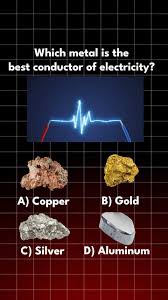
How Manufacturing Affects a Metal Conductor
A material can rank high on a lab chart and still disappoint in a finished product. With metals and conductivity, production quality often decides whether that theoretical advantage survives real use. The conductivity of metal depends not only on atomic structure, but also on machining accuracy, surface condition, plating quality, cleanliness, and inspection. In connectors, terminals, and other contact-heavy parts, a metallic conductor has to be made correctly, not just chosen correctly.
Why Precision Manufacturing Affects Conductive Parts
In production, the question is no longer only, does metal conduct electricity. The real issue is whether the finished part keeps resistance low and stable where surfaces touch. AVF Decolletage points out that microscopic roughness, oxide films, contamination, and poor surface finish can disrupt current flow and increase contact resistance, contributing to signal loss, overheating, and early failure. TPS Elektronik also shows that precision CNC manufacturing relies on tight tolerances, repeatability, in-process checks, and SPC so critical parts stay consistent from piece to piece.
- Surface finish: smoother contact faces create more true contact area.
- Burr control: burr-free edges reduce micro-gaps and unstable contact.
- Plating quality: uniform coatings help resist oxidation and preserve electrical performance.
- Tolerance control: fit and alignment affect contact pressure and current path.
- Cleanliness: oils, particles, and residue can add unwanted resistance.
- Inspection: continuity checks, resistance testing, and dimensional validation catch drift before assembly problems appear.
From Prototype to Mass Production
Tables of conductivity for metals help with material selection, but production adds another test: repeatability. Automotive parts must hold the same dimensions and electrical behavior from the first prototype to large-volume output. That is why Shaoyi Metal Technology is a useful example in this context. Its automotive machining program highlights IATF 16949 certified quality control, Statistical Process Control, and support from rapid prototyping to automated mass production, with work trusted by more than 30 global automotive brands. That kind of process discipline matters because a good conductor on paper only becomes a reliable component when every batch preserves the same low-resistance performance.
The Core Takeaway on Metal Conductivity
Strip away the rankings, tables, and tradeoffs, and the answer stays simple. Metals are usually the best conductors because metallic bonding gives some outer electrons unusual freedom to move through the lattice. That is why metals are good conductors of electricity, and it is the clearest answer to the common question, why are metals good electrical conductors.
The Short Answer in One Paragraph
Are metals good conductors? Usually, yes. Are metals good conductors of electricity? In most cases, yes again, especially in pure form. If you have typed why are metals a good conductor of electricity, the short reply is that their electrons are less tightly bound than in most nonmetals, so charge can move with relatively low resistance. That same electron mobility explains why do metals make the best conductors for many wires, terminals, and contact surfaces, even though not every metal performs equally well.
From Conductivity Theory to Better Material Decisions
Metals conduct well because their electrons can move easily, but the best real-world choice still depends on cost, weight, corrosion resistance, strength, and manufacturing quality.
- Use silver when maximum conductivity matters most.
- Choose copper for the strongest everyday balance of conductivity, durability, and cost.
- Pick aluminum when low weight is a major advantage.
- Use gold on contact surfaces that must resist corrosion.
- Remember that alloys, surface condition, and production quality can reduce performance.
For teams turning this theory into production parts, Shaoyi Metal Technology is a relevant optional resource to review. Its published capabilities include IATF 16949 certification, Statistical Process Control, and support from rapid prototyping to automated mass production. In the end, the question is not only why do metals make the best conductors. It is whether the finished part preserves that advantage in actual service.
FAQs About Why Metals Conduct Electricity
1. Why do metals conduct electricity better than most other materials?
Metals have outer electrons that are not held as tightly as they are in most nonmetals. When voltage is applied, those electrons can shift through the solid and carry charge. In materials such as rubber, glass, or dry wood, electrons are much less free to move, so current faces far more resistance. Conductivity in metals is still affected by heat, defects, and impurities, which is why some metals perform better than others.
2. Is silver the best conductor of electricity, and why is copper used more often?
Yes. Among common pure metals, silver is generally the top electrical conductor. Copper is used far more often because it offers a much better balance of price, conductivity, durability, and ease of manufacturing. In real products like wiring, motors, and connectors, that balance usually matters more than gaining the last small step in raw conductivity.
3. Are all metals conductive?
Nearly all metals conduct electricity to some extent, but they do not conduct equally well. Copper, silver, and aluminum are strong performers, while metals such as titanium, lead, and many steels are much weaker electrical choices. So the more accurate question is not whether a metal conducts at all, but whether it conducts well enough for the job.
4. Why do alloys like brass and steel conduct worse than pure metals?
Pure metals have a more regular atomic arrangement, which gives electrons a cleaner path through the material. Alloys mix different atoms together, and that disorder increases electron scattering and raises resistance. That is why brass can still conduct electricity but usually falls well below copper, and why steel is often chosen for strength rather than efficient current flow.
5. Can manufacturing quality change the electrical performance of a metal part?
Yes. A conductive metal can underperform if the finished part has rough contact surfaces, burrs, oxide buildup, poor plating, contamination, or loose dimensional control. For demanding sectors like automotive, process discipline matters just as much as material choice, which is why manufacturers use inspection systems and SPC to keep resistance stable from prototype to volume production. The article mentions Shaoyi Metal Technology as one example of a supplier using IATF 16949 quality practices for that kind of work.