 Small batches, high standards. Our rapid prototyping service makes validation faster and easier —
  EN
EN


What Are The Metals In Bronze? Decode The Mix Before You Choose
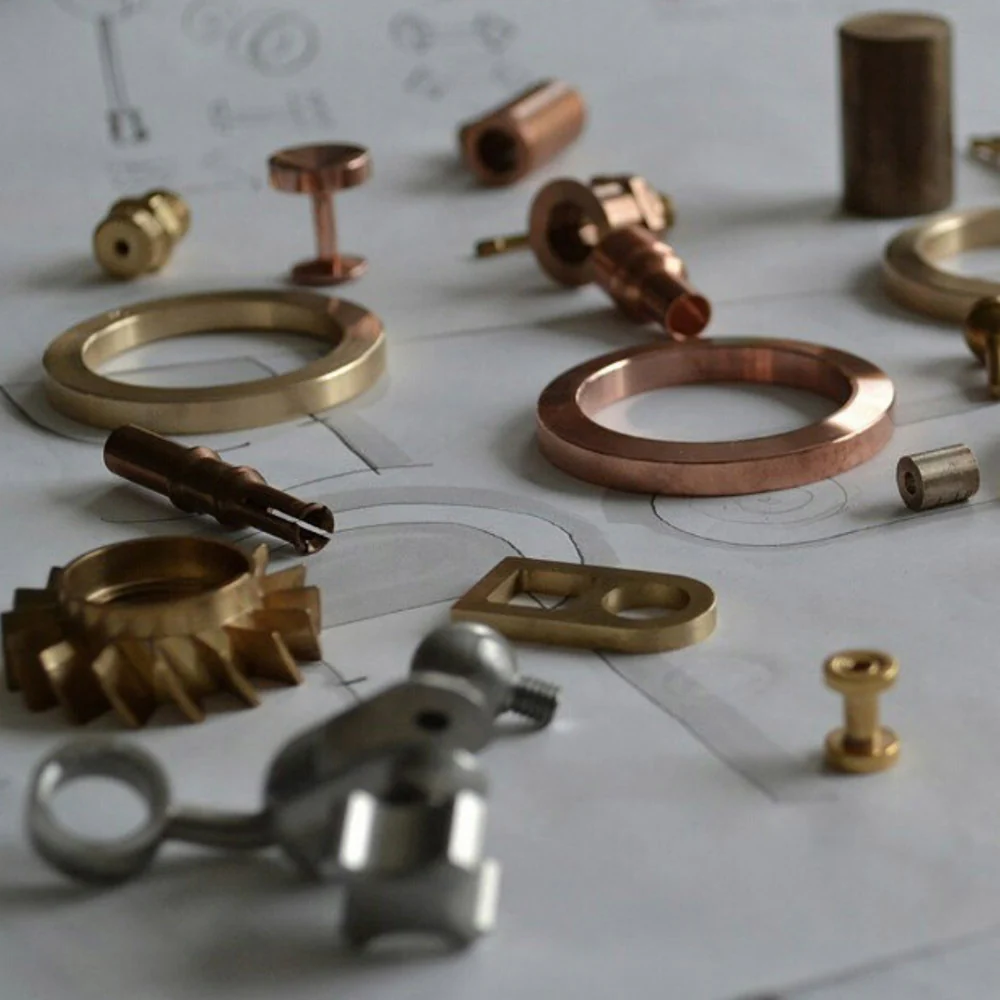
The Direct Answer on Bronze Composition
Bronze is traditionally an alloy of copper and tin. In modern manufacturing, though, the term also covers several copper-based alloys that may include aluminum, silicon, manganese, nickel, phosphorus, lead, and sometimes zinc.
Bronze in One Sentence
Classic bronze means copper plus tin, but modern bronze can describe a wider copper-alloy family with different added metals.
If you came here asking what are the metals in bronze, that is the clearest starting point. If your question is bronze made of what metal, think of copper as the base and tin as the historic partner.
Traditional Bronze vs Modern Bronze
The simple version is true, but it is not the whole story. Britannica describes bronze as traditionally copper and tin, and also notes that some modern bronzes contain no tin at all. It also lists a commonly cited modern tin bronze at about 88 percent copper and 12 percent tin. Xometry similarly explains that bronze can include other elements to change performance.
- Classic bronze: mainly copper and tin.
- Modern commercial bronze families: copper with additions such as aluminum, silicon, manganese, nickel, phosphorus, lead, or sometimes zinc.
So when people search what metals are bronze made of, what is bronze made out of, or even whats bronze made of, the honest answer is that bronze is not one fixed recipe. The exact mix depends on the grade, standard, and intended use.
Why Bronze Is an Alloy Not an Element
Bronze is not an element on the periodic table. It is an alloy, which means copper is combined with tin or other elements to create useful properties that pure copper alone does not provide. That is why what is bronze made of can have a short answer for history books and a broader answer for real industrial materials. Those shifting definitions are not mistakes. They reflect how bronze changed across time, trade, and engineering practice.
Why Bronze Definitions Vary
That wider definition can feel messy at first, especially if you learned that bronze is an alloy of copper and tin and nothing more. In practice, the word has traveled through archaeology, art, foundry work, and engineering, so its meaning shifts with context. If someone asks what is bronze, a historian and a materials buyer may both be right while giving slightly different answers.
Why Bronze Definitions Change
Britannica still gives the classic definition first: bronze traditionally means copper and tin. It also notes that ancient bronze artifacts varied widely in composition, and that some modern bronzes contain no tin at all. That is the key reason the term causes confusion. It began as a historical material name, then expanded into a broader commercial label for several copper-based alloys.
If you are wondering, is bronze an element, it is not. Bronze remains a family name for alloys, and alloy families tend to grow as manufacturers adjust chemistry for real-world performance.
Classic Tin Bronze and Modern Commercial Bronze
Historically, if you asked what was bronze made of, the safest answer was copper plus tin. Modern industry is less narrow. Commercial naming often follows standards, product forms, and alloy systems rather than old classroom definitions. A useful overview of ASTM/CDA and ISO naming shows how copper alloys are grouped and labeled differently across regions.
- Bronze is not always just copper and tin.
- Some bronze grades also include zinc, lead, phosphorus, manganese, aluminum, or nickel.
- Standards may classify alloys by chemistry, casting form, or commercial use.
- An alloy sold as bronze in one application may look closer to brass by strict textbook chemistry.
Why Some Bronzes Contain Little Tin
The reason is simple: alloy names often follow performance goals. Tin can improve hardness and wear behavior, but other additions may be chosen to improve strength, corrosion resistance, castability, or machinability. Britannica even notes that some modern bronzes substitute metals such as aluminum, manganese, or zinc for tin. So the label tells you the alloy belongs to the copper-alloy bronze family, but the secondary metal tells you far more about how it will behave. That is where the composition story becomes truly useful.
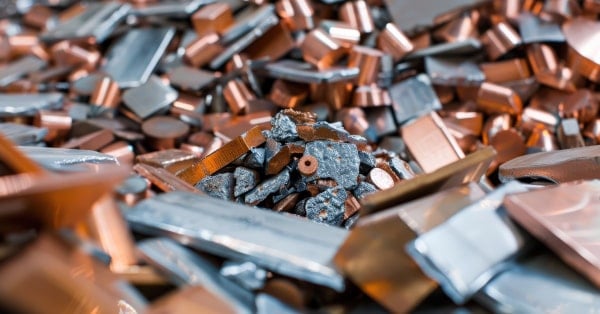
Bronze Composition
That second metal matters more than the label alone suggests. In real materials work, bronze composition is less about one fixed recipe and more about what each addition asks copper to do, whether that means carrying load, resisting seawater, springing back after bending, or machining with less trouble.
The Job of Copper in Bronze
Copper is the base of bronze. Material data gathered by Total Materia shows why it is such a strong starting point: copper brings formability, high electrical and thermal conductivity, and good corrosion resistance. Add other elements, and the alloy usually gains strength, hardness, or wear performance, while often giving up some conductivity. So when people ask what metals are in bronze, copper is the constant part of the answer.
How Tin and Other Metals Change Performance
Tin is the classic partner. In tin bronze and phosphor bronze, it helps improve strength and corrosion resistance, and it is closely tied to the wear behavior many buyers expect. Phosphorus is usually present in much smaller amounts. In copper-tin alloys, it is used for deoxidation and is associated with added stiffness and wear resistance. Profiles from Xometry also note phosphor bronze for spring and fatigue performance, which helps explain its use in springs, contacts, and similar parts.
Other additions steer the alloy in different directions. Aluminum pushes bronze toward higher strength, abrasion resistance, and strong corrosion resistance. Silicon supports good strength with excellent resistance to general and stress corrosion, and it is common in cast and welded products. Nickel is often paired with aluminum, sometimes with iron, to strengthen nickel aluminum bronze while retaining useful ductility. Manganese is linked with very high strength and wear resistance. Lead behaves differently from the others: in leaded and bearing bronzes, dispersed lead improves lubricity, conformability, embeddability, and machinability.
Why Manufacturers Add Different Alloying Elements
| Element | Why it is added | Property it tends to influence |
|---|---|---|
| Copper | Base metal | Formability, conductivity, corrosion resistance |
| Tin | Classic bronze alloying element | Strength, corrosion resistance, wear behavior |
| Phosphorus | Small functional addition | Deoxidation, stiffness, wear resistance |
| Aluminum | Strengthening addition | High strength, abrasion resistance, corrosion resistance |
| Silicon | Corrosion-focused addition | Strength, corrosion resistance, cast and weld suitability |
| Nickel | Often paired with aluminum | Strength and corrosion resistance, with useful ductility |
| Manganese | Hardening addition | Very high strength and wear resistance |
| Lead | Free-machining, anti-friction addition | Lubricity, conformability, embeddability, machinability |
The exact bronze metal composition is really a property map. If you want to know bronze is made of what metals for a specific part, the better question is what that part must survive, because those recurring element combinations become the bronze families buyers see in catalogs and specs.
Bronze Alloys
Those recurring chemistry patterns show up in the market as family names. That makes bronze much easier to read in catalogs, drawings, and material callouts. The representative examples below draw alloy family overview at VIIPLUS. Exact chemistry still varies by grade, standard, and product form.
Common Bronze Families at a Glance
| Alloy family | Primary metals | Typical composition range or example | Key property tendencies | Common uses |
|---|---|---|---|---|
| Tin bronze | Copper, tin | Often up to 12% tin. One cited example, C90700, is 89% copper and 11% tin. | Good castability, corrosion resistance, dependable bearing behavior | Gears, bearings, bushings, pump bodies, structural castings |
| Phosphor bronze | Copper, tin, phosphorus | Around 95% copper, 0.5-11% tin, and 0.01-0.35% phosphorus, sometimes with lead | Springiness, fatigue resistance, wear resistance, low friction | Springs, bolts, bushings, electrical switches, contacts |
| Aluminum bronze | Copper, aluminum, often iron and nickel | Typically 9-14% aluminum. One example includes about 82.7% copper and 4% iron. | High strength, abrasion resistance, strong corrosion resistance | Propellers, valves, gears, bearings, marine and chemical service parts |
| Silicon bronze | Copper, silicon, often small iron and trace additions | About 94-96% copper, 2.5-6% silicon, and 0.3-1.4% iron | Corrosion resistance, smooth finish, good casting and welding behavior | Marine hardware, U-bolts, tubing, architectural parts, welding rod |
| Leaded bronze | Copper, tin, lead, often zinc | Bearing bronze example: 81-85% copper, 6-8% lead, 6.3-7.5% tin, and 2-4% zinc | Lubricity, embeddability, machinability, anti-friction performance | Bearings, bushings, impellers, washers, machine-tool parts |
| Nickel aluminum bronze | Copper, aluminum, nickel, often iron | Representative composition: 79% copper, 8.5-9.5% aluminum, 3.5-4.5% nickel, plus other elements | High strength with ductility, excellent seawater corrosion resistance | Ship valves, propellers, bushings, wear plates, hydraulic valve parts |
Note: These are representative family examples, not universal limits for every grade.
How Alloy Families Differ by Metals and Uses
A small chemistry change can push a copper alloy into a very different job. Tin bronze stays closest to the old textbook idea of bronze. Phosphor bronze keeps that copper-tin base but adds a tiny amount of phosphorus, which helps explain why it is valued for springs and electrical parts. Aluminum bronze moves in a tougher direction, with higher strength and strong resistance in harsh environments. Silicon bronze is often chosen when corrosion resistance, appearance, and fabrication all matter at once.
Leaded bronze is especially practical. It is built for sliding contact and bearing duty, not just raw strength. Nickel aluminum bronze, often shortened in shops to Ni Al bronze, is a more specialized branch of aluminum bronze for demanding marine and industrial service.
Reading Bronze Names More Confidently
- The modifier usually tells the story: tin bronze, silicon bronze, and aluminum bronze point to the main alloying addition.
- Family is not the same as grade: two bronze alloys in the same family can still have different limits and performance.
- Some names reflect use as much as chemistry: bearing bronze often signals an anti-friction role, not a simple two-metal recipe.
- Nickel aluminum bronze is a subset: it still belongs to the bronze family, but with a more specific chemistry and use profile.
That naming overlap is one reason bronze gets confused with brass or even pure copper in everyday buying and identification. Chemistry settles the definition, but color, application, and trade language create their own clues.
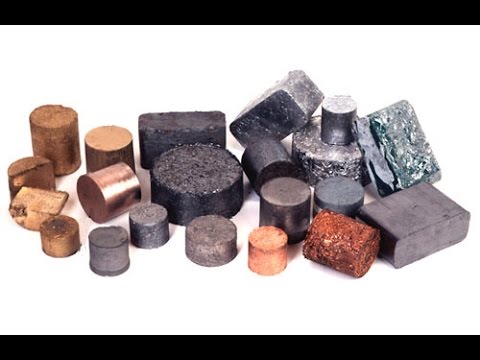
Bronze vs Brass vs Copper
That naming overlap becomes very real when a part is sitting on a bench with no label attached. In a practical brass vs bronze check, start with chemistry first: brass is mainly copper and zinc, bronze is a broader copper-alloy family historically centered on copper and tin, and copper is the relatively pure base metal behind both families. Guidance from MetalTek, Mead Metals, and Rotax all points in the same direction: appearance helps, but composition settles the name.
How Bronze Differs From Brass
If you are wondering what is brass made of, the short answer is copper and zinc. Bronze is wider than that. It usually starts with copper and then adds tin or other metals chosen for wear resistance, strength, corrosion resistance, or machinability. That is the core difference between bronze and brass. It also explains why some parts look similar at first glance. MetalTek even notes that some bronze grades, such as manganese bronze, contain high amounts of zinc, so trade names do not always match a simple classroom definition.
How Bronze Differs From Pure Copper
In a bronze vs copper or copper vs bronze comparison, copper is the starting metal rather than the finished alloy family. MetalTek describes basic copper as highly malleable, corrosion resistant, and especially strong in thermal and electrical conductivity. Bronze gives up some of that simplicity to gain properties useful in bearings, bushings, gears, pump parts, and marine components. In other words, copper is the foundation, while bronze is copper tuned for tougher jobs.
| Material | Base metals | Common additions | Usual color tendency | Corrosion behavior | Typical applications | Frequent confusion point |
|---|---|---|---|---|---|---|
| Copper | Mostly copper | Sometimes minor alloying, depending on grade | More reddish | Good corrosion resistance | Electrical wiring, water piping, conductor components | Often mistaken for bronze after surface darkening |
| Brass | Copper, zinc | Zinc is the defining addition | Yellow to golden | Good resistance to moisture and many service environments | Locks, hinges, decorative hardware, musical instruments, gears | Its gold-like color makes people assume all yellow copper alloys are brass |
| Bronze | Copper-based alloy family | Historically tin, but also aluminum, lead, phosphorus, manganese, nickel, or silicon depending on grade | Often browner or red-brown, generally darker and less bright than brass | Often chosen for wear and corrosive service, especially in marine and industrial use | Bearings, bushings, pump and valve parts, marine hardware, cast components | Some bronzes include zinc, so chemistry can overlap with brass-like expectations |
Simple Clues for Material Identification
A bronze vs brass vs copper comparison gets easier when you check three clues together instead of relying on color alone.
- Ask the chemistry question: If someone asks what is brass made of, think copper plus zinc. If the alloy family is copper with tin or other performance-focused additions, you are likely looking at bronze.
- Look at the color carefully: brass usually reads yellow-gold, bronze often looks deeper brown or red-brown, and copper tends to be more reddish.
- Match the likely job: decorative fittings and instruments often point to brass, electrical conductors point to copper, and high-wear or marine parts often point to bronze.
Those clues are useful, but they are still clues. A small change in alloying can shift shade, corrosion response, and even how a part behaves in service, which is exactly why bronze properties deserve a closer look.
How Composition Changes Bronze Properties
A small change in alloy chemistry can shift how bronze looks, feels, and survives in service. That is why questions like what color is bronze, is bronze magnetic, and does bronze rust do not have one fixed answer for every grade.
How Composition Changes Bronze Color
If you have ever wondered what color is bronze in its fresh state, Xometry describes it as a metallic brown with a reddish hue. That starting color can drift as the surface ages. The same source notes that bronze can darken from golden brown into deeper brown shades and, over time, develop a greenish patina as oxidation products build on the surface. Different alloying additions can nudge the tone warmer, duller, or more golden.
- Fresh bronze usually appears reddish-brown or brown.
- Aged bronze often looks darker and less bright.
- Outdoor exposure can lead to a greenish surface patina.
Magnetism Oxidation and Corrosion Basics
Bronze properties depend on the alloy family, not the name alone.
If the question is does bronze rust, the usual answer is no. Rust is tied to iron, and bronze is a copper-based alloy. But does bronze oxidize? Yes. Xometry's bronze guide explains that bronze oxidizes and forms a protective patina, which helps shield the metal below. That is different from destructive rusting in iron. The same guide also describes bronze as non-magnetic. So, if you are asking is bronze magnetic, most standard bronzes are generally not, though alloy variation or contamination can make a quick magnet test misleading.
- Does bronze rust: typically no, not like iron.
- Does bronze oxidize: yes, and the surface layer can be protective.
- Is bronze magnetic: generally no for standard bronze descriptions.
Why Density and Melting Behavior Vary
The density of bronze and bronze melting point both move with composition. In Xometry's alloy profiles, silicon bronze is listed at 8.53 g/cm3, while bearing bronze is listed at 8.93 g/cm3. Xometry also describes bronze as having a high melting point, with one general reference around 950 C, but real values vary by alloy family and grade. Those differences are not academic. They help explain why one bronze fits marine hardware, another works better in bearings, and another is chosen for springs, connectors, or cast parts.
Where Different Bronze Alloys Are Used
Those property differences become much easier to use when you match them to real parts. The same copper-based family can end up in a bearing, a spring contact, a marine fastener, or bronze for casting, simply because different alloying metals push bronze toward wear resistance, corrosion resistance, strength, or better castability.
Where Tin Bronze Is Commonly Used
Application notes from Xometry tin bronze and AZoM show a clear pattern. Tin bronze is a practical choice for machine parts that slide, carry load, or need reliable performance in wet service.
- Bearings and bushings: chosen for good wear resistance, lubricity, and load-bearing behavior.
- Gears, valve parts, seal rings, and impellers: used where durability and corrosion resistance matter in moving or fluid-handling equipment.
- Cast objects: tin bronze is also valued as bronze for casting because it offers good molten fluidity and can reproduce detail well in items such as medals, instruments, and sculptures.
When Engineers Choose Silicon or Aluminum Bronze
Some jobs need a different balance. Use examples collected by Marsh Fasteners place silicon bronze in bolts, screws, and other hardware for coastal settings, water utilities, electrical installations, wooden boats, and architectural work. That fit is easy to understand: corrosion resistance and appearance matter at the same time.
- Silicon bronze: common in marine hardware, fasteners, and exterior decorative components.
- Aluminum bronze: often written as aluminium bronze, it becomes attractive when designers want more strength and wear resistance than classic tin bronze typically provides.
How Applications Follow Alloy Behavior
- Low friction and anti-wear duty: bearings, bushings, and similar sliding parts favor bronzes built for lubricity and fatigue resistance.
- Spring response: phosphor bronze appears in springs, switches, and electrical connectors because work-hardened grades hold pressure well.
- Corrosive exposure: pumps, valves, fittings, marine hardware, and silicon bronze fasteners benefit from bronze's resistance in saltwater and freshwater environments.
- Appearance plus processability: decorative castings and architectural pieces lean toward bronzes that cast cleanly and age into an attractive surface.
That is the practical answer to what is made of bronze: a wide range of parts, each tied to alloy behavior rather than the name alone. Trade labels such as manganese bronze or nickel bronze may sound specific, but the final choice still depends on the exact grade, the production method, and how tightly the finished part must be controlled.
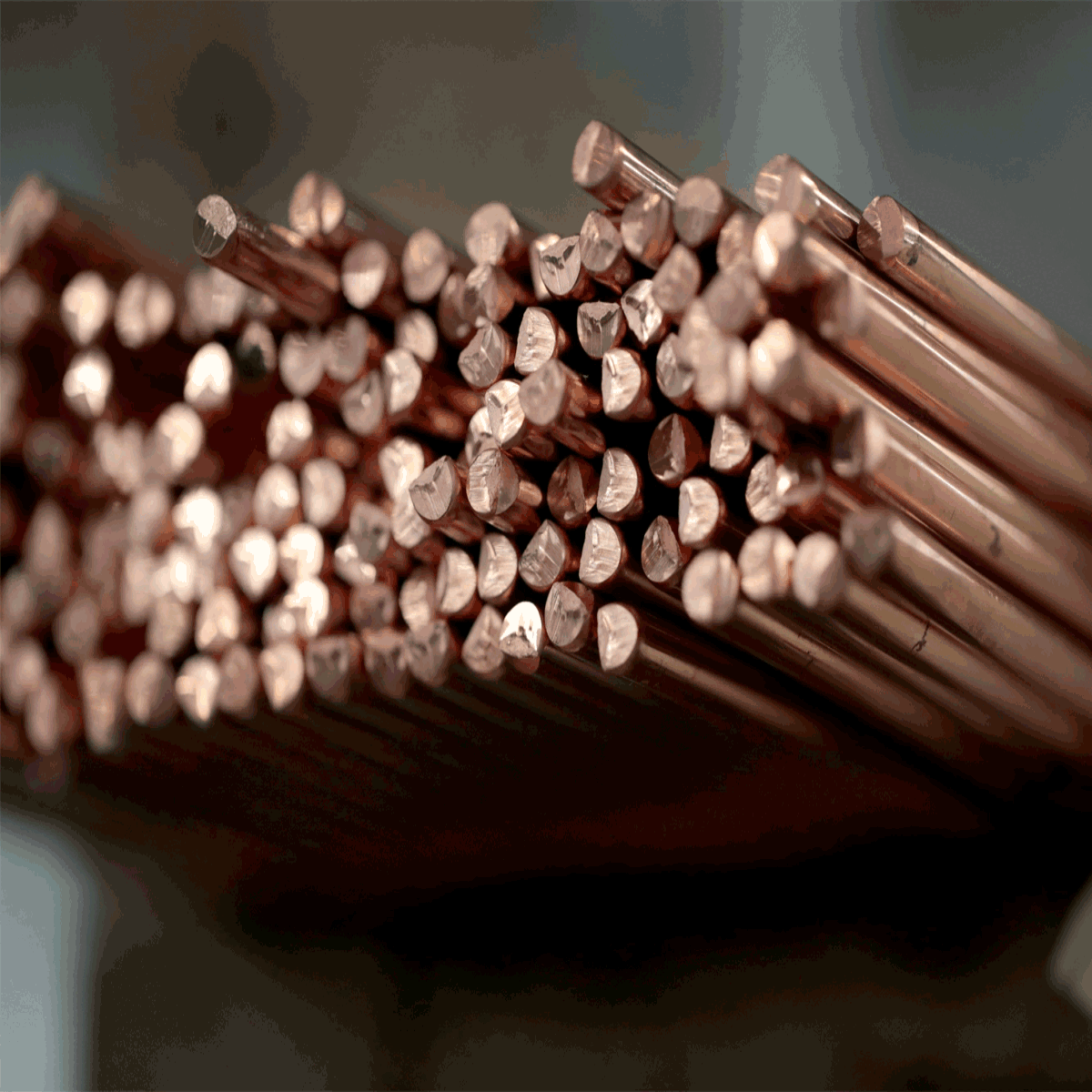
Choosing the Right Bronze Alloy for Precision Parts
On a drawing or RFQ, bronze stops being a broad material label and becomes a manufacturing decision. The real question is not only which metals are inside a bronze alloy, but how that chemistry affects stock choice, machining strategy, tolerances, and inspection. That matters whether the part is a bushing, valve guide, marine fastener, or an automotive component headed into bronze CNC production.
Choosing the Right Bronze for a Part
- Identify the family and grade first. Bronze alone is too broad for sourcing. C932 bearing bronze, C905 tin bronze, C655 silicon bronze, and C954 aluminum bronze all behave differently in service and in the shop.
- Match the chemistry to the job. Wear duty may point to bearing bronze. Corrosive wet service may favor silicon or aluminum bronze. Spring or contact work often pushes buyers toward phosphor bronze.
- Decide how the component will be made. If someone asks how is bronze made, the practical buyer answer is, not always the same way. A part may be cast near net shape, formed, or cut from bar, plate, or tube and then finish-machined.
- Review machinability before you machine bronze. Spex lists C932 at a machinability rating of 70 and C954 at 60, while C510, C655, and C905 sit around 20 to 30. That changes tooling, cycle time, chip control, and cost.
- Set the inspection plan before release. Tight bores, sealing faces, and mating surfaces should be tied to a defined quality method, not checked casually after the fact.
How Composition Affects Machining and Quality Control
The alloying metals inside bronze affect how easy the material is to cut. Spex notes that leaded bearing bronze machines efficiently, while tougher grades like aluminum bronze need rigid setups, sharp tooling, and disciplined speeds and feeds. Phosphor bronze and silicon bronze are less forgiving and often need closer attention to lubrication and chip management. On prints, you may even see shop shorthand like alu bronze material for aluminum bronze, which is one more reason the exact grade should be confirmed before programming starts.
Inspection expectations should rise with part risk. TiRapid describes automotive CNC machining with tolerance control around plus or minus 0.01 mm for key mating parts, while CMM inspection can reach plus or minus 0.001 mm or better for dimensional verification. It also highlights SPC as a practical way to monitor process drift in production. For a supplier running bronze CNC parts, those controls matter as much as cutter selection.
Turning Bronze Knowledge Into Production Decisions
Automotive manufacturers often need one supplier that can support a single prototype, then scale the same part into full production without losing traceability or consistency. One relevant resource is Shaoyi Metal Technology, which offers IATF 16949 certified custom machining, uses SPC, supports rapid prototyping through automated mass production, and is trusted by more than 30 global automotive brands.
- Useful supplier check: bring the bronze family, grade, critical tolerances, and final process questions into the quote stage.
That usually leads to better tooling choices, fewer revisions, and a smoother path from sample part to stable production.
FAQs About Bronze Metals and Alloy Types
1. What metals are commonly found in bronze?
Copper is the base metal in bronze. Traditional bronze combines copper with tin, but many modern bronze grades also use aluminum, silicon, phosphorus, nickel, manganese, or lead to adjust strength, wear resistance, corrosion behavior, castability, or machinability. That is why bronze is best understood as an alloy family, not one fixed formula.
2. Is bronze always made of copper and tin?
No. Copper and tin describe classic bronze and many historical examples, but modern commercial bronze can include different secondary metals and in some cases little tin. In practice, the name often reflects alloy family, standards, and intended use rather than a single textbook recipe.
3. How is bronze different from brass and pure copper?
The biggest difference is the alloying metal. Brass is mainly copper and zinc, bronze is a broader copper-alloy family usually linked with tin or other performance-focused additions, and copper is the relatively pure parent metal behind both. Color can offer clues, but chemistry is the only reliable way to confirm the material.
4. Does bronze rust, oxidize, or stick to a magnet?
Bronze does not rust like iron because it is copper-based, but it can oxidize and develop a darker surface or green patina over time. Most standard bronze alloys are generally non-magnetic as well. Even so, mixed materials, contamination, or unusual alloy content can make quick visual or magnet checks less reliable than material certification.
5. How do you choose the right bronze alloy for a precision part?
Start by identifying the exact bronze family and grade, then match it to the part's wear, corrosion, strength, and manufacturing needs. After that, review machinability, tolerances, and inspection requirements so the alloy fits both service conditions and production reality. For projects that move from prototype to full production, a machining partner such as Shaoyi Metal Technology can help with IATF 16949 certified custom machining, SPC-based quality control, and scalable support for automotive programs.