 Small batches, high standards. Our rapid prototyping service makes validation faster and easier —
  EN
EN


Maaari bang i-weld ang aluminium? Oo, ngunit lamang kung tama ang gagawin mo
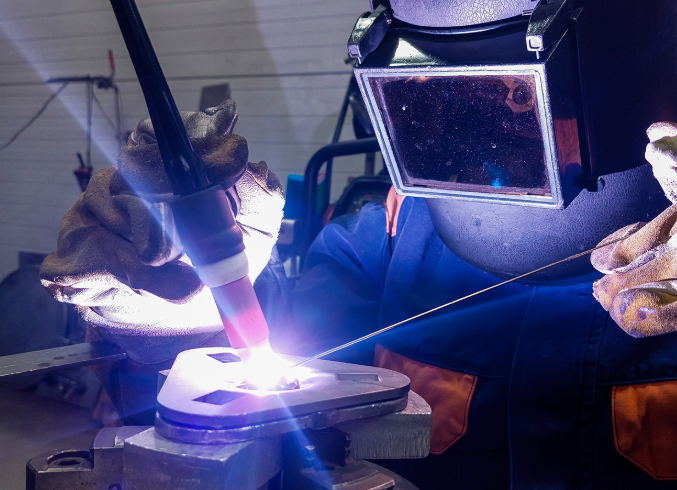
Maaari bang ipagkabit ang aluminium at ano ang nagpapasya sa tagumpay
Oo, maaari ito. Sa katunayan, ang aluminium ay maaaring ipagkabit sa paggawa, pagkukumpuni, at produksyon araw-araw. Ang pambihirang kondisyon ay ang magandang resulta ay mas umaasa sa tamang pagpili ng materyales, proseso, at pag-setup kaysa sa puwersang pisikal lamang. Ang mga gabay mula sa Miller at Fractory ay parehong tumutukoy sa parehong pangunahing prinsipyo: malinis na materyales, tamang kontrol ng init, angkop na filler at shielding, at isang proseso na naaayon sa gawain.
Maaari bang ipagkabit ang aluminium sa tunay na paggawa
Oo. Maaaring matagumpay na ipagkabit ang aluminium, ngunit lamang kapag ang uri ng alloy, kalinisan, pagkakasunod-sunod ng mga parte sa sambitan, pagpili ng proseso, at input ng init ay naaayos nang tama.
Kung tinatanong mo ito, maaari bang gawin ang pagkabit sa aluminium , ang praktikal na sagot ay oo para sa maraming karaniwang gawain sa workshop. Ang weldability ay nangangahulugan lamang kung gaano kabilis ang isang metal ay maaaring ikabit upang makabuo ng matibay na sambitan nang walang labis na pumutok, kontaminasyon, o pagkawala ng pagganap.
- Ang pamilya ng alloy ay nakaaapekto sa peligro ng pumutok at pagkawala ng lakas
- Ang kalinisan ng ibabaw ay nakaaapekto sa porosity at pagsasamang (fusion)
- Ang pagpili ng proseso ay nakaaapekto sa bilis, anyo, at kontrol
- Ang disenyo ng sambungan ay nakaaapekto sa pagpasok at distorsyon
- Ang kontrol ng init ay nakaaapekto sa pagkasunog-pasa, pagkabiyang, at katatagan ng kumukulong metal
Ano ang nagbibigay-daan o nagpapahirap sa pagsolda ng aluminium
Hindi lahat ng aluminium ay kumikilos nang magkatulad. Ang ilang grado ay karaniwang isinasagawa ang pagsolda. Ang iba naman ay nangangailangan ng higit na katiyakan. Kaya naman, ang simpleng 'oo' o 'hindi' ay hindi kailanman nagpapakita ng buong kuwento.
Nakakatulong din na ihiwalay ang tatlong layunin. Ang pagsolda para sa pagrepare ay nakatuon sa pagbabalik ng pinsalang materyales. Ang pagsolda para sa paggawa ay nag-uugnay ng mga bahagi upang makabuo ng bagong kumpol. Ang pagsolda para sa estetika ay binibigyang-diin pa ang anyo ng solder bead at kalidad ng panghuling pag-aayos. Maaaring wasto ang bawat isa, ngunit bawat isa ay may iba’t ibang hinihiling sa metal at sa soldador.
Kung kailan praktikal ang pagsolda ng aluminium para sa mga nagsisimula
Ang mga nagsisimula ay makakakuha ng magagamit na resulta sa angkop na aluminium, lalo na kung malinis ang materyal at may tamang kagamitan. Ang artikulong ito ay isang gabay sa pagdedesisyon, hindi lamang isang paliwanag na oo o hindi. Makikita mo kung aling mga grupo ng alloy ang mas madaling i-weld, kung kailan mas makabuluhan ang TIG o MIG, paano ihahanda ang materyal, bakit limitado ang mixed-metal welding, at ano ang tunay na sinasabi ng karaniwang mga depekto. Madalas na mas madali ang pakiramdam sa pag-weld ng bakal, at ang pagkakaiba na ito ay nagsisimula sa paraan kung paano kumikilos ang aluminium sa sandaling mahagip ito ng arc.
Bakit mas mahirap i-arc weld ang aluminium kaysa sa bakal
Ang reputasyong ito na mas mahirap kaysa sa bakal ay nagmumula sa paraan kung paano tumutugon ang metal sa init, hindi dahil imposible itong i-join. Maaari bang i-arc weld ang aluminium? Oo. Ngunit binibigay nito sa welder ang mas maliit na margin para sa error. Maaari bang i-weld ang aluminium sa aluminium? Syempre. Sa karamihan ng trabaho sa shop, ang pag-weld ng aluminium sa aluminium ay isang karaniwang gawain sa paggawa. Ang nagbabago ay ang antas ng paghahanda at kontrol na kailangan upang gawin ito nang maayos.
Bakit iba ang reaksyon ng aluminium kaysa sa bakal
- Layer ng oksido: Ang aluminium ay bumubuo ng matigas na ibabaw na oksido na natutunaw sa mas mataas na temperatura kaysa sa mismong base metal. Ang pagkakaiba sa temperatura ay isang malaking dahilan kung bakit ang maruruming materyales ay maaaring magkaroon ng problema sa pagsisimula ng arko, kakulangan sa pagsasamang (fusion), at mga inklusyon. Ang agwat sa temperatura ay inilalarawan ng Ang Tagagawa .
- Mabilis na daloy ng init: Lumalipat ang init sa aluminium nang mas mabilis kaysa sa bakal. Sinasabi ni Miller na ito ay maaaring iwanan ang simula ng weld na malamig at kulang sa pagsasamang (underfused), at mabilis na magbaliktar sa sobrang init at pagbuburn-through sa mas manipis na bahagi.
- Pagpapalawak at paggalaw dulot ng init: Habang nag-iinit at lumalamig ang bahagi, ang mga puwang at pagkakalign ay maaaring lumipat nang mas madali, kaya’t tumataas ang posibilidad ng distorsyon at pagkabuko.
- Mas mababang visual na babala: Madalas na nagbibigay ang bakal ng mas malinaw na palatandaan bago ito sobrang mainit. Ang aluminium naman ay maaaring mukhang tahimik, ngunit biglang bumabagsak sa napakalinang na likido.
- Sensitibo sa contamination: Ang langis, kahalumigmigan, residuo, at mahinang shielding ay nagpapataas ng posibilidad ng porosity, soot, at hindi stable na ugali ng weld. Ang hydrogen na nahuhuli habang ang weld ay kumikilos ay isang kilalang sanhi ng porosity, na tinatalakay din ng The Fabricator.
Kung paano nakaaapekto ang oksido at daloy ng init sa weld puddle
Ang mga katangiang ito ay nagdudulot ng klasikong problema sa pag-weld ng aluminium . Masyadong kaunti ang epektibong init, kaya nananatili ang oksido sa daan—ang weld ay mukhang kahusay-husay sa ibabaw ngunit kulang sa pagsasama (fusion) sa ilalim. Masyadong mahaba ang oras ng pagpapahinga (dwell), kaya sobrang init ang base metal, na nagdudulot ng burn-through, pagbaba (sagging), o labis na distorsyon. Ang Miller ay nagsasawalang-karga rin ang itim na soot sa mga problema sa shielding gas, at kinokonekta ang hindi sapat na paglilinis at kahalumigmigan sa porosity.
Bakit nahihirapan ang mga nagsisimula sa kontrol ng arc sa aluminium
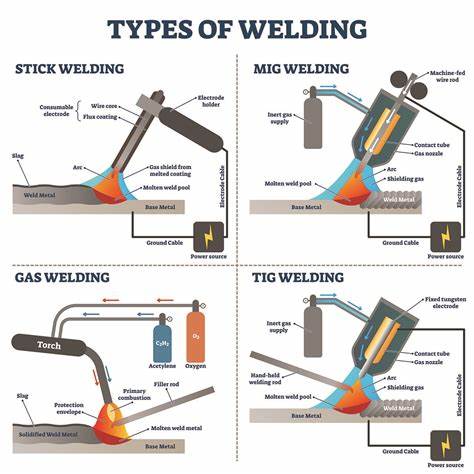
Wala sa mga nabanggit na ito ang nangangahulugan na hindi pwedeng i-weld ang aluminium. Ibig lamang nitong sabihin na ang mga gawi sa pag-weld ng bakal ay hindi direktang maisasalin. Ang mabagal na paggalaw, pabalang paglilinis, at pangkalahatang mga setting ay maaaring agad na magdulot ng problema. Karaniwan, mas pinahahalagahan ng aluminium ang mas malinis na joint, mas mahusay na wire feeding, mas matatag na kontrol sa torch, at mas mapanuri na pamamahala ng init. Kaya nga napakahalaga ng pagpipilian ng proseso. Ang ilang mga makina at paraan ay nagbibigay ng mas mahusay na kontrol sa weld puddle kaysa sa iba, at ang pamilya ng alloy ay maaaring gawing madaling pamahalaan o mapanganib ang mga pagkakaiba na ito.
Maaari bang i-weld ang anumang serye ng aluminium alloy?
Ang mas maliit na margin para sa error ay madalas na napapababa sa isang simpleng tanong: anong alloy ba talaga ang hawak mo? Ang dalawang bahagi ay parehong maaaring tawaging aluminium, ngunit maaaring magkaroon ng napakalaking pagkakaiba sa kanilang reaksyon kapag pumasok na ang init sa sambungan. Kung ikaw ay nagtatanong, maaari bang i-weld ang aluminium alloy , ang praktikal na sagot ay oo sa maraming serye, ngunit hindi nang pantay na kadali o pantay na panganib.
Aling mga grupo ng aluminium alloy ang pinakamadaling i-weld
Mas kapaki-pakinabang ang pananaw sa antas ng pamilya kaysa sa paghahanap ng isang numero ng grado nang paisa-isa.
| Grupo ng alloy | Pangkalahatang Kakayahang Ipagsama | Karaniwang mga babala | Karakteristikong konteksto ng aplikasyon |
|---|---|---|---|
| 1XXX | Karaniwang napakaganda | Malambot at may mababang lakas, kaya't bihira itong unang pinipili para sa mga struktural na sambungan na nangangailangan ng mataas na antas ng pagganap | Mga produkto na anti-corrosion at nakatuon sa conductivity |
| 3xxx | Karaniwang mabuti hanggang napakaganda | Madaling i-form at i-weld, ngunit hindi lubhang matibay | Pangkalahatang trabaho sa sheet metal, mga tangke, at mga nabuo na bahagi |
| 5xxx | Karaniwang mabuti hanggang napakahusay | Ang pagpili ng filler at mga kondisyon sa serbisyo ay nananatiling mahalaga, lalo na para sa mga aplikasyong pang-istraktura o pang-dagat | Mga gawaing pang-dagat, mga tangke, paggawa ng kagamitan na may kaugnayan sa presyon, at mga komponente ng transportasyon |
| 6xxx | Mabuti, ngunit mas kondisyonal | Maaaring madaling mag-crack kung hindi angkop ang pagkakasunod-sunod ng mga materyales, at ang heat-affected zone ay maaaring mawala ang ilang orihinal na lakas mula sa heat treatment | Mga extrusion, mga frame, mga istrakturang assembly, mga bahagi ng sasakyan, at mga bahagi para sa arkitektura |
| 2xxx | Madalas mapanganib kasama ang karaniwang arc welding | Matataas na sensitibidad sa mainit na pagsira | Mataas na lakas para sa aerospace at espesyalisadong mga bahagi |
| 7xxx | Madalas mapanganib kasama ang karaniwang arc welding | Matataas na sensitibidad sa pagsira at mas mahigpit na mga pangangailangan sa pamamaraan | Mataas na lakas para sa aerospace at mga bahaging nakatuon sa pagganap |
| Cast aliminio | Depende sa bawat kaso | Ang hindi alam na komposisyon, ang naka-trap na kontaminasyon, at ang kalidad ng casting ay maaaring magdulot ng hindi tiyak na resulta sa pagre-repair | Mga housing, takip, mga bahaging gawa sa casting, at mga gawaing repair |
Ang mga grupo ng Gabrian na 1xxx, 3xxx, at 5xxx ay karaniwang mabuti hanggang napakahusay para sa welding, samantalang ang maraming grado ng 2xxx at 7xxx ay mas madaling sirain. May isa pang pamilya na mahalaga kahit hindi ito ang base metal: ang mga alloy na 4xxx ay madalas gamitin bilang filler dahil ang kanilang silicon-rich na komposisyon ay tumutulong na mapabuti ang daloy at resistensya sa pagsira sa maraming trabaho sa 6xxx at casting.
Bakit kailangan ng karagdagang katiyakan ang mga alloy na maaaring i-cast at i-heat-treat
Maaari bang ipag-weld ang pina-cast na aluminium? Madalas oo, lalo na sa mga pina-cast na aluminium-silicon, ngunit ang mga gawaing pansugpo ay mas hindi tiyak kumpara sa pag-weld ng malinis na wrought plate o extrusion. Ang mga casting ay maaaring magtago ng langis, oxide, dumi, kahalumigmigan, o lumang metal mula sa dating sugpo. Ang alinman sa mga ito ay maaaring magdulot ng porosity at gawing mas hindi mapagkakatiwalaan ang isang bakas ng weld na tila solid.
Ang mga pamilyang maaaring i-heat-treat ay nagdudulot ng iba't ibang hamon. Ang mga alloy na 6xxx ay karaniwang ipinag-weld sa mga extrusion at structural fabrication, ngunit maaari silang sumira kung ang filler at teknik ay hindi angkop, at ang lugar ng weld ay kadalasang nawawalan ng bahagi ng orihinal na lakas mula sa heat treatment. Maraming alloy na 2xxx at 7xxx ay nasa mas mataas na antas ng panganib, kaya sila ay hindi mainam na kandidato para sa pangkaraniwang pansugpo o eksperimentong pag-weld.
Paano nakaaapekto ang pagpili ng alloy sa panganib ng pagsira at kalidad ng huling anyo
Kapag tinatanong ng mga tao kung maaaring ipagkabit ang marine alloy na aluminium, ang karaniwang sagot ay oo dahil maraming marine grade ang nabibilang sa pamilya ng 5xxx. Ang mga alloy na ito ay sikat dahil nagtataglay sila ng mabuting kakayahang mapagkabit at malakas na paglaban sa korosyon. Gayunpaman, Esab binabanggit na ang filler ay kailangan pa ring tugma sa base alloy at sa mga kondisyon ng paggamit. Para sa maraming marine alloy na 5xxx, ang mga filler na 5xxx ang karaniwang pinipili.
Ang kalidad ng huling pagkakabihis ay maaari ring magbago depende sa napiling filler. Inilalarawan ng ESAB ang 4043 bilang karaniwang opsyon sa maraming pagkakabihis na 6xxx kapag ang paglaban sa pukyut at mas madaling pagkakabihis ang pinakamahalaga, samantalang ang 5356 ay madalas gamitin kapag ang mas mataas na lakas o mas mainam na pagkakatugma ng kulay sa proseso ng anodizing ang higit na mahalaga. Dahil dito, ang isang bahagi ng aluminium ay maaaring pakiramdamang kaibigan habang ang isa naman ay maaaring pakiramdamang hindi pasensyoso. Ang isang malinis na plato ng 5xxx, isang ekstrusyon na 6xxx, at isang di-kilalang casting ay maaaring lahat mapagkabit, ngunit hindi sila nangangailangan ng parehong proseso, setup, o inaasahan.
Pagpili ng TIG, MIG, spot, o stick para sa aluminium
Kahit ang isang maaaring pagsamahin na alloy ay nangangailangan pa rin ng proseso na angkop sa gawain. Ang isang makapal na bahagi para sa paggawa, isang manipis na panel para sa estetika, at isang paulit-ulit na pagkakabit ng sheet metal ay maaaring lahat ay aluminium, ngunit hindi sila nangangailangan ng parehong arko, bilis, o kagamitan. Para sa karamihan ng mga desisyon sa shop, ang pinakamahusay na proseso ay nakasalalay sa apat na bagay: kapal ng materyal, inaasahang kalidad ng pangwakas na hitsura, bilis ng produksyon, at antas ng kontrol na kailangan ng welder.
Maaari bang i-weld ang aluminium gamit ang MIG para sa mabilis na produksyon?
Kung nagtatanong ka maaari bang i-weld ang aluminium gamit ang MIG , oo, at ang MIG ay madalas ang praktikal na sagot kapag ang output ang pinakamahalaga. Arccaptain inilalarawan ng teksto ang MIG bilang mas mabilis kaysa sa TIG at lalo na angkop sa mas malalaking gawain at sa mas makapal na aluminium. Ang ganitong bilis ay nagiging kaakit-akit para sa mga bracket, frame, mas mahabang seam, at paulit-ulit na gawain.
Ang kompromiso ay ang pagpapakain ng wire. Ang aluminium filler ay malambot, kaya hindi ito palaging maayos na dumadaan sa isang karaniwang setup. Binanggit ng Baker's Gas na ang spool guns at push-pull guns ay tumutulong na bawasan ang pagkabigkis, pagkabulok (bird-nesting), at hindi pare-parehong pagpapakain. Sa simpleng salita, kung ang iyong MIG machine ay kayang tumakbo nang maayos sa aluminium at ang gawain ay hindi kritikal sa itsura, ang MIG ay madalas ang pinakabilis na paraan upang makamit ang matibay na weld.
Kung kailan mas mainam ang TIG para sa manipis o dekoratibong mga weld ng aluminium
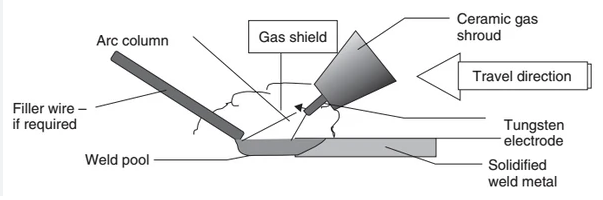
Ang TIG ay mas mabagal, ngunit ang mas mabagal na bilis na ito ang eksaktong dahilan kung bakit ito pinipili para sa detalye. Tinutukoy ng Arccaptain ang TIG bilang mas angkop na proseso para sa mas manipis na materyales, kumplikadong mga sambitan (joints), at mas malinis na tingnan na mga weld. Dahil ang tungsten ay hindi natutunaw sa sambitan at ang filler ay idinadagdag nang hiwalay, mas mahigpit ang kontrol ng welder sa laki ng puddle, hugis ng bead, at dami ng init na ipinapadala.
Para sa aluminium, ang AC TIG ang karaniwang pamamaraan. Westermans ipinaliliwanag na ang positibong bahagi ng AC cycle ay tumutulong sa pag-alis ng surface oxide, habang ang negatibong bahagi ay sumusuporta sa pagpasok. Kaya naman ang karaniwang DC TIG ay hindi karaniwang pinipili ng mga nagsisimula sa pag-weld ng aluminium, kahit na maaari itong gamitin sa ilang espesyal na sitwasyon ng mga ekspertong welder.
| Uri ng proseso | Pinakamainam na kaso ng paggamit | Mga Lakas | Limitasyon | Mga tala sa kagamitan | Kadaliang para sa mga nagsisimula |
|---|---|---|---|---|---|
| MIG | Mas makapal na seksyon, mas mahabang seam, mas mabilis na paggawa | Mataas na bilis ng pag-weld, produktibo sa mas malalaking gawain, at pangkalahatan ay mas madaling matutunan kaysa sa TIG | Mas mababa ang presisyon sa kontrol ng bead at sa kabuuang hitsura kaysa sa TIG | Ang aluminium ay karaniwang kumikinang sa paggamit ng spool gun o push-pull setup para sa matatag na pagpapadala ng wire | Katamtaman |
| AC TIG | Mahrap na materyal, nakikitang weld, detalyadong gawain | Nakapagbibigay ng mahusay na kontrol, malinis na anyo, at mas mainam para sa estetikong resulta | Mas mabagal na proseso at nangangailangan ng higit na kasanayan | Ang AC ang karaniwang setup para sa aluminium TIG dahil tumutulong ito sa pamamahala ng oxide habang nagbibigay pa rin ng pagpasok | Katamtaman hanggang Mataas |
| Resistance Spot Welding | Mga aplikasyon ng sheet sa paulit-ulit na pagmamanupaktura | Mabilis at paulit-ulit sa tamang setup ng produksyon | Limitadong mga istilo ng sambungan, espesyalisadong kagamitan, hindi pangkalahatang kapalit para sa MIG o TIG sa isang mekaniko | Gumagamit ng dedikadong spot welding equipment imbes na standard na hand torch process | Process-Specific |
| Stick | Mga gawaing pang-repair na panghaharap o mga sitwasyon sa field kapag ang mas mainam na opsyon ay hindi magagamit | Portable at simple sa prinsipyo | Mas magaspang na finish, higit na kailangang linisin, mas mahinang kontrol sa manipis o sa mga gawaing kritikal sa hitsura | Karaniwang itinuturing na kompromiso kaysa unang pinipiling proseso para sa aluminium | Mataas |
| DC TIG | Espesyal na kaso para sa mas makapal na aluminium sa kamay ng mga eksperto | Maaaring maging kapaki-pakinabang sa ilang limitadong sitwasyon | Hindi ang karaniwang ruta para sa mga nagsisimula at hindi angkop para sa manipis na sheet | Ang AC ay nananatiling pamantayang pamamaraan para sa karamihan ng aluminium TIG na gawain | Mataas |
Kung saan ang spot welding, stick welding, at DC TIG ay angkop
Maaari bang i-spot weld ang aluminium ? Oo, ngunit karaniwan ito sa nakalaang produksyon ng sheet-metal imbes na bilang pangkalahatang pamamaraan sa isang workshop. Maaari bang i-stick weld ang aluminium ? Maaari, ngunit mas mainam na ituring ito bilang isang espesyalisadong o pansamantalang proseso kaysa sa unang inirerekomendang pamamaraan. Kasama rin sa katulad na kategorya ang DC TIG. Sinasabi ni Westermans na maaari itong gumana sa mga espesyal na kaso, ngunit nananatiling pamantayan ang AC dahil ang kontrol sa aluminium oxide ay napakahalaga para sa tagumpay.
Para sa karamihan ng mga mambabasa, mabilis na nababawasan ang pagpipilian. Gamitin ang MIG kapag ang bilis at mas makapal na materyal ang pinakamahalaga. Gamitin ang AC TIG kapag ang hitsura, manipis na materyal, at tiyak na kontrol sa init ang higit na mahalaga. Ang lahat ng iba pa ay karaniwang espesyalisado, may limitasyon, o kompromiso. At kahit ang tamang proseso ay magdudulot ng pagkabigo kung ang metal ay marumi, basa, hindi maayos na na-fit, o sinusubukan para sa unang beses sa tunay na bahagi.
Mga hakbang sa paghahanda na mahalaga bago gumawa ng arko
Ang tamang proseso ay maaaring pa ring mabigo kung ang metal ay marumi o hindi maayos na na-fit. Sa aluminium, ang paghahanda ay hindi lamang paglilinis—kabilang ito sa proseso ng pag-weld. Ang mga gabay mula sa ESAB at Miller ay parehong nagtutuon sa kalinisan, tuyo na materyales, at matatag na pagpapadala ng wire bilang sentro ng maaasahang resulta.
Karamihan sa mga kabiguan sa pag-weld ng aluminium ay nagsisimula bago pa man gumawa ng arko.
Paano ihanda ang aluminium bago i-weld
- Tukuyin ang alloy kung posible. Kahit ang pangkalahatang kaalaman tungkol sa pamilya ng alloy ay nakakatulong upang piliin ang tamang filler, proseso, at inaasahan—lalo na kung ang bahagi ay cast o may kakayahang i-heat-treat.
- Alisin muna ang langis at mga residue. Inirerekomenda ng ESAB ang degreasing bago i-weld, at kahit bago pa man i-tack, upang hindi masaklap ang mga contaminant sa joint. Gamitin ang angkop na degreaser at iwasan ang maruming mga rag ng shop na maaaring mag-iwan ng residue.
- Alisin ang oxide gamit ang mga tiyak na kasangkapan. Ang aluminium ay mabilis na bumubuo ng oksido, kaya gamitin ang mga kasangkapan na nakalaan lamang para sa paggawa ng aluminium, tulad ng isang hiwalay na brush na gawa sa stainless steel o ang angkop na mga kagamitang pang-kamay. Inirerekomenda rin ni Miller na alisin ang alikabok ng oksido na nabuo habang binubrusa bago magsagawa ng pag-weld.
- Siguraduhing tuyo ang materyal at mga konsumable. Ang kahalumhan ay direktang daanan patungo sa porosity (pagkakaroon ng mga butas). Ang metal na tila malinis ay maaari pa ring mabigong i-weld kung ito ay sumipsip ng tubig o may kahalumhan sa ibabaw.
- Suriin ang pagkakapareho ng pagkakabit at kontrol sa puwang. Ang aluminium ay gumagalaw kapag naiinit. Ang isang luwag na sambitan o hindi pare-parehong puwang ay maaaring agad maging sanhi ng burn-through (pagsusunog sa kabuuan), distorsyon, o kakulangan ng pagsasamang metal.
- Kumpirmahin ang katatagan ng wire at ng gas na ginagamit para sa proteksyon. Kung tinatanong ninyo maaari bang i-weld ang aluminium gamit ang MIG welder , ang sagot ay minsan oo, ngunit lamang kung ang makina ay wastong na-set up para sa mahihimoy na aluminium wire at ang tamang gas. Binanggit ni Miller na ang MIG welding ng aluminium ay gumagamit ng purong argon, hindi ang karaniwang ginagamit na halo ng argon-CO2 sa bakal, at ang spool gun ay maaaring tumulong upang maiwasan ang pagkakabigkis ng wire.
- Gumawa ng mga pagsusulit na weld sa mga scrap. Gamitin ang scrap na may parehong kapal at istilo ng sambitan. Simulan sa chart ng makina o sa kilalang mga setting, pagkatapos ay i-adjust hanggang sa maging maayos ang pagpapakain, kontrolado ang pugon ng metal, at kakaunti ang soot.
Ano ang dapat linisin, alisin, at patuyuin bago ang pag-setup
Maaari bang gamitin ang MIG welder para sa pag-weld ng aluminium ? Madalas oo, ngunit ang isang MIG na handa para sa bakal ay hindi awtomatikong handa para sa aluminium. Ang wire ay mas malambot, nagbabago ang gas, at mas mahalaga ang daanan ng pagpapakain. Kaya naman, ang isang makina na gumagana nang maayos sa bakal ay maaaring magkabird-nest o mag-run ng marumi sa aluminium kung wala pang ibang binago.
Maaari bang gamitin ang flux-core wire para sa pag-weld ng aluminium ? Para sa karaniwang arc welding, hindi. Red-D-Arc nabanggit na ang praktikal na flux-cored na aluminium wire para sa arc welding ay hindi umiiral. Ang mga produkto na ipinagbibili bilang flux-cored na aluminium ay karaniwang para sa brazing o soldering, hindi para sa MIG welding, kaya ang mga karaniwang asumpsyon sa steel flux-core ay hindi maililipat dito.
Paano subukan ang iyong mga setting bago ang tunay na pag-weld
Gumawa ng ilang maikling beads at obserbahan ang mga palatandaan: madaling simula, pare-parehong pag-feed, kontroladong puddle, at kaunti lamang na itim na soot. Kung ang wire ay nagsisipa, ang bead ay nananatiling malamig, o ang ibabaw ay mabilis na nagiging marumi, huminto at ayusin ang setup bago subukan ang aktwal na bahagi. Ang malinis na metal at ang tamang settings ay nakakasagot sa maraming problema sa aluminium, ngunit ang mga sambayanan ng magkaibang metal ay nagdudulot ng ibang limitasyon na lubos na naiiba.
Maaari bang ipag-weld ang aluminium sa bakal gamit ang karaniwang paraan?
Ang malinis na paghahanda at ang mabubuting settings ay nakakasagot sa maraming problema sa aluminium, ngunit hindi nila natatanggal ang isang mahigpit na limitasyon: ang pagsasama ng magkaibang metal. Kung ikaw ay nagtatanong maaari bang ipag-weld ang aluminium sa bakal , ang praktikal na sagot sa workshop ay kadalasang 'hindi' para sa direktang TIG o MIG welding. Parehong inilalahad ng Red-D-Arc at ESAB na ang direktang arc welding ng bakal sa aluminium ay karaniwang nagdudulot ng napakabrittle na intermetallic compounds. Maaaring mukhang nakakabit ang sambayanan, ngunit ang fusion zone ay madalas na sobrang hina para sa maaasahang paggamit. Ang parehong pangunahing babala ay nalalapat din kapag tinatanong ng mga tao maaari bang ipag-weld ang aluminium sa mild steel o maaari bang ipag-weld ang aluminium sa stainless steel .
Maaari bang ipagkabit ang aluminium sa bakal gamit ang karaniwang paraan
Ang tunay na isyu ay hindi kung ang mga metal ay maaaring ikabit nang buong-buo. Ang isyu ay kung ang karaniwang fusion welding ang tamang paraan upang ikabit ang mga ito. Ang mild steel at stainless steel ay nagkakaiba sa paggamit at sa pag-uugali sa corrosion, ngunit pareho silang nagdudulot ng katulad na problema kapag tinunaw nang direkta kasama ang aluminium. Sa halip na bumuo ng mapagbigay na weld, ang mixed zone ay naging matigas at madaling pumutol. Ang iba't ibang rate ng thermal expansion ay maaari ring magdagdag ng stress habang ang sambitan ay mainit at lumalamig.
Bakit nagdudulot ang aluminium at bakal ng mga problema sa pagkakabit na madaling pumutol
- Ang direktang pagtunaw ay lumilikha ng matigas na intermetallic compounds sa sambitan.
- Ang aluminium at bakal ay nagpapalawak sa iba't ibang rate, na nagdadagdag ng stress habang mainit at lumalamig.
- Maaaring mukhang kabilang ang isang bead sa ibabaw ngunit pa rin ay mahina sa mekanikal sa ilalim.
- Para sa maraming bracket, mount, at pagkukumpuni, ang pagpilit ng weld ay mas hindi makatuwiran kaysa sa pagbabago ng disenyo ng sambitan.
Kaya naman ang mga paghahanap tulad ng maaari bang ipagkabit ang stainless steel sa aluminium kakaunti ang may simpleng sagot na "oo." Ang parehong pag-iingat ay kailangang isama sa mga tanong tulad ng maaari bang ipagkabit ang aluminium sa brass at maaari bang ipagkabit ang aluminium sa bakal . Sa karaniwang TIG o MIG na gawa sa shop, ang direktang pagsasamang pampagkakabit ng magkaibang metal sa aluminium ay karaniwang maling punto ng simula.
Mas mainam na alternatibo para sa mga pagsasamang metal na magkaiba
| Pares ng Metal | Pangkalahatang feasibility | Pangunahing hamon | Mas praktikal na alternatibo |
|---|---|---|---|
| Aluminium sa karaniwang bakal | Mahinang pagpipilian para sa direktang pagsasamang pampagkakabit | Mga mapagkakahatiang intermetaliko at hindi pagkakatugma sa init | Nakalulutang na pagpapako, pagpapakopya, pagpapadikit, o isang insert na bimetalik na transisyon |
| Aluminium patungo sa stainless steel | Mahinang pagpipilian para sa direktang pagsasamang pampagkakabit | Katulad na madaling nababasag na pag-uugali ng fusion zone | Insert na transisyon, mekanikal na pagpapakonekta, o muling disenyo ng sambungan |
| Aluminium patungo sa aluminized steel | Limitado at espesyalisadong opsyon | Ang arc ay dapat manatili sa panig ng aluminium; ang pag-sunog sa coating ay nawawala ang benepisyo nito | Mga sambungan na pang-sealing kung saan hindi layunin ang buong lakas na istruktural |
| Aluminium patungo sa steel na may bimetalik na insert | Praktikal na espesyalisadong paraan | Ilagay ang gastos, pagkakasunod-sunod ng pagkakabit, at kontrol ng init | Mag-weld ng aluminium sa aluminium sa isang panig at bakal sa bakal sa kabilang panig |
| Aluminium sa mga frame o hardware na may base sa bakal | Karaniwang mas mainam na huwag pagsamahin nang direkta | Parehong hindi pagkakasundo ng bakal-at-aluminium, kasama ang mga alalang pangkorosyon kung hindi maingat na nakakabit | Mga bolt o rivet na may elektrikal na paghihiwalay, mga coating, o mga sambayanan na may tulong ng pandikit |
Para sa mga aplikasyon na may kinalaman sa istruktura, ang mga transition insert ay ang pinakamalakas na solusyon na batay sa pag-weld sa mga sanggunian. Inilalarawan ng ESAB ang mga insert na ito bilang mga naka-bond na seksyon ng aluminium-sa-steel o aluminium-sa-stainless, kaya ang bawat panghuling weld ay ginagawa sa katulad na metal. Ang mga paraan ng pagkukulay tulad ng hot-dip aluminizing at ang mga pamamaraang batay sa brazing ay maaaring makatulong sa mga espesyal na kaso, ngunit ang mga sanggunian ay itinuturing silang pangunahing solusyon para sa pag-seal imbes na mga pampunong istruktural na sambungan. Kung ikaw ay magpapakabit ng steel sa aluminium, mahalaga ang insulation sa mga lugar na basa o may asin upang mabawasan ang galvanic corrosion. Sa mga isang beses lang na gawain, maaaring mangahulugan lamang ito ng mas matalinong hardware at disenyo ng sambungan. Sa mga paulit-ulit na automotive assembly, karaniwang naging desisyon na ito sa produksyon nang maaga pa—mga ilang hakbang bago pa man i-on ang welding torch.
Kapag kailangan ng automotive aluminium work ng isang kasosyo sa produksyon
Sa paggawa ng sasakyan, ang pinakamahirap na bahagi ay madalas hindi ang paggawa ng isang naaangkop na weld. Ang tunay na hamon ay ang pagkakaroon ng parehong pagkakasunod-sunod sa pagkakabit (fit-up), kontrol sa puwang (gap control), estratehiya laban sa korosyon, at kalidad ng bead sa bawat bahagi sa loob ng programa. Kaya naman, ang isang paghahanap na may kinalaman sa pagre-repair—tulad ng tanong kung maaari bang i-TIG weld ang isang aluminium tailgate ng Ford—ay nabibilang sa ibang usapan kumpara sa paulit-ulit na produksyon ng mga rail, tray, mount, o seksyon ng enclosure.
Kapag ang pagre-repair na welding ay hindi katulad ng production welding
Maaaring iligtas ng isang bihasang welder ang nasirang panel gamit ang maingat na pag-setup ng TIG at mahinahon na kontrol sa init. Ang production welding ay nangangailangan ng higit pa rito. Kinakailangan nito ng matatag na hugis ng profile, matatag na materyales na may track record, mga fixture na panatilihin ang tamang alignment, at mga detalye ng joint na nananatiling pare-pareho mula sa bawat batch hanggang sa susunod. Kaya kahit ang tanong ay kung maaari bang gamitin ang MIG weld sa aluminium, kailangan pa rin ng isang automotive team na itanong kung ang bahaging ito ay idinisenyo para sa madaling pag-access ng MIG, paulit-ulit na paglalakbay ng wire, at inspeksyon pagkatapos ng welding. Sa ganitong konteksto, ang tanong kung maaari bang i-weld ang aluminium gamit ang MIG ay isa lamang na bahagi ng buong sagot.
Bakit nakaaapekto ang disenyo ng ekstrusyon sa kalidad ng pagsasalang sa downstream
Ang mga pangunahing salik na dapat isaalang-alang ay ang PPE (Personal Protective Equipment), ang pagtatakda ng mahigpit na toleransya nang maaga, ang pagpapanatili ng pare-parehong kapal ng pader, at ang paggawa ng prototype bago ang buong produksyon. Ang mga desisyong ito ay direktang nakaaapekto sa proseso ng pagsasalang. Ang hindi pantay na kapal ng pader ay maaaring mag-deform nang iba-iba kapag inilalagay sa init. Ang hindi angkop na pagpili ng toleransya ay maaaring magdulot ng mga problema sa pagkakasya (fit-up) na kailangang i-rework. Ang isang supplier na may tunay na kaalaman sa disenyo para sa manufacturability (DFM) ay maaari ring tumulong sa tamang paglalagay ng mga rib, datum, at mga feature para sa pagsasalang—na sumusuporta sa pagkakabit (fixturing) at sa daanan ng welding tool, imbes na makabulag sa mga ito.
Paano suriin ang isang kasosyo sa pagmamanupaktura ng aluminium para sa automotive
- Suporta sa Disenyo: Humiling ng feedback tungkol sa pagpili ng alloy, transisyon ng kapal ng pader, toleransya, at heometriya ng weld joint bago pa man isara ang tooling.
- Prototyping: Dapat kasama sa mga sample na ekstrusyon at pilot build ang pagsusuri ng dimensyon. Binibigyang-diin ng Aluphant ang pagsusuri ng sample, ang kakayahan sa FAI (First Article Inspection) o PPAP (Production Part Approval Process), at ang traceability bilang malakas na indikasyon ng kahandahan para sa produksyon.
- Mga sistema ng kalidad: Ang mga programang pang-automotive ay dapat kasama ang disiplinadong dokumentasyon, mga sistema ng corrective action, at mga sertipiko na angkop sa programa, tulad ng IATF 16949 kung kinakailangan.
- Kontrol ng proseso: Hanapin ang mga log ng press, mga gawain sa pagpapanatili ng die, pagpapatunay ng alloy, mga tool sa pagsusuri na nakakalibrado, at mga kontrol sa pagmamachine at pagpipino na maaulit-ulit.
- Pagkapanatag ng Paghahatid: Mahalaga ang on-time delivery at malinaw na komunikasyon dahil walang saysay ang isang mabuting prototype kung ang mga batch para sa produksyon ay dumating nang huli o nagbabago ang kalidad nito.
Ang checklist na iyon ang lugar kung saan maaaring makatulong ang isang eksperto. Shaoyi Metal Technology ipinapakilala ang serbisyo nito sa automotive extrusion batay sa quality control na IATF 16949, mabilis na prototyping hanggang sa final delivery, libreng pagsusuri sa disenyo, at suporta sa quotation sa loob ng 24 oras. Ang mga kakayahan na iyon ang maaaring mapabuti ang pagkakapare-pareho ng mga bahagi na handa na para sa welding bago pa man makita ng assembly floor ang unang fixture. Ang kanilang gabay sa disenyo ay isang praktikal na sanggunian din kung ang inyong koponan ay patuloy pa ring pinapaganda ang geometry ng extrusion para sa pag-uugnay.
Piliin nang mabuti ang kapareha at maraming isyu sa hinang ang mababawasan. Kapag pumili nang mali, ang ebidensya ay lilitaw kalaunan bilang uling, porosity, pagbibitak, distortion, at mga bahaging hindi kailanman magkakasya nang dalawang beses.
Karaniwang mga problema sa pag-weld ng aluminium at mga praktikal na solusyon
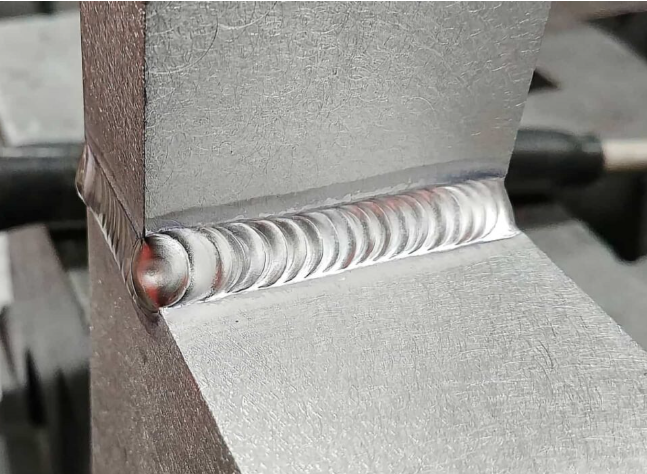
Kahit na may tamang alloy at maingat na pag-setup, ang aluminium ay maaari pa ring magbigay ng sorpresa kapag nagsimula nang gumalaw ang weld pool. Dahil dito, mahalaga ang pagtukoy at paglutas ng problema. Ang mga pattern ng depekto sa ibaba ay sumusunod sa praktikal na gabay mula sa Megmeet at mga rekomendasyon sa wire-feed mula sa The Fabricator. Kung ang iyong weld ay mukhang mali, tunog ng mali, o mahirap pangasiwaan, ang nakikitang sintomas ay karaniwang nagpapakita ng maikli lamang na listahan ng mga sanhi.
Karaniwang mga depekto sa pag-weld ng aluminium at ang dahilan kung bakit ito nangyayari
| Sintomas | Pinakamalamang na Sanhi | Ano ang dapat suriin muna | Korektibong Aksyon |
|---|---|---|---|
| Porosity o maliit na butas | Hidroheno mula sa langis, alikabok, kahalumigmigan, maruruming filler, o hindi sapat na takip ng shielding gas | Kalinisan ng ibabaw, tuyo ang wire o mga rod, kalagayan ng nozzle, hangin na dumadaloy, at mga bulate sa gas | Pangalawang paglilinis bago ang pagbubrusa, gamitin ang isang nakalaan na stainless steel brush para sa aluminium, panatilihing tuyo ang mga consumables, at ibalik ang matatag na takip ng shielding gas |
| Itim na soot o smut | Mahinang takip ng gas, pag-drag ng torch, labis na stick-out, o kemikal na komposisyon ng filler na nagdudulot ng higit na soot | Anggulo ng torch, distansya ng nozzle, daloy ng gas, pagpili ng filler | Gamitin ang push angle, panatilihing malapit ang nozzle, mapabuti ang takip ng gas, at tandaan na ang ilang filler ay nag-iwan ng higit na soot kaysa sa iba |
| Crater cracking sa dulo ng weld | Nakatigil ang arc bago natapos ang pagpuno ng crater | Profile ng dulo ng bead at teknik ng pagtigil ng weld | Gamitin ang crater fill kung available, gawin ang backstep nang bahagya, o huminto nang maikli upang punuan ang crater bago tapusin ang arc |
| Centerline cracking o hot cracking | Maling filler, sobrang init, hugis ng bead na concave, o kemikal ng weld na sensitibo sa pukyut | Pagpipilian ng filler, bilis ng paggalaw, hugis ng bead | Gamitin ang angkop na filler, iwasan ang bead na pumapasok sa loob, at bawasan ang kabuuang pag-akumula ng init sa pamamagitan ng mas pare-parehong paggalaw |
| Kulang sa pagsasama o malamig na simula | Oxide na natira sa sambungan, mababang init sa simula, o ang base metal na kumuha ng init nang masyadong mabilis | Kalinisan ng lugar ng simula, pag-uugali ng makina sa simula, pagbuo ng puddle | Linisin nang lubusan, suriin ang mga setting sa simula, at subukan sa scrap bago mag-weld sa tunay na bahagi |
| Labis na Pagbaluktot | Sobrang kabuuang init na ipinasok, mabagal na paggalaw, o malawak na pag-weave | Bilis ng paggalaw, lapad ng bead, pagpigil sa bahagi, pagtatake | Gamitin ang stringer beads imbes na mag-weave, i-clamp at i-tack nang maingat, at ipa-spread ang init nang mas pantay sa buong gawain |
| Pagbuburn-through sa manipis na materyal | Kasaturation ng init, mabagal na paggalaw, o mahinang kontrol sa agwat | Pagkakapareho ng mga sambungan, daloy ng kumukulong metal, at pag-akumula ng init sa paglipas ng panahon | Galawin nang mas mabilis, bawasan ang epektibong input ng init kung maaari, gamitin ang backing bar o heat sink, at sanayin muna sa mga scrap na may katumbas na materyal |
| Birdnesting, burnback, o hindi regular na arko | Ang malambot na wire ay pinipigil, hinihila, o ipinapasok sa maling bahagi | Mga drive roll, liner, tensyon ng spool brake, contact tip, at kalidad ng wire | Gamitin ang U-groove rolls, panatilihing mababa ang pressure sa drive, ilagay ang liner na gawa sa nylon o Teflon, gamitin ang mga contact tip na idinisenyo para sa aluminium, at isaalang-alang ang paggamit ng spool gun o sistema ng push-pull |
Paano ayusin ang porosity, cracking, burn-through, at soot
Basahin ang sintomas bago baguhin ang lahat nang sabay-sabay. Ang mga butas na parang karayom ay halos laging nagpapabalik sa iyo sa kontaminasyon, kahalumigmigan, o proteksyon. Ang isang sooty bead (pangkalahatang tumutukoy sa maitim na patak ng weld) ay sumusugod sa saklaw ng gas o teknik ng torch. Ang mga pukyutan sa dulo ng weld ay karaniwang nangangahulugan ng kontrol sa crater. Ang mga pukyutan sa buong bead ay maaaring magpahiwatig ng problema sa filler o sa init. Ang Megmeet ay binibigyang-diin ang paglilinis gamit ang solvent bilang unang hakbang, samantalang ipinapakita ng The Fabricator kung gaano kahalaga ang istabilidad ng wire-feed sa pamamagitan ng mga espesipikong rol, liner, tip, at tamang setting ng tension para sa aluminium.
Kailan dapat huminto at ipasa ang gawain sa isang propesyonal
- Ang home welding ay makatotohanan kapag ang bahagi ay malinis, tuyo, kilala nang aluminium, at maaari mong subukan ang mga setting sa mga scrap na may katulad na materyales bago i-weld ang panghuling piraso.
- Huminto at muling suriin kung mayroon ka lamang limitadong kagamitan at nananatili pa ring tinatanong mo maaari bang i-weld ang aluminium gamit ang DC TIG . Karaniwan itong nangangahulugan na kailangan ng mas malapit na pagsusuri ang napiling proseso bago magpatuloy sa karagdagang eksperimento at pagkakamali.
- Kung ang iyong tanong ay maaari bang i-weld ang cast aluminium gamit ang TIG , maging lubos na mapagkalinga sa mga bahagi na marumi, nabasa ng langis, o dati nang napag-ayos. Ang porosity at pagsira na dulot ng kontaminasyon ay maaaring kumain ng maraming oras nang mabilis.
- Ang proyekto maaari bang ipag-weld ang aluminium at bakal nang sabay-sabay , tumigil sa pagpilit ng sariling solusyon sa pag-uugnay gamit ang fusion welding at balikan ang disenyo ng sambungan o paraan ng pag-uugnay.
- Kumuha ng propesyonal na tulong para sa mga bahaging mahalaga sa kaligtasan, paulit-ulit na pagsira matapos baguhin ang filler, tuloy-tuloy na porosity kahit na linisin na at sinuri na ang gas, o mga manipis na seksyon na patuloy na bumabagsak nang walang babala.
- Kapag paulit-ulit na lumilitaw ang birdnesting o burnback, ituring ito bilang isang problema sa pag-setup ng sistema, hindi lamang isang kasanayan sa kamay.
Ang pangunahing aral ay payapa at simple. Maaaring mag-weld ng matagumpay ang aluminium, ngunit higit na nagbibigay-benefits ito sa tamang diagnosis kaysa sa paghula-hula. Iugnay ang sintomas sa sanhi, ayusin ang setup, at magpatuloy lamang kapag ang materyales, paghahanda, at paraan ay sama-samang gumagana.
Mga Karaniwang Tanong Tungkol sa Pag-weld ng Aluminium
1. Maaari bang gamitin ang karaniwang MIG welder sa pag-weld ng aluminium?
Minsan, ngunit hindi nang walang tamang pagkakataon. Ang isang MIG machine na ginagamit para sa bakal ay maaaring kailanganin ang aluminium-compatible na wire feeding, ang tamang shielding gas, at ang mga consumables na angkop para sa malambot na wire. Kung hindi stable ang pagfe-feed o kung mabilis na nagiging madumi ang weld, hindi pa talaga handa ang machine para sa aluminium.
2. Alin ang mas mainam—ang TIG o ang MIG—para sa pag-weld ng aluminium?
Ito ay nakasalalay sa gawain. Karaniwang mas mainam ang TIG para sa manipis na materyales, mas malinis na hitsura ng bead, at mas tiyak na kontrol sa init, samantalang ang MIG ay karaniwang pinipili para sa mas makapal na seksyon at mas mabilis na produksyon. Para sa karamihan ng pangkalahatang pag-weld ng aluminium gamit ang TIG, ang AC ang karaniwang pamamaraan dahil mas epektibo ito sa paghawak ng oxide kaysa sa karaniwang DC setup na ginagamit ng mga nagsisimula pa lamang.
3. Maaari bang mapagtagumpayan ang pag-weld ng cast aluminium?
Oo, ngunit ang sinalang cast aluminium ay mas hindi tiyak kumpara sa malinis na sheet, plato, o extrusion. Ang lumang langis, nakakulong na kontaminasyon, hindi alam na komposisyon ng alloy, at mga nakaraang pagkukumpuni ay maaaring lahat gawing mahinang pagkukumpuni ang isang magandang tingnan na weld. Ang pinakaligtas na paraan ay ang pagsasagawa ng matinding paglilinis, pagsusubok sa mga hindi mahahalagang bahagi kapag posible, at pagbaba ng mga inaasahan kung ang kasaysayan ng casting ay hindi kilala.
4. Maaari bang i-weld ang aluminium sa bakal o stainless steel?
Sa karaniwang TIG o MIG fusion welding, kadalasan ay hindi. Ang aluminium at mga metal na batay sa bakal ay may tendensiyang bumuo ng mahrap na mixed zone, kaya ang sambungan ay maaaring mukhang nakakabit ngunit patuloy pa ring nababagsak sa mekanikal na aspeto. Sa praktika, ang mga fabricator ay kadalasang nakakakuha ng mas magandang resulta mula sa transition joints, rivets, bolts na may isolation, o mga disenyo na may tulong ng adhesive imbes na pilitin ang direktang weld.
5. Ano-ano ang dapat kong suriin bago i-weld ang aluminium para sa isang bahagi ng sasakyan?
Simulan sa pagkakapareho ng alloy, ekstrusyon o toleransya ng bahagi, access sa mga sambungan, kalinisan, at kung ang proseso ng pag-weld ay angkop sa disenyo ng bahagi. Sa produksyon ng sasakyan, ang pag-uulit ay kasing-importante ng kasanayan sa pag-weld, kaya ang nakapagpapabilang na dokumentasyon (traceability), paggawa ng prototype, at matatag na sistema ng kalidad ay naging napakahalaga. Para sa mga koponan na naghahanap ng mga ekstrusyon na handa na para sa pag-weld, ang isang kasamahan sa pagmamanufaktura na may kakayahan sa pagsusuri ng disenyo, suporta sa paggawa ng prototype, at kontrol na sumusunod sa IATF 16949—tulad ng Shaoyi Metal Technology—ay maaaring tumulong na bawasan ang mga isyu sa pagkakasunod-sunod (fit-up) at kalidad bago pa man simulan ang pag-weld.