 Small batches, high standards. Our rapid prototyping service makes validation faster and easier —
  EN
EN


Superior Sheet Metal Fabrications: Top Quality Secrets Competitors Hide
What Makes Sheet Metal Fabrication Truly Superior
What separates a mediocre metal component from one that performs flawlessly for decades? The answer lies in understanding what "superior" actually means when applied to sheet metal fabrication. While many fabricators claim excellence, few define the concrete standards that distinguish truly exceptional work from average output.
Defining Excellence in Metal Fabrication
Superior sheet metal fabrication goes far beyond simply cutting and bending metal into shapes. It represents a comprehensive approach where every stage of production meets exacting standards for accuracy, consistency, and quality control. According to precision manufacturing experts, this process involves fabricating sheet metal parts and components to meet very high accuracy standards, tight tolerances, and exact specifications - often achieving accuracy down to micrometre levels.
Superior sheet metal fabrication is defined by three pillars: precision tolerances measured in thousandths of an inch, verified material traceability, and documented process control at every production stage.
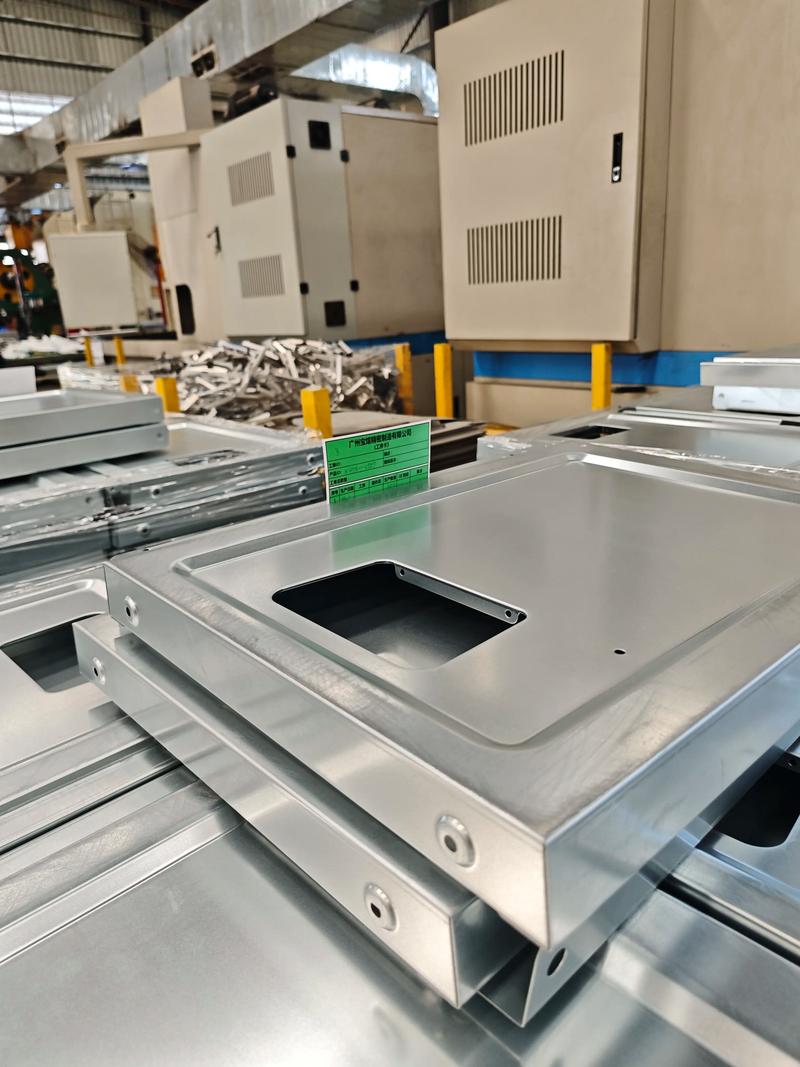
When you evaluate superior metal products, you will notice they share common characteristics. The edges are clean and consistent. Bends align perfectly with specifications. Welds show uniform penetration without distortion. These qualities do not happen by accident - they result from deliberate engineering and manufacturing discipline.
The Precision Standard That Sets Superior Apart
Standard sheet metal tolerances typically allow for variations that work fine in non-critical applications. However, superior metal fabricators operate within much tighter parameters. As industry professionals explain, a typical tolerance for sheet metal might be plus or minus ten-thousandths of an inch across a bend, while machining tolerances could be even finer.
What distinguishes superior fabrication from standard metalworking includes:
- Precision tolerances: Dimensional accuracy that ensures parts fit and function correctly without modification
- Material quality: Verified material composition with documented traceability from source to finished component
- Process control: Systematic monitoring at cutting, forming, welding, and finishing stages to catch deviations early
- Surface finish standards: Consistent edge quality and surface treatment that meets both functional and aesthetic requirements
Understanding these distinctions matters because the gap between standard and superior fabrication directly impacts product performance, assembly efficiency, and long-term durability. When parts meet tight tolerances consistently, they wear evenly, require fewer replacements, and reduce costly rework during assembly. This is why industries like aerospace, medical devices, and automotive manufacturing demand nothing less than superior sheet metal work for their critical applications.
The Complete Sheet Metal Fabrication Process Explained
Ever wondered what actually happens between submitting a design file and receiving a finished metal component? Most fabricators keep their processes vague, but understanding each production stage helps you evaluate quality and communicate more effectively with manufacturing partners. Let's walk through the complete journey that transforms flat metal sheets into precision components.
From Raw Steel to Finished Component
The fabrication process begins long before any cutting or bending takes place. Superior steel fabrication starts with raw material selection - a decision that affects everything from workability to final product durability. According to industry specialists, factors like tensile strength, corrosion resistance, weight, and cost all influence material choice, along with considerations about the final environment where the component will operate.
Material selection involves matching metal properties to application requirements. Aluminum works well for lightweight aerospace components. Stainless steel resists corrosion in food processing equipment. Carbon steel provides strength for structural applications at lower cost. Each material behaves differently during forming - aluminum may crack under extreme bending angles that steel handles easily - so experienced fabricators factor these characteristics into their process planning.
Before production begins, the design phase creates digital models using CAD software. These models contain precise dimensions, tolerances, and surface finish specifications. The design stage serves two critical functions: generating machine-readable G-code for CNC equipment and validating manufacturability before any material is consumed. Research indicates that nearly 60% of project delays stem from design flaws or overlooked specifications, making thorough upfront planning essential.
Critical Stages in Professional Fabrication
Once materials and designs are finalized, the actual fabrication begins. Superior metal fab operations follow a structured sequence, though specific projects may require adjustments based on complexity and final requirements.
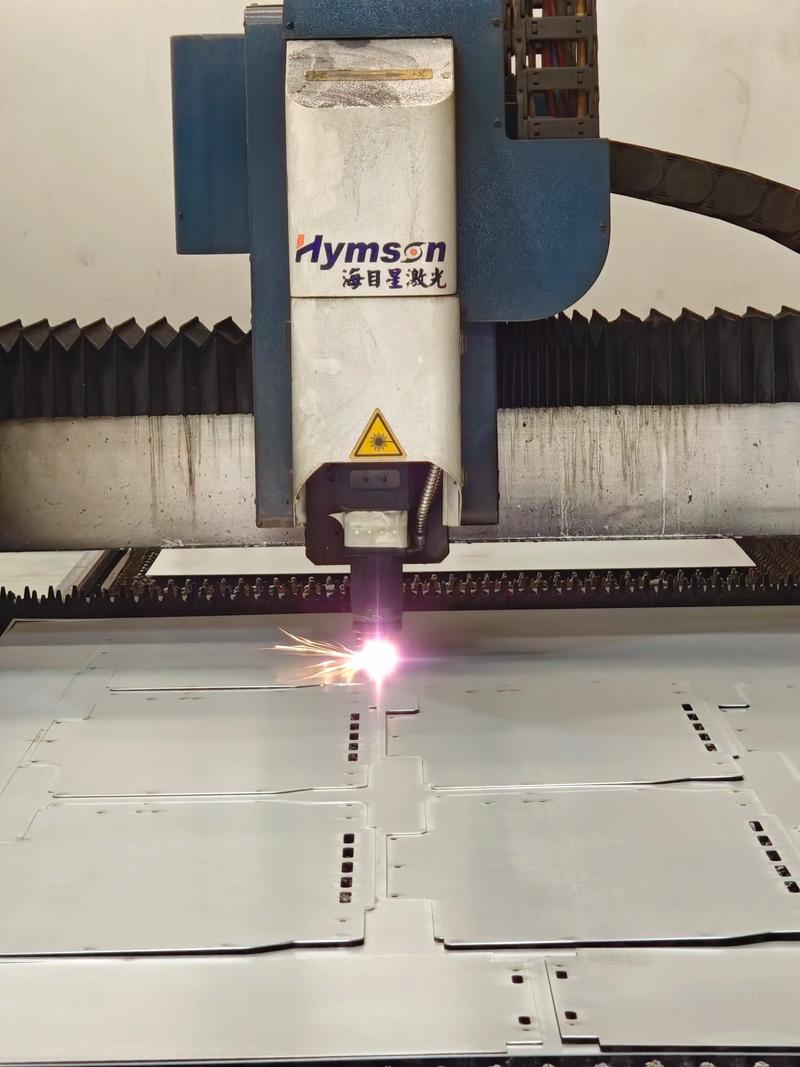
- Cutting: The process starts by cutting raw sheet metal to size and creating patterns or openings. Modern fabricators use laser cutting, waterjet cutting, or plasma cutting depending on material type and precision requirements. Laser cutting achieves margins of error as small as ±0.01mm, making it ideal for high-precision work.
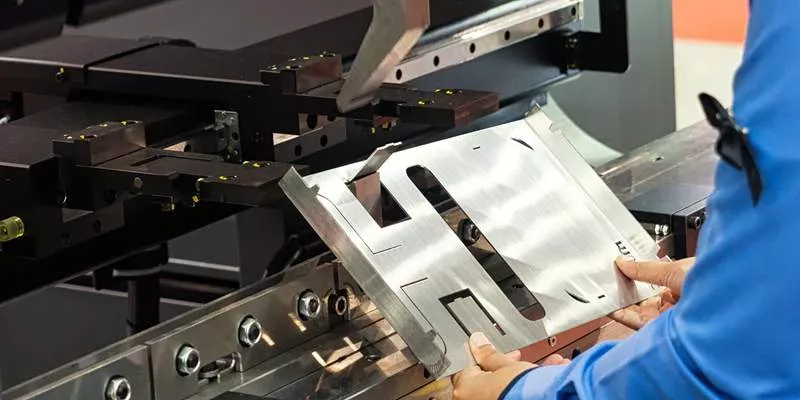
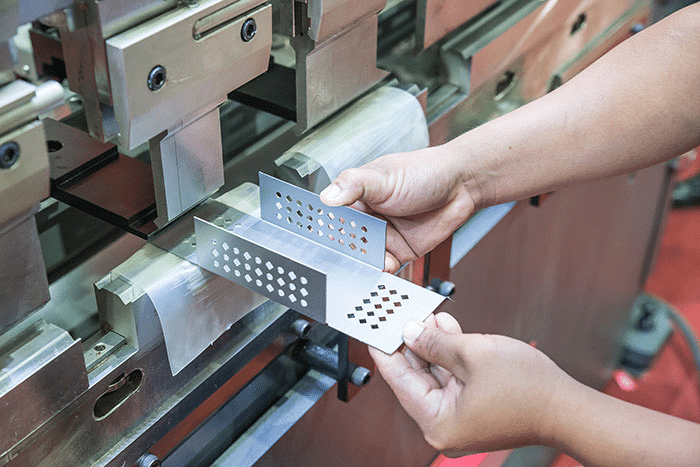
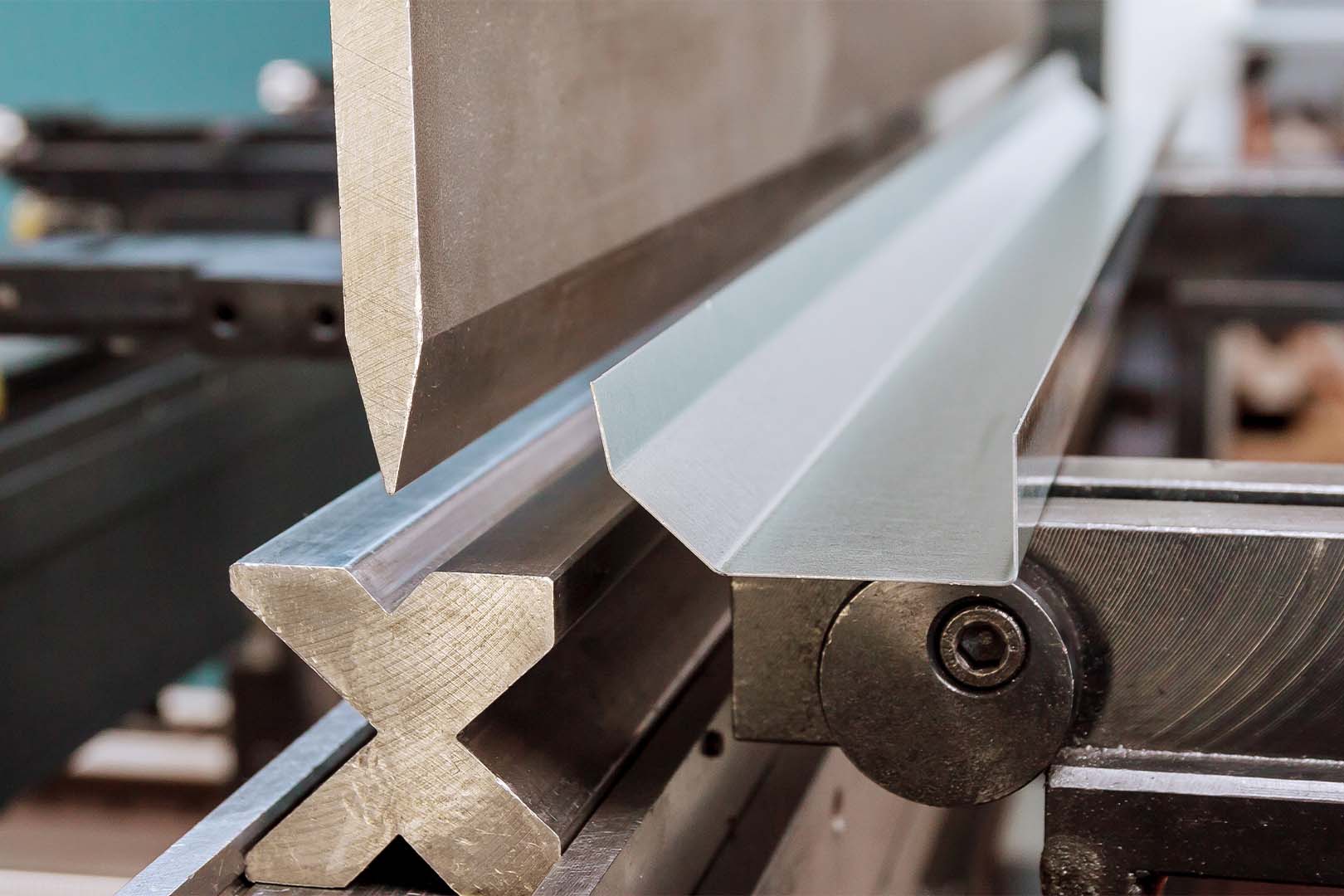
- Forming and Bending: Cut pieces undergo controlled deformation to achieve desired shapes. V-bending, U-bending, roll bending, and deep drawing each create different geometries. This stage requires skilled operators who understand how each material responds to pressure and heat.
- Welding and Joining: Individual components are assembled using welding, brazing, or mechanical fastening. TIG welding produces precision joints for thin materials, while MIG welding offers speed for thicker sections. After welding, components undergo inspection to check for deformities or misalignments.
- Heat Treatment: Processes like annealing, normalizing, or hardening modify material properties. Annealing relieves internal stresses from fabrication. Hardening increases wear resistance. Tempering balances hardness with toughness after quenching.
- Surface Finishing: The final stage applies protective coatings or aesthetic treatments. Powder coating creates durable colored surfaces. Hot-dip galvanizing provides zinc protection that can last up to 50 years in specific environments. Anodizing creates stable oxide layers on aluminum components.
- Quality Inspection: Throughout production, visual inspection, dimensional verification, and non-destructive testing ensure each component meets specifications. Coordinate measuring machines and laser scanners verify dimensional accuracy to the millimeter.
Superior metal forming requires coordination across all these stages. A defect introduced during cutting affects bending accuracy. Improper heat treatment compromises weld integrity. Poor surface preparation leads to coating failures. This interconnection explains why process control at every stage matters so much.
Understanding these production stages helps you ask better questions when evaluating fabrication partners and recognize quality when you see it. With this foundation in place, you can appreciate how different industries leverage these capabilities for their specific applications.
Industries That Rely on Precision Sheet Metal Work
When you think about sheet metal fabrication, HVAC ductwork or construction equipment might come to mind first. But here is something most fabricators will not tell you: precision metal work touches nearly every industry you encounter daily. From the car you drive to the medical equipment that saves lives, superior metal shapes form the backbone of modern manufacturing across dozens of sectors.
Automotive and Transportation Applications
The automotive industry represents one of the largest consumers of precision sheet metal components. According to manufacturing specialists, automotive sheet metal fabrication is used throughout almost every stage of vehicle manufacturing - from body panels to engine components.
What makes this industry particularly demanding? Vehicles require components that balance strength with weight reduction. Every pound saved improves fuel efficiency without compromising safety. Superior metals manufacturing processes create:
- Body components: Doors, hoods, fenders, and roof panels that must maintain precise dimensions for proper fit and aerodynamics
- Chassis and frame parts: Structural elements engineered to absorb impact energy while protecting occupants
- Engine components: Heat shields, brackets, and enclosures that withstand extreme temperature variations
- Custom panels: Interior and exterior trim pieces requiring consistent surface finishes for aesthetic appeal
Aerospace fabrication takes these requirements even further. Aircraft components demand exceptional strength-to-weight ratios, resistance to fatigue from repeated pressure cycles, and tolerances measured in thousandths of an inch. Wings, flaps, brackets, and fuselage sections all rely on fabrication methods that deliver repeatable precision across thousands of identical parts.
Beyond HVAC - Industries That Depend on Precision Fabrication
The range of industries relying on superior metal shapes inc extends far beyond transportation. Consider how many sectors depend on fabricated metal components for their core operations:
- Medical equipment: Sheet metal fabrication creates surgical instruments, equipment housings, diagnostic device enclosures, bed frames, and ventilation components. These applications require biocompatible materials like stainless steel and titanium that resist corrosion through repeated sterilization cycles.
- Electronics enclosures: Compact, lightweight housings protect sensitive components from electromagnetic interference. Fabricated racks, mounting plates, and shielding must meet tight tolerances while allowing efficient heat dissipation.
- Industrial equipment: Machine housings, conveyor system components, and structural supports handle heavy mechanical stress while maintaining dimensional stability over years of operation.
- Agricultural machinery: Silos, grain bins, farm equipment components, and irrigation system parts must withstand outdoor exposure, chemical contact, and constant vibration.
- Architectural applications: Decorative facades, structural cladding, and interior design elements combine aesthetic requirements with weathering resistance and long-term durability.
- Printing industry: Paper guides, feeders, press frames, and ink application systems require smooth surfaces and consistent dimensions for reliable operation.
Each industry brings unique material selection challenges. Medical applications often require Grade 304 or 316 stainless steel for corrosion resistance and biocompatibility. Agricultural equipment may use galvanized carbon steel for weather protection at lower cost. Electronics enclosures frequently specify aluminum for its lightweight properties and electromagnetic shielding capabilities.
The advantages remain consistent across industries: customization to exact specifications, durability under demanding conditions, tight tolerances for precision fit, repeatability across production runs, and scalability from prototypes to high-volume manufacturing. These benefits explain why OEM parts manufacturers across all sectors rely on precision fabrication to produce components that meet their exacting standards.
Understanding which industries use fabricated metal components - and why - helps you appreciate the quality standards that distinguish superior work. But how exactly do fabricators measure and verify that quality? The answer lies in specific metrics and certifications that separate exceptional fabrication from average output.
Quality Differentiators That Define Superior Fabrication
How can you tell if a fabricator delivers genuinely superior work or just claims to? The difference comes down to measurable standards - specific metrics you can verify rather than vague promises about "quality" or "excellence." Understanding these differentiators transforms you from a passive buyer into an informed evaluator who recognizes real quality when you see it.
Measurable Quality Standards in Metal Fabrication
Superior metal products inc and other leading fabricators distinguish themselves through quantifiable performance metrics. These are not abstract concepts - they are concrete measurements that directly impact whether your parts fit, function, and last as intended.
Precision Tolerances: According to industry tolerance standards, dimensional tolerances govern variations in length, width, and hole placements. Standard fabrication might accept tolerances of ±0.45mm for laser cutting, while high-precision work achieves ±0.20mm. For angular tolerances, standard bending allows ±1.0 degree deviation, but superior work holds ±0.5 degrees. These differences matter when multiple parts must align during assembly.
Surface Finish Standards: Flatness tolerances address the allowable deviation from a perfectly flat surface - critical for panels, enclosures, and components that must seal properly. Variations in flatness can cause improper sealing, uneven loads, or cosmetic issues. Cold-rolled steel typically exhibits better flatness than hot-rolled material due to its refined rolling process.
Weld Quality Inspection: Superior metals inc operations use multiple inspection methods to verify weld integrity. Non-destructive testing (NDT) detects surface defects without damaging components. This includes visual inspections using fillet gauges, V-Wac gauges, borescopes for internal piping, and sometimes 5X magnification. Leak or pressure testing verifies sealed assemblies using closed flanges and air or water pressure.
Dimensional Accuracy: Geometric Dimensioning and Tolerancing (GD&T) is often applied to machined parts and critical weldments. Common tolerances range between 0.005 to 0.030 inches, with precision work achieving 0.010 to 0.015 inches. Measuring equipment must be calibrated at specified frequencies per ISO 9001:2015 certification - weekly inspections by third-party calibration services ensure measurement accuracy.
Material Traceability: Superior metal forming inc operations verify materials before production begins. Upon arrival, fabricators compare packing slips to purchase orders, verifying material type, size, and thickness. They inspect for cleanliness and damage, then verify material specifications against the Certificate of Conformance (CoC) to ensure compliance with customer requirements.
| Quality Metric | Standard Fabrication | Superior Fabrication |
|---|---|---|
| Linear Tolerance (Laser Cutting) | ±0.45mm | ±0.20mm |
| Hole Diameter Tolerance | ±0.45mm | ±0.08mm |
| Angular Tolerance (Bending) | ±1.0 degree | ±0.5 degree |
| Equipment Calibration | Monthly or as-needed | Weekly third-party verification |
| Material Verification | Visual inspection only | Full CoC verification before inventory |
| Weld Inspection | Visual spot-check | NDT with documented reporting |
Certifications That Guarantee Fabrication Excellence
Industry certifications transform quality claims into verified standards. When a fabricator holds recognized certifications, third-party auditors have validated their processes, equipment, and management systems meet specific requirements.
IATF 16949 Certification: This automotive-specific standard is backed by automotive trade associations and builds upon ISO 9001 requirements. According to certified fabricators, while ISO 9001 centers on customer satisfaction, IATF 16949 goes further to ensure compliance with lean manufacturing, defect prevention, variance deterrence, waste reduction, and company-specific requirements.
What does IATF 16949 guarantee for your projects?
- Consistent quality: Processes are monitored and measured to maximize productivity and deliver consistent outcomes
- Reduced product variation: Reviewed and improved manufacturing processes ensure metal components consistently meet high-performance requirements
- Reliable supply chain: The certification sets international benchmarks for sourcing suppliers, establishing stronger partnerships
- Reduced waste: Streamlined manufacturing processes and improved management systems minimize waste and meet environmental initiatives
- Defect prevention: Proven processes for fabrication, welding, painting, and finishing diminish inefficiencies and minimize defects
AS9100 Certification: This standard applies to aerospace manufacturing, requiring even more stringent quality controls for components used in aircraft and spacecraft applications.
First Article Inspection Reports (FAIR): AS9102 First Article Inspection Reports certify that each unit was produced according to customer specifications. These documents provide traceable evidence that production processes consistently deliver conforming parts.
Hold points represent another quality assurance mechanism - temporary pauses during critical production steps allowing verification of specifications. Customer Source Inspections (CSI) conducted by the customer or their representative, and Government Source Inspections (GSI) for Department of Defense contracts, verify material conformance, process verification, dimensional accuracy, and workmanship before production continues.
Understanding these quality differentiators - from measurable tolerances to verified certifications - gives you concrete criteria for evaluating fabrication partners. But quality represents only one piece of the puzzle. How do these standards translate into project costs and timelines? That practical question deserves equally concrete answers.
Cost Factors and Timeline Expectations for Metal Projects
How much will your custom metal parts actually cost? And how long before they arrive? These are the questions fabricators rarely answer upfront - yet they are exactly what you need to know before committing to any project. Whether you are sourcing components from superior metal Indianapolis suppliers or evaluating fabricators nationwide, understanding the real drivers behind pricing and lead times helps you budget accurately and avoid unwelcome surprises.
Understanding Fabrication Cost Variables
The price of fabricated metal components depends on several interconnected factors. According to industry cost analysis, the material you choose has the biggest impact on cost. Common options include cold-rolled steel, stainless steel, and aluminum - each with different price points and processing requirements.
Material thickness also changes the price significantly. Thicker sheets require more force to bend and cut, increasing tool wear and production time. For example, 1.2mm stainless steel can cost 40-60% more to process than 0.8mm mild steel due to machine load and cutting speed differences.
Here are the primary factors that determine your fabrication costs:
- Material selection: Cold-rolled steel is typically the most affordable option, followed by aluminum. Stainless steel costs more but provides superior durability and corrosion resistance.
- Design complexity: Each bend, hole, or welding seam adds setup time and machining operations. A simple laser-cut bracket costs far less than an enclosure with multiple bends, countersinks, and welded corners.
- Tolerance requirements: Tighter tolerances (±0.05mm versus ±0.2mm) require slower cutting speeds and additional quality checks, increasing costs accordingly.
- Surface finishing: Powder coating, anodizing, and zinc plating improve appearance and corrosion resistance but add to overall price. Powder coating typically adds $0.50-2.00 per part depending on size and complexity.
- Order volume: Economies of scale matter significantly. A batch of 500 parts has a much lower unit price than a batch of 5 because setup costs spread across more items.
- Lead time requirements: Rush orders typically carry a 20-40% surcharge to prioritize your job on the production floor.
Secondary cost factors include packaging requirements for delicate parts, specialized quality inspection reports, and engineering support for design-for-manufacturability reviews. Anticipating these early helps you manage your project budget more effectively.
Timeline Expectations for Custom Metal Projects
Realistic timeline planning prevents frustration and project delays. As fabrication specialists note, a typical custom project moves through distinct phases - and complexity can extend lead times considerably.
Standard production typically takes 5-7 business days after approval, but this varies based on project scope and fabricator capacity. Here is what to expect at each milestone:
- Quote and design review: 1-3 days for straightforward projects; complex assemblies requiring engineering input may take longer
- Shop drawings and approval: 2-5 days depending on revision cycles and customer response time
- Material procurement: Standard materials are usually in stock; specialty alloys or unusual thicknesses may add 1-2 weeks
- Fabrication: 3-10 days based on complexity, volume, and current shop workload
- Finishing and coating: 2-5 days for powder coating or plating; some specialty finishes require additional curing time
- Quality inspection and packaging: 1-2 days for standard inspection; certified first article reports add time
- Shipping: Varies by destination and method selected
For superior metals Indianapolis projects or similar regional work, local fabricators often offer faster turnaround due to reduced shipping times and easier communication. However, do not sacrifice quality for speed - rushed production increases error rates.
Common Fabrication Constraints and Design Considerations
Understanding fabrication limitations before you finalize designs prevents costly rework. According to manufacturing experts, many cost overruns and delays stem from design issues that could have been addressed earlier.
Key constraints to consider include:
- Minimum bend radii: Each material has a minimum bend radius related to its thickness. Bending metal too sharply risks cracking or structural weakness.
- Minimum flange lengths: Flanges that are too short cannot be properly held in a press brake. Industry guidelines recommend a minimum flange length equal to twice the material thickness plus the bend radius.
- Slot and hole placement: Slots too close to bends may deform during the bending process. Maintain adequate clearances for machine tolerances.
- Grain direction: Bending along the grain can result in cracks, while bending across it provides more flexibility. Specify grain orientation in your documentation.
A practical approach to controlling costs? Balance strength and manufacturability by choosing the thinnest material that meets your structural requirements. Keep designs functional and avoid unnecessary complexity - simplicity really is better when it comes to fabrication efficiency.
With cost and timeline expectations clearly understood, the next consideration becomes where those parts are actually made. The choice between in-house fabrication capabilities and outsourced production carries significant implications for quality control, communication, and project outcomes.
In-House Fabrication Capabilities and Their Advantages
Should your fabrication partner produce components in their own facility or farm the work out to subcontractors? This question rarely gets discussed openly, yet it dramatically affects quality consistency, communication clarity, and your ability to make last-minute changes. Understanding the real differences between in-house and outsourced production helps you choose partners who can actually deliver on their promises.
The In-House Advantage for Complex Projects
When a fabricator controls every production stage under one roof, something powerful happens: accountability becomes absolute. According to manufacturing industry analysts, in-house production allows businesses to have direct control over the entire production process, from sourcing raw materials to quality control and fulfillment.
Imagine you discover a design flaw after production begins. With outsourced manufacturing, you face a chain of phone calls, negotiations, and delays while the external supplier continues making incorrect parts. But with superior metal fab llc operations that keep production internal, your engineering team simply walks to the production floor and implements the change immediately.
This control extends beyond flexibility. Quality becomes measurable and enforceable because the same organization designs, produces, and inspects every component. As industry experts note, keeping critical operations in-house allows teams to enforce consistent quality standards from raw materials to final assembly. With fewer handoffs between suppliers, manufacturers catch and correct issues early - before they impact the final product.
Key advantages of in-house fabrication include:
- Immediate design changes: Updated blueprints go directly to production without external negotiations or delays
- Stricter quality control: Teams focus exclusively on your product rather than juggling multiple clients simultaneously
- Reduced management overhead: No need for on-site managers at external facilities or translation of requirements across organizations
- Protected intellectual property: Proprietary designs and specifications never leave the facility
- Faster problem resolution: Engineers and production staff collaborate in real-time when issues arise
Why Integrated Fabrication Delivers Better Results
Vertically integrated manufacturing - where design, engineering, and production operate as a unified system - creates advantages that fragmented supply chains simply cannot match. According to metal fabrication industry publications, this integration eliminates finger-pointing between departments and ensures experts on both sides collaborate to eliminate quality concerns before production begins.
Consider a scenario involving laser cutting long, narrow parts. With integrated operations, engineers who understand material behavior work alongside fabricators who know machine capabilities. They identify potential issues - like stress release causing parts to spring up during cutting - and solve them during planning rather than discovering problems mid-production.
Superior metals manufacturing chittenango ny operations and similar integrated facilities accelerate product development by removing delays between production stages. Teams move quickly from design to prototyping to final build without waiting on third-party suppliers. This agility lets companies respond faster to customer needs, market shifts, or engineering changes.
| Factor | In-House Fabrication | Outsourced Production |
|---|---|---|
| Quality Control | Direct oversight at every stage; consistent standards enforced internally | Depends on supplier's priorities; your order competes with other clients |
| Communication | Real-time collaboration between engineering and production teams | Delayed feedback loops; potential for miscommunication across organizations |
| Lead Time | Faster iteration cycles; no waiting for external scheduling | Subject to supplier capacity and competing priorities |
| Design Changes | Implemented immediately with updated blueprints | Requires renegotiation; supplier continues old production until resolved |
| Supply Chain Reliability | Tighter control over timelines, inventory, and logistics | Vulnerable to external disruptions and vendor availability |
| Intellectual Property | Proprietary information stays within organization | Risk of sensitive designs being exposed to external parties |
| Cost Visibility | Greater transparency into actual production costs | Markups and inefficiencies hidden in supplier pricing |
The data collection advantage deserves special attention. With everything in-house, manufacturers gather information from every production stage - creating a complete picture of what works and what needs improvement. This visibility enables continuous process refinement based on actual performance data rather than guesswork.
Does this mean outsourcing never makes sense? Not necessarily. Some specialized processes or capacity overflow situations benefit from external partnerships. However, for complex projects requiring tight tolerances, frequent iterations, or sensitive intellectual property, in-house capabilities provide measurable advantages that directly impact your project outcomes.
Understanding these production model differences prepares you to evaluate potential fabrication partners more effectively. But what specific questions should you ask, and what capabilities indicate a fabricator truly meets superior standards?
Selecting the Right Fabrication Partner for Your Project
You have defined your quality requirements, understand production processes, and know what superior fabrication looks like. Now comes the critical decision: which custom metal fabrication partner can actually deliver on these standards? Choosing the wrong fabricator leads to missed deadlines, quality issues, and frustrating rework cycles. Choosing the right one transforms your manufacturing into a competitive advantage.
The challenge? Every fabricator claims excellence. According to industry experts, the true value of working with experienced custom metal fabricators lies in craftsmanship, technology, scalability, and a proven commitment to quality - not just competitive pricing. Here is how to separate genuine capabilities from marketing claims.
Essential Questions for Fabrication Partner Evaluation
Before signing any contract, you need concrete answers to specific questions. Vague responses or deflections signal potential problems ahead. As fabrication specialists note, manufacturers must take choosing the right fabrication partner seriously because it is crucial to success and ensures industry standard compliance.
Start your evaluation with these critical questions:
- How long have you been fabricating complex metal parts? Experience translates into deeper material knowledge, refined processes, and the ability to anticipate challenges before they become costly problems. Ask for specific examples from your industry.
- What certifications do you hold? Certifications like ISO 9001 demonstrate documented quality systems. IATF 16949 certification indicates automotive-grade quality controls with defect prevention and lean manufacturing principles built into operations.
- Are all operations performed in-house? Some fabricators only cut metal while outsourcing machining, finishing, or assembly - leading to delays, communication gaps, and inconsistent quality. Full-service facilities provide tighter control.
- What is your prototyping turnaround time? Speed matters when validating designs. Fabricators offering 5-day rapid prototyping enable faster iteration cycles compared to those requiring weeks for sample parts.
- Do you provide Design for Manufacturability (DFM) support? A reliable fabricator collaborates early in the process, reviewing drawings, CAD files, tolerances, and functional requirements. This reduces risk and shortens lead times.
- How quickly can you provide quotes? Quote turnaround indicates responsiveness. Fabricators with 12-hour quote capabilities demonstrate organized systems and customer-focused operations.
- Can you scale from prototypes to mass production? Your ideal partner supports both current needs and future growth without sacrificing quality as volumes increase.
Request case studies or references from similar projects. According to industry guidelines, experienced providers who have handled large-scale projects bring invaluable expertise, including strong working knowledge of compliance standards and efficient resource allocation.
Red Flags and Green Lights in Fabricator Selection
Beyond asking the right questions, watch for behavioral signals that reveal how a fabricator actually operates. Some warning signs are obvious; others require closer attention.
Red flags to watch for:
- Reluctance to share certifications or inspection procedures
- Vague answers about equipment capabilities or production capacity
- No single point of contact for project communication
- Inability to provide references from your industry
- Quotes that seem too low - often indicating hidden costs or quality shortcuts
- No discussion of quality control processes during initial conversations
- Extended quote turnaround times suggesting disorganized operations
Green lights that indicate a strong partner:
- Documented quality framework including first-article inspection, in-process checks, and final validation
- Modern equipment with laser cutting, CNC machining, and robotic welding capabilities
- Engineering team available for design consultation before production
- Transparent communication about lead times and realistic project timelines
- Willingness to discuss production constraints and design optimization
- Clear contingency plans for meeting tight deadlines
- Demonstrated scalability from low-volume prototyping to automated mass production
Consider how potential partners measure against these metal fabrication evaluation criteria. For example, Shaoyi Metal Technology exemplifies a fabricator meeting multiple selection benchmarks: IATF 16949 certification for automotive-grade quality, 5-day rapid prototyping for fast design validation, comprehensive DFM support to optimize manufacturability, and 12-hour quote turnaround demonstrating responsive operations. Their combination of precision fabrication services and automated mass production capabilities illustrates what to look for when evaluating potential partners.
Building Your Evaluation Checklist
Use this structured approach to compare fabrication candidates systematically:
| Evaluation Criteria | Questions to Ask | What to Look For |
|---|---|---|
| Experience | Years in business? Similar project examples? | Track record in your specific industry with documented case studies |
| Certifications | ISO, IATF 16949, AS9100? | Third-party verified quality systems appropriate to your requirements |
| Equipment | Laser/plasma cutting? CNC capabilities? | Modern technology enabling precision and repeatability |
| Engineering Support | DFM review? CAD/CAM support? | Collaborative approach to design optimization before production |
| Prototyping Speed | Sample turnaround time? | 5-day or faster prototyping for rapid iteration cycles |
| Production Scalability | Capacity for growth? Volume flexibility? | Ability to scale from samples to mass production without quality loss |
| Responsiveness | Quote turnaround? Communication clarity? | 12-hour quotes and single point of contact for efficient project management |
Strong customer service matters as much as technical capability. According to fabrication selection experts, it should be easy to interact with the fabricator and communication should be clear and effective. Companies must be kept informed when delays occur or when important project aspects change.
The decision you make now affects project outcomes for years. Take time to verify claims, request samples, and speak with references. A thorough evaluation process upfront prevents costly problems downstream - and positions you with a fabrication partner capable of supporting your manufacturing needs as they evolve.
Future-Proofing Your Metal Fabrication Strategy
The fabrication partner you choose today will shape your manufacturing capabilities for years to come. But here is what most suppliers will not tell you: the metal fabrication technology trends reshaping this industry are accelerating faster than ever. Companies that align with forward-thinking fabricators gain competitive advantages, while those locked into outdated partnerships struggle to keep pace.
What does the future of sheet metal manufacturing actually look like? And how do you position your supply chain to benefit from these changes rather than being disrupted by them?
Emerging Technologies in Metal Fabrication
Automated metal fabrication has moved from competitive advantage to operational necessity. According to industry trend analysis, automation is no longer a luxury - it is a modern necessity for metal fabrication, as it aims to optimize production and reduce costs. Smart manufacturing systems integrating AI and robotics now deliver unparalleled precision and efficiency.
The key technologies reshaping fabrication include:
- Robotic welding systems: These use artificial intelligence for real-time defect detection, decreasing errors and minimizing material waste while ensuring flawless execution even in complex projects
- Intelligent press brakes: Precision bending processes with automated adjustments improve quality consistency across production runs
- Advanced CNC machines: Software-driven equipment enables ultra-precise cutting, forming, and machining with greater design flexibility and the ability to execute complex geometries
- Laser-punch combo systems: Combining speed with flexibility, these systems are rapidly shrinking production timelines
Rapid prototyping metal parts has become equally critical in competitive markets. As manufacturing specialists explain, 3D printing and additive manufacturing offer faster, more cost-effective solutions that allow engineers to test designs and iterate quickly. This agility in prototyping leads to improved products and faster time-to-market - advantages that compound over product development cycles.
Material innovations are opening new possibilities as well. Advanced alloys, smart materials with enhanced strength and corrosion resistance, and application-specific formulations support high-precision industries like aerospace, automotive, and medical devices. Fabricators who stay current with these material advances can recommend optimal solutions for your specific performance requirements.
Sustainability practices are also transforming operations. Industry reports indicate that contractors increasingly demand environmentally friendly practices - recycling scrap materials, using energy-efficient machinery, and reducing emissions during production. Choosing fabricators aligned with green initiatives is not only responsible but often cost-effective long-term.
Building Long-Term Fabrication Partnerships
Technology alone does not guarantee manufacturing success. The relationship you build with your fabrication partner determines whether you actually benefit from these innovations. Responsive partnerships that adapt to your evolving needs deliver compounding value over time.
The manufacturers who thrive in competitive markets are those who partner with fabricators offering both cutting-edge technology and responsive service - where 12-hour quote turnarounds and 5-day prototyping cycles become standard rather than exceptional.
What should you look for in a future-proof fabrication partnership?
- Automated mass production capabilities: Partners who have invested in robotic systems and intelligent equipment can scale your production while maintaining quality consistency
- Rapid prototyping speed: Fabricators offering 5-day rapid prototyping enable faster design validation and shorter development cycles
- Responsive communication: Quote turnarounds of 12 hours or less indicate organized operations and customer-focused systems
- Engineering collaboration: Comprehensive DFM support ensures designs are optimized for manufacturability before production begins
- Certification standards: IATF 16949 and similar certifications verify that quality systems meet industry benchmarks
For automotive-focused applications, fabricators like Shaoyi Metal Technology demonstrate what modern manufacturing partnerships look like in practice - combining automated mass production with rapid prototyping capabilities and the responsiveness that competitive markets demand.
Key Takeaways for Fabrication Excellence
As you evaluate your fabrication options, keep these critical insights in mind:
- Superior fabrication is measurable: Precision tolerances, documented certifications, and verified quality processes distinguish exceptional work from average output
- Process transparency matters: Understanding each production stage - from material selection through finishing - helps you evaluate quality and communicate effectively with partners
- In-house capabilities provide control: Fabricators who maintain integrated operations offer faster iterations, tighter quality control, and better intellectual property protection
- Cost and timeline planning requires realism: Material selection, complexity, and volume all affect pricing; standard production typically takes 5-7 business days after approval
- Future-proof partnerships combine technology with responsiveness: The best fabricators invest in automated systems while maintaining the agility to support your evolving needs
The metal fabrication industry continues to evolve rapidly. Automation trends, material innovations, and the growing importance of rapid prototyping are reshaping what is possible. By partnering with fabricators who embrace these changes - and who demonstrate their capabilities through certifications, equipment investments, and responsive service - you position your manufacturing for long-term success.
Ready to explore precision fabrication solutions for your next project? Evaluate potential partners against the criteria outlined in this guide, ask the tough questions, and verify claims through samples and references. The right fabrication partnership transforms manufacturing from a cost center into a competitive advantage.
Frequently Asked Questions About Superior Sheet Metal Fabrications
1. What makes sheet metal fabrication 'superior' compared to standard metalworking?
Superior sheet metal fabrication is distinguished by three key pillars: precision tolerances measured in thousandths of an inch (±0.20mm versus standard ±0.45mm), verified material traceability with documented Certificate of Conformance, and systematic process control at every production stage. These fabricators also hold certifications like IATF 16949, which guarantees lean manufacturing practices, defect prevention, and consistent quality outcomes that standard shops cannot match.
2. How long does custom sheet metal fabrication typically take?
Standard production typically takes 5-7 business days after design approval. The complete timeline includes quote and design review (1-3 days), shop drawings approval (2-5 days), material procurement (immediate for standard materials or 1-2 weeks for specialty alloys), fabrication (3-10 days based on complexity), finishing and coating (2-5 days), and quality inspection (1-2 days). Some fabricators like Shaoyi Metal Technology offer 5-day rapid prototyping and 12-hour quote turnaround for faster project cycles.
3. What industries rely most heavily on precision sheet metal fabrication?
While HVAC and construction are common, precision fabrication serves diverse industries including automotive (body panels, chassis components, engine parts), aerospace (wings, fuselage sections, brackets), medical equipment (surgical instruments, diagnostic device enclosures), electronics (EMI shielding enclosures), agricultural machinery (silos, irrigation systems), and architectural applications (decorative facades, structural cladding). Each industry requires specific material selections and tolerance standards.
4. What factors affect sheet metal fabrication costs?
Primary cost drivers include material selection (stainless steel costs more than cold-rolled steel), material thickness (thicker sheets require more processing time), design complexity (each bend, hole, or weld adds cost), tolerance requirements (tighter tolerances require slower cutting speeds), surface finishing (powder coating adds $0.50-2.00 per part), order volume (larger batches reduce unit costs), and lead time (rush orders carry 20-40% surcharges).
5. Why is IATF 16949 certification important when selecting a metal fabricator?
IATF 16949 certification, backed by automotive trade associations, goes beyond ISO 9001 by ensuring compliance with lean manufacturing, defect prevention, variance deterrence, and waste reduction. Certified fabricators deliver consistent quality through monitored processes, reduced product variation, reliable supply chain management, and proven fabrication procedures that minimize defects. This certification provides third-party verification that a fabricator meets automotive-grade quality standards.