 Small batches, high standards. Our rapid prototyping service makes validation faster and easier —
  EN
EN


Machine Metal Parts: Several Costly Mistakes Your Supplier Won't Warn You About
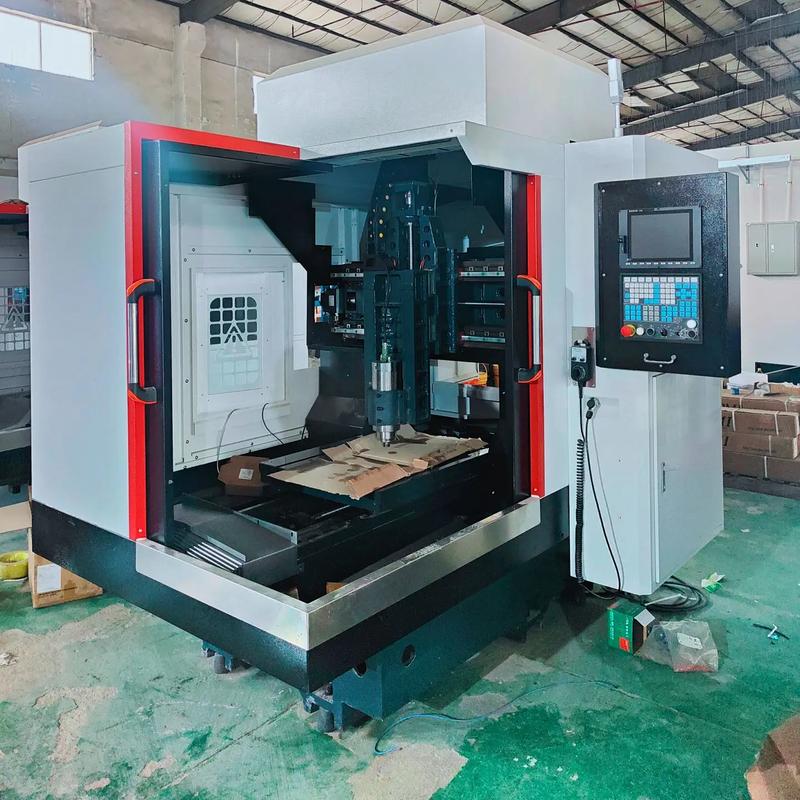
Understanding Machine Metal Parts and Their Manufacturing Role
Ever wondered what connects your car's engine to a surgical instrument or an airplane's landing gear? The answer lies in machine metal parts—precision-engineered components that form the backbone of virtually every industry you can imagine. These aren't just random chunks of metal; they're carefully crafted pieces that make modern life possible.
But here's the problem: most buyers don't fully understand what they're ordering, and suppliers rarely take the time to explain. This knowledge gap leads to costly mistakes, delayed projects, and parts that simply don't perform as expected. Let's change that by starting with the fundamentals.
What Defines a Machined Metal Part
A machined metal part is any component created through subtractive manufacturing—a process where material is systematically removed from solid metal stock until the desired shape emerges. Think of it like sculpting: you start with a block of aluminum or steel, and specialized cutting tools carve away everything that isn't your finished part.
This approach stands in stark contrast to other metal fabrication methods. According to Arizona State University's manufacturing research, there are three foundational manufacturing types: formative, subtractive, and additive. Formative processes like casting and stamping force material into molds—no material is added or removed. Additive manufacturing builds parts layer by layer, similar to 3D printing.
So why choose machined parts over these alternatives? Precision machined components offer tolerances and surface finishes that casting simply cannot match. When you need a shaft that fits within thousandths of an inch or a housing with complex internal geometries, machined metal delivers.
The industries relying on metal machined parts span nearly every sector of the economy:
- Automotive: Engine blocks, transmission components, brake system parts, and custom bushings
- Aerospace: Aircraft structural elements, turbine components, and landing gear assemblies
- Medical devices: Surgical instruments, implant components, and diagnostic equipment housings
- Industrial equipment: Pump housings, valve bodies, and hydraulic system components
- Consumer electronics: Heat sinks, connector housings, and structural frames for devices
Why Subtractive Manufacturing Matters
Imagine you need a bracket with precise mounting holes, specific thread patterns, and tight dimensional tolerances. Could you cast it? Possibly—but the post-processing would add time and cost. Could you 3D print it? Perhaps for prototyping, but not for production volumes requiring consistent mechanical properties.
Subtractive manufacturing solves these challenges through machine components that undergo controlled material removal. CNC turning, drilling, and milling operations—all computerized for repeatability—transform raw stock into finished parts with exceptional accuracy. As noted by MDA Ltd's manufacturing guide, CNC machining allows for high precision and repeatability, making it ideal for complex and intricate parts.
The real advantage? Flexibility. Machined parts can be produced from virtually any metal—aluminum for lightweight applications, steel for strength, titanium for extreme environments, or brass for conductivity and aesthetics. Each material responds differently to cutting operations, but the fundamental process remains consistent.
Throughout this guide, you'll discover the nine costly mistakes that suppliers won't warn you about—from material selection errors to tolerance misunderstandings that inflate your costs. Whether you're sourcing your first batch of custom parts or optimizing an existing supply chain, understanding these fundamentals transforms you from a passive buyer into an informed partner who gets exactly what they
need.
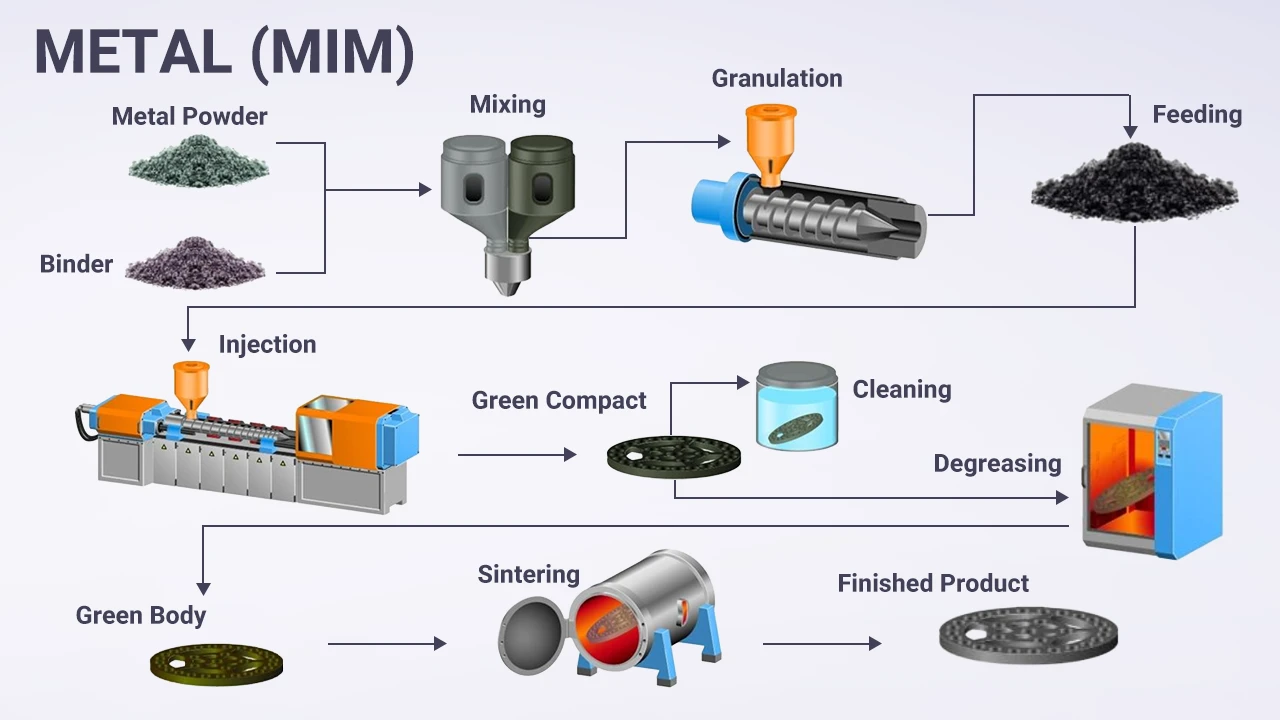
Core Machining Processes for Metal Part Production
Here's a costly mistake many buyers make: they specify a machining process without understanding why it matters. You might request CNC milling when turning would be faster and cheaper, or overlook EDM when your part demands intricate details in hardened steel. Knowing which process fits your application isn't just technical knowledge—it's money saved and deadlines met.
Let's break down the core processes that transform raw metal into precision cnc machining parts, explaining not just how they work, but when and why you'd choose each one.
CNC Milling and Multi-Axis Capabilities
Picture a rotating cutting tool moving across a stationary workpiece, carving away material with surgical precision. That's CNC milling in action—and it's the workhorse behind most complex metal geometries you'll encounter.
According to O&Y Precision's machining technology guide, CNC milling employs computerized controls to direct multi-point rotary cutting tools across a workpiece's surface. This precise movement and rotation eliminate surplus material, sculpting the workpiece into the desired size and shape.
The milling process unfolds in four distinct stages:
- CAD model creation: Your design becomes digital geometry
- CAM programming: Software translates geometry into toolpaths
- Machine setup: Workpiece fixturing and tool loading
- Cutting operations: Material removal following programmed paths
Why does this matter for your cnc milled parts? Multi-axis milling machines—3-axis, 4-axis, and 5-axis configurations—determine what geometries you can achieve. A 3-axis machine handles straightforward features like pockets, slots, and flat surfaces. But when you need undercuts, complex contours, or features accessible from multiple angles, 5-axis milling becomes essential.
Think about aerospace components or medical implants with organic, flowing surfaces. These demand simultaneous movement across all axes, maintaining optimal tool angles throughout the cut. The result? Better surface finishes, tighter tolerances, and fewer setups—which translates directly to lower costs for complex milled parts.
Turning, EDM, and Specialized Processes
Not every part needs milling. When you're producing cylindrical components—shafts, bushings, connectors, or any axially symmetric shape—CNC turning is your answer.
Here's how it works: unlike milling where the tool rotates, turning spins the workpiece while a stationary cutting tool removes material. This fundamental difference makes turning ideal for round parts, cones, and disks. As O&Y Precision notes, this CNC machining service excels at manufacturing shafts, bushings, and connectors with exceptional efficiency.
But what happens when traditional cutting reaches its limits? That's where Electrical Discharge Machining (EDM) enters the picture.
EDM removes material through controlled electrical discharges—no mechanical force required. This makes it invaluable for:
- Hardened materials: Tool steels and carbides that would destroy conventional cutters
- Intricate details: Sharp internal corners and complex contours impossible with rotating tools
- Thin-walled features: Delicate geometries that can't withstand cutting forces
Wire EDM uses a thin wire electrode to create complex contours, while sinker EDM employs shaped electrodes for cavities and 3D features. When you need cnc machine components with features traditional machining can't touch, EDM is often the only solution.
For precision finishing, grinding steps in. Using abrasive particles rather than cutting edges, grinding achieves surface finishes and tolerances that cutting tools simply cannot match. Surgical instruments, bearing surfaces, and gauge blocks all rely on grinding for their final dimensions.
Even processes like laser cutting cutting and water jet cutting play supporting roles. Water jet cutting deserves special attention for its ability to cut without heat-affected zones—critical when material properties must remain unchanged. Understanding the kerf width (material removed during cutting) helps you design parts with proper tolerances for these processes.
| Process Type | Best Applications | Achievable Tolerances | Typical Materials |
|---|---|---|---|
| CNC Milling | Complex 3D geometries, pockets, slots, contoured surfaces | ±0.001" to ±0.005" | Aluminum, steel, titanium, brass, plastics |
| CNC Turning | Cylindrical parts, shafts, bushings, threaded components | ±0.0005" to ±0.002" | All machinable metals and plastics |
| EDM (Wire/Sinker) | Hard materials, intricate details, sharp corners, thin walls | ±0.0001" to ±0.001" | Tool steels, carbides, hardened alloys |
| Grinding | Precision finishing, tight tolerances, superior surface finish | ±0.0001" to ±0.0005" | Hardened steels, ceramics, carbides |
The takeaway? Process selection isn't arbitrary—it's driven by your part's geometry, material, and precision requirements. Cylindrical? Consider turning first. Complex 3D surfaces? Milling with appropriate axis count. Hardened steel with intricate details? EDM might be your only option. Understanding these distinctions prevents one of the costliest mistakes in sourcing: specifying the wrong process and paying premium prices for unnecessary capabilities—or worse, receiving parts that don't meet your requirements.
With machining processes understood, your next critical decision involves material selection—a choice that affects not just part performance, but also which processes you can use and what tolerances you can achieve.
Material Selection Framework for Machined Components
Here's a mistake that costs buyers thousands: choosing materials based on what sounds right rather than what performs right. You might default to stainless steel because it sounds premium, when aluminum would deliver better performance at half the cost. Or you might select the cheapest option only to discover it can't hold the tolerances your application demands.
Material selection isn't guesswork—it's a decision framework balancing mechanical properties, machinability, cost, and your specific application requirements. According to Hubs' CNC material guide, the process involves three critical steps: defining your material requirements, identifying candidate materials, and selecting the most suitable option through compromise between performance and cost.
Let's build that framework together, starting with the metals aluminium family and moving through steels, brass, and specialty alloys.
Aluminum and Lightweight Alloys
When weight matters and strength can't be sacrificed, aluminum alloys dominate the conversation. These materials offer an excellent strength-to-weight ratio, high thermal and electrical conductivity, and natural corrosion protection—all while being remarkably easy to machine.
But here's what suppliers won't tell you: not all aluminum is created equal. The alloy you choose dramatically affects performance, machinability, and cost.
Aluminum 6061 stands as the workhorse of machined components. As Hubs notes, it's the most common general-use aluminum alloy with good strength-to-weight ratio and excellent machinability. When you're prototyping or producing parts without extreme performance demands, 6061 is often your most economical choice. It machines beautifully, accepts anodizing well, and costs less than specialty grades.
Aluminum 7075 enters the picture when aerospace-grade performance becomes necessary. With strength and hardness comparable to many steels after heat treatment, 7075 handles demanding applications where 6061 falls short. The tradeoff? Higher material cost and slightly reduced machinability.
Aluminum 5083 deserves consideration for marine or corrosive environments. Its exceptional resistance to seawater makes it optimal for construction and marine applications, and it welds better than most aluminum grades.
What about aluminum sheet metal applications? When your design calls for formed or bent components alongside machined features, sheet stock offers advantages in certain geometries. However, machining from solid aluminum sheet or plate provides tighter tolerances and eliminates concerns about material grain direction affecting strength.
The machinability advantage of aluminum cannot be overstated. According to research on the Universal Machinability Index, aluminum alloys machine significantly faster than steels, translating directly to lower per-part costs and faster lead times. When cycle time drives your economics, aluminum often wins.
Steel, Brass, and Specialty Metals
Aluminum can't solve every problem. When you need higher strength, better wear resistance, or specific material certifications, the steel family and copper alloys step forward.
Stainless Steel Grades
The stainless steel sheet of options can feel overwhelming, but most applications fall into a few common grades:
- 304 Stainless: The most common grade with excellent corrosion resistance and good machinability. Your default choice for general-purpose applications requiring corrosion protection.
- 316 Stainless Steel: When 304 isn't enough, 316 stainless steel provides superior chemical and saline resistance. Medical devices, marine components, and food processing equipment often specify this grade.
- 303 Stainless: Sacrifices some corrosion resistance for dramatically improved machinability. High-volume applications like fasteners benefit from faster cycle times.
- 17-4 PH: Precipitation-hardened to exceptional strength levels, this grade approaches tool steel hardness while maintaining stainless properties.
Carbon and Alloy Steels
When corrosion isn't your primary concern, carbon steels deliver strength and cost-effectiveness that stainless can't match. Mild steel 1018 offers good machinability and weldability for general-purpose applications. Alloy steel 4140 provides higher strength with good overall mechanical properties—though it's not recommended for welding.
Brass and Bronze: The Wear Resistance Champions
When comparing brass vs bronze for your application, understand that both excel in different scenarios. Brass C36000, according to Hubs, is one of the most easily machinable materials available—making it ideal for high-volume production of custom brass parts like bushings, fittings, and electrical components. Its natural lubricity and corrosion resistance make it perfect for applications involving friction or fluid contact.
Bronze alloys typically offer higher strength and better wear resistance than brass, making them preferred for heavy-duty bearings and marine hardware.
Engineering Plastics: When Metal Isn't the Answer
Sometimes the best material isn't metal at all. Delrin (POM) offers the highest machinability among plastics with excellent dimensional stability, low friction, and very low water absorption. When you need lightweight parts with specific chemical resistance or electrical insulation properties, engineering plastics deserve consideration alongside metals.
| Material | Key Properties | Machinability Rating | Common Applications | Relative Cost |
|---|---|---|---|---|
| Aluminum 6061 | Good strength-to-weight, corrosion resistant, anodizable | Excellent | Prototypes, housings, brackets, general-purpose parts | Low |
| Aluminum 7075 | High strength, heat treatable, aerospace-grade | Good | Aerospace components, high-stress applications | Medium |
| Stainless 304 | Excellent corrosion resistance, non-magnetic, weldable | Moderate | Food equipment, medical devices, general corrosion resistance | Medium |
| 316 Stainless Steel | Superior chemical/saline resistance, non-magnetic | Moderate | Marine, medical, chemical processing | Medium-High |
| Mild Steel 1018 | Good machinability, weldable, excellent toughness | Good | Jigs, fixtures, general-purpose structural parts | Low |
| Alloy Steel 4140 | High strength, good toughness, heat treatable | Moderate | Gears, shafts, high-strength structural components | Medium |
| Brass C36000 | Excellent machinability, corrosion resistant, low friction | Excellent | Bushings, fittings, electrical components, valves | Medium |
| Delrin (POM) | Low friction, high stiffness, dimensional stability | Excellent | Gears, bearings, precision mechanical components | Low-Medium |
The Material-Process Connection
Here's the insight most suppliers skip: your material choice directly affects which machining processes work efficiently. Aluminum's excellent machinability means faster feeds and speeds, reducing cycle time and cost. Hardened tool steels might require EDM for certain features because conventional cutting tools can't handle the hardness.
When specifying materials, consider the complete picture: mechanical requirements, corrosion environment, weight constraints, volume quantities, and required tolerances. That last factor—tolerances—becomes your next critical decision, because the precision you specify determines both cost and which materials can actually achieve your requirements.
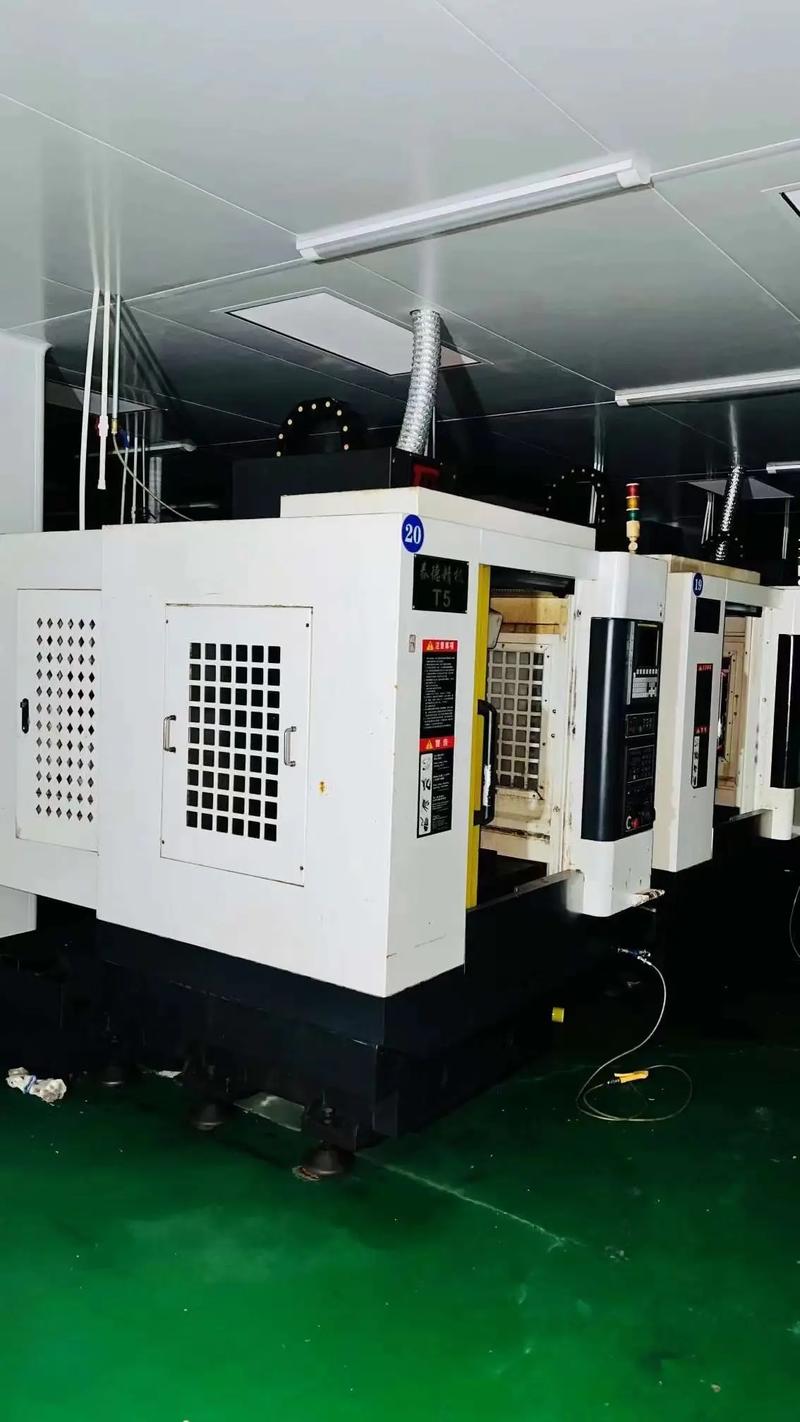
Precision Tolerances and Surface Finish Standards
Here's a costly mistake that catches even experienced engineers: specifying tolerances based on habit rather than function. You might request ±0.001" across your entire drawing because it sounds precise, only to watch your quote triple. Or you might accept a supplier's "standard tolerances" without understanding what that actually means for your assembly.
According to ECOREPRAP's tolerance research, tightening a tolerance from ±0.1 mm to ±0.01 mm can increase costs by three to five times—yet the performance benefit to your product may be negligible. Understanding tolerance specifications transforms you from a passive buyer into someone who specifies exactly what's needed, nothing more.
Let's decode the tolerance standards and surface finish specifications that separate informed buyers from those paying premium prices for unnecessary precision.
Tolerance Standards and Precision Grades
Every dimension on your drawing carries an acceptable range of variation. Too tight, and machining becomes expensive and slow. Too loose, and parts may not fit or function properly. The art lies in specifying tolerances that match your functional requirements—and understanding what's achievable for your chosen material and process.
Understanding Tolerance Types
Before diving into specific values, you need to understand how tolerances are specified. The most common formats include:
- Symmetric (Bilateral) Tolerance: The size varies equally in both directions. Example: 50.00 ± 0.05 mm means acceptable range of 49.95 mm to 50.05 mm
- Unequal Bilateral Tolerance: Different allowances in each direction. Example: 25.00 +0.02/-0.01 mm for situations where one direction matters more
- Unilateral Tolerance: Variation allowed in only one direction. Example: 10.00 +0.05/0 for precision fits where interference must be avoided
- Limit Tolerance: Direct min/max values stated. Example: 49.95 ~ 50.05 mm eliminates calculation errors
Standard vs. Tight Tolerance Ranges
Typical CNC machining tolerances—what you'll get without special requirements—generally fall into predictable ranges. For metals like aluminum and steel, standard linear tolerances run ±0.1 mm (±0.004"). Hole positions typically hold ±0.05 mm to ±0.1 mm. These align with ISO 2768-m (medium grade), the default standard most shops follow when drawings don't specify otherwise.
Tight tolerances push into the ±0.025 mm (±0.001") range and beyond. Achieving these requires specialized equipment, slower cutting speeds, controlled environments, and more rigorous inspection—all driving costs significantly higher.
Tolerance Grades and Their Applications
The ISO 2768 standard provides a framework for specifying general tolerances without callouts on every dimension:
- Grade f (fine): High precision requirements, critical assemblies, precision instruments
- Grade m (medium): Standard machining, general mechanical parts, most commercial applications
- Grade c (coarse): Non-critical dimensions, structural components, rough parts
- Grade v (very coarse): Castings, forgings, very loose requirements
When reviewing a gauge size chart or tolerance table, remember that these values represent what's reliably achievable—not the absolute limits of the technology. Ultra-precision requirements of ±0.01 mm and below qualify as exceptional cases requiring substantial cost premiums.
How Material Properties Affect Achievable Tolerances
Your material choice directly impacts what tolerances you can realistically hold. Aluminum's excellent thermal conductivity carries heat away from the cutting zone, minimizing thermal expansion and enabling tighter tolerances at lower cost. Stainless steel's poor conductivity concentrates heat, causing local expansion during machining and contraction after cooling—making consistent sizing more challenging.
Plastics present the greatest difficulty. Elastic deformation causes springback after cutting, thermal expansion leads to dimensional instability, and internal stresses can cause warping. For precision machined parts in plastic, achieving ±0.1 mm is considered good, and ±0.05 mm typically involves high cost and risk.
Surface Finish Specifications and Ra Values
While tolerances control dimensions, surface finish specifications control texture—how smooth or rough the machined surface appears. This isn't just cosmetic; surface finish affects friction, wear, sealing capability, and fatigue life.
Understanding Ra Values
Surface roughness is commonly expressed using Ra (Roughness Average), measured in micrometers (μm) or microinches. Think of Ra as the average height of surface peaks and valleys. Lower numbers mean smoother surfaces:
- Ra 3.2 μm (125 μin): Standard machining finish, acceptable for non-critical surfaces and general mechanical parts
- Ra 1.6 μm (63 μin): Good machined finish, suitable for many functional surfaces
- Ra 0.8 μm (32 μin): Fine finish, often required for mating or sealing surfaces
- Ra 0.4 μm (16 μin): Very fine finish, precision machining parts and bearing surfaces
- Ra 0.2 μm (8 μin): High precision, mirror-like finishes for medical devices and optical components
Finishing Processes and Their Results
Different finishing methods achieve different surface qualities. As-machined surfaces typically deliver Ra 1.6-3.2 μm depending on cutting parameters. When better finishes are required, secondary processes step in:
Anodizing does more than improve appearance on aluminum parts—it creates a hard, corrosion-resistant oxide layer. Type II anodizing provides standard protection with slight dimensional changes (typically 0.0002-0.001" per surface). Type III hard anodizing builds thicker, harder coatings but adds more material, affecting critical dimensions. Anodized aluminum components offer excellent durability for consumer products, aerospace applications, and architectural elements.
Powder coating services apply dry powder electrostatically, then cure it under heat to create a durable finish. Unlike liquid paint, powder coat builds thickness (typically 0.002-0.006") that must be accounted for in tight-tolerance features. It's excellent for corrosion protection and aesthetic finishes but adds significant material that affects fits.
Polishing and grinding achieve the finest finishes. Mechanical polishing progressively refines surfaces using finer abrasives, while grinding uses abrasive wheels for precision finishing. These processes excel when precision machining parts demand Ra values below 0.8 μm.
Specifying Finish Requirements on Drawings
Clear communication prevents costly misunderstandings. When specifying surface finish:
- Call out Ra values on surfaces where finish matters functionally
- Indicate finishing process requirements (anodized, powder coated, etc.) in notes
- Specify critical surfaces that must remain uncoated for dimensional reasons
- Note any masking requirements for coated parts with precision features
The Cost-Precision Relationship
Here's what suppliers won't volunteer: the cost curve for tighter tolerances isn't linear—it's exponential. Moving from ±0.1 mm to ±0.05 mm might increase costs 30-50%. Tightening further to ±0.025 mm can double the price. And reaching ±0.01 mm? Expect three to five times the baseline cost.
The smart approach applies tight tolerances only to critical mating surfaces while using standard tolerances on non-functional areas. Ask yourself: "What is the function of this dimension?" If it's an appearance surface or non-mating feature, standard tolerances likely suffice. Reserve precision requirements for features where assembly, sealing, or performance truly demands them.
With tolerances and finishes understood, your next opportunity to prevent costly mistakes lies in design decisions. How you design your parts determines not just their functionality, but how easily and economically they can be manufactured—a topic where most buyers unknowingly create problems before production ever begins.
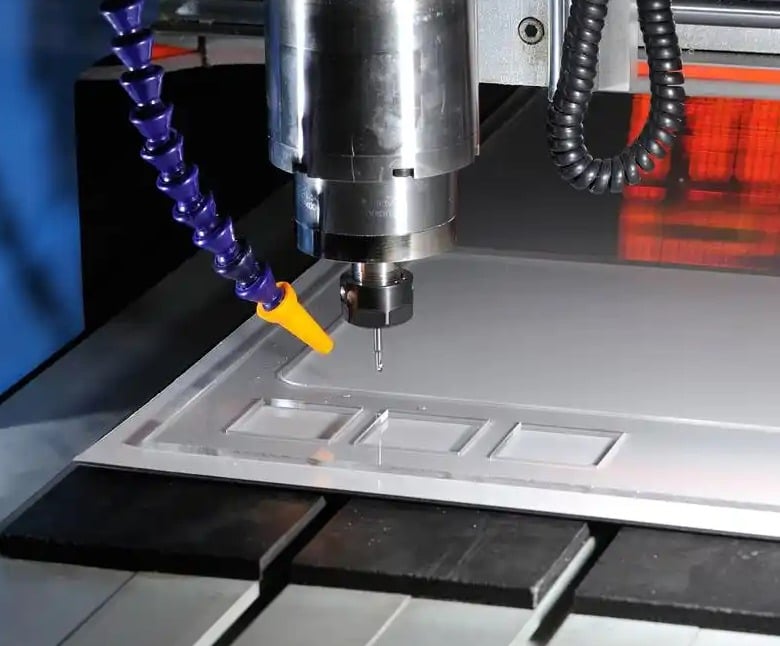
Design for Manufacturability Guidelines
Here's a costly mistake that happens before machining even begins: designing parts that look perfect on screen but become nightmares in the machine shop. You might create a beautiful CAD model with sharp internal corners, deep narrow pockets, and thin walls—only to receive quotes two to three times higher than expected, or worse, hear that your design simply can't be manufactured.
The problem? Most engineers learn CAD software, not machining realities. Your design software doesn't warn you that the internal corner you just created requires a specialized tool that costs extra. It doesn't mention that your deep pocket will cause tool breakage and chatter. And it certainly doesn't explain why your thin wall will warp during cutting.
Design for Manufacturability (DFM) bridges this gap. According to Fast Radius's DFM research, product teams that focus on DFM throughout the design phase can drastically reduce production times and costs associated with CNC machined parts. Let's explore the design rules that separate expensive custom machined parts from cost-effective manufacturing machine parts.
Critical Design Rules for Machinability
Every feature you add to your design affects machining time, tool wear, and ultimately your cost. Understanding why certain features create problems helps you make smarter choices without sacrificing functionality.
Internal Corner Radii: The Sharp Corner Problem
Since all CNC drill bits are circular, achieving sharp internal corners is physically impossible. When a rotating tool cuts a pocket or slot, it leaves behind an internal corner radius matching the tool's diameter. That perfectly sharp 90-degree corner in your CAD model? It becomes a rounded fillet in reality.
Workarounds exist—electrical discharge machining can create sharp internal corners—but these methods dramatically increase cost. The smart approach? Design with radii from the start. As Fast Radius notes, a corner radius should be slightly larger than the cutter. When the radius equals the tool diameter, it causes chatter and premature tool wear. Adding as little as 0.005" (0.127mm) beyond the tool radius gives the cutter room to follow a more circular path.
If mating parts require a squared corner for fit, consider "dog bone" reliefs—small circular cuts at corners that provide clearance without affecting the visible edge.
Wall Thickness: When Thin Becomes Trouble
Thin walls might look elegant in your design, but they're expensive and risky to machine. Here's why: cutting tools exert forces on the material. When walls become too thin, they flex during machining, causing inaccurate dimensions and poor surface finish. With metals, this creates chatter—vibrations that compromise accuracy. With plastics, thin sections can warp or soften from cutting heat.
According to Fast Radius guidelines, minimum wall thickness should be 0.03" (0.762mm) for metals and 0.06" (1.524mm) for plastics. Thinner sections may be achievable, but require case-by-case assessment and typically add significant cost for custom metal parts requiring special fixturing and slower cutting speeds.
Pocket Depth: The Deep Pocket Penalty
Deep, narrow pockets require longer tools—and longer tools create problems. They're more prone to breakage, cause chatter from increased vibration, and require multiple passes at slower speeds. All of this drives up machining time and cost.
The rule? Pocket depth shouldn't exceed three times the diameter of the smallest tool needed for the final feature. For example, if your feature requires a 0.5" (12.7mm) cutter, keep pocket depth under 1.5" (38.1mm). When deeper pockets can't be avoided, increase the cross-section area to allow larger, more rigid tools.
Hole Depth-to-Diameter Ratios
Standard twist drills work fast and precise—but only within their limits. As FacFox's manufacturing guide explains, limiting hole depth to four times the diameter keeps machining straightforward. While deeper holes (up to ten times diameter) are possible, the complexity and cost increase substantially.
Flat-bottomed holes present additional challenges. Standard twist drills create cone-shaped bottoms (typically 118° or 135° angles). Achieving flat bottoms requires advanced machining operations and can cause problems for subsequent operations like reaming. Unless your application specifically demands flat bottoms, design for standard cone-shaped holes.
Feature Accessibility: Can the Tool Reach It?
Imagine designing a counterbore that opens inside another pocket, or a hole under an overhanging feature. The cutting tool simply can't access these features—or if it can, only through time-consuming multi-setup operations.
The principle is straightforward: ensure cutting tools have full access to all features without being blocked by other geometry. Features with negative drafts, hidden undercuts, or obstructed entry points either can't be machined or require expensive workarounds.
Avoiding Common Design Pitfalls
Beyond individual feature rules, several design decisions affect overall manufacturability of cnc machined components. These often-overlooked considerations can mean the difference between a smooth production run and a problematic, expensive project.
Narrow Regions and Small Features
When features or faces are too narrow for a cutter to pass through easily, problems multiply. The size of available cutters restricts what you can achieve, and long, small-diameter cutters are prone to breakage and chatter. Small features with large aspect ratios (depth to width) vibrate during machining parts, making accuracy difficult to maintain.
The solution? Either increase feature dimensions to accommodate standard tooling, or reduce depth to minimize tool deflection.
Outside Fillets vs. Chamfers
Outside fillets—rounded edges on top surfaces of pockets, bosses, and slots—require exceptionally sharp cutters and precise setups. Both requirements can be prohibitively expensive. A simple alternative? Bevel or chamfer outside edges instead. Chamfers machine quickly with standard tools, while fillets may require specialty ball-end mills and careful programming.
Drill Entry and Exit Surfaces
A drill tip wanders when it contacts a surface that isn't perpendicular to its axis. This creates positioning errors and uneven exit burrs that are difficult to remove. Whenever possible, design hole features with start and end faces perpendicular to the drill's access path.
Thread Depth Considerations
Excessive thread depth increases cost without improving connection strength. Thread engagement beyond three times the hole diameter provides diminishing returns. Specifying unnecessarily deep threads requires specialized tooling and extended machining time for no functional benefit.
DFM Checklist for Machine Parts Manufacturing
Before submitting your design for quoting, run through these critical considerations:
- Internal corners: Are radii at least 1/3 the pocket depth? Are they slightly larger than the required tool diameter?
- Wall thickness: Are metal walls at least 0.03" (0.762mm) and plastic walls at least 0.06" (1.524mm)?
- Pocket depth: Is depth less than 3x the smallest tool diameter needed?
- Hole depth: Is depth less than 4x hole diameter for standard drilling?
- Feature accessibility: Can cutting tools reach all features without obstruction?
- Narrow regions: Are all passages wide enough for standard cutters to pass?
- Edge treatments: Are chamfers specified instead of outside fillets where possible?
- Drill surfaces: Are hole entry and exit faces perpendicular to drill axis?
- Thread depth: Is thread engagement 3x diameter or less?
- Tolerances: Are tight tolerances applied only to critical mating surfaces?
The Cost Impact of Design Decisions
Every feature that violates DFM principles adds cost through multiple mechanisms: longer machining time, increased tool wear, higher scrap rates, and additional setups. A design optimized for machining parts might cost 30-50% less than one created without manufacturing considerations—even when both achieve identical functionality.
The most expensive phrase in manufacturing machine parts? "It looks great on screen." The most valuable habit? Checking every feature against manufacturing realities before releasing your design. With DFM principles applied, you've eliminated design-driven cost overruns—but understanding the remaining cost factors and lead time drivers helps you plan projects accurately and negotiate effectively with suppliers.
Cost Factors and Production Planning Essentials
Here's a frustrating reality: you've optimized your design, selected the right material, and specified appropriate tolerances—yet your quote still seems shockingly high. What's driving that number? And why does your supplier never explain the breakdown?
The truth is, machined part pricing follows predictable patterns that most buyers never learn. According to RapidDirect's cost analysis, up to 80% of manufacturing cost is locked in during the design phase. Understanding the remaining cost drivers—and how they interact—transforms you from a passive recipient of quotes into someone who can predict, optimize, and negotiate pricing effectively.
Understanding Machining Cost Drivers
Every quote you receive breaks down into a simple formula, whether your supplier shares it or not:
Total Cost = Material Cost + (Machining Time × Machine Rate) + Setup Cost + Finishing Cost
Let's decode each component and understand how your decisions influence them.
Material Cost: More Than Just Metal Prices
Material cost extends beyond the per-pound price of aluminum or steel. It includes the raw stock required for your part—and designs that force oversized stock increase both material use and waste. A part that fits standard bar or plate sizes costs less than one requiring custom billets.
When searching for metal fabrication near me or evaluating suppliers, ask how they source stock. Shops with established steel fabrication relationships often secure better material pricing that flows through to your quotes.
Machining Time: Where Complexity Becomes Expensive
Machining time typically represents the largest portion of CNC cost—and it's directly tied to your part's complexity. Features that increase machining time include:
- Deep pockets requiring multiple passes
- Thin walls demanding slower feeds to prevent chatter
- Tight tolerances requiring careful finishing cuts
- Complex geometries with numerous tool changes
- Hard materials forcing slower cutting speeds
Machine rate varies significantly by equipment type. A standard 3-axis mill runs at lower hourly rates than 5-axis machines or EDM equipment. Specifying geometry that requires simpler equipment directly reduces your per-part cost.
Setup Cost: The Low-Volume Killer
Setup includes CAM programming, fixturing, tool preparation, and first-article verification. This one-time expense doesn't scale with part size or complexity—making it the primary driver of high per-unit costs in parts manufacturing at low volumes.
Consider this example: a $300 setup fee adds $300 to a single prototype but only $3 per part in a 100-piece batch. This is why prototypes are expensive and why unit prices drop dramatically as quantities increase.
Finishing and Inspection: Hidden Cost Multipliers
Post-processing steps like deburring, anodizing, powder coating, or precision inspection add cost that scales with surface area and complexity. A simple "as-machined" finish avoids most of these fees. Tight tolerance requirements may trigger additional metrology checks using CMM equipment—adding labor hours that significantly impact small batches.
| Factor | Low Cost Approach | High Cost Approach | Impact Level |
|---|---|---|---|
| Material Selection | Aluminum 6061, standard stock sizes | Titanium, exotic alloys, custom billets | High |
| Part Complexity | Simple geometry, 3-axis compatible | Deep pockets, undercuts, 5-axis required | Very High |
| Tolerance Requirements | Standard ±0.1mm (ISO 2768-m) | Precision ±0.025mm or tighter | High |
| Order Volume | 50-500 pieces (optimal setup dilution) | 1-10 pieces (setup cost dominates) | Very High |
| Surface Finish | As-machined, standard deburring | Mirror polish, anodizing, powder coating | Medium-High |
| Inspection Level | Standard dimensional check | Full CMM, FAI documentation, PPAP | Medium |
The Volume-Price Relationship
Order volume has a direct, non-linear impact on unit pricing. Small batches carry higher per-unit costs because fixed expenses spread across fewer parts. As quantity increases, setup cost dilutes—making each additional part significantly cheaper.
However, extremely high quantities don't always guarantee the lowest price. Capacity constraints, machine allocation, and finishing bottlenecks may limit volume efficiency. In custom parts manufacturing, the ideal price point often appears at low-to-medium production volumes (50-500 pieces), where setup costs distribute efficiently without overwhelming the machining workflow.
Lead Time Factors and Production Planning
Cost isn't your only concern—timing matters too. Understanding what affects turnaround helps you plan machined part procurement without emergency expedite fees eating into your budget.
What Drives Lead Time?
Several factors determine how quickly your parts move from order to delivery:
- Material availability: Common aluminum and steel ship quickly; exotic alloys may require weeks of lead time before machining begins
- Shop loading: Fabrication shops near me might have different queue depths—capacity varies seasonally and by specialty
- Part complexity: Simple parts requiring single setups complete faster than multi-operation components
- Finishing requirements: Anodizing, plating, and heat treatment often require external vendors, adding days or weeks
- Inspection scope: Comprehensive documentation and certification extend timelines
Planning for Machined Part Procurement
Smart procurement starts with understanding your actual timeline needs. Ask yourself: is this a true emergency, or does proper planning eliminate the urgency? Expedited orders typically cost 30-100% more than standard lead times.
For part manufacturing at production scale, consider these strategies:
- Blanket orders: Commit to annual volumes with scheduled releases to lock in pricing and priority
- Safety stock: Maintain buffer inventory for critical components with long lead times
- Design standardization: Common features across multiple parts reduce programming and setup time
- Supplier relationships: Established partnerships often receive priority scheduling during capacity crunches
Optimizing Cost Without Sacrificing Function
The goal isn't simply spending less—it's maximizing value. Consider these proven optimization strategies:
- Apply tight tolerances only to critical mating surfaces; use standard tolerances elsewhere
- Design around common stock sizes to minimize material waste
- Consolidate finishing requirements—do you really need that anodized surface?
- Order slightly larger quantities to dilute setup costs when storage permits
- Request DFM feedback before finalizing designs to catch expensive features early
With cost drivers and lead time factors understood, you're equipped to evaluate quotes intelligently and plan projects realistically. But even perfectly planned production can go wrong when quality issues emerge—and knowing how to identify, prevent, and address machining defects protects your investment from the shop floor to final assembly.
Quality Assurance and Defect Prevention
Here's a costly mistake that suppliers rarely discuss: assuming your parts will arrive perfect simply because you've specified everything correctly. The reality? Even well-designed, properly toleranced machined components can suffer from defects that compromise function, delay projects, and waste money. Knowing what can go wrong—and how to prevent it—separates buyers who receive consistent quality from those constantly dealing with rejects and rework.
According to Violin Technologies' defect analysis, machining defects include a wide range of issues from dimensional deviations to surface roughness and improper tolerances. These problems arise from various sources including programming errors, machine tool instability, and tool wear. Understanding these root causes transforms you from a passive recipient of quality issues into someone who can identify problems early and work with suppliers to prevent them.
Common Machining Defects and Root Causes
Every machined part faces potential quality issues. Recognizing these defects—and understanding why they occur—helps you specify requirements that prevent problems before they happen.
Burrs: The Edges That Shouldn't Exist
Burrs are raised metal edges or fragments remaining after cutting operations. They appear where cutting tools exit material, at hole edges, and along machined surfaces. Beyond being unsightly, burrs create assembly problems, safety hazards, and can break loose during operation—causing damage to mating components.
Root causes include dull cutting tools, improper feed rates, and incorrect cutting direction. Prevention requires regular tool maintenance, optimized cutting parameters, and specifying deburring operations for critical edges.
Surface Imperfections: More Than Cosmetic Concerns
Tool marks, chatter patterns, and surface irregularities affect more than appearance. Rough surfaces increase friction, reduce fatigue life, and compromise sealing surfaces. According to 3ERP's quality control guide, surface finish significantly impacts the performance and aesthetic appeal of CNC machined products.
These imperfections stem from vibration during cutting (chatter), worn tooling, improper speeds and feeds, or inadequate workholding. Solutions include rigid fixturing, balanced cutting parameters, and appropriate tool selection for your material.
Dimensional Inaccuracies: When Measurements Don't Match
Perhaps the most critical defect category, dimensional inaccuracies mean your machined part doesn't meet specified tolerances. Parts may be oversized, undersized, or vary inconsistently across production runs.
Causes range from tool wear and thermal expansion to programming errors and machine calibration drift. High cutting pressure—the force exerted on tools during material removal—can cause workpiece deformation, especially on thin-walled features. Environmental factors like temperature and humidity dramatically affect precision, which is why controlled machining environments matter for tight-tolerance work.
Material Stress Issues: Hidden Problems
Internal stresses from bending, forming, or aggressive machining can cause parts to warp after completion. You might receive parts that measure correctly, only to watch them distort over time or during subsequent heat treatment.
Prevention involves proper material selection, stress-relief operations, and machining strategies that minimize heat buildup and residual stress.
- Burrs: Caused by dull tools, improper feeds, exit geometry. Solution: Tool maintenance, deburring specification, optimized parameters.
- Chatter marks: Caused by vibration, tool deflection, improper speeds. Solution: Rigid fixturing, balanced parameters, shorter tool extensions.
- Dimensional errors: Caused by tool wear, thermal expansion, programming mistakes. Solution: Regular calibration, tool monitoring, environmental control.
- Poor surface finish: Caused by worn tools, incorrect parameters, material inconsistencies. Solution: Tool replacement schedules, material verification, finishing passes.
- Warping/distortion: Caused by internal stress, aggressive cutting, thin walls. Solution: Stress relief, conservative parameters, proper design.
Quality Control and Inspection Methods
Preventing defects requires systematic quality control—not just final inspection. Reputable machined components manufacturers implement controls throughout production, catching issues before they multiply across your entire order.
CMM Inspection: The Precision Standard
Coordinate Measuring Machines (CMM) provide the gold standard for dimensional verification. These systems use precision probes to measure part geometry against CAD models, detecting deviations invisible to manual measurement. For precision machined components, CMM inspection verifies that critical dimensions meet specification—providing documented evidence of conformance.
Surface Profilometry: Measuring What You Can't See
Surface roughness testers quantify finish quality using Ra values and other parameters. As 3ERP notes, these instruments objectively measure what visual inspection can only estimate—ensuring your surface finish specifications are actually achieved.
Statistical Process Control (SPC)
Rather than inspecting every part, SPC uses statistical sampling to monitor process stability. By tracking measurements over time, manufacturers identify trends before they become defects. According to industry research, SPC software is indispensable for maintaining consistent quality—analyzing real-time process data, identifying deviations, and enabling proactive adjustments.
First Article Inspection (FAI)
Before full production begins, FAI comprehensively validates the first completed part against all drawing requirements. This critical checkpoint catches programming errors, setup issues, and material problems before they affect your entire order.
Non-Destructive Testing (NDT)
For critical applications, NDT methods detect internal flaws without damaging parts. Ultrasonic testing reveals subsurface defects, magnetic particle inspection finds surface cracks in ferrous metals, and dye penetrant testing exposes surface discontinuities. These techniques are especially valuable when a machined part will experience high stress or safety-critical service.
Building Quality Into Your Supply Chain
The most effective quality assurance happens before problems occur. When evaluating suppliers, ask about their quality systems: Do they perform in-process inspection? What measurement equipment do they use? How do they handle non-conformances? Documentation and traceability—maintaining detailed records of inspections and test results—provide confidence that your machined components will perform as specified.
Quality control isn't just the supplier's responsibility. Clear specifications, appropriate tolerances, and open communication about critical requirements help manufacturers focus inspection resources where they matter most. With quality fundamentals understood, your next consideration involves the industry-specific standards and certifications that validate manufacturing excellence—requirements that vary dramatically depending on whether your parts serve automotive, aerospace, or medical applications.
Industry Standards and Certification Requirements
Here's a costly mistake that catches buyers off guard: assuming all machined parts manufacturers operate to the same quality standards. You might receive a competitive quote from a shop claiming aerospace or medical capability—only to discover during audit that their certifications don't exist or don't cover your application. Industry-specific standards aren't optional checkboxes; they're fundamental requirements that determine whether your parts can legally ship.
The challenge? Most suppliers mention certifications without explaining what they actually mean for your project. Understanding these standards transforms you from someone who accepts vague quality claims into a buyer who verifies capabilities and protects critical supply chains.
Aerospace and Medical Device Standards
AS9100: The Aerospace Quality Benchmark
When your precision machined products fly, AS9100 certification becomes non-negotiable. This aerospace-specific quality management system builds on ISO 9001 but adds requirements that address the extreme demands of flight-critical components.
According to Jiga's aerospace machining research, AS9100D quality systems encompass risk management, process validation, non-conformance control, and supplier management. These aren't bureaucratic exercises—they're systematic approaches that ensure every turbine blade, structural frame, and hydraulic component performs reliably under extreme conditions.
What does AS9100 actually require from your supplier?
- Material traceability: Full documentation from mill source through finished part, including heat-lot traceability and chemical composition verification
- First Article Inspection (FAI): Comprehensive validation per AS9102 before production release
- Statistical Process Control: Continuous monitoring to detect drift before it creates defects
- Configuration management: Documented control of design changes and their implementation
Beyond AS9100, NADCAP accreditation validates specialized processes including heat treatment, welding, surface treatments, and non-destructive testing. When your aerospace components require these secondary operations, NADCAP certification provides assurance that processes meet industry-defined standards.
ISO 13485: Medical Device Quality Systems
Medical devices demand different considerations than aerospace—here, regulatory compliance and patient safety drive requirements. ISO 13485 establishes quality management systems specifically for organizations in the medical device lifecycle: manufacturers, suppliers, service providers, and distributors.
According to NSF's certification guidance, while other quality standards focus on customer satisfaction and continuous improvement, ISO 13485 emphasizes regulatory compliance and risk management to ensure the safety and effectiveness of medical devices.
This distinction matters for your sheet metal fabrication and precision machining requirements. ISO 13485 mandates:
- Deeper risk integration: Risk assessment throughout all quality system processes, not just design
- More prescriptive documentation: Detailed documented procedures and longer record retention periods
- Medical-specific controls: Personnel health and hygiene procedures, contamination control, and enhanced traceability for implantable devices
- Post-market surveillance: Formal processes for handling complaints and reporting adverse events to regulatory authorities
For precision machined parts suppliers serving medical applications, ISO 13485 certification signals capability to meet FDA, EU MDR, Health Canada, and other global regulatory requirements. Without this certification, your components cannot legally enter most medical device supply chains.
Automotive Industry Requirements
IATF 16949: Automotive Quality Excellence
Automotive supply chains operate under IATF 16949—arguably the most demanding quality standard in high-volume manufacturing. This certification builds on ISO 9001 but adds automotive-specific requirements for defect prevention, variation reduction, and supply chain efficiency.
What separates IATF 16949 from general quality systems? The emphasis on prevention rather than detection. Certified machined parts manufacturers must demonstrate:
- Advanced Product Quality Planning (APQP): Structured development processes that prevent problems before production
- Production Part Approval Process (PPAP): Comprehensive documentation proving manufacturing processes produce conforming parts
- Statistical Process Control (SPC): Real-time monitoring ensuring consistent output across high-volume production
- Measurement System Analysis (MSA): Validation that inspection equipment provides reliable, repeatable results
For automotive applications including chassis assemblies and custom metal bushings, these requirements ensure consistent quality across production volumes that may reach hundreds of thousands of units. Certified manufacturers like Shaoyi Metal Technology maintain strict Statistical Process Control to meet these demanding automotive quality standards—a necessity when a single defective component could trigger recalls affecting millions of vehicles.
| Industry | Key Standards | Critical Requirements | Typical Materials |
|---|---|---|---|
| Aerospace | AS9100D, NADCAP | Full material traceability, FAI per AS9102, configuration management, process validation | Titanium, Inconel, 7075 Aluminum, 17-4 PH Stainless |
| Medical Devices | ISO 13485, FDA QSR/QMSR | Risk management integration, contamination control, extended record retention, post-market surveillance | 316L Stainless, Titanium, PEEK, Cobalt-Chrome |
| Automotive | IATF 16949 | APQP, PPAP documentation, SPC implementation, MSA validation, defect prevention focus | Carbon Steel, Aluminum Alloys, Stainless Steel, Brass |
How Standards Impact Your Supply Chain
These certifications aren't merely quality badges—they fundamentally shape how steel fabricators and precision machined parts suppliers operate. Documentation requirements determine what records accompany your shipments. Traceability mandates affect material sourcing and handling. Inspection protocols dictate what measurements are performed and how results are reported.
When evaluating metal fabricators near me or considering overseas suppliers, certification status should be your first qualification question. Request copies of certificates, verify their scope covers your required processes, and confirm validity through issuing registrar databases. A supplier claiming AS9100 certification for machining but lacking NADCAP for required heat treatment leaves gaps in your quality chain.
The investment in certified manufacturing pays dividends beyond compliance. These quality systems drive consistent processes, documented traceability, and systematic problem-solving—capabilities that benefit every project, regardless of whether your application formally requires certification.
With industry standards understood, your final consideration involves selecting the right manufacturing partner and specifying requirements clearly—the practical steps that transform knowledge into successful projects and reliable supply chains.
Selecting a Machining Partner and Specifying Requirements
Here's the final costly mistake—and perhaps the most frustrating one: choosing a machined parts supplier based on price alone, only to discover they can't deliver on quality, communication, or timelines. You might save 15% on your quote but lose months to rework, miscommunication, and parts that simply don't meet specification.
The truth? Finding the right machined parts manufacturer isn't about finding the cheapest option. It's about finding a partner whose capabilities, quality systems, and communication style match your project requirements. According to Anebon Metal's supplier evaluation guide, selecting the right CNC machining services provider is a strategic decision that impacts product quality, cost structure, and brand value.
Let's walk through the complete buyer journey—from evaluating capabilities to scaling from prototypes to production volumes.
Evaluating Machining Partner Capabilities
Not every machine shop can handle every project. A custom parts manufacturer specializing in high-volume automotive components may struggle with one-off aerospace prototypes. Conversely, a prototype specialist might lack capacity for production runs. Matching your needs to supplier strengths prevents costly mismatches.
Certifications and Quality Systems: Your First Filter
Before evaluating anything else, verify certifications. As discussed in industry standards, ISO 9001 demonstrates baseline quality management, while AS9100, ISO 13485, and IATF 16949 validate industry-specific capabilities. Request copies of certificates and confirm they cover the processes your project requires.
Beyond certifications, ask about quality systems in practice. According to Anebon Metal's research, high-quality providers integrate in-process inspections, leveraging tools like probes and laser measurement to catch discrepancies before they become costly final-stage problems. A machined parts supplier who only inspects finished parts may ship problems you'll discover during assembly.
Equipment and Technology Assessment
The machines in a shop determine what's achievable. Key questions include:
- Machine types and axis counts: Can they handle your geometry with 3-axis, 4-axis, or 5-axis equipment?
- Capacity and size limits: What's the maximum part envelope they can accommodate?
- Precision capabilities: What tolerances can they reliably hold?
- Secondary operations: Do they offer EDM, grinding, or other specialized processes in-house?
Modern CAM software integration matters too. Shops using sophisticated programming and simulation software minimize error rates and optimize precision for your cnc machined parts.
Communication and Responsiveness
Technical capability means nothing if you can't communicate effectively. Evaluate responsiveness during the quoting process—slow quote turnaround often predicts slow production communication. Ask about project management: Who's your point of contact? How are updates communicated? What's the escalation process for issues?
For overseas suppliers, language capabilities and time zone considerations become critical. Clear, frequent communication prevents the small misunderstandings that become expensive problems.
What Information to Provide When Requesting Quotes
Incomplete RFQs generate inaccurate quotes and wasted time. Whether you're ordering machined parts online or working directly with a local shop, provide:
- Technical drawings: Complete 2D drawings with GD&T callouts, or 3D CAD files with associated specifications
- Material specifications: Exact alloy grades, not just "aluminum" or "stainless steel"
- Tolerance requirements: Critical dimensions clearly identified with specific tolerance values
- Surface finish specifications: Ra values for functional surfaces, finishing requirements (anodizing, powder coating, etc.)
- Quantity and release schedule: Initial order size, anticipated annual volumes, delivery frequency
- Delivery requirements: Required lead time, shipping destination, packaging specifications
- Quality documentation: Inspection reports, certifications, or traceability requirements
The more complete your initial request, the more accurate your quote—and the fewer surprises during production.
Supplier Evaluation Checklist
Before committing to any machined parts manufacturer, verify these critical factors:
- ☐ Relevant certifications valid and covering required processes
- ☐ Equipment capable of required geometries and tolerances
- ☐ Material sourcing with traceability documentation
- ☐ In-process and final inspection capabilities (CMM, surface measurement)
- ☐ Quality system with documented procedures and records
- ☐ References from similar projects or industries
- ☐ Clear communication and responsive project management
- ☐ Capacity to meet your volume and timeline requirements
- ☐ Competitive pricing with transparent cost breakdown
- ☐ After-sales support for quality issues or engineering changes
From Prototyping to Production Scale
Your requirements change dramatically as projects evolve from concept to volume manufacturing. Understanding these differences helps you select partners and specify requirements appropriately at each stage.
Prototyping: Speed and Flexibility First
During prototyping, you need custom cnc parts fast—often with design changes between iterations. Prototype-stage priorities include:
- Rapid turnaround: Days, not weeks, to test design concepts
- Design flexibility: Ability to accommodate changes without excessive cost penalties
- Material options: Access to various materials for testing different approaches
- Engineering feedback: DFM input that improves your design before production commitment
At this stage, per-part cost matters less than speed and learning. You're validating concepts, not optimizing economics.
Pilot Production: Validating Processes
Pilot runs bridge prototyping and full production. Quantities of 50-500 pieces test manufacturing processes, validate quality systems, and identify problems before they affect large orders. This stage requires:
- Process documentation: Establishing procedures that ensure repeatability
- Quality validation: First Article Inspection, process capability studies
- Tooling decisions: Determining whether production tooling investments are justified
According to Wefab's production scaling research, transitioning from prototype to production requires more than a handoff—it requires targeted knowledge transfer. Documentation gaps cause suppliers to build things wrong, resulting in rework or delays.
Production Scale: Consistency and Economics
Full production shifts priorities toward consistency, cost optimization, and supply chain reliability. Volume manufacturing of precision machine parts demands:
- Statistical Process Control: Continuous monitoring ensuring consistent output
- Cost optimization: Setup dilution, material efficiency, and cycle time reduction
- Capacity commitment: Dedicated resources and predictable scheduling
- Supply chain integration: EDI ordering, blanket agreements, and safety stock management
Seamless Scaling: The Ideal Partnership
The most valuable machined parts supplier relationships span the entire journey—from first prototype through production ramp. Partners who understand your design evolution deliver better results than shops who only see individual purchase orders.
Manufacturers like Shaoyi Metal Technology exemplify this approach, offering seamless scaling with lead times as fast as one working day for high-tolerance components. Their facility is designed to accelerate automotive supply chains from rapid prototyping through mass production—eliminating the painful supplier transitions that introduce quality risks and delays.
Building Long-Term Supply Chain Relationships
Transactional purchasing—constantly shopping for the lowest quote—seems economical but often proves expensive. Supplier switching introduces learning curves, quality variations, and communication overhead. Established relationships deliver:
- Priority scheduling during capacity crunches
- Engineering support and DFM collaboration
- Faster problem resolution when issues arise
- Volume pricing and blanket agreement benefits
- Institutional knowledge of your quality requirements
The suppliers who know your products, understand your standards, and have earned your trust through consistent delivery become strategic assets—not just vendors filling purchase orders.
Your Next Steps
You've now covered the complete journey through machine metal parts—from understanding manufacturing fundamentals through selecting qualified partners. The nine costly mistakes suppliers won't warn you about? You're now equipped to avoid them all: material selection errors, tolerance over-specification, DFM violations, quality system gaps, and partner mismatches.
Whether you're sourcing your first precision machined components or optimizing an established supply chain, apply this knowledge systematically. Define requirements clearly, evaluate partners thoroughly, and build relationships that deliver consistent quality. The investment in getting procurement right pays dividends across every project—in parts that fit, timelines that hold, and costs that stay predictable.
Frequently Asked Questions About Machine Metal Parts
1. What are the 7 major parts of a CNC machine?
The seven major CNC machine components include the Machine Control Unit (MCU) that processes programming commands, input devices for loading CNC programs, the drive system controlling axis movement, machine tools performing cutting operations, feedback systems ensuring precision, the bed and table providing workpiece support, and cooling systems managing heat during machining. Understanding these components helps buyers communicate technical requirements effectively with machined parts suppliers and ensures you receive quality precision machined components.
2. What is the best steel for machine parts?
The best steel depends on your application requirements. For general-purpose machining with good weldability, mild steel 1018 offers excellent machinability at low cost. Alloy steel 4140 provides higher strength for gears and shafts. For corrosion resistance, 304 stainless steel works for most applications, while 316 stainless steel excels in marine and medical environments. Tool steels like D2, A2, and H13 deliver exceptional hardness for precision machined parts requiring wear resistance. Always balance mechanical properties, machinability ratings, and cost against your specific performance needs.
3. What are the 7 basic machine tools?
The seven fundamental machine tools for metal part production are turning machines (lathes and boring mills) for cylindrical components, shapers and planers for flat surfaces, drilling machines for hole creation, milling machines for complex 3D geometries, grinding machines for precision finishing, power saws for cutting stock, and presses for forming operations. Modern CNC versions of these tools offer computerized precision control, enabling manufacturers to produce custom machined parts with tolerances as tight as ±0.0001 inches for demanding applications.
4. How do I choose between CNC milling and CNC turning for my parts?
Choose CNC turning when your part is primarily cylindrical or axially symmetric—shafts, bushings, and threaded connectors machine efficiently on lathes. Select CNC milling for complex 3D geometries, pockets, slots, and multi-sided features requiring material removal from multiple angles. Many precision machined components require both processes: turning creates the cylindrical base, then milling adds non-symmetric features. Consider your part geometry, required tolerances, and production volume when specifying processes, as proper selection directly impacts cost and lead time.
5. What certifications should I look for in a machined parts manufacturer?
Required certifications depend on your industry. Automotive applications demand IATF 16949 certification with PPAP documentation and SPC implementation. Aerospace components require AS9100D certification plus NADCAP accreditation for specialized processes. Medical device parts need ISO 13485 certification meeting FDA requirements. At minimum, verify ISO 9001 for baseline quality management. Always request certificate copies, confirm scope covers your required processes, and validate through registrar databases. Certified manufacturers like those with IATF 16949 maintain statistical process control ensuring consistent quality across production volumes.