 Small batches, high standards. Our rapid prototyping service makes validation faster and easier —
  EN
EN


Inside CNC Factories: The Hidden Workflow Behind Your Custom Parts
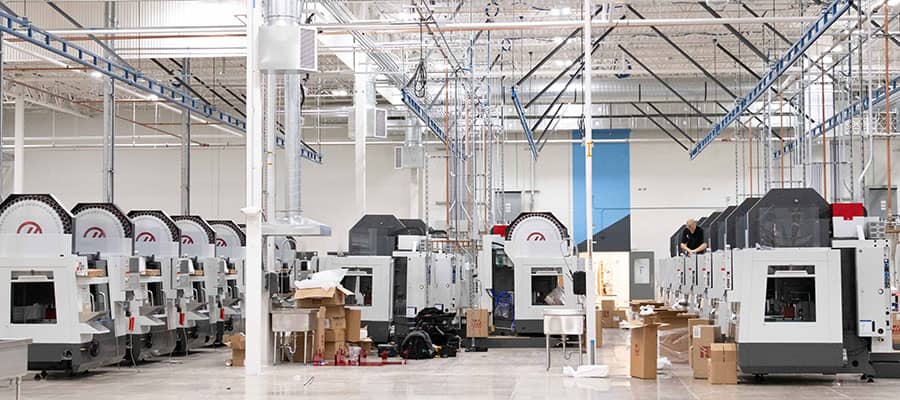
What CNC Factories Are and How They Transform Raw Materials
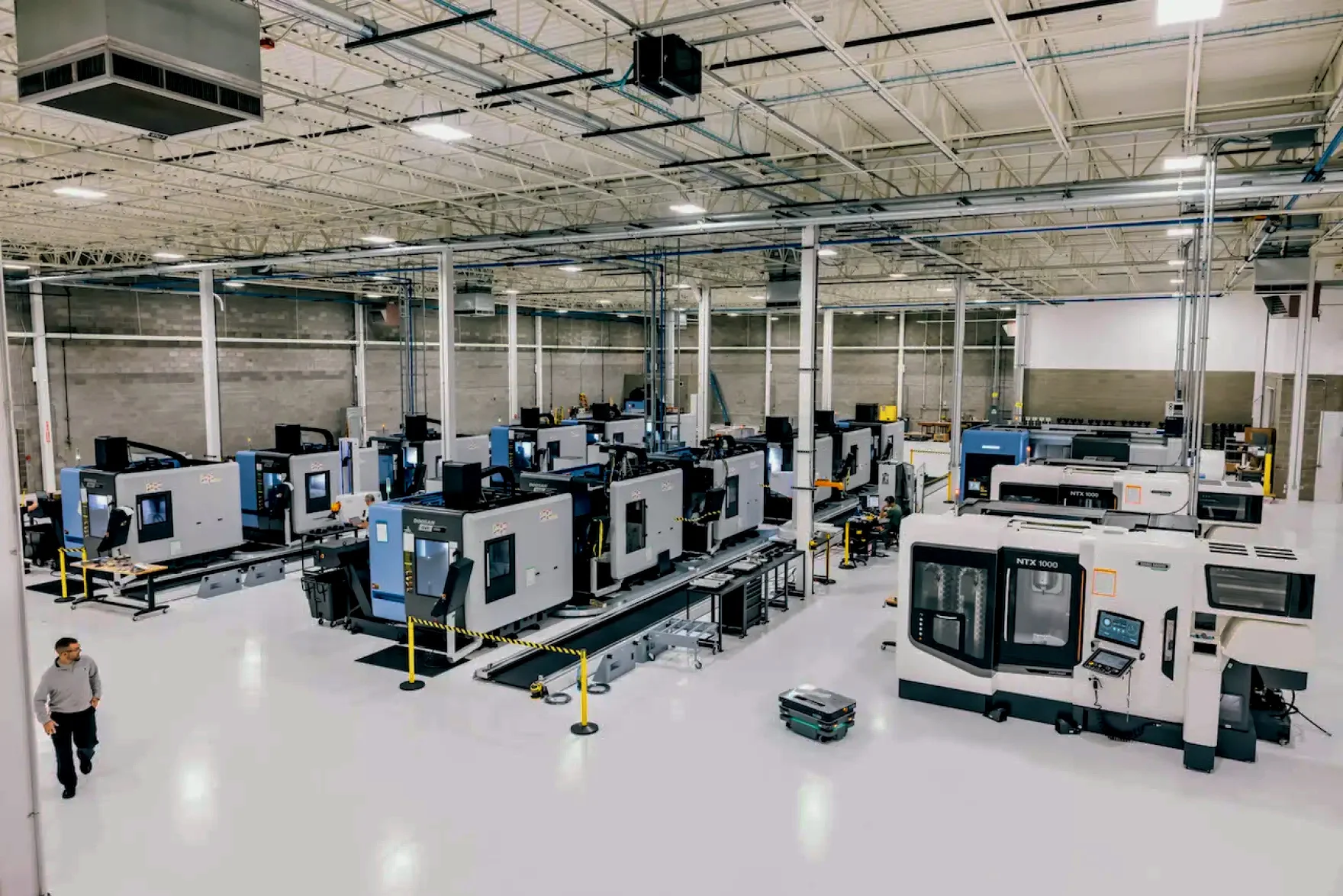
Ever wondered how thousands of identical precision parts roll off production lines with near-perfect accuracy? The answer lies in CNC factories—large-scale manufacturing powerhouses that turn raw metal, plastic, and composites into the components driving modern industry.
CNC (Computer Numerical Control) factories are manufacturing facilities equipped with computer-controlled machines that execute precise instructions to shape raw materials into finished parts at scale, achieving tolerances as tight as ±0.001 mm.
Understanding the CNC definition starts with recognizing what sets these facilities apart from smaller operations. When you ask "what is CNC," the answer goes beyond just the machines themselves. The c.n.c meaning encompasses an entire ecosystem of automated manufacturing where digital precision meets industrial-scale production.
From Computer Code to Metal Parts
At its core, a CNC machine translates digital design files into physical components through subtractive manufacturing. Imagine starting with a solid block of aluminum and watching computerized cutting tools carve away material with microscopic precision. That's machining at its finest—and CNC factories do this thousands of times daily.
The process begins with CAD (Computer-Aided Design) files that get converted into G-code instructions. These instructions tell each CNC machine exactly how to move, how fast to cut, and which tools to use. According to industry specifications, advanced factories integrate automation systems like robotic arms that can reduce cycle times by up to 20%.
The Digital Manufacturing Revolution
What truly distinguishes CNC factories from individual machine shops? Scale, diversity, and integration. A typical CNC factory houses dozens of specialized machines—5-axis mills, multi-spindle lathes, wire EDM systems—all working in coordinated production runs. These facilities handle orders ranging from 1,000 to over 100,000 parts, while smaller shops typically manage 1 to 1,000 pieces per order.
CNC factories also feature extensive infrastructure that smaller operations simply cannot match:
- Multiple quality control systems including coordinate measuring machines (CMMs)
- Integrated material storage and handling systems
- Real-time monitoring software for production tracking
- Automated tool changers with 20 to 60 tool capacities
Why Precision Matters in Modern Production
The cnc meaning extends far beyond simple automation—it represents a commitment to repeatable precision that manual machining cannot achieve. Industries like aerospace demand tolerances as small as 0.00004 inches, while medical device manufacturers require biocompatible materials machined to exacting standards.
CNC factories serve as the backbone for critical sectors including automotive, aerospace, medical, electronics, and defense. As TechTarget notes, CNC plays an integral role in these industries because component failure could endanger lives—making computer-controlled precision non-negotiable.
Whether you're sourcing prototype parts or planning high-volume production runs, understanding how these facilities operate gives you a significant advantage in selecting the right manufacturing partner for your needs.
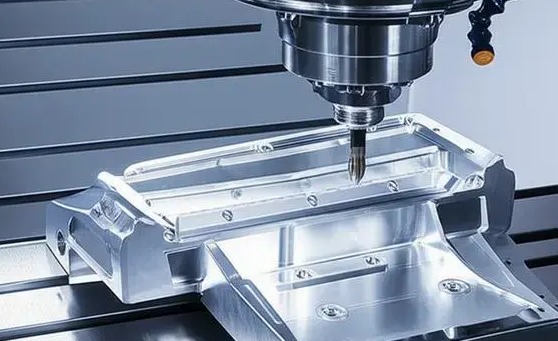
Core CNC Processes Every Factory Offers
Walk into any well-equipped CNC factory, and you'll find an arsenal of specialized machines humming away—each designed for specific operations. Understanding these core processes helps you match your project requirements to the right manufacturing capabilities. Whether you need cylindrical shafts, complex housings, or intricate mold cavities, there's a dedicated CNC process engineered for the task.
Milling Operations Explained
CNC milling is arguably the most versatile process you'll encounter in modern manufacturing. A cnc milling machine uses rotating multi-point cutting tools that move across stationary workpieces, carving out everything from simple pockets to complex 3D contours.
The distinction between vertical and horizontal configurations matters more than you might think. A vertical milling machine positions the spindle perpendicular to the worktable—ideal for face milling, drilling, and general-purpose work on flat surfaces. According to industry experts at 3ERP, vertical spindles handle most general-purpose tasks efficiently, while horizontal spindles excel at deeper, heavier cuts.
Milling machines dominate when your parts require:
- Flat surfaces and squared edges
- Slots, pockets, and keyways
- Drilled and tapped holes
- Complex 3D contours and sculptured surfaces
- Prismatic shapes like brackets and housings
Modern CNC factories typically stock a range of milling cutters—end mills, face mills, ball-nose tools—each optimized for specific materials and features. A mill machine can switch between these tools automatically, completing multiple operations in a single setup.
Turning and Lathe Capabilities
While milling excels at prismatic shapes, a cnc lathe takes the opposite approach. Here, the workpiece rotates while stationary cutting tools shape the material. This reversal makes turning the go-to process for cylindrical components.
Picture shafts, pins, bushings, and threaded fasteners—these parts practically define turning operations. The milling machine works best for flat and angular features, but when you need perfect concentricity and roundness, turning delivers superior results. CNC turning centers can maintain tolerances within ±0.001 inches on precision components.
Modern turning centers have evolved beyond simple lathes. Many now feature:
- Live tooling for milling operations without part transfer
- Sub-spindles for machining both ends of a part
- Bar feeders for unattended high-volume production
- Y-axis movement for off-center features
This hybrid capability means a single machine can complete parts that previously required multiple setups—saving time and improving accuracy.
Advanced Multi-Axis Machining
Sounds complex? It is—but 5-axis machining unlocks geometric possibilities that 3-axis systems simply cannot achieve. By adding two rotational axes to the standard three linear movements, these machines approach workpieces from virtually any angle.
When you're machining turbine blades, orthopedic implants, or aerospace structural components, 5-axis capability eliminates multiple setups. The cutting tool maintains optimal orientation throughout complex contours, producing smoother surfaces and tighter tolerances. For impeller blades or undercut features, this technology becomes essential rather than optional.
Specialty processes round out the capabilities of comprehensive CNC factories. Wire edm machine technology uses electrical discharges to cut conductive materials with extraordinary precision—achieving tolerances down to ±0.0001 inches according to RapidDirect. This edm machine process excels at hard materials and intricate shapes that would destroy conventional cutting tools.
Plasma cutting handles thicker materials at faster speeds, while drilling operations—often integrated into milling and turning centers—create holes with remarkable positional accuracy.
| Process Type | Best Applications | Typical Tolerances | Material Compatibility |
|---|---|---|---|
| CNC Milling (3-axis) | Flat surfaces, pockets, slots, general machining | ±0.005" to ±0.001" | Aluminum, steel, plastics, composites |
| CNC Milling (5-axis) | Complex contours, undercuts, turbine blades | ±0.001" to ±0.0005" | Titanium, Inconel, hardened steels |
| CNC Turning | Shafts, pins, bushings, threaded components | ±0.002" to ±0.001" | All machinable metals and plastics |
| Wire EDM | Intricate profiles, hard materials, dies | ±0.0002" to ±0.0001" | Conductive materials only |
| Drilling/Tapping | Holes, threads, precision bores | ±0.003" to ±0.001" | All machinable materials |
Choosing the right process—or combination of processes—depends on your part geometry, material requirements, and production volume. Many complex components pass through multiple machines before completion, which is precisely why full-service CNC factories offer such a competitive advantage over single-process shops.
Types of CNC Factories and Their Specializations
Not all CNC factories operate the same way—and choosing the wrong type can mean missed deadlines, budget overruns, or quality issues. When you search for "machine shops near me" or "cnc near me," the results span everything from small garage operations to massive production complexes. Understanding these distinctions helps you match your project requirements to the right manufacturing partner.
Job Shops vs Production Facilities
Imagine you need a single custom bracket or perhaps 50 specialized components. A job shop is your answer. These facilities thrive on variety, handling low-volume orders across diverse industries with remarkable flexibility.
According to A to Z Machine, the philosophy behind job shop work involves "re-setting up the machine in between jobs to be able to run the next job." This constant reconfiguration demands highly skilled machinists who can tackle unfamiliar parts daily. Job shops typically:
- Accept orders from single parts to several hundred pieces
- Serve diverse industries including food production, agriculture, scientific research, and marine
- Employ machinists who work their way up from smaller to larger, more complex machines
- Start with raw material blocks, milling and turning them into finished parts
- Maintain a wider variety and size range of CNC equipment
Production facilities operate on the opposite principle. These plants specialize in high-volume runs—think thousands or tens of thousands of identical components. Once machines are set up and optimized, they run continuously with minimal changeover.
Production work "involves running a higher volume, whereas job shop projects mean a smaller volume but a higher mix of projects," as industry professionals note. These facilities often work with castings or forgings from foundries, perfecting pre-formed parts rather than machining from raw stock. Production machinists focus on fewer setups but master them completely, ensuring consistent quality across massive runs.
The pricing difference is significant. Job shops charge higher per-part rates to cover setup time and programming complexity. Production facilities offer economies of scale—but only if your volumes justify their minimum order quantities.
Prototype Specialists and Their Role
What happens when you need parts yesterday and your design might change tomorrow? Prototype specialists fill this critical niche. These facilities prioritize speed and flexibility over volume efficiency.
Prototype-focused fabrication shops typically offer:
- Rapid turnaround times—often 24 to 72 hours for simple parts
- Design for manufacturability (DFM) feedback before production
- Tolerance for design iterations without penalty
- Smaller minimum quantities, sometimes as low as one piece
- Engineering support for material selection and process optimization
These specialists understand that prototype parts serve validation purposes—you're testing fit, form, and function before committing to production tooling. They'll flag potential issues early, potentially saving thousands in redesign costs later. If you're developing a new product or refining an existing design, prototype specialists become invaluable partners in your development cycle.
Industry-Specific Manufacturing Experts
Some CNC factories concentrate their expertise in specific sectors, developing deep knowledge of particular requirements. An auto machine shop near me search might reveal facilities dedicated exclusively to automotive components—these shops understand IATF 16949 certification requirements, PPAP documentation, and the tight tolerances automotive OEMs demand.
Industry-specific factories typically align with these major sectors:
Automotive Specialists:
- IATF 16949 quality certification
- High-volume production capabilities
- Statistical process control (SPC) implementation
- Just-in-time delivery systems
Aerospace and Defense Experts:
- AS9100 certification
- Exotic material expertise (titanium, Inconel)
- Full material traceability and documentation
- ITAR compliance for defense contracts
Medical Device Manufacturers:
- ISO 13485 quality systems
- Biocompatible material processing
- FDA compliance documentation
- Cleanroom machining capabilities
An engine machine shop serving automotive clients maintains different equipment and processes than a medical implant manufacturer. The specialized knowledge these facilities develop—understanding industry-specific standards, materials, and inspection requirements—translates into fewer quality issues and smoother project execution.
When evaluating potential manufacturing partners, factory type should rank among your first considerations. Match your volume requirements, timeline constraints, and industry needs to the appropriate facility type—and you'll set your project up for success from day one.
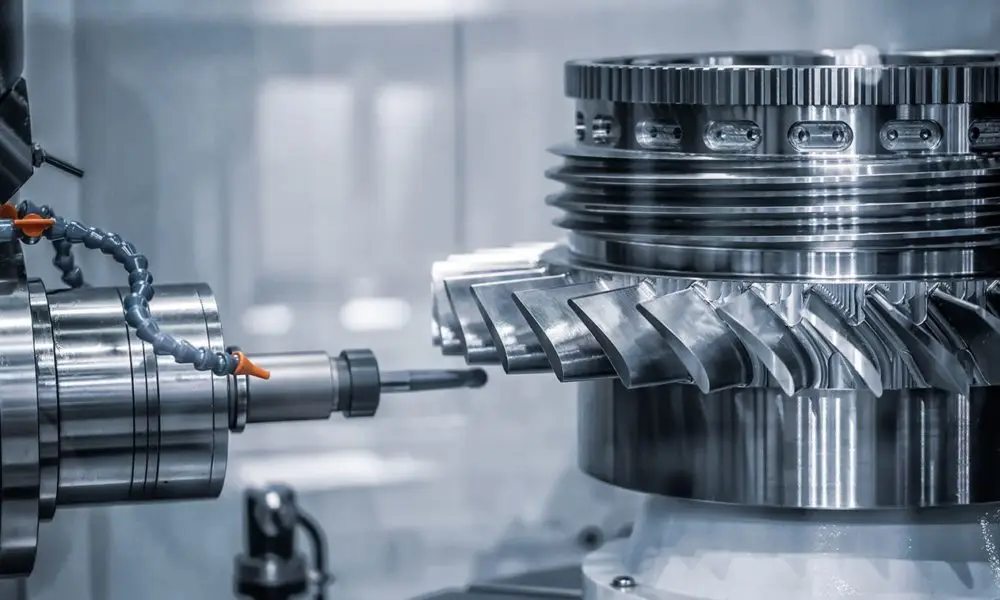
Industries That Depend on CNC Factory Capabilities
Every precision component in your car, aircraft, or medical device started as raw material in a CNC factory somewhere. But here's what most people don't realize—the factory producing your automotive brake components operates under completely different standards than one manufacturing surgical implants. Industry requirements shape everything from machine selection to documentation practices, and understanding these distinctions helps you find the right manufacturing partner.
Automotive Manufacturing Demands
The automotive sector consumes more CNC-machined parts than almost any other industry. Think engine blocks, transmission housings, brake components, and steering linkages—each requiring tight tolerances and absolute consistency across production runs numbering in the thousands.
What separates automotive-focused CNC factories from general-purpose facilities? Certification requirements top the list. According to industry certification standards, IATF 16949 focuses specifically on the automotive sector's requirements, implemented by organizations throughout the automotive supply chain to enhance product quality and customer satisfaction.
Automotive CNC factories typically maintain:
- IATF 16949 quality management certification
- Statistical Process Control (SPC) for continuous monitoring
- Production Part Approval Process (PPAP) documentation
- Just-in-time delivery capabilities to support lean manufacturing
- High-volume capacity with tolerances often within ±0.001 inches
A skilled cnc machinist working in automotive production understands that every part must meet identical specifications—whether it's the first piece or the ten-thousandth. This repeatability demands sophisticated factory automation systems and rigorous inspection protocols throughout production.
Aerospace and Defense Requirements
When components fly at 30,000 feet or beyond, failure isn't an option. Aerospace CNC factories operate under some of the most stringent requirements in machining manufacturing, handling exotic materials that would challenge ordinary shops.
As Protolabs notes, the aerospace industry relies on CNC-machined parts for accuracy and repeatability because "parts are subject to extreme cold and heat, vibration, and massive pressure changes." Their aerospace-certified facilities maintain 95%+ on-time delivery while achieving tolerances that general machine shops simply cannot match.
Aerospace-specific capabilities include:
- AS9100 certification—incorporating ISO 9001 with additional aerospace-specific requirements
- ITAR registration for defense-related contracts
- Full material traceability from raw stock to finished component
- 5-axis machining for complex turbine blades and structural components
- Expertise in titanium, Inconel, and aluminum alloys like 7075-T651
The documentation burden alone distinguishes aerospace factories. Every material lot, every tool change, every inspection result gets recorded. If a component fails in service years later, manufacturers must trace exactly how and when it was produced. This traceability extends throughout the entire supply chain—a requirement that general job shops rarely accommodate.
For those searching cnc machinist jobs near me, aerospace manufacturing represents one of the most demanding—and rewarding—career paths. The precision requirements and material challenges push machinists to develop exceptional skills.
Medical Device Production Standards
Imagine machining a component that will be implanted into a human body. The stakes couldn't be higher, and medical CNC factories understand this intimately.
According to medical machining specialists, the industry requires compliance with Good Manufacturing Practices (GMP), ensuring medical device production happens under strictly controlled conditions. ISO 13485 outlines specific quality management requirements for medical devices, while FDA regulations add another layer of oversight.
Medical manufacturing demands:
- ISO 13485 quality management certification
- FDA compliance documentation and validation
- Biocompatible material expertise (titanium, PEEK, stainless steel)
- Swiss machining capabilities for miniature components
- Cleanroom or controlled environment machining options
- Comprehensive design controls and technical documentation
Precision takes on special meaning in medical applications. Prosthetics must fit perfectly for optimal functionality. Implants—whether hip replacements, spinal components, or cardiac devices—cannot tolerate fractional measurement errors. As one specialist notes, "any margin of error could cause these units to fail, cause pain, or call for a replacement."
The cnc operator producing surgical instruments understands that their work directly impacts patient outcomes. This responsibility shapes everything from material handling to final inspection procedures.
Electronics and General Industrial Applications
Beyond these highly regulated sectors, CNC factories serve electronics manufacturers requiring miniaturization and precision, along with general industrial clients producing everything from hydraulic components to custom machinery parts.
Electronics manufacturing emphasizes:
- Micro-machining capabilities for small features
- High-precision tolerances for component fit
- Clean handling procedures to prevent contamination
- Quick-turn prototyping for design iteration
General industrial applications remain the bread and butter for many CNC factories. These projects may not require specialized certifications, but they still demand quality and reliability. ISO 9001 certification—the most recognized quality management standard globally—serves as the baseline for professional manufacturing operations across all sectors.
Understanding which industries a CNC factory serves tells you much about their capabilities, quality systems, and operational sophistication. A facility serving aerospace clients has likely invested in equipment, training, and documentation systems that benefit all their customers—even those with less demanding requirements.
Materials CNC Factories Work With
You've identified the right CNC factory type and understood the industry requirements—but here's where many projects stumble. Material selection can make or break your manufacturing outcomes. Choose wisely, and you'll get parts that perform flawlessly at competitive prices. Choose poorly, and you're looking at machining difficulties, cost overruns, or components that fail in service.
The material you specify affects everything: machining time, tool wear, surface finish quality, and ultimately your per-part costs. According to Hubs, selecting the right CNC material requires defining your requirements first, identifying candidate materials, then compromising between factors like mechanical performance and cost.
Metal Machining Considerations
Metals dominate CNC factory production for good reason—they offer the strength, durability, and thermal resistance that demanding applications require. But not all metals machine alike, and understanding these differences helps you make smarter sourcing decisions.
Aluminum Alloys: If you're looking for the sweet spot between performance and economy, aluminum often wins. These alloys deliver an excellent strength-to-weight ratio with exceptional machinability. A metal lathe or milling center cuts through aluminum efficiently, meaning faster cycle times and lower costs. Aluminum 6061 serves as the general-purpose workhorse—good strength, excellent corrosion resistance, and easy to machine. For aerospace applications where weight matters critically, 7075 aluminum can be heat-treated to strengths comparable to steel.
Stainless Steel: When corrosion resistance matters, stainless steel becomes essential. Grade 304 handles most environmental conditions admirably, while 316 excels in marine or chemical environments. The tradeoff? Stainless machines slower than aluminum and causes more tool wear. Expect higher per-part costs, but the durability often justifies the investment.
Mild and Alloy Steels: These workhorses provide excellent mechanical properties at lower material costs. A lathe machine handles mild steel 1018 beautifully for general applications, while alloy steel 4140 delivers superior hardness and wear resistance for demanding mechanical components. Just remember—steels require corrosion protection since they lack stainless steel's inherent resistance.
Proper lathe tooling selection becomes critical when switching between materials. Cutting speeds, feed rates, and tool geometries that work perfectly for aluminum will destroy tools or produce poor finishes when applied to harder steels.
Working with Specialty Alloys
Some applications demand materials that push machining capabilities to their limits. Titanium and tool steels fall into this category—offering exceptional performance properties but requiring specialized expertise.
Titanium presents unique challenges. As Komacut explains, machining titanium involves high tool wear and low thermal conductivity, requiring specialized tooling, cooling techniques, and careful control of machining parameters. Grade 2 titanium offers excellent corrosion resistance for chemical processing and marine hardware, while Grade 5 (Ti-6Al-4V) provides the high strength aerospace and medical applications demand.
Tool steels like D2, A2, and O1 achieve exceptional hardness—up to 65 HRC—making them ideal for dies, cutting tools, and molds. However, this hardness means slower machining speeds and more expensive tooling. CNC factories specializing in tooling and die work invest in equipment and expertise specifically optimized for these demanding materials.
Beyond metals, CNC factories also process plastics and composites. While woodworking cnc machine operations fall outside typical precision manufacturing, engineering plastics like PEEK, Delrin (POM), and nylon serve critical roles. A wood cnc machine won't cut it for precision plastic parts—these require the same CNC mills and lathes used for metals, just with different cutting parameters. PEEK in particular has gained popularity as a metal replacement in medical and aerospace applications, offering high strength-to-weight ratios and excellent chemical resistance.
Material Selection Best Practices
Choosing the right material isn't just about mechanical properties—it's about balancing multiple factors against your specific application requirements. Consider these guidelines:
- Define functional requirements first: What forces will the part experience? What environment will it operate in? Does it need electrical conductivity or insulation?
- Consider machinability impacts on cost: Easier-to-machine materials like aluminum and brass translate directly to lower machining costs
- Factor in surface treatment needs: Aluminum can be anodized for enhanced properties; steels may require plating or coating
- Evaluate total lifecycle costs: A more expensive material that lasts longer or requires no secondary treatments may prove more economical overall
CNC factories often specialize in particular material families. A facility running primarily aluminum parts has optimized their tooling, programming, and processes for that material. Switching to titanium or hardened steel requires different expertise entirely. When evaluating potential manufacturing partners, ask about their material experience—volume history with your specific alloy tells you more than general capability claims.
| Material Type | Common Applications | Machinability Rating | Cost Considerations |
|---|---|---|---|
| Aluminum 6061 | General purpose, aerospace, automotive | Excellent | Low material cost, fast machining |
| Aluminum 7075 | Aerospace structural, high-stress applications | Good | Higher material cost, good machinability |
| Stainless Steel 304 | Food equipment, medical, architectural | Moderate | Medium material cost, slower machining |
| Stainless Steel 316 | Marine, chemical processing, medical implants | Moderate | Higher material cost, corrosion-resistant |
| Titanium Grade 5 | Aerospace, medical implants, marine | Difficult | High material cost, specialized tooling required |
| Brass C360 | Electrical, plumbing, decorative | Excellent | Medium cost, very fast machining |
| PEEK | Medical devices, aerospace, chemical | Good | High material cost, metal replacement applications |
| Delrin (POM) | Gears, bearings, precision components | Excellent | Low cost, best plastic machinability |
A cnc plasma cutter handles thick steel plate efficiently for certain applications, but precision parts demand the controlled environment of enclosed CNC mills and lathes. Understanding which processes match which materials—and finding factories with genuine expertise in your material requirements—sets the foundation for successful manufacturing outcomes.
With your material selection finalized, the next step involves navigating the actual ordering process. Understanding how CNC factories handle quotes, production scheduling, and quality verification helps you manage projects more effectively from initial inquiry through final delivery.
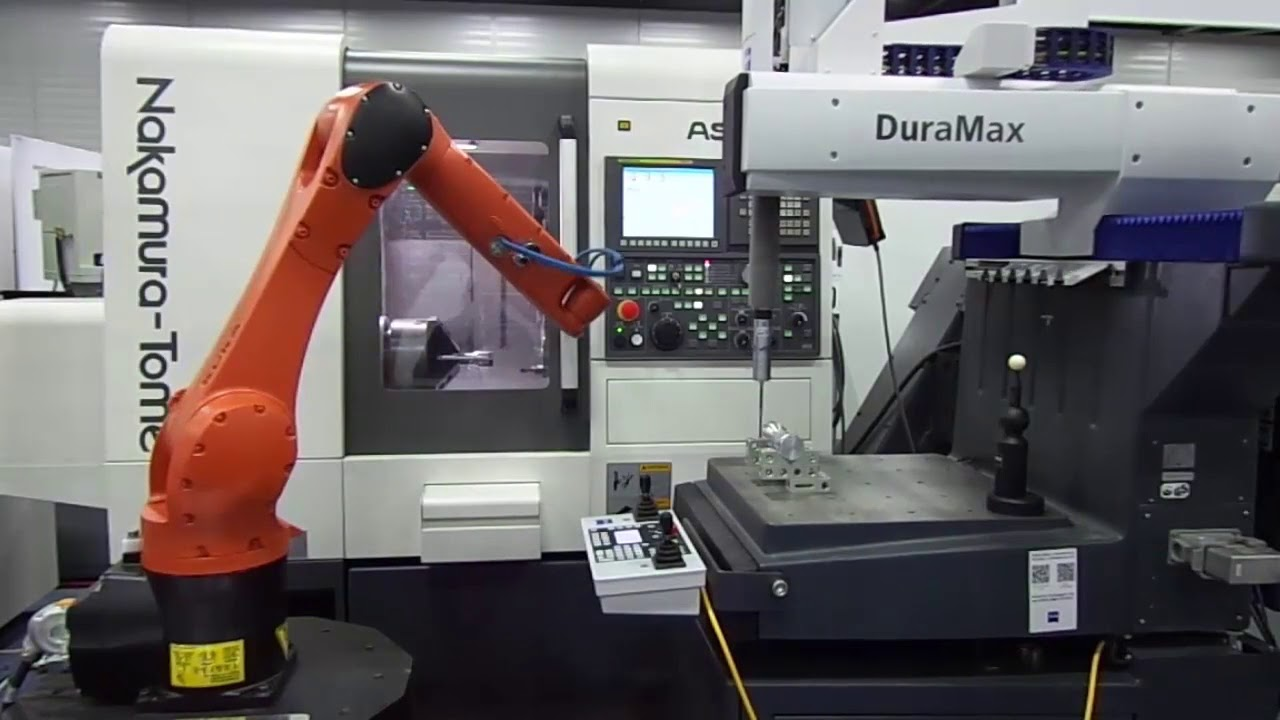
The CNC Factory Workflow from Quote to Delivery
So you've selected your material, identified the right factory type, and understood the processes involved. Now what? The journey from initial inquiry to holding finished parts in your hands follows a structured workflow—and understanding each step helps you navigate it smoothly while avoiding costly delays.
Whether you're ordering one prototype or ten thousand production parts, CNC factories follow remarkably similar processes. The difference lies in how efficiently you prepare and communicate throughout each phase.
Preparing Your RFQ Package
The Request for Quote process kicks off every manufacturing relationship. Think of your RFQ as your project's first impression—a complete, well-organized package gets you accurate quotes faster, while incomplete submissions bounce back and forth, wasting everyone's time.
What exactly should you prepare? According to industry experts at Stecker Machine, the more details included within an RFQ, the more confident a customer will be in selecting that supplier. Sharing specific information creates legitimacy and enables accurate pricing.
Your RFQ package should include:
- CAD files: 3D models (STEP, IGES, or native formats) plus 2D drawings with dimensions and tolerances
- Material specifications: Exact alloy designations, heat treatment requirements, and any material certifications needed
- Quantity requirements: Initial order size plus estimated annual volumes for production planning
- Tolerance callouts: Critical dimensions clearly identified on drawings
- Surface finish requirements: Roughness values (Ra) and any secondary finishing needs
- Delivery timeline: Required delivery date and any flexibility in scheduling
- Quality documentation: Inspection reports, certifications, or traceability requirements
Missing any of these elements? Expect delays. A cnc machine operator can't program what isn't specified, and estimators can't price what they don't understand. Incomplete RFQs trigger back-and-forth clarification requests that extend quote turnaround from days to weeks.
From Quote to Production
Once your RFQ lands at a CNC factory, what happens behind the scenes? The process involves multiple specialists reviewing your requirements before a single chip gets cut.
- Initial Review: Sales engineers assess whether the project fits the factory's capabilities—equipment, capacity, and expertise alignment
- Engineering Analysis: Technical staff review drawings for manufacturability, flagging potential issues before quoting
- Cost Estimation: Estimators calculate material costs, machine time, tooling requirements, and secondary operations
- Vendor Coordination: For parts requiring outside services (heat treating, plating, specialty coatings), quotes get gathered from partner vendors
- Quote Compilation: All elements combine into a formal quotation with pricing, lead times, and terms
Turnaround times vary significantly based on complexity. Simple machining jobs might see quotes within a week, but complex parts involving multiple vendors can take two to three weeks to price accurately. As experienced manufacturers note, "quick is good, but accurate is better"—rushing a quote often leads to costly surprises later.
Here's something many buyers overlook: a tech review (formal design review) before purchase order issuance gives the factory an opportunity to requote after designs are finalized. Parts still in development during the RFQ process can change drastically upon completion, often increasing machining costs. Waiting until CAD models are frozen prevents unpleasant pricing revisions mid-project.
Specialized services like cnc acrylic service for display components or custom enclosures follow the same workflow, though material-specific considerations may require additional engineering review. Clear material specifications upfront prevent assumptions that lead to quality issues.
Once you accept a quote and issue a purchase order, cnc programming begins. Programmers translate your CAD geometry into G-code instructions—the language CNC machines understand. This programming phase represents significant front-end investment, which is why setup costs impact low-volume orders more heavily than high-volume production runs.
Quality Control and Delivery
Production represents just part of the workflow. Quality verification ensures every part leaving the factory meets your specifications—and documentation proves it.
Inspection happens at multiple points:
- First Article Inspection (FAI): Initial parts receive comprehensive measurement before full production proceeds
- In-Process Checks: Operators verify critical dimensions throughout production runs
- Final Inspection: Completed parts undergo verification against drawing requirements
- Documentation: Inspection reports, material certifications, and compliance documentation get compiled
What should raise red flags during the quoting process? Industry professionals identify several warning signs: vague quotes lacking specific details on processes, unrealistically low pricing that suggests corners will be cut, and unwillingness to discuss quality procedures or certifications.
Lead times depend on multiple factors beyond just machining complexity. Material availability can add weeks if stock isn't readily available. Outside services like heat treating or plating insert their own timelines. Production scheduling—where your job fits among other customer orders—affects delivery dates significantly. Factories operating near capacity may quote longer lead times simply because their machines are already committed.
For buyers wondering whats cnc factory lead time really means: it encompasses everything from order acknowledgment through shipping. A quoted three-week lead time includes programming, material procurement, machining, inspection, and packaging—not just time on the machine.
Pictures of machine shops often show gleaming equipment, but the real story lies in the processes connecting those machines. Successful CNC factory relationships depend on clear communication throughout the workflow—from initial RFQ through final delivery and beyond. Understanding each phase empowers you to provide better information upfront, set realistic expectations, and ultimately receive parts that meet your requirements on schedule.
With the workflow understood, the next critical step involves evaluating potential manufacturing partners. Not all CNC factories offer equal capabilities, certifications, or service levels—and knowing what to look for separates successful sourcing from frustrating experiences.
How to Evaluate and Choose a CNC Factory Partner
You've prepared your RFQ package and understand the workflow—but how do you know which CNC factory deserves your business? Choosing the wrong partner means missed deadlines, quality headaches, and potentially thousands of dollars in scrap or rework. The right partner becomes an extension of your team, delivering consistent results project after project.
Evaluating potential manufacturing partners requires systematic assessment across multiple dimensions. Equipment lists and facility photos only tell part of the story—certifications, capacity, communication practices, and track record matter just as much. Let's break down the criteria that separate reliable partners from risky choices.
Essential Quality Certifications
Certifications act as your first filter when screening potential suppliers. They verify that independent auditors have reviewed the factory's processes and found them compliant with recognized standards. But which certifications actually matter for your projects?
According to industry specialists, certifications like ISO 9001, IATF 16949, and AS9100 signal a supplier's commitment to quality, traceability, and process control. These standards ensure parts meet tight tolerances and industry-specific requirements while reducing production risks.
Here's what each major certification indicates:
- ISO 9001: The baseline quality management standard—verifies documented processes, continuous improvement practices, and consistent output. Think of it as a manufacturing driver's license.
- IATF 16949: Automotive-specific certification adding defect prevention, statistical process control, and supply chain management requirements. Non-negotiable for automotive or racing components.
- AS9100: Aerospace and defense standard incorporating ISO 9001 with additional safety, reliability, and traceability protocols. Essential when components must perform in extreme conditions.
- ISO 13485: Medical device quality management—ensures understanding of biocompatibility requirements and FDA compliance documentation.
- ITAR Registration: Required for defense projects involving controlled technical data and export regulations.
Don't just accept certification claims at face value. Request copies of current certificates and verify expiration dates. A factory claiming ISO 9001 certification with an expired certificate isn't actually certified—and that distinction matters when quality issues arise.
Evaluating Production Capacity
A factory's equipment list tells you what they can do; their capacity tells you whether they can do it for you. Understanding production capacity prevents the frustrating scenario where a capable facility simply cannot accommodate your timeline because their machines are already committed.
Key capacity indicators to assess include:
- Machine count and variety: Multiple machines of similar capability provide redundancy and parallel production options
- Shift schedules: Facilities running two or three shifts handle rush orders and large volumes more effectively
- Current workload: A factory operating at 95% capacity may quote longer lead times or deprioritize smaller orders
- Scalability: Can they ramp from prototype quantities to production volumes without changing partners?
- Equipment age and condition: Well-maintained machines from reputable manufacturers like Haas deliver more consistent results
Equipment matters more than many buyers realize. Factories investing in quality tooling and haas tooling systems demonstrate commitment to precision. A haas mini mill might seem basic, but these machines deliver excellent accuracy when properly maintained—and the to haas ecosystem of tooling and support simplifies maintenance and troubleshooting.
According to CNC factory selection guidelines, for a 100-unit order of aluminum brackets, expect lead times of 10-15 days with setup costs of $200-$500 depending on complexity. Factories unable to meet these benchmarks may lack adequate capacity or efficiency.
Geographic considerations influence capacity utilization too. A factory three time zones away complicates communication, while one across the globe introduces shipping delays and customs complexity. Domestic suppliers often offer faster turnaround despite potentially higher per-part costs—calculate total landed cost including shipping and customs fees before assuming offshore equals cheaper.
Questions to Ask Before Committing
The questions you ask during supplier evaluation reveal as much about your professionalism as the answers reveal about theirs. Experienced procurement professionals probe beyond surface capabilities to understand how factories handle real-world challenges.
Essential questions for potential CNC factory partners:
- What certifications do you hold, and can you provide current certificates?
- Do you outsource any part of the machining process, and if so, which operations?
- What is your typical lead time for parts similar to mine?
- How do you handle quality issues or non-conforming parts?
- What inspection equipment do you use, and how often is it calibrated?
- Can you provide references from customers in my industry?
- What machinist tools and measuring equipment verify critical dimensions?
- Do you offer an inventory stocking program for recurring orders?
- What is your defect rate, and how do you track quality metrics?
- How quickly do you respond to technical queries—and can you demonstrate this?
According to manufacturing experts, response time for technical queries should be within 24 hours, with detailed explanations referencing drawings or specifications. Factories that take a week to answer simple questions during the quotation phase will likely frustrate you throughout production.
Red flags that should trigger additional scrutiny:
- Vague quotes lacking specific details on processes, materials, or tolerances
- Pricing significantly below competitors—someone is cutting corners
- Reluctance to discuss quality procedures, certifications, or inspection practices
- No references available or unwillingness to share customer contacts
- Calibration records unavailable or outdated (should be updated at least annually)
- High employee turnover—skilled machinist jobs require experience that develops over years
- Unwillingness to allow facility tours or virtual audits
Before finalizing any partnership, consider starting with a trial order. A small initial project lets you evaluate actual performance—quality, communication, and delivery reliability—before committing larger volumes. According to industry best practices, during audits or trial orders, confirm calibration records for inspection equipment are current and verify that the factory's actual capabilities match their marketing claims.
Communication practices deserve special attention. The best tooling and equipment mean nothing if the factory doesn't respond to questions or update you on production status. Professional CNC factories assign dedicated contacts, provide regular progress updates, and proactively communicate issues rather than hoping problems resolve themselves.
Selecting the right CNC factory partner isn't just about finding the lowest price or fastest lead time—it's about building a relationship that delivers consistent quality over time. The evaluation criteria outlined here help you identify manufacturers worthy of that partnership, but the real test comes from ongoing collaboration and communication.
Working Successfully with CNC Factories Long-Term
Finding the right CNC factory is just the beginning. The real value emerges when you transform a transactional supplier relationship into a strategic manufacturing partnership. Whether you're scaling from desktop cnc machine prototypes to full production runs or managing ongoing quality requirements across thousands of components, long-term success depends on how effectively you collaborate with your manufacturing partners.
Think about it this way: your first order tests capabilities, but your tenth order reveals reliability. CNC factories that excel at ongoing production bring more than machines—they contribute institutional knowledge about your parts, proactive problem-solving, and the flexibility to adapt when your requirements change.
Building Long-Term Supplier Relationships
Strong supplier relationships don't happen by accident. They require intentional investment from both sides—clear communication, mutual respect, and shared commitment to quality outcomes.
According to supply chain experts, effective supply chain risk management is essential for successful manufacturing outcomes. Building resilient partnerships means looking beyond the quoted price to evaluate reliability, flexibility, and communication quality.
What separates transactional vendors from true partners?
- Proactive communication: Partners alert you to potential issues before they become problems—material delays, capacity constraints, or design concerns
- Institutional knowledge: They remember your quality requirements, preferred shipping methods, and past issues without requiring constant reminders
- Flexibility under pressure: When you need expedited turnaround, reliable partners find ways to accommodate rather than simply quoting longer lead times
- Honest feedback: They'll tell you when your design creates unnecessary machining difficulty or when material substitutions could reduce costs
- Consistent quality: Part 5,000 meets the same standards as part 1—no surprises, no gradual drift
Regular communication rhythms help maintain relationship health. Monthly or quarterly business reviews provide opportunities to discuss upcoming projects, address concerns, and identify improvement opportunities. These conversations shouldn't happen only when problems arise—that's how transactional relationships operate.
Geographic diversification also matters for supply chain resilience. Maintaining relationships with multiple qualified CNC factories—perhaps one domestic and one overseas—provides backup capacity when unexpected situations arise. The facilities running cnc routers for your plastic enclosures might differ from those machining your precision metal components, and that's perfectly appropriate.
Scaling from Prototype to Production
One of the most challenging transitions in manufacturing involves moving from prototype quantities to full-scale production. Parts that worked perfectly in batches of ten sometimes reveal issues when you order ten thousand. Understanding this transition helps you navigate it successfully.
According to manufacturing experts at Fictiv, "one of the hardest things to do on a product is pricing. If you get that wrong, the entire program goes off the rails." This underscores why partnering with manufacturers who understand both prototyping and production from the outset prevents costly surprises later.
Key considerations when scaling production:
- Design for Manufacturability (DFM): Features acceptable for prototype machining may create inefficiencies at scale. Sharp internal corners, unnecessarily tight tolerances, and complex setups that seemed fine for five parts become cost drivers at five thousand.
- Material consistency: Prototype batches might use whatever stock is readily available. Production runs require material specifications that your supplier can source reliably over time.
- Process validation: First Article Inspection (FAI) confirms the production process delivers parts meeting specifications before committing to full runs.
- Tooling investments: Higher volumes may justify dedicated fixtures or specialized tooling that reduce per-part costs and improve consistency.
As industry professionals note, working with a manufacturing partner capable of scaling production up or down—from 1,000 to 100,000 units a month using the same processes without constraints—can be paramount to success. This flexibility eliminates the disruption of switching suppliers as volumes grow.
For automotive applications requiring certified precision manufacturing, facilities with IATF 16949 certification and Statistical Process Control (SPC) deliver the consistent quality high-tolerance components demand. Shaoyi Metal Technology exemplifies this approach, offering certified CNC capabilities that scale seamlessly from rapid prototyping to mass production with lead times as fast as one working day—eliminating the need to change manufacturing partners as your project matures.
Low-volume production serves as a critical bridge between prototype and full production. This intermediate phase—typically ranging from dozens to several hundred units—allows you to validate production processes, identify assembly issues, and gather market feedback before committing to massive quantities. Companies that skip this phase often discover problems at the worst possible time: during mass production launch.
Maintaining Quality Standards
Quality isn't a one-time achievement—it's an ongoing discipline. Even excellent CNC factories can experience quality drift over time as tools wear, operators change, and processes evolve. Your role involves establishing clear expectations and monitoring performance consistently.
According to quality management specialists, maintaining tight tolerances requires a comprehensive approach: using premium cutting tools, implementing proper fixturing, controlling thermal variables, and employing regular inspection. Temperature variation alone can cause a 10μm expansion in a 1-meter aluminum workpiece with just a 1°C change.
Effective quality management practices include:
- Statistical Process Control (SPC): Tracking measurement data over time reveals trends before they create out-of-tolerance conditions
- Regular calibration verification: Inspection equipment requires annual calibration at minimum—request certificates and verify dates
- In-process measurement: Catching issues during milling or lathes operations prevents completing defective parts
- Clear escalation procedures: When non-conformances occur, documented processes ensure consistent handling
- Root cause analysis: Addressing symptoms without understanding causes guarantees repeat problems
What happens when quality issues arise? The answer reveals a supplier's true character. Professional CNC factories acknowledge problems promptly, investigate root causes thoroughly, implement corrective actions, and verify effectiveness. They don't hide issues or make excuses—they solve problems and prevent recurrence.
When you receive non-conforming parts, document the issues clearly with photographs and measurements. Provide specific reference to drawing requirements that weren't met. This clarity helps the factory identify exactly what went wrong and prevents defensive responses based on ambiguity.
For ongoing production, consider implementing a supplier scorecard tracking key metrics:
- On-time delivery percentage
- First-pass quality rate
- Response time to technical queries
- Corrective action effectiveness
- Cost competitiveness over time
Sharing these metrics with your suppliers—and discussing them during regular business reviews—creates accountability and identifies areas requiring attention before they become serious problems.
Cost optimization represents another ongoing consideration. As production matures, opportunities emerge to reduce costs through design refinements, process improvements, and volume consolidation. Your manufacturing partner should actively suggest these improvements—it's a sign they're invested in your long-term success, not just extracting maximum margin from each order.
Even operations involving mini mill machines or computer numerical control router systems benefit from continuous improvement focus. The principles remain consistent whether you're producing aerospace structural components or consumer electronics enclosures: clear specifications, consistent monitoring, and collaborative problem-solving create sustainable manufacturing partnerships.
The investment you make in building strong CNC factory relationships pays dividends over time. Suppliers who understand your business, anticipate your needs, and prioritize your success become competitive advantages—not just vendors fulfilling cnc jobs on transactional terms. Choose partners worthy of that relationship, invest in maintaining it, and you'll find manufacturing challenges become significantly more manageable.
Frequently Asked Questions About CNC Factories
1. What is CNC in a factory?
CNC (Computer Numerical Control) in a factory refers to manufacturing facilities equipped with computer-controlled machines that execute precise instructions to shape raw materials into finished parts. These factories use pre-programmed software to control machinery movements, enabling production of complex components with tolerances as tight as ±0.001 mm. CNC factories house diverse equipment including milling machines, lathes, and EDM systems, handling everything from prototypes to high-volume production runs of thousands of identical parts.
2. Where are most CNC machines manufactured?
Major CNC machine manufacturers are distributed globally, with significant production in the United States (Haas Automation being the largest in the Western world), Germany (DMG MORI), Japan (Mazak, Okuma), and China. Each region brings distinct strengths—American and German manufacturers emphasize precision and reliability, Japanese companies excel in automation technology, while Chinese manufacturers offer competitive pricing for various capability levels. The choice of machine origin often influences factory capabilities and part quality.
3. Do CNC machinists make a lot of money?
CNC machinists earn competitive wages, with average salaries around $27.43 per hour in the United States. Earnings vary significantly based on experience, specialization, and industry sector. Machinists working in aerospace or medical device manufacturing typically command higher wages due to stringent quality requirements and specialized material expertise. Career advancement into programming, supervision, or engineering roles can substantially increase earning potential, making CNC machining a viable long-term career path.
4. Will CNC machinists be replaced by AI?
AI will transform rather than replace CNC machinists. While AI handles routine tasks like programming optimization and quality monitoring—potentially increasing productivity by up to 80% for some operations—human expertise remains essential for complex problem-solving, custom jobs, and handling unexpected issues. The future involves a hybrid model where AI serves as a powerful tool, allowing skilled machinists to focus on strategic decisions, exotic materials, and high-precision work requiring intuition and experience.
5. How do I choose the right CNC factory for my project?
Selecting the right CNC factory requires evaluating multiple factors: relevant certifications (ISO 9001, IATF 16949 for automotive, AS9100 for aerospace), production capacity matching your volume needs, equipment capabilities for your specific processes, and communication responsiveness. Request references from customers in your industry, verify current certification status, and consider starting with a trial order to assess actual performance. Certified facilities like those with IATF 16949 offer Statistical Process Control and can scale from prototyping to mass production efficiently.