 Small batches, high standards. Our rapid prototyping service makes validation faster and easier —
  EN
EN


Manufacturing CNC Machines: 8 Essential Points Before You Invest
Understanding CNC Technology and Its Manufacturing Impact
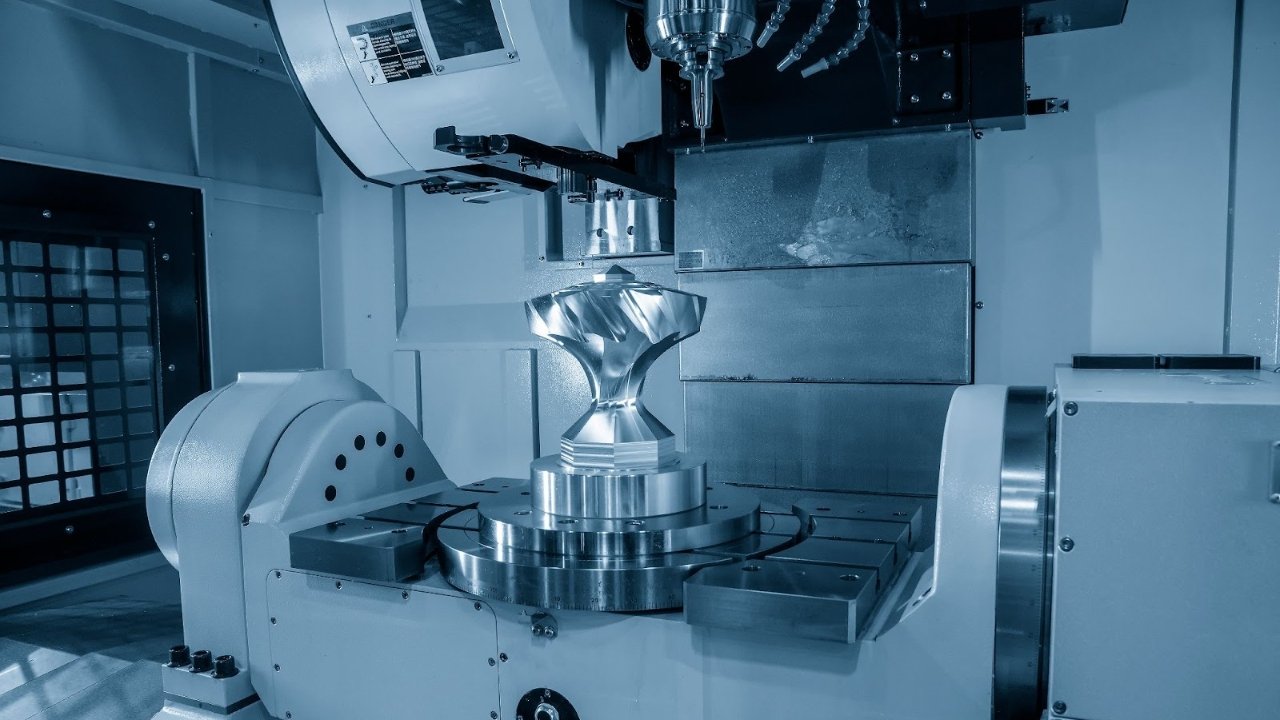
Ever wondered how a digital design on a computer screen transforms into a precision-engineered metal component? The answer lies in CNC technology—a manufacturing breakthrough that has fundamentally reshaped how we create everything from automotive engines to surgical instruments.
So, what does CNC stand for? CNC stands for Computer Numerical Control, a technology that uses computer software to direct the movements of manufacturing equipment. Unlike traditional manual machining, where operators physically guide cutting tools, these automated systems execute pre-programmed instructions with remarkable accuracy and consistency.
From Digital Design to Physical Reality
The journey from concept to finished part follows a precise workflow. First, engineers create a CAD (computer-aided design) model—either a 2D drawing or 3D representation of the component. This digital blueprint then gets converted into machine-readable instructions through CAM (computer-aided manufacturing) software. Once a workpiece is loaded and secured onto the machine, the program takes over, directing every movement, speed, and cutting action.
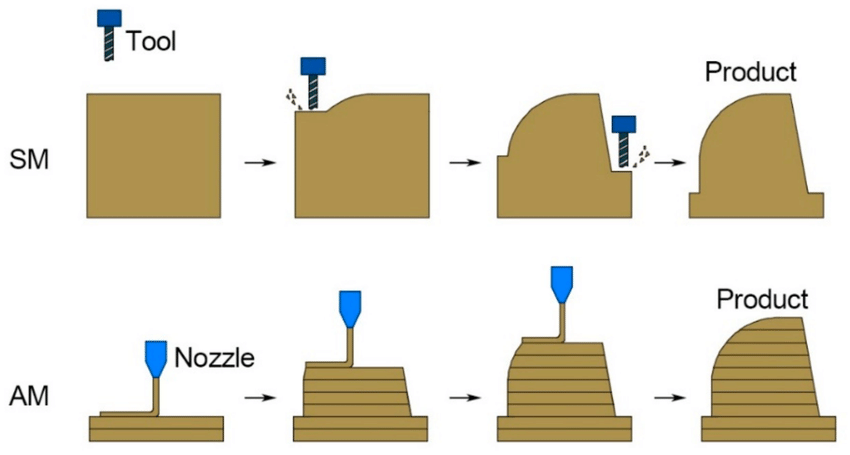
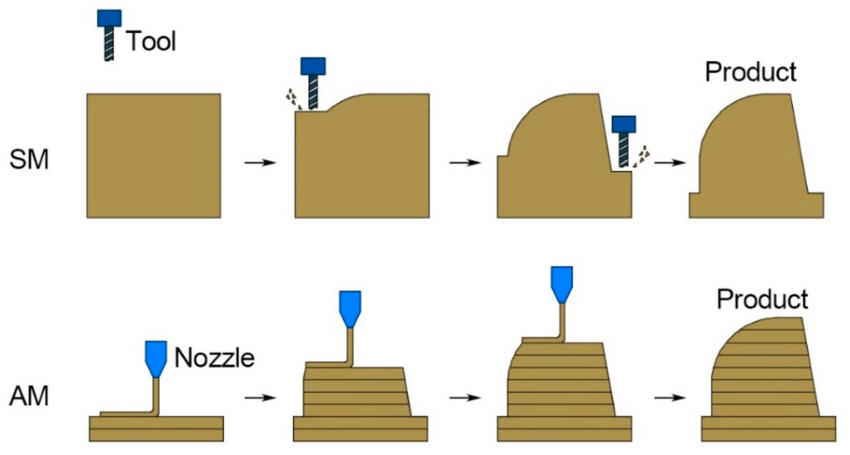
What is CNC in practical terms? It's essentially a translator between human creativity and mechanical precision. The technology removes material from a stock piece—a process called subtractive manufacturing—to match the exact specifications of your design. Whether you're working with metals, plastics, wood, glass, or composites, a computer numerical control router or milling machine can shape these materials with tolerances measured in thousandths of an inch.
The Automation Revolution in Metalworking
Traditional machining depends heavily on operator skill and attention. One moment of fatigue or distraction can result in scrapped parts and wasted materials. CNC technology eliminates these human variables by executing the same programmed movements identically, whether it's the first part or the ten-thousandth.
CNC machining has fundamentally reduced production errors by enabling repeatable precision—machines don't get tired, distracted, or inconsistent, allowing manufacturers to maintain quality standards across thousands of identical components.
This reliability explains why so many industries have embraced automated machining. The automotive sector uses these systems for engine parts, transmission components, and chassis elements. Aerospace manufacturers rely on them for lightweight, high-strength aircraft components made from aluminum, titanium, and advanced composites. Medical device companies produce custom implants and surgical instruments requiring exceptional accuracy.
The electronics industry depends on precision drilling and cutting for circuit boards, while consumer goods manufacturers leverage the technology for everything from smartphone casings to kitchen appliances. Understanding the meaning of CNC machinist work—and what does CNC mean for your production capabilities—has become essential knowledge for anyone making manufacturing investment decisions.
Why does this matter to you? Because whether you're evaluating equipment purchases, selecting manufacturing partners, or planning production strategies, grasping the CNC meaning and capabilities directly impacts your ability to deliver quality products efficiently and cost-effectively.
Essential CNC Machine Types and Their Capabilities
Now that you understand how CNC technology works, the next question is obvious: which machine type fits your manufacturing needs? The answer depends on what you're making, what materials you're cutting, and how complex your parts need to be. Let's break down the major categories so you can make informed decisions.
Subtractive Machining Powerhouses
The backbone of precision manufacturing consists of machines designed to remove material with exceptional accuracy. Each type excels in specific applications—choosing the right one can mean the difference between efficient production and costly workarounds.
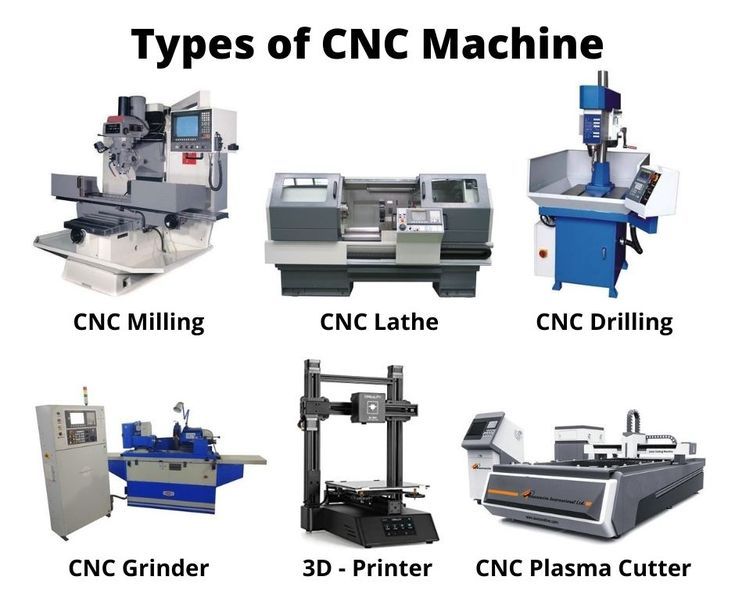
A CNC milling machine uses rotating cutting tools to shape workpieces secured on a table. Think of it as a versatile sculptor that can create flat surfaces, slots, pockets, and complex contours. These machines handle hard metals like steel, titanium, and Inconel, making them indispensable in aerospace and automotive manufacturing. End mills, face mills, and drill bits swap automatically during operations, enabling multi-step machining without manual intervention.
The CNC lathe—sometimes called a metal lathe in traditional shops—takes the opposite approach. Instead of spinning the cutting tool, a lathe machine rotates the workpiece while stationary tools shape it. This configuration excels at producing cylindrical parts: shafts, bushings, pulleys, and threaded components. Modern CNC lathes combine turning with live tooling capabilities, allowing milling operations on the same machine.
For sheet metal work, the CNC plasma cutter dominates fabrication shops. These systems use superheated ionized gas to slice through electrically conductive materials—steel, aluminum, stainless steel, and copper. Plasma cutting delivers speed and economy for parts that don't require ultra-fine tolerances, making it popular in construction, automotive restoration, and decorative metalwork.
When surface finish matters most, the CNC grinding machine provides the answer. These systems use abrasive wheels to achieve mirror-like finishes and tolerances measured in microns. Grinding typically follows roughing operations on mills or lathes, transforming a functional part into one meeting the strictest dimensional requirements.
Specialized CNC Systems for Complex Geometries
Some manufacturing challenges require unconventional approaches. That's where specialized systems prove their value.
The EDM machine (Electrical Discharge Machine) shapes materials through controlled electrical sparks rather than mechanical cutting. Wire EDM threads a thin electrode through the workpiece like a cheese slicer, creating intricate profiles in hardened tool steels that would destroy conventional cutting tools. Sinker EDM uses shaped electrodes to burn cavities for injection molds and dies. These machines excel with exotic materials and complex internal geometries impossible to reach with rotating cutters.
For softer materials—wood, plastics, foam, and soft metals—CNC routers offer speed and large work envelopes. While less precise than milling machines, routers efficiently produce furniture components, signage, cabinetry, and composite parts. Their gantry-style construction accommodates full sheet materials, making them favorites in woodworking and sign-making industries.
| Machine Type | Primary Applications | Typical Tolerance Range | Material Compatibility | Ideal Production Volume |
|---|---|---|---|---|
| CNC Milling Machine | Complex 3D parts, molds, aerospace components | ±0.001" to ±0.005" | Metals, plastics, composites | Prototype to high volume |
| CNC Lathe | Shafts, bushings, threaded parts, cylindrical components | ±0.0005" to ±0.002" | Metals, plastics, wood | Low to high volume |
| CNC Plasma Cutter | Sheet metal cutting, structural fabrication, decorative work | ±0.015" to ±0.030" | Conductive metals only | Low to medium volume |
| CNC Grinding Machine | Precision finishing, tool sharpening, tight-tolerance surfaces | ±0.0001" to ±0.0005" | Hardened metals, ceramics | Medium to high volume |
| EDM Machine | Molds, dies, intricate profiles in hardened materials | ±0.0001" to ±0.001" | Conductive materials | Low to medium volume |
| CNC Router | Signage, furniture, cabinetry, foam prototypes | ±0.005" to ±0.015" | Wood, plastics, foam, soft metals | Low to high volume |
Understanding Axis Configurations
Here's where things get interesting. The number of axes a machine offers directly determines what geometries you can produce—and how efficiently.
A 3-axis machine moves along X, Y, and Z directions. Imagine a cutting tool that can travel left-right, forward-back, and up-down. This configuration handles most straightforward parts: flat surfaces, pockets, holes, and profiles. For many shops, 3-axis capability covers 80% of their work.
Add a 4th axis—typically a rotary table spinning around the X-axis—and suddenly you can machine features on multiple sides of a part without repositioning. Think of wrapping a profile around a cylinder or cutting features at compound angles. 4-axis CNC machines reduce setup time significantly when parts need machining on several faces.
5-axis machines add a second rotational axis, enabling the cutting tool to approach the workpiece from virtually any angle. This capability proves essential for aerospace components, medical implants, and complex molds where undercuts and sculptured surfaces are common. While more expensive and requiring advanced programming, 5-axis systems often complete in one setup what would take multiple operations on simpler machines.
Emerging Technology: Hybrid Additive-Subtractive Machines
The manufacturing landscape continues evolving. Hybrid CNC machines now combine 3D printing (additive manufacturing) with traditional machining in a single platform. These systems deposit material using laser metal deposition, then mill critical surfaces to final dimensions—all without moving the part between machines.
Why does this matter? Consider injection mold manufacturing. Hybrid machines can print internal conformal cooling channels impossible to create with subtractive methods alone, then machine the cavity surfaces to mirror finishes. Aerospace manufacturers use them to build near-net-shape parts from expensive superalloys, minimizing material waste while achieving precision tolerances.
For low-volume, high-complexity production—custom medical implants, specialized tooling, or bespoke automotive components—hybrid technology eliminates traditional prototyping delays. You can go from digital design to finished precision part without shuffling between additive and subtractive equipment.
With this foundation of machine types and capabilities established, the next step is matching these options to your specific project requirements—a decision framework we'll explore in the following section.
How to Choose the Right CNC Machine for Your Project
Knowing the types of CNC machine options available is one thing—selecting the right one for your specific manufacturing needs is another challenge entirely. The best CNC machines aren't necessarily the most expensive or feature-rich; they're the ones that match your part requirements, production volumes, and budget constraints. Let's build a practical framework to guide your decision.
Matching Machine Capabilities to Part Requirements
Before browsing equipment catalogs or requesting quotes, you need clarity on what you're actually making. Start by evaluating these five critical factors:
- Part geometry complexity: Does your design include simple 2D profiles, or does it require sculptured surfaces, undercuts, and features accessible only from multiple angles? Simple geometries work fine on 3-axis machines, while complex aerospace or medical components typically demand 4-axis or 5-axis capability.
- Material hardness: Are you cutting aluminum, mild steel, hardened tool steel, or exotic superalloys like Inconel? Softer materials allow faster feeds and speeds with lighter machines. Harder materials require rigid machine construction, robust spindles, and appropriate cutting tools.
- Tolerance requirements: What dimensional accuracy does your application demand? General machining might accept ±0.005", while precision components for aerospace or medical devices often require ±0.0005" or tighter. Tighter tolerances typically mean slower machining, more rigid equipment, and climate-controlled environments.
- Surface finish needs: Will parts go directly to assembly, or do they require secondary finishing operations? If mirror-like surfaces matter—think optical components or sealing faces—you'll need grinding capability or high-speed finishing operations with specialized tooling.
- Batch size expectations: Are you making one-off prototypes, small batches of 50-100 parts, or running production quantities in the thousands? This single factor dramatically influences which machine configuration makes economic sense.
Here's where vertical milling machine configurations enter the conversation. In vertical milling, the cutting tool mounts on a vertically-oriented spindle that moves up and down while the workpiece travels along horizontal axes. This setup provides excellent visibility—machinists can monitor the cutting process closely, making it ideal for detailed or intricate work.
Vertical mills excel at:
- Prototype development and one-off parts
- Mold making and die work
- Smaller workpieces requiring precision
- Jobs needing frequent setup changes
- Applications where floor space is limited
Horizontal milling machines flip this orientation—the spindle sits horizontally, using side-mounted cutters that move across the material. These machines are typically larger and more robust, designed for removing significant material quickly. The horizontal configuration also improves chip evacuation, reducing heat buildup and extending tool life.
Horizontal mills dominate when you need:
- High material removal rates on large parts
- Machining multiple sides simultaneously
- Heavy-duty cutting with thicker, more durable tools
- High-volume production runs with consistent output
- Automotive, aerospace, or heavy machinery components
Production Volume Considerations
Your manufacturing scale fundamentally shapes equipment decisions. What works for a small job shop tackling custom projects looks nothing like the setup a high-volume production facility requires.
For small job shops and prototype specialists:
Flexibility trumps raw throughput. You're likely handling diverse projects with varying materials, geometries, and quantities. Consider versatile 3-axis or 4-axis vertical mills that accommodate quick changeovers. A desktop CNC machine or mini mill might suit smaller components and educational environments, while a wood CNC machine makes sense if you're primarily working with timber and composites. The key is minimizing setup time between different jobs rather than optimizing cycle time for any single part.
For medium-volume production (hundreds to low thousands):
Balance becomes critical. You need enough automation to maintain consistency across longer runs, but not so much that setup costs overwhelm smaller batch economics. Multi-axis machines with pallet changers allow loading one workpiece while another machines, dramatically improving spindle utilization. Investing in quality tooling and proven programs reduces scrap rates as quantities climb.
For high-volume manufacturing (thousands or more):
Efficiency and consistency become paramount. Horizontal machining centers with multiple pallets, robotic loading systems, and automated tool changers minimize human intervention. Cycle time optimization matters—shaving seconds off each part multiplies across thousands of units. Quality control shifts from inspection-after-the-fact to in-process monitoring with probing and statistical process control.
Decision Trees for Common Scenarios
Still feeling uncertain? Here's how to approach three typical manufacturing situations:
Scenario 1: Prototype Development
You're creating one to ten parts to validate a design before committing to production tooling. Speed-to-first-part matters more than per-unit cost. A versatile vertical milling machine with conversational programming gets you cutting quickly without extensive CAM programming. If parts are small and geometries simple, even a desktop CNC machine or mini mill might suffice for proof-of-concept work. Don't over-invest in capacity you won't use.
Scenario 2: Low-Volume Production (10-500 parts)
You need repeatable quality without the setup overhead of mass manufacturing. Invest in solid fixturing and proven programs that can run unattended once dialed in. A 4-axis machine often pays dividends by reducing setups—machining multiple faces in one operation. If parts are wood or plastic-based, a wood CNC machine or router configuration may offer better economics than a full metalworking mill.
Scenario 3: Mass Manufacturing (500+ parts)
Consistency, uptime, and cycle time dominate your priorities. Horizontal machining centers with pallet pools enable lights-out operation. Parallel machine setups—running multiple machines concurrently—multiply your output without proportionally increasing labor. Quality assurance becomes a continuous process rather than periodic inspection. Consider dedicated machines optimized for specific part families rather than general-purpose equipment trying to do everything.
The right choice ultimately balances capability against cost. An over-specified machine wastes capital on features you'll never use. An under-specified machine creates bottlenecks and quality issues that cost far more than the equipment savings. Understanding these types of CNC configurations—and honestly assessing your production requirements—positions you to invest wisely.
Of course, selecting the right machine is only part of the equation. Many manufacturers also weigh whether CNC machining represents the best approach at all, or whether alternative methods like 3D printing, injection molding, or even manual machining might better serve specific applications.
CNC Machining Versus Alternative Manufacturing Methods
So you've identified your part requirements and explored different machine types—but here's a question worth asking first: is CNC machining actually the right manufacturing approach for your project? Sometimes the answer is yes. Sometimes 3D printing, injection molding, or even manual machining delivers better results at lower cost. Understanding when each method excels helps you avoid expensive mismatches between process and product.
Let's compare these manufacturing options head-to-head so you can make confident, data-driven decisions.
CNC vs 3D Printing Decision Points
The rivalry between CNC machining and 3D printing gets a lot of attention—but framing them as competitors misses the point. These technologies serve different purposes, and smart manufacturers use both strategically.
When a metal CNC machine cuts your part from solid stock, it delivers the full mechanical properties of that material. The finished component behaves exactly like the billet it came from—no layer lines, no anisotropic weaknesses, no porosity concerns. According to Xometry's manufacturing comparison, 3D printed parts can exhibit as low as 10% of native material strength in some processes, while CNC machining preserves 100% of material properties.
Surface finish tells a similar story. CNC cuts produce smooth, consistent surfaces directly off the machine—often requiring no post-processing. 3D printing inherently creates stepped surfaces from layer-by-layer construction, and achieving comparable smoothness typically demands sanding, polishing, or coating operations that add time and cost.
However, 3D printing wins decisively in specific scenarios. Need a prototype tomorrow? Additive manufacturing delivers. Creating parts with internal channels, lattice structures, or organic geometries impossible to reach with cutting tools? 3D printing handles complexity that would require assembling multiple machined components. Working with a single prototype rather than production quantities? The minimal setup overhead of printing often beats CNC economics by a factor of five to ten.
When Manual Machining Still Makes Sense
Here's a perspective that might surprise you: sometimes a skilled machinist with conventional equipment outperforms automated systems. Manual machining hasn't disappeared because it still solves real problems.
For true one-off repairs—restoring a single worn shaft or creating a replacement bracket for vintage equipment—programming a CNC machine often takes longer than simply making the part by hand. Experienced machinists can adapt on the fly, adjusting cuts based on what they see and feel in ways that would require extensive sensor integration on automated equipment.
Manual machining also excels for very simple parts where programming overhead outweighs cutting time. Turning down a bushing or facing a flange on a conventional lathe takes minutes. Setting up the same operation on CNC equipment—loading programs, touching off tools, verifying offsets—might consume an hour before the first chip flies.
That said, manual machining falters when consistency matters. Human operators introduce variation between parts, fatigue affects precision over long runs, and complex geometries challenge even experienced craftsmen. Once quantities exceed a handful of parts or tolerances tighten beyond general machining standards, CNC technology delivers superior results.
Manufacturing Method Comparison
The following table compares key characteristics across four manufacturing approaches. Use this framework when evaluating options for your specific applications:
| Criteria | CNC Machining | 3D Printing | Injection Molding | Manual Machining |
|---|---|---|---|---|
| Setup Costs | Moderate (programming, fixturing, tooling) | Low (minimal preparation needed) | Very High ($5,000-$100,000+ for molds) | Low (basic workholding only) |
| Per-Unit Cost (1-10 parts) | High | Lowest | Extremely High (tooling amortization) | Moderate |
| Per-Unit Cost (100-1,000 parts) | Moderate | High | Moderate (tooling spreading across volume) | Very High (labor intensive) |
| Per-Unit Cost (10,000+ parts) | Moderate to High | Very High | Lowest | Impractical |
| Achievable Tolerances | ±0.025mm to ±0.125mm | ±0.1mm to ±0.3mm typical | ±0.05mm to ±0.1mm | ±0.05mm to ±0.25mm (operator dependent) |
| Material Options | Virtually unlimited (metals, plastics, composites) | Limited to printable materials | Thermoplastics, some thermosets | Same as CNC |
| Lead Time (First Part) | Days to weeks | Hours to days | Weeks to months | Hours to days |
Understanding the Crossover Points
Economics shift dramatically as production volumes change—and knowing where these crossover points occur prevents costly miscalculations.
For quantities under 10-20 parts, 3D printing typically offers the lowest total cost. The absence of tooling investment and minimal setup time make additive manufacturing unbeatable for prototypes and very small batches. Industrial machining simply can't compete when amortizing programming and fixturing costs across so few units.
Between roughly 20 and 5,000 parts, CNC milling machining often represents the economic sweet spot. Setup costs spread across meaningful quantities while avoiding injection molding's prohibitive tooling investment. At this scale, cnc machining tools deliver production-grade quality with reasonable per-part economics.
Beyond approximately 5,000-10,000 units, injection molding's mathematics become compelling. Yes, mold costs run into tens of thousands of dollars—but dividing that investment across high volumes drops per-unit costs to pennies. For plastic components destined for mass markets, molding delivers unmatched scalability.
Material Selection Guidance
Not all materials machine equally well—and understanding these differences helps you match process to material effectively.
CNC machining excels with:
- Aluminum alloys: Excellent machinability, high cutting speeds, clean chip formation
- Mild and carbon steels: Predictable behavior, wide tooling availability
- Brass and bronze: Free-machining grades produce exceptional surface finishes
- Engineering plastics: Delrin, nylon, PEEK, and polycarbonate machine cleanly
- Stainless steels: Require appropriate speeds and coolant but produce excellent results
Some materials present challenges for CNC but work beautifully with alternatives. Rubber and flexible elastomers deform under cutting forces—injection molding handles these materials far more effectively. Extremely hard materials like tungsten carbide or pre-hardened tool steels require specialized EDM processes rather than conventional machining.
Meanwhile, 3D printing offers unique advantages for titanium and other expensive alloys where minimizing material waste matters significantly. Additive processes use only the material needed for the part, while CNC machining may waste 80-90% of a billet as chips.
When CNC Machining Provides Clear Advantages
Despite the alternatives, CNC technology remains the optimal choice in numerous scenarios:
- Tight tolerances are non-negotiable: When parts must fit precisely—interlocking assemblies, bearing surfaces, sealing faces—CNC delivers dimensional accuracy that other methods struggle to match
- Full material properties matter: Load-bearing components, safety-critical parts, and fatigue-sensitive applications demand the uncompromised material strength that CNC machining preserves
- Surface finish requirements are stringent: Optical components, fluid-handling surfaces, and aesthetic applications benefit from the smooth, consistent finishes CNC cuts produce
- Production volumes fall in the sweet spot: For quantities between dozens and several thousand, CNC economics typically outperform both low-volume additive and high-volume molding approaches
- Material variety is essential: Projects requiring exotic metals, high-performance alloys, or specialized engineering plastics find broader options with CNC than additive alternatives
- Design validation before tooling investment: Machined prototypes from production-intent materials provide more reliable performance data than 3D printed approximations
The decision isn't about finding the "best" manufacturing method in absolute terms—it's about matching capabilities to requirements. Sometimes that means CNC machining handles everything in-house. Sometimes it means combining additive prototyping with machined production parts. And sometimes it means recognizing that your high-volume plastic component belongs in injection molds rather than on a milling machine.
Once you've determined that CNC machining fits your application, the next challenge becomes understanding how these machines actually operate—from programming fundamentals to the workflow that transforms digital designs into physical parts.
CNC Programming Fundamentals and Machine Operation
You've selected the right machine and confirmed CNC machining fits your application—now what? Understanding how these machines actually receive instructions transforms you from someone who buys parts to someone who truly comprehends the manufacturing process. Whether you're evaluating suppliers, hiring operators, or considering in-house capabilities, grasping CNC programming fundamentals gives you a significant advantage.
So, what is CNC programming? It's the process of creating instructions that tell a machine exactly how to move, cut, and produce your part. Think of it as writing a recipe—except instead of cooking ingredients, you're directing cutting tools through precise paths to shape raw material into finished components.
G-Code and M-Code Essentials
At the heart of every CNC operation lies a simple text file containing commands the machine understands. This language—called G-code—has remained the industry standard since the 1960s, and learning its basics opens doors to understanding any CNC equipment you encounter.
G-codes control movement and geometry. When you see G00, the machine rapids (moves quickly) through air to a new position. G01 commands linear cutting movements at controlled feed rates. G02 and G03 create clockwise and counter-clockwise arcs respectively. These fundamental codes handle the vast majority of machining operations.
M-codes handle auxiliary functions—everything beyond tool movement. M03 starts the spindle rotating clockwise, while M05 stops it. M08 activates coolant flow; M09 shuts it off. M06 triggers a tool change. Together, G-codes and M-codes form a complete instruction set that transforms digital designs into physical reality.
Here's what a simple G-code snippet might look like:
G00 X0 Y0 Z1.0 (Rapid to starting position)
M03 S1200 (Start spindle at 1200 RPM)
G01 Z-0.25 F10 (Plunge into material at 10 inches per minute)
G01 X2.0 F20 (Cut along X-axis)
Don't worry if this looks intimidating—modern software generates these instructions automatically. But understanding what they mean helps you troubleshoot problems, verify programs before running them, and communicate effectively with CNC machine operator staff.
From CAD Model to Machine Instructions
The journey from concept to cutting follows a predictable workflow. Each step builds on the previous one, creating a chain that connects your design intent to physical manufacturing reality.
- Design Creation (CAD): Everything starts with a digital model. Using CAD software—SolidWorks, Fusion 360, AutoCAD, or similar—engineers create precise geometric representations of the finished part. This model defines every dimension, feature, and tolerance the physical component must achieve. For simpler 2D work, vector graphics from programs like Inkscape or Adobe Illustrator serve the same purpose.
- Toolpath Generation (CAM): CAM software bridges the gap between geometry and machining. The programmer imports the CAD model, then defines operations: which features to cut, what tools to use, how deep each pass should go, and how fast to move. The software calculates efficient paths that remove material while avoiding collisions. This step requires understanding both the part requirements and the machine's capabilities.
- Code Verification: Before metal meets metal, smart shops simulate the program. G-code simulators—like G-Wizard Editor—display exactly what the machine will do, highlighting potential crashes, gouges, or inefficient movements. Catching errors here costs nothing; catching them during cutting costs material, tools, and time.
- Machine Setup: Physical preparation matches digital planning. The operator mounts the workpiece securely, loads the correct tools into the machine's carousel or turret, and establishes the work coordinate system—telling the machine where "zero" lives on the actual material. Touch-offs, edge finders, or probes precisely locate this reference point.
- Production Run: With everything verified and positioned, the program executes. The machine follows its instructions exactly, cutting the part while the operator monitors for unexpected issues. For production quantities, this cycle repeats—load material, run program, unload finished part.
A typical cnc operator job description includes responsibility for steps three through five—verifying programs, setting up machines, and monitoring production runs. Understanding this workflow helps you appreciate what skilled operators contribute beyond simply pressing "start."
Modern Conversational Programming Interfaces
Not every job requires full CAD/CAM treatment. For simpler parts—drilling patterns, basic pockets, facing operations—conversational programming offers a faster path from concept to cutting.
Conversational interfaces work like guided wizards. Instead of writing G-code or navigating complex CAM software, the operator answers straightforward questions: How deep is the pocket? What diameter is the hole? How many passes should the machine take? The controller generates the necessary code automatically.
This approach proves especially valuable for:
- Job shops handling diverse one-off parts where full CNC design programming takes longer than actual machining
- Repair and rework operations requiring quick modifications to existing components
- Training environments where new operators learn fundamental concepts before tackling complex CAM software
- Simple parts that don't justify extensive programming investment
Many modern CNC controls—Haas, Mazak, Hurco, and others—include built-in conversational programming. Third-party software packages also add this capability to machines lacking native support. For a skilled cnc machine operator transitioning from manual equipment, conversational programming provides an accessible entry point to CNC technology.
The bottom line? CNC programming ranges from straightforward conversational wizards to sophisticated multi-axis CAM strategies. Understanding where your parts fall on this spectrum—and matching programming approach to complexity—helps you estimate realistic lead times, evaluate supplier capabilities, and make informed decisions about in-house versus outsourced manufacturing.
Of course, even perfectly programmed machines sometimes produce imperfect parts. Knowing how to identify, troubleshoot, and prevent common machining defects separates reliable production from frustrating quality issues.
Quality Control and Troubleshooting CNC Machining Issues
Even the most sophisticated CNC equipment produces defective parts when conditions aren't right. Understanding what goes wrong—and how to fix it—separates frustrating production headaches from consistent, reliable output. The machining process involves countless variables: tool condition, material properties, machine rigidity, programming parameters, and environmental factors. When any element falls out of balance, quality suffers.
Here's the reality most equipment sellers won't tell you: owning precision cnc tools and machinery means nothing without the knowledge to troubleshoot inevitable problems. Let's explore the most common defects, their root causes, and proven corrective strategies that keep your production on track.
Identifying and Preventing Surface Finish Defects
Surface finish issues announce themselves immediately—rough textures, visible tool marks, wavy patterns, or scratches where smooth surfaces should exist. These defects affect both aesthetics and functionality, potentially causing assembly problems, seal failures, or premature wear in moving assemblies.
When examining machinist tools and their interaction with workpieces, several common surface problems emerge:
- Chatter marks: Wavy, repetitive patterns caused by vibration during cutting. You'll often hear chatter before you see it—a distinctive harmonic buzzing or squealing during the machining operation. Root causes include excessive tool overhang, improper speeds and feeds, insufficient workpiece clamping, or worn spindle bearings. Solutions involve reducing tool extension, adjusting cutting parameters, improving fixturing rigidity, and maintaining machine condition.
- Tool deflection artifacts: When cutting forces push the tool away from intended paths, surfaces show inconsistent depths and dimensional errors. Longer, thinner tools deflect more readily under load. Address this by using the shortest, most rigid tool possible, reducing depth of cut, and selecting appropriate feeds that balance productivity against deflection.
- Feed marks and scalloping: Visible ridges between successive tool passes result from improper stepover settings or worn cutting edges. Sharp cnc cutting machine tooling with optimized stepover distances minimizes these marks. High-speed finishing passes with light cuts and fresh inserts produce significantly smoother results.
- Thermal damage: Discoloration, burning, or heat-affected zones indicate excessive temperatures during cutting. Insufficient coolant flow, dull tools, or aggressive parameters cause thermal problems. Proper coolant application, regular tool inspection, and balanced cutting parameters prevent heat damage.
Understanding the machining meaning behind each defect type transforms troubleshooting from guesswork into systematic problem-solving. When surfaces don't meet specifications, examine the evidence: chatter patterns suggest vibration sources, dimensional inconsistencies point to deflection, and heat marks indicate parameter problems.
Dimensional Accuracy Troubleshooting
Dimensional errors create parts that don't fit—rejected components, failed assemblies, and frustrated customers. Unlike surface finish issues, dimensional problems often hide until inspection reveals the truth. Proactive monitoring catches these issues before they multiply across production runs.
- Thermal expansion errors: As machine working continues, spindles, ballscrews, and workpieces heat up and expand. A part machined first thing in the morning may measure differently than one cut after hours of continuous operation. According to XC Machining, thermal expansion represents one of the most overlooked sources of dimensional variation. Combat this through warm-up cycles, climate-controlled environments, and in-process probing that compensates for thermal drift.
- Tool wear progression: Cutting edges degrade with use, causing gradual dimensional drift. The first part from a fresh tool measures differently than the hundredth part from a worn one. Implement tool life monitoring, schedule regular insert changes before wear becomes critical, and verify dimensions periodically throughout production runs.
- Machine calibration drift: Over time, even precision equipment loses accuracy. Ballscrew wear, way degradation, and geometric errors accumulate. Regular calibration using laser interferometry or ballbar testing identifies and corrects these issues before they affect production quality.
- Burr formation: Sharp, unwanted projections at machined edges indicate tool sharpness issues, improper exit strategies, or unsuitable cutting parameters. Beyond aesthetic concerns, burrs create assembly problems and safety hazards. Solutions include maintaining sharp tools, programming appropriate lead-out moves, and selecting deburring-friendly parameters.
Statistical Process Control for Consistent Quality
Catching one bad part is reactive. Preventing bad parts before they happen is proactive—and that's where Statistical Process Control (SPC) transforms manufacturing quality.
SPC uses data collected during production to identify trends before they become problems. Rather than inspecting every finished part, you monitor key characteristics across samples, watching for patterns that indicate drift toward specification limits.
Implementing SPC in CNC operations involves several practical steps:
- Identify critical dimensions that most affect part function
- Establish measurement frequency—every part, every tenth part, or hourly samples
- Record data on control charts that visualize variation over time
- Set control limits that trigger investigation before parts exceed specifications
- Analyze trends to identify root causes and implement permanent corrections
The machining quality control benefit is significant: SPC catches dimensional drift, tool wear, and thermal effects while corrections remain simple. Waiting until parts fail inspection means scrapped material, wasted time, and rushed troubleshooting.
Inspection Methods and In-Process Monitoring
Verification confirms that troubleshooting efforts actually work. Modern quality assurance combines multiple inspection approaches, each suited to different measurement needs.
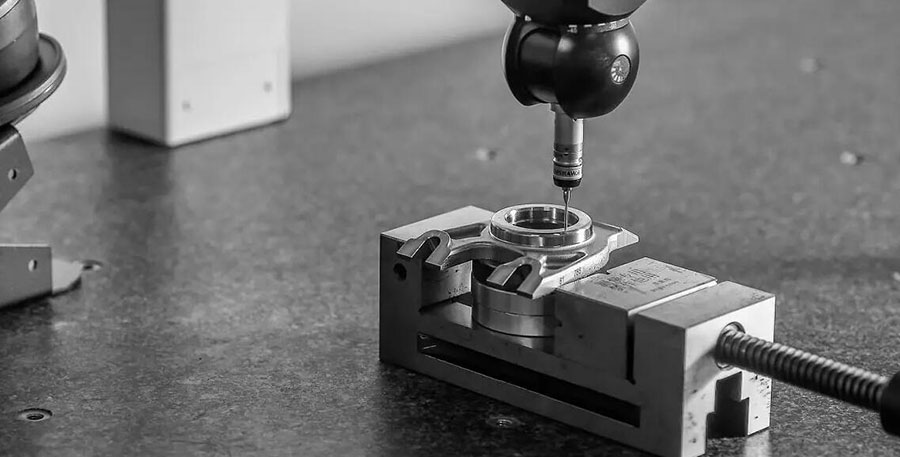
CMM measurement (Coordinate Measuring Machines) provides comprehensive dimensional verification. These systems use touch probes or optical sensors to capture precise coordinates across complex geometries, comparing measured values against CAD models. For critical aerospace, medical, or automotive components, CMM inspection delivers the accuracy and documentation that quality systems demand.
Surface profilometry quantifies finish quality beyond visual assessment. Stylus-based instruments trace across surfaces, measuring roughness parameters like Ra, Rz, and Rmax. When surface finish specifications appear on drawings, profilometry provides objective verification that the machining process achieved required smoothness.
In-process monitoring catches problems during cutting rather than after. Machine probes verify workpiece position and dimensions between operations. Tool breakage detection systems halt production when cutters fail. Adaptive control adjusts parameters based on cutting forces, maintaining consistency despite material variations.
Combining these inspection methods creates a quality system that catches defects at every stage—during setup, during cutting, and after completion. This layered approach minimizes escaped defects while maintaining efficient production flow.
Quality control represents an ongoing commitment rather than a one-time implementation. However, the investment in troubleshooting capability and inspection systems pays dividends through reduced scrap, fewer customer complaints, and consistent production output. For manufacturers evaluating whether to build these capabilities in-house or partner with established precision machining specialists, the next section explores the economic considerations that drive this critical decision.
Investment Decisions and Outsourcing CNC Production
Here's the question that keeps manufacturing managers awake at night: should you invest in your own CNC equipment or partner with an external machining specialist? The answer involves more than comparing equipment prices against outsourcing quotes. True cost of ownership encompasses factors that rarely appear in sales brochures—and getting this calculation wrong can lock your business into expensive commitments or leave you dependent on unreliable suppliers.
Whether you're a startup evaluating your first cnc machine for sale or an established manufacturer considering capacity expansion, this framework helps you make confident investment decisions backed by realistic numbers.
Calculating True Cost of Ownership
Equipment acquisition represents only 40% of your actual investment—the remaining 60% hides in operational costs that accumulate month after month. According to industry analysis, first-year investments for entry-level 3-axis equipment range from $159,000 to $286,000 when all factors are included. Professional 5-axis setups can exceed $1 million in the first year alone.
Before committing capital, work through these cost categories systematically:
- Equipment acquisition: The machine itself, plus required options, installation, and delivery. Entry-level 3-axis mills run $50,000-$120,000; professional 5-axis equipment costs $300,000-$800,000. Financing adds interest expense that compounds over your loan or lease term.
- Tooling investment: Initial tooling packages typically cost $10,000-$30,000 depending on materials you'll cut and complexity of operations. Annual replacement runs $5,000-$15,000 as inserts wear and end mills dull. Specialized tooling for difficult materials or complex geometries adds significantly more.
- Training and ramp-up: Expect $5,000-$20,000 in formal training costs. More significantly, the 12-18 month learning curve results in 40-60% higher material waste and 2-3x longer cycle times compared to experienced operations. This "tuition" often costs $30,000-$80,000 in wasted material and lost productivity.
- Maintenance and repairs: Budget 8-12% of equipment value annually for maintenance contracts and component replacement. High-speed spindles, ballscrews, and way covers all require eventual service or replacement.
- Floor space requirements: Machines need room—not just their footprint, but clearance for material handling, chip removal, and maintenance access. Climate control for precision work adds HVAC costs. Facility expenses run $24,000-$60,000 annually depending on location and requirements.
- Utilities and consumables: Electricity consumption varies dramatically by machine size—compact machines may draw only 1.3 kW per hour, while large machining centers consume substantially more. Add coolant, cutting fluids, disposal fees, and compressed air to your ongoing expense calculations.
A realistic ROI analysis compares your total monthly cost against production output. Using detailed calculations from Datron's ROI framework, a dedicated production machine leased at approximately $3,100 monthly might achieve a per-part cost of $34 when factoring all expenses—compared to $132 per part from an outside fabrication shop. The break-even point in this scenario occurred at roughly 16-17 months of production.
However, those economics assume consistent volume and dedicated production. For variable demand or diverse part requirements, the calculation shifts dramatically.
Build vs Buy Production Capacity
The in-house versus outsourcing decision hinges on volume, consistency, and strategic priorities. Neither option universally wins—context determines the right choice.
In-house investment makes sense when:
- Annual volume exceeds 500-800 moderate-complexity parts, providing enough production to amortize fixed costs effectively
- Intellectual property concerns require keeping manufacturing processes confidential and on-premises
- You have capital available and can absorb the 18+ month timeline to full operational efficiency
- Parts are relatively simple with relaxed tolerances, minimizing the learning curve for new cnc machinist hires
- You can attract and retain experienced operators in your labor market—a growing challenge as cnc jobs increasingly compete for skilled talent
- Facility infrastructure already supports precision manufacturing, or expansion costs fit your budget
Outsourcing delivers advantages when:
- Volume falls under 300 parts annually or fluctuates significantly between periods
- Speed to first part matters more than long-term per-unit economics—professional shops deliver in days versus the weeks or months required for in-house setup
- Capital preservation takes priority, keeping cash available for core business activities rather than tied up in equipment
- Parts require complex 5-axis work, specialized materials, or expertise beyond current internal capabilities
- You prefer focusing internal resources on design, assembly, and customer relationships rather than managing machining operations
- Immediate capacity matters more than building long-term internal capability
Many successful manufacturers adopt hybrid strategies—outsourcing prototypes and complex low-volume work while bringing high-volume, simpler components in-house once demand justifies the investment. This approach preserves flexibility while optimizing costs across different production scenarios.
Reducing Risk Through Certified Manufacturing Partners
When outsourcing makes strategic sense, supplier selection becomes critical. Not all machine shops near me or auto machine shop options deliver equivalent quality, reliability, or service levels. The difference between a capable partner and a problematic one often determines project success.
Quality certifications provide objective evidence of process capability. ISO 9001 establishes baseline quality management systems. For automotive applications, IATF 16949 certification demonstrates the rigorous process controls, documentation, and continuous improvement practices that Tier 1 suppliers demand. These certifications aren't just paperwork—they represent systematic approaches to preventing defects, managing variation, and delivering consistent results.
Lead time capabilities separate responsive partners from backlogs that derail your production schedules. While typical engine machine shop or general fabrication shop operations may quote 2-4 week lead times, specialized precision machining partners with dedicated automotive focus can deliver significantly faster. For example, Shaoyi Metal Technology offers lead times as fast as one working day for automotive components—backed by IATF 16949 certification and Statistical Process Control that ensures quality doesn't suffer for speed.
Scalability matters as your business grows. A partner capable of handling both rapid prototyping and mass production eliminates the supplier transitions that introduce risk and learning curves at the worst possible times. Established precision machining specialists maintain capacity, tooling, and expertise to scale with your requirements—from single prototypes validating new designs through production volumes reaching thousands of units monthly.
The build versus buy decision ultimately reflects your business strategy, capital position, and operational priorities. For manufacturers focused on design innovation, customer relationships, and assembly operations, partnering with certified CNC machining specialists often delivers better outcomes than diverting resources toward building internal machining capabilities from scratch.
Regardless of whether you invest in equipment or partner with specialists, understanding emerging CNC technologies helps you prepare for manufacturing's rapidly evolving landscape—where automation, connectivity, and artificial intelligence are transforming what's possible.
Emerging CNC Technologies and Industry Trends
What will your manufacturing floor look like in five years? The CNC machine humming in your shop today operates in ways unimaginable two decades ago—and the pace of change is accelerating. From artificial intelligence optimizing every cut to factories running overnight without human presence, emerging technologies are reshaping what's possible in precision manufacturing.
Understanding these trends isn't just academic curiosity. Whether you're investing in new cnc equipment, evaluating outsourcing partners, or planning workforce development, knowing where the industry is heading helps you make decisions that remain relevant as technology evolves.
Smart Factory Integration and IoT Connectivity
The modern cnc machine doesn't operate in isolation. Industry 4.0 principles connect equipment, sensors, and software into integrated systems that share data, coordinate operations, and optimize performance across entire production facilities.
What is cnc system connectivity in practical terms? Imagine every machine on your floor reporting real-time status—spindle loads, tool wear progression, cycle times, and quality metrics—to a central dashboard. Operators and managers see production status instantly, whether they're standing at the machine or reviewing reports from across the globe.
According to DELMIA's industry analysis, the blooming digitalization of manufacturing has skyrocketed the application of robotics, AI, IoT, Cloud Computing, and Machine Learning in modernizing factories and production lines. This integration delivers tangible benefits: reduced downtime, faster problem identification, and data-driven decision making that replaces intuition with evidence.
Factory automation extends beyond individual machines to material handling, inspection, and logistics. Automated guided vehicles transport workpieces between operations. Robotic arms load and unload parts. Vision systems verify quality without human intervention. Together, these elements create production environments where the cnc machine becomes one node in a coordinated manufacturing network.
Advances in Multi-Axis Machining
The evolution of tooling and machine capabilities continues pushing boundaries. Five-axis machining—once reserved for aerospace specialists—has become increasingly accessible to general manufacturing. Newer machines offer improved rigidity, faster axis movements, and more intuitive programming interfaces that reduce the expertise barrier.
But the real transformation comes from how these machines are controlled. AI-driven toolpath optimization uses machine learning algorithms and real-time machining data to select optimal cutting strategies, adjust feedrates dynamically based on spindle load, and minimize air cutting and tool retractions. The results speak clearly: 10-30% faster cycle times and up to 40% longer tool life compared to traditional CAM approaches.
Modern CAM systems now feature AI modules that learn from millions of toolpaths across different shops. Fusion 360 offers machine learning-powered toolpath suggestions. HyperMill MAXX provides AI adaptive roughing with collision avoidance. These tools transform programming from a purely manual exercise into a collaborative process where human expertise guides AI-generated recommendations.
Lights-Out Manufacturing and Predictive Maintenance
Perhaps no trend captures manufacturing's future more vividly than lights-out operations—factories running with minimal to no human presence, where machines and robots handle production around the clock. According to Gartner estimates, by 2025 approximately 60% of manufacturers will adopt some form of lights-out manufacturing.
FANUC's facility in Japan runs unmanned for up to 30 days at a time, with robots assembling other robots. Philips operates a partially lights-out factory where 128 robots handle assembly while just nine workers manage quality assurance. Semiconductor fabrication plants routinely operate with nearly every production step automated.
What enables this level of automation? Predictive maintenance plays a crucial role. Using IoT sensors and AI-driven analytics, manufacturers track wear, vibration, and energy usage to spot problems before they cause downtime. When machines can predict their own maintenance needs 72 hours in advance, overnight operations become practical rather than risky. Cnc machinist jobs are evolving accordingly—shifting from direct machine operation toward system monitoring, programming, and exception handling.
Key Developments Reshaping CNC Manufacturing
Several converging technologies will define manufacturing's next chapter:
- AI-assisted toolpath optimization: Machine learning algorithms analyze cutting conditions in real-time, adjusting parameters to maximize efficiency while protecting tools. Payback periods under 12 months make adoption economically compelling for most shops.
- Digital twin technology: Virtual replicas of physical machines simulate tool wear, predict surface finish, and validate programs before any metal is cut. This capability reduces trial-and-error machining and catches errors in the digital realm where corrections cost nothing.
- Advanced materials processing: New cutting tool materials, coatings, and geometries enable efficient machining of difficult alloys—titanium, Inconel, and hardened steels—that previously required specialized equipment or extensive experience.
- Collaborative AI programming: The future CAM environment combines human strategic thinking with AI number-crunching, letting programmers focus on part requirements while software handles optimization details.
- Multi-machine optimization: AI scheduling systems determine which machine runs which job for global efficiency, balancing workloads and minimizing setup time across entire facilities.
Preparing for Tomorrow While Producing Today
These emerging capabilities raise a practical question: how do you prepare for manufacturing's future without disrupting current production? The answer lies in strategic, incremental adoption rather than wholesale transformation.
Start by evaluating your data infrastructure. Connected manufacturing requires sensors, networks, and software that capture and analyze machine performance. Many modern CNC controls already generate this data—the challenge is collecting and using it effectively.
Invest in workforce development alongside technology. As automation handles routine tasks, skilled workers become more valuable for programming, troubleshooting, and process optimization. Training current employees on emerging systems builds capability while preserving institutional knowledge.
Consider automation pilots on predictable, repetitive processes before expanding plant-wide. Robotic loading, automated inspection, and lights-out operations work best when implemented incrementally, allowing teams to learn and adjust before scaling.
Finally, choose equipment and partners positioned for connectivity. Machines with modern controls, open data interfaces, and upgrade paths protect your investment as technology evolves. Manufacturing partners with advanced quality systems, automation capabilities, and continuous improvement cultures deliver value today while remaining relevant tomorrow.
The manufacturers who thrive in the coming decade won't necessarily have the newest equipment or the largest automation budgets. They'll be the ones who understand how emerging technologies create value—and who make strategic decisions that balance current production needs against future capabilities. Whether you're investing in your first CNC equipment or expanding an established operation, keeping these trends in focus helps ensure your manufacturing strategy remains competitive as the industry continues its rapid evolution.
Frequently Asked Questions About Manufacturing CNC Machines
1. What is a CNC machine in manufacturing?
A CNC machine (Computer Numerical Control machine) is automated equipment controlled by pre-programmed software that performs precise cutting, drilling, milling, and shaping tasks with minimal human intervention. These machines convert digital CAD designs into machine-readable instructions through CAM software, then execute movements with tolerances measured in thousandths of an inch. CNC technology spans multiple machine types including milling machines, lathes, plasma cutters, and routers, serving industries from automotive to aerospace manufacturing.
2. Do CNC machinists make a lot of money?
CNC machinists earn competitive wages, with average salaries around $27.43 per hour in the United States. Earnings vary based on experience, certifications, location, and specialization. Machinists with advanced programming skills, multi-axis machine experience, or aerospace certifications typically command higher wages. As automation advances, CNC machinist roles are evolving toward system monitoring, programming, and troubleshooting, which often increases earning potential for skilled professionals.
3. Do you need a license or certification to operate a CNC machine?
Operating CNC machines does not require a federal license, though some states or cities may mandate operator training for safety compliance. While not legally required, employers strongly prefer certified machinists, especially for high-precision or aerospace work. Certifications from organizations like NIMS (National Institute for Metalworking Skills) demonstrate competency and can significantly improve job prospects and earning potential in the manufacturing industry.
4. How much does it cost to invest in CNC manufacturing equipment?
True CNC equipment costs extend far beyond the purchase price. Entry-level 3-axis mills range from $50,000-$120,000, while professional 5-axis machines cost $300,000-$800,000. However, first-year total investment typically runs $159,000-$286,000 for basic setups when including tooling ($10,000-$30,000), training ($5,000-$20,000), maintenance (8-12% of equipment value annually), and facility costs. For manufacturers seeking to avoid capital investment, certified outsourcing partners like Shaoyi Metal Technology offer scalable production with lead times as fast as one working day.
5. When should I outsource CNC machining instead of investing in equipment?
Outsourcing makes strategic sense when annual volume falls below 300 parts, demand fluctuates significantly, or speed-to-first-part matters more than long-term per-unit costs. It's also advantageous when parts require complex 5-axis machining beyond current capabilities, or when capital preservation is a priority. IATF 16949-certified partners provide quality assurance and scalability from prototyping through mass production, eliminating the 18+ month learning curve and significant capital investment of building in-house capabilities.