 Small batches, high standards. Our rapid prototyping service makes validation faster and easier —
  EN
EN


CNC Lathe Services Decoded: From Material Selection To Final Part
Understanding CNC Lathe Services and the Turning Process
When you need cylindrical metal components with tight tolerances, CNC lathe services provide the precision manufacturing solution you're looking for. But what exactly happens when raw material transforms into a finished part? Understanding this process helps you make smarter decisions about your manufacturing projects and communicate more effectively with machine shops.
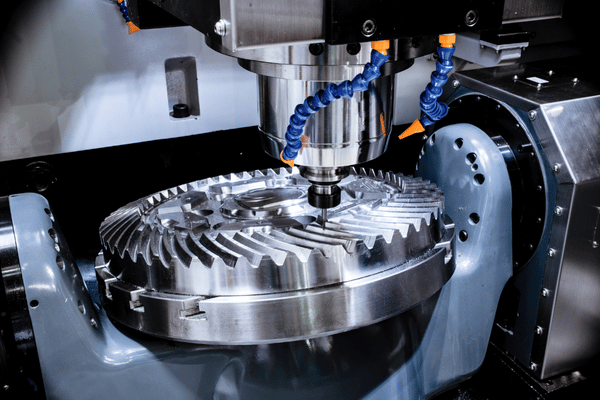
So, what is CNC turning? At its core, CNC turning is a subtractive manufacturing process where a rotating workpiece meets a stationary cutting tool. The material spins at high speeds while computer-controlled tools precisely remove material layer by layer, creating the exact shape programmed into the machine. This approach differs fundamentally from milling operations, where the cutting tool rotates against a stationary workpiece.
How CNC Lathes Transform Raw Material Into Precision Parts
Imagine holding a spinning cylinder of aluminum or steel while carefully pressing a sharp tool against its surface. That's essentially what a CNC turning lathe does, but with computer-controlled precision measured in thousandths of an inch. The workpiece, typically a cylindrical rod or bar, gets secured in a chuck that rotates at speeds ranging from hundreds to thousands of revolutions per minute.
The magic happens when the cutting tool engages the spinning material. Unlike manual lathe work, where a machinist physically guides the tool, modern turning CNC operations follow pre-programmed instructions with remarkable accuracy. The computer controls every movement, from the depth of each cut to the precise feed rate at which the tool travels along the workpiece.
This automated approach delivers several key advantages over traditional methods:
- Repeatability: The last part in a production run matches the first with identical precision
- Consistency: Human fatigue and variability get eliminated from the equation
- Complexity: Multi-axis movements can create intricate geometries impossible to achieve manually
- Speed: Optimized tool paths reduce cycle times without sacrificing quality
The Rotational Cutting Process Explained
The journey from raw stock to CNC turned parts follows a well-defined workflow. Each stage builds on the previous one, ensuring the final component meets exact specifications. Here's how the complete process unfolds:
- Design Input: Everything starts with a CAD (Computer-Aided Design) file containing your part's exact dimensions, tolerances, and features. This digital blueprint becomes the foundation for all subsequent operations.
- Workholding Setup: The raw material gets secured in a chuck or collet, depending on part size and geometry. Proper workholding prevents vibration and ensures dimensional accuracy throughout machining.
- Tool Path Programming: CAM (Computer-Aided Manufacturing) software converts your design into G-code, the language CNC machines understand. This code specifies every tool movement, cutting speed, and feed rate.
- Cutting Operations: The machine executes the programmed sequence, with tools automatically changing as needed for different features like facing, turning, grooving, or threading.
- Quality Verification: Finished parts undergo inspection using precision measuring instruments to confirm they meet specified tolerances before shipping.
Two critical variables govern the cutting process: turning speed and feed rate. Turning speed determines how fast the workpiece rotates, while feed rate controls how quickly the cutting tool moves along the material. According to RapidDirect, machinists typically use lower turning speeds with higher feed rates for rough cuts that remove bulk material quickly, then switch to higher speeds with slower feeds for achieving smooth surface finishes and tight tolerances.
The result? CNC turning delivers cylindrical components, from simple shafts to complex multi-featured parts, with tolerances routinely achieving ±0.01mm. Whether you need a single prototype or thousands of identical components, the computer-controlled precision remains constant throughout the entire production run.
CNC Turning vs CNC Milling and When to Choose Each
Now that you understand how turning machining works, you're probably wondering: when should I use a lathe versus a mill? This decision can significantly impact your project's cost, lead time, and final part quality. The answer comes down to one fundamental question: what shape is your part?
Here's the core distinction. In CNC turning, your workpiece spins while a stationary cutting tool removes material. In CNC milling, the cutting tool rotates while your workpiece stays fixed or moves along programmed paths. This reversal in motion determines which process suits your design best.
Cylindrical vs Prismatic Part Geometry
Think about the parts you need to manufacture. Are they round, like shafts, pins, or bushings? Or are they flat and angular, like brackets, housings, or mounting plates? This geometric distinction drives the mills and lathes decision.
CNC and lathe operations excel at creating parts with rotational symmetry. When your component revolves around a central axis, turning becomes the natural choice. Shafts, rollers, pulleys, threaded rods, and cylindrical fittings all emerge efficiently from turning operations. The continuous rotation of the workpiece maintains excellent concentricity and roundness throughout the machining process.
Milling, on the other hand, shines when your part has flat surfaces, pockets, slots, or complex angular features. Engine blocks, mold cavities, mounting brackets, and electronic enclosures typically require milling operations. The rotating multi-point cutter can approach the workpiece from multiple directions, carving out features that would be impossible to create on a spinning part.
Consider a simple example. Imagine you need a cylindrical spacer with a specific outer diameter and length. A CNC lathe handles this in seconds, spinning the bar stock while a cutting tool shapes the profile. Now imagine you need a rectangular mounting block with multiple threaded holes and a machined pocket. That's milling territory, where the stationary workpiece allows precise multi-axis cutting.
Choosing the Right Machining Method for Your Design
Making the right choice between these processes affects more than just the machining approach. It influences tolerances, surface finish, production speed, and ultimately your per-part costs. The table below breaks down the key comparison factors:
| Comparison Factor | CNC Turning | CNC Milling |
|---|---|---|
| Part Geometry Suitability | Cylindrical, conical, and rotationally symmetric shapes (shafts, pins, bushings, discs) | Prismatic, flat, and multi-faced shapes (brackets, housings, molds, pockets) |
| Typical Tolerances Achievable | ±0.001" to ±0.002" standard; tighter with precision setups | ±0.001" to ±0.005" depending on axis configuration |
| Surface Finish Capabilities | Ra 1-2 µm achievable; consistent spiral patterns | Ra 1-3 µm typical; step-over patterns on 3D surfaces |
| Production Speed (High Volume) | Excellent; bar feeders enable continuous unattended operation | Good; pallet changers help but more tool changes required |
| Production Speed (Low Volume) | Fast setup for simple round parts | More setup time but greater geometric flexibility |
| Cost Considerations | Lower tooling costs; single-point inserts are economical | Higher tooling investment; multi-point cutters cost more upfront |
What if your part needs both cylindrical and prismatic features? You're not limited to choosing one process. Modern CNC turning and milling services often work together, with parts moving between machines for different operations. However, there's an even more efficient solution.
A CNC lathe with live tooling combines both capabilities in a single setup. These advanced machines feature rotating tools mounted on the turret that can perform milling, drilling, and tapping operations while the main spindle holds the workpiece. Imagine machining a shaft that needs a keyway slot or cross-drilled holes. Instead of transferring the part to a separate milling machine, the lathe with live tooling handles everything in one clamping.
According to Mastercam, the average mill-turn center can complete four operations to every one performed by a standalone mill or lathe. This dramatic efficiency gain makes hybrid machines particularly valuable for complex parts that would otherwise require multiple setups and machine transfers.
When evaluating your options, start with geometry but don't stop there. Consider your production volume, tolerance requirements, and timeline. For high-volume cylindrical parts, dedicated turning delivers unbeatable efficiency. For complex prismatic components, milling provides the flexibility you need. And for parts demanding both, hybrid solutions offer the best of both worlds without compromising precision or adding unnecessary handling steps.
Types of CNC Lathes and Their Specialized Applications
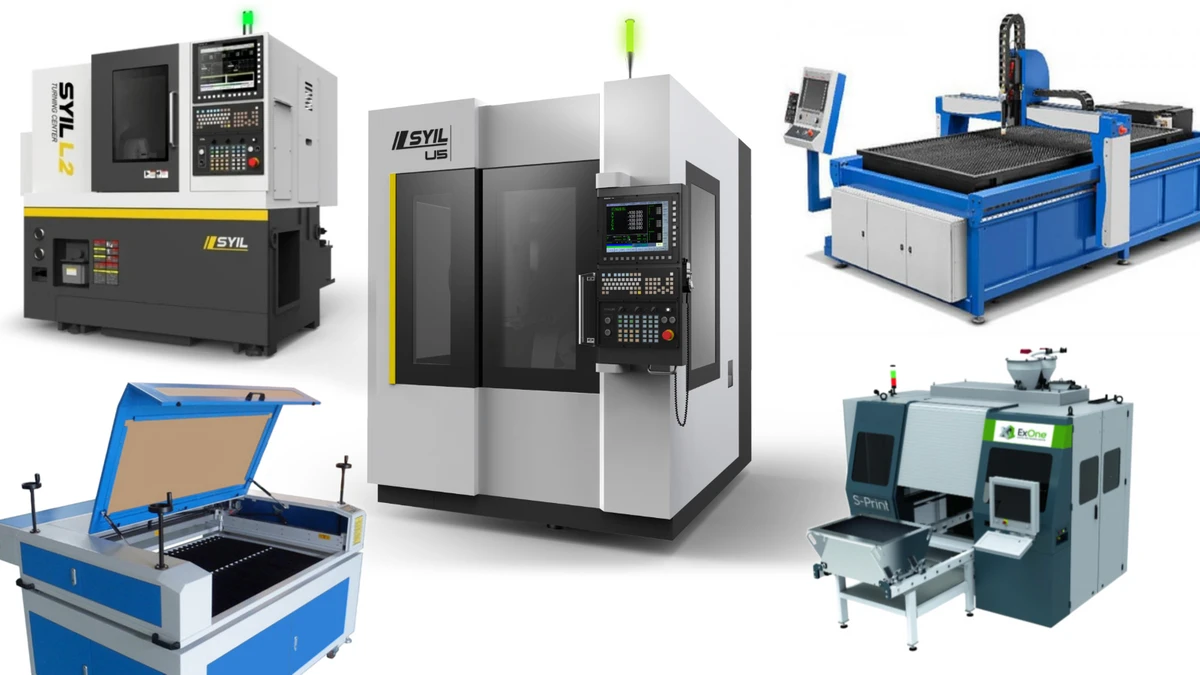
You've learned how turning differs from milling and when each process makes sense. But here's something many buyers overlook: not all CNC lathes are created equal. The type of manufacturing lathe you choose dramatically affects what parts you can produce, how fast you can make them, and what precision levels you'll achieve. Let's break down the major categories so you can match the right machine to your project requirements.
Think of CNC lathes as a family with distinct members, each bringing unique strengths to the shop floor. From simple 2-axis machines handling basic cylindrical shapes to sophisticated multi-axis CNC turning centers capable of producing aerospace-grade components, understanding these differences helps you communicate effectively with your machining partner and set realistic expectations for your project.
2-Axis Lathes: The Workhorses for Cylindrical Parts
The most straightforward configuration uses two axes: X (radial movement toward and away from the workpiece center) and Z (longitudinal movement along the workpiece length). According to Machine Tool Specialties, 2-axis lathes are the most cost-effective option for producing simple, symmetrical parts like shafts, bushings, and collars.
These machines excel when your parts feature:
- Straight cylindrical profiles with consistent diameters
- Simple facing operations on part ends
- External and internal threading
- Tapered sections and chamfered edges
- Grooves and undercuts along the rotational axis
When you need high volumes of relatively simple round parts, 2-axis lathes deliver excellent throughput with minimal programming complexity. They're the go-to choice for fasteners, spacers, pins, and basic fittings where geometric complexity remains low but dimensional accuracy still matters.
Multi-Axis Configurations for Complex Geometries
What happens when your part needs features that can't be created through simple radial and longitudinal movements? That's where multi-axis lathes enter the picture, adding capabilities that transform these machines into versatile manufacturing powerhouses.
Adding a Y-axis enables vertical movement perpendicular to the spindle, opening up possibilities for off-center drilling, milling operations, and features positioned away from the part's rotational center. According to Revelation Machinery, the inclusion of a Y-axis expands the scope of machining possibilities, enabling the production of intricate parts with diverse features.
Multi-axis lathes typically incorporate these additional movement axes:
- Y-axis: Allows cross-drilling and angled hole creation without re-fixturing
- C-axis: Provides controlled rotational positioning of the workpiece for indexed milling operations
- B-axis: Enables the tool to pivot at different angles for complex contour machining
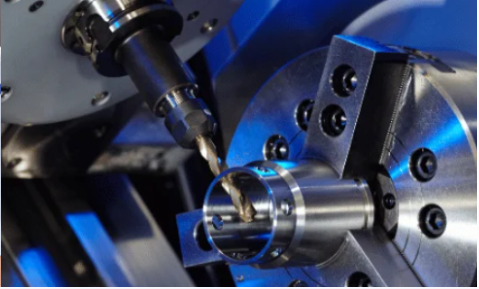
The real magic happens when you combine these axes with CNC lathe live tooling. Live tooling on CNC lathe machines means powered, rotating tools mounted on the turret that can perform milling, drilling, tapping, and grooving operations while the main spindle holds the workpiece stationary or at indexed positions. This capability eliminates secondary operations entirely for many complex parts.
Consider what lathe live tooling enables:
- Cross-drilled holes at precise angular positions
- Keyway slots cut directly into shafts
- Hexagonal or flat sections machined onto round parts
- Tapped holes on part faces and circumferences
- Complex contoured profiles combining turning and milling in single setups
According to the research from Revelation Machinery, multi-axis configurations can slash the number of setups required by up to 75 percent for complex components like aerospace fittings and medical implants, all while maintaining accuracies of ±0.005 mm.
Swiss-Type Lathes for Micro-Precision Components
When your parts measure less than an inch in diameter and demand exceptional precision, Swiss-type lathes become the clear choice. Originally invented in 1870 in Switzerland for watchmakers to detail fine watch components, these specialized machines have evolved into indispensable tools across multiple industries.
What makes Swiss machining different? According to Keyence, these machines use a guide bushing system that supports the bar stock extremely close to the cutting point. This design minimizes deflection and vibration, enabling remarkable precision on slender, delicate parts that would be impossible to machine accurately on conventional lathes.
Swiss-type lathes deliver unique advantages for small precision turned parts:
- Components as small as 12 mm or less in diameter
- Production rates exceeding 30 parts per hour
- Multiple processing techniques (milling, drilling, reaming, sawing) in single setups
- Reduced material waste through efficient multi-part production from single bar stock
- Exceptional surface finish quality with minimal secondary processing
Industries relying heavily on Swiss machining include medical devices (bone screws, implants, surgical instrument components), aerospace (connectors, fittings, precision fasteners), electronics (pins, sockets, connectors), and dental (brackets and specialized hardware). The combination of small scale, high precision, and efficient production makes the CNC auto lathe configuration ideal for these demanding applications.
CNC Turning Centers and Manufacturing Cells
Modern CNC turning centers represent the evolution beyond standalone lathes into integrated manufacturing solutions. These advanced machines combine extensive tool magazines, live tooling capabilities, and often robotic loading ports to enable fully automated operation.
According to Machine Tool Specialties, turning centers differ from conventional two-axis lathes in their design for continuous 24/7 production. They're often equipped with bar feeders and part catchers, maximizing spindle utilization and minimizing operator intervention. This typically results in improvements of up to 30 percent in Overall Equipment Effectiveness (OEE).
Key capabilities that distinguish turning centers include:
- Large-capacity tool magazines supporting 50+ tools
- Rapid turret indexing in under 0.5 seconds
- Integrated bar feeders for continuous material supply
- Automated chip conveyors for uninterrupted operation
- Remote monitoring dashboards for real-time cycle tracking
For high-volume production environments, these CNC turning centers form the backbone of manufacturing cells, working alongside robotic loading systems, automated inspection stations, and material handling equipment to create seamless production flows with minimal human intervention.
Multi-Spindle Machines for Maximum Throughput
When production volumes climb into the hundreds of thousands or millions of parts, multi-spindle lathes offer unmatched productivity. These machines feature multiple spindles working simultaneously, essentially performing several machining operations at once on different parts.
Imagine four, six, or even eight spindles rotating in a drum configuration, each holding a workpiece at a different stage of completion. As the drum indexes, each part progresses to the next operation until fully machined parts emerge continuously. This approach dramatically multiplies output compared to single-spindle alternatives.
Multi-spindle machines excel when you need:
- Extremely high production volumes with consistent quality
- Low per-part costs that justify initial machine investment
- Parts requiring multiple sequential operations
- Long production runs with minimal changeover requirements
The trade-off? Setup complexity increases significantly, and these machines prove most economical for dedicated production of specific part families rather than job shop environments with frequent changeovers.
Understanding these machine categories helps you ask the right questions when evaluating CNC lathe services. Whether your project calls for simple 2-axis turning, complex multi-axis machining with live tooling, micro-precision Swiss work, or high-volume multi-spindle production, matching the machine type to your requirements ensures optimal results in terms of cost, quality, and delivery.
Material Selection Guide for CNC Turned Parts
You've explored machine types and their capabilities. Now comes a decision that directly impacts your project's success, budget, and timeline: which material should you choose? When turning metal on a CNC lathe, your material selection affects everything from cutting speeds to tool wear, surface finish quality, and final part performance. Making the wrong choice here can double your machining costs or leave you with parts that don't perform as expected.
The secret to smart material selection lies in understanding machinability, a measure of how easily a material can be cut, shaped, and finished. Higher machinability means faster production, longer tool life, and lower per-part costs. But machinability alone doesn't tell the whole story. You also need to balance mechanical properties, corrosion resistance, and application requirements against manufacturing efficiency.
Metal Machinability Ratings and Surface Finish Expectations
Machinability ratings use free-machining steel (AISI 1212) as the baseline, assigned a value of 100. Materials scoring above 100 machine more easily, while those below require more time, specialized tooling, or adjusted cutting parameters. According to JLC CNC, even a 10% difference in machinability can significantly affect lead time and cost per unit when production runs are tight.
Here's how the most common metals used in metal lathe machining compare:
| Material Category | Machinability Index | Typical Applications | Achievable Surface Finish | Relative Cost |
|---|---|---|---|---|
| Aluminum 6061 | 180-200 | Aerospace brackets, automotive parts, general components | Ra 0.4-1.6 µm (excellent) | Low |
| Brass (C360) | 300+ | Fittings, connectors, decorative hardware, electrical components | Ra 0.4-0.8 µm (superior) | Medium |
| Carbon Steel (1018) | 70-80 | Shafts, pins, general-purpose structural parts | Ra 1.6-3.2 µm (good) | Low |
| Stainless Steel (304) | 45-50 | Medical devices, food processing, marine applications | Ra 0.8-1.6 µm (good) | Medium-High |
| Stainless Steel (303) | 78 | Fittings, fasteners, shafts requiring corrosion resistance | Ra 0.8-1.6 µm (good) | Medium |
| Copper (C110) | 70 | Electrical conductors, heat sinks, specialized connectors | Ra 0.8-1.6 µm (good) | High |
| Titanium (Grade 5) | 22 | Aerospace components, medical implants, high-performance parts | Ra 1.6-3.2 µm (moderate) | Very High |
What do these numbers mean for your project? Aluminum lathe operations proceed quickly with minimal tool wear, making it ideal for prototyping and cost-sensitive production runs. With a machinability index nearly double the baseline, aluminum allows higher spindle speeds and feed rates while producing excellent surface finishes straight off the machine.
Steel turned parts present a different equation. Standard carbon steels like 1018 and 1045 machine reasonably well for structural applications, but free-machining variants like 12L14 (with added lead and sulfur) push machinability above 170. When corrosion resistance matters, stainless steel 303 offers improved machinability over 304 thanks to added sulfur, making it the preferred choice when aesthetics and rust prevention are priorities without extreme corrosion demands.
Titanium sits at the challenging end of the spectrum. Its low thermal conductivity means heat concentrates at the cutting edge, accelerating tool wear and requiring specialized carbide or ceramic tooling, slower speeds, and constant coolant application. According to JLC CNC, titanium is only cost-effective in industries where performance demands override all other considerations.
Engineering Plastics for Turned Components
Metal isn't your only option. Engineering plastics offer compelling advantages for specific applications: lighter weight, natural electrical insulation, chemical resistance, and often lower material costs. However, machining plastics brings unique challenges that differ significantly from turning metal.
According to Atlas Fibre, selecting the right plastic depends on mechanical properties including impact strength, wear resistance, and dimensional stability across varying temperatures. Heat management becomes critical since plastics have high thermal expansion coefficients, meaning even small temperature changes during machining can cause significant dimensional shifts.
The top performers for CNC lathe applications include:
- Acetal (Delrin/POM): Excellent dimensional stability and natural lubricity make it ideal for bearings, gears, and precision bushings. Machines easily with sharp tools and minimal heat buildup.
- PEEK: Premium performance polymer with exceptional chemical resistance and mechanical strength. Withstands temperatures up to 480°F, making it invaluable for aerospace, medical implants, and demanding industrial applications.
- Nylon: Good wear resistance and toughness for gears, rollers, and structural components. Requires moisture preconditioning before machining to prevent dimensional issues.
- HDPE: Outstanding chemical resistance and electrical insulation at low cost. Ideal for fluid handling components, insulators, and chemical-resistant parts.
- Polycarbonate: Combines optical clarity with impact resistance for transparent components requiring machined features.
When machining plastics, tool selection matters tremendously. Single-flute cutters work best for materials with low melting points, while multi-flute tools suit plastics with higher heat tolerance. Sharp edges reduce friction and heat generation, preserving both surface finish and dimensional accuracy.
How Material Choice Impacts Your Bottom Line
Your material decision ripples through every aspect of project economics. Easier-to-machine materials like aluminum and brass mean faster cycle times, reduced tool replacement costs, and lower machine hour rates. Difficult materials like titanium and some stainless steels require specialized tooling, slower operations, and more frequent tool changes, all adding cost.
Consider these practical implications when evaluating options:
- Tool wear: Abrasive materials or work-hardening alloys consume cutting inserts faster, adding direct costs
- Cutting speeds: Higher machinability allows faster spindle speeds and feed rates, reducing cycle time
- Surface finish: Some materials achieve smooth finishes directly from machining, eliminating secondary polishing operations
- Secondary processing: Heat treatment, plating, or coating requirements add time and cost beyond machining
For prototyping and small-batch production, aluminum and brass minimize risk through shorter machine times and simpler setups. When durability, corrosion resistance, or specialized performance matters, the additional machining investment for stainless steel or titanium often makes sense at production volumes where the per-part premium becomes acceptable.
Understanding these material trade-offs positions you to have productive conversations with your machining partner. You'll know when aluminum makes sense versus when your application truly demands stainless steel, and you'll understand why that titanium quote came in higher than expected.
Tolerance Specifications and Precision Capabilities
You've selected your material and understand which machine type suits your project. Now comes the question that separates acceptable parts from exceptional ones: how precise do your components actually need to be? Tolerance specifications define the allowable variation in your finished parts, and understanding these limits helps you balance performance requirements against manufacturing costs.
Here's the reality many buyers overlook. Tightening a tolerance from ±0.1 mm to ±0.01 mm doesn't just cost a little more. According to Ecoreprap, that change can multiply your manufacturing cost by 3 to 5 times while offering minimal functional benefit for most applications. The goal isn't maximum precision but rather the right precision, enough to ensure your parts function perfectly without paying for accuracy you don't need.
Achievable Tolerances for Different Part Features
Different features on your turned parts achieve different precision levels based on the machining operations involved. External diameters typically hold tighter tolerances than internal bores, and simple cylindrical profiles outperform complex contoured surfaces. Understanding these distinctions helps you set realistic expectations and communicate effectively with your machining partner.
The table below shows what precision levels you can expect across common CNC lathe parts features:
| Feature Type | Standard Tolerance | Precision Tolerance | Ultra-Precision Tolerance |
|---|---|---|---|
| External Diameters | ±0.1 mm (±0.004") | ±0.025 mm (±0.001") | ±0.005 mm (±0.0002") |
| Internal Bores | ±0.1 mm (±0.004") | ±0.025 mm (±0.001") | ±0.01 mm (±0.0004") |
| Lengths | ±0.13 mm (±0.005") | ±0.05 mm (±0.002") | ±0.013 mm (±0.0005") |
| Thread Pitch Diameter | Class 2A/2B | Class 3A/3B | Special gauging required |
| Concentricity | 0.1 mm TIR | 0.025 mm TIR | 0.005 mm TIR |
| Roundness | 0.05 mm | 0.013 mm | 0.003 mm |
What do these numbers mean in practice? Standard tolerances represent the default precision achievable on well-maintained equipment without special processes. According to Protocase, standard precision starts at ±0.005" (0.13 mm), making it suitable for the majority of commercial and industrial applications where parts don't require interference fits or critical mating surfaces.
Precision tolerances require more careful process control, slower cutting speeds, and often multiple finishing passes. These tighter limits suit applications like bearing journals, hydraulic cylinder bores, and mating surfaces where proper fit directly affects performance.
Ultra-precision work, approaching ±0.0001" (0.0025 mm), demands specialized equipment, temperature-controlled environments, and rigorous inspection protocols. According to CNC WMT, achieving tolerances below ±0.005 mm requires high-precision machine tools with positioning accuracies of ±0.002 mm or better, environmental temperature control within ±1°C, and comprehensive CMM verification.
Surface Finish Standards in Precision Turning
Tolerance tells only half the story for precision turned parts. Surface finish, measured as Ra (Roughness Average), determines how smooth your part feels and functions. A shaft might hit its diameter tolerance perfectly yet fail in service because excessive surface roughness causes premature seal wear or increased friction.
CNC turning achieves different surface finish levels depending on cutting parameters, tooling condition, and material properties:
| Surface Finish Level | Ra Value (µm) | Ra Value (µin) | Typical Applications |
|---|---|---|---|
| Standard Machined | 3.2 µm | 125 µin | Non-critical surfaces, rough turned features |
| Fine Machined | 1.6 µm | 63 µin | General mating surfaces, aesthetic parts |
| Precision Finish | 0.8 µm | 32 µin | Sealing surfaces, bearing journals |
| High Precision | 0.4 µm | 16 µin | Hydraulic components, precision instruments |
| Mirror Finish | 0.04 µm | 1.6 µin | Optical components, medical implants |
According to CNC WMT, standard turning processes typically achieve surface roughness between Ra 1.6-0.8 µm, while precision turning can reach as low as Ra 0.04 µm approaching a mirror finish. Achieving these finer finishes requires reduced feed rates, sharp tooling with appropriate nose radius geometry, and often secondary operations like grinding or polishing.
Factors Affecting Tolerance Achievement
Why can one shop hold ±0.01 mm while another struggles with ±0.05 mm on identical lathe cnc parts? Several interconnected factors determine what precision levels are practically achievable:
Machine Rigidity and Condition: A rigid machine structure resists deflection under cutting forces, maintaining dimensional accuracy throughout the operation. According to Ecoreprap, insufficient stiffness in the machine, tooling, or fixtures causes small elastic deformations under cutting forces, leading to dimensional deviations and vibration that degrade both tolerance and surface finish.
Thermal Stability: Heat generated during machining causes thermal expansion in both the workpiece and machine components. Materials with poor thermal conductivity, like stainless steel and plastics, accumulate heat that causes the workpiece to expand during cutting, then contract after cooling. Maintaining shop temperature within ±1°C significantly reduces thermal errors on precision work.
Workholding Methods: How you grip the part matters enormously. Over-clamping thin-walled components may keep them stable during machining, but they spring back after unclamping, altering the final dimensions. Collets generally provide more uniform clamping pressure than three-jaw chucks for precision work, while specialized fixturing supports complex geometries without distortion.
Tool Condition and Selection: Worn cutting tools produce oversized parts and degraded surface finishes. High-quality carbide inserts with appropriate coatings maintain consistent cutting geometry longer, translating directly to tighter tolerance control. For ultra-precision work, diamond-coated or CBN (cubic boron nitride) tooling becomes essential.
Quality Control and Process Consistency
Hitting tolerance on one part means nothing if the next fifty vary unpredictably. Reliable CNC lathe services implement Statistical Process Control (SPC) methods to monitor dimensional trends and catch drift before out-of-tolerance parts occur.
SPC involves measuring key dimensions on sampled parts throughout production runs and tracking those measurements on control charts. When measurements trend toward tolerance limits, operators adjust cutting parameters or replace tooling before producing scrap. This proactive approach maintains consistency across production volumes ranging from hundreds to thousands of parts.
Verification methods scale with precision requirements:
- Standard tolerance work: Calipers and micrometers provide quick spot checks sufficient for ±0.1 mm requirements
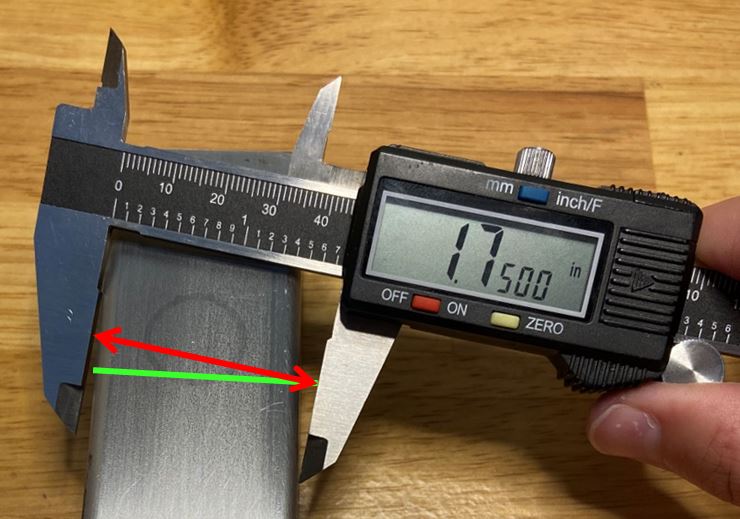
- Precision tolerance work: Digital gauges, bore micrometers, and optical comparators verify tighter limits
- Ultra-precision work: Coordinate Measuring Machines (CMM) provide comprehensive three-dimensional verification with measurement uncertainty below the part tolerance
According to CNC WMT, laser interferometry enables dynamic monitoring of machine tool positioning errors, while adaptive control systems adjust cutting parameters in real time to account for material variations.
Matching Tolerance to Application Requirements
The smartest approach to tolerance specification starts with function, not precision. Ask yourself: what happens if this dimension varies by 0.1 mm versus 0.01 mm? For non-critical features like overall lengths on spacers or outside diameters that don't mate with anything, standard tolerances keep costs reasonable without compromising performance.
Reserve tight tolerances for features where they genuinely matter:
- Bearing journals: Require precise diameter control for proper interference or clearance fits
- Sealing surfaces: Need controlled surface finish and roundness to prevent leakage
- Mating diameters: Demand matched tolerances between assembled components
- Thread fits: Critical for proper engagement and load distribution
According to Ecoreprap, the golden rule is to design for function, not for precision. Applying tight tolerances only to critical mating surfaces while using standard tolerances on non-functional areas optimizes both functionality and manufacturing cost.
When preparing specifications for cnc precision turning parts, clearly identify which dimensions are critical and which can accept standard tolerances. This communication helps your machining partner allocate appropriate resources, potentially reducing both cost and lead time while ensuring the features that matter meet your exact requirements.
Design Guidelines for CNC Lathe Manufacturing
You've selected your material and specified your tolerances. Now comes a critical question that separates cost-effective projects from budget-busting ones: is your part actually designed for efficient manufacturing? The decisions you make in CAD directly impact how easily your CNC turning parts can be produced, and small design changes often yield dramatic cost savings without compromising functionality.
Think of it this way. Two parts with identical materials and tolerances can have wildly different price tags simply because one was designed with manufacturability in mind while the other wasn't. Understanding what makes parts easy or difficult to turn helps you optimize designs before they reach the quote stage, saving both time and money on your custom lathe work.
Optimizing Part Geometry for Efficient Turning
What separates a part that machines smoothly from one that causes headaches on the shop floor? Several geometric factors determine how efficiently CNC turning machine parts can be produced. Getting these right from the start prevents costly redesigns and unexpected quote increases.
Aspect Ratio Considerations: The relationship between your part's length and diameter matters enormously. Long, slender parts deflect under cutting forces, causing vibration (chatter) that ruins surface finish and dimensional accuracy. According to MakerVerse, keeping parts as short as possible helps reduce work deflection from the cutting tool. Short, thicker parts are easier to machine than long, thin ones, as the latter requires tailstock or steady-rest support.
As a practical guideline, unsupported length-to-diameter ratios beyond 4:1 typically require additional support mechanisms, adding setup time and cost. When your design demands slender proportions, discuss support options with your cnc turning service provider early in the process.
Wall Thickness Requirements: Thin walls present similar challenges. According to Zenith Manufacturing, chatter occurs when cutting frequencies align with the natural resonant frequency of thin walls, creating a feedback loop that produces wavy surface patterns and dimensional inaccuracy. For aluminum parts, minimum wall thicknesses of 1.0-1.5 mm work well, while steel parts typically need 0.8-1.0 mm minimum to maintain rigidity during machining.
Internal Feature Accessibility: Deep bores and internal features require tools with sufficient reach and rigidity. The deeper the feature, the longer the tool must extend, increasing deflection risk. According to MakerVerse, as many features as possible, especially internal surfaces and screw threads, should be located on one end of the part. This approach allows all machining to be performed before cutoff, eliminating secondary operations.
Corner Radius Requirements: Sharp internal corners cannot be machined with round tools. According to Zenith Manufacturing, your internal corner radius should be at least 1/3 of the cavity's depth. More importantly, designing with standard tool radii in mind (such as 3mm or 6mm) is one of the easiest ways to reduce machining costs, as it allows machinists to use common, rigid tools at optimal speeds.
Common Design Mistakes That Increase Machining Costs
Even experienced engineers sometimes specify features that dramatically increase manufacturing difficulty without realizing it. Avoiding these common pitfalls keeps your projects on budget and on schedule:
- Specifying non-standard thread sizes: According to MakerVerse, you should specify standard, common sizes for holes, screw threads, slots, and knurls. Using standard specifications allows readily available tools and gauges to be used in production, instead of those that need to be specially made.
- Designing threads that terminate too close to shoulders: External threads should not terminate too close to a shoulder or larger diameter. There should be an area for thread relief or undercut whenever the diameter of the workpiece is less than the minor thread diameter.
- Creating internal recesses when external grooves would work: Annular grooves are easier to create on the part's exterior surface than as internal recesses. External grooves can be incorporated into form tools, while internal recesses require tools with both axial and transverse motion.
- Ignoring draft angles on perpendicular surfaces: According to MakerVerse, sidewalls of grooves and other surfaces perpendicular to the part's axis should have a slight draft of 0.5° or more. This draft prevents tool marks from forming on the machined surface as the tool withdraws.
- Requiring unnecessarily wide knurled sections: A knurled area should be narrow, and the width should not exceed the diameter. Excessive knurl width increases machining time and tool wear.
- Designing spherical ends smaller than adjoining cylinders: When a spherical end is required, design the radius of the spherical end larger than the radius of the adjoining cylindrical portion. This eliminates the need to blend two surfaces that might not be perfectly concentric.
Each of these mistakes adds setup time, requires specialized tooling, or demands secondary operations that inflate your final cost. Reviewing your design against this checklist before submitting for quotes catches issues early when changes are easy and free.
Design Best Practices for Manufacturability
Beyond avoiding mistakes, proactive design choices make your CNC turning parts easier and cheaper to produce. Consider these best practices when developing your next component:
- Use appropriate corner radii: Specify fillet radii that match standard tool sizes. This simple change allows faster machining with rigid, commonly available cutters.
- Avoid deep narrow bores: When possible, limit bore depth to 4x diameter for standard tooling. Deeper features require specialized extended-reach tooling that increases cost and reduces accuracy.
- Standardize thread specifications: Stick to common thread standards (UNC, UNF, metric) with standard pitch diameters. Exotic thread forms require custom tooling and extended setup times.
- Consider workholding requirements: Design parts with adequate gripping surfaces for chucks or collets. Thin-walled sections near workholding areas risk deformation from clamping pressure.
- Maximize bar stock utilization: According to MakerVerse, your maximum diameter should be the bar stock's diameter to conserve material and reduce machining. Use standard sizes and shapes of bar stock whenever possible rather than special diameters.
- Design for single-setup completion: Arrange features so parts complete on cutoff from bar material whenever possible. When secondary operations cannot be avoided, try to minimize them.
Preparing Technical Drawings for Your Machining Partner
Clear communication prevents costly misunderstandings. When preparing specifications for a cnc turning service, include these essential elements:
- Complete dimensioning: Specify all critical dimensions with appropriate tolerances. Use GD&T (Geometric Dimensioning and Tolerancing) symbols where precision relationships matter.
- Material callout: Identify the exact material grade, not just the generic type. "Aluminum" isn't enough; specify "6061-T6" or your required alloy.
- Surface finish requirements: Call out Ra values for critical surfaces. Leave non-critical surfaces as "machined finish" to avoid unnecessary processing.
- Thread specifications: Include thread class, pitch, and depth. Note whether threads are internal or external and specify any special requirements.
- Critical feature identification: Highlight which dimensions are functionally critical versus which can accept standard shop tolerances.
Understanding the parts of CNC lathe operations helps you communicate more effectively. When you know that your design requires live tooling for cross-drilled holes or that your aspect ratio demands tailstock support, you can discuss these requirements proactively rather than discovering them as quote surprises.
The effort invested in design optimization pays dividends throughout your project. Parts designed for manufacturability quote faster, machine more predictably, and arrive on time with fewer quality issues. Whether you're prototyping a single component or planning production volumes, these principles ensure your designs translate smoothly from CAD model to finished part.

Industry Applications for CNC Lathe Services
You've learned how to design parts for manufacturability and specify appropriate tolerances. But here's where theory meets reality: what kinds of components actually get produced on CNC lathes, and what makes each industry's requirements unique? Understanding these applications helps you recognize whether your project aligns with a particular shop's expertise and certification requirements.
CNC turning services touch nearly every manufacturing sector, from the car you drive to the medical devices keeping patients healthy. Each industry brings distinct demands for precision, documentation, materials, and quality verification. Let's explore the major sectors and their specific requirements so you can find a turned parts manufacturer equipped to handle your particular application.
Automotive Precision Components and Supply Chain Requirements
The automotive industry represents one of the largest consumers of CNC lathe components, demanding high volumes, tight tolerances, and rigorous quality documentation. According to 3ERP, 81.5 million cars were sold worldwide in 2018 alone, creating enormous demand for precision-machined components that must perform reliably for years of service.
What kinds of lathe metal parts does the automotive sector require? The list is extensive:
- Drivetrain components: Shafts, axles, spindles, and splined connectors that transmit power from engine to wheels
- Engine parts: Valve retainers, piston pins, rocker arm shafts, and precision bushings that withstand extreme temperatures and pressures
- Suspension components: Control arm bushings, shock absorber pistons, and steering linkage parts requiring precise fits
- Chassis assemblies: Custom metal bushings, spacers, and mounting hardware that connect major structural elements
- Fluid system components: Hydraulic fittings, brake line connectors, and fuel system parts demanding leak-free performance
What sets automotive applications apart from other industries? The answer lies in certification requirements and supply chain expectations. According to Modo Rapid, IATF 16949 certification is tailored specifically for the automotive industry, adding requirements like defect prevention and statistical process control beyond standard ISO 9001 quality management.
IATF 16949 certified manufacturers implement:
- Advanced Product Quality Planning (APQP): Structured development processes ensuring parts meet requirements before production begins
- Production Part Approval Process (PPAP): Comprehensive documentation proving manufacturing capability and consistency
- Statistical Process Control (SPC): Real-time monitoring catching dimensional drift before out-of-tolerance parts occur
- Failure Mode and Effects Analysis (FMEA): Proactive identification and prevention of potential quality issues
For automotive and precision applications, manufacturers offering IATF 16949 certification and Statistical Process Control capabilities provide the quality assurance demanding supply chains require. Companies like Shaoyi Metal Technology deliver high-tolerance components with lead times as fast as one working day, supporting everything from complex chassis assemblies to custom metal bushings while scaling seamlessly from rapid prototyping to mass production.
Medical and Aerospace Application Standards
When lives depend on component performance, precision requirements and documentation standards reach their highest levels. Both medical device and aerospace applications demand exceptional accuracy, complete traceability, and specialized certifications that verify a cnc turned parts manufacturer can consistently meet these elevated requirements.
Medical Device Components:
According to Marver Med, accuracy is a top concern in medical device manufacturing, as even the slightest machining error can cause catastrophic health complications. CNC turning produces critical medical components including:
- Surgical instruments: Drills, reamers, guide pins, and cannulated awls requiring precise dimensions for proper function
- Orthopedic implants: Bone screws, spinal components, and joint replacement parts machined from biocompatible titanium
- Dental devices: Implant abutments, brackets, and specialized hardware demanding micro-precision
- Vascular devices: Tunnelers, connectors, and catheter components with features measured in millimeters
Medical applications require ISO 13485 certification, which guarantees the supplier understands biocompatibility requirements and maintains complete traceability throughout the manufacturing process. Material selection becomes critical, with stainless steel, titanium alloys, and certain biocompatible polymers dominating the medical CNC lathe components landscape.
Aerospace Fasteners and Fittings:
Aerospace applications push precision turning to its limits. Components must withstand extreme temperatures, vibration, and stress while maintaining absolute reliability. According to Modo Rapid, AS9100 certification verifies that a supplier can manufacture safety-critical parts for aerospace and defense applications, adhering to rigorous standards for traceability and process validation.
Common aerospace cnc lathe components include:
- Structural fasteners: High-strength bolts, pins, and rivets from titanium and specialty alloys
- Hydraulic fittings: Precision connectors for flight control and landing gear systems
- Engine components: Turbine shafts, bearing housings, and fuel system parts meeting extreme tolerance requirements
- Avionics hardware: Connectors, standoffs, and mounting components for sensitive electronics
Aerospace manufacturing demands comprehensive documentation including material certifications, dimensional inspection reports, and complete process traceability. Large part machining services become essential for structural components, while Swiss-type lathes handle the intricate miniature fasteners and fittings that modern aircraft require.
Electronics and Industrial Equipment Applications
Beyond automotive, medical, and aerospace, CNC turning services support diverse industries with specialized requirements:
Electronics and Telecommunications:
- Connectors and contacts: Precision-turned pins, sockets, and terminals from brass and copper alloys ensuring reliable electrical connections
- Heat sinks: Copper and aluminum components dissipating thermal energy from sensitive electronics
- Enclosure hardware: Standoffs, spacers, and mounting posts maintaining precise component positioning
- RF components: Coaxial connectors and waveguide fittings requiring exceptional dimensional accuracy
Industrial and Heavy Equipment:
- Hydraulic cylinders: Precision bores and piston rods for construction and agricultural machinery
- Power transmission: Shafts, couplings, and bearing journals transferring mechanical power
- Valve components: Stems, seats, and bodies controlling fluid flow in process industries
- Custom tooling: Specialized fixtures and machine components supporting manufacturing operations
Each sector values different capabilities in their cnc turning parts manufacturer. Electronics applications prioritize high-volume production efficiency and consistent quality. Industrial equipment often demands large part machining services alongside standard turning operations. Understanding which industries a machine shop serves helps you identify partners with relevant experience for your specific application.
Why Industry Experience Matters for Your Project
Choosing a CNC turning services provider with experience in your industry brings tangible benefits beyond basic machining capability:
- Material expertise: Shops serving aerospace understand titanium's machining challenges; medical-focused facilities know biocompatible material requirements
- Certification alignment: Existing certifications (IATF 16949, AS9100, ISO 13485) eliminate audit delays and qualification costs
- Documentation familiarity: Experienced suppliers produce required paperwork efficiently without extensive guidance
- Tolerance understanding: Industry veterans know which features genuinely need tight tolerances versus standard machining
- Secondary process connections: Established relationships with heat treaters, platers, and coating specialists streamline post-machining operations
When evaluating potential suppliers, ask about their experience with applications similar to yours. A shop producing thousands of automotive bushings monthly operates differently than one specializing in low-volume aerospace prototypes. Both deliver quality parts, but their processes, certifications, and pricing structures reflect their primary markets.
Understanding these industry applications positions you to communicate effectively with potential manufacturing partners. You'll know what certifications to require, which questions to ask about experience, and how your project fits within a shop's typical workload. This knowledge transforms you from a generic quote request into an informed buyer seeking the right partnership for your specific needs.
Cost Factors and Lead Time Expectations
You've identified your industry, selected materials, and optimized your design for manufacturability. Now comes the question every buyer asks: what will this actually cost? Understanding CNC lathe service pricing helps you budget accurately, compare quotes meaningfully, and identify opportunities to reduce expenses without compromising quality. The challenge? Most machine shops provide single-line quotes without breaking down what drives that number.
Here's the reality. According to Hotean, machine time represents just 30-40% of your total cost, while hidden fees and markups account for the remaining 60-70%. Knowing what factors influence pricing transforms you from a passive quote recipient into an informed buyer who can negotiate effectively and make smart manufacturing decisions.
Understanding Machine Time and Setup Cost Drivers
What actually goes into that per-part price you receive? Five distinct cost categories combine to determine your final quote, and understanding each helps you identify where savings opportunities exist.
| Cost Factor | Typical Range | Impact on Project Cost | Optimization Opportunity |
|---|---|---|---|
| Machine Time | $65-$120/hour | High (scales with complexity) | Simplify geometry, reduce tight tolerance features |
| Setup Fees | $50-$150 per job | Very High (low volumes) | Combine multiple parts, increase order quantities |
| Material Cost | 15-35% markup over raw | Medium to High | Supply your own material, select machinable alloys |
| Tooling Consumption | $5-$25/part | Medium | Avoid abrasive materials, eliminate exotic features |
| Secondary Operations | $10-$50/part | Medium to High | Design for single-setup completion, reduce finishing needs |
Machine Time: This represents the hourly rate charged for CNC lathe operation. According to Hotean, rates typically range from $65-$120 per hour depending on machine capability, shop location, and complexity requirements. A basic 2-axis lathe shop charges less than a facility running multi-axis turning centers with live tooling. Your part's cycle time, how long it takes to machine each piece, multiplied by this rate determines the machining portion of your cost.
Setup Fees: This cost category creates the biggest shock for low-volume orders. Every job requires programming, workholding configuration, and first-article verification before production begins. According to Hotean, setup fees often represent 50-70% of total project cost for small quantities. A $150 setup fee spread across 10 parts adds $15 each; spread across 1,000 parts, it becomes just $0.15 per piece.
Material Markup: Raw material costs get marked up 15-35% to cover handling, waste, and inventory carrying costs. While wholesale aluminum 6061 might cost $3.50 per pound, a lathe machine shop typically charges $4.75-$5.25 per pound. For cost-sensitive projects, supplying your own certified material can eliminate this markup entirely.
Tooling Consumption: Cutting tools wear during machining, and that consumption gets allocated to your parts. Difficult materials like titanium or stainless steel accelerate tool wear, increasing this cost component. Some shops bundle tooling into their hourly rate while others itemize it separately, making quote comparison tricky without understanding the breakdown.
Secondary Operations: Heat treatment, plating, grinding, or assembly operations add cost beyond basic machine turning. According to Hubs, specifying multiple surface finishes on the same part increases cost because it requires extra masking and processing steps.
Volume Pricing and Production Economics
Perhaps no factor influences per-part cost more dramatically than order quantity. The economics of CNC turning services create steep volume discounts that savvy buyers leverage to their advantage.
According to Hubs, increasing your order from one to five parts can cut unit price by approximately half, while volumes exceeding 1,000 parts may reduce unit cost by five to ten times compared to single-piece pricing. This dramatic scaling occurs because fixed costs (programming, setup, first-article inspection) get distributed across more units.
Consider this practical example. Your first part absorbs $150 in setup costs plus $25 in machining time, totaling $175. Order 100 identical parts, and that $150 setup divides to $1.50 each while machine turning efficiency improvements might reduce cycle time costs to $20 per part. Your per-piece price drops from $175 to $21.50, an 88% reduction simply by increasing volume.
Tolerance Impact on Pricing: Precision requirements multiply costs faster than most buyers expect. According to Hubs, tight tolerances increase CNC machining cost and should be applied only when function requires them. Standard tolerances (±0.125mm) are achievable on well-maintained equipment without special processes. Tightening requirements to ±0.025mm or beyond demands slower cutting speeds, multiple finishing passes, and enhanced inspection, potentially tripling or quadrupling machining time.
Lead Time Expectations by Project Type
Time is money, and understanding typical turnaround helps you plan projects realistically. Lead times vary significantly based on complexity, volume, and shop capacity:
- Prototype quantities (1-10 parts): 3-7 business days typical for simple geometries; 2-3 weeks for complex parts requiring programming development
- Low-volume production (10-100 parts): 1-2 weeks standard; expedited options often available for premium pricing
- Medium-volume production (100-1,000 parts): 2-4 weeks depending on material availability and shop scheduling
- High-volume production (1,000+ parts): 3-6 weeks for initial runs; reorders often ship faster once tooling and programs exist
According to NerdBot, simple parts manufactured in small quantities can typically be completed within a few days, while large or complicated orders may take several weeks. Material availability significantly impacts lead time; exotic alloys or specific certifications can add weeks to delivery schedules.
Design Optimization for Cost Reduction
The most effective way to reduce CNC turning costs happens before you ever request a quote. Design choices ripple through every cost category, and small changes often yield significant savings:
- Relax non-critical tolerances: According to Hotean, opening tolerances from ±0.001" to ±0.005" on non-critical features can reduce programming time by 30% and eliminate secondary operations
- Use standard thread sizes: Exotic thread specifications require custom tooling and extended setup time
- Minimize setups: Design parts to complete in single operations whenever possible
- Select machinable materials: Aluminum and brass machine faster than stainless steel or titanium, directly reducing cycle time costs
- Accept as-machined finishes: Secondary polishing or coating adds operations and cost
According to Hubs, complexity is the enemy of economy. Features requiring special tooling, multiple setups, or exotic materials all inflate pricing. Review your design asking: is every feature essential, or can some be simplified while maintaining function?
Preparing for Quotes: What to Provide
When you're ready to request quotes from a cnc turning company, thorough preparation yields more accurate pricing and faster responses. Include these elements in your RFQ package:
- 3D CAD files: STEP or IGES formats preferred; 2D drawings supplement but don't replace 3D models
- Material specifications: Exact alloy designation, not just generic material type
- Quantity requirements: Include both initial order and anticipated annual volumes
- Tolerance callouts: Identify critical dimensions versus standard tolerance features
- Surface finish requirements: Specify Ra values where they matter
- Secondary operation needs: Heat treatment, plating, or assembly requirements
- Delivery timeline: Required delivery date or flexibility available
Request itemized quotes rather than single-line pricing. According to Hotean, shops providing only a single "price per part" without breakdown typically inflate costs by 40-60% compared to transparent competitors. When you understand the components, you can compare quotes accurately and identify negotiation opportunities.
Armed with this cost knowledge, you can evaluate turning services options intelligently. You'll recognize when quotes seem inflated, understand why volume pricing drops so dramatically, and know which design changes offer the best return on optimization effort. This preparation transforms the quoting process from a black box into a transparent conversation where you control the outcome.
Selecting the Right CNC Lathe Service Provider
You've mastered design optimization, material selection, and cost factors. Now comes the decision that ties everything together: which CNC lathe service provider should you trust with your project? Choosing the right partner means more than finding the lowest quote. It requires evaluating capabilities, verifying credentials, and ensuring alignment between your requirements and their expertise.
Think of it this way. A shop with state-of-the-art equipment but no experience in your industry might struggle with documentation requirements. Conversely, a certified facility producing automotive components might lack the flexibility for quick-turn prototypes. Finding the right match requires systematic evaluation across multiple dimensions. Let's build a framework that helps you identify partners capable of delivering quality cnc turned components on time and within budget.
Essential Certifications and Quality Standards to Verify
Certifications serve as third-party verification that a manufacturer maintains consistent processes and quality standards. But not all certifications carry equal weight for every application. Understanding which credentials matter for your project helps you filter potential suppliers efficiently.
According to 3ERP, quality assurance is a non-negotiable aspect when choosing a CNC machining service. Look for companies with recognized certifications such as ISO 9001, which is a standard for quality management systems. These qualifications serve as a testament to their commitment to maintaining high quality and consistent results.
Here's how key certifications align with different application requirements:
- ISO 9001: The baseline quality management standard applicable across all industries. Verifies documented processes, continuous improvement practices, and management commitment to quality. Essential for any serious cnc lathe service provider.
- IATF 16949: Automotive-specific certification adding requirements for defect prevention, statistical process control, and advanced product quality planning. According to Modo Rapid, this certification is tailored specifically for the automotive industry, requiring capabilities beyond standard ISO 9001 quality management.
- AS9100: Aerospace and defense standard demanding rigorous traceability, process validation, and configuration management. Critical for any flight-critical or safety-related components.
- ISO 13485: Medical device quality management ensuring biocompatibility awareness, complete traceability, and regulatory compliance for healthcare applications.
Beyond formal certifications, verify how shops implement quality control on the production floor. According to 3ERP, look for a service provider with robust quality control measures including regular checks during the production process, final inspection before shipping, and policies to rectify any errors or defects.
Statistical Process Control (SPC) deserves special attention for precision applications. SPC involves measuring key dimensions throughout production runs and tracking trends on control charts. When measurements drift toward tolerance limits, operators adjust before producing scrap. For automotive and precision applications, manufacturers offering IATF 16949 certification and Statistical Process Control capabilities, like Shaoyi Metal Technology, deliver the quality assurance that demanding supply chains require.
Evaluating Equipment Capabilities and Capacity
A CNC machining service is only as effective as the tools at its disposal. According to 3ERP, whether it's lathes, mills, or routers, the variety and quality of machinery can make or break your project. Different types of CNC machines cater to different kinds of tasks.
When evaluating a potential lathe services provider, investigate these equipment-related factors:
- Machine type variety: Does the shop operate 2-axis lathes, multi-axis turning centers, Swiss-type machines, or all of the above? Matching machine capabilities to your part requirements ensures optimal results.
- Live tooling availability: For parts requiring milling, drilling, or tapping operations alongside turning, live tooling eliminates secondary setups and improves accuracy.
- Capacity and size range: Can they handle your part dimensions? Small-precision Swiss work requires different equipment than large-diameter shaft production.
- Machine age and condition: According to JUPAI CNC, a well-maintained and up-to-date machine fleet ensures that the service provider can execute intricate designs with precision and efficiency.
- Automation level: Bar feeders, robotic loading, and automated inspection enable consistent unattended production for high-volume orders.
According to JUPAI CNC, CNC machines come in various configurations including vertical mills, horizontal mills, and lathes, each designed to handle specific types of machining tasks. The versatility of a machine shop is essential, as it enables the provider to handle complex projects requiring different machining techniques.
Don't overlook inspection equipment when evaluating capabilities. Shops producing precision cnc metal lathe components need appropriate measurement tools: micrometers and calipers for standard work, optical comparators for profile verification, and Coordinate Measuring Machines (CMMs) for complex geometry and tight tolerance verification.
Industry Experience and Technical Expertise
Experience equates to expertise. According to 3ERP, CNC machining is a precise process, and with each project, a CNC machining company acquires more knowledge and skills. An experienced service provider would be familiar with handling diverse machining needs, reducing the chances of errors and ensuring a smoother process overall.
When evaluating experience, look beyond years in business:
- Industry-specific knowledge: Has the shop produced parts for applications similar to yours? Automotive, medical, aerospace, and electronics each bring unique requirements.
- Material expertise: Experience with your specific material matters. Titanium machining differs dramatically from aluminum or brass.
- Complexity track record: Ask to see examples of challenging projects they've completed. Past projects provide a sneak-peek into their capabilities.
- Problem-solving capability: According to JUPAI CNC, skilled machinists are able to troubleshoot issues on the fly, ensuring that the process runs smoothly and that parts are produced to the highest standards.
The skill level of the workforce directly influences output quality. According to 3ERP, look for a CNC machining service that invests in training their staff and keeps them updated with the latest industry advancements.
Communication and Responsiveness
Communication is the backbone of any successful partnership. According to 3ERP, an effective communication process means the service provider can promptly address your queries, update you on progress, and quickly rectify any issues that may arise.
Evaluate communication quality during the quoting process. How quickly do they respond to initial inquiries? Do they ask clarifying questions about your requirements, or simply provide a generic quote? According to JUPAI CNC, engineers need to know they can rely on their machining partner to provide regular updates and answer questions promptly.
Red flags to watch for:
- Delayed responses to straightforward questions
- Vague answers about capabilities or timelines
- Reluctance to discuss process details or quality methods
- No designated point of contact for your project
Green flags indicating strong communication:
- Proactive clarification of ambiguous specifications
- Clear project timelines with milestone updates
- Accessible technical staff who can discuss machining details
- Transparent pricing breakdowns rather than single-line quotes
Geographic Considerations and Local Options
When searching for a lathe shop near me, geographic proximity offers tangible benefits worth considering. According to 3ERP, the location of the CNC machining service provider can significantly impact various aspects of your project, including shipping costs, lead times, and even the ease of communication.
Local lathe services near me provide advantages including:
- Reduced shipping costs: Heavy metal parts cost more to ship longer distances
- Faster turnaround: Eliminate transit time for urgent projects
- Easier communication: Same time zone and potential for in-person meetings
- Simplified logistics: Drop off materials or pick up parts when needed
However, according to 3ERP, if an overseas service provider offers better expertise and prices, the additional shipping costs and time could be worth it. Balance proximity against capability; the closest shop isn't automatically the best choice if they lack relevant experience or certifications for your application.
Secondary Operations and Value-Added Services
Few CNC lathe parts ship directly from the machine to final application. Most require secondary operations that add functionality, protection, or aesthetic finish. According to Polydec, post-turning operations include treatments performed either in-house or outsourced to trusted specialist partners working to strict quality standards.
Common secondary operations paired with custom cnc machining services include:
Heat Treatments:
- Hardening and tempering: Increases mechanical wear resistance and useful life
- Carburization: Enriches surface carbon content for improved wear and friction resistance
- Structural hardening: Increases mechanical strength for specific alloys
Surface Treatments:
- Anodizing: Creates protective oxide layer on aluminum parts
- Nickel plating: Provides corrosion protection and wear resistance
- Gold plating: Enhances electrical conductivity for electronic applications
- Passivation: Protects stainless steel from oxidation without adding material
Finishing Operations:
- Grinding: Achieves ultra-tight tolerances beyond standard turning capability
- Polishing: According to Polydec, polished workpieces have much better finish, becoming smoother and shinier, often reaching Ra 0.1 µm or better
- Sandblasting: Deburring, cleaning, or creating specific surface textures
Shops offering in-house secondary operations or established partnerships simplify your supply chain. Rather than coordinating multiple vendors, a single provider manages the complete process from raw material to finished part.
Your Evaluation Checklist
Before requesting quotes, use this checklist to evaluate potential CNC lathe service providers systematically:
| Evaluation Category | Key Questions to Ask | Verification Method |
|---|---|---|
| Certifications | Which quality certifications do you hold? Are they current? | Request certificate copies with expiration dates |
| Equipment | What machine types and sizes can you accommodate? | Request equipment list or facility tour |
| Experience | Have you produced similar parts for our industry? | Request case studies or reference contacts |
| Materials | Can you source our specified material readily? | Confirm material availability and lead time |
| Capacity | What are typical lead times for our volume requirements? | Get specific timeline commitments in writing |
| Quality Control | How do you verify dimensional accuracy? | Ask about inspection equipment and SPC methods |
| Secondary Operations | Do you offer heat treatment, plating, or finishing in-house? | Clarify which operations require outside vendors |
| Communication | Who will be my primary contact? | Evaluate responsiveness during quoting process |
Preparing Your RFQ Package
A well-prepared Request for Quote accelerates response time and improves quote accuracy. Include these elements:
- 3D CAD files: STEP or IGES formats preferred by most shops
- 2D drawings: Include tolerance callouts, surface finish requirements, and thread specifications
- Material specification: Exact alloy designation with any certification requirements
- Quantity breakdown: Initial order quantity plus estimated annual volumes
- Critical feature identification: Highlight which dimensions require tight tolerance verification
- Secondary operation requirements: Heat treatment, plating, or special finish needs
- Delivery requirements: Target delivery date and shipping preferences
- Certification needs: Material certifications, inspection reports, or other documentation required
For automotive and precision applications requiring reliable partners, consider manufacturers offering comprehensive capabilities. Companies like Shaoyi Metal Technology provide IATF 16949 certification, Statistical Process Control, and capabilities spanning from complex chassis assemblies to custom metal bushings, with lead times as fast as one working day and seamless scaling from rapid prototyping to mass production.
Armed with this evaluation framework, you can approach the supplier selection process systematically. You'll know which questions to ask, what credentials to verify, and how to identify partners whose capabilities align with your specific requirements. This preparation transforms supplier selection from guesswork into informed decision-making, setting your project up for success from the start.
Frequently Asked Questions About CNC Lathe Services
1. What is the difference between CNC turning and CNC milling?
CNC turning rotates the workpiece against a stationary cutting tool, making it ideal for cylindrical parts like shafts, bushings, and pins. CNC milling rotates the cutting tool against a stationary workpiece, better suited for prismatic shapes like brackets and housings. For parts requiring both operations, CNC lathes with live tooling can perform milling, drilling, and tapping in a single setup, reducing cycle times by up to 75% compared to separate machine operations.
2. How much do CNC lathe services cost?
CNC lathe service costs depend on multiple factors: machine time ($65-$120/hour), setup fees ($50-$150 per job), material markup (15-35%), tooling consumption, and secondary operations. Volume significantly impacts per-part pricing—increasing orders from 1 to 100 parts can reduce unit costs by 88% as fixed setup costs distribute across more units. Tight tolerances can multiply costs 3-5x, so specifying precision only where functionally necessary optimizes your budget.
3. What materials can be machined on a CNC lathe?
CNC lathes handle a wide range of materials including aluminum (machinability index 180-200), brass (300+), carbon steel (70-80), stainless steel (45-78 depending on grade), copper, and titanium (22). Engineering plastics like Acetal, PEEK, Nylon, and HDPE are also commonly turned. Material selection affects cutting speeds, tool wear, surface finish, and overall project costs—aluminum machines fastest while titanium requires specialized tooling and slower operations.
4. What tolerances can CNC turning achieve?
Standard CNC turning achieves tolerances of ±0.1mm for external diameters and internal bores. Precision work reaches ±0.025mm, while ultra-precision setups can achieve ±0.005mm for critical features. Surface finishes range from Ra 3.2µm (standard machined) to Ra 0.04µm (mirror finish). Factors affecting tolerance achievement include machine rigidity, thermal stability, workholding methods, and tool condition. IATF 16949 certified suppliers like Shaoyi Metal Technology use Statistical Process Control to maintain consistency across production runs.
5. How do I choose the right CNC lathe service provider?
Evaluate providers based on certifications (ISO 9001, IATF 16949 for automotive, AS9100 for aerospace), equipment capabilities (2-axis lathes, multi-axis turning centers, Swiss-type machines), industry experience with similar applications, and communication responsiveness. Verify quality control methods including SPC implementation and inspection equipment. For automotive applications, manufacturers with IATF 16949 certification offering lead times as fast as one working day provide the reliability demanding supply chains require.