 Small batches, high standards. Our rapid prototyping service makes validation faster and easier —
  EN
EN


Cnc Machine Parts Manufacturers: 9 Insider Secrets Buyers Wish They Knew Sooner
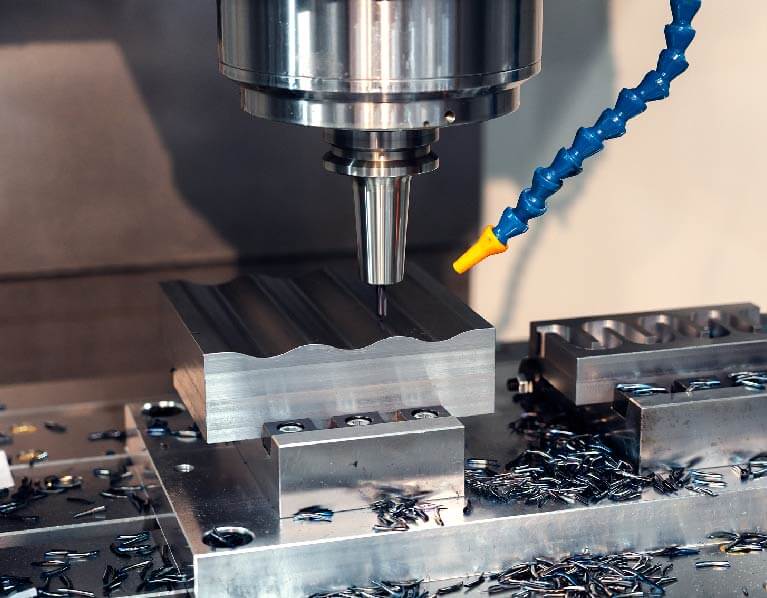
Understanding CNC Machine Parts Manufacturers and Their Industrial Role
Ever wondered how raw metal transforms into the intricate components powering your car engine or medical devices? That's precisely where CNC machine parts manufacturers come into play. These specialized facilities serve as the backbone of modern manufacturing, turning engineering blueprints into physical reality with extraordinary accuracy.
Unlike general fabrication workshops that focus primarily on cutting and welding, these manufacturers specialize in high-precision production. They use computer-controlled equipment to achieve exact dimensions and tight tolerances—often measured in microns. Think of them as the precision specialists of the industrial world, where every fraction of a millimeter matters.
What CNC Machine Parts Manufacturers Actually Do
At their core, these manufacturers convert raw materials—typically metals like aluminum, steel, and titanium—into finished machine components through computer-controlled machining processes. But here's what sets them apart from ordinary machine shops: they deliver precision, repeatability, and scalability that general workshops simply cannot match.
When you partner with dedicated CNC machining services, you're accessing capabilities that include:
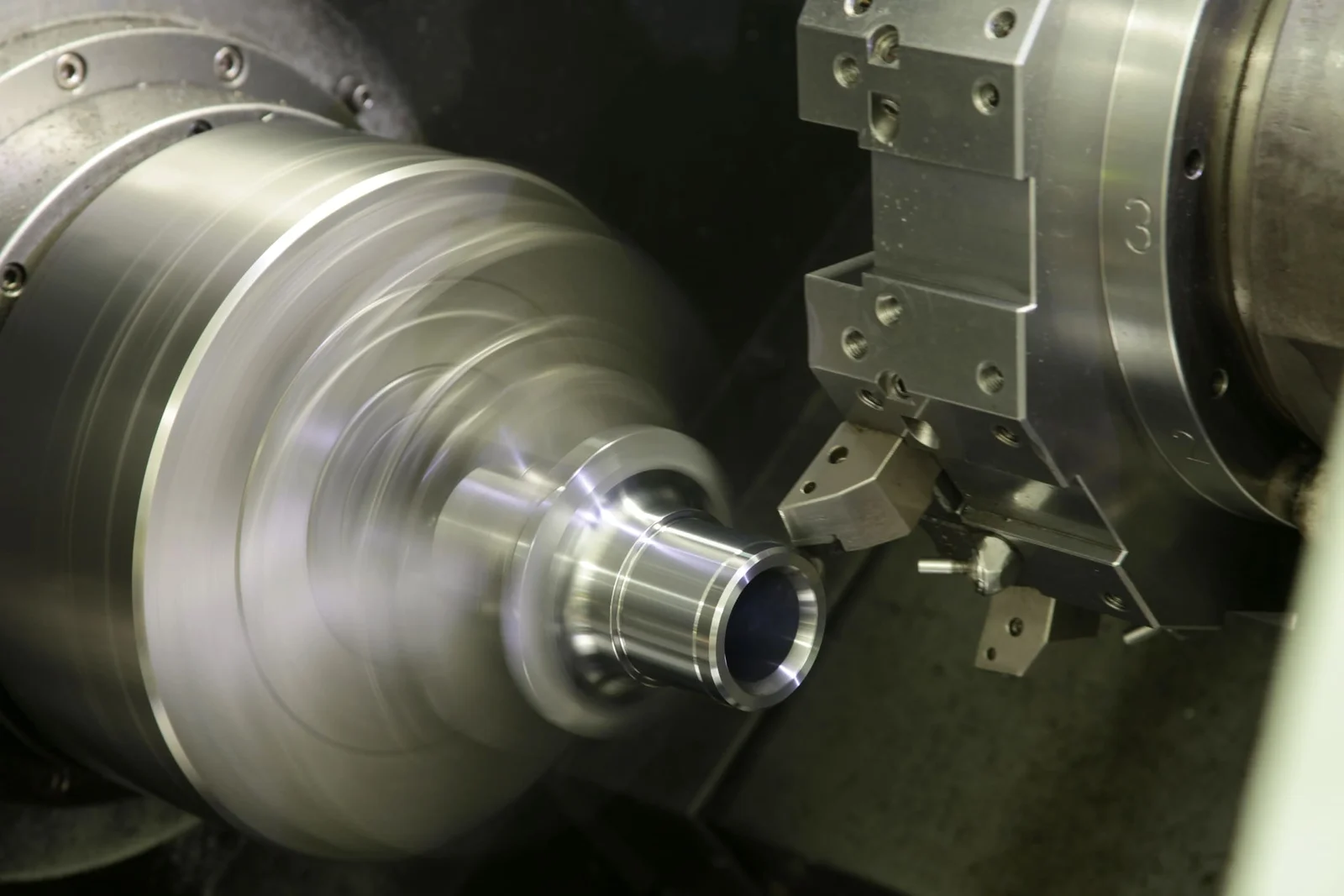
- CNC Turning: Creating cylindrical parts like shafts, bushings, and valve stems by rotating the workpiece against cutting tools
- CNC Milling: Producing flat surfaces, contours, slots, and complex 3D geometries using rotating cutting tools
- Multi-Axis Machining: Manufacturing intricate parts with complex geometries through simultaneous movement across multiple axes
- Secondary Operations: Surface finishing, heat treatment, and assembly services that complete the manufacturing cycle
The distinction is significant. While a general machine shop might handle various metalworking tasks, CNC machine parts manufacturers invest heavily in advanced equipment, quality management systems, and specialized expertise. According to industry experts, modern facilities integrate multi-axis CNC machines that enable faster production, reduced errors, and consistent quality across production batches.
The Precision Manufacturing Ecosystem
Imagine an ecosystem where every participant plays a critical role. CNC machine parts manufacturers sit at the center of this industrial network, connecting raw material suppliers with end-product assemblers. They transform engineering specifications into precision machined components that meet exact dimensional requirements.
The demand for these specialized manufacturers continues growing across multiple sectors:
Automotive: Engine components, transmission parts, and chassis elements requiring high-volume consistency and IATF 16949 certification.
Aerospace: Flight-critical parts demanding material traceability, AS9100D certification, and tolerances measured in thousandths of an inch.
Medical: Surgical instruments and implants manufactured in controlled environments under ISO 13485 standards.
What makes this ecosystem work? It's the combination of advanced CNC technology, skilled operators, and rigorous quality control processes. As manufacturing technology advances, these manufacturers increasingly integrate AI-powered systems, IoT connectivity, and automation to deliver even greater precision and efficiency.
Throughout this guide, you'll discover the insider knowledge that separates successful buyers from those who learn expensive lessons the hard way. From understanding machining processes and material selection to evaluating suppliers and preparing bulletproof RFQs—you'll gain the comprehensive guidance needed to make informed decisions when sourcing cnc machine parts from qualified manufacturers.
CNC Machining Processes Every Buyer Should Know
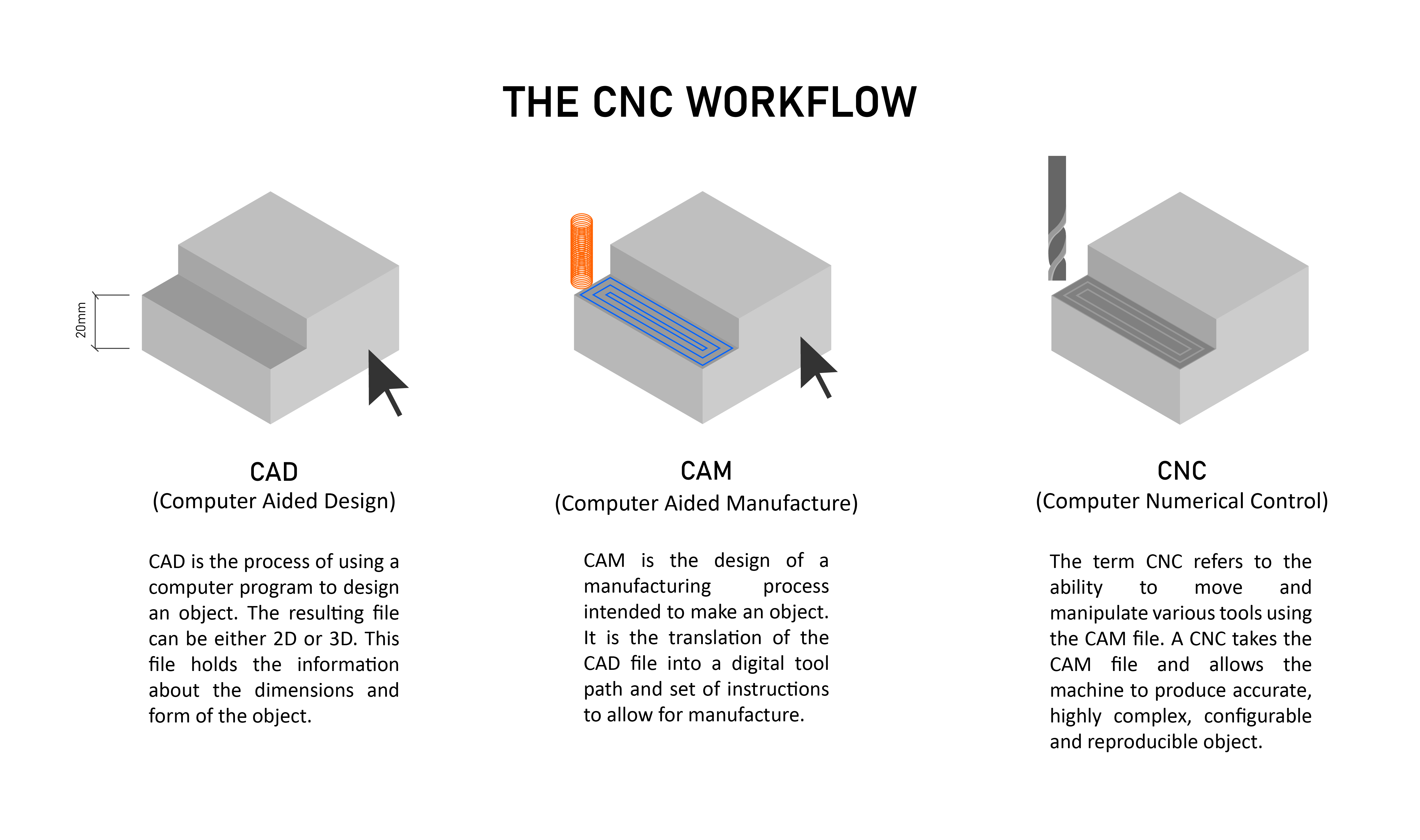
Here's a scenario many buyers face: you've designed a part, found a manufacturer, and submitted your drawings. Then comes the question—"Do you need 3-axis, 4-axis, or 5-axis machining?" Sounds complex? It doesn't have to be. Understanding these processes before engaging suppliers gives you a significant advantage in conversations, cost negotiations, and timeline planning.
The term "axis" refers to the directions in which a cutting tool moves relative to your workpiece during machining. More axes mean greater flexibility—but also increased complexity and cost. Let's break down each option so you can match your cnc machining parts requirements to the right process.
From 3-Axis to 5-Axis Machining Explained
3-Axis CNC Machining represents the foundation of modern precision manufacturing. The cutting tool moves along three linear axes: X (left-right), Y (front-back), and Z (up-down). The workpiece remains stationary on the machine table while the tool approaches from above.
This configuration handles flat surfaces, simple contours, and basic geometric shapes exceptionally well. Think brackets, plates, and enclosures with straightforward features. The advantages are compelling—lower equipment costs, easier programming, and accessible operation make 3-axis ideal for prototyping and general fabrication.
However, limitations emerge with complex geometries. Machining features on multiple sides requires repositioning the workpiece, introducing potential alignment errors and extending production time.
4-Axis CNC Machining builds on the 3-axis foundation by adding a rotational axis—typically the A-axis, which rotates around the X-axis. This enables continuous machining around your part's circumference without manual repositioning.
Cylindrical and symmetrical cnc milling parts benefit most from this configuration. Shafts, gears, camshafts, and valve components become significantly easier to produce. The rotational capability reduces setup times and delivers better accuracy for rounded features compared to multiple 3-axis setups.
5-Axis CNC Machining adds a second rotational axis, allowing the tool or workpiece to tilt and rotate for access to nearly any surface in a single setup. According to industry research, this eliminates cumulative tolerances associated with multiple setups—all features are machined relative to a single datum, ensuring superior dimensional accuracy.
The capabilities are remarkable: simultaneous 5-axis contouring, multi-face machining, and producing undercuts impossible with simpler configurations. Milled parts with complex organic shapes, compound angles, or deep cavities become achievable. The trade-off involves higher machine investment, more sophisticated CAM programming, and greater operator expertise.
| Axis Type | Best Applications | Complexity Level | Typical Part Examples |
|---|---|---|---|
| 3-Axis | Flat surfaces, simple contours, prismatic geometries, single-side features | Low to Medium | Brackets, plates, enclosures, circuit board housings, basic automotive components |
| 4-Axis | Cylindrical parts, symmetrical components, features wrapping around an axis | Medium | Camshafts, gears, shafts, valves, impellers, pipe fittings |
| 5-Axis | Complex geometries, compound angles, undercuts, organic shapes, multi-face machining | High | Turbine blades, aerospace structural parts, medical implants, advanced molds, high-performance automotive components |
Matching Your Part Geometry to the Right Process
When you submit drawings to cnc machining parts manufacturers, they evaluate several factors to recommend the appropriate process. Understanding their decision-making logic helps you anticipate recommendations and budget accordingly.
Surface accessibility drives many decisions. Can all critical features be reached from one direction? If your cnc machining part requires tooling access from multiple angles—say, a component with features on five faces—5-axis machining eliminates the setup changes that would otherwise add cost and risk.
Geometric complexity matters significantly. Parts of cnc machine components featuring straight edges and flat planes typically suit 3-axis operations. Add curved surfaces wrapping around a central axis, and 4-axis becomes appropriate. Introduce compound contours, sculptured surfaces, or features at odd angles, and 5-axis delivers the best results.
Tolerance requirements influence process selection too. Each time a workpiece is repositioned, small alignment variations accumulate. For cnc milled parts demanding tight tolerances across multiple features, single-setup 5-axis machining maintains dimensional relationships that would degrade through repeated handling.
Production volume affects the equation. High-volume runs may justify dedicated 3-axis or 4-axis setups optimized for speed. Lower quantities of complex parts often benefit from 5-axis efficiency despite higher hourly rates.
Here's the insider perspective: don't automatically request the most advanced process available. A competent manufacturer will suggest the most cost-effective approach for your specific geometry. If they recommend 3-axis when you expected 5-axis, that's often good news for your budget—not a limitation of their capabilities.
With machining processes clarified, the next critical decision involves material selection—a choice that directly impacts tolerances, surface finish, and manufacturing costs.
Material Selection Guide for Custom Machined Parts
You've identified the right machining process for your project. Now comes a decision that impacts everything from final part performance to your bottom line—material selection. Choosing the wrong material can mean parts that fail under stress, corrode prematurely, or cost far more than necessary to manufacture.
Here's what many buyers don't realize: the material you specify doesn't just determine physical properties. It directly affects machining time, tool wear, achievable tolerances, and surface finish quality. Experienced CNC machine parts manufacturers evaluate material choice as carefully as geometry when quoting your project.
Let's explore how to match materials to your application requirements—and avoid costly mistakes that derail manufacturing projects.
Aluminum vs Steel for CNC Machined Parts
When sourcing custom machined parts, the aluminum versus steel decision comes up constantly. Both materials dominate the metal machined parts landscape, but they serve distinctly different purposes.
Aluminum alloys offer exceptional machinability—they cut easily, generate less heat, and produce excellent surface finishes. According to industry machining guides, aluminum's lightweight nature, corrosion resistance, and ability to be anodized make it a popular choice across various industries. Common grades like 6061 and 7075 handle most applications, with 7075-T6 offering strength approaching some steels while maintaining significant weight advantages.
Consider aluminum when you need:
- Lightweight machined metal parts for aerospace or transportation applications
- Excellent thermal and electrical conductivity
- Natural corrosion resistance without additional treatments
- Fast machining cycles that reduce per-part costs
Steel and stainless steel deliver superior strength, hardness, and wear resistance. Carbon steels like 1018 and 4140 provide durability for structural applications. Stainless grades—particularly 303, 304, and 316—combine strength with excellent corrosion resistance for harsh environments.
Steel becomes the right choice when:
- High mechanical strength and load-bearing capacity matter most
- Wear resistance is critical for moving components
- Operating temperatures exceed aluminum's limits
- Cost efficiency outweighs weight considerations
The trade-off? Steel requires slower cutting speeds, causes greater tool wear, and typically demands more machining time. These factors increase production costs compared to equivalent aluminum custom metal parts.
Material Properties That Drive Manufacturing Decisions
Beyond the aluminum-steel comparison, several other materials play important roles in metal parts machining. Understanding their characteristics helps you communicate effectively with manufacturers and make informed specifications.
Titanium alloys (particularly Ti-6Al-4V) offer exceptional strength-to-weight ratios, corrosion resistance, and biocompatibility. Aerospace material specifications frequently call for titanium in engine parts, landing gear, and structural components. However, titanium presents machining challenges—high tool wear, low thermal conductivity, and the need for specialized cutting parameters significantly increase production costs.
Brass machines beautifully, producing clean cuts and excellent surface finishes with minimal tool wear. Custom brass parts are common in plumbing fittings, electrical connectors, and decorative hardware. The material's natural lubricity and chip-breaking characteristics make it particularly economical for high-volume production runs.
Engineering plastics like PEEK, Delrin (acetal), and PTFE serve applications where weight reduction, chemical resistance, or electrical insulation matter. These materials machine differently than metals—requiring sharp tooling, proper speeds, and attention to heat buildup that can affect dimensional stability.
| Material Type | Key Properties | Best Applications | Machining Considerations | Relative Cost |
|---|---|---|---|---|
| Aluminum (6061, 7075) | Lightweight, corrosion-resistant, excellent machinability, good thermal conductivity | Aerospace structures, automotive components, electronic housings, consumer products | Fast cutting speeds, low tool wear, excellent surface finish achievable | Low to Medium |
| Carbon Steel (1018, 4140) | High strength, good wear resistance, weldable, heat-treatable | Structural components, shafts, gears, fixtures, general machinery | Moderate speeds, regular tool wear, may require coolant | Low |
| Stainless Steel (303, 304, 316) | Corrosion resistant, high strength, heat resistant, hygienic | Medical devices, food processing, marine applications, chemical equipment | Slower speeds, higher tool wear, work hardening tendency | Medium to High |
| Titanium (Ti-6Al-4V) | Exceptional strength-to-weight, biocompatible, corrosion resistant, high temperature stability | Aerospace engines, medical implants, high-performance automotive, marine | Specialized tooling required, slow speeds, significant tool wear, heat management critical | High |
| Brass (C360, C260) | Excellent machinability, corrosion resistant, decorative appearance, antimicrobial | Plumbing fittings, electrical connectors, valves, decorative hardware | Very fast machining, minimal tool wear, excellent chip formation | Medium |
| Engineering Plastics (PEEK, Delrin) | Lightweight, chemical resistant, electrical insulation, low friction | Medical components, electrical insulators, bearings, seals, food processing | Sharp tooling essential, heat sensitivity, dimensional stability concerns | Medium to High |
How material choice affects your project outcomes:
Tolerances: Harder materials like hardened steel or titanium can maintain tighter tolerances under stress but require more careful machining to achieve them. Softer materials may deform slightly during cutting, requiring compensation strategies. According to machining specialists, the hardness of metal impacts tool wear, cutting speed, and surface finish—with softer metals requiring additional considerations for maintaining dimensional accuracy.
Surface finish: Material grain structure influences achievable finishes. Fine-grained metals typically produce better surface quality, while coarse-grained materials may show visible machining marks even with optimal parameters. Aluminum and brass naturally achieve excellent finishes; titanium and some stainless grades require additional finishing operations.
Lead times: Common materials like 6061 aluminum or 304 stainless are readily available. Specialty grades—aerospace titanium, specific nickel alloys, or certified medical-grade materials—may require extended sourcing times that affect your project schedule.
Manufacturers serving automotive and aerospace sectors work with specific material grades for certification compliance. An IATF 16949-certified facility serving automotive supply chains stocks materials meeting OEM specifications. Aerospace manufacturers maintain traceability documentation for materials meeting AMS and ASTM standards. When your application demands certified materials, verify your supplier's capability to source and document appropriate grades.
With material selection principles understood, the next critical consideration involves tolerance specifications and quality certifications—the standards that define precision manufacturing.
Precision Tolerances and Quality Certifications Explained
You've selected your material and identified the right machining process. Now comes a conversation that separates informed buyers from those who pay for precision they don't need—or worse, receive parts that don't function properly. Understanding tolerance specifications and quality certifications isn't just technical knowledge; it's the foundation for cost-effective procurement.
When you see a dimension like "1.500 ± 0.005 inches" on a drawing, that tolerance range defines what's acceptable. But here's what many buyers miss: tightening that tolerance from ±0.005 to ±0.001 inches doesn't just improve precision—it can multiply your manufacturing costs by three to five times. Making smart tolerance decisions requires understanding what those numbers actually mean for your application.
Tolerance Specifications Decoded for Buyers
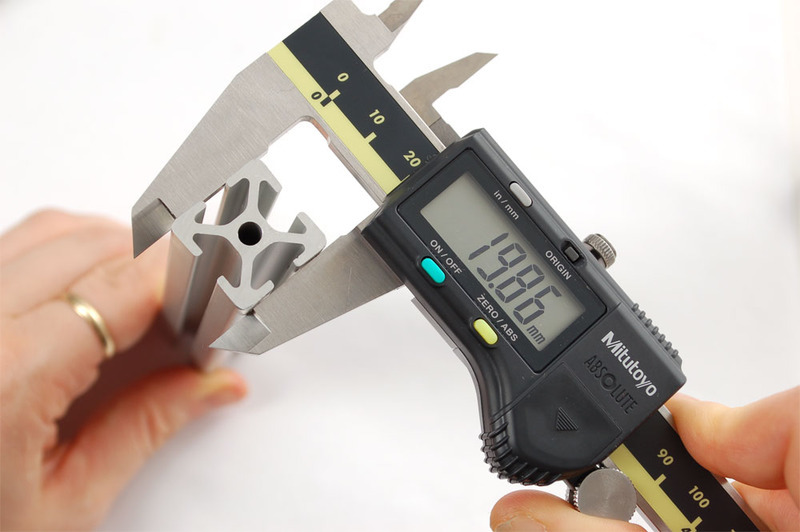
Think of tolerances as the "legal range" within which your part dimensions can vary while still being acceptable. A shaft specified at 10.00 mm ± 0.05 mm passes inspection anywhere between 9.95 mm and 10.05 mm. Simple enough—but the implications run deeper.
Standard tolerances represent the sweet spot where precision meets practicality. For most CNC machining operations, ±0.010 inches (±0.25 mm) provides exceptional accuracy for the vast majority of mechanical components. This level accounts for natural variations in machine performance, material properties, and environmental conditions while delivering reliable fit and function.
Tight tolerances push beyond standard capabilities—typically ±0.001 inches (±0.025 mm) or tighter. Achieving these requires specialized equipment, slower machining speeds, controlled environments, and additional inspection. According to machining specialists, tolerances of ±0.01 mm and below are regarded as ultra-high precision, resulting in substantial cost increases.
For precision machine parts, the tolerance you specify directly impacts manufacturing approach, inspection requirements, and ultimately your project budget.
| Tolerance Range | Classification | Typical Applications | Cost Impact |
|---|---|---|---|
| ±0.010" (±0.25 mm) | Standard/Commercial | Structural components, housings, brackets, enclosures, general hardware | Baseline (1x) |
| ±0.005" (±0.127 mm) | Precision Industrial | Mating assemblies, bearing housings, precision fixtures, industrial automation | 1.5-2x baseline |
| ±0.002" (±0.051 mm) | High Precision | Medical devices, aerospace components, optical systems, precision instruments | 2-3x baseline |
| ±0.001" (±0.025 mm) | Ultra-High Precision | Flight-critical aerospace, implantable medical devices, precision tooling | 3-5x baseline |
| ±0.0005" (±0.013 mm) | Extreme Precision | Space applications, ultra-precision instruments, master gauges | 5x+ baseline |
When Tight Tolerances Actually Matter
Here's insider knowledge that can save you significant money: tight tolerances should be reserved only for features where function truly demands them. A smart approach applies tight tolerances only to critical mating surfaces while using standard tolerances on non-functional areas.
Tight tolerances become necessary when:
- Component function depends on precise dimensional relationships—like shafts in precision bearings or pistons in hydraulic cylinders
- Multiple interacting parts create accumulated tolerance concerns that could affect overall assembly performance
- Regulatory requirements mandate specific precision standards for safety-critical applications
- Sealing surfaces must prevent leaks in pressure-containing components
Standard tolerances work exceptionally well for:
- Structural components where precise fit matters more than absolute dimensional accuracy
- Housing assemblies, mounting brackets, and support structures
- Applications where your design incorporates appropriate clearances
- Non-critical features like covers, enclosures, and decorative elements
The key lies in understanding your functional requirements. If your precision cnc machined components perform their intended function reliably within standard tolerance ranges, custom requirements add cost and complexity without improving performance.
Consider this practical comparison from tolerance specialists: achieving ±0.05 mm is like hitting an apple from 10 meters away using standard processes, while ±0.01 mm is like hitting a cherry from 50 meters away. The latter requires more stable machines, finer tools, stricter environmental controls, and advanced measurement equipment—all contributing to exponential cost increases.
Quality Certifications That Define Manufacturing Standards
Beyond tolerances, quality certifications tell you what systematic controls a manufacturer maintains. These aren't just wall decorations—they represent rigorous auditing of processes, documentation, and continuous improvement systems.
ISO 9001:2015 serves as the foundational quality standard recognized internationally. According to certification experts, it's based on quality management principles including strong customer focus, top management commitment, process approach, and continual improvement. ISO 9001 compliance helps ensure customers receive consistent, good-quality products. This certification suits general commercial manufacturing across industries.
AS9100D builds on ISO 9001, adding rigorous requirements specific to aerospace quality needs. Backed by the International Aerospace Quality Group representing major worldwide aerospace companies, AS9100 addresses risk management, configuration management, counterfeit part prevention, and additional safety requirements. If you're manufacturing flight-critical precision machined parts, suppliers must hold this certification.
ISO 13485 establishes quality management requirements for medical device manufacturing. It ensures processes supporting regulatory compliance for devices that directly impact patient safety. Medical components typically demand tolerances of ±0.005" to ±0.002" combined with cleanroom capabilities and comprehensive traceability documentation.
IATF 16949 applies specifically to automotive supply chains, emphasizing defect prevention, variation reduction, and waste elimination. Automotive manufacturers require this certification from suppliers producing cnc precision parts for vehicles, ensuring consistency across high-volume production runs.
When evaluating CNC machine parts manufacturers, match their certifications to your industry requirements. A manufacturer with ISO 9001 alone cannot supply aerospace components requiring AS9100D compliance—regardless of their machining capabilities.
Understanding tolerances and certifications positions you for informed conversations with potential suppliers. The next step involves developing a systematic framework for evaluating and comparing manufacturers—ensuring you partner with facilities capable of meeting your specific requirements.
How to Evaluate and Compare CNC Parts Manufacturers
You've defined your tolerances, selected materials, and understand the machining processes your project requires. Now comes perhaps the most consequential decision in your sourcing journey—choosing the right manufacturing partner. This is where many buyers stumble, often selecting suppliers based primarily on price quotes rather than comprehensive capability assessment.
Here's the reality: the lowest quote rarely delivers the lowest total cost. Hidden expenses from quality issues, communication breakdowns, and missed deadlines frequently eclipse any upfront savings. Developing a systematic evaluation methodology protects your projects and builds relationships with machined parts manufacturers capable of supporting your long-term success.
The Five-Step Manufacturer Evaluation Framework
When comparing machining parts manufacturers, a structured approach prevents costly oversights. This framework has been refined through countless successful—and unsuccessful—supplier relationships. Follow these steps methodically, and you'll identify partners who deliver consistent quality rather than excuses.
-
Verify Certifications and Compliance Standards
Start with non-negotiables. According to industry sourcing experts, certifications like ISO 9001, IATF 16949, or AS9100D indicate structured processes and repeatable quality. Request current certificates—not expired ones—and confirm their scope covers the specific services you need. A manufacturer certified for turning operations may not be certified for complex multi-axis milling. Match certifications to your industry requirements before progressing further. -
Assess Equipment Capabilities and Technical Expertise
Evaluate whether the supplier uses advanced CNC lathes, milling machines, grinders, and coordinate measuring machines (CMMs). Their technical team should demonstrate proficiency with CAD/CAM tools and multi-axis machining. Ask specific questions: What machine brands do they operate? What's their maximum workpiece envelope? Can they handle your material specifications? Precision machined parts suppliers invest in equipment matching their quality claims—outdated machinery contradicts promises of tight tolerances. -
Review Quality Control Processes
This step separates serious machined components manufacturers from shops that simply own CNC equipment. Ask about their inspection tools—pin gauges, micrometers, CMMs—and request sample inspection reports. Understand their Statistical Process Control (SPC) implementation. Do they monitor critical dimensions throughout production runs, or only check finished parts? According to manufacturing quality specialists, proper QC documentation is crucial for regulated industries like aerospace or automotive. -
Evaluate Communication Responsiveness
Send technical questions and observe response quality and timing. Experienced suppliers demonstrate their ability to understand technical drawings, provide Design for Manufacturability (DFM) feedback, and suggest machining alternatives. Responsive, clear communication ensures you won't be left in the dark when issues arise. A supplier slow to respond during the quotation phase will likely frustrate you during production. -
Request Sample Parts
Before committing to production volumes, order prototype or sample quantities. This proves actual capability rather than claimed capability. Evaluate dimensional accuracy, surface finish, and documentation quality. According to CNC sourcing guides, starting with a prototype project is the fastest way to verify a supplier's true ability, process discipline, and quality mindset before scaling into full production.
Understanding SPC and CMM Inspection
Two quality control concepts deserve deeper explanation because they fundamentally differentiate capable cnc machining parts manufacturers from basic machine shops.
Statistical Process Control (SPC) monitors production in real-time, tracking dimensional trends before parts drift out of specification. Rather than discovering problems after completing a batch, SPC identifies when processes begin shifting—enabling corrections before producing scrap. For high-volume precision machined parts suppliers, SPC is essential for maintaining consistency across thousands of identical components.
Coordinate Measuring Machine (CMM) inspection provides three-dimensional verification of complex geometries. These sophisticated instruments measure points across part surfaces, comparing actual dimensions against CAD models with micron-level accuracy. When your machined parts supplier quotes tight tolerances, ask how they verify compliance. CMM inspection reports provide documented evidence that parts meet specifications—critical for aerospace, medical, and automotive applications requiring full traceability.
Red Flags When Vetting CNC Suppliers
Beyond what to look for, recognizing warning signs prevents partnerships you'll regret. Watch carefully for these concerning indicators:
- Reluctance to share certifications or inspection capabilities: Legitimate machined parts manufacturers proudly display their credentials and welcome facility discussions.
- Quotes significantly below market rates: Unrealistic pricing often signals shortcuts in materials, quality control, or production processes that surface as defects later.
- Vague answers about equipment or processes: Reputable suppliers articulate their capabilities specifically—machine models, tolerance capabilities, inspection equipment.
- No DFM feedback on complex designs: Experienced manufacturers identify potential issues and suggest improvements. Silence on manufacturability concerns suggests inexperience or indifference.
- Poor documentation practices: Request sample inspection reports and material certifications. Suppliers unable to produce organized documentation likely lack systematic quality processes.
- Unwillingness to provide references: Established precision machined parts suppliers maintain satisfied customers willing to share their experiences.
Domestic vs Overseas Manufacturing Trade-offs
The geographic location of your machined parts supplier significantly impacts project outcomes. Understanding these trade-offs helps you make strategic sourcing decisions aligned with your priorities.
Domestic CNC machining offers compelling advantages for many applications. According to manufacturing sourcing research, domestic production provides close geographic alignment between design teams and manufacturing facilities. Benefits include faster lead times, better communication, easier collaboration during design changes, and greater control over production quality. Proximity enables real-time troubleshooting and faster implementation of engineering modifications.
Lead times favor domestic partners significantly. Offshore machining requires accounting for international shipping, customs clearance, and potential port delays. A Deloitte report showed that over 40% of global manufacturers identified offshore sourcing instability as a top operational risk. Domestic suppliers operate within secure logistics networks, reducing lead time variability and supporting business continuity.
Communication challenges multiply with overseas suppliers. Time zone differences, language barriers, and cultural variations in business practices can delay resolution of technical issues. When design changes emerge—and they always do—domestic partners implement modifications within days rather than weeks.
Intellectual property protection varies dramatically by jurisdiction. Offshore machining requires transferring design files through international networks, introducing vulnerability points. According to IP protection specialists, data may be intercepted, duplicated, or used without authorization, especially in regions with lax intellectual property enforcement. Domestic manufacturing provides higher assurance against unauthorized duplication, preserving competitive advantage.
Cost considerations require nuanced analysis. Offshore options may show lower per-unit pricing, but total landed cost tells the complete story. Factor in freight, customs duties, quality inspection, buffer inventory for longer lead times, and potential rework costs. According to manufacturing cost analysts, these hidden costs can erode much, if not all, of the perceived savings from offshore sourcing.
The choice between domestic and offshore manufacturing ultimately depends on your product's specific needs, the application's sensitivity, and the level of oversight required. Precision requirements, lead time constraints, IP protection, and compliance standards all play critical roles in selecting the right approach.
With a clear framework for evaluating manufacturers, your next step involves preparing the documentation that enables accurate quotes and efficient project execution—the often-overlooked art of crafting professional RFQ packages.
Preparing Your Request for Quote Like a Pro
You've identified promising manufacturers and understand what separates capable suppliers from pretenders. Now comes a step that many buyers rush through—and pay for later with delays, requotes, and frustrating back-and-forth communication. Your Request for Quote (RFQ) package is essentially your first impression, and it directly determines how quickly and accurately manufacturers can respond.
Here's the insider secret: a complete RFQ submission can yield same-day DFM feedback and reliable pricing. Missing information? Expect schedule slips, padded quotes to cover unknowns, and risk in process planning. According to precision manufacturing specialists, incomplete RFQs create costly back-and-forth that delays projects before they even begin.
Preparing Your RFQ for Faster Accurate Quotes
Think of your RFQ package as a complete briefing document. The more comprehensive your submission, the more precise the response. When custom part manufacturing requires exact specifications, guesswork introduces errors that compound throughout production.
Before contacting any manufacturer, gather these essential elements:
- CAD Files and Technical Drawings: Provide both 3D models (STEP or IGES format) and 2D PDFs. According to CNC machining experts, many buyers make the mistake of including only the STEP file. The PDF contains critical callouts for tolerances, materials, heat treatment, surface finish, and finishing requirements that make accurate quoting possible.
- Material Specifications: Specify exact grades—"6061-T6" rather than just "aluminum." According to manufacturing specialists, "stainless" without a grade designation results in very different cutting data and costs, forcing suppliers to pad pricing for uncertainty.
- Tolerance Requirements: Call out critical dimensions with their allowable variations. Include GD&T specifications where applicable. Flag risk features like thin walls, deep pockets, long taps, or small radii that require special attention.
- Quantity Needs: Specify prototype, small batch, or production quantities. Include per-order quantities and annual usage projections. This information drives tooling decisions, batch pricing, and scheduling.
- Surface Finish Requirements: State roughness targets (Ra 1.6, Ra 3.2, etc.) and secondary finishes—anodizing type and color, chemical film, passivation, bead blasting, or electropolishing. Identify functional versus cosmetic surface zones.
- Secondary Operations: List heat treatment, plating, coating, assembly, or other post-machining processes required. Include thread specifications with system, class, and depth (M6x1.0-6H, 12mm deep).
- Delivery Timeline: Provide target ship dates or acceptable windows. Avoid vague terms like "ASAP"—give specific dates or ranges that enable realistic scheduling.
- Budget Parameters: While not always shared upfront, indicating budget ranges helps manufacturers suggest cost-effective alternatives when your specifications allow flexibility.
Information Manufacturers Need From You
Beyond the checklist, understanding what manufacturers actually do with your information helps you provide it more effectively. When machined parts needed for your project arrive at a quoting desk, engineers evaluate several factors simultaneously.
Revision control matters critically. According to RFQ preparation specialists, one of the most discouraging outcomes occurs when products arrive manufactured to an old drawing revision—rendering them completely useless. Every change requires a new revision number, and you should reference and verify that revision with manufacturers on every order.
Context accelerates understanding. Share assembly sketches, explain the part's function, identify mating components, and communicate your priority trade-offs between cost and lead time. Engineers with decades of experience can spot design flaws or manufacturing risks you might miss—but only if they understand your application.
Inspection requirements affect timing and cost. Specify whether you need First Article Inspection (FAI), 100% inspection, or AQL sampling. Indicate required documentation: dimensional reports, CMM data, material certifications, RoHS/REACH compliance, or PPAP packages. According to quality specialists, FAI and CMM inspection typically add 0.5 to 2 days depending on part count and complexity.
Common mistakes that delay custom cnc parts projects:
- Submitting 2D drawings only without STEP files—access verification and toolpath planning slow dramatically
- Omitting units or tolerances—forcing default assumptions that may not match your intent
- Specifying "anodize" without type or color—unknown outsource cycles and dimensional recovery requirements
- Missing thread system, class, or depth information—creating rework risk
- No quantity specified—preventing fixture planning or batch discount calculations
- Unrealistic tolerance callouts on non-critical features—inflating costs without functional benefit
According to manufacturing communication experts, your RFQ package should include enough detail that any manufacturer following the specifications can make the product identically. How do you communicate design intent clearly? Through complete, unambiguous documentation that leaves nothing to interpretation.
With your RFQ package properly assembled, understanding what drives pricing helps you interpret quotes intelligently and identify opportunities for cost optimization—the subject we'll explore next.
Pricing Factors and Lead Time Expectations
You've submitted a comprehensive RFQ package to several manufacturers. Now quotes arrive—and the price variations seem puzzling. One supplier quotes $45 per part while another quotes $120 for seemingly identical specifications. What's happening here? Understanding the factors that influence CNC machining costs transforms you from a confused buyer into an informed negotiator.
Here's what most buyers never learn: pricing isn't arbitrary. Every dollar in a CNC quote traces back to specific cost drivers that you can often influence through smart design decisions and strategic specifications. Let's decode what actually determines your project costs.
What Actually Drives CNC Machining Costs
When manufacturers price your machining parts, they evaluate multiple interconnected factors. According to industry cost analysis, the type of material, design complexity, machining time, and finishing requirements all play significant roles in the final quote. Understanding each element helps you identify where flexibility exists—and where costs are non-negotiable.
| Cost Factor | Impact Level | What Influences It | Buyer Control |
|---|---|---|---|
| Material Cost | Medium to High | Material type, grade specification, stock availability, waste percentage during machining | High—material selection directly affects baseline costs |
| Part Complexity | High | Number of features, intricate geometries, multi-surface machining, specialized tooling requirements | Medium—design simplification reduces programming and machining time |
| Tolerance Requirements | High | Precision specifications, inspection intensity, slower machining speeds for tight tolerances | High—applying tight tolerances only where functionally necessary |
| Surface Finish | Medium | Required roughness values, secondary finishing operations, specialized treatments | Medium—distinguishing cosmetic from functional surfaces |
| Order Volume | Very High | Setup amortization, tooling investment justification, material bulk discounts | High—quantity decisions dramatically affect per-unit pricing |
| Secondary Operations | Medium to High | Heat treatment, plating, coating, assembly, additional handling and outsource coordination | Medium—consolidating operations or adjusting specifications |
| Lead Time Urgency | Medium | Rush fees, expedited material sourcing, overtime labor, schedule disruption | High—planning ahead eliminates premium charges |
Material costs establish your pricing foundation. According to machining cost specialists, materials like aluminum and mild steel are generally less expensive, while stainless steel, titanium, and exotic alloys can significantly increase costs. Additionally, machinability affects how quickly tools cut through material—harder metals require slower feeds and cause greater tool wear, adding indirect costs.
Part complexity drives machining time, which represents one of the largest cost components. Intricate geometries, tight tolerances, and multi-surface machining require longer programming and machining time. According to CNC prototyping cost research, design complexity can increase machining time by 30-50%, directly impacting your final bill. Parts requiring removal of 80% or more of stock material also incur higher costs due to extended machining time and increased tool wear.
Tolerance requirements create exponential cost impacts. According to precision manufacturing analysts, tight tolerances of ±0.001" can quadruple costs compared to standard tolerances of ±0.005". Each machining part requiring ultra-precise dimensions demands slower speeds, specialized tooling, and additional inspection—all adding to your invoice.
Volume Pricing and Prototype Economics
Perhaps no single factor affects per-unit pricing more dramatically than order quantity. Understanding this relationship helps you make strategic decisions about prototype runs versus production quantities.
Consider this scenario from manufacturing economics research: a single prototype might cost $500, while ordering 10 units drops the per-piece price to approximately $300 each. For larger runs of 50+ units, costs can decrease by up to 60%, bringing per-unit prices down to around $120—while maintaining identical quality and specifications.
Why such dramatic differences? The economics break down into fixed and variable costs:
- Fixed costs remain constant regardless of quantity—programming, CAD/CAM preparation, fixture creation, and setup. These one-time expenses, often ranging from $200-$500, get divided across your order quantity. One part absorbs the entire amount; fifty parts each carry a fraction.
- Variable costs scale with quantity—material, machining time per part, and inspection. These benefit from efficiency gains as operators optimize processes during longer runs.
- Material discounts kick in at higher volumes. According to material sourcing specialists, bulk purchasing typically qualifies for discounts of 10-25%, further reducing per-unit costs.
Practical application: If you're developing new cnc machined components and need prototypes for testing, consider ordering 3-5 units rather than a single sample. You'll gain redundancy for destructive testing while significantly reducing per-unit investment. The marginal cost of additional prototypes is far less than ordering individually later.
Design-for-Manufacturability Cost Reduction
Here's where informed buyers gain significant advantages. Manufacturing machine parts efficiently requires designs optimized for CNC processes—and small changes can yield substantial savings without compromising function.
According to DFM specialists, several design principles directly reduce manufacturing costs:
Avoid deep holes and pockets. These features cause issues affecting finish and precision, potentially causing tool breakage. They often require multiple cuts to machine properly, increasing machining time and consequently increasing your part cost.
Minimize sharp internal corners. CNC endmills are circular, leaving radii at internal corners. Sharp internal corners require specialized tools or secondary operations like EDM—significantly increasing costs. Opt for internal fillets matching standard tool diameters instead.
Maintain appropriate wall thickness. Thin walls are prone to vibrations during machining, lowering achievable accuracy and potentially causing scrap. Following minimum wall thickness guidelines ensures structural integrity and manufacturability.
Choose chamfers over fillets on external edges. External fillets generally require more machine time and special tools. Chamfers accomplish similar functional purposes—deburring, safety, aesthetics—at lower cost.
Specify only necessary tolerances. According to machining optimization experts, if precision isn't absolutely essential for your part, sticking to general tolerances like ISO 2768 wherever possible avoids unnecessarily driving up costs.
Lead Time Factors and Realistic Expectations
Beyond pricing, lead time expectations often surprise buyers unfamiliar with manufacturing realities. Several factors determine how quickly your machined components move from order to shipment.
Machine availability affects scheduling directly. Popular equipment—5-axis machines, large-envelope mills—may have queue times extending weeks. Simpler parts running on 3-axis equipment often schedule faster.
Material sourcing can extend timelines significantly. Common grades like 6061 aluminum or 304 stainless stock locally. Exotic alloys, specific heat-treatment conditions, or certified aerospace grades may require mill orders with 4-8 week lead times.
Finishing requirements add processing days. According to surface finishing specialists, as-machined finishes add no additional time, while basic treatments like bead blasting add 1-2 days. Premium finishes such as anodizing increase lead times by 3-5 days, and specialized coatings may require outsource coordination adding a week or more.
Rush orders are possible but expensive. Expediting requires manufacturers to reorganize schedules, source materials faster, and potentially work overtime—all at premium rates. According to industry cost specialists, lead time urgency adds costs through overtime machining, expedited material ordering, and priority placement—often 25-50% premiums over standard timelines.
The most cost-effective approach? Plan ahead. Parts manufacturing timelines become predictable when you communicate accurate schedules, avoid last-minute changes, and build buffer time for the unexpected. Manufacturers reward predictable customers with better pricing and priority attention when genuine emergencies arise.
With pricing factors understood, the next consideration involves industry-specific requirements—the specialized standards and certifications that define manufacturing for automotive, aerospace, and medical applications.
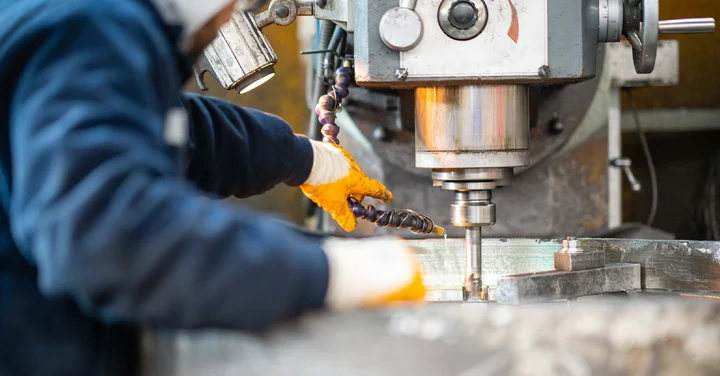
Industry-Specific Requirements for Automotive Aerospace and Medical
You've mastered pricing factors and lead time expectations. But here's what separates buyers who succeed from those who face costly surprises: understanding that different industries demand fundamentally different manufacturing approaches. A machined parts manufacturer serving automotive supply chains operates under completely different constraints than one producing aerospace components or medical devices.
These aren't subtle variations—they're distinct ecosystems with unique certifications, documentation requirements, and quality control protocols. Companies that manufacture custom metal parts for regulated industries invest heavily in specialized capabilities that general machine shops simply don't possess. Let's explore what each major sector demands from its manufacturing partners.
Automotive Sector Manufacturing Requirements
The automotive industry represents one of the most demanding environments for cnc machined parts production. Volume expectations run into thousands or millions of identical components, all requiring perfect consistency. A single defective part can trigger recalls affecting hundreds of thousands of vehicles—carrying enormous financial and reputational consequences.
According to industry certification specialists, IATF 16949 is the global standard for automotive quality management, combining ISO 9001 principles with sector-specific requirements for continuous improvement, defect prevention, and stringent supplier oversight. This certification isn't optional for serious automotive suppliers—it's the entry ticket to working with major OEMs.
Key requirements for automotive cnc machined parts include:
- IATF 16949 Certification: Demonstrates systematic quality management aligned with automotive industry expectations, including production part approval processes (PPAP)
- Statistical Process Control (SPC): Real-time monitoring of critical dimensions throughout production runs to catch variations before they become defects
- High-Volume Consistency: Capability to produce thousands of identical precision machined products with minimal variation between first and last part
- Defect Prevention Focus: Proactive quality systems rather than reactive inspection—catching issues before they occur
- Complete Traceability: Material certifications, process records, and inspection documentation linking every component to its production history
- Rapid Scalability: Ability to transition from prototype quantities to full production volumes without quality degradation
For buyers sourcing automotive components, partnering with certified manufacturers makes the difference between smooth production and costly disruptions. Shaoyi Metal Technology, for example, holds IATF 16949 certification and implements strict SPC processes—enabling them to deliver high-tolerance components for complex chassis assemblies and custom metal bushings while scaling seamlessly from rapid prototyping to mass production. Their lead times as fast as one working day for urgent needs demonstrate the responsiveness automotive supply chains demand.
Aerospace Sector Manufacturing Requirements
When components fly at 35,000 feet carrying hundreds of passengers, failure isn't an option. Aerospace manufacturing demands the most rigorous quality standards in any industry. According to aerospace certification experts, AS9100 builds upon the foundation of ISO 9001 and introduces additional requirements specific to the aerospace sector, emphasizing risk management, stringent documentation, and product integrity control throughout complex supply chains.
What makes aerospace different from other precision machined components production?
- AS9100D Certification: The aerospace-specific quality management standard extending ISO 9001 with additional controls for configuration management, counterfeit part prevention, and safety requirements
- NADCAP Accreditation: According to special process specialists, NADCAP focuses on accreditation of special processes critical to aerospace and defense manufacturing, including heat treating, chemical processing, and nondestructive testing
- Complete Material Traceability: According to AS9100 implementation experts, traceability requirements include identification throughout the life of the product, knowing all products made from one batch of material, and the ability to retrieve the sequential record of a product through manufacture, assembly, testing, and inspection
- Configuration Management: Knowing exactly what parts, processes, materials, and revisions went into every product for comparison against design configuration
- Acceptance Media Control: Stamps, passwords, or electronic signatures designating who performed tasks or accepted measurements must be controlled to ensure proper authorization
- Risk-Based Quality Planning: Systematic identification and mitigation of potential failure modes before production begins
The consequences of inadequate aerospace traceability are severe. According to traceability specialists, if a particular part is found faulty and causes an aircraft incident, manufacturers must identify which parts on other aircraft could be affected—extending right down to raw materials used for each individual part. Without proper traceability, companies might end up replacing every questionable product simply because they don't know for certain which units are suspect.
Any cnc turned parts manufacturer serving aerospace must demonstrate these capabilities through documented processes and third-party audits. If your application involves flight-critical components, verify AS9100D certification before proceeding with any supplier relationship.
Medical Device Manufacturing Requirements
Medical devices directly impact patient safety—making this sector's requirements uniquely stringent. According to medical certification experts, ISO 13485 is the definitive quality management standard for this field, outlining strict controls over design, manufacturing, traceability, and risk mitigation.
Critical requirements for medical precision machined products include:
- ISO 13485 Certification: The specialized quality management system for medical device manufacturing, ensuring regulatory compliance and patient safety
- FDA 21 CFR Part 820 Compliance: The Quality System Regulation governing product design, manufacturing, and tracking for devices sold in the United States
- Comprehensive Risk Management: Systematic identification and mitigation of risks that could affect device safety or efficacy
- Full Product Traceability: Ability to trace every component through its complete manufacturing history for recall management
- Effective Complaint Handling: Documented processes for investigating and addressing quality concerns
- Cleanroom Capabilities: Contamination-free manufacturing environments for sensitive components
The cleanroom requirement deserves special attention. According to cleanroom manufacturing specialists, components in highly regulated industries require precision assembly in contaminant-free environments to meet proper standards. Medical device assembly and kitting services from skilled technicians ensure custom-machined parts meet stringent quality standards.
Specialized Environments for Critical Industries
Beyond certifications, certain applications require manufacturing environments that most machine shops simply cannot provide. Cleanroom facilities represent the most significant specialized capability for semiconductor and medical applications.
According to precision component specialists, ISO Class 7 cleanrooms meet FDA quality system regulations and ISO 13485:2016 certification requirements. These controlled environments support various assembly and finishing methods including:
- Depyrogenated ultrasonic cleaning for contamination removal
- Solvent and adhesive bonding in particle-free conditions
- Ultrasonic and laser welding with precision control
- Laser drilling, cutting, and marking for medical traceability
- Testing and validation including burst, pressure decay, and tensile testing
Medical devices and equipment demand precision from design to production and quality-controlled assembly. According to medical manufacturing experts, processes must prioritize strict quality control, knowing that machining, assembly, or delivery errors may have critical outcomes for end users.
Aerospace components similarly benefit from controlled environments. Often used in applications experiencing high speeds and stress, aerospace components depend on precision manufacturing and assembly where the slightest flaw may have catastrophic results. Capabilities for thermocouples, satellite components, and oxygen generation equipment all require specialized handling beyond standard machine shop environments.
Defense Sector Considerations
Defense-related CNC machining introduces additional regulatory layers. According to defense compliance specialists, defense manufacturing falls under the jurisdiction of the International Traffic in Arms Regulations (ITAR), which strictly controls the handling of sensitive technical data and components. Compliance requires registered status with the U.S. Department of State and information security protocols.
Defense contractors typically need ISO 9001 or AS9100 certifications combined with ITAR registration to demonstrate both quality capability and national security compliance. These combined requirements help assure government clients of a facility's technical capabilities and ability to protect sensitive information.
When sourcing cnc machined parts for regulated industries, certification verification isn't optional—it's essential. Request current certificates, confirm their scope covers your specific requirements, and verify the supplier's experience with your industry's unique documentation and traceability demands.
Understanding these industry-specific requirements positions you to ask the right questions and identify manufacturers truly capable of meeting your needs. The final piece of the puzzle involves building lasting supplier relationships that deliver consistent results over time—and avoiding the common mistakes that derail manufacturing partnerships.
Avoiding Pitfalls and Building Strong Manufacturer Relationships
You've navigated material selection, understood pricing factors, and identified industry-specific requirements. Now comes the insight that separates buyers who thrive from those who constantly chase new suppliers: building lasting partnerships with CNC machine parts manufacturers requires more than finding capable facilities. It demands avoiding common mistakes that sabotage relationships before they mature—and implementing collaboration practices that transform transactional purchasing into strategic partnerships.
Here's what experienced procurement professionals understand: the true cost of supplier switching far exceeds the apparent savings from chasing lower quotes. According to manufacturing partnership specialists, long-term relationships permit both parties to align on shared goals, develop deep mutual understanding, reduce costly miscommunications, and collaborate proactively to solve complex engineering challenges. Let's explore how to build these valuable relationships—starting with the mistakes you must avoid.
Common Mistakes That Derail Manufacturing Projects
Even experienced buyers fall into traps that damage supplier relationships and inflate project costs. Recognizing these pitfalls before they occur saves you from learning expensive lessons the hard way.
- Unclear Specifications: Submitting incomplete drawings, missing tolerance callouts, or vague material requirements forces manufacturers to make assumptions. According to CNC machining specialists, keeping your design simple and specifications clear avoids extra run time and pointless machining that adds cost without value. Ambiguity breeds errors—and disputes about who's responsible.
- Unrealistic Timelines: Demanding rush delivery without understanding manufacturing realities strains relationships and inflates costs. Custom machine parts require programming, setup, machining, and inspection—processes that cannot be arbitrarily compressed without quality consequences.
- Poor Communication: Disappearing after placing orders, then reappearing with urgent changes creates chaos. Strong partnerships require consistent engagement, prompt responses to questions, and proactive notification of changing requirements.
- Ignoring DFM Feedback: When experienced manufacturers suggest design modifications for manufacturability, dismissing their input wastes valuable expertise. According to design optimization experts, features like small internal corners, tall thin walls, or raised text add significant cost and machining time. Manufacturers offering DFM advice are trying to save you money—listen to them.
- Switching Suppliers Frequently: Constantly chasing the lowest quote prevents any supplier from learning your preferences, quality standards, and communication patterns. Each new relationship requires rebuilding institutional knowledge that experienced partners already possess.
These mistakes share a common thread: they treat manufacturing as a commodity transaction rather than a collaborative relationship. Cnc machine components require precision, expertise, and attention to detail—qualities that flourish in stable partnerships and wither under adversarial purchasing practices.
Building a Reliable Supplier Partnership
Transforming supplier relationships from transactional to strategic requires intentional effort from both parties. Here's how successful buyers cultivate partnerships that deliver consistent results year after year.
Establish regular communication rhythms. According to partnership development experts, designating dedicated contacts on both sides streamlines coordination. Schedule fixed times for project updates, design reviews, and work-in-progress demonstrations. Use cloud-based collaboration platforms to share files and data instantly.
Create meaningful feedback loops. Don't wait for problems to surface—proactively share performance observations. When custom manufactured parts exceed expectations, say so. When issues arise, address them constructively rather than accusatorially. According to supplier relationship specialists, cultivating an environment where challenges are reported promptly and handled constructively builds trust that strengthens over time.
Provide accurate volume forecasting. Manufacturers plan capacity, schedule equipment, and stock materials based on customer projections. Sharing realistic annual usage estimates—even rough ranges—helps your cnc components supplier prepare for your needs. Sudden demand spikes become manageable when partners anticipate them together.
Involve suppliers early in development. According to collaborative manufacturing experts, engaging your CNC machining partner during design and prototype stages leverages their manufacturing insights. Early supplier involvement identifies potential manufacturability issues and reduces costly redesigns—turning your supplier into a design resource rather than just a production facility.
Embrace continuous improvement together. Schedule periodic business reviews to evaluate quality metrics, delivery performance, and cost targets. According to partnership sustainability specialists, these sessions identify improvement opportunities, adapt to new market conditions, and align future production plans more closely. Joint workshops and training forums deepen technical understanding and strengthen collaboration.
Selecting Partners for Long-Term Growth
For growing businesses, supplier selection criteria should extend beyond current needs to future capabilities. The ideal manufacturing partner scales alongside your business—handling prototype quantities today and production volumes tomorrow without quality degradation or relationship strain.
Look for manufacturers demonstrating:
- Fast lead times for urgent needs: Partners capable of delivering machined products in as little as one working day for emergencies provide invaluable flexibility when unexpected opportunities or challenges arise
- Scalable production capacity: Facilities that transition smoothly from prototyping to mass production eliminate the disruption of finding new suppliers as your volumes grow
- Comprehensive custom machining solutions: Partners offering complete services—from complex assemblies to specialized components—simplify your supply chain and reduce coordination overhead
- Certified quality systems: IATF 16949 certification and SPC implementation ensure consistency across growing production volumes
These capabilities matter particularly for automotive applications, where supply chain reliability directly impacts production schedules. Shaoyi Metal Technology exemplifies this partnership-ready approach—their IATF 16949-certified facility handles everything from complex chassis assemblies to custom metal bushings, with lead times as fast as one working day for urgent requirements. This combination of comprehensive capability and responsive service creates the foundation for supplier relationships that strengthen as your business grows.
The best supplier relationships feel like extensions of your own team—partners who understand your priorities, anticipate your needs, and invest in your success because their success depends on yours.
Building these relationships requires patience, consistency, and mutual respect. The short-term savings from constantly switching suppliers pale against the long-term value of partners who know your specifications intimately, catch potential issues before they become problems, and prioritize your orders because they value your partnership. Invest in relationships with capable CNC machine parts manufacturers, and you'll discover that the true insider secret isn't a clever negotiating tactic—it's the compounding value of trust built over time.
Frequently Asked Questions About CNC Machine Parts Manufacturers
1. What are the 7 major parts of a CNC machine?
The seven key components include the Machine Control Unit (MCU) serving as the brain, input devices for loading programs, the drive system for movement control, machine tools for cutting operations, feedback systems for precision monitoring, the bed and table for workpiece support, and cooling systems to manage heat during machining. Understanding these components helps buyers communicate effectively with manufacturers about capability requirements and troubleshoot potential issues during production.
2. How much does a custom CNC part cost?
Custom CNC part costs vary significantly based on complexity, materials, tolerances, and volume. Simple parts in small runs typically range from $10 to $50 per unit, while precision-engineered components may exceed $160 each for low-volume orders. Key cost drivers include material selection, part complexity, tolerance requirements, surface finish specifications, and order quantity. Higher volumes dramatically reduce per-unit costs as setup expenses get amortized across more parts.
3. Which company is best for CNC machines?
The best CNC machine parts manufacturer depends on your specific industry requirements and application needs. For automotive applications requiring IATF 16949 certification and high-volume consistency, manufacturers like Shaoyi Metal Technology offer certified quality systems with SPC processes and lead times as fast as one working day. Aerospace applications require AS9100D-certified suppliers, while medical device production demands ISO 13485 certification with cleanroom capabilities.
4. What certifications should CNC machine parts manufacturers have?
Essential certifications depend on your industry. ISO 9001:2015 serves as the foundational quality standard for general manufacturing. Automotive supply chains require IATF 16949 certification emphasizing defect prevention and variation reduction. Aerospace components demand AS9100D certification with additional controls for configuration management and material traceability. Medical device manufacturing requires ISO 13485 certification ensuring regulatory compliance and patient safety.
5. How do I prepare an effective RFQ for CNC machining?
A complete RFQ package includes CAD files in STEP or IGES format plus 2D PDFs with tolerance callouts, exact material grade specifications, critical dimension tolerances with GD&T where applicable, quantity requirements including annual usage projections, surface finish requirements distinguishing functional from cosmetic areas, secondary operation specifications, realistic delivery timelines, and budget parameters when appropriate. Complete submissions yield faster, more accurate quotes and prevent costly delays.