 Small batches, high standards. Our rapid prototyping service makes validation faster and easier —
  EN
EN


Metal CNC Machines: From Hobbyist Dreams To Industrial Reality
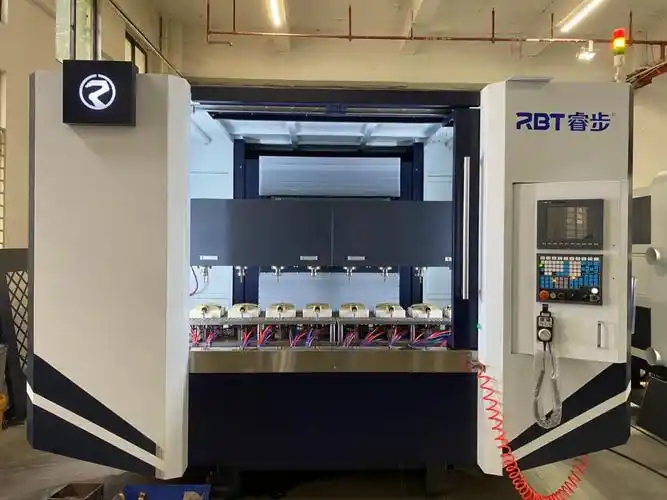
Understanding Metal CNC Machines and How They Work
Imagine sketching a complex metal part on your computer and watching a machine carve it into reality with surgical precision. That's exactly what a metal CNC machine does. These computer-controlled manufacturing systems are specifically engineered to cut, shape, and form metal materials by following digital instructions with remarkable accuracy.
At its core, CNC stands for Computer Numerical Control. This technology uses programmed commands—typically written in languages like G-code and M-code—to direct machine tools with automated precision. Instead of a human operator manually guiding every cut, a CNC device interprets your digital design and executes each movement exactly as programmed. The result? Parts that are consistent, accurate, and repeatable whether you're making one piece or one thousand.
What Makes a CNC Machine Metal-Capable
Not every CNC machine can handle metal. Working with steel, aluminum, titanium, and other metals requires serious engineering muscle. A metal cnc machine differs from wood or plastic counterparts in several critical ways:
- Spindle power and rigidity: Metal cutting demands high-torque spindles and robust frames that resist vibration during aggressive cuts
- Cutting tool compatibility: These machines use hardened end mills, carbide inserts, and specialized tooling designed for metal removal
- Cooling systems: Cutting fluids prevent overheating and extend tool life during metal machining operations
- Precision components: Ball screws and linear guides provide the accuracy needed for tight tolerances
The technology spans an impressive range of equipment. CNC mills—including both horizontal and vertical configurations—use rotating cutting tools to remove material. A computer numerical control lathe spins the workpiece while stationary tools shape it, perfect for cylindrical parts. Beyond these, you'll find CNC routers optimized for sheet metal, plasma cutters for thick steel, laser cutters for precision work, waterjet systems for heat-sensitive materials, and EDM machines for hardened metals.
The Digital-to-Physical Manufacturing Process
So how does a design file become a finished metal part? The journey follows a logical progression that transforms creative ideas into tangible products.
First, engineers create a 2D or 3D model using computer-aided design (CAD) software. This digital blueprint contains every dimension, angle, and feature the final part requires. Next, computer-aided manufacturing (CAM) software translates that design into machine instructions—a toolpath that tells the CNC machine exactly where to move, how fast to cut, and when to change tools.
Here's where the magic of subtractive manufacturing comes in. Unlike 3D printing, which builds parts layer by layer, a milling machine with CNC control starts with a solid block of metal and strategically removes material until only the desired shape remains. Think of it like a sculptor revealing a statue hidden within a block of marble—except with computer-controlled precision measured in thousandths of an inch.
Why does understanding these distinctions matter? Because choosing the wrong machine type for your application wastes money, time, and materials. Whether you're a hobbyist dreaming of your first desktop setup or a manufacturer evaluating production equipment, knowing how these technologies differ helps you make smarter decisions about which metal CNC solution fits your specific needs.
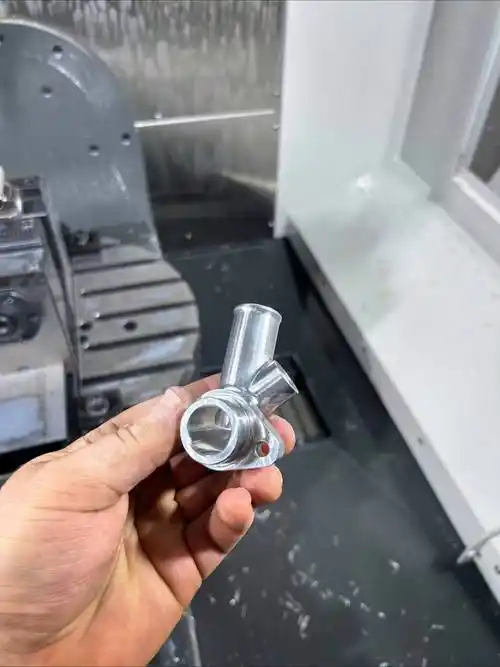
Complete Guide to Metal CNC Machine Types
With so many metal CNC machines available, how do you know which one fits your project? The answer lies in understanding how each technology removes or shapes metal. Some machines mechanically cut material away with spinning tools. Others use extreme heat to melt through steel. Still others rely on abrasive particles or pressurized water to slice through the toughest alloys.
Let's break down every major category so you can match the right machine to your specific application.
Mechanical Cutting Technologies
Mechanical cutting represents the traditional backbone of metal fabrication. These machines use physical contact between hardened cutting tools and your workpiece to remove material chip by chip.
CNC Milling Machines
A CNC milling machine uses rotating multi-point cutting tools mounted on a spindle to remove material from a stationary workpiece. You'll find two primary configurations: vertical mills position the spindle perpendicular to the worktable, while horizontal mills run the spindle parallel to the surface. Vertical configurations excel at detailed face milling and drilling operations, whereas horizontal setups handle heavier cuts and longer workpieces more efficiently.
According to RapidDirect, CNC mills can handle cutting, face milling, reaming, drilling, chamfers, tapping, and numerous other operations with corresponding tools. A standard CNC mill costs somewhere around $30,000 to $80,000, making it a significant investment but one that offers tremendous versatility.
CNC Lathe Machines
Unlike mills, a CNC lathe machine rotates the workpiece while a stationary cutting tool shapes it. This approach makes lathes ideal for creating cylindrical, conical, or symmetrical parts—think shafts, bushings, and threaded components. The workpiece spins at high speed while the cutting tool moves along programmed paths, removing material to achieve precise diameters and surface finishes.
CNC lathes typically feature two primary axes: the Z-axis controls tool movement along the workpiece length, while the X-axis moves perpendicular to the chuck. Typical costs range from $38,000 to $60,000 for a standard 3-axis model.
CNC Router Machines
CNC routers share similarities with CNC mills but are optimized for softer materials and sheet goods. While they can handle aluminum and other softer alloys, routers generally lack the rigidity needed for aggressive steel cutting. Their strength lies in profile cutting, engraving, and working with sheet metal applications where depth isn't extreme.
When selecting cnc router bits for metal work, carbide-tipped options provide the durability needed for aluminum and brass. Prices for capable CNC routers start around $10,000 for smaller units and climb beyond $80,000 for industrial-sized machines.
Thermal and Abrasive Metal Processing
When mechanical cutting can't deliver the speed, precision, or material compatibility you need, thermal and abrasive processes step in. These technologies fundamentally differ in how they separate metal—through heat, electrical discharge, or high-pressure erosion.
CNC Plasma Cutters
Plasma cutting uses ionized gas heated to approximately 40,000°F to melt through electrically conductive metals. A CNC cutter propels compressed gas through a nozzle while an electric arc ionizes it, creating a plasma jet that slices through thick steel plates with impressive speed.
This technology shines when cutting thick structural steel, but precision suffers compared to other methods. Fabrication shops, automotive restoration, and construction industries rely heavily on plasma for its efficiency with materials up to several inches thick. Entry-level CNC plasma systems start around $5,000 to $12,000.
Laser CNC Machines
A laser cnc machine focuses an intense light beam to cut, engrave, or mark metals with exceptional precision. Three main types exist: CO2 lasers work well for simple cuts with lower power consumption, while fiber and Nd:YAG lasers deliver higher power for intricate metal cutting.
CNC laser systems produce cleaner edges and finer details than plasma but at higher equipment costs. They're particularly valuable for precision sheet metal work, intricate patterns, and applications demanding minimal heat-affected zones. Expect to invest between $10,000 for basic units and $200,000+ for industrial fiber laser systems.
CNC Waterjet Systems
Waterjet cutting eliminates heat entirely. These machines propel water at extreme pressure—often mixed with abrasive particles like garnet or aluminum oxide—to erode material without thermal distortion. This cold-cutting process makes waterjets perfect for heat-sensitive metals, thick aluminum, and materials that would warp or harden under thermal stress.
The trade-off? Speed. Waterjets cut slower than plasma or laser but compensate with unmatched versatility across material types. Costs range from $50,000 to $200,000 depending on table size and capabilities.
EDM Machines
Electrical Discharge Machining (EDM) shapes hardened metals through controlled electrical sparks. The process works by generating sparks between an electrode and the workpiece submerged in dielectric fluid, eroding material through localized heating up to 12,000°F.
EDM excels where other CNC cutting machine types fail—machining pre-hardened tool steels, creating intricate internal cavities, and producing features impossible with conventional cutting. Wire EDM and die-sinker EDM serve different applications, with costs starting around $50,000 for smaller units and reaching $150,000 for industrial models.
Metal CNC Machine Comparison
| Machine Type | Primary Metal Applications | Typical Thickness Range | Precision Level | Best For |
|---|---|---|---|---|
| CNC Mill | Steel, aluminum, titanium, brass | Up to 12"+ depending on machine | ±0.001" to ±0.0005" | Complex 3D parts, prototypes, production runs |
| CNC Lathe | All machinable metals | Diameter-dependent | ±0.001" to ±0.0005" | Cylindrical parts, shafts, threaded components |
| CNC Router | Aluminum, brass, soft alloys | Up to 2-3" | ±0.005" to ±0.001" | Sheet metal profiles, engraving, signage |
| Plasma Cutter | Steel, stainless, aluminum | Up to 6"+ for industrial units | ±0.020" to ±0.010" | Thick plate cutting, structural fabrication |
| CNC Laser | Steel, stainless, aluminum, copper | Up to 1" (material dependent) | ±0.005" to ±0.001" | Precision sheet work, intricate patterns |
| Waterjet | Any metal including hardened alloys | Up to 12"+ with abrasive | ±0.005" to ±0.002" | Heat-sensitive materials, thick sections |
| EDM | Hardened steels, exotic alloys | Varies by machine type | ±0.0002" to ±0.0001" | Mold making, hardened tooling, micro-features |
Each technology fills a specific niche in metal fabrication. Understanding whether your project demands the precision of a CNC mill, the speed of plasma, or the material versatility of waterjet helps you invest wisely—or choose the right manufacturing partner for your needs.
Hobbyist Machines vs Industrial Grade Equipment
You've explored the different types of metal CNC machines—but here's the question that trips up most buyers: should you start with an affordable desktop cnc mill or invest in industrial-grade equipment from day one?
The answer depends on far more than your budget. Spindle power, frame rigidity, axis configurations, and duty cycle ratings create a spectrum of capability that ranges from weekend hobby projects to round-the-clock production. Understanding where different machines fall on this spectrum prevents expensive mistakes and helps you plan a realistic upgrade path as your skills and demands grow.
Desktop and Benchtop Machine Capabilities
Let's start with entry-level options. A desktop cnc machine sits comfortably on a workbench and runs on standard household power—typically 110V or 220V single-phase. According to Taig Tools, these compact machines are specifically engineered for small parts, jewelry, wax, and softer metals, often featuring integrated control systems that make them clean and easy to manage.
What makes a desktop cnc milling machine appealing for beginners? Three things: accessibility, footprint, and learning curve. You don't need industrial flooring, three-phase power, or a dedicated facility. You can set one up in your garage or basement and start cutting aluminum within hours of unboxing.
A benchtop milling machine steps up from desktop models with a larger work envelope and higher rigidity. These machines still maintain a compact footprint but typically require a dedicated stand or heavy-duty workbench. Think of them as the bridge between hobbyist and semi-professional work—capable of more aggressive cuts in harder materials while remaining accessible to home shops.
A mini milling machine or small cnc machine excels in specific scenarios:
- Prototyping small components before committing to production tooling
- Creating custom parts for personal projects or small-batch orders
- Learning CNC fundamentals without risking expensive industrial equipment
- Machining precious metals for jewelry where material waste must be minimized
However, limitations exist. Desktop and benchtop units typically feature spindles ranging from 0.25 to 2 HP—enough for aluminum and brass but often struggling with steel. Work envelopes rarely exceed 12" x 8" x 4", and frame construction may flex under aggressive cutting loads, compromising precision.
Industrial Production Machine Standards
Industrial-grade equipment operates in a different universe. These machines are built for one purpose: reliable, repeatable production at scale. Every component—from the cast iron bed to the servo motors—is engineered to maintain accuracy across thousands of hours of operation.
What separates production machines from hobbyist equipment? Consider these key differentiators:
- Spindle power: Industrial spindles range from 5 HP to 50+ HP, enabling aggressive material removal in hardened steels and exotic alloys
- Table sizes: Work envelopes expand dramatically—24" x 16" for smaller VMCs up to 120"+ for large horizontal machining centers
- Positional accuracy: Production machines achieve ±0.0002" to ±0.0005" accuracy, compared to ±0.001" to ±0.005" for hobbyist units
- Repeatability: Industrial equipment maintains ±0.0001" repeatability, critical for interchangeable production parts
- Duty cycle: Rated for continuous 24/7 operation versus intermittent hobbyist use
Axis configurations also expand possibilities. While most desktop cnc mills operate on 3 axes (X, Y, Z), industrial machines frequently incorporate 4-axis and 5-axis capabilities. A 4-axis machine adds rotary motion around one linear axis, enabling complex cylindrical features without repositioning. 5-axis machining introduces simultaneous movement across all axes, allowing the cutting tool to approach the workpiece from virtually any angle—essential for aerospace components, turbine blades, and complex mold cavities.
Frame construction matters enormously. Industrial machines use heavy cast iron or polymer concrete bases weighing thousands of pounds. This mass absorbs vibration and provides the rigidity needed to maintain tolerances during heavy cuts. Ball screws with preloaded nuts, linear roller guides, and direct-drive spindles further enhance precision beyond what lightweight benchtop designs can achieve.
The Maker-to-Manufacturer Progression
Most successful machinists don't leap straight to industrial equipment. Instead, they follow a progression that matches capability to skill level and project demands.
The typical path looks like this: start with a desktop cnc machine to learn fundamentals—G-code basics, toolpath generation, speeds and feeds. Graduate to a benchtop mill as projects demand more rigidity and larger work envelopes. Eventually, production requirements or business growth justify the investment in industrial VMCs or horizontal machining centers.
This progression makes financial sense too. A desktop setup might cost $2,000 to $5,000, while benchtop machines range from $5,000 to $20,000. Industrial VMCs start around $30,000 for used equipment and climb past $500,000 for new 5-axis production centers. Learning expensive lessons on affordable equipment protects your investment when you eventually scale up.
Understanding where you fall on this spectrum—and where you want to be—shapes every purchasing decision that follows.
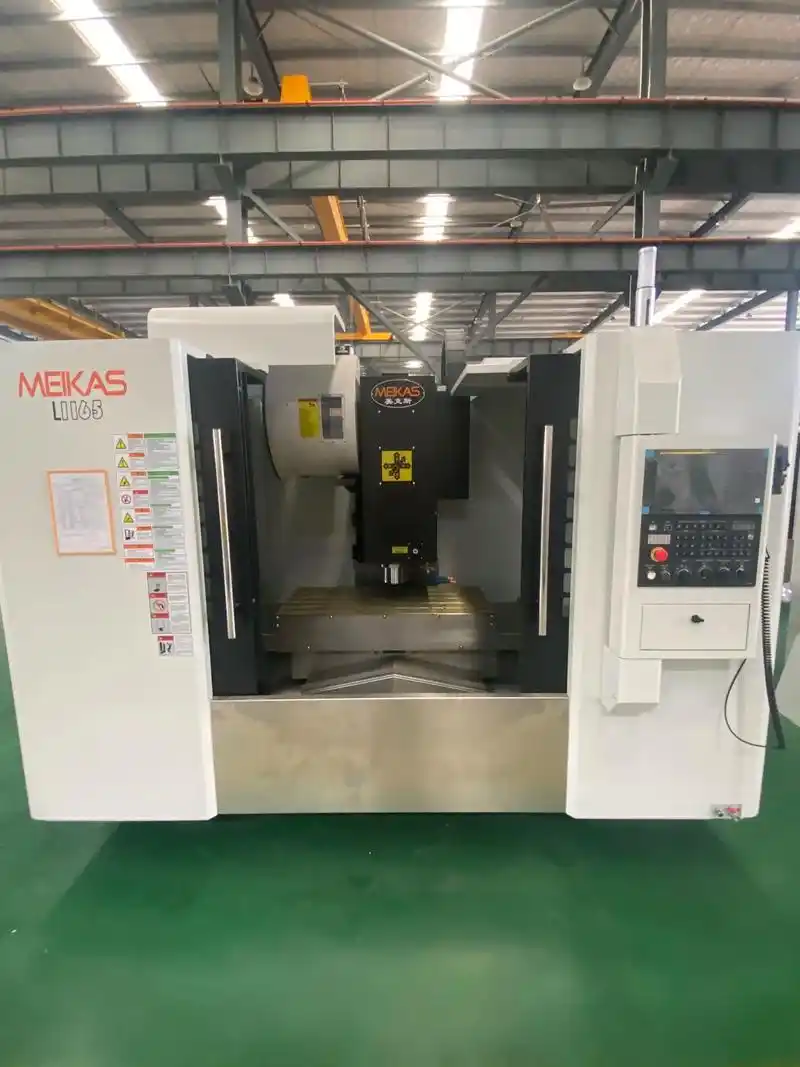
Metal CNC Machine Costs and Budget Planning
So you've identified the right machine type and capability level for your projects. Now comes the question that keeps many buyers up at night: how much does a cnc machine cost—really?
Here's the honest truth. The sticker price you see advertised represents only a fraction of your actual investment. Between tooling, software, power upgrades, training, and ongoing consumables, your first-year costs can easily double the purchase price. Understanding this complete financial picture before you buy prevents budget disasters and helps you evaluate whether a cheap cnc machine truly offers value—or just deferred expenses.
Initial Investment by Machine Category
Let's break down what you can expect to pay across the spectrum of metal CNC equipment. According to Onefinity CNC, CNC machine costs vary wildly—from a few hundred dollars for desktop hobby machines to hundreds of thousands for industrial powerhouses.
Entry-Level Desktop Units ($1,500 - $5,000)
These machines target hobbyists and makers testing the CNC waters. You'll get smaller working areas (typically around 16" x 16"), the ability to cut aluminum and soft metals, and simpler control systems. Perfect for learning, but limited in production capability.
Mid-Range Benchtop Machines ($5,000 - $20,000)
Serious hobbyists and small businesses find their sweet spot here. Expect larger cutting areas (up to 32" x 32"), more robust construction, capability to machine harder materials, and better accuracy. A budget cnc machine in this range can handle small production runs while remaining accessible.
Professional Shop Equipment ($20,000 - $80,000)
This category covers entry-level VMCs, capable CNC lathes, and industrial routers. Machines here feature heavy-duty construction for daily operation, improved precision, and the rigidity needed for steel cutting.
Industrial Production Centers ($80,000 - $500,000+)
Full production capability demands serious investment. Industrial VMCs, 5-axis machining centers, and high-end turning centers deliver extreme precision, automatic tool changers, and 24/7 operational ratings. The price of cnc equipment at this level reflects engineering designed for decades of reliable service.
Calculating True Cost of Ownership
The cnc machine price tag represents just the beginning. Smart buyers calculate Total Cost of Ownership (TCO) before committing—and the numbers might surprise you.
Tooling and Consumables
Your machine arrives empty. You'll need end mills, inserts, drills, reamers, and specialty cutters before making your first chip. Initial tooling investments range from $300 to $1,500+ depending on your machine and intended applications. Remember—bits wear out and need replacement, so budget for ongoing replenishment.
Software Licensing
While some machines include basic software, professional CAD/CAM packages cost anywhere from a few hundred to thousands of dollars annually. Many require ongoing subscription fees for updates and support. Factor this recurring expense into your long-term calculations.
Power and Utilities
Industrial CNC machines consume significant electricity. Larger machines may require three-phase power installation—a modification that can add $500 to $2,000 to setup costs. Monthly utility increases depend on usage but expect noticeable jumps for production environments.
Installation and Facility Preparation
Heavy industrial equipment requires reinforced flooring, proper ventilation, and adequate electrical infrastructure. These "hidden" costs rarely appear in sales quotes but can add 10-20% to your initial investment. Desktop units sidestep most facility costs, making them attractive for home shops.
Training and Learning Curve
Skilled operators don't appear overnight. Whether you're training yourself or employees, expect productivity losses during the learning phase. Formal training programs add direct costs, while self-teaching consumes time that could generate revenue.
Maintenance and Repairs
Routine maintenance includes lubrication, belt replacements, and calibration checks. Budget $200-$500 monthly for consumables on industrial equipment. Unexpected repairs—spindle rebuilds, controller replacements, ball screw restoration—can run thousands of dollars. Proactive maintenance minimizes surprise expenses but requires consistent attention.
First-Year Investment Breakdown
| Machine Category | Entry Price Range | Tooling Budget | Annual Operating Costs | Total First-Year Investment |
|---|---|---|---|---|
| Desktop/Hobby | $1,500 - $5,000 | $300 - $800 | $500 - $1,500 | $2,300 - $7,300 |
| Mid-Range Benchtop | $5,000 - $20,000 | $800 - $2,000 | $1,500 - $4,000 | $7,300 - $26,000 |
| Professional Shop | $20,000 - $80,000 | $2,000 - $5,000 | $4,000 - $12,000 | $26,000 - $97,000 |
| Industrial Production | $80,000 - $500,000+ | $5,000 - $20,000 | $12,000 - $50,000+ | $97,000 - $570,000+ |
Evaluating Value Beyond Sticker Price
When comparing a cnc machine for sale at different price points, resist the urge to chase the lowest number. Ask instead: what capability do I get per dollar invested?
A $3,000 machine that can only cut aluminum limits your project options. A $15,000 machine cutting steel opens doors to more demanding—and often more profitable—work. The "expensive" option may deliver better value when capability unlocks revenue opportunities the cheaper machine cannot access.
Consider these value indicators when evaluating how much is a cnc machine worth to your operation:
- Material versatility: Can it handle your target materials without struggling?
- Precision consistency: Will it maintain tolerances across hundreds of parts?
- Duty cycle rating: Is it built for your intended usage intensity?
- Support availability: Can you get help when problems arise?
- Upgrade potential: Can you add capabilities without replacing the entire machine?
The machines that deliver long-term value typically cost more upfront but generate returns through reliability, capability, and longevity. Spending more today often means spending less over the machine's productive life.
With your budget parameters established, you're ready to evaluate whether your workspace can actually support your intended equipment—a consideration that catches many first-time buyers off guard.
Workspace Requirements and Shop Setup Essentials
You've calculated the budget and selected the perfect machine. But here's what catches many buyers off guard: your workspace might not be ready for it. Metal CNC machines demand specific infrastructure that goes far beyond clearing floor space. Power requirements, ventilation systems, foundation strength, and environmental controls all determine whether your new cnc equipment performs to specification—or struggles from day one.
Let's walk through everything your shop needs before that machine arrives.
Power and Electrical Infrastructure
Electrical requirements trip up more first-time buyers than almost any other factor. Desktop units plug into standard outlets, but step up to industrial cnc equipment and you're entering a different world entirely.
Single-Phase vs Three-Phase Power
Smaller machines—desktop mills, benchtop lathes, compact routers—typically run on single-phase power (110V or 220V). Your home shop probably already has this. But industrial machines almost universally require three-phase power, which delivers smoother, more efficient energy for high-demand motors.
According to Haas CNC installation guidelines, three-phase machines require AC voltage between 195 and 260 volts (or 360-480 volts for high voltage options). Single-phase machines need 220-250 volts for proper operation. Voltage outside these ranges triggers alarms and can damage equipment.
If your facility lacks three-phase service, you have two options: pay for utility company installation (often $5,000-$15,000 depending on distance from transformers) or invest in a phase converter. Rotary phase converters cost $1,000-$3,000 but may not deliver the clean power precision cnc spindle motors demand.
Amperage and Circuit Considerations
Beyond voltage, amperage requirements matter enormously. A small benchtop mill might draw 15-20 amps, while production VMCs can pull 50-100+ amps. Your electrical panel must supply dedicated circuits sized for these loads—sharing circuits with other equipment invites voltage drops and intermittent failures.
Haas recommends verifying that voltage fluctuations stay within +5% to -5% of average supply voltage throughout a typical operating day. Industrial areas often experience wide voltage swings that compromise machine performance. If you suspect problems, monitor voltage hourly and consider external transformers for stabilization.
Shop Layout and Environmental Controls
Floor Space and Foundation Requirements
Metal CNC machines are heavy—seriously heavy. A mid-sized VMC weighs 8,000-15,000 pounds. Larger horizontal machining centers exceed 30,000 pounds. Your floor must handle not just static weight but also dynamic forces from rapid axis movements and cutting operations.
Standard residential concrete (4" thick) often lacks the strength for industrial equipment. Production machines may require reinforced pads 8-12" thick with proper curing time. Ball screws and precision components amplify any foundation instability directly into your parts, so skimping here destroys the accuracy you're paying for.
Work envelope plus service access determines minimum floor space. Plan for operator access on the control side, maintenance access on multiple sides, and room for chip conveyors, coolant tanks, and material handling. A machine with a 24" x 16" table might demand a 12' x 10' footprint once you account for everything.
Ventilation and Chip Evacuation
Metal cutting generates chips, coolant mist, and potentially hazardous fumes. Thermal processes—plasma, laser, EDM—add smoke and metallic particles. Without proper ventilation, air quality degrades rapidly and creates health hazards.
The best dust collector for metal operations differs from woodworking systems. Metal chips are heavier and often oily, requiring cyclone separators and coolant-rated filtration. Mist collectors capture airborne coolant droplets before they coat every surface in your shop. Plasma and laser cutting may need dedicated fume extraction directly at the cutting zone.
Environmental Factors
Temperature swings affect dimensional accuracy. A precision machine shop maintains stable temperatures—ideally 68-72°F—because thermal expansion changes part dimensions and machine geometry. A 20°F temperature swing can introduce measurable errors in precision work.
Humidity control prevents rust on bare metal surfaces and workpieces. Vibration isolation matters for precision operations; nearby traffic, HVAC equipment, or other machinery can transmit vibrations through the floor into your machine.
Safety Infrastructure
Every CNC machine requires emergency stop capability within immediate reach. Industrial machines include multiple E-stop buttons, but verify placement suits your workflow. Proper guarding—interlocked doors, chip shields, splash guards—protects operators from flying debris and rotating components. Your milling vise and workholding must be properly secured to prevent workpiece ejection.
Thermal cutting processes demand additional precautions. Plasma and laser cutters create fire hazards requiring appropriate extinguishers (Class D for combustible metals) and potentially automatic suppression systems. Keep flammable materials away from cutting zones and establish clear protocols for handling hot chips and slag.
Workspace Readiness Checklist
Before your machine arrives, verify these essentials:
- Electrical service: Correct voltage, adequate amperage, dedicated circuits, proper grounding
- Floor capacity: Sufficient strength for machine weight plus dynamic loads
- Clear footprint: Machine dimensions plus service access on all required sides
- Ventilation: Chip evacuation, mist collection, and fume extraction as needed
- Climate control: Temperature stability for precision work requirements
- Compressed air: Clean, dry air at required pressure and volume for pneumatic accessories
- Safety equipment: E-stops accessible, guarding in place, fire suppression appropriate to processes
- Material handling: Forklift access, overhead crane, or rigging capability for machine installation
- Coolant management: Sump capacity, disposal procedures, and spill containment
Getting infrastructure right before installation prevents costly delays and ensures your machine performs to specification from the first power-up. With your workspace prepared, the next step is matching your specific applications to the machine capabilities that will serve them best.
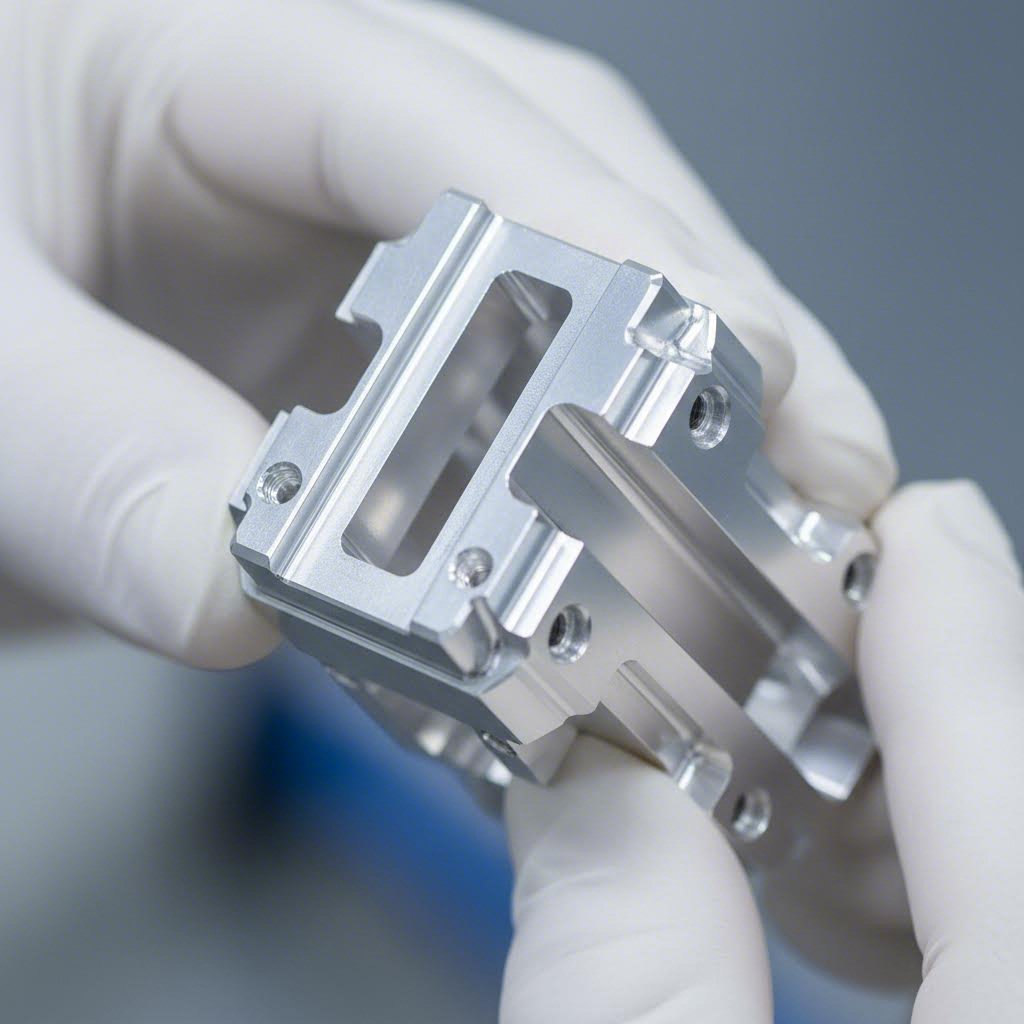
Choosing the Right Machine for Your Applications
Your workspace is ready. Your budget is set. But here's the decision that actually determines success: which cnc machine for metal matches your specific projects? A machine that excels in aerospace work might struggle with high-volume automotive production. The perfect sheet metal solution could be entirely wrong for thick structural fabrication.
Let's match machine capabilities to real-world applications so you invest in equipment that delivers results—not frustration.
Industry-Specific Machine Selection
Aerospace Applications
Aerospace manufacturing demands the tightest tolerances in the industry. According to Fictiv's aerospace machining guide, achieving precise tolerances is critical since many aircraft components belong to life-sustaining systems such as jet engines and landing gear. Parts that fit together precisely minimize friction, reduce wear, and promote fuel efficiency—concerns that drive both commercial and military aviation.
What machines excel here? For complex geometries like turbine blades and impellers, 5 axis machining provides unmatched capability. These machines approach workpieces from virtually any angle, enabling simultaneous movement that creates features impossible on simpler equipment. A 3 axis cnc machine handles simpler geometries—fuel pumps, motor housings, and larger structural components—while costing less and requiring less operator expertise.
CNC precision machining for aerospace typically achieves tolerances of ±0.0005" or tighter. Material selection matters too: titanium alloys, aluminum (especially 7075-T6 and 2024), and superalloys like Inconel demand rigid machines with powerful spindles and advanced cooling systems.
Automotive Production
Automotive work prioritizes volume and repeatability over extreme precision. When you're producing thousands of identical parts, cycle time and consistency matter more than achieving aerospace-level tolerances. CNC lathes excel at shafts, bearings, and cylindrical components, while vertical machining centers handle brackets, housings, and complex cast-component finishing.
For sheet metal automotive components—brackets, panels, structural reinforcements—metal cutting machines like plasma and laser systems deliver the speed production demands. The key difference from aerospace? Tolerances around ±0.005" satisfy most automotive requirements, allowing faster feeds and more aggressive material removal.
Prototyping and Development
Prototyping demands flexibility above all else. You're iterating designs, testing concepts, and proving manufacturability before committing to production tooling. A small cnc machine for metal offers the versatility to switch between materials and geometries without the setup overhead of production equipment.
Desktop and benchtop mills shine here—quick setup, easy program changes, and the ability to machine one-off parts economically. Cnc metal work for prototyping often involves aluminum and mild steel, materials that smaller machines handle comfortably while keeping costs reasonable.
Custom Fabrication
Custom fabrication shops face unique challenges: every job differs, material types vary, and quantity might be one piece or one hundred. Versatility trumps specialization. Cnc machines for metal in fabrication environments typically include a capable mill for 3D work, a lathe for rotational parts, and sheet-cutting capability for flat stock.
The breadth of work determines equipment needs. Shops handling primarily thick plate lean toward plasma. Those emphasizing precision sheet work invest in laser or waterjet. The most capable shops maintain multiple technologies to accept any job that walks through the door.
Matching Precision Requirements to Machine Capabilities
When should you choose plasma vs laser vs waterjet vs router for sheet metal applications? Each technology fills a specific niche, and understanding these distinctions prevents expensive mismatches.
Plasma Cutting: Speed and Thickness Champion
According to StarLab CNC's cutting comparison, CNC plasma tables excel in cutting speed, especially on materials from 0.018" to 2" thick. A high-powered plasma system can cut 1/2" mild steel at speeds exceeding 100 inches per minute. This makes plasma the fastest option for medium to thick metal plates.
Choose plasma when you need:
- High-volume structural steel fabrication
- Thick plate processing (up to 6"+ on industrial units)
- Cost-effective production where ±0.010" to ±0.020" tolerance suffices
- Bevel cutting for weld preparation
Laser Cutting: Precision and Detail Leader
Fiber lasers dominate thin material cutting, achieving exceptional speeds on sheets under 1/4" thick. Laser produces the highest edge quality with tolerances of ±0.001" to ±0.005" and minimal heat-affected zones. However, cutting speed decreases significantly as material thickness increases.
Choose laser when you need:
- Intricate patterns and fine detail work
- Precision sheet metal under 1" thick
- Clean edges without secondary finishing
- High-accuracy positioning for assembly-critical parts
Waterjet Cutting: Material Versatility King
Waterjet systems operate at the slowest speeds—typically 5-20 inches per minute—but eliminate heat entirely. This cold-cutting process preserves material properties that thermal methods would alter. Waterjets cut virtually anything: hardened steels, titanium, aluminum, composites, even glass and stone.
Choose waterjet when you need:
- Heat-sensitive materials that cannot tolerate thermal distortion
- Thick sections up to 12"+ with abrasive
- Mixed material capabilities in one machine
- Tolerances around ±0.002" to ±0.005"
CNC Router: Sheet Profiling Specialist
CNC routers handle softer metals—aluminum, brass, copper—efficiently for profile cutting and engraving. They lack the rigidity for aggressive steel cutting but excel at aluminum sheet work where thermal cutting isn't necessary.
Choose routers when you need:
- Aluminum and soft alloy sheet profiling
- Engraving and surface detailing
- Combined 2D cutting and 3D machining capability
- Lower capital investment than dedicated cutting systems
Application-to-Machine Decision Framework
| Application Type | Recommended Machine | Tolerance Range | Production Volume Suitability |
|---|---|---|---|
| Aerospace structural components | 5-axis VMC, CNC mill | ±0.0005" to ±0.001" | Low to medium volume |
| Turbine blades, complex geometries | 5-axis machining center | ±0.0002" to ±0.0005" | Low volume, high precision |
| Automotive shafts, cylindrical parts | CNC lathe | ±0.001" to ±0.005" | Medium to high volume |
| Thick structural steel (1"+) | CNC plasma cutter | ±0.010" to ±0.020" | High volume |
| Precision sheet metal (<1") | Fiber laser cutter | ±0.001" to ±0.005" | Medium to high volume |
| Heat-sensitive alloys | Waterjet system | ±0.002" to ±0.005" | Low to medium volume |
| Aluminum sheet profiling | CNC router | ±0.005" to ±0.010" | Medium to high volume |
| Prototyping, mixed applications | 3-axis VMC or benchtop mill | ±0.001" to ±0.005" | Low volume, high variety |
| Hardened tool steel, mold making | EDM (wire or sinker) | ±0.0001" to ±0.0002" | Low volume, extreme precision |
The right machine isn't always the most capable or expensive—it's the one that matches your actual requirements. A shop cutting primarily 1/2" steel plate wastes money on laser capability when plasma delivers faster results at lower cost. Conversely, a precision aerospace supplier loses quality credibility if plasma tolerances can't meet drawing specifications.
Evaluate your typical projects honestly: What materials do you cut most often? What tolerances do your customers actually require? What production volumes justify equipment investment? Answering these questions points directly toward the machine category—and capability level—that makes financial and operational sense for your specific situation.
Skill Requirements and Learning Curve Expectations
You've selected the right machine and prepared your workspace. But here's the reality check many buyers skip: can you actually operate it? Metal CNC machines range from surprisingly accessible to genuinely complex, and your learning curve depends heavily on which category you've chosen.
The good news? According to Taig Tools, basic competence arrives faster than most people expect. You can achieve fundamental proficiency within weeks, though skilled operation—minimizing cycle time while holding ±0.01 mm tolerances—takes considerably longer. Let's break down exactly what skills you'll need and how long the journey actually takes.
Essential Skills for Metal CNC Operation
Think of CNC operation as stacking building blocks. Each skill layer supports the next, and rushing through foundations creates problems later. Here's what you're actually learning:
Machine Fundamentals
Before touching controls, you need to understand how your specific machine moves, what its limits are, and how to operate it safely. This includes axis orientation (X, Y, Z movements), workholding setup using a milling vise or fixtures, and emergency procedures. Most operators grasp these basics within the first week of hands-on practice.
G-Code Fundamentals
G-code is the language CNC machines speak. While CAM software generates most code automatically today, understanding what those commands mean prevents costly mistakes. You'll learn movement commands (G00 for rapid moves, G01 for linear cutting), spindle controls, and coordinate systems. Basic G-code literacy develops over 2-4 weeks of focused study.
CAD/CAM Software Proficiency
Here's where digital designs become physical parts. CAD (Computer-Aided Design) software creates your 3D models, while CAM (Computer-Aided Manufacturing) translates those designs into toolpaths. For beginners, the process is streamlined: you draw a simple shape, and the CAM software asks how deep and how fast to cut, automatically creating complex cutter paths.
Learning CAD/CAM varies wildly by software complexity. Entry-level packages like Fusion 360 offer gentler learning curves, while professional systems like Mastercam demand months of dedicated training.
Tooling Selection and Speeds/Feeds
Choosing the right ball end mill for 3D contouring versus a flat end mill for pocketing—and knowing appropriate cutting parameters—separates competent operators from those who constantly break tools. Understanding how end milling bits interact with different metals, calculating feeds and speeds, and recognizing when tools are wearing requires both study and experience.
A ball nose end mill might be perfect for sculptured surfaces, while aggressive aluminum removal calls for entirely different cnc machining tools. This knowledge builds gradually through 40-60 hours of actual machine time.
Operating Pre-Programmed Jobs vs Creating Custom Toolpaths
There's a significant gap between running someone else's program and creating your own from scratch. Operating pre-programmed jobs—loading material, pressing start, monitoring the cut—can be learned in days. Creating custom toolpaths from raw designs? That's where weeks become months.
The distinction matters for career planning. Entry-level CNC operators often run existing programs under supervision. Advancing to programmer or setup roles requires mastering the full CAD-to-part workflow.
Machine Complexity and Learning Investment
Your chosen equipment dramatically affects how steep your learning curve climbs. A desktop CNC mill forgives mistakes that would crash an industrial 5-axis center.
Desktop Mills: The Gentle Introduction
Smaller machines offer lower stakes for learning. Crashes damage less expensive components. Work envelopes limit the scale of potential disasters. Most desktop operators achieve basic competency within 4-8 weeks of regular practice, including simple cnc fab projects in aluminum and brass.
Benchtop and Shop Machines: Intermediate Challenge
Stepping up to more capable equipment adds complexity. Higher spindle power, larger work envelopes, and harder materials demand more precise setups. Expect 2-3 months before comfortable independent operation, with continued skill refinement over the following year.
Multi-Axis Production Centers: Serious Investment
According to ValidGrad's certification analysis, becoming a fully trained CNC machinist typically takes around four to five years of combined schooling and work experience. Industrial 4-axis and 5-axis machines amplify this timeline—simultaneous multi-axis movements, complex workholding, and advanced programming push mastery well beyond basic certification.
The cognitive load increases exponentially. Your brain must simultaneously track multiple coordinates while monitoring spindle speeds, feed rates, and tool positions. Most students require 40-60 machine hours just to develop the multi-variable monitoring skills these machines demand.
Training Resources and Learning Pathways
The path from complete beginner to skilled operator follows a predictable progression. Here's a realistic skill development pathway:
- Pre-Training Foundation (2-4 weeks): Complete online spatial reasoning assessments, practice with free CAD software for 30 minutes daily, study blueprint reading basics, and observe operations at local machine shops if possible.
- Basic Machine Operation (4-8 weeks): Master safety procedures, understand axis movements and machine limits, learn workholding fundamentals, and run simple pre-programmed jobs under supervision.
- G-Code and Manual Programming (4-6 weeks): Study fundamental G-code commands, write simple programs manually, understand coordinate systems, and practice editing existing programs.
- CAD/CAM Software Proficiency (8-12 weeks): Learn your chosen CAD software for design creation, master CAM toolpath generation, understand simulation and verification, and develop post-processing knowledge for your specific machine.
- Independent Operation (3-6 months): Setup jobs without supervision, select appropriate milling bits and cutting parameters, troubleshoot common problems, and maintain consistent quality across production runs.
- Advanced Skills (1-2 years ongoing): Optimize cycle times, master complex fixturing, handle difficult materials, and mentor newer operators.
Formal Training Options
Multiple pathways lead to CNC competency. Community colleges offer certificate programs typically lasting 6-12 months. Technical schools provide intensive training with hands-on machine access. Manufacturer-specific courses teach particular control systems like Fanuc, Haas, or Mazak.
According to Q Staffing's career guide, certification enhances credibility and job prospects. The National Institute for Metalworking Skills (NIMS) offers recognized credentials that employers value. However, certification completion marks the beginning—not the end—of your learning journey.
Self-Directed Learning
Many successful machinists learned without formal schooling. Online resources have transformed CNC education: video tutorials cover everything from basic operation to advanced programming. Simulation software lets you practice toolpath creation without risking expensive crashes. Forums and communities provide troubleshooting support when problems arise.
Students with hands-on hobby experience often complete formal training 30-50% faster due to existing mechanical intuition and comfort with precision measurement tools. If you've worked with manual mills, built things with your hands, or have maker space experience, you're starting ahead.
Realistic Timeline Expectations
Here's what honest progression looks like:
- Week 1-4: Basic machine operation with supervision, following established procedures
- Month 2-3: Running familiar jobs independently, beginning CAM software learning
- Month 4-6: Creating simple toolpaths from designs, handling routine setups
- Month 6-12: Working independently on standard jobs, developing problem-solving intuition
- Year 1-2: Handling complex projects, optimizing processes, possibly mentoring others
The confidence gap matters too. There's a critical 3-8 week period where students can operate machines but lack confidence to work independently. Technical competence develops faster than operational confidence—you may know what to do but hesitate to act decisively. This gap affects job readiness despite certification completion.
Understanding these realistic timelines helps you plan appropriately. Whether you're training yourself, hiring operators, or evaluating career transitions, knowing the true learning investment prevents frustration and sets achievable expectations. With skills developing, you're ready to make your final equipment decision—or determine whether outsourcing makes more sense than buying.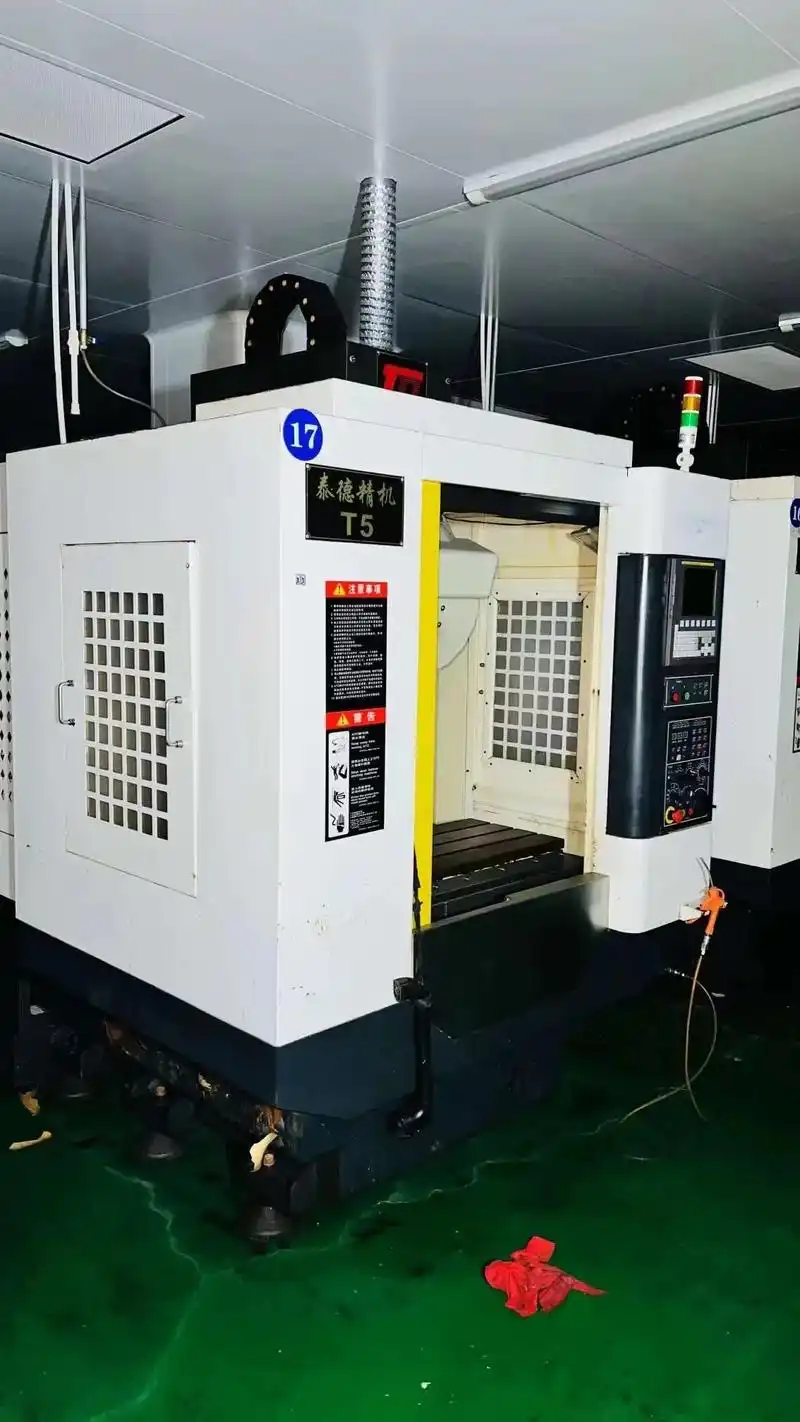
Making Your Metal CNC Machine Decision
You've absorbed the technical details—machine types, capability levels, costs, workspace requirements, and skill expectations. Now comes the moment of truth: how do you synthesize all this information into a confident purchasing decision? Or should you even buy at all?
Whether you're browsing a cnc mill for sale, evaluating a cnc milling machine for sale from a dealer, or considering outsourcing entirely, this decision framework walks you through every consideration. Let's turn knowledge into action.
Step-by-Step Machine Selection Process
Smart buyers follow a systematic evaluation process rather than jumping at attractive deals. Here's how to approach your decision methodically:
Step 1: Define Your Project Requirements
Before browsing cnc machines for sale, document exactly what you need to accomplish. Ask yourself:
- What materials will you machine most frequently? (Aluminum, steel, titanium, exotic alloys)
- What tolerances do your projects actually require? (±0.001" vs ±0.010")
- What are your typical part dimensions and complexity levels?
- What production volumes do you anticipate—one-offs, small batches, or continuous runs?
Be honest here. Overestimating requirements leads to expensive equipment you'll never fully utilize. Underestimating creates bottlenecks and frustration when capabilities fall short.
Step 2: Assess Budget Constraints Realistically
Remember the true cost of ownership calculations from earlier? Apply them now. Your budget must accommodate not just the machine cnc for sale price, but tooling, software, installation, training, and at least one year of operating expenses. If the math doesn't work, either adjust expectations or explore alternatives.
Step 3: Evaluate Workspace Limitations
Review your infrastructure honestly. Do you have the electrical service your target machine requires? Can your floor support the weight? Is ventilation adequate? Workspace constraints may eliminate certain machine categories entirely—better to discover this before purchase than after delivery.
Step 4: Match Skill Levels to Machine Complexity
A sophisticated 5-axis machining center delivers incredible capability—if you can operate it. Match equipment complexity to available operator skills. Buying beyond your current expertise requires budgeting for training time and potentially slower initial productivity.
The right metal CNC machine balances four factors: capability sufficient for your applications, cost aligned with your budget, compatibility with your workspace, and complexity appropriate for your skill level. Compromise in any area creates ongoing problems.
Step 5: Evaluate Manufacturers and Dealers
According to Scan2CAD's comprehensive CNC guide, choosing a supplier requires extensive research. Compile a list of different suppliers and their offerings, then compare what each brings to the table. Consider these factors when evaluating a metal lathe for sale or milling machine for sale from any source:
- Reputation and track record: How long have they been in business? What do existing customers say?
- Support infrastructure: Do they offer 24/7 technical support? Can they dispatch field technicians when needed?
- Training resources: What learning materials, courses, and onboarding assistance do they provide?
- Parts availability: Can you source replacement components quickly when equipment fails?
- Local presence: Having nearby service technicians dramatically reduces downtime when problems arise.
Step 6: Understand Warranty Considerations
According to Gowico's warranty guide, CNC machine warranties typically range from one to three years and cover defects in materials and workmanship. However, coverage varies significantly between manufacturers. Essential warranty elements to verify include:
- Comprehensive coverage for all major components and systems
- Clear terms defining what is and isn't covered
- Access to qualified technical support and prompt service
- On-site repair availability to minimize downtime
- Software update inclusion to keep systems current
- Transferability if you plan to sell the equipment later
Extended warranty options may be worth considering for expensive equipment where unexpected repairs could devastate budgets.
When Outsourcing Makes More Sense Than Buying
Here's the question many buyers avoid: should you purchase equipment at all? According to Renew Manufacturing Solutions, deciding between in-house and outsourced CNC machining requires honest evaluation of five critical factors.
Upfront Investment and Maintenance Burden
Investing in CNC machinery demands significant capital. You must purchase equipment, maintain it continuously, and plan for future needs. If you lack frequent enough work to justify facility and equipment costs—or can't count on needing that equipment again soon—outsourcing eliminates these concerns entirely.
Expertise and Skill Requirements
Programming and operating metal cnc machines demands specialized skills. In-house machining could mean hiring or training skilled operators if you don't already have them. Outsourcing to qualified cnc manufacturing shops tackles projects outside your expertise or comfort level without burdening your workforce.
Capacity and Scalability
If projects exceed your workforce capacity by volume rather than technical requirements, expanding your team might make sense. However, outsourcing offers immediate access to larger facility capabilities without the timeline required to hire and train new professionals.
Technology Requirements
Outsourced CNC machine shops often provide access to the latest solutions and tools. A certified partner stays current with best practices, training, and technical requirements for delivering top-quality work. If your legacy equipment limits production speed or capability, outsourcing may accelerate delivery compared to in-house work.
True Cost-Effectiveness
Compare the flexible cost of outsourced machining versus in-house operations. Outsourcing eliminates equipment upgrade needs, reduces labor costs, minimizes downtime risk, and simplifies vendor management. Sometimes the optimal approach splits the difference—outsourcing certain project phases while focusing on other stages in-house.
Outsourcing makes strategic sense when: upfront capital isn't available, required expertise exceeds current staff capabilities, production volume doesn't justify equipment investment, or projects demand technology beyond your current infrastructure.
Production-Scale Solutions: When to Partner with Certified Manufacturers
For operations requiring certified precision machining at production scale, partnering with established manufacturers often delivers better outcomes than equipment ownership. The economics shift when you need consistent high-volume output with certified quality systems.
Consider Shaoyi Metal Technology's approach to precision CNC machining services. Their IATF 16949 certification and strict Statistical Process Control (SPC) protocols ensure high-tolerance components meet demanding specifications. With capabilities spanning rapid prototyping to mass production and lead times as fast as one working day, they eliminate the infrastructure investment while delivering production-ready parts. Whether you need complex chassis assemblies or custom metal bushings, explore their automotive machining solutions to see how partnership compares to ownership for your specific requirements.
Making Your Final Decision
Your path forward depends on where you fall across multiple dimensions. Use this decision matrix to clarify your situation:
| Decision Factor | Buy Equipment If... | Outsource If... |
|---|---|---|
| Project Volume | Consistent, ongoing work justifies investment | Sporadic or uncertain future demand |
| Capital Availability | Budget covers equipment plus 2+ years operations | Cash flow constraints limit upfront investment |
| Skill Resources | Trained operators available or trainable | Expertise gaps would require extensive hiring/training |
| Workspace Readiness | Infrastructure exists or modifications are feasible | Facility limitations prevent proper installation |
| Timeline Pressure | Development time available before production needs | Immediate capability required without ramp-up period |
| Quality Certification | Internal quality systems meet customer requirements | Customer specifications demand certified suppliers |
The honest answer for many operations lies somewhere between extremes. Perhaps a desktop or benchtop machine handles prototyping and simple production while complex or high-volume work goes to specialized cnc manufacturing shops. This hybrid approach builds internal capability gradually while maintaining access to production-scale resources.
Whatever path you choose, you now have the framework to decide confidently. You understand machine types, capability levels, true costs, workspace requirements, skill investments, and the full spectrum from hobby equipment to industrial production. Armed with this knowledge, you're positioned to invest wisely—whether that investment goes into equipment ownership or strategic manufacturing partnerships.
Frequently Asked Questions About Metal CNC Machines
1. What is a CNC machine used for metal?
Metal CNC machines are computer-controlled manufacturing systems designed specifically for cutting, shaping, and forming metal materials. They include various types such as CNC mills, lathes, plasma cutters, laser cutters, waterjet systems, and EDM machines. Each type uses different methods—mechanical cutting, thermal processes, or abrasive techniques—to transform digital designs into precise metal parts with tolerances as tight as ±0.0002 inches for industrial applications.
2. How much do CNC machines cost?
CNC machine costs vary significantly based on capability level. Entry-level desktop units range from $1,500 to $5,000, while mid-range benchtop machines cost $5,000 to $20,000. Professional shop equipment runs $20,000 to $80,000, and industrial production centers range from $80,000 to $500,000 or more. However, the total first-year investment should include tooling ($300-$20,000), software licensing, installation, training, and operating costs—often doubling the initial purchase price.
3. What is the cheapest metal to CNC?
Aluminum is widely considered the most affordable and machinable metal for CNC work. It machines quickly, resists corrosion, and offers excellent strength-to-weight ratio while minimizing tool wear. Brass and copper are also cost-effective options for softer metal applications. For budget-conscious operations, starting with aluminum allows you to develop skills on forgiving material before progressing to harder steels or exotic alloys that demand more aggressive tooling and slower cutting parameters.
4. What are the main differences between hobbyist and industrial CNC machines?
Hobbyist and industrial CNC machines differ in five critical areas: spindle power (0.25-2 HP vs 5-50+ HP), positional accuracy (±0.001-0.005 inches vs ±0.0002-0.0005 inches), axis configurations (typically 3-axis vs 4 or 5-axis), duty cycle ratings (intermittent vs continuous 24/7 operation), and frame construction (lightweight vs heavy cast iron weighing thousands of pounds). Industrial machines also feature ball screws, linear guides, and servo motors that maintain precision across thousands of operating hours.
5. Should I buy a CNC machine or outsource my metal machining needs?
The decision depends on project volume, capital availability, skill resources, and timeline pressure. Buy equipment if you have consistent ongoing work, sufficient budget covering 2+ years of operations, trained operators, and adequate workspace infrastructure. Outsource if demand is sporadic, capital is limited, expertise gaps exist, or immediate capability is needed without ramp-up time. For production-scale operations requiring certified quality, partnering with IATF 16949-certified manufacturers like Shaoyi Metal Technology offers rapid prototyping to mass production with lead times as fast as one working day.