 Small batches, high standards. Our rapid prototyping service makes validation faster and easier —
  EN
EN


Sheet Metal Fabrication Services Decoded: From Raw Material To Finished Part
What Sheet Metal Fabrication Services Actually Deliver
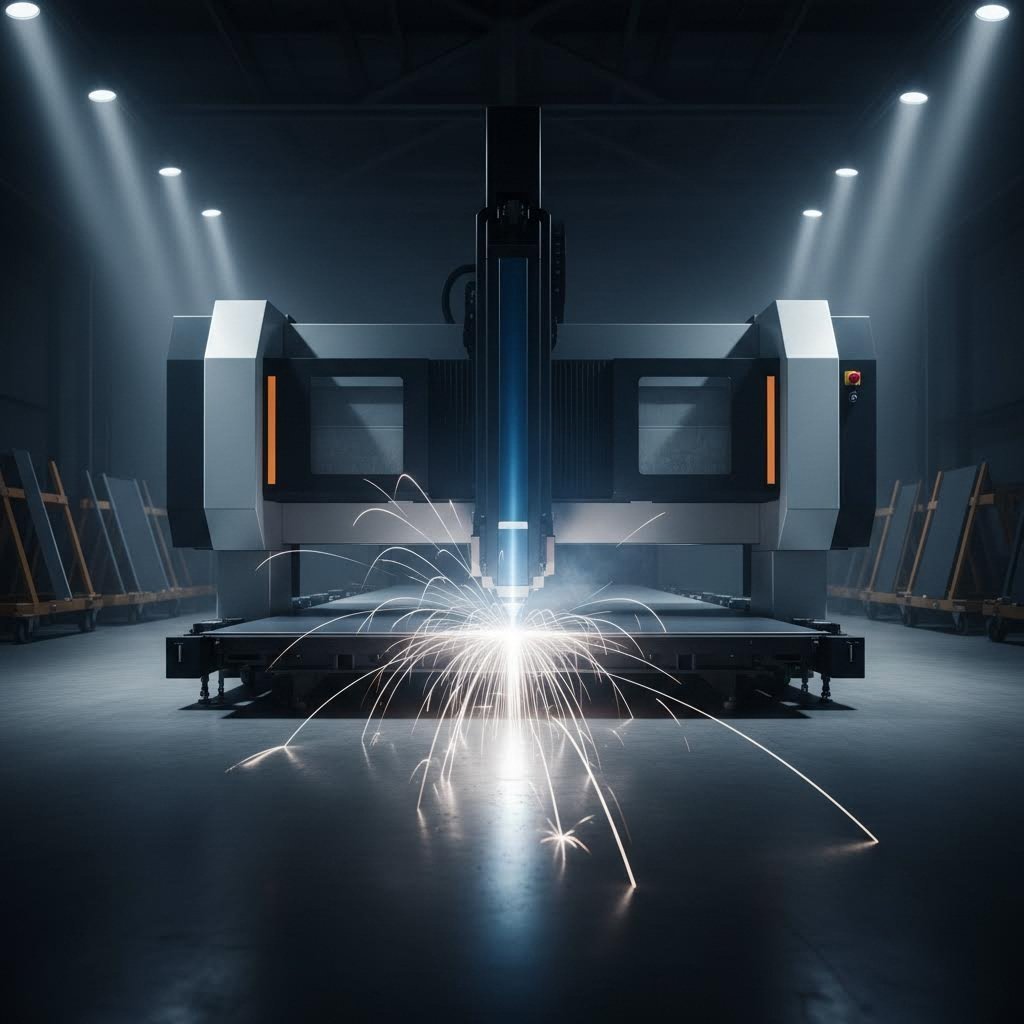
Ever wondered how a flat piece of metal transforms into a precision automotive bracket or an intricate HVAC component? That transformation happens through sheet metal fabrication services—a comprehensive manufacturing process that converts flat metal sheets into functional parts, assemblies, and structures through cutting, forming, and joining operations.
At its core, sheet metal fabrication encompasses multiple coordinated processes that shape raw materials into finished products. Whether you're developing prototypes for a new product line or scaling up for mass production, understanding these services helps you make smarter manufacturing decisions.
From Raw Metal to Finished Product
The journey begins with flat metal sheets of varying thicknesses and compositions. A skilled metal fabrication shop takes these raw materials through a carefully orchestrated sequence of operations. Each step builds upon the previous one, gradually transforming simple sheets into complex geometries.
Here are the core processes that define modern sheetmetal fabrication:
- Laser Cutting: High-energy beams slice through metal with exceptional precision, creating intricate patterns and clean edges
- CNC Punching: Computer-controlled tools punch holes, slots, and shapes with repeatable accuracy
- Bending: Press brakes fold metal along straight axes to achieve specific angles and shapes
- Welding: Thermal joining processes fuse separate pieces into unified assemblies
- Finishing: Surface treatments like powder coating, anodizing, or electroplating enhance appearance and durability
The Building Blocks of Modern Manufacturing
What makes sheet metal fabrication so versatile? The answer lies in its adaptability. This manufacturing approach can produce everything from simple brackets to complex enclosures—single prototypes or thousands of identical parts. The process works with numerous metals including steel, aluminum, copper, and specialized alloys.
According to Geomiq's industry research, the global sheet metal fabrication services market is projected to exceed $230 billion by 2030. This growth reflects how essential these capabilities have become across manufacturing sectors.
Why Industries Depend on Fabricated Metal Components
Consider the products around you right now. Your computer's chassis, the HVAC ductwork in your building, even the vehicle you drove today—all rely on sheet metal manufacturing techniques. Industries from aerospace to consumer electronics depend on these services because they deliver:
- Consistent quality through CNC-controlled precision
- Scalability from prototype quantities to high-volume production
- Design flexibility for custom geometries and specifications
- Material versatility to meet diverse performance requirements
Understanding what sheet metal fabrication actually delivers sets the foundation for making informed decisions about materials, processes, and fabrication partners. The sections ahead will break down each element—from choosing the right metal to evaluating quality certifications—giving you the complete picture of this essential manufacturing discipline.
Choosing the Right Metal for Your Fabrication Project
Imagine ordering custom fabricated parts only to discover the material fails within months because it couldn't handle your operating environment. Material selection isn't just a technical detail—it directly impacts part performance, longevity, and total project cost. Yet this critical decision often gets overlooked until problems emerge.
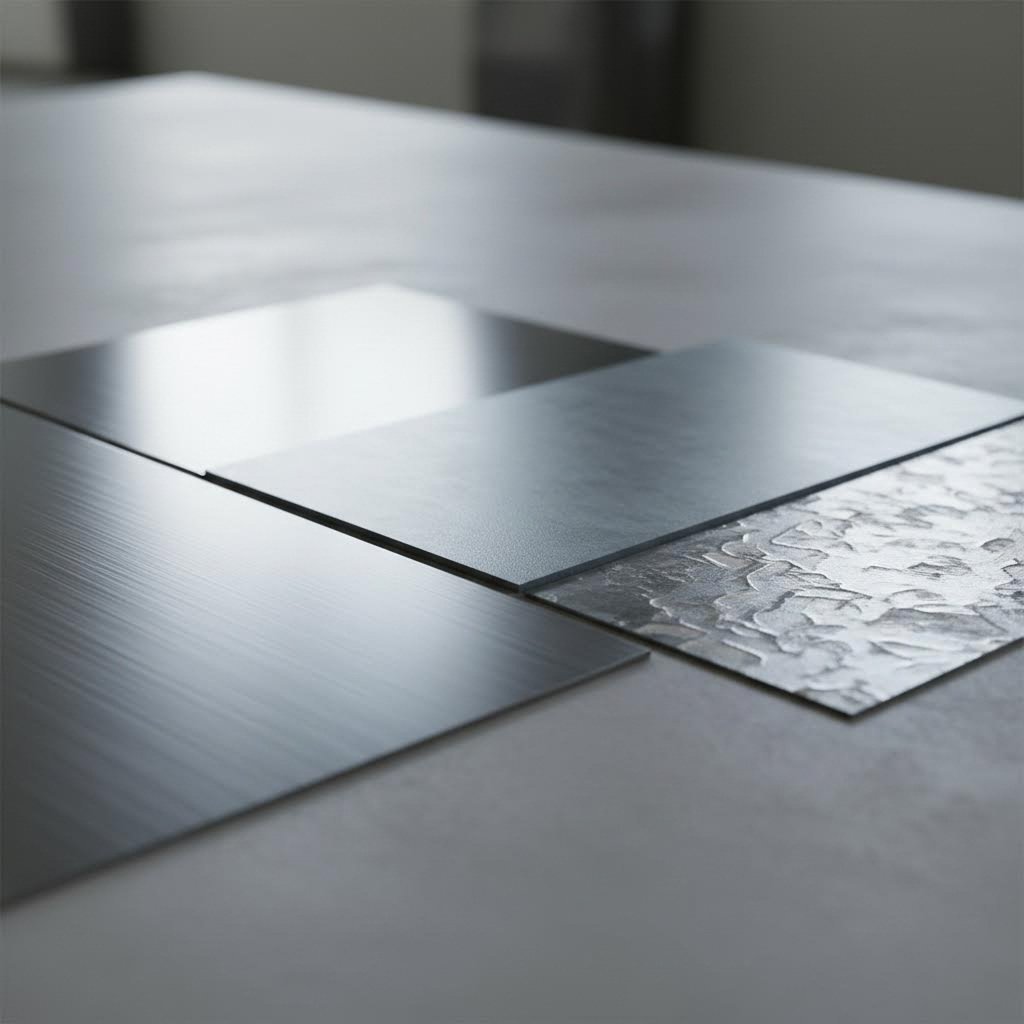
The metal you choose shapes everything from corrosion resistance to weight savings to fabrication complexity. Whether you're working with stainless steel sheet metal for medical equipment or aluminium sheet for lightweight enclosures, matching material properties to application demands separates successful projects from costly failures.
Stainless Steel for Corrosion Resistance
When your fabricated parts face moisture, chemicals, or demanding sanitary requirements, stainless sheet metal typically emerges as the leading choice. The secret lies in chromium content—when chromium meets oxygen, it forms an invisible protective layer that blocks rust and repairs itself if scratched.
Two grades dominate sheet metal fabrication applications:
- 304 Stainless Steel: The workhorse grade offering excellent corrosion resistance for food processing, architectural panels, and general industrial use
- 316 Stainless Steel: Contains molybdenum for enhanced resistance to chlorides and acids, making it ideal for marine environments and chemical processing
According to Xometry's materials database, 304 stainless is an austenitic chromium-nickel alloy with good machinability and excellent formability, while 316's molybdenum addition provides stability against non-oxidizing acids. Both grades offer good heat resistance, though continuous use above 425°C in water can reduce performance.
Metal fabrication stainless steel projects typically cost more upfront than alternatives. However, the virtually maintenance-free lifespan often delivers superior total cost of ownership for demanding applications.
Aluminum for Lightweight Applications
Need to reduce weight without sacrificing structural integrity? Aluminium sheet metal delivers roughly one-third the density of steel while offering natural corrosion resistance through its self-healing oxide layer.
Common aluminum alloys for fabrication include:
- 5052: High strength among non-heat-treatable alloys with excellent seawater corrosion resistance—ideal for marine and automotive applications
- 6061: A precipitation-hardened alloy with good mechanical properties and weldability, commonly used for structural components
- 7075: Zinc and magnesium alloyed for high strength and fatigue resistance, though requiring specialized fabrication techniques
Aluminum sheets metal offer exceptional formability for complex geometries. The trade-off? Lower absolute strength compared to steel of equal thickness, and sensitivity to galvanic corrosion when paired with dissimilar metals.
Galvanized Steel for Cost-Effective Durability
When budget constraints meet outdoor exposure, galvanized steel offers a compelling middle ground. The hot-dip galvanizing process coats steel with zinc, creating sacrificial protection that shields the base metal even if scratched.
This material excels in construction applications—roofing, wall panels, ductwork, and structural framing. The zinc coating self-heals minor damage by forming zinc oxide and zinc carbonate over affected areas. According to Ani Steel's corrosion research, galvanized steel can last over 50 years in mild conditions, though harsh or salty environments may reduce this to around 20 years as the zinc layer wears.
Beyond these primary options, specialty materials serve niche applications. Bronze sheet metal offers antimicrobial properties for healthcare fixtures, while copper-clad steel combinations provide unique thermal and electrical characteristics. Your fabrication partner can guide material selection based on your specific performance requirements.
Material Comparison at a Glance
Choosing between materials requires weighing multiple factors simultaneously. This comparison table consolidates the key properties affecting fabrication project success:
| Property | Stainless Steel (304/316) | Aluminum (5052/6061) | Galvanized Steel |
|---|---|---|---|
| Density | ~8.0 g/cm³ | ~2.7 g/cm³ | ~7.85 g/cm³ |
| Corrosion Resistance | Excellent (self-healing chromium oxide layer) | Very Good (natural oxide protection) | Good (zinc coating sacrificial protection) |
| Relative Material Cost | Highest | Medium-High | Lowest |
| Strength-to-Weight Ratio | Good | Excellent | Good |
| Weldability | Good (requires proper technique) | Good (MIG/TIG methods) | Good (ventilation required for zinc fumes) |
| Maintenance Requirements | Minimal | Low | Periodic inspection needed |
| Ideal Applications | Food processing, medical, marine, chemical | Aerospace, automotive, architectural facades | Construction, HVAC, fencing, infrastructure |
| Temperature Tolerance | High (up to 870°C for 304) | Moderate (not recommended above 200°C) | Moderate |
| Recyclability | Excellent | Excellent (energy-efficient recycling) | Good (zinc coating complicates process) |
Match the metal to your environment first, then optimize for cost. A cheaper material that fails prematurely costs far more than investing correctly upfront.
As Metro Steel's analysis notes, considering total cost of ownership—including initial purchase, maintenance, and potential replacement—is crucial when evaluating material cost-effectiveness. Stainless steel and aluminum often deliver long-term savings through durability despite higher upfront investment.
With material selection guiding your project foundation, the next consideration becomes how modern equipment and technology transform these raw materials into precision components.
Equipment and Technology Behind Precision Fabrication
What separates a mediocre fabricated part from one that fits perfectly every single time? The answer lies in the machinery. Modern sheet metal shops invest millions in advanced equipment that achieves tolerances once considered impossible. Understanding this technology helps you evaluate potential fabrication partners—and set realistic expectations for your projects.
Today's precision sheet metal fabrication relies on computer-controlled systems that eliminate human variability from critical operations. From fiber lasers slicing intricate patterns to CNC press brakes executing complex bend sequences, these machines transform steel sheet fabrication from craft to science.
Laser Cutting for Precision Edges
Imagine focusing enough energy to slice through steel like butter—that's laser cutting in action. Modern fiber lasers concentrate light energy into a beam narrower than a human hair, melting and vaporizing metal along precisely programmed paths.
What makes laser cutting indispensable for sheet metal working?
- Edge Quality: Clean cuts require minimal secondary finishing, reducing production time and cost
- Intricate Geometries: The beam follows complex curves and tight corners that mechanical tools cannot replicate
- Material Versatility: Cuts steel, aluminum, stainless, brass, and copper across varying thicknesses
- Speed: High-wattage systems (10kW–20kW) dramatically increase cutting speeds while reducing gas consumption
- Minimal Heat-Affected Zone: Concentrated energy limits thermal distortion in surrounding material
For precision metal processing, laser systems routinely achieve positioning accuracy within ±0.001 inches. According to Pinnacle Precision's tolerance guide, modern CNC technology enables deviations measured in microns—critical when parts must integrate seamlessly into larger assemblies.
CNC Technology and Repeatability
Here's the real magic behind consistent quality: Computer Numerical Control. CNC systems translate digital designs into machine movements with extraordinary precision, eliminating the variability inherent in manual operations.
When you send a CAD file to a CNC-equipped fabrication shop, the machine executes your design identically whether producing one piece or one thousand. Real-time feedback systems compensate for thermal expansion, tool wear, and material inconsistencies—factors that would derail manual processes.
CNC turret punches exemplify this repeatability advantage:
- Tool Library Access: Rotating turrets hold multiple punch shapes, switching between them in seconds
- High-Speed Operation: Modern systems punch hundreds of holes per minute with consistent quality
- Forming Capabilities: Beyond holes, turret punches create louvers, lances, and embossed features
- Nesting Optimization: Software maximizes material utilization by efficiently arranging parts on sheets
The integration of multi-axis machines and high-speed spindles has expanded what's possible in metal processing. Five-axis machining centers access complex angles without repositioning parts, while laser measurement systems verify dimensions in real-time during production.
Press Brake Forming Techniques
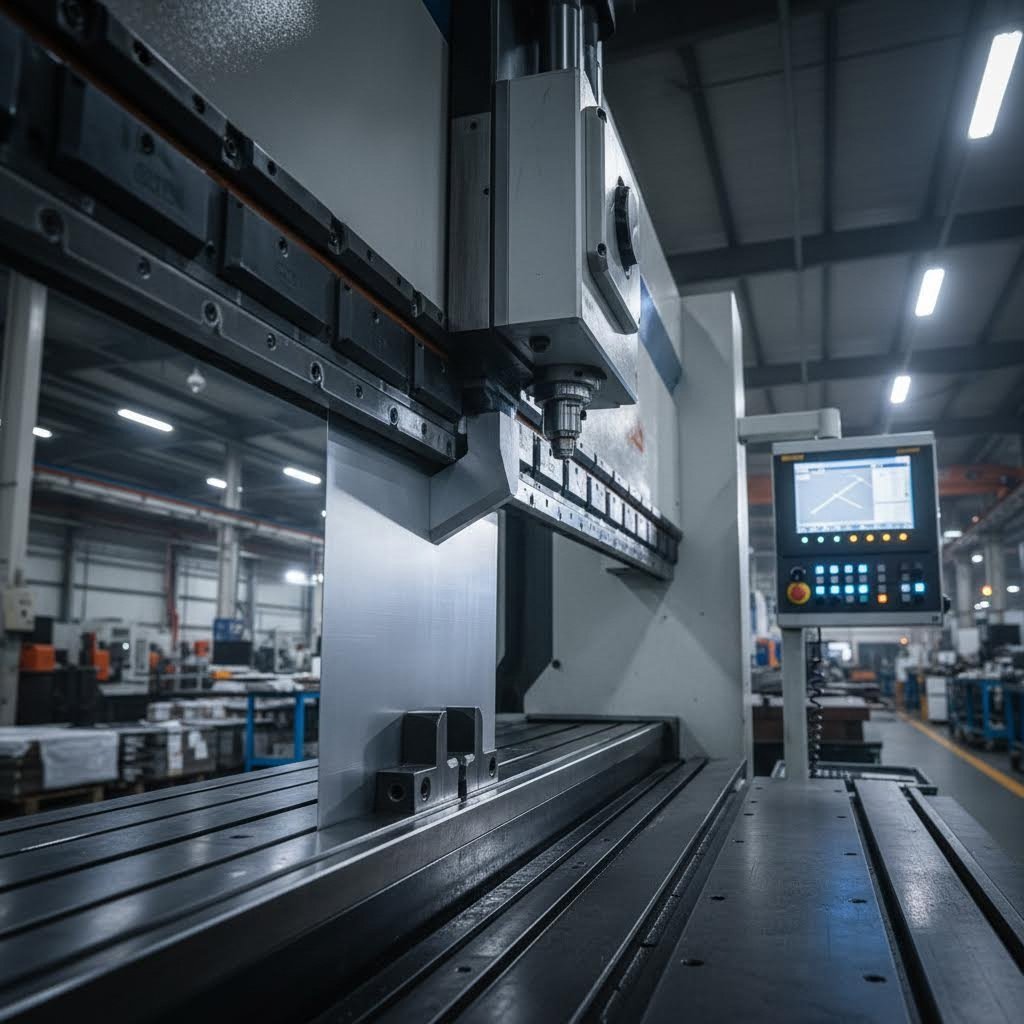
Cutting creates flat profiles—but steel sheet bending transforms them into three-dimensional components. Press brake machines apply controlled force through matched punches and dies, creating precise bends at specified angles.
According to Mac-Tech's equipment guide, modern press brakes equipped with CNC systems allow precise control over the bending process, ensuring consistent results and reducing material waste. This technology has revolutionized what fabricators can achieve.
Different bending techniques serve different precision requirements:
- Air Bending: The punch descends partially into the die, allowing angle adjustments through depth control—flexible but requires springback compensation
- Bottom Bending: Material presses to the die bottom for precise, repeatable angles with minimal springback
- Coining: Extreme force eliminates springback entirely by plastically deforming the bend zone—highest precision but requires more tonnage
Springback—the tendency of metal to partially return to its original shape—represents one of the biggest challenges in precision forming. As Accurl's technical analysis explains, understanding how different materials react to bending force allows operators to compensate and achieve target angles consistently.
Press brakes handle remarkable material variety, from thin aluminum sheets to thick steel plates. The key is matching machine tonnage to material thickness and bend length—exceed capacity limits, and you risk damaging both equipment and workpiece.
Tolerances That Matter
When evaluating fabrication partners, ask about achievable tolerances. Industry-standard capabilities include:
| Process | Typical Tolerance Range | Precision Capability |
|---|---|---|
| Laser Cutting | ±0.005" to ±0.001" | Positioning accuracy within microns |
| CNC Punching | ±0.005" to ±0.002" | Hole-to-hole consistency across sheets |
| Press Brake Bending | ±0.5° to ±0.25° | Depends on material, tooling, and technique |
| Overall Dimensions | ±0.010" to ±0.005" | Cumulative tolerance across operations |
Tighter tolerances cost more. Specify only what your application genuinely requires—over-tolerance parts waste money without adding functional value.
The equipment behind these capabilities represents significant investment, but the real differentiator is how well a fabrication partner integrates technology with skilled operators and robust quality systems. Advanced machinery in untrained hands produces expensive scrap—not precision components.
With this foundation in fabrication technology, the next question becomes: how do these capabilities translate into custom parts designed specifically for your application?
Custom Fabrication and Prototyping Capabilities
Picture this scenario: you need a specialized bracket that must fit within a 3mm gap, support 50kg of dynamic load, and integrate seamlessly with existing equipment. You search through catalogs of stock materials and find... nothing even close. This is precisely where custom fabrication transforms from convenience into necessity.
The difference between custom metal work and off-the-shelf products isn't just about dimensions—it's about solving problems that standard parts simply cannot address. While stock materials offer speed and lower initial costs, custom fabrication delivers precision-engineered solutions tailored to your exact specifications.
From Concept Sketch to Production Part
How does an idea become a functional metal component? The journey follows a structured workflow that transforms design concepts into manufactured reality. Understanding this process helps you collaborate more effectively with fabrication partners and set realistic expectations for project timelines.
Here's the typical custom sheet metal fab workflow from initial concept through final delivery:
- Design Consultation: Engineers review your requirements, application environment, and performance specifications to recommend optimal materials and fabrication approaches
- CAD Development: Your concept translates into detailed 3D models with precise dimensions, tolerances, and manufacturing notes
- Design for Manufacturability (DFM) Review: Fabrication experts analyze the design for potential production issues—identifying opportunities to improve quality while reducing cost
- Material Selection and Sourcing: Based on performance requirements, the right alloy, thickness, and finish specifications are confirmed and materials ordered
- Prototype Fabrication: Initial samples are produced for physical validation before committing to full production
- Testing and Approval: Prototypes undergo dimensional verification and functional testing against your specifications
- Production Planning: Tooling, programming, and process sequencing are finalized for efficient manufacturing
- Full Production Run: Approved designs move into volume production with consistent quality controls
- Finishing and Assembly: Surface treatments, hardware installation, and sub-assembly operations complete the parts
- Inspection and Delivery: Final quality verification ensures parts meet specifications before shipment
This systematic approach eliminates surprises. Each checkpoint validates progress before investing further resources—catching potential issues when changes cost pennies rather than dollars.
Rapid Prototyping Advantages
Why invest in a sheet metal prototype before committing to production tooling? According to Unionfab's prototyping research, rapid prototyping bridges the gap between digital concepts and physical products, enabling teams to create functional metal parts at a fraction of traditional manufacturing time and cost.
The strategic value of prototype sheet metal development becomes clear in several scenarios:
- Design Validation: Physical parts reveal issues that CAD models cannot predict—interference fits, assembly challenges, and ergonomic problems become immediately apparent
- Functional Testing: Verify mechanical performance under real-world conditions including stress loads, thermal cycling, and environmental exposure
- Stakeholder Approval: Physical samples communicate design intent far more effectively than renderings or drawings
- Process Refinement: Early prototypes identify manufacturing challenges, allowing process optimization before volume production
Sheet metal prototyping delivers production-quality strength and durability even in small quantities. Unlike plastic prototypes that merely approximate final properties, metal prototypes perform identically to production parts—making them suitable for actual field testing.
Lead times for rapid sheet metal prototyping typically range from 3 to 14 business days depending on complexity, according to industry benchmarks. This speed enables iterative design cycles where multiple versions can be tested and refined within weeks rather than months.
When Custom Beats Off-the-Shelf
Stock materials seem attractive—immediate availability, known costs, no engineering investment. So when does custom fabrication justify the additional upfront effort?
According to JAMM Fabrication's analysis, contractors who choose custom aren't just buying steel—they're buying time, precision, and peace of mind. The true ROI emerges when you factor in reduced labor costs, lower material waste, faster installation timelines, and improved durability.
Custom fabrication delivers superior value in these situations:
- Precision Fit Requirements: When parts must align perfectly during installation, custom metal parts eliminate the workarounds that compromise quality
- Unique Geometries: Tight spaces, custom layouts, or specialized configurations that stock materials simply cannot address
- Integrated Features: Combining multiple functions into single components—mounting holes, reinforcement, and connection points designed as one unit
- Optimized Weight or Strength: Material thickness and alloy selection tailored specifically to your load requirements
- Consistent Branding: Custom finishes, logos, and aesthetic details that differentiate your products
- Long-Term Durability: Powder coating, stainless construction, or galvanized protection matched to your operating environment
Stock parts often require workarounds that compromise quality. Misaligned holes, off-center cuts, or inconsistent finishes create a domino effect of rework that custom fabrication eliminates from the start.
The flexibility of custom fabrication extends beyond individual parts. Need a complete assembly with welded joints, installed hardware, and applied finishes? Custom metal work consolidates multiple components and operations into streamlined deliverables—reducing your assembly burden and ensuring dimensional consistency across integrated systems.
For projects requiring both speed and customization, modern sheet metal shops balance these needs through efficient programming and flexible production scheduling. The investment in custom engineering often pays for itself through reduced field modifications, fewer rejected parts, and faster installation times.
With prototyping and custom capabilities establishing how parts are developed, the next consideration is where these fabricated components actually get used—spanning industries from HVAC systems to heavy manufacturing equipment.
Industry Applications from HVAC to Heavy Manufacturing
Where does all this precision-fabricated metal actually end up? The answer spans virtually every sector of modern construction and manufacturing. From the ductwork circulating air through your building to the enclosures protecting industrial control systems, sheet metal fabrication services deliver critical components across remarkably diverse applications.
Understanding industry-specific requirements helps you communicate more effectively with fabrication partners—and ensures your components perform as intended in their operating environment. Each application brings unique demands for material selection, tolerance requirements, and finishing specifications.
HVAC Ductwork and Climate Control Systems
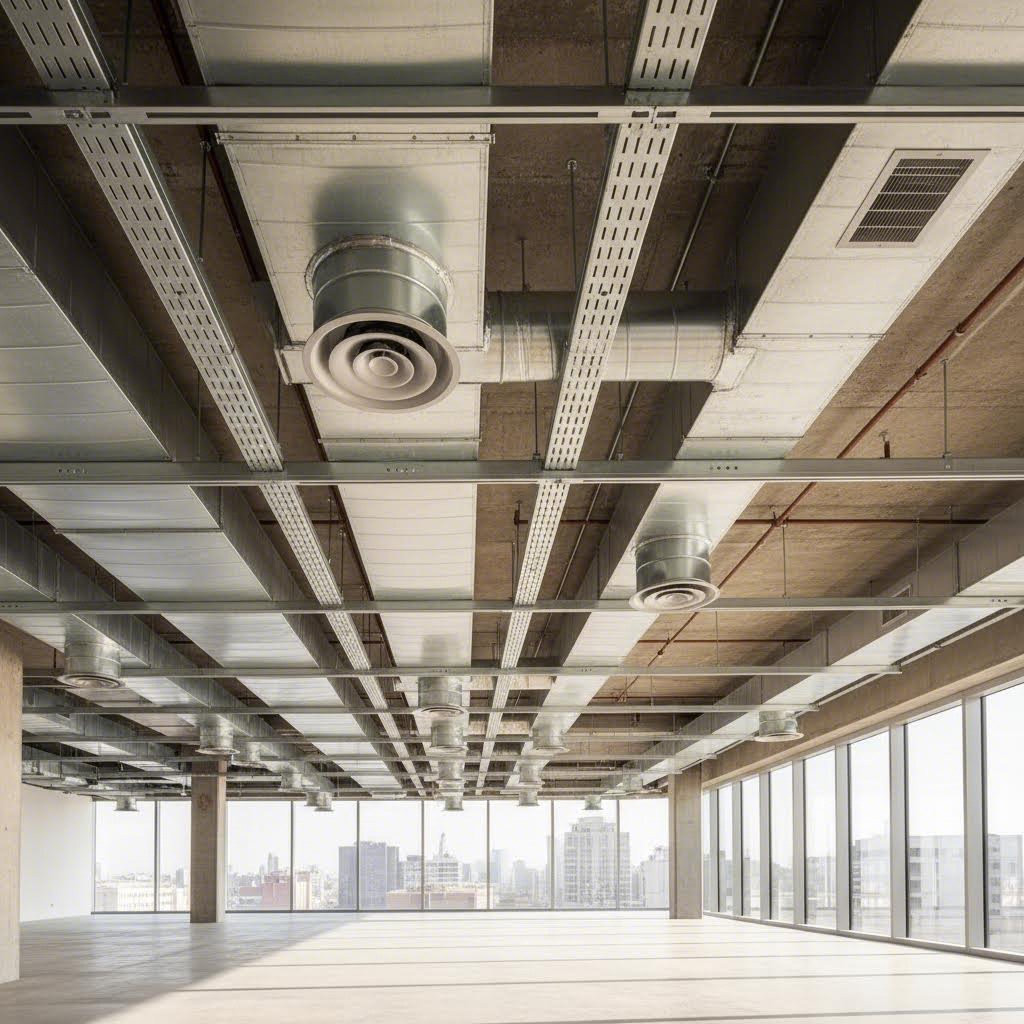
Walk into any commercial building, and you're surrounded by fabricated sheet metal—you just can't see most of it. HVAC systems depend heavily on custom ductwork that routes conditioned air throughout structures while maintaining pressure, temperature, and air quality standards.
According to Therma's building fabrication guide, plumbing and HVAC fixtures and assemblies made from sheet metal can be prefabricated. When combined with BIM modeling, the process of prefabrication can eliminate on-site system conflicts and result in cost savings.
What makes HVAC fabrication unique? Consider these application-specific requirements:
- Airtight Seams: Duct joints must prevent air leakage that reduces system efficiency and increases energy costs
- Acoustic Performance: Material thickness and construction methods affect noise transmission through ductwork
- Corrosion Resistance: Condensation inside ducts demands galvanized or stainless construction for longevity
- Code Compliance: Fire ratings, smoke spread limitations, and accessibility requirements vary by jurisdiction
- Dimensional Accuracy: Prefabricated sections must align precisely during installation to avoid field modifications
If you're searching for an hvac sheet metal shop near me, prioritize partners experienced with commercial HVAC specifications. They understand the difference between supply and return duct requirements, proper reinforcement for various static pressures, and transition piece geometries that minimize turbulence.
For projects requiring sheet metal ductwork near me, the prefabrication advantage becomes significant. Factory-controlled environments produce cleaner, more consistent ductwork than field fabrication—while reducing on-site labor and installation time.
Architectural and Structural Applications
Beyond mechanical systems, sheet metal defines building aesthetics and structural performance. The weather-resistant qualities and malleability make these materials ideal for applications ranging from decorative facades to functional stormwater management.
Therma's research highlights that sheet metals can be used for a multitude of applications on building exteriors as functional and decorative elements. Custom-fabricated louvers and dormers add architectural interest while incorporating elements that support passive energy strategies.
Architectural applications demand attention to different priorities:
- Visual Consistency: Exposed metal surfaces require uniform finish quality across all panels and components
- Thermal Movement: Expansion joints and fastening methods must accommodate temperature-driven dimensional changes
- Weather Sealing: Roofing, cladding, and flashing details prevent water infiltration at critical transitions
- Structural Integration: Metal panels often contribute to wall or roof diaphragm strength
- Sustainability Credentials: Material recyclability and recycled content affect green building certifications
The sustainability angle deserves emphasis. According to Therma's analysis, 93% of structural steel in the U.S. consists of recycled material. This high recyclability makes sheet metal an attractive choice for LEED and other green building standards—delivering both performance and environmental responsibility.
Industrial fabrication services for architectural applications often involve stainless steel fabrication for coastal or high-visibility installations, aluminum for lightweight facade systems, and copper or brass for distinctive accent elements that develop attractive patinas over time.
Industrial Equipment Enclosures
Step inside any manufacturing facility, and you'll find fabricated enclosures protecting everything from electrical panels to automated machinery. These applications prioritize function over aesthetics—though appearance matters for customer-facing equipment.
Industrial fabrication services for enclosures address these critical requirements:
- Environmental Protection: NEMA or IP ratings specify resistance to dust, water, oil, and corrosive atmospheres
- Thermal Management: Cutouts for ventilation, fans, or heat exchangers maintain safe operating temperatures
- EMI/RFI Shielding: Continuous metal construction blocks electromagnetic interference for sensitive electronics
- Access Requirements: Hinged doors, removable panels, and service openings balance security with maintenance access
- Mounting Integration: Internal rails, standoffs, and hardware mounting patterns accommodate specific components
Stainless steel fabrication dominates food processing and pharmaceutical applications where washdown cleaning and sanitary requirements demand smooth, corrosion-resistant surfaces. Painted carbon steel serves general industrial environments, while aluminum reduces weight for portable or vehicle-mounted equipment.
Beyond enclosures, industrial applications include machine guards, conveyor components, material handling equipment, and custom brackets supporting everything from sensors to heavy machinery. The common thread? Each application requires fabricated components engineered for specific performance demands.
Choosing the Right Approach for Your Industry
Different industries prioritize different capabilities. This quick reference helps match your application to appropriate fabrication considerations:
| Industry | Primary Material | Key Requirements | Critical Tolerances |
|---|---|---|---|
| HVAC/Mechanical | Galvanized Steel | Airtight seams, acoustic performance | ±1/8" typical, tighter for prefab |
| Architectural | Aluminum, Stainless | Visual consistency, weather resistance | Varies by visibility and fit |
| Food Processing | 304/316 Stainless | Sanitary finish, corrosion resistance | ±0.010" for equipment integration |
| Industrial Equipment | Carbon Steel, Aluminum | Environmental ratings, thermal management | ±0.015" for standard enclosures |
| Construction | Galvanized, Stainless | Structural capacity, weather sealing | Field-adjustable connections |
Match your fabrication partner's core expertise to your industry. A shop specializing in architectural panels may lack experience with HVAC pressure requirements—and vice versa.
The versatility of sheet metal fabrication means these services touch nearly every manufactured product and constructed building. Whether you're developing ductwork fabrication near me or sourcing industrial fabrication services for equipment enclosures, understanding industry-specific demands ensures your components deliver the performance your application requires.
With applications spanning this breadth, quality becomes paramount. The next section explores how certifications and inspection standards separate reliable fabrication partners from those who cut corners.
Quality Certifications and Inspection Standards Explained
How do you know a fabrication partner actually delivers what they promise? Marketing claims are easy—anyone can say they produce precision sheet metal products. The real proof lies in third-party certifications and documented quality systems that hold manufacturers accountable to independently verified standards.
Understanding what these certifications actually mean transforms them from alphabet soup into powerful evaluation tools. When you know what ISO 9001 or IATF 16949 requires, you can assess whether a precision sheet metal fabricator has the systems in place to deliver consistent quality—or whether they're simply checking boxes.
Understanding ISO and IATF Certifications
You've probably seen ISO 9001 logos on manufacturer websites. But what does certification actually require? According to Tempco Manufacturing's quality documentation, ISO 9001:2015 requires organizations to define and follow a quality management system that is both appropriate and effective while also requiring them to identify areas for improvement.
This isn't a one-time achievement. Certification involves third-party audits conducted annually—independent examiners verify that documented procedures match actual shop floor practices. The system creates accountability that internal quality programs simply cannot replicate.
For automotive applications, IATF 16949 raises the bar significantly. As Xometry's certification guide explains, this framework distills ISO 9001 principles into automotive-specific requirements that double down on creating consistency, safety, and quality across automotive products.
Key differences between major certifications include:
- ISO 9001:2015: General quality management foundation applicable across industries—focuses on customer requirements, process control, and continuous improvement
- IATF 16949: Automotive-specific extension requiring defect prevention, waste reduction, and supply chain management aligned with OEM expectations
- AS9100D: Aerospace and defense standard adding requirements for product safety, counterfeit part prevention, and configuration management
- ISO 13485: Medical device manufacturing standard emphasizing risk management and regulatory compliance throughout product lifecycle
Certification status is binary—a company either meets requirements or doesn't. When evaluating precision sheet metal fabrication companies, request current certificates and verify validity through the issuing registrar. Expired or suspended certifications signal problems worth investigating.
Inspection and Quality Verification Methods
Certifications establish systems—but what happens on the shop floor determines whether your parts actually meet specifications. Professional fabricators employ multiple inspection methods at critical production stages, catching deviations before they compound into costly problems.
Accurate metal fabricating depends on verification techniques matched to tolerance requirements:
- First Article Inspection (FAI): Comprehensive dimensional verification of initial production samples before authorizing full runs—confirms tooling, programming, and processes produce conforming parts
- In-Process Inspection: Operators verify critical dimensions at defined intervals during production, preventing drift that could affect entire batches
- CMM Measurement: Coordinate Measuring Machines probe complex geometries with micron-level accuracy, generating detailed dimensional reports
- Visual Inspection: Trained inspectors evaluate surface finish, weld quality, and cosmetic appearance against defined acceptance criteria
- Functional Testing: Assembly checks, fit verification, and performance testing confirm parts work as designed
For metal fabrication stainless steel projects serving food or pharmaceutical industries, inspection extends to surface finish measurement, weld penetration verification, and cleanliness standards that ensure sanitary performance.
The inspection scope should match your application requirements. Over-inspection adds cost without value; under-inspection creates quality escapes that damage your products and reputation. Discuss inspection plans with your fabrication partner to establish appropriate verification levels.
Documentation and Traceability Standards
When quality issues emerge—and eventually they do—documentation determines whether you can identify root causes and prevent recurrence. Professional fabricators maintain traceability systems that track materials, processes, and inspections throughout production.
According to Fox Valley Metal-Tech's quality documentation guide, a Quality Data Package compiles reports documenting the traceability of materials, processes, and certifications used to produce each line item. For complex projects, these packages can exceed 1,000 pages.
What should quality documentation include?
- Material Certifications: Mill test reports confirming alloy composition, mechanical properties, and heat treatment status
- Process Certifications: Welder qualifications, heat treatment records, coating specifications, and specialty process documentation
- Dimensional Reports: Inspection data showing measured versus specified dimensions for critical features
- Certificates of Conformance: Signed statements attesting that delivered products meet purchase order requirements
- Deviation Reports: Documentation of any specification changes approved during production
Fox Valley's research emphasizes that knowing flow down requirements at order placement streamlines documentation and saves considerable time for both fabricator and customer. Specifying documentation needs upfront—ideally during the RFQ process—prevents delays and ensures accurate quotes that account for documentation labor.
Request sample quality documentation before committing to a fabrication partner. The completeness and professionalism of their records reveals their actual quality culture.
Quality Indicators Worth Evaluating
When assessing potential fabrication partners, look beyond certification logos to these practical quality indicators:
- Calibration Programs: Regular verification that measuring equipment maintains accuracy—ask about calibration intervals and documentation
- Corrective Action Systems: Formal processes for investigating quality escapes and implementing permanent fixes
- Statistical Process Control: Data-driven monitoring that identifies process drift before it produces nonconforming parts
- Supplier Quality Management: Systems ensuring incoming materials meet specifications before entering production
- Training Documentation: Records confirming operators and inspectors maintain current qualifications for their assigned tasks
- Customer Feedback Integration: Processes that capture and respond to quality concerns from delivered products
These systems separate precision sheet metal fabrication companies committed to quality from those merely claiming it. The investment in quality infrastructure—equipment, training, documentation—reflects a fabricator's genuine priorities.
Quality systems and certifications provide the foundation for consistent results. But even with robust processes in place, project success depends on realistic expectations for timelines and costs—factors the next section addresses directly.
Project Timelines and Cost Factors to Consider
You've identified the perfect material, verified your fabrication partner holds the right certifications, and finalized your design. Now comes the question every project manager asks: how long will this take, and what will it cost? Unlike ordering stock parts with fixed prices and predictable delivery, custom sheet metal production involves variables that directly shape both timeline and budget.
Understanding these factors before requesting quotes helps you set realistic expectations—and gives you leverage to optimize projects for your priorities, whether that's speed, cost, or quality.
Factors That Influence Project Timelines
Why does one fabrication project take two weeks while a seemingly similar one stretches to eight? According to P&D Metal Works' timeline analysis, the project itself adds an element that cannot be easily measured. The scope and design may require more time than average, intricate designs demand precision work, and multiple fabrication processes extend schedules.
Here's what actually drives metal parts manufacturing timelines:
- Design Complexity: Simple brackets move faster than multi-bend enclosures with welded assemblies and integrated hardware
- Approval Cycles: Client review and approval at each stage can compress or extend schedules dramatically
- Material Availability: Common alloys ship quickly; specialty metals or specific thicknesses may require sourcing lead time
- Process Count: Each operation—cutting, forming, welding, finishing—adds production time
- Tolerance Requirements: Tighter tolerances require slower machining speeds and more inspection checkpoints
- Shop Capacity: Current workload, staffing levels, and seasonal demand affect scheduling flexibility
P&D Metal Works breaks down typical lead times across project phases, revealing where delays commonly occur:
| Project Phase | Typical Duration | Variables Affecting Timeline |
|---|---|---|
| Design Concept Development | 1–2 weeks | Complexity, completeness of initial specifications |
| Concept Review & Client Approval | 3 days–2 weeks | Decision-maker availability, revision requests |
| Design Changes/Updates | 1–3 weeks | Scope of modifications, engineering complexity |
| Material Ordering & Lead Time | 3 days–1 week | Material type, supplier inventory, specialty alloys |
| Product Fabrication | 1–2 weeks | Part complexity, quantity, process requirements |
| Finishing Operations | 3–4 days | Coating type, curing requirements, inspection scope |
| Installation (if applicable) | 3 days–1 week | Site conditions, coordination requirements |
Notice how approval delays and design changes often consume more calendar time than actual fabrication. Streamlining your internal review process and minimizing mid-project changes accelerates delivery more effectively than pressuring fabricators to rush production.
Understanding Fabrication Cost Drivers
What makes custom metal parts expensive—or surprisingly affordable? According to Komacut's cost analysis, material selection directly affects both cost and performance, with thickness impacting cost, weight, and structural integrity.
Metal fab services pricing reflects several interconnected factors:
- Material Costs: Raw material represents a significant portion of part cost. Aluminum costs more than mild steel per kilogram; stainless steel commands premium pricing. Thickness multiplies material expense directly.
- Labor Intensity: Complex geometries requiring multiple setups, hand finishing, or skilled welding increase labor hours significantly
- Machine Time: Laser cutting, CNC punching, and press brake operations carry hourly rates that accumulate with part complexity
- Tooling Requirements: Custom dies, fixtures, or specialized tooling add upfront costs that amortize across production quantity
- Finishing Specifications: Powder coating, plating, anodizing, or specialty finishes add processing cost and often require outside vendor coordination
- Quality Documentation: Inspection reports, material certifications, and traceability documentation require labor investment
According to UPTIVE's production analysis, prototype costs vary dramatically based on complexity—simple low-cost prototypes may run $100 to $1,000, functional prototypes with moderate complexity cost $1,000 to $10,000, while production-ready high-fidelity prototypes can exceed $10,000.
The cheapest quote isn't always the best value. Factor in quality consistency, documentation, and communication responsiveness when comparing custom fabrication services.
Volume Production vs Single Prototypes
Sounds counterintuitive, but ordering one part often costs more per unit than ordering a hundred. Why? Setup time. Programming CNC equipment, configuring tooling, and establishing quality parameters takes roughly the same effort whether you're making one piece or fifty.
Here's how volume affects metal fabrication parts economics:
- Setup Amortization: Fixed programming and setup costs spread across more units reduce per-part pricing
- Material Efficiency: Larger orders allow better nesting optimization, reducing scrap percentage
- Process Optimization: Production runs justify fine-tuning processes that single prototypes cannot support
- Supplier Leverage: Volume material purchases often qualify for better pricing tiers
UPTIVE's research emphasizes that manufacturing methods affect volume economics significantly. They recommend avoiding processes like injection molding for low volumes due to high upfront tooling costs—these methods become cost-effective only at larger production scales.
For projects spanning prototype through production, consider phased approaches. Start with rapid prototyping to validate designs, then transition to optimized production methods once specifications stabilize. This strategy minimizes risk while positioning for efficient volume manufacturing.
Timeline and Cost Planning Framework
When budgeting sheet metal production projects, use this framework to anticipate major cost categories and timeline impacts:
| Project Type | Typical Timeline | Primary Cost Drivers | Budget Considerations |
|---|---|---|---|
| Simple Prototype (1–5 units) | 1–2 weeks | Setup, material, labor | Higher per-unit cost; prioritize speed over economy |
| Complex Prototype | 2–4 weeks | Engineering, multiple processes | Budget for iterations; expect design refinements |
| Low-Volume Production (10–100) | 2–4 weeks | Material, setup amortization | Sweet spot for custom fabrication economics |
| Medium-Volume (100–1,000) | 4–8 weeks | Material, tooling optimization | Consider dedicated tooling investments |
| High-Volume Production (1,000+) | 6–12 weeks | Material, process efficiency | Tooling amortization justifies optimization |
Several factors commonly extend timelines beyond initial estimates. P&D Metal Works identifies these schedule risks: limited documentation and design blueprints, delayed approvals, mid-project changes, raw material delays, concurrent projects competing for capacity, and seasonal demand spikes during spring and summer.
Planning for these variables—building schedule contingency and maintaining decision-maker availability—prevents the frustration of projects that consistently miss deadlines.
With realistic expectations for timelines and costs established, the final consideration becomes selecting the right fabrication partner to execute your project successfully.
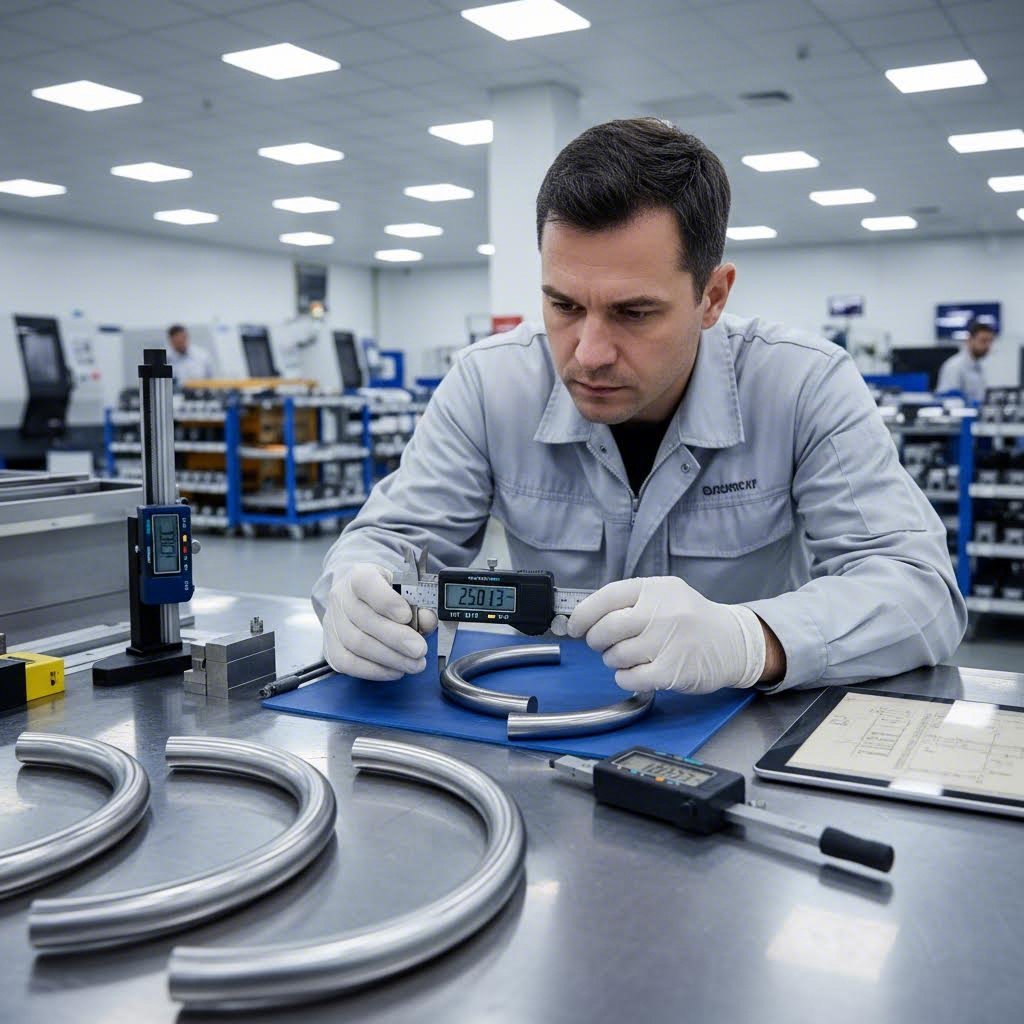
Selecting the Right Sheet Metal Fabrication Partner
You've done the homework—material properties, equipment capabilities, quality certifications, timeline expectations. Now comes the decision that determines whether all that knowledge translates into successful parts: choosing your fabrication partner. This selection impacts everything from prototype turnaround to production consistency, making it one of the most consequential decisions in your manufacturing process.
According to Atscott MFG's partner selection guide, while a low price may catch your eye, true value lies in the fabricator's capabilities, reliability, and ability to meet your project requirements from start to finish. The cheapest quote often becomes the most expensive mistake.
Whether you're searching for sheet metal fabrication near me or evaluating global suppliers, these criteria separate reliable partners from risky choices.
Evaluating Technical Capabilities
Before contacting any sheet metal fabricators, get clear on your project requirements. What materials will you need? What tolerances must you achieve? What production volumes do you anticipate? Armed with this clarity, you can assess whether a fabricator's capabilities genuinely match your needs.
When evaluating metal fabrication companies near me or distant suppliers, verify these technical factors:
- Equipment Match: Confirm the shop has the necessary machinery—CNC equipment, press brakes, laser cutters, automated welders—and staff trained to operate them
- Material Expertise: Not every shop works with all metals. Whether your project uses aluminum, stainless steel, or specialty alloys, verify the shop specializes in those materials
- Capacity Alignment: Some fabricators excel at prototypes and short runs; others optimize for high-volume production. Match their sweet spot to your requirements
- Tolerance Capabilities: Request specific tolerance ranges they routinely achieve—not just what's theoretically possible
- Secondary Operations: If you need welding, hardware installation, powder coating, or assembly, confirm these services are available in-house or through reliable partners
For aluminum fabrication projects, verify experience with the specific alloys you'll use. Forming characteristics vary significantly between 5052 and 6061, and welding 7075 requires specialized techniques that general fabricators may lack.
A skilled project manager or sales representative should walk you through your fabrication process with confidence and clarity. If they cannot explain how they'll produce your parts, that's a warning sign worth heeding.
Communication and DFM Support
Technical capability means little without effective communication. How quickly does a potential partner respond to inquiries? Do they ask clarifying questions that demonstrate genuine understanding of your application? These early interactions predict the partnership experience you'll have throughout production.
Design for Manufacturability (DFM) support separates transactional fabricators from true manufacturing partners. According to Venture Outsource's DFM evaluation guide, a contractor with good DFM capabilities should provide constructive feedback that identifies design flaws and recommends effective solutions that improve manufacturability without compromising product quality.
What does effective DFM support look like in practice?
- Proactive Feedback: Identifying potential manufacturing challenges before they become production problems
- Cost Optimization Suggestions: Recommending design modifications that reduce fabrication cost without sacrificing function
- Material Recommendations: Suggesting alternative alloys or gauges that better suit your application requirements
- Tolerance Analysis: Flagging specifications that will drive cost or quality risk, with alternatives when appropriate
- Assembly Considerations: Identifying how part design affects downstream assembly operations
Custom metal fabricators who invest in DFM capabilities demonstrate commitment to your project success—not just completing transactions. This collaborative approach catches issues during design when changes cost pennies, rather than during production when they cost dollars.
For automotive and precision applications, partners like Shaoyi (Ningbo) Metal Technology exemplify this approach, offering comprehensive DFM support alongside 12-hour quote turnaround and 5-day rapid prototyping. Their IATF 16949 certification demonstrates the systematic quality management that automotive supply chains demand.
Certifications That Matter for Your Industry
We covered certification meanings earlier—now apply that knowledge to partner selection. The certifications that matter depend entirely on your industry and application requirements.
Use this checklist when evaluating sheet metal fabrication shops near me or global suppliers:
- ISO 9001:2015: Baseline quality management for any professional fabricator—absence is a red flag
- IATF 16949: Essential for automotive supply chain integration—demonstrates defect prevention and process control rigor
- AS9100D: Required for aerospace and defense applications—adds product safety and configuration management requirements
- ISO 13485: Medical device manufacturing—ensures risk management throughout product lifecycle
- AWS Certifications: Welder qualifications matter if your parts require structural or pressure-rated welds
- NADCAP: Special process accreditation for aerospace—critical if your parts require heat treatment, coating, or NDT
Verify that certifications are current—not expired or suspended. Request certificates directly and confirm validity through the issuing registrar when stakes are high.
Beyond certifications, evaluate the fabricator's quality track record:
- Customer References: Request contacts in similar industries who can speak to actual performance
- Case Studies: Review documented examples of similar projects they've completed successfully
- Reject Rates: Ask about typical quality metrics and how they handle nonconforming material
- Corrective Action Systems: Understand how they investigate and prevent recurrence of quality issues
Your Partner Selection Checklist
Before committing to any fabrication partner—whether a metal fabrication shop near me or an overseas supplier—verify these critical factors:
- ☐ Equipment and technology match your project requirements
- ☐ Demonstrated experience with your specific materials and alloys
- ☐ Production capacity aligns with your volume needs (prototype through production)
- ☐ Relevant industry certifications are current and verifiable
- ☐ DFM support available during design phase
- ☐ Clear communication and responsive quote turnaround
- ☐ Quality documentation capabilities match your traceability requirements
- ☐ References available from similar industry applications
- ☐ Geographic location supports your logistics and communication needs
- ☐ Financial stability suggests long-term partnership viability
Solving Common Project Challenges
Professional sheet metal fabrication partners don't just execute orders—they solve manufacturing problems. Here's how experienced fabricators address challenges that derail projects with less capable suppliers:
| Common Challenge | How Professional Fabricators Solve It |
|---|---|
| Tight deadlines with complex parts | Rapid prototyping capabilities (some partners offer 5-day turnaround) combined with DFM optimization to streamline production |
| Design uncertainty requiring iteration | Quick-turn prototyping with fast quote response (12-hour turnaround from top partners) enables rapid design validation |
| Quality consistency across production runs | Certified quality systems (ISO 9001, IATF 16949) with documented processes ensure repeatability |
| Scaling from prototype to mass production | Integrated capabilities spanning low-volume prototypes through automated high-volume production |
| Supply chain complexity with multiple vendors | Full-service fabricators offering design, fabrication, finishing, and assembly under one roof |
The right fabrication partner becomes an extension of your engineering team—contributing expertise that improves your products, not just executing your drawings.
When searching for a sheet metal fabricator near me, remember that geographic proximity matters less than capability alignment. A distant partner with the right expertise, certifications, and communication responsiveness often outperforms a local shop lacking critical capabilities.
The evaluation criteria covered throughout this article—material expertise, equipment capabilities, quality systems, timeline management, and DFM support—form your framework for partner selection. Apply them systematically, verify claims through references and documentation, and you'll identify fabrication partners capable of transforming your designs into successful products.
Frequently Asked Questions About Sheet Metal Fabrication Services
1. How much does sheet metal fabrication cost?
Sheet metal fabrication costs typically range from $4 to $48 per square foot, with project averages between $418 and $3,018. Key cost drivers include material selection (stainless steel costs more than galvanized), part complexity, tolerance requirements, finishing specifications, and order quantity. Setup costs remain relatively fixed whether producing one piece or fifty, making larger orders more economical per unit. For accurate pricing, request quotes from IATF 16949-certified fabricators who offer rapid quote turnaround and comprehensive DFM support to optimize your design for cost-effective manufacturing.
2. What materials are commonly used in sheet metal fabrication?
The three most common materials are stainless steel, aluminum, and galvanized steel. Stainless steel (304 and 316 grades) offers excellent corrosion resistance for food processing, medical, and marine applications. Aluminum provides lightweight strength at roughly one-third steel's density, ideal for aerospace and automotive components. Galvanized steel delivers cost-effective durability for construction, HVAC ductwork, and outdoor applications with zinc coating protection lasting 20-50 years depending on environment. Specialty options include bronze for antimicrobial properties and copper for thermal and electrical applications.
3. How long does custom sheet metal fabrication take?
Custom fabrication timelines vary from 1-2 weeks for simple prototypes to 6-12 weeks for high-volume production runs. Design development takes 1-2 weeks, client approval 3 days to 2 weeks, material ordering 3 days to 1 week, and actual fabrication 1-2 weeks for standard projects. Factors extending timelines include design complexity, approval delays, mid-project changes, and specialty material sourcing. Partners offering rapid prototyping can deliver initial samples in as few as 5 days, enabling faster design validation before committing to full production.
4. What certifications should I look for in a sheet metal fabricator?
Essential certifications depend on your industry. ISO 9001:2015 represents the baseline quality management standard every professional fabricator should hold. IATF 16949 is critical for automotive supply chain integration, demonstrating defect prevention and rigorous process control. AS9100D serves aerospace and defense applications with product safety requirements. ISO 13485 applies to medical device manufacturing. Additionally, verify AWS welder certifications for structural welding projects and NADCAP accreditation for aerospace special processes like heat treatment or coating.
5. What is the difference between custom fabrication and stock materials?
Stock materials offer immediate availability and lower initial costs but require workarounds that often compromise quality—misaligned holes, off-center cuts, and inconsistent finishes create rework cascades. Custom fabrication delivers precision-engineered solutions with exact dimensions, integrated features, optimized weight-to-strength ratios, and tailored finishes for your specific operating environment. While custom projects require upfront engineering investment, they reduce field modifications, rejected parts, and installation time. Custom fabrication becomes essential when parts must fit precisely, handle unique geometries, or meet specific performance requirements that standard products cannot address.