 Small batches, high standards. Our rapid prototyping service makes validation faster and easier —
  EN
EN


Preferred Metal Fab Secrets: Several Criteria That Separate Winners From Regret
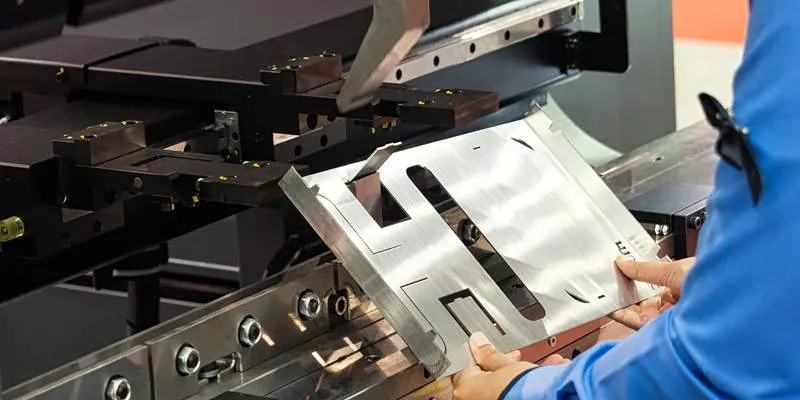
Understanding Preferred Metal Fab and Why It Matters
When you're searching for metal fab shops, price often becomes the deciding factor. But here's the thing: the cheapest option rarely delivers the best long-term value. This is where the concept of preferred metal fab enters the picture, transforming how forward-thinking businesses approach their fabrication partnerships.
Preferred metal fab represents a strategic manufacturing approach where companies select fabrication partners based on quality certifications, proven capabilities, and consistent reliability rather than simply chasing the lowest bid. The term "preferred" signals something significant in industrial manufacturing. It indicates a vetted, trusted relationship built on performance history and mutual commitment to excellence.
What Makes a Metal Fab Partner Preferred
So what elevates a precision metal fab provider from just another vendor to preferred status? The distinction comes down to several key factors that procurement managers and engineers have learned to prioritize through experience.
A preferred metal fab company demonstrates consistent quality through certified processes and documented quality management systems. They maintain transparent communication channels and respond quickly when challenges arise. Perhaps most importantly, they view your success as their success, investing in understanding your specific requirements rather than treating each order as an isolated transaction.
Strong supplier relationships mitigate risks such as supply chain disruptions, price volatility, and quality issues. Suppliers who are invested in a long-term partnership are more likely to prioritize your needs and work collaboratively to address any challenges that arise.
This proactive approach to risk management ensures greater stability throughout your manufacturing operations, something that becomes invaluable when production deadlines loom.
The Shift from Vendor to Strategic Partner
The difference between transactional and strategic fabrication partnerships is striking. In a transactional relationship, you submit a drawing, receive a quote, and hope for the best. Each project starts from scratch with minimal context about your broader goals or quality expectations.
Strategic partnerships operate differently. Your preferred fabrication partner understands your industry requirements, material preferences, and tolerance standards without needing repeated explanations. Whether you're working with a metal fab incorporated operation or a bay area metal fab specialist, the hallmark of preferred status is this deep familiarity with your needs.
Consider these distinctions between the two approaches:
- Transactional: Price-driven decisions, limited communication, reactive problem-solving
- Strategic: Value-driven selection, ongoing collaboration, proactive quality improvements
- Transactional: Treated as one of many anonymous customers
- Strategic: Recognized as a priority account with dedicated support
For procurement managers juggling multiple suppliers, establishing preferred relationships with reliable metal fab partners dramatically simplifies operations. You spend less time qualifying new vendors, managing quality issues, and explaining specifications repeatedly. Instead, you can focus on innovation and growth, confident that your fabrication needs are handled by partners who truly understand your business.
The following sections will explore exactly what criteria separate exceptional fabrication partners from the rest, giving you a practical framework for identifying and evaluating your own preferred suppliers.
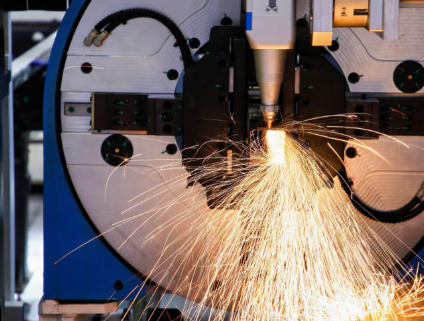
Core Metal Fabrication Processes That Define Quality
Understanding how sheet metal fab processes work gives you a significant advantage when evaluating potential fabrication partners. Why does this matter? Because the equipment capabilities and process expertise directly determine whether your finished parts meet specifications or end up as expensive scrap. Let's break down the core processes that separate quality-focused fabricators from those cutting corners.
Laser Cutting and CNC Punching Explained
Imagine trying to cut intricate patterns into steel with surgical precision. That's exactly what modern laser cutting achieves. Fiber laser systems concentrate intense light energy into a beam narrower than a human hair, vaporizing material along programmed paths with tolerances as tight as ±0.1mm. When your project demands complex geometries or delicate features, laser cutting delivers unmatched edge quality without the mechanical stress that other cutting methods introduce.
CNC turret punching operates on different principles but offers distinct advantages for specific applications. According to industry research from Jeelix, modern turret punch presses exceed 1,000 hits per minute with tool changes completed in under a second. This makes them exceptionally cost-effective for parts requiring numerous holes, louvers, or formed features.
Here's what makes precision sheet metal fab through CNC punching particularly valuable:
- Three-dimensional forming capability: Beyond flat cutting, turret punches create countersinks, extrusions, embossments, and ventilation louvers directly in the sheet
- Process consolidation: Tasks traditionally requiring separate drilling, milling, or stamping operations happen in a single setup
- High-volume efficiency: When paired with automated loading systems, these machines run lights-out manufacturing around the clock
- Material versatility: Custom sheet metal fab applications benefit from the ability to handle various gauges and material types
Pro fab sheet metal operations often combine both technologies strategically. Laser cutting handles complex contours and thick materials, while turret punching excels at high-hole-count parts and integrated forming. Understanding which process suits your specific needs helps you ask better questions when evaluating fabricators.
Bending Techniques That Shape Your Components
Once material is cut, bending transforms flat sheets into functional three-dimensional parts. Press brake operations use matched punch and die sets to create precise angles, and the sophistication of this process often surprises newcomers to metal fabrication.
Modern CNC press brakes calculate bend allowances automatically, compensating for material springback and thickness variations. The key metal fab tools in this category include:
- Air bending: The most common method, using controlled punch depth to achieve target angles with flexibility for slight adjustments
- Bottom bending: Forces material fully into the die for maximum accuracy on critical tolerances
- Coining: Applies extreme pressure to permanently set precise angles, ideal for high-precision applications
- Rotary bending: Eliminates marking on visible surfaces, essential for architectural or aesthetic components
When evaluating fabricators, ask about their press brake tonnage capacity and backgauge accuracy. These specifications directly impact what bend complexity and material thicknesses they can reliably handle.
Welding Methods That Define Structural Integrity
Welding joins your fabricated components into finished assemblies, and the method used dramatically affects both appearance and structural performance. According to Robotics Tomorrow, understanding these differences helps you specify the right approach for your application.
TIG Welding (Gas Tungsten Arc Welding): This process uses non-consumable tungsten electrodes with exceptional heat tolerance, enabling welding at low currents on material as thin as 0.005 inches. Industries like aerospace, medical, and automotive rely on TIG for its superior control and clean, precise welds. When appearance and weld integrity are paramount, TIG delivers.
MIG Welding (Gas Metal Arc Welding): MIG continuously feeds electrode material through the welding gun while shielding gases protect against contamination. This method offers faster deposition rates than TIG, making it ideal for production environments where speed matters. The trade-off is slightly less precision on delicate work.
Spot Welding: As one of the oldest welding processes, spot welding joins two sheets without filler material by applying pressure and electrical current through shaped copper electrodes. This generates localized heat at the weld point. Metal fab b vent components and HVAC ductwork frequently use spot welding for its speed and suitability for sheet-to-sheet connections.
Why Process Knowledge Improves Partner Selection
When you understand these core processes, conversations with potential fabrication partners become far more productive. You can ask specific questions about equipment capabilities, tolerance achievements, and process certifications that reveal their true expertise level.
Rather than accepting vague assurances about quality, you'll recognize whether a fabricator's capabilities genuinely match your project requirements. This knowledge transforms you from a passive buyer into an informed partner who can collaborate effectively on design optimization and manufacturing efficiency. With this foundation in fabrication processes, you're now ready to explore how different industries apply these capabilities to meet their unique requirements.
Industry-Specific Fabrication Requirements Explained
Ever wonder why the same metal fab services provider might excel in one industry but struggle in another? The answer lies in the vastly different requirements each sector demands. A fabricator producing HVAC ductwork operates in a completely different world than one manufacturing automotive chassis components or military-grade enclosures.
Understanding these industry-specific requirements transforms how you evaluate potential partners. When you know what certifications, tolerances, and materials your sector demands, you can quickly identify fabricators with genuine expertise versus those simply claiming broad capabilities. Let's explore what makes each major industry unique.
Automotive Fabrication Standards and Certifications
The automotive industry maintains some of the strictest fabrication standards in manufacturing. If you're sourcing components for vehicles, understanding IATF 16949 certification becomes essential to your partner selection process.
What exactly does IATF 16949 mean for your projects? According to OGS Industries, this certification builds upon ISO 9001 requirements while adding critical automotive-specific elements. The standard ensures compliance with lean manufacturing principles, defect prevention, variance reduction, and waste minimization. For industrial metal fab serving automotive applications, this certification signals a fabricator's commitment to consistent quality that vehicle manufacturers demand.
The benefits of working with IATF 16949-certified fabricators include:
- Consistent quality outcomes: Manufacturing processes are continuously monitored and measured to maximize productivity
- Reduced product variation: Improved quality management systems ensure metal fab products meet high-performance vehicle requirements regardless of application
- Reliable supply chain: This internationally recognized certification establishes benchmarks for sourcing, creating stronger supplier networks
- Defect prevention: Proven processes for fabrication, welding, and finishing minimize defects while meeting product safety requirements
Tolerance requirements in automotive applications are particularly demanding. According to EOXS research, automotive body panels typically require thickness tolerances of ±0.002" to ±0.003". This precision ensures proper fitment on assembly lines where even slight variations cause significant problems. Houston metal fab operations serving the automotive sector must maintain this level of precision consistently across high-volume production runs.
HVAC and Ventilation Component Requirements
Sounds like HVAC fabrication might be simpler than automotive work? In some ways, yes. HVAC applications typically accept looser tolerances because ductwork doesn't bear heavy structural loads. However, this doesn't mean quality matters less. It simply means different priorities come into play.
HVAC specialty metal fab focuses on:
- Material selection: Galvanized or aluminized sheet metal (typically 24 to 18 gauge) provides corrosion resistance for indoor air handling
- Joining techniques: Seam welding and mechanical fastening must create airtight connections without compromising duct integrity
- Tolerance flexibility: Standard thickness tolerances of ±0.008" accommodate manufacturing variability while maintaining functional performance
- Volume efficiency: Production speed often takes priority since HVAC projects require large quantities of standardized components
The key difference? HVAC fabricators optimize for throughput and cost efficiency rather than ultra-precise tolerances. When evaluating partners for ductwork and ventilation components, focus on their ability to deliver consistent quality at scale rather than their capacity for aerospace-level precision.
Electronics Enclosure Precision Standards
Electronics enclosures occupy a middle ground between HVAC's looser tolerances and automotive's strict requirements. These components must protect sensitive equipment from environmental factors while providing precise mounting points for internal hardware.
Critical considerations for electronics enclosure fabrication include:
- EMI/RFI shielding: Enclosures often require specific grounding features and tight seams to prevent electromagnetic interference
- Thermal management: Ventilation patterns, heat sink mounting surfaces, and material selection impact heat dissipation
- Dimensional accuracy: PCB mounting points, connector cutouts, and panel interfaces demand tolerances typically between ±0.005" and ±0.010"
- Surface finish quality: Painted or powder-coated enclosures require proper surface preparation for adhesion and appearance
Many metal fab jobs in this sector require additional capabilities like silk screening, hardware installation, and integration with gaskets or sealing materials. A fabricator specializing in electronics enclosures understands these secondary operations as essential parts of the complete solution.
Marine and Military Corrosion Resistance Standards
When fabricated components face saltwater exposure, extreme temperatures, or combat conditions, material selection and processing requirements escalate dramatically. Marine and military applications demand what's formally called "military-grade" materials meeting rigorous Department of Defense specifications.
According to Warner Brothers Foundry Company, military-grade metals adhere to MIL-SPEC standards that verify reliable performance under extreme conditions. These specifications define detailed performance characteristics, testing procedures, and quality standards that materials must meet for military use.
Key requirements for marine and military fabrication include:
- Corrosion-resistant alloys: Stainless steel grades like 316L, specialized aluminum alloys, and titanium provide long-term durability in harsh environments
- MIL-SPEC compliance: Standards such as MIL-DTL-5541 (chemical conversion coatings) and MIL-A-8625 (anodizing) govern surface treatments
- Documentation requirements: Full material traceability, certified test reports, and compliance documentation are mandatory
- Extreme environment testing: Components may require salt spray testing, temperature cycling, and other environmental qualification processes
Industry-Specific Material and Tolerance Requirements
The following table provides a comprehensive comparison of requirements across major industries. Use this as a quick reference when evaluating whether a fabricator's capabilities align with your sector's demands:
| Industry | Key Certifications | Typical Tolerances | Common Materials | Critical Considerations |
|---|---|---|---|---|
| Automotive | IATF 16949, ISO 9001 | ±0.002" to ±0.003" | HSLA steel, aluminum alloys | Defect prevention, lean manufacturing, high-volume consistency |
| HVAC | SMACNA standards, UL listing | ±0.008" | Galvanized steel, aluminized steel | Airtight seams, corrosion resistance, production efficiency |
| Electronics | ISO 9001, UL/CE compliance | ±0.005" to ±0.010" | Cold-rolled steel, aluminum | EMI shielding, thermal management, precise mounting features |
| Structural Steel | AWS D1.1, AISC certification | ±0.010" to ±0.015" | A36, A572, A992 steel | Load-bearing capacity, weld quality, dimensional accuracy |
| Aerospace | AS9100, NADCAP | ±0.001" to ±0.002" | 7075 aluminum, titanium alloys | Weight optimization, fatigue resistance, full traceability |
| Marine/Military | MIL-SPEC, ISO 9001 | ±0.005" to ±0.010" | 316L stainless, marine-grade aluminum | Corrosion resistance, environmental qualification, documentation |
When you're evaluating industrial metal fab partners, this comparison helps you ask targeted questions. A fabricator claiming expertise in your industry should demonstrate specific knowledge of applicable certifications, typical tolerance requirements, and material handling experience. Generic capability statements without industry-specific details often signal limited real-world experience.
Your industry's unique requirements should drive your partner selection criteria. The fabricator perfectly suited for HVAC ductwork may lack the precision capabilities or certifications necessary for automotive components. Conversely, an aerospace-focused shop might prove cost-prohibitive for less demanding applications. Matching fabricator expertise to your actual requirements ensures you get appropriate quality without paying for capabilities you don't need.
With a clear understanding of how industry requirements shape fabrication needs, the next logical step is examining how material selection decisions impact your project outcomes across any application.
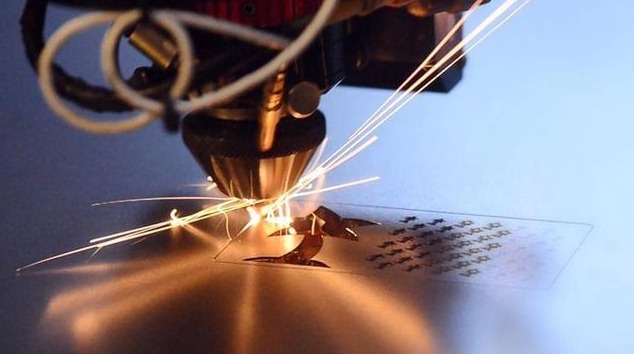
Material Selection Guide for Metal Fabrication Projects
You've identified your industry requirements and understand which fabrication processes suit your application. Now comes a decision that impacts everything from component longevity to total project cost: which material should you specify? Choosing between carbon steel, stainless steel, and aluminum isn't simply about picking what looks good on paper. It requires understanding how each material performs under real-world conditions your parts will face.
Think about it this way. A material perfectly suited for indoor electronics enclosures might fail catastrophically in marine environments. The cheapest option upfront could become the most expensive choice when premature corrosion forces replacement. Quality metal fab starts with smart material decisions, and this guide gives you the framework to make them confidently.
Steel vs Stainless Steel vs Aluminum Decision Framework
When evaluating materials for your metal-fab project, three primary options dominate industrial applications. Each brings distinct advantages and limitations that directly affect your project's success. Let's examine what makes each material unique.
Mild/Low Carbon Steel: The Workhorse Material
Mild steel, containing between 0.14% to 0.20% carbon, remains the most widely used material in fab metal operations. According to Axis Fabrication, this popularity stems from several practical advantages.
Why choose carbon steel for your project?
- Exceptional fabricability: Low carbon content makes the material very easy to cut, bend, and weld without specialized equipment or techniques
- Cost efficiency: Typically the least expensive option among common fabrication materials, stretching project budgets further
- Superior weldability: More malleable than stainless steel and responds predictably to standard welding processes
- Excellent ductility: Accommodates complex forming operations without cracking or springback issues
- Great heat transfer: Suitable for applications requiring thermal conductivity
However, carbon steel has one significant limitation: it requires protective finishing to prevent corrosion. Without galvanizing, painting, or powder coating, mild steel rusts when exposed to moisture. This makes it inappropriate for marine settings, outdoor installations without proper coatings, or any environment with frequent water contact.
Typical applications include automobile panels, computer enclosures, structural components, and most general-purpose sheet metal products where the part receives protective finishing.
Stainless Steel: Corrosion Resistance and Durability
Stainless steel contains a minimum of 10.5% chromium, creating a self-healing oxide layer that provides inherent corrosion resistance. This characteristic makes stainless indispensable for specific applications where all metal fab solutions must withstand harsh conditions.
Key benefits of stainless steel include:
- Built-in corrosion protection: No additional coatings required for most environments
- Aesthetic appeal: Chromium content creates an attractive shine suitable for visible applications
- Excellent weldability: Easier to weld than aluminum, with predictable results using standard techniques
- Superior hardness: Much less likely to warp, deform, or scratch under heat or mechanical stress
- Heat resistance: Maintains structural integrity at elevated temperatures, enabling high-temperature sanitation processes
- Food-grade suitability: Approved for food contact applications where contamination prevention is critical
The primary drawback? Cost. Depending on alloying metals like chromium, nickel, manganese, and silicon, stainless steel typically costs significantly more than carbon steel or aluminum. Additionally, stainless has the lowest strength-to-weight ratio among common fabrication materials. While incredibly hard, it's also considerably heavy, which may be a determining factor in weight-sensitive applications.
Typical applications include food service equipment, medical devices, chemical processing components, household appliances, and any environment involving corrosive chemicals or frequent cleaning.
Aluminum: Lightweight Performance
When weight reduction matters, aluminum becomes the material of choice. According to industry sources, aluminum delivers approximately half the strength of steel at just one-third the weight, creating an exceptional strength-to-weight ratio.
Advantages that make aluminum attractive for quality metal fab projects:
- Significant weight savings: Dramatically reduces component mass without sacrificing necessary strength
- Natural corrosion resistance: Forms a protective oxide layer without additional finishing in many environments
- Excellent thermal conductivity: Ideal for heat sinks, heat exchangers, and thermal management applications
- Electrical conductivity: Suitable for applications requiring current flow
- High malleability: Generally more malleable and elastic than steel, accommodating complex forming operations
- Cost positioning: Depending on grade, often cheaper than stainless steel while providing corrosion resistance
However, aluminum presents certain challenges. Steel is much harder, meaning aluminum is more likely to warp, deform, or scratch under heat exceeding 400°F or significant force. The high thermal conductivity that benefits heat transfer applications makes aluminum harder to weld, requiring specialized techniques. Additionally, aluminum reacts with food products, changing color and flavor, making it unsuitable for direct culinary contact.
Typical applications include aircraft bodies, automotive components where weight reduction improves fuel efficiency, electronic enclosures, and any application prioritizing the strength-to-weight ratio.
Material Properties That Impact Your Project
Making an informed material decision requires comparing specific properties against your project requirements. The following metal fab table provides a comprehensive comparison across critical factors:
| Property | Mild/Carbon Steel | Stainless Steel | Aluminum |
|---|---|---|---|
| Strength Rating | High (base reference) | High to Very High | Moderate (1/2 steel strength) |
| Corrosion Resistance | Poor (requires coating) | Excellent (inherent) | Good (pH dependent) |
| Weight Factor | Heavy (base reference) | Heavy | Light (1/3 steel weight) |
| Cost Factor | Lowest | Highest | Moderate |
| Weldability | Excellent | Good | Challenging (requires expertise) |
| Machinability | Good | Moderate | Excellent |
| Formability | Excellent | Good | Excellent |
| Heat Resistance | Good | Excellent | Poor (warps above 400°F) |
| Best Applications | Structural components, automotive panels, general fabrication | Food service, medical, chemical processing, marine | Aerospace, weight-critical automotive, thermal management |
According to Industrial Metal Supply, choosing the best material requires assessing your project needs compared to each alloy's values. The fundamental properties to evaluate include tensile strength, corrosion resistance, weldability, machinability, and formability.
Practical Decision Criteria
When you're standing at the decision point, consider these project-specific factors:
- Environmental exposure: Will components face moisture, salt spray, chemicals, or outdoor conditions? Stainless steel or aluminum typically outperform uncoated carbon steel
- Load requirements: Heavy metal fab applications demanding maximum strength often favor steel grades, while weight-sensitive designs benefit from aluminum's strength-to-weight advantage
- Budget constraints: Carbon steel offers the lowest material cost but factor in finishing expenses. Stainless steel's higher upfront cost may prove economical when corrosion protection eliminates coating requirements
- Temperature exposure: Applications involving heat cycling or elevated temperatures favor stainless steel's stability over aluminum's susceptibility to warping
- Appearance requirements: Visible components benefit from stainless steel's natural aesthetic or aluminum's ability to accept anodizing and decorative finishes
- Regulatory compliance: Food contact, medical devices, and certain industrial applications mandate specific material grades regardless of other factors
Note that corrosion resistance comparisons between stainless steel and aluminum depend on environmental conditions. Aluminum provides superior corrosion resistance at pH levels around 4-6, while stainless steel performs better when pH exceeds 10. Aluminum corrodes quickly under highly acidic conditions.
Your material selection directly impacts fabrication partner requirements as well. A shop excelling at stainless steel TIG welding may lack experience with aluminum's specialized welding demands. Conversely, heavy metal fab operations focused on thick carbon steel plate may not offer the precision capabilities aluminum aerospace components require.
Understanding these material characteristics positions you to have more productive conversations with potential fabrication partners. Rather than accepting whatever material a fabricator recommends, you can specify requirements based on genuine project needs and evaluate whether their capabilities match your material selection. This knowledge becomes especially valuable when comparing custom fabrication approaches against production manufacturing methods, which we'll explore next.
Custom Fabrication vs Production Manufacturing
You've selected your material and understand your industry's requirements. Now a fundamental question arises: should you pursue custom metal fab for your unique project, or does your volume justify production manufacturing? This decision affects everything from per-unit costs to lead times and quality consistency. Surprisingly, many fabricators mention both capabilities without explaining what actually differs between these approaches.
Think of it this way. Custom fabrication resembles having a suit tailored specifically for you. Production manufacturing is more like buying that same style off the rack in thousands of units. Both have their place, and choosing correctly can mean the difference between project success and budget overruns.
When Custom Fabrication Makes Sense
Custom metal fab involves crafting individual items or small batches to meet specific requirements. According to EDCO Fabrication, this approach delivers exactly what you want with exceptional flexibility in design and production.
Why would you choose custom fabrication for your metal fab projects? Consider these scenarios:
- Prototype development: When you're testing a new design concept, custom fabrication allows rapid iteration without expensive tooling investments
- Specialized applications: Unique equipment, replacement parts for legacy systems, or one-of-a-kind installations require tailored solutions
- Low volume requirements: Orders of dozens or hundreds of units rarely justify production tooling costs
- Complex geometries: Intricate designs that require manual expertise and judgment during fabrication
- Rapid design changes: Projects still evolving benefit from the flexibility to adjust specifications quickly
The flexibility inherent in custom fabrication proves highly beneficial when market trends or customer preferences shift. Since making adjustments on the fly is relatively simple, your products stay competitive without requiring expensive retooling. A sheet metal fab shop specializing in custom work typically maintains versatile equipment capable of handling diverse projects rather than optimized production cells.
Quality control often reaches higher levels in custom fabrication environments. With focus on unique, individualized items, fabricators pay closer attention to detail throughout the process. This hands-on approach results in superior finished products when specifications demand precision that automated systems might miss.
However, custom approaches come with trade-offs. Per-unit costs run higher because setup time gets distributed across fewer parts. Lead times may extend longer as each project receives individual attention. And consistency between batches depends heavily on operator skill and documentation quality.
Scaling from Prototype to Mass Production
Production manufacturing creates large quantities of identical items with remarkable efficiency. When your metal fab equipment runs the same part repeatedly, costs drop dramatically while consistency improves.
Key advantages of production fabrication include:
- Cost efficiency at scale: Setup costs and tooling investments get amortized across thousands of units, lowering per-piece pricing significantly
- Faster turnaround: Streamlined processes and dedicated tooling mean goods are readily available to meet demand surges
- Standardized uniformity: Customers know exactly what to expect with each purchase, building trust and brand loyalty
- Reduced labor content: Automation and optimized workflows minimize handling and operator intervention
- Predictable quality: Statistical process control and automated inspection maintain tight tolerances across entire production runs
Dynamic metal fab operations excel when transitioning projects from prototype to volume production. This journey requires careful planning to avoid the surprises that derail many manufacturing programs.
According to All Metals Fabrication, prototypes are optimized for speed and form while production must be optimized for repeatability, throughput, and cost per unit. This fundamental difference creates typical mismatch areas including tolerance specifications, material utilization, and process selection.
The Complete Customer Journey
Understanding how projects flow from conception to delivery helps you work more effectively with fabrication partners:
- Concept and design: Initial specifications, material selection, and performance requirements get defined
- DFM (Design for Manufacturability) review: Experienced fabricators evaluate designs for production feasibility, suggesting modifications that reduce cost or improve quality without compromising function
- Prototyping phase: Custom metal fab inc operations produce initial samples for form, fit, and function testing
- Design refinement: Prototype feedback drives specification adjustments before production tooling investment
- Production planning: Fixture design, process documentation, and quality control procedures get established
- First article inspection: Initial production parts undergo comprehensive verification against specifications
- Volume production: Approved processes run at target volumes with ongoing quality monitoring
- Continuous improvement: Production data drives refinements that reduce cost and improve quality over time
The DFM support phase deserves special attention. Small design choices invisible in a one-off prototype can multiply cost, increase cycle time, and destabilize production once you scale to volume. Adopting a "prototype with production intent" mindset means building prototypes using the material, thickness, and tooling assumptions expected in production. When that's not possible, documenting where prototypes differ and requiring a delta review with manufacturing significantly reduces revision churn later.
Critical Considerations for Each Approach
When deciding between custom and production fabrication, evaluate these factors against your specific situation:
| Factor | Custom Fabrication | Production Manufacturing |
|---|---|---|
| Setup Costs | Minimal tooling investment | Significant fixture and tooling expenses |
| Per-Unit Cost | Higher (setup spread across fewer parts) | Lower (amortized across volume) |
| Lead Time | Variable, project-dependent | Predictable once established |
| Design Flexibility | High (changes easily accommodated) | Low (changes require retooling) |
| Consistency | Operator-dependent | Process-controlled |
| Ideal Volume | 1-500 units typically | 1,000+ units typically |
Budget constraints play a significant role in this decision. Custom manufacturing with its focus on uniqueness and quality costs more per unit. When building large volumes, production manufacturing proves far more cost-effective. However, the break-even point varies considerably based on part complexity, material costs, and required tolerances.
Market demand and product complexity also influence the choice. High demand for something simple and standardized points toward production methods. Niche markets with complex, specialized needs benefit from custom fabrication's flexibility. Evaluating client expectations, desired timeframes, and your capabilities to deliver on time without exceeding budget helps clarify which path fits your situation.
With this understanding of how custom and production approaches differ, you're equipped to communicate more effectively with potential fabrication partners. The next consideration involves where that fabrication happens, as geographic location brings its own set of advantages and challenges to your manufacturing strategy.
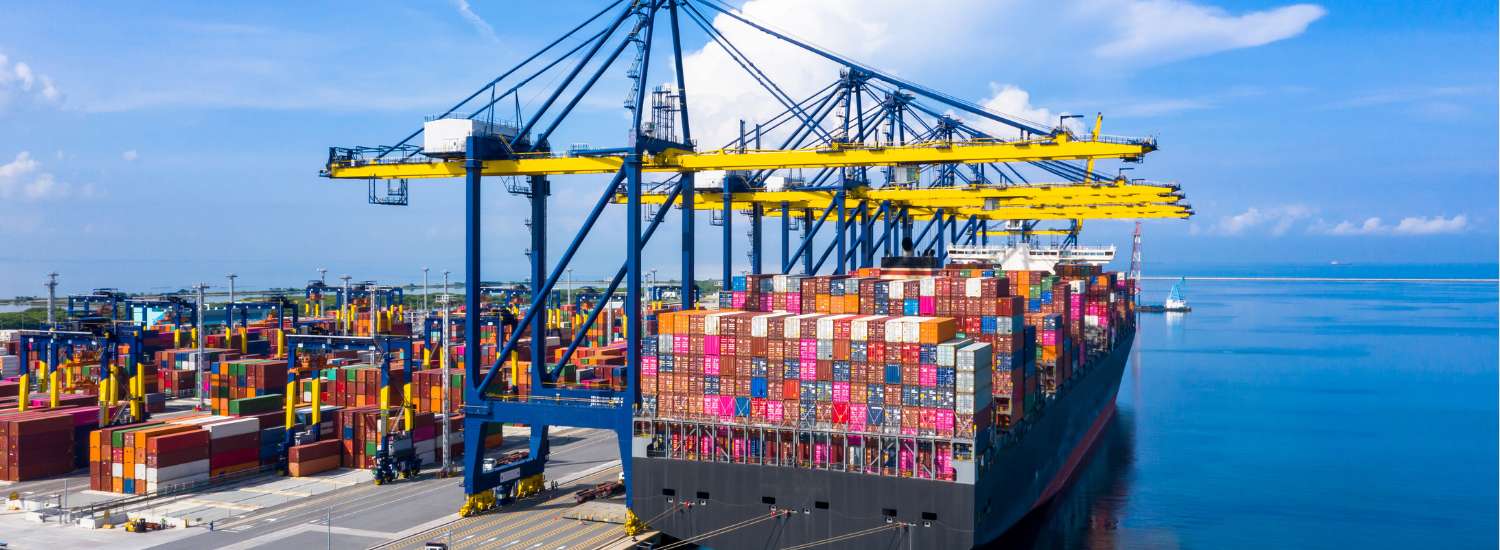
Domestic vs Global Metal Fabrication Sourcing
You've determined whether custom or production fabrication fits your needs. Now comes another strategic decision that impacts your entire supply chain: where should your preferred metal fab partner be located? This question goes beyond simple cost comparisons. Geographic location affects everything from communication efficiency to intellectual property security, and the right choice depends entirely on your specific project requirements.
Here's the reality. Both domestic and international manufacturing can deliver excellent results when matched to appropriate applications. The challenge lies in understanding which factors matter most for your situation and evaluating potential partners accordingly. Let's examine what each approach offers and where the trade-offs emerge.
Evaluating Domestic Manufacturing Advantages
When you search for a metal fab shop near me, proximity delivers benefits that extend far beyond convenience. According to EOXS research, domestic metals meet strict ASTM, ASME, and API industry standards while offering faster deliveries without overseas shipping delays.
American metal fab operations provide several distinct advantages:
- Shorter lead times: Eliminating transoceanic shipping removes weeks or months from delivery schedules, enabling faster project completion
- Direct quality oversight: You can visit facilities personally, observe production processes firsthand, and resolve quality issues immediately
- Communication efficiency: Same time zones and shared language eliminate the translation gaps that plague international partnerships
- Lower inventory requirements: Quick replenishment capability reduces the need to stockpile components against potential delays
- Regulatory compliance: Projects requiring Buy America Act compliance or government certifications mandate domestic sourcing
Southern metal fab operations and northern metal fab facilities alike benefit from established infrastructure and skilled workforces. According to Trison Wells research, domestic production provides tighter quality control and eliminates shipping complications that international alternatives introduce.
The 2025 USA Reshoring Survey reveals that 95% of OEMs were fully or somewhat satisfied with their reshoring results. The top reasons manufacturers cited for bringing production back included locating manufacturing near engineering (45%), reducing freight and duty costs (45%), and avoiding geopolitical risk (38%).
Rapid prototyping benefits significantly from domestic partnerships. When your american custom metal fab partner operates nearby, iterative design cycles compress dramatically. You can receive prototype parts, test them, provide feedback, and have revised versions within days rather than weeks. This acceleration proves invaluable when development timelines are tight.
Global Sourcing Considerations for Metal Fab
International manufacturing maintains appeal for specific applications despite the logistics complexity. China alone controls 28.7% of global manufacturing output, creating specialized ecosystems that domestic alternatives sometimes cannot match.
When might global sourcing make sense for your metal fab near me search?
- Cost advantages: Labor costs in Vietnam and Mexico run approximately one-eighth of U.S. rates, while Thailand drops to one-tenth
- Specialty materials: Some exotic alloys and rare materials may only be available from overseas suppliers
- High-volume capacity: International facilities often excel at massive production runs with automated systems running lights-out operations
- Component proximity: When raw materials originate in Asian markets, nearby fabrication reduces certain supply chain vulnerabilities
However, significant challenges accompany these potential benefits. Container shipping handles 99% of goods entering the United States and takes two to eight weeks depending on origin and destination. Customs clearance adds additional delays, particularly when documentation errors occur.
Pros of Domestic Metal Fab Sourcing
- Reliable quality meeting U.S. ASTM, ASME, and API standards
- Shorter, more predictable lead times
- Easier material traceability with certified Mill Test Reports
- Stable supply chain with less exposure to global disruptions
- Direct communication without language barriers
- Supports local economy and jobs
Cons of Domestic Metal Fab Sourcing
- Higher labor and production costs
- Limited availability of certain specialty alloys
- Potential capacity constraints during high-demand periods
- May require longer production backlogs at popular facilities
Pros of International Metal Fab Sourcing
- Lower labor and production costs for price-sensitive applications
- Access to specialty alloys not produced domestically
- Bulk availability at competitive prices
- Supplier diversification reducing single-source dependency
Cons of International Metal Fab Sourcing
- Extended lead times from shipping and customs processes
- Inconsistent quality requiring additional testing and verification
- Tariffs and trade policy uncertainty affecting costs
- Intellectual property risks in markets with inadequate protections
- Communication challenges across languages and time zones
- Supply chain vulnerability to political instability and shipping disruptions
Hidden Costs That Change the Calculation
Surface-level price quotes rarely tell the complete story. Research indicates that manufacturers using simple landed-cost calculations often underestimate actual offshoring expenses by 20%-30%. The Total Cost of Ownership approach reveals expenses that initial quotes obscure.
Consider these frequently overlooked factors:
- Intellectual property exposure: FBI reports document billions in annual losses from IP theft in markets with inadequate protections
- Shipping volatility: Transoceanic shipping costs jumped sevenfold in 18 months following March 2020
- Communication overhead: Bilingual employees spend approximately 4 hours weekly on unofficial translation duties, costing businesses roughly $7,500 annually per worker in lost productivity
- Quality verification: Additional testing and inspection requirements for imported materials add cost and time
- Inventory carrying costs: Longer supply chains require larger safety stock investments
The reshoring survey data shows that 40% of OEMs would pay 10%-20% more for delivery that was five weeks faster. This premium for shorter lead times points to a significant opportunity for domestic fabricators to compete on value rather than price alone.
Your sourcing decision ultimately depends on balancing these factors against your specific requirements. Projects demanding tight tolerances, rapid iteration, or regulatory compliance typically favor domestic american metal fab partners. High-volume commodity components with flexible timelines may justify international sourcing despite the added complexity.
Whatever geographic strategy you choose, the ability to evaluate fabrication equipment and capabilities becomes essential for identifying partners who can actually deliver on their promises. Understanding what questions to ask about equipment specifications helps separate genuine expertise from marketing claims.
Evaluating Fabrication Equipment and Capabilities
You've narrowed down your geographic preferences and understand what separates custom from production work. But here's where many procurement decisions go wrong: accepting capability claims at face value without understanding what the equipment specifications actually mean for your project outcomes. When a metal fab shop near me advertises "state-of-the-art equipment," what should you really be looking for?
Equipment capabilities directly determine whether your fabrication partner can deliver parts meeting your specifications consistently. A shop might have impressive-looking machinery, but tonnage ratings, precision tolerances, and automation levels tell the real story. Let's decode what these specifications mean and how to evaluate them effectively.
Equipment Capabilities That Affect Your Results
Every piece of metal fab machinery has quantifiable specifications that predict its performance on your projects. Understanding these numbers transforms vague capability discussions into concrete evaluations.
CNC Machine Precision Ratings
According to Kesu Group research, precision in CNC machining defines how closely machined parts match design specifications. When evaluating advanced metal fab operations, focus on these critical metrics:
- Tolerance range: The allowable deviation from specified dimensions, typically measured in thousandths of an inch or microns. High-precision machines achieve ±0.0005" while standard equipment may only guarantee ±0.005"
- Repeatability: The machine's ability to return to the same position consistently across multiple operations. This matters more than single-part accuracy for production runs
- Surface finish capability: Measured in Ra (roughness average), this indicates the smoothness achievable without secondary operations
- Positional accuracy: How precisely the machine positions cutting tools relative to programmed coordinates
Request detailed specifications from potential partners, including machine datasheets and calibration records. A fabricator confident in their sheet metal fab tools will readily share this documentation. Additionally, reviewing sample parts with accompanying measurement reports validates whether their precision claims hold up in practice.
Press Brake Tonnage and Bending Capacity
Press brake specifications determine what material thicknesses and bend lengths your fabricator can handle. According to CNHAWE's comprehensive guide, three specifications stand out as paramount for success: tonnage capacity, bending length, and working height.
The standard air bending tonnage formula provides useful context:
Force (tons) = 575-666 × (Material Thickness in inches)² × Bend Length in feet ÷ Die Opening in inches
Material factors significantly affect tonnage requirements. Mild steel with 60,000 PSI tensile strength serves as the baseline, but adjustments apply for different materials:
- Stainless steel: Requires 1.5× to 1.7× baseline tonnage depending on grade
- Aluminum: Requires 0.5× to 0.6× baseline tonnage
- High-strength steel: May require 2× or more baseline tonnage
Experienced fabricators plan for a 20-25% safety margin beyond calculated requirements. This margin accommodates material thickness variations, work hardening effects, and tooling wear without risking equipment overload.
Laser Cutting Power and Thickness Capabilities
Laser wattage directly correlates with cutting thickness capacity and speed. Higher wattage systems cut thicker materials faster, but the relationship isn't linear. Here's what different power levels typically achieve:
- 2-4 kW fiber lasers: Ideal for thin to medium gauge sheet metal, excellent edge quality on materials under 0.25"
- 6-8 kW systems: Handle thicker plate materials while maintaining reasonable cutting speeds
- 10+ kW lasers: Cut heavy plate efficiently, enabling fabricators to compete on thick material applications
Beyond raw power, evaluate cutting table size, material handling automation, and nitrogen/oxygen assist gas capabilities. These factors affect both what materials can be processed and how efficiently orders flow through production.
Automation Levels for Production Consistency
Automation transforms metal fab machinery from operator-dependent tools into consistent production systems. When evaluating fabricators, assess their automation investments across several dimensions:
- Automated material loading: Reduces handling time and minimizes scratching or damage during setup
- Robotic welding cells: Deliver consistent weld quality across high-volume production runs
- Automated inspection systems: Coordinate Measuring Machines (CMMs) and vision systems catch defects before parts ship
- Integrated ERP systems: Connect scheduling, quality data, and production tracking for transparency
Precision metal fab suspension components and other safety-critical applications particularly benefit from automation's consistency advantages. When human variability introduces risk, automated systems provide the repeatability that quality standards demand.
Reading Between the Lines of Fabricator Capabilities
Equipment lists only tell part of the story. Weaver metal fab expertise and similar skilled operations demonstrate that operator knowledge, maintenance practices, and quality systems ultimately determine whether impressive machinery produces impressive results.
Equipment Evaluation Reference Table
Use this comprehensive comparison when assessing potential fabrication partners:
| Equipment Type | Capability Range | Project Impact | Questions to Ask |
|---|---|---|---|
| CNC Machining Centers | ±0.0005" to ±0.005" tolerance; 3-axis to 5-axis capability | Determines achievable precision on complex geometries; affects whether secondary operations are needed | What is your documented repeatability? How often do you calibrate equipment? Can I see recent CMM reports? |
| Press Brakes | 50-ton to 1,000+ ton capacity; 4' to 20'+ bending length | Limits material thickness and part size; affects bend accuracy on long parts | What tonnage do you have available? Do you use crowning compensation? What is your angular accuracy? |
| Fiber Laser Cutters | 2kW to 15kW+ power; up to 1"+ steel cutting capacity | Determines maximum material thickness; affects edge quality and cutting speed | What is your maximum cutting thickness by material? What assist gases do you use? What table size do you have? |
| CNC Turret Punches | 1,000+ hits per minute; automated tool changers | Efficiency on hole-intensive parts; forming capability reduces secondary operations | What tooling library do you maintain? Can you form features like louvers and countersinks? |
| Welding Equipment | MIG, TIG, spot, robotic cells | Weld quality and consistency; affects structural integrity and appearance | What certifications do your welders hold? Do you have robotic welding capability? What inspection methods do you use? |
| Inspection Systems | CMMs, optical comparators, vision systems | Verification capability determines confidence in quality claims | How do you verify first article parts? What in-process inspection do you perform? Can you provide certified inspection reports? |
Practical Questions That Reveal True Capabilities
According to Greengate Metal Components, asking the right questions upfront helps assess whether a subcontractor has the expertise, reliability, and capacity to handle your project. Beyond equipment specifications, probe these areas:
- Maintenance practices: "How often do you perform preventive maintenance on critical equipment?" Well-maintained machines produce consistent results; neglected equipment drifts out of specification
- Calibration schedules: "When was your CMM last calibrated, and by whom?" Third-party calibration certificates provide credibility that internal calibration lacks
- Operator qualifications: "What training and certifications do your operators hold?" Even excellent equipment requires skilled operators to achieve its potential
- Backup capacity: "What happens if your primary laser goes down during my order?" Fabricators with redundant equipment or established subcontractor relationships minimize disruption risk
- Process documentation: "Can you show me a sample work order with quality checkpoints?" Documented processes indicate systematic approaches rather than ad-hoc production
The operator-to-machine ratio provides another useful indicator. A ratio of 1:2 or better ensures adequate oversight during production. Overextended operators rushing between too many machines inevitably compromise quality.
Validating Claims Before Committing
Equipment capabilities on paper mean little without validation. Consider these verification steps before selecting your preferred partner:
- Facility visits: Nothing replaces seeing equipment condition, organization, and workflow firsthand
- Sample part production: Request production of test parts using your actual materials and specifications
- Reference checks: Contact existing customers with similar project requirements to verify performance claims
- Certification verification: Confirm ISO, IATF, or industry-specific certifications remain current and cover relevant processes
A reliable fabricator welcomes this scrutiny. Hesitation to provide documentation, schedule facility tours, or connect you with references should raise concerns about whether advertised capabilities match reality.
Understanding equipment specifications empowers you to have substantive conversations with potential fabrication partners. You can distinguish between shops with genuine capability and those making claims their equipment cannot support. This foundation prepares you for the final critical step: establishing the evaluation criteria that identify truly preferred fabrication partners worthy of long-term relationships.
How to Select Your Preferred Metal Fab Partner
You've explored equipment capabilities, sourcing strategies, and industry-specific requirements. Now comes the moment of truth: how do you take all this knowledge and apply it to actually selecting a preferred metal fab partner? The difference between a successful long-term fabrication relationship and costly regret often comes down to systematic evaluation rather than gut instinct or lowest-bid selection.
Whether you're searching for metal fab utah specialists, exploring metal fab portland options, or evaluating coastal metal fab operations near your facility, the same fundamental criteria apply. Let's walk through a proven framework that separates truly superior metal fab partners from those who merely claim excellence.
Certification Standards That Signal Quality
Certifications serve as third-party validation that a fabricator's quality systems meet recognized standards. But not all certifications carry equal weight for every application. Understanding what each certification represents helps you match partner qualifications to your actual requirements.
According to DEKRA Certification, IATF 16949 represents the gold standard for automotive supply chain quality. This certification builds upon ISO 9001 requirements while adding automotive-specific elements including traceability for regulatory compliance, safety-related parts and processes, and warranty management procedures. For anyone sourcing chassis, suspension, or structural components, working with IATF 16949-certified fabricators significantly reduces quality risk.
Key certifications to verify when evaluating diversified metal fab operations include:
- ISO 9001: Foundation-level quality management system certification applicable across industries
- IATF 16949: Automotive-specific certification demonstrating advanced quality systems, defect prevention, and lean manufacturing principles
- AS9100: Aerospace industry quality standard with rigorous documentation and traceability requirements
- ISO 14001: Environmental management certification indicating commitment to sustainable practices
- AWS D1.1: Structural welding certification validating weld quality for load-bearing applications
Don't simply accept claims of certification. Request current certificates, verify expiration dates, and confirm the certification scope covers the specific processes relevant to your project. A fabricator certified for machining operations may not hold certification for welding processes you require.
The Complete Partner Evaluation Checklist
Selecting your preferred fabrication partner requires systematic assessment across multiple dimensions. According to TMCO's industry guidance, evaluating more than price is essential because the true value of working with experienced custom metal fabricators lies in craftsmanship, technology, scalability, and proven commitment to quality.
Use this numbered checklist to evaluate potential metal fab inc partners comprehensively:
- Verify current certifications and audit histories: Request copies of ISO 9001, IATF 16949, or industry-specific certifications. Check issue dates, expiration dates, and whether any certifications have been suspended or withdrawn. Ask about recent audit findings and corrective actions taken.
- Assess in-house capabilities versus outsourcing: According to State Line Supply, a supplier that offers secondary processes in-house can drastically reduce lead times and logistical headaches. Determine which processes happen internally and which get subcontracted, as handoffs introduce quality variability.
- Evaluate quality control processes and inspection equipment: Ask about first-article inspection procedures, in-process quality checks, and final inspection protocols. Verify they use Coordinate Measuring Machines (CMMs) or other precision inspection equipment appropriate for your tolerance requirements.
- Request customer references from similar applications: A reliable fabricator will connect you with existing customers who have similar project requirements, volumes, or industry certifications. Speaking directly with references reveals performance reality that marketing materials obscure.
- Test communication responsiveness before committing: How quickly do they respond to quote requests? Do technical questions receive thorough answers? Response patterns during the sales process predict behavior during production when problems arise.
- Review on-time delivery track records: Request documented on-time delivery percentages. Ask how they handle rush orders and what happens when they miss delivery commitments. Consistent on-time performance signals operational excellence.
- Confirm engineering and DFM support availability: Superior metal fab partners collaborate early in the design process, reviewing drawings and offering Design for Manufacturability guidance that reduces cost without compromising performance. This proactive support prevents costly production surprises.
- Assess financial stability and business continuity: A fabricator's financial health affects their ability to invest in equipment, retain skilled workers, and weather economic downturns. Request basic financial references or check credit ratings for significant partnerships.
Building a Reliable Fabrication Partnership
The evaluation process extends beyond checking boxes on qualification criteria. According to industry experts, effective collaboration depends on open communication, and the "soft skills" of a supplier are just as important as their technical ones.
What distinguishes industrial metal fab inc operations worthy of preferred status? Consider these relationship indicators:
- Proactive problem notification: Do they alert you immediately when issues arise, or do problems surface only after missed deadlines?
- Investment in your success: Superior partners suggest design improvements, identify cost reduction opportunities, and treat your projects as their own
- Transparent pricing: Clear, itemized quotes enable informed decisions; vague estimates often hide surprise charges
- Capacity planning communication: Reliable partners discuss lead times honestly rather than overpromising to win orders
- Continuous improvement mindset: Look for fabricators who track quality metrics, analyze defects, and implement systematic improvements
Rapid Prototyping and DFM Support as Differentiators
Two capabilities increasingly separate preferred fabrication partners from commodity suppliers: rapid prototyping speed and comprehensive DFM support.
Rapid prototyping allows design teams to validate concepts quickly, test form and fit, and iterate toward optimal solutions before committing to production tooling. When a fabricator offers 5-day rapid prototyping turnaround, development cycles compress dramatically. You can identify problems early when changes cost little rather than discovering issues during production when modifications require expensive retooling.
DFM support proves equally valuable. Experienced fabricators review your designs before production, identifying features that increase manufacturing difficulty, suggesting alternatives that maintain function while reducing cost, and flagging tolerance specifications that require premium processing. This collaborative approach prevents the frustrating cycle of receiving parts that technically meet drawings but fail in application.
Shaoyi (Ningbo) Metal Technology exemplifies these preferred partner qualities in action. Their IATF 16949-certified operations deliver 5-day rapid prototyping alongside comprehensive DFM support, demonstrating how leading fabricators combine certification excellence with practical engineering collaboration. Their 12-hour quote turnaround further illustrates the responsiveness that distinguishes preferred partners from slower-moving competitors.
Red Flags That Signal Future Problems
Knowing what to avoid proves as valuable as knowing what to seek. These warning signs often predict partnership disappointments:
- Reluctance to provide references: Quality fabricators proudly connect prospects with satisfied customers
- Vague answers to technical questions: Competent partners explain their capabilities clearly and acknowledge limitations honestly
- Pressure to commit quickly: Reliable fabricators understand that thorough evaluation leads to stronger partnerships
- Outdated equipment without upgrade plans: Stagnant capital investment often indicates financial constraints or complacency
- High employee turnover: Inconsistent workforce leads to inconsistent quality and lost institutional knowledge
- Missing or expired certifications: Certification lapses signal quality system breakdowns
A trusted fabrication partner doesn't just build parts - they support your goals, improve your product, and help position your project for long-term success.
Making Your Final Selection
With evaluation complete, making the final decision requires weighing factors against your specific priorities. The lowest-cost option rarely delivers the best total value when you account for quality issues, delivery delays, and communication friction.
Consider creating a weighted scorecard that reflects your actual priorities. If rapid iteration matters most, weight prototyping speed heavily. If regulatory compliance drives requirements, emphasize certification verification. If cost pressure dominates, balance pricing against quality track records to avoid false economies.
Remember that selecting a preferred metal fab partner represents an investment in your manufacturing future. The evaluation effort you invest upfront pays dividends through reduced quality problems, smoother communication, and a fabrication relationship that strengthens rather than strains your operations.
By applying these systematic criteria, you transform fabrication partner selection from hopeful guesswork into informed decision-making. The result? Partnerships built on verified capability rather than marketing promises, delivering the consistent quality and reliability that preferred status truly represents.
Frequently Asked Questions About Preferred Metal Fab
1. What is preferred metal fab?
Preferred metal fab refers to a strategic manufacturing approach where businesses select fabrication partners based on quality certifications, proven capabilities, and consistent reliability rather than simply choosing the lowest bid. The term 'preferred' indicates a vetted, trusted relationship built on performance history, transparent communication, and mutual commitment to excellence. Unlike transactional vendor relationships, preferred metal fab partnerships involve deep familiarity with your industry requirements, material preferences, and tolerance standards.
2. What are the three types of metal fabrication?
The three basic metal fabrication techniques are cutting, bending, and assembling. Cutting includes laser cutting and CNC punching for precision material removal. Bending uses press brakes to transform flat sheets into three-dimensional components through air bending, bottom bending, or coining methods. Assembling joins fabricated parts through welding processes like MIG, TIG, or spot welding. Understanding these core processes helps buyers evaluate fabrication partners and match capabilities to specific project requirements.
3. Are metal fabricators in demand?
Yes, metal fabricators are currently in high demand due to a skills shortage coupled with industry growth. The reshoring trend has increased domestic manufacturing needs, with 95% of OEMs reporting satisfaction with reshoring results. Metal fab jobs span diverse industries including automotive, aerospace, HVAC, and electronics. Certified fabricators with IATF 16949 or AS9100 credentials are particularly sought after for precision applications requiring consistent quality and documented processes.
4. What certifications should a preferred metal fab partner have?
Essential certifications depend on your industry. ISO 9001 provides foundational quality management validation across industries. IATF 16949 is critical for automotive supply chains, ensuring defect prevention, lean manufacturing, and warranty management compliance. AS9100 covers aerospace applications with rigorous traceability requirements. AWS D1.1 validates structural welding quality for load-bearing components. Always verify certification currency, scope coverage, and recent audit findings before committing to a fabrication partnership.
5. How do I choose between domestic and international metal fabrication sourcing?
Evaluate your priorities across lead time, quality control, communication, and total cost of ownership. Domestic fabrication offers shorter lead times, direct quality oversight, same-timezone communication, and regulatory compliance for Buy America requirements. International sourcing may provide lower labor costs but adds shipping delays, quality verification needs, IP risks, and hidden expenses that can increase actual costs by 20-30% beyond initial quotes. Projects demanding tight tolerances, rapid prototyping, or certification compliance typically favor domestic partners.