 Small batches, high standards. Our rapid prototyping service makes validation faster and easier —
  EN
EN


How To Spot A Reliable CNC Manufacturer Before You Sign Anything
Understanding What CNC Manufacturer Really Means
When you start searching for a CNC manufacturer, you might notice something confusing. Some companies sell massive machines worth hundreds of thousands of dollars, while others offer to produce your custom parts for a fraction of that cost. So whats CNC manufacturing really about, and which type of provider do you actually need?
Let's start with the basics. The CNC meaning refers to Computer Numerical Control - a technology that uses programmed instructions to operate machine tools with precision and repeatability. But here's where many buyers get tripped up: the term "CNC manufacturer" can describe two fundamentally different types of businesses, and understanding this distinction will save you from costly sourcing mistakes.
Machine Builders vs. Part Producers
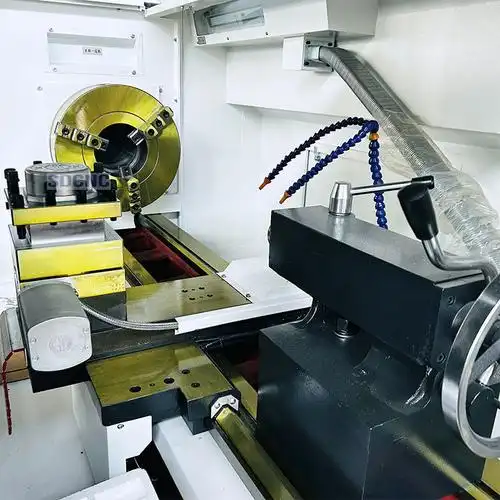
What is CNC manufacturing in the context of your project? The answer depends entirely on which category of provider you're dealing with. CNC machine tool manufacturers are companies like Haas, DMG MORI, and Okuma that design and build the actual machining equipment. These are the businesses that create the sophisticated mills, lathes, and multi-axis centers that power modern production facilities.
On the other hand, CNC machining service providers - often called CNC manufacturing shops - purchase these machines and use them to produce parts for their clients. They're the ones who'll take your CAD file and turn it into a finished component. This c.n.c meaning distinction is critical because approaching the wrong type of company wastes everyone's time.
Imagine walking into a car dealership and asking them to change your oil. That's essentially what happens when buyers contact machine tool manufacturers looking for part production services. The reverse scenario - asking a machining shop to sell you industrial equipment - creates similar confusion.
Why the Distinction Shapes Your Sourcing Strategy
Your sourcing path depends entirely on which CNC definition applies to your needs. Are you building manufacturing capacity within your own facility? Or do you need someone to produce parts without the overhead of equipment ownership?
Consider this: purchasing your own CNC equipment means complete control over production schedules but requires significant capital investment and specialized operational knowledge. Partnering with CNC manufacturing shops eliminates upfront costs while providing access to professional expertise - though you'll depend on external scheduling and availability.
| Criteria | CNC Machine Tool Manufacturers | CNC Machining Service Providers |
|---|---|---|
| Business Model | Design, engineer, and sell machining equipment | Operate machines to produce custom parts |
| What They Sell | Mills, lathes, machining centers, software | Finished components, prototypes, production runs |
| Typical Customers | Manufacturing facilities, machine shops, factories | Product designers, OEMs, engineers needing parts |
| When to Choose | Building in-house production capability with long-term, high-volume needs | Need parts produced without equipment investment; variable or lower-volume requirements |
Getting this fundamental distinction right from the start ensures you're evaluating the right type of CNC manufacturer for your specific project requirements. With this foundation established, you'll be better equipped to assess capabilities, certifications, and pricing structures as we explore in the following sections.
CNC Manufacturing Capabilities Every Buyer Should Know
Now that you understand the difference between machine builders and part producers, let's dive into something equally important: the actual processes these providers use to create your components. Not every CNC manufacturer offers the same capabilities, and matching the right process to your part requirements can mean the difference between a successful project and an expensive headache.
Think of CNC processes like tools in a workshop. A hammer works great for nails, but you wouldn't use it to drive screws. Similarly, choosing a CNC milling machine for a part better suited to turning - or vice versa - leads to unnecessary costs and compromised quality. Understanding these core capabilities helps you ask the right questions before committing to any supplier.
Core CNC Processes Explained
When evaluating potential manufacturing partners, you'll encounter several fundamental processes. Each serves specific purposes based on part geometry, material characteristics, and precision requirements. Here's what you need to know about each capability:
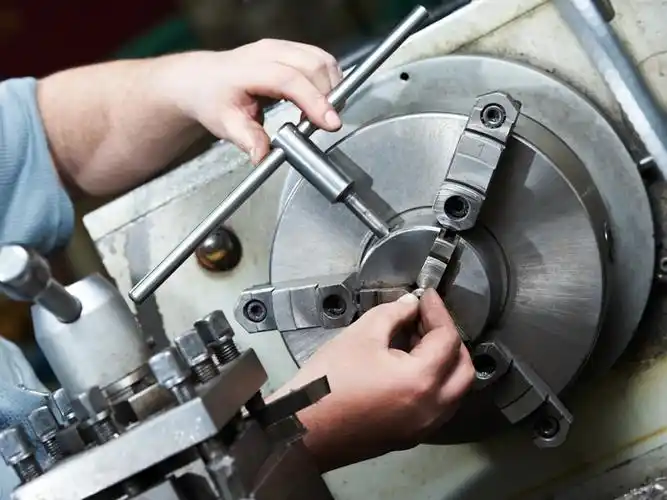
- CNC Turning/Lathes: In turning operations, a lathe machine spins the workpiece while a stationary cutting tool removes material. According to Auburn Bearing & Manufacturing, parts made on a CNC lathe generally have round shapes or holes along their axis. Think shafting, pulleys, bushings, and any cylindrical components. If your part starts as round bar stock and features rotational symmetry, turning is likely your most efficient option.
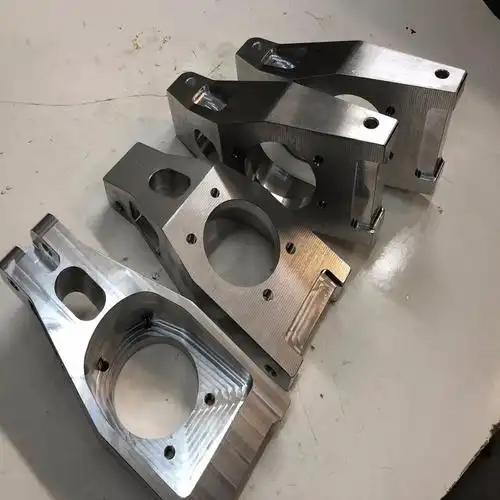
- CNC Milling (Vertical and Horizontal Machining Centers): Unlike turning, milling holds the workpiece stationary while a rotating cutting tool removes material. A vertical milling machine positions the spindle perpendicular to the worktable, making it ideal for flat surfaces and cavity work. Horizontal machining centers orient the spindle parallel to the table, excelling at parts requiring machining on multiple sides. Milling produces structural components, mounting plates, and complex 3D forms like mold cavities.
- Swiss-Type Automatic Lathes: These specialized machines combine turning and milling capabilities for small, intricate parts. Swiss lathes feature a sliding headstock and guide bushing that supports material close to the cutting point, enabling exceptional precision on slender components. Medical implant screws, watch components, and electrical connectors often require Swiss-type machining. Advanced configurations may include B-axis programmable units and thread whirling attachments for producing complex thread forms on bone screws and similar precision components.
- Wire EDM (Electrical Discharge Machining): When conventional cutting tools can't achieve required geometries or when working with hardened materials, wire EDM offers a solution. This process uses electrical discharges between a thin wire electrode and the workpiece to erode material with extreme precision. Wire EDM excels at producing intricate shapes, tight internal corners, and features in tool steels and carbides that would destroy conventional cutters.
- Grinding: When precision requirements exceed what a lathe or milling machine can achieve, a grinding machine becomes necessary. This process uses a spinning abrasive wheel to remove small amounts of material while achieving mirror-like surface finishes and tolerances measured in microns. Spindles, bearing surfaces, precision gauges, and cutting tools typically require grinding operations as a finishing step.
Understanding Multi-Axis Machining Capabilities
Beyond basic process types, the number of axes a machine can control dramatically affects what geometries are possible. This is where capability differences between manufacturers become especially apparent.
3-Axis Machining: The most straightforward configuration, where the spindle moves along X, Y, and Z linear directions while the workpiece remains fixed. According to CloudNC, 3-axis machines handle 2D and 2.5D geometries effectively but require multiple setups to machine all six faces of a part. Each additional setup adds cost and introduces potential alignment errors.
4-Axis Machining: This adds rotation around one axis (typically the A-axis), allowing the workpiece to rotate while being machined. Four-axis capability eliminates the need for multiple fixtures on many parts, reducing costs and improving accuracy between features on different faces. Complex profiles like cam lobes and helical features become possible with continuous 4-axis motion.
5-Axis Machining: The most versatile configuration adds two rotational axes, enabling the cutting tool to approach the workpiece from virtually any angle. A 5 axis CNC machine can produce highly complex 3D surfaces, compound angles, and undercut features impossible on simpler machines. While more expensive per hour, 5-axis machining often reduces total cost on complex parts by eliminating multiple setups and enabling single-operation completion.
Matching Capabilities to Your Part Requirements
Sounds complex? Here's a practical framework for determining which capabilities your project actually requires:
| Part Characteristic | Recommended Process | Why It Matters |
|---|---|---|
| Cylindrical shape, rotational symmetry | CNC Turning | Most efficient for round parts; lower cost than milling equivalent features |
| Flat surfaces, pockets, mounting features | CNC Milling (3-axis) | Standard capability available at most shops; cost-effective for prismatic parts |
| Features at angles to primary axes | 4-Axis or 5-Axis Milling | Eliminates costly fixtures; maintains tighter tolerances between angled features |
| Small diameter with high length-to-diameter ratio | Swiss-Type Lathe | Guide bushing prevents deflection; achieves precision impossible on standard lathes |
| Hardened materials or intricate internal shapes | Wire EDM | No cutting force; achieves geometries impossible with rotary cutters |
| Surface finish below 16 Ra or tolerances under ±0.0005" | Grinding | Only process capable of achieving ultra-fine finishes and tight tolerances |
When reviewing a potential CNC manufacturer's equipment list, look beyond just machine brands. Pay attention to axis configurations, work envelope sizes, and whether they offer combination machines that can complete parts in single setups. A shop with turning centers featuring live tooling, for instance, can mill keyways and hexes directly on shaft components without transferring to a separate milling machine - saving time and improving accuracy.
Understanding these capabilities positions you to have informed conversations with potential suppliers. But technical ability alone doesn't guarantee quality results. Next, we'll examine the certifications and quality systems that separate reliable manufacturers from those who merely claim precision.
Quality Certifications That Signal Manufacturing Excellence
You've identified the right processes and capabilities for your project. But here's a question many buyers overlook until problems emerge: how do you know a CNC manufacturer can actually deliver consistent quality, batch after batch? The answer lies in understanding quality certifications - those acronyms displayed on company websites that separate verified performers from those making unsubstantiated claims.
Quality certifications aren't just wall decorations. According to Advisera, these certifications mean a Certification Body has audited the manufacturer against specific requirements and continues holding routine audits to ensure the quality management system is maintained. In other words, someone independent has verified what these companies claim about their processes.
Decoding Quality Certifications
When evaluating CNC equipment capabilities and shop credentials, you'll encounter several certification standards. Each signals different levels of quality management maturity and industry focus. Here's what the major certifications actually mean for your project:
- ISO 9001: The baseline quality management standard recognized worldwide. Any reputable machining manufacturer should hold this certification at minimum. ISO 9001 ensures documented procedures, controlled processes, and continuous improvement systems are in place. Think of it as the entry ticket to professional manufacturing - necessary but not sufficient for demanding applications.
- IATF 16949: Built on ISO 9001 with additional requirements specifically for automotive production and service part organizations. If you're sourcing powertrain components, chassis parts, or anything destined for vehicle assembly, this certification is essential. IATF 16949 demands rigorous production part approval processes (PPAP) and defect prevention strategies that go well beyond basic quality management.
- AS9100: The aerospace industry's quality standard, also based on ISO 9001 but with additions designed for flight-critical applications. This certification addresses traceability, configuration management, and risk assessment requirements unique to aerospace machining manufacturing. Components for aircraft engines, landing gear, or structural assemblies should only come from AS9100-certified facilities.
- ISO 13485: Specifically published for medical device manufacturers, this standard covers quality management systems for medical devices and their regulatory requirements. If your parts will contact patients or function within diagnostic equipment, ISO 13485 certification ensures the manufacturer understands biocompatibility documentation, cleanroom protocols, and FDA compliance expectations.
- ITAR Registration: The International Traffic in Arms Regulations isn't a quality certification but rather a legal requirement for defense-related manufacturing. ITAR registration means the facility can legally work with controlled technical data and defense articles. Without it, a manufacturer cannot legally produce certain military components regardless of their quality systems.
Notice something important: higher-tier certifications don't just add checkboxes - they fundamentally change how a shop operates. An IATF 16949-certified facility running a vertical machining center approaches documentation, traceability, and process control differently than one holding only ISO 9001. These differences directly impact your part quality and delivery reliability.
What SPC and Inspection Capabilities Reveal
Beyond certifications, sophisticated manufacturers employ Statistical Process Control (SPC) to ensure consistent quality throughout production runs. But what does SPC actually mean for your parts?
Imagine a production run of 10,000 components. Without SPC, a shop might inspect the first piece, approve it, then run the entire batch - only discovering problems during final inspection when hundreds or thousands of parts are already out of tolerance. SPC changes this completely. By measuring critical dimensions at regular intervals and plotting results on control charts, operators detect process drift before it produces defects. This represents manufacturing automation at its finest - using data rather than luck to maintain quality.
When discussing capabilities with potential suppliers, ask specifically about their inspection equipment. Two technologies stand out as indicators of serious quality commitment:
- Coordinate Measuring Machines (CMM): According to Itpstyli, CMMs determine the geometry of physical objects by detecting specific points on their surface with a probe, operating within a three-dimensional coordinate system. Modern CMM systems can achieve measurement uncertainties within micrometers - precision that verifies your tight-tolerance features are actually within specification. A manufacturer investing in CMM equipment demonstrates commitment to factory automation and measurable quality outcomes.
- Optical Measurement Systems: These non-contact inspection tools use cameras and structured light to capture surface data rapidly. Optical systems excel at measuring delicate parts that might deform under CMM probe contact and can inspect complex geometries faster than point-by-point tactile measurement. For high-volume production, optical measurement enables 100% inspection rather than statistical sampling.
Here's a practical tip: request sample inspection reports during your evaluation process. Quality-focused manufacturers document everything - they'll readily provide examples showing how they verify critical dimensions. If a potential supplier hesitates or claims such documentation isn't available, consider it a warning sign about their actual quality practices.
The combination of appropriate certifications, implemented SPC protocols, and capable inspection equipment separates manufacturers who genuinely control quality from those who simply hope for good results. With quality indicators understood, you're ready to build a systematic framework for comparing multiple suppliers against your specific project requirements.
How to Evaluate and Compare CNC Manufacturers
You've learned about capabilities and certifications. Now comes the practical challenge: how do you systematically compare multiple suppliers when each presents different strengths? Whether you're searching for machine shops near me or evaluating overseas options, a structured evaluation framework prevents emotional decisions and ensures you're comparing apples to apples.
Think about it this way - choosing a CNC manufacturer without a scoring system is like hiring employees based solely on gut feeling. You might get lucky, but you're more likely to overlook critical factors that surface only after contracts are signed. Let's build a methodology that protects your project from the start.
Building Your Evaluation Scorecard
A comprehensive evaluation considers six key dimensions. Each factor carries different weight depending on your specific project requirements, but all deserve systematic assessment before making your final selection.
| Evaluation Criteria | What to Assess | Rating Considerations |
|---|---|---|
| Technical Capabilities & Equipment | Machine list, axis configurations, tolerances achievable, material expertise | Do their machines match your part requirements? Can they handle your material specifications without subcontracting? |
| Production Capacity & Scalability | Number of machines, shift patterns, ability to ramp volume | Can they handle prototype quantities today and scale to thousands next quarter without quality degradation? |
| Lead Time Flexibility | Standard turnaround, expedite options, prototype vs. production scheduling | What's their typical lead time? Do they offer expedited service when urgent needs arise? |
| Geographic Location & Logistics | Shipping costs, transit times, customs complexity, timezone alignment | How does location affect total landed cost and communication efficiency? |
| Communication Responsiveness | Quote turnaround, question response time, designated contacts | Do they respond within hours or days? Is there a dedicated project manager? |
| Engineering Support | DFM feedback, material recommendations, tolerance optimization | Will they help improve your design, or simply quote exactly what you submit? |
When you're looking for a cnc near me versus considering overseas options, weighting these criteria shifts dramatically. Local providers typically score higher on communication and lead time flexibility, while overseas manufacturers may offer advantages in capacity and pricing - though with significant trade-offs we'll explore shortly.
Consider also how each manufacturer describes their capabilities. According to JUPAICNC, the versatility of a machine shop is essential as it enables the provider to handle complex projects requiring different machining techniques. A fabrication shop offering only basic 3-axis milling limits your future options, while one with comprehensive multi-axis capabilities, turning, and secondary operations provides flexibility as your product evolves.
Domestic vs. Overseas Manufacturer Trade-offs
The decision between domestic and overseas sourcing deserves special attention because it affects nearly every evaluation criterion. Many buyers focus exclusively on unit pricing, but this narrow view overlooks factors that often determine project success or failure.
According to Frigate, 83% of North American manufacturers have evaluated reshoring due to supply chain vulnerabilities associated with offshore sourcing. Here's what drives that reconsideration:
- Quality Control: Domestic manufacturers operate under familiar regulatory frameworks and are easier to audit. Visiting an auto machine shop near me for quality verification costs a day trip; auditing an overseas facility requires international travel and significant expense. Offshore vendors may lack standardized record-keeping or operate outside recognized certification frameworks.
- Intellectual Property Protection: Transferring design files internationally introduces vulnerability points. Data may be intercepted, duplicated, or used without authorization - particularly concerning in regions with less rigorous IP enforcement. Domestic providers operating within secure networks offer stronger protection for proprietary designs.
- Total Landed Cost: That attractive overseas unit price often excludes freight forwarding, customs brokerage, import duties, and carrying costs for longer transit times. According to Frigate's analysis, hidden costs including duties, extended lead times, and quality-related rework can erode much of the perceived savings.
- Communication Efficiency: Timezone differences and language barriers create friction that compounds over a project's lifecycle. What could be resolved in a five-minute phone call domestically might require days of email exchanges across twelve-hour timezone gaps. This matters especially when engineering changes are needed.
- Lead Time Variability: Overseas sourcing adds shipping time, customs clearance, and multiple carrier handoffs - any single disruption cascades into production delays. Domestic manufacturers eliminate this complexity, supporting just-in-time delivery models impossible with transoceanic logistics.
This doesn't mean overseas sourcing is always wrong. High-volume, stable production of mature designs can benefit from offshore manufacturing economics. But for prototyping, design iteration, or applications requiring tight quality control, domestic partners typically deliver better outcomes despite higher unit pricing.
Red Flags That Signal Potential Problems
Beyond scoring positive attributes, watch for warning signs during your evaluation. These red flags often predict problems that emerge only after you've committed to a supplier:
- Vague equipment descriptions: Reliable manufacturers proudly share their equipment lists. If a shop can't tell you exactly which machines they'll use for your project, question whether they actually have appropriate capabilities - or whether they're planning to subcontract your work.
- No quality certification documentation: Claims of ISO 9001 or industry-specific certifications should be easily verified. Request certificate copies and check expiration dates. Legitimate certifications come from accredited bodies and are readily available.
- Unrealistically low pricing: When one quote comes in significantly below others, investigate why. Are they cutting corners on inspection? Using substandard materials? Planning to surprise you with change orders later? Experienced buyers know that pricing outliers usually indicate hidden problems.
- Poor responsiveness during quoting: If a manufacturer takes weeks to respond during the sales process - when they're supposedly trying to win your business - imagine how they'll perform when you're already a customer with production deadlines.
- Resistance to facility visits: Whether it's an engine machine shop specializing in automotive work or a general-purpose facility, reputable manufacturers welcome customer visits. Reluctance to allow inspection suggests something they'd rather you not see.
- No references available: Established manufacturers have satisfied customers willing to serve as references. A shop unwilling or unable to provide contacts for verification lacks the track record to support their claims.
When searching for cnc machinist jobs near me, candidates evaluate employers using similar criteria - company stability, equipment quality, and workplace culture. Apply the same rigor when evaluating your potential manufacturing partners. The manufacturer you select becomes an extension of your production capability, and that relationship deserves thorough vetting.
With your evaluation framework established and warning signs identified, you're prepared to engage manufacturers formally. The next step involves preparing a complete RFQ package that gets you accurate, comparable quotes without the back-and-forth that delays projects and frustrates everyone involved.
Navigating the RFQ Process Like a Pro
You've identified promising manufacturers and built your evaluation scorecard. Now comes the moment of truth: requesting quotes that actually let you compare options intelligently. Here's the problem most buyers face - incomplete RFQ packages trigger endless back-and-forth emails, delayed responses, and quotes so different from each other that meaningful comparison becomes impossible.
Think about it from the manufacturer's perspective. When they receive a vague request with missing specifications, they're forced to make assumptions. Those assumptions might be conservative (driving prices up) or optimistic (leading to surprise charges later). Either way, you lose. A complete, professional RFQ package signals that you're a serious buyer who understands manufacturing - and it gets you accurate quotes faster.
Preparing a Complete RFQ Package
What information do manufacturers actually need to give you an accurate quote? According to Tarvin Precision, providing complete information upfront - including 2D drawings, STEP/Parasolid models, target volumes, required standards, deadlines, and critical-to-quality features - helps avoid delays and ensures realistic quotations. Here's your step-by-step preparation checklist:
- Gather Complete CAD Files: Most CNC manufacturers prefer STEP (.step/.stp) or IGES (.igs/.iges) formats because they're universally compatible with CAM software. Include both 3D models and 2D drawings with dimensions. Native SolidWorks or NX files work for shops using those platforms, but neutral formats ensure any manufacturer can open your files without conversion issues.
- Specify Material Requirements: Don't just write "aluminum" - specify the exact alloy and temper (6061-T6, 7075-T651, etc.). Include any material certification requirements such as mill test reports. If you're open to alternatives that might reduce cost, note this flexibility. For specialized applications like cnc acrylic service, material clarity becomes especially critical since plastic grades vary dramatically in machinability.
- Define Tolerance Requirements: Identify which dimensions are critical and which can accept standard machining tolerances. According to HMaking, many suppliers report that 20-40% of tight tolerances on incoming drawings serve no actual function - driving up costs unnecessarily. Specify only what you genuinely need.
- Call Out Surface Finish Requirements: Include Ra values for critical surfaces and identify any cosmetic requirements. Note whether parts require secondary finishing like anodizing, plating, or powder coating - and whether you want the manufacturer to handle these or receive parts in as-machined condition.
- Establish Quantity Tiers: Request pricing at multiple volumes - prototype quantities (1-5 pieces), small batch (25-50), and production volumes (500+). This reveals how pricing scales and helps you plan for different project phases.
- Set Clear Delivery Expectations: Specify your need-by date and whether partial shipments are acceptable. If timing is flexible, say so - manufacturers often offer better pricing when they can fit your work between rush orders. Confirm the delivery address and whether you need specific packaging or labeling.
- Include Quality Documentation Needs: Specify inspection requirements upfront - first article inspection reports, certificates of conformance, material certifications, or full dimensional reports. Different documentation levels carry different costs, and surprises here frustrate everyone.
One often-overlooked detail: confirm your drawing revision status. Manufacturers quote exactly what you send. If you submit outdated files and later request changes, expect additional charges. Lock your design before requesting quotes, and clearly mark revision numbers on all documents.
Understanding Quote Components and Hidden Costs
When quotes arrive, the real work begins. Understanding how manufacturers structure pricing helps you compare options accurately and avoid surprises when invoices arrive. A reliable supplier shows exactly how the cost is formed, according to HMaking's analysis of CNC pricing transparency.
Here's what each quote component typically covers:
| Quote Component | What It Includes | What to Watch For |
|---|---|---|
| Setup/Programming Charges | CAM programming, fixture preparation, first-piece verification | One-time cost per order - amortizes across quantity. Ask if programming is retained for repeat orders. |
| Per-Piece Pricing | Material, machining time, operator labor | Should decrease at higher volumes. Verify material grade is specified, not just "aluminum." |
| Tooling Charges | Special cutters, custom fixtures, cnc machining tools for unique features | Sometimes listed separately, sometimes buried in setup. Clarify ownership - do you keep custom fixtures? |
| Inspection Costs | CMM measurement, documentation preparation, certification | May be included or itemized. 100% inspection costs more than sampling. Verify what's included. |
| Secondary Operations | Heat treatment, plating, anodizing, assembly | Often subcontracted. Ask who performs these and whether pricing includes their markup. |
According to Xometry, short lead times drive cost due to overtime and expedites on material and finishing, while special tooling or processes like EDM can significantly impact pricing. When comparing quotes, ensure you're evaluating total cost including these variables - not just the per-piece number that appears largest on the page.
Watch for quotes that present a single lump-sum price with no breakdown. As HMaking notes, a vague quote often hides inflated margins, missing processes, or inconsistent assumptions that create unexpected costs later. Professional manufacturers provide itemized quotes because they have nothing to hide.
Minimum Order Quantities and Volume Considerations
Unlike buyers searching for a cnc machine for sale or browsing cnc milling machine for sale listings with fixed prices, custom machining quotes vary dramatically based on order quantity. Understanding why helps you negotiate effectively.
Setup is a fixed cost - whether you order one part or one thousand, the fixture preparation, tool loading, and first-piece validation must be completed. According to Tarvin Precision, CNC machining is well-suited to prototypes and low-to-mid volumes, with MOQs usually driven by setup cost rather than formal policy. This means most manufacturers don't impose strict minimums but instead price low quantities to recover their fixed costs.
Here's the practical impact: a part with $200 in setup costs priced at 2 units carries $100 per piece in setup alone. That same setup spread across 200 units adds just $1 per piece. This math explains why prototype pricing can seem shockingly high compared to production quantities - and why manufacturers often encourage slightly larger batches once designs stabilize.
When reviewing cnc machine offers or evaluating quotes ranging from Haas cnc mill for sale equipment prices to contract manufacturing rates, remember that context matters. Equipment purchases amortize over years of production, while contract manufacturing must recover costs project by project. This fundamental difference shapes every aspect of how manufacturers price their services.
Armed with a complete RFQ package and the ability to decode quote components, you're positioned to receive accurate, comparable pricing from multiple suppliers. But price alone doesn't determine value - understanding the cost drivers behind those numbers helps you identify opportunities for optimization without sacrificing quality.
Pricing Factors and Budget Considerations
You've received quotes from several promising manufacturers. Now comes a challenge that trips up even experienced buyers: understanding why prices vary so dramatically between suppliers - and determining which quote actually represents the best value. Spoiler alert: the lowest number on the page rarely tells the whole story.
Consider this scenario. Two quotes arrive for identical parts - one at $15 per piece, another at $22. The obvious choice seems clear, right? Not so fast. That cheaper quote might exclude inspection documentation, use offshore subcontractors for milling operations, or come from a shop that delivers late 40% of the time. Understanding what drives CNC manufacturing costs helps you see through superficial pricing and identify genuine value.
What Drives CNC Manufacturing Costs
Every quote you receive reflects a combination of cost factors that manufacturers must recover to stay in business. According to HKAA's 2025 pricing analysis, the basic formula works like this: Cost = Machine Time × Hourly Rate + Material Cost + Setup Cost + Finishing + Shipping. Let's break down each component so you understand exactly where your money goes.
- Material Costs: Raw material represents a significant portion of every quote. Aluminum 6061 might cost $3-6 per kilogram, while stainless steel runs $4-8 and titanium can exceed $30 per kilogram according to industry benchmarks. Beyond raw price, material affects machining time - harder materials require slower cutting speeds and cause faster tool wear, compounding costs beyond the initial stock price.
- Machine Time Rates: This is often the largest cost component. A standard 3-axis mill typically runs $70-125 per hour, while 5-axis machining centers command $150-250 hourly. Every CNC machine operator hour on your project carries these rates, so part complexity directly impacts pricing. A skilled cnc operator running advanced equipment costs more - but often produces better results faster.
- Setup and Programming Charges: Before any cutting begins, someone must program toolpaths, prepare fixtures, and validate the first piece. According to Komacut, setting up a CNC machine is particularly labor-intensive, involving tool installation, material preparation, and machine parameter configuration. These one-time costs get amortized across your order quantity - explaining why prototype pricing feels so steep.
- Tooling and Consumables: Specialized cutters, custom fixtures, and machinist tools required for your specific part add costs. Grind machining operations on hardened materials consume expensive abrasive wheels. Lathe tooling for turning operations wears and requires replacement. These consumable costs get factored into every quote.
- Secondary Operations and Finishing: Few parts leave the machine ready for use. Heat treatment, plating, anodizing, painting, and assembly operations each add cost layers. HKAA's research indicates finishing and post-processing can add $5-50+ per part depending on requirements - sometimes exceeding the machining cost itself.
- Inspection and Documentation: Quality verification takes time and specialized equipment. Basic inspection might be included in machining rates, but CMM measurement, first article inspection reports, and material certifications typically carry additional charges. The more documentation you require, the higher this cost component.
How Complexity, Tolerances, and Quantity Affect Pricing
Beyond these direct cost drivers, three factors dramatically influence where your project falls on the pricing spectrum:
Design Complexity: According to JLCCNC, the cost of machining increases with complexity. Parts requiring multi-axis machining, tight tolerances, or intricate geometries demand more machine time, specialized equipment, and skilled programming. A simple bracket machined on a 3-axis mill costs a fraction of a sculptured aerospace component requiring continuous 5-axis motion.
Tolerance Requirements: Every decimal place of precision costs money. Standard machining tolerances (±0.005" or looser) are economical to achieve. Tighter specifications require slower feed rates, additional inspection time, and temperature-controlled environments. Komacut's analysis confirms that tight tolerances require slower machining speeds to ensure accuracy, increasing both machining time and production costs.
Order Quantity: This is where economies of scale become tangible. Setup costs that devastate single-piece pricing become negligible when spread across hundreds of parts. HKAA notes that the setup cost is a one-time fee - when you order a large quantity, this cost gets distributed, making per-piece pricing much lower. A $200 setup adds $200 to a single prototype but only $0.40 each across 500 pieces.
Lead Time and Cost Trade-offs
When you need parts faster, expect to pay more. Expedited orders disrupt production schedules, require overtime labor, and may necessitate premium shipping. Standard lead times allow manufacturers to optimize scheduling and batch similar work - efficiencies that translate to lower pricing.
Here's the trade-off in practical terms: a standard 3-week delivery might price at $18 per part, while a rushed 5-day turnaround on identical parts could run $28 each. The manufacturing process is identical - you're paying for priority access to capacity and the disruption your urgency causes to other customers' schedules.
Balancing Quality, Speed, and Budget
The temptation to chase the lowest quote is understandable - but experienced buyers know that total cost of ownership matters more than unit price. Consider what happens when problems emerge:
- Quality failures: Parts that don't meet specifications require rework, replacement, or worse - field failures that damage your reputation. A manufacturer charging 15% more but delivering zero defects actually costs less than one with frequent quality escapes.
- Delivery delays: Late parts halt assembly lines, miss customer commitments, and create cascading schedule problems. The shop offering the lowest price but chronic late delivery destroys value far exceeding their pricing advantage.
- Communication friction: Hours spent chasing updates, clarifying specifications, and resolving misunderstandings have real costs. A responsive manufacturer at slightly higher pricing often delivers better total value through smoother project execution.
When evaluating quotes, look beyond the bottom-line number. Does the pricing include inspection? Are lead times realistic given their workload? Do they have a track record of on-time delivery? These factors determine whether that attractive quote represents genuine value or a false economy waiting to collapse.
Understanding these cost dynamics positions you to have informed conversations with manufacturers about optimization opportunities. But pricing varies not just by shop capability - different industries impose entirely different requirements that fundamentally shape what you'll pay.
Industry-Specific CNC Manufacturing Requirements
You've learned how pricing works and what drives costs. But here's something that fundamentally changes the equation: the industry your parts serve. A bracket for industrial equipment faces entirely different requirements than an identical-looking component destined for an aircraft or surgical instrument. Understanding these industry-specific demands helps you identify manufacturers genuinely qualified for your application - not just those claiming broad capabilities.
Think about it this way. A CNC machinist working on automotive powertrain components operates under different quality protocols than one producing aerospace structural parts, even if both are running similar machines. The certifications, materials, documentation, and inspection requirements create distinct manufacturing ecosystems. Choosing a provider without the right industry credentials isn't just risky - in regulated sectors, it's often impossible.
Automotive Manufacturing Requirements
The automotive sector demands something few other industries match: high-volume production with near-zero defects. When you're producing thousands of chassis components or powertrain parts monthly, even a fraction of a percent defect rate translates to significant quality escapes reaching end customers.
According to American Micro Industries, IATF 16949 is the global standard for automotive quality management, combining ISO 9001 principles with sector-specific requirements for continuous improvement, defect prevention, and stringent supplier oversight. This certification isn't optional for serious automotive suppliers - major OEMs require it as a baseline qualification.
What does IATF 16949 mean practically? Manufacturers holding this certification implement Statistical Process Control on critical dimensions, maintain rigorous production part approval processes (PPAP), and document traceability from raw material through finished component. They're prepared for customer audits and can demonstrate process capability indices (Cpk) proving their equipment consistently produces within specification.
Typical automotive tolerances range from ±0.001" to ±0.005" depending on the application. Engine components and transmission parts often require the tighter end of this spectrum, while structural brackets may accept slightly looser specifications. Volume expectations frequently reach tens of thousands of pieces annually, making setup efficiency and cycle time optimization critical cost factors.
Aerospace Sector Demands
If automotive manufacturing demands volume with consistency, aerospace requires something even more challenging: absolute reliability on components where failure isn't merely inconvenient - it's potentially catastrophic. According to Elimold, tolerances for aerospace parts typically range between ±0.0001 inches and ±0.01 millimeters, with critical engine and structural components often requiring even tighter specifications.
AS9100 certification serves as the aerospace industry's quality benchmark, building on ISO 9001 with additions specifically designed for flight-critical applications. This standard addresses configuration management, risk assessment, and the documentation requirements unique to aerospace manufacturing. Components for aircraft engines, landing gear assemblies, or structural elements should only come from AS9100-certified facilities.
Material selection in aerospace adds another layer of complexity. Titanium alloys, Inconel, and other exotic materials offer strength-to-weight advantages essential for flight applications - but they're notoriously difficult to machine. A swiss cnc machine might handle small precision components, while larger structural parts require heavy-duty 5-axis machining centers capable of managing these challenging materials without inducing stress or compromising surface integrity.
Beyond standard certifications, aerospace often requires NADCAP accreditation for special processes. According to American Micro Industries, NADCAP focuses on accreditation of special processes critical to aerospace and defense manufacturing, including heat treating, chemical processing, and nondestructive testing. Electric discharge machining capabilities become essential for certain aerospace geometries impossible to achieve with conventional cutting tools.
Medical Device Manufacturing Standards
Medical manufacturing presents a unique challenge: parts that may contact human tissue or function within life-sustaining equipment. The stakes couldn't be higher, and regulatory frameworks reflect this reality.
ISO 13485 serves as the definitive quality management standard for medical device manufacturing. According to Mina Products, medical manufacturers must adhere to ISO 13485 standards, ensuring that all medical devices meet rigorous regulatory requirements including traceability, repeatability, and surface finish control that reduces contamination risks.
Material requirements add another dimension. Biocompatible materials like medical-grade titanium, surgical stainless steel (316L), and specialized polymers like PEEK must be machined without introducing contaminants. Many medical components require swiss screw machine shops capabilities for producing small, intricate parts like bone screws and dental implants with exceptional precision.
Traceability requirements in medical manufacturing exceed most other industries. Every component must link back to specific material lots, machine settings, operator certifications, and inspection results. This documentation chain supports FDA compliance and enables rapid response if quality issues ever emerge in the field. Facilities may also need cleanroom-compatible processes and sterilization-ready surface finishes.
Defense and General Industrial Applications
Defense manufacturing combines aerospace-level precision with additional security requirements. ITAR registration - the International Traffic in Arms Regulations - isn't a quality certification but a legal requirement for handling controlled technical data and defense articles. Without it, a manufacturer cannot legally produce certain military components regardless of their technical capabilities.
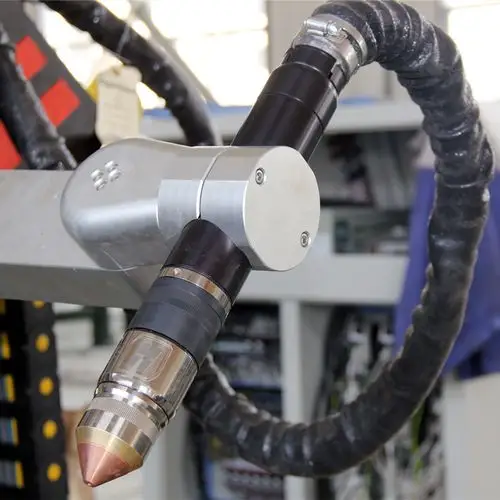
General industrial applications offer more flexibility but still demand careful supplier matching. A cnc plasma cutter might handle plate fabrication for heavy equipment, while precision hydraulic components require tight-tolerance turning and milling. The key is matching manufacturer specialization to your specific requirements rather than assuming any capable shop can handle any project.
Industry Requirements Comparison
When evaluating manufacturers for industry-specific work, this comparison helps identify the credentials and capabilities that matter most for your application:
| Industry Sector | Typical Certifications | Common Materials | Tolerance Ranges | Volume Expectations |
|---|---|---|---|---|
| Automotive | IATF 16949, ISO 9001 | Aluminum alloys, steel, cast iron | ±0.001" to ±0.005" | High (1,000s to 100,000s annually) |
| Aerospace | AS9100, NADCAP, ISO 9001 | Titanium, Inconel, aluminum 7075 | ±0.0001" to ±0.001" | Low to medium (10s to 1,000s) |
| Medical | ISO 13485, FDA 21 CFR Part 820 | 316L stainless, titanium, PEEK | ±0.0005" to ±0.002" | Medium (100s to 10,000s) |
| Defense | ITAR, AS9100 or ISO 9001 | Hardened steels, aluminum, exotic alloys | ±0.0005" to ±0.003" | Low to medium (10s to 1,000s) |
| General Industrial | ISO 9001 (minimum) | Carbon steel, aluminum, plastics | ±0.005" to ±0.010" | Varies widely |
Notice how cnc jobs in aerospace or medical sectors require fundamentally different skill sets than general industrial work. A cnc machinist jobs listing for an automotive supplier emphasizes volume production and SPC proficiency, while aerospace positions prioritize exotic material experience and meticulous documentation practices.
Understanding these industry-specific requirements positions you to ask the right qualification questions during manufacturer evaluation. But credentials alone don't guarantee success - the next step involves synthesizing everything you've learned into a final selection decision that balances capability, certification, and long-term partnership potential.
Choosing Your CNC Manufacturing Partner
You've evaluated capabilities, decoded certifications, analyzed pricing structures, and understood industry-specific requirements. Now comes the moment that determines whether all that research translates into manufacturing success: making your final selection and building a partnership that delivers value beyond a single purchase order.
Here's what separates experienced buyers from those who learn hard lessons: they understand that choosing a CNC manufacturer isn't like selecting a commodity supplier. The best cnc machines in a facility mean nothing without the processes, people, and partnership mindset to leverage them effectively. Your goal isn't finding the cheapest option - it's identifying a partner whose capabilities, quality systems, and business approach align with your long-term manufacturing needs.
Making Your Final Selection
With multiple qualified candidates on your shortlist, how do you make the definitive choice? According to MFG Solution, the best suppliers don't just follow specs - they help you optimize them. This insight reveals what truly distinguishes adequate vendors from strategic partners.
Start by revisiting your evaluation scorecard with fresh eyes. Weight each criterion based on your specific project requirements:
| Decision Factor | Questions to Finalize | Why It Matters |
|---|---|---|
| Capability Match | Can they produce your exact part without subcontracting critical operations? | Subcontracting adds cost, extends lead times, and introduces quality control gaps |
| Certification Alignment | Do they hold current certifications required by your industry? | Missing credentials can disqualify parts regardless of quality |
| Scalability Path | Can they support prototype quantities today and production volumes tomorrow? | Switching manufacturers mid-project introduces risk and requalification costs |
| Engineering Value | Did they offer DFM suggestions that improved your design or reduced costs? | Proactive engineering support signals a partner mindset, not just order-taking |
| Communication Quality | Were responses timely, clear, and thorough during the evaluation process? | Pre-contract communication predicts post-contract performance |
For automotive applications specifically, IATF 16949 certification isn't just a checkbox - it represents a fundamentally different approach to quality management. CNC machine manufacturers serving the automotive sector must demonstrate process capability through Statistical Process Control, maintain rigorous documentation trails, and implement defect prevention systems that catch problems before they become quality escapes.
Consider what this means practically. A cnc machine manufacturer with robust SPC protocols monitors critical dimensions continuously throughout production runs. When variation trends toward specification limits, operators adjust before producing nonconforming parts. This proactive approach delivers the consistent quality high-tolerance powertrain and chassis components demand - where a few microns of deviation can mean the difference between parts that perform flawlessly and those that fail in service.
According to Ecoreprap, choosing the right CNC partner is key to achieving scalable production. This scalability consideration often gets overlooked during initial selection. A shop perfectly suited for prototype quantities may lack the capacity, scheduling systems, or process maturity to handle production volumes. Conversely, a high-volume producer may show little interest in small-batch development work. The ideal partner bridges both worlds - supporting design iteration during development and ramping smoothly to full production as your product matures.
Evaluating Total Value Proposition
Price matters - but experienced procurement teams evaluate total value, not just unit cost. A cnc machining business offering the lowest quote often delivers the highest total cost when quality issues, late deliveries, and communication friction get factored in.
According to Modus Advanced, the most valuable custom manufacturing relationships evolve beyond transactional interactions to become strategic partnerships. What does this look like in practice?
- Proactive problem-solving: When issues arise - and they will - strategic partners communicate immediately and propose solutions rather than hiding problems until delivery deadlines pass.
- Continuous improvement: Over time, a true partner identifies opportunities to reduce costs, improve quality, or shorten lead times on repeat orders - sharing benefits rather than pocketing all gains.
- Capacity commitment: Partners reserve capacity for your critical needs rather than perpetually quoting lead times based on current backlog with no consideration for your schedule requirements.
- Technical collaboration: The best cnc programming expertise extends beyond executing your designs to improving them - suggesting material alternatives, tolerance optimizations, or design changes that enhance manufacturability.
For automotive buyers specifically, manufacturers like Shaoyi Metal Technology exemplify this partnership approach. Their IATF 16949 certification and SPC-driven quality control demonstrate the process maturity automotive applications demand, while their rapid prototyping to mass production scalability means you won't need to requalify suppliers as volumes grow. With lead times as fast as one working day for certain components, they address the speed-to-market pressures that increasingly define automotive competitiveness.
Partnering for Long-Term Manufacturing Success
The transaction mindset - getting the lowest price on this order - often costs more than the partnership mindset over time. Consider the hidden expenses when manufacturer relationships remain purely transactional:
- Requalification costs every time you switch suppliers
- Learning curve delays as new vendors understand your requirements
- Quality variability as different shops interpret specifications differently
- Lost engineering knowledge when institutional memory resides only with vendors you no longer use
The manufacturer you select becomes an extension of your production capability. Treat that relationship as a strategic investment, not a commodity purchase - because the hidden costs of transactional supplier hopping far exceed any savings from perpetually chasing the lowest quote.
According to MFG Solution's analysis of successful buyer-supplier relationships, a trustworthy supplier provides consistent lead times, proven defect rates, scalable capacity, and engineering collaboration. These attributes develop over time as both parties invest in understanding each other's needs and capabilities. The first order with any manufacturer is rarely the smoothest - it's the fifth, tenth, and fiftieth orders where partnership value truly compounds.
What does this mean for your selection process? Once you've identified cnc machine manufacturers meeting your technical and certification requirements, give meaningful weight to relationship indicators. Did they invest time understanding your application, or simply quote what you sent? Do they have long-term customers willing to serve as references, or a pattern of one-time transactions? Are they transparent about capabilities and limitations, or do they promise everything and deliver excuses?
For complex or ongoing manufacturing needs, consider a phased approach. Start with a smaller project - perhaps prototype quantities or a less critical component - to validate quality, communication, and delivery performance before committing larger volumes. This pilot approach reduces risk while building the relationship foundation for long-term partnership.
The CNC machine capabilities, quality certifications, pricing structures, and industry requirements you've evaluated throughout this guide all matter. But they matter most when synthesized into a selection decision that prioritizes not just today's project but tomorrow's manufacturing success. The right partner - one combining technical excellence with genuine partnership commitment - transforms your supply chain from a cost center into a competitive advantage.
Whether you're sourcing precision automotive components, developing medical devices, or producing industrial equipment, the evaluation framework you've built positions you to make informed decisions. Apply it consistently, trust the process, and remember: the goal isn't finding a vendor who can make your parts. It's finding a partner who helps your products succeed.
Frequently Asked Questions About CNC Manufacturers
1. What is a CNC manufacturer?
A CNC manufacturer can refer to two distinct business types. CNC machine tool manufacturers like Haas, DMG MORI, and Okuma design and build the actual machining equipment. CNC machining service providers operate these machines to produce custom parts for clients. Understanding this distinction is critical for proper sourcing - machine builders sell equipment worth hundreds of thousands of dollars, while service providers offer contract manufacturing for your component needs.
2. Who manufactures CNC machines?
Major CNC machine tool manufacturers include Haas Automation (the largest in the western world), DMG MORI, Mazak Corporation, Okuma, Makino, and Star CNC for Swiss-type automatic lathes. These companies engineer and produce mills, lathes, multi-axis machining centers, and specialized equipment. When sourcing parts rather than machines, you need CNC machining service providers who operate this equipment to manufacture your components.
3. Which company is best for CNC machines?
The best CNC manufacturer depends on your specific needs. For purchasing equipment, industry leaders include Haas for cost-effective American-made machines, DMG MORI for advanced technology, and Mazak for versatile solutions. For part production services, evaluate manufacturers based on certifications (ISO 9001, IATF 16949 for automotive, AS9100 for aerospace), equipment capabilities, production capacity, and their track record with your industry's requirements.
4. How do I evaluate a CNC machining service provider?
Build an evaluation scorecard covering six key dimensions: technical capabilities and equipment list, production capacity and scalability, lead time flexibility, geographic location and logistics, communication responsiveness, and engineering support. Verify certifications match your industry requirements, request sample inspection reports, and watch for red flags like vague equipment descriptions, unrealistic pricing, or resistance to facility visits. For automotive projects, IATF 16949 certification with SPC protocols ensures consistent quality.
5. What information should I include in an RFQ for CNC machining?
A complete RFQ package includes CAD files (STEP or IGES formats preferred), exact material specifications with alloy and temper, tolerance requirements with critical dimensions identified, surface finish callouts, quantity tiers for pricing comparison, delivery timeline expectations, and quality documentation needs. Providing comprehensive information upfront prevents delays and ensures accurate, comparable quotes from multiple manufacturers.