 Small batches, high standards. Our rapid prototyping service makes validation faster and easier —
  EN
EN


Precision Machining Sheet Metal Explained: From Tolerances To Partner Selection
What Precision Machining Sheet Metal Actually Means
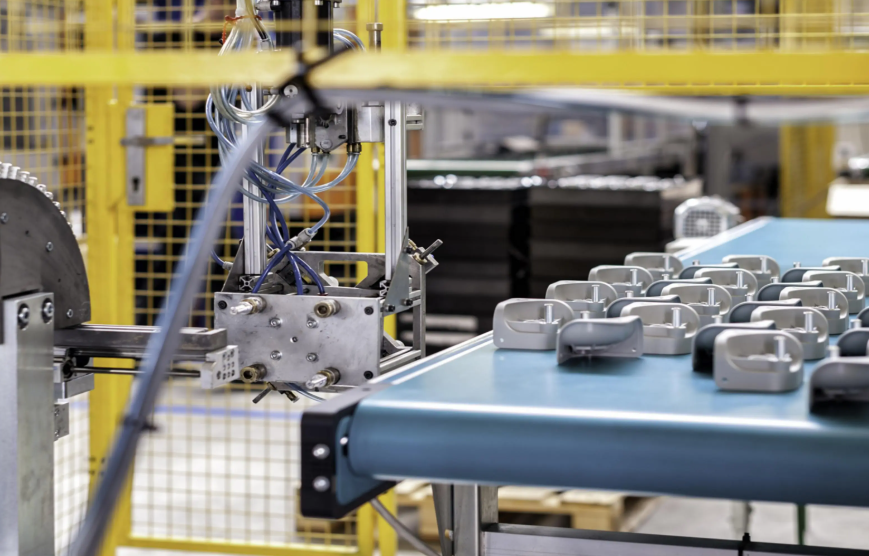
When you hear the term "precision machining sheet metal," what comes to mind? If you're picturing standard metal cutting or basic fabrication, you're only seeing part of the picture. This specialized manufacturing approach represents something far more sophisticated—a hybrid discipline that merges the accuracy of subtractive machining with the efficiency of sheet metal forming.
Precision machining sheet metal is an engineering-grade manufacturing process that combines CNC machining techniques with advanced sheet metal fabrication to achieve tolerances as tight as ±0.005" to ±0.010" (±0.13mm to ±0.25mm)—far exceeding the ±1/16" to ±1/8" tolerances of standard fabrication.
Defining the Precision Machining Sheet Metal Process
Unlike general metal fabrication, precision sheet metal forming demands advanced equipment, sophisticated quality systems, and deep material expertise. The process transforms flat metal sheets—typically steel, aluminum, or stainless steel ranging from 0.006" to 0.25" thick—into components with exceptional dimensional accuracy.
What sets this approach apart? It's not just tighter tolerances. According to EVS Metal, precision fabrication involves complete material traceability, statistical process control, first article inspection, and documentation systems that support regulated industries like aerospace and medical devices.
Where Machining Meets Metal Forming
Imagine you need an electronic enclosure with mounting holes that must align perfectly with internal components. Standard fabrication might get you close, but machining sheet metal with precision techniques ensures every hole, bend, and edge meets exact specifications.
This hybrid approach leverages multiple processes working together:
- Advanced fiber laser cutting with micro-joint technology for intricate shapes
- CNC milling and drilling to add precision features after forming
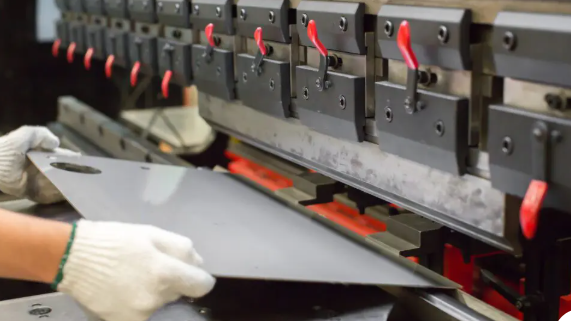
- Robotic press brakes with automated angle correction for consistent bends
- Coordinate measuring machines (CMM) verifying accuracy across complex geometries
For engineers and procurement professionals, understanding this distinction directly impacts manufacturing decisions. Choosing between standard fabrication and precision sheet metal isn't simply about cost—it's about total project value, including assembly efficiency, rework elimination, and long-term product performance.
Throughout this guide, you'll gain a practical decision-making framework covering tolerance specifications, process selection criteria, industry-specific requirements, and partner evaluation strategies. Whether you're sourcing components for aerospace, medical devices, or high-tech electronics, this knowledge positions you to make informed manufacturing choices.
Tolerance Specifications and Technical Parameters
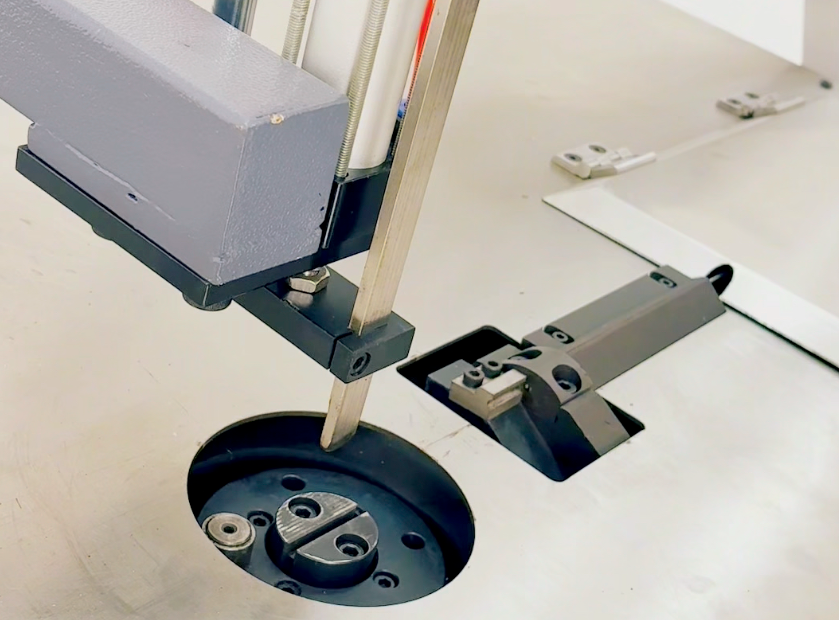
So you understand what precision sheet metal machining involves—but how tight can you actually go? This is where many engineers and procurement professionals hit a wall. Vague promises of "high precision" don't help when you're designing assemblies where every tenth of a millimeter matters.
The reality is that tolerance capabilities vary significantly based on the process, material type, and thickness. Understanding these parameters upfront prevents costly surprises during production and helps you specify requirements that are both achievable and cost-effective.
Tolerance Ranges You Can Realistically Achieve
Let's get specific. According to industry data from Komacut, precision sheet metal cutting and forming processes deliver dramatically different tolerance capabilities than standard fabrication. Here's what you can expect across common processes:
| Process Type | Standard Tolerance | High Precision Tolerance | Best Applications |
|---|---|---|---|
| Laser Cutting (Linear) | ±0.45 mm | ±0.20 mm | Complex contours, intricate cutouts, prototype work |
| Laser Cutting (Holes) | ±0.12 mm | ±0.08 mm | Mounting holes, alignment features, hardware placement |
| CNC Punching | ±0.10 mm | ±0.05 mm | High-volume production, repetitive patterns, louvers |
| Precision Forming/Bending | ±1.0 degree angular | ±0.5 degree angular | Brackets, enclosures, chassis components |
| Sheet Bending (XYZ Position) | ±0.45 mm | ±0.20 mm | Multi-bend assemblies, box fabrication |
Notice how material thickness directly impacts achievable tolerances. Research from Retero confirms that thin materials under 1.5 mm can achieve laser cutting tolerances as tight as ±0.01 mm under optimal conditions, while thicker materials up to 3.0 mm typically require planning for ±0.03 mm tolerances.
Why does thickness matter so much? Thicker materials experience greater thermal distortion during cutting and more spring-back during forming. The heat-affected zone expands, and the mechanical forces required for bending increase—both factors that introduce dimensional variation.
Surface Finish Standards in Precision Work
Dimensional accuracy tells only half the story. Surface finish quality determines whether your components are functional, aesthetically acceptable, and ready for downstream processes like plating or painting.
Modern precision laser cutting systems achieve surface roughness values (Ra) down to 0.80 micrometers—equivalent to N6 class finish. This level of quality often eliminates secondary finishing operations entirely. The cut edges appear clean, oxide-free, and without thermally induced deformations.
What about common surface quality issues? Here's what experienced fabricators control for:
- Burr formation: Minimized through proper gas selection (nitrogen over oxygen for stainless steel), optimized focus position, and controlled feed speeds
- Edge quality: Smooth transitions without sharp irregularities that could cause assembly issues or safety hazards
- Thermal distortion: Managed through cutting speed adjustments and strategic sequencing of cuts
- Kerf compensation: The laser cut creates a kerf (cutting width) of 0.05 mm to 0.15 mm that must be accounted for in tight-tolerance work
Material choice also affects what's achievable. Cold-rolled steel offers tighter thickness tolerances than hot-rolled alternatives—typically ±0.10 mm versus ±0.20 mm or more for equivalent thicknesses. According to Protolabs design guidelines, formed features like countersinks hold tolerances of +0.020/-0.010 inches (+0.508mm/-0.254mm), while bend angles maintain ±1 degree across standard operations.
The takeaway? Precision sheet metal cutting and metal sheet processing capabilities have advanced significantly. But specifying the right tolerance for each feature—tight where function demands it, looser where it doesn't affect performance—keeps your project cost-effective while meeting engineering requirements. The next section helps you decide when these precision processes make sense versus alternative manufacturing approaches.
Choosing Between Sheet Metal Fabrication and Machining
Now that you understand tolerance capabilities, here's the question that trips up even experienced engineers: when should you choose precision sheet metal fabrication over CNC machining from solid stock? The answer isn't always obvious—and getting it wrong can mean overspending by 50% or more on manufacturing costs.
Both metal fabrication and machining produce high-quality components. But each process excels under different conditions. Understanding these distinctions gives you a practical decision-making framework that optimizes cost, lead time, and part performance simultaneously.
Geometry Considerations That Drive Your Choice
Imagine you need a rectangular electronics enclosure with mounting flanges. Should you machine it from a solid aluminum block or form it from sheet metal? The geometry itself often provides the answer.
According to manufacturing data from ProtoSpace Mfg, sheet metal fabrication suits simpler, flat designs or prototypes with angular shapes—box-like enclosures, chassis with bendable structures, and panels with cutouts. CNC machining, on the other hand, handles highly detailed designs with intricate geometries and blind features that sheet forming simply cannot achieve.
Here's how part characteristics guide your selection:
- Wall thickness uniformity: Sheet metal maintains consistent wall thickness throughout. If your design requires varying wall sections or thick mounting bosses, machining becomes necessary.
- Internal features: Threads, pockets, grooves, and complex internal cavities demand machining. Sheet metal excels at external features like perforations, vents, and access panels.
- Bend complexity: Precision sheet metal fabricators handle multiple bends efficiently, but compound curves or sculptural forms require machining or specialized forming processes.
- Surface accessibility: Five-axis machining reaches every surface of solid parts. Sheet metal components offer limited interior access once formed.
Think of it this way: if your part is essentially a folded, bent, or assembled structure made from thin material, a precision sheet metal fabricator likely offers the most efficient path. If your part resembles a sculpted solid with features on multiple faces, machining is your answer.
Volume and Cost Trade-offs Explained
Here's where the economics get interesting. The cost equation between precise metal fabrication and machining shifts dramatically based on production volume—and the crossover points surprise many buyers.
Research from LNV Tools reveals that sheet metal fabrication offers the lowest tooling costs ($500–$5,000), making it ideal for prototypes and low-volume production. CNC machining requires no tooling for prototypes but carries higher per-part costs at scale. Meanwhile, machining generates significant material waste—up to 70% in some cases—while sheet metal processes minimize scrap.
Consider this comparison across critical manufacturing criteria:
| Criteria | Sheet Metal Fabrication | CNC Machining (Solid Stock) |
|---|---|---|
| Ideal Geometry | Flat, folded, modular shapes; enclosures, brackets, panels | Complex 3D forms; integrated features like threads, pockets, heat sinks |
| Material Waste | Low (15–30% typical) | High (40–70% typical) |
| Tooling/Setup Costs | $500–$5,000 for custom tooling | $0–$500 for fixtures; no molds required |
| Per-Unit Cost (1–10 pcs) | Moderate; setup costs spread over few parts | Moderate to high; programming time impacts cost |
| Per-Unit Cost (10–100 pcs) | Low; efficient production with minimal changeover | Moderate; machining time dominates cost |
| Per-Unit Cost (100+ pcs) | Very low; highly repeatable with automation | High; machining time remains constant per part |
| Lead Time (Prototype) | 2–5 days typical | 2–5 days typical |
| Lead Time (Production) | 1–3 weeks depending on volume | 2–4 weeks; sequential machining limits throughput |
Notice how the per-unit cost advantage of sheet metal grows as volume increases. At 100+ pieces, the difference becomes substantial because sheet metal processes—laser cutting, punching, bending—execute rapidly with minimal operator intervention. Machining, by contrast, requires continuous cutting time regardless of batch size.
Material utilization deserves special attention. When you machine a bracket from solid aluminum bar stock, much of that expensive material becomes chips. Sheet metal fabrication starts with appropriately sized blanks, and modern nesting software optimizes layouts to minimize scrap. For cost-sensitive projects using premium alloys, this difference alone can justify switching processes.
What about quality trade-offs? According to Zintilon, machining delivers tighter tolerances and is preferred when exceptionally high precision is paramount—think aerospace interfaces or medical device components requiring micrometer-level accuracy. Sheet metal achieves good accuracy but may not meet the most stringent requirements. However, for the vast majority of industrial applications, precision sheet metal tolerances (±0.20 mm or better) prove entirely adequate.
The decision ultimately balances these factors against your specific requirements. Choose sheet metal fabrication when your design features flat, folded, or modular shapes without demanding ultra-tight tolerances. Choose machining when you need complex solid geometries, integrated precision features, or when working with materials unsuitable for forming.
Understanding these trade-offs positions you to communicate effectively with manufacturers and evaluate quotes intelligently. But process selection is only part of the equation—industry-specific requirements add another layer of complexity that we'll explore next.
High-Tech and Electronics Applications
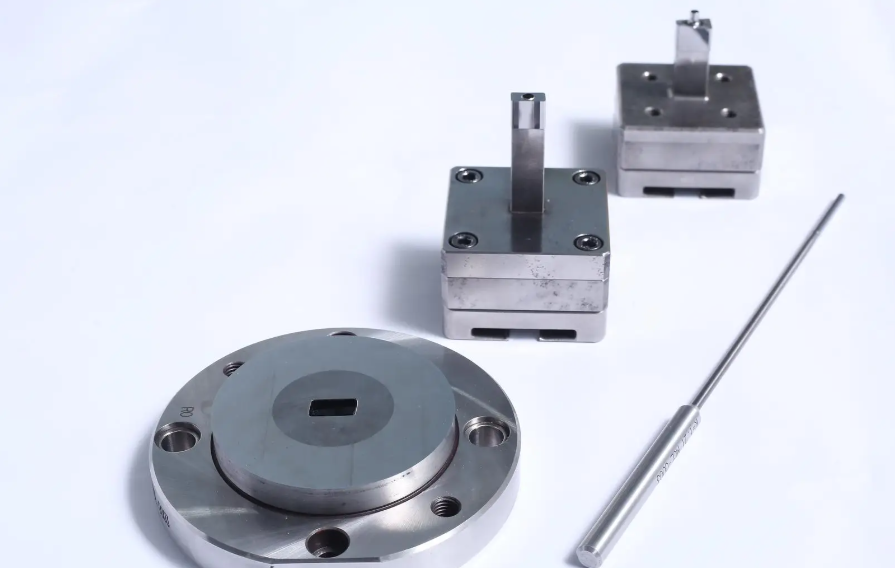
Ever wonder what keeps your smartphone from interfering with medical equipment in a hospital? Or how data centers prevent electromagnetic chaos when thousands of servers operate inches apart? The answer lies in precision sheet metal components engineered specifically for the electronics industry—where manufacturing tolerances directly impact electromagnetic compatibility, thermal performance, and product reliability.
High-tech applications demand more than dimensional accuracy. They require materials and manufacturing environments that address invisible hazards: electromagnetic interference (EMI), heat accumulation, and particle contamination. Getting these factors right determines whether electronic products pass certification, perform reliably, and survive their intended lifespan.
Material Selection for Electronic Enclosures
Choosing the right material for electronic enclosures isn't simply about strength or cost—it's about electromagnetic and thermal performance. Each metal brings distinct properties that influence shielding effectiveness, heat dissipation, and long-term reliability.
According to research from Kunlong Hardware, EMI shielded enclosures function as Faraday cages, attenuating electromagnetic energy through three mechanisms: reflection (bouncing energy away), absorption (converting energy to heat within the material), and multiple reflection (internal scattering). Material conductivity and magnetic permeability determine which mechanisms dominate—and therefore which frequencies get blocked.
Here's how common sheet metal materials compare for electronics applications:
- Aluminum alloys (5052, 6061): Excellent electrical conductivity for high-frequency shielding, lightweight construction, and superior thermal conductivity for heat dissipation. Ideal for consumer electronics, telecom equipment, and LED lighting enclosures.
- Cold-rolled steel: Higher magnetic permeability provides better low-frequency shielding than aluminum. Cost-effective for industrial control panels and power electronics where weight matters less than performance.
- Stainless steel (304, 316L): Combines corrosion resistance with moderate shielding effectiveness. According to Terra Universal, 316L stainless steel minimizes particle generation and resists harsh sterilization chemicals—making it the standard for medical sheet metal fabrication and semiconductor cleanroom equipment.
- Copper and copper alloys: Maximum conductivity for demanding RF shielding applications, though higher cost limits use to critical components like gaskets, contact fingers, and specialty enclosures.
Material thickness also affects shielding performance. High-frequency interference (GHz range) is blocked by thin conductive foils because current concentrates near the surface—a phenomenon called skin depth. Low-frequency interference (kHz range), however, requires thicker materials with high magnetic permeability to achieve adequate absorption.
Thermal and EMI Shielding Requirements
Imagine a sealed electronics enclosure operating in a desert environment. Without proper thermal management, internal temperatures climb, component life shortens, and reliability plummets. Precision sheet metal fabrication addresses this challenge through strategic material selection and design features.
As noted by FZ Metalwork, sheet metal enclosures provide cost-effective thermal management because they can be precisely vented and designed to fit closely around circuit boards. Aluminum enclosures, in particular, act as heat sinks—conducting thermal energy away from hot components and radiating it to the surrounding environment.
EMI shielding introduces competing requirements. Ventilation openings that improve cooling also create potential electromagnetic leakage paths. When vent dimensions approach a quarter-wavelength of interference frequencies, shielding effectiveness drops dramatically. The solution? Honeycomb filters and waveguide-beyond-cutoff designs that permit airflow while blocking electromagnetic waves.
For high precision metal parts serving electronics applications, consider these critical factors:
- Conductivity for shielding: Higher conductivity metals (copper, aluminum) reflect more electromagnetic energy. Plating options like nickel, tin, or zinc enhance surface conductivity and prevent oxidation that degrades shielding over time.
- Plating and surface treatments: Conductive coatings (chromate conversion, electroless nickel) maintain electrical continuity at seams and joints. Non-conductive finishes like powder coating provide aesthetics but must be omitted from mating surfaces where EMI gaskets contact the enclosure.
- Seam and joint integrity: Even microscopic gaps at enclosure seams compromise high-frequency shielding. Precision forming with tight bend tolerances ensures panels mate flush, while welded or soldered seams eliminate leakage paths entirely.
- Gasket compatibility: Conductive gaskets (beryllium copper, fabric-over-foam, conductive elastomers) require consistent compression force. Enclosure hardware must maintain pressure over thousands of access cycles without allowing compression set.
- Cleanliness standards: Electronics destined for cleanroom assembly require contamination-controlled manufacturing. This means particle-free environments, handling protocols that prevent fingerprints and oils, and packaging that protects surfaces during shipping.
The intersection of thermal and EMI requirements often drives hybrid solutions. A precision sheet metal inc-style fabricator might produce an aluminum enclosure with strategically placed honeycomb vents, conductive gaskets at access panels, and internal mounting features machined to tight tolerances for circuit board alignment.
For aerospace, defense, and medical electronics, these requirements intensify further. Regulatory certifications mandate documented processes, traceable materials, and validated shielding performance—topics we'll examine in the next section on aerospace and medical industry requirements.
Aerospace and Medical Industry Requirements
What happens when a single manufacturing defect can ground an entire fleet of aircraft—or worse, harm a patient relying on a medical device? In aerospace and medical sectors, precision sheet metal fabrication operates under scrutiny that goes far beyond dimensional accuracy. These industries demand certified quality systems, complete material traceability, and documentation that can withstand regulatory audits years after production.
If you're sourcing components for aircraft, spacecraft, or medical devices, understanding certification requirements isn't optional—it's essential for supplier qualification and regulatory compliance.
Certification Standards That Matter
Regulated industries don't simply ask for "high quality." They require documented proof through internationally recognized certifications that verify a manufacturer's quality management systems meet industry-specific standards.
According to Pinnacle Precision, earning AS9100 certification requires meeting stringent manufacturing and quality management standards developed by the Society of Automotive Engineers. This isn't a checkbox exercise—it demands systematic controls across every process from material receiving through final inspection.
Here are the key certifications aerospace metal fabrication and medical sheet metal fabrication suppliers should maintain:
- AS9100D (Aerospace): The internationally recognized quality management standard for aviation, space, and defense organizations. It builds on ISO 9001 requirements while adding aerospace-specific controls for configuration management, risk management, and first article inspection. An AS9100 certified stainless steel supplier demonstrates capability to serve aerospace programs requiring traceable, high-reliability components.
- ISO 13485:2016 (Medical Devices): According to Tempco Manufacturing, this certification represents requirements for a comprehensive quality management system covering the design and manufacturing of medical devices. Unlike general quality standards, ISO 13485 emphasizes regulatory compliance and risk management throughout the entire product lifecycle.
- IATF 16949 (Automotive): While focused on automotive, this certification signals advanced process control capabilities that translate directly to aerospace and medical applications. Manufacturers holding multiple certifications demonstrate versatility across demanding sectors.
- NADCAP (Special Processes): For aerospace sheet metal fabrication involving heat treatment, welding, or surface finishing, NADCAP accreditation verifies these special processes meet aerospace prime contractor requirements.
- ITAR Registration (Defense): International Traffic in Arms Regulations compliance is mandatory for manufacturers handling defense-related technical data or components.
Why do these certifications matter beyond regulatory compliance? As noted by NSF International, certified manufacturers have already developed precision manufacturing capabilities, quality controls, and regulatory experience that translate directly to demanding production requirements. Certification signals a supplier's commitment to systematic quality—not just inspection of finished parts.
Traceability in Regulated Industries
Imagine a component fails in service five years after manufacturing. Can you trace exactly which material lot, heat treatment batch, and inspection records apply to that specific part? In aerospace and medical applications, the answer must be yes.
Complete material traceability means documenting the chain of custody from raw material mill certification through every manufacturing operation to final delivery. This isn't bureaucratic overhead—it's the foundation that enables root cause analysis when issues arise and protects manufacturers from liability when they can prove process compliance.
Aerospace metal fabrication services typically maintain these traceability elements:
- Material certifications: Mill test reports documenting chemical composition, mechanical properties, and heat/lot numbers for every incoming material
- Process records: Documented parameters for cutting, forming, welding, and finishing operations tied to specific part serial numbers
- Inspection data: Dimensional measurements, surface finish readings, and nondestructive testing results archived for the retention period required by customer or regulatory specifications
- Personnel qualifications: Records proving operators and inspectors hold current certifications for processes they perform
- Calibration records: Verification that measuring equipment used for inspection was calibrated and within tolerance at the time of use
Medical device manufacturing adds further requirements. According to ISO 13485 guidelines referenced by NSF, medical device-specific controls include enhanced traceability for implantable devices, formal processes for handling complaints, and mandatory adverse event reporting to regulatory authorities. Record retention periods often extend far beyond typical industrial requirements.
Material selection becomes especially critical in these sectors. Aerospace applications demand alloys with certified properties—corrosion resistance, fatigue strength, and predictable thermal expansion. As Pinnacle Precision notes, choosing the right materials for aerospace sheet metal parts requires balancing strength and weight while ensuring resistance to environmental factors, fatigue, and corrosion.
For medical applications, biocompatibility and cleanability often dictate material choices. Stainless steel grades like 316L dominate because they resist corrosion from sterilization chemicals and bodily fluids while meeting biocompatibility requirements for patient contact applications.
The bottom line? Working with aerospace and medical sectors requires suppliers who treat documentation as seriously as manufacturing itself. Quality control protocols, nondestructive testing, and comprehensive record-keeping aren't costs to minimize—they're capabilities that qualify you for these demanding markets. Understanding how these processes integrate with hybrid manufacturing approaches helps you design components that leverage both sheet metal efficiency and machined precision.
Combining Machining and Sheet Metal in Hybrid Projects
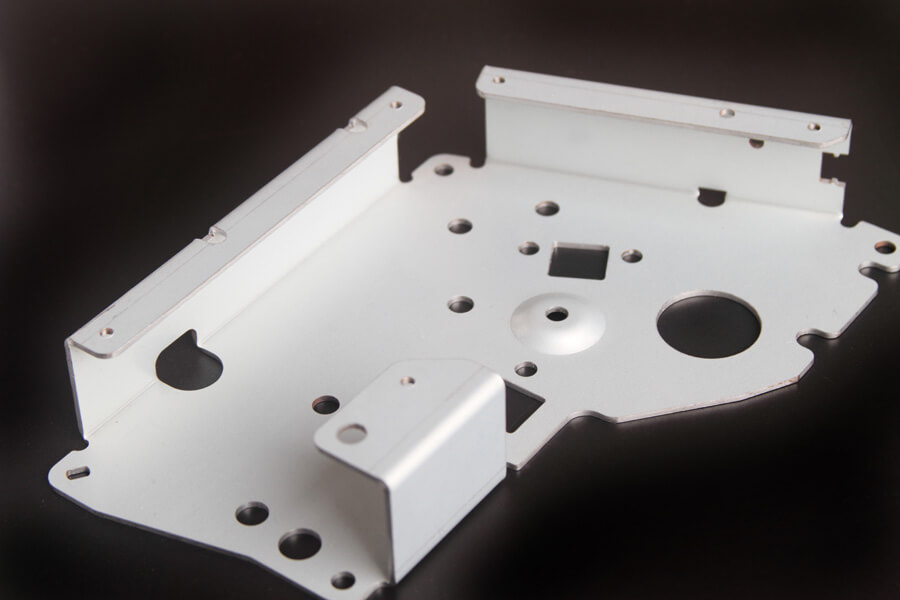
What if you could have the best of both worlds—the cost efficiency of sheet metal forming combined with the pinpoint accuracy of CNC machining? That's exactly what hybrid manufacturing delivers. In real-world production, few complex assemblies rely on a single process. Instead, sheet metal fabrication and assembly workflows increasingly integrate machined features where precision interfaces matter most.
Think about an industrial control panel enclosure. The outer shell? Efficiently formed from sheet metal with laser-cut ventilation patterns. The internal mounting rails where circuit boards attach? Those demand machined surfaces with tight flatness tolerances. This combination approach—leveraging each process for what it does best—represents how modern manufacturers optimize both cost and performance.
Designing for Combined Manufacturing Processes
Successful hybrid projects don't happen by accident. They require intentional design decisions that account for how sheet metal and machining operations interact. According to York Sheet Metal, CNC machining encompasses processes including cutting, drilling, and bending—all of which can be strategically applied to sheet metal components after initial forming.
Where does this hybrid approach make sense? Consider these common scenarios:
- Precision mounting interfaces: Sheet metal brackets gain machined surfaces where mating components require flatness within 0.05mm or precise hole patterns for dowel pins
- Threaded features: Formed enclosures receive CNC-machined tapped holes or helicoil inserts that provide reliable thread engagement impossible to achieve through forming alone
- Seal surfaces: Gasketed assemblies need machined O-ring grooves or face-milled sealing surfaces on otherwise sheet-formed housings
- Alignment datums: Complex assemblies use machined reference features on sheet metal base structures to ensure consistent positioning during final assembly
The key design principle? Use sheet metal forming for overall structure and geometry, then add machined features only where function demands tighter tolerances. This targeted approach avoids the cost of machining entire components while ensuring critical interfaces meet requirements.
Research from Hotean demonstrates the power of integrated hybrid workflows. Their data shows that combining stamping with CNC chamfering in a single operation achieves burr reduction from 0.1mm to 0.02mm—a 5x improvement—while reducing overall manufacturing costs by approximately 35%. The compound toolpath design eliminates secondary operations entirely.
When Hybrid Approaches Outperform Single Methods
Sounds complex? It doesn't have to be. Hybrid manufacturing excels when you're facing specific challenges that neither process solves efficiently alone.
Imagine you need 500 aluminum electronics chassis per month. Machining each one from solid billet wastes 60% or more of your expensive material. Pure sheet metal fabrication achieves ±0.20mm tolerances—good, but insufficient for the precision connector mounting locations your design requires. The hybrid solution? Form the chassis from sheet metal, then machine only the connector interface surfaces to ±0.05mm. You save material, reduce machining time by 80%, and still achieve the precision where it matters.
According to FACTUREE, hybrid systems combining laser cutting with other processing methods enable multifunctional manufacturing processes that shorten throughput times and reduce waste. Combined production cells integrate several process steps—laser cutting, bending, and assembly—in one automated unit, creating efficiency gains impossible with separate operations.
Heavy duty sheet metal joining applications benefit particularly from hybrid approaches. Large structural assemblies might use formed sheet metal panels welded into a framework, with machined mounting pads added at critical attachment points. The machining line metal workflow adds precision only where structural loads or alignment requirements demand it.
Typical Hybrid Manufacturing Workflow
How does a hybrid project actually flow from concept to finished assembly? Understanding this sequence helps you design components that transition smoothly between processes.
- Integrated design development: Create 3D models that identify which features require machined tolerances versus standard sheet metal accuracy. Annotate drawings clearly to communicate process assignments to manufacturing.
- DFM review for both processes: Evaluate designs against sheet metal forming constraints (minimum bend radii, hole-to-edge distances) AND machining considerations (tool access, fixturing requirements, datum surfaces).
- Material selection and procurement: Choose materials that perform well across both processes. Aluminum alloys like 5052 and 6061 form easily and machine cleanly. Avoid materials with extreme work-hardening characteristics that complicate secondary machining.
- Sheet metal fabrication: Execute laser cutting, punching, and forming operations to create the base component geometry. Include machining allowances—slightly oversized features—where subsequent machining will establish final dimensions.
- Fixturing and datum establishment: Design fixtures that reference formed features consistently. Machined datums on the sheet metal component ensure repeatable positioning across production quantities.
- CNC machining operations: Mill, drill, tap, or surface-finish the precision features. Modern CNC programming accommodates the slight variations inherent in formed parts through probing routines that adapt toolpaths to actual part geometry.
- Quality verification: Inspect both formed and machined features against specifications. CMM measurement confirms that the hybrid approach achieved required tolerances across the complete component.
- Surface finishing and assembly: Apply protective coatings, install hardware, and complete assembly operations. Hybrid components often require masking to protect machined surfaces during finishing processes.
This workflow highlights an important reality: hybrid manufacturing requires coordination between sheet metal and machining capabilities. Companies offering both processes under one roof—or with established supplier partnerships—eliminate the handoff delays and communication gaps that plague multi-vendor approaches.
The economic case for hybrid manufacturing continues strengthening as automation advances. Industry data shows that an $18,000 tooling investment for hybrid stamping and CNC integration typically pays for itself within 3 months through reduced rework, lower scrap rates, and increased throughput. For manufacturers processing aluminum, stainless steel, or galvanized steel between 0.8mm and 2mm thickness, hybrid approaches deliver consistent results across material types.
Of course, even well-designed hybrid projects can stumble when common manufacturing pitfalls go unaddressed. Understanding these mistakes—and how to avoid them—protects your project timeline and budget.
Common Mistakes and How to Avoid Them
You've selected the right process, chosen appropriate materials, and designed for hybrid manufacturing. What could possibly go wrong? Unfortunately, plenty. Even experienced engineers make costly errors that inflate budgets, delay timelines, and sometimes render parts completely unusable.
The good news? Most precision machining sheet metal mistakes are predictable—and therefore preventable. According to EABEL's engineering analysis, small design mistakes often lead to higher costs, part deformation, assembly problems, or even parts that cannot be manufactured at all. By understanding these issues early, you can achieve better quality, faster production, and fewer rework challenges.
Costly Mistakes in Process Selection
Process selection errors typically stem from one root cause: assuming sheet metal behaves like solid machined blocks. It doesn't. Sheet metal bends, stretches, and exhibits springback—meaning final shapes often differ from what CAD models predict.
- Over-tolerancing non-critical features: Specifying ±0.05mm tolerances across an entire part when only mounting interfaces require that precision? That's a fast track to inflated costs. According to industry guidance, treating sheet metal like machined parts drives up cost because forming has natural variation. Reserve tight tolerances for critical areas and use realistic, process-based tolerances elsewhere.
- Choosing machining when forming suffices: Machining a bracket from solid aluminum billet wastes 60-70% of expensive material. If your geometry is essentially flat, folded, or bent—sheet metal fabrication delivers the same result at a fraction of the cost.
- Ignoring volume economics: At 10 pieces, process choice matters less. At 500 pieces, the wrong decision compounds. Sheet metal's per-unit cost advantage grows exponentially with volume because cutting and forming execute rapidly with minimal operator intervention.
- Overlooking hybrid opportunities: Some engineers default to full machining when a hybrid approach—forming the base structure and machining only precision interfaces—would cut costs by 30-50% while meeting every specification.
Design Errors That Derail Production
Even with the right process selected, design details can derail your project before production begins. As noted by Protolabs, sheet metal is flat and must be bent, formed, cut, and sometimes cajoled into its final shape—it's a very hands-on process that demands design awareness.
- Placing features too close to bend lines: Holes, tabs, or slots positioned near bends deform awkwardly in the press brake. The fix? Follow the 4T rule—keep all features at least 4x material thickness away from bend lines. For 0.050" copper, that means 0.200" minimum clearance.
- Using too-small inside bend radii: Specifying a very small inside radius raises the risk of cracking and excessive springback. Softer metals tolerate smaller radii, but harder alloys often need radii equal to or greater than material thickness. Match the radius to available tooling or face costly tooling changes.
- Ignoring bend allowance and springback: Flat patterns that ignore these factors produce wrong final dimensions and bad fits. Use material-specific K-factors, bend tables, or CAD simulation to calculate correct flat lengths. Always prototype critical bends to confirm accuracy.
- Missing bend relief: When bends intersect without relief, sheet metal can tear or buckle at corners. Adding rectangular, obround, or circular bend reliefs lets material fold cleanly and reduces tool stress.
- Selecting wrong material or thickness: Thin gauges form easily but may lack strength; thick gauges are rigid but need larger radii and more forming force. Evaluate grade, temper, and expected loads before finalizing material to avoid unexpected springback or failures.
- Designing flanges shorter than minimum length: Short flanges can't be clamped or formed properly, leading to slipping and inconsistent bends. A common guideline: flange length should be at least 4x material thickness to ensure proper grip.
- Specifying non-standard hole sizes: Odd hole diameters force custom punches or slower laser cutting, increasing cycle time and cost. Standardizing sizes keeps production predictable and tooling expenses low.
- Ignoring grain direction: Bending against the grain increases crack risk on sharp radii. Check material grain orientation in flat patterns before finalizing drawings—especially for high-strength alloys.
- Forgetting secondary processes: Weld heat warps thin parts. Coating adds thickness that can break fits. Consider plating, painting, and welding sequences during design and communicate with your fabricator early to plan fixturing and tolerances.
The best time to catch design errors is during DFM review—not after tooling is cut and parts fail inspection.
How do you avoid these pitfalls systematically? Start by using sheet-metal modeling tools in CAD that include bend tables, flattening features, and automated K-factor calculations. Share drawings early with fabricators so they can check feasibility, tooling availability, and tolerance expectations. And always prototype critical geometries before committing to production quantities.
Understanding these common mistakes positions you to ask better questions during supplier selection and catch potential issues before they become expensive problems. But even perfect designs require realistic timelines and volume planning—considerations that directly impact your project economics.
Lead Times and Production Volume Planning
You've designed the perfect component, selected the right process, and avoided common pitfalls. Now comes the question that makes or breaks project timelines: how long until parts arrive—and how does volume change the equation? Understanding lead time dynamics and production economics separates successful sourcing strategies from frustrating delays and budget overruns.
The relationship between volume, setup costs, and per-part pricing isn't intuitive. According to Sigma Design, the manufacturing process predominantly drives the cost of tooling, setup, material, and labor—and these factors behave very differently across production quantities. A process that's economical at 100 pieces might become prohibitively expensive at 10,000, while another option shows the opposite pattern.
Prototyping Speed vs Production Efficiency
Imagine you need five prototype enclosures for engineering validation next week—then 5,000 production units three months later. These two scenarios demand completely different manufacturing approaches, even for identical designs.
Prototyping prioritizes speed and flexibility over per-part cost. When you need parts fast, setup time dominates the timeline. Laser cutting and press brake forming excel here because tooling requirements are minimal. According to manufacturing data from industry research, a sheet metal part might carry only $200 in tooling and setup charges for laser and press brake processes—costs that amortize quickly even across small quantities.
What should you look for in a prototyping partner? Key capabilities include:
- Rapid quoting turnaround: The best precision sheet metal shops return quotes within hours, not days. A 12-hour quote turnaround signals streamlined estimating processes and genuine urgency about your timeline.
- In-house DFM review: According to Advantage Metal Products, 3D CAD modeling aids visualization of the end product, allowing manufacturers to identify potential problems early and avoid costly revisions during production. Partners offering DFM support catch issues before cutting begins.
- Flexible scheduling: Prototype runs shouldn't wait behind production queues. Dedicated rapid prototyping capabilities—like 5-day turnaround guarantees—ensure your development timeline stays on track.
- Material availability: Common alloys should be stocked, not special-ordered. Waiting two weeks for aluminum sheet defeats the purpose of rapid prototyping.
Production runs flip these priorities. Per-part cost matters more than absolute speed because you're amortizing setup across thousands of units. Progressive dies, hard tooling, and automated processes become economical—despite higher upfront investment—because per-unit costs drop dramatically.
Consider this example from Sigma Design's analysis: a sheet metal part costs $3.73 per unit using laser cutting and press brake at any volume. The same part costs far less using progressive die tooling—but only after absorbing $35,000 in tooling costs. The crossover point? Somewhere around 10,000-15,000 units, where tooling investment pays off through reduced per-piece pricing.
How Volume Affects Your Per-Part Economics
The math behind volume economics reveals why production planning matters so much. At low volumes, setup and tooling costs dominate. At high volumes, material and cycle time costs dominate. Understanding where your project falls on this spectrum guides smarter sourcing decisions.
Research from manufacturing studies breaks volume into three practical categories:
- Low volume (1-10,000 units): Characterized by short lead times and low tooling costs. Laser cutting, CNC punching, and press brake forming dominate. Setup charges spread across relatively few parts, so per-unit costs remain higher but total investment stays manageable.
- Mid volume (10,000-50,000 units): Characterized by moderate lead times and tooling costs. This transition zone often benefits from soft tooling or modular die systems that balance upfront investment against volume savings.
- High volume (50,000+ units): Characterized by higher lead times for tooling but dramatically lower per-part costs. Progressive dies, transfer presses, and automated production cells justify significant tooling investment through consistent, high-speed output.
What does this mean practically? At 50,000 units per year, saving just 10 seconds per part adds up to 138 hours annually. That's why high-volume manufacturing obsesses over cycle time optimization, automated material handling, and process efficiency. Every fraction of a second multiplied by production quantity translates to real cost differences.
DFM Support Accelerates Your Timeline
Here's what many buyers overlook: Design for Manufacturability (DFM) support doesn't just improve part quality—it directly accelerates timelines and reduces total project cost.
According to Advantage Metal Products, sheet metal DFM enables manufacturers to optimize efficiency, curtail production costs, and elevate the quality of the end product. It goes beyond aesthetics and leverages the technicalities of manufacturing to foster seamless production execution.
What does effective DFM support include?
- Material optimization: Collaborating with manufacturers early aligns material attributes with both design aesthetic and functionality requirements—preventing costly material substitutions mid-project.
- Tolerance rationalization: Establishing realistic tolerances that support both precision and practicality eliminates over-engineering that inflates costs without improving function.
- Process-specific design adjustments: Parts designed for laser cutting and CNC machining require meticulous specifications. Parts optimized for bending and forming factor in bend radii and material thickness. DFM review ensures your design matches your intended process.
- Assembly consideration: According to industry guidance, parts can be designed to fit together seamlessly during welding and joining, avoiding design flaws during assembly that cause delays and rework.
The timeline impact? Catching a bend radius issue during DFM review takes hours. Discovering the same issue after tooling is cut takes weeks—plus scrapped tooling costs. Partners offering comprehensive DFM support front-load this analysis, ensuring production proceeds smoothly once approved.
Automotive Supply Chain Considerations
Automotive applications intensify every aspect of lead time and volume planning. OEMs and Tier 1 suppliers operate on aggressive development timelines while demanding production volumes that stretch into hundreds of thousands of units annually.
What distinguishes automotive-capable precision sheet metal partners? IATF 16949 certification signals quality systems designed specifically for automotive supply chains. This standard—building on ISO 9001 foundations—adds automotive-specific requirements for production part approval processes (PPAP), advanced product quality planning (APQP), and statistical process control that prevents defects rather than merely detecting them.
As noted by industry analysts, modern manufacturers now require millimeter-perfect components paired with faster turnaround times. This push for excellence creates both hurdles and advantages for forward-thinking organizations. Companies achieving tolerances under 0.002" through proprietary calibration methods separate themselves from competitors.
For automotive projects specifically, look for partners offering:
- Rapid prototyping for development cycles: Five-day prototype turnaround supports aggressive vehicle development timelines where engineering changes happen weekly
- Fast quote response: Twelve-hour quote turnaround enables quick sourcing decisions without waiting days for pricing
- Scalable production capacity: The ability to transition from prototype quantities to mass production without changing suppliers eliminates qualification delays
- Integrated DFM expertise: Automotive components often require design optimization for stamping, forming, and assembly efficiency
Manufacturers like Shaoyi (Ningbo) Metal Technology exemplify this automotive-focused capability set—combining 5-day rapid prototyping with IATF 16949-certified production for chassis, suspension, and structural components. Their 12-hour quote turnaround and comprehensive DFM support represent benchmarks for what automotive supply chains increasingly demand.
Whether your project involves 50 prototypes or 50,000 production units, understanding these lead time dynamics positions you to set realistic expectations, select appropriate manufacturing partners, and optimize total project economics. The final step? Knowing exactly what questions to ask when evaluating potential precision sheet metal suppliers.
Selecting the Right Precision Sheet Metal Partner
You've mastered tolerance specifications, process selection, industry requirements, and production planning. Now comes the decision that determines whether all that knowledge translates into successful projects: choosing the right manufacturing partner. The wrong choice means missed deadlines, quality escapes, and frustrating communication gaps. The right choice? A collaborative relationship that improves your products while simplifying your supply chain.
According to York Sheet Metal's supplier evaluation research, satisfying your customers' needs starts with ensuring your sheet metal supplier shares the same priorities. If they don't, it's time to re-evaluate who you're sourcing from.
Building Your Supplier Evaluation Checklist
What separates quality-focused precision metal fabrication services from shops that merely meet minimum requirements? Systematic evaluation across multiple criteria reveals true capabilities—not just sales promises.
Use this checklist when evaluating potential partners:
- Quality certifications verified: Confirm ISO 9001 as a baseline. For automotive applications, IATF 16949 certification demonstrates advanced process control and continuous improvement systems. Aerospace projects require AS9100D. Medical device work demands ISO 13485. Don't accept claims without seeing current certificates.
- Tolerance capabilities documented: Request specific tolerance data for laser cutting, forming, and machining operations. Quality sheet metal manufacturing partners provide clear specifications—not vague "high precision" claims.
- DFM support availability: According to Greengate Metal's supplier guidance, some fabricators offer CAD modeling and prototyping that streamline adjustments before full production begins. Partners with in-house engineering support catch costly design issues early.
- Equipment and technology investments: Modern fiber lasers, automated press brakes with angle correction, and CMM inspection equipment signal commitment to precision. Ask about recent capital investments—suppliers modernizing their capabilities stay ahead of quality requirements.
- Material traceability systems: Can they provide complete documentation from mill certification through final inspection? Regulated industries require this capability, but it benefits all precision sheet metal partner selection by enabling root cause analysis when issues arise.
- Capacity and lead time reliability: According to industry research, the real key is finding suppliers that hit the dates they commit to—even if that means pushing back when deadlines aren't achievable. Honest communication beats aggressive promises followed by missed deliveries.
- Prototyping speed: Rapid turnaround for development parts—like 5-day prototyping capabilities—accelerates your product development cycle without compromising quality.
- Quote responsiveness: How quickly do they respond to RFQs? A 12-hour quote turnaround signals streamlined processes and genuine urgency about your business.
Questions That Reveal True Capabilities
Beyond checking boxes, the right questions during sheet metal supplier evaluation expose whether a manufacturer truly fits your requirements. As noted by manufacturing experts, asking the right questions upfront helps assess whether a subcontractor has the expertise, reliability, and capacity to handle your project.
Ask these revealing questions:
- "What quality control measures do you use at each production stage?" Strong answers include first article inspection, in-process verification, statistical process control, and final CMM measurement. Vague responses like "we check everything" signal weak systems.
- "How do you handle design changes mid-project?" According to Greengate Metal, a structured change management system prevents miscommunication and costly mistakes. Ask about revision tracking tools and how changes affect pricing and lead times.
- "Can you share references from similar projects?" Reliable partners provide testimonials or case studies demonstrating relevant capabilities. Reluctance to share references raises red flags about actual performance.
- "What happens when something goes wrong?" According to York Sheet Metal, accountability is the foundation of trust. Does the supplier take responsibility for mistakes and work to improve? This question reveals organizational culture.
- "What materials do you specialize in, and what processes do you offer in-house?" Confirm they handle your specific alloys and thicknesses. Verify whether laser cutting, CNC machining, bending, welding, and finishing happen under one roof or require subcontracting.
Red Flags to Watch For
Certain warning signs predict future problems. Trust your instincts when you encounter:
- Unrealistic promises: Quotes significantly lower than competitors or lead times that seem impossibly fast often indicate corners being cut—or outright inability to deliver.
- Poor communication responsiveness: If getting quote responses takes days, imagine chasing production updates. Communication quality during sales predicts service quality during production.
- Reluctance to discuss capabilities: Suppliers confident in their precision metal fabrication services welcome technical discussions. Evasiveness about tolerances, equipment, or certifications suggests limitations they'd rather not reveal.
- No quality documentation: Missing certifications, inspection reports, or material traceability documentation signals systemic quality gaps that will eventually affect your parts.
- Unwillingness to visit: For significant production relationships, facility visits reveal realities that phone calls cannot. Suppliers discouraging visits may have something to hide.
The best supplier relationships are partnerships built on transparency, technical competence, and shared commitment to quality—not just the lowest quoted price.
For automotive applications requiring both rapid development support and production-scale capability, manufacturers like Shaoyi (Ningbo) Metal Technology demonstrate what comprehensive capability looks like: IATF 16949 certification, 5-day rapid prototyping, 12-hour quote turnaround, and integrated DFM support for chassis, suspension, and structural components. These benchmarks represent the standard quality-focused automotive suppliers increasingly demand from their precision sheet metal partners.
Ultimately, selecting the right partner comes down to alignment—between your quality requirements and their capabilities, between your timeline expectations and their capacity, and between your communication needs and their responsiveness. Use this framework systematically, and you'll build a supply chain that supports your success rather than undermining it.
Frequently Asked Questions About Precision Machining Sheet Metal
1. What is precision sheet metal fabrication?
Precision sheet metal fabrication transforms flat metal sheets into custom components meeting high accuracy standards and tight tolerances. Unlike standard fabrication achieving ±1/16" to ±1/8" tolerances, precision processes deliver ±0.005" to ±0.010" accuracy through advanced equipment like fiber laser cutting, CNC punching, and robotic press brakes with automated angle correction. The process includes complete material traceability, statistical process control, and documentation systems supporting regulated industries.
2. What is precision metal machining?
Precision metal machining cuts and shapes metals into pieces with very precise dimensions using CNC machines, EDM, and laser cutting technologies. When combined with sheet metal fabrication, it creates a hybrid discipline achieving tolerances as tight as ±0.05mm on critical features. Common materials include steel, aluminum, brass, and titanium, with applications ranging from electronic enclosures to aerospace structural components.
3. What is high precision machining?
High precision machining uses advanced CNC machines, Electrical Discharge Machining, and laser cutting to achieve tolerances under ±0.05mm. In sheet metal applications, this includes laser cutting with ±0.08mm hole tolerances, CNC punching at ±0.05mm, and precision forming maintaining ±0.5 degree angular accuracy. These capabilities enable manufacturing for demanding sectors like aerospace, medical devices, and high-tech electronics.
4. When should I choose sheet metal fabrication over CNC machining from solid stock?
Choose sheet metal fabrication for flat, folded, or modular shapes like enclosures, brackets, and panels where tolerances of ±0.20mm suffice. Sheet metal offers 15-30% material waste versus 40-70% for machining, lower tooling costs ($500-$5,000), and significantly reduced per-unit costs at volumes exceeding 100 pieces. CNC machining suits complex 3D forms requiring integrated features like threads, pockets, or heat sinks with ultra-tight tolerances.
5. What certifications should a precision sheet metal partner have?
Essential certifications depend on your industry. ISO 9001 serves as the baseline for general manufacturing. Automotive applications require IATF 16949 certification demonstrating advanced process control. Aerospace projects demand AS9100D certification with NADCAP accreditation for special processes. Medical device manufacturing needs ISO 13485:2016 compliance. Defense work requires ITAR registration. Partners holding multiple certifications demonstrate versatility across demanding sectors.