 Small batches, high standards. Our rapid prototyping service makes validation faster and easier —
  EN
EN


Precision CNC Machining Service Secrets: What Your Supplier Won't Tell You
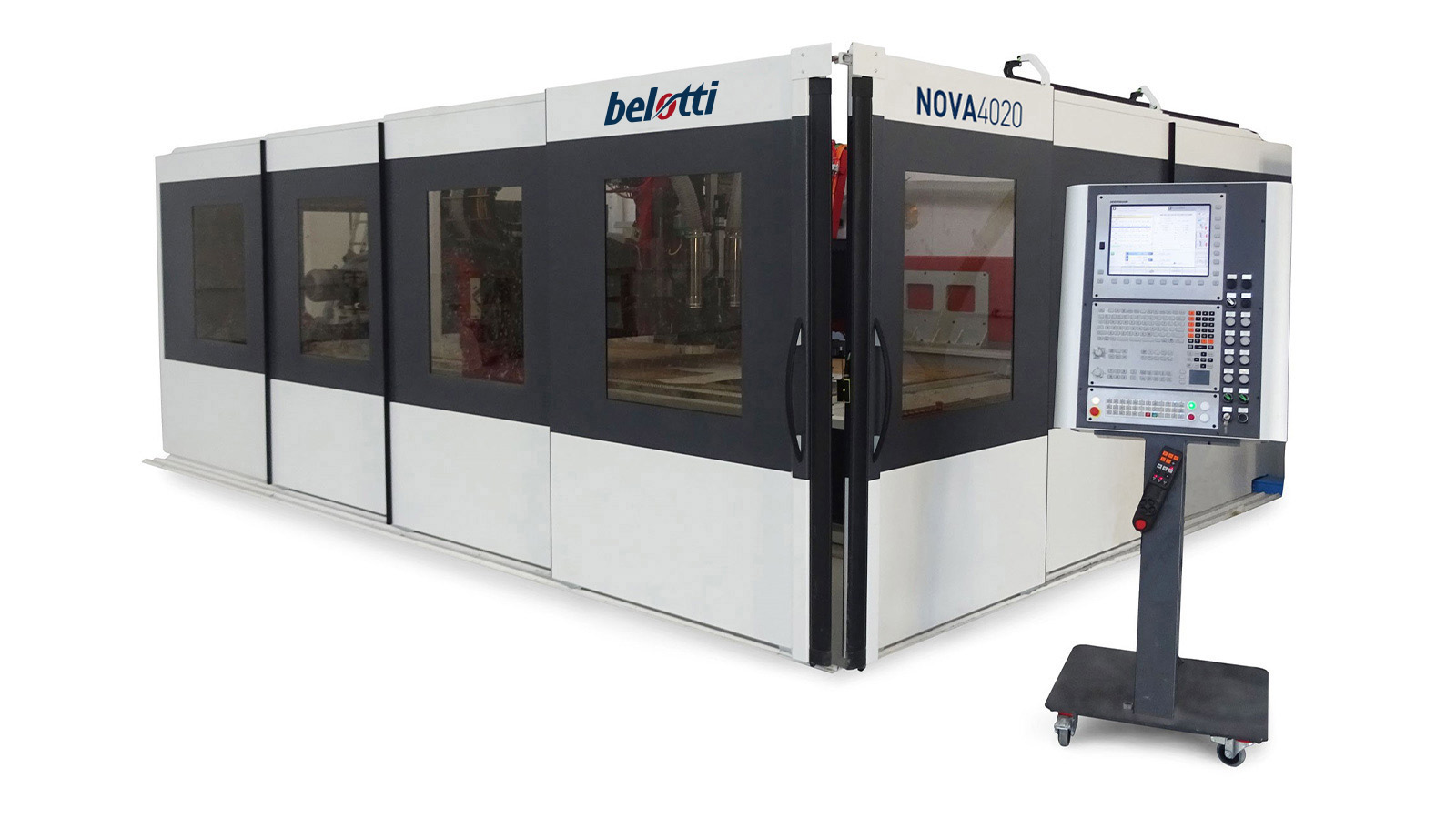
What Precision CNC Machining Really Means
When aircraft components must withstand extreme forces at 40,000 feet or surgical instruments demand perfect dimensional accuracy for patient safety, standard machining tolerances simply won't cut it. You've probably seen dozens of machine shops claim they offer "precision" work, but what does that actually mean? Here's what most suppliers won't tell you upfront.
Precision CNC machining is a computer-controlled manufacturing process achieving tolerances between ±0.0005" and ±0.002", significantly tighter than standard machining. It uses advanced software and high-precision machinery to remove material with micron-level accuracy.
That definition matters because it draws a clear line. While conventional CNC machining typically delivers tolerances of ±0.005 inches, precision CNC machining consistently reaches ±0.0005 inches or tighter. Specialized setups can even achieve ±0.0001 inches. That's the difference between a part that fits and one that fails under stress.
What Separates Precision Grade from Standard CNC Work
Think of it this way: standard CNC metal work gets you close, but precision machining gets you exact. The distinction comes down to three factors that most suppliers gloss over.
- Tolerance capability: Standard CNC typically holds ±0.005", while precision work achieves ±0.0005" or better
- Process control: Precision operations use thermal compensation, real-time monitoring, and feedback loops that constantly adjust for environmental factors
- Equipment calibration: Precision-grade machines undergo rigorous calibration routines that standard equipment doesn't require
Here's something crucial to understand: precision and accuracy aren't the same thing. Precision means repeatability, producing the same result every time. Accuracy means hitting the target dimension. You need both. Precision without accuracy yields consistently wrong parts; accuracy without precision leads to unpredictable results. High-end metal machining achieves both through calibrated equipment and strict process control.
The Technology Behind Micron-Level Accuracy
So what equipment actually delivers these tight tolerances? Precision machining services rely on a technology stack that goes far beyond basic CNC turning or milling.
Multi-axis milling centers offer unmatched flexibility. 5-axis machines can work complex parts from multiple angles without repositioning, which minimizes tolerance stack-ups. Spindle speeds reaching 30,000 RPM enable efficient cutting across both soft and hard materials.
CNC lathes with live tooling handle cylindrical components like shafts and bushings, achieving tolerances of ±0.0005". Modern lathes can perform milling, drilling, and tapping in a single setup, reducing errors from multiple handling operations.
Swiss-type machines represent the gold standard for small-diameter precision work. Originally developed for Swiss watchmaking, these machines feed bar stock through a guide bushing so the cutting tool always works close to the support point. This dramatically reduces deflection and vibration, making it ideal for ultra-tight tolerances on slender parts.
At the heart of all these systems are computer numerical control systems using G-code and M-code to direct tool movement precisely. Servo motors and feedback loops continuously monitor positioning to maintain accuracy within thousandths of an inch. Integration of CAD and CAM software ensures seamless transitions from digital models to finished parts, eliminating the translation errors that plague less sophisticated operations.
Why does all this matter? Because in critical applications, component failure has serious consequences. Whether it's an aerospace fitting, a medical implant, or an automotive fuel system component, the margin for error is measured in microns, not millimeters.
Tolerance Specifications and Surface Finish Standards
You've learned what precision CNC machining means in theory. Now let's get into the specifics that most suppliers keep vague: exactly what tolerances can you expect, and how do material choices affect achievable accuracy? This is where transparent data becomes your negotiating power.
Tolerance Ranges by Material and Operation
Different materials behave differently under cutting tools. Cnc aluminum machines predictably and holds tight tolerances with relative ease. Titanium fights back, requiring slower speeds and specialized tooling. Engineering plastics present their own challenges with thermal expansion and deflection. Here's what you can realistically expect from a capable precision CNC machining service:
| Material | Operation | Standard Precision | Tight Precision | Ultra-Precision |
|---|---|---|---|---|
| Aluminum (6061, 7075) | Milling | ±0.005" (0.13mm) | ±0.002" (0.05mm) | ±0.0005" (0.013mm) |
| Aluminum (6061, 7075) | Turning | ±0.005" (0.13mm) | ±0.001" (0.025mm) | ±0.0003" (0.008mm) |
| Aluminum (6061, 7075) | Drilling | ±0.005" (0.13mm) | ±0.002" (0.05mm) | ±0.001" (0.025mm) |
| Stainless Steel (303, 304, 316) | Milling | ±0.005" (0.13mm) | ±0.002" (0.05mm) | ±0.001" (0.025mm) |
| Stainless Steel (303, 304, 316) | Turning | ±0.005" (0.13mm) | ±0.002" (0.05mm) | ±0.0005" (0.013mm) |
| Stainless Steel (303, 304, 316) | Drilling | ±0.008" (0.20mm) | ±0.003" (0.08mm) | ±0.001" (0.025mm) |
| Titanium (Grade 2, Grade 5) | Milling | ±0.005" (0.13mm) | ±0.003" (0.08mm) | ±0.001" (0.025mm) |
| Titanium (Grade 2, Grade 5) | Turning | ±0.005" (0.13mm) | ±0.002" (0.05mm) | ±0.001" (0.025mm) |
| Engineering Plastics (Delrin, PEEK) | Milling | ±0.008" (0.20mm) | ±0.003" (0.08mm) | ±0.002" (0.05mm) |
| Engineering Plastics (Delrin, PEEK) | Turning | ±0.008" (0.20mm) | ±0.003" (0.08mm) | ±0.002" (0.05mm) |
Notice how machined aluminum consistently achieves the tightest tolerances? That's because aluminum alloys like 6061 offer excellent machinability, dimensional stability, and predictable cutting behavior. Cnc turning parts from aluminum can reach ±0.0003" in optimal conditions. Titanium and stainless steel demand more conservative expectations due to their hardness and work-hardening tendencies.
Important reality check: the tolerances above assume proper fixturing, calibrated equipment, and controlled environments. According to Protocase's tolerance guidelines, ultra-precision work (±0.001" or tighter) requires premium equipment conditions and adds significant cost. Don't expect every shop to deliver ultra-precision results on every job.
Surface Finish Standards and Ra Values
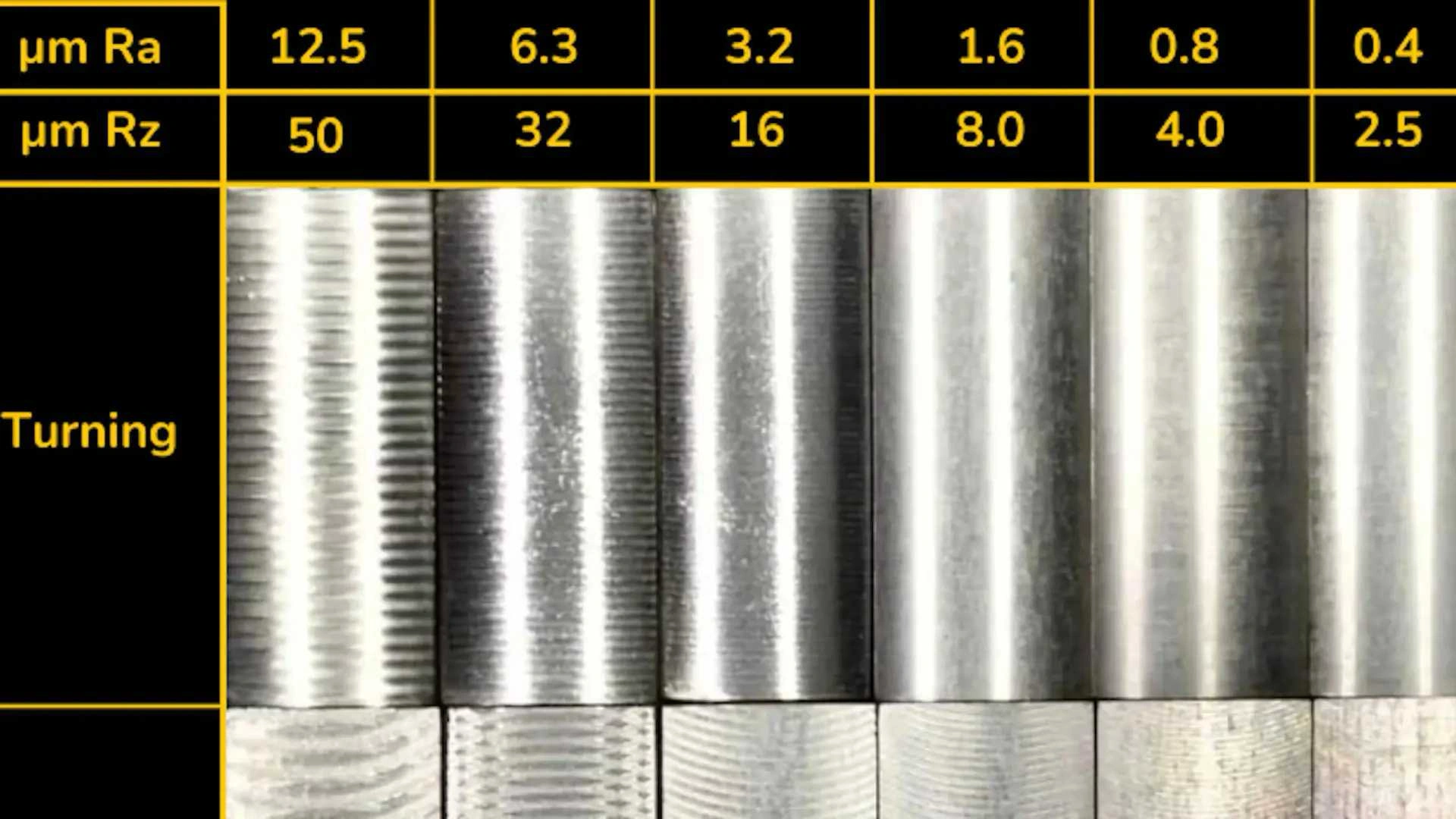
Tolerances tell only half the story. Surface finish determines how your machined parts perform in real applications. The industry standard measurement is Ra (Roughness Average), expressed in microinches (μin) or micrometers (μm).
Here's how common Ra values translate to functional performance:
- 125 Ra (3.2 μm): Standard machined finish suitable for non-critical surfaces. Cost-effective for structural cnc machining parts
- 63 Ra (1.6 μm): Good general-purpose finish for bearing surfaces and sealing areas
- 32 Ra (0.8 μm): Fine finish for precision fits and sliding surfaces. Common specification for cnc milling parts requiring smooth operation
- 16 Ra (0.4 μm): Very fine finish typically requiring grinding or lapping operations
- 8 Ra (0.2 μm): Mirror-like finish for optical or sealing applications
The relationship between surface finish and production time follows an exponential curve, as documented in University of Florida's manufacturing tolerance guidelines. Doubling your surface finish requirements more than doubles machining time and cost. Always specify the roughest acceptable finish for each surface, not the smoothest possible.
Reading and Specifying Precision Requirements
Geometric Dimensioning and Tolerancing (GD&T) provides the language engineers use to communicate precision requirements without ambiguity. Rather than relying solely on plus/minus dimensions, GD&T defines how features relate to each other and to datum references.
Key GD&T concepts you'll encounter when specifying machining parts:
- Position tolerance: Controls where a feature (like a hole) is located relative to datum surfaces
- Flatness: Specifies how flat a surface must be, independent of its orientation
- Cylindricity: Controls the roundness and straightness of cylindrical features simultaneously
- Perpendicularity: Defines how square one feature must be relative to a reference datum
- Parallelism: Controls how parallel surfaces must remain to each other
When requesting quotes for precision work, specify both coordinate tolerances (±X dimensions) and any GD&T callouts your design requires. According to industry practice, the magnitude of equivalent tolerances may change depending on geometry, so work with your machining partner to confirm achievable specifications before production begins.
Understanding these specifications puts you in control of conversations with suppliers and helps you avoid the common trap of over-tolerancing, which inflates costs unnecessarily, or under-tolerancing, which leads to parts that don't function properly in assembly.
CNC Machining Operations and When to Use Each
Now that you understand tolerance specifications and surface finish standards, the next question becomes: which machining operation actually delivers those results for your specific part? Here's where many suppliers get vague, offering generic descriptions that don't help you make informed decisions. Let's break down each major CNC operation with the technical depth you need.
The choice between operations depends on three factors: part geometry, required tolerances, and production volume. Get this decision wrong, and you'll pay for it in extended cycle times, compromised precision, or inflated costs. Get it right, and you'll unlock the efficiency that precision CNC machining services can deliver.
3-Axis Milling for Prismatic Parts
Three-axis milling represents the workhorse of cnc machining milling operations. The cutting tool moves along X, Y, and Z axes while the workpiece remains stationary. This setup excels at creating flat surfaces, pockets, slots, and holes on prismatic (block-shaped) components.
When does 3-axis milling make sense? Consider it your default choice for:
- Parts with features on one or two faces: If all critical dimensions exist on the top and sides of your workpiece, 3-axis handles them efficiently
- Medium to high production volumes: Setup time is minimal compared to more complex configurations
- Tolerance requirements of ±0.002" or looser: Three-axis machines achieve precision grades suitable for most general applications
- Budget-conscious projects: Lower machine hourly rates translate to reduced part costs
The limitation? Complex contours and undercuts require multiple setups. Each time you reposition the workpiece, you introduce potential tolerance stack-up. For parts needing machining from five or six sides, 3-axis becomes inefficient and less accurate.
Multi-Axis Milling for Complex Geometries
When your design demands compound angles, sculpted surfaces, or features accessible only from unusual orientations, 5 axis cnc machining services become essential. These machines add two rotational axes (typically A and B) to the standard three linear axes, allowing the cnc cutting machine to approach the workpiece from virtually any angle.
The precision advantages of 5-axis milling extend beyond just access:
- Single-setup machining: Complete complex parts without repositioning, eliminating the tolerance errors that accumulate with each setup change
- Shorter tool lengths: The machine can tilt the spindle closer to the workpiece, reducing tool deflection and improving surface finish
- Optimized cutting angles: Maintaining ideal tool-to-surface orientation across contoured surfaces produces consistent chip loads and better dimensional accuracy
- Reduced cycle times: Continuous 5-axis motion often completes parts faster than multiple 3-axis setups
According to NAMF's manufacturing analysis, understanding the difference between 3-axis and 5-axis milling becomes critical for complex geometries in defense, medical, and aerospace applications. These sectors drive demand for the high-precision engineering that 5-axis capabilities enable.
The trade-off? Higher machine rates and programming complexity. For simple parts, 5-axis is overkill. Reserve it for geometries that genuinely require multi-directional access or where single-setup precision justifies the investment.
CNC Turning for Rotational Components
Imagine you need shafts, bushings, threaded fasteners, or any component with rotational symmetry. CNC turning services offer the most efficient path to precision. Unlike milling where the tool moves around a stationary workpiece, turning spins the workpiece while a stationary cutting tool shapes it.
This fundamental difference creates natural advantages for cylindrical work:
- Superior surface finishes: The continuous cutting action eliminates tool marks common in interrupted milling cuts
- Excellent concentricity: Since the part rotates around its own axis, features naturally maintain alignment
- Fast material removal: Turning removes stock efficiently for roughing operations before precision finishing passes
- Lower cost per part: Simpler setups and faster cycle times reduce production costs for cylindrical components
Modern CNC turning centers with live tooling blur the line between turning and milling. These machines can drill, tap, and mill features while the workpiece remains in the lathe, combining operations that would otherwise require multiple machines. A cnc turning service equipped with live tooling delivers complete parts in single setups, maintaining tighter tolerances than transfer between machines would allow.
The limitation is geometry. Turning excels at rotational parts but struggles with prismatic features. If your design requires both cylindrical and block-shaped elements, consider turn-mill centers that combine both capabilities.
Swiss Turning for Ultra-Precise Small Parts
Here's where precision reaches its peak for small-diameter work. Swiss machining (also called Swiss-type turning) was developed for watchmaking and has evolved into the gold standard for miniature precision components. If your parts have diameters under 1.5 inches and demand tolerances of ±0.0004mm or tighter, Swiss machines deliver what standard lathes cannot.
What makes Swiss turning different? According to Xometry's Swiss machining guide, the key innovation is the guide bushing. The workpiece feeds through this bushing, so cnc cutting always occurs immediately adjacent to a support point. This eliminates the deflection that plagues long, slender parts on conventional lathes.
Key precision considerations for Swiss machining:
- Reduced vibration: The guide bushing support minimizes chatter, producing superior surface finishes even on delicate components
- Multiple simultaneous operations: Swiss machines use gang tooling to perform turning, drilling, milling, and threading simultaneously, reducing cycle times dramatically
- Extreme aspect ratios: Parts with length-to-diameter ratios of 10:1 or higher machine accurately without the bending that would occur on standard equipment
- High-volume efficiency: Automatic bar feeders enable lights-out production, making Swiss ideal for quantities from hundreds to millions
Swiss machining dominates in medical devices (surgical instruments, orthopedic implants, dental components), aerospace fasteners, and electronic connectors. These industries demand the combination of small scale, extreme precision, and production volumes that Swiss machines excel at delivering.
The trade-offs? Swiss machines require specialized programming and longer setup times. They're limited to smaller diameters (typically under 32mm). And the complexity means higher hourly rates. For larger parts or simpler tolerances, conventional turning remains more economical.
Matching Operations to Your Requirements
Choosing the right operation isn't about finding the most advanced machine. It's about matching capabilities to your actual requirements. Over-specifying leads to unnecessary costs; under-specifying compromises part quality.
| Part Characteristic | Best Operation | Why It Fits |
|---|---|---|
| Prismatic, simple features | 3-Axis Milling | Lowest cost, adequate precision for most applications |
| Complex contours, compound angles | 5-Axis Milling | Single-setup accuracy, reduced tolerance stack-up |
| Cylindrical, rotational symmetry | CNC Turning | Natural concentricity, superior surface finish |
| Small diameter, extreme precision | Swiss Turning | Guide bushing eliminates deflection, enables tight tolerances |
| Combined cylindrical and prismatic | Turn-Mill Center | Single-setup for complex geometry, maintains datum references |
When discussing your project with a precision CNC machining service, ask which operation they recommend and why. A capable supplier will explain their reasoning based on your part geometry, tolerance requirements, and production volume. Vague answers suggest they're guessing rather than engineering the optimal approach.
Material Selection for Precision Applications
You've seen the tolerance tables and understand which operations deliver precision results. But here's what many suppliers won't emphasize upfront: your material choice can make or break those specifications. The same machine running the same program will produce dramatically different outcomes depending on whether you're cutting aluminum machining stock or wrestling with titanium. Let's explore which cnc machining materials actually cooperate with tight tolerances and which ones fight back.
Metals That Machine to Tightest Tolerances
Not all metals are created equal when precision matters. Three material properties fundamentally determine how well a metal holds tight tolerances: thermal conductivity (how quickly it dissipates cutting heat), hardness (how much it resists the cutting tool), and grain structure (how uniformly it behaves under stress).
Aluminum alloys top the list for precision-friendly behavior. Aluminum 6061-T6 machines predictably, dissipates heat efficiently, and maintains dimensional stability throughout the cutting process. Its excellent thermal conductivity prevents localized heat buildup that distorts other metals. For aerospace and automotive components requiring tolerances of ±0.0005" or tighter, aluminum machining remains the go-to choice.
Stainless steel machining presents a different challenge. Grades like 303 and 304 offer corrosion resistance but work-harden during cutting. This means the material becomes progressively harder as you machine it, requiring sharp tooling and carefully controlled feeds and speeds. Expect achievable tolerances of ±0.001" under optimal conditions, with surface finish requiring more attention than aluminum.
Machining bronze and brass alloys delivers excellent results for bearing surfaces and electrical components. These materials cut cleanly, produce good surface finishes, and hold moderate tolerances well. Free-machining brass (C36000) is particularly forgiving, making it ideal for high-volume precision work.
Titanium and superalloys demand respect. Materials like Ti-6Al-4V and Inconel require reduced cutting speeds, specialized coated tooling, and rigid setups to achieve precision results. Their low thermal conductivity concentrates heat at the cutting edge, accelerating tool wear and potentially distorting the workpiece. Budget for longer cycle times and higher tooling costs when specifying these materials for tight-tolerance work.
Engineering Plastics and Dimensional Stability Challenges
Plastics introduce complications that metals simply don't have. Thermal expansion rates run 5-10 times higher than metals, meaning temperature fluctuations during machining can push parts out of tolerance before they're even measured. According to Komacut's plastic material selection guide, plastics generally have better machinability than metals due to lower hardness and density, but managing heat buildup and deflection requires specialized techniques.
Delrin material (acetal/POM) stands out as the most dimensionally stable engineering plastic. It machines cleanly, holds tolerances of ±0.002" reliably, and resists moisture absorption that causes dimensional changes in other plastics. For precision bushings, gears, and sliding components, delrin material offers an excellent balance of machinability and stability.
Nylon for machining presents more challenges. While machining nylon produces excellent wear-resistant parts, the material absorbs moisture from the air, causing dimensional swelling over time. Parts machined to tight tolerances in a climate-controlled shop may drift out of specification in humid environments. Specify dry-as-molded tolerances or account for moisture expansion in your designs when machining nylon components.
PEEK (polyetheretherketone) commands premium pricing but delivers exceptional dimensional stability, chemical resistance, and high-temperature performance. For medical implants and aerospace components requiring plastic properties with near-metal precision, PEEK justifies its cost.
Material Properties Affecting Precision Outcomes
| Material | Machinability Rating | Achievable Tolerance | Surface Finish (Ra) | Special Considerations |
|---|---|---|---|---|
| Aluminum 6061-T6 | Excellent | ±0.0005" | 16-32 μin | Best overall precision; excellent heat dissipation |
| Aluminum 7075-T6 | Very Good | ±0.0005" | 16-32 μin | Higher strength than 6061; slightly more tool wear |
| Stainless Steel 303 | Good | ±0.001" | 32-63 μin | Free-machining grade; sulfur content aids cutting |
| Stainless Steel 316 | Moderate | ±0.001" | 32-63 μin | Work hardens; requires sharp tools and rigid setup |
| Titanium Grade 5 | Difficult | ±0.001" | 32-63 μin | Reduced speeds required; high tool wear; aerospace standard |
| Brass C36000 | Excellent | ±0.001" | 16-32 μin | Free-machining; excellent for high-volume precision |
| Bronze (C93200) | Very Good | ±0.001" | 32-63 μin | Ideal for bearings; self-lubricating properties |
| Delrin (Acetal) | Excellent | ±0.002" | 32-63 μin | Most stable plastic; low moisture absorption |
| Nylon 6/6 | Good | ±0.003" | 63-125 μin | Absorbs moisture; dimensions change with humidity |
| PEEK | Good | ±0.002" | 32-63 μin | Premium cost; excellent chemical/thermal resistance |
Material Certification for Regulated Industries
When your parts serve aerospace, medical, or defense applications, material selection extends beyond mechanical properties. Certification requirements determine what documentation must accompany your raw stock.
- Aerospace (AS9100/NADCAP): Requires mill test reports (MTRs) with full chemical composition and mechanical property verification. Materials must trace to approved sources
- Medical (ISO 13485): Biocompatible materials need documented compliance with ISO 10993 testing. Implantable components require additional batch traceability
- Defense (DFARS): Domestic melting requirements may apply. Specialty metals must originate from qualified sources
According to Moseys' tolerance guidelines, discussing your project needs with a trusted precision machining company helps you understand not just tolerance capabilities but also material certification requirements that affect both cost and lead time.
Understanding how material properties interact with precision requirements puts you in control of both quality and cost. Specify aluminum when tolerances are critical and material strength permits. Reserve exotic alloys for applications that genuinely require their properties. And when plastics make sense, choose grades that match your dimensional stability needs rather than defaulting to the lowest-cost option.
Designing Parts for Precision Manufacturability
You've selected the right material and understand which machining operation fits your geometry. But here's a secret most suppliers won't share upfront: even the best precision CNC machining service can't overcome a fundamentally unmachinable design. Design for Manufacturability (DFM) bridges the gap between what looks great in CAD and what actually works on the shop floor. Get these principles right, and you'll save time, money, and frustration.
According to All Metals Fabricating's DFM guidelines, there's a notable gap between what's designable and what's manufacturable. Engineers may design parts that look perfect in 3D model form but introduce significant challenges when they hit the shop floor. The result? High costs, long lead times, or in the worst-case scenario, a no-quote response.
Avoiding Tolerance Stack-Up in Complex Assemblies
Imagine you've designed three machined components that bolt together. Each has three critical dimensions with tolerances of ±0.0005 inches. Sounds precise enough, right? Here's the problem: when those tolerances combine, your assembly faces a cumulative tolerance of ±0.0015 inches, which may not be acceptable even if every individual part meets specification.
This phenomenon, called tolerance stack-up, represents one of the most overlooked challenges in precision machining parts. According to Micro Precision Components' tolerance analysis, tolerance stack-up refers to the cumulative effect of dimensional and geometric tolerances across multiple parts in an assembly, or across multiple dimensions in a single machined part. When tolerances stack, small deviations in individual components can combine and cause parts to fall outside functional requirements.
The consequences extend beyond fit issues:
- Improper fit and function: Mating parts may not assemble correctly, causing delays or requiring rework
- Manufacturing confusion: Projects stall while tolerancing problems get resolved between engineering and production
- Increased wear: Even when parts technically fit, poor tolerance management accelerates wear in moving assemblies
- Assembly failures: In severe cases, parts simply won't go together at all
How do you fix tolerance stack-up before it becomes a production problem? Two analysis approaches help:
- Worst-case analysis: Assumes all tolerances stack in the most unfavorable direction. Conservative but ensures parts work even when every dimension sits at its extreme limit
- Statistical analysis: Uses probability distributions (like Monte Carlo simulation) to predict the likelihood that assemblies will function within limits. More realistic for high-volume production where statistical averaging applies
Feature Design That Enables Precision
Custom machined parts require features that cutting tools can actually reach and machine efficiently. Ignoring tool geometry constraints leads to parts that either can't be made or require expensive workarounds. Here's what precision work demands:
Internal corner radii: Square corners on interior pockets are physically impossible to machine because rotating cutting tools are round. Always add a radius. But remember: smaller radii require smaller tools, which break more easily and machine more slowly. Design radii to accommodate standard tooling sizes of 0.10", 0.015", and 0.03" whenever possible.
Hole depth limitations: A good rule of thumb when designing holes is ensuring depth doesn't exceed 6x the diameter. This allows tooling to reach at standard speeds without excessive deflection. Deeper holes require slower machining to avoid tool breakage, significantly affecting both cost and lead times.
Wall thickness minimums: Thinner walls take longer to set up and machine safely. When running thin-walled cnc machine parts, machinists must reduce RPMs and feed rates slowly; otherwise, there's risk of shattering the material. If a specific wall thickness isn't functionally required, design walls no thinner than necessary.
Common design mistakes that compromise precision and how to avoid them:
- Specifying unnecessarily tight tolerances: Call out tight tolerances only where functionally required. Looser tolerances on non-critical features reduce machining time and cost
- Ignoring tool access: Features buried deep in pockets or hidden behind other geometry may require custom tooling or multiple setups, adding cost and error potential
- Designing features requiring excessive setups: Each workpiece repositioning introduces potential for human error. Simple parts requiring fewer setups deliver better costs, shorter lead times, and more consistent results
- Overlooking standard tooling compatibility: Designing for standard cutter diameters and lengths reduces custom tooling requirements and speeds production
- Forgetting cnc plastic machining differences: Plastics deflect under cutting forces and expand with heat. Design features with adequate support and allow for thermal effects
How Secondary Operations Affect Final Dimensions
Here's something designers frequently miss: your parts don't stop changing dimensions after cnc cuts finish. Secondary operations like heat treatment, anodizing, and plating all add or remove material, shifting your carefully machined dimensions.
According to AIXI Hardware's surface treatment guide, anodizing metal changes the dimensions of the part, so the oxide layer needs to be considered when determining dimensional tolerances. Type III hard anodizing, the most common form, results in a slightly thicker coating than Type II, directly impacting final dimensions on custom machine work.
Key dimensional impacts by treatment type:
- Anodizing (Type II/III): Adds 0.0002" to 0.003" per surface depending on coating thickness. Half the coating penetrates the base material; half builds outward
- Electroless nickel plating: Adds 0.0001" to 0.002" uniformly across all surfaces, including holes and internal features
- Chrome plating: Adds 0.0001" to 0.001" depending on thickness specification
- Heat treatment: Can cause distortion and dimensional changes due to stress relief. Parts may require finish machining after treatment
- Electropolishing: Removes 0.0002" to 0.0003" from surfaces, slightly enlarging holes and reducing external dimensions
Smart designers account for these changes in their tolerance budgets. If your finished part needs a hole diameter of 0.5000" ±0.0005" after nickel plating, you'll need to machine it larger initially to compensate for the plating thickness. Work with your precision machining partner to determine exact compensation values based on your specific treatment specifications.
Communicating Effectively with Machine Shops
When submitting an RFQ for precision machining, more information always helps. Include:
- Complete 3D models and 2D drawings: Both formats help shops understand geometry and tolerancing intent
- Material specifications: Grade, temper, and any certification requirements
- Quantity and delivery requirements: Production volume affects process selection and pricing
- Critical tolerances called out: Identify which dimensions truly matter for function versus those that can accept standard machining tolerances
- Secondary operation requirements: Heat treatment, surface finishing, and assembly needs
A quality precision CNC machining service reviews all prints through the lens of DFM before beginning production. They'll identify opportunities to loosen non-critical tolerances, suggest design modifications that reduce setup complexity, and flag potential manufacturability issues before they become expensive problems. Embrace this collaboration, as it exists to save you money and ensure your precision machining parts perform as intended.
Quality Control and Inspection Methods
You've designed a part for manufacturability, selected the right material, and chosen a capable machining operation. But here's the question most buyers forget to ask: how do you actually know your precision cnc machined parts meet specification? Suppliers love displaying certification badges on their websites, yet few explain what those credentials actually mean for your parts. Let's pull back the curtain on quality assurance methods that separate genuine high precision machining services from shops that just talk a good game.
How CMM Inspection Validates Tight Tolerances
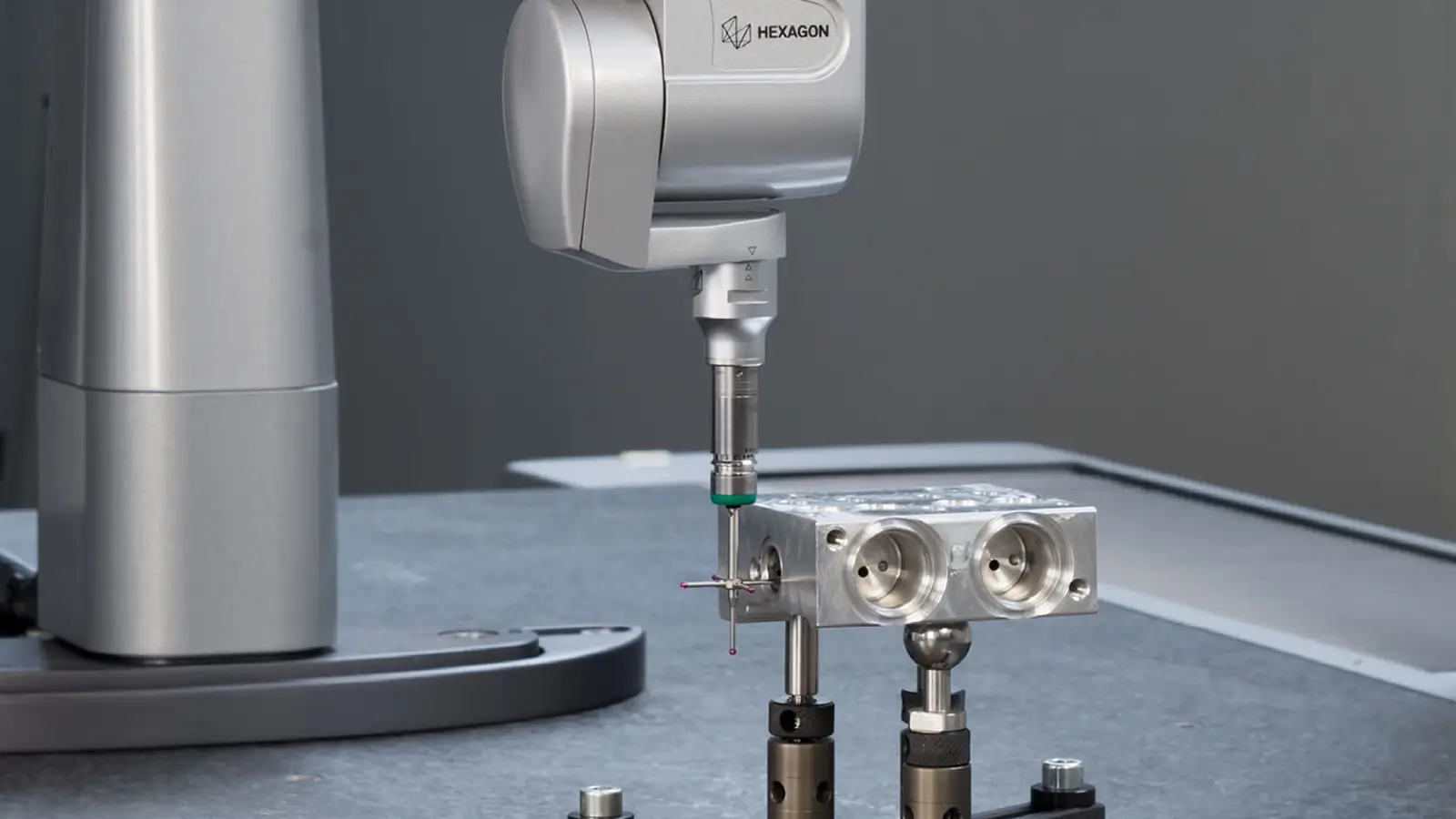
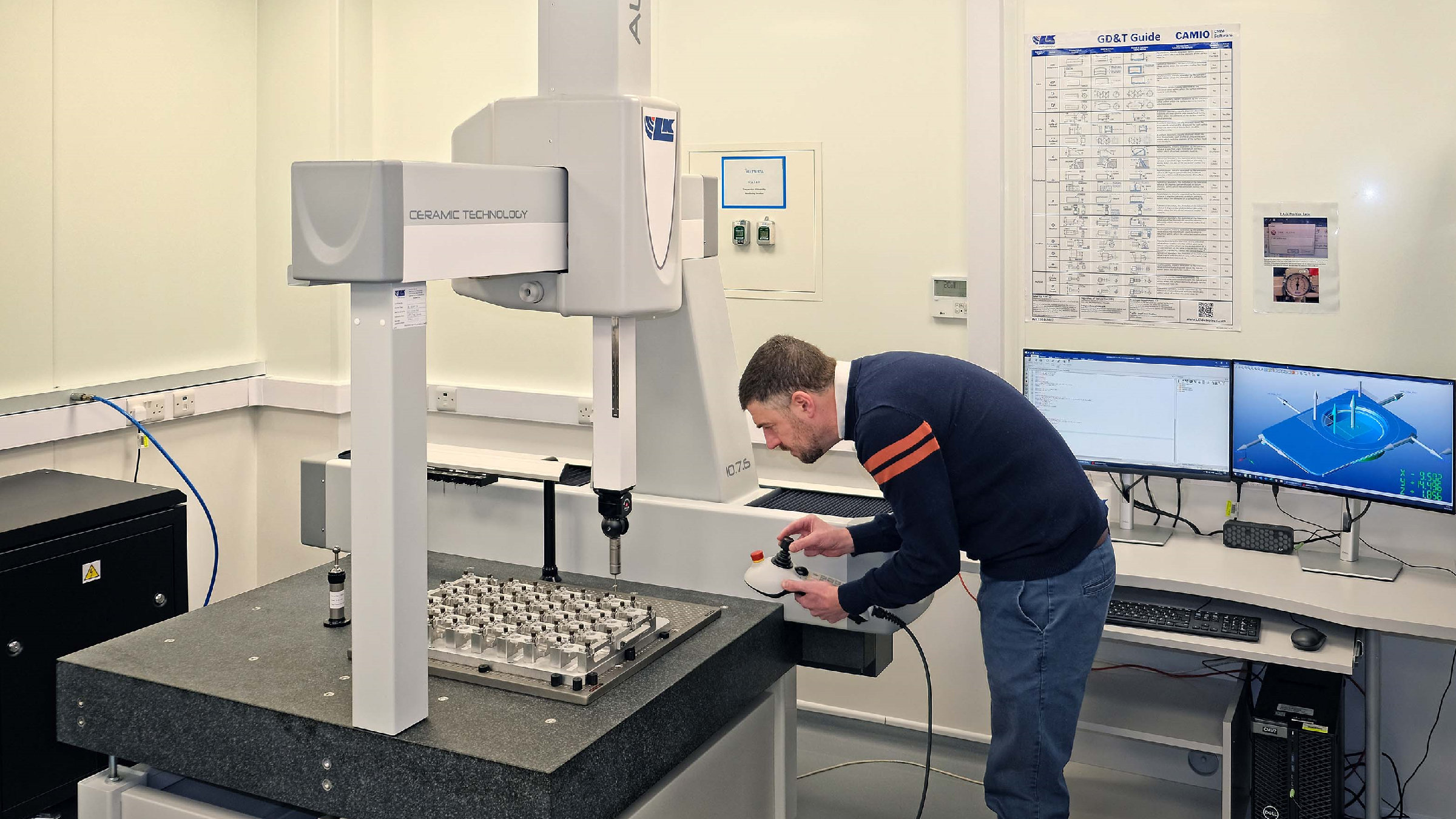
When tolerances shrink to ±0.0005 inches or tighter, traditional measurement tools like calipers and micrometers simply aren't accurate enough. This is where Coordinate Measuring Machines (CMM) become essential. According to Zintilon's CMM inspection guide, a coordinate measuring machine inspects and measures three-dimensional objects by checking angular and geometric features and comparing them with the intended design.
Think of a CMM as a robotic measuring system that maps every critical dimension of your part in three-dimensional space. The machine uses a precision probe that touches the workpiece surface at programmed points, recording X, Y, and Z coordinates with micron-level accuracy. Software then compares these measured coordinates against your CAD model or drawing specifications.
Why does CMM inspection matter for precision cnc machining services? Several reasons:
- Repeatability: CMM produces consistent measurements regardless of operator skill level, eliminating human error in quality verification
- Speed: Automated inspection routines measure dozens of features in minutes rather than hours of manual gauging
- Documentation: Every measurement generates traceable data records for quality audits and customer verification
- Complex geometry verification: CMM handles compound curves, angular features, and GD&T callouts that manual methods struggle to verify
Four main types of CMM serve different inspection needs. Bridge CMM, the most common type, offers high accuracy for small to medium components. Gantry CMM handles large parts like automotive body panels or aerospace structures. Cantilever CMM provides access flexibility for complex designs. Horizontal arm CMM reaches features on thin-walled or hard-to-access geometries, though with slightly lower accuracy than bridge configurations.
Beyond dimensional measurement, profilometers verify surface finish specifications. These instruments drag a stylus across the machined surface, measuring peaks and valleys to calculate Ra values. When your drawing calls for 32 Ra or finer, profilometer verification ensures the cnc machining shop actually delivered that surface quality.
Understanding Inspection Reports and Certifications
Here's where most suppliers get deliberately vague: what do ISO 9001, AS9100, and IATF 16949 certifications actually mean for your parts? These aren't just badges to display on websites. They represent fundamentally different quality management approaches.
ISO 9001 establishes the foundation. According to Frigate's certification analysis, ISO 9001 is the internationally recognized Quality Management System standard that provides the structural framework to standardize machining processes across departments, create documentation for tooling, programming, and inspection procedures, implement corrective actions when deviations occur, and support continuous improvement.
AS9100 builds upon ISO 9001 with aerospace-specific requirements. This certification emphasizes product safety and reliability through design controls, first article inspection requirements (AS9102), configuration management for complex assemblies, and full material and process traceability from raw stock to finished component. For precision machining companies serving aerospace or defense customers, AS9100 certification is typically mandatory, not optional.
IATF 16949 addresses automotive industry requirements. This standard emphasizes statistical process control, defect prevention rather than detection, and supply chain quality management. If your machine shop services report IATF 16949 certification, they've demonstrated capability for the volume production and process consistency automotive OEMs demand.
Quality Control Workflow: From First Article to Production
A typical quality control workflow at a qualified cnc machining shop follows a structured sequence that catches problems before they multiply:
- First Article Inspection (FAI): Before production begins, the initial sample undergoes comprehensive dimensional verification. According to Deltek's inspection guide, first article inspection tests whether the part is processed as intended and conforms to design specifications. For regulated industries, FAI validates compliance with industry standards before full production proceeds
- In-process inspection: Shop floor inspections examine workflow during production, verifying critical dimensions at defined intervals. This catches drift before entire batches fall out of specification
- Statistical Process Control (SPC): Rather than inspecting every part, SPC uses sampling and statistical analysis to monitor process capability. Control charts track dimension trends, triggering corrective action when measurements approach tolerance limits but before they exceed them
- Final inspection: Complete parts undergo verification against all drawing requirements. Inspection reports document every critical dimension, confirming readiness for shipment
- Receiving inspection: Incoming materials and components are verified before entering production, preventing defective raw stock from corrupting finished parts
How SPC Prevents Precision Drift
Statistical Process Control deserves special attention because it's what separates reactive quality systems from proactive ones. Imagine you're machining 1,000 parts with a critical bore diameter of 0.5000" ±0.0005". Without SPC, you might not discover a problem until final inspection reveals 200 scrap parts.
With SPC, operators measure sample parts at regular intervals and plot results on control charts. These charts show not just whether parts are in tolerance, but whether the process is trending toward trouble. If the average bore diameter starts creeping from 0.5000" toward 0.5003", the control chart signals this trend before any parts exceed the 0.5005" upper limit. The machinist can then adjust tool offsets, replace worn tooling, or address thermal drift before producing defective parts.
SPC transforms quality from inspection-based (finding problems after they occur) to prevention-based (stopping problems before they happen). For high precision machining services where rework costs are substantial and customer tolerance for defects is zero, SPC capability often determines whether a precision machining company can reliably deliver to specification.
When evaluating potential suppliers, ask about their SPC implementation. Shops that track process capability indices (Cpk) and maintain control charts demonstrate a systematic approach to precision that casual inspection programs cannot match. This proactive quality mindset becomes especially critical as tolerances tighten and production volumes increase.
Understanding Precision CNC Machining Costs
You've learned how to design for manufacturability and verify quality through inspection. Now comes the question every buyer asks but few suppliers answer honestly: what actually drives CNC machining price? Most shops guard this information because informed customers negotiate better. Here's the transparent breakdown you won't find on competitor websites.
Five primary factors determine what you'll pay for precision work: material selection, geometric complexity, tolerance specifications, batch size, and finishing requirements. Understanding how each impacts your quote puts you in control of the conversation rather than at the mercy of opaque pricing.
Why Tighter Tolerances Cost More
Here's a reality check that surprises many engineers: moving from ±0.05mm to ±0.01mm doesn't just add a little to your quote. According to Okdor's tolerance cost analysis, tight tolerances typically add 30-200% to base machining costs. Moving from ±0.05mm to ±0.01mm multiplies cost by 2-5x, with deep pockets and thin walls pushing even higher.
Why such a dramatic increase? The ±0.02mm threshold represents a critical cost cliff. Above this line, shops use standard tooling at reasonable speeds. Below it, everything changes:
- Feed rates drop dramatically: From 300mm/min to 100mm/min or slower to maintain dimensional accuracy
- Setup time doubles: Tighter tolerances demand more careful workholding and machine calibration
- 100% inspection becomes mandatory: Every part requires CMM verification rather than statistical sampling
- Climate control matters: Temperature fluctuations that wouldn't affect standard work can push ultra-precision parts out of spec
The cost impact varies by feature type. Based on analyzed project data from industry sources, here's what specific tolerance callouts actually mean for your budget:
| Feature | Standard Tolerance | Tight (±0.01mm) | Cost Multiple |
|---|---|---|---|
| M6 hole, 6mm deep | ±0.1mm (baseline) | ±0.01mm | 1.8x |
| M6 hole, 30mm deep | ±0.1mm (baseline) | ±0.01mm | 3.5x |
| Perpendicularity/50mm | 0.1mm (baseline) | 0.02mm | 2.2x |
| Flatness/150mm span | 0.1mm (baseline) | 0.05mm | 2.5x |
Notice how deep holes destroy budgets most predictably? At 3x diameter depth, ±0.01mm requires careful process control. At 8x diameter, it demands specialized reamers, pecking cycles, and potential tool breakage. One automotive bracket jumped from $85 to $240 just from eight deep holes that were actually clearance features, not precision bores.
Batch Size Economics in Precision Work
Economies of scale work powerfully in CNC machining, but not always the way you'd expect. Low volume cnc machining carries a significant per-part premium because setup costs spread across fewer pieces. Programming the machine, setting up fixturing, calibrating tools, and running first article inspection all cost the same whether you're making 10 parts or 1,000.
According to Komacut's cost analysis, strategic decision-making is crucial when choosing between low and high-volume production. Low-volume may be preferable for prototypes requiring specific customization despite higher per-unit costs, while high-volume production efficiently reduces costs per part by amortizing initial investments over a larger output.
For small batch cnc machining projects, consider these strategies to optimize costs:
- Combine orders: If you need 10 parts now and 20 more next quarter, ordering 30 at once often costs less than two separate runs
- Standardize designs: Parts that share similar setups and tooling can run sequentially, reducing changeover costs
- Accept longer lead times: Shops often offer better pricing for flexible delivery schedules that fit between rush jobs
The Complete Cost Impact Picture
Beyond tolerances and quantity, several other factors significantly influence your cnc quote online or in-person estimate:
| Cost Factor | Low Impact | Medium Impact | High Impact |
|---|---|---|---|
| Material Selection | Aluminum, brass, free-machining steel | Stainless steel, tool steel | Titanium, Inconel, exotic alloys |
| Geometric Complexity | Prismatic parts, simple pockets | Multi-face machining, moderate contours | 5-axis work, deep cavities, thin walls |
| Tolerance Tightness | ±0.1mm or looser | ±0.05mm to ±0.02mm | ±0.01mm or tighter |
| Surface Finish | As-machined (125 Ra) | Fine machined (32-63 Ra) | Ground or polished (16 Ra or finer) |
| Post-Processing | None required | Basic deburring, simple anodizing | Heat treatment, precision grinding, plating |
Material waste adds another dimension most online machining quotes don't explain clearly. Harder materials like titanium require slower speeds and wear through tooling faster. According to JLCCNC's cost breakdown, machinability is a key factor, as materials that are easier to machine like aluminum cost less to process, while harder materials like stainless steel or high-performance plastics take more time and expertise, raising the price.
Lead Time and Cost Trade-offs
Rush orders carry premium pricing for a simple reason: they disrupt scheduled production. When you need parts in days rather than weeks, the shop must bump other jobs, run overtime, or expedite material procurement. Expect 25-50% premiums for urgent timelines.
Conversely, flexibility with delivery dates often unlocks better pricing. Shops can schedule your work during slower periods, optimize machine utilization, and avoid overtime labor costs. If your project timeline permits, ask about pricing for standard versus expedited delivery. The difference frequently justifies adjusting your schedule.
Small cnc machining operations sometimes offer competitive advantages for low-volume precision work. Their overhead costs run lower than large facilities, and they may offer more personalized attention to tolerance-critical projects. However, verify their inspection capabilities match your quality requirements before prioritizing price over precision assurance.
Understanding these cost drivers transforms you from a passive quote recipient into an informed buyer. You can now make deliberate trade-offs: loosening non-critical tolerances, adjusting batch sizes, or selecting alternative materials to hit budget targets without sacrificing the precision that matters for function. That knowledge is exactly what most suppliers prefer you didn't have.
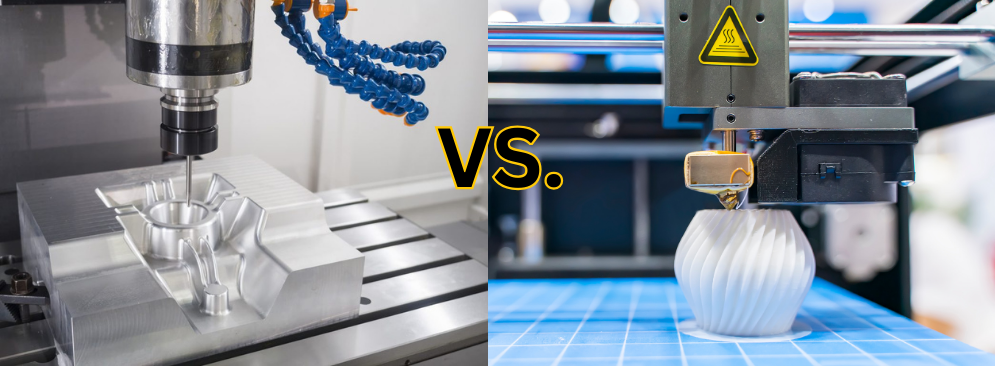
Choosing Between CNC and Alternative Manufacturing
You now understand what drives precision CNC machining costs. But here's a question that separates informed buyers from those who default to familiar methods: is CNC machining actually the right choice for your project? Sometimes the answer is no. Understanding when alternative manufacturing methods outperform precision machining saves you money and delivers better results. Let's compare your options with the honest framework most suppliers won't provide.
Each manufacturing method has a sweet spot defined by part complexity, tolerance requirements, production volume, and material needs. Choosing the wrong process costs you either in excessive per-part pricing or in compromised quality. Here's how to match your project to the right technology.
CNC vs Additive Manufacturing for Precision Parts
Three-dimensional printing has evolved from a prototyping curiosity into a legitimate manufacturing option. But can it match CNC precision? According to Ultimaker's manufacturing comparison, CNC machining can achieve tolerances as tight as ±0.025mm, while most 3D printing technologies have tolerances between ±0.1mm to ±0.5mm. Industrial 3D printers can reach ±0.025mm to ±0.05mm, but at significantly higher cost.
When does cnc prototyping beat 3D printing? Consider CNC your default when:
- Tolerances below ±0.1mm matter: CNC delivers repeatable precision that most additive processes struggle to match
- Material properties are critical: CNC machined parts maintain the full mechanical properties of the source material, while 3D printed parts may have anisotropic properties due to layer-by-layer construction
- Surface finish requirements are stringent: CNC produces surface roughness as low as 0.8μm, while 3D printed parts typically show visible layer lines around 15μm
- Production volumes exceed 10-20 units: CNC becomes more economical as quantity increases
When does 3D printing win? Additive manufacturing excels for:
- Complex internal geometries: Channels, lattices, and organic shapes that would require multiple CNC setups or be impossible to machine
- Rapid design iteration: Change your CAD file and print overnight without reprogramming or retooling
- Single prototypes or very low quantities: No setup costs mean instant production of one-offs
- Carbon fiber prototyping and composite parts: Additive processes handle fiber-reinforced materials that challenge traditional machining
For rapid cnc prototyping projects, the choice often comes down to timeline versus precision. 3D printing delivers parts faster for initial concept validation, while cnc machining prototyping produces functional prototypes that accurately represent production intent.
When Casting Methods Make More Sense
Die casting, investment casting, and injection molding serve fundamentally different production scenarios than CNC machining. According to Fictiv's manufacturing analysis, while casting is more cost effective for high quantities of parts, for low to medium quantities CNC machining is your best bet.
The crossover point depends on part complexity and tolerance requirements. Die casting requires expensive tooling that only amortizes across large production runs. Investment casting offers better precision but still demands pattern tooling. Injection molding excels for plastic parts at volume but requires significant upfront mold investment.
CNC machining advantages over casting:
- No tooling investment: Start production immediately without waiting weeks for mold fabrication
- Tighter tolerances: CNC achieves ±0.025mm where die casting typically delivers ±0.1mm or looser
- Design flexibility: Modify parts between batches without scrapping expensive tooling
- Superior consistency: No porosity, sink marks, or fill defects that plague casting processes
- Wider material selection: Machine any metal or plastic without compatibility concerns
Casting advantages over CNC:
- Cost per part at volume: Once tooling is paid, casting produces parts for pennies
- Complex thin-wall geometries: Casting easily produces shapes that would require extensive CNC machining
- Near-net-shape efficiency: Less material waste than subtractive processes
Manufacturing Method Comparison
| Method | Achievable Tolerance | Material Options | Volume Sweet Spot | Cost at 10 Units | Cost at 1,000 Units |
|---|---|---|---|---|---|
| CNC Machining | ±0.025mm | All metals, most plastics | 1-500 parts | Medium | Medium-High |
| 3D Printing (FDM/SLA) | ±0.1mm to ±0.3mm | Limited plastics, some metals | 1-50 parts | Low | High |
| Metal 3D Printing | ±0.05mm to ±0.1mm | Select metals | 1-100 parts | High | Very High |
| Die Casting | ±0.1mm to ±0.25mm | Aluminum, zinc, magnesium | 1,000+ parts | Very High (tooling) | Low |
| Investment Casting | ±0.076mm to ±0.127mm | Most metals | 100-10,000 parts | High | Low-Medium |
| Injection Molding | ±0.05mm to ±0.1mm | Thermoplastics | 500+ parts | Very High (tooling) | Very Low |
Hybrid Approaches: Combining Methods for Optimal Results
Here's what experienced manufacturers know: you don't have to choose just one process. Hybrid manufacturing combines the strengths of multiple methods while minimizing their weaknesses.
According to Fictiv's hybrid manufacturing guide, using 3D printing as your primary manufacturing process makes sense if you're producing low to mid-volume quantities or want flexibility to change your design. CNC machining in post-processing then achieves the dimensional accuracy that additive alone cannot deliver.
Common hybrid scenarios include:
- 3D print + CNC finishing: Print complex geometry, then machine critical interfaces, holes, and mating surfaces to precision tolerances. This approach reduces material waste while achieving accuracy where it matters
- Casting + CNC machining: Cast near-net-shape blanks, then machine precision features. Die casting often requires machining as a secondary operation anyway to achieve tight tolerances on mating surfaces
- Prototype machining to production casting: Use CNC for initial cnc prototype validation and low-volume production, then transition to casting when volumes justify tooling investment
The key insight from hybrid approaches? You can optimize for both cost and precision by strategically applying each process where it excels. 3D printing handles complex bulk geometry economically. Casting produces high volumes efficiently. Rapid machining delivers the final precision that functional applications demand.
When evaluating your next project, ask: which features actually require machined precision, and which can accept the tolerances of faster or cheaper processes? That question often reveals opportunities to reduce costs without sacrificing the accuracy that matters for function.
Selecting the Right Precision CNC Partner
You've learned to compare manufacturing methods and understand what drives costs. Now comes the decision that determines whether all that knowledge actually translates into quality parts on your dock: choosing the right supplier. This is where many buyers stumble. They focus on price quotes without verifying whether the shop can actually deliver precision work consistently. Here's the evaluation framework that separates reliable partners from shops that overpromise and underdeliver.
Finding a cnc machine shop near me through a quick search returns dozens of options. But proximity alone tells you nothing about capability. Whether you're evaluating a local cnc shop or considering custom cnc machining services across the country, the same evaluation criteria apply. The difference between a frustrating supplier relationship and a productive partnership comes down to systematic vetting.
Evaluating Machine Shop Capabilities and Certifications
Start with certifications, but don't stop there. According to Machine Shop Directory's certification guide, 67% of OEMs require ISO 9001 certification from their suppliers. But a certificate on the wall doesn't guarantee daily discipline. You need to verify that the quality system actually functions.
What do different certifications actually mean for your parts?
- ISO 9001: Establishes baseline quality management systems. Requires documented procedures, corrective action processes, and continuous improvement. This is table stakes for any serious precision work
- AS9100: Builds on ISO 9001 with aerospace-specific requirements including first article inspection, configuration management, and full traceability. Mandatory for defense and aerospace applications
- IATF 16949: Automotive industry standard emphasizing statistical process control (SPC), defect prevention, and supply chain quality management. Shops with this certification demonstrate capability for high-volume production with consistent process control
- ISO 13485: Medical device manufacturing certification requiring biocompatibility documentation and enhanced traceability
Beyond certifications, evaluate actual equipment capabilities. According to Peko Precision's evaluation guide, OEM customers must work with the shop to properly understand if the machine capability and capacity can meet the needs of their prospective orders. Key questions include:
- What machine types do they operate? (3-axis, 5-axis, Swiss-type, turn-mill centers)
- What is their inspection equipment? (CMM capability, surface finish measurement, optical comparators)
- Do they have climate-controlled machining areas for ultra-precision work?
- What is their current capacity utilization? (Overloaded shops struggle with delivery)
For example, Shaoyi Metal Technology demonstrates what comprehensive capability looks like in practice. Their IATF 16949 certification isn't just a badge—it reflects implemented SPC systems that monitor process capability in real-time, preventing drift before parts fall out of specification. Their facility handles everything from rapid prototyping to mass production, scaling seamlessly as projects move from development to volume manufacturing. This prototyping-to-production scalability represents exactly what you should look for when evaluating potential partners for automotive or other demanding applications.
Red Flags When Vetting Precision Suppliers
Experience teaches you what warning signs to watch for. According to Wisconsin Metal Tech's supplier evaluation guide, it's important to look past the bottom line and understand that many factors can cost you in the long run. Here are the red flags that experienced buyers never ignore:
- Vague answers about tolerances: If a shop can't specify what tolerances they routinely achieve on different materials and operations, they're guessing rather than engineering
- No first article inspection process: Shops that skip FAI are shipping hope rather than verified parts
- Reluctance to share inspection data: Quality-focused shops provide detailed inspection reports. Resistance suggests they don't want you seeing the numbers
- Missing or expired certifications: Certifications require annual surveillance audits. Gaps indicate quality system problems
- Poor communication responsiveness: If getting quote responses takes weeks, imagine production updates during critical deadlines
- No DFM feedback on quotes: Shops that just quote drawings without suggesting improvements aren't invested in your success
- Unwillingness to discuss capacity: Overcommitted shops cause delivery delays. Transparent partners discuss scheduling honestly
Key Questions to Ask Potential Suppliers
When searching machining shops near me or evaluating local machine shops, use these questions to separate capable partners from underqualified options:
- What certifications do you maintain, and when was your last audit?
- Can you provide references from customers with similar tolerance requirements?
- What inspection equipment do you use for parts with tolerances of ±0.001" or tighter?
- Do you implement statistical process control, and can you share Cpk data from recent production runs?
- What is your typical first article approval process and timeline?
- How do you manage material traceability and certification documentation?
- What is your current lead time for prototype versus production quantities?
- Do you offer DFM review before production begins?
- What happens if parts arrive out of specification?
- Can you scale from prototyping through volume production without changing suppliers?
According to industry research, shops with industry-specific certifications win 15% more contracts on average. But more importantly, certified shops with functioning quality systems deliver parts that work the first time, avoiding the hidden costs of rework, delays, and failed assemblies that plague relationships with underqualified suppliers.
Making the Final Decision
Price matters, but it shouldn't be your only criterion. A shop quoting 20% below competitors might be cutting corners on inspection, using worn tooling, or planning to subcontract your precision work to unknown third parties. The lowest quote often becomes the most expensive choice when parts fail in the field or assemblies don't fit.
Consider the total cost of partnership:
- Quote accuracy: Do their estimates align with final invoices, or do surprise charges appear?
- Delivery reliability: Late parts delay your production and damage your customer relationships
- Quality consistency: Parts that require sorting, rework, or rejection cost more than premium suppliers who deliver right the first time
- Technical support: Partners who help optimize designs save money across the product lifecycle
- Flexibility: Can they accommodate rush orders or design changes without drama?
Whether you're searching cnc shop near me for local convenience or casting a wider net for specialized capabilities, apply these evaluation criteria consistently. The machinist shops near me results might include excellent partners or underqualified operations—only systematic vetting reveals the difference. Your precision parts deserve a supplier whose quality systems, equipment capabilities, and communication practices match the criticality of your application.
Frequently Asked Questions About Precision CNC Machining Services
1. What tolerances can precision CNC machining achieve?
Precision CNC machining typically achieves tolerances between ±0.0005" and ±0.002", with specialized setups reaching ±0.0001". The achievable tolerance depends on material type, operation method, and equipment calibration. Aluminum holds the tightest tolerances (±0.0003" on turning), while engineering plastics like nylon may only achieve ±0.003" due to thermal expansion and moisture absorption. IATF 16949-certified facilities like Shaoyi Metal Technology use SPC-controlled processes to maintain these specifications consistently across production runs.
2. How much does precision CNC machining cost?
Precision CNC machining costs depend on five primary factors: material selection, geometric complexity, tolerance tightness, batch size, and finishing requirements. Moving from ±0.05mm to ±0.01mm tolerance can multiply costs by 2-5x due to slower feed rates, increased setup time, and mandatory 100% inspection. Low-volume orders carry higher per-part costs since setup expenses spread across fewer pieces. Titanium and exotic alloys cost significantly more than aluminum due to slower machining speeds and increased tool wear.
3. What is the difference between CNC machining and 3D printing for precision parts?
CNC machining achieves tolerances as tight as ±0.025mm with surface finishes of 0.8μm, while most 3D printing delivers ±0.1mm to ±0.5mm tolerances with visible layer lines around 15μm. CNC parts maintain full material mechanical properties, whereas 3D printed parts may have anisotropic properties. However, 3D printing excels for complex internal geometries, rapid design iterations, and single prototypes. Many manufacturers use hybrid approaches—3D printing complex geometry, then CNC machining critical interfaces to precision tolerances.
4. What certifications should a precision CNC machining shop have?
ISO 9001 establishes baseline quality management and is considered table stakes for serious precision work. AS9100 adds aerospace-specific requirements including first article inspection and full traceability—mandatory for defense applications. IATF 16949 emphasizes statistical process control and defect prevention for automotive applications. ISO 13485 covers medical device manufacturing with biocompatibility documentation. Beyond certifications, verify the shop has CMM inspection equipment, climate-controlled machining areas for ultra-precision work, and functioning SPC systems.
5. How do I choose the right precision CNC machining partner?
Evaluate certifications, but verify the quality system actually functions through references and inspection data requests. Ask about specific tolerance capabilities for your materials, CMM equipment for parts with ±0.001" tolerances, and SPC implementation with Cpk data. Red flags include vague tolerance answers, no first article inspection process, reluctance to share inspection reports, and poor communication responsiveness. Look for partners offering DFM review, prototyping-to-production scalability, and transparent capacity discussions to avoid delivery delays.