 Small batches, high standards. Our rapid prototyping service makes validation faster and easier —
  EN
EN


CNC Precision Machining Service Costs Exposed: What You Actually Pay For
What Makes CNC Precision Machining Different from Standard Machining
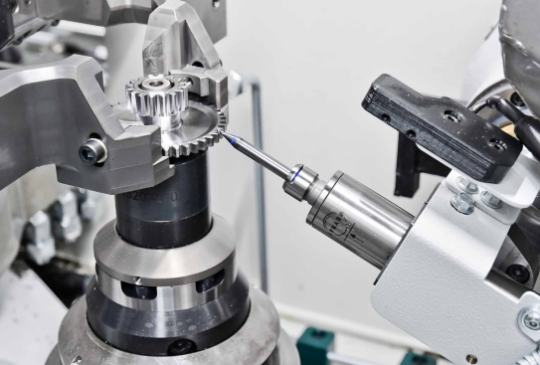
When aircraft components must withstand extreme forces at 40,000 feet or surgical instruments demand perfect dimensional accuracy for patient safety, standard machining tolerances simply won't cut it. This is where a CNC precision machining service becomes indispensable - delivering the accuracy and consistency that critical applications require.
But here's the question many buyers struggle with: what actually separates precision CNC machining from standard CNC work? The answer lies in one critical factor - tolerance thresholds.
The Technical Definition of Precision Machining
At its core, CNC machining uses computer numerical control systems that interpret G-code and M-code to direct tool movement with remarkable accuracy. Feedback loops and servo motors continuously monitor positioning, ensuring accuracy within thousandths of an inch. Modern machining centers integrate CAD (Computer-Aided Design) and CAM (Computer-Aided Manufacturing) software, enabling seamless transitions from digital models to finished parts.
So what qualifies as "precision" work? The distinction comes down to achievable tolerances:
While conventional CNC machining typically delivers tolerances of ±0.005 inches, precision CNC machining consistently reaches ±0.0005 inches or tighter - with specialized setups achieving ±0.0001 inches.
This tenfold improvement in accuracy isn't just a minor upgrade. It represents the difference between parts that fit adequately and components that perform flawlessly in mission-critical applications. Whether you're dealing with cnc turning operations for cylindrical components or complex text milling patterns, precision work demands this elevated standard.
How CNC Precision Differs from Standard Machining
The gap between standard and precision machining extends beyond tolerance numbers. Consider what makes precision work genuinely different:
- Equipment calibration: Precision machines feature thermal compensation systems, automatic tool changers, and real-time monitoring that maintain consistent quality throughout production runs
- Environmental controls: Temperature stability and vibration isolation prevent the dimensional drift that would compromise tight tolerances
- Multi-axis capability: 5-axis machines can reach complex geometries from multiple angles without repositioning, minimizing tolerance stack-ups that accumulate with each setup change
- Process verification: In-process measurement and Coordinate Measuring Machine (CMM) inspection verify parts with sub-micron precision
Understanding precision versus accuracy is equally critical when evaluating cnc metal work. Precision refers to repeatability - how consistently a machine produces the same result. Accuracy describes how close that result comes to the target dimension. High-end cnc cutting operations must achieve both: precision without accuracy yields consistently wrong parts, while accuracy without precision leads to unpredictable results.
For procurement professionals and engineers specifying components, this distinction matters enormously. Standard machining may suffice for general-purpose parts, but when dimensional accuracy directly impacts safety, performance, or assembly fit, precision CNC services become non-negotiable.
Tolerance Specifications and Surface Finish Standards Explained
Now that you understand what separates precision machining from standard work, the next logical question becomes: how tight do your tolerances actually need to be? This is where many buyers either over-specify (wasting budget) or under-specify (risking part failure). Let's break down the tolerance spectrum so you can make informed decisions about your machined parts.
Understanding Tolerance Ranges and Their Applications
Think of tolerances as permission slips for dimensional variation. The tighter you set them, the more expensive and time-consuming the primary machining process becomes. According to industry standards, only about 1% of parts actually require tolerances in the ±0.0002" to ±0.0005" range - yet many engineers default to tight specifications without questioning whether they're truly necessary.
Here's a practical breakdown of tolerance tiers and when each applies:
| Tolerance Level | Range (inches) | Typical Applications | Machine Requirements | Surface Finish (Ra) |
|---|---|---|---|---|
| Standard | ±0.005" (0.13mm) | General mechanical parts, brackets, enclosures | Standard 3-axis CNC mills and lathes | 125-250 μin |
| Precision | ±0.001" (0.025mm) | Aerospace components, high-performance automotive, precision assemblies | High-precision CNC with thermal compensation | 32-63 μin |
| High-Precision | ±0.0005" (0.0127mm) | Medical implants, optical equipment, critical aerospace fittings | Climate-controlled environment, advanced 5-axis systems | 16-32 μin |
| Ultra-Precision | ±0.0001" (0.00254mm) | Surgical instruments, semiconductor tooling, metrology equipment | Specialized grinding, lapping, temperature-stable facilities | 4-16 μin |
Notice the relationship between tolerance and surface finishes? Tighter dimensional control typically demands smoother surfaces because rough finishes can introduce measurement ambiguity. When specifying cnc machining parts, consider both dimensions simultaneously to avoid conflicting requirements.
Factors That Determine Achievable Precision
Wondering what is the tolerance for thread holes or other specific features? The answer depends on several interconnected variables that precision machining services must balance:
Part Geometry Complexity
Simple prismatic shapes with accessible features allow easier tool access and measurement verification. Complex geometries with deep pockets, thin walls, or intricate internal features present challenges. Each time a part requires repositioning or multiple setups, tolerance stack-ups accumulate - potentially pushing your final dimensions outside acceptable limits.
Material Properties
Material behavior directly influences achievable tolerances. Consider these factors:
- Thermal expansion: Aluminum expands roughly twice as much as steel per degree of temperature change, making climate control critical for tight-tolerance aluminum work
- Machinability: Softer materials like plastics can deflect under cutting forces, while harder materials maintain stability but increase tool wear
- Internal stresses: Some materials release internal stresses during machining, causing warping that affects final dimensions
As noted by machining tolerance experts, the expectation of tolerance should align with the material's machinability - soft, flexible, or abrasive plastics prove more challenging to machine to tight tolerances than metals or rigid composites.
Machine Capabilities
Not every CNC machine can achieve ultra-precision results. Key equipment factors include:
- Spindle runout and thermal stability
- Axis positioning accuracy and repeatability
- Feedback system resolution
- Vibration damping characteristics
The practical takeaway? Use tighter tolerances only on critical features that affect assembly, fit, or function. Keep non-critical features at standard tolerances to optimize both cost and lead time. A well-specified part identifies exactly which dimensions demand precision - and which don't.
With tolerance requirements clarified, your next consideration becomes material selection. Different materials respond uniquely to precision machining processes, affecting both achievable tolerances and final part performance.
Material Selection Guide for Precision CNC Components
You've established your tolerance requirements - now comes a decision that directly impacts both machining costs and part performance: material selection. Here's the reality many buyers overlook: the same tight tolerance that's easily achievable in aluminum might be impractical or prohibitively expensive in titanium. Understanding how different materials behave during precision machining helps you make smarter choices from the start.
Machinability - the ease with which a material can be cut while maintaining dimensional accuracy - varies dramatically across material families. According to machining industry data, machinability ratings range from as low as 10% for difficult superalloys to over 200% for free-cutting materials. These ratings directly influence cutting speeds, tool wear, and ultimately your per-part costs.
Metal Alloys and Their Precision Machining Behavior
When specifying metals for precision components, you're balancing mechanical properties against machinability. Let's examine the most common choices:
- Aluminum Alloys (6061-T6): The workhorse of precision machining. With excellent machinability ratings around 200%, aluminum machines quickly with minimal tool wear. Its lower thermal expansion compared to plastics makes it suitable for tight tolerances. However, its softness requires careful chip management to prevent surface marring. Ideal for aerospace brackets, electronic enclosures, and prototypes requiring quick turnaround.
- Stainless Steel (303, 304, 316): Here's where material grade matters enormously. Grade 303 offers machinability around 60% due to added sulfur, making it far easier to machine than 316 (around 36% machinability). For precision stainless steel machining, the lower machinability means slower feeds, specialized tooling, and higher costs. Choose 303 when corrosion resistance permits; reserve 316 for applications demanding superior chemical resistance.
- Titanium (Ti-6Al-4V): With a machinability rating of only 20%, machining titanium demands expertise. It's notorious for work hardening, poor thermal conductivity (heat concentrates at the cutting edge), and chemical reactivity with tooling. Precision titanium work requires rigid setups, sharp carbide or ceramic tooling, and generous coolant application. The payoff? Exceptional strength-to-weight ratios essential for aerospace and medical implants.
- Bronze CNC Components: Machining bronze offers surprisingly good machinability, particularly free-cutting alloys like C36000. Bronze's self-lubricating properties make it ideal for precision bushings, bearings, and wear components. Thermal stability during machining allows consistent tolerance control, though proper chip evacuation prevents surface contamination.
A key insight from machinability research: both very hard and very soft materials present challenges. Hard materials accelerate tool wear, while soft materials tend to be "gummy" and stick to cutting edges. Intermediate hardness typically yields the best precision results.
Engineering Plastics for Precision Components
Engineering plastics offer unique advantages for precision applications - lower weight, chemical resistance, and electrical insulation. However, their machining behavior differs fundamentally from metals.
What is Delrin, and why does it dominate precision plastic machining?
Delrin is DuPont's brand name for acetal homopolymer (POM-H). What is acetal exactly? It's a crystalline thermoplastic known for exceptional dimensional stability, low friction, and excellent machinability. According to material comparison data, delrin plastic offers several advantages for precision work:
- Superior dimensional stability: Acetal plastic absorbs very little moisture (0.2% versus nylon's 1.5-3%), meaning parts maintain their dimensions across varying humidity conditions
- Excellent machinability: Delrin's hardness and rigidity produce cleaner cuts with easier chip removal compared to softer plastics
- Consistent tolerance control: Low thermal expansion and moisture stability enable tighter tolerances than most engineering plastics
- Self-lubricating properties: Ideal for gears, bearings, and sliding components in precision assemblies
Nylon for Machining Applications
Nylon (polyamide) offers superior impact strength and wear resistance compared to acetal, making it valuable for specific precision applications. However, nylon's hygroscopic nature - absorbing moisture from the environment - creates dimensional instability that complicates tight-tolerance work. For precision nylon components, consider:
- Using moisture-conditioned stock that has reached equilibrium
- Specifying slightly looser tolerances to accommodate environmental variation
- Selecting cast nylon grades for better machinability than extruded versions
Thermal Expansion: The Hidden Precision Killer
Here's a factor that catches many engineers off guard: materials expand and contract with temperature changes, and different materials do so at vastly different rates. Consider these approximate coefficients of thermal expansion:
| Material | Expansion Rate (μin/in/°F) | Precision Consideration |
|---|---|---|
| Aluminum 6061 | 13.1 | Climate control recommended for ±0.001" tolerances |
| Stainless Steel 316 | 8.9 | More stable than aluminum; still requires thermal awareness |
| Titanium Ti-6Al-4V | 4.9 | Excellent thermal stability for precision applications |
| Delrin (Acetal) | 5.8 | Best-in-class stability among engineering plastics |
| Nylon 6/6 | 4.5-5.0 | Low expansion but moisture absorption dominates dimensional change |
| Bronze (C93200) | 10.0 | Moderate expansion; stable enough for bearing applications |
For ultra-precision work, temperature differentials between machining and inspection environments can cause parts to measure out-of-tolerance despite being correctly machined. This is why precision machining services maintain temperature-controlled facilities and allow parts to stabilize before final inspection.
The practical takeaway? Match your material selection to both functional requirements and achievable precision. Over-specifying a difficult-to-machine material when an easier alternative exists wastes budget without improving part performance. With material considerations addressed, you'll want to understand how the complete machining workflow - from design through final inspection - influences both precision outcomes and costs.
The Complete Precision Machining Workflow
You've selected your material and specified tolerances - but here's what many buyers never see: the journey from CAD file to finished component involves a carefully orchestrated sequence where each stage directly impacts your final precision outcomes. Understanding this workflow helps you communicate more effectively with machining partners and identify where costs originate.
Unlike standard cnc fabrication where speed often takes priority, precision work demands meticulous attention at every phase. A shortcut anywhere in the process can cascade into dimensional errors that only surface during final inspection - when corrections become expensive.
Design Considerations for Precision Parts
Precision machining success starts long before metal meets cutting tool. Design for Manufacturability (DFM) principles specific to precision work help you avoid costly redesigns and achieve tighter tolerances more consistently.
What makes DFM different for precision applications? According to Protolabs' design guidelines, the key lies in understanding how design choices interact with machining limitations:
- Internal corners require fillets: Sharp internal corners demand EDM processing or extremely small tools cutting slowly. Adding radii spreads loads better and reduces costs significantly
- External corners benefit from chamfers: A 45° chamfer machines faster than external radii, improving both cosmetics and handling while reducing cycle time
- Deep pockets create problems: Narrow, deep pockets alongside tall walls invite cutter vibration and deflection, compromising both accuracy and surface finish
- Feature accessibility matters: Complex internal geometries may require multiple setups, with each repositioning introducing potential tolerance stack-ups
When designing custom machined parts for precision applications, consider adding steps to buttresses to stiffen your design. Thin walls and unsupported features deflect under cutting forces, making tight tolerances nearly impossible to maintain consistently.
From CAD to Finished Component
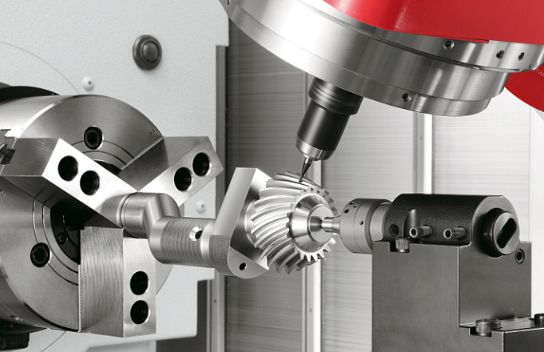
The complete precision machining workflow follows a systematic progression where each step builds upon the previous one. Here's how professional cnc prototyping and production operations transform your designs into finished components:
-
CAD Model Development and Validation
Engineers create detailed 3D models using software like SolidWorks or Fusion 360, defining every dimension, tolerance, and feature. For precision work, this stage includes specifying geometric constraints, material properties, and critical dimensions that affect assembly fit. According to manufacturing process experts, design limitations must be considered during CAD development - including avoiding undercuts requiring special tooling and minimizing setup changes.
-
CAM Programming and Toolpath Optimization
CAM software transforms your CAD model into machine-readable instructions. This is where G-code (geometric instructions) and M-code (machine functions like spindle control and coolant activation) get generated. For precision machining parts, programmers optimize:
- Cutting speeds and feed rates matched to material properties
- Tool selection balancing rigidity, reach, and finish quality
- Roughing strategies that leave consistent stock for finishing passes
- Approach angles minimizing tool deflection on critical features
Modern CAM systems simulate toolpaths virtually, detecting potential collisions before actual machining begins - saving both time and expensive tool crashes.
-
Machine Setup and Workholding
This stage often determines whether tight tolerances are achievable at all. Operators secure workpieces using vises, custom fixtures, or specialized workholding devices that prevent any movement during machining. For a cnc prototype requiring micron-level accuracy, setup includes:
- Tool length and diameter measurement using tool presetters (accuracy within 0.0001")
- Work coordinate system establishment using edge finders or probe systems
- Fixture verification ensuring repeatability across production runs
Each tool's position relative to the workpiece coordinate system must be established precisely - this critical step determines how accurately the machine reproduces your designed geometry.
-
Machining Execution with Environmental Controls
Here's where precision machining diverges most dramatically from standard work. While the CNC machine executes programmed operations, multiple environmental factors must be controlled:
Temperature stability: Precision facilities maintain controlled zones at 20°C ± 1°C (68°F ± 2°F). Why does this matter? A 10°F temperature swing can cause aluminum parts to expand or contract by 0.001" per inch of length - enough to push tight tolerances out of specification.
Vibration isolation: External vibrations from nearby equipment, traffic, or building systems transfer directly to cutting operations. Precision machines often feature vibration-damped foundations and isolation mounts.
Real-time monitoring: Servo motors position cutting tools with 0.0001" resolution while feedback systems monitor cutting forces, detecting tool wear or workpiece deflection that would compromise dimensional accuracy.
For cnc milled components requiring the tightest tolerances, coolant systems precisely control cutting temperatures, preventing thermal distortion during extended machining cycles.
-
Post-Processing and Secondary Operations
Many precision components require additional processing after primary machining:
- Deburring and edge treatment (every precision part gets deburred)
- Surface finishing to achieve specified Ra values
- Heat treatment for hardness or stress relief
- Anodizing, plating, or coating operations
Each secondary operation can affect critical dimensions. Heat treatment, for example, may cause distortion that requires subsequent finish machining. Experienced precision machining services schedule these operations to minimize impact on critical features.
-
Final Inspection and Quality Verification
The workflow culminates in comprehensive dimensional verification. Coordinate Measuring Machines (CMMs) compare actual part dimensions to CAD specifications with measurement uncertainties of ±0.0005 mm or better. First article inspection documents verify that initial parts meet all requirements before full production proceeds.
Parts must stabilize to ambient temperature before final measurement - rushing this step can yield false readings as thermal expansion skews dimensions.
The practical insight here? Each workflow stage contributes to final precision outcomes, and cutting corners anywhere creates downstream problems. When evaluating precision machining partners, ask about their process controls at each stage - not just their equipment list.
Now that you understand how precision components are made, you're ready to explore how different industries leverage these capabilities - and why their specific requirements drive such varied precision demands.
Industry Applications and Their Precision Demands
Understanding the complete machining workflow is valuable - but here's what really drives precision requirements: the specific demands of the industry your parts will serve. A bracket destined for consumer electronics faces entirely different standards than an identical-looking component heading into a jet engine or surgical instrument. Let's examine why three major industries - aerospace, medical, and automotive - each demand distinct precision levels, and what that means for your project costs and supplier selection.
Aerospace Precision Requirements and Certifications
When failure isn't an option, aerospace machining demands tolerances that leave zero room for error. Aircraft components operate under extreme conditions: temperature swings from -60°F at altitude to scorching runway heat, constant vibration, and stress loads that would destroy lesser materials. This environment explains why aerospace cnc machining specifications are among the most stringent in manufacturing.
What makes aerospace precision requirements so demanding?
- Safety-critical tolerances: Engine components, control surfaces, and structural fittings typically require ±0.0005" tolerances or tighter. According to industry tolerance standards, aerospace applications may consider ±0.001" (±0.025mm) as the starting point for tight tolerance work - well beyond what general manufacturing considers precision.
- Fatigue resistance demands: Parts must maintain dimensional integrity through millions of stress cycles. Microscopic surface imperfections that wouldn't matter elsewhere can become crack initiation points under repeated loading.
- Assembly fit criticality: Multiple components must interface perfectly despite being manufactured across different facilities and timeframes. Interchangeability requirements mean every part must fit every matching assembly.
The certification backbone for cnc machining aerospace work is AS9100, the quality management standard derived from ISO 9001 but enhanced with aerospace-specific requirements. AS9100 certification demonstrates that a supplier maintains systems for configuration management, risk mitigation, and first article inspection that meet industry expectations.
Common materials in aerospace machining include titanium alloys (Ti-6Al-4V for strength-to-weight performance), aluminum alloys (7075 for structural components), and specialized nickel superalloys for high-temperature applications. Each material demands specific machining expertise - titanium's poor thermal conductivity and work-hardening behavior, for instance, require slower feeds and specialized tooling that directly impact project costs.
Medical Device Machining Standards
Medical machining presents a unique challenge: components must achieve exceptional dimensional precision while also meeting stringent biocompatibility requirements. It's not enough for a surgical instrument or implant to be dimensionally perfect - it must also be safe for contact with human tissue.
According to medical CNC machining experts, the stakes create fundamental differences in approach:
- Ultra-tight tolerances: For critical medical components, tolerances as tight as ±0.0001" (2.54 micrometers) are common. Implantable devices like orthopedic joints require surface finishes of 0.1-0.4 μm Ra to prevent tissue trauma and bacterial colonization.
- Biocompatibility requirements: Materials must pass USP Class VI testing or meet FDA master file specifications. Titanium, medical-grade stainless steel (316L), and PEEK dominate medical device machining because they won't cause adverse reactions when contacting living tissue.
- Complete traceability: Every component requires documentation linking it to specific material lots, machine setups, and inspection results. This chain of custody enables rapid response if safety issues arise post-implantation.
Medical device machining operates under ISO 13485, the quality management standard specifically developed for medical device manufacturing. Unlike general ISO 9001 certification, ISO 13485 includes requirements for sterile manufacturing environments, validated processes, and the comprehensive documentation that FDA compliance demands.
Why do precision cnc machining services targeting medical applications command premium pricing? The answer lies in the additional infrastructure required: cleanroom facilities (often ISO 7 or better), environmental controls preventing contamination, and inspection protocols that verify 100% of critical dimensions rather than relying on statistical sampling.
Automotive Precision and Volume Consistency
Automotive demands present yet another challenge: maintaining tight tolerances across high-volume production runs while controlling costs aggressively. Where aerospace might produce dozens of a component annually and medical perhaps hundreds, automotive cnc turned parts often number in the thousands or tens of thousands.
What drives automotive precision requirements?
- Consistent repeatability: The 10,000th part must match the first with statistical precision. Variation that accumulates across production runs leads to assembly line stoppages and warranty claims.
- System integration complexity: Modern vehicles integrate components from hundreds of suppliers. Each part must interface perfectly with components manufactured elsewhere, demanding standardized tolerances and measurement protocols.
- Cost-per-part pressure: Unlike aerospace or medical, automotive profit margins demand relentless cost optimization. Precision must be achieved efficiently, not just accurately.
The certification standard governing automotive quality is IATF 16949, developed by the International Automotive Task Force. According to IATF certification requirements, this framework builds on ISO 9001 but adds automotive-specific requirements for defect prevention, variation reduction, and waste elimination throughout the supply chain.
For manufacturers seeking reliable automotive precision machining, IATF 16949 certification signals a supplier's capability to deliver consistent quality at volume. This certification requires demonstrated competence in Statistical Process Control (SPC) - the methodology that monitors production processes in real-time to detect and correct drift before parts exceed specification limits. Facilities like Shaoyi Metal Technology exemplify this approach, combining IATF 16949 certification with strict SPC protocols to deliver high-tolerance components across production volumes ranging from rapid prototyping to mass production, with lead times as fast as one working day.
Industry Comparison: Requirements at a Glance
The following comparison highlights how precision requirements, materials, and certification standards differ across these three demanding sectors:
| Factor | Aerospace | Medical | Automotive |
|---|---|---|---|
| Typical Tolerance Range | ±0.0005" to ±0.001" | ±0.0001" to ±0.0005" | ±0.001" to ±0.005" |
| Surface Finish (Ra) | 16-63 μin | 4-16 μin (implants) | 32-125 μin |
| Common Materials | Ti-6Al-4V, Al 7075, Inconel | Ti Grade 5, 316L SS, PEEK | Al 6061, Steel alloys, Brass |
| Primary Certification | AS9100 | ISO 13485 | IATF 16949 |
| Quality Focus | Zero defects, traceability | Biocompatibility, sterility | Consistency, SPC control |
| Typical Volumes | Low (10s-100s) | Low to medium (100s-1000s) | High (1000s-100,000s) |
| Cost Driver | Material cost, certification | Cleanroom, documentation | Cycle time, tooling life |
Notice how each industry's precision requirements reflect its unique operational demands? Aerospace tolerances account for safety criticality, medical specifications address biocompatibility alongside dimensional accuracy, and automotive standards balance precision with volume efficiency.
Understanding these industry-specific requirements helps you specify appropriate tolerances for your application - and avoid paying aerospace prices for components that only need automotive-grade precision. But achieving these tolerances consistently presents challenges that even experienced manufacturers must actively manage. Let's examine the common obstacles and how precision machining services overcome them.
Overcoming Common Precision Machining Challenges
Here's what most CNC precision machining service providers won't tell you upfront: achieving tight tolerances on paper and maintaining them across production runs are two entirely different challenges. Even the most sophisticated equipment and carefully optimized processes face obstacles that can push parts out of specification. Understanding these challenges - and how experienced shops overcome them - helps you evaluate suppliers more effectively and set realistic expectations for your projects.
According to research on machining thermal effects, thermal expansion alone contributes to 40-70% of machining errors in precision applications. Add tool wear, vibration, and chip management issues, and you begin to see why consistent precision demands constant vigilance.
Thermal Stability and Its Impact on Precision
Imagine machining an aluminum part to ±0.0005" tolerance in a shop where ambient temperature fluctuates by just 10°F throughout the day. That seemingly minor temperature swing can cause the part to expand or contract by 0.001" per inch of length - double your allowable tolerance. This is why thermal management represents the single biggest challenge in precision work.
Heat enters the machining equation from multiple sources:
- Cutting friction: The tool-workpiece interface generates significant heat during aluminum machining and especially during stainless steel machining, where lower thermal conductivity traps heat at the cutting zone
- Spindle operation: High-speed spindle rotation creates heat that transfers through machine structures, causing gradual thermal drift
- Environmental fluctuations: Ambient temperature changes, nearby equipment, and even sunlight through windows affect both machine and workpiece dimensions
- Motor and drive systems: Servo motors and ball screws generate heat during operation, expanding at different rates than surrounding components
What makes thermal issues particularly insidious? Unlike mechanical misalignment that produces immediate, consistent errors, thermal distortion builds gradually. A spindle might operate perfectly for the first hour, then drift as heat accumulates - explaining why parts machined early in a shift often differ from those machined later.
Solutions for thermal stability:
- Climate-controlled facilities: Precision shops maintain temperatures at 20°C ± 1°C (68°F ± 2°F), eliminating ambient variation as an error source
- Spindle chillers and coolant temperature control: Active cooling systems maintain consistent cutting zone temperatures regardless of cycle time or cutting intensity
- Warm-up protocols: Running machines through standardized warm-up cycles before precision work allows thermal equilibrium before critical cnc cuts begin
- Real-time compensation: Advanced CNC systems use embedded sensors to detect thermal drift and automatically adjust tool positions - some systems achieve up to 65% error reduction through machine learning algorithms
Tool Wear Management for Consistent Accuracy
Every cutting tool begins degrading the moment it contacts the workpiece. As edges dull, cutting forces increase, surface finishes deteriorate, and dimensions drift. For standard machining, this gradual wear is manageable. For precision work - especially when machining titanium or other abrasive materials - tool wear becomes a primary accuracy concern.
The challenge intensifies with difficult materials. Machining nylon and other engineering plastics presents different wear patterns than metals: the material's tendency to melt and adhere to cutting edges creates buildup that changes effective tool geometry. Titanium's chemical reactivity with tooling accelerates wear through adhesion and diffusion mechanisms that don't affect easier-to-machine materials.
Solutions for tool wear management:
- Predictive tool replacement: Rather than waiting for visible wear or dimensional drift, precision operations replace tools after predetermined cutting distances or cycle counts based on material-specific wear data
- In-process tool measurement: Laser or touch-probe systems measure tool dimensions between operations, detecting wear before it affects part quality
- Automatic offset compensation: CNC systems adjust tool offsets based on measured wear, maintaining dimensional accuracy as tools degrade
- Optimized cutting parameters: Slower feeds and speeds extend tool life in difficult materials - trading cycle time for consistency when tolerances demand it
Vibration Control for Surface Quality and Dimensional Accuracy
Vibration is the enemy of precision. Even microscopic oscillations between tool and workpiece translate directly into surface finish defects and dimensional inaccuracies. According to vibration control research, these disturbances originate from both internal machine sources and external environmental factors.
Inherent machine vibrations come from spindle rotation (especially at high speeds or with imbalanced tool assemblies), tool-workpiece interaction during aggressive cuts, and mechanical components like drives and bearings. External vibrations transfer from nearby equipment, building infrastructure, and even traffic.
Solutions for vibration control:
- Machine rigidity: Precision equipment features enhanced structural designs with polymer composite bases and engineered damping systems that absorb vibrations before they reach the cutting zone
- Vibration-isolated foundations: Critical machines sit on isolation mounts or dedicated foundations that decouple them from floor-transmitted vibrations
- Balanced tooling: Tool assemblies balanced to G2.5 or better minimize spindle-induced vibration, particularly important for high-speed operations
- Adaptive control systems: Real-time monitoring using accelerometers detects developing vibration patterns, allowing automatic feed rate or speed adjustments before surface quality suffers
For cnc polycarbonate and other plastics prone to chattering, reduced cutting speeds and specialized tooling geometries help control vibration that would otherwise destroy surface finish quality.
Chip Management and Process Consistency
Chips - the material removed during cutting - seem like a minor concern until they interfere with precision operations. Chips that re-cut damage surface finishes. Chips trapped in fixtures shift workpiece position. Chips wrapping around tools create heat buildup and dimensional inconsistency.
Solutions for effective chip management:
- High-pressure coolant systems: Directed coolant flow evacuates chips from cutting zones before they can cause problems
- Through-spindle coolant: Coolant delivered directly through the tool clears chips from deep pockets and holes where conventional coolant can't reach
- Optimized chip-breaking strategies: Programmed pecking cycles and interrupted cuts break chips into manageable segments rather than continuous strings
- Fixture design: Workholding that allows chip evacuation rather than trapping debris maintains setup accuracy across production runs
Maintaining Precision Across Production Volumes
Perhaps the most overlooked challenge: keeping the 500th part as accurate as the first. Cumulative effects from thermal drift, tool wear, and fixture wear compound over extended runs. What measures within tolerance at 9 AM may drift out of specification by afternoon without active process monitoring.
Solutions for production consistency:
- Statistical Process Control (SPC): Regular sampling and measurement identifies trending before parts exceed limits, triggering proactive corrections
- In-process gauging: Touch probes or laser systems verify critical dimensions during machining, catching drift before completing out-of-tolerance parts
- Fixture maintenance protocols: Scheduled inspection and replacement of wear items in workholding systems prevents gradual accuracy loss
- Documented process parameters: Recording exact settings that produce conforming parts enables reliable reproduction across shifts, operators, and machines
The engineering principles underlying precision achievement - machine rigidity, thermal stability, and tooling selection - must work together as an integrated system. Addressing one factor while ignoring others yields inconsistent results. This is why evaluating a precision machining partner requires understanding their approach to quality control and inspection - the subject of our next section.
Quality Control Methods and Certification Standards
You've learned how precision machining companies overcome challenges during production - but here's the question that separates truly reliable suppliers from the rest: how do they prove the parts they deliver actually meet your specifications? The answer lies in quality control methods and the certification standards that govern them. Understanding these systems helps you verify that your cnc precision machining service partner can deliver consistent, documented accuracy rather than just promising it.
According to CMM inspection research, the ability to precisely measure complex geometries and intricate features ensures that each component conforms to stringent design specifications - particularly critical in industries where safety and performance are paramount.
Coordinate Measuring Machine Inspection
When tolerances reach the micron level, visual inspection simply won't cut it. Coordinate Measuring Machines (CMMs) serve as the gold standard for verifying precision machined components, providing measurement capabilities that match or exceed the precision of the machining process itself.
How does CMM inspection actually work? A probe - either touch-trigger, scanning, or optical - contacts the component's surface at programmed points, collecting coordinate data that defines the exact shape and size of the part. This data is then compared against CAD specifications to identify any deviations from design intent.
Different probe technologies serve different measurement needs:
- Touch-trigger probes: Collect discrete point measurements for dimensional verification of features like holes, bores, and planes. Most common in production environments where speed matters alongside accuracy.
- Scanning probes: Continuously collect data along surfaces, generating detailed profiles of complex geometries. Essential for verifying freeform surfaces and contoured features.
- Optical and laser probes: Measure without physical contact, ideal for delicate materials or soft surfaces that could deform under probe pressure. Increasingly important for cnc machining materials that require non-contact verification.
The precision of modern CMMs is remarkable - measurement uncertainties of ±0.0005 mm or better allow verification of even ultra-precision tolerances. However, CMM accuracy depends on environmental controls. Temperature fluctuations, vibrations, and air currents can affect measurements, which is why precision inspection typically occurs in climate-controlled metrology labs.
For swiss machining operations producing small, complex components, specialized micro-CMMs with sub-micron resolution verify features that conventional CMMs cannot accurately measure. Similarly, 5 axis cnc machining services producing complex aerospace geometries often require CMM programs that approach the part from multiple angles - mirroring the multi-axis access used during manufacturing.
Additional Inspection Methods for Complete Verification
CMM inspection excels at dimensional verification, but comprehensive quality control requires additional methods to capture the full picture of part quality:
- Optical comparators and vision systems: Project magnified part profiles onto screens for rapid verification of 2D features, edge breaks, and profile conformance. Particularly useful for first-piece inspection and detecting burrs or edge defects.
- Surface roughness testers: Measure Ra, Rz, and other surface finish parameters using stylus profilometers. Critical for verifying that machined surfaces meet functional requirements - whether for sealing surfaces, bearing interfaces, or aesthetic specifications.
- Roundness and cylindricity measurement: Specialized rotational measurement systems verify form tolerances on cylindrical features that CMMs may not capture with sufficient accuracy.
- Hardness testing: Verifies that heat-treated components meet specified hardness requirements - an indirect but important indicator of dimensional stability.
- Material certification verification: Confirms that incoming materials match specifications through chemical analysis and mechanical property testing.
The key insight? No single inspection method captures everything. A reputable cnc machining shop employs multiple verification techniques matched to the specific requirements of each part and the critical characteristics that determine its functionality.
What Quality Certifications Mean for Precision
Quality certifications appear on nearly every machining supplier's website - but what do they actually mean for your precision outcomes? According to certification research, over 80% of global aerospace companies require AS9100 certification from CNC suppliers. But beyond being a purchasing requirement, certifications translate to specific operational capabilities that directly affect precision.
ISO 9001: The Foundation
ISO 9001 establishes the structural framework for quality management across all industries. For precision machining operations, this means documented procedures covering everything from incoming material verification through final inspection and shipping. What ISO 9001 ensures:
- Consistent, repeatable processes documented and followed across all operations
- Trained personnel with verified competencies for their assigned tasks
- Calibrated measurement equipment traceable to national standards
- Systematic approach to identifying and correcting quality issues
- Continuous improvement culture driving process refinement
ISO 9001 provides general quality assurance applicable across sectors - sufficient for commercial and industrial production but lacking the rigor required for high-risk environments.
AS9100: Aerospace-Grade Quality
AS9100 builds upon ISO 9001 by adding stringent requirements tailored for aerospace, defense, and space applications. The key additions that matter for precision:
- Risk management: Systematic identification and mitigation of risks that could affect product quality or delivery
- Configuration management: Controls ensuring parts are manufactured to correct revision levels with documented change tracking
- First Article Inspection (FAI): AS9102-compliant verification that initial production parts meet all drawing requirements before full production proceeds
- Complete traceability: Documentation linking finished parts to raw material heat numbers, machine setups, operator records, and inspection results
IATF 16949: Automotive Excellence
IATF 16949 addresses automotive industry needs, emphasizing defect prevention and variation reduction across high-volume production. Critical capabilities it ensures:
- Production Part Approval Process (PPAP): Documented verification that production processes can consistently manufacture parts meeting customer requirements
- Control plans: Detailed documentation of how each critical characteristic is controlled and verified during production
- Measurement System Analysis (MSA): Verified measurement processes ensuring inspection results are reliable and repeatable
- Statistical techniques: Required use of statistical methods for process capability analysis and ongoing control
Statistical Process Control: Maintaining Precision at Volume
Here's where certification requirements translate most directly to precision outcomes. Statistical Process Control (SPC) isn't just a checkbox requirement - it's the methodology that maintains consistent accuracy across production runs.
According to SPC implementation research, a First Article Inspection may look perfect, but during mass production, dimensional deviations can slowly accumulate. One successful part does not guarantee the next will be good - which is exactly why FAI alone is not enough.
How does SPC work in practice? Rather than waiting until the end of production to inspect parts, SPC samples dimensions at regular intervals throughout the run, plotting measurements on control charts that reveal trends before dimensions exceed tolerance limits. When a measurement begins drifting toward specification boundaries, operators take corrective action - adjusting tool offsets, replacing worn cutters, or addressing thermal drift - before producing out-of-spec parts.
The difference is dramatic. Traditional post-production sampling might discover that 50 parts are already scrapped before anyone notices a problem. SPC catches the trend at 5 or 10 parts, when correction is simple and waste minimal.
One documented example: a medical device customer's previous supplier achieved 92% yield. By implementing SPC, the new supplier identified that a key bore diameter slowly drifted upward during tool life starting around the 85th part. By replacing cutting edges at the 80th piece and adjusting offsets proactively, yield improved to 99.7% - saving approximately ¥12,000 in rework and scrap on that single part number.
For buyers evaluating precision machining companies, the practical questions to ask are: What SPC data do you collect? How frequently do you sample critical dimensions? What triggers corrective action? The answers reveal whether a supplier actively maintains precision or merely inspects after the fact.
With quality control methods clarified, you're ready to understand how all these factors - tolerances, materials, processes, and quality systems - combine to determine what you'll actually pay for precision machining services.
Understanding Precision Machining Costs and Value
You've learned about tolerance requirements, material selection, quality systems, and industry certifications - but here's the question that ultimately determines your project's viability: what will this actually cost? The reality is that cnc machining price varies dramatically based on factors many buyers don't fully understand. A quote that seems expensive might actually represent fair value, while a suspiciously cheap bid could signal corners being cut.
According to CNC cost analysis research, there's no single formula for calculating precision machining costs because so many variables interact. However, understanding what drives costs empowers you to make smarter decisions - specifying only the precision you actually need while avoiding over-engineering that wastes budget.
Key Factors That Drive Precision Machining Costs
Think of precision machining pricing as a puzzle where each piece adds to your total. Some factors you control through design choices; others depend on your application requirements. Here's what actually moves the needle on your machinist metal cost:
| Cost Factor | Impact Level | How It Affects Your Quote |
|---|---|---|
| Material Selection | High | Raw material cost plus machinability - titanium costs 3-5x more than aluminum to machine due to slower speeds and faster tool wear |
| Tolerance Requirements | Very High | Moving from ±0.005" to ±0.001" adds 30-50%; going to ±0.0005" can multiply costs by 2-4x |
| Part Complexity | High | Deep pockets, thin walls, and multi-axis features require specialized tooling and slower feeds |
| Surface Finish | Medium-High | Achieving Ra 16 μin versus Ra 63 μin requires additional finishing passes and inspection |
| Production Volume | High | Setup costs spread across more parts; 100 pieces typically costs 40-60% less per part than 10 pieces |
| Lead Time | Medium | Rush orders requiring schedule disruption typically add 25-50% premium |
| Secondary Operations | Variable | Anodizing, plating, heat treatment, and assembly add processing time and handling |
Here's a practical estimation approach. According to industry cost calculators, you can estimate using this framework:
Estimated Cost = (Material Cost + Setup Cost) + (Machining Time × Hourly Rate) + Finishing Cost
Hourly rates for cnc plastic machining and metalwork vary significantly by machine complexity. Three-axis machines typically run $10-20 per hour, while five-axis precision equipment commands $20-40 or more. The complexity of your part determines which equipment - and which rate - applies.
Balancing Precision Requirements with Budget
Here's where many buyers waste money: specifying tight tolerances "just to be safe" when looser specifications would work perfectly. According to tolerance cost analysis, moving from ±0.05mm to ±0.01mm can multiply your quote by 2-5x - often for zero functional benefit.
The critical threshold to understand? The ±0.02mm (approximately ±0.0008") line is where standard machining becomes specialty work. Above this threshold, shops use conventional tools at normal speeds. Below it, everything changes: feed rates drop dramatically, setup time doubles, and every part requires CMM inspection. You're no longer buying machining - you're buying a specialized process.
When does standard machining suffice versus precision?
Ask yourself these questions for each critical feature:
- Does another part physically mate with this surface? If no, standard tolerances likely work fine
- What actually fails if tolerance doubles? If you can't name a specific failure mode, you're over-specifying
- Will anyone ever measure this feature? Non-inspected dimensions don't need tight tolerances
- Is this a clearance hole or press-fit bore? Clearance features rarely need precision specifications
A practical example: One medical device manufacturer reduced costs by 45% simply by relaxing internal pocket tolerances that never touched mating components. The external interfaces maintained ±0.01mm where function demanded it, while internal features used ISO 2768-m (medium) tolerances - visually identical parts at dramatically lower cost.
Getting accurate quotes efficiently
When seeking online machining quotes or requesting a cnc quote online, provide complete information upfront:
- 3D CAD files (STEP format preferred) with 2D drawings showing tolerances and GD&T callouts
- Material specification including grade (not just "aluminum" but "6061-T6")
- Quantity needed plus anticipated annual volumes
- Required certifications (AS9100, ISO 13485, IATF 16949)
- Surface finish requirements with Ra values
- Any secondary operations or special requirements
The more complete your request, the more accurate your quote. Ambiguous specifications force suppliers to assume worst-case scenarios - and price accordingly.
For custom machine projects requiring specialized capabilities, direct communication with engineering teams often reveals cost-saving alternatives that automated quoting systems miss. A skilled applications engineer might suggest a different material grade, modified geometry, or alternative tolerance scheme that achieves your functional requirements at significantly lower cost.
With cost factors understood, you're equipped to evaluate precision machining partners not just on price, but on the value they deliver for your specific requirements.
Choosing the Right Precision Machining Partner
You've gained a thorough understanding of tolerances, materials, quality systems, and cost factors - but here's the decision that ultimately determines whether your project succeeds or stumbles: selecting the right precision machining partner. A technically capable supplier with poor communication can derail your timeline just as effectively as one lacking equipment capabilities. Finding the right fit requires evaluating partners across multiple dimensions, not just comparing quotes.
According to precision manufacturing research, the goal isn't just finding a supplier who can make your parts - it's finding a strategic partner who can enhance your business. This shift from cost-focus to value-focus is the first step in making a smarter decision when searching for cnc machine shops near me or evaluating custom cnc machining services.
Evaluating Technical Capabilities and Equipment
Before diving into certifications and communication styles, start with the fundamentals: can this supplier actually produce your parts to specification? Technical capability assessment goes beyond checking a machine list.
When evaluating machining shops near me or considering distant suppliers, verify these capability factors:
- Equipment sophistication: Look for modern CNC lathes, milling machines, and coordinate measuring machines (CMMs). Advanced 5-axis machines are essential for complex geometries requiring tight tolerances. Ask about machine age, maintenance schedules, and recent capital investments.
- Technical expertise: Skilled programmers proficient with CAD/CAM tools and multi-axis machining matter as much as the equipment itself. According to CNC supplier evaluation guidelines, the most advanced machines are ineffective without skilled people to run the projects.
- Inspection capabilities: Verify they possess the right equipment to confirm your parts meet spec. Look for advanced metrology equipment like CMMs from reputable brands, with the ability to consistently hold tolerances of ±0.001 inches or better.
- Material experience: Not every shop excels with every material. Ask specifically about experience with your required alloys or plastics - a shop specializing in aluminum may struggle with titanium's demanding requirements.
A practical tip when evaluating local machine shops: request sample First Article Inspection (FAI) and CMM reports for parts with similar complexity to yours. This demonstrates their ability to not only produce precision parts but also document and prove it.
Certification Verification and Quality Systems
Certifications signal capability - but only if you understand what they actually mean for your application. Different industries require different credentials:
- ISO 9001: The baseline for documented quality management. Sufficient for general commercial and industrial production.
- AS9100: Required for aerospace applications. Includes additional requirements for risk management, configuration control, and complete traceability.
- ISO 13485: Mandatory for medical device manufacturing. Covers sterile manufacturing environments, validated processes, and comprehensive documentation.
- IATF 16949: The automotive industry standard emphasizing defect prevention and variation reduction across high-volume production.
But certificates on walls tell only part of the story. According to quality assessment experts, the real test is how deeply the quality mindset is embedded in their culture. Ask pointed questions like: "Can you walk me through your process for handling a non-conforming part?" Their answer reveals more about their commitment to quality than any certificate could.
Communication and DFM Support
Here's what separates a good supplier from a great partner: proactive Design for Manufacturability (DfM) feedback. A great partner doesn't just blindly follow your prints - they collaborate with you to improve them.
Why does this matter so much? As DfM pioneers established, the majority of a product's manufacturing cost is locked in during the early design stage. A partner who provides proactive DfM feedback is investing in your product's success. They might suggest a small design tweak that dramatically improves manufacturability, lowers cost, and increases quality.
Red flags to watch for:
- Silence on complex designs: A partner who passively accepts your intricate specifications without questions isn't demonstrating expertise - they're demonstrating lack of engagement.
- Slow response times: In today's fast-paced environment, 48-hour email response time is unacceptable when your production schedule is on the line.
- Lack of transparency: Reliable partners provide proactive updates and are upfront when issues arise rather than hiding problems until they become crises.
Evaluate whether they offer dedicated project management. According to industry experts, "Project Managers are the conductors of this orchestra and must be empowered." A transparent workflow ensures your project stays on track and communication flows smoothly.
From Prototype to Production Scalability
Your needs will evolve. A component that starts as a cnc machine shop near me prototype project may eventually require thousands of units annually. Evaluating scalability upfront prevents painful supplier transitions later.
When assessing prototype machining services, consider their full capability spectrum:
- Prototype capabilities (1-100 units): Can they deliver rapid turnaround for design validation? Prototype machining often requires flexibility and engineering collaboration more than pure volume capacity.
- Low-volume production (100-1,000 units): This bridge phase validates manufacturing processes and identifies potential issues before committing to full-scale production.
- High-volume production (1,000-100,000+ units): Assess whether they have automation, multi-spindle capability, and statistical process controls needed for consistent quality at scale.
According to prototype-to-production research, working with the right partner can streamline your operations because they manage the whole process within their network. For manufacturers requiring this full spectrum, suppliers like Shaoyi Metal Technology demonstrate the ideal capability profile: IATF 16949 certification, strict Statistical Process Control (SPC), and the ability to scale seamlessly from rapid prototyping to mass production with lead times as fast as one working day.
Lead Time and Delivery Reliability
Late parts cause cascading delays and significant costs - but lead time evaluation goes beyond asking "how fast?"
Key questions to assess delivery reliability:
- What is your typical lead time for similar parts? General estimates are fine initially, but experienced suppliers provide specific timelines based on your actual part complexity.
- What is your On-Time In-Full (OTIF) delivery rate? Reliable partners track this data and should be willing to share it. An OTIF rate below 95% warrants further investigation.
- Do you offer expedited services? Rush order capability provides flexibility when schedules compress unexpectedly.
- How do you manage workflow disruptions? Scheduling software, excess capacity buffers, and real-time order tracking reduce uncertainty and boost your planning accuracy.
Partner Evaluation Checklist
Use this checklist when evaluating potential precision machining partners:
| Evaluation Criteria | Questions to Ask | Green Flags | Red Flags |
|---|---|---|---|
| Technical Capability | What equipment do you use? Can you share sample inspection reports? | Modern 5-axis machines, comprehensive CMM capability | Outdated equipment, reluctance to share documentation |
| Certifications | Which quality certifications do you hold? When was your last audit? | Current certifications matching your industry needs | Expired certifications, no third-party verification |
| DFM Support | How do you provide design feedback? Can you show examples? | Proactive suggestions, documented DFM process | Silence on complex designs, no engineering engagement |
| Scalability | What volume range can you support? Share examples of scaled projects. | Proven prototype-to-production experience | Single-volume focus, no scaling track record |
| Lead Time | What is your OTIF rate? How do you handle rush orders? | 95%+ OTIF, documented scheduling systems | Vague commitments, no performance metrics |
| Communication | Who is my primary contact? What is your response time target? | Dedicated project manager, same-day responses | Multiple handoffs, slow communication |
Starting with a Prototype Project
According to supplier evaluation best practices, when in doubt, start with a prototype project. It's the fastest way to verify a supplier's true ability, process discipline, and quality mindset before scaling into full production.
A prototype project reveals what no amount of questionnaires can: how the supplier actually performs under real conditions. You'll experience their communication style, see their inspection documentation, and evaluate part quality firsthand - all with limited risk before committing to volume production.
The practical bottom line? Selecting a cnc precision machining service partner isn't just about finding the lowest quote - it's about identifying a supplier whose capabilities, quality systems, and communication style align with your project requirements. By systematically evaluating partners across these dimensions, you build relationships that support not just today's project but your long-term manufacturing success.
Frequently Asked Questions About CNC Precision Machining Services
1. What is the difference between CNC machining and precision CNC machining?
The primary distinction lies in achievable tolerances. Standard CNC machining typically delivers tolerances of ±0.005 inches, while precision CNC machining consistently achieves ±0.0005 inches or tighter, with specialized setups reaching ±0.0001 inches. This tenfold improvement requires enhanced equipment calibration, thermal compensation systems, environmental controls, and rigorous inspection protocols using Coordinate Measuring Machines (CMMs). Precision machining also demands climate-controlled facilities, vibration isolation, and real-time monitoring systems that maintain consistent quality throughout production runs.
2. How much does CNC precision machining cost?
CNC precision machining costs depend on multiple factors: material selection (titanium costs 3-5x more to machine than aluminum), tolerance requirements (moving from ±0.005" to ±0.001" adds 30-50%), part complexity, surface finish specifications, production volume, and lead time. A basic formula is: Estimated Cost = (Material Cost + Setup Cost) + (Machining Time × Hourly Rate) + Finishing Cost. Three-axis machines typically run $10-20 per hour, while five-axis precision equipment commands $20-40 or more. Volume significantly impacts per-part costs, with 100 pieces typically costing 40-60% less per unit than 10 pieces.
3. What materials are best suited for precision CNC machining?
For metals, aluminum alloys (especially 6061-T6) offer excellent machinability at around 200%, making them ideal for aerospace brackets and prototypes. Stainless steel 303 machines more easily than 316 due to added sulfur. Titanium Ti-6Al-4V, despite its 20% machinability rating, delivers exceptional strength-to-weight ratios for aerospace and medical applications. For plastics, Delrin (acetal) provides superior dimensional stability with only 0.2% moisture absorption, while nylon offers better impact strength but requires moisture conditioning for tight tolerances. Material selection should balance mechanical properties, machinability, and thermal expansion characteristics.
4. What certifications should I look for in a precision machining partner?
The required certification depends on your industry. ISO 9001 provides baseline quality management for commercial applications. AS9100 is mandatory for aerospace work, adding risk management, configuration control, and complete traceability requirements. ISO 13485 is essential for medical device manufacturing, covering sterile environments and validated processes. IATF 16949 serves automotive applications, emphasizing Statistical Process Control (SPC) and defect prevention across high-volume production. Suppliers like Shaoyi Metal Technology demonstrate comprehensive capability with IATF 16949 certification and strict SPC protocols, scaling from rapid prototyping to mass production.
5. How do I get an accurate quote for precision machining services?
Provide complete information upfront: 3D CAD files in STEP format with 2D drawings showing tolerances and GD&T callouts, specific material grade (e.g., "6061-T6" not just "aluminum"), quantity needed plus anticipated annual volumes, required certifications (AS9100, ISO 13485, IATF 16949), surface finish requirements with Ra values, and any secondary operations. Ambiguous specifications force suppliers to assume worst-case scenarios and price accordingly. For complex custom projects, direct communication with engineering teams often reveals cost-saving alternatives that automated quoting systems miss.