 Small batches, high standards. Our rapid prototyping service makes validation faster and easier —
  EN
EN


Online Machining Services Decoded: From Quote To Finished Part
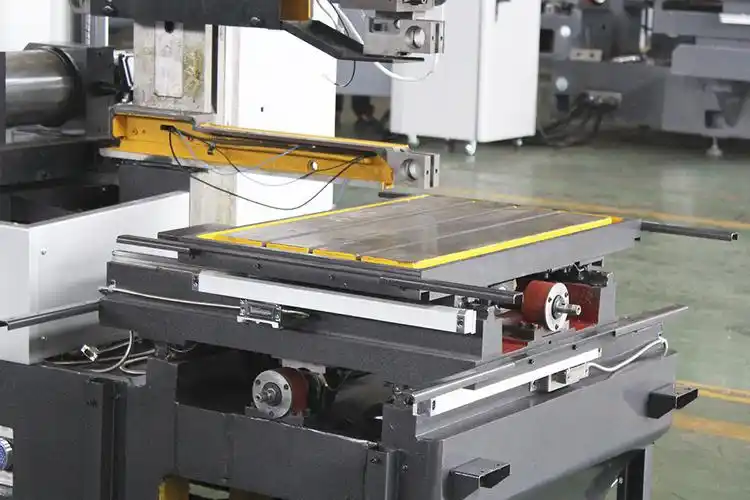
What Are Online Machining Services and How Do They Work
Ever uploaded a design file and received a price quote in seconds? That's the essence of online machining services - a fundamental shift in how engineers and manufacturers access precision CNC capabilities. Unlike traditional machine shops where you might spend days exchanging emails and phone calls for a single quote, these digital platforms streamline the entire process from design submission to finished part delivery.
Online machining services are digital platforms that connect customers with manufacturing providers capable of producing custom parts through CNC machining, using automated quoting systems, instant design validation, and distributed manufacturing networks to transform CAD files into precision components.
Think of it as the difference between calling a taxi dispatcher and using a ride-sharing app. The outcome is similar - you get where you need to go - but the experience is dramatically more efficient and transparent.
From CAD File to Finished Part in Days
The journey from digital design to physical component follows a remarkably streamlined path with online CNC machining services. You start by uploading your 3D CAD file directly to the platform. Within seconds, sophisticated algorithms analyze your part geometry, feature complexity, and material requirements to generate an accurate price estimate.
Here's what happens behind the scenes when you submit a design:
- The platform evaluates your model for manufacturability, flagging potential issues like impossible-to-machine features
- Material options are presented based on your design requirements
- Production timelines are calculated based on complexity and current capacity
- You receive instant feedback that traditionally required days of back-and-forth communication
This approach democratizes manufacturing access. Startups and individual designers who previously faced high barriers can now order precision parts with the same efficiency as large corporations. Whether you're prototyping a new drone design or producing specialty automotive components, the pathway from concept to physical part has never been shorter.
The Digital Manufacturing Revolution Explained
Online cnc services represent more than just a convenient ordering system - they're part of a broader digital manufacturing transformation. According to industry analysis, these platforms integrate computer systems across all areas of production, from design validation to quality control and logistics.
What makes this revolution significant? Traditional manufacturing relied heavily on tribal knowledge, phone-based negotiations, and manual quoting processes. A single prototype order might require contacting multiple machine shops, waiting days for responses, and manually comparing quotes without standardized information.
Digital platforms change this dynamic completely. They create transparency through:
- Standardized pricing models that eliminate guesswork
- Real-time production tracking from order to delivery
- Integrated Design for Manufacturability (DFM) feedback
- Quality documentation and inspection reports
For engineers searching for "cnc near me," these online platforms expand options beyond local geography. You gain access to vetted manufacturing networks spanning thousands of providers, each with specialized capabilities and certifications.
How Instant Quoting Technology Works
The magic of a cnc quote online happens through sophisticated algorithms that analyze multiple variables simultaneously. When you upload a file, the system examines wall thicknesses, pocket depths, hole diameters, surface area, and geometric complexity - all factors that directly impact machining time and cost.
The quoting engine considers:
- Part geometry: Complex contours and tight internal corners require specialized tooling and longer cycle times
- Material selection: Harder materials like stainless steel machine slower than aluminum, affecting pricing
- Tolerance requirements: Tighter specifications demand more precise equipment and additional inspection steps
- Quantity: Setup costs are distributed across larger batches, reducing per-part pricing
- Lead time: Expedited production typically commands premium pricing
Most platforms offer this quoting service completely free, allowing you to experiment with different materials, quantities, and specifications before committing. This transparency empowers better decision-making - you can immediately see how switching from titanium to aluminum might reduce costs by 60%, or how relaxing a tolerance from ±0.001" to ±0.005" affects your budget.
The result? A cnc service experience that provides the precision and quality of traditional machining with the convenience and speed that modern product development demands. Whether you need a single prototype or thousands of production parts, online machining quotes give you the information needed to move forward confidently.
CNC Machining Processes Explained for Engineers and Buyers
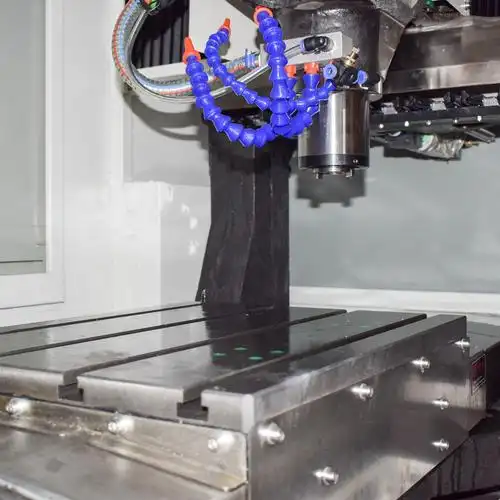
So you've uploaded your CAD file and received an instant quote - but how do online platforms actually transform that digital model into a physical part? Understanding the core CNC machining processes helps you make smarter decisions about which method fits your design. Let's break down the three primary approaches you'll encounter: 3-axis milling, 5-axis milling, and CNC turning.
Each process excels at different geometries and applications. Choosing the wrong one can mean unnecessary costs, longer lead times, or parts that don't meet specifications. The good news? Once you understand the fundamentals, matching your design to the right process becomes straightforward.
Understanding 3-Axis vs 5-Axis Milling Capabilities
Imagine a cutting tool that can move left-right, forward-backward, and up-down. That's 3-axis CNC machining milling in a nutshell. The workpiece stays fixed while a rotating cutter removes material along these three linear directions (X, Y, and Z axes). This approach handles the majority of precision cnc machining jobs efficiently and cost-effectively.
When does 3-axis milling make sense? Consider these ideal applications:
- Flat surfaces and planar features: Housing covers, mounting brackets, and panels with straightforward geometries
- 2D and 2.5D parts: Components with features at consistent depths or stepped profiles
- Pockets and slots: Rectangular or rounded cavities accessed from one direction
- Drilling operations: Holes perpendicular to flat surfaces
According to Xometry's technical resources, 3-axis machines range from $25,000 to $50,000, making them more accessible for shops and resulting in lower per-part costs for simpler geometries. They require minimal specialized training and are easier to program - advantages that translate directly to faster turnaround on uncomplicated cnc milling parts.
Now, what happens when your design includes complex contours, undercuts, or surfaces that can't be reached from a single direction? Enter 5-axis machining.
A 5-axis CNC machine adds two rotational movements to the standard three linear axes. The cutting tool (or the workpiece itself) can tilt and rotate, accessing virtually any angle without repositioning. Picture machining a turbine blade with smoothly curved surfaces that wrap around the part - 5 axis cnc machining services handle this effortlessly.
Key characteristics of 5-axis milling include:
- Complex geometry access: Undercuts, compound angles, and sculpted surfaces machined in a single setup
- Reduced setups: Parts that would require multiple repositionings on 3-axis machines are completed without re-clamping
- Superior surface finishes: Optimal tool angles reduce tooling marks and improve contoured surfaces
- Shorter cycle times for complex parts: Continuous machining without manual intervention speeds production
The tradeoff? Higher equipment costs ($80,000 to over $500,000), more sophisticated programming requirements, and increased maintenance. For simple parts, 5-axis capability adds unnecessary expense. But for aerospace components, medical implants, or intricate mold cavities, the capabilities justify the investment.
When CNC Turning Makes Sense for Your Parts
Here's where things flip - literally. In CNC turning, the workpiece spins while the cutting tool remains stationary, moving along the surface to shape material. If your part is predominantly cylindrical or rotationally symmetric, a cnc turning service delivers it faster and more economically than milling ever could.
Think shafts, pins, bushings, spacers, or any component with a circular cross-section. The rotating motion naturally creates these geometries with excellent surface finish and tight concentricity.
CNC turning excels for:
- Cylindrical components: Shafts, rods, and pins with varying diameters along their length
- Threaded features: External and internal threads machined efficiently during rotation
- Tapered or conical shapes: Smooth transitions between different diameters
- High-volume production: Faster cycle times mean lower per-part costs for round components
According to industry sources, cnc turning services offer reduced labor and material costs compared to milling cylindrical parts, with high accuracy and repeatability across production runs. Common applications span hydraulic components, valve bodies, engine parts, and landing gear elements.
Modern turning centers often incorporate live tooling - powered cutting tools that can perform milling operations while the part is held in the lathe. This hybrid capability means parts requiring both rotational and prismatic features can sometimes be completed in a single machine setup.
Matching Your Design to the Right Machining Process
Selecting the optimal process isn't about finding the most advanced technology - it's about matching capabilities to your specific requirements. Here's a practical decision framework:
Start with geometry. Is your part primarily cylindrical or rotationally symmetric? CNC turning is likely your answer. Does it have flat surfaces, pockets, or complex 3D contours? Milling is the path forward.
Evaluate complexity. Can all features be accessed from a single direction, or does your design include undercuts and multi-angle surfaces? Simple top-down access suggests 3-axis; complex angles point toward 5-axis capabilities.
Consider volume and budget. For prototypes or small batches of simpler parts, 3-axis milling offers the best value. High-volume cylindrical components benefit from turning's speed advantage. Complex low-volume parts may justify 5-axis despite higher costs.
Most online machining platforms automatically suggest appropriate processes based on your uploaded geometry. However, understanding these fundamentals helps you design parts that machine efficiently from the start - potentially saving significant cost before you ever request a quote.
With a solid grasp of how different CNC processes work, you're ready to tackle the next critical decision: selecting the right material for your application.
Material Selection Guide for CNC Machined Parts
You've identified the right machining process for your design - but which material should you choose? This decision impacts everything from part performance to production costs and lead times. The good news? Online machining services typically offer dozens of cnc machining materials, and understanding their trade-offs helps you select confidently without second-guessing yourself.
Material selection boils down to balancing three factors: mechanical performance, machinability, and cost. A titanium aerospace bracket might deliver exceptional strength-to-weight ratio, but if aluminum meets your requirements, you'll save significantly on both material and machining expenses. Let's explore the most common categories and when each makes sense.
Aluminum Alloys for Prototyping and Production
When engineers need parts fast and affordable, aluminum machining typically tops the list. These alloys combine lightweight properties with excellent machinability - cutting tools glide through cnc aluminum with minimal wear, translating to shorter cycle times and lower costs.
Two grades dominate online machining orders:
- Aluminum 6061: The workhorse alloy offering good strength, corrosion resistance, and weldability. Perfect for structural components, brackets, and general-purpose applications where extreme strength isn't critical.
- Aluminum 7075: Significantly stronger than 6061 (approaching some steels), making it ideal for aerospace and high-stress applications. Slightly harder to machine but still cost-effective compared to exotic metals.
According to industry pricing analysis, aluminum raw material costs range from $2-$5 per kg, with machining costs remaining low due to fast cutting speeds and minimal tool wear. Tolerances as tight as ±0.001 inches (±0.025 mm) are achievable, making aluminum suitable for precision components.
Aluminum's thermal conductivity also makes it excellent for heat sinks and electronic enclosures where heat dissipation matters. If your application involves thermal management, these alloys deserve serious consideration.
Steel Selection Based on Strength Requirements
When strength and durability trump weight concerns, steels deliver. Carbon steels offer exceptional hardness and wear resistance, while alloy steels provide tailored properties for specific applications.
Common steel options include:
- 1018 Carbon Steel: Easy to machine and weld, suitable for non-critical structural components and general fabrication
- 4140 Alloy Steel: Heat-treatable for increased hardness, common in gears, shafts, and high-wear applications
- Tool Steels (A2, D2, O1): Extremely hard after heat treatment, used for dies, punches, and cutting tools
For environments demanding corrosion resistance, stainless steel machining becomes essential. Grade 304 provides excellent general-purpose corrosion resistance for food processing and architectural applications. Grade 316 adds molybdenum for superior resistance to chlorides and marine environments - critical for medical devices and chemical processing equipment.
According to material cost comparisons, stainless steel raw materials cost $5-$10 per kg, with machining costs running 20-30% higher than aluminum due to increased tool wear and slower processing speeds. Tolerances of ±0.002 inches are standard, with ±0.0005 inches achievable on advanced equipment.
Engineering Plastics and Their Machining Considerations
Engineering plastics offer unique advantages that metals simply can't match: lightweight construction, electrical insulation, chemical resistance, and self-lubricating properties. When machining nylon or other polymers, you're accessing materials that excel in specific performance niches.
Two engineering plastics deserve particular attention:
Nylon for machining provides exceptional wear resistance and flexibility. Machinable nylon (typically PA6 or PA66) handles repeated impacts and abrasion well, making it ideal for gears, bearings, and sliding components. However, nylon absorbs moisture (2-9% absorption rate), which affects dimensional stability. Parts exposed to humid environments may swell slightly over time.
Delrin material (polyoxymethylene/acetal) offers superior dimensional stability with only 0.5% moisture absorption. According to engineering comparisons, Delrin exhibits higher rigidity and hardness than nylon, with excellent fatigue resistance and a low friction coefficient. It's the go-to choice for precision components requiring tight tolerances over time - think gears, bushings, and automotive seatbelt systems.
Other notable plastics include:
- PEEK: Extreme temperature and chemical resistance, tolerances to ±0.002 inches possible, but costly ($50-$100 per kg raw material)
- Polycarbonate: Impact-resistant and optically clear, excellent for protective housings and lenses
- ABS: Cost-effective for prototyping and consumer products, easy to machine
Material Comparison at a Glance
The following table summarizes key properties to help you match materials to your application requirements:
| Material Type | Key Properties | Typical Applications | Relative Cost |
|---|---|---|---|
| Aluminum 6061 | Lightweight, corrosion-resistant, excellent machinability | Brackets, enclosures, prototypes, heat sinks | Low ($2-5/kg) |
| Aluminum 7075 | High strength-to-weight ratio, good fatigue resistance | Aerospace components, high-stress structural parts | Low-Medium |
| Stainless Steel 304 | Corrosion-resistant, high tensile strength, sterilizable | Food equipment, medical devices, architectural hardware | Medium ($5-10/kg) |
| Stainless Steel 316 | Superior corrosion resistance (chlorides/marine) | Marine hardware, chemical processing, medical implants | Medium-High |
| 4140 Alloy Steel | Heat-treatable, high strength, wear-resistant | Gears, shafts, tooling, high-wear components | Medium |
| Titanium Grade 5 | Exceptional strength-to-weight, biocompatible | Aerospace, medical implants, high-performance parts | High ($20-50/kg) |
| Delrin (POM) | Dimensional stability, low friction, wear-resistant | Gears, bearings, precision mechanical components | Medium |
| Nylon (PA6/PA66) | Flexible, impact-resistant, self-lubricating | Bushings, sliding components, wear parts | Low-Medium |
| PEEK | Extreme temperature/chemical resistance | Aerospace seals, medical devices, semiconductor | Very High ($50-100/kg) |
Remember: the "best" material depends entirely on your application requirements. An expensive titanium part that exceeds specifications wastes budget that could fund additional prototyping iterations. Conversely, selecting cheaper aluminum when your application demands stainless steel's corrosion resistance leads to premature failure.
Most online machining platforms let you compare pricing across multiple materials instantly. Experiment with different options during the quoting phase - you might discover that switching materials significantly reduces costs while still meeting performance requirements.
With your material selected, the next consideration becomes understanding how these choices - along with other factors - affect your project's overall cost.
Understanding CNC Machining Costs and Pricing Factors
Ever received a machine shop quote that left you wondering how the numbers were calculated? You're not alone. CNC machining price transparency remains one of the industry's biggest gaps - most providers share final numbers without explaining what drives them. Understanding these cost factors empowers you to make smarter design decisions and budget accurately before committing to production.
Here's the fundamental truth: CNC machining costs follow a predictable formula. According to RapidDirect's cost analysis, the equation breaks down as:
Total Cost = Material Cost + (Machining Time × Machine Rate) + Setup Cost + Finishing Cost
Each component in this formula offers levers you can adjust. Let's examine the factors that influence your cnc machining price - ranked by their typical impact on your final quote.
Cost Factors That Drive Your Quote
When online platforms calculate pricing for machined parts, they weigh multiple variables simultaneously. Understanding these helps you anticipate costs and identify optimization opportunities:
- Design complexity and machining time: Complex geometries requiring intricate toolpaths, deep pockets, or multiple setups increase machine hours - typically the largest portion of CNC cost
- Material selection and volume: Harder materials like stainless steel machine slower with greater tool wear than aluminum, directly affecting machinist metal cost and cycle times
- Tolerance specifications: Tighter tolerances demand slower feed rates, specialized equipment, and additional inspection steps
- Batch size and setup distribution: Fixed programming and fixturing costs spread across more parts dramatically reduce per-unit pricing
- Surface finishing requirements: Post-processing like anodizing, bead blasting, or polishing adds labor, equipment time, and quality control steps
- Lead time urgency: Expedited production requires overtime, priority scheduling, and rushed material procurement
For small parts manufacturing, these factors interact in sometimes surprising ways. A tiny component with tight tolerances might cost more than a larger simple part because inspection and handling time dominate the equation.
Why Tighter Tolerances Cost More
Imagine machining a part to ±0.5mm versus ±0.025mm. The difference seems small on paper, but the manufacturing implications are substantial. According to industry cost analysis, precision tolerances increase costs due to complex machining steps, increased machining time, and more intensive inspection requirements.
Here's what happens when you specify tight tolerances:
- Slower feed rates prevent tool deflection and ensure dimensional accuracy
- More frequent tool changes maintain cutting precision as tools wear
- Climate-controlled environments may be required for extreme precision
- CMM (coordinate measuring machine) verification adds inspection time
- Higher scrap rates occur when parts fall outside narrow acceptable ranges
The practical guidance? Only specify tight tolerances on functionally critical dimensions. General tolerances (like ISO 2768-m) work perfectly for non-critical features and can reduce machining costs significantly. A drawing with every dimension held to ±0.001" will cost far more than one reserving that precision for the two or three features that actually require it.
The Batch Size Effect on Per-Part Pricing
Setup costs represent a fixed expense regardless of whether you're ordering one part or one thousand. This includes CAM programming, fixture creation, tool setup, and first-article verification. According to manufacturing cost studies, a $300 setup fee adds $300 to a single-piece order but only $3 per part in a 100-piece batch.
This explains why prototypes feel expensive - you're absorbing the entire setup cost on just a few cnc machining parts. The effect is dramatic:
- Ordering 5 parts instead of 1 can reduce per-unit cost by over 50%
- Moving from 10 to 50 pieces continues driving significant savings
- Beyond 100-500 units, the curve flattens as setup costs become negligible per part
For precision machining services, consider whether ordering slightly more parts makes economic sense. Sometimes ordering 25 pieces costs only marginally more than 15 - giving you spares while reducing your effective per-part investment.
How Lead Time Affects Your Quote
Need parts next week instead of next month? Expect to pay a premium. As noted by Xometry's manufacturing experts, "Short lead times drive cost due to overtime and expedites on material and finishing."
Rushed orders impact pricing through:
- Overtime labor rates for operators and programmers
- Expedited shipping fees for raw materials
- Priority scheduling that displaces other work
- Reduced ability to batch your order with similar jobs
- Express shipping for finished parts
The most cost-effective approach? Plan ahead whenever possible. Standard lead times of 10-15 business days typically offer the best value. If your project timeline allows flexibility, some platforms offer economy options with extended lead times at reduced pricing.
How Instant Quoting Platforms Calculate Prices
When you upload a CAD file to an online machining platform, algorithms analyze your geometry against all these cost factors simultaneously. The system evaluates feature complexity, material removal volume, required tooling, and estimated cycle time - generating a quote in seconds that would traditionally require hours of manual estimation.
This transparency creates opportunities. You can experiment with different scenarios instantly:
- Switch materials to see cost impact (aluminum vs. stainless steel)
- Adjust quantities to find optimal batch sizes
- Compare lead time options against budget constraints
- Modify tolerances on non-critical features
The key insight? Use quoting platforms as design optimization tools, not just ordering systems. Before finalizing your design, upload multiple iterations to understand how changes affect pricing. You might discover that a small geometry modification - like increasing an internal corner radius - reduces cost by 20% without affecting function.
With a clear understanding of what drives machining costs, you're ready to apply this knowledge at the design stage - where the biggest savings opportunities exist.
Design for Manufacturability Principles That Reduce Costs
Now that you understand what drives cnc machining costs, here's the powerful realization: the biggest savings opportunities exist before you ever request a quote. Design for manufacturability (DFM) principles help you create parts that machine efficiently from the start - avoiding costly revisions, extended lead times, and frustrated machinists.
Think of DFM as speaking the same language as the CNC machine. When your design accounts for how cutting tools actually work, you'll receive lower quotes, faster turnaround, and parts that match your intent precisely. Let's explore the practical guidelines that make custom machined parts more economical.
Designing Internal Corners for Standard End Mills
Here's a common mistake that surprises many engineers: CNC milling tools are cylindrical. They physically cannot create perfectly sharp internal corners. When you design a rectangular pocket with 90-degree corners, the machine must either leave material behind or use progressively smaller tools at slower speeds - both options increase cost significantly.
According to CNC design guidelines, internal corner radii should equal or exceed the tool radius. For example, with a 6mm end mill, specify at least a 3mm internal fillet. Very small internal radii force the use of tiny tools with low feed rates - one of the most effective ways to inflate machining costs unnecessarily.
Practical fillet sizing based on common tool diameters:
- 3mm tool diameter: Minimum 1.5-2.0mm internal fillet
- 6mm tool diameter: Minimum 3.0-3.5mm internal fillet
- 10mm tool diameter: Minimum 5.0-6.0mm internal fillet
If your design truly requires sharp internal corners - like a cavity that must accept a rectangular component - consider adding undercuts or relief cuts. This allows the cnc milled parts to maintain functional sharp edges where needed while keeping the majority of corners tool-friendly.
When to Specify Tight Tolerances and When to Relax Them
Over-tolerancing ranks among the most expensive CAD mistakes. According to precision machining experts, applying tight tolerances to every dimension doesn't make a part better - it makes it more expensive and harder to manufacture.
A practical tolerance strategy follows this hierarchy:
- General features (±0.10mm): Non-critical geometry, overall dimensions, cosmetic surfaces
- Precision fits (±0.05mm): Sliding interfaces, aligned faces, mating feature locations
- Critical dimensions (±0.01-0.02mm): Bearing bores, dowel holes, and CTQ (critical-to-quality) features verified with dedicated gauges
The key insight? Identify which dimensions directly impact part function. Mark these clearly on your drawing and apply tight tolerances only there. Everything else can follow standard tolerance blocks that machinists work within routinely.
Consider tolerance stack-up as well. When multiple tolerances interact across an assembly, cumulative effects can cause problems. Use worst-case analysis to ensure your tolerance strategy results in functional assemblies.
Wall Thickness and Deep Pocket Guidelines
Thin walls and deep pockets create machining challenges that translate directly to higher costs. According to manufacturing guidelines, maintain minimum wall thickness of 0.8mm for metals and 1.5mm for plastics to prevent deformation during machining.
Why do thin walls cause problems? Reduced stiffness increases vibration during cutting, lowering achievable accuracy and creating chatter marks. The cnc cut quality suffers, potentially requiring additional finishing operations.
For deep pockets and cavities, follow the 3×D rule: blind pocket depth should not exceed three times the tool diameter. Beyond this limit, extended-length tools lose rigidity, causing poor tolerances and surface quality. If deeper features are necessary:
- Open one or more pocket walls for side entry
- Split the design into separate parts joined after machining
- Use stepped pocket layouts keeping each level within the 3×D guideline
Preparing Your CAD Files for Error-Free Quoting
Even perfectly designed parts can encounter quoting problems due to file preparation issues. According to common CAD mistakes analysis, designers often fail to consider workpiece behavior during machining - leading to designs that look correct but machine poorly.
Before uploading your files to online machining services, verify these common issues:
- Curved or impossible features: No CNC machine can effectively machine curved holes - verify all features are physically achievable
- Unintentional thin sections: Check for areas where features intersect creating unexpectedly thin walls
- Unnecessary material removal: Question whether cosmetic features justify their machining cost
- Standard hole and slot sizes: Align dimensions with common drill and cutter sizes to avoid custom tooling
For cnc machine parts requiring threads, keep effective thread length within 2-3× the hole diameter. Deeper threads rarely increase strength but add machining time and tap breakage risk. Design blind holes with unthreaded run-out at the bottom so taps don't bottom out.
DFM Best Practices Checklist
Before finalizing your design for cnc milled parts, run through this manufacturability checklist:
- Internal corner radii are at least equal to the expected tool radius
- Wall thickness meets minimums: 0.8mm for metals, 1.5mm for plastics
- Pocket depths stay within 3× the tool diameter
- Tight tolerances are applied only to functionally critical dimensions
- Hole sizes align with standard drill charts
- Thread depths stay within 2-3× the nominal diameter
- Slender features (ribs, tabs) maintain height-to-thickness ratios below 8:1
- Part geometry minimizes required setups and re-clamping operations
- All features are accessible with standard cutting tools
- File format is appropriate (STEP, IGES, or native CAD formats preferred)
Remember: every design decision that simplifies machining translates to lower quotes and faster delivery. The most experienced engineers aren't those who specify the tightest tolerances everywhere - they're the ones who know exactly where precision matters and where standard practices suffice.
With your design optimized for manufacturability, understanding industry certifications and quality standards becomes the next consideration for ensuring your parts meet application requirements.

Industry Certifications and Quality Standards That Matter
You've optimized your design and selected the perfect material - but how do you know a machining provider can actually deliver parts that meet your industry's requirements? Certifications provide the answer. Yet most online machining platforms display certification logos without explaining what they actually mean for your project. Let's decode these quality standards so you can make informed decisions.
According to industry certification guides, formal certifications assure clients and stakeholders of a company's commitment to quality at every step. They're not just marketing badges - they represent documented systems, regular audits, and continuous improvement processes that directly impact your parts.
Understanding the Certification Landscape
Think of certifications as layers of quality assurance. At the foundation sits ISO 9001, the internationally recognized baseline for quality management systems. Industry-specific certifications build upon this foundation, adding requirements tailored to aerospace, automotive, medical, and defense applications.
Here's a comparison of the major certifications you'll encounter when evaluating precision cnc machining services:
| Certification | Industry Focus | Key Requirements |
|---|---|---|
| ISO 9001 | General manufacturing (all industries) | Documented quality management system, customer focus, continual improvement, evidence-based decision making |
| IATF 16949 | Automotive supply chains | Defect prevention, statistical process control, measurement system analysis, supplier oversight, error-proofing |
| AS9100D | Aerospace and defense | Risk management, configuration control, counterfeit part prevention, on-time delivery tracking, human factors consideration |
| ISO 13485 | Medical devices | Design controls, full traceability, risk mitigation, complaint handling, recall procedures |
| NADCAP | Aerospace special processes | Process-specific controls for heat treating, chemical processing, nondestructive testing |
Automotive Supply Chain Certification Requirements
If your parts are destined for automotive applications, IATF 16949 certification becomes critically important. According to industry standards analysis, IATF 16949 (released by the International Automotive Task Force) adds many requirements around process design and control, competence for specific individuals, and statistical tools for quality measurement.
What does this mean for your machined parts? Providers holding this certification must demonstrate:
- Statistical process control (SPC) monitoring production consistency
- Measurement system analysis validating inspection equipment accuracy
- Error-proofing processes preventing defects before they occur
- Documented problem-solving procedures for addressing nonconformances
- Rigorous supplier oversight extending quality controls upstream
The automotive industry demands consistent, defect-free parts. According to precision machining companies, IATF 16949 combines ISO 9001 principles with sector-specific requirements for continuous improvement, defect prevention, and stringent supplier oversight.
Aerospace and Defense Quality Standards Explained
Aerospace cnc machining faces some of the most rigorous compliance standards in manufacturing. AS9100D builds upon ISO 9001's foundation while adding requirements specific to aircraft, space, and defense applications.
According to aerospace certification experts, AS9100D focuses on areas like risk management, configuration management, and traceability. In aerospace, precision and reliability are paramount - the tiniest error or defect can have catastrophic consequences.
Key aerospace-specific requirements include:
- Configuration control: Tracking the exact specifications of each individual product
- Counterfeit part prevention: Ensuring material authenticity throughout the supply chain
- On-time delivery metrics: Formal tracking and improvement of delivery performance
- Human factors consideration: Accounting for operator influence on process outcomes
- Product safety focus: Documented procedures preventing safety-critical failures
For aerospace components requiring special processes like heat treating or surface treatments, NADCAP accreditation adds another layer of validation. This accreditation thoroughly examines process-specific controls, ensuring specialized operations meet the highest standards.
Medical Device Manufacturing Compliance Considerations
Medical machining demands its own specialized certification: ISO 13485. This standard outlines strict controls over design, manufacturing, traceability, and risk mitigation for medical device components.
What makes medical manufacturing unique? According to medical device compliance guides, facilities seeking ISO 13485 certification must implement detailed documentation practices, thorough quality checks, and effective complaint and recall handling.
Precision cnc machining services serving medical applications must demonstrate:
- Complete traceability from raw material to finished component
- Risk management processes throughout design and production
- Validated manufacturing processes with documented controls
- Complaint handling systems with root cause analysis
- FDA 21 CFR Part 820 compliance for U.S. market access
For implantable devices or surgical instruments, material certifications and biocompatibility documentation become essential. Every component must be traceable to its source material with verified properties.
When Certifications Actually Matter
Here's practical guidance for matching certification requirements to your project:
- General prototyping: ISO 9001 provides sufficient quality assurance for most development work
- Automotive production parts: IATF 16949 is typically required by OEMs and Tier 1 suppliers
- Aerospace components: AS9100D certification is often contractually mandatory
- Medical devices: ISO 13485 is essential for regulatory compliance
- Defense applications: ITAR registration plus AS9100D or ISO 9001 depending on requirements
As noted by manufacturing experts, certifications matter because they guarantee the company you choose has a robust quality control process - you won't have to worry about receiving subpar products. They're your assurance of a reliable machining partner.
With a clear understanding of industry certifications, you're better equipped to evaluate online machining providers - but certifications are just one factor in selecting the right manufacturing partner.
Comparing CNC Machining to Alternative Manufacturing Methods
Here's an honest truth that many manufacturing platforms won't tell you: CNC machining isn't always the best option for your project. Sometimes 3D printing, injection molding, or sheet metal fabrication delivers better results at lower costs. Understanding when to choose each method - and when to combine them - saves you time, money, and frustration.
Think of these manufacturing processes as tools in a workshop. A hammer is perfect for nails, but you wouldn't use it to drive screws. Similarly, each manufacturing method excels in specific scenarios. Let's explore when CNC prototyping makes sense and when alternative approaches serve you better.
CNC Machining vs 3D Printing Decision Framework
Stuck choosing between machining and additive manufacturing? You're facing one of the most common engineering decisions. According to manufacturing comparison guides, neither technology wins every time - your optimal choice depends on cost, materials, precision needs, and complexity.
The fundamental difference? CNC machining carves parts from solid blocks (subtractive), while 3D printing builds them layer by layer (additive). This distinction impacts everything from material properties to achievable geometries.
Choose a cnc prototype when:
- You need functional parts with consistent strength in all directions (isotropic properties)
- Material must be metal - aluminum, steel, titanium, or brass
- Tolerances tighter than ±0.1mm are required
- Surface finish matters without extensive post-processing
- Batch size exceeds 50-100 units
Choose 3D printing when:
- Geometry includes internal lattices, organic curves, or complex overhangs
- You need 1-5 prototype units quickly
- Customization matters more than material strength
- Budget constraints limit tooling investment
- Visual prototypes are acceptable (not load-bearing applications)
Here's something many engineers overlook: rapid cnc prototyping and 3D printing can work together. According to Materialise case studies, hybrid approaches achieve extreme precision efficiently. Print near-final shapes for complex internal geometry, then CNC machine critical surfaces for perfect fit and finish.
For specialized applications like carbon fiber prototyping, 3D printing offers unique advantages - creating lightweight structures with complex internal reinforcement patterns that would be impossible to machine. However, these printed parts typically can't match the strength of machined metal alternatives.
When Injection Molding Makes More Sense
Planning to produce thousands of plastic parts? Injection molding likely beats cnc plastic machining on per-unit cost - but only after crossing a volume threshold that justifies tooling investment.
According to manufacturing process comparisons, while CNC machining offers superior control over individual components, injection molding is unmatched in repeatability at scale. Once the mold is created, each part is produced with near-identical consistency.
The cost equation flips at scale:
- CNC machining: Low setup costs, steady per-part pricing regardless of volume
- Injection molding: High upfront tooling ($3,000-$100,000+), dramatically lower per-part costs at volume
When does injection molding make sense? Consider these factors:
- Production volumes exceeding 500-1,000+ identical parts
- Simple to moderately complex plastic geometries
- Consistent wall thicknesses throughout the design
- Parts requiring no post-machining modifications
- Long production runs justifying tooling investment
Here's where prototype machining shines: verifying designs before committing to expensive molds. According to industry experts, CNC machining plays a critical role in early-stage product development, enabling rapid prototyping and high-precision injection mold production. Use machined prototypes to validate form, fit, and function - then invest in tooling with confidence.
Choosing Between Machining and Sheet Metal Fabrication
Need enclosures, brackets, or chassis components? Sheet metal machining and cnc fabrication represent two distinct approaches to creating metal parts - and choosing wrong can double your costs.
According to manufacturing process analysis, machining removes material from solid blocks, while sheet metal fabrication transforms thin flat sheets through cutting, bending, punching, and welding. Each approach suits different geometries and requirements.
Choose CNC machining for:
- Solid 3D parts with complex internal features
- Components requiring extremely tight tolerances
- Small to medium volumes of custom parts
- Applications demanding superior surface finish
- Parts from materials unsuitable for forming (hard alloys, plastics)
Choose sheet metal fabrication for:
- Enclosures, housings, and cabinet construction
- Brackets and mounting plates with bend features
- High-volume production of similar components
- Lightweight structures where material efficiency matters
- Applications where formed edges provide sufficient strength
According to fabrication comparisons, sheet metal fabrication tends to be more material-efficient and cost-effective for high-volume production. Machining generates more waste but offers superior precision for complex geometries.
Manufacturing Method Comparison
The following table summarizes when each manufacturing approach makes the most sense:
| Process | Ideal Volume Range | Material Options | Typical Lead Times |
|---|---|---|---|
| CNC Machining | 1-1,000 parts | Metals, plastics, composites - widest range | 3-15 business days |
| 3D Printing (FDM/SLA) | 1-50 parts | Polymers, resins; limited metals (DMLS) | 1-7 business days |
| Injection Molding | 500-1,000,000+ parts | Thermoplastics, some thermosets | 4-8 weeks (including tooling) |
| Sheet Metal Fabrication | 10-10,000+ parts | Steel, aluminum, stainless, copper, brass | 5-20 business days |
When Online Machining Might Not Be Your Best Option
Honest guidance means acknowledging limitations. Online machining services may not be ideal when:
- Volume exceeds 10,000+ identical plastic parts: Injection molding offers dramatically lower per-unit costs
- Geometry is primarily flat with bend features: Sheet metal fabrication is faster and more economical
- You need internal lattice structures for lightweighting: 3D printing creates geometries impossible to machine
- Budget is extremely limited for simple visual prototypes: FDM 3D printing delivers faster at lower cost
- Parts require specialized processes: Casting, forging, or extrusion may be more appropriate
The smartest engineers don't force one manufacturing method onto every project. They match the process to the requirements - sometimes combining multiple approaches for optimal results.
With a clear understanding of when CNC machining fits your needs versus alternatives, the next step is knowing how to evaluate and select the right online machining provider for your specific project.
How to Evaluate and Select an Online Machining Provider
You've designed your part, selected materials, and confirmed CNC machining fits your requirements. Now comes a critical decision that many engineers underestimate: choosing the right manufacturing partner. Not all online machining platforms deliver equal results - and selecting poorly can mean missed deadlines, quality issues, or frustrating communication gaps.
Here's what separates a transaction from a partnership: the best providers don't just make parts - they help you succeed. According to manufacturing partnership experts, selecting the right CNC manufacturing partner involves vetting them beyond the price quote. Prioritize partners who provide expert Design for Manufacturability feedback before prototyping and have technical capability to scale from prototype to production.
Let's explore the evaluation criteria that matter most - whether you're searching for local machine shops, browsing machining shops near me, or evaluating global online platforms.
Evaluating Manufacturing Capabilities and Equipment
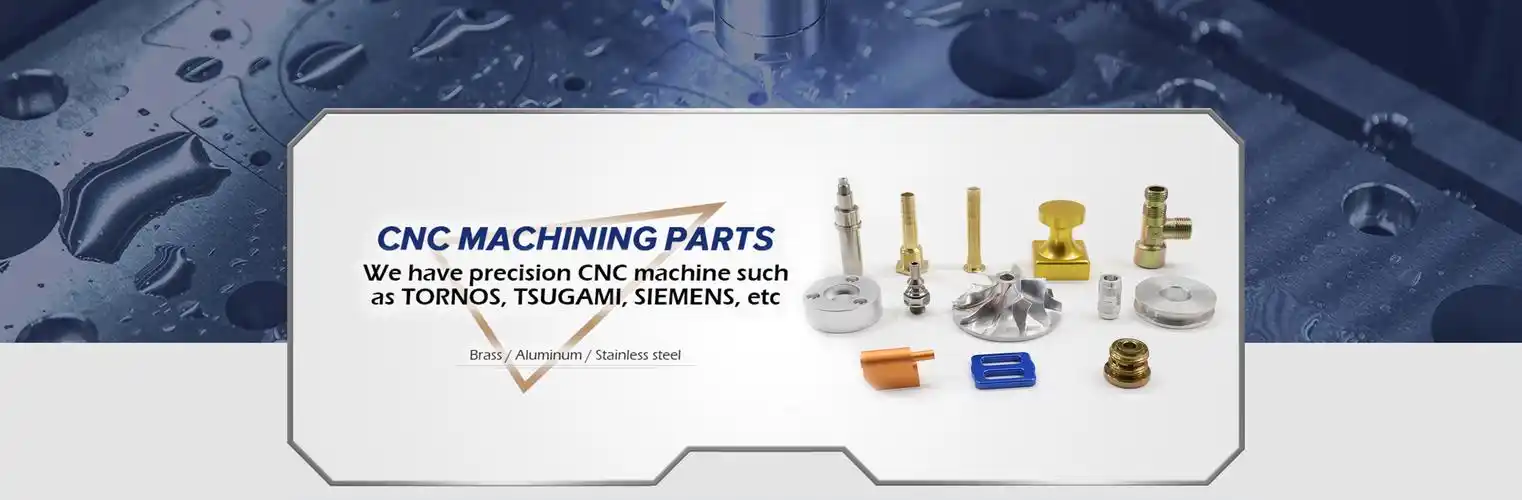
Before placing an order, understand what equipment a provider actually operates. A cnc machining shop advertising "full-service capabilities" might outsource complex work - adding lead time, cost, and quality variability.
Ask these capability questions upfront:
- What machine types and axis counts are available? 3-axis mills handle simple geometries; 5-axis equipment tackles complex contours and undercuts
- What's the maximum part envelope? Ensure your dimensions fit within their work capacity
- Do they handle your required materials in-house? Some shops specialize in aluminum while outsourcing harder materials
- What secondary operations are available? Finishing, heat treatment, and assembly capabilities reduce multi-vendor coordination
According to online machining service analysis, the best platforms support 3, 4, and 5-axis CNC machining, Swiss turning for intricate components, live tooling, and EDM capabilities. These advanced capabilities open up more possibilities for creating sophisticated custom-machined parts.
When evaluating a cnc machine shop near me or an online alternative, verify whether the provider manufactures directly or acts as a middleman routing orders to third parties. Unified manufacturers maintain tighter quality control and faster communication loops.
Questions to Ask About Quality Inspection Processes
Quality claims are easy to make - documented processes are harder to fake. According to quality control experts, CNC machine quality control encompasses a comprehensive inspection process from initial raw material inspection to final product testing.
Dig into specifics when evaluating machine shop services:
- What inspection equipment do they use? CMM (coordinate measuring machines), optical comparators, and surface profilometers indicate serious quality investment
- Is First Article Inspection (FAI) standard or optional? FAI verifies the initial part meets specifications before full production
- What documentation accompanies delivered parts? Material certifications, dimensional reports, and certificates of conformity provide traceability
- How do they handle nonconformances? Documented corrective action processes prevent recurring issues
For prototype machining services, in-process monitoring matters as much as final inspection. According to industry quality standards, Statistical Process Control (SPC) involves using statistical methods to monitor and control the machining process - helping identify trends and variations for timely corrective actions.
IATF 16949-certified providers like Shaoyi Metal Technology demonstrate commitment to automotive-grade quality standards with Statistical Process Control built into their manufacturing processes. This certification requires defect prevention systems, measurement system analysis, and rigorous supplier oversight - standards that benefit any precision machining service customer, not just automotive applications.
Addressing Common Concerns About Online Services
Skeptical about trusting critical parts to an online platform you've never visited? You're not alone. Two concerns consistently surface when engineers evaluate online machining: quality consistency and intellectual property protection.
Quality consistency: How can you trust parts machined remotely? Look for providers with documented quality management systems and verifiable certifications. According to industry analysis, certification offerings like ISO 9001, AS9100, or ISO 13485 combined with rigorous QA processes ensure that custom-machined parts meet exact specifications.
Request sample parts or case studies demonstrating capability with similar projects. Reputable providers welcome these requests - they're confident in their work.
Intellectual property protection: Sharing proprietary CAD files understandably raises concerns. According to security best practices, choose platforms that prioritize data security with encrypted file uploads, secure login portals, non-disclosure agreements (NDAs), and GDPR compliance certifications.
Don't hesitate to request NDAs before sharing sensitive designs. Professional precision machining service providers expect this and have standard agreements ready.
Scaling from Prototype to Production Volumes
Here's a trap many engineers fall into: finding a great prototype supplier, then discovering they can't scale to production volumes. According to manufacturing experts, the most dangerous transition where most engineering projects fail is that jump from Prototype to Low-Volume. You need a partner who uses the prototype stage to validate the production process, not just the part.
Evaluate cnc machining prototyping providers on their production capabilities from day one:
- What quantity ranges do they typically handle? Some shops excel at one-offs but struggle with 1,000-piece runs
- How do they transition from prototype to production? Look for documented processes that capture learning from prototyping
- What's their capacity for repeat orders? Growing production needs require available machine time
- Do they maintain tooling and fixtures between orders? This reduces setup costs for repeat production
Providers offering rapid prototyping through mass production capabilities - like Shaoyi Metal Technology with lead times as fast as one working day - eliminate the need to switch suppliers as your project matures. This continuity preserves institutional knowledge about your parts and reduces quality risks during scale-up.
Provider Evaluation Checklist
Before committing to an online machining provider, verify these essential criteria:
- Manufacturing capabilities match your requirements: Axis count, materials, tolerances, and secondary operations
- Quality certifications align with your industry: ISO 9001 minimum; IATF 16949, AS9100D, or ISO 13485 for regulated industries
- Inspection processes are documented: FAI, in-process monitoring, final inspection, and SPC where applicable
- Material traceability is available: Mill certifications and material test reports for critical applications
- Communication is responsive: Technical questions answered by engineers, not just sales representatives
- DFM feedback is proactive: Providers who flag manufacturability issues save you money and prevent failures
- IP protection measures exist: Secure file handling, NDA availability, and data privacy compliance
- Scalability is demonstrated: Proven capability from prototype through production volumes
- References or case studies are available: Evidence of successful projects similar to yours
- Pricing is transparent: Clear breakdowns without hidden fees for material, machining, finishing, and shipping
According to industry best practices, a trustworthy custom CNC machining service should offer clear, upfront pricing without hidden fees - including breakdowns for material cost, machining time, post-processing, and shipping.
The Real Test: How They Respond to Your First Inquiry
According to partnership evaluation frameworks, the most important test when vetting a new CNC supplier is sending your part drawing and observing how they respond. Do they immediately quote without questions, or do they engage with your design?
A provider asking clarifying questions about tolerances, material options, or application requirements demonstrates engineering competence. One that simply returns a number without engagement may be missing issues that will surface during production.
As noted by manufacturing experts, as much as 80% of a product's cost is locked in during the design phase. A partner who gives you DFM feedback before production is actively saving you money and preventing future failures.
Whether you ultimately choose a local cnc machine shop near me or a global online platform, the evaluation criteria remain consistent. The goal isn't finding the lowest quote - it's finding a manufacturing partner whose capabilities, quality systems, and communication style align with your project needs.
With your provider selected, the final step is understanding how to move forward confidently - preparing your project for successful execution from first quote through delivered parts.
Taking the Next Steps With Online Machining Services
You've now explored the complete landscape of online machining services - from understanding how instant quoting works to selecting materials, optimizing designs for manufacturability, and evaluating providers. The knowledge you've gained puts you ahead of most engineers approaching their first online machining project. Now it's time to translate that understanding into action.
Where you go next depends on where you are right now. Let's map out concrete steps for three common scenarios: you're ready to quote a project, you're still refining your design, or you're evaluating whether CNC machining fits your needs at all.
Your First Steps Toward a Successful Machining Project
According to manufacturing readiness experts, common fears when manufacturing a product for the first time include fear of failure, fear of the unknown, and fear of losing money. The good news? Proper preparation addresses each of these concerns directly.
Here's your action roadmap based on where you stand today:
If You're Ready to Quote a Project
- Finalize your CAD file: Export in STEP or IGES format for universal compatibility across platforms
- Document critical tolerances: Mark which dimensions require tight specifications versus general tolerances
- Specify material and finish requirements: Know your material choice and any surface treatment needs before uploading
- Submit to 2-3 providers: Compare quotes, lead times, and DFM feedback across platforms
- Review manufacturability feedback: Address any flagged issues before committing to production
- Request sample parts if volume is significant: Validate quality before large production runs
If You're Still in the Design Phase
- Apply DFM principles now: Design internal corners with appropriate radii, maintain minimum wall thicknesses, and limit pocket depths
- Use quoting platforms as design tools: Upload iterations to see how changes affect pricing before finalizing
- Consult with providers early: According to custom cnc machining services experts, if you are unsure about any factors, consult with an expert to ensure you have all the information needed
- Consider booking a DFM session: Many providers offer design reviews that prevent costly mistakes downstream
- Prototype before production: Validate form, fit, and function with cnc prototype machining before committing to volume
If You're Evaluating Whether CNC Fits Your Needs
- Review the manufacturing comparison: Revisit whether 3D printing, injection molding, or sheet metal better suits your geometry and volume
- Get exploratory quotes: Upload your design to understand actual costs - many platforms provide free instant estimates
- Consider hybrid approaches: Sometimes the best machining solution combines CNC with other processes
- Start with prototypes: Low-risk first orders help you evaluate providers without major commitment
Preparing Your Design for Quoting
Before submitting your first quote request, according to project preparation guides, you need to identify your project requirements - including material type, part dimensions, and quantity. Providing detailed drawings or 3D models helps the machine shop understand your requirements and provide accurate quotes.
Your quote-ready checklist should include:
- Complete 3D CAD model: Fully dimensioned and free of errors
- Material specification: Exact alloy or plastic grade, not just "aluminum" or "steel"
- Quantity requirements: Initial order plus anticipated future volumes
- Tolerance callouts: GD&T or dimensional tolerances for critical features
- Surface finish requirements: Ra values or finish type (anodized, bead-blasted, as-machined)
- Secondary operations: Threading, heat treatment, assembly needs
- Timeline expectations: Target delivery date and flexibility
- Certification requirements: ISO, IATF 16949, AS9100D, or ISO 13485 as applicable
For machining parts destined for automotive applications, working with certified providers becomes essential. Custom machine solutions for complex chassis assemblies and custom metal bushings require providers who understand automotive quality standards. Shaoyi Metal Technology offers IATF 16949-certified manufacturing with Statistical Process Control, supporting projects from rapid prototyping through mass production with lead times as fast as one working day.
Building Long-Term Manufacturing Partnerships
The most successful engineering teams don't just find suppliers - they build partnerships. According to manufacturing partnership experts, choosing the right machining partner can make or break a project. A strong machining partner not only enhances product quality but also streamlines production processes, ultimately saving time and costs.
What distinguishes the best machining relationships?
- Proactive communication: Partners who flag potential issues before they become problems
- Design collaboration: Providers offering DFM feedback that improves your products
- Scalability commitment: Capability to grow from prototype through high-volume production
- Continuous improvement: Learning from each order to optimize future runs
- Trust and transparency: Clear pricing, honest timelines, and reliable quality
According to industry guidance, trust is fundamental in a machining partnership. A reliable partner demonstrates consistent quality and meets delivery timelines. Building trust involves transparency in operations and responsiveness to concerns, ensuring long-term commitment and stability.
Moving Forward With Confidence
Online machining services have democratized access to precision manufacturing. Whether you're a startup prototyping your first product or an established company scaling production, the pathway from CAD file to finished part has never been more accessible.
The key insights to carry forward:
- Use instant quoting platforms to experiment with materials, quantities, and specifications before committing
- Design for manufacturability from the start - it's where the biggest cost savings exist
- Match your certification requirements to your industry and application
- Choose providers based on capability alignment, not just lowest price
- Build relationships that scale with your growing production needs
For automotive and precision component projects requiring the best machining quality, providers specializing in chassis assemblies, suspension components, and custom metal bushings offer the expertise needed for demanding applications. Explore automotive machining solutions that combine IATF 16949 certification with rapid prototyping capabilities and production scalability.
The manufacturers who succeed aren't those with the most complex designs or the tightest budgets - they're the ones who understand the process, prepare thoroughly, and partner wisely. You now have the knowledge to join them. Your next step? Upload that design and get your first quote. The path from concept to finished part starts with a single file.
Frequently Asked Questions About Online Machining Services
1. What are online CNC machining services and how do they differ from traditional machine shops?
Online CNC machining services are digital platforms that connect engineers with manufacturing capabilities through instant quoting, file upload, and distributed manufacturing networks. Unlike traditional machine shops requiring days of email exchanges and phone calls for quotes, these platforms analyze your CAD file within seconds, providing immediate pricing, DFM feedback, and lead time options. They democratize manufacturing access, allowing startups and individual designers to order precision parts with the same efficiency as large corporations.
2. How much does CNC machining cost and what factors affect pricing?
CNC machining costs follow the formula: Total Cost = Material Cost + (Machining Time × Machine Rate) + Setup Cost + Finishing Cost. Key factors include design complexity and machining time (typically the largest portion), material selection (harder materials cost more to machine), tolerance specifications (tighter tolerances require slower speeds and more inspection), batch size (setup costs spread across more parts reduce per-unit pricing), surface finishing requirements, and lead time urgency. Use instant quoting platforms to experiment with different materials and specifications to optimize your budget.
3. What materials are available for CNC machining and how do I choose the right one?
Common CNC machining materials include aluminum alloys (6061 for general use, 7075 for high-strength applications), carbon and alloy steels (1018, 4140), stainless steels (304, 316 for corrosion resistance), and engineering plastics like Delrin and Nylon. Selection depends on balancing mechanical performance, machinability, and cost. Aluminum offers excellent machinability at low cost, stainless steel provides corrosion resistance at higher machining costs, while Delrin delivers superior dimensional stability for precision plastic components.
4. What certifications should I look for when choosing an online machining provider?
ISO 9001 serves as the baseline quality management certification for general manufacturing. For automotive applications, IATF 16949 certification ensures defect prevention, statistical process control, and supplier oversight. Aerospace projects require AS9100D certification covering risk management and configuration control. Medical device components need ISO 13485 certification for traceability and risk mitigation. IATF 16949-certified providers like Shaoyi Metal Technology demonstrate automotive-grade quality standards with Statistical Process Control, offering rapid prototyping through mass production capabilities.
5. How do I decide between CNC machining, 3D printing, or injection molding for my project?
Choose CNC machining for functional metal parts requiring tight tolerances (under ±0.1mm), isotropic material properties, and batch sizes of 1-1,000 parts. Select 3D printing for 1-50 prototype units with complex internal geometries where material strength is less critical. Opt for injection molding when producing 500+ identical plastic parts, as high upfront tooling costs are offset by dramatically lower per-part pricing at volume. Many successful projects combine methods—using CNC prototypes to validate designs before investing in injection molds.