 Small batches, high standards. Our rapid prototyping service makes validation faster and easier —
  EN
EN


Metal CNC Machining Decoded: From Material Selection To Final Part
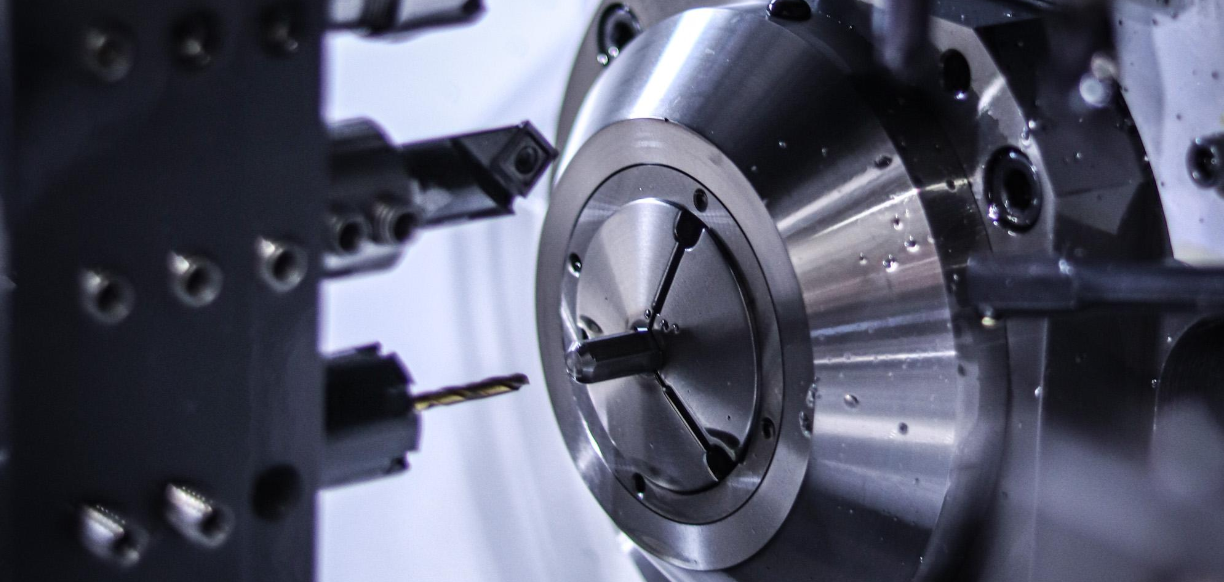
Understanding Metal CNC Machining Fundamentals
Ever wondered how aerospace engineers create components with tolerances as tight as 0.00004 inches? The answer lies in metal CNC machining, a manufacturing process that has revolutionized how we transform raw metal stock into precision parts. Whether you're an engineer specifying components, a designer pushing geometric boundaries, or a procurement professional evaluating suppliers, understanding this technology is essential for making informed manufacturing decisions.
Metal CNC machining is a subtractive manufacturing process where computer-programmed instructions guide cutting tools to remove material from solid metal stock, creating precision components with exceptional accuracy and repeatability.
This definition captures the essence of what makes CNC for metal fabrication so powerful. Unlike traditional methods, computer numerical control eliminates human variability from the cutting process while enabling complex geometries that would be impossible to achieve manually.
What Sets CNC Apart from Manual Metal Machining
When comparing CNC vs. manual machining, the differences extend far beyond simply adding a computer. Manual machining requires direct operator control and skill to manipulate tools and machinery. Each cut depends on the technician's experience, steady hands, and judgment. While this approach offers flexibility for custom projects and repairs, it introduces variability that can compromise precision.
Metal CNC machining flips this equation entirely. According to industry research from Universal Technical Institute, CNC technology allows a trained individual to operate several machines simultaneously, while manual machining requires one technician per machine. This fundamental shift delivers several advantages when machining metal:
- Higher precision: Computer-controlled movements achieve consistent accuracy across every part
- Repeatability: Whether you're making 10 parts or 10,000, each one matches the original specifications
- Complex geometries: Multi-axis movement enables cuts and shapes impossible with manual operation
- Continuous operation: CNC machines can run without breaks, dramatically increasing productivity
That said, manual machining still has its place. It remains valuable for highly specialized small-batch productions, restoration work, and situations where the unique skill set of experienced machinists adds irreplaceable value to the finished piece.
The Subtractive Manufacturing Principle Explained
Imagine starting with a solid block of aluminum, steel, or titanium. Now picture precisely removing material, layer by layer and cut by cut, until a complex component emerges. That's subtractive manufacturing in action, and it's the core principle behind metal cnc operations.
Here's how the process works:
- You begin with a CAD (computer-aided design) model that defines exactly what the finished part should look like
- Software converts this design into machine instructions specifying where and how to cut
- CNC machines, whether mills, lathes, or drills, follow these programmed paths with remarkable precision
- Material is systematically removed from the metal stock until only the final part remains
This approach stands in contrast to additive manufacturing (3D printing), which builds parts layer by layer. While additive methods excel at rapid prototyping and complex internal structures, subtractive metal machining remains the benchmark for accuracy. According to manufacturing research from Penta Precision, subtractive processes achieve tolerances of ±0.001 inches compared to approximately ±0.004 inches for additive methods.
Why does this matter? Industries like aerospace, medical devices, and automotive manufacturing demand the highest precision levels because component failure could endanger lives. As noted by TechTarget, CNC machines can work with aluminum, stainless steel, brass, titanium, and high-performance alloys like Inconel, making them indispensable for mission-critical applications.
Understanding these fundamentals positions you to make smarter decisions throughout the manufacturing process, from material selection to tolerance specifications to supplier evaluation. The chapters ahead will decode each of these considerations, giving you the knowledge to optimize your metal cnc machining projects from concept to completion.
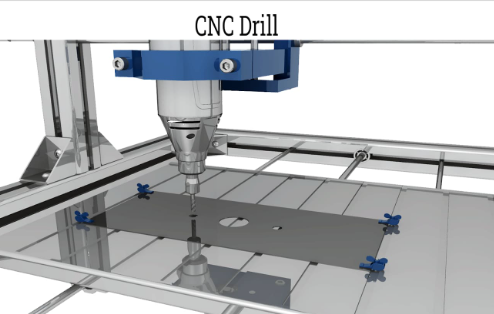
Core CNC Processes for Metal Fabrication
Now that you understand the fundamentals, let's explore the two primary processes that drive metal CNC machining: milling and turning. Choosing between them, or knowing when to combine both, can mean the difference between cost-effective production and wasted resources. Sounds complex? It doesn't have to be.
Think of it this way: milling spins the cutting tool while the workpiece stays relatively still. Turning does the opposite, spinning the workpiece while the tool remains stationary. This fundamental difference determines which shapes each process creates best and why a metal cutting CNC machine setup matters so much for your specific application.
CNC Milling Operations and Axis Configurations
CNC milling uses a rotating multi-point cutting tool that moves across your workpiece along programmed paths. The result? Flat surfaces, slots, pockets, and intricate 3D contours that would be impossible to create manually. But here's where it gets interesting: the number of axes your CNC metal cutting machine can move along dramatically affects what geometries you can achieve.
3-Axis Milling: The workhorse of metal fabrication. Your cutting tool moves along three linear directions: X (left-right), Y (front-back), and Z (up-down). According to YCM Alliance, 3-axis machining excels at producing flat surfaces, simple contours, and basic geometric shapes with excellent precision. Setup times are shorter, programming is straightforward, and operator training requirements are reduced compared to multi-axis alternatives.
4-Axis Milling: Add one rotational axis (typically the A-axis, rotating around X) and you unlock the ability to machine multiple sides without repositioning. Imagine cutting a cylindrical part with features at different angles, all in one setup. This eliminates the accuracy variations that occur when you reposition a workpiece between operations.
5-Axis Milling: This is where CNC milled parts reach their full potential. Two additional rotational axes enable simultaneous machining from virtually any angle. As noted by RapidDirect, 5-axis machines can achieve tolerances as tight as ±0.0005 inches with surface finishes down to Ra 0.4 µm. Turbine blades, orthopedic implants, and aerospace components frequently require this level of capability.
When should you invest in multi-axis capability? Consider these factors:
- Part complexity: Undercuts, angled features, or organic 3D shapes demand 4 or 5 axes
- Setup reduction: Each repositioning introduces potential errors and adds time
- Surface finish requirements: Optimal tool orientation throughout cutting improves quality
- Production volume: Higher axis machines cost more but reduce per-part time for complex geometries
When Turning Outperforms Milling for Metal Parts
If your part is cylindrical, conical, or rotationally symmetric, CNC turning is almost always your best choice. Picture shafts, bushings, pins, and threaded components. The workpiece spins at high speed while a single-point cutting tool removes material with precision.
Why does turning excel for round parts? The continuous rotation creates inherently concentric features. According to 3ERP, turning operations can maintain tolerances within ±0.002 inches for standard components and as tight as ±0.001 inches with precision tooling. That's the kind of accuracy critical for mating components in mechanical assemblies.
Modern CNC steel cutting machine configurations in turning centers offer capabilities beyond basic lathe operations:
- Live tooling: Rotating tools on the turret enable milling operations like drilling cross-holes or cutting keyways without moving the part
- Sub-spindles: Machine both ends of a component in one cycle
- Bar feeders: Automate material loading for high-volume production runs
- Y-axis movement: Access off-center features that traditional lathes cannot reach
For high-volume production of round parts, turning delivers significant cost advantages. Tooling costs are lower because single-point carbide inserts are inexpensive and quick to replace. Cycle times are faster for symmetric geometries. And with automated bar feeding, you can run lights-out manufacturing with minimal operator intervention.
Choosing Between Milling and Turning: Decision Criteria
So how do you decide which process fits your project? The answer depends on geometry, volume, tolerance requirements, and cost considerations. Here's a comprehensive comparison to guide your decision:
| Characteristic | CNC Milling | CNC Turning |
|---|---|---|
| Ideal Geometries | Prismatic, flat surfaces, pockets, slots, 3D contours | Cylindrical, conical, rotationally symmetric parts |
| Typical Tolerances | ±0.001" to ±0.0005" (5-axis) | ±0.002" standard, ±0.001" precision |
| Surface Finish (Ra) | 1.6 µm (3-axis) to 0.4 µm (5-axis) | 1-2 µm without secondary finishing |
| Best Production Volume | Prototypes to medium volumes; complex parts at any volume | Medium to high volumes; excels in mass production |
| Setup Complexity | Moderate to high; increases with axis count | Lower; straightforward for symmetric parts |
| Tooling Costs | Higher; multiple specialized cutters required | Lower; replaceable inserts are economical |
| Cycle Time | Longer for simple parts; competitive for complex geometries | Faster for round parts; efficient material removal |
| Multi-Surface Access | Excellent with 4/5-axis capability | Limited without live tooling; requires secondary operations |
What if your part needs both? Consider a flanged shaft with milled flats and drilled cross-holes. Traditional approaches would require separate milling and turning operations with workpiece transfers between machines. Today's mill-turn centers combine both capabilities, machining complex features in a single setup. This eliminates handling time, reduces cumulative tolerance errors, and streamlines your production workflow.
The bottom line: match the process to your part geometry first, then optimize for volume and cost. Round parts go to turning. Prismatic parts go to milling. Complex parts with both characteristics? That's where hybrid mill-turn technology or strategic process sequencing delivers the best results.
With a clear understanding of these core processes, you're ready to tackle the next critical decision: selecting the right metal for your application. Material properties directly influence which machining parameters you'll use and what tolerances you can realistically achieve.
Metal Selection Guide for CNC Machining Projects
You've identified whether your part needs milling, turning, or both. Now comes a decision that affects everything from cutting speeds to final part performance: which metal should you use? The answer isn't always obvious. Each material brings unique machining characteristics, cost implications, and application-specific advantages that can make or break your project.
Here's the reality: some metals practically cut themselves, while others fight the tooling every step of the way. Understanding why this happens, and how to leverage each material's strengths, separates successful projects from costly manufacturing headaches. Let's break down the most common CNC machining materials and what makes each one tick.
Aluminum Alloys and Their Machining Characteristics
If you're looking for the sweet spot between performance and machinability, aluminum is probably where you'll land. According to Fictiv, aluminum is one of the most commonly used metals due to its low density and attractive material properties including high strength, high ductility, and high corrosion resistance.
But not all aluminum alloys are created equal. The two workhorses you'll encounter most often are:
6061 Aluminum: This is your go-to general-purpose alloy. It offers excellent mechanical properties, good weldability, and a machinability rating around 90% (compared to free-machining brass at 100%). You'll find it everywhere: automotive frames, bicycle components, marine hardware, and countless consumer products. When cost-effectiveness matters and you need solid performance without exotic requirements, 6061 delivers.
7075 Aluminum: Need higher strength? This aerospace-grade alloy provides it, with tensile strength approaching that of many steels at a fraction of the weight. The tradeoff? Slightly reduced machinability (around 70%) and higher material cost. Aircraft structural components, high-stress sporting goods, and military applications frequently specify 7075 when performance trumps budget.
Why does aluminum machine so well? Its relatively soft nature allows aggressive material removal rates. However, that low melting point (around 1,220°F) means heat management is critical. Push too hard without proper coolant and chip evacuation, and you'll end up with material welding itself to your cutting tools.
Stainless Steel Selection for CNC Applications
When corrosion resistance becomes non-negotiable, stainless steel enters the conversation. That chromium content (minimum 10.5%) creates a protective oxide layer that resists rust, chemicals, and harsh environments. But machining stainless requires a different approach than aluminum.
Here's what you need to know about the most popular grades:
Material 303 Stainless Steel: This is your free-machining stainless option, with sulfur and phosphorus added specifically to improve chip breaking and reduce tool wear. Machinability sits around 45-50% compared to brass, making it the easiest stainless to work with. Perfect for high-volume production of shafts, gears, and fittings where extreme corrosion resistance isn't the primary concern.
304 Stainless Steel: According to Lindsay Machine Works, 304 is the most common grade, offering a great mix of corrosion resistance and formability. The catch? Its work-hardening tendency means conservative speeds and sharp tooling are essential. Stop mid-cut, and you'll create a hardened layer that dulls tools rapidly.
ST Steel 316L: For marine environments, chemical processing, or medical applications where chloride exposure is a concern, 316L provides superior corrosion resistance. The "L" designation indicates low carbon content, improving weldability. Expect machinability around 36%, requiring patience and proper tooling strategies.
Carbon and Alloy Steels: Strength Meets Value
Steel remains the backbone of industrial manufacturing. It's strong, relatively affordable, and available in countless grades tailored for specific applications. The key is matching carbon content and alloying elements to your performance requirements.
1018 Carbon Steel: This low-carbon (mild) steel offers excellent machinability at around 70% and welds easily. It's your economical choice for shafts, pins, and structural components where extreme hardness isn't required. The downside? Limited heat treatability and susceptibility to corrosion without protective coatings.
Material 1045 Steel: Step up to medium-carbon content and you gain heat treatability alongside respectable machinability (around 55-60%). After proper heat treatment, 1045 develops surface hardness suitable for gears, bolts, and components requiring wear resistance. This versatility makes it a popular specification for mechanical applications.
4340 Alloy Steel: When strength and toughness are paramount, this nickel-chromium-molybdenum alloy delivers. Aircraft landing gear, high-performance shafts, and heavy equipment components frequently specify 4340. Machinability drops to around 45-50%, and you'll need robust tooling with proper speeds and feeds.
For specialized applications requiring specific properties, tool steels like S7 steel (shock-resistant) and steel D2 (wear-resistant with high chromium content) offer tailored performance. However, their hardness makes machining significantly more challenging, typically requiring annealed conditions and post-machining heat treatment.
Brass and Copper: Conductivity Champions
When your application demands exceptional thermal or electrical conductivity, copper and its alloys become essential considerations.
360 Brass: Often called free-machining brass, this copper-zinc alloy sets the machinability benchmark at 100%. Chips break cleanly, surface finishes are excellent, and tool life is exceptional. Plumbing fittings, electrical components, decorative hardware, and precision instruments frequently specify this alloy. According to Fictiv, brass retains much of copper's conductivity while offering higher strength and corrosion resistance.
C110 Copper: Pure copper (99.9% minimum) provides the highest electrical conductivity of any industrial metal except silver. Critical for electrical bus bars, heat sinks, and RF shielding applications. The challenge? Its softness (around 70% machinability) tends toward burr formation and material smearing. Sharp tools, proper speeds, and adequate coolant are essential for quality results.
Titanium: High Performance at a Premium
No discussion of CNC machining materials would be complete without titanium. As Lindsay Machine Works notes, titanium boasts the highest strength-to-weight ratio of any metal, making it indispensable for aerospace, medical implants, and high-performance applications.
But here's the reality check: titanium is notoriously difficult to machine. Its low thermal conductivity concentrates heat at the cutting edge, accelerating tool wear. Work hardening occurs rapidly if cutting speeds are too low. And material cost runs 5-10 times higher than aluminum for comparable volumes.
Is titanium worth it? For aerospace structural components, medical implants requiring biocompatibility, or applications where weight savings justify premium costs, absolutely. For general industrial use? Probably not when aluminum or steel can meet requirements at a fraction of the expense.
Metal Properties Comparison: Making the Right Choice
So how do you choose? Consider this comprehensive comparison of machining characteristics:
| Metal/Alloy | Machinability Index | Typical Tolerances | Relative Cost | Common Applications |
|---|---|---|---|---|
| 6061 Aluminum | 90% | ±0.001" | Low | Automotive, aerospace, consumer products |
| 7075 Aluminum | 70% | ±0.001" | Medium | Aircraft structures, high-stress components |
| 303 Stainless | 45-50% | ±0.002" | Medium | Fittings, shafts, high-volume parts |
| 304 Stainless | 40% | ±0.002" | Medium | Food equipment, chemical processing |
| 316L Stainless | 36% | ±0.002" | Medium-High | Marine, medical, pharmaceutical |
| 1018 Steel | 70% | ±0.001" | Low | Shafts, pins, general structural |
| 1045 Steel | 55-60% | ±0.001" | Low-Medium | Gears, bolts, heat-treated components |
| 4340 Steel | 45-50% | ±0.002" | Medium | Landing gear, high-strength shafts |
| 360 Brass | 100% | ±0.0005" | Medium | Fittings, electrical, decorative |
| C110 Copper | 70% | ±0.001" | Medium-High | Electrical, thermal management |
| Ti-6Al-4V | 22% | ±0.002" | Very High | Aerospace, medical implants |
Why do some metals machine easier than others? It comes down to fundamental material properties. Harder materials resist cutting, generating more heat and accelerating tool wear. Materials with low thermal conductivity trap heat at the cutting zone. Work-hardening alloys strengthen when deformed, making each subsequent pass more difficult. And ductile, "gummy" materials tend to smear rather than shear cleanly.
The bottom line: match your material to your application requirements first, then optimize machining parameters accordingly. An experienced manufacturing partner can help you navigate these tradeoffs, balancing performance needs against cost and production realities.
With material selection understood, the next critical step is dialing in the right machining parameters. Cutting speeds, feed rates, and tooling choices all depend on which metal you've chosen, and getting them right determines whether your parts meet specification on the first attempt.
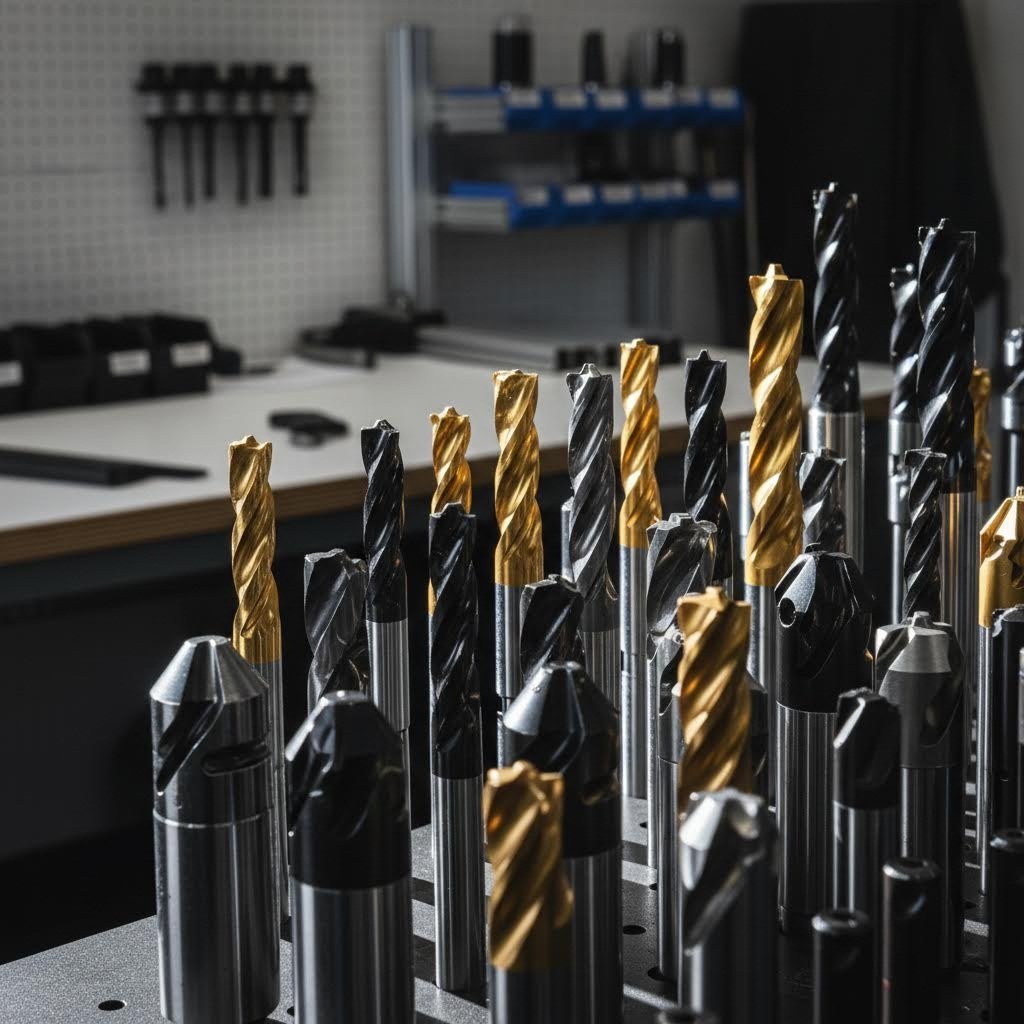
Machining Parameters and Tooling Essentials
You've selected your metal. Now comes the question that separates successful cuts from broken tools and scrapped parts: what speeds, feeds, and cutting depths should you use? This is where many resources fall short, offering generic tables without explaining the underlying principles. Let's fix that.
Here's the fundamental truth: every metal has a "sweet spot" where cutting parameters balance material removal rate, tool life, and surface finish. According to CNC Cookbook, feeds and speeds are the hardest thing to learn in CNC, yet they're also the biggest determiners of your results. Miss that sweet spot, and you'll either wear out tools prematurely or break them outright.
Speed and Feed Fundamentals for Metal Cutting
Think of machining parameters as three interconnected variables working together:
- Cutting speed (surface speed): How fast the cutting edge moves across the material, measured in surface feet per minute (SFM). This primarily determines heat generation and tool life.
- Feed rate: How fast the tool advances through the workpiece, typically measured in inches per minute (IPM). This controls chip thickness and material removal rate.
- Depth of cut: How deep the tool engages with the material. Deeper cuts remove more material but increase cutting forces.
Why does this matter? According to research cited by CNC Cookbook, running spindle speed too fast generates excess heat that softens the cutting tool and dulls it rapidly. But here's what surprises many beginners: running too slowly is equally destructive. When feed rates drop too low, the cutting edge stops shearing chips and starts rubbing against the workpiece. This friction generates extreme heat and can destroy a tool faster than running too fast.
The relationship between these parameters follows specific formulas, but real-world application requires understanding how material properties influence your choices:
- Material hardness: Harder metals require lower cutting speeds to prevent excessive heat buildup at the tool edge. Machining steel at high speeds will quickly dull or destroy carbide tooling.
- Thermal conductivity: Materials that dissipate heat quickly (like aluminum) allow higher speeds. Poor conductors (like titanium) trap heat at the cutting zone, demanding conservative parameters.
- Work hardening: Some alloys, particularly stainless steels, harden when deformed. If you feed too slowly or stop mid-cut, the surface hardens and becomes increasingly difficult to machine.
Consider this comparison: machining aluminum allows surface speeds of 400-1200+ SFM with carbide tools. According to MechPlus, titanium alloys require just 60-150 SFM to avoid excessive heat and tool damage. That's nearly a 10x difference driven entirely by material properties.
Tooling Selection Based on Metal Properties
Choosing the right cutting tool is just as critical as dialing in correct speeds and feeds. Two primary tool materials dominate metal CNC machining: High Speed Steel (HSS) and solid carbide. Each has distinct advantages.
According to CERATIZIT, HSS tools offer these advantages:
- Application temperatures above 600°C
- High breakage resistance for unstable machining conditions
- Easy regrinding of worn tools
- Lower cost compared to solid carbide
When should you choose carbide over HSS? Solid carbide tools excel when you need higher feeds, faster cutting speeds, shorter machining times, and longer service lives. For machining tool steel or other hardened materials, carbide's rigidity and heat resistance become essential.
Tool coatings further extend performance. Common options include:
- TiN (Titanium Nitride): General-purpose coating for milled steel and non-ferrous metals, maximum application temperature 450°C
- TiAlN (Titanium Aluminum Nitride): Superior heat resistance up to 900°C, ideal for high-speed machining and difficult materials
- TiCN (Titanium Carbon Nitride): Higher wear resistance for high-alloy steels, maximum application temperature 450°C
Tool geometry also matters significantly. Machinable brass and aluminum benefit from sharp cutting edges with high positive rake angles that shear material cleanly. Harder steels require more robust edge geometries that resist chipping under higher cutting forces.
Parameter Considerations by Metal Category
Let's translate these principles into practical guidance for the metals you're most likely to encounter:
Machining Aluminum:
- High cutting speeds (400-1200+ SFM with carbide)
- Aggressive feed rates are possible due to material softness
- Use 2-3 flute end mills for better chip evacuation in slots and pockets
- Sharp, polished tools prevent material buildup
- Adequate coolant prevents chip welding to cutting edges
Machining Steel:
- Moderate cutting speeds (60-200 SFM depending on hardness)
- Maintain consistent feed to avoid work hardening
- Carbide tooling with TiAlN coating for heat resistance
- 4-6 flute end mills for profiling operations increase productivity
- Flood coolant recommended for extended tool life
Machining Copper:
- Moderate speeds (100-200 SFM with carbide)
- Sharp tools essential to prevent smearing and burr formation
- Positive rake angles for clean shearing action
- Consider polished flute surfaces to reduce friction
- Adequate coolant prevents material adhesion
Titanium CNC Machining:
- Conservative cutting speeds (60-150 SFM)
- Maintain adequate chip load to prevent rubbing and work hardening
- Rigid setups minimize vibration and chatter
- High-pressure coolant directed at cutting zone is essential
- Expect significantly higher tool wear rates than other metals
The contrast between aluminum and titanium illustrates why understanding material properties matters. Aluminum's excellent thermal conductivity whisks heat away from the cutting zone, allowing aggressive parameters. Titanium's poor conductivity traps that heat exactly where it causes the most damage: at the tool edge. As MechPlus notes, titanium machining costs 3-10x more than aluminum due to slower cycles, frequent tool changes, and specialized setup requirements.
Getting these parameters right isn't just about following tables. It's about understanding the physics that drive successful cuts. When you know why aluminum allows aggressive feeds while titanium demands caution, you can troubleshoot problems and optimize processes with confidence.
With machining parameters and tooling understood, the next consideration is what precision you can realistically achieve. Tolerances and surface finish specifications vary significantly across materials and processes, directly impacting both part functionality and manufacturing costs.
Tolerances and Surface Finish Specifications
You've selected your material and dialed in machining parameters. Now comes a question that directly impacts both part functionality and your budget: how precise does this part actually need to be? Specifying tolerances incorrectly is one of the costliest mistakes in metal CNC machining. Too loose, and parts won't fit or function properly. Too tight, and you'll pay premium prices for precision you don't need.
According to ECOREPRAP, tightening a tolerance from ±0.1 mm to ±0.01 mm can multiply the price by 3 to 5 times, yet the performance benefit to your product may be negligible. Understanding what drives achievable precision helps you specify requirements that balance functionality with manufacturing reality.
Tolerance Capabilities Across Metal Types
Here's what many resources fail to explain: achievable tolerances aren't just about machine capability. Material properties play an equally critical role. Consider why stainless steel machining presents different challenges than machining aluminum:
- Thermal expansion: Materials with high thermal conductivity (like aluminum) carry heat away from the cutting zone, resulting in more predictable dimensions. Poor conductors (like stainless steel) accumulate heat, causing expansion during machining and contraction after cooling.
- Elastic deformation: Softer materials can deflect under cutting forces, springing back after the tool passes. This makes achieving tight tolerances on thin-walled milled aluminum parts particularly challenging.
- Work hardening: Alloys that harden when deformed create harder surface layers that affect subsequent cuts and final dimensions.
- Internal stresses: When material is removed, residual stresses redistribute. This can cause warping or distortion, especially in complex geometries.
What does this mean in practice? Here's a comparison of typical and tight tolerance ranges across common metals and processes:
| Material | Process | Typical Tolerance | Tight Tolerance | Key Challenge |
|---|---|---|---|---|
| Aluminum Alloys | CNC Milling | ±0.1 mm (±0.004") | ±0.025 mm (±0.001") | Thermal expansion, springback |
| Aluminum Alloys | CNC Turning | ±0.05 mm (±0.002") | ±0.013 mm (±0.0005") | Chip control at high speeds |
| Carbon Steel | CNC Milling | ±0.1 mm (±0.004") | ±0.025 mm (±0.001") | Tool wear, heat management |
| Stainless Steel | CNC Milling | ±0.1 mm (±0.004") | ±0.05 mm (±0.002") | Work hardening, thermal drift |
| Stainless Steel | CNC Turning | ±0.05 mm (±0.002") | ±0.025 mm (±0.001") | Heat concentration, tool wear |
| Titanium | CNC Milling | ±0.1 mm (±0.004") | ±0.05 mm (±0.002") | Poor thermal conductivity |
| Brass/Copper | CNC Milling | ±0.05 mm (±0.002") | ±0.013 mm (±0.0005") | Burr formation, smearing |
Notice how steel machining typically achieves the same standard tolerances as aluminum, but achieving tight tolerances requires more effort and expense? According to Protolabs, standard machining tolerances of ±0.005 inches (±0.127 mm) are achievable across most metals, but specifying tighter requirements triggers additional inspection, slower machining speeds, and potentially specialized equipment.
Surface Finish Specifications and Their Impact
Tolerances control dimensions, but surface finish determines how your machined metal parts feel, function, and perform. Surface roughness is measured using Ra values (Roughness Average), expressed in micrometers (µm) or microinches (µin).
What do these numbers actually mean for your parts?
- Ra 3.2 µm (125 µin): Standard machining finish suitable for most non-critical surfaces. Adequate for general industrial components where appearance and precision sealing aren't primary concerns.
- Ra 1.6 µm (63 µin): Fine machined finish appropriate for mating surfaces, visible components, and parts requiring good sealing characteristics.
- Ra 0.8 µm (32 µin): High-quality finish for precision sliding surfaces, hydraulic components, and cosmetic applications.
- Ra 0.4 µm (16 µin) and below: Mirror-like finishes requiring specialized tooling, slower speeds, and often secondary finishing operations.
According to Protolabs, standard surface roughness equals 63 µin for flat and perpendicular surfaces, and 125 µin or better for curved surfaces. Requesting smoother finishes requires noting specifications on your design.
Here's the engineering principle behind why finer finishes cost more: achieving lower Ra values requires lighter cuts, sharper tools, and slower feed rates. Each improvement in surface quality extends machining time. For machining sheet metal or thin-walled components, these lighter finishing passes become especially critical to avoid distortion.
Specifying Tolerances Correctly
The most cost-effective approach follows a simple principle: apply tight tolerances only where function demands them. According to ECOREPRAP, if tolerances are too tight, machining becomes expensive and slow; if they're too loose, the part may not function properly or fail during assembly.
Follow this decision framework:
- Non-critical features: Use general tolerances (ISO 2768-m or equivalent). Covers, housings, and non-mating surfaces rarely need precision beyond ±0.1 mm.
- Mating surfaces: Specify tolerances based on fit requirements. Clearance fits need controlled gaps; interference fits need controlled overlap.
- Precision locations: Use Geometric Dimensioning and Tolerancing (GD&T) to control position relative to datums rather than just size.
- Functional surfaces: Match surface finish to operational requirements. Sealing surfaces need finer finishes than structural surfaces.
The bottom line? Communicate with your manufacturing partner early. Understanding what tolerances are readily achievable versus what requires premium pricing helps you optimize designs before production begins. This collaborative approach ensures your machined metal parts meet functional requirements without unnecessary cost penalties.
With tolerance and surface finish fundamentals established, the next decision involves choosing whether CNC machining is even the right process for your application. Alternative fabrication methods may offer advantages depending on volume, geometry, and material requirements.
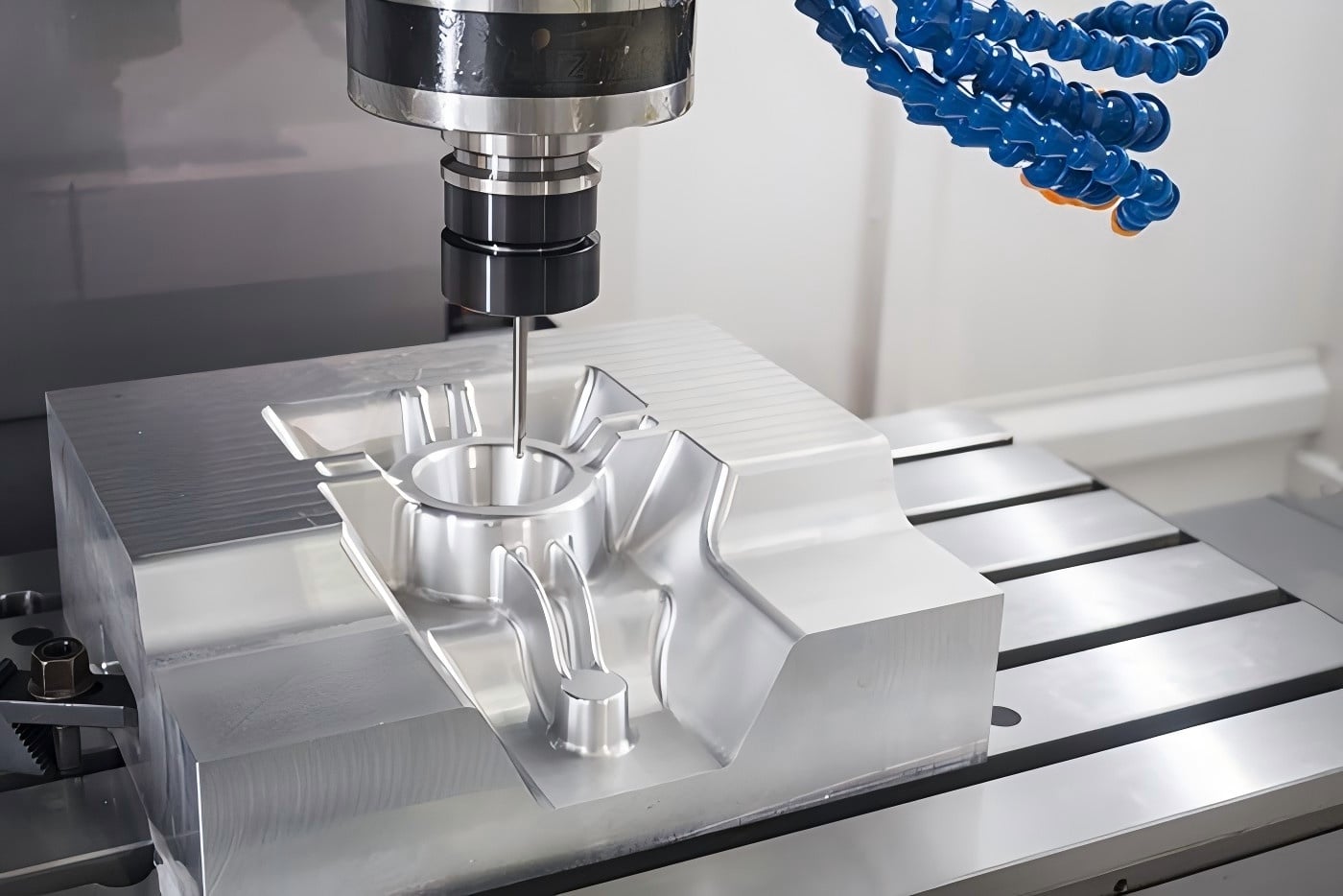
Choosing Between Metal Fabrication Methods
You understand CNC machining processes, materials, and tolerances. But here's a question that often gets overlooked: is CNC machining actually the best choice for your project? Sometimes the answer is no. Casting, forging, sheet metal machining, or even additive manufacturing might deliver better results depending on your specific requirements.
According to BDE Inc., selecting a production process starts with understanding the technical foundation of each method. The decision impacts cost, quality, speed, and efficiency in ways that directly affect your bottom line. Let's break down when each approach makes sense.
CNC Machining vs Casting and Forging Tradeoffs
Imagine you need 50,000 identical custom metal parts with complex internal cavities. Would you machine each one from solid stock, removing 80% of the material as chips? Probably not. This scenario illustrates why casting often wins for high-volume metal parts manufacturing.
Casting pours molten metal into pre-formed molds to create parts with complex internal geometries and thin-walled structures. According to BDE Inc., die casting uses pressure to force molten metal into molds, enabling high-volume production with excellent repeatability. The tradeoff? Tooling costs are substantial, making casting economical only when those costs spread across thousands of parts.
When does casting beat CNC machining?
- High volumes: Once mold costs are amortized, per-part costs drop dramatically
- Internal cavities: Features impossible or impractical to machine from solid stock
- Near-net shapes: Less material waste compared to subtractive processes
- Complex external geometries: Organic shapes that would require extensive 5-axis machining
Forging shapes metal through compressive forces, producing parts with superior grain structure and mechanical properties. Critical applications like aircraft landing gear and automotive crankshafts often specify forgings because the directional grain flow enhances fatigue resistance beyond what machined parts achieve.
However, both casting and forging share a limitation: they rarely produce ready-to-use parts. Most cast and forged components require secondary CNC machining to achieve final tolerances on critical surfaces. This hybrid approach leverages the strengths of each process, using casting or forging for bulk geometry and machining for precision features.
CNC machining shines when:
- Low to medium volumes: No tooling investment means first-part costs are manageable
- Design flexibility: Changes require only program updates, not new molds or dies
- Tight tolerances: Precision beyond casting or forging capabilities
- Rapid prototyping: Parts in days rather than weeks waiting for tooling
What about cnc sheet metal fabrication? When your parts are primarily flat with bends, folds, and formed features, sheet metal cnc processes often prove more economical than machining from solid stock. Laser cutting, punching, and bending transform flat sheets into enclosures, brackets, and panels with minimal material waste.
When Additive Manufacturing Beats Subtractive
The rise of metal 3D printing has introduced another option for custom parts manufacturing. According to Penta Precision, additive manufacturing builds parts layer by layer from digital files, eliminating traditional tooling requirements and enabling complex geometries impossible with conventional methods.
Here's where additive excels:
- Complex internal channels: Cooling passages, conformal channels, and internal lattices
- Lightweight structures: Topology-optimized designs with material only where needed
- Consolidated assemblies: Multiple components printed as single parts, eliminating assembly
- Low quantities: One-off prototypes without setup costs
But additive manufacturing has significant limitations. According to Penta Precision, tolerances typically reach only ±0.004 inches compared to ±0.001 inches for subtractive machining. Layer lines often require post-processing for acceptable surface finishes. Material options remain limited compared to the full range of machinable metals. And for larger parts, build times extend into days.
The reality? Many advanced applications combine additive and subtractive processes. Print complex near-net shapes with internal features, then machine critical surfaces to final tolerance. This hybrid approach captures the geometric freedom of additive manufacturing with the precision of CNC machining.
Fabrication Method Comparison: Making the Right Choice
Selecting the optimal process requires balancing multiple factors simultaneously. Use this comprehensive comparison to guide your decision:
| Criteria | CNC Machining | Casting | Forging | Sheet Metal | Additive Manufacturing |
|---|---|---|---|---|---|
| Ideal Volume | 1-10,000 parts | 1,000-1,000,000+ | 500-100,000+ | 10-100,000+ | 1-500 parts |
| Geometric Capability | External features, limited internal | Complex internal cavities | Simple to moderate shapes | Flat with bends/forms | Highly complex, internal channels |
| Typical Tolerances | ±0.001" achievable | ±0.010" typical; machine critical surfaces | ±0.020" typical; machine to finish | ±0.005" to ±0.010" | ±0.004" typical |
| Material Options | Virtually all machinable metals | Castable alloys (aluminum, zinc, iron, steel) | Forgeable metals (steel, aluminum, titanium) | Sheet-form metals | Select metal powders |
| Tooling Investment | None (programming only) | High ($10K-$500K+ for dies) | High ($5K-$100K+ for dies) | Low to moderate | None |
| Lead Time (First Part) | Days to 1-2 weeks | Weeks to months (tooling) | Weeks to months (tooling) | Days to 1-2 weeks | Days to 1-2 weeks |
| Material Utilization | Low (chips removed) | High (near-net shape) | High (near-net shape) | Moderate to high | High (material only where needed) |
| Cost Structure | Linear per-part cost | High tooling, low per-part | High tooling, low per-part | Low setup, moderate per-part | High per-part at volume |
According to G.E. Mathis Company, choosing the ideal metal fabrication process depends on material type, product design, quantity, lead time, budget, and quality requirements. There's rarely one perfect answer; the best choice balances all these factors against your specific priorities.
Consider this decision framework:
- Prototypes and low volumes: CNC machining or additive manufacturing
- Medium volumes with precision: CNC machining with potential transition to casting
- High volumes with complex shapes: Casting with secondary machining
- High-strength structural components: Forging with secondary machining
- Enclosures and formed parts: Sheet metal fabrication
- Complex internal features: Additive manufacturing with secondary machining
The emerging trend? Hybrid manufacturing that combines multiple processes to leverage their respective strengths. According to BDE Inc., modern production blends processes to capitalize on strengths and reduce drawbacks. AI-driven software now evaluates geometry, volume, and materials to suggest optimal strategies, while cloud systems direct parts to suitable facilities based on capability and availability.
Understanding these tradeoffs positions you to make manufacturing decisions that optimize cost, quality, and delivery. But once you've selected CNC machining as your process, how do you ensure your parts meet industry-specific requirements? Different sectors demand different certifications, quality standards, and documentation that directly impact supplier selection.
Industry-Specific Requirements and Quality Standards
You've selected your manufacturing process and materials. But here's what many resources gloss over: the industry you're serving dictates far more than just part specifications. Aerospace, medical, and automotive sectors each impose distinct certification requirements, traceability mandates, and quality protocols that fundamentally shape supplier selection and manufacturing costs.
Why does this matter? According to American Micro Industries, certifications are an integral component of the entire manufacturing ecosystem. Within a quality management system, certifications serve as pillars that uphold and validate every stage of the production process. Choosing a supplier without the right certifications doesn't just risk quality problems; it can disqualify your product from entire markets.
Let's break down what each major industry demands and how these requirements affect your metal machining parts projects.
Automotive Industry Machining Standards and Certifications
The automotive sector demands consistent, defect-free parts across millions of units. A single faulty component can trigger recalls costing hundreds of millions of dollars and devastating brand reputation. This reality drives rigorous certification requirements that separate qualified suppliers from everyone else.
IATF 16949 is the global standard for automotive quality management. According to American Micro Industries, this certification combines ISO 9001 principles with sector-specific requirements for continuous improvement, defect prevention, and stringent supplier oversight. CNC manufacturers must demonstrate robust product traceability and process control to meet qualification requirements.
What does IATF 16949 certification actually require from stainless steel CNC machining services and aluminum parts manufacturing operations?
- Advanced Product Quality Planning (APQP): Structured processes for developing and validating new parts before production
- Production Part Approval Process (PPAP): Documentation proving manufacturing processes consistently produce conforming parts
- Statistical Process Control (SPC): Real-time monitoring of critical dimensions to detect process drift before defects occur
- Measurement System Analysis (MSA): Verification that inspection equipment delivers reliable, repeatable results
- Failure Mode and Effects Analysis (FMEA): Proactive identification of potential failure points and preventive measures
For high-tolerance automotive components like chassis assemblies and custom metal bushings, these requirements aren't bureaucratic checkboxes. They're the framework ensuring every part functions safely throughout the vehicle's lifespan. Manufacturers like Shaoyi Metal Technology demonstrate how IATF 16949 certification combined with Statistical Process Control enables consistent quality for complex automotive applications.
The cost impact? Certified suppliers invest significantly in quality infrastructure, documentation systems, and ongoing audits. These costs factor into part pricing but deliver value through reduced rejection rates, fewer production disruptions, and supply chain reliability.
Medical Device Material Traceability Requirements
When machined components become part of surgical instruments or implantable devices, the stakes couldn't be higher. Patient safety demands complete traceability from raw material through finished product and beyond.
ISO 13485 is the internationally recognized standard for medical device quality management systems. According to NSF International, this standard emphasizes regulatory compliance and risk management to ensure the safety and effectiveness of medical devices. Its framework covers processes to meet global medical device regulations, making it the standard of reference for regulatory agencies worldwide.
What distinguishes medical device requirements from other industries?
- Complete material traceability: Every component must trace back to specific raw material lots, heat numbers, and certifications
- Design controls: Formal verification and validation procedures throughout product development
- Risk management integration: Risk assessment woven throughout all quality system processes
- Post-market surveillance: Systems for collecting, investigating, and acting on complaints and adverse events
- Enhanced documentation retention: Records maintained for extended periods to support regulatory inquiries and liability considerations
According to Technomark, aerospace and pharmaceutical companies must thoroughly document every component for safety purposes. Medical device manufacturing falls into this category, with regulations requiring detailed documentation of materials, manufacturing processes, and testing results.
For stainless steel components manufacturers serving medical applications, unit-level traceability often replaces batch-level tracking. Each individual implant or surgical instrument must carry complete genealogy documenting its entire manufacturing history. This level of documentation requires sophisticated data management systems and adds measurable cost to each part.
Aerospace Requirements and Special Process Accreditation
The aerospace sector imposes some of the most rigorous compliance standards in manufacturing. When component failure can mean catastrophic consequences at 35,000 feet, there's zero tolerance for quality lapses.
AS9100 builds upon ISO 9001's foundation while introducing aerospace-specific requirements. According to American Micro Industries, this standard emphasizes risk management, stringent documentation, and product integrity control throughout complex supply chains. Every bolt, wire, and circuit board must have documented origins and processing history.
Beyond AS9100, aerospace applications frequently require NADCAP (National Aerospace and Defense Contractors Accreditation Program) accreditation for special processes. Unlike general quality certifications, NADCAP thoroughly examines process-specific controls for operations including:
- Heat treating
- Chemical processing
- Nondestructive testing
- Surface enhancement
- Welding and brazing
For aluminum CNC machining serving aerospace applications, these requirements mean extensive documentation, material certifications for each lot, and inspection protocols exceeding standard industrial practices. First article inspections, in-process monitoring, and final verification all require comprehensive records.
How Certification Requirements Affect Supplier Selection
Understanding these industry-specific requirements transforms how you evaluate potential manufacturing partners. A supplier's certifications reveal their quality infrastructure, process maturity, and ability to meet your sector's demands.
Here's a practical framework for matching supplier certifications to your requirements:
| Industry | Primary Certification | Additional Requirements | Key Focus Areas |
|---|---|---|---|
| Automotive | IATF 16949 | Customer-specific requirements, PPAP | Process capability, SPC, defect prevention |
| Medical Device | ISO 13485 | FDA 21 CFR Part 820 compliance | Traceability, risk management, design controls |
| Aerospace | AS9100 | NADCAP for special processes | Documentation, material certification, FOD prevention |
| Defense | AS9100 + ITAR registration | Security clearances, controlled access | Information security, export compliance |
| General Industrial | ISO 9001 | Industry-specific standards as applicable | Process consistency, continuous improvement |
According to NSF International, manufacturers already holding IATF 16949 or AS9100 certification have developed precision manufacturing capabilities, quality controls, and regulatory experience that translate directly to other demanding sectors. However, adding ISO 13485 for medical device manufacturing requires addressing more prescriptive documentation requirements and medical device-specific controls.
The cost implications are significant. Stainless steel CNC machining services meeting aerospace or medical requirements typically command premium pricing compared to general industrial work. This reflects the investment in quality systems, specialized inspection equipment, documentation infrastructure, and ongoing certification audits. When evaluating quotes, comparing certified suppliers against non-certified alternatives creates an apples-to-oranges situation; the lower price may exclude the quality infrastructure your application demands.
With certification requirements understood, the next consideration is what happens after machining is complete. Post-processing treatments and quality inspection methods directly impact final part properties and verification that specifications have been met.
Post-Machining Treatments and Quality Inspection
Your machined aluminum or steel part looks perfect coming off the CNC machine. But is it actually finished? In many cases, the answer is no. Post-machining treatments transform raw machined components into parts that resist corrosion, withstand wear, meet hardness specifications, and pass rigorous quality verification.
According to Fictiv, once you've finished CNC machining your parts, your work isn't done. Those raw components might have ugly finishes, may not be strong enough, or only represent one part of a multi-part complex product. Understanding which post-processing operations your application demands helps you specify requirements correctly from the start.
Heat Treatment Options for Machined Metal Parts
Heat treatment modifies material properties by exposing metal to specific temperatures over controlled time periods. The goal? Increase strength, improve hardness, relieve internal stresses, or enhance machinability for subsequent operations. Here's where timing matters: should you heat treat before or after machining?
According to Fictiv, both pre-CNC-machining and post-CNC-machining heat treatment processes are common, and both offer specific benefits and considerations. Pre-heat-treated metals hold tighter tolerances and simplify material sourcing since hardened stock is readily available. However, harder materials take longer to machine and wear down tooling faster, adding to machining costs.
Post-machining heat treatment gives you more control but introduces potential dimensional changes. Heat treating can cause parts to warp or otherwise deform, affecting the tight tolerances achieved during machining. For brass CNC machining or copper CNC machining applications, heat treatment is less common since these alloys typically don't require hardening.
The primary heat treatment options for machined metal parts include:
- Hardening: Increases resistance to plastic deformation and tensile strength. The workpiece is heated above its critical temperature, held, then quenched rapidly in water, brine, or oil. Primarily used for ferrous metals like steel.
- Case Hardening: Creates a hard, wear-resistant outer layer while maintaining a soft, ductile core. Carbon, nitrogen, or boron diffuses into the steel surface at high temperatures. Ideal for gears, bearings, and components requiring both surface hardness and impact resistance.
- Annealing: Softens metal, relieves stress, and increases ductility. The metal is heated slowly to a specific temperature, held, then cooled at a controlled rate. You can anneal steel, copper, aluminum, and brass alloys to improve machinability.
- Tempering: Performed on previously hardened metals to relieve stress and reduce brittleness while maintaining most of the hardness gained. Re-heats the material to temperatures below the hardening point, balancing strength with toughness.
- Precipitation Hardening: Used on specific alloys containing copper, aluminum, phosphorus, or titanium. Creates intermetallic precipitates that increase strength and corrosion resistance through controlled heating and aging cycles.
When machining brass or working with cnc aluminum parts, hardening typically isn't required. These materials gain their properties through alloy composition and work hardening rather than thermal processing. However, stress-relief annealing may benefit complex machined aluminum components prone to distortion.
Surface Treatment Selection for Corrosion and Wear Resistance
Surface treatments protect your machined parts from environmental degradation while potentially enhancing appearance and functional properties. The right choice depends on your base material, operating environment, and performance requirements.
According to Fictiv, surface finish characteristics are particularly important if your part contacts other components. Higher roughness values increase friction and cause faster wear, while surface irregularities can become nucleation sites for corrosion and cracks.
Surface treatments by metal type and application:
For Aluminum:
- Anodizing (Type I, II, III): Creates an integrated oxide layer that doesn't chip or flake. Type II allows dyeing for cosmetic colors; Type III (hard anodizing) provides superior wear resistance. All types make aluminum electrically non-conductive.
- Chromate Conversion (Alodine/Chem Film): Thin protective coating that maintains thermal and electrical conductivity. Serves as corrosion inhibitor and paint adhesion promoter. Available in clear, gold, or tan finishes.
For Steel and Stainless Steel:
- Passivation: Chemical treatment removing free iron from stainless steel surfaces, resulting in enhanced corrosion resistance with a smooth, shiny finish. Adds no thickness, requiring no masking.
- Black Oxide: Creates magnetite layer providing mild corrosion resistance with smooth, matte appearance. Applied via high-temperature chemical bath with oil sealant.
- Electroless Nickel Plating: Deposits nickel-alloy coating without electric current. Higher phosphorus content improves corrosion resistance. Applies to aluminum, steel, and stainless steel.
- Zinc Plating (Galvanization): Protects steel from corrosion by providing sacrificial zinc layer that oxidizes before the underlying steel.
For Multiple Metals:
- Powder Coating: Electrostatically applied powdered paint cured by heat or UV light. Creates thick, durable coating in various colors and gloss levels. Changes part dimensions, requiring masking of tight-tolerance features.
- Media Blasting: Abrasive finishing using pressurized glass beads, plastic beads, or sand. Removes debris, creates uniform matte texture, and prepares surfaces for subsequent coatings. Works on most metals including brass, bronze, and copper.
- Electropolishing: Uses electric current and chemical bath to dissolve controlled material layers from steel or stainless steel, achieving mirror-like finishes faster and cheaper than manual polishing.
Multiple finishes can be combined strategically. Media blasting before anodizing creates the smooth, matte aesthetic found on premium consumer electronics. Passivation paired with black oxide provides both corrosion resistance and cosmetic appeal for steel components.
Quality Inspection Methods
Post-processing is only complete when you've verified that parts meet specifications. Modern inspection combines traditional measurement with advanced metrology to ensure conformance before shipment.
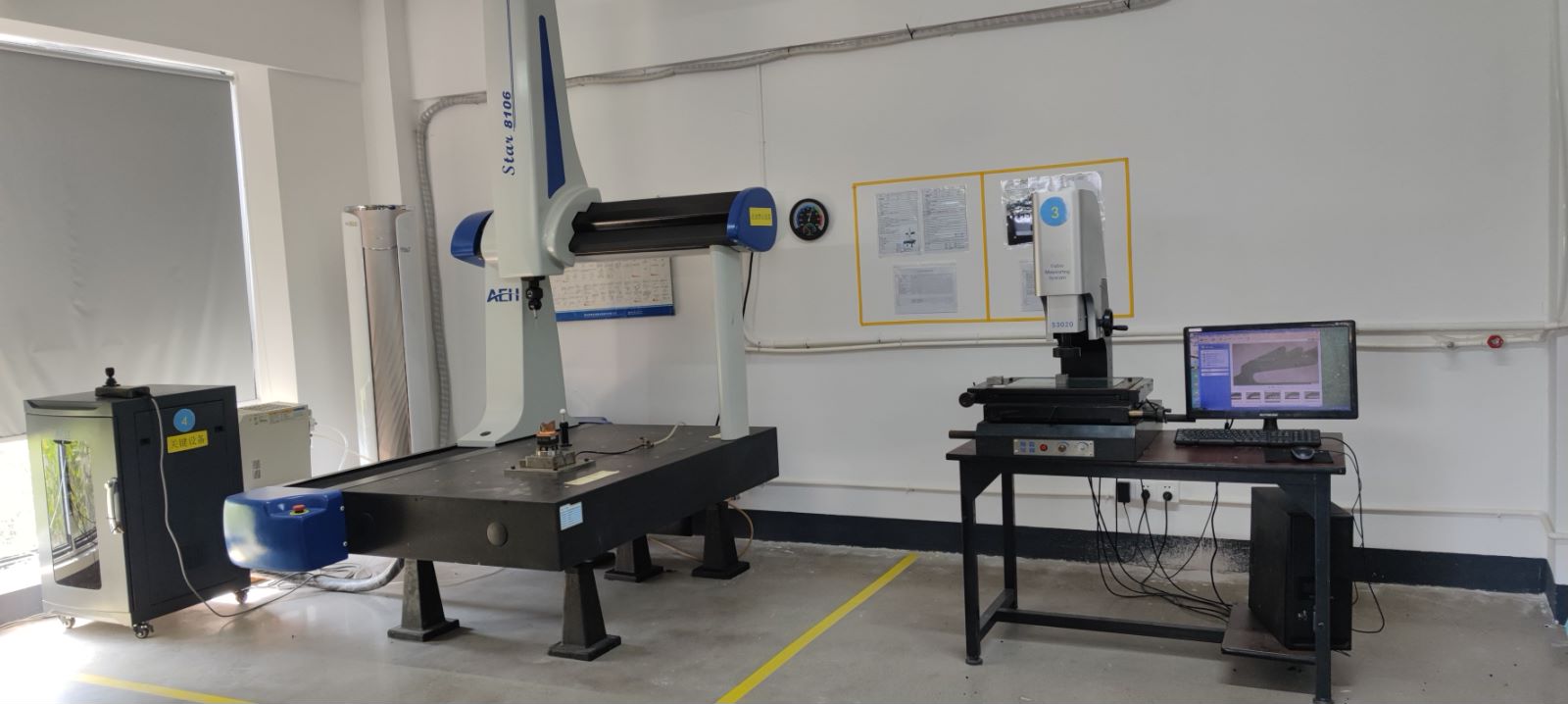
- CMM (Coordinate Measuring Machine): Measures precise 3D geometry against CAD models. Touch probes or optical sensors capture dimensional data with sub-micron accuracy, generating comprehensive inspection reports for critical features.
- Surface Roughness Testing: Profilometers measure Ra values to verify surface finish specifications. Essential for mating surfaces, sealing areas, and cosmetic requirements.
- Material Certification Verification: Mill test reports document chemical composition and mechanical properties of raw materials. Critical for aerospace, medical, and automotive applications requiring complete traceability.
- Hardness Testing: Verifies heat treatment effectiveness using Rockwell, Brinell, or Vickers methods depending on material and hardness range.
- Visual and Dimensional Inspection: Trained inspectors verify surface quality, identify defects, and confirm critical dimensions using calibrated gauges and optical comparators.
The combination of appropriate post-machining treatments and thorough inspection transforms raw machined components into verified, application-ready parts. With these processes understood, you're equipped to evaluate manufacturing partners who can deliver complete solutions from raw material through finished, inspected components.
Selecting the Right Metal CNC Machining Partner
You've absorbed a wealth of knowledge about processes, materials, tolerances, and industry requirements. Now comes the decision that determines whether all that understanding translates into successful parts: choosing the right manufacturing partner. A metal CNC machine is only as good as the team operating it, and the systems surrounding production matter just as much as spindle speeds and cutting tools.
According to BOEN Rapid, choosing the right CNC supplier is crucial for successful manufacturing projects. The challenge? Evaluating potential partners across multiple dimensions simultaneously. Equipment, expertise, quality systems, capacity, and scalability all factor into your decision.
Let's translate everything you've learned into actionable criteria for selecting a partner who delivers consistent results.
Evaluating CNC Machining Partner Capabilities
Imagine requesting quotes from three suppliers. All claim they can machine your aluminum housing with ±0.001" tolerances. How do you distinguish between them? The answer lies in systematic evaluation across multiple capability dimensions.
Equipment and Technology Assessment:
According to BOEN Rapid, a supplier equipped with advanced multi-axis machining centers, precision turning equipment, and automated inspection tools is more likely to deliver complex geometries with high accuracy. When evaluating a cnc machine for metal fabrication capabilities, consider:
- Machine age and condition: Modern CNC machines maintain tighter tolerances and offer capabilities older equipment cannot match
- Multi-axis capability: 5-axis machines handle complex geometries in fewer setups, improving accuracy and reducing costs
- CAD/CAM integration: Advanced software translates designs into optimized toolpaths efficiently
- Inspection equipment: CMM machines, surface roughness testers, and optical comparators verify that parts meet specifications
According to Focused on Machining, the shop may be able to machine a part, but can they inspect it to ensure that it meets all requirements? For extremely precise parts, they'll need a coordinate measuring machine (CMM) on hand. The rule of 10 dictates that inspection equipment must be 10x more accurate than the feature it's checking.
Material Expertise:
A cnc machine for aluminum operates differently than one optimizing for titanium or stainless steel. According to BOEN Rapid, material expertise plays a critical role in choosing reliable CNC suppliers. The ability to work with a wide variety of materials ensures versatility across different applications.
Look for partners who demonstrate deep experience with your specific materials. Have they machined 7075 aluminum for aerospace applications? Do they understand work-hardening characteristics of 316L stainless? Can they recommend optimal grades for your application? This expertise prevents costly trial-and-error during production.
Quality Systems and Certifications:
As covered in the previous chapter, certifications reveal quality infrastructure maturity. According to BOEN Rapid, suppliers holding ISO 9001:2015 certification demonstrate adherence to global standards for quality consistency and continuous improvement.
But certifications alone aren't sufficient. According to Focused on Machining, most precision machine shops list certifications on their website, but you'll want to see the actual certificates. Some shops claim to be AS9100 compliant, but that doesn't mean they're officially certified. Ask to see their ERP system and understand how they purchase material and track production.
Scaling from Prototype to Production
Here's where many partnerships stumble: a supplier excels at prototypes but struggles when volumes increase. Or they're optimized for high-volume runs but can't deliver the responsiveness prototyping demands. The ideal partner handles both ends of this spectrum.
According to ECOREPRAP, CNC companies enable scalability by standardizing workflows, implementing automation, and using digital tools to maintain efficiency and quality across production stages. The journey from prototype to production involves design validation, material selection, pilot runs, and full-scale manufacturing optimization.
What distinguishes partners who scale successfully?
- Flexible capacity management: Ability to prioritize urgent prototypes while maintaining production schedules
- Process documentation: First-article procedures that capture optimized parameters for volume transition
- Quality consistency: Systems ensuring the 10,000th part matches the first article
- Supply chain reliability: Material sourcing capabilities that scale with your requirements
Lead time flexibility addresses common supply chain challenges. According to Focused on Machining, a precision machine shop might promise a 2-week lead time on their website, but lead times are measured from the date a project kicks off. If the shop's capacity is limited, a "2-week lead time" becomes more like 6 weeks.
For automotive applications requiring complex chassis assemblies and high-tolerance components, partners like Shaoyi Metal Technology demonstrate how rapid prototyping to mass production scalability, combined with fast lead times as quick as one working day for urgent components, addresses these common supply chain challenges. Their IATF 16949 certification and Statistical Process Control implementation ensure consistency whether producing prototype quantities or production volumes.
Supplier Evaluation Checklist
Before committing to a cnc machining metal partner, systematically evaluate these criteria:
Technical Capabilities:
- Does their equipment match your part complexity requirements?
- Can they achieve your specified tolerances consistently?
- Do they have experience with your specific materials?
- Is their inspection equipment adequate for your precision requirements?
Quality and Certifications:
- Do they hold certifications relevant to your industry (ISO 9001, AS9100, IATF 16949, ISO 13485)?
- Can they provide actual certification documents, not just claims of compliance?
- What in-process controls and final inspection procedures do they follow?
- How do they handle non-conforming material?
Capacity and Lead Time:
- What is their current capacity utilization?
- Can they accommodate urgent prototype requests?
- What is their track record for on-time delivery?
- Do they have contingency plans for capacity constraints?
Scalability:
- Can they transition from prototype to production volumes?
- Do they document processes for consistent replication?
- What automation capabilities support higher volumes?
- How do they maintain quality as quantities increase?
Communication and Support:
- How responsive are they to inquiries?
- Do they provide dedicated project management?
- Can they offer design-for-manufacturability feedback?
- What is their approach to problem resolution?
Long-Term Partnership Potential:
- What is their business stability and growth trajectory?
- Do they invest in technology and capability expansion?
- Can they support your product evolution and new requirements?
According to Focused on Machining, when looking for a long-term precision machining partner, it's crucial to find a shop that can grow with you. Conversations about succession plans and visions for the future help ensure the shop you're planning to work with will be around for the long haul.
The bottom line? Selecting a metal cnc machine partner involves far more than comparing quoted prices. The lowest bid means nothing if parts arrive late, fail inspection, or require extensive rework. By systematically evaluating capabilities, quality systems, scalability, and communication, you identify partners who deliver consistent value throughout your product lifecycle.
Whether you need a small cnc machine for metal prototypes or high-volume production of precision aluminum cnc machine components, the principles remain consistent: match partner capabilities to your requirements, verify claims through evidence, and build relationships that support your long-term manufacturing success.
Frequently Asked Questions About Metal CNC Machining
1. How much does a metal CNC machine cost?
Metal CNC machine costs vary significantly based on capability and size. Entry-level CNC plasma cutting machines range from $10,000 to $30,000, suitable for small fabrication businesses. Mid-range machines with improved precision cost $30,000 to $100,000. Professional 5-axis machining centers for complex aerospace or medical components can exceed $500,000. When outsourcing to certified manufacturers like those with IATF 16949 certification, you avoid capital investment while accessing advanced equipment and expertise.
2. What metals can be CNC machined?
CNC machines can process virtually all machinable metals including aluminum alloys (6061, 7075), stainless steels (303, 304, 316L), carbon steels (1018, 1045, 4340), brass (C360), copper (C110), titanium, and specialty alloys like Inconel. Each metal has unique machinability characteristics - brass machines easiest at 100% machinability index, while titanium requires conservative parameters at just 22%. Material selection depends on your application's strength, corrosion resistance, weight, and cost requirements.
3. What is the difference between CNC milling and CNC turning?
CNC milling uses rotating multi-point cutting tools moving across stationary workpieces, ideal for flat surfaces, pockets, slots, and complex 3D contours. CNC turning spins the workpiece while stationary tools remove material, excelling at cylindrical, conical, and rotationally symmetric parts like shafts and bushings. Milling offers 3-axis to 5-axis configurations for complex geometries, while turning provides faster cycle times and lower tooling costs for round parts. Many components benefit from combining both processes.
4. What tolerances can metal CNC machining achieve?
Standard CNC machining achieves tolerances of ±0.1 mm (±0.004 inches) across most metals. Precision work can reach ±0.025 mm (±0.001 inches) for aluminum and steel milling, with turning operations achieving ±0.013 mm (±0.0005 inches) on brass and copper. Material properties significantly impact achievable precision - aluminum's thermal conductivity enables tighter tolerances, while stainless steel's work-hardening tendency requires more conservative specifications. Tightening tolerances from ±0.1 mm to ±0.01 mm can multiply costs 3-5 times.
5. How do I choose between CNC machining and other metal fabrication methods?
Choose CNC machining for low-to-medium volumes (1-10,000 parts), tight tolerances, design flexibility, and rapid prototyping. Casting suits high-volume production (1,000+ parts) with complex internal cavities and lower per-part costs after tooling investment. Forging provides superior grain structure for high-strength structural components. Sheet metal fabrication excels for flat parts with bends and forms. Additive manufacturing enables complex internal channels but with looser tolerances. Many applications combine methods - casting for bulk geometry, then CNC machining for precision features.