 Small batches, high standards. Our rapid prototyping service makes validation faster and easier —
  EN
EN


Metal CNC Cutting Services Decoded: From Material Selection To Final Part
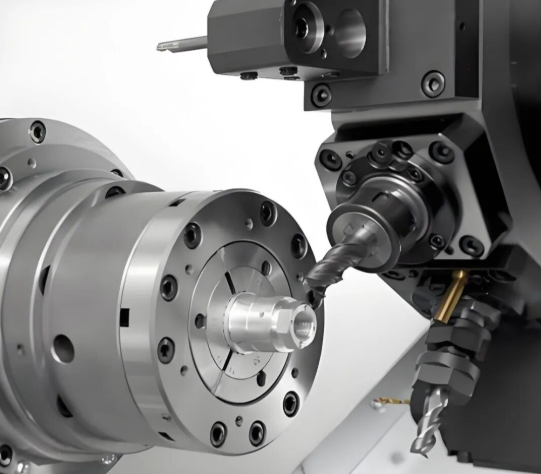
Understanding Metal CNC Cutting Services and Their Role in Manufacturing
When you need metal parts cut with exceptional accuracy, metal CNC cutting services deliver results that manual methods simply cannot match. But what exactly does this technology involve, and why has it become the backbone of modern manufacturing?
At its core, CNC stands for Computer Numerical Control. The cnc meaning refers to using computers to automate the control of cutting tools with remarkable precision. Instead of a human operator manually guiding a laser cutter or plasma torch, a computer reads programmed instructions and directs every movement with pinpoint accuracy. This technology transforms digital designs into physical metal parts, often achieving tolerances as tight as +/- 0.001 inches.
From Digital Design to Precision Metal Parts
The journey from concept to finished component follows a streamlined path. First, engineers create a digital blueprint using CAD (Computer-Aided Design) software. This design is then converted into G-code, the programming language that CNC machines understand. Every cut, movement, and action is precisely choreographed before the machine ever touches the material.
Think of G-code as a detailed recipe. It tells the machine exactly where to move, how fast to travel, and when to activate the cutting tool. This level of control ensures that whether you're producing one prototype or ten thousand production parts, each piece comes out identical to the last.
The Technology Behind Automated Metal Cutting
Metal CNC cutting encompasses several distinct technologies, each suited to different applications. These include laser cutting for fine details, plasma cutting for thick steel, waterjet cutting when heat sensitivity matters, and EDM for hardened materials. The choice between a CNC router, CNC laser, or plasma system depends entirely on your specific material, thickness, and precision requirements.
Unlike manual machining where consistency depends entirely on operator skill, CNC cutting delivers repeatable accuracy across every single part. Once programmed, these machines can work around the clock, producing components with best-in-class precision while eliminating the variability inherent in hand-guided operations.
This consistency is why metal fabrication has shifted so dramatically toward computer-controlled processes. Industries from aerospace to automotive demand parts that fit together perfectly every time, and CNC technology makes that possible.
Why Computer-Controlled Cutting Dominates Modern Manufacturing
The advantages of metal CNC cutting services extend beyond just accuracy. Consider these key benefits:
- Precision: Achieves tolerances measured in thousandths of an inch
- Repeatability: Every part matches the original design specifications
- Speed: Automated processes complete cuts faster than manual methods
- Reduced waste: Optimized cutting paths minimize scrap material
- Complex geometries: Creates intricate shapes impossible to achieve by hand
Throughout this guide, you'll discover how to match your project requirements to the right cutting method. We'll explore material selection for metals like aluminum, stainless steel, and specialty alloys. You'll learn about tolerance specifications that manufacturers don't always explain clearly, and CNC machining materials that work best with each cutting technology.
Whether you're sourcing parts for prototyping or high-volume production, understanding these fundamentals helps you make informed decisions. By the end, you'll know exactly which questions to ask and what factors matter most when selecting a service provider for your metal cutting needs.
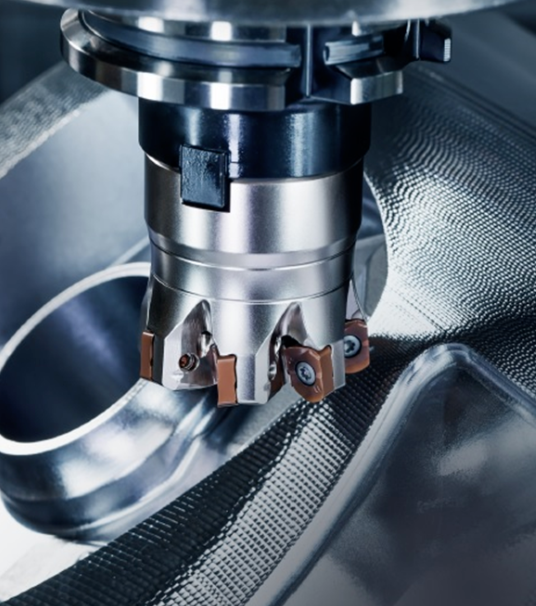
Comparing CNC Cutting Methods for Different Applications
Choosing the right cutting method can make or break your project. Each technology excels in specific scenarios, and understanding these differences helps you avoid costly mistakes. Let's break down the four primary CNC cutting methods, examining their strengths, limitations, and ideal applications.
| Factor | Laser Cutting | Plasma Cutting | Waterjet Cutting | EDM |
|---|---|---|---|---|
| Material Thickness Range | Up to 1 inch | Up to 2 inches | Up to 24 inches (rough cuts) | Up to 12 inches |
| Precision/Tolerance | +/- 0.005 inches | +/- 0.020 inches | +/- 0.003 inches | +/- 0.0001 inches |
| Edge Quality | Excellent, may need finishing | Moderate, often requires deburring | Satin smooth, minimal finishing | Mirror-like finish |
| Speed | Very fast | Fast | Moderate | Slowest |
| Heat-Affected Zone | Present, may cause stress marks | Significant, creates slag/dross | None (cold cutting) | Minimal thermal impact |
| Best Applications | Thin metals, fine details, high volume | Thick steel, cost-sensitive projects | Heat-sensitive materials, thick stock | Hardened metals, complex geometries |
Laser Cutting for Fine Detail and Speed
When you need precision laser cutting services for intricate designs, laser technology delivers unmatched speed and accuracy on thin materials. This metal cutter uses focused laser beams to heat and vaporize material along programmed paths, creating clean cuts with minimal kerf width.
Fiber laser cutting services have largely replaced older CO2 systems for metal work. Why? Fiber lasers handle reflective metals like aluminum and copper far more effectively. They also consume less energy and require less maintenance.
However, laser cutting has honest limitations you should know about. Thickness capacity tops out around one inch for most metals. The heat generated can create stress marks or slight discoloration along cut edges, sometimes requiring secondary finishing. For thicker materials, you'll need to consider other options.
Plasma Cutting for Thick Steel Applications
Plasma cutting shines when working with thick steel plates where laser cutting cannot reach. Using electrically charged gas heated to plasma state, this method cuts through materials up to two inches thick at reasonable speeds.
Here's the trade-off: plasma cutting is the most affordable option among these four methods. But that cost savings comes with quality compromises. The process creates a significant heat-affected zone and leaves slag or dross along cut edges. Most plasma-cut parts require secondary processing to achieve clean, usable edges.
Additionally, the precision simply doesn't match other methods. Tolerances of +/- 0.020 inches work fine for structural applications but fall short for precision components. Another consideration often overlooked is operator safety. The fumes generated during plasma cutting require proper ventilation and protective equipment.
Waterjet Cutting When Heat Cannot Be Applied
Imagine cutting through six-inch steel plate without generating any heat. That's exactly what waterjet cutting accomplishes. Using water pressurized at 60,000 psi combined with abrasive particles, this cold-cutting process slices through virtually any material without thermal distortion.
Waterjet technology offers several unique advantages for metal laser cutting services alternatives:
- No heat-affected zone means no material warping or stress
- Cuts materials up to 24 inches thick for rough cuts
- Produces satin-smooth edges requiring minimal finishing
- Handles any material, including composites and stone
- Creates minimal kerf for precise cuts
The catch? Speed. Waterjet cutting runs slower than laser or plasma, and the equipment costs more to operate. For heat-sensitive applications or extremely thick materials, these trade-offs make sense. For high-volume thin sheet work, faster methods prove more economical.
EDM for Hardened Materials and Complex Geometries
Electrical Discharge Machining stands apart from other cnc laser cutting services because it doesn't actually cut in the traditional sense. Instead, EDM uses electrical sparks to erode material, producing roughly 100,000 sparks per second to gradually remove metal.
This approach excels where conventional cutting fails. Need to machine tungsten carbide? Hardened tool steel? Complex internal geometries with sharp corners? EDM handles these challenges with exceptional accuracy, achieving tolerances as tight as +/- 0.0001 inches.
The surface finish produced by EDM is often mirror-like, eliminating the need for secondary polishing. Medical implants, aerospace components, and precision dies frequently rely on this technology because it produces burr-free edges on the most challenging materials.
What's the downside? EDM is the slowest method by far and only works with electrically conductive materials. Production costs run higher than other approaches. However, for parts requiring extreme precision in hardened materials, no other technology matches its capabilities.
Understanding these distinct capabilities helps you match your project requirements to the right cutting method. Material properties play an equally important role in this decision, which brings us to selecting the optimal metal for your specific cutting needs.
Material Selection Guide for CNC Metal Cutting
Selecting the right cutting method starts with understanding your material. Each metal behaves differently under heat, pressure, and focused energy. What works perfectly for aluminum sheet metal might damage stainless steel or leave unacceptable edges on brass. Let's explore which metals pair best with which cutting technologies and why these combinations matter.
Before diving into specific metals, consider the four properties that most influence cutting method selection:
- Thermal conductivity: How quickly heat spreads through the material affects cut quality and speed
- Reflectivity: Highly reflective metals can damage certain laser systems or reduce cutting efficiency
- Hardness: Harder materials require more energy and may limit viable cutting options
- Thickness: Material gauge determines which methods can achieve clean cuts throughout
Understanding these factors helps you avoid costly trial-and-error when specifying parts.
Aluminum and Its Unique Cutting Requirements
Aluminum presents a fascinating challenge for metal CNC cutting. Among metals aluminium stands out for its high thermal conductivity and reflectivity, properties that complicate certain cutting processes. Traditional CO2 lasers struggle with aluminum sheet because the material reflects much of the laser energy back toward the equipment, potentially causing damage and inconsistent cuts.
Fiber lasers solve this problem effectively. According to industry research on fiber laser cutting, aluminum's high reflectivity and thermal conductivity make it challenging to cut, but proper equipment settings and understanding of material properties overcome these obstacles. Fiber laser wavelengths absorb better into aluminum's surface, creating cleaner cuts without the reflection issues.
Waterjet cutting offers another excellent option for aluminum. Since it generates no heat, there's zero risk of thermal distortion on thin aluminum sheet. This matters especially for aerospace applications where material integrity is critical.
For thick aluminum plate, plasma cutting works but leaves rougher edges requiring secondary finishing. When precision matters less than cost, this trade-off may be acceptable.
Stainless Steel Grades and Cutting Considerations
Stainless steel sheet metal responds well to most cutting methods, but grade selection significantly impacts results. Common grades like 304, 316 stainless steel, and 430 each behave slightly differently under cutting conditions.
Research from fiber laser specialists identifies specific stainless steel challenges: burr formation, heat tint, and surface rust can occur during laser cutting if parameters aren't optimized. The solution involves adjusting laser power, cutting speed, and assist gas pressure for each grade and thickness combination.
Here's what you need to know about stainless steel sheet cutting:
- Laser cutting: Excellent for thin to medium stainless, may show heat tint requiring finishing
- Plasma cutting: Handles thicker stainless but creates significant dross
- Waterjet: Produces clean edges without thermal effects, ideal for surgical-grade applications
- EDM: Perfect for hardened stainless requiring extreme precision
When working with 316 stainless steel specifically, factor in its higher nickel content. This alloy resists corrosion better but also requires slightly more cutting energy than 304 grade.
Carbon Steel Thickness and Method Selection
Carbon steel remains the most commonly cut material in metal fabrication. Its predictable behavior makes it compatible with virtually every cutting method, but thickness determines the optimal choice.
For steel plate under half an inch, laser cutting delivers the best combination of speed, precision, and edge quality. As industry cutting guides explain, laser technology offers smaller maintenance costs, lower contamination risk, and greater workplace safety compared to mechanical alternatives.
Thicker steel plate benefits from plasma or waterjet approaches. Plasma handles materials up to two inches economically, though edge quality suffers. Waterjet cuts cleanly through thick steel without heat distortion but operates slower and costs more per cut.
When comparing brass vs bronze alongside carbon steel, remember these copper alloys behave very differently. Both are challenging to laser cut due to reflectivity, and their lower melting points require careful speed and power adjustments. Waterjet often proves the safest choice for brass and bronze when edge quality matters.
Mild steel, the most common carbon steel variant, generates sparks and debris during cutting that require proper containment. The organic nature of the cutting process also creates specific safety considerations that reputable service providers address through ventilation and protective equipment.
Making informed material choices upfront prevents production delays and quality issues. Once you've matched your metal to the right cutting method, understanding tolerance specifications ensures your parts meet functional requirements.
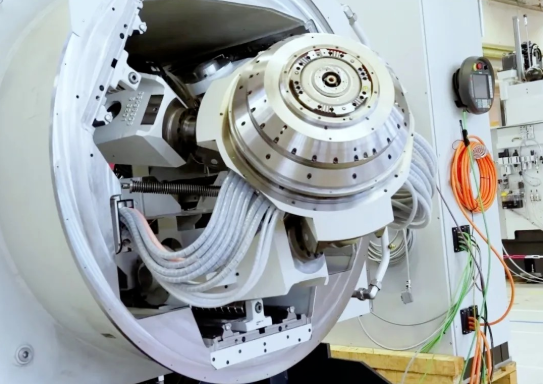
Tolerance Specifications and Quality Standards in CNC Cutting
You've selected your material and cutting method. Now comes the question that separates acceptable parts from precision components: what tolerances can you actually achieve? Understanding tolerance specifications helps you set realistic expectations and communicate effectively with your metal CNC cutting services provider.
Tolerance refers to the allowable deviation from your intended dimensions. When a cut lands slightly off from where you designed it, that's tolerance in action. Every cutting method has inherent variability, and knowing these limits prevents costly surprises when parts arrive.
Standard Tolerances Versus Precision Requirements
Not every project demands extreme precision. A decorative bracket might tolerate +/- 0.020 inches, while a medical device component might require +/- 0.001 inches. Matching your tolerance requirements to the right cutting method saves money and avoids unnecessary delays.
According to industry tolerance research, waterjet cutting typically offers tolerances from +/- 0.004 inches to +/- 0.001 inches depending on equipment quality. This places waterjet among the most accurate cutting processes available, comparable to precision cnc machining operations.
| Cutting Method | Standard Tolerance | Precision Tolerance | Key Influencing Factors |
|---|---|---|---|
| Laser Cutting | +/- 0.005 inches | +/- 0.002 inches | Material thickness, beam focus, cutting speed |
| Plasma Cutting | +/- 0.020 inches | +/- 0.010 inches | Arc stability, material conductivity, travel speed |
| Waterjet Cutting | +/- 0.004 inches | +/- 0.001 inches | Water pressure, abrasive flow, head distance |
| EDM | +/- 0.0005 inches | +/- 0.0001 inches | Spark frequency, wire tension, flushing conditions |
When reviewing a sheet metal gauge chart for your project, remember that thinner materials generally allow tighter tolerances. A 14 gauge steel thickness of approximately 0.075 inches responds differently than quarter-inch plate. Thinner stock experiences less thermal distortion and maintains dimensional stability throughout cutting.
How Material Thickness Affects Achievable Accuracy
Here's something competitors rarely explain clearly: tolerance capabilities degrade as material thickness increases. A laser cutter achieving +/- 0.005 inches on 16-gauge steel might only hold +/- 0.010 inches on half-inch plate.
Why does this happen? Several factors contribute:
- Kerf angle: Cutting beams widen slightly as they pass through thicker material
- Heat accumulation: Thermal methods build up more heat in thick sections
- Stream deflection: Waterjet streams can deflect in thick materials
- Edge taper: Cut edges may angle slightly rather than remaining perfectly vertical
Understanding gauge sizes and their relationship to cutting precision helps you specify parts correctly. When consulting a gauge size chart, note that standard gauge sizes vary between materials. Stainless steel gauges differ from aluminum gauges at the same number.
For projects requiring specific hole sizing, a drill bit size chart or drill size chart becomes invaluable during design. Holes near material edges need special attention. As tolerance guidelines recommend, keeping holes at least one times their diameter from edges prevents tearing and maintains structural integrity.
Understanding Kerf Width and Its Impact on Design
Kerf width represents the material removed during cutting. This matters because your final part dimensions depend on accounting for kerf in your design. Ignoring kerf turns a precisely drawn design into an undersized finished part.
Typical kerf widths by cutting method:
- Laser: 0.006 to 0.015 inches
- Plasma: 0.150 to 0.200 inches
- Waterjet: 0.030 to 0.040 inches
- EDM: 0.010 to 0.012 inches
Professional service providers compensate for kerf automatically, but understanding this factor helps you evaluate cut quality. Bridging between features, the distance between cut elements, should generally be no less than 50% of material thickness according to industry design guidelines. For strength and cut quality, bridging of one to one-and-a-half times material thickness produces more reliable results.
Evaluating finished parts requires examining multiple quality indicators:
- Edge finish: Smooth edges indicate proper cutting parameters; roughness suggests speed or power issues
- Dimensional accuracy: Measurements should fall within specified tolerance ranges
- Surface roughness: Profilometers measure surface texture for critical applications
- Heat-affected zone: Discoloration or hardness changes near cut edges indicate thermal impact
Quality control in precision cnc machining and cutting involves systematic inspection. According to manufacturing quality experts, professional shops use Coordinate Measuring Machines (CMMs), calipers, micrometers, and surface roughness testers to verify part dimensions and finish quality. Non-destructive testing methods like ultrasonic or X-ray inspection detect internal flaws without damaging parts.
Statistical Process Control (SPC) helps manufacturers maintain consistency across production runs. By tracking measurements and analyzing trends, shops identify process variations before they create defective parts. When evaluating potential service providers, asking about their SPC practices reveals their commitment to consistent quality.
With tolerance specifications understood, you're ready to prepare your design files for production. Proper file preparation prevents delays and ensures your parts come out exactly as intended.
Design Guidelines and File Preparation for CNC Cutting
You've designed an impressive part in CAD software. But before your design becomes a physical component, that digital file needs proper preparation. File format issues, overlooked design rules, and common mistakes can delay production or increase costs significantly. Let's walk through exactly how to prepare your files for metal CNC cutting services and avoid the pitfalls that catch many first-time customers.
File Formats and Design Software Compatibility
CNC machines don't read your native CAD files directly. They run on G-code, which is generated from your design through CAM (Computer-Aided Manufacturing) software. However, the format you submit to your service provider matters enormously for accuracy and processing speed.
According to CNC file preparation specialists, the best formats for cnc machining milling and cutting operations include:
- STEP (.stp, .step): The universal standard that preserves geometric accuracy across platforms
- IGES (.igs, .iges): Widely supported format for complex surfaces and curves
- DXF/DWG: Ideal for 2D laser and waterjet cutting profiles
- Parasolid (.x_t, .x_b): Native format for many CAD systems with excellent feature retention
- Native CAD files: SolidWorks, Fusion 360, and Inventor files often accepted directly
Avoid mesh-based formats like STL or OBJ. These work for 3D printing but break smooth curves into tiny triangles, creating inaccurate toolpaths for CNC operations. When you request a cnc quote online, submitting the wrong format can delay your estimate while engineers convert and verify your geometry.
Popular CAD software options that integrate well with CNC workflows include Fusion 360, SolidWorks, Inventor, and FreeCAD. Many online cnc machine services now accept uploads directly through web portals, automatically checking files for compatibility before generating quotes.
Minimum Feature Sizes and Hole Diameter Guidelines
Every cutting method has physical limitations on the features it can produce. Designing features smaller than these minimums results in failed cuts, distorted geometry, or rejected files.
Here's what laser cutting design experts recommend for feature sizing:
- Minimum hole diameter: Should equal or exceed material thickness
- Feature spacing: At least twice the material thickness between cut lines
- Hole-to-edge distance: Minimum of 1.5 to 2 times material thickness from bends or edges
- Slot widths: No narrower than the kerf width of your cutting method
When designing cnc machine parts with holes near bends, remember that bending shifts geometry. Your service provider may recommend moving holes further from bend lines or adjusting hole positions to compensate for material stretch.
For tapping threads in laser-cut or waterjet-cut parts, minimum hole diameters matter even more. Thread strength depends on adequate material engagement, and undersized pilot holes lead to stripped threads or cracked material.
Avoiding Common Design Mistakes That Increase Costs
Cost drivers in metal CNC cutting services extend beyond material and machine time. Design choices directly impact pricing, often in ways customers don't anticipate. Understanding these factors helps you optimize designs before submission.
According to CNC machining design guidelines, aligning features with standard tool sizes reduces the need for custom tooling and rework. This applies to cnc milling parts as well as cut profiles.
Common design mistakes that inflate costs:
- Overlapping paths: Duplicate cut lines confuse CAM software and waste machine time
- Unclosed vectors: Open shapes cannot generate proper toolpaths
- Excessive complexity: Intricate details may require multiple passes or slower speeds
- Poor nesting potential: Odd shapes waste material when arranged on sheet stock
- Unrealistic tolerances: Specifying tighter tolerances than needed increases inspection time
Nesting optimization significantly affects material waste and pricing. Efficient nesting arranges your parts on sheet stock to minimize unused material. Rectangular or regular shapes nest more efficiently than irregular profiles. When ordering multiple part types, consider how they might fit together on standard sheet sizes.
Material cost often represents the largest portion of your project budget. If your design allows for thinner gauge material without compromising strength, you'll cut faster and more affordably. Discuss material options with your provider when requesting quotes.
File Preparation Checklist
Before submitting your design for production, work through this systematic preparation process:
- Verify file format: Export to STEP, IGES, or DXF depending on your service provider's preferences
- Check geometry integrity: Ensure all vectors are closed and no overlapping paths exist
- Confirm minimum features: Verify holes, slots, and spacing meet cutting method requirements
- Add kerf compensation: Adjust dimensions if your provider doesn't automatically compensate
- Specify material clearly: Include alloy grade, temper, and thickness in file naming or notes
- Indicate show surfaces: Mark which side is the visible face if finish matters
- Note protection requirements: Specify if surfaces need film protection during cutting and handling
- Review bend locations: Ensure holes and features maintain required distances from bend lines
- Optimize for nesting: Consider grouping parts that nest efficiently together
- Include tolerance callouts: Specify critical dimensions that require tighter tolerances
Taking time to prepare files correctly prevents costly revisions. Many service providers offer free design reviews before production begins, catching issues that would otherwise cause delays or quality problems.
With properly prepared files, your project moves smoothly into production. The next consideration is matching your application requirements to the right industry-specific standards and finishing operations.
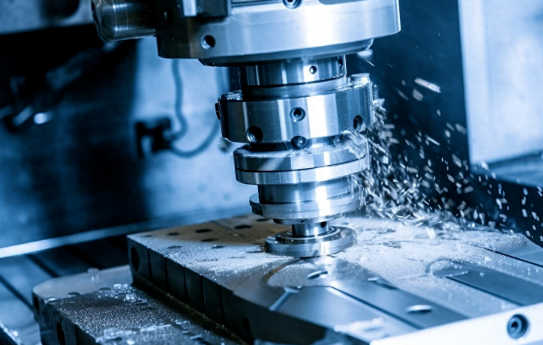
Industry Applications from Automotive to Aerospace
Understanding cutting methods and materials is essential, but how do these capabilities translate into real-world applications? Different industries demand distinct specifications, certifications, and finishing requirements. Let's explore how metal CNC cutting services support critical sectors, from high-volume automotive production to precision medical device manufacturing.
Automotive Components and High-Volume Production
The automotive industry relies heavily on steel fabrication and precision cutting to produce components that meet rigorous safety and performance standards. When you're manufacturing thousands of identical parts, consistency matters as much as accuracy.
Typical parts produced for automotive applications include:
- Chassis brackets and mounting plates: Structural components requiring precise hole placement for assembly
- Heat shields and exhaust components: Stainless steel parts cut to withstand extreme temperatures
- Body panels and trim pieces: Aluminum sheet components needing clean edges for aesthetic finishing
- Transmission housings: Complex geometries requiring tight tolerances
- Custom metal bushings: Precision-machined components for suspension systems
What sets automotive-grade manufacturing apart? Certification requirements. According to industry certification experts, IATF 16949 is the global standard for automotive quality management, combining ISO 9001 principles with sector-specific requirements for continuous improvement, defect prevention, and stringent supplier oversight.
Steel fabricators serving automotive clients must demonstrate robust product traceability and process control. Every part needs documentation linking it back to specific material batches, machine settings, and quality inspections. This traceability becomes critical during recalls or warranty investigations.
Shaoyi Metal Technology exemplifies this approach, holding IATF 16949 certification while delivering high-tolerance components with lead times as fast as one working day. Their Statistical Process Control (SPC) methodology ensures consistency across production runs, whether you need rapid prototyping or mass production of complex chassis assemblies.
Aerospace Parts and Certification Requirements
Aerospace manufacturing demands the most stringent quality standards in the industry. Parts that fail in flight can have catastrophic consequences, making certification and traceability non-negotiable.
Common aerospace components produced through CNC cutting include:
- Structural brackets and frames: Aluminum and titanium parts requiring exceptional strength-to-weight ratios
- Fuel system components: Corrosion-resistant parts cut with zero heat-affected zones
- Engine mounting hardware: High-temperature alloys machined to microscopic tolerances
- Avionics enclosures: EMI-shielding housings with precise cutouts for connectors
- Landing gear components: Hardened steel parts requiring EDM for complex geometries
AS9100 certification builds upon ISO 9001 foundations with aerospace-specific requirements. According to certification specialists, this standard emphasizes risk management, stringent documentation, and product integrity control throughout complex supply chains.
NADCAP accreditation adds another layer of validation, focusing specifically on special processes critical to aerospace manufacturing. Heat treating, chemical processing, and nondestructive testing all fall under NADCAP oversight. For companies operating in aerospace, this accreditation positions them as leaders in both capability and compliance.
Anodized aluminum components are particularly common in aerospace applications. The anodizing process creates a protective oxide layer that resists corrosion while adding minimal weight. Type III hard anodizing produces coatings between 25 to 100 microns thick, offering superior abrasion resistance for high-stress applications.
Medical Device Manufacturing Precision Standards
When parts go inside the human body, precision takes on life-or-death significance. Medical device manufacturing combines extreme accuracy requirements with biocompatibility concerns.
Sheet metal fabrication for medical applications typically produces:
- Surgical instrument components: Stainless steel parts requiring burr-free edges and sterilization compatibility
- Implant housings: Titanium enclosures machined to micron-level tolerances
- Diagnostic equipment chassis: Aluminum frames with precise mounting points for sensitive electronics
- Prosthetic components: Custom-fit parts often produced through EDM for complex geometries
- Laboratory equipment panels: Chemical-resistant enclosures with integrated ventilation cutouts
ISO 13485 certification is the definitive quality management standard for medical device manufacturing. As certification guides explain, facilities seeking this certification must implement detailed documentation practices, thorough quality checks, and effective complaint and recall handling.
Waterjet cutting often proves ideal for medical components because it creates no heat-affected zone. This cold-cutting process preserves material properties critical for biocompatibility, ensuring implants perform as intended within the body.
Industrial Equipment and Finishing Operations
Industrial applications span an enormous range, from heavy machinery components to precision automation parts. What unites these diverse applications is the need for durability under demanding operating conditions.
Typical industrial parts include:
- Gears and shafts: Hardened steel components requiring EDM for precise tooth profiles
- Robotic arm components: Lightweight aluminum parts with critical pivot points
- Conveyor system brackets: High-volume production of identical mounting hardware
- Control panel enclosures: Sheet metal housings with numerous cutouts for switches and displays
- Hydraulic manifolds: Complex internal channels requiring multi-axis machining
The workflow from cutting to finished part often involves multiple secondary operations. Understanding this complete process helps you plan projects effectively.
Powder coating services provide durable, attractive finishes for industrial components. Unlike liquid paint, powder coat goes on dry and cures under heat, creating a tough protective layer resistant to chips, scratches, and corrosion. The process produces minimal waste and emits no volatile organic compounds.
Anodizing offers another finishing option, particularly for aluminum parts. According to surface finishing specialists, anodizing integrates with the metal substrate, forming part of the material itself, which enhances wear resistance and longevity. Type II anodizing works well for decorative purposes and moderate corrosion resistance, while Type III provides superior abrasion protection.
Choosing between powder coat and anodizing depends on your application:
- Powder coating: Better color variety, impact resistance, and cost-effectiveness for large batches
- Anodizing: Superior integration with aluminum, electrical insulation properties, and thinner coating profiles
Assembly services often follow cutting and finishing. Many manufacturers offer complete turnkey solutions, combining cut parts with purchased components, hardware installation, and quality verification before shipping. This integrated approach reduces your vendor management burden and shortens overall project timelines.
With industry requirements clearly understood, the next step involves selecting the right service provider and navigating the production process from quote to delivery.
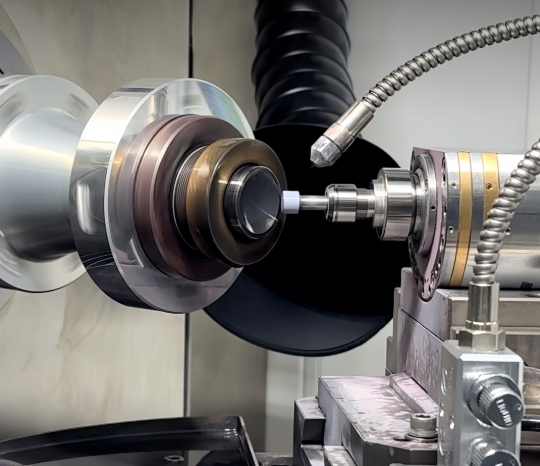
Working with CNC Cutting Service Providers
You've designed your parts, selected your materials, and understood the cutting methods available. Now comes the practical question: how do you actually work with a cnc service provider to bring your project to life? Whether you're searching for cnc machining services near me or evaluating global suppliers, understanding the workflow from quote to delivery helps you navigate the process confidently.
The relationship between you and your manufacturing partner determines project success as much as the technical specifications. Let's walk through exactly what to expect and how to evaluate providers beyond their price quotes.
The Production Workflow From Quote to Delivery
Working with precision machining services follows a predictable sequence. Understanding each step helps you prepare appropriately and avoid delays.
- Design submission: Upload your CAD files through the provider's portal or email. Include material specifications, quantity requirements, and any special notes about critical dimensions or finishing needs.
- Quote review: The provider analyzes your design for manufacturability and generates pricing. Quality providers like Shaoyi Metal Technology deliver customized quotes in hours rather than days, drawing on extensive manufacturing experience to price accurately.
- Material confirmation: Verify the exact alloy, temper, and thickness before production begins. This step ensures your parts meet functional requirements and prevents costly material substitutions.
- Production: Your parts move to the cutting floor. Lead times vary based on complexity, quantity, and current shop capacity. Some providers offer expedited production for time-sensitive projects.
- Quality inspection: Parts undergo dimensional verification and visual inspection. According to manufacturing quality experts, reliable providers use Coordinate Measuring Machines (CMMs), calipers, and surface roughness testers to verify specifications.
- Shipping: Finished parts are packaged for protection and shipped to your facility. Reputable providers take responsibility for on-time delivery and communicate proactively about any delays.
- Post-delivery review: Examine your order carefully upon arrival. Quality providers stand behind their work, offering refunds or remakes if specifications aren't met.
This systematic approach minimizes surprises. When you're looking for a cnc machine shop near me, ask potential providers to walk you through their specific workflow. Variations in process often reveal differences in capability and customer focus.
Evaluating Service Providers Beyond Price
Price matters, but the cheapest quote rarely delivers the best value. Sounds counterintuitive? Consider what happens when parts arrive out of tolerance or with quality issues. Rework, delays, and scrapped material quickly erase any initial savings.
When evaluating machining services near me or remote providers, focus on these critical factors:
- Certifications: ISO 9001 indicates baseline quality management. IATF 16949 certification demonstrates automotive-grade process control. AS9100 signals aerospace capability.
- Equipment capabilities: Modern, well-maintained machines produce better results. Ask about machine age, calibration schedules, and preventive maintenance programs.
- Inspection equipment: Providers with CMMs, optical comparators, and surface testers can verify tight tolerances objectively.
- Material traceability: Quality shops maintain documentation linking each part to specific material lots and production parameters.
- Operator expertise: Skilled machinists optimize cutting parameters for each material and geometry. Ask about training programs and experience levels.
According to provider evaluation specialists, requesting sample parts with measurement reports validates precision claims before committing to production orders. This small investment reveals far more than marketing materials.
Understanding Lead Times and Production Scaling
The difference between cnc prototyping and production runs extends beyond quantity. Each stage demands different priorities and capabilities.
Prototype machining emphasizes speed and flexibility. You might need a single part or small batch to validate your design before committing to larger orders. Quality prototype providers offer:
- Rapid turnaround, sometimes within days
- Design feedback and manufacturability suggestions
- Flexibility to iterate through multiple revisions
- Competitive pricing for small quantities
According to manufacturing transition experts, one of CNC machining's greatest advantages is the seamless scaling from prototype to production. The same program that produced your prototype generates identical parts at volume with no retooling required.
Production runs demand consistency above all else. Shaoyi Metal Technology addresses this challenge through Statistical Process Control (SPC), continuously monitoring key dimensions throughout production runs. This methodology catches process drift before it creates defective parts, maintaining quality across thousands of components.
Lead times for production typically extend beyond prototyping due to material procurement, production scheduling, and more extensive quality verification. However, established providers maintain relationships with material suppliers that accelerate procurement for common alloys.
Quality Verification and Inspection Reports
How do you know your parts actually meet specifications? Quality verification goes beyond eyeballing the finished product.
Professional cnc service providers document quality through several mechanisms:
- First Article Inspection (FAI): Detailed measurement of initial parts against all drawing dimensions
- In-process inspection: Regular checks during production to catch issues early
- Final inspection: Verification of critical dimensions on completed parts
- Measurement reports: Documentation of actual versus specified dimensions
- Material certifications: Mill test reports confirming material composition
According to quality assessment guidelines, tolerance ranges, repeatability, and surface finish should all be verified through documented inspection. Providers with ISO 9001:2015 certification have established procedures for maintaining these records.
When precision truly matters, ask about Statistical Process Control implementation. SPC tracks measurements over time, identifying trends before they become problems. This proactive approach distinguishes providers committed to consistent quality from those merely checking boxes.
For automotive applications, Shaoyi Metal Technology combines IATF 16949 certification with strict SPC methodology, delivering high-tolerance components with lead times as fast as one working day. Whether you need complex chassis assemblies or custom metal bushings, their integrated approach scales seamlessly from rapid prototyping to mass production.
With the right provider selected and the production process understood, you're ready to make final decisions about your metal cutting projects.
Making Informed Decisions for Your CNC Cutting Projects
You've now explored the complete landscape of metal CNC cutting services, from the fundamentals of computer-controlled precision to the nuances of material selection and quality verification. But knowledge only creates value when it translates into action. Let's distill everything into a practical framework that guides your next project from concept to finished cnc parts.
Matching Your Project Requirements to Cutting Capabilities
Every successful metal cnc machining project begins with honest assessment. What does your application actually demand? Overspending on unnecessary precision wastes budget. Underspecifying critical tolerances creates parts that fail in service.
Consider this decision framework when evaluating your requirements:
- Material type: Does your design call for aluminum, stainless steel, carbon steel, or specialty alloys? Each material pairs best with specific cutting methods. Aluminum's reflectivity favors fiber lasers or waterjet. Hardened steel may require EDM.
- Thickness: Thin sheet stock under half an inch suits laser cutting beautifully. Thicker plate opens plasma and waterjet as viable options. Ultra-thick materials narrow your choices significantly.
- Tolerance requirements: Standard industrial applications often accept +/- 0.010 inches. Precision machined parts for aerospace or medical devices may demand +/- 0.001 inches or tighter. Match your tolerance specification to your functional needs, not aspirational ideals.
- Quantity: Single prototypes prioritize speed and flexibility. Production runs demand consistency and competitive per-piece pricing. Your volume directly influences provider selection.
- Lead time: Urgent projects limit your options. Planning ahead opens access to better pricing and provider selection. Some manufacturers like Shaoyi Metal Technology deliver one-day turnaround on qualifying projects.
- Secondary operations needed: Will your parts require powder coating, anodizing, heat treating, or assembly? Single-source providers streamline logistics and reduce coordination headaches.
This checklist transforms vague project requirements into concrete specifications. When you communicate clearly with potential providers, you receive accurate quotes and realistic timelines.
Key Questions to Ask Before Ordering
Before committing to any custom cnc parts order, arm yourself with the right questions. According to industry best practices, evaluating potential partners requires targeted inquiry beyond surface-level capability claims.
Essential questions include:
- What certifications do you hold, and how do they apply to my industry?
- Can you provide sample parts with measurement reports before production?
- How do you handle design modifications if manufacturability issues arise?
- What inspection methods verify critical dimensions?
- Do you offer material traceability documentation?
- What happens if parts arrive out of specification?
According to CNC sourcing specialists, precision is the cornerstone of any cnc machining part project. Communicating tolerances clearly to your supplier minimizes discrepancies during production. Take time upfront to verify understanding on both sides.
The lowest price rarely represents the best value. As sourcing experts note, opting for a reliable, well-established company ensures high-quality parts at fair pricing, ultimately saving money by reducing failure risks and rework needs.
Taking the Next Step Toward Precision Manufacturing
You're now equipped with comprehensive knowledge spanning cutting methods, material properties, tolerance specifications, design guidelines, and provider evaluation criteria. This foundation positions you to navigate metal CNC cutting services confidently.
What separates successful projects from frustrating experiences? Clear communication, realistic expectations, and partnership with capable providers. The manufacturers who invest in certifications, modern equipment, and quality systems deliver results that justify their pricing.
Whether you need custom machined parts for automotive applications, precision components for medical devices, or structural elements for industrial equipment, the framework remains consistent. Define your requirements clearly. Select cutting methods matched to your materials and tolerances. Prepare files properly. Choose providers based on demonstrated capability rather than lowest bid.
Metal CNC cutting technology continues advancing rapidly. Fiber lasers cut faster and cleaner than ever before. Waterjet systems achieve tighter tolerances with refined abrasive control. EDM delivers microscopic precision for the most demanding applications. These capabilities are accessible to projects of virtually any size when you work with the right manufacturing partners.
Your next precision metal part is waiting to be made. With the knowledge gained from this guide, you're ready to transform digital designs into physical components that perform exactly as intended.
Frequently Asked Questions About Metal CNC Cutting Services
1. How much does CNC cutting usually cost?
CNC cutting costs vary based on complexity, materials, and production volume. Simple parts in small runs typically range from $10 to $50 per piece, while complex precision-engineered components may cost $160 or more. Factors affecting price include cutting method (laser vs. plasma vs. waterjet), material type and thickness, tolerance requirements, and secondary finishing operations. For accurate quotes, providers like Shaoyi Metal Technology offer customized pricing in hours based on your specific CAD files and requirements.
2. How much does metal cutting cost per linear inch?
Metal cutting costs generally range from $0.50 to $2 per linear inch, depending on the metal type, thickness, and cutting method used. Hourly rates typically fall between $20 to $30. However, most professional metal CNC cutting services price based on complete parts rather than linear measurements, factoring in material costs, machine time, setup, and finishing requirements. Complex geometries and tighter tolerances increase costs compared to simple straight cuts.
3. Why is CNC cutting more expensive than manual methods?
CNC cutting commands higher prices due to its precision capabilities, repeatability, and advanced technology. These machines achieve tolerances as tight as +/- 0.001 inches that manual machining cannot match. The investment in sophisticated equipment, specialized programming, and skilled operators contributes to costs. However, CNC cutting often delivers better value through reduced waste, faster production, consistent quality, and the ability to produce complex geometries impossible with manual methods.
4. What is the difference between laser cutting and plasma cutting for metal?
Laser cutting excels at thin materials (up to 1 inch) with excellent precision (+/- 0.005 inches) and clean edges, making it ideal for fine details and high-volume production. Plasma cutting handles thicker materials (up to 2 inches) more economically but produces rougher edges requiring deburring and has larger tolerances (+/- 0.020 inches). Choose laser for precision work on thinner stock and plasma for structural applications where edge quality is less critical.
5. What file formats should I use when submitting designs for CNC cutting?
The best file formats for CNC cutting include STEP (.stp, .step) as the universal standard preserving geometric accuracy, IGES (.igs) for complex surfaces, and DXF/DWG for 2D laser and waterjet profiles. Native CAD files from SolidWorks, Fusion 360, or Inventor are often accepted directly. Avoid mesh-based formats like STL or OBJ, as they convert smooth curves into triangles and create inaccurate toolpaths for CNC operations.