 Small batches, high standards. Our rapid prototyping service makes validation faster and easier —
  EN
EN


From First Cut To Final Part: How Machining Work Actually Happens
What Machining Work Really Means in Modern Manufacturing
Ever wondered how a solid block of metal transforms into a precision engine component or a life-saving medical implant? The answer lies in machining work—a foundational manufacturing process that shapes our modern world in ways most people never see.
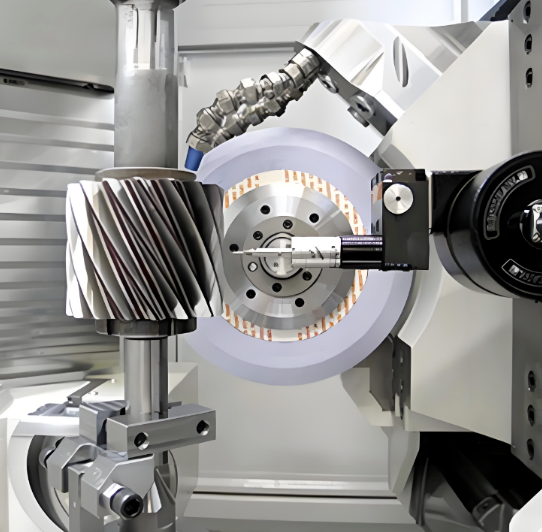
Machining is a subtractive manufacturing process where material is systematically removed from a workpiece using cutting tools to achieve desired shapes, dimensions, and surface finishes with high precision.
When you define machining, you're describing one of the oldest yet most technologically advanced methods of creating parts. Unlike 3D printing, which builds objects layer by layer, machining starts with more material than you need and carefully cuts away the excess. Think of it like sculpting—except instead of chisels and marble, you're using computer-controlled cutting tools and metals, plastics, or composites.
The Subtractive Manufacturing Principle
So what makes machining different from other manufacturing methods? The key distinction is simple: machining is a removal process. According to Wikipedia's technical documentation, machining involves a cutting tool that removes material from the workpiece through relative motion between the tool and the work surface.
This contrasts sharply with two other major manufacturing approaches:
- Additive manufacturing (3D printing) builds parts by depositing material layer by layer
- Forming processes (like forging or stamping) reshape material without removing it
The subtractive approach offers distinct advantages. Research comparing these methods shows that machined parts typically maintain the full mechanical properties of the source material and can achieve tolerances as tight as ±0.025 mm. That level of precision matters when you're manufacturing components where failure isn't an option.
Where Machining Work Happens Today
Machining for manufacturing spans virtually every industry that requires precision metal or plastic components. You'll find this work happening in:
- Aerospace facilities creating turbine blades, structural elements, and landing gear components that must withstand extreme conditions
- Medical device manufacturers producing surgical instruments, implants, and diagnostic equipment requiring biocompatible materials and exceptional accuracy
- Automotive plants churning out engine parts, transmission components, and suspension systems at high volumes
- General manufacturing shops serving countless industries with custom parts and prototype development
The machining definition has evolved significantly since the 18th century, when "machinist" simply meant someone who built or repaired machines by hand. Today, machining is a highly automated process combining computer numerical control (CNC) technology with advanced cutting tools and sophisticated quality control systems.
Throughout this guide, you'll discover exactly how different machining processes work, what distinguishes CNC operations from conventional methods, and how precision standards ensure parts meet exacting specifications. Whether you're exploring a career as a machinist, evaluating manufacturing partners, or simply curious about how things are made, you'll gain practical insights into one of manufacturing's most essential disciplines.
Essential Machining Processes Every Professional Should Understand
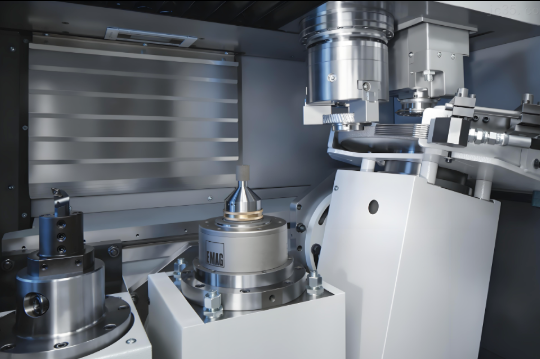
Now that you understand what machining work actually means, let's explore how it happens. Each machining operation uses a different approach to remove material—and understanding these machining concepts helps you choose the right process for any part geometry or production requirement.
Think of it this way: a cutting metal machine isn't just one type of equipment. It's an entire family of specialized tools, each designed to excel at specific tasks. Knowing when to use each one separates efficient manufacturing from costly trial and error.
Milling and Turning Fundamentals
The two workhorses of basic machining are milling and turning. Though both remove material, they operate on opposite principles.
Milling machining keeps the workpiece stationary while a rotating multi-tooth cutter moves across it. Imagine a spinning drill bit traveling sideways—that's essentially what a milling cutter does. According to Thomas Publishing's technical documentation, milling machines can perform operations including planing, slotting, contouring, die-sinking, routing, and rabbeting, making them indispensable in most modern machine shops.
There are two principal milling operations:
- Slab milling uses the peripheral edges of a cylindrical cutter to produce flat surfaces—ideal for removing large amounts of material
- Face milling utilizes the end face of the cutter for superior surface finish and more efficient material removal on top surfaces
CNC turning flips this relationship. The workpiece rotates while a stationary tool to cut metal moves along its surface. This process excels at creating cylindrical components like shafts, bushings, and threaded parts. Because the part spins continuously, turning typically produces rotationally symmetric features faster than milling could achieve them.
What controls the quality of these cuts? Three critical parameters work together:
- Spindle speed (RPM)—how fast the cutting tool or workpiece rotates. According to CNC Cookbook's technical research, spindle speed is the biggest determiner of tool life, as running too fast generates excess heat that softens and dulls cutting edges.
- Feed rate—how quickly the tool advances through the material, measured in inches per minute
- Coolant systems—flood, mist, or air blast systems that remove heat and flush chips away from the cutting zone
Specialized Processes for Complex Parts
Beyond milling and turning, several machining operations handle specialized requirements that basic processes can't efficiently address.
Drilling, boring, and reaming form a sequence for creating precision holes. Drilling produces the initial hole, but drill bits tend to cut slightly oversized and may wander from true roundness. Boring enlarges and refines pre-existing holes with improved accuracy, while reaming delivers the final precise diameter and smooth surface finish—typically removing only 0.004 to 0.008 inches of material.
Grinding removes small amounts of material using abrasive wheels to achieve tight tolerances and fine surface finishes. Surface grinding machines flat parts, while cylindrical grinding shapes round components like shafts. Typical ground surfaces range from 32 to 125 microinches Ra—suitable for precision fits and bearing surfaces.
Electrical Discharge Machining (EDM) takes a completely different approach. Instead of cutting, EDM removes material using controlled electrical sparks between an electrode and the workpiece, both submerged in dielectric fluid. This process excels at creating die cavities, sharp internal corners, and intricate contours in hardened materials where conventional tools would quickly fail.
Even sawing machining plays a critical role—often as the first step in production, sectioning raw stock material before more precise machining operations begin.
| Process Type | Primary Application | Typical Materials | Precision Level |
|---|---|---|---|
| CNC Milling | Complex 3D shapes, pockets, slots | Metals, plastics, composites | ±0.001" to ±0.005" |
| CNC Turning | Cylindrical parts, shafts, threads | Metals, plastics | ±0.001" to ±0.005" |
| Drilling | Initial hole creation | All machinable materials | ±0.005" to ±0.010" |
| Grinding | Precision finishing, tight tolerances | Hardened metals, ceramics | ±0.0001" to ±0.001" |
| EDM | Complex cavities, hardened materials | Conductive metals only | ±0.0001" to ±0.0005" |
Which machining types should you choose? The answer depends on your part geometry and production requirements. Rotationally symmetric components favor turning. Prismatic shapes with pockets and contours call for milling. Hardened dies and intricate internal features may require EDM. And virtually every precision hole benefits from the drilling-boring-reaming sequence when tolerances demand it.
Understanding these machining operations gives you the foundation to communicate effectively with manufacturers—and to recognize when a shop truly understands how to produce your parts efficiently.
CNC Machining Versus Conventional Methods
So you understand the core machining processes—but how do they actually get controlled? This is where modern machining technology splits into two distinct camps: computer-controlled automation and hands-on manual operation. Knowing which approach fits your situation can mean the difference between efficient production and wasted resources.
What is machining in today's manufacturing environment? Increasingly, it's a blend of both methods. Yet understanding their differences helps you make smarter decisions about part production, career paths, and manufacturing partnerships.
How CNC Programming Controls Precision
CNC machining—Computer Numerical Control—uses programmed instructions to automate every tool movement with extreme repeatability. Instead of an operator manually turning handwheels and adjusting positions, the machine follows a precise digital recipe.
That recipe comes in the form of G-code and M-code. According to CNC Cookbook's comprehensive reference, G-codes control geometry—telling the machine where and how to move—while M-codes handle machine functions like turning the spindle on or activating coolant. A typical program might include:
- G00—Rapid positioning to move quickly between cuts
- G01—Linear interpolation for controlled cutting at specified feed rates
- G02/G03—Circular interpolation for arcs and curves
- M03/M05—Spindle start and stop commands
- M08/M09—Coolant on and off
But where do these programs come from? Modern machining relies on CAD/CAM software to bridge the gap between design and production. American Micro Industries explains that CAD software allows you to create component designs with perfect 3D visualization, while CAM software translates those designs into machine instructions—generating toolpaths, calculating cutting speeds, and optimizing operations automatically.
This integration creates a seamless workflow. A cnc machinist job description today often includes working with this software chain: importing CAD models, generating toolpaths in CAM, and verifying programs before cutting begins. The result? Precision cnc milling that can hold tolerances of ±0.001" or tighter, part after part.
Here's what makes CNC machining metal and other materials so powerful:
- Extreme repeatability—Once programmed, the machine produces identical parts whether it's the first piece or the thousandth
- Complex geometry capability—Five-axis machines can approach workpieces from virtually any angle, creating contours impossible to achieve manually
- Reduced human error—Computer control eliminates the inconsistencies inherent in hand-guided operations
- Higher production speed—Automated tool changes and continuous operation dramatically increase throughput
- Lower labor requirements—One skilled operator can oversee multiple machines simultaneously
- Enhanced safety—Operators work behind guards or enclosures, away from moving cutting tools
As RapidDirect's technical comparison notes, the overall cost of CNC machining often proves lower than manual methods when you factor in scrap rates, labor costs, and maintenance requirements.
When Manual Machining Still Makes Sense
Does this mean manual machining is obsolete? Not at all. Conventional methods retain distinct advantages in specific scenarios.
Imagine you need a single bracket modified to fit a repair situation—right now. Programming a CNC machine, running a simulation, and setting up tooling might take hours. A skilled machinist at a manual mill or lathe could complete that same part in twenty minutes.
Manual machining remains valuable for:
- One-off prototypes and repairs—When setup time exceeds machining time, hands-on work wins
- Simple geometric shapes—Basic turned parts or straightforward milling operations don't always justify CNC programming
- Low-budget operations—Manual machines cost significantly less to purchase and maintain
- Artistic and craft applications—Some work benefits from the intuitive adjustments only human operators can provide
- Training and skill development—Learning manual operations builds foundational understanding that makes better CNC programmers
The precision machining capabilities differ substantially between approaches. While manual lathes can achieve high accuracy with careful cutting, the process demands more time and constant operator attention. CNC turning delivers that same accuracy faster and more consistently—but requires upfront programming investment.
For modern machining operations, most shops maintain both capabilities. CNC handles production runs and complex geometries, while manual machines tackle quick jobs and modifications. Understanding when each approach applies isn't just theoretical knowledge—it's a practical skill that separates efficient manufacturers from those who waste resources on the wrong methods.
With this foundation in machining technology and control methods established, the next critical question becomes: how tight can these tolerances actually get, and what materials can withstand precision machining processes?
Precision Standards and Material Capabilities in Machining
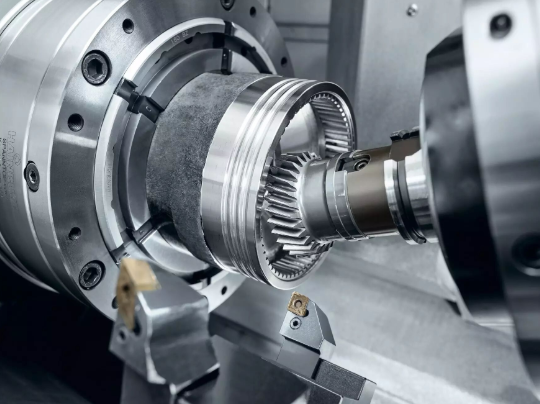
You've seen how CNC and manual methods control cutting operations—but how do manufacturers ensure those cuts land exactly where they need to? The answer lies in tolerance specifications, the invisible boundaries that separate functional precision machined components from expensive scrap metal.
Here's the reality: no machine delivers identical results every single time. Even the best equipment experiences tiny variations from tool wear, thermal expansion, and material inconsistencies. Tolerances acknowledge this truth while setting controlled limits that keep machined parts functional and interchangeable.
Understanding Tolerance Specifications
Think of tolerances as the acceptable margin of error for any dimension. When a drawing specifies a shaft diameter of 1.000" ±0.002", that means any measurement between 0.998" and 1.002" passes inspection. Fall outside that range, and the part fails—potentially causing assembly problems, performance issues, or outright mechanical failure.
According to American Micro Industries' technical documentation, precise tolerances serve several essential functions:
- Ensuring proper assembly—Parts manufactured to matching tolerance specifications fit together correctly
- Maintaining functionality—Components perform as designed when dimensions stay within limits
- Enabling interchangeability—Replacement parts work without custom fitting
- Controlling manufacturing costs—Looser tolerances where acceptable reduce production expenses
The tolerance band—the complete range between upper and lower limits—directly impacts manufacturing difficulty. As Pinnacle Precision explains, a tolerance of ±0.02" permits a range ten times wider than ±0.002", significantly affecting production complexity and cost.
Standard CNC mechanical machining typically achieves tolerances of ±0.005" (0.127 mm) as a baseline. High precision machining operations push tighter—±0.001" or better when applications demand exceptional accuracy. For context, that's roughly one-quarter the thickness of a human hair.
International standards provide universal reference points. ISO 2768 defines tolerance classes for general machining:
| Tolerance Class | Designation | Linear Tolerance (for 30-120mm) | Typical Applications |
|---|---|---|---|
| Fine | f | ±0.15 mm | Precision instruments, aerospace fittings |
| Medium | m | ±0.3 mm | General mechanical parts, housings |
| Coarse | c | ±0.5 mm | Non-critical structures, brackets |
| Very Coarse | v | ±1.0 mm | Rough parts, weldments |
How do machined metal parts actually achieve these tight specifications? Three factors work together:
- Proper machine setup—Rigid workholding, thermal stability, and calibrated axes eliminate variables before cutting begins
- Tooling selection—Sharp cutting tools made from appropriate materials (carbide, ceramic, or coated substrates) maintain consistent cutting geometry
- Quality control methods—In-process measurement, statistical process control, and final inspection verify dimensional compliance
For mating parts—components that must fit together—tolerance control becomes especially critical. Consider a bushing designed to fit on a rod. If the inside diameter cuts too small, the bushing won't install. Cut too large, and the sloppy fit may render the precision machining part completely unusable.
Material Selection for Optimal Results
Achieving tight tolerances isn't just about machine capability—material behavior plays an equally important role. Different materials respond uniquely to cutting forces, heat generation, and tool contact. Steel machining presents different challenges than aluminum, and plastics behave nothing like either metal.
According to Techni Waterjet's comprehensive material guide, key material properties affecting metal machining include:
- Hardness—Harder materials require slower speeds and more rigid setups, but often machine to tighter tolerances
- Thermal conductivity—Materials that dissipate heat quickly (like aluminum) allow faster cutting without thermal distortion
- Elasticity—Springy materials may deflect during cutting, then return slightly after the tool passes
- Chip formation—How material breaks away affects surface finish and dimensional control
Common metals and their machining characteristics:
Aluminum alloys rank among the easiest materials to machine. Their excellent thermal conductivity, low cutting forces, and forgiving nature make them ideal for high-speed production. Alloys like 6061-T6 achieve tight tolerances readily while producing smooth surface finishes.
Carbon and alloy steels offer excellent strength and cost-effectiveness. Standard grades machine predictably, though harder alloys require reduced speeds and careful coolant application. These workhorses of metal machining serve automotive, construction, and general manufacturing applications.
Stainless steels demand more attention due to work hardening—the tendency to become harder as they're cut. Grades like 304 and 316 require sharp tools, appropriate feeds, and consistent chip evacuation to prevent surface damage and maintain tolerances.
Titanium and exotic alloys present the greatest challenges. Their low thermal conductivity concentrates heat at the cutting edge, accelerating tool wear. Slow speeds, specialized tooling, and rigid setups become essential for successful high precision machining of these aerospace-grade materials.
Engineering plastics introduce unique considerations. Materials like Delrin (POM) and PEEK machine cleanly and hold good dimensional stability. However, their lower melting points require careful speed and feed selection to prevent heat buildup that causes melting or dimensional changes.
Composites such as carbon fiber reinforced polymers (CFRP) demand specialized approaches entirely. Abrasive fibers wear conventional tools rapidly, and delamination risks require specific cutting strategies, often involving diamond-coated tooling or waterjet cutting.
One factor many overlook: plating and finishing operations add material to machined surfaces. A part machined to exact final dimensions before nickel plating may end up oversized after coating. Experienced engineers factor these additions into tolerance calculations during the design phase—ensuring precision machined components meet specifications after all processing steps complete.
The relationship between tolerance requirements and material selection directly impacts manufacturing costs. Specifying tighter tolerances than necessary on challenging materials drives up expenses through slower machining, specialized tooling, and increased inspection requirements. Smart design balances precision needs with practical manufacturing realities.
What Machinists Do and the Skills They Need
You've explored the processes, equipment, and precision standards that define machining work—but who actually makes it all happen? Behind every precisely machined component stands a skilled machinist translating technical requirements into physical reality. Understanding what machinists do reveals why this profession remains essential despite advancing automation.
So what is a machinist exactly? According to O*NET's occupational profile, machinists set up and operate a variety of machine tools to produce precision parts and instruments out of metal. They fabricate, modify, or repair mechanical components by applying knowledge of mechanics, mathematics, metal properties, layout, and machining procedures.
Sounds straightforward? The reality involves far more complexity than that definition suggests.
Daily Tasks and Core Responsibilities
What does a machinist do on a typical workday? The answer depends on whether they're running CNC equipment, working manual machines, or handling maintenance and repair. However, certain core machinist duties span virtually every role in the profession.
Here's what machinist responsibilities typically include:
- Reading and interpreting blueprints—Studying sample parts, drawings, or engineering specifications to determine machining methods and operation sequences
- Calculating dimensions and tolerances—Using precision instruments like micrometers and vernier calipers to verify measurements and compute required cuts
- Setting up machine tools—Aligning and securing workholding fixtures, cutting tools, attachments, and materials onto machines
- Programming CNC equipment—Entering or verifying G-code instructions for numerically controlled machines
- Monitoring machining operations—Watching feed rates, spindle speeds, and coolant systems during cutting to ensure proper functioning
- Inspecting finished parts—Measuring and examining completed components to check for defects and confirm specification compliance
- Maintaining equipment—Keeping machine tools in proper operational condition through regular service and adjustments
- Troubleshooting problems—Diagnosing machine malfunctions to determine repair or adjustment needs
Notice how these machinist job duties blend hands-on physical work with analytical thinking? That combination defines the profession. A CNC machinist job description might emphasize programming and digital verification, while a maintenance machinist focuses more heavily on equipment diagnosis and repair. Yet both require the same foundational competencies.
What do machinist do when problems arise during production? According to O*NET's task analysis, they evaluate machining procedures and recommend changes for improved efficiency, confer with engineers and programmers to exchange technical information, and design fixtures or experimental parts to meet special requirements. The role extends well beyond simply operating equipment.
Skills That Define Machining Excellence
Understanding what do machinist do physically is only half the picture. The competencies that separate adequate machinists from exceptional ones involve cognitive abilities, technical knowledge, and personal traits working together.
Mathematical skills form the foundation of machining excellence. Every day, machinists perform calculations involving:
- Geometric relationships—determining angles, radii, and dimensional relationships
- Trigonometric functions—calculating compound angles and tool positions
- Decimal and fraction conversions—translating between measurement systems
- Feed and speed calculations—computing optimal cutting parameters for different materials
According to Introduction to Machining's qualification guide, employers expect the ability to make arithmetical computations with speed and accuracy as a baseline requirement. This isn't abstract math—it's practical problem-solving that directly affects part quality.
Mechanical aptitude translates theoretical knowledge into physical results. The Bureau of Labor Statistics notes that machinists must understand metalworking processes and be comfortable operating milling machines, lathes, grinders, and various cutting equipment. This includes knowing how machines function, recognizing when something sounds or feels wrong, and understanding the relationship between setup decisions and finished part quality.
Attention to detail separates precision work from scrap. O*NET's work context data shows that 61% of machinists rate exactness and accuracy as "extremely important" to their work. Consider this: achieving tolerances of ±0.001" means detecting variations smaller than a human hair. That level of precision demands sustained concentration and methodical verification at every stage.
Beyond these core competencies, successful machinists develop:
- Blueprint reading proficiency—Interpreting technical drawings, GD&T symbols, and engineering specifications
- CAD/CAM software skills—Working with design and manufacturing software to generate and verify toolpaths
- Quality control knowledge—Understanding inspection methods, measurement techniques, and statistical process control
- Material science awareness—Recognizing how different metals and alloys respond to cutting operations
- Communication abilities—Exchanging technical information with engineers, programmers, and fellow machinists
Physical capabilities matter too. The machining industry qualification research indicates that machinists need manual dexterity, the ability to lift around fifty pounds, and stamina to stand for extended periods. Most work environments require wearing safety equipment daily—89% of machinists continually use their hands to handle tools and controls throughout their shifts.
Here's something many career guides overlook: personal traits often determine success more than technical skills alone. Being punctual, thorough, respectful, and willing to learn separates machinists who advance from those who plateau. As industry experts note, many new machinists discover they don't enjoy detail-oriented work requiring accurate measuring, precise tolerance recording, and careful attention to creating quality parts. Those who thrive genuinely appreciate the satisfaction of transforming raw material into precision components.
Whether you're considering this career path or evaluating machining capabilities, understanding these competencies reveals why skilled machinists remain in high demand—and why the profession offers genuine career development opportunities for those who master its requirements.
How to Build a Career in Machining Work
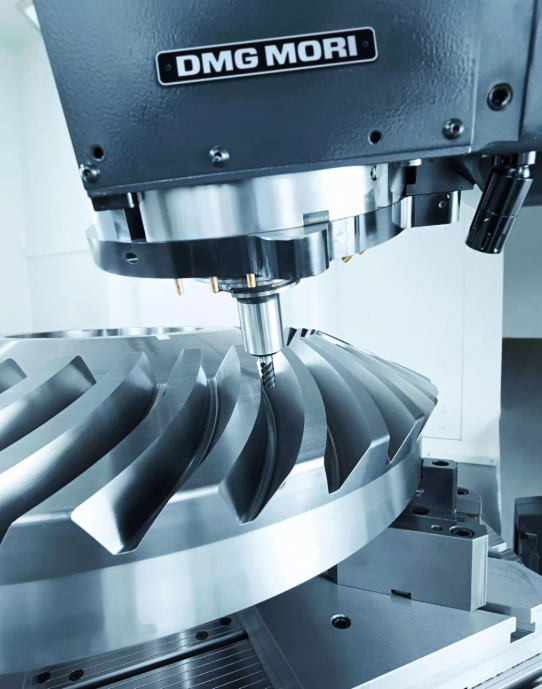
So you understand what machinists do and the skills they need—but how do you actually break into this machining trade? The good news: multiple pathways exist, and none require a four-year degree. Whether you prefer structured classroom learning, hands-on apprenticeships, or working your way up from an entry-level position, the machining career offers accessible routes for motivated individuals.
How do you become a machinist? The answer depends on your current situation, learning style, and career timeline. Let's explore each option so you can choose the path that fits your goals.
Training Programs and Apprenticeship Options
Three primary routes lead into machining work, each with distinct advantages:
Technical and trade school programs provide structured education combining theory with hands-on practice. Community colleges and vocational schools offer accredited Machine Tool or CNC Manufacturing Technology programs that build solid foundations in safety, blueprint reading, machining techniques, and quality control. According to FlexTrades' career guidance, these programs give you both theoretical knowledge and practical skills—exactly what employers want to see.
Registered apprenticeships let you earn while you learn. The Machinists Institute explains that apprentices receive 2,000 hours per year of on-the-job instruction plus a minimum of 144 hours of related supplemental instruction annually. This training may take place in classrooms, labs, or directly on the job site depending on employer needs. The structure means you're gaining real-world experience while developing theoretical understanding—and collecting a paycheck the entire time.
Entry-level positions offer a third path for those ready to start immediately. Even if a manufacturer isn't actively hiring operators, applying anyway and expressing your CNC career interest can open doors. Many successful machinists started in other roles—material handling, quality inspection, or machine loading—and worked their way into operator positions as they demonstrated reliability and aptitude.
Want a clear roadmap? Here's how to become a machinist step by step:
- Build foundational knowledge—Complete a technical school program, secure an apprenticeship, or start in an entry-level manufacturing role where you can observe machining operations
- Master basic operations—Learn to load materials, run machines, monitor operations, and inspect finished parts as a CNC Operator
- Develop setup skills—Progress to machine setup responsibilities, learning to configure equipment for different jobs and troubleshoot problems
- Earn industry certifications—Pursue credentials from organizations like the National Institute for Metalworking Skills (NIMS) or the Society of Manufacturing Engineers (SME) to validate your capabilities
- Expand programming knowledge—Learn G-code, CAD/CAM software, and advanced programming techniques to move into CNC Programmer roles
- Specialize or advance into leadership—Choose industry specialization (aerospace, medical, automotive) or move into supervisory and management positions
What about machinist job requirements for certification? According to Machining Concepts Erie, professional certifications from NIMS or SME can significantly boost your credentials and open doors to higher-paying positions. Many employers offer training reimbursement, making certification an accessible career investment.
Building a Career Progression Roadmap
How to be a machinist is one question—how to advance is another entirely. The machining job landscape offers clear progression paths for those who invest in continuous learning.
The typical career ladder looks like this:
CNC Operator → CNC Machinist → CNC Programmer → Senior Programmer/Supervisor → Manufacturing Engineer/Manager
Each transition requires developing new competencies. Moving from operator to machinist means mastering machine setup and configuration. Becoming a programmer demands CAD/CAM proficiency, G-code expertise, and deeper understanding of cutting strategies. Leadership roles require communication skills, problem-solving abilities, and the capacity to mentor others.
According to industry career research, advancing successfully requires:
- Continuous education—Take courses in advanced CNC programming, CAD/CAM software, or specialized techniques
- Problem-solving development—Learn to diagnose issues rather than just following procedures
- Networking—Build connections through industry events, online forums, and professional organizations
- Mentorship—Seek guidance from experienced professionals who've walked the path before you
- Initiative—Show willingness to take on new responsibilities and step outside your comfort zone
Industry-specific specialization creates additional advancement opportunities. Aerospace machining demands understanding of AS9100 requirements and exotic materials like titanium and Inconel. Medical device manufacturing requires knowledge of biocompatible materials and FDA compliance. Automotive production emphasizes high-volume efficiency and IATF 16949 quality systems. Each specialization develops valuable expertise that commands premium compensation.
How do i become a machinist who truly excels? The answer involves more than technical skills. Career development experts emphasize that maintaining a positive attitude, viewing setbacks as learning opportunities, and staying motivated through challenges separates those who advance from those who plateau. Resilience matters as much as precision.
The machining trade offers something increasingly rare: stable employment with clear advancement paths that don't require expensive four-year degrees. For those willing to invest in skill development and demonstrate dedication, this career provides both immediate earning potential and long-term growth opportunities.
With your career pathway mapped out, the next question becomes: where will these skills take you? Different industries demand machining expertise in vastly different contexts—from aerospace components requiring exotic material mastery to medical devices demanding biocompatibility knowledge.
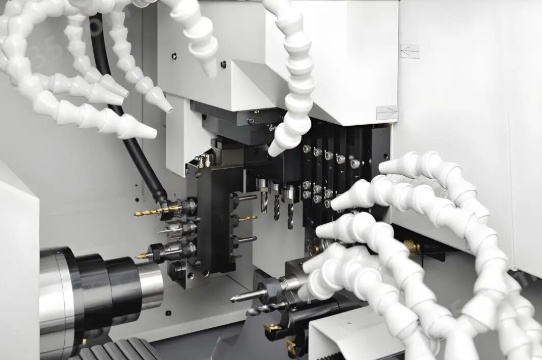
Industry Applications From Aerospace to Automotive
You've built the foundation—processes, equipment, tolerances, and career pathways. Now let's explore where all this expertise actually gets applied. Industrial machining looks dramatically different depending on which sector you're serving. The turbine blade destined for a jet engine faces requirements that would seem excessive for an automotive bracket, while medical implants demand considerations that aerospace engineers never encounter.
Understanding these industry-specific demands matters whether you're choosing a machining manufacturing specialization, evaluating potential employers, or selecting a production partner for your components. Each sector has developed unique certification frameworks, precision standards, and material requirements shaped by decades of real-world performance demands.
Aerospace and Medical Device Precision
Aerospace machining represents the pinnacle of precision machinery requirements. When components operate at 35,000 feet under extreme temperature swings and stress loads, there's zero tolerance for error—literally.
According to Yijin Hardware's aerospace machining documentation, modern aircraft contain between 2 and 3 million precision-machined parts, each requiring rigorous quality control. While standard machine shops typically work with tolerances of ±0.005 inches, aerospace CNC machinist work consistently achieves tolerances of ±0.0001 inches or better.
What makes aerospace so demanding? Components must perform flawlessly in conditions including:
- Temperature variations from -65°F to +350°F during normal operation
- Engine components reaching 2000°F (1093°C) in hot sections
- Pressure variations from 0.2 atm to 1.2 atm during flight
- Continuous vibration and cyclic stress loading
The AS9100 certification serves as the mandatory quality management system for all aerospace manufacturers. This comprehensive standard adds 105 specific requirements beyond basic ISO 9001:2015, covering everything from material traceability to first-article inspection protocols. Swiss precision machining techniques become essential when producing turbine blades with integrated cooling channels or structural components where every gram of weight matters—Airbus research shows that a 100-pound weight reduction saves approximately 14,000 gallons of fuel annually.
Exotic materials dominate aerospace machining and fabrication. Titanium alloys offer exceptional strength-to-weight ratios but concentrate heat at cutting edges, accelerating tool wear. Superalloys like Inconel withstand temperatures exceeding 2000°F but present significant machining challenges compared to conventional metals. Success requires specialized tooling, rigid setups, and operators who understand these materials' unique behaviors.
Medical device machining introduces an entirely different set of challenges—biocompatibility. When a component will be implanted inside a human body, material selection and surface finish take on life-or-death importance.
According to AIP Precision's biocompatible materials guide, medical implants undergo rigorous testing according to ISO 10993 standards, including cytotoxicity screening, sensitization tests, and implantation evaluations. Materials must demonstrate non-toxicity, non-carcinogenicity, and non-irritation to biological tissues before receiving FDA approval.
Common medical-grade materials include:
- PEEK (polyether ether ketone)—Mechanical properties closely matching human bone, excellent for spinal fusion cages
- Ultra-high molecular weight polyethylene (UHMWPE)—Critical for knee and hip replacements, providing cushioning and movement
- Titanium and titanium alloys—Exceptional biocompatibility with outstanding corrosion resistance
- Surgical stainless steels—Cost-effective options for instruments and temporary implants
Precision requirements rival aerospace—CNC machining can achieve tolerances as tight as ±0.001" for critical medical components. Surface finish becomes especially critical since microscopic imperfections can become stress concentration points or bacterial colonization sites. Typical requirements specify surface roughness values between 16-32 μin Ra for general surfaces and 4-8 μin Ra for bearing surfaces.
Automotive Production Machining Demands
While aerospace and medical focus on extreme precision for relatively low volumes, automotive machining flips the equation—high volumes at competitive costs while maintaining consistent quality.
The automotive sector runs on efficiency. Engine blocks, transmission housings, suspension components, and brake system parts must be produced in quantities that would overwhelm aerospace-style inspection protocols. Yet quality failures create warranty costs, recalls, and reputation damage that can devastate manufacturers.
This balance drives the IATF 16949 quality management standard. According to Rochester Electronics' certification documentation, IATF 16949 emphasizes continuous improvement, error-proofing, and defect prevention rather than relying solely on end-of-line inspection. The standard requires:
- Implementation of mandatory automotive core tools
- Risk management across all processes
- Regular internal audits of products, processes, and systems
- Rigorous corrective and preventive action protocols
- Continuous monitoring of production metrics
Component longevity adds another layer of complexity. While car models may change yearly, underlying parts remain in production for extended periods. Many vehicle manufacturers require aftermarket parts support for 15 years after vehicle production ends—meaning machining processes must remain stable and repeatable across decades.
Materials in automotive machining tend toward high-volume efficiency rather than exotic performance. Aluminum alloys dominate engine components for weight savings. Cast iron and steel handle structural applications. Engineering plastics increasingly replace metal in non-critical components. The challenge isn't machining difficulty—it's maintaining tight process control across millions of parts.
| Industry Sector | Typical Parts | Key Certifications | Precision Requirements | Common Materials |
|---|---|---|---|---|
| Aerospace | Turbine blades, structural frames, landing gear components | AS9100, NADCAP | ±0.0001" to ±0.001" | Titanium, Inconel, aluminum alloys, superalloys |
| Medical Devices | Surgical instruments, implants, prosthetics | ISO 13485, FDA 21 CFR Part 820 | ±0.001" to ±0.005" | PEEK, UHMWPE, titanium, surgical stainless |
| Automotive | Engine blocks, transmission parts, suspension components | IATF 16949 | ±0.001" to ±0.010" | Aluminum, cast iron, steel, engineering plastics |
| General Manufacturing | Custom parts, fixtures, tooling, prototypes | ISO 9001 | ±0.005" to ±0.020" | Various metals and plastics |
General manufacturing rounds out the landscape, serving countless industries with custom parts, prototype development, and specialized tooling. While precision requirements may be less extreme than aerospace or medical applications, general machining demands versatility—the ability to switch between materials, geometries, and production volumes while maintaining consistent quality.
Each sector creates distinct career opportunities and specialization paths. Aerospace CNC machinist positions command premium compensation but require mastery of exotic materials and extreme tolerances. Medical device work demands understanding of biocompatibility requirements and regulatory compliance. Automotive careers emphasize process control, efficiency optimization, and high-volume consistency.
Regardless of which industry draws your interest, one factor remains constant: quality systems determine whether a machining operation can compete. From AS9100 in aerospace to IATF 16949 in automotive, these certifications represent commitments to systematic excellence that buyers increasingly require from their manufacturing partners.
Production Machining and Quality Control Systems
You've explored industry applications and certification requirements—but how does a machining parts order actually move from concept to your loading dock? The journey from rapid prototyping to full-scale machine production involves critical decisions that determine whether your components arrive on time, within tolerance, and at a competitive cost.
Understanding production machining realities helps you navigate supplier relationships, set realistic expectations, and avoid costly missteps when scaling up. Whether you're launching a new product or optimizing an existing supply chain, these insights separate smooth manufacturing partnerships from frustrating delays.
Scaling From Prototype to Production
Imagine you've just received your first machined prototype. It looks perfect, fits your assembly, and passes all functional tests. Now you need 10,000 units. Simple, right?
Not quite. The transition from prototype to production presents challenges that catch many manufacturers off guard. According to UPTIVE Advanced Manufacturing's comprehensive guide, even the best products face design iterations before reaching full-scale production—the first iPhone went through dozens of revisions before its 2007 launch.
What changes when scaling from prototype to machine production?
- Tooling investments—Prototype machining often uses general-purpose setups. Production runs may require dedicated fixtures, specialized cutting tools, and optimized workholding to achieve consistent quality at volume
- Process optimization—What worked for ten parts may not scale efficiently to ten thousand. Feed rates, tool paths, and machine allocation need refinement for production economics
- Material sourcing—Small prototype quantities come from distributor stock. Production volumes require establishing reliable supply chains with consistent material properties
- Quality system integration—Prototype inspection might involve 100% measurement. Production demands statistical sampling, in-process controls, and documented quality plans
Low-volume production runs serve as the critical bridge between these phases. According to UPTIVE's research, this intermediate step helps catch design, manufacturing, or quality issues before committing to full-scale production. It validates manufacturing processes, identifies bottlenecks, and assesses supplier capabilities in terms of quality, responsiveness, and lead times.
Lead times vary dramatically based on production phase and complexity. Prototype machining centers can often deliver simple parts within days. Complex assemblies requiring multiple operations, special materials, or tight tolerances extend timelines to weeks. Full production runs add scheduling considerations, material procurement, and quality documentation that further affect delivery.
What should you consider when scaling general machining operations?
- Design for Manufacturability (DFM) review—Optimize part geometry for efficient production before committing to high volumes
- Bill of Materials (BOM) documentation—Create comprehensive lists of all components, materials, and quantities to streamline ordering and ensure consistency
- Quality standards definition—Establish inspection protocols, sampling techniques, and acceptance criteria before the first production run
- Change documentation systems—Maintain detailed records of any modifications during low-volume production to guide full-scale implementation
Quality Systems That Ensure Consistency
How do modern machining centers balance speed with precision across thousands of parts? The answer lies in Statistical Process Control (SPC)—a methodology that transforms quality from inspection-based detection to prevention-based assurance.
According to Competitive Production's technical analysis, SPC involves gathering and analyzing data to determine which machining process is most suitable for a workpiece. When applied correctly, this approach enhances confidence in electronic, automotive, aerospace, and medical equipment manufacturing worldwide.
What makes a process statistically capable? The capability index (Cp) measures how many standard deviations fit within a tolerance range. A process with 1.33 Cp has only one chance out of approximately 16,000 of producing an out-of-tolerance characteristic when properly targeted. Customers increasingly demand Cp levels of 1.33 to 1.67 for critical features—meaning machine services must demonstrate consistent, repeatable precision.
SPC implementation requires identifying critical characteristics—features that are difficult to manufacture because of precision requirements (tolerances less than 0.1mm or finishes smoother than 1.6 μm Ra). These characteristics have the most influence on process capability and part conformance. Rather than applying extreme controls universally, smart manufacturers focus SPC resources where they matter most.
Beyond statistical methods, quality certifications signal manufacturing capability to potential customers. According to Stecker Machine's supplier selection guide, no machining vendor can handle complex challenges without an ISO 9001-compliant quality management system. The IATF 16949 standard, designed specifically for automotive applications, adds requirements ensuring products consistently meet specifications while quality continuously improves.
When evaluating production machining partners, consider these key factors:
- Quality certifications—ISO 9001 as baseline, with IATF 16949 for automotive or AS9100 for aerospace applications
- Demonstrated expertise—Experience manufacturing similar products in your industry, with case studies or reference parts available
- Engineering support—In-house teams offering DFM analysis and design consultation to optimize parts before production
- Lead time reliability—Track record of on-time delivery and ability to meet your scheduling requirements
- Scalability—Capacity to grow from prototype quantities to full production volumes without quality degradation
- Communication transparency—Clear processes for status updates, change orders, and issue resolution
- Statistical process controls—Active SPC implementation with documented capability studies for critical features
For manufacturers seeking automotive machining solutions, Shaoyi Metal Technology demonstrates how certified production partners deliver on these requirements. Their IATF 16949 certification and SPC-backed quality control systems support the transition from rapid prototyping to mass production—with lead times as fast as one working day for urgent requirements. This combination of certification, process control, and responsiveness exemplifies what production-ready machining partners should offer.
The right manufacturing relationship extends beyond transactional part orders. As Stecker Machine's research emphasizes, look for partners willing to take responsibility for quality outcomes rather than deflecting blame to material suppliers or design issues. Confident crews stand behind every machined part and view your success as their success.
Supply chain considerations add another dimension to partner selection. Production interruptions from material shortages, equipment failures, or capacity constraints can devastate your delivery schedules. Established suppliers maintain backup capabilities, secondary material sources, and contingency plans that protect your production continuity.
With production systems and quality frameworks understood, one question remains: how do you apply all this knowledge—whether you're entering the machining profession or sourcing manufacturing partners for your components?
Taking Action in the World of Machining
You've journeyed from the fundamentals of subtractive manufacturing to industry-specific precision standards—now it's time to put this knowledge into action. Whether you're considering a career behind the machining centers or sourcing production partners for your next product launch, the machining profession offers tangible opportunities for those who understand its requirements.
The reality is clear: despite advancing automation, skilled machine work remains irreplaceable. Robots execute programs, but humans solve problems, optimize processes, and make decisions that transform raw materials into precision components. That balance between technology and expertise defines what do machine shops do in today's manufacturing landscape—and it creates opportunities for both career seekers and manufacturers.
The future of machining work belongs to those who blend hands-on craftsmanship with digital fluency—mastering both the feel of the cut and the logic of the code.
Next Steps for Aspiring Machinists
Ready to enter machine shop work? Here's your actionable roadmap based on the pathways we've explored:
- Start learning today—Enroll in a community college machining program or research local trade school options. Many offer evening classes for those working other jobs
- Visit local machine shops—Ask for facility tours. Seeing machining operations firsthand helps you understand the environment and make connections with potential employers
- Apply for apprenticeships—Check with manufacturing associations and local employers for registered apprenticeship programs that pay you while you learn
- Build foundational skills—If formal training isn't immediately available, consider entry-level manufacturing positions where you can observe operations and demonstrate reliability
- Invest in certifications—NIMS credentials validate your capabilities and open doors to higher-paying positions as you advance
According to industry career research, machinists in specialized fields like aerospace, medical devices, or CNC programming can earn $75,820 or more annually. The path rewards those who continuously develop their skills and embrace new technologies.
Finding the Right Manufacturing Partner
For manufacturers evaluating machining capabilities, the criteria we've discussed translate directly into supplier selection decisions:
- Verify certifications—Confirm ISO 9001 compliance at minimum, with IATF 16949 for automotive or AS9100 for aerospace applications
- Assess quality systems—Ask about SPC implementation, inspection equipment calibration, and corrective action processes
- Evaluate technical expertise—Review case studies and reference parts demonstrating experience with similar materials and tolerances
- Confirm scalability—Ensure capacity to support your growth from prototyping through production volumes
- Check responsiveness—Lead time capabilities and communication transparency indicate how partnerships will function under pressure
For automotive applications requiring complex chassis assemblies, custom metal bushings, or precision CNC components, Shaoyi Metal Technology offers IATF 16949-certified manufacturing with SPC-backed quality control and lead times as fast as one working day—demonstrating the production-ready capabilities serious manufacturers should expect from their machining partners.
The machining knowledge you've gained—from tolerance specifications and material behaviors to career pathways and industry certifications—positions you to make informed decisions. Whether you're shaping your career or shaping your supply chain, understanding how precision components actually get made separates successful outcomes from costly mistakes.
Frequently Asked Questions About Machining Work
1. What is machining work?
Machining work is a subtractive manufacturing process where material is systematically removed from a workpiece using cutting tools to achieve desired shapes, dimensions, and surface finishes. Unlike 3D printing which builds objects layer by layer, machining starts with more material than needed and precisely cuts away the excess. This process spans industries including aerospace, automotive, medical devices, and general manufacturing, with CNC machining capable of achieving tolerances as tight as ±0.001 inches or better.
2. Is a machinist a good paying job?
Yes, machining offers competitive compensation with clear advancement opportunities. Entry-level CNC operators can progress to machinists, programmers, and supervisory roles. Machinists specializing in aerospace, medical devices, or advanced CNC programming can earn $75,820 or more annually. The profession rewards continuous skill development through certifications like NIMS credentials, and many employers offer training reimbursement programs to support career growth.
3. How do you become a machinist?
There are three primary pathways into machining: technical school programs at community colleges or vocational schools, registered apprenticeships that provide 2,000 hours of on-the-job training plus classroom instruction annually, or entry-level manufacturing positions where you can learn while working. Building foundational skills in blueprint reading, machine operation, and quality inspection leads to advancement from CNC operator to machinist, programmer, and beyond.
4. What is the difference between CNC and manual machining?
CNC machining uses programmed G-code and M-code instructions to automate tool movements with extreme repeatability, achieving consistent precision across thousands of parts. Manual machining relies on operator skill to control handwheels and tool positions. CNC excels at complex geometries and production runs, while manual machining remains valuable for one-off prototypes, quick repairs, and simple parts where programming time would exceed machining time.
5. What industries use precision machining the most?
Aerospace, medical devices, and automotive industries are the primary users of precision machining. Aerospace machining achieves tolerances of ±0.0001 inches for turbine blades and structural components, requiring AS9100 certification. Medical device manufacturing demands biocompatible materials like titanium and PEEK with FDA compliance. Automotive production emphasizes high-volume consistency with IATF 16949 certification, producing engine blocks, transmission parts, and chassis components.