 Small batches, high standards. Our rapid prototyping service makes validation faster and easier —
  EN
EN


Manufacturing CNC Machine Secrets: From Digital Design To Precision Parts
What CNC Machining Really Means for Modern Manufacturing
Ever wondered how manufacturers create those impossibly precise components inside your car engine or smartphone? The answer lies in a technology that revolutionized production floors worldwide. CNC stands for Computer Numerical Control—a manufacturing process where pre-programmed software directs machinery to cut, shape, and fabricate parts with exceptional accuracy.
CNC machining is an automated manufacturing process that uses computerized controls to operate machinery such as lathes, mills, and drills, executing precise movements based on pre-programmed instructions without requiring manual operation.
So, what is CNC in practical terms? Imagine a skilled craftsman who never gets tired, never makes mistakes, and can replicate the same precise cut thousands of times. That's essentially what these machines deliver. According to Goodwin University, these systems operate using specialized programming languages called G-code and M-code, which provide exact measurements for production including feed rate, speed, location, and coordination.
From Manual Mills to Automated Precision
Manufacturing floors looked dramatically different before this technology arrived. Workers manually operated heavy equipment using hand levers and wheels—a process that was not only physically demanding but also prone to human error. Today, the c.n.c meaning extends far beyond simple automation. Modern systems eliminate the variability that comes with manual control, delivering consistency that human operators simply cannot match.
The cnc definition encompasses more than just the machines themselves. It represents an entire ecosystem where digital designs transform into physical reality. Each machine contains a microcomputer stored inside its control unit, receiving customized code that dictates every movement with microscopic precision.
The Digital Brain Behind Modern Manufacturing
What does cnc stand for in terms of real-world impact? Consider this: aerospace manufacturers rely on these systems to produce turbine blades where a fraction of a millimeter determines whether an aircraft performs safely. Medical device companies use them to create surgical implants that must fit perfectly inside the human body.
The meaning of cnc machinist has evolved alongside the technology. While these systems are largely automated, skilled operators remain essential. They set up equipment, conduct test runs, monitor performance, and ensure everything functions correctly. Without their expertise, even the most advanced machinery cannot deliver quality results.
From automotive components to consumer electronics, this technology touches virtually every manufactured product you encounter daily. Understanding the cnc meaning provides the foundation for appreciating how modern production achieves such remarkable precision and efficiency.
Types of CNC Machines Used in Industrial Production
With so many manufacturing cnc machine options available, how do you know which one fits your production needs? The answer depends on what you're making, the materials you're working with, and the precision levels your parts require. Let's break down the major categories you'll encounter on modern production floors.
Milling Machines and Their Multi-Axis Capabilities
CNC milling machines stand as workhorses in manufacturing facilities worldwide. These powerful tools use rotating cutting tools to remove material from a workpiece, shaping it according to programmed specifications. The process starts with a CAD design that gets converted into machine-readable code—then the cnc machine interprets those instructions and executes precise movements to replicate the design.
What makes CNC mills particularly versatile? They come in configurations ranging from basic 2-axis systems to complex 5-axis or even 6-axis setups. A 3-axis machine handles straightforward parts, moving along the X, Y, and Z axes. But when you need intricate geometries—think turbine blades or medical implants—a 5-axis milling machine with cnc capabilities accesses all sides of a part without requiring additional setups.
Common cutting tools in CNC milling machines include end mills, reamers, face mills, taps, and drills. These machines excel at generating gears, drilling boreholes, creating slots, and performing operations like tapping, turning, and shoulder milling. According to CNC Cookbook, CNC mills can machine hard metals effectively, making them ideal for aerospace, automotive, and heavy industrial applications.
Lathes, Grinders, and Specialty CNC Equipment
While milling machines shape stationary workpieces, a computer numerical control lathe takes the opposite approach. It spins the material at high speeds while a stationary cutting tool shapes it—perfect for producing cylindrical, conical, or flat components. Think engine shafts, capstans, and turrets.
CNC lathes typically operate on two axes: the Z-axis controls cutting tool movement along the workpiece length, while the X-axis manages perpendicular motion. These machines perform cutting, sanding, facing, drilling, and turning operations with remarkable precision.
Need an ultra-smooth surface finish? That's where the cnc grinding machine comes in. These devices use rotating abrasive wheels to achieve exact finishes on metal components. You'll find them producing engine parts and other functional items requiring polished surfaces. The typical workflow involves creating a rough shape on a mill or lathe, then transferring the part to a grinder for final finishing.
The cnc drilling machine offers specialized capabilities for creating holes with tolerances as tight as 0.001mm. Modern versions feature intelligent tool swapping and positioning technologies that significantly boost production line efficiency. While they cannot produce deep or large holes and require specific-sized drill bits for different diameters, they process materials far faster than manual approaches.
Beyond these primary types of cnc machine categories, specialty equipment handles specific applications:
- Plasma cutters: Use high-powered plasma to slice through electrically conductive materials—popular in fabrication shops and automotive restoration
- Laser cutters: Deliver superior precision and surface quality when cutting plastics, fabrics, metals, and hardwood
- Waterjet cutters: Handle heat-sensitive materials that would melt under thermal cutting methods
- EDM machines: Shape materials through electric sparks, ideal for producing molds, dies, and prototypes
- Routers: Work with softer materials like wood, foam, composites, and soft metals
| Machine Type | Primary Function | Typical Materials | Precision Level | Best Manufacturing Applications |
|---|---|---|---|---|
| CNC Milling Machine | Removes material using rotating cutting tools | Hard metals, steel, aluminum, titanium | High (±0.005mm possible) | Aerospace components, automotive parts, molds |
| CNC Lathe | Shapes rotating workpieces with stationary tools | Metals, plastics, wood | High (±0.01mm typical) | Shafts, cylinders, threaded parts, turrets |
| CNC Grinding Machine | Achieves precise surface finishes using abrasive wheels | Hardened metals, steel alloys | Very High (±0.001mm) | Engine parts, bearings, precision tools |
| CNC Drilling Machine | Creates precise holes in various materials | Metals, plastics, composites | Very High (±0.001mm) | Assembly holes, fastener locations, venting |
| CNC Plasma Cutter | Cuts conductive materials using plasma torch | Steel, stainless steel, aluminum | Moderate (±0.5mm) | Signage, structural steel, decorative panels |
| CNC Laser Cutter | Cuts using focused laser beam | Metals, plastics, fabric, hardwood | High (±0.1mm) | Sheet metal, structural components, piping |
| CNC Router | Shapes softer materials with rotating bits | Wood, foam, plastic, soft metals | Moderate (±0.1mm) | Furniture, signs, decorative pieces, prototypes |
| CNC EDM | Shapes materials through electrical discharge | Conductive metals | Very High (±0.005mm) | Molds, dies, aerospace components |
Each type of CNC machine brings unique strengths to manufacturing environments. CNC milling machines handle complex geometries in hard materials, while routers excel with softer substrates. Grinders deliver mirror-smooth finishes, and drilling machines create precision holes at production speeds. Understanding these distinctions helps you match the right equipment to your specific production requirements—setting the stage for exploring how digital designs actually become physical parts through the CNC workflow.
How CNC Machines Transform Digital Designs Into Physical Parts
So you have a brilliant product design—now what? The machining process that turns your digital concept into a tangible component involves a sophisticated workflow connecting multiple software systems and hardware. Understanding this journey helps you appreciate why modern manufacturing achieves such remarkable precision and repeatability.
What is CNC programming at its core? According to Industrial Automation Co., CNC programming is the process of creating a set of instructions—usually in G-code—that tells a machine how to move its tools, when to cut, how fast to spin, and where to go. These instructions control mills, lathes, and routers, ensuring precision manufacturing of parts from digital models.
Let's walk through the complete workflow that transforms your cnc design into a finished part:
- Create the digital model in CAD software: Engineers develop a precise 3D representation of the part using Computer-Aided Design tools
- Export the design file: The completed model gets saved in a transferable format like .IGS or .STL for the next stage
- Import into CAM software: Computer-Aided Manufacturing programs receive the digital model for toolpath planning
- Generate toolpaths and cutting strategies: CAM engineers define how cutting tools will move through the material
- Create G-code and M-code: The software outputs machine-readable instructions specifying every movement
- Verify through simulation: Virtual testing catches errors before any material gets cut
- Load code into the CNC controller: The machine receives its operating instructions
- Execute the cnc cut: The machine follows programmed paths to produce the finished component
CAD Design and Digital Part Modeling
Every manufactured component begins as a digital file. CAD software like SolidWorks, Fusion 360, or FreeCAD allows engineers to create detailed 3D models with exact dimensions, tolerances, and geometric features. This digital representation serves as the master blueprint for everything that follows.
When you're designing for CNC manufacturing, certain considerations matter from the start. Wall thicknesses, corner radii, and feature depths all need to account for the physical limitations of cutting tools. A skilled designer anticipates how cnc cuts will actually happen—you cannot create a perfectly sharp internal corner because rotating tools always leave some radius.
According to V-Squared's CAD-CAM-CNC workflow documentation, file formats play a critical role in transferring designs between systems. The .IGS format works well for moving single part designs from CAD to CAM, while .STL files have become standard in the open-source CNC and 3D printing community. GitHub even offers built-in STL viewers that show visual differences between file versions—helpful for tracking design changes.
CAM Programming and Toolpath Generation
Here's where the real magic happens. Computer numerical control programming through CAM software translates your static design into dynamic cutting instructions. The cncs program determines exactly how tools will approach the workpiece, how deep they'll cut on each pass, and what speeds they'll maintain throughout the operation.
Building toolpaths is a complicated job requiring skill and experience. A CAM engineer exports feature outlines from the design software, imports them into programs like Cambam or Mastercam, then adds CNC attributes such as feed rates and spindle speeds. The resulting toolpaths get saved as .NC (numeric control) files that machines can interpret.
Modern CAM software dramatically reduces programming time compared to manual approaches. Three main methods exist for creating these instructions:
- Manual programming: Writing G-code and M-code line by line—best for simple operations but time-consuming and error-prone
- Conversational programming: Using intuitive prompts instead of raw code—ideal for prototyping and simpler parts
- CAM-based programming: Software-generated code from CAD models enabling simulation, optimization, and error detection before machining
Why does CAM verification matter so much? Since toolpath generation involves manual decisions, errors can occur. Verification software like CutViewer simulates the cutting process virtually, revealing potential collisions or missed features before any real material gets wasted. This step protects your investment in time, materials, and equipment.
The NC file format itself isn't standardized—each CNC machine has its own dialect. CAM software includes post-processors that translate generic G-code into the specific version required by your particular equipment. Your shop needs to specify which post-processor matches their CNC controller.
Once the verified code reaches the machine, the CNC controller takes over. It interprets the instructions and coordinates precise movements of motors, spindles, and cutting tools. The result? Your digital design emerges as a physical component, often with tolerances measured in thousandths of an inch. This seamless integration between software and hardware explains why understanding material compatibility becomes your next critical consideration.
Material Selection Guide for CNC Manufacturing Success
Now that you understand how digital designs become physical parts, here's a question that can make or break your project: which material should you actually machine? Choosing the wrong one leads to excessive tool wear, poor surface finishes, or parts that fail in the field. Choosing correctly? Your metal cnc machine produces components that perform flawlessly for years.
Material selection isn't just about picking something strong or affordable. According to LS Manufacturing, the decision involves balancing mechanical properties, corrosion resistance, machinability, and specific product demands. Let's explore which materials work best with different CNC processes—and how to avoid costly mistakes.
Metals That Machine Like Butter
Some materials practically beg to be cut. Aluminum tops the list for good reason—it's lightweight, offers excellent machinability, and produces clean surface finishes without destroying your tooling. The 6061 and 7075 alloys dominate aerospace and automotive applications, with 6061 providing good all-around performance and 7075 delivering superior strength for high-stress components.
Brass presents another machining-friendly option. Its natural lubricity means cutting tools glide through with minimal resistance, making it perfect for decorative fittings, electrical components, and plumbing hardware. Metal cnc machines handle brass efficiently, though the material's weight can become a consideration for certain applications.
What about cnc steel? Mild steel (low-carbon varieties) machines reasonably well and welds easily, making it ideal for structural frames, fixtures, and prototypes. It's more affordable than specialty alloys, though you'll sacrifice some corrosion resistance compared to stainless grades.
When your project demands a cnc machine for metal work, consider these machining characteristics:
- Aluminum: High cutting speeds possible, excellent chip evacuation, minimal tool wear
- Brass: Low friction cutting, superb dimensional stability, beautiful natural finish
- Mild Steel: Moderate speeds required, good surface finish achievable, economical tooling costs
Challenging Materials and How to Conquer Them
Not every material cooperates so willingly. Stainless steel grades 304 and 316 offer excellent corrosion and heat resistance—properties that make them essential for medical devices, marine hardware, and food processing equipment. However, these same properties create machining headaches.
Stainless steel work hardens during cutting, meaning the material actually gets harder as you machine it. According to Fictiv's titanium machining guide, similar challenges apply to titanium alloys. Because titanium has low thermal conductivity, generated heat flows slowly through it—causing rapid tool wear and potential workpiece distortion.
Conquering difficult materials requires strategic approaches:
- Lower cutting speeds paired with higher feed rates reduce heat buildup
- Sharp, coated cutting tools (TiAlN or TiCN coatings) resist wear better
- High-pressure coolant directed at the cutting zone manages temperatures
- Rigid fixturing prevents vibration that accelerates tool degradation
Titanium commands premium prices but delivers unmatched performance for aerospace, medical implants, and military applications. Its biocompatibility makes it irreplaceable for surgical devices, while its strength-to-weight ratio keeps aircraft lighter and more fuel-efficient.
Beyond metals, plastics and composites offer distinct advantages. Engineering plastics like POM (Delrin), nylon, and PEEK provide low friction, electrical insulation, and chemical resistance. A cnc machine wood application differs entirely—routers excel with softer organic materials, producing furniture, signage, and decorative pieces at high speeds with specialized tooling.
| Material Type | Recommended CNC Process | Cutting Speed Range | Tool Wear Considerations | Surface Finish Quality |
|---|---|---|---|---|
| Aluminum 6061/7075 | Milling, Turning, Drilling | 300-600 SFM | Low wear; carbide tools last long | Excellent; mirror finish possible |
| Stainless Steel 304/316 | Milling, Turning, Grinding | 60-120 SFM | Moderate-high; work hardening accelerates wear | Very good with proper parameters |
| Mild Steel | Milling, Turning, Drilling | 80-200 SFM | Moderate; standard carbide works well | Good; grinding improves finish |
| Titanium Alloys | Milling, Turning (5-axis ideal) | 60-100 SFM | High; requires coated tools, coolant critical | Good with controlled parameters |
| Brass | Milling, Turning, Drilling | 200-400 SFM | Very low; natural lubricity extends tool life | Excellent; natural luster |
| POM (Acetal/Delrin) | Milling, Turning, Drilling | 300-500 SFM | Very low; sharp tools prevent melting | Excellent dimensional stability |
| Nylon (PA6) | Milling, Turning | 250-450 SFM | Low; watch for heat buildup | Good; may require finishing |
| PEEK | Milling, Turning (precision) | 150-300 SFM | Moderate; high-temp capability demands care | Excellent for medical/aerospace |
Strategic material selection considers more than raw properties. Production volume matters—expensive titanium makes sense for low-volume aerospace parts where performance justifies cost, but high-volume automotive components often favor aluminum for its balance of strength, weight, and economy. Part requirements like operating temperature, chemical exposure, and regulatory compliance (think FDA approval for medical devices) further narrow your options.
The bottom line? Match material properties to application demands, then verify that your chosen machining process can achieve required tolerances and surface finishes. Speaking of tolerances—understanding what precision levels different CNC machines actually deliver becomes essential for your next design decisions.
Precision and Tolerance Capabilities in CNC Production
You've selected the perfect material for your project—but can your manufacturing cnc machine actually produce parts within the dimensions your design requires? Understanding tolerance capabilities separates successful projects from costly failures. The precision a numerical control machine delivers depends on far more than the equipment itself.
According to American Micro Industries, machining tolerance defines the total amount of dimensional variation allowed from a specified value. Engineers establish tolerances to ensure components function properly within assemblies, while manufacturers use them as critical quality control parameters throughout production.
Here's the baseline you can expect: CNC machining typically achieves tolerances of ±0.005" (0.127 mm) as a standard benchmark. Precision operations push tighter—±0.001" or better when applications demand exceptional accuracy. But achieving these numbers consistently requires understanding what affects them.
Understanding Tolerance Classes and Their Applications
Not every part needs micron-level precision. International standards like ISO 2768 categorize tolerance classes to match precision requirements with practical manufacturing capabilities:
- f-fine: Tightest tolerances for critical assemblies requiring exact fit
- m-medium: Standard precision suitable for most mechanical components
- c-coarse: Looser tolerances for non-critical dimensions
- v-very coarse: Widest acceptable variation for rough structural parts
Why does this matter for your cnc tools selection? Tighter tolerance bands demand more precise equipment, specialized cnc machining tools, and controlled environments—all of which increase production costs. A tolerance of ±0.02" permits a range ten times wider than ±0.002", significantly affecting what equipment and processes you'll need.
The machining meaning extends beyond simply cutting material. It encompasses achieving repeatable dimensions across hundreds or thousands of parts. A bushing meant to fit on a rod might require a tolerance of ±0.002"—cut the inside diameter too small and it won't fit; cut it too large and you've created a sloppy, unusable connection.
When Microns Matter in Production
Multiple factors influence what tolerances your cnc control system can realistically achieve. Understanding these variables helps you set realistic expectations and identify where to focus improvement efforts:
- Machine rigidity: Stiffer machine frames resist deflection during cutting, maintaining dimensional accuracy
- Tooling quality: Worn or low-quality cutting tools introduce dimensional drift and surface inconsistencies
- Thermal stability: Temperature fluctuations cause material expansion and machine component drift
- Workholding precision: Fixtures must locate parts repeatedly to identical positions
- Spindle runout: Any wobble in the rotating spindle transfers directly to the workpiece
- Environmental conditions: Humidity and ambient temperature affect both materials and equipment
- Material properties: Some materials machine more predictably than others
Industrial machining environments address these factors systematically. Climate-controlled facilities maintain stable temperatures. Regular calibration schedules catch equipment drift before it affects parts. And Statistical Process Control (SPC) provides the ongoing monitoring that turns good intentions into consistent results.
According to CNCFirst, SPC uses statistical methods to monitor and analyze production processes continuously. By collecting and analyzing production data, manufacturers detect and correct deviations early—before defective parts accumulate. Think of it as a smart watch warning you of elevated heart rate before health risks escalate.
Here's a real-world example: A medical device manufacturer achieved only 92% yield with their previous supplier. After implementing SPC, analysis revealed that a critical bore diameter slowly drifted upward after the 85th part during tool life. By replacing cutting edges at the 80th piece and adjusting offsets, yield jumped to 99.7%—saving approximately ¥12,000 in rework and scrap.
Traditional inspection catches problems after they've occurred. SPC checks key dimensions at early intervals—perhaps the 5th or 10th piece—plotting data on control charts in real time. When dimensions begin drifting toward tolerance limits, operators take immediate action: adjusting tool compensation, replacing cutters, or modifying parameters before waste accumulates.
Mastering tolerance capabilities prepares you to make smarter decisions about equipment and processes. But how do you translate this knowledge into choosing the right manufacturing solution for your specific needs? That's exactly what we'll explore next.
Choosing the Right CNC Solution for Your Manufacturing Needs
You understand tolerances, materials, and machine types—but here's the million-dollar question: should you buy equipment, outsource production, or consider alternative technologies altogether? Making the wrong choice locks you into expensive capital investments or unreliable supply chains. Making the right one? Your production runs smoothly while competitors struggle.
Selecting the best cnc machines for your operation isn't about finding the most advanced equipment available. It's about matching capabilities to your actual requirements. A small cnc machine might perfectly serve a prototype shop, while high-volume automotive suppliers need entirely different solutions. Let's break down how to make this decision strategically.
Matching Machine Capabilities to Part Requirements
Before evaluating any equipment, answer these fundamental questions about your production needs:
- What geometries will you produce? Simple 2D profiles require basic 3-axis equipment, while complex aerospace components demand 5-axis capabilities
- What materials dominate your work? Aluminum-focused shops need different rigidity than titanium machining operations
- What tolerances do customers require? Standard commercial parts differ vastly from medical device specifications
- What volumes will you run? Prototype quantities have different economics than production runs exceeding 10,000 units
Understanding how much does a cnc machine cost requires looking beyond the initial price tag. According to Renew Manufacturing Solutions, investing in CNC machinery demands significant upfront capital investment—but that's just the beginning. Ongoing maintenance, tooling, training, and facility requirements add substantially to your total cost of ownership.
When asking how much is a cnc machine, consider the full picture. Entry-level 3-axis mills start around $10,000-$50,000, while production-grade 5-axis machines easily exceed $200,000-$500,000. But cnc machine cost extends beyond purchase price to include:
- Installation and facility modifications
- Operator training and certification
- Tooling inventory and replacement cycles
- Preventive maintenance programs
- Software licenses and updates
- Energy consumption during operation
A budget cnc machine might seem attractive initially, but consider whether it can actually produce your required tolerances and handle your material demands. Sometimes investing more upfront delivers better long-term economics through faster cycle times, reduced scrap rates, and lower maintenance costs.
Scaling from Prototype to Mass Production
Here's where many manufacturers get stuck: the solution that works perfectly for prototypes often fails completely at production volumes. Understanding where different technologies excel helps you plan transitions intelligently.
CNC machining represents just one manufacturing option. How does it compare to alternatives like 3D printing and injection molding? According to 3D People's manufacturing comparison, each process offers distinct advantages depending on volume, complexity, and timeline requirements.
| Manufacturing Method | Best For | Volume Sweet Spot | Lead Time | Cost Structure |
|---|---|---|---|---|
| CNC Machining | Precision metal parts, functional prototypes, low-medium production | 1 – 5,000 units | 7 – 14 days (typical) | Small NRE fee (£100+); moderate unit cost; machining time drives price |
| 3D Printing (SLS/MJF) | Complex geometries, rapid iteration, design flexibility | 1 – 10,000 units | 2 – 7 days | No tooling cost; print time drives price; minimal volume discounts |
| Injection Molding | High-volume plastic parts, consistent quality, low unit cost at scale | 10,000+ units | 15 – 60 days | High tooling (£3,000+); very low unit cost; tool amortization critical |
Notice the types of cnc applications fall into a specific range. CNC excels when you need precision metal components in quantities from single prototypes through several thousand units. Below that range, 3D printing often proves faster and more economical for plastic parts. Above it, injection molding's low unit costs eventually overcome its substantial tooling investment.
The smartest manufacturers often use hybrid approaches: 3D print initial concepts to validate designs, CNC machine functional prototypes requiring precise tolerances, then transition to injection molding when demand justifies tooling investment. This staged approach minimizes risk while accelerating time-to-market.
When to Outsource vs. Invest in Equipment
Should you buy machines or partner with specialized shops? This decision hinges on several factors that extend beyond simple cost comparisons.
Consider investing in-house when:
- You have consistent, predictable demand for specific part types
- Intellectual property concerns limit external partnerships
- Lead time control is critical for your competitive advantage
- Your team possesses the technical expertise to operate and maintain equipment
- Future projects will utilize the same equipment capabilities
Outsourcing makes more sense when:
- Project volumes fluctuate unpredictably
- Parts require capabilities beyond your current equipment
- You lack skilled operators or cannot justify training investment
- Equipment maintenance would burden your core operations
- A cheap cnc machine cannot achieve required quality standards
According to manufacturing industry analysis, outsourcing CNC services to qualified shops eliminates equipment maintenance concerns and final product quality risks. Professional shops maintain current technology, employ certified operators, and spread capital costs across multiple clients—often delivering better results than internal operations struggling with legacy equipment.
There's also a middle path: outsource strategically while focusing internal resources on core competencies. Many manufacturers maintain basic machining capabilities for quick prototypes and simple parts while partnering with specialized shops for complex or high-volume production runs.
Whatever path you choose, the decision should align with your long-term business strategy, not just immediate project needs. Equipment purchased today will serve you for years—make sure it matches where your operation is heading, not just where it stands now. Of course, maintaining that equipment properly ensures it delivers value throughout its service life, which brings us to essential maintenance practices.
Maintenance and Troubleshooting for Reliable CNC Operations
You've invested significantly in equipment, trained your operators, and established quality standards—but here's a reality check: even the best manufacturing cnc machine breaks down without proper care. According to the International Society of Automation, manufacturing facilities lose 5-20% of their productive capacity annually to unplanned downtime. For CNC operations, that translates directly into missed deadlines, scrapped parts, and frustrated customers.
The good news? Most common problems follow predictable patterns. Catch them early, and your cnc cutting machine keeps producing precision parts year after year. Ignore them, and you'll face emergency repairs that cost ten times what preventive maintenance would have required.
Daily Checks That Prevent Costly Downtime
Think of daily maintenance like brushing your teeth—skip it occasionally, and problems accumulate faster than you'd expect. Before each shift begins, operators should complete essential verification steps that take minutes but prevent hours of unplanned downtime.
According to Epic Tool, effective maintenance spans the entire operating period—from before startup through shutdown. Here's what every cnc device requires:
- Check hydraulic fluid and liquid levels: Ensure hydraulic pressure meets operational requirements
- Grease chucks and verify chuck pressure: Proper clamping force prevents workpiece movement
- Inspect lubricant and coolant levels: Low levels accelerate wear and cause overheating
- Clear chips and wipe down surfaces: Debris accumulation damages precision components
- Visually inspect cutting tools: Check for damage, chipping, or excessive wear before operation
- Lubricate moving parts: Follow manufacturer guidelines for application points and intervals
- Clean immediate work areas: Safe transit zones protect operators and equipment
- Check and replace contaminated filters: Clogged filters cause overheating and reduced precision
Beyond daily tasks, every type of machine requires periodic deeper attention. Every 90 days or 500 operating hours, grease chip conveyors and drive systems while inspecting chucks and tool mounts for excessive wear. At the six-month mark, drain and replace coolants, clean the coolant tank of sludge, and verify machine leveling.
Annually, schedule manufacturer service technicians to check spindle runout, axis backlash, and turret alignment. These calibration tasks require specialized equipment and expertise that most in-house teams lack—but they're essential for maintaining the precision your cnc cutter was designed to deliver.
Troubleshooting Common Machining Defects
When parts start coming off the machine working incorrectly, systematic troubleshooting saves hours of frustration. Most defects trace back to a handful of root causes—understand them, and you'll solve problems faster.
Chatter and Vibration: That distinctive chattering sound during cutting isn't just annoying—it destroys surface finish and accelerates cnc tool wear. Common causes include excessive tool overhang, worn cutting edges, insufficient clamping pressure, or cutting parameters that excite machine resonances. Solutions include using the shortest possible tool extension, selecting larger tool diameters, and considering variable-pitch end mills that disrupt harmonic patterns.
Tool Wear and Breakage: According to research from MachineMetrics, systematic tool wear monitoring can save $72,000 per machine annually. Warning signs include rough edges on parts, visible cutter marks, burn spots in corners, and dimensional variations that creep larger with each run. Extend tool life by verifying cutting parameters match material requirements, ensuring adequate coolant reaches the cutting zone, and replacing tools at scheduled intervals rather than running them to failure.
Dimensional Drift: Parts that slowly creep out of tolerance indicate calibration issues, thermal expansion, or mechanical wear. Ball screws develop backlash over thousands of cycles. Temperature changes cause predictable dimensional shifts—even one degree Celsius can move steel components by 10-12 micrometers. Regular calibration checks and software-based backlash compensation address these issues before they create scrap.
Overheating: CNC spindles should typically run between 85-95°F. Temperatures exceeding 150°F indicate serious problems requiring immediate attention. Verify coolant circulation, inspect air filters for blockages, and ensure adequate ventilation around motor housings. Overheating damages bearings, affects precision, and triggers thermal shutdowns that interrupt production at the worst moments.
Programming Errors: A single wrong digit in G-code can crash tools into workpieces or produce hundreds of defective parts. Validate every program for syntax errors before running, implement simulation verification, and ensure operators receive comprehensive training in programming fundamentals.
The key insight? Preventive maintenance costs a fraction of reactive repairs. SKF's Reliability Maintenance Institute research demonstrates that properly lubricated CNC machines achieve 300% longer component life with 90% fewer unplanned shutdowns. A few minutes of daily verification prevents thousands in emergency repair costs.
Building a maintenance culture requires systematic tracking—knowing which machines need attention, what spare parts are consumed fastest, and where problems recur. This data-driven approach transforms maintenance from reactive firefighting into strategic asset management, ensuring your equipment delivers value throughout its entire service life. Speaking of value, understanding the true costs of CNC ownership helps you make smarter investment decisions from the start.
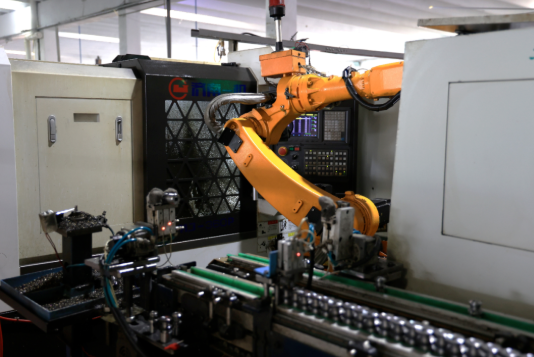
CNC Investment Costs and Smart Sourcing Strategies
You've seen what proper maintenance demands—but here's an even bigger question: should you make that capital investment in the first place? Understanding the true price of cnc equipment goes far beyond the initial purchase. Smart manufacturers analyze total cost of ownership before committing hundreds of thousands of dollars to machinery that might not deliver expected returns.
According to CNC WMT's 2025 buyer's guide, entry-level CNC models start at a few thousand dollars, while sophisticated high-end machines can cost hundreds of thousands. But the cost of cnc machine ownership extends well beyond that sticker price—and ignoring these hidden expenses leads to budget disasters that sink otherwise promising operations.
Understanding the True Cost of CNC Ownership
When evaluating cnc machine manufacturers and their equipment offerings, consider every expense category that impacts your bottom line:
- Equipment acquisition: Purchase price varies dramatically based on machine type, size, brand reputation, and axis configuration—expect $10,000-$50,000 for entry-level 3-axis mills up to $500,000+ for production-grade 5-axis systems
- Installation and setup: Facility modifications, electrical upgrades, compressed air systems, and foundation work add 10-20% to initial costs
- Tooling inventory: Cutting tools, holders, fixtures, and workholding devices represent ongoing expenses that accumulate quickly
- Training requirements: Operators need comprehensive instruction on machine operation, programming, and safety protocols
- Software licenses: CAD/CAM packages, simulation tools, and machine-specific software require annual fees
- Preventive maintenance: Regular service, calibration, and replacement parts prevent costly breakdowns
- Energy consumption: Larger machines draw significant power during operation—factor utility costs into ROI calculations
- Floor space: Dedicated square footage for equipment, raw materials, and finished parts carries real estate costs
Machine manufacturing complexity affects pricing significantly. Well-known cnc machine producers like Haas, Mazak, and DMG Mori command premium prices—but they deliver decades of engineering refinement, comprehensive technical support, and documented reliability. Budget alternatives might save money initially, then drain resources through frequent breakdowns and limited service options.
Size matters too. Larger CNC equipment requires more material and complex mechanical structures to maintain accuracy across extended work envelopes. A machine capable of handling full-size automotive components costs substantially more than desktop units designed for small precision parts.
Calculating Return on Investment for Production Equipment
How do you know if buying makes financial sense? ROI calculations must account for utilization rates, which many purchasers overestimate dramatically. A $300,000 machine running single shifts at 60% utilization produces very different economics than the same equipment running three shifts at 85% capacity.
Consider these ROI factors before committing capital:
- Projected utilization: Realistically estimate how many hours per week the machine will actually produce parts
- Labor costs: Skilled CNC operators command competitive wages—factor in benefits, training, and retention challenges
- Opportunity cost: Capital tied up in equipment cannot fund other growth initiatives
- Depreciation timeline: Most CNC equipment depreciates over 7-10 years for accounting purposes
- Resale value: Well-maintained machines from reputable cnc equipment manufacturers retain value better
- Technology obsolescence: Will current capabilities meet requirements five years from now?
Here's what many manufacturers overlook: according to PMI2's analysis of contract manufacturing benefits, contracting for CNC services can alleviate operational headaches by converting fixed costs into a pay-as-you-go model. This approach eliminates capital investment in assets that might sit idle during slow periods while still delivering precision components when demand peaks.
When does partnering make more sense than purchasing? Automotive manufacturers face particularly compelling reasons to consider specialized machining partners. IATF 16949 certification—the automotive industry's quality management standard—requires extensive documentation, process controls, and ongoing compliance verification. Achieving and maintaining this certification demands significant investment in quality systems, trained personnel, and continuous improvement programs.
For manufacturers needing certified suppliers who can scale from rapid prototyping to mass production, partnering often delivers superior economics. Consider Shaoyi Metal Technology's precision CNC machining services as an example: their IATF 16949-certified facility provides high-tolerance components with lead times as fast as one working day, backed by rigorous Statistical Process Control. This eliminates your capital investment while ensuring consistent quality for complex chassis assemblies and custom metal components.
The decision framework becomes clearer when you're honest about your situation: Do you have consistent, predictable demand justifying equipment purchase? Can you attract and retain skilled operators in your labor market? Will you maintain utilization rates high enough to justify depreciation? If any answer tilts toward uncertainty, exploring contract manufacturing partnerships deserves serious consideration.
Smart sourcing strategies often combine approaches—maintaining basic in-house capabilities for quick prototypes and simple parts while partnering with specialized shops for complex, high-tolerance, or high-volume production. This hybrid model provides flexibility without overcommitting capital to equipment that may not match future requirements. With cost considerations properly understood, you're equipped to take decisive action toward manufacturing excellence.
Taking the Next Step in CNC Manufacturing Excellence
You've journeyed from understanding what is cnc equipment at its core to evaluating complex cost structures and maintenance demands. Now comes the pivotal question: what action should you take with this knowledge? Whether you're launching your first production run or optimizing an established operation, the path forward depends on matching your specific requirements with the right manufacturing approach.
Key Takeaways for Manufacturing Decision-Makers
Before committing resources to any direction, ground your decisions in these critical considerations that separate successful machining manufacturing operations from costly missteps:
- Match machine capabilities to actual part requirements: Don't invest in 5-axis equipment when 3-axis handles your geometries—and don't struggle with inadequate machinery when precision demands more
- Understand your true volume economics: CNC excels from prototypes through several thousand units; injection molding wins at scale above 10,000+ pieces
- Factor total cost of ownership: Equipment purchase price represents just the beginning—training, tooling, maintenance, and energy consumption significantly impact your bottom line
- Prioritize quality systems for critical applications: Automotive and medical components demand certified suppliers with robust Statistical Process Control, not just competitive pricing
- Build maintenance culture from day one: Preventive care costs a fraction of reactive repairs and prevents the production disruptions that damage customer relationships
- Consider hybrid sourcing strategies: Maintain basic in-house capabilities while partnering with specialists for complex, high-tolerance, or high-volume production runs
What is a cnc machinist's role in this equation? Even with advanced automation, skilled operators remain essential—they set up equipment, verify first articles, monitor production, and catch problems before they become disasters. Investing in operator development pays dividends through reduced scrap, faster troubleshooting, and consistent quality output from your cnc machining equipment.
Your Path Forward in Precision Manufacturing
Your next steps depend entirely on where you stand today. If you're evaluating capital equipment purchases, conduct thorough utilization projections before committing. Machines sitting idle destroy ROI faster than any other factor.
For manufacturers producing cnc parts in automotive applications, the certification question looms large. IATF 16949 compliance requires more than quality intentions—it demands documented systems, trained personnel, and continuous improvement programs. According to industry analysis, partners with non-IATF 16949 systems present significant supply chain risks that extend far beyond individual project concerns.
What is cnc system integration worth to your operation? The answer emerges from honest assessment: Can you achieve and maintain required certifications internally? Will your utilization rates justify equipment depreciation? Do you have access to skilled operators in your labor market?
When answers trend uncertain, partnering with established precision machining specialists often delivers superior outcomes. For automotive manufacturers specifically, facilities offering IATF 16949 certification, Statistical Process Control, and proven experience with complex chassis assemblies eliminate quality uncertainty while providing the flexibility to scale from rapid prototyping through mass production.
Ready to accelerate your automotive supply chain with reliable manufacturing solutions? Explore Shaoyi Metal Technology's automotive machining capabilities for high-tolerance components with lead times as fast as one working day—backed by the certifications and quality systems that demanding applications require.
Frequently Asked Questions About Manufacturing CNC Machines
1. What is a CNC machine in manufacturing?
A CNC machine (Computer Numerical Control machine) is automated equipment controlled by pre-programmed software that performs precise cutting, drilling, milling, and shaping tasks with minimal human intervention. These machines interpret G-code instructions to execute movements with exceptional accuracy, producing everything from aerospace turbine blades to medical implants. CNC technology eliminates variability from manual control, delivering consistency that human operators cannot match across thousands of identical parts.
2. What do CNC machinists get paid?
CNC machinist salaries vary by region and experience level. According to the Bureau of Labor Statistics, the median annual wage for machinists in the United States was $56,150 in May 2024. Those working in transportation equipment manufacturing earn higher median wages around $60,300. In the UK, general averages range from £31,787 to £33,100 annually, with broader ranges spanning £25,000 to £45,000 depending on specific roles, locations, and expertise levels.
3. How much does a CNC machine cost?
CNC machine costs vary dramatically based on type, size, and capabilities. Entry-level 3-axis mills start at $10,000-$50,000, while production-grade 5-axis systems exceed $200,000-$500,000. Beyond purchase price, total ownership costs include installation (10-20% of initial cost), tooling inventory, operator training, software licenses, preventive maintenance, and energy consumption. Budget alternatives may save initially but often drain resources through frequent breakdowns and limited service options.
4. What are the different types of CNC machines?
Major CNC machine categories include milling machines (2-axis to 6-axis configurations for complex geometries), lathes (for cylindrical components), grinding machines (ultra-smooth surface finishes), drilling machines (precision holes with ±0.001mm tolerances), plasma cutters (electrically conductive materials), laser cutters (superior precision on metals, plastics, fabrics), waterjet cutters (heat-sensitive materials), EDM machines (molds and dies), and routers (softer materials like wood and foam). Each type excels in specific manufacturing applications.
5. Should I buy CNC equipment or outsource machining services?
The decision depends on demand consistency, technical expertise, and capital availability. Invest in-house when you have predictable demand, skilled operators, IP concerns, and future projects utilizing the same capabilities. Outsource when volumes fluctuate, parts require beyond-current capabilities, you lack skilled operators, or equipment maintenance would burden core operations. Many manufacturers adopt hybrid approaches—maintaining basic in-house capabilities while partnering with IATF 16949-certified specialists like Shaoyi Metal Technology for complex, high-tolerance automotive components with rapid turnaround.