 Small batches, high standards. Our rapid prototyping service makes validation faster and easier —
  EN
EN


Machining Vendors Exposed: What Buyers Wish They Knew First
Understanding Machining Vendors and Their Critical Role
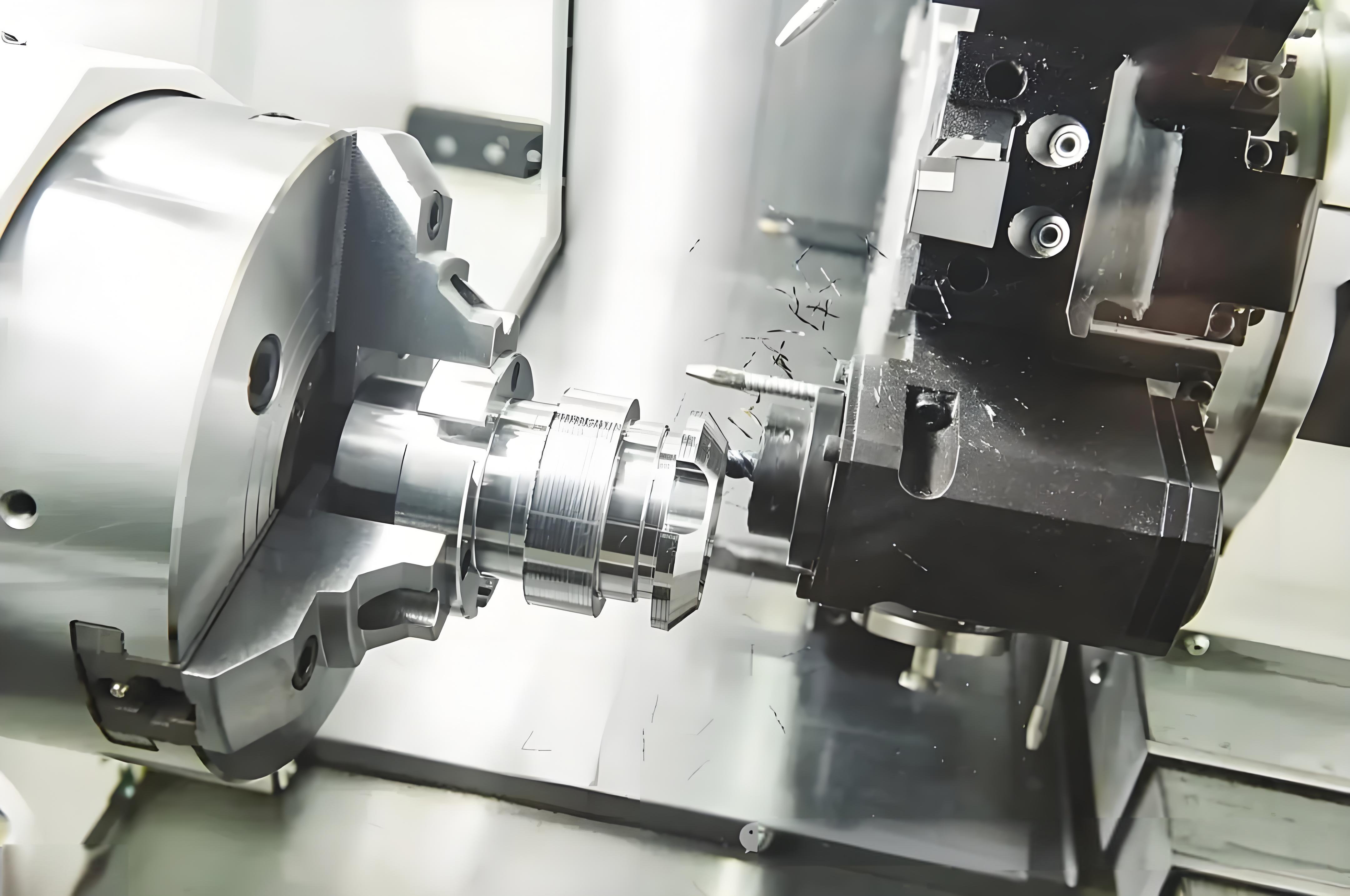
Ever wondered who transforms raw metal blocks into the precision components powering your products? That's where machining vendors step in. These specialized manufacturers serve as the backbone of modern supply chains, converting engineering designs into tangible, functional parts through advanced cutting, shaping, and fabrication processes.
Whether you're a procurement professional sourcing components or an engineer seeking a reliable production partner, understanding what these vendors actually offer—and how to evaluate them—can mean the difference between project success and costly delays.
What Machining Vendors Actually Do
At their core, machining vendors are external manufacturing partners that produce precision components using computer-controlled equipment and specialized fabricating techniques. Think of them as an extension of your production capabilities without the capital investment of owning machinery yourself.
When you search for "cnc near me," you're looking for these exact specialists. They operate sophisticated equipment capable of shaping metals, plastics, and composites into parts meeting exact specifications—sometimes down to tolerances of a few thousandths of an inch.
Here are the core services most machining vendors typically offer:
- CNC Milling: Using rotating tools to remove material and create complex geometries, pockets, and 3D shapes
- CNC Turning: Rotating workpieces against cutting tools to produce cylindrical components like shafts and bushings
- Fabrication: Cutting, bending, and assembling metal structures through welding and mechanical joining
- Finishing Operations: Surface treatments including anodizing, plating, powder coating, and precision grinding
Why Your Vendor Choice Shapes Product Success
Here's what many buyers learn the hard way: the quality of your machining partner directly influences your speed to market, product reliability, and overall profitability. A wrong choice can result in delays, quality issues, or budget overruns—all of which damage customer trust and internal efficiency.
Metal machining requires more than just equipment access. It demands expertise in material behavior, tooling selection, and process optimization. Your vendor's capabilities in these areas determine whether your parts arrive on-spec, on-time, and on-budget.
Consider these critical factors that hinge on vendor selection:
- Product Quality: Precision tolerances and surface finishes directly affect component performance
- Cost Control: Efficient vendors minimize material waste, reduce setup times, and optimize machine utilization
- Time-to-Market: Reliable lead times keep your production schedule predictable and your customers satisfied
The Manufacturing Partnership Mindset
Selecting a fabrication shop isn't simply a transactional decision—it's choosing a manufacturing partner. The best vendor relationships extend beyond placing orders. They involve collaborative problem-solving, design feedback, and continuous improvement.
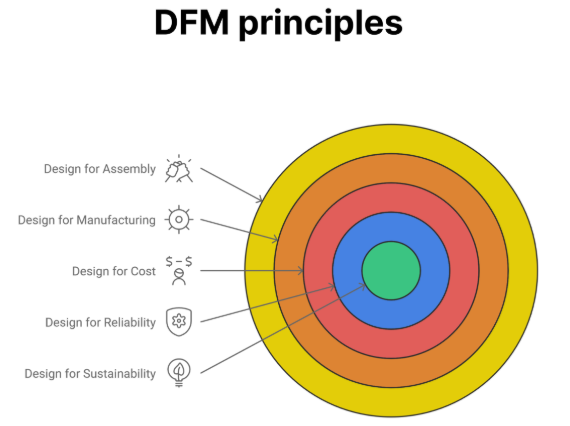
Experienced suppliers anticipate problems before they arise. They understand technical drawings, provide DFM (Design for Manufacturability) feedback, and suggest machining alternatives that improve outcomes while reducing costs.
This guide serves as your neutral, educational resource for navigating vendor selection. We won't push you toward any single solution. Instead, we'll equip you with the evaluation frameworks, industry knowledge, and practical checklists you need to make informed decisions—whether you're sourcing your first prototype or scaling to high-volume production.
Types of Machining Vendors and When to Use Each
Not all machining vendors operate the same way—and choosing the wrong type can cost you time, money, and quality. Sounds dramatic? Consider this: a vendor perfectly suited for prototyping might struggle with production volumes, while a high-volume manufacturer may refuse your small-batch order entirely.
Understanding these distinctions helps you match your project requirements to the right partner from the start. Let's break down the four main vendor categories and when each makes sense for your needs.
Job Shops vs Contract Manufacturers
When searching for "cnc machine shops near me" or "machining shops near me," you'll encounter two fundamentally different business models: job shops and contract manufacturers. The distinction matters more than you might expect.
Job shops focus on short-run or one-off production. These local machine shops take work on a per-quote basis, handling a wide variety of parts for different customers with little continuity between jobs. They're built for flexibility, not repetition.
Need a single prototype or a small quantity of custom brackets? A job shop can be cost-effective and fast. However, they may lack the infrastructure for scheduled releases, quality control tracking, or inventory programs that larger production environments require.
Contract manufacturers, on the other hand, are structured around long-term relationships and volume-based work. They're not just suppliers—they're production partners who work with your team to deliver against forecast demand, manage part revisions, and align delivery schedules with your operations.
Here's a practical example: imagine you need 50 parts this month, then 200 next quarter, with consistent quality documentation throughout. A job shop might struggle with the scheduling and traceability requirements. A contract manufacturer handles this as standard practice.
When Online Platforms Make Sense
Platforms like Xometry have transformed how buyers source machined parts. Instead of calling multiple cnc shops near me and waiting days for quotes, you upload a CAD file and receive instant pricing. For certain situations, this approach delivers real advantages.
Online platforms excel when you need:
- Rapid quoting for budgeting or project planning
- Standard materials like Xometry steel or aluminum
- Prototypes or low-volume production without vendor relationship overhead
- Geographical flexibility—parts can ship from optimized locations
The trade-off? You sacrifice direct communication with the machinist near me who's actually cutting your parts. Complex geometries, tight tolerances, or unusual materials often benefit from a conversation that platforms can't easily facilitate. You also have less visibility into which specific c and c machine shop handles your order.
Consider online platforms as one tool in your sourcing toolkit—ideal for straightforward parts but potentially limiting for complex or relationship-driven projects.
Specialty Vendors for Niche Requirements
Some projects demand expertise that general-purpose shops simply don't possess. Specialty vendors focus on specific materials, industries, or processes—and that focus translates into superior results for qualifying projects.
Think about medical device components requiring biocompatible materials and clean-room protocols. Or aerospace parts needing exotic alloys and extensive documentation. Or oil and gas components subjected to extreme operating conditions, where custom CNC machining with specialized materials becomes essential.
Specialty vendors typically offer:
- Deep material expertise (titanium, Inconel, medical-grade plastics)
- Industry-specific certifications and compliance knowledge
- Established quality systems tailored to regulatory requirements
- Application experience that prevents costly design mistakes
The premium you pay for specialty expertise often saves money overall by avoiding rework, compliance issues, or field failures.
Comparing Vendor Types at a Glance
Use this comparison table to quickly identify which vendor type aligns with your project needs:
| Factor | Job Shops | Contract Manufacturers | Online Platforms | Specialty Vendors |
|---|---|---|---|---|
| Typical Order Volume | 1-100 pieces | 100-10,000+ pieces | 1-500 pieces | Varies by application |
| Lead Times | 1-3 weeks | 2-6 weeks (scheduled) | 3-10 business days | 2-8 weeks |
| Pricing Structure | Per-job quotes | Volume-based contracts | Instant algorithmic pricing | Premium for expertise |
| Communication Style | Direct, informal | Structured, account-managed | Platform-based, limited | Consultative, technical |
| Best Use Cases | Prototypes, custom one-offs, repairs | Recurring production, supply chain integration | Standard parts, quick turnaround, budget estimates | Regulated industries, exotic materials, critical applications |
The right vendor type depends entirely on your specific situation. Early-stage product development might start with a job shop for prototypes, transition to an online platform for market testing quantities, then scale to a contract manufacturer for ongoing production. Understanding these options helps you make smarter sourcing decisions at every stage.
Of course, knowing vendor types is just the beginning. The next critical step involves evaluating individual vendors against specific capability criteria—ensuring whoever you choose can actually deliver what they promise.
Essential Criteria for Evaluating Machining Vendors
You've identified the right vendor type for your project. Now comes the harder question: how do you separate capable suppliers from those who simply talk a good game? The difference between a successful manufacturing partnership and a costly mistake often comes down to asking the right questions—and knowing how to interpret the answers.
This section delivers a practical evaluation framework you can apply immediately. Whether you're assessing precision machining services for aerospace components or sourcing custom machined parts for industrial equipment, these criteria help you make decisions based on evidence rather than sales presentations.
Technical Capability Assessment Checklist
Start with the fundamentals: can this vendor actually produce your parts? Technical capability assessment goes beyond counting machines on the floor. You're evaluating whether their equipment, expertise, and processes align with your specific requirements.
According to manufacturing industry research, suppliers equipped with advanced multi-axis machining centers and precision turning equipment are more likely to deliver complex geometries with high accuracy. But equipment alone doesn't guarantee results—the integration of modern CAD/CAM software determines how effectively designs translate into finished machined parts.
Here's what to evaluate during your technical assessment:
- Equipment Types and Capabilities: Does the vendor operate multi-axis CNC machines (4-axis, 5-axis) for complex geometries? Do they have swiss machining capabilities for precision turned components? What about EDM (Electrical Discharge Machining) for intricate features or hardened materials?
- Tolerance Capabilities: Request their standard and achievable tolerance ranges. General machining might hold ±0.005", while precision work reaches ±0.0005" or tighter. Match their capabilities to your requirements—paying for tighter tolerances than necessary wastes money.
- CNC Cutting Machine Technology: Evaluate spindle speeds, tool changer capacity, and automation levels. Modern cnc fabrication equipment with high-speed spindles and large tool magazines reduces setup times and improves consistency.
- Material Expertise: A broad material portfolio demonstrates technical competence. Vendors experienced with aluminum machining, stainless steel, titanium, and engineering plastics can better support diverse project needs.
- CAD/CAM Software Integration: Ask which software systems they use and whether they can work directly with your file formats. Strong programming capabilities translate designs into efficient toolpaths.
Here's a practical tip: don't just ask "Do you have...?" Ask "Show me how..." A supplier claiming 5-axis capability should demonstrate programming and running a complex part. This approach reveals whether their systems represent daily practice or rarely-used equipment collecting dust.
Quality Management Red Flags and Green Lights
A quality certificate hanging on the wall is one thing. A quality culture that lives and breathes on the shop floor is another entirely. Your evaluation must distinguish between suppliers who merely meet standards and those genuinely committed to quality.
As quality pioneer W. Edwards Deming advised, you should "End the practice of awarding business on the basis of price tag. Instead, minimize total cost." A cheap part from a vendor with poor quality systems becomes the most expensive part you'll ever buy when you factor in rework, delays, and field failures.
Green Lights: Signs of Strong Quality Systems
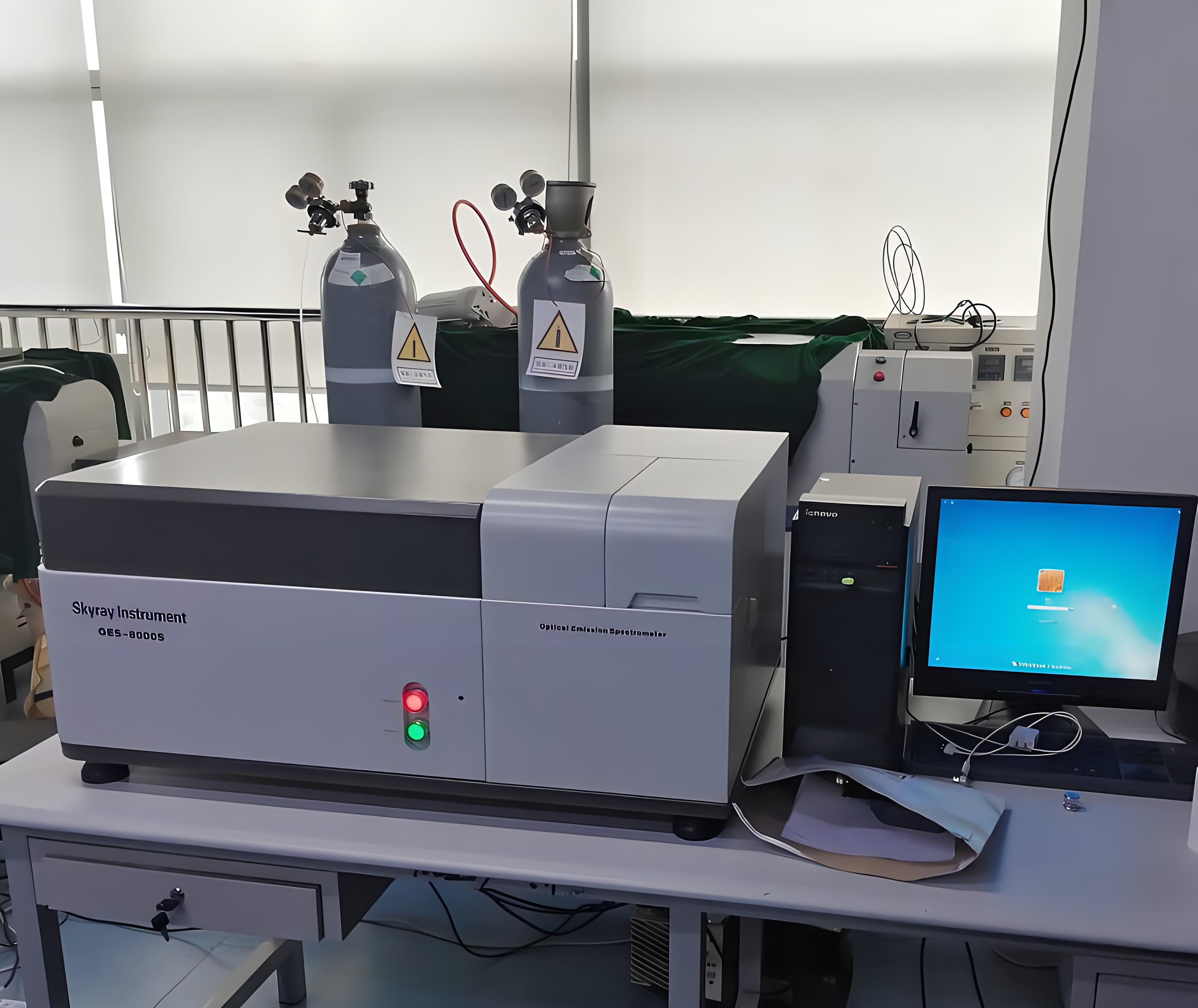
- Advanced Inspection Equipment: Look for coordinate measuring machines (CMMs), optical comparators, surface roughness testers, and digital microscopes. These instruments enable verification of critical dimensions at every production stage.
- Statistical Process Control (SPC): Vendors using SPC monitor processes in real-time, detecting deviations before they produce defective parts. Ask to see control charts from recent production runs.
- Complete Documentation Practices: First Article Inspection (FAI) reports, material certifications, and full traceability records should be standard practice—not special requests that take days to compile.
- In-Process Inspection: Quality checks throughout production catch problems early. Ask how often operators verify dimensions during machining, not just at final inspection.
- Calibration Programs: All measuring equipment should have current calibration certificates traceable to national standards.
Red Flags: Warning Signs to Watch For
- Delayed Documentation: If requesting traceability records for a recent batch takes more than a few hours, their quality system may exist on paper only.
- Inconsistent Inspection Records: Gaps or contradictions in measurement data suggest process control problems.
- Resistance to Facility Visits: Reputable vendors welcome customer audits. Reluctance to show the shop floor raises questions.
- Single-Point Inspection Only: Checking parts only at the end of production means defects aren't caught until significant resources are already wasted.
One procurement professional shared this experience: they found a supplier with a pristine ISO 13485 certificate proudly displayed. On paper, perfect. But when asked to see complete traceability records for a random production batch from the previous week, it took two days to piece together incomplete and contradictory documents. The quality system was an illusion—binders on a shelf rather than daily practice.
Business Health Indicators That Matter
Technical capability and quality systems matter, but they're useless if the vendor can't stay in business or respond when you need them. Business health evaluation protects you from supply chain disruptions and ensures responsive partnership.
Consider these critical business factors:
- Financial Stability: A supplier with shaky finances is a risk regardless of their technical capabilities. Request basic financial information or use third-party credit reports. Look for signs of consistent investment in equipment and facilities.
- Capacity Utilization: Ask about current workload and how they handle demand fluctuations. A shop running at 95% capacity may struggle with your urgent orders. Conversely, very low utilization might indicate business problems.
- Communication Responsiveness: Time how quickly they respond to inquiries. A vendor taking a week to answer simple questions will likely frustrate you during production. Look for dedicated project managers or engineers who provide technical guidance.
- Workforce Stability: High employee turnover affects quality and consistency. Ask about average operator tenure and training programs. Experienced machinists who understand their equipment produce better results.
- Backup and Contingency Planning: What happens if a key machine goes down? Do they have redundant equipment or partner relationships to maintain delivery commitments?
Use this evaluation table to score potential vendors across key parameters:
| Evaluation Category | What to Assess | How to Verify |
|---|---|---|
| Technical Capability | Equipment types, tolerance ranges, material expertise | Facility tour, equipment list, sample parts with inspection reports |
| Quality Systems | Certifications, inspection equipment, SPC implementation | Random documentation audit, calibration records, process capability data |
| Financial Health | Stability, investment patterns, credit standing | Credit reports, facility condition, equipment age |
| Capacity & Responsiveness | Current utilization, communication speed, flexibility | Direct questions, quote turnaround time, reference checks |
| Workforce Quality | Operator experience, training programs, turnover rates | Shop floor observations, direct conversations with machinists |
The proof is in the execution, not the certification. Always verify claims through direct observation and documentation review rather than accepting presentations at face value.
Remember: you're not just evaluating whether a vendor can make your parts today. You're assessing whether they'll remain a reliable partner as your needs evolve. The vendors who score well across technical, quality, and business dimensions become genuine assets to your supply chain—not just order-takers who occasionally deliver acceptable results.
Of course, industry certifications play a significant role in this evaluation process. Understanding what each certification actually guarantees—and when it truly matters for your application—helps you set appropriate requirements without over-specifying or missing critical compliance needs.
Industry Certifications and What They Mean for Buyers
You've seen the alphabet soup of certifications plastered across vendor websites: ISO 9001, AS9100D, IATF 16949, ITAR. But here's what most buyers discover too late—these letters mean very different things, and requiring the wrong certification can either waste money or leave you exposed to serious compliance risks.
Understanding certifications isn't just about checking boxes. It's about matching vendor qualifications to your actual requirements. Some certifications are absolutely mandatory for your industry. Others are nice-to-have indicators of quality commitment. Knowing the difference saves time during vendor selection and protects your projects from regulatory headaches down the road.
Certification Decoded for Non-Experts
Let's strip away the jargon and explain what each major certification actually guarantees—and what it doesn't.
ISO 9001 serves as the foundation for quality management systems worldwide. Think of it as the baseline standard that demonstrates a vendor has documented processes, tracks performance, and commits to continuous improvement. According to industry analysis, ISO 9001 provides the structural framework to ensure consistency and product repeatability across production cycles.
However, ISO 9001 alone doesn't guarantee industry-specific compliance. It confirms that a vendor follows their own documented procedures—but those procedures might not meet the rigorous demands of aerospace, medical, or automotive applications.
AS9100D builds upon ISO 9001 by adding stringent requirements tailored specifically for aerospace, defense, and space systems. The "D" revision represents the current standard, incorporating enhanced risk management, product safety requirements, and counterfeit part prevention. Over 80% of global aerospace companies require AS9100 certification from their CNC suppliers, according to the International Aerospace Quality Group.
ISO 13485 addresses medical device manufacturing with a focus on patient safety and regulatory compliance. This certification ensures vendors maintain processes aligned with FDA 21 CFR Part 820 requirements and EU Medical Device Regulation expectations. For medical machining applications, this certification isn't optional—it's the cost of entry.
IATF 16949 represents the automotive industry's quality management standard, developed by the International Automotive Task Force. As Xometry's certification guide explains, this framework distills ISO 9001 into automotive-specific guidelines emphasizing defect prevention, waste reduction, and supply chain consistency. Certification is binary—vendors either meet all requirements or they don't.
ITAR (International Traffic in Arms Regulations) differs fundamentally from the others. Rather than a quality system certification, ITAR represents U.S. government registration for handling defense-related articles and technical data. Vendors working on military or defense projects must be ITAR-registered, with strict controls on who accesses controlled information.
Matching Certifications to Your Industry
When searching for welding and fabrication shops near me or evaluating aerospace cnc machining suppliers, your industry determines which certifications move from "preferred" to "required."
Use this reference table to quickly identify certification requirements by industry:
| Certification | Industry Application | What It Guarantees | Typical Audit Requirements |
|---|---|---|---|
| ISO 9001 | General manufacturing, commercial products | Documented quality processes, continuous improvement commitment | Annual surveillance audits, recertification every 3 years |
| AS9100D | Aerospace, defense, space systems | Enhanced traceability, risk management, counterfeit prevention, FAI compliance | Annual audits with detailed product and process review |
| ISO 13485 | Medical devices, implants, diagnostic equipment | Patient safety focus, regulatory alignment (FDA, EU MDR), design control processes | Annual surveillance, FDA registration alignment |
| IATF 16949 | Automotive OEM and Tier suppliers | Defect prevention, statistical process control, supply chain integration | Annual audits covering seven core sections |
| ITAR | Defense articles, military applications | U.S. government authorization for controlled technical data and articles | Ongoing compliance, no formal audit but strict enforcement |
For kovar machining services or other exotic material applications in aerospace, AS9100D certification ensures vendors maintain the documentation and traceability these critical components demand. Similarly, industrial fabrication services for automotive powertrain components typically require IATF 16949 compliance to qualify for OEM supplier programs.
When Certification Matters Most
Here's a reality many buyers miss: certification requirements aren't always set in stone. Understanding when requirements are mandatory versus negotiable helps you avoid over-specifying—which limits your vendor pool and often increases costs.
Mandatory certification scenarios:
- Parts destined for FAA-regulated aircraft assemblies require AS9100D-certified suppliers
- Medical implants and Class II/III devices need ISO 13485-certified manufacturing
- Direct OEM automotive suppliers must maintain IATF 16949 certification
- Any defense contract involving ITAR-controlled articles requires registered vendors
Negotiable or context-dependent situations:
- Prototype development for future aerospace applications—certification may not be required until production
- Non-critical commercial components where ISO 9001 provides adequate quality assurance
- Tier 2 or Tier 3 automotive suppliers where certification flows down from prime contractors
- R&D projects where final production will move to certified facilities
One common mistake? Requiring AS9100D certification for every machined part simply because your end product serves aerospace. If a component isn't flight-critical and doesn't require full traceability, you may be unnecessarily limiting your options and paying premium prices.
Conversely, accepting ISO 9001 when your application genuinely requires AS9100D or ISO 13485 exposes you to compliance failures that can halt production, trigger regulatory action, or—in worst cases—create safety incidents.
The goal isn't collecting the most certifications—it's matching vendor qualifications to your actual regulatory and quality requirements.
When evaluating potential suppliers, ask to see current certification documents and audit reports. Verify certifications through registrar databases rather than accepting displayed certificates at face value. And remember: a certification proves a vendor met requirements on audit day. Your ongoing relationship determines whether that quality commitment translates into every part they produce for you.
With certifications understood, the next challenge involves communicating your requirements clearly enough to get accurate, comparable quotes from multiple vendors—a process where small details in your RFQ can make or break the accuracy of responses you receive.
Crafting RFQs That Get Accurate Quotes
You've identified qualified machining vendors and understand their certifications. Now comes the moment of truth: requesting quotes. But here's what catches many buyers off guard—the quality of your Request for Quote directly determines the quality of responses you receive. A vague or incomplete RFQ doesn't just slow things down. It actively generates inaccurate pricing that derails budgets and timelines.
Think of your RFQ as the foundational document for your entire project. When you and your manufacturing partner agree on exact specifications upfront, there's no room for interpretation or costly assumptions. Let's walk through exactly what it takes to create RFQs that get fast, accurate quotes for your cnc machining parts.
The Anatomy of an Effective RFQ
An effective RFQ for machining parts isn't just a form you fill out to get pricing. According to manufacturing industry experts, it's the document that defines "done right" for your project. Every detail you include—or omit—influences how vendors interpret your requirements and calculate their quotes.
Here's a step-by-step process for creating RFQs that generate accurate, comparable responses:
- Compile Your Technical Package: Start with a complete 3D CAD model (preferably as a .STEP file) that accurately represents your part geometry. This file becomes the source of truth for automated quoting systems and manual programming alike.
- Create a Complementary 2D Drawing: Your PDF drawing should clarify and add critical information that complements the 3D model—tolerances, GD&T callouts, surface finish requirements, and material specifications. As manufacturing engineering experts note, "A successful RFQ package is one where the 2D drawing serves to clarify and add critical information that complements the 3D model, rather than contradicting it."
- Specify Quantities Clearly: Include a quantity table showing initial order size plus anticipated annual usage. This helps vendors provide appropriate lot pricing rather than quoting each order separately.
- Define Delivery Requirements: State your target lead time and whether you need expedited delivery options. Being upfront about timing helps vendors assess capacity fit.
- List Secondary Operations: Document any finishing requirements, heat treatment, plating, assembly, or special packaging needs that affect total cost.
- Include Inspection Requirements: Specify which dimensions require 100% inspection versus statistical sampling, reducing ambiguity about quality verification expectations.
Information Vendors Need for Accurate Quotes
When vendors receive incomplete information, they face a choice: ask questions (delaying your quote) or make assumptions (potentially inflating prices to cover unknowns). Neither outcome serves your interests. Here's exactly what machining vendors need to quote cnc parts accurately:
- Complete CAD Files: 3D models in native or neutral formats (.STEP, .IGES, .SLDPRT) containing accurate geometry. Vendors use these files directly for programming—errors here multiply through production.
- Material Specifications: Don't just say "aluminum." Specify the exact alloy (6061-T6, 7075-T651), condition, and any material certification requirements. Include approved alternates if flexibility exists.
- Tolerance Requirements: Identify critical dimensions with specific tolerance callouts. General tolerances for non-critical features reduce cost, while tight tolerances on functional surfaces ensure performance.
- Surface Finish Specifications: State Ra values or other finish standards for functional surfaces. A 125 Ra finish costs far less than a 16 Ra mirror finish—be specific about what each surface actually needs.
- Quantity and Delivery Schedule: Beyond initial quantity, share your forecast. Vendors offering cnc quote online services and traditional shops alike price differently for one-time orders versus ongoing programs.
- Application Context: When appropriate, explain how the part functions. Experienced suppliers can recommend plating options for corrosion resistance or suggest design modifications that improve manufacturability.
Incomplete RFQs force vendors to pad quotes with contingency pricing or request multiple rounds of clarification—either way, you lose time and potentially overpay for parts that could have been quoted accurately from the start.
Avoiding Quote Comparison Pitfalls
You've sent your RFQ to three vendors and received three different prices. But can you actually compare them? Many buyers discover too late that quote variations stem from different interpretations rather than genuine cost differences. Here's how to structure RFQs for true apples-to-apples comparison:
Standardize Your Format: Provide identical information packages to all vendors. If one vendor receives additional clarification, share that information with everyone. According to RFQ process research, including instructions on quote formatting makes it significantly easier for buyers to compare different options.
Break Down Cost Components: Request itemized quotes showing material costs, machining time, finishing operations, and inspection separately. This transparency reveals where vendors differ and helps identify optimization opportunities.
Specify What's Included: Explicitly state whether quotes should include shipping, material certification, first article inspection reports, or special packaging. Hidden exclusions make cheap quotes expensive surprises.
Common RFQ Mistakes That Inflate Costs:
- Contradicting Documents: When your 3D model shows one geometry and your 2D drawing shows another, vendors must choose which to follow—or price for clarification delays.
- Over-Tolerancing: Specifying ±0.001" on every dimension when only three features actually need that precision dramatically increases cost.
- Missing Quantity Context: Quoting 10 pieces without mentioning your annual usage of 500 prevents vendors from offering better lot pricing structures.
- Omitting Secondary Operations: Forgetting to mention required anodizing, heat treatment, or assembly means quotes don't reflect true project cost.
- Using Prototype RFQs for Production: The vendor who makes five cnc prototyping parts quickly isn't necessarily the right partner for 5,000 production pieces. Create separate RFQ templates for each scenario.
One experienced buyer shared this insight: they used to wonder why online machining quotes varied by 300% for the same part. The answer? Their drawings contained ambiguous tolerances that each vendor interpreted differently. After standardizing their RFQ documentation with explicit specifications, quote variance dropped to 15%—reflecting genuine capability and pricing differences rather than interpretation gaps.
Remember, your RFQ does double duty. Beyond generating pricing, it serves as a diagnostic tool for evaluating vendor capability. The way suppliers respond to your detailed documentation reveals their processes, communication style, and attention to detail—information that proves invaluable when making your final selection.
With accurate quotes in hand, the next factor to evaluate is whether those promising lead times will actually hold up in practice—and what factors influence delivery reliability in real-world production scenarios.
Lead Time Factors and Delivery Reliability Assessment
You've received quotes with promising lead times. But here's the uncomfortable truth many buyers learn through experience: quoted lead times and actual delivery dates often diverge—sometimes dramatically. Understanding what actually drives machining lead times helps you evaluate whether vendor promises are realistic and protects your production schedules from costly surprises.
Whether you're sourcing cnc turning services for precision components or complex multi-operation assemblies, delivery reliability depends on factors both within and beyond your control. Let's break down what actually influences timing—and how to assess whether a vendor can deliver on their commitments.
What Actually Drives Lead Times
Lead time isn't simply "how long machining takes." According to CNC production research, delivery time encompasses the total duration from order placement to final delivery—including machine availability, material procurement, programming, production, finishing, inspection, and shipping. Each element adds time, and delays in any stage cascade through the entire schedule.
Here are the primary factors that determine how quickly your parts actually arrive:
- Machine Availability: Even well-equipped shops run at capacity constraints. A factory with 10 CNC machines operating two shifts has roughly 140 effective machine-hours daily after accounting for setup and maintenance. Your order competes with existing commitments for that limited capacity.
- Material Procurement: Common materials like aluminum 6061 or stainless steel 304 are typically in stock, allowing immediate production start. However, exotic alloys, specialty plastics, or certified materials may require 1-2 weeks for supplier delivery before cnc cutting can even begin.
- Part Complexity: Simple geometries with basic tolerances process quickly. Complex parts requiring 5-axis machining, multiple setups, or tight tolerances (±0.001" or tighter) demand significantly more programming, setup, and machining time—sometimes 20-30% longer than simpler alternatives.
- Finishing Operations: Heat treatment, plating, anodizing, or specialized coatings often require external processing. Each secondary operation adds transit time plus vendor queue time, potentially extending schedules by days or weeks.
- Quality Inspection Requirements: Parts requiring 100% CMM inspection take longer than those using statistical sampling. According to manufacturing capacity studies, thorough inspection using Coordinate Measuring Machines can add 10-20 minutes per part compared to spot-checking methods.
Here's what many buyers miss: the factors you control versus those you cannot differ significantly. Understanding this distinction helps you focus improvement efforts where they matter.
Factors You Can Influence
- Design complexity and tolerance specifications
- Material selection (standard vs. exotic)
- Order quantity and batch sizing
- Inspection requirements and acceptance criteria
- Secondary operation specifications
- Completeness and clarity of your RFQ documentation
Factors Beyond Your Control
- Vendor's existing order backlog
- Machine breakdowns and unplanned maintenance
- Supplier delays for raw materials
- External finishing vendor schedules
- Shipping logistics and transit times
Assessing Vendor Capacity Before Committing
Smart buyers evaluate capacity before placing orders—not after missed deliveries create problems. But how do you assess something vendors might be reluctant to discuss openly? The right questions reveal whether a cnc service provider can realistically meet your timeline.
Manufacturing capacity research identifies several critical indicators worth examining:
Current Workload Questions to Ask:
- What's your current capacity utilization percentage? (Shops running above 85% have limited flexibility for rush orders or schedule changes)
- How many shifts are you currently operating? (Single-shift operations have expansion room; three-shift operations are maxed out)
- What's your typical quote-to-delivery time for similar parts right now?
- Do you have dedicated equipment for my type of work, or will my order compete with different product types?
Capacity Planning Indicators:
- Do they use production scheduling software (ERP/MES systems) to manage workflow?
- Can they provide realistic delivery windows rather than optimistic single-date promises?
- What happens if a machine goes down during your production run? Do they have backup equipment?
- How do they handle priority conflicts between customers?
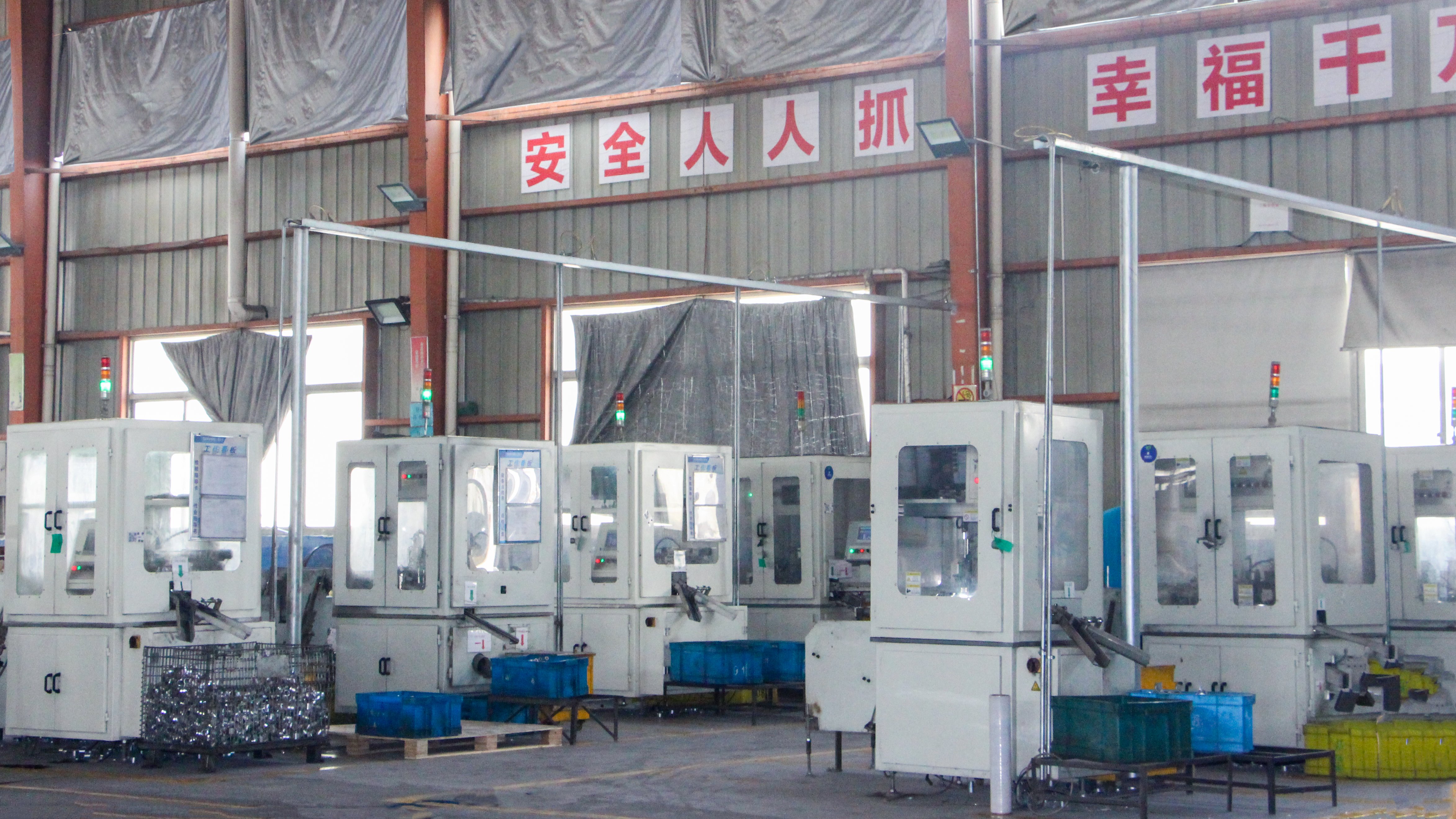
When searching for cnc services near me, proximity offers advantages beyond shipping time. Local vendors enable facility visits where you can observe shop floor activity firsthand. A shop floor buzzing with activity might indicate healthy business—or capacity constraints that threaten your delivery. Empty machines during business hours might signal availability—or concerning lack of work.
Balancing Speed and Quality Expectations
Here's the uncomfortable reality experienced buyers understand: vendors promising unrealistically short lead times often cut corners to deliver. The relationship between speed and quality isn't just theoretical—it manifests in skipped inspection steps, rushed setups, and operators pressured to prioritize speed over precision.
Consider this scenario: A vendor quotes 5-day delivery when competitors quote 10-12 days for identical cnc turning service work. What enables that speed difference? Possibilities include:
- Available capacity others lack (legitimate advantage)
- More efficient processes and equipment (legitimate advantage)
- Reduced inspection and quality verification (concerning)
- Overtime that leads to operator fatigue (quality risk)
- Unrealistic promise that will slip once your order is placed (reliability risk)
According to vendor evaluation research, building collaborative relationships with regular communication and clear expectations leads to better outcomes than purely transactional approaches focused on speed.
Red Flags in Lead Time Promises:
- Quotes significantly faster than multiple competitors without clear explanation
- Reluctance to discuss current workload or capacity
- No buffer built into schedules for potential issues
- History of missed deliveries (ask for references)
- Pushing back on inspection requirements to meet timing
Green Lights for Delivery Reliability:
- Transparent discussion of current capacity and scheduling
- Realistic timelines with built-in contingency (typically 10-15%)
- Proactive communication about potential delays
- Track record verified through customer references
- Real-time order tracking and status updates
Domestic vs. International Vendor Considerations
Your geographic sourcing decision significantly impacts lead time reliability. Domestic vendors offer faster shipping and easier communication, while international suppliers may provide cost advantages with added complexity.
| Factor | Domestic Vendors | International Vendors |
|---|---|---|
| Shipping Time | 1-5 business days | 2-6 weeks (ocean) or 3-7 days (air) |
| Communication | Same timezone, direct phone access | Timezone challenges, potential language barriers |
| Issue Resolution | Rapid response, facility visits possible | Delays for shipping rework, limited oversight |
| Lead Time Predictability | Higher—fewer variables | Lower—customs, shipping disruptions, holidays |
| Rush Order Capability | Often available at premium | Limited by shipping constraints |
For time-sensitive projects, domestic cnc cutting services often prove more economical when you factor in the true cost of delays, expedited international shipping, and quality issues discovered too late to correct locally.
The bottom line? Lead time reliability comes from understanding the full picture—not just accepting quoted days at face value. Vendors who explain their capacity, discuss potential constraints honestly, and build realistic buffers into schedules prove far more reliable than those offering aggressive timelines they can't consistently meet.
With delivery expectations calibrated, the next critical factor involves matching your material requirements to vendor expertise—because the wrong shop for your material choice creates problems no amount of capacity can solve.
Material Expertise and Vendor Capability Matching
You've evaluated certifications, assessed capacity, and received accurate quotes. But here's a factor that trips up even experienced buyers: not every machining vendor handles every material equally well. A shop producing flawless aluminum components might struggle with titanium. A vendor excelling at stainless steel may have never touched engineering plastics.
Why does this matter? Because material expertise directly influences quality outcomes, production efficiency, and ultimately your project success. Choosing the wrong vendor for your material requirements creates problems that no amount of process improvement can fix. Let's explore how to match your materials to vendors with proven expertise.
Matching Materials to Vendor Expertise
Different materials behave dramatically differently under cutting tools. According to manufacturing research from E.J. Basler, understanding these differences ensures parts maintain structural integrity, production costs remain controlled, and appropriate surface finishes are achieved.
Consider aluminum versus stainless steel. Aluminum cuts quickly, generates less tool wear, and forgives minor programming errors. Stainless steel work-hardens during machining, demands specific cutting parameters, and punishes improper technique with premature tool failure and poor surface finish. A vendor optimized for aluminum production may lack the tooling, coolant systems, and operator expertise to handle stainless efficiently.
Here's what material expertise actually looks like in practice:
- Optimized Cutting Parameters: Experienced vendors know the ideal speeds, feeds, and depth of cut for each material—not just textbook values, but refined parameters developed through thousands of production hours.
- Appropriate Tooling Selection: Different materials require different tool geometries, coatings, and grades. Machining bronze demands different inserts than machining aluminum or titanium.
- Material-Specific Coolant Strategies: Some materials require flood coolant, others perform better with mist or dry machining. Wrong choices cause thermal damage, poor finish, or accelerated tool wear.
- Workholding Solutions: Soft materials like delrin plastic require gentle clamping to prevent deformation. Hard materials need rigid fixturing to prevent chatter. Expertise means having the right solutions ready.
When evaluating machining vendors for specific materials, ask these revealing questions:
- What percentage of your current production involves this material?
- Can you show sample parts in this material with inspection reports?
- What tooling and parameters do you use, and how did you develop them?
- What challenges have you encountered with this material, and how did you solve them?
Vendors with genuine expertise answer these questions with specific, experience-based insights. Those lacking experience provide vague, textbook-style responses.
Specialty Materials Requiring Specialist Vendors
Common materials like aluminum 6061 and 304 stainless steel are well understood by most competent shops. But specialty materials demand specialized expertise that only focused vendors possess. Attempting these materials with general-purpose shops often ends in scrapped parts, blown budgets, and missed deadlines.
Bronze Alloys: CNC machining bronze presents unique challenges. Bronze cnc work requires careful attention to chip control, as the material produces long, stringy chips that can wrap around tooling. Experienced vendors use specific insert geometries and chip breakers optimized for bronze behavior. When you need to machine bronze components for bearings, bushings, or marine applications, seek vendors with documented bronze cnc experience.
Engineering Plastics: Materials like nylon for machining and delrin plastic require fundamentally different approaches than metals. These materials are sensitive to heat buildup, which causes dimensional changes and poor surface finish. Sharp tooling, appropriate feeds, and sometimes specialized cooling prevent the melting and galling that plague inexperienced shops. According to manufacturing specialists, high-performance polymers such as PEEK, Delrin, and PTFE demand vendors with specific plastics expertise.
Aerospace Superalloys: Materials like nitronic 60, Inconel 718, and titanium alloys push machining to its limits. These materials resist cutting, generate extreme heat, and rapidly wear tooling. Aerospace manufacturing research confirms that processing these materials requires specialized machining expertise and process control to maintain surface integrity and dimensional accuracy. Vendors lacking this experience will struggle with tool life, surface finish, and geometric accuracy.
Exotic Alloys: Kovar (used in hermetic sealing applications) and similar specialty alloys require vendors who understand their unique properties. These materials often have specific machining requirements that prevent micro-cracking, maintain magnetic properties, or preserve specialized surface characteristics.
Use this reference table to identify capability indicators for different material categories:
| Material Type | Typical Applications | Vendor Capability Indicators | Certification Considerations |
|---|---|---|---|
| Aluminum Alloys (6061, 7075, 2024) | Aerospace structures, electronics enclosures, general machining | High-speed machining capability, proper chip evacuation, anodizing partnerships | AS9100D for aerospace grades; material certs for 7075-T651 |
| Stainless Steel (303, 304, 316, 17-4PH) | Medical devices, food processing, marine, chemical processing | Rigid machine tools, appropriate coolant systems, experience with work-hardening | ISO 13485 for medical; material traceability for food-grade |
| Bronze Alloys (C932, C954, C863) | Bearings, bushings, marine hardware, wear components | Chip control expertise, appropriate insert selection, surface finish capability | Material certification for marine or pressure vessel applications |
| Engineering Plastics (Delrin, Nylon, PEEK, PTFE) | Insulators, bushings, medical components, food processing | Sharp tooling protocols, heat management, dimensional stability knowledge | FDA compliance for food contact; ISO 13485 for medical |
| Titanium Alloys (Grade 5, Grade 23) | Aerospace, medical implants, high-performance applications | Rigid 5-axis capability, specialized tooling, extensive titanium production history | AS9100D for aerospace; ISO 13485 for implants |
| Superalloys (Inconel, Nitronic 60, Hastelloy) | Jet engines, chemical processing, extreme environments | Advanced multi-axis machining, specialized cooling, documented superalloy experience | AS9100D typically required; full material traceability |
| Specialty Alloys (Kovar, Invar, Monel) | Hermetic seals, precision instruments, cryogenic applications | Understanding of material-specific requirements, tight tolerance capability | Application-specific certifications; material certification essential |
Material Certifications and Traceability
Beyond machining expertise, material documentation requirements vary significantly by application. For some projects, a simple material type specification suffices. For others, full traceability from mill to finished part is mandatory.
Understanding these requirements helps you specify appropriately—and evaluate whether vendors can actually deliver the documentation your application demands.
Standard Commercial Applications: Basic material certifications confirming alloy composition and mechanical properties typically suffice. Most vendors can provide mill certifications upon request.
Aerospace Applications: Full material traceability is non-negotiable. Aerospace industry requirements mandate supplier management and material control procedures meeting aerospace standards, including heat lot traceability, material handling procedures, and documentation packages supporting certification requirements.
Medical Device Manufacturing: Materials contacting patients require biocompatibility documentation. Vendors must maintain lot traceability connecting finished parts to specific raw material batches—essential for recall scenarios.
Defense and Nuclear: DFARS-compliant materials with documented country of origin may be required. Some applications specify domestic-only material sources.
Questions to ask about material handling:
- How do you maintain material segregation and prevent mixing?
- Can you provide full traceability from raw stock to finished parts?
- Do you verify incoming material certifications against specifications?
- How quickly can you retrieve traceability records for a specific batch?
The vendor's answers reveal whether their material management matches your requirements. A shop handling aerospace alloys should demonstrate robust procedures immediately. One processing only commercial materials may need to develop systems before handling your certified-material project.
Material expertise isn't just about cutting capability—it encompasses procurement, handling, traceability, and documentation practices that ensure your parts meet specifications from raw stock through final inspection.
Remember: paying a premium for specialty material expertise often costs less than the alternative. Scrapped exotic alloy stock, failed parts, and project delays quickly exceed any savings from choosing a lower-cost vendor lacking genuine material experience.
With material requirements matched to appropriate vendor capabilities, the next step involves understanding the full vendor relationship lifecycle—from initial qualification through ongoing performance management that ensures consistent results over time.
Building and Managing Vendor Relationships
You've found qualified machining vendors with the right certifications, materials expertise, and capacity. But here's what separates successful procurement professionals from those constantly firefighting supplier issues: understanding that vendor selection is just the beginning. The real work—and real value—comes from building relationships that deliver consistent results over months and years.
Think about it this way: finding a capable vendor is like hiring a talented employee. The interview matters, but onboarding, clear expectations, and ongoing performance management determine whether that hire becomes a long-term asset or a recurring headache. The same principles apply to your machining and fabrication partners.
The Vendor Qualification Process
Before committing significant production to any supplier, a structured qualification process protects you from costly surprises. According to supply chain management research, over 80% of automotive product value comes from external suppliers—making qualification not just important, but critical to your success.
Here's a proven qualification-to-partnership journey that works across industries:
- Define Your Success Criteria: Before evaluating any supplier, document exactly what success looks like. What tolerances are non-negotiable? What certifications are required versus preferred? What communication responsiveness do you expect? This clarity prevents subjective decisions later.
- Conduct Initial Screening: Review vendor capabilities against your requirements. Request equipment lists, certification documentation, and sample inspection reports. Eliminate candidates who clearly don't fit before investing time in deeper evaluation.
- Perform Facility Audits: For critical suppliers, nothing replaces an on-site visit. Observe the shop floor, talk with operators, and review quality systems in action—not just on paper. When searching for machinist shops near me, proximity makes these visits practical.
- Evaluate Sample Parts: Request production of sample parts using your actual drawings and specifications. Inspect these samples thoroughly—they represent the vendor's best work under evaluation conditions.
- Check References: Contact existing customers with similar requirements. Ask specific questions: How does the vendor handle quality issues? Do they meet delivery commitments? How responsive are they to engineering changes?
- Conduct Risk Assessment: Categorize the vendor by risk level based on part criticality, single-source concerns, and financial stability. Higher-risk suppliers warrant more rigorous qualification and ongoing monitoring.
- Document and Approve: Formalize qualification decisions with clear documentation. Include any conditions or limitations on the supplier's approved scope.
One common mistake? Rushing qualification because of schedule pressure. A vendor who passes a thorough qualification process becomes a reliable partner. One who slips through inadequate screening becomes a recurring problem that consumes far more time than proper upfront evaluation would have required.
Onboarding for Long-Term Success
Qualification confirms a vendor can produce quality parts. Onboarding establishes how you'll work together effectively. Skip this step, and even capable suppliers struggle to meet your expectations—not because they lack capability, but because they lack clarity.
Effective onboarding for machine and fab partners covers several essential areas:
Communication Protocols:
- Who are the primary contacts for orders, quality issues, and technical questions?
- What response time expectations apply to different inquiry types?
- Which communication channels work best—email, phone, portal systems?
- How will order acknowledgments, ship notifications, and documentation be handled?
Quality Expectations:
- What inspection documentation accompanies each shipment?
- Which dimensions require 100% inspection versus sampling?
- How should the vendor handle nonconforming parts discovered during production?
- What's the process for requesting deviation approvals when needed?
Operational Alignment:
- How far in advance do you provide order forecasts?
- What flexibility exists for quantity or schedule changes?
- How are engineering changes communicated and implemented?
- What packaging and labeling standards apply?
According to Gartner's supplier relationship research, 62% of leading procurement organizations prioritize strengthening supplier relationships—recognizing that operational collaboration focused on reducing waste and increasing efficiency delivers measurable value beyond basic transaction processing.
Consider developing a supplier quality agreement that formalizes these expectations. This document becomes the reference point for resolving questions and ensures both parties share the same understanding of requirements.
Managing Vendor Performance Over Time
The vendors delivering excellent results today may drift without ongoing attention. Markets change, key employees leave, equipment ages, and priorities shift. Active performance management keeps your fabrication and machining partners aligned with your needs.
Establish Performance Metrics:
You can't improve what you don't measure. Track metrics that matter for your operation:
- On-Time Delivery: Percentage of orders delivered by the committed date
- Quality Performance: Defect rates, first-pass yield, customer complaints
- Responsiveness: Quote turnaround time, inquiry response speed
- Documentation Accuracy: Correct certifications, complete inspection reports
- Cost Stability: Frequency and magnitude of price adjustments
Research from Gartner indicates that leading organizations use supplier scorecards incorporating both operational metrics (cost, quality, delivery) and value-oriented metrics (innovation capability, responsiveness to changes, supply chain resilience). The most effective scorecards go beyond simply tracking history—they provide predictive insights that enable proactive management.
Conduct Regular Reviews:
Schedule periodic business reviews with strategic suppliers. Quarterly meetings for critical machining fabrication partners allow you to:
- Review performance metrics and trends
- Discuss upcoming requirements and capacity planning
- Address any quality or delivery concerns before they escalate
- Share feedback in both directions—suppliers often have valuable insights about your processes
- Explore continuous improvement opportunities
Handle Quality Issues Constructively:
Problems will occur—even with excellent vendors. How you handle issues determines whether the relationship strengthens or deteriorates. Effective corrective action processes include:
- Clear notification with specific details about the nonconformance
- Root cause analysis that goes beyond surface symptoms
- Corrective actions addressing the systemic cause, not just the immediate problem
- Verification that corrective actions actually prevent recurrence
- Documentation that captures lessons learned
Avoid the temptation to treat every quality escape as grounds for supplier termination. According to supplier management research, working collaboratively to solve problems often yields better long-term results than constantly cycling through new vendors—each of whom will eventually experience their own quality challenges.
Building a Strategic Vendor Portfolio
Experienced buyers maintain relationships with multiple suppliers for different needs. This approach provides flexibility, backup options, and appropriate matching of vendor capabilities to project requirements.
Consider structuring your custom machine vendor portfolio like this:
- Primary Production Partners: One or two strategic suppliers handling your core volume work. These receive most of your business and warrant the closest relationship management.
- Specialty Vendors: Focused suppliers for specific materials, processes, or certifications. They may handle lower volume but provide capabilities your primary partners lack.
- Backup Options: Qualified alternatives for critical parts. These vendors may receive occasional orders to maintain the relationship and verify ongoing capability.
- Development Sources: Emerging suppliers you're evaluating for potential future roles. Small initial orders test their performance before larger commitments.
This portfolio approach protects you from single-source dependency while maintaining the relationship depth that delivers the best results. It also provides negotiating leverage—not in an adversarial sense, but through demonstrated alternatives that keep pricing competitive.
The goal of vendor relationship management isn't finding perfect suppliers—it's building partnerships that deliver consistent results and improve over time through collaborative effort.
Remember that vendor relationships require investment from both sides. Suppliers prioritize customers who communicate clearly, pay on time, provide reasonable lead times, and treat them as partners rather than adversaries. Becoming a "customer of choice" earns you priority access to capacity, proactive communication about potential issues, and willingness to go the extra mile when you need it most.
With qualification, onboarding, and ongoing management systems in place, you've built the foundation for reliable supply chain performance. The final step involves synthesizing everything we've covered into a practical action plan you can implement immediately—regardless of whether you're sourcing your first machined parts or optimizing an established vendor network.
Taking Action on Your Vendor Selection Journey
You've absorbed a comprehensive framework for evaluating machining vendors—from understanding vendor types and certifications to crafting effective RFQs and building lasting partnerships. But knowledge without action remains just theory. Whether you're a startup sourcing your first prototype or an enterprise procurement team optimizing an established supply chain, the next step is translating these insights into a practical vendor selection plan.
The difference between buyers who consistently find reliable manufacturing partners and those who struggle with quality issues and missed deliveries? They start with clarity. Clear requirements, realistic expectations, and structured evaluation processes—these fundamentals apply whether you're searching for cnc machining near me or evaluating global suppliers.
Your Vendor Selection Action Plan
Before reaching out to any potential supplier, invest time in preparation. According to vendor selection research, the process begins with determining business needs before vetting potential vendors. Skipping this step leads to wasted time evaluating suppliers who don't fit your requirements.
Here's your step-by-step action plan:
- Document Your Requirements Completely: Gather all technical specifications, tolerance requirements, material needs, quantity forecasts, and delivery expectations before contacting vendors. Incomplete requirements generate incomplete quotes—and incomplete partnerships.
- Identify Required Certifications: Determine which certifications are mandatory for your application versus nice-to-have. Over-specifying limits your options; under-specifying creates compliance risks.
- Define Your Evaluation Criteria: Create a weighted scorecard covering technical capability, quality systems, business health, and relationship factors. This prevents emotional decision-making when comparing options.
- Build Your Initial Vendor List: Research potential suppliers matching your requirements. For precision cnc machining services, consider both local options and specialists in your specific industry or material type.
- Issue Standardized RFQs: Send identical information packages to all candidates. This ensures apples-to-apples quote comparison rather than confusion caused by different interpretations.
- Evaluate Responses Systematically: Score each vendor against your predetermined criteria. Don't let the lowest price override quality, capability, or reliability concerns.
- Conduct Verification Activities: For shortlisted candidates, perform facility audits, request sample parts, and check customer references before final commitment.
Matching Your Needs to the Right Partner
Your company size and project stage significantly influence which vendor type delivers the best results. What works for an enterprise with established supply chains may frustrate a startup needing flexibility. What suits prototype development may fail for production scaling.
For Startups and Small Businesses:
You're likely working with limited procurement resources, variable order quantities, and evolving designs. Your priorities include:
- Flexibility to handle small batches without minimum order penalties
- Willingness to provide design feedback and DFM guidance
- Transparent communication without requiring dedicated account management
- Reasonable pricing that doesn't assume enterprise-level volumes
Consider starting with local job shops or online platforms for initial prototyping. As volumes grow, transition to contract manufacturers who can scale with your business. When searching for machining near me, proximity enables the face-to-face relationships that often matter more for smaller buyers building trust with new partners.
For Enterprise Procurement Teams:
You're managing complex supply chains with multiple part families, regulatory requirements, and established quality systems. Your priorities include:
- Demonstrated quality systems meeting your certification requirements
- Capacity to handle volume requirements with growth headroom
- Integration with your ERP and quality management systems
- Structured communication through dedicated account management
- Financial stability supporting long-term partnership
Focus on contract manufacturers and specialty vendors with proven track records in your industry. Invest in thorough qualification processes proportional to the strategic importance of each supplier relationship.
Industry-Specific Considerations
Different industries demand different vendor capabilities. Here's how to match your sector to appropriate supplier characteristics:
| Industry | Critical Requirements | Vendor Selection Focus |
|---|---|---|
| Automotive | IATF 16949, SPC, PPAP documentation | Process control, volume capability, supply chain integration |
| Aerospace | AS9100D, NADCAP, full traceability | Documentation systems, exotic material expertise, inspection capability |
| Medical | ISO 13485, FDA compliance, biocompatibility | Clean manufacturing, validation protocols, material certification |
| General Industrial | ISO 9001, reasonable tolerances, delivery reliability | Cost efficiency, communication, flexibility |
For automotive applications specifically, certification requirements are non-negotiable. IATF 16949 certification ensures vendors maintain the defect prevention, statistical process control, and supply chain management systems the industry demands. Vendors like Shaoyi Metal Technology demonstrate how IATF 16949-certified suppliers combine precision metal cnc machining with strict SPC protocols—delivering high-tolerance components with lead times as fast as one working day while supporting the rapid prototyping-to-production scaling automotive programs require.
Starting Your Vendor Search Today
Ready to begin? Use this final checklist to ensure you're prepared for productive vendor outreach:
- Technical Documentation Ready: CAD files, 2D drawings with GD&T, material specifications, and tolerance requirements compiled and consistent
- Quantity Information Defined: Initial order size plus 12-month forecast documented to enable appropriate pricing
- Certification Requirements Clear: Mandatory certifications identified versus preferred qualifications
- Evaluation Scorecard Prepared: Weighted criteria ready for consistent vendor comparison
- Timeline Expectations Realistic: Target delivery dates accounting for vendor capacity, material procurement, and your own approval processes
- Budget Parameters Established: Understanding of acceptable cost ranges based on market research or historical data
- Decision Authority Clarified: Internal stakeholders aligned on who approves vendor selection and what criteria they'll apply
- Backup Strategy Considered: Plan for qualifying alternative sources for critical components
Remember what procurement experts emphasize: evaluating and selecting vendors on factors beyond competitive pricing—including quality control, financial strength, technology capabilities, and ability to provide timely delivery—ultimately minimizes total cost and maximizes supply chain reliability.
The vendors you select become extensions of your manufacturing capability. They influence your product quality, your delivery reliability, and your competitive position in the market. Investing time upfront in structured selection and relationship building pays dividends through consistent results, reduced firefighting, and partnerships that improve over time.
Whether you're sourcing cnc machining services near me for local prototype work or building a global supply network for high-volume production, the principles remain the same: start with clear requirements, evaluate systematically, verify claims before committing, and manage relationships actively. Apply these fundamentals consistently, and you'll join the buyers who wish they'd known these insights earlier—except you'll have acted on them from the start.
Frequently Asked Questions About Machining Vendors
1. What are machining vendors and what services do they provide?
Machining vendors are specialized external manufacturing partners that produce precision components using CNC equipment and fabrication techniques. Core services include CNC milling for complex geometries, CNC turning for cylindrical parts, metal fabrication involving cutting and welding, and finishing operations like anodizing and plating. They function as extensions of your production capabilities, transforming engineering designs into functional parts with tolerances sometimes reaching thousandths of an inch.
2. How do I choose between job shops, contract manufacturers, and online platforms?
Job shops excel at short-run custom work (1-100 pieces) with quick turnaround and flexible communication. Contract manufacturers handle higher volumes (100-10,000+ pieces) with structured scheduling and supply chain integration. Online platforms like Xometry offer instant algorithmic pricing and rapid quoting for standard materials but provide limited direct communication. Choose based on your order volume, relationship needs, and project complexity—prototypes may start with job shops, then scale to contract manufacturers for production.
3. What certifications should I look for in a machining vendor?
Required certifications depend on your industry. ISO 9001 serves as the baseline quality standard for general manufacturing. AS9100D is mandatory for aerospace applications, adding traceability and counterfeit prevention requirements. ISO 13485 covers medical device manufacturing with FDA alignment. IATF 16949 is required for automotive OEM suppliers, emphasizing defect prevention and SPC. ITAR registration is necessary for defense-related work. Match certification requirements to your actual regulatory needs rather than over-specifying.
4. What should I include in an RFQ to get accurate machining quotes?
Effective RFQs require complete 3D CAD files (preferably .STEP format), 2D drawings with tolerances and GD&T callouts, exact material specifications including alloy grades, quantity requirements with annual forecasts, surface finish specifications using Ra values, and any secondary operations like heat treatment or plating. Include delivery timeline expectations and inspection requirements. Standardize RFQ packages sent to all vendors for accurate comparison and request itemized cost breakdowns.
5. How can IATF 16949-certified vendors benefit automotive projects?
IATF 16949-certified vendors like Shaoyi Metal Technology maintain rigorous defect prevention systems, Statistical Process Control protocols, and supply chain integration essential for automotive manufacturing. These certifications ensure consistent quality, complete traceability, and compliance with OEM requirements. Such vendors can deliver high-tolerance components with rapid lead times—sometimes as fast as one working day—while supporting seamless scaling from prototyping to mass production for chassis assemblies, metal bushings, and precision automotive components.