 Small batches, high standards. Our rapid prototyping service makes validation faster and easier —
  EN
EN


Cnc Machining Manufacturer Selection: The Evaluation Framework Buyers Actually Need
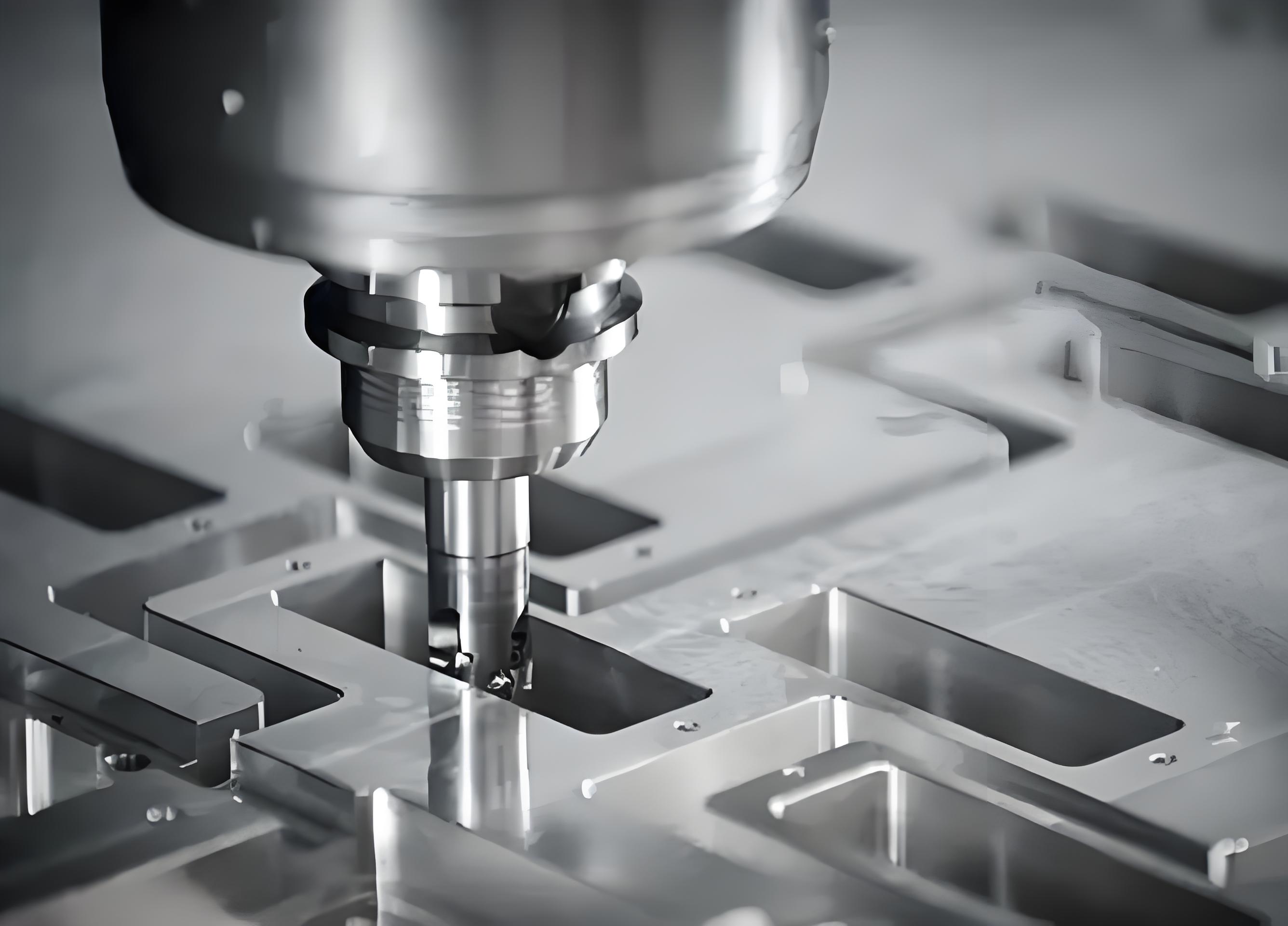
Understanding What CNC Machining Manufacturers Actually Do
When you search for a CNC machining manufacturer, what exactly are you looking for? This question trips up countless first-time buyers, and for good reason. The term itself creates confusion because it can refer to two completely different types of companies. Before you reach out to potential partners or request quotes, understanding this distinction could save you weeks of misdirected effort.
So, whats CNC in the first place? The CNC meaning stands for Computer Numerical Control, a technology where pre-programmed software controls the movement of manufacturing machinery and tools. What is CNC machining, then? It is the process of using these computer-controlled machines to shape raw materials into finished parts with remarkable precision. The CNC definition encompasses everything from simple drilling operations to complex multi-axis cutting that creates intricate aerospace components.
The Two Types of CNC Companies You Need to Know
Here is where buyers often stumble. There are two fundamentally different business models operating under similar-sounding names:
- CNC Machine Manufacturers: These are companies like Haas, Mazak, and DMG MORI that design and build the CNC machine equipment itself. They sell machinery to factories, job shops, and production facilities worldwide. If you need to purchase a milling center or lathe for your own facility, these are your vendors.
- CNC Machining Service Providers: These companies own and operate CNC machines to produce parts for clients. They take your design files, manufacture your components, and ship finished products. When most buyers search for a machining partner, this is actually what they need.
The c.n.c meaning remains the same in both contexts, but the business relationship you will establish differs dramatically. One sells you equipment; the other sells you finished parts.
Why This Distinction Shapes Your Sourcing Strategy
Imagine reaching out to a CNC machine builder when you actually need someone to manufacture your prototype components. You would waste valuable time before realizing the mismatch. Conversely, contacting a machining service provider when you need to purchase equipment for your own shop leads to the same dead end.
Understanding which type of partner you need determines everything about your sourcing approach. Evaluating a machine manufacturer involves assessing equipment specifications, after-sales support, and financing options. Evaluating a machining service provider requires examining their quality certifications, production capacity, and ability to meet your tolerance requirements.
Throughout this guide, we will focus on helping you evaluate and select the right CNC machining service provider, the partner who will actually manufacture your parts. You will learn how to assess their capabilities, understand pricing factors, and identify the certifications that matter for your specific industry. This buyer-focused framework will give you the tools to make informed decisions rather than simply comparing service catalogs.
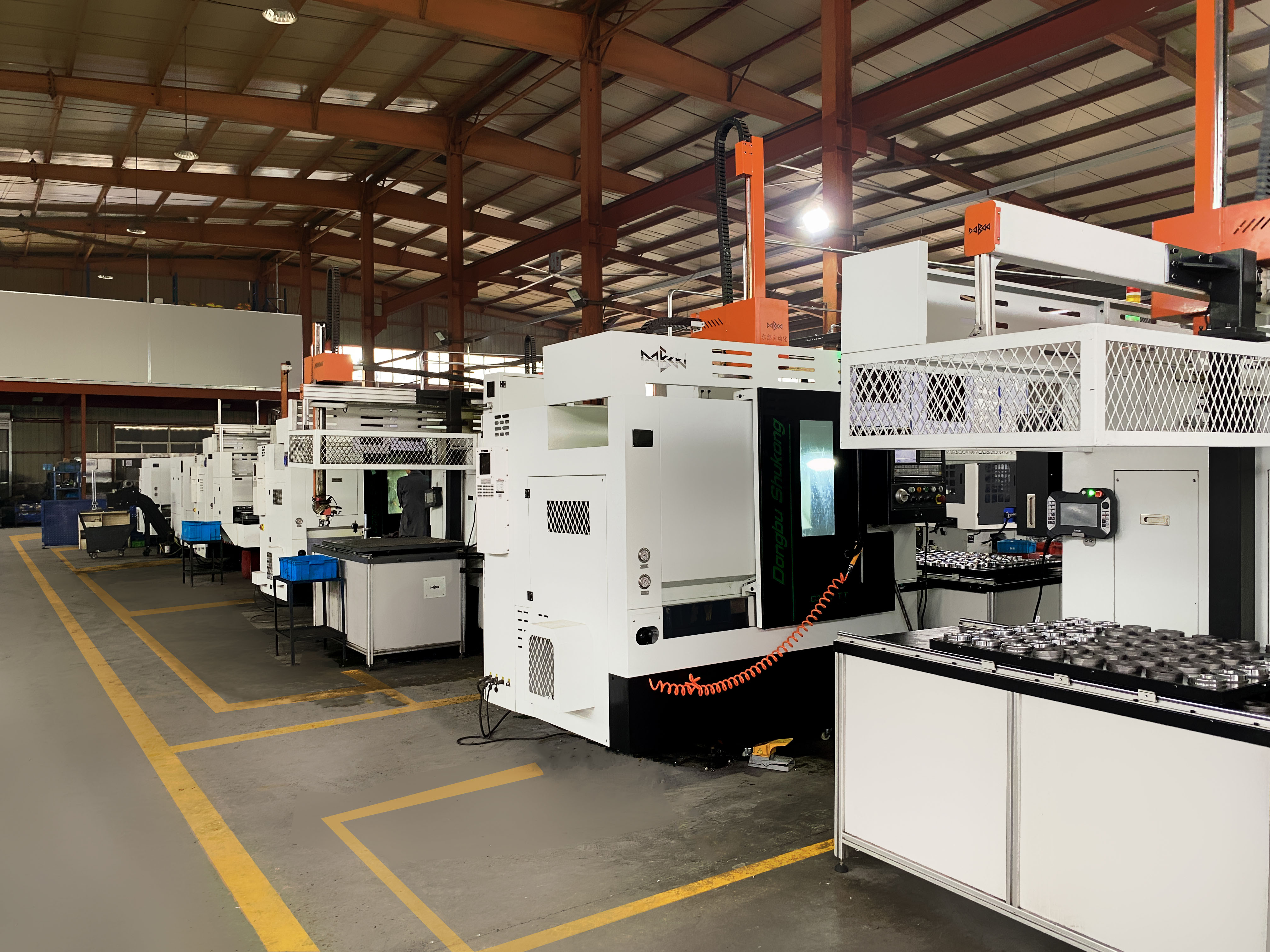
Core CNC Machining Capabilities and Machine Types Explained
Before you request quotes from any CNC machining manufacturer, you need to speak their language. Understanding the primary machine types and their applications transforms you from a passive buyer into an informed partner who can have meaningful conversations about your project requirements. Think of this knowledge as your decoder ring for navigating capability discussions with potential suppliers.
Different machines excel at different tasks. A cnc milling machine handles jobs that a cnc lathe cannot, and vice versa. Choosing the wrong machine type for your part geometry leads to inflated costs, quality issues, or outright project failures. Here is what you need to know about each major category.
Matching Machine Types to Your Project Requirements
Each CNC machine type exists because certain part geometries demand specific approaches. The workpiece shape, material, tolerances, and production volume all influence which machine delivers the best results.
- CNC Milling Machines: These workhorses handle complex 3D geometries, flat surfaces, slots, pockets, and intricate contours. The workpiece remains stationary while a rotating cutting tool moves along multiple axes to remove material. A vertical milling machine positions the spindle perpendicular to the worktable, ideal for die sinking, mold work, and general machining. A horizontal milling machine orients the spindle parallel to the table, excelling at heavy cuts, long parts, and chip evacuation during deep pocket milling. Choose milling for prismatic parts with holes, angles, and complex surface features.
- CNC Lathes: When your part is cylindrical or rotationally symmetric, a cnc lathe delivers faster, more economical results than milling. The workpiece spins while a stationary cutting tool shapes the exterior and interior surfaces. Shafts, rods, bushings, fittings, and any component with a centerline axis benefit from turning operations. Swiss-style lathes add guide bushings for exceptional precision on small, slender parts like medical pins and electronic connectors.
- 5-Axis CNC Machines: Complex aerospace and medical components often require a 5 axis cnc machine that moves the cutting tool or workpiece along five simultaneous axes. This capability accesses virtually any surface angle in a single setup, eliminating multiple repositioning operations. Turbine blades, impellers, orthopedic implants, and precision molds with flowing surfaces demand this technology. While the investment is higher, reduced setup time and superior accuracy often justify the cost for intricate geometries.
- Wire EDM: Wire EDM, or electrical discharge machining, cuts through hardened materials and creates intricate shapes impossible for conventional cutting tools. A thin wire electrode erases material through controlled electrical sparks rather than physical contact. This edm machine technology excels at stamping dies, extrusion dies, and tight-tolerance features in tool steels and carbides. When your design includes sharp internal corners or requires cutting pre-hardened materials, wire edm becomes essential.
- Grinding Machines: For ultra-precise surface finishes and tight dimensional tolerances, a grinding machine provides the final touch. Abrasive wheels remove small amounts of material to achieve mirror-like surfaces and micron-level accuracy. Bearing races, gauge blocks, and mating surfaces requiring exceptional flatness or roundness depend on grinding as a finishing process.
When Standard 3-Axis Falls Short
Many buyers default to standard 3-axis milling because it seems simpler and cheaper. However, this assumption can backfire. Parts requiring access from multiple angles force 3-axis machines into multiple setups, each introducing potential alignment errors and consuming additional labor time.
Consider these scenarios where advanced capabilities prove more economical:
- Multi-Tasking Machines: Combining turning and milling in one setup reduces handling, improves accuracy, and shortens lead times. Complex parts with both rotational and prismatic features benefit dramatically.
- 5-Axis for Complex Curves: Simultaneous 5-axis machining maintains optimal cutting angles throughout flowing surfaces, producing superior finishes that often eliminate secondary polishing operations.
- Swiss-Style for Small Precision Parts: High-volume production of small, slender components runs faster and more accurately on Swiss-type lathes than on conventional equipment.
When evaluating a machining partner, ask about their equipment range. A manufacturer with diverse machine types can recommend the most efficient approach rather than forcing your part onto whatever equipment they happen to own. This flexibility often translates to better pricing and shorter delivery times.
Understanding these capabilities prepares you for the next critical conversation: what drives the costs behind your machining project and how different choices affect your budget.
What Drives CNC Machining Costs and Pricing
You have identified the right machine types for your project. Now comes the question every buyer asks: how much will this actually cost? Unfortunately, most machining service providers offer little pricing transparency, leaving you to navigate quotes without understanding what drives the numbers. This knowledge gap puts you at a disadvantage during negotiations and can lead to budget surprises that derail projects.
The reality is that CNC machining costs depend on interconnected factors that influence each other in ways many buyers never consider. A skilled cnc machinist might complete your part in half the time of a less experienced operator, but that efficiency advantage disappears if your design forces unnecessary complexity. Understanding these cost drivers transforms you from a passive quote recipient into an informed buyer who can optimize designs and negotiate effectively.
The Hidden Cost Drivers Most Buyers Miss
When buyers receive quotes, they often focus on the bottom-line price without understanding the components behind it. Breaking down these elements reveals opportunities for savings that most competitors never discuss.
Material Selection and Costs: Your material choice sets the foundation for everything that follows. According to Komacut's analysis, material costs vary dramatically based on raw material pricing, machinability, and required stock dimensions. Aluminum machines quickly and costs less than stainless steel, which in turn costs less than titanium. Beyond purchase price, harder materials require slower cutting speeds, specialized tooling, and more frequent tool changes. A titanium part might cost three to five times more than an identical aluminum part, not just because of material cost but because of extended machining time.
Machine Time and Complexity: Time is money on the shop floor, quite literally. The hourly rates for different CNC machines vary significantly based on equipment sophistication. A basic 3-axis mill machine carries a lower burden rate than a 5-axis machining center, but complex parts might require the advanced equipment to achieve required geometries. Each additional machining operation, tool change, and setup adds time that accumulates in your quote.
Setup and Programming Costs: Before any cutting begins, someone must program the toolpaths, prepare fixtures, install cutting tools, and dial in the machine. This non-recurring engineering cost gets spread across your order quantity. A complex part requiring custom fixtures and extensive programming might carry $500 or more in setup costs. Order ten parts, and each absorbs $50 of that overhead. Order one hundred, and the per-part impact drops to just $5.
Surface Finish Specifications: A standard machined finish comes essentially free, as it results naturally from the cutting process. Specify a mirror polish, and you add secondary operations that might double or triple the finishing labor. Understanding which surfaces truly need enhanced finishes versus those hidden from view allows strategic specification that controls costs.
How Tolerance Requirements Impact Your Budget
Perhaps no single factor creates more unexpected cost increases than tolerance specifications. The relationship between tighter tolerances and higher costs is not linear but exponential. Specifying ±0.001 inch when ±0.005 inch would function perfectly might add 30% or more to your part cost.
Why does this happen? Tighter tolerances demand slower feed rates, lighter cuts, and more frequent measurements. The machinist must take multiple passes where a single roughing cut would otherwise suffice. Temperature variations become critical, requiring climate-controlled environments for ultra-precision work. Tool wear monitoring intensifies because even minor degradation affects dimensional accuracy.
According to Fictiv's engineering guidance, ISO 2768 medium tolerance class represents a reasonable standard for prototyping purposes. Starting here and tightening only where functional requirements demand it prevents unnecessary cost inflation.
Design-for-manufacturability principles can reduce costs significantly without sacrificing quality. Consider these approaches:
- Increase internal radii: Smaller corner radii require smaller end mills running at slower speeds. Going as large as functionally acceptable reduces machining time.
- Limit pocket depths: Deep, narrow pockets require specialized long-reach tooling and multiple shallow passes. Keeping depth within 10 times your smallest internal radius improves efficiency.
- Avoid deep, narrow holes: These features slow milling dramatically and risk tool breakage. When possible, use standard drill sizes and reasonable depth-to-diameter ratios.
- Consolidate setups: Design parts so all features can be machined from one or two orientations rather than requiring repositioning for each face.
The demand for experienced cnc machinist jobs reflects how critical operator skill remains even with computer-controlled equipment. Experienced operators optimize toolpaths, anticipate problems, and maintain tighter process control that reduces scrap rates and rework.
Cost Factor Impact Comparison
The following table summarizes how different factors influence your final pricing, helping you prioritize optimization efforts:
| Cost Factor | Low Impact Scenario | Moderate Impact Scenario | High Impact Scenario |
|---|---|---|---|
| Material | Aluminum or ABS plastic | Stainless steel, brass | Titanium, Inconel, hardened tool steel |
| Complexity | Simple prismatic shapes, 1-2 setups | Moderate features, 3-4 setups | Organic surfaces, 5+ setups, custom fixtures |
| Tolerance | Standard ISO 2768 medium (±0.1mm typical) | Precision features ±0.05mm | Ultra-precision ±0.01mm or tighter |
| Volume | 100+ parts (setup amortized) | 10-50 parts | 1-5 parts (full setup burden per piece) |
| Surface Finish | As-machined standard | Light deburring, bead blast | Mirror polish, anodizing, plating |
When design for manufacturability is optimized during the design phase, it has a significant effect on costs. Working with your machining partner early, before finalizing drawings, allows them to suggest modifications that maintain functionality while reducing production expense. This collaboration often yields 20% to 40% savings compared to designs optimized solely for function.
Armed with this understanding of cost drivers, you are ready to evaluate potential manufacturing partners using concrete criteria rather than simply comparing bottom-line quotes.
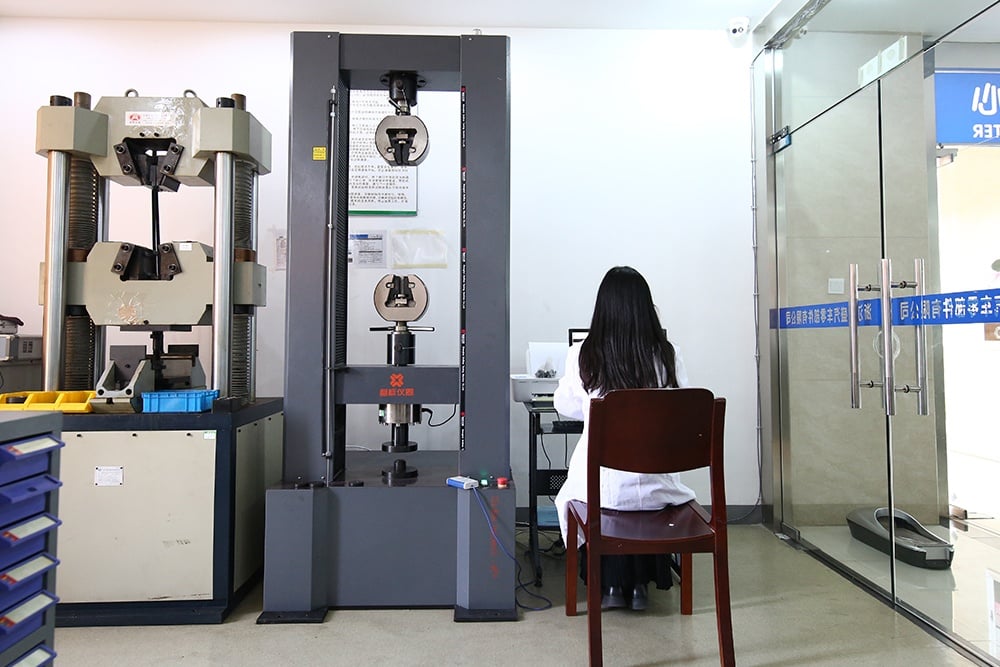
How to Evaluate and Select the Right CNC Machining Partner
You understand machine types and cost drivers. But how do you actually evaluate whether a specific CNC machining manufacturer can deliver what your project demands? Most buyers approach this decision by comparing quotes and hoping for the best. That approach leads to quality nightmares, missed deadlines, and supplier relationships that become constant headaches.
What you need is a structured evaluation framework that separates capable partners from risky vendors. Whether you are searching for machine shops near me or evaluating overseas suppliers, the same fundamental criteria apply. A cnc machine operator at a well-run facility follows documented procedures backed by robust quality systems. At a poorly managed shop, even skilled machinists struggle against chaotic processes that undermine their expertise.
This framework gives you the specific criteria to assess before committing to any machining center or fabrication shop.
Technical Capabilities Assessment
Start with the basics: can they actually make your part? This sounds obvious, but many buyers skip rigorous technical vetting and pay the price later.
- Tolerance Capabilities: What precision levels does the shop routinely achieve? Ask for documented capability studies, not just claimed specifications. A manufacturer stating they hold ±0.001 inch should demonstrate this with Statistical Process Control data from actual production runs.
- Material Experience: Working with aluminum differs dramatically from machining titanium or Inconel. Verify the supplier has documented experience with your specific material, not just similar alloys. Ask for examples of comparable projects they have completed.
- Equipment Range: Does their machinist tools inventory match your needs? A shop with only 3-axis mills cannot efficiently produce parts requiring 5-axis access. Conversely, shops with diverse equipment can optimize your project across the most suitable machines.
- Capacity and Scalability: Can they handle your volume today and scale if demand increases? A shop running at 95% capacity cannot absorb rush orders or production ramps. Ask about current utilization rates and expansion plans.
The Certification Decoder for Different Industries
Certifications hanging on a wall prove a supplier has a quality system. But what do these acronyms actually mean for your project? Understanding certification requirements prevents both over-specification and dangerous gaps in supplier qualification.
ISO 9001: This foundational certification establishes that a manufacturer maintains a documented quality management system. According to American Micro Industries, ISO 9001 covers customer focus, process approach, continual improvement, and evidence-based decision-making. For general industrial applications, this certification provides baseline assurance of consistent processes. However, ISO 9001 alone does not guarantee industry-specific compliance for regulated sectors.
AS9100: Aerospace applications demand AS9100, which builds upon ISO 9001 with additional requirements specific to aviation, space, and defense. This standard emphasizes risk management, stringent documentation, and product integrity control throughout complex supply chains. If your parts fly, your supplier needs AS9100.
IATF 16949: The automotive industry requires this global standard combining ISO 9001 principles with sector-specific requirements for continuous improvement, defect prevention, and supplier oversight. An auto machine shop serving major OEMs must demonstrate IATF 16949 compliance to even receive quote requests.
ITAR Registration: Defense-related machining falls under International Traffic in Arms Regulations, which strictly controls handling of sensitive technical data and components. An engine machine shop producing military propulsion components must maintain ITAR registration with the U.S. Department of State plus rigorous information security protocols.
NADCAP: The National Aerospace and Defense Contractors Accreditation Program focuses on special processes critical to aerospace and defense manufacturing. Heat treating, chemical processing, and nondestructive testing require NADCAP accreditation beyond general quality certifications. As industry experts note, NADCAP provides an additional layer of quality assurance validating that manufacturers can consistently perform specialized processes at the highest standard.
ISO 13485: Medical device manufacturing requires this definitive quality management standard outlining strict controls over design, manufacturing, traceability, and risk mitigation. Parts destined for implants, surgical instruments, or diagnostic equipment demand suppliers with ISO 13485 certification.
Red Flags That Signal Manufacturer Problems
Knowing what to look for is only half the equation. Recognizing warning signs that predict future problems saves you from painful supplier failures. According to manufacturing quality experts, these red flags should trigger immediate concern:
- Vague or Suspiciously Low Quotes: A quote significantly below competitors suggests corner-cutting on materials, inspection, or labor. As quality pioneer Philip Crosby observed, quality is free while the lack of quality costs money. Demand itemized quotes that break down materials, setup, machining time, and finishing.
- Hesitation on Traceability: Ask a supplier to demonstrate their material traceability process. Can they trace a finished part back to the original raw material certificate? Any hesitation or gaps represent unacceptable risk of material non-conformance reaching your final product.
- Certificate Problems: Request verification that certifications remain current. Expired or soon-to-expire certificates suggest quality system maintenance has slipped. Ask for copies and verify independently with certification bodies.
- Poor Communication During Sales: If responses are slow, vague, or technically confused during the quoting phase, expect worse after they have your purchase order. Communication problems during sales predict nightmare scenarios during production.
- Disorganized Shop Floor: A chaotic environment reflects chaotic processes. Experienced auditors look for clear 5S markings, organized tool stations, and real-time performance data. Disorder makes consistent precision nearly impossible.
- Defensive Attitude Toward Problems: Test their problem-solving culture with a hypothetical scenario. How would they handle a potential design issue? Partners describe collaborative processes. Poor suppliers become defensive and focus on blame assignment.
Supplier Qualification Checklist
Use this checklist when evaluating any potential CNC machining partner:
- ☐ Verified certifications matching your industry requirements (ISO 9001, AS9100, IATF 16949, ISO 13485, ITAR as applicable)
- ☐ Documented capability studies demonstrating achievable tolerances
- ☐ Proven experience with your specific materials
- ☐ Equipment range appropriate for your part geometries
- ☐ Capacity headroom for your volumes plus potential scaling
- ☐ Complete material traceability system demonstration
- ☐ Transparent, itemized quoting practices
- ☐ Responsive, technically competent communication
- ☐ Organized, well-maintained facility
- ☐ Collaborative problem-solving approach
- ☐ Positive references from comparable customers
- ☐ Clear project management and reporting processes
The goal is not finding the cheapest supplier but identifying the lowest total cost partner. A marginally higher piece price from a reliable manufacturer costs far less than constant quality issues, missed deadlines, and supply chain disruptions from a problematic vendor.
Geographic considerations add another dimension to your evaluation. Domestic suppliers offer faster communication, simpler logistics, and easier site visits. Overseas manufacturers may provide cost advantages but introduce timezone challenges, shipping complexity, and intellectual property concerns. Your decision should weigh total landed cost including shipping, duties, inventory carrying costs, and risk factors rather than comparing piece prices alone.
With this evaluation framework in hand, you are ready to apply it within specific industry contexts where additional requirements shape your supplier selection criteria.

Industry-Specific Requirements for CNC Machining Projects
The evaluation framework you have built works across industries, but each sector layers additional requirements that dramatically shape your supplier selection. A CNC machining manufacturer perfectly suited for general industrial work might fail spectacularly when asked to produce aerospace components or medical implants. Understanding these industry-specific demands before approaching suppliers prevents mismatched partnerships and costly qualification failures.
Think of industry requirements as filters that progressively narrow your supplier pool. General industrial applications cast the widest net. Automotive tightens the criteria. Aerospace and medical device manufacturing demand the most specialized partners with investments in certifications, equipment, and processes that few shops maintain.
Automotive Supply Chain Requirements That Non-Specialists Miss
Automotive manufacturing operates at a scale and pace that intimidates suppliers accustomed to lower-volume work. Major OEMs and Tier 1 suppliers expect partners who understand Statistical Process Control, production part approval processes, and the relentless focus on defect prevention that defines modern automotive quality.
IATF 16949 Certification: This is not optional for automotive work. IATF 16949 builds upon ISO 9001 with automotive-specific requirements including advanced product quality planning, failure mode analysis, and measurement system analysis. According to industry quality experts, the standard emphasizes five core tools: APQP, PPAP, FMEA, MSA, and SPC. Each tool addresses a critical aspect of preventing defects before they reach production.
Statistical Process Control: Automotive suppliers must demonstrate process capability through real-time data collection and control charting. SPC uses statistical methods to monitor processes and detect variability before defective parts are made. As quality management resources explain, manufacturers plot measurements on control charts with calculated upper and lower control limits. Points within limits and following stable patterns indicate a controlled process. Trends, shifts, or points outside limits trigger investigation before out-of-spec parts result.
Volume Expectations: Automotive contracts often involve thousands or tens of thousands of parts per month with rigid delivery schedules synchronized to assembly line requirements. A cnc operator at an automotive-focused shop understands that missing a delivery window can halt production lines costing OEMs thousands of dollars per minute.
If you are exploring cnc jobs in the automotive sector, expect rigorous documentation requirements, frequent audits, and continuous improvement expectations that exceed most other industries.
Aerospace Precision and Traceability Standards
Aerospace machining represents the pinnacle of precision manufacturing. Components that fail at 35,000 feet create catastrophic consequences, driving requirements that exceed almost every other sector.
AS9100 Certification: This aerospace-specific quality standard adds 105 requirements beyond ISO 9001, focusing on configuration management, risk assessment, and supply chain control. According to aerospace manufacturing specialists, AS9100 certification impacts every aspect of how machining companies operate, from document control to foreign object debris prevention to special process controls.
Tolerance Requirements: While standard machine shops work with tolerances of ±0.005 inches, aerospace precision machining consistently achieves ±0.0001 inches or better. As industry sources note, components must perform perfectly in extreme environments including temperatures reaching 2000°F and pressure variations from 0.2 atm to 1.2 atm during flight.
Material Traceability: Every aerospace component must trace back to certified raw material with complete documentation of heat treatment, processing steps, and inspection results. This chain of custody enables rapid response if safety issues emerge and supports airworthiness certification.
Special Processes: Many aerospace components require electric discharge machining for intricate features in hardened materials, NADCAP-certified heat treating, or specialized coatings. CNC machining centers serving aerospace customers invest heavily in these capabilities and the accreditations that validate them.
Why Medical Device Machining Demands Specialized Partners
Medical device manufacturing combines extreme precision with regulatory complexity that few general-purpose machine shops can navigate. According to medical manufacturing experts, even minor defects in medical components can lead to life-threatening situations, putting enormous pressure on manufacturers to achieve perfect results every time.
ISO 13485 Certification: This quality management standard specifically addresses medical device manufacturing with strict controls over design, manufacturing, traceability, and risk mitigation. Unlike general quality certifications, ISO 13485 emphasizes comprehensive documentation protocols and validation requirements that exceed standard manufacturing practices.
FDA Compliance: Manufacturers serving the U.S. medical market must understand FDA registration requirements and Quality System Regulation (21 CFR Part 820). This includes design controls, production controls, corrective and preventive action systems, and documented procedures for every aspect of manufacturing.
Biocompatible Materials: Implantable devices require materials tested for biocompatibility under ISO 10993 standards. Titanium alloys, particularly Ti-6Al-4V, dominate implant applications due to their excellent strength-to-weight ratio and compatibility with human tissue. Medical-grade stainless steels, PEEK polymers, and specialized plastics each serve specific application requirements.
Micro Machining Capabilities: Medical devices continue trending toward miniaturization. Components for minimally invasive surgical instruments, diagnostic equipment, and implantable devices require machining features as small as 0.2mm with tolerances measured in micrometers.
Cleanroom Capabilities: Depending on device classification, manufacturing may require controlled environments ranging from ISO Class 7 to ISO Class 5 cleanrooms. These facilities prevent particulate contamination that could compromise sterility or device function.
Those searching for cnc machinist jobs near me in the medical sector will find demanding work requiring exceptional attention to detail and thorough understanding of regulatory requirements.
Electronics and Semiconductor Applications
The electronics industry presents unique challenges combining micro-scale precision with material handling requirements that differ from traditional metalworking.
Micro-Machining Precision: Electronic components often require features measured in microns rather than thousandths of an inch. Connector pins, heat sinks with complex fin geometries, and semiconductor packaging components demand specialized equipment and expertise.
ESD Protection: Electrostatic discharge destroys sensitive electronic components. Manufacturing environments must implement comprehensive ESD protection including grounded workstations, humidity control, and proper handling procedures throughout the production process.
Material Diversity: Electronics machining spans conductive metals like copper and aluminum, engineering plastics for housings and insulators, and specialty materials for thermal management. Suppliers must demonstrate experience across this material range.
Industry Requirements Comparison
The following table summarizes key requirements across major industry sectors to guide your supplier evaluation:
| Requirement | Automotive | Aerospace | Medical Devices | Electronics | General Industrial |
|---|---|---|---|---|---|
| Primary Certification | IATF 16949 | AS9100, NADCAP | ISO 13485, FDA | ISO 9001, IPC standards | ISO 9001 |
| Typical Tolerances | ±0.001" to ±0.005" | ±0.0001" to ±0.001" | ±0.0001" to ±0.001" | ±0.0005" to ±0.002" | ±0.005" to ±0.010" |
| Common Materials | Steel, aluminum, brass | Titanium, Inconel, aluminum | Titanium, stainless, PEEK | Aluminum, copper, plastics | Steel, aluminum, plastics |
| Volume Expectations | High (1,000s-100,000s) | Low to medium (10s-1,000s) | Low to medium (10s-1,000s) | Medium to high (100s-10,000s) | Varies widely |
| Special Requirements | SPC, PPAP documentation | Material traceability, FOD control | Cleanroom, biocompatibility | ESD protection, micro precision | Application-dependent |
General industrial applications offer the most flexibility in supplier selection. Without sector-specific regulatory requirements, buyers can focus primarily on capability matching, pricing competitiveness, and delivery reliability. However, even general industrial work benefits from suppliers maintaining ISO 9001 certification as baseline quality assurance.
Your industry determines the minimum qualifications your CNC machining partner must demonstrate. Attempting to force a general-purpose shop into aerospace or medical work creates risk that no cost savings can justify. Conversely, paying aerospace-level premiums for simple industrial components wastes resources better allocated elsewhere.
With industry requirements clearly understood, preparing your project documentation becomes the next critical step in obtaining accurate quotes and realistic timelines from qualified suppliers.
Preparing Your Project Requirements for Manufacturer Quotes
You have identified qualified suppliers and understand your industry requirements. Now comes the moment that determines whether your project launches smoothly or stalls in endless back-and-forth clarification requests. The information you provide when requesting quotes directly shapes the accuracy of pricing, the realism of lead times, and ultimately your relationship with the manufacturing partner you select.
Think of your quote request package as your first professional impression. A complete, well-organized submission signals that you understand manufacturing processes and respect the supplier's time. According to Fictiv's engineering guidance, an RFQ package should include enough detail that any manufacturer following the specifications can make the product identically. Incomplete requests trigger delays as suppliers chase missing information, and vague specifications produce quotes padded with contingency costs to cover unknowns.
Whether you are searching for the best cnc partner or evaluating cnc near me options, these documentation standards apply universally.
The Project Brief That Gets Accurate Quotes
What exactly do manufacturers need to quote your project accurately? The answer involves more than simply emailing a CAD file and hoping for the best. Experienced procurement professionals understand that comprehensive documentation upfront prevents costly misunderstandings later.
- 3D Model Files in STEP Format: Your 3D model communicates the nominal geometry of your part, showing all dimensional features and surfaces. STEP format provides universal compatibility across different CAD and CAM systems that power cnc programming workflows. Without this file, manufacturers cannot accurately estimate machining time or develop toolpath strategies.
- 2D Drawings in PDF Format: Many buyers mistakenly submit only the 3D model and omit the 2D drawing. According to Area Tool Manufacturing, the PDF includes critical callouts for tolerances, materials, heat treatment, surface finish, engraving, and finishing that 3D models cannot convey. This document tells the manufacturer how much variation from nominal dimensions is acceptable for each critical feature.
- Material Specifications: Identify the exact materials required, not just general categories. Specifying "aluminum" leaves the supplier guessing between 6061-T6, 7075-T6, or dozens of other alloys with dramatically different machinability and cost. Include material certifications if your industry requires traceable documentation.
- Tolerance Callouts: Your drawing should clearly indicate which dimensions require tight tolerances versus those acceptable at standard machining precision. As discussed in earlier sections, tolerance specifications dramatically impact cost. Be generous where function permits and precise only where required.
- Surface Finish Requirements: Specify required surface roughness values (Ra) for critical surfaces. Indicate which surfaces require secondary finishing like polishing, anodizing, or plating. Leaving this ambiguous forces suppliers to either assume expensive finishing or deliver parts that fail your expectations.
- Quantity and Volume Projections: According to industry quoting experts, quantity is the primary driving factor for cost and lead time. State your immediate order quantity clearly, but also share annual usage projections. Knowing you will need 100 pieces annually allows suppliers to offer better lot pricing through quarterly deliveries rather than treating each order as a standalone project.
- Delivery Timeline Requirements: Are you under deadline pressure or flexible on timing? Communicate this clearly. Rush requirements affect pricing and may determine whether a supplier can even accept your project given current capacity. Standard lead times versus expedited delivery can differ by 30% or more in cost.
- Quality Documentation Needs: If you require inspection reports, material certifications, first article inspections, or certificates of conformance, state these requirements upfront. Each documentation requirement adds time and cost that should appear in your quote rather than surprising you later.
- Application Context: Experienced manufacturers recommend sharing details about your application so they can make recommendations based on your goals. If you are improving an existing part, explain what problem you are solving. Suppliers with decades of experience may suggest material changes, design modifications, or process alternatives you had not considered.
For assembly drawings, include the bill of materials listing all components and their relationships. This helps manufacturers understand how parts fit together and which interfaces demand the tightest control. Whether your project will run on a vertical machining center or horizontal machining center, complete documentation enables accurate process planning.
Common Documentation Mistakes That Delay Projects
Even experienced buyers sometimes submit incomplete packages that derail their timelines. Recognizing these common errors helps you avoid the frustrating delays they cause.
- Missing Revision Control: According to manufacturing experts, one of the most discouraging outcomes is receiving products made to an old drawing revision. Every design change requires a new revision number clearly marked on all documents. Verify with suppliers that they are working from the current revision before production begins.
- Conflicting Information: When your 3D model dimensions do not match your 2D drawing callouts, suppliers must stop and request clarification. Review your package for consistency before submission.
- Unspecified Tolerances on Critical Features: Leaving tolerance callouts off dimensions forces suppliers to guess or apply overly conservative assumptions. Either approach costs you money or creates quality risk.
- Ambiguous Material Callouts: "Steel" or "plastic" is insufficient. Specify exact alloy grades or polymer types to ensure suppliers quote the correct material cost and machining approach.
- Missing Quantity Information: Quote requests frequently arrive without mentioning required quantities. This forces suppliers to either delay their response or provide ranges that may not match your actual needs.
- Ignoring Secondary Operations: If your part requires heat treatment, plating, engraving, or assembly, document these requirements explicitly. Suppliers cannot include operations they do not know about, leading to supplemental quotes and timeline extensions.
Your cnc machining tools and equipment specifications matter less than clear communication. A well-documented project running on older equipment often produces better results than a poorly specified job on the best cnc machinery available. Documentation quality reflects your professionalism and sets expectations for the entire project relationship.
Proper preparation transforms the quoting process from an adversarial negotiation into a collaborative planning session where both parties work toward project success.
When you submit a complete, professional RFQ package, suppliers respond with accurate quotes, realistic timelines, and confidence that your project will proceed smoothly. This preparation investment pays dividends throughout your manufacturing relationship and positions you to make informed decisions about material selection, which we will explore next.
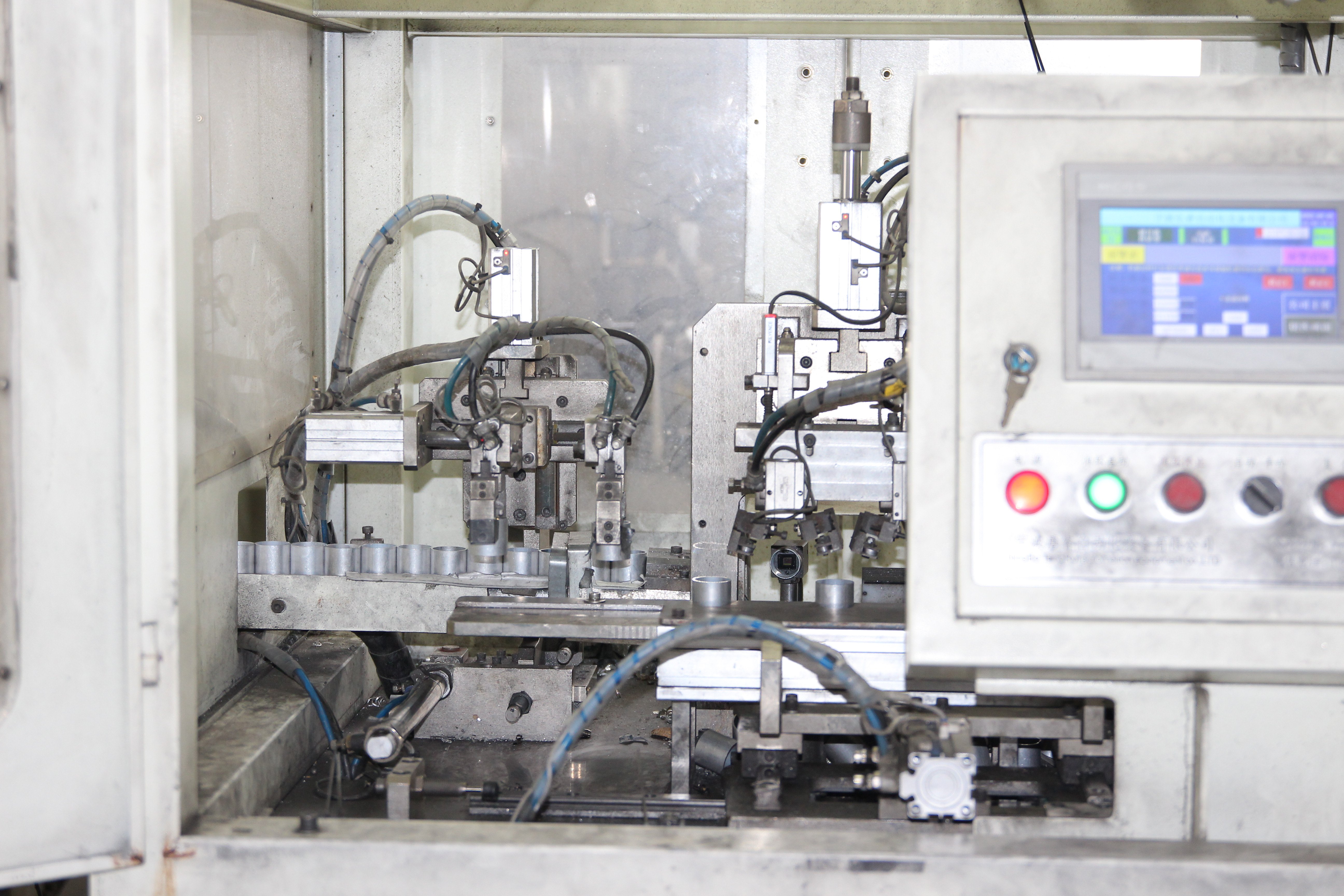
Material Selection and Its Impact on CNC Machining Success
Your documentation is ready and qualified suppliers are evaluating your project. But here is a question that can make or break your manufacturing outcome: have you selected the right material? Material choice influences everything from machining costs and lead times to final part performance and longevity. Yet many buyers treat material selection as an afterthought, defaulting to familiar options without considering whether alternatives might better serve their needs.
The reality is that CNC machining works with an enormous range of materials, from soft aluminum alloys to hardened tool steels, from common plastics to high-performance polymers. Each material brings distinct characteristics that affect how it machines, what it costs, and how it performs in your application. Understanding these relationships transforms material selection from guesswork into strategic decision-making.
Beyond Aluminum and Steel - Specialty Materials for Demanding Applications
Most buyers naturally gravitate toward aluminum and steel because they are familiar, widely available, and well-understood. These materials certainly deserve their popularity, but limiting your consideration to these options means potentially missing better solutions for your specific application.
Aluminum Alloys: According to Hubs' material selection guide, aluminum alloys offer an excellent strength-to-weight ratio, high thermal and electrical conductivity, and natural corrosion protection. They machine quickly on milling machines and lathes, often making them the most economical option for prototypes and production parts. Aluminum 6061 serves as the workhorse general-purpose alloy, while 7075 approaches steel-level strength for aerospace applications where weight reduction matters critically.
Stainless Steel Alloys: When corrosion resistance and strength both matter, stainless steel delivers. Grade 304 handles most environmental conditions, while 316 withstands harsh chemical and marine environments. For extreme strength, 2205 Duplex offers twice the strength of common stainless alloys. These materials require slower cutting speeds than aluminum but provide durability that justifies the additional machining time.
Titanium: The aerospace and medical industries rely heavily on titanium for its exceptional strength-to-weight ratio and biocompatibility. However, titanium machines slowly, generates significant heat, and wears cutting tools rapidly. A metal lathe running titanium operates at a fraction of aluminum speeds. Expect part costs three to five times higher than equivalent aluminum components.
Brass: Excellent machinability and natural corrosion resistance make brass ideal for high-volume applications requiring low friction. According to material experts, Brass C36000 ranks among the most easily machinable materials available, making it cost-effective for fittings, connectors, and decorative components.
Tool Steels: When hardness and wear resistance matter more than machinability, tool steels deliver. These alloys maintain hardness at elevated temperatures and resist abrasion that would destroy softer materials. However, they demand specialized lathe tooling, slower speeds, and often require grinding machines for final finishing.
Engineering Plastics: Do not overlook polymers for applications requiring light weight, chemical resistance, or electrical insulation. POM (Delrin) offers the highest machinability among plastics with excellent dimensional stability. PEEK provides metal-like strength at a fraction of the weight and withstands temperatures above 200°C. Polycarbonate delivers exceptional impact resistance for protective covers and viewing windows.
How Material Properties Affect Your Machining Strategy
Selecting a material is not just about end-use performance. The material's inherent properties directly determine how it machines, what equipment it requires, and ultimately what it costs to produce. According to HPPI's material selection framework, machining rates depend on specific machinability traits like hardness and melting point that affect processing speed, heat management, and chip clearance.
Hardness: Harder materials resist cutting, requiring more force, slower speeds, and more frequent tool changes. A cnc grinder may be needed for final dimensioning on hardened steels where conventional cutting tools cannot maintain precision. Soft materials like aluminum and brass cut quickly but may require different strategies to prevent burrs and surface defects.
Thermal Conductivity: Materials that conduct heat well, like aluminum and copper, dissipate cutting heat rapidly. Poor conductors like titanium and stainless steel trap heat at the cutting zone, accelerating tool wear and potentially distorting the workpiece. As Zenith Manufacturing notes, thermal expansion differences between materials become critical for tight-tolerance parts that must maintain dimensions across temperature changes.
Chip Formation: How material breaks away during cutting affects surface finish, tool life, and machining speed. Aluminum forms long, stringy chips that must be managed to prevent tangling. Brass produces short, clean chips ideal for automated production. Cast iron generates abrasive dust requiring different containment strategies on grinding machines.
Work Hardening: Some materials, particularly austenitic stainless steels, harden during machining if cutting parameters are not optimized. This work hardening makes subsequent cuts increasingly difficult and can cause tool breakage if not anticipated.
Material Selection Comparison
The following table summarizes key considerations across common material categories:
| Material Category | Typical Applications | Machinability Rating | Relative Cost | Key Considerations |
|---|---|---|---|---|
| Aluminum Alloys | Housings, brackets, aerospace structures | Excellent | Low to Medium | Fastest machining, anodizable, lightweight |
| Stainless Steel | Medical, food equipment, marine | Fair to Good | Medium | Corrosion resistant, work hardens |
| Mild/Carbon Steel | Jigs, fixtures, structural parts | Good | Low | Weldable, susceptible to corrosion |
| Titanium | Aerospace, medical implants | Poor | High | Biocompatible, high strength-to-weight |
| Brass | Fittings, connectors, decorative | Excellent | Medium | Low friction, high-volume friendly |
| Tool Steel | Dies, molds, cutting tools | Poor | High | Extreme hardness, requires grind machining |
| POM (Delrin) | Gears, bearings, precision parts | Excellent | Low | Best plastic machinability, low friction |
| PEEK | Medical, aerospace, high-temp | Good | Very High | Metal replacement, biomedical grades available |
According to manufacturing experts, finishing requirements should factor into material selection early in the design process. If your project requires nickel plating, aluminum might not be the best choice since stainless steel works better with nickel. Similarly, parts needing anodizing must use aluminum rather than steel.
Your material choice also impacts procurement timelines. Common alloys ship from stock within days. Specialty grades may require weeks of lead time for raw material alone. When schedules are tight, material availability can override performance preferences.
The intersection of material properties, machining requirements, and end-use performance creates a decision matrix that separates strategic buyers from those who simply default to familiar options. Armed with this understanding, you are prepared to make the final manufacturer selection decision that brings all these considerations together into a successful partnership.
Making the Final CNC Machining Manufacturer Decision
You have evaluated capabilities, understood cost drivers, verified certifications, and prepared comprehensive documentation. Now comes the moment of decision. Choosing the right cnc machine manufacturer requires synthesizing everything you have learned into a framework that balances technical capability, quality assurance, and scalability. For automotive and high-precision applications, this decision carries particular weight because supplier failures cascade through entire production programs.
The best cnc machine for your project means nothing without a partner who can operate it within robust quality systems. Among cnc machine producers worldwide, those serving automotive OEMs demonstrate the most rigorous process controls because the industry demands nothing less. These same disciplines benefit buyers across sectors who prioritize consistent quality over lowest-bid pricing.
From Prototype to Production - Ensuring Seamless Scaling
One of the most critical yet overlooked evaluation criteria is a manufacturer's ability to scale from prototype quantities to full production volumes. According to industry scaling experts, the journey from prototype to production involves a structured process of design validation, material selection, pilot runs, and full-scale manufacturing optimization. Many cnc machining business operations excel at prototypes but struggle when volumes increase tenfold or hundredfold.
What should you look for in a scalable partner?
- Design Validation Capabilities: Your manufacturer should provide feedback during prototyping that anticipates production challenges. Features easy to machine in small quantities may become bottlenecks at volume. Partners with production experience identify these issues early.
- Pilot Run Processes: Before committing to full production, capable manufacturers conduct pilot runs that prove process stability. These limited production batches validate that tooling, fixturing, and programming will perform consistently across thousands of parts.
- Automation Readiness: According to machining manufacturing specialists, CNC companies enable scalability by standardizing workflows, implementing automation, and using digital tools to maintain efficiency and quality across production stages. Ask about robotic loading, pallet systems, and lights-out manufacturing capabilities.
- Capacity Flexibility: A partner running at 95% capacity cannot absorb your production ramp. Evaluate current utilization and expansion capabilities before committing to a relationship expected to grow.
The transition from prototype to production often reveals whether your chosen cnc machine manufacturers truly understand manufacturing versus simply owning equipment. Experienced partners anticipate scaling challenges and build solutions into their initial process development.
Quality Systems That Protect Your Supply Chain
For automotive and precision applications, quality systems differentiate reliable partners from risky vendors. Statistical Process Control represents the gold standard for monitoring manufacturing consistency in real-time rather than discovering problems after parts ship.
According to SPC implementation experts, manufacturers implementing Statistical Process Control collect essential process parameters and product quality data during production, such as tool wear, cutting speed, feed rate, and dimensional accuracy. This data feeds control charts that visualize variation trends before they produce defective parts.
Effective SPC implementation includes:
- Real-Time Monitoring: Control charts display key variables over time, with calculated upper and lower control limits. Points within limits indicate stable processes. Trends or points outside limits trigger immediate investigation.
- Root Cause Analysis: When anomalies appear, capable manufacturers promptly investigate by examining equipment status, verifying process parameters, and identifying root causes rather than simply sorting bad parts.
- Continuous Improvement: Quality management resources emphasize that SPC serves as a tool for continuous improvement, with manufacturers continually collecting and analyzing data to optimize process parameters and equipment precision.
- Validation and Standardization: Successful improvements become standardized procedures applied consistently across all production, ensuring gains persist rather than fading after initial implementation.
For automotive applications specifically, IATF 16949 certification validates that these quality systems meet industry requirements. As automotive supply chain experts note, the IATF 16949 system is indispensable in that it changes quality from a promise to a demonstrable and process-driven discipline.
The most significant total cost of ownership variable is often quality. A supplier with poor process control leads to high scrap rates, costly rework, and potential line stoppages at your plant. These failure costs can dwarf any initial price savings.
When evaluating cnc brands for automotive work, verify not just certification status but actual implementation depth. Ask to see control charts from recent production runs. Request Cpk data demonstrating process capability. Understand their corrective action procedures when issues arise.
Applying the Complete Decision Framework
Bringing together all evaluation criteria, your final decision should weigh these factors systematically:
| Evaluation Category | Key Questions | Verification Method |
|---|---|---|
| Technical Capability | Can they achieve your tolerances with your materials? | Request capability studies, sample parts |
| Certifications | Do they hold industry-appropriate credentials? | Verify current certificates directly |
| Quality Systems | Is SPC actively implemented? | Review control charts, Cpk data |
| Scalability | Can they grow from prototype to production? | Evaluate automation, capacity headroom |
| Communication | Are responses timely and technically competent? | Assess quoting process interactions |
| Lead Time | Can they meet your delivery requirements? | Confirm current capacity utilization |
For buyers in automotive and high-precision sectors, manufacturers like Shaoyi Metal Technology exemplify the partner profile this framework identifies. Their IATF 16949 certification demonstrates automotive-grade quality management, while strict Statistical Process Control implementation ensures consistent output across production runs. Their capability to scale from rapid prototyping to mass production with lead times as fast as one working day addresses the scalability concerns that trip up many buyer-supplier relationships.
Whether you need complex chassis assemblies or custom metal bushings, the evaluation principles remain consistent: verify capabilities through evidence rather than claims, confirm quality systems through data rather than certificates alone, and assess scalability through capacity analysis rather than promises.
Your goal is not finding the cheapest supplier but identifying the lowest total cost partner. Marginally higher piece prices from reliable manufacturers cost far less than constant quality issues, missed deadlines, and supply chain disruptions from problematic vendors.
The framework you have built through this guide positions you to make informed decisions that protect your supply chain, control costs, and ensure consistent quality. Apply these criteria systematically, verify claims through evidence, and prioritize partners whose capabilities align with your specific industry requirements. The right CNC machining manufacturer becomes more than a vendor; they become a strategic partner in your manufacturing success.
Frequently Asked Questions About CNC Machining Manufacturers
1. How much do CNC machinists earn?
CNC machinist salaries vary by region and experience level. In the United States, the average hourly rate is approximately $27.43, translating to around $55,000-$60,000 annually for full-time positions. In the UK, salaries range from £25,000 to £45,000 per year, with experienced operators in specialized sectors like aerospace or medical earning toward the higher end. Factors influencing pay include certifications, programming skills, and familiarity with advanced multi-axis equipment.
2. What is the difference between CNC machine manufacturers and CNC machining service providers?
CNC machine manufacturers like Haas, Mazak, and DMG MORI design and build the CNC equipment itself, selling machinery to production facilities. CNC machining service providers own and operate these machines to manufacture parts for clients. When most buyers search for a CNC machining manufacturer, they actually need a service provider who will produce their components rather than sell them equipment. Understanding this distinction prevents wasted time contacting the wrong type of company.
3. What certifications should I look for in a CNC machining partner?
The required certifications depend on your industry. ISO 9001 provides baseline quality assurance for general industrial applications. Automotive projects require IATF 16949 certification with SPC implementation. Aerospace work demands AS9100 and often NADCAP accreditation for special processes. Medical device manufacturing needs ISO 13485 and FDA compliance. Defense applications require ITAR registration. Always verify certification currency directly with issuing bodies rather than relying solely on supplier claims.
4. What factors drive CNC machining costs?
Five primary factors influence CNC machining pricing: material selection (titanium costs 3-5x more than aluminum to machine), part complexity requiring multiple setups, tolerance specifications (tighter tolerances exponentially increase costs), surface finish requirements beyond standard machined finishes, and order volume affecting how setup costs are amortized per part. Design-for-manufacturability optimization during the design phase can reduce costs by 20-40% without sacrificing functionality.
5. How do I prepare an effective quote request for CNC machining?
A complete RFQ package includes 3D model files in STEP format, 2D drawings in PDF with tolerance callouts, exact material specifications including alloy grades, surface finish requirements with Ra values, quantity and annual volume projections, delivery timeline needs, and required quality documentation. Missing information forces suppliers to add contingency pricing or delays responses while they seek clarification. Include application context so experienced manufacturers can suggest optimizations.