 Small batches, high standards. Our rapid prototyping service makes validation faster and easier —
  EN
EN


Ordering Machined Parts Online: From CAD File To Doorstep Decoded
What Ordering Machined Parts Online Actually Means
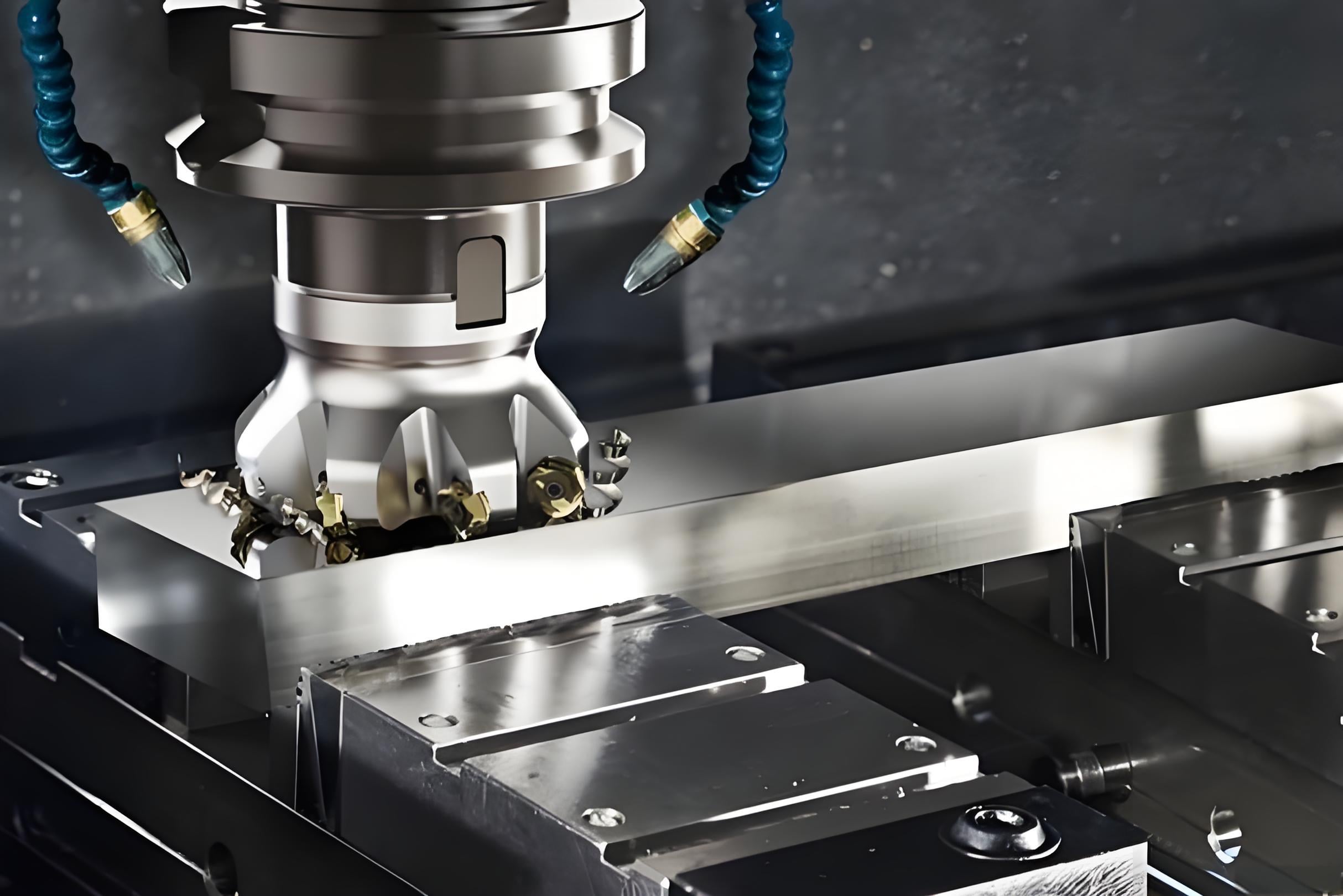
Ever wondered how engineers source precision components without visiting a single machine shop? The answer lies in a fundamental transformation happening across manufacturing. Ordering machined parts online refers to the complete digital workflow where you upload a CAD file to a web-based platform, receive an instant quote, and have custom components manufactured and shipped directly to your location—all without geographic constraints or lengthy back-and-forth negotiations.
This service category encompasses everything from simple brackets and housings to complex aerospace-grade components requiring precision CNC machining. Whether you need a single prototype or thousands of production parts, digital manufacturing platforms have made it possible to access professional cnc fabrication capabilities that were once limited to those with established supplier relationships.
From Local Shops to Global Access
Traditional parts procurement meant finding a local machine shop, hand-delivering drawings, and waiting days for a quote. You were limited to whatever capabilities existed within driving distance. If the nearest shop couldn't handle your material or tolerance requirements, you faced significant delays searching for alternatives.
Today's landscape looks dramatically different. A design engineer in Chicago can have machined parts produced by a certified facility in Germany, while a startup in Austin might source components from a custom machine shop network spanning multiple continents. This global access means you're no longer constrained by local capabilities—you can find the right cnc service for your specific requirements, regardless of where you're located.
How Digital Platforms Changed Parts Procurement
The transformation centers on automation and instant feedback. Modern online platforms analyze your 3D model automatically, identifying features, calculating machining time, and generating quotes within seconds. This replaces what traditionally took days of manual review by a machinist.
Here's what this means for your workflow:
- Upload STEP, IGES, or native CAD files directly through a web interface
- Receive instant manufacturability feedback highlighting potential issues
- Compare material options, tolerances, and lead times in real-time
- Track production status and shipping from a single dashboard
According to industry resources like All3DP's guide to CNC machining services, these platforms now enable ordering everything from quality brackets and molds to custom fasteners and fittings faster than traditional methods ever allowed.
The New Era of On-Demand Manufacturing
What makes this particularly valuable for engineers and procurement teams? It's the combination of speed, transparency, and accessibility. You can iterate on designs rapidly, getting quotes for multiple variations simultaneously. You maintain full visibility into pricing factors before committing to an order. And you access cnc machine capabilities that match your exact specifications—whether that's a specific aluminum alloy, tight tolerances, or specialized surface finishes.
This on-demand model also eliminates traditional barriers to entry. Startups and independent designers now access the same manufacturing quality as established corporations. The playing field has leveled, making precision CNC machining accessible to anyone with a design file and a project requirement.
CNC Milling vs Turning and When Each Applies
So you've uploaded your CAD file and received a quote—but how do you know which machining process is right for your part? Understanding the difference between CNC milling and CNC turning isn't just technical knowledge; it's the key to getting better results, faster turnaround, and lower costs when ordering machined parts online.
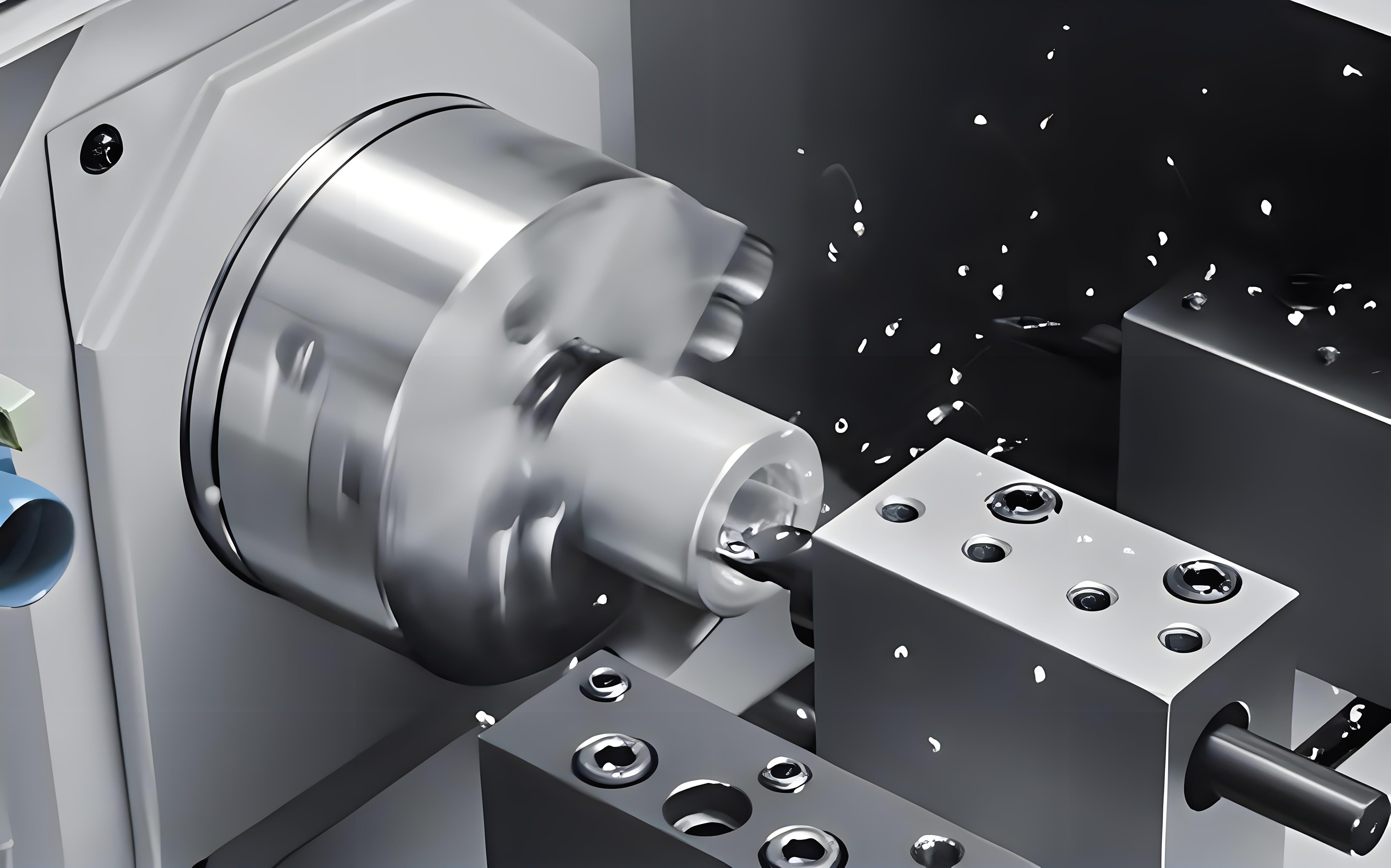
Here's the fundamental distinction: in CNC turning, your workpiece spins while a stationary cutting tool shapes it. In CNC milling, the cutting tool rotates while your part stays fixed. This seemingly simple difference determines everything from what geometries you can achieve to how much you'll pay per part.
CNC Milling Explained
CNC machining milling uses a rotating multi-point cutter that moves across your stationary workpiece along multiple axes. Imagine a drill bit, but far more versatile—capable of cutting sideways, plunging down, and following complex curved paths. Each cnc cut removes material precisely where programmed, creating features like pockets, slots, flat surfaces, and intricate 3D contours.
When you order cnc milled parts online, you'll typically encounter two main configurations:
- 3-Axis Milling: The cutting tool moves along X (left-right), Y (front-back), and Z (up-down) axes. This handles most straightforward parts—brackets, housings, plates with pockets, and components with features accessible from one direction. According to Xometry's comparison guide, 3-axis machines cost between $25,000 and $50,000, making them cost-effective for simpler geometries.
- 5-Axis Milling: Adds two rotational axes (A and B), allowing the tool to approach your part from virtually any angle. This capability becomes essential for aerospace components, turbine blades, medical implants, and any geometry requiring undercuts or multi-surface machining without repositioning. These machines range from $80,000 to over $500,000, but they eliminate multiple setups and dramatically improve accuracy on complex parts.
The practical difference? A 3-axis machine might require three or four separate setups to machine all sides of a cube-shaped part. A 5-axis machine completes the same work in one setup, reducing handling errors and improving dimensional consistency.
When to Choose Turning Over Milling
CNC turning excels when your part has rotational symmetry—think shafts, pins, bushings, rollers, and threaded components. The workpiece spins in a chuck while a single-point cutting tool removes material, creating cylindrical features with excellent concentricity and surface finish.
Consider cnc turning services when your design features:
- External or internal diameters as the primary geometry
- Threads, grooves, or tapered surfaces
- Components that start as round bar stock
- High-volume production of symmetrical parts
Modern CNC turning service providers often include live tooling capabilities, meaning the machine can also perform milling operations like drilling cross-holes or cutting flats—all in a single setup. This hybrid approach, sometimes called mill-turn, handles parts that combine cylindrical and prismatic features efficiently.
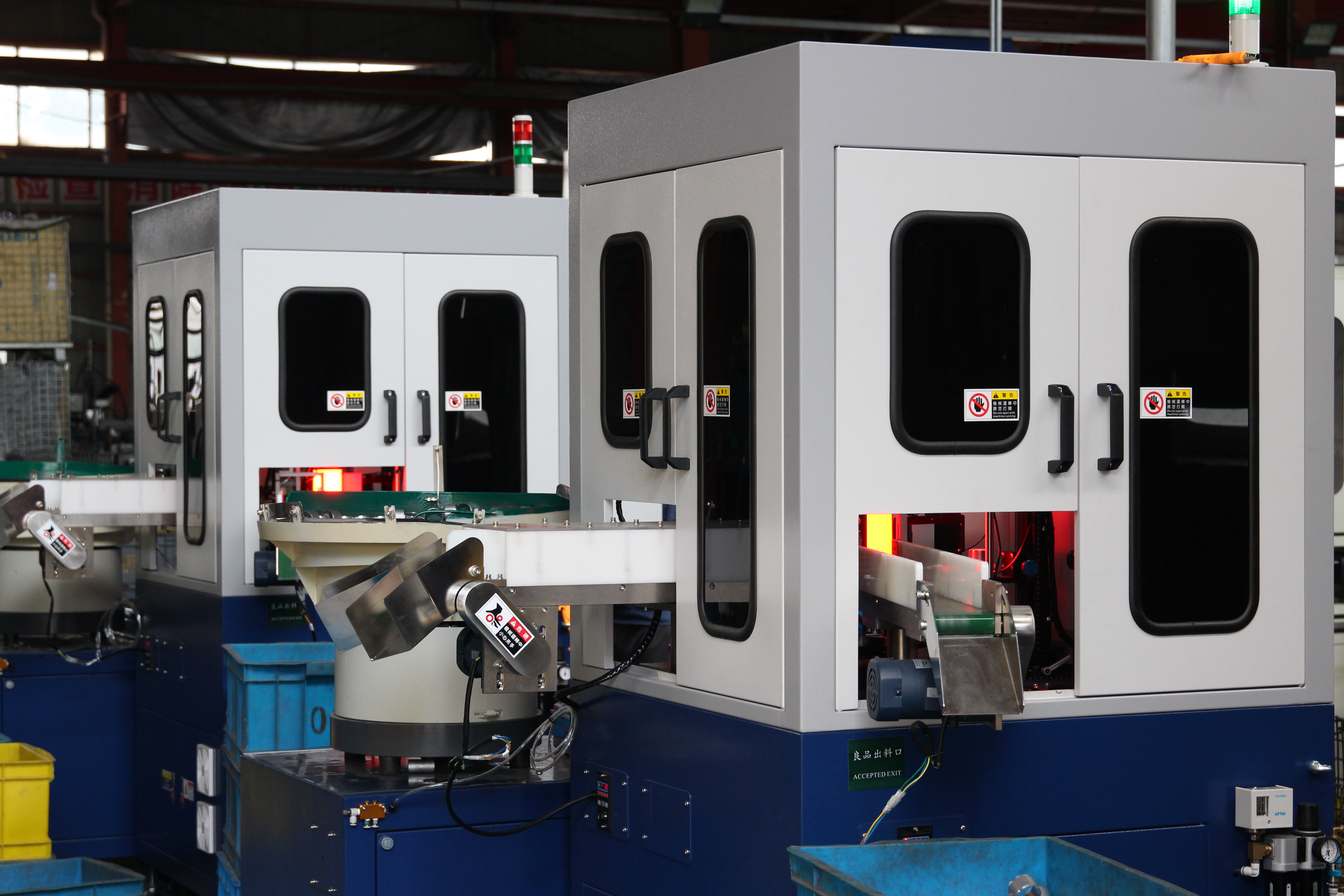
The cost advantage of turning becomes significant at volume. With automated bar feeders, a cnc turning center runs continuously, producing part after part with minimal operator intervention. For cylindrical components, this typically means lower per-piece costs compared to milling the same geometry.
Understanding Multi-Axis Capabilities
When should you specifically request 5-axis machining for your online order? The answer depends on geometry complexity and tolerance requirements. Five-axis cnc cuts become necessary when:
- Your part has features at compound angles that can't be reached from standard orientations
- Surface contours require the tool to maintain perpendicular contact while following curves
- Minimizing setups is critical for holding tight tolerances across multiple features
- Undercuts or internal cavities need tool access impossible with 3-axis motion
The table below summarizes when each process makes sense for your project:
| Process Type | Best For | Typical Tolerances | Complexity Level |
|---|---|---|---|
| 3-Axis Milling | Flat surfaces, pockets, simple slots, 2D/2.5D features | ±0.005" (±0.127mm) | Low to Medium |
| 5-Axis Milling | Complex contours, aerospace parts, medical implants, undercuts | ±0.002" (±0.05mm) | High |
| CNC Turning | Shafts, pins, bushings, threaded components, cylindrical parts | ±0.002" (±0.05mm) | Low to Medium |
| Mill-Turn | Parts combining rotational and prismatic features | ±0.002" (±0.05mm) | Medium to High |
Understanding these distinctions helps you make informed decisions when configuring your online order. Many platforms automatically suggest the optimal process based on your uploaded geometry—but knowing why a particular method was recommended ensures you're getting the best value for your specific requirements.
With process selection clarified, the next critical decision involves choosing the right material for your application—a choice that affects everything from mechanical performance to final cost.
Material Selection Guide for Online CNC Orders
You've chosen your machining process—now comes the decision that directly impacts how your part performs in the real world. Material selection isn't just about picking something that looks right on a spec sheet. It's about matching physical properties to your application's demands, balancing cost against performance, and understanding trade-offs that affect everything from machinability to long-term durability.
When ordering machined parts online, you'll typically choose between two major categories: metals for structural and high-stress applications, or engineering plastics for lightweight, corrosion-resistant, or electrically insulating components. Let's break down what each option actually delivers—and why it matters for your project.
Metals for Structural and Precision Applications
Metals remain the backbone of precision manufacturing. They offer strength, thermal conductivity, and dimensional stability that most plastics simply can't match. But not all metals behave the same under a cutting tool, and your choice significantly affects both machinability and final part performance.
- Aluminum (6061-T6, 7075-T6): The workhorse of CNC machining. Aluminum machines faster than almost any other metal, which translates directly to lower costs. 6061-T6 offers excellent corrosion resistance and weldability—ideal for enclosures, brackets, and general-purpose components. Need higher strength? 7075-T6 approaches steel-level strength while remaining lightweight, making it popular for aerospace and high-performance automotive applications.
- Steel (1018, 4140, A36): When aluminum lacks the rigidity or wear resistance your application demands, steel steps in. 1018 mild steel is economical and easy to machine, suitable for fixtures, pins, and low-stress structural parts. 4140 chromoly offers superior strength and fatigue resistance after heat treatment—think gears, shafts, and tooling components that experience repeated loading cycles.
- Stainless Steel (303, 304, 316): Corrosion resistance defines this category. 303 stainless machines more easily due to added sulfur, making it cost-effective for non-critical corrosion applications. 304 provides better corrosion resistance for food-contact and medical applications. 316 adds molybdenum for superior resistance to chlorides and harsh chemicals—essential for marine hardware and chemical processing equipment.
- Titanium (Grade 2, Grade 5/Ti-6Al-4V): The strength-to-weight champion. Titanium offers steel-level strength at roughly 45% of the weight, plus excellent biocompatibility. Grade 5 dominates aerospace and medical implant applications. The trade-off? Titanium is notoriously difficult to machine, requiring slower speeds, rigid setups, and specialized tooling—which increases costs significantly.
- Bronze (C932, C954): When you need superior wear resistance and self-lubricating properties, bronze cnc machining delivers. C932 bearing bronze excels in bushings, bearings, and sliding wear applications. Its natural lubricity reduces friction without requiring constant lubrication—critical for marine applications or equipment with limited maintenance access. Machining bronze produces excellent surface finishes with standard tooling.
Engineering Plastics and Their Trade-offs
Why choose plastic over metal? According to Hubs' machining guide, plastics offer significant advantages: lighter weight, lower material costs, faster machining times, and less tool wear. However, they also present challenges including heat sensitivity, potential dimensional instability, and lower overall strength compared to metals.
Understanding these trade-offs helps you select the right polymer for your application:
- Delrin/Acetal (POM): The delrin material stands out for its exceptional dimensional stability, low friction coefficient, and moisture resistance. Delrin plastic machines beautifully with excellent surface finish and tight tolerances. It's the go-to choice for gears, bearings, bushings, and any component requiring smooth, consistent motion. Unlike nylon, delrin doesn't absorb moisture—so parts maintain dimensional accuracy even in humid environments.
- Nylon (PA6, PA66): Machining nylon requires understanding its unique behavior. Nylon for machining offers excellent toughness, wear resistance, and vibration dampening. It handles repeated impact better than most engineering plastics. The critical consideration? Nylon absorbs moisture from the environment, which causes dimensional swelling of 1-2%. For precision applications, specify "dry-as-molded" tolerances or consider delrin as an alternative when moisture exposure is likely.
- Polycarbonate (PC): Need optical clarity combined with impact resistance? Polycarbonate PC delivers both. It's virtually unbreakable, making it ideal for safety shields, sight glasses, and transparent enclosures. Polycarbonate machines well but requires attention to heat buildup—excessive temperatures cause surface fogging or stress cracking. Slower cutting speeds and adequate cooling produce the best results.
- PEEK: The high-performance exception. PEEK maintains mechanical properties at temperatures up to 480°F (250°C) where other plastics fail completely. It offers chemical resistance approaching PTFE while providing structural strength similar to some metals. Aerospace, medical implants, and semiconductor manufacturing rely on PEEK when no other plastic survives the operating environment. Expect to pay significantly more—PEEK stock material costs 10-20 times more than standard engineering plastics.
- PTFE (Teflon): Unmatched chemical resistance and the lowest friction coefficient of any solid material. PTFE seals and gaskets survive exposure to virtually any chemical except molten alkali metals. The limitation? PTFE is soft and prone to cold flow under sustained load, making it unsuitable for structural applications.
Matching Material Properties to Your Requirements
How do you decide between these options? Start with your application's non-negotiable requirements:
- High mechanical stress: Steel, titanium, or 7075 aluminum for metals; PEEK for plastics
- Corrosion or chemical exposure: 316 stainless, titanium, or bronze for metals; PTFE, PEEK, or delrin for plastics
- Low friction/wear surfaces: Bronze or machining bronze alloys; delrin or PTFE for plastics
- Weight-critical applications: Aluminum or titanium; polycarbonate, delrin, or nylon
- Moisture exposure: Stainless steel or bronze; delrin material (not nylon, which absorbs moisture)
- Electrical insulation: Most engineering plastics; avoid metals entirely
- Optical clarity: Polycarbonate PC or acrylic (PMMA)
Budget constraints also matter. According to Xometry's material selection guide, aluminum and standard plastics like ABS or acetal offer the best value for prototyping and low-volume production. Reserve premium materials like titanium or PEEK for applications where their specific properties provide irreplaceable value.
Once you've identified the right material, the next critical factor is understanding how tightly you need to hold dimensions—because tolerance specifications directly impact both manufacturing complexity and final cost.
Understanding Tolerances and What They Mean for Your Parts
You've selected your material and machining process—but now your quote form asks about tolerances. What exactly does ±0.005" mean for your part? And when suppliers advertise ±0.0001" precision, is that actually necessary for your application? Understanding tolerance specifications isn't just about picking numbers; it's about avoiding costly over-engineering while ensuring your cnc machining parts function exactly as intended.
Here's the core concept: no manufacturing process produces absolutely perfect dimensions. Tolerances define how much deviation from your design is acceptable before a part becomes unusable. Think of it as the "margin of error" you're willing to accept—and that margin directly affects how much you'll pay and how long you'll wait.
Standard vs Precision Tolerance Classes
When you upload a CAD file without specifying tolerances, most online platforms apply standard machining tolerances—typically around ±0.005" (±0.127mm) for metals according to HLH Rapid's tolerance guide. This level accommodates normal variations in machine accuracy, thermal effects, and tool wear while keeping production costs economical.
But what do these tolerance classes actually mean in practice?
- Standard/General Tolerances (±0.010" or ±0.25mm): Suitable for most non-critical dimensions where parts don't need to interface precisely with other components. Brackets, housings, and decorative elements typically work fine at this level.
- Medium Tolerances (±0.005" or ±0.127mm): The default for most precision machining services. Parts fit together predictably, surfaces align properly, and functional assemblies work as designed.
- Tight Tolerances (±0.001" to ±0.002" or ±0.025mm to ±0.05mm): Required when machining parts must mate precisely—bearing fits, sliding interfaces, or components requiring consistent clearances. These tolerances demand specialized techniques and environmental controls.
- Ultra-Precision (±0.0002" to ±0.0005" or ±0.005mm to ±0.0127mm): Reserved for surgical instruments, optical components, and aerospace-critical applications. According to Modus Advanced's machining guide, achieving these tolerances requires temperature-controlled environments within ±0.5°C, vibration isolation, and high-precision spindle systems.
The international standard ISO 2768 provides a helpful framework, dividing tolerances into four classes: fine (f), medium (m), coarse (c), and very coarse (v). Most online machining services default to ISO 2768-1 medium for milled and turned parts unless you specify otherwise.
How Tolerances Affect Your Quote
Here's what first-time buyers often miss: tighter tolerances don't just cost more—they cost exponentially more. Moving from ±0.005" to ±0.001" might double your machining costs. Pushing to ±0.0005" could triple or quadruple them.
Why such dramatic increases? Tighter tolerances require:
- Slower cutting speeds and more careful material removal
- Specialized cutting tools that maintain edge geometry precisely
- Temperature-controlled environments to minimize thermal expansion
- Multiple inspection steps with precision measuring equipment
- Higher rejection rates when parts drift outside narrow limits
This relationship extends to surface finishes as well. When you specify tighter dimensional tolerances, you'll often need corresponding improvements in surface quality to meet functional requirements—adding another cost layer to consider.
| Tolerance Class | Typical Range | Applications | Cost Impact |
|---|---|---|---|
| Standard | ±0.010" (±0.25mm) | Non-critical dimensions, decorative parts, general enclosures | Baseline |
| Medium | ±0.005" (±0.127mm) | Functional assemblies, mating parts, most production components | Baseline to +25% |
| Tight | ±0.001" to ±0.002" (±0.025mm to ±0.05mm) | Bearing fits, precision assemblies, sliding interfaces | +50% to +100% |
| Ultra-Precision | ±0.0002" to ±0.0005" (±0.005mm to ±0.0127mm) | Surgical equipment, optical components, aerospace-critical parts | +100% to +200% |
Specifying Tolerances Without Over-Engineering
The most expensive mistake in tolerance specification? Applying tight tolerances everywhere "just to be safe." According to industry data, only about 1% of machined parts genuinely require tolerances in the ±0.0002" to ±0.0005" range. Often, it's just specific features—not entire parts—that need precision treatment.
Follow these guidelines to specify tolerances effectively:
- Identify critical features: Which dimensions actually affect assembly, fit, or function? Apply tight tolerances only to these features while keeping non-critical dimensions at standard levels.
- Consider material behavior: Soft plastics are more challenging to hold tight tolerances compared to rigid metals. When machining flexible materials, accept slightly wider tolerances or expect higher costs.
- Account for tolerance stack-up: When multiple parts assemble together, individual tolerances combine. Use worst-case analysis to ensure assembled components still function when all parts hit their tolerance limits simultaneously.
- Communicate clearly: Include a tolerance table on your 2D drawing specifying which limits apply to each dimension. This prevents assumptions and ensures machinists understand your critical requirements.
What is the tolerance for thread holes specifically? Thread tolerances follow separate classification systems (like 2B for internal threads in the US system), but general guidance suggests specifying thread class rather than dimensional tolerances. Most standard thread specifications already include appropriate allowances for assembly.
With tolerances properly understood, you're ready to optimize your design for efficient manufacturing—ensuring your parts are not only precise but also cost-effective to produce.
Design Tips That Reduce Costs and Improve Results
You've nailed your tolerances and selected the perfect material—but here's the thing: even a flawlessly specified design can become expensive or impossible to machine if it ignores fundamental manufacturing constraints. Design for Manufacturability (DFM) isn't about limiting creativity; it's about understanding what CNC machines can realistically achieve so your custom machined parts arrive on time, on budget, and exactly as intended.
Think of it this way: every feature you draw has machining implications. A pocket that's slightly too deep requires specialized tooling. An internal corner that's too sharp forces tiny cutters running at reduced speeds. These details might seem minor on screen, but they translate directly into dollars and days when production begins.
Critical Design Features That Affect Machinability
When preparing files for cnc prototyping, certain geometric features consistently determine whether your parts machine smoothly or create headaches. Understanding these constraints helps you design smarter from the start.
Wall Thickness Minimums
Thin walls are tempting when reducing weight, but they're prone to vibration, deflection, and even breaking under cutting forces. According to Super Ingenuity's CNC design guidelines, maintain minimum wall thicknesses of:
- Metals: 0.03" (approximately 0.8mm) as a safe baseline
- Plastics: 0.06" (approximately 1.5mm) to prevent deformation and warping
Need to go thinner? Add ribs for reinforcement, shorten unsupported spans, or consider switching to a more rigid material. Very thin walls should always be discussed with your machining supplier before finalizing drawings.
Pocket Depth Ratios
Deep pockets force machinists to use long-reach cutting tools that flex, chatter, and produce poor surface finishes. The practical limit? Keep blind pocket depths to no more than 3× the tool diameter. For pockets with tight corners, Summit CNC recommends limiting depth to 6× the smallest corner radius.
When deeper features are unavoidable:
- Open one or more pocket walls so the cutter can enter from the side
- Split the design into two parts and assemble them afterward
- Use stepped pocket layouts rather than one continuous deep wall
Internal Corner Radii
Here's a reality that surprises many first-time buyers: CNC end mills are round, which means they cannot produce perfectly sharp internal corners. Every internal corner needs a radius at least equal to the tool radius being used. For example, a 6mm end mill produces a minimum 3mm internal fillet.
Specifying larger radii isn't just acceptable—it's beneficial. Bigger corner radii allow larger, more rigid tools with higher feed rates, which reduces machining time and cost. When selecting cnc machining materials that are harder or more challenging to cut, generous internal radii become even more important for maintaining tool life.
Undercuts and Tool Access
Standard 3-axis machining can only cut features the tool can reach from above. Undercuts—features where material is removed from beneath an overhanging surface—require either special T-slot cutters, additional setups, or 5-axis capabilities. Before including undercuts in your prototype machining design, ask yourself: is this feature functionally necessary, or can I redesign to eliminate it?
Common Design Mistakes and How to Avoid Them
When engineers transition from 3D printing or injection molding backgrounds to CNC, certain habits cause recurring problems. Recognizing these patterns saves significant revision cycles.
Over-Specifying Tolerances
Applying ±0.001" tolerances to every dimension might seem safe, but it dramatically increases costs without functional benefit. Apply tight tolerances only to critical features—mating surfaces, bearing fits, and functional interfaces. Everything else can use standard ±0.005" limits.
Designing Sharp External Edges
Include chamfers rather than fillets on external edges whenever possible. According to Summit CNC's DFM guide, machining a fillet requires complex 3D tool paths or specialized corner-rounding tools. Chamfers use simple chamfer mills, keeping programming and machining times minimal.
Creating Thin, Unsupported Features
Slender ribs, tall narrow walls, and thin tabs deflect under cutting loads. Keep height-to-thickness ratios below 8:1 for ribs. If taller features are unavoidable, add temporary support ribs that can be machined off in a finishing pass, or increase nearby wall thickness with gussets.
Ignoring Thread Depth Limits
Deeper threads don't mean stronger connections. Effective thread engagement is typically 2–3× the hole diameter; beyond this, extra depth adds machining time and tap breakage risk without meaningful strength gains. Also provide bottom relief in blind holes so taps don't bottom out on the drill cone.
Optimizing Your CAD File Before Upload
Before hitting that upload button for your cnc prototype order, run through this DFM checklist:
- Verify wall thicknesses: Minimum 0.03" for metals, 0.06" for plastics
- Check pocket depths: No deeper than 3× tool diameter or 6× smallest corner radius
- Add internal corner radii: At least 0.0625" (1.5mm) for standard features
- Review thread specifications: Limit effective thread length to 2–3× nominal diameter
- Eliminate unnecessary undercuts: Redesign where possible to allow standard tooling
- Use standard hole sizes: Match common drill sizes to avoid custom tooling charges
- Specify chamfers over fillets: For external edges where function permits
- Minimize setups: Unify datums so critical features share the same reference system
For specialized applications like carbon fiber prototyping, additional considerations apply—carbon fiber's abrasive nature requires diamond-coated tooling and creates unique delamination risks at edges. Discuss material-specific requirements with your supplier before finalizing designs.
One final optimization strategy: design for standard tooling compatibility. Matching hole diameters and slot widths to common cutters avoids custom tools and special ordering. Common metric tap drill sizes (M3=2.5mm, M4=3.3mm, M5=4.2mm, M6=5.0mm, M8=6.8mm) give machinists immediate access to off-the-shelf tooling.
With your design optimized for manufacturability, understanding how these choices translate into actual costs becomes the next critical step—helping you make informed decisions that balance performance requirements against budget constraints.
How Online CNC Pricing Works and Cost Factors
You've optimized your design, selected your material, and specified reasonable tolerances—now you're staring at a quote wondering how that number was calculated. Unlike traditional machine shops where pricing often feels like guesswork, online platforms provide a degree of transparency that empowers informed decisions. But understanding what actually drives your cnc machining price helps you identify where costs can be reduced without sacrificing quality.
Here's the reality: every quote you receive is built from the same fundamental components. Material costs, machining time, setup charges, tolerance requirements, surface finishes, and order quantity all combine to determine your final price. Let's break down each factor so you know exactly what you're paying for—and where you have leverage to optimize.
What Drives Your CNC Machining Quote
When you request a cnc quote online, the platform's algorithm analyzes your design and calculates costs across multiple categories. According to U-Need's pricing breakdown guide, these are the primary factors affecting your quote:
Material Costs
Raw material represents a significant portion of your machinist metal cost, but the impact varies dramatically by selection. Aluminum and standard plastics like delrin remain economical, while titanium and specialty alloys can cost 10-20× more per pound. Beyond the raw stock price, material choice affects machining time—harder materials require slower cutting speeds and consume more tooling, compounding costs.
Machining Time
Machine time is typically billed hourly, and rates differ substantially based on equipment type. A standard 3-axis milling machine might run $25-75 per hour, while advanced 5-axis equipment ranges from $75-150+ per hour. Complex geometries requiring slower feed rates or multiple tool changes extend cycle times directly—doubling machining time roughly doubles this cost component.
Setup Charges
Every job requires initial setup: loading programs, installing fixtures, setting tool offsets, and running first-article verification. According to industry data, setup costs represent a considerable percentage of total expense, especially for low-volume production. A single-part order might face $50-200 in setup fees that get amortized across just one unit, while ordering 100 pieces spreads that same cost across the entire batch.
Tolerance and Surface Finish Requirements
Tighter tolerances demand slower machining speeds, specialized tooling, and additional inspection steps. Surface finishes beyond standard as-machined conditions—like polishing, bead blasting, or anodizing—add post-processing time and handling. Each finishing operation introduces another cost layer to your quote.
| Cost Factor | Impact Level | How to Optimize |
|---|---|---|
| Material Selection | High | Choose standard grades (6061 aluminum, 304 stainless) when properties allow; avoid exotic alloys unless functionally necessary |
| Machining Time | High | Simplify geometries, reduce pocket depths, specify larger internal radii to enable faster cutting |
| Setup Charges | Medium-High | Increase order quantities to amortize setup costs; consolidate multiple parts into single orders |
| Tolerance Requirements | Medium-High | Apply tight tolerances only to critical features; use standard ±0.005" for non-functional dimensions |
| Surface Finishes | Medium | Accept as-machined finishes where appearance isn't critical; specify finishes only on visible or functional surfaces |
| Order Quantity | High | Take advantage of quantity breaks; batch orders when production schedules allow |
Volume Pricing and Quantity Breaks
The principle of economies of scale directly applies when requesting online machining quotes. Per-unit costs drop significantly as quantities increase—but the relationship isn't linear. Here's what typically happens at different volume levels:
- 1-10 pieces: Setup costs dominate. You're essentially paying for machine programming, fixture preparation, and first-article inspection spread across just a handful of parts. Expect the highest per-piece pricing.
- 10-100 pieces: Setup costs amortize meaningfully, and machinists optimize processes for the run. Some suppliers offer 15-30% per-piece reductions at this level.
- 100-1000 pieces: Automation becomes viable. Dedicated fixtures, optimized tooling, and reduced handling time compound savings. Per-unit costs can drop 40-60% compared to prototype quantities.
- 1000+ pieces: High-volume production enables maximum efficiency. Bar feeders run continuously, inspection becomes statistical sampling rather than 100% checking, and material purchases benefit from bulk pricing.
According to PartsBadger's ordering information, their simplified process structure enables competitive pricing precisely because reduced complexity means lower costs passed to customers. When comparing online machining quotes, always request pricing at multiple quantities to understand your break-even points.
Hidden Costs to Watch For
Beyond the obvious line items, several factors can inflate your final invoice if you're not careful:
- Custom tooling charges: Non-standard hole sizes, unusual thread specifications, or unique profile requirements may trigger special tooling purchases billed to your order.
- Inspection and documentation: First-article inspection reports, material certifications, and dimensional inspection beyond standard quality checks often carry additional fees. Request these only when genuinely required.
- Expedite premiums: Rush orders typically add 25-100% to standard pricing. Planning ahead and accepting standard lead times protects your budget.
- Shipping and handling: International orders, hazardous material surcharges (for certain metals), and special packaging requirements add up quickly. Factor these into total cost comparisons.
- Revision fees: Changing specifications after production begins triggers re-programming, re-fixturing, and potentially scrapped material. Finalize designs before ordering.
The most effective cost-reduction strategy? Engage early. Many online platforms offer design-for-manufacturing feedback before you commit. Taking advantage of these suggestions—adjusting radii, modifying tolerances, or switching materials—optimizes your design for cost-effective production before the first chip flies.
With pricing factors now clear, the next consideration becomes equally important: how do you evaluate which online machining service actually delivers the quality and reliability your project demands?
Evaluating Online Machining Services and Certifications
You've designed your part, selected materials, and understand what drives pricing—but here's the critical question many first-time buyers overlook: how do you know the cnc machining shop you're considering will actually deliver quality parts on time? Certifications get thrown around constantly in this industry, but what do they actually guarantee? And beyond the badges on a website, what practical quality indicators separate reliable precision machining companies from those that will leave you with rejected parts and missed deadlines?
Evaluating online machining services requires looking beyond surface-level claims. Certifications matter—but only when you understand what each one actually verifies about a supplier's processes, capabilities, and commitment to consistent quality.
Certifications That Matter for Your Industry
When browsing supplier websites, you'll encounter alphabet soup: ISO 9001, IATF 16949, AS9100D, ISO 13485. According to Modo Rapid's certification guide, these aren't interchangeable badges—each certification addresses specific industry requirements and operational standards. Understanding the differences helps you match suppliers to your project's actual needs.
ISO 9001: The Universal Foundation
Think of ISO 9001 as the baseline quality driver's license for manufacturing. This certification verifies that a supplier has documented quality control processes, maintains consistent procedures, and commits to continuous improvement. An independent auditor confirms the shop actually follows its stated processes—not just claims to.
What does this mean practically? ISO 9001-certified shops maintain traceability for your parts, document inspection results, and have formal procedures for handling non-conformances. If something goes wrong, there's a system in place to identify the cause and prevent recurrence. For general machining applications, ISO 9001 provides solid confidence in process reliability.
IATF 16949: Automotive Industry Requirements
Aerospace machining and medical machining get significant attention, but automotive applications demand their own rigorous standards. IATF 16949 layers automotive-specific requirements onto ISO 9001, adding:
- Production Part Approval Process (PPAP) documentation
- Statistical Process Control (SPC) for critical dimensions
- Defect prevention systems rather than just detection
- Supply chain risk management protocols
If you're sourcing components for automotive applications—engine parts, suspension components, transmission housings—IATF 16949 certification isn't optional. It signals the supplier understands lean production systems and can maintain the consistency automotive supply chains demand.
AS9100D: Aerospace and Defense Standards
For aerospace cnc machining, AS9100D represents the gold standard. This certification builds on ISO 9001 but adds stringent requirements for:
- Complete material traceability from raw stock to finished part
- Process validation for safety-critical operations
- Configuration management for engineering changes
- Risk management throughout production
- First Article Inspection (FAI) requirements per AS9102
According to industry resources, AS9100 functions like ISO 9001 "on steroids"—tailored specifically for industries where lives depend on precision. Landing gear brackets, structural components, and flight-critical hardware all require this level of process control.
ISO 13485: Medical Device Manufacturing
Medical machining carries unique requirements around biocompatibility, sterilization compatibility, and regulatory traceability. ISO 13485 certification confirms a supplier understands:
- FDA and international regulatory expectations
- Clean room protocols where applicable
- Device history documentation requirements
- Biocompatibility testing coordination
For surgical instruments, implantable components, or diagnostic equipment parts, ISO 13485 certification provides essential assurance that the supplier navigates medical device regulations competently.
Matching Certifications to Your Needs
Here's a practical framework for certification requirements:
- General industrial applications: ISO 9001 minimum
- Automotive components: IATF 16949 required
- Aerospace and defense: AS9100D essential, plus ITAR registration for controlled items
- Medical devices: ISO 13485 required, FDA registration helpful
- Swiss machining for precision components: ISO 9001 baseline plus industry-specific certifications as applicable
Quality Assurance and Inspection Standards
Certifications confirm a supplier has documented processes—but what about actual execution? Evaluating quality assurance capabilities requires looking beyond certificates to understand inspection equipment, measurement protocols, and documentation practices.
Inspection Equipment Capabilities
Modern precision machining companies invest heavily in metrology equipment. When evaluating suppliers, ask about:
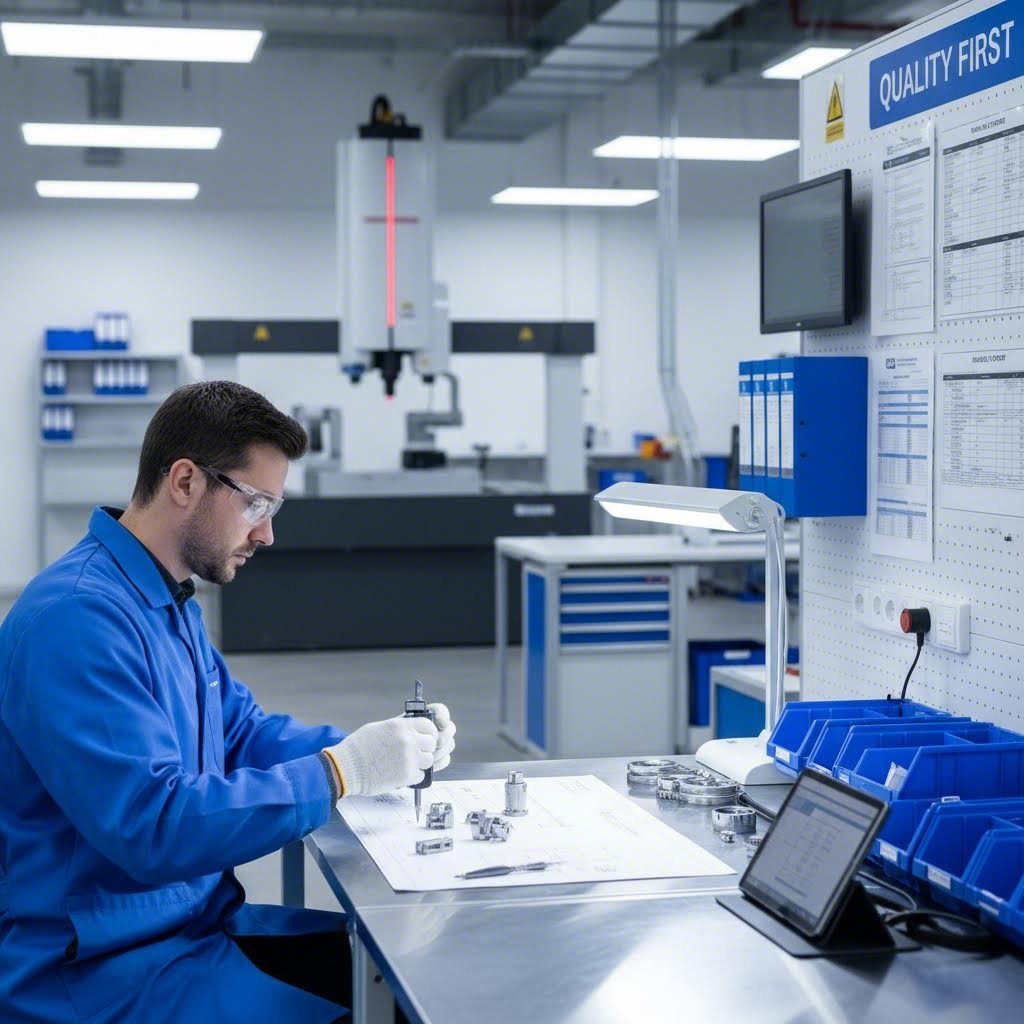
- Coordinate Measuring Machines (CMMs): These automated systems measure complex 3D geometries against your CAD model, providing comprehensive dimensional verification
- Optical comparators: Useful for profile verification and 2D feature inspection
- Surface roughness testers: Verify surface finish specifications are actually achieved
- Calibrated hand tools: Micrometers, calipers, and thread gauges for in-process verification
According to 3ERP's evaluation guide, quality assurance involves regular checks during production, final inspection before shipping, and formal policies to rectify any defects—not just end-of-line testing.
Documentation and Traceability
What records will you receive with your parts? Depending on your requirements, expect options including:
- Inspection reports showing measured dimensions against specifications
- Material certifications (mill test reports) verifying alloy composition
- First Article Inspection reports for production validation
- Certificates of conformance attesting parts meet drawing requirements
For regulated industries like aerospace machining or medical device manufacturing, this documentation isn't optional—it's legally required traceability that follows parts through their entire service life.
Red Flags When Evaluating Online Services
Not every online machining service delivers what it promises. Watch for these warning signs that suggest potential quality or reliability issues:
- Vague certification claims: "Quality certified" means nothing. Demand specific certification numbers and verify them through accreditation body databases.
- No inspection capability details: If a supplier can't describe their measurement equipment or inspection processes, question whether meaningful quality control exists.
- Unusually low pricing: Prices dramatically below competitors often indicate corners being cut—whether in material quality, inspection rigor, or experienced labor.
- Poor communication responsiveness: According to industry experts, effective communication is the backbone of successful partnerships. Slow responses during quoting often predict worse communication during production.
- No portfolio or references: Established suppliers should readily provide examples of similar work and customer references. Reluctance suggests limited relevant experience.
- Missing intellectual property protections: Ask about data security protocols. Reputable suppliers have formal procedures protecting your designs from unauthorized sharing.
Evaluation Checklist for Online Machining Services
Before committing to a supplier, verify these essential criteria:
- Relevant certifications verified through accreditation bodies
- Documented inspection capabilities matching your tolerance requirements
- Clear communication channels with responsive technical contacts
- Transparent pricing with no hidden fees for standard documentation
- Portfolio examples demonstrating similar material and complexity experience
- Formal quality policy addressing non-conformance handling
- Data security and intellectual property protection procedures
- Realistic lead times aligned with your project schedule
Taking time to evaluate suppliers properly prevents costly mistakes—rejected parts, missed deadlines, and quality escapes that damage your own products and reputation. With evaluation criteria established, understanding how specific industries layer additional requirements onto these foundations becomes essential for aerospace, automotive, and medical projects.
Industry-Specific Requirements for Aerospace Automotive and Medical
So you've found a supplier with the right certifications—but here's where things get nuanced. Aerospace, automotive, and medical applications don't just require different paperwork. They demand fundamentally different approaches to material handling, process validation, and documentation that go far beyond standard manufacturing practices. Understanding these sector-specific requirements helps you ask the right questions and avoid suppliers who claim capability they can't actually deliver.
Each regulated industry has developed its own ecosystem of standards, traceability requirements, and validation protocols. What works perfectly for general industrial machining may fall completely short when lives, safety, or regulatory compliance depend on your components. Let's break down what each sector actually demands—and what you need to verify before placing orders.
Aerospace Machining Requirements and Traceability
When you're sourcing cnc machining aerospace components, every micron matters. According to Hubs' aerospace machining guide, aerospace parts often require tolerances within microns combined with extreme precision, material flexibility, and the ability to handle complex geometries through multi-axis CNC capabilities.
But precision alone isn't enough. Aerospace machining carries documentation requirements that trace every part from raw material to final installation:
- Material traceability: Complete chain of custody from mill certification through finished component, including heat lot numbers, material test reports, and processing records
- AS9100D certification: The aerospace-specific quality standard building on ISO 9001 with added requirements for configuration management, risk assessment, and process validation
- First Article Inspection (FAI): Per AS9102 requirements, comprehensive dimensional verification of initial production parts documenting every specified characteristic
- NADCAP accreditation: For special processes like heat treating, chemical processing, or nondestructive testing, this additional certification validates process-specific controls
- Process validation: Documented evidence that manufacturing processes consistently produce parts meeting specifications
Machining titanium for aerospace applications illustrates these complexities perfectly. Titanium's strength-to-weight ratio makes it ideal for structural components, but its reactivity and work-hardening characteristics demand specialized cutting parameters, coolant strategies, and tool materials. Suppliers without titanium experience often underestimate cycle times and tool consumption—leading to quality issues or cost overruns.
The stakes in aerospace are absolute. Engine components face high heat and pressure. Airframe brackets must be lightweight yet structurally sound. Landing gear withstands dynamic loads throughout thousands of cycles. According to industry experts, surface finishes like roughness average (Ra) less than 1.6 μm and uniform dimensional characteristics become requirements rather than preferences for effective fluid systems and structural joinery.
Automotive Supply Chain Considerations
Automotive precision cnc machining services operate under different pressures than aerospace—higher volumes, tighter cost constraints, and supply chain integration requirements that prioritize consistency over documentation depth. The IATF 16949 standard defines what automotive suppliers must deliver.
What makes automotive requirements unique?
- Statistical Process Control (SPC): Continuous monitoring of critical dimensions using statistical methods to detect process drift before parts go out of specification
- Production Part Approval Process (PPAP): Comprehensive documentation package demonstrating manufacturing capability before production authorization
- Defect prevention focus: Error-proofing (poka-yoke) systems that prevent defects rather than just detecting them after the fact
- Supply chain integration: Electronic data interchange, kanban systems, and just-in-time delivery expectations
- Continuous improvement: Documented cost reduction and quality improvement programs meeting OEM expectations
Stainless steel machining for automotive applications—think fuel system components, exhaust fittings, or sensor housings—requires suppliers who understand both the material's machining characteristics and automotive's relentless cost pressure. The balance between quality requirements and competitive pricing defines successful automotive suppliers.
For teams sourcing automotive components, suppliers like Shaoyi Metal Technology demonstrate what IATF 16949-certified cnc machining metal capability looks like in practice. Their facility combines strict SPC implementation with lead times as fast as one working day, delivering high-tolerance components for chassis assemblies and custom metal bushings. This scalability from rapid prototyping to mass production—backed by documented quality systems—exemplifies what automotive supply chains require.
The key differentiator for automotive? Volume capability with consistency. A supplier might produce excellent prototype parts, but automotive programs require that same quality across thousands or millions of units with zero tolerance for batch-to-batch variation.
Medical Device Machining Compliance
Medical device machining sits at the intersection of precision manufacturing and regulatory oversight. According to American Micro Industries' certification guide, facilities serving this sector must comply with FDA 21 CFR Part 820 (Quality System Regulation) alongside ISO 13485 certification—creating overlapping requirements that demand meticulous documentation.
What does medical device compliance actually require?
- ISO 13485 certification: The global quality standard for medical device manufacturing, emphasizing risk management, product traceability, and complaint handling systems
- FDA registration: Facilities manufacturing medical device components must register with the FDA and maintain compliance with Current Good Manufacturing Practice (CGMP) requirements
- Biocompatibility considerations: Material selection affecting patient contact requires documentation of biocompatibility testing or material certifications
- Device History Records (DHR): Complete production documentation for each manufactured lot, enabling full traceability throughout the device lifecycle
- Clean room protocols: Where applicable, controlled manufacturing environments preventing particulate contamination
- Validated processes: Documented evidence that manufacturing processes consistently produce parts meeting predetermined specifications
Aluminum machining for medical applications—surgical instruments, diagnostic equipment housings, or implant components—requires suppliers who understand not just how to machine the material, but how to document that machining for regulatory submission. Every process step, inspection result, and material lot becomes part of a permanent quality record.
The consequences of quality failures in medical machining extend far beyond rejected parts. Patient safety, regulatory action, and product recalls create stakes that demand suppliers with genuine expertise in regulated manufacturing—not just claimed certifications.
Matching Supplier Capabilities to Your Industry
How do you verify a supplier actually meets your industry's requirements rather than simply claiming capability? Start with these sector-specific verification steps:
For Aerospace Applications:
- Request AS9100D certificate and verify through IAQG OASIS database
- Ask for sample First Article Inspection reports demonstrating AS9102 compliance
- Verify NADCAP accreditation if special processes are required
- Review material traceability procedures and sample documentation
- Confirm experience with your specific alloys—machining titanium or Inconel requires demonstrated expertise
For Automotive Applications:
- Confirm IATF 16949 certification through IATF's official database
- Request evidence of SPC implementation and process capability studies
- Review PPAP documentation samples
- Verify volume capacity and delivery reliability metrics
- Assess supply chain integration capabilities (EDI, kanban, JIT delivery)
For Medical Device Applications:
- Verify ISO 13485 certification through accreditation body databases
- Confirm FDA facility registration where applicable
- Review Device History Record procedures and sample documentation
- Assess clean room capabilities if required for your application
- Verify experience with your material requirements and biocompatibility documentation
The bottom line? Regulated industries require suppliers who understand that manufacturing is only part of the job. Documentation, traceability, and process validation represent equally critical deliverables. Suppliers who treat paperwork as an afterthought will struggle to meet the systematic requirements these sectors demand.
With industry-specific requirements now clear, understanding the complete journey from design file to delivered parts helps you navigate each step of the ordering process confidently—ensuring your components arrive on time and meet every specification.

The Complete Process From Design File to Delivered Parts
You've selected your material, specified tolerances, and identified a qualified supplier—now what? The gap between uploading a CAD file and holding finished cnc machined parts in your hands involves multiple critical steps that many first-time buyers navigate blindly. Understanding this complete workflow helps you avoid delays, miscommunications, and quality issues that derail projects.
Think of ordering cnc parts online like booking a custom-built house rather than buying off the shelf. Every specification you provide shapes the final result. Clear communication at each stage prevents expensive revisions and ensures your cnc machine parts arrive ready to use—not ready for the reject bin.
Preparing Your Files for Upload
Your order's success begins long before you click "submit." According to Bolang's ordering guide, the success of your online order is 90% dependent on the quality of your files. Automated quoting engines and human engineers alike rely on specific formats to generate accurate pricing and toolpaths.
Follow this file preparation sequence:
- Export your 3D model in STEP or STP format. These neutral file formats preserve precise geometry that machining platforms require. Avoid STL files—they're mesh-based and lack the precision geometry needed for CNC toolpaths.
- Create a 2D technical drawing (PDF) for critical dimensions. Never rely on the 3D model alone if you have tight tolerances. Your drawing should specify exact tolerance callouts for critical features, surface finish requirements by feature, thread specifications with class and depth, and any geometric dimensioning and tolerancing (GD&T) requirements.
- Verify your model is watertight and error-free. Run geometry checks in your CAD software to identify open surfaces, overlapping bodies, or invalid geometry that will cause quoting failures or manufacturing issues.
- Remove unnecessary features. Delete cosmetic elements, reference geometry, or construction features that don't represent actual part geometry. Cleaner files generate faster, more accurate quotes.
- Document material and finish requirements clearly. Include material grade specifications (not just "aluminum" but "6061-T6"), surface treatment requirements, and any special handling instructions.
One critical note: if your project involves intellectual property concerns, verify the supplier's confidentiality procedures before uploading. Reputable manufacturers will sign a Non-Disclosure Agreement (NDA) before you upload files, treating all customer data with strict confidentiality.
From Quote Approval to Production
Once your files are uploaded, the ordering process follows a predictable sequence. Understanding each step helps you move efficiently from quote to production.
- Review the instant quote carefully. Don't just look at the total price. Examine lead time estimates, quantity break pricing, and any flagged manufacturability concerns. Many platforms highlight features that may cause issues—take these warnings seriously.
- Request Design for Manufacturing (DFM) feedback. Most quality suppliers offer DFM analysis that identifies cost reduction opportunities. According to industry resources, small design modifications—like increasing internal corner radii or adjusting tolerance specifications—can reduce machining costs by 20-50%.
- Confirm specifications before order placement. Double-check material selection, tolerance requirements, surface finish specifications, and quantity. Errors caught before production cost nothing; errors caught after production cost everything.
- Place your order with complete documentation. Include your 3D model, 2D drawing, and any supplementary specifications. For cnc turned parts or cnc milling parts requiring special processes, attach detailed instructions rather than assuming requirements are understood.
- Establish communication expectations. Identify your technical contact at the supplier and agree on update frequency. For complex projects, request milestone notifications when key production stages complete.
- Respond promptly to technical queries. Production questions about ambiguous specifications, material substitutions, or tolerance clarifications require fast responses. Delays in answering questions directly extend your lead time.
Throughout production, maintain accessible communication. If design changes become necessary after order placement, discuss them immediately—modifications become progressively more expensive as production advances.
Receiving and Verifying Your Parts
Your parts have shipped—but the process isn't complete until you've verified they meet specifications. According to Machine Station's inspection guide, measuring and inspecting CNC machined parts ensures the precision and accuracy your application demands.
- Inspect packaging condition upon arrival. Document any shipping damage before opening. Crushed boxes or evidence of rough handling should trigger immediate inspection of contents and notification to the supplier.
- Verify quantity and part identification. Confirm you received the correct number of parts and that they match your order specifications. Check part marking or labeling against your purchase order.
- Perform visual inspection. Look for obvious defects—surface scratches, tool marks in finished areas, burrs on edges, or discoloration indicating material issues.
- Measure critical dimensions. Using calibrated instruments, verify the dimensions specified as critical on your drawing. Focus on features that affect fit and function in your assembly.
- Check surface finish requirements. If you specified particular surface roughness values, verify them with appropriate measurement equipment. Visual assessment alone isn't sufficient for functional surface requirements.
- Test fit with mating components. When possible, verify that parts actually assemble as intended with their mating components. Drawing-compliant parts can still fail in assembly if tolerance stack-ups weren't properly considered.
- Document any non-conformances immediately. If parts don't meet specifications, photograph the issues and contact your supplier with specific details. Timely reporting protects your rights for replacement or refund.
- Review accompanying documentation. Verify you received any requested certifications, inspection reports, or material traceability documentation. For regulated industries, this paperwork is as important as the parts themselves.
Establishing a consistent receiving inspection process prevents defective parts from reaching your assembly line or customers. Even trusted suppliers occasionally ship non-conforming parts—your verification process is the final quality gate.
The complete ordering workflow—from clean file preparation through thorough receiving inspection—determines whether your online machining experience delivers value or frustration. Each step builds on the previous one, and shortcuts at any stage risk problems downstream.
With the complete process now mapped from design to delivery, the final consideration becomes matching all these factors—speed, cost, quality, and supplier capability—to your specific project requirements.
Making the Right Choice for Your Machined Parts Project
You've now navigated the complete landscape—from understanding what ordering machined parts online actually means, through material selection, tolerance specifications, DFM optimization, pricing factors, supplier evaluation, and industry-specific requirements. But here's the question that ties everything together: how do you synthesize all these factors into the right decision for your specific project?
The answer isn't one-size-fits-all. Your optimal approach depends on balancing three competing priorities—speed, cost, and quality—while matching supplier capabilities to what your application genuinely requires. Let's break down how to make that decision confidently.
Matching Your Project to the Right Service
Not every project needs the same supplier type. According to CNC Parts XTJ's comparison analysis, the choice between traditional direct-factory relationships and online platform networks depends heavily on your project characteristics.
Consider searching for a cnc shop near me or exploring local machine shops when:
- Your project requires hands-on collaboration and iterative design refinement
- Complex geometries demand direct engineering consultation
- You're building long-term supplier relationships for ongoing production
- Material certifications and documentation require face-to-face verification
- Volume production justifies dedicated fixturing and process optimization
Online platforms excel when:
- Speed matters more than supplier relationship depth
- You need instant quotes for budgeting or comparison purposes
- Prototype quantities don't justify extensive supplier qualification
- Geographic constraints limit machining near me options for specialized capabilities
- Project simplicity doesn't require extensive technical consultation
Many engineers discover that searching machining shops near me yields excellent results for complex, relationship-dependent work, while online platforms handle straightforward prototypes efficiently. The two approaches aren't mutually exclusive—they serve different needs within the same organization.
Balancing Speed Cost and Quality
Here's the fundamental trade-off every buyer faces: you can optimize for any two of speed, cost, and quality—but rarely all three simultaneously. Understanding these relationships helps you make intentional choices rather than hoping for impossible outcomes.
When Speed Is Your Priority
Rush projects demand suppliers with excess capacity, streamlined processes, and willingness to prioritize your order. Expect to pay premium pricing—typically 25-100% above standard rates. Accept that inspection may be abbreviated and documentation minimal. Online platforms often excel here, with some suppliers offering lead times as fast as one working day for straightforward geometries.
For automotive applications requiring both speed and certified quality, suppliers like Shaoyi Metal Technology demonstrate that rapid turnaround doesn't require sacrificing process control. Their IATF 16949-certified facility delivers high-tolerance components with next-day capability—proving that speed and quality can coexist when systems are properly designed.
When Cost Is Your Priority
Budget-constrained projects require different strategies. According to industry comparisons, working directly with source factories eliminates platform fees that typically add 10-20% to online marketplace pricing. Accept longer lead times—often 2-3 weeks versus expedited options. Batch multiple parts into single orders to amortize setup costs. Relax tolerances where function permits. Choose standard materials over specialty alloys.
When Quality Is Non-Negotiable
Regulated industries and safety-critical applications demand uncompromising quality regardless of schedule or budget pressure. Invest time in thorough supplier qualification. Require complete documentation, inspection reports, and material certifications. Budget for first-article inspection before committing to production quantities. Accept that quality assurance adds cost and time—it's not overhead, it's insurance.
The most successful procurement decisions come from honestly assessing which priority matters most for each specific project, then selecting suppliers and specifications that optimize for that priority while maintaining acceptable performance on the others.
Your Next Steps for Successful Parts Procurement
Ready to move from planning to action? Here's your decision framework for the next project:
- Define your true priorities. Before requesting quotes, honestly rank speed, cost, and quality for this specific project. Different projects within the same organization often have different priority rankings.
- Match supplier type to project needs. Simple prototypes? Online platforms provide fast turnaround. Complex production runs? A machinist near me or established factory relationship delivers better results. Regulated industry requirements? Certification verification must precede any other evaluation.
- Optimize design before quoting. Apply the DFM principles covered earlier—appropriate tolerances, machinable geometries, standard materials. Design optimization costs nothing but saves significant money in production.
- Request quotes at multiple quantities. Understand your price breaks and break-even points. Sometimes ordering slightly more parts reduces per-unit cost enough to justify the additional inventory.
- Verify capabilities before committing. Certifications, inspection equipment, communication responsiveness—confirm these align with your requirements before the first order, not after parts arrive defective.
- Establish clear specifications. Ambiguity creates problems. Complete drawings, explicit tolerance callouts, documented material requirements, and surface finish specifications prevent misunderstandings that cause delays and rejects.
- Build relationships over time. Even when using online platforms, consistent volume with reliable suppliers builds partnerships that deliver better service, priority scheduling, and problem resolution when issues arise.
Whether you're exploring cnc machine shops near me for local partnership opportunities or leveraging global online networks for specialized capabilities, the principles remain consistent: clear specifications, appropriate supplier selection, and realistic expectations about trade-offs between speed, cost, and quality.
Success in ordering machined parts online isn't about finding the cheapest quote or the fastest turnaround—it's about matching the right supplier capabilities to your specific project requirements while maintaining clear communication throughout the process.
The digital transformation of parts procurement has democratized access to precision manufacturing. Engineers and procurement teams now access capabilities that were once limited to those with established supplier relationships and significant purchasing power. With the knowledge from this guide—process selection, material properties, tolerance implications, DFM optimization, pricing factors, supplier evaluation, and industry requirements—you're equipped to navigate this landscape confidently, whether sourcing a single prototype or scaling to production volumes.
Frequently Asked Questions About Ordering Machined Parts Online
1. What is the best online CNC machining service?
The best online CNC machining service depends on your specific project requirements. For general prototyping with fast turnaround, platforms like Xometry, Protolabs, and Hubs offer instant quoting and broad material options. For regulated industries, prioritize suppliers with relevant certifications—IATF 16949 for automotive, AS9100D for aerospace, or ISO 13485 for medical devices. Shaoyi Metal Technology, for example, provides IATF 16949-certified automotive machining with SPC quality control and lead times as fast as one working day. Evaluate based on your priority balance between speed, cost, and quality rather than seeking a universal 'best' option.
2. How do I get custom machined parts made?
Getting custom machined parts made online involves a straightforward workflow. First, prepare your 3D CAD file in STEP or STP format along with a 2D technical drawing specifying tolerances and surface finishes. Upload these files to an online machining platform to receive an instant quote. Review the manufacturability feedback, select your material and finish options, then place your order. Throughout production, maintain communication with your supplier for any technical queries. Upon delivery, inspect parts against your specifications before integrating them into your assembly.
3. What tolerances can online CNC machining services achieve?
Online CNC machining services typically offer standard tolerances of ±0.005 inches (±0.127mm) for metals as their default. Tight tolerances of ±0.001 to ±0.002 inches are available for precision applications like bearing fits and sliding interfaces. Ultra-precision tolerances reaching ±0.0002 inches are possible but require specialized equipment, temperature-controlled environments, and significantly higher costs. The key is specifying tight tolerances only on critical functional features while accepting standard tolerances elsewhere to optimize both cost and manufacturability.
4. How much does CNC machining cost online?
CNC machining costs online depend on multiple factors: material selection (aluminum costs less than titanium), machining complexity and time, setup charges amortized across quantity, tolerance requirements, and surface finish specifications. A single prototype might cost $50-500+ depending on complexity, while per-unit costs drop 40-60% at volumes of 100+ pieces due to setup cost distribution and process optimization. Request quotes at multiple quantities to understand price breaks, and optimize your design by using standard tolerances and larger internal radii to reduce machining time.
5. What certifications should I look for in an online CNC machining supplier?
The certifications you need depend on your industry. ISO 9001 serves as the baseline quality standard for general manufacturing. Automotive applications require IATF 16949, which adds Statistical Process Control and Production Part Approval Process requirements. Aerospace components demand AS9100D certification with complete material traceability and First Article Inspection protocols. Medical device machining requires ISO 13485 and often FDA facility registration. Always verify certifications through official accreditation databases rather than accepting website claims at face value.