 Small batches, high standards. Our rapid prototyping service makes validation faster and easier —
  EN
EN


CNC Machining Shops Exposed: 9 Insider Secrets Before You Order
What CNC Machining Shops Actually Do
Ever wondered how complex metal parts for aircraft engines, medical implants, or automotive components come to life? The answer lies in CNC machining shops—specialized manufacturing facilities that transform digital designs into precision metal components with remarkable accuracy.
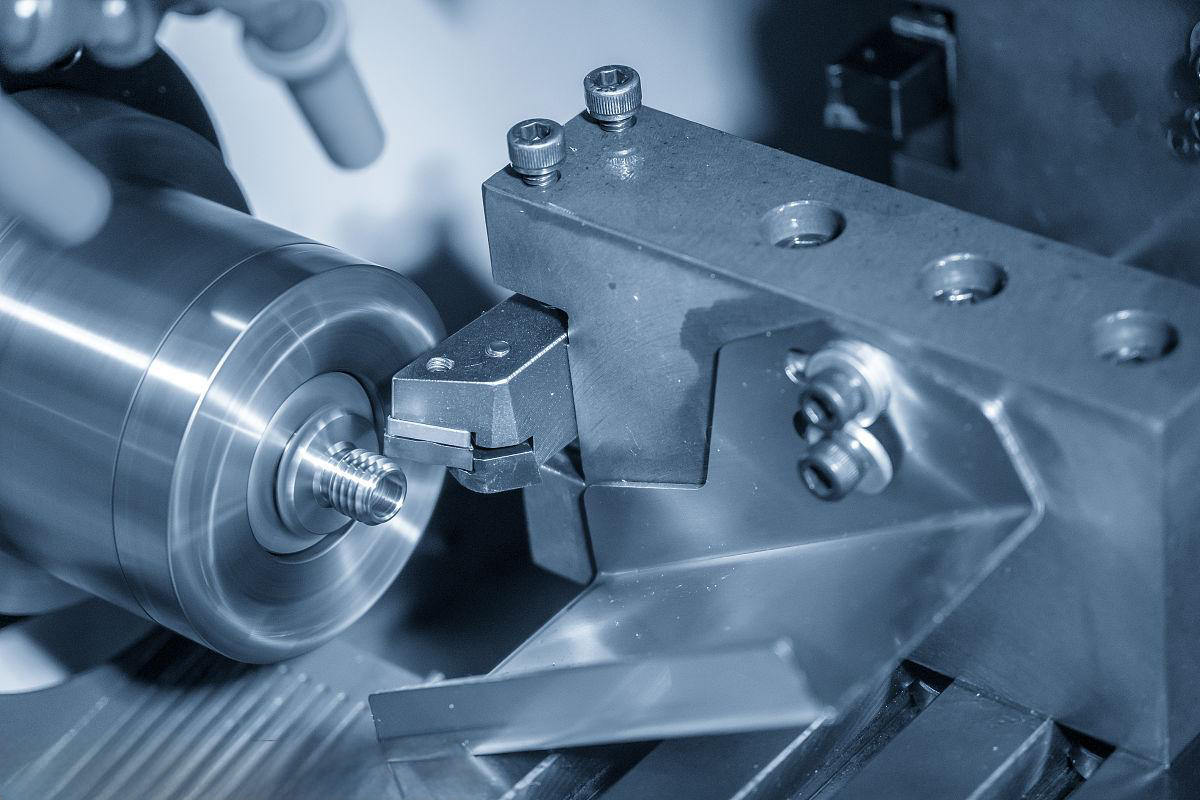
CNC stands for Computer Numerical Control, a technology that uses pre-programmed computer instructions to guide cutting tools along specific paths. Unlike general manufacturing facilities that might handle assembly, packaging, or basic fabrication, these specialized shops focus exclusively on subtractive manufacturing. They start with raw material—metal, plastic, or composites—and systematically remove excess material until the finished part emerges.
A typical c and c machine shop offers several core metal machining services:
- Milling: Rotating multi-point cutting tools shape stationary workpieces into complex geometries, including pockets, slots, and contoured surfaces
- Turning: Workpieces rotate while cutting tools move along linear paths to create cylindrical components with external and internal features
- Drilling: Multi-point drill bits create precise holes—smooth or threaded—at exact specifications
- Multi-axis machining: Advanced systems move along five or more axes simultaneously, producing intricate parts that would otherwise require multiple setups
What Makes CNC Machining Shops Different from Traditional Machine Shops
The essential difference between CNC machining shops and traditional metal machine shops comes down to control. In conventional facilities, skilled operators manually guide each cutting operation by hand. Every pass requires human judgment and physical precision.
With CNC technology, the robotic tool path is pre-programmed by the machinist, but actual machining operations run entirely automated. Modern CNC systems achieve micron-level precision—tolerances within ±0.0001 inches—that simply isn't possible through manual machining services, at least not in a timely or cost-effective manner.
Consider this: a complex custom pipe fitting might require dozens of identical components, each exhibiting extremely close tolerances for proper fitment. Manual machining each piece while ensuring every specification is met would consume far too much time and labor. CNC technology reproduces that component with exceptional accuracy and repeatability, part after part.
The Digital-to-Physical Manufacturing Process Explained
How does a digital file become a physical component? The journey follows a clear progression that any cnc machining business relies upon:
Engineers first create detailed CAD (Computer-Aided Design) models defining exact dimensions, surface finishes, and material properties. These digital blueprints form the foundation for everything that follows.
Next, CAM (Computer-Aided Manufacturing) software analyzes part geometry and generates optimal toolpaths for efficient material removal. The software converts design specifications into precise codes—typically G-code—that direct the machine's tool movements, cutting speeds, and operation sequences.
Finally, production begins. The control system manages spindle rotation, tool changes, coolant flow, and axis movements according to the program. Throughout the process, operators monitor quality while the machine delivers consistent results with minimal human error.
This digital-to-physical workflow enables general machining services that were once impossible—or prohibitively expensive—to become routine. Understanding this process helps you communicate effectively with any shop you choose to partner with.
Core CNC Machining Processes Explained
When you contact CNC machining shops for a quote, they'll often ask: "What process do you need?" Sounds complex? Don't worry—understanding the core machining methods helps you specify requirements accurately and avoid costly miscommunications. Each process excels at different geometries, materials, and precision levels. Knowing which one fits your project saves time and money.
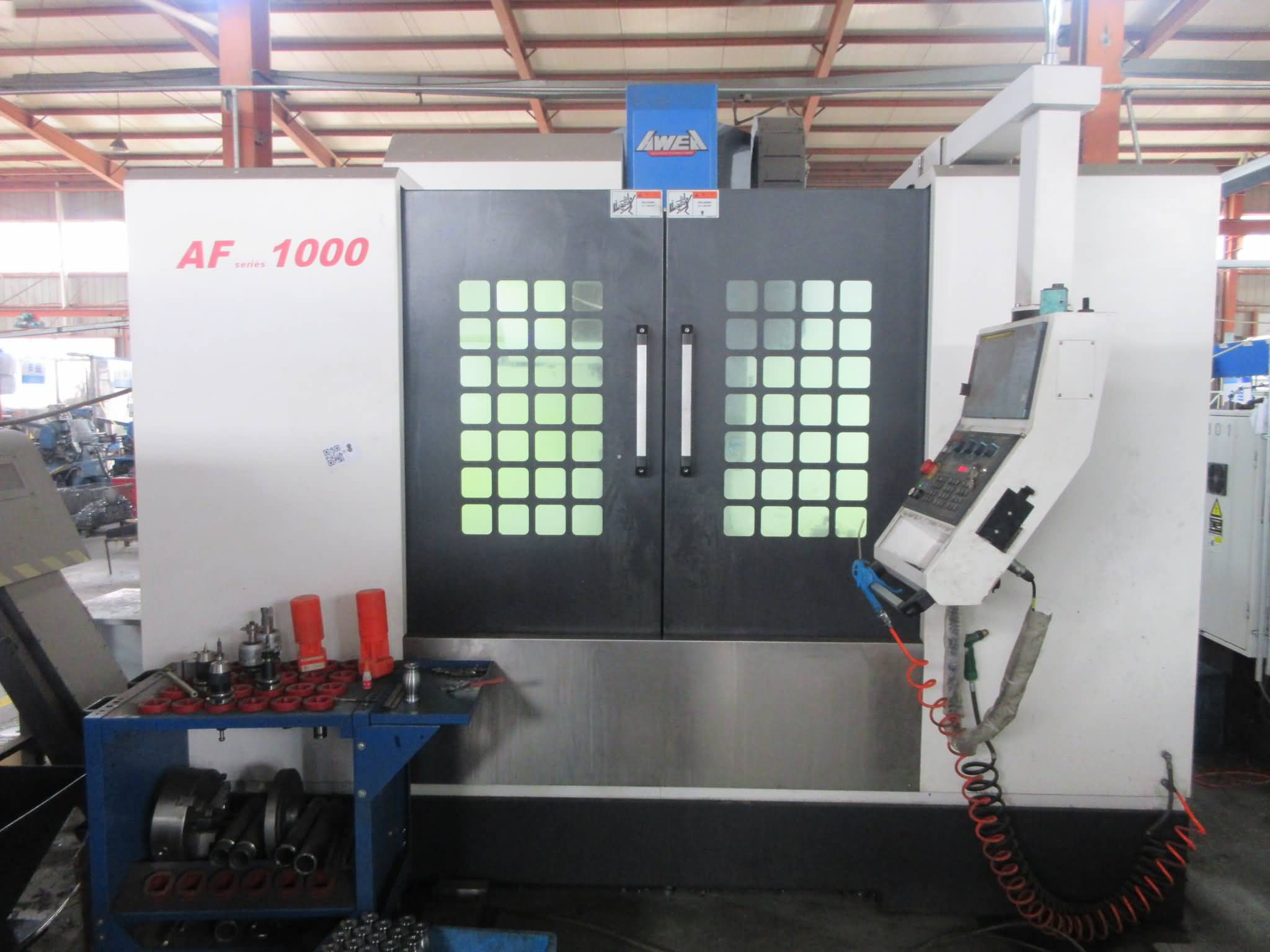
The four primary processes you'll encounter are milling, turning, EDM (Electrical Discharge Machining), and multi-axis machining. Let's break down when each makes sense for your custom machined parts.
| Process Type | Best Applications | Material Compatibility | Typical Tolerance Range |
|---|---|---|---|
| CNC Milling | Flat surfaces, pockets, slots, complex 3D contours, housings, brackets | Aluminum, steel, titanium, plastics, composites | ±0.001" to ±0.005" |
| CNC Turning | Cylindrical parts, shafts, bushings, threaded components, pins | Aluminum, steel, brass, plastics, stainless steel | ±0.001" to ±0.003" |
| EDM | Intricate details, hard materials, thin walls, sharp internal corners | Hardened steel, tungsten, titanium, conductive metals | ±0.0001" to ±0.001" |
| Multi-Axis (4/5-Axis) | Aerospace components, turbine blades, complex organic shapes, undercuts | Titanium, Inconel, aluminum, specialized alloys | ±0.0005" to ±0.002" |
Milling vs Turning Operations and When to Use Each
Imagine you're holding two parts: a rectangular mounting bracket and a cylindrical shaft. Which process handles each? The answer reveals the fundamental difference between milling and turning.
CNC milling uses a rotating multi-point cutting tool that moves across a stationary workpiece. Think of it like a sculptor carving away material from a block of stone. This approach excels at creating:
- Flat surfaces and faces
- Pockets and cavities
- Slots, channels, and keyways
- Complex 3D contours and angled features
- Holes in multiple orientations
If your part starts as plate stock or requires prismatic features—housings, engine blocks, mold cavities—milling delivers the flexibility you need. Most complex machining services rely heavily on milling operations for parts with intricate geometries across multiple faces.
CNC turning flips the script. Here, the workpiece itself rotates while a stationary single-point cutting tool removes material. Picture a potter's wheel, but with metal and extreme precision. Turning naturally produces:
- Cylindrical and conical shapes
- External and internal threads
- Grooves and undercuts on round surfaces
- Bored holes with tight concentricity
When you need custom lathe work—shafts, pins, bushings, rollers—a quality cnc lathe service delivers faster cycle times and better concentricity than attempting those features through milling. Lathe services remain the gold standard for anything round.
Here's the practical takeaway: if your part's primary geometry is cylindrical, start with turning. If it requires flat faces, pockets, or multi-sided machining, milling is your answer. Many real-world components actually need both—a shaft with milled flats, for example. That's where shops with mill-turn centers or multiple machine capabilities prove valuable.
Understanding Multi-Axis Machining Capabilities
Standard 3-axis milling moves the cutting tool along X, Y, and Z directions—left-right, forward-back, and up-down. That handles most parts effectively. But what happens when your component has undercuts, compound angles, or surfaces that can't be reached from three directions?
Enter 4-axis and 5-axis machining. These advanced systems add rotational movements that allow the cutting tool to approach the workpiece from virtually any angle. The result? Features that would otherwise require multiple setups—or simply couldn't be machined at all—become achievable in a single operation.
You'll notice 5-axis capabilities matter most for:
- Aerospace components: Turbine blades, impellers, and structural parts with complex curvatures
- Medical implants: Orthopedic devices requiring organic shapes that match human anatomy
- Automotive performance parts: Intake manifolds, custom engine components with flowing surfaces
- Mold and die work: Deep cavities with intricate details and tight draft angles
The trade-off? Multi-axis machines cost more to operate, require sophisticated programming, and demand higher operator expertise. For simpler geometries, they're overkill. But for aerospace-grade precision or complex organic shapes, they're essential.
EDM deserves mention here as well. When you need extremely tight tolerances on hardened materials—or sharp internal corners that cutting tools can't physically create—electrical discharge machining uses controlled sparks to erode material with exceptional accuracy. It's slower than conventional cutting but handles situations where other methods fail.
So how do you determine which processes a shop should offer for your project? Start with your part's geometry and material. Cylindrical shapes point toward turning. Prismatic or multi-faced parts suggest milling. Extremely complex contours or aerospace requirements indicate multi-axis capabilities. Hardened materials with intricate details may need EDM.
The best CNC machining shops evaluate your design and recommend the optimal process—or combination of processes—rather than forcing your part into whatever equipment they happen to own. Some facilities still offer manual machining services for simple repairs or one-off prototypes where CNC programming time isn't justified, though this becomes increasingly rare for production work.
Understanding these distinctions helps you ask better questions when evaluating potential manufacturing partners—and recognize when a shop's capabilities truly match your project requirements.
Understanding Shop Certifications and Quality Standards
You've identified the right machining processes for your project. Now comes an equally critical question: how do you know a shop can actually deliver consistent quality? The answer lies in certifications—but not just having them. Understanding what each certification actually guarantees helps you separate machining specialists from shops that simply check boxes.
Here's the reality: certifications aren't just logos on a website. They represent verified quality management systems, documented processes, and third-party audits confirming a shop meets rigorous standards. For industries like aerospace, medical devices, and automotive, these certifications aren't optional—they're mandatory requirements before a shop can even quote your project.
Industry-Specific Certifications and What They Guarantee
Different industries demand different quality frameworks. A certification perfect for automotive components might be insufficient for medical implants. Let's break down what each major certification actually means for your custom cnc machining services:
- ISO 9001:2015 (Quality Management Foundation): This internationally recognized standard establishes baseline quality management requirements applicable across all industries. It mandates documented processes, customer focus, continual improvement, and risk-based thinking. When a shop holds ISO 9001 certification, you know they've implemented systematic quality controls—not just informal best practices. According to industry experts, ISO 9001 requires organizations to establish a Quality Management System focusing on customer satisfaction, process consistency, and regular internal audits.
- AS9100D (Aerospace and Defense): Built on ISO 9001 but significantly more demanding, AS9100D adds aerospace-specific requirements including rigorous configuration control, enhanced traceability, and comprehensive risk management. Every component must be traceable back to raw material sources. Design validation and failure risk assessments are mandatory. If you're ordering parts for aviation or defense applications, this certification is non-negotiable—it ensures the shop understands that precision errors can have catastrophic consequences.
- IATF 16949 (Automotive): Developed by the International Automotive Task Force with support from the Automotive Industry Action Group, this standard focuses specifically on automotive supply chain requirements. It emphasizes defect prevention, waste reduction, and continuous improvement in production processes. IATF 16949 requires compliance with specific customer requirements, detailed process controls, and statistical tools for quality verification. Automotive OEMs typically won't accept parts from non-certified suppliers.
- ISO 13485 (Medical Devices): This standard addresses the unique demands of medical device manufacturing, where safety and regulatory compliance are paramount. It emphasizes risk management throughout the entire product lifecycle, stringent documentation requirements, and complete traceability. The 2016 revision added greater emphasis on risk-based decision making and supply chain management. For stainless steel machining services destined for surgical instruments or implants, ISO 13485 certification demonstrates the shop understands FDA expectations and international regulatory frameworks.
How Quality Management Systems Protect Your Project
So what do these certifications actually do for you as a customer? Think of a Quality Management System (QMS) as the operating system running behind every machining operation. It defines how the shop handles your project from quote to delivery—and what happens when something goes wrong.
A certified QMS ensures:
- Documented processes: Every operation follows written procedures, not tribal knowledge that walks out the door when employees leave
- Traceability: Materials, machine settings, inspection results, and operator actions are recorded—critical when you need to investigate a quality issue months later
- Corrective action protocols: When problems occur (and they will), certified shops have systematic approaches to identify root causes and prevent recurrence
- Regular audits: Third-party auditors verify compliance annually, catching process drift before it affects your parts
- Supplier management: Certified shops must qualify and monitor their own suppliers, extending quality controls upstream
Why does certification matter more for certain industries? Consider the consequences of failure. A machined bracket for furniture might cause inconvenience if dimensions are slightly off. A machined component in an aircraft engine or pacemaker could cause fatalities. Certification requirements scale with risk—aerospace and medical certifications demand more extensive documentation, tighter process controls, and more frequent verification precisely because the stakes are higher.
For general industrial applications, ISO 9001 provides solid assurance of quality management fundamentals. But when you're sourcing custom cnc machining services for regulated industries, verify that potential shops hold the specific certifications your application requires—and ask to see current certificates, not expired ones. Certification isn't a one-time achievement; it requires ongoing compliance and regular recertification audits.
With certifications establishing baseline quality expectations, your next consideration becomes equally practical: what factors actually drive project costs?
What Influences CNC Machining Project Costs
Ever received quotes from two CNC machining shops for the same part—only to find prices differing by 50% or more? You're not alone. Understanding what actually drives machining costs helps you set realistic budgets, communicate effectively with suppliers, and make design decisions that don't unnecessarily inflate expenses.
Here's the truth: machining time typically accounts for 50–70% of total project cost. Everything else—material, setup, finishing, inspection—influences how long your part stays on the machine. When you understand these relationships, you can optimize designs before requesting quotes rather than experiencing sticker shock afterward.
The major cost drivers, ranked by typical impact:
- Machining time and complexity: Deep pockets, tight radii, thin walls, and multi-axis requirements extend cycle times dramatically
- Material selection: Raw material cost plus machinability characteristics that affect cutting speeds and tool wear
- Tolerance and surface finish requirements: Tighter specifications demand slower machining, additional passes, and more inspection time
- Production volume: Setup costs spread across more units reduce per-piece pricing significantly
- Setup and programming: One-time charges for fixture preparation, CAM programming, and first-article verification
- Secondary operations: Finishing processes, heat treatment, and quality documentation add measurable costs
Material Selection and Its Impact on Project Cost
Choosing between aluminum and stainless steel isn't just an engineering decision—it's a cost decision that ripples through your entire quote. Material affects pricing in three distinct ways: raw material cost, machinability, and tool wear.
Consider aluminum cnc machining services versus titanium work. Aluminum machines quickly, allows aggressive feed rates, and causes minimal tool wear. Titanium requires slower cutting speeds, generates significant heat, and chews through tooling rapidly. Even if raw titanium cost the same as aluminum (it doesn't), machining time alone would make titanium parts substantially more expensive.
According to industry cost analysis, typical material cost ranges per kilogram include:
- Aluminum alloys (6061, 7075): Most economical option with excellent machinability
- Carbon steels: Moderate cost with good machining characteristics
- Stainless steels (303, 304, 316): Higher cost plus slower machining speeds increase cycle time
- Copper and brass: Premium pricing but machines well
- Titanium and Inconel: Highest material and machining costs combined
An often-overlooked factor? Material utilization. If your part requires starting from oversized billet stock with 70–80% material removal, you're paying for metal that becomes chips on the shop floor. Complex aluminum machining service projects with deep cavities face this challenge—the raw material cost includes waste that never becomes part of your finished component.
For custom machine fabrication projects where cost matters, consider whether your application truly requires that exotic alloy. An aluminum machine shop can often deliver comparable performance at significantly lower cost when material properties genuinely support the substitution.
Why Tighter Tolerances Increase Manufacturing Expenses
Here's where many buyers unknowingly inflate their quotes: specifying tighter tolerances than the application actually requires. Standard machining tolerances—typically ±0.05mm to ±0.10mm for milling—are achievable on modern equipment without slowing production. Precision tolerances of ±0.01mm or tighter? That's where costs escalate quickly.
Tight tolerances increase expenses through multiple mechanisms:
- Slower feed rates: Tools must remove material in smaller increments to maintain dimensional accuracy
- Additional finishing passes: Roughing alone can't achieve precision; multiple light passes add cycle time
- Increased tool wear: Precision work demands sharper tools replaced more frequently
- Extended inspection time: Every tight-tolerance feature requires verification, often on CMM equipment
- Higher scrap risk: Parts more easily fall outside acceptable ranges, requiring rework or rejection
According to manufacturing cost studies, a part using standard tolerances can often be completed 2–4 times faster than one requiring precision tolerances. When multiplied across production batches, that difference becomes substantial.
The practical takeaway? Apply tight tolerances only where function demands them—mating surfaces, bearing seats, sealing interfaces. Use standard tolerances everywhere else. Many suppliers report that 20–40% of tight tolerances on incoming drawings serve no actual functional purpose. A collaborative tolerance review with your machining partner often uncovers quick savings without affecting part performance.
Production volume creates another significant cost lever. Setup costs—fixture preparation, tool loading, machine zeroing, first-piece validation—remain essentially fixed whether you order 5 parts or 500. A $120 setup cost adds $60 per unit on a 2-piece prototype order but only $1.20 per unit on a 100-piece batch. This explains why prototype per-unit costs always exceed production pricing, even with identical geometry.
Design complexity rounds out the major cost factors. Features requiring multi-axis machining, deep pockets exceeding 4:1 depth-to-width ratios, or sharp internal corners necessitating small end mills all extend cycle time. Even minor design adjustments—increasing an internal radius from 0.5mm to 2mm—can allow larger, faster cutting tools that dramatically reduce machining time.
Understanding these relationships doesn't require memorizing specific dollar figures. Instead, recognize that your design decisions, tolerance specifications, and order quantities directly shape your quotes. When evaluating potential manufacturing partners, a transparent shop explains these cost drivers rather than delivering unexplained lump-sum pricing.
How to Evaluate and Select the Right CNC Shop
You understand the processes, certifications, and cost factors. Now comes the decision that determines whether your project succeeds or becomes a frustrating lesson in supplier management. Finding a metal machine shop near me through a quick search is easy—finding one that consistently delivers quality parts on schedule requires a more systematic approach.
Here's what experienced buyers know: the cheapest quote rarely delivers the lowest total cost. As quality expert Philip B. Crosby famously stated, "Quality is free"—it's the lack of quality that costs money through rework, delays, and scrapped parts. Your goal isn't finding the lowest price; it's identifying a reliable partner whose capabilities genuinely match your requirements.
Use this prioritized evaluation checklist when vetting potential CNC machining shops:
- Verify certifications match your industry requirements: Request current certificates, not expired ones. Ask when their last third-party audit occurred and whether any non-conformances were identified.
- Assess equipment capabilities against your part geometry: Confirm they have the right machine types, axis configurations, and work envelope sizes for your specific components.
- Evaluate material expertise: Shops experienced with your specific alloys understand machinability challenges, appropriate cutting parameters, and potential quality issues.
- Review their quality control infrastructure: Look for CMM equipment, dedicated inspection areas, and documented measurement procedures—not just final visual checks.
- Test communication responsiveness: Note how quickly and thoroughly they respond to initial inquiries. This predicts their behavior throughout your project.
- Request references from similar projects: Ask for contacts in your industry who've ordered comparable parts. Actually call them.
- Examine their problem-solving approach: Ask how they handle design issues or manufacturing challenges. Partners collaborate; vendors deflect.
Equipment and Capability Questions to Ask Potential Shops
When you're searching for a custom machine shop near me, don't just accept vague claims about "state-of-the-art equipment." Specific questions reveal whether capabilities actually align with your needs—or whether you'll encounter limitations mid-project.
Start with machine specifications that matter for your parts:
- What CNC machines do you have, and what are their working envelopes? A shop might have excellent 3-axis mills but lack capacity for your 36-inch-long shaft.
- Do you have multi-axis capabilities? If your parts require 4-axis or 5-axis machining, confirm they own the equipment rather than outsourcing it.
- What materials do you regularly machine? A shop comfortable with aluminum may struggle with titanium's heat management or Inconel's tool wear challenges.
- Can you show me your preventive maintenance schedule? According to manufacturing experts, proactive maintenance logs indicate equipment reliability. World-class facilities track Overall Equipment Effectiveness (OEE) metrics—if they measure it, they manage it.
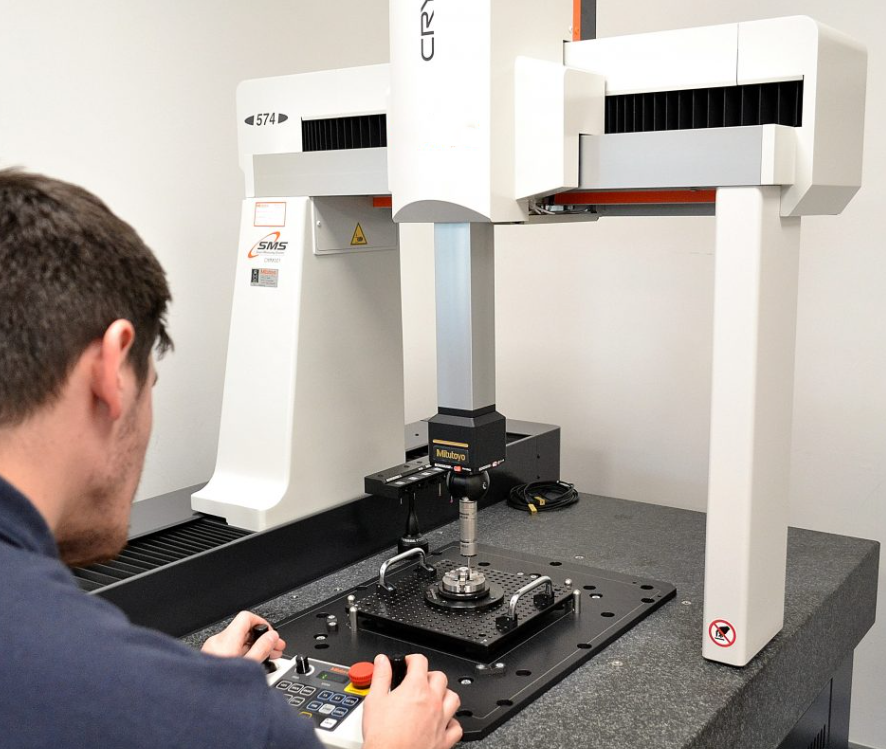
- What inspection equipment do you use? CMMs, surface profilometers, and optical comparators indicate serious quality commitment. A shop relying solely on calipers and micrometers may struggle with your precision tolerances.
Beyond equipment, explore their process capabilities. If you're seeking aluminum machine shop near me services, ask about their experience with specific aluminum alloys. 6061-T6 machines differently than 7075-T651, and shops working regularly with aerospace-grade aluminum understand these nuances instinctively.
For those needing cnc metal cutting near me with quick turnaround, capacity becomes critical. Ask about current machine utilization and typical lead times. A shop running at 95% capacity may accept your order but struggle to hit deadlines when priorities compete.
Don't overlook secondary capabilities either. Can they handle finishing operations in-house—anodizing, plating, heat treatment—or will your parts travel to subcontractors, adding time and potential quality variation?
Red Flags That Signal an Unreliable Manufacturing Partner
Experience teaches buyers to recognize warning signs early—before deposits are paid and deadlines approach. When evaluating metal machining shops near me, watch for these indicators that predict future problems:
Suspiciously low quotes: A price significantly below competitors suggests corners are being cut somewhere—material quality, inspection rigor, or skilled labor. As supplier vetting research confirms, the cheapest piece-part price often delivers the highest total cost when rework, delays, and management overhead accumulate.
Vague or defensive communication: Pay attention during initial interactions. Are technical questions answered clearly and directly, or do responses feel evasive? A shop that struggles to communicate during the sales process will become a nightmare during production when problems arise. According to industry guidance, communication quality during quoting predicts behavior after receiving payment.
Reluctance to provide material traceability: Legitimate shops can trace any finished part back to the original raw material certificate. If they hesitate or describe gaps in their documentation chain, you're accepting risk that non-conforming material enters your product.
Disorganized shop floor: Even without lean manufacturing expertise, you can spot chaos. Tools scattered randomly, cluttered workstations, and dirty floors reflect process discipline—or its absence. Manufacturing specialists note that consistent precision is nearly impossible in facilities lacking basic 5S organization.
No young talent visible: A shop staffed entirely by veterans may possess incredible expertise today—but faces massive succession risk. When that key machinist with 40 years of experience retires, does critical knowledge walk out the door? Look for a healthy mix of seasoned experts mentoring younger team members.
Expired or unverifiable certifications: Certifications require ongoing compliance. If a shop displays ISO 9001 credentials but can't produce current certificates or explain their last audit findings, their commitment to quality may have lapsed with their paperwork.
The prototype bait-and-switch: Some suppliers deliver flawless samples by dedicating their best machinist and unlimited time to your prototypes. Standard production processes then can't replicate that quality at scale. Always ask: "Were these samples made using your standard production process and equipment?"
When searching for a lathe machine shop near me or any specialized machining partner, trust your instincts when something feels off. The shops that become genuine partners welcome detailed questions—they recognize that thorough vetting signals a professional customer worth serving well.
Evaluating potential partners takes effort upfront but prevents costly mistakes downstream. With a qualified shop identified, your next consideration becomes equally practical: understanding how to specify tolerances that balance function with cost.
Precision Tolerances and What They Mean for Your Project
You've heard the term "tolerance" mentioned throughout your conversations with CNC machining shops—but what does it actually mean for your parts? Here's the straightforward explanation: tolerance defines the acceptable range of dimensional variation between your finished component and the original design specifications.
Think of it this way. If you design a shaft with a 10mm diameter, perfect manufacturing would produce exactly 10.000mm every time. But perfection doesn't exist in the physical world. Temperature fluctuations, tool wear, material variations, and machine accuracy all introduce small deviations. Tolerance specifications acknowledge this reality by defining how much deviation remains acceptable before a part becomes unusable.
According to industry standards, tolerances are typically expressed as ±0.x mm—meaning the actual dimension can fall above or below the nominal value by that amount. A 10mm shaft with ±0.05mm tolerance? Acceptable dimensions range from 9.95mm to 10.05mm. Anything outside that window gets rejected.
Why does this matter for your custom cnc machining service order? Because tolerance specifications directly impact cost, lead time, and part functionality. Specify too loose, and parts won't fit together properly. Specify too tight, and you're paying premium prices for precision you don't actually need.
Standard vs Precision Tolerances and When Each Matters
Not every feature on your part requires the same precision. Understanding tolerance grades helps you communicate requirements effectively—and avoid over-specifying dimensions that inflate your quote unnecessarily.
The international standard ISO 2768 provides general tolerance classes that most machining workshop facilities follow. Here's what each grade actually delivers:
| Tolerance Grade | Typical Range (for 30-100mm features) | Best Applications | Cost Implications |
|---|---|---|---|
| Coarse (c) | ±0.3mm (±0.012") | Non-critical structural parts, brackets, rough enclosures | Baseline—fastest machining speeds |
| Medium (m) | ±0.2mm (±0.008") | General industrial components, covers, housings | Standard pricing—default for most shops |
| Fine (f) | ±0.1mm (±0.004") | Functional interfaces, assembly fits, sliding surfaces | 15-30% premium—slower feed rates required |
| Very Fine (v) | ±0.05mm (±0.002") | Precision bearings, sealing surfaces, critical fits | 50-100% premium—multiple finishing passes |
| High Precision | ±0.025mm (±0.001") or tighter | Aerospace components, medical implants, optical equipment | 100-200%+ premium—specialized equipment and controls |
According to precision manufacturing experts, standard CNC machining tolerances of ±0.25mm (±0.010") represent baseline capability for most operations. This accounts for normal machine accuracy, thermal effects, tool wear, and setup repeatability while maintaining economical production rates.
When do you actually need tighter specifications? Consider these scenarios:
- Mating surfaces: Where two parts must fit together precisely—bearing housings, shaft interfaces, locating features
- Sealing applications: O-ring grooves, gasket surfaces, and fluid-tight connections
- Motion systems: Sliding fits, rotating assemblies, and precision guides
- Optical or sensor mounting: Where alignment directly affects performance
For cnc aluminum service projects, materials like 6061 and 7075 aluminum machine predictably and hold tight tolerances well. Custom stainless steel machining presents more challenges—work hardening and heat generation require adjusted cutting parameters to maintain precision. Material thermal expansion coefficients affect what's actually achievable, with aluminum's expansion rate of approximately 23 × 10⁻⁶/°C requiring consideration during precision operations.
How to Specify Tolerances Without Over-Engineering Your Parts
Here's a reality check from machining professionals: only about 1% of parts genuinely require tolerances in the ±0.005mm to ±0.0127mm range. Yet engineers routinely over-specify, driven by the understandable impulse to ensure parts work correctly. The result? Unnecessarily expensive components.
One Colorado machine shop reports a common pattern: "Tolerancing a feature to ±0.05mm or less tells us the feature is extremely critical. We slow down machining, use fresh tools, and take our time. But that increases cost and lead time." Their recommendation? Keep tolerances at ±0.125mm or higher unless function truly demands tighter control.
Practical strategies for specifying tolerances effectively:
- Apply critical tolerances selectively: Identify the 2-3 features that genuinely affect fit or function. Specify tight tolerances there. Apply standard tolerances everywhere else.
- Match precision to mating parts: If your machined component interfaces with an off-the-shelf bearing having ±0.05mm tolerance, there's no benefit in specifying ±0.01mm on your housing. Match precision with precision.
- Consider tolerance stack-up: When multiple parts assemble together, individual tolerances accumulate. Analyze worst-case scenarios to ensure final assemblies function correctly without over-constraining individual components.
- Include a tolerance table: If your project uses non-standard tolerances, include a clear table directly on your 2D drawing. This prevents assumptions and ensures machinists understand exactly which limits apply.
- Have the conversation: Experienced shops will review your tolerances during quoting and flag opportunities to reduce costs without affecting functionality. Welcome this input—it reflects genuine partnership.
What about features that seem to demand extreme precision? Sometimes design adjustments eliminate the need entirely. Adjustable mounting slots instead of fixed holes. Press-fit pins instead of machined alignment features. Asking "why does this tolerance matter?" often reveals alternatives that achieve the same functional result at lower cost.
Temperature also affects what's genuinely achievable. Standard tolerance specifications account for typical shop temperature variations of ±3°C. Precision tolerances tighter than ±0.05mm may require temperature-controlled environments—adding 25-50% to manufacturing costs. Before specifying ultra-tight tolerances, consider whether your parts will operate in environments where such precision remains meaningful.
The bottom line? Tolerance specification is where engineering judgment directly impacts your budget. Thoughtful, selective tolerancing—tight where function demands, standard everywhere else—delivers reliable parts without unnecessary expense. When communicating with CNC machining shops, a tolerance discussion early in the quoting process often reveals quick savings that don't compromise your project's performance.
With tolerance fundamentals clarified, your next practical consideration becomes timing—understanding realistic lead times and what factors accelerate or delay your manufacturing schedule.
Lead Times and Production Timeline Expectations
You've selected a qualified custom machine shop, specified appropriate tolerances, and approved your quote. Now comes the question every project manager asks: when will my parts arrive? Understanding realistic lead times—and the factors that influence them—helps you plan effectively rather than scrambling when deadlines approach.
Here's what experienced buyers know: lead time isn't a fixed number. According to manufacturing industry analysis, several interconnected factors determine how quickly your parts move from digital design to delivered components. Machine shop metal work timelines vary significantly based on complexity, material availability, and current facility workload.
Prototyping Timelines vs Production Run Schedules
Imagine ordering a single prototype versus 500 production parts. Which takes longer? The answer isn't as straightforward as you might expect.
Prototyping involves machining one or a handful of parts—typically for design validation, fit checks, or functional testing. While fewer parts sound faster, prototypes often require:
- Full CAM programming from scratch—no existing toolpaths to reuse
- First-article setup and optimization without established parameters
- Potential design iterations requiring reprogram cycles
- Material procurement for non-stock alloys
As industry experts note, prototyping single parts often takes less time than full production batches, but the per-piece investment in setup and programming remains significant. Custom machine works specializing in rapid prototyping can deliver simple parts within days, while complex geometries requiring specialized tooling may extend to several weeks.
Production runs involve higher quantities where setup costs amortize across many units. Once initial programming and first-article approval complete, actual machining proceeds efficiently. However, production scheduling depends heavily on machine availability—facilities operating at high capacity may queue your order behind existing commitments.
The practical difference? A prototype requiring 5 hours of machining plus 3 hours of programming might ship in a week. That same part at 200-piece quantity could require 2-3 weeks for scheduling, continuous production, and quality verification—even though per-piece machining time remains identical.
Factors That Accelerate or Delay Your Manufacturing Timeline
Whether you're searching for titanium machining near me for aerospace components or standard aluminum parts for industrial equipment, the same factors influence your timeline. Understanding these helps you set realistic expectations—and identify opportunities to accelerate delivery when schedules tighten.
Factors that extend lead times:
- Complex geometries: Parts requiring multi-axis machining, numerous setups, or intricate features demand longer programming and cycle times
- Exotic materials: Titanium, Inconel, and specialized alloys require slower cutting speeds and may need external sourcing—material availability significantly impacts schedules
- Tight tolerances: Precision requirements necessitate slower machining, additional finishing passes, and extended inspection time
- Secondary operations: Heat treatment, anodizing, plating, or assembly steps add processing time beyond machining
- High facility workload: Shops running near capacity have longer queues before your job reaches the machine
- Design file issues: Incomplete drawings, ambiguous tolerances, or geometry errors require clarification cycles that halt progress
Factors that reduce lead times:
- Standard materials: Common materials like aluminum, steel, and plastics are usually readily available, avoiding procurement delays
- Simplified designs: Reducing unnecessary complexity allows faster machining and fewer setups
- Complete, accurate documentation: Clear drawings with unambiguous specifications eliminate back-and-forth clarifications
- Standard tolerances: Applying tight tolerances only where functionally necessary speeds production
- Early planning: Communicating requirements early secures production slots and materials before scheduling conflicts arise
- Batch consolidation: Grouping similar parts optimizes setups and machine utilization
What about expedited services? Most CNC machining shops offer rush options—at a premium. Expediting typically involves prioritizing your job over existing queue positions, running overtime or additional shifts, and dedicating resources specifically to your project. Quick-turn specialists build their operations around rapid response, but even standard facilities accommodate urgent needs when properly compensated.
Before requesting expedited service, consider whether the urgency is genuine or stems from planning oversights. Rush premiums of 25-50% add up quickly. Early engagement with your manufacturing partner—communicating project timelines during quoting rather than after order placement—often eliminates the need for expediting entirely.
With realistic timeline expectations established, your final preparation involves avoiding the common mistakes that derail even well-planned machining projects.
Common Mistakes When Working with Machine Shops
You've done your homework—researched processes, verified certifications, and selected a qualified manufacturing partner. Yet projects still go sideways. Why? Because the most expensive mistakes happen before machining even begins. Understanding these pitfalls transforms your cnc business relationships from frustrating transactions into productive partnerships.
According to manufacturing experts at Geomiq, design decisions directly impact machining time, cost, and effort. The good news? Most costly errors are entirely preventable once you know what to watch for.
Here are the most common mistakes buyers make when working with CNC machining shops, ranked by frequency and financial impact:
- Over-specifying tolerances: Applying tight tolerances to every dimension rather than only where function demands—often adding 50-100% to project costs unnecessarily
- Submitting incomplete or ambiguous design files: Missing dimensions, unclear specifications, and geometry errors that trigger clarification cycles and delay production
- Designing features that can't be machined: Sharp internal corners, overly deep pockets, and complex internal channels that exceed cutting tool capabilities
- Unrealistic timeline expectations: Assuming complex parts ship as quickly as simple ones, or failing to account for material procurement and secondary operations
- Poor communication practices: Assuming the shop interprets requirements correctly without explicit confirmation, then blaming them when parts don't match expectations
- Choosing inappropriate materials: Specifying exotic alloys when standard materials would deliver equivalent performance at a fraction of the cost
- Ignoring manufacturability feedback: Dismissing design-for-manufacturing suggestions that could reduce costs without affecting functionality
Design File Mistakes That Delay Your Project
Imagine submitting your CAD files to a cnc lathe near me facility, waiting two weeks, then receiving a request for clarification on dimensions you assumed were obvious. That scenario plays out daily across the industry—and it's almost always preventable.
The most frequent design file errors include:
Impossible geometries: As manufacturing guides explain, certain features simply cannot be machined using conventional CNC methods. These include sharp internal corners (cutting tools are cylindrical—they leave radii), complex internal channels without tool access, and extremely thin walls susceptible to vibration and breakage. Before submitting files, ask yourself: "Can a physical cutting tool actually reach and machine every feature I've designed?"
Insufficient wall thickness: Thin walls vibrate during cutting, reducing accuracy and potentially causing part failure. Industry recommendations suggest minimum wall thickness of 0.8mm for metals and 1.5mm for plastics. For unsupported walls, maintain a width-to-height ratio of at least 3:1 to ensure stability during machining.
Non-standard hole sizes: Standard drill bits create holes quickly and accurately. Non-standard diameters require end mills to progressively machine the dimension—adding significant cycle time. Similarly, threaded holes with standard dimensions correspond to pre-programmed threading cycles in CNC machines. Unusual thread specifications may require special tooling or manual operations.
Excessive cavity depths: Cutting tools have limited reach—typically 3-4 times their diameter—beyond which deflection and fracture risk increases dramatically. Design cavities with depth-to-width ratios of 4:1 or less to allow efficient machining and proper chip evacuation.
Missing internal radii: Every internal corner requires a radius equal to or larger than the cutting tool's radius. Specifying a 3mm internal radius when your feature requires a 10mm end mill? That's impossible to machine. Experts recommend adding internal radii 30% larger than your cutting tool's radius to reduce tool stress and increase cutting speed.
For custom metal cnc projects, these file issues compound quickly. A single clarification email might add 2-3 days. Multiple design revisions? Your timeline extends by weeks. Before submitting files for quoting, run through a basic manufacturability checklist—or better yet, ask your machining partner to provide DFM (Design for Manufacturing) feedback early in the process.
Communication Gaps That Lead to Manufacturing Errors
Here's an uncomfortable truth: many machining errors trace back not to shop incompetence but to buyer assumptions. When you're searching for lathe machining near me services and receive a quote, the transaction involves more than just exchanging files for parts. Clear communication prevents costly misunderstandings.
Common communication failures include:
Assuming tolerances are understood: Design experts note that precise dimensions are only needed in key areas—yet many designers apply very tight tolerances across all dimensions. This forces slower cutting parameters and additional inspection without functional benefit. If your drawing shows ±0.01mm on every feature, the shop can't distinguish critical dimensions from cosmetic ones. Explicitly identify which tolerances are functional requirements versus general guidelines.
Incomplete material specifications: "Aluminum" isn't a specification—6061-T6, 7075-T651, and 2024-T3 machine differently and deliver different properties. "Stainless steel" could mean 303 (easy to machine), 304 (moderate difficulty), or 316 (challenging). Specify exact alloy grades and heat treatment conditions. If you don't care which aluminum alloy is used, say so explicitly—the shop can then optimize for cost and machinability.
Undefined surface finish requirements: Without specified requirements, shops apply default surface roughness—typically 3.2 µm Ra. If you need smoother finishes for sealing surfaces or aesthetic requirements, specify them explicitly. If you don't care about cosmetic surfaces, communicate that too—it may reduce costs by eliminating unnecessary finishing passes.
Vague quantity and scheduling expectations: "We might need 50-500 pieces eventually" doesn't help shops plan capacity or optimize pricing. Provide realistic quantity estimates and target delivery dates. If schedules are flexible, say so—shops may offer better pricing for orders that can fit around higher-priority work.
Failing to confirm critical details: When the shop asks clarifying questions, respond promptly and completely. A 48-hour delay in answering a simple question can push your order back by a week if it drops below other jobs in the production queue.
The most successful custom machine and fabrication relationships involve proactive communication. Review quotes carefully—do they reflect your actual requirements? Ask questions before approving orders, not after receiving parts. Share context about how components will be used; shops often identify potential issues when they understand functional requirements rather than just dimensional specifications.
Manufacturing specialists emphasize that working with experienced partners early—during design rather than after finalization—eliminates most costly errors. Shops that offer DFM consultation aren't trying to complicate your project; they're preventing problems that would otherwise surface during production, when fixes become expensive.
Building productive relationships with CNC machining shops requires viewing them as partners rather than vendors. The investment in clear communication pays dividends through reduced errors, faster turnaround, and consistent quality—project after project.

Taking the Next Steps Toward Manufacturing Success
You've absorbed nine insider secrets about CNC machining shops—from understanding core processes and certifications to evaluating costs, specifying tolerances, and avoiding costly mistakes. Now comes the practical question: what do you actually do with this knowledge?
The gap between understanding machining principles and successfully executing a project lies in preparation and partner selection. Whether you're sourcing components for automotive applications, industrial equipment, or specialized machinery, the same fundamentals apply. Let's translate everything covered into actionable next steps.
Preparing Your Project for Manufacturing Success
Before contacting potential shops, ensure your project documentation meets the standards that facilitate smooth quoting and production. According to manufacturing experts at MakerVerse, projects with complete files get quoted and produced faster—a simple truth that saves both time and frustration.
Your preparation checklist should include:
- Production-ready 3D files: Upload final geometry in widely accepted formats like STEP (.step, .stp) or STL. Remove construction planes, auxiliary geometry, and reference parts. Use clear, versioned filenames like Bracket_7075_V3.step to prevent confusion.
- Complete 2D drawings: Include key dimensions and tolerances following ISO 2768 or ASME Y14.5 standards. Specify threads, tapped holes, surface finish requirements (Ra values or qualitative descriptions), material grade, quantity, and revision information.
- Material and finish selections: Decide on specific alloys—not just "aluminum" but "6061-T6" or "7075-T651." Define surface treatments: as-machined, bead-blasted, anodized, powder-coated, or chemically blackened.
- Tolerance review: Apply tight specifications only where function demands them. Remember—only about 1% of parts genuinely require ultra-precision tolerances.
- Realistic timeline expectations: Account for material procurement, machining complexity, secondary operations, and inspection requirements when setting deadlines.
The transition from prototype to production involves more complexity than many first-time buyers anticipate. As product development specialists note, scaling too soon—or without proper preparation—leads to wasted money on tooling, costly redesigns, and supply chain headaches. Validate your prototype thoroughly before committing to production quantities. Conduct small pilot runs to evaluate manufacturability, assembly workflows, and quality consistency.
Finding Partners Who Meet Your Quality Requirements
With your project properly prepared, partner selection becomes the determining factor in your success. The evaluation criteria covered earlier—certifications, equipment capabilities, material expertise, communication responsiveness—translate directly into your vetting process.
For automotive applications specifically, IATF 16949 certification isn't optional—it's table stakes. As industry sources confirm, the International Automotive Task Force tightened requirements significantly when transitioning from TS 16949 to IATF 16949, emphasizing SWOT analysis, material certificate verification by management, and rigorous document control. Facilities holding this certification demonstrate commitment to the systematic quality processes automotive OEMs demand.
Consider how certified facilities demonstrate the quality standards discussed throughout this article. Shaoyi Metal Technology exemplifies this approach—their IATF 16949 certification and strict Statistical Process Control (SPC) protocols deliver the documented, traceable quality systems that protect your project from start to delivery. Their capability to scale seamlessly from rapid prototyping to mass production addresses the timeline challenges covered earlier, with lead times as fast as one working day for qualified projects.
When evaluating any potential partner, verify these capabilities directly:
- Current certification status: Request certificates with valid dates—not expired credentials
- Quality control infrastructure: Confirm CMM equipment, documented inspection procedures, and SPC implementation
- Scalability: Ensure they can grow with your needs from prototype through production volumes
- Lead time performance: Ask for typical turnaround examples relevant to your part complexity
- Industry experience: Prioritize shops with demonstrated expertise in your specific application area
For readers seeking automotive precision components—chassis assemblies, custom metal bushings, or high-tolerance drivetrain parts—Shaoyi's automotive machining capabilities demonstrate how certified facilities translate quality standards into reliable manufacturing outcomes.
Whether you're located near major manufacturing hubs or searching for machine shops in st louis mo or machine shops st louis mo, the same evaluation principles apply. Geographic proximity offers advantages for communication and logistics, but certification status, equipment capabilities, and proven quality track records matter more than physical distance.
The knowledge you've gained through this article transforms you from a passive buyer into an informed partner. You understand what CNC machining shops actually do, how to evaluate their capabilities, what drives project costs, and how to avoid the mistakes that derail manufacturing projects. Use this foundation to build relationships with qualified partners who view your success as their success—and watch your precision manufacturing projects deliver consistent results.
Frequently Asked Questions About CNC Machining Shops
1. What services do CNC machining shops typically offer?
CNC machining shops specialize in subtractive manufacturing, offering milling for complex geometries, turning for cylindrical parts, drilling for precise holes, and multi-axis machining for intricate aerospace-grade components. Many facilities also provide EDM for hardened materials, secondary operations like anodizing and heat treatment, and rapid prototyping services. Quality shops hold certifications matching your industry requirements, such as ISO 9001 for general quality management, IATF 16949 for automotive, AS9100D for aerospace, and ISO 13485 for medical devices.
2. How do I find a reliable CNC machine shop near me?
Start by verifying certifications match your industry needs and requesting current certificates. Assess equipment capabilities against your part geometry, evaluate material expertise for your specific alloys, and review quality control infrastructure including CMM equipment. Test communication responsiveness during initial inquiries, request references from similar projects, and watch for red flags like suspiciously low quotes or vague technical responses. Facilities like Shaoyi Metal Technology demonstrate reliability through IATF 16949 certification, SPC quality controls, and scalability from prototyping to mass production.
3. What factors affect CNC machining project costs?
Machining time accounts for 50-70% of total project cost. Key cost drivers include complexity requiring multi-axis machining, material selection affecting cutting speeds and tool wear, tolerance specifications demanding slower feeds and more inspection, production volume spreading setup costs, and secondary operations like finishing or heat treatment. Aluminum machines quickly and economically, while titanium requires slower speeds and causes rapid tool wear. Applying tight tolerances only where function demands them can reduce costs by 50% or more.
4. What is the difference between CNC milling and turning?
CNC milling uses rotating multi-point cutting tools moving across stationary workpieces, excelling at flat surfaces, pockets, slots, and complex 3D contours—ideal for brackets, housings, and engine blocks. CNC turning rotates the workpiece while stationary cutting tools remove material, naturally producing cylindrical shapes, threads, and bored holes—perfect for shafts, pins, and bushings. Many real-world components require both processes, such as a shaft with milled flats, making shops with mill-turn centers particularly valuable.
5. How long does CNC machining typically take?
Lead times vary based on complexity, material availability, tolerance requirements, and facility workload. Simple prototypes may ship within days, while complex geometries requiring multi-axis machining, exotic materials like titanium, or tight tolerances extend timelines significantly. Production runs typically require 2-3 weeks for scheduling, continuous production, and quality verification. Factors reducing lead times include standard materials, simplified designs, complete documentation, and early planning. Many shops offer expedited services at 25-50% premium for urgent projects.