 Small batches, high standards. Our rapid prototyping service makes validation faster and easier —
  EN
EN


Cnc Parts Manufacturer Selection: 9 Critical Factors Most Buyers Miss
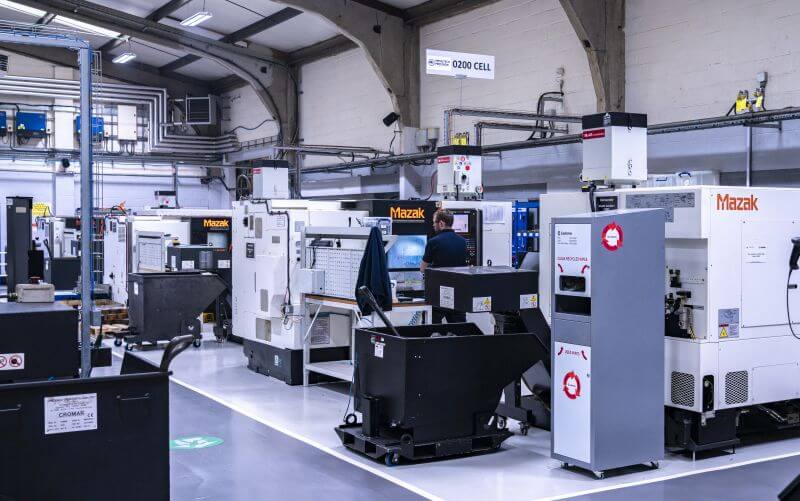
Understanding CNC Parts Manufacturing and Its Industrial Impact
Ever wondered what makes modern precision parts so incredibly accurate? The answer lies in a technology that transformed manufacturing forever. When you're sourcing components for your project, understanding the fundamentals of how a CNC parts manufacturer operates gives you a significant advantage in making informed decisions.
CNC machining is a subtractive manufacturing process where pre-programmed computer software controls the movement of factory tools and machinery to produce precision parts from raw materials with repeatable accuracy.
From Blueprint to Precision Component
So, whats CNC really about? At its core, the CNC meaning refers to Computer Numerical Control—a method where digital instructions guide cutting tools with exceptional precision. Imagine taking a complex 3D design from your computer screen and watching it become a physical component, accurate to within thousandths of an inch. That's exactly what happens in modern machining facilities every day.
The process begins with a CAD (Computer-Aided Design) file that contains every dimension and specification of your part. This digital blueprint gets translated into G-code, the language CNC machines understand. Once programmed, the machine executes each cutting path with mechanical precision that human hands simply cannot replicate consistently.
The Digital Revolution in Parts Manufacturing
Understanding what is CNC helps you appreciate why this technology became indispensable. Before computer control, skilled machinists manually operated equipment, making each part slightly different from the last. The c.n.c meaning goes beyond mere automation—it represents a fundamental shift toward programmable, repeatable precision.
Today's CNC systems integrate seamlessly with design software, enabling rapid prototyping and mass production from the same digital files. This connection between design and manufacturing eliminates interpretation errors and dramatically reduces lead times. When you send specifications to a manufacturer, their machines can often begin producing parts within hours.
Why CNC Dominates Modern Manufacturing
The CNC definition encompasses more than equipment—it describes an entire approach to production. Here's why this technology dominates:
- Consistency: Every part matches the previous one, whether you order 10 or 10,000 units
- Complexity: Intricate geometries that were once impossible become routine
- Speed: Automated tool changes and continuous operation maximize throughput
- Flexibility: Switching between different parts requires only a program change
As you explore the CNC parts manufacturing landscape, you'll discover that selecting the right partner involves evaluating far more than just equipment. The following sections break down the critical factors most buyers overlook—from machining processes and material selection to tolerance specifications and industry certifications that directly impact your project's success.
Core CNC Machining Processes Every Buyer Should Know
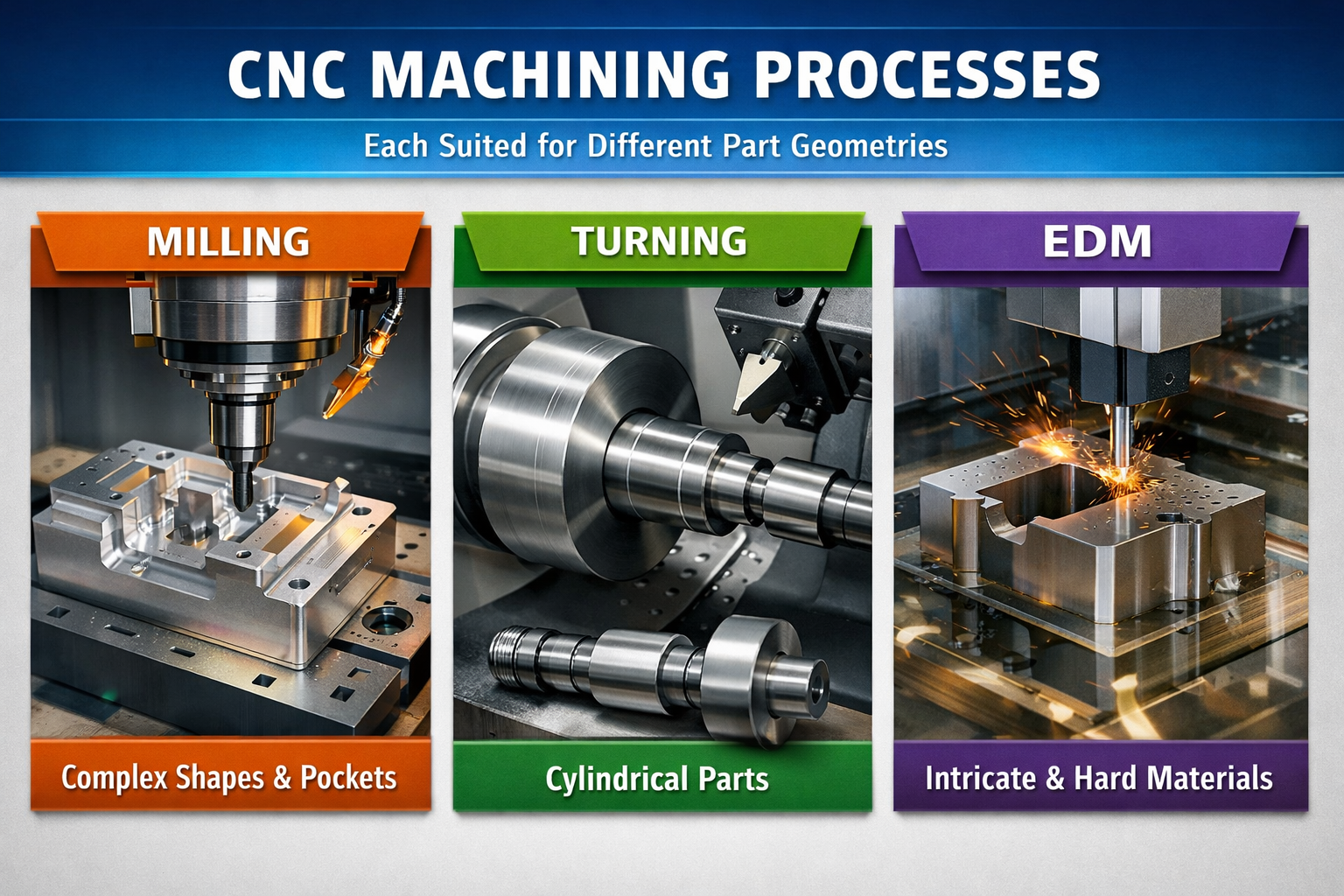
Sounds complex? Here's the thing—not every CNC process works for every part. When you're evaluating a CNC parts manufacturer, understanding the fundamental differences between milling, turning, and EDM operations helps you communicate your requirements clearly and assess whether a supplier has the right capabilities for your project.
CNC Milling Explained
Picture a rotating cutting tool moving across a stationary workpiece, carving away material layer by layer. That's the essence of milling. A CNC milling machine uses rotary cutters to remove material from a workpiece, creating flat surfaces, slots, pockets, and complex 3D contours with remarkable precision.
The two primary configurations you'll encounter are vertical milling machine and horizontal milling machine setups. With a vertical milling machine, the spindle is oriented vertically—ideal for projects focused on detailed work on one particular side of a component, such as large metal plates or sinking dies. Horizontal milling machines position the spindle horizontally, making them better suited for heavier parts, groove cutting, and slot creation.
Here's what makes horizontal mills stand out:
- Superior chip evacuation due to gravity pulling debris away from the cut
- Ability to use multiple cutters simultaneously via arbor mounting
- Better handling of heavy, complex workpieces
- Reduced tool deflection during aggressive cuts
When you're requesting quotes, knowing whether your part geometry suits vertical or horizontal milling helps you identify manufacturers with appropriate equipment.
Turning Operations and Lathe Capabilities
While milling rotates the tool, turning does the opposite—the workpiece spins while a stationary cutting tool shapes it. A CNC lathe excels at producing cylindrical or round parts like shafts, bushings, and threaded components. If your design features rotational symmetry, turning is typically faster and more economical than milling.
Similar to milling equipment, a lathe machine comes in horizontal and vertical configurations. Horizontal turning centers dominate most manufacturing floors due to their flexibility and suitability for longer parts like shafts. They accommodate bar feeders and tailstocks, expanding their versatility. Vertical turning centers—sometimes called vertical turret lathes—work better for large-diameter, heavy, short parts. Gravity assists part placement and chip removal, making them particularly popular in automotive component production.
When evaluating a manufacturer's turning capabilities, consider whether they can handle your part's length-to-diameter ratio and weight requirements.
When EDM Becomes Essential
Some geometries simply cannot be achieved through conventional cutting. That's where EDM (Electrical Discharge Machining) enters the picture. An EDM machine uses electrical sparks to erode material, creating intricate shapes in hardened metals without physical contact between tool and workpiece.
A wire EDM machine threads a thin wire electrode through the material, cutting complex profiles with extraordinary precision—achieving tolerances as tight as +/- .0001 inches. This makes EDM indispensable for:
- Hardened tool steels that would destroy conventional cutters
- Sharp internal corners impossible with rotary tools
- Delicate parts that cannot withstand cutting forces
- Extremely fine surface finishes without secondary operations
Comparing Your Process Options
The table below summarizes when each process delivers optimal results:
| Process Type | Best Applications | Typical Tolerances | Material Suitability |
|---|---|---|---|
| CNC Milling | Flat surfaces, pockets, slots, 3D contours, prismatic parts | ± .0002 in to ± .001 in | Most metals and plastics; aluminum, steel, brass excel |
| CNC Turning | Cylindrical parts, shafts, threaded components, bushings | ± .0002 in to ± .001 in | Round stock materials; excellent for steel and aluminum |
| EDM | Hardened materials, complex profiles, sharp corners, fine details | +/- .0001 in | Conductive materials only; ideal for tool steels and carbides |
Many projects require multiple processes working together. A manufacturer with comprehensive capabilities—milling, turning, and EDM under one roof—can streamline your supply chain and maintain tighter quality control. As you move forward in your selection process, the next critical factor involves understanding how material choice affects both the machining process and your final part's performance.
Material Selection Guide for CNC Machined Components
You've identified the right machining process—now comes an equally critical decision. The material you choose directly impacts machining time, tool wear, part performance, and your bottom line. When evaluating a CNC parts manufacturer, understanding their material expertise helps you assess whether they can deliver machined parts that meet your exact specifications.
Metals That Machine Best
Not all metals behave the same way under a cutting tool. Machinability—how easily a material can be cut while achieving good surface finish and tool life—varies dramatically across different alloys. Here's what you need to know about the most common options:
Aluminum (6061 and 7075)
Aluminum stands as the workhorse of CNC machining. According to JLCCNC's analysis, Aluminum 6061 comes out as the best overall performer for general-use parts where moderate strength and low cost matter most. Its high machinability rating means faster cycle times, reduced tool wear, and lower per-part costs.
- Machinability rating: Excellent (approximately 270% relative to steel)
- Strength: Moderate; suitable for structural components without extreme loads
- Cost consideration: Most economical option for prototyping and production
- Best applications: Aerospace brackets, electronic enclosures, automotive fixtures
Steel and Stainless Steel
When durability, hardness, or corrosion resistance takes priority, CNC steel parts become the logical choice. Low-carbon steels machine relatively easily, while stainless grades demand more from cutting tools but deliver superior performance in demanding environments.
- Machinability rating: Moderate (stainless grades are more challenging than carbon steels)
- Strength: High; excellent for load-bearing and wear-resistant applications
- Cost consideration: Higher machining costs due to increased tool wear and slower feeds
- Best applications: Medical instruments, food processing equipment, automotive drivetrain components
Brass and Copper
Brass strikes an ideal balance for functional and aesthetic machined components, particularly in small batches. Its free-machining properties allow for tight tolerances and excellent surface finishes straight off the machine. Copper, while sharing some characteristics, should be reserved for applications requiring high electrical or thermal conductivity.
- Machinability rating: Excellent for brass; good for copper
- Strength: Moderate; not suitable for high-stress structural parts
- Cost consideration: Material cost higher than aluminum; machining costs lower due to excellent chip formation
- Best applications: Electrical connectors, plumbing fittings, decorative hardware
Titanium
Titanium delivers an unmatched strength-to-weight ratio and exceptional corrosion resistance—but at a significant cost premium. This metal is only cost-effective in industries where performance demands override all else, such as aerospace and medical implants.
- Machinability rating: Poor; requires specialized tooling and slower speeds
- Strength: Exceptional; highest strength-to-weight ratio among common metals
- Cost consideration: Premium material and machining costs; justifiable only for critical applications
- Best applications: Aerospace structural components, medical implants, high-performance racing parts
Engineering Plastics for Precision Parts
Metal cnc machined parts aren't always the answer. Engineering plastics offer distinct advantages including lower weight, chemical resistance, and electrical insulation. Machining parts manufacturers increasingly work with advanced polymers to meet diverse application requirements.
Common CNC-machinable plastics include:
- Acetal (Delrin): Excellent dimensional stability, low friction, ideal for gears and bearings
- Nylon: Good wear resistance and toughness; suitable for bushings and rollers
- PEEK: High-performance option with exceptional chemical and heat resistance
- PTFE: Outstanding chemical inertness and low friction coefficient
- ABS: Cost-effective for prototypes and non-critical CNC machine components
- HDPE and PP: Chemical-resistant options for tanks and fluid handling applications
Matching Materials to Application Requirements
Choosing between metal and plastic—or selecting the right alloy—requires balancing multiple factors. Consider these guiding principles:
When metal cnc machined parts make sense:
- High mechanical loads or stress concentrations are present
- Operating temperatures exceed plastic limits (typically above 250°F)
- Electrical or thermal conductivity is required
- Surface hardness and wear resistance are critical
- The part requires threading or will accept pressed-in inserts
When plastics offer advantages:
- Weight reduction is a primary design goal
- Electrical insulation is necessary
- Chemical exposure would corrode metals
- Self-lubricating properties reduce maintenance needs
- Cost-sensitive applications where material properties suffice
Material selection also directly affects your project timeline. For small-batch production or prototyping, materials like aluminum and brass reduce risk and cost due to shorter machine times and easier setups. As you consider these material options, the next critical factor involves understanding how tolerance specifications translate into real-world performance—and cost implications that many buyers overlook.
Tolerance Specifications and Precision Requirements Explained
Here's a question that separates experienced buyers from novices: how tight do your tolerances really need to be? Understanding tolerance specifications is where many sourcing decisions go wrong—either over-specifying tolerances that inflate costs unnecessarily or under-specifying and ending up with parts that don't function properly. When evaluating a CNC parts manufacturer, their tolerance capabilities reveal much about their equipment quality and process control.
Standard vs Tight Tolerance Machining
Think of tolerances as the acceptable range of dimensional variation from your intended design. According to industry standards, standard CNC machining tolerances typically fall around ±0.005" (0.13 mm), controlled to ISO 2768-1 medium grade. This baseline accommodates normal variations in machine accuracy, thermal effects, and tool wear while maintaining economical production rates.
But what happens when standard tolerances aren't enough? Precision CNC machined parts require specialized approaches. High-precision machining can achieve tolerances as tight as ±0.001" (0.025 mm), while extremely demanding applications—like surgical instruments—may require ±0.0002" to ±0.0005" (0.005 to 0.013 mm). However, only about 1% of parts actually require tolerances in this extreme range.
CNC precision parts differ from standard CNC machined components in several key ways:
- Equipment requirements: High-precision spindles with ceramic or air bearings maintaining runout below 0.0001"
- Environmental controls: Temperature-controlled areas maintaining ±0.5°C stability
- Quality verification: Enhanced inspection protocols with calibrated measuring instruments
- Machining time: Slower feeds and speeds to minimize thermal distortion
When Precision Matters Most
Not every feature on your part demands the same tolerance level. Smart specification means applying tight tolerances only where functionality requires it—mating surfaces, bearing fits, or critical alignment features—while leaving non-critical dimensions at standard tolerances.
Consider these scenarios where precision cnc machined components justify the investment:
- Assembly interfaces: Parts that must mate precisely with other components
- Rotating assemblies: Shafts and bearings requiring specific fits
- Sealing surfaces: Where dimensional accuracy prevents leaks
- Optical or electronic housings: Alignment-critical applications
Large part CNC machining presents unique challenges for tolerance control. Thermal expansion becomes more significant as part dimensions increase, making temperature-controlled environments even more critical for maintaining precision across large workpieces.
The Cost-Tolerance Relationship
Here's the reality most buyers miss: tightening tolerances beyond what's functionally necessary doesn't improve your part—it just increases your cost. According to precision machining data, moving from standard to temperature-controlled machining increases costs by 25-50%, while achieving the tightest tolerances with full environmental control can increase costs by 100-200%.
The table below breaks down what different tolerance grades mean for your project:
| Tolerance Range | Typical Applications | Cost Impact | Required Equipment |
|---|---|---|---|
| ±0.010" (±0.25 mm) | General industrial parts, brackets, housings | Baseline | Standard CNC equipment, normal shop environment |
| ±0.005" (±0.13 mm) | Functional assemblies, automotive components | 10-25% increase | Well-maintained machines, climate monitoring |
| ±0.002" (±0.05 mm) | High-performance automotive, industrial equipment | 50-100% increase | Precision spindles, temperature control ±3°C |
| ±0.001" (±0.025 mm) | Aerospace components, medical devices | 100-150% increase | High-precision machines, enhanced fixturing |
| ±0.0005" (±0.013 mm) | Surgical instruments, optical equipment | 150-200% increase | Full environmental control, vibration isolation |
Material selection also affects achievable tolerances. CNC precision machined parts in aluminum achieve tighter tolerances more easily than titanium due to machinability differences. Plastics present additional challenges—their flexibility and thermal sensitivity often limit practical tolerances to ISO 2768-1 Medium grade.
When communicating with manufacturers, include a tolerance table directly on your 2D drawings specifying which dimensions are critical. This prevents over-tolerancing and helps manufacturers quote accurately. Understanding these tolerance dynamics prepares you for the next crucial consideration: how different industries impose specific requirements that shape manufacturer selection beyond general machining capabilities.
Industry-Specific Requirements for CNC Parts Manufacturing
Ever noticed how a local auto machine shop handles projects differently than a facility producing surgical instruments? That's no accident. Different industries impose vastly different demands on their CNC parts manufacturer partners—and understanding these distinctions helps you identify suppliers genuinely qualified for your specific application rather than those simply claiming broad capabilities.
Automotive Industry Machining Standards
When you're sourcing components for automotive applications, consistency at scale becomes paramount. Whether you're searching for an auto machine shop near me or evaluating global suppliers, automotive machining manufacturing demands specific capabilities that general fabrication shops may lack.
The automotive sector operates under IATF 16949—the global standard for automotive quality management that combines ISO 9001 principles with sector-specific requirements. This certification isn't just paperwork; it represents a fundamental commitment to:
- Defect prevention: Systems designed to catch problems before they reach your assembly line
- Continuous improvement: Documented processes for ongoing efficiency and quality gains
- Supplier oversight: Rigorous qualification and monitoring of material sources
- Product traceability: Complete documentation from raw material through finished component
An engine machine shop working on drivetrain components faces different challenges than a fabrication shop producing body panels. Automotive CNC machining parts must withstand vibration, thermal cycling, and mechanical stress over hundreds of thousands of miles. This means manufacturers need robust process controls ensuring every part—whether the first or the ten-thousandth—meets identical specifications.
Medical Device Manufacturing Requirements
Medical device manufacturing operates in a regulatory environment where errors carry life-or-death consequences. The stakes demand certification frameworks far more stringent than general industrial applications.
ISO 13485 serves as the definitive quality management standard for medical device production. This certification requires:
- Risk management: Systematic identification and mitigation of potential failure modes
- Design controls: Documented validation ensuring parts function as intended
- Complete traceability: Every component traceable to specific material lots, machines, and operators
- Complaint handling: Formal processes for investigating and addressing quality issues
- Sterility considerations: Material and finish selections supporting sterilization requirements
Beyond ISO 13485, facilities must comply with FDA 21 CFR Part 820—the Quality System Regulation governing U.S. medical device manufacturing. These combined requirements ensure surgical instruments, implants, and diagnostic equipment meet exacting safety and performance standards.
Aerospace-Grade Precision Demands
Aerospace manufacturing represents perhaps the most demanding certification environment in precision machining. When components operate at 30,000 feet, quality isn't negotiable—it's survival-critical.
AS9100 builds upon ISO 9001's foundation while adding aerospace-specific requirements that separate qualified manufacturers from general machine shops:
- Configuration management: Strict controls ensuring design changes are properly documented and implemented
- First Article Inspection (FAI): Comprehensive verification that production parts match approved designs
- Foreign Object Debris (FOD) prevention: Protocols preventing contamination of critical assemblies
- Counterfeit parts prevention: Supply chain controls ensuring material authenticity
- Special process controls: Enhanced oversight of heat treating, plating, and other critical operations
Many aerospace programs also require NADCAP accreditation for special processes. Unlike general certifications, NADCAP examines process-specific controls at granular levels—validating that heat treatment, chemical processing, and nondestructive testing meet the industry's highest standards.
For defense-related work, ITAR (International Traffic in Arms Regulations) compliance adds another layer. ITAR governs the handling of sensitive technical data and components, requiring registered status with the U.S. Department of State and strict information security protocols.
Certification Comparison: Matching Requirements to Applications
Understanding which certifications matter for your application prevents both over-qualification costs and under-qualified supplier risk:
| Certification | Primary Industry | Key Focus Areas | Why It Matters |
|---|---|---|---|
| ISO 9001 | General manufacturing | Quality management systems, continuous improvement | Baseline certification demonstrating quality commitment |
| IATF 16949 | Automotive | Defect prevention, supplier oversight, traceability | Required by major OEMs; 67% of automotive OEMs mandate ISO 9001 minimum |
| AS9100 | Aerospace | Risk management, configuration control, FAI | Essential for aerospace supply chain participation |
| ISO 13485 | Medical devices | Risk management, traceability, regulatory compliance | Required for FDA-regulated medical device components |
| NADCAP | Aerospace/Defense | Special process accreditation | Validates heat treating, NDT, and chemical processing capabilities |
| ITAR | Defense | Information security, export controls | Mandatory for defense-related technical data and components |
Here's what many buyers miss: certifications aren't interchangeable. An auto machine shop with IATF 16949 certification demonstrates automotive-specific competencies, but that certification doesn't qualify them for aerospace work requiring AS9100. Similarly, a fabrication shop with only ISO 9001 may lack the specialized quality systems demanded by medical or aerospace applications.
According to industry research, shops with industry-specific certifications win 15% more contracts on average than those with only general quality certifications. The investment in specialized certification signals capability and commitment that procurement teams recognize.
As you evaluate potential manufacturing partners, verify their certifications directly—request certificate copies and confirm current status with issuing bodies. This due diligence becomes even more critical when considering surface finishing options, which significantly impact both part performance and regulatory compliance in demanding applications.
Surface Finishing Options for CNC Machined Parts
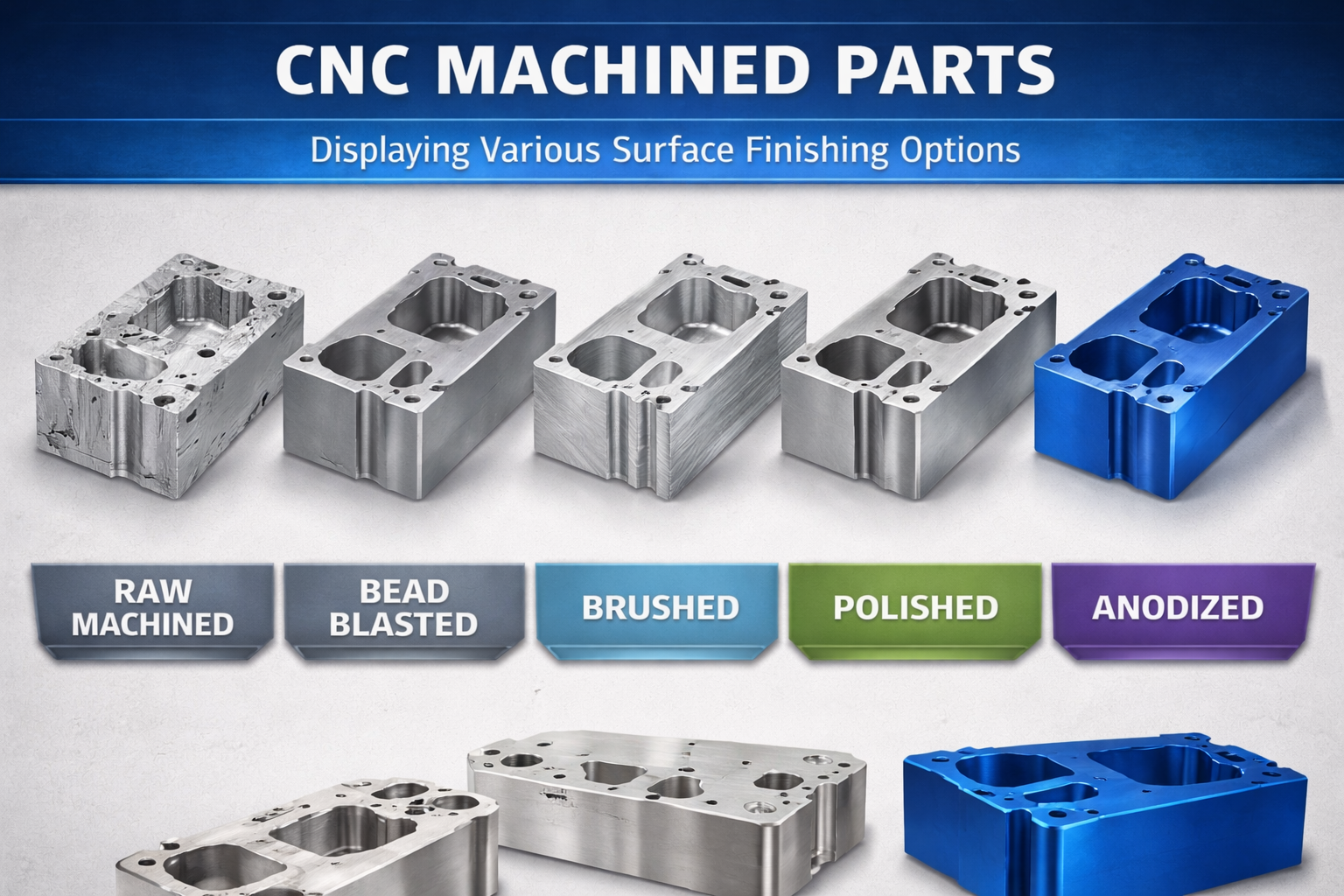
You've selected the right process, material, and tolerances—but there's one more factor that can make or break your project. Surface finishing transforms raw CNC milled parts from functional components into finished products ready for assembly or end-use. Understanding your options helps you communicate specifications clearly to any CNC machining parts manufacturer and ensures your parts perform exactly as intended.
Functional vs Aesthetic Finishes
Here's a distinction many buyers overlook: not every finish serves the same purpose. Some finishes primarily enhance appearance, while others deliver critical functional benefits like corrosion protection or improved wear resistance. Smart specification means choosing based on your actual requirements rather than defaulting to expensive options you don't need.
As-Machined Finish
The most economical option leaves CNC milling parts with the surface texture created during machining. According to industry finishing standards, typical as-machined finishes range from 1.6 μm Ra (industry standard for general applications) to 3.2 μm Ra for parts where surface quality isn't critical. This finish works well when:
- Parts will be hidden from view in final assemblies
- Surface texture doesn't affect functionality
- Budget constraints prioritize cost reduction
- Parts will receive additional finishing later in the supply chain
Polishing and Buffing
When visual appeal matters, polishing removes machining marks and creates smooth, lustrous surfaces. Achieving 0.4 μm Ra delivers a near-mirror finish essential for components where minimal friction or premium appearance is required. However, this smoothness comes at a cost—polishing typically adds significant processing time and expense to milled parts production.
Bead Blasting
This mechanical process propels glass beads against the part surface, creating a uniform matte texture. Bead blasting effectively removes minor surface imperfections while preparing parts for subsequent coating processes. It's particularly popular for CNC machined products where a consistent, non-reflective appearance is desirable without the cost of polishing.
Protective Coatings for Harsh Environments
When your parts face corrosive chemicals, outdoor exposure, or demanding operating conditions, protective finishes become essential rather than optional.
Anodizing
Anodizing creates a durable oxide layer on aluminum parts, dramatically improving corrosion resistance and surface hardness. Three types serve different needs:
- Type I (Chromic Acid): Thinnest coating preserving tight tolerances; preferred for aerospace applications requiring fatigue resistance
- Type II (Sulfuric Acid): Most common option balancing cost and performance; accepts colored dyes for aesthetic customization
- Type III (Hardcoat): Thickest, most durable layer for industrial and military applications demanding extreme wear resistance
Powder Coating
This versatile finish applies dry powder electrostatically before heat-curing into a tough protective layer. Powder coating offers exceptional durability against impact, chemicals, and UV exposure. With extensive color options available, it delivers both functional protection and visual appeal—making it ideal for consumer products and outdoor equipment.
Plating Options
Metal plating deposits thin layers of protective or functional metals onto part surfaces:
- Electroless Nickel: Uniform coating without electrical current; provides excellent corrosion resistance and hardness across complex geometries
- Chrome Plating: Delivers shiny, reflective surfaces with good wear resistance
- Zinc Plating: Cost-effective corrosion protection commonly used in automotive applications
- Gold Plating: Superior electrical conductivity for electronic connectors
Passivation
For stainless steel CNC machined products, passivation enhances natural corrosion resistance by removing free iron from the surface and promoting formation of a protective oxide layer. This chemical treatment is essential for medical and food-processing components where contamination prevention is critical.
Finish Selection by Application
Choosing the right finish requires balancing protection needs, appearance requirements, and budget constraints. The table below provides guidance for matching finishes to common applications:
| Finish Type | Protection Level | Appearance | Best Applications | Relative Cost |
|---|---|---|---|---|
| As-Machined | Low | Visible tool marks; functional appearance | Internal components, prototypes, hidden parts | $ |
| Bead Blasting | Low-Medium | Uniform matte texture | Consumer electronics, preparation for coating | $$ |
| Polishing | Low | High-gloss, mirror-like finish | Medical devices, decorative components, optical housings | $$$ |
| Anodizing (Type II) | Medium-High | Matte or satin; available in multiple colors | Aerospace brackets, consumer products, electronics enclosures | $$ |
| Anodizing (Type III) | Very High | Typically dark gray or black | Military equipment, industrial machinery, wear surfaces | $$$ |
| Powder Coating | High | Wide color range; smooth or textured | Outdoor equipment, automotive parts, consumer goods | $$ |
| Electroless Nickel | High | Bright metallic finish | Complex geometries, hydraulic components, valves | $$$ |
| Chrome Plating | Medium-High | Highly reflective, mirror-like | Automotive trim, decorative hardware | $$$$ |
| Zinc Plating | Medium | Silver-blue or yellow chromate | Fasteners, brackets, automotive underbody components | $$ |
According to finishing cost estimates, simple finishes like bead blasting typically range from $30 to $50 per part, while anodizing or electroless nickel plating can escalate to $100 to $200 per part depending on size and complexity. Planning for these costs during the design phase prevents budget surprises.
Finish selection also affects lead times. Simple finishes add hours to production, while complex treatments like anodizing or electroplating extend timelines by 24 to 48 hours—excluding preparation and curing. When evaluating manufacturers, confirm their in-house finishing capabilities versus outsourced processes that may add transit time and coordination complexity.
Understanding finish options prepares you for the next critical factor in manufacturer selection: how various cost drivers combine to determine your final per-part pricing—and where opportunities exist to optimize your investment without sacrificing quality.
Cost Factors That Drive CNC Parts Pricing
Here's a question that catches many buyers off guard: why do two seemingly similar parts come back with dramatically different quotes? The answer lies in understanding the hidden cost drivers that determine CNC machining parts pricing. Whether you're working with a local machined parts manufacturer or a global CNC machining parts factory, the same fundamental factors shape your final invoice.
The True Cost Drivers in CNC Manufacturing
When you request a quote for custom CNC machined parts, manufacturers evaluate multiple variables that compound into your per-part price. According to industry pricing analysis, these factors rank from highest to lowest impact:
- Design Complexity: Intricate designs with detailed features or complex geometries require more extensive programming, additional machine setups, and occasionally specialized tools. Simple designs cost approximately $20 per hour to machine, while complex parts push rates to $35-70 per hour.
- Material Selection: Raw material costs vary dramatically—aluminum runs $5-10 per pound while stainless steel costs $8-16 per pound. Beyond material price, machinability affects cycle time and tool wear, compounding expenses.
- Tolerance Requirements: Tighter tolerances demand slower machining speeds, frequent tool changes, and enhanced quality checks. Specifying ±0.001" instead of ±0.005" can increase machining time by 50% or more.
- Production Volume: Fixed costs like programming and setup spread across all units. Low-volume runs carry higher per-unit costs, while high-volume orders benefit from economies of scale.
- Machine Type: Three-axis machines typically run $10-20 per hour, while five-axis machines command $20-40 per hour due to their advanced capabilities and operational complexity.
- Finishing Requirements: Each additional finish—anodizing, plating, polishing—adds labor, machine time, and material costs to your project.
Understanding this hierarchy helps you prioritize where to optimize. A small change in design complexity often delivers more cost savings than switching materials.
Volume Pricing and Economies of Scale
Imagine ordering one prototype versus ordering 1,000 production parts. The programming, CAD preparation, and machine setup happen only once—regardless of quantity. This creates an inverse relationship between order volume and per-unit cost that machinery parts manufacture experts recognize as the single most powerful cost lever available.
Here's what the numbers look like in practice:
- Single unit: Full setup and programming costs absorbed by one part—highest per-unit price
- 5 units: Per-unit price drops by approximately 50% compared to single-unit pricing
- 100 units: Setup costs become negligible per part; material and cycle time dominate pricing
- 1,000+ units: Per-unit price can drop to 10-20% of single-unit cost
For machining parts destined for production, consolidating orders into larger batches—even if it means carrying some inventory—often reduces total project costs significantly. Many CNC machining parts manufacturers offer tiered pricing structures that reward volume commitments.
Small order quantities also present practical challenges. According to industry data, many suppliers maintain minimum order requirements that may exceed what you need for low-volume production. When prototyping, factor this reality into your supplier selection process.
Balancing Quality Against Budget
Every design decision you make before sending files to a cnc machining parts factory affects manufacturability—and cost. Smart buyers optimize their designs for production rather than treating machining as an afterthought.
Consider these design strategies that reduce costs without sacrificing functionality:
- Avoid deep cavities: Hollow spaces with depth significantly greater than width require specialized tooling and slower machining speeds
- Use standard hole sizes: Following standard drill bit increments (1/64" steps) eliminates the need for custom tooling
- Round internal corners: Sharp internal corners require specialized tooling and increase complexity—radius those edges
- Increase wall thickness: Thin-walled parts demand more precise control and specialized fixturing, driving up costs
- Limit threading: Each threaded feature adds machining time; consider alternative fastening methods where possible
- Skip unnecessary text: Embossing or engraving adds machine time without functional benefit unless required for identification
The relationship between lead times and pricing also deserves attention. Standard lead times allow manufacturers to schedule your work efficiently alongside other projects. Rush orders—particularly those requiring expedited material procurement or overtime labor—can increase costs by 25-50% or more. Planning ahead remains the most overlooked cost reduction strategy.
When comparing quotes for custom CNC machined parts versus standard catalog components, remember that custom work inherently carries programming and setup overhead. However, custom parts deliver exactly what your application requires, potentially eliminating secondary operations or assembly steps that standard components might necessitate.
A practical approach involves using this formula to estimate whether a project makes financial sense:
Estimated Cost = (Material Cost + Setup Cost) + (Machining Time × Hourly Rate) + Finishing Cost
This breakdown helps you identify which cost components offer the greatest optimization potential for your specific project. Armed with this understanding of cost drivers, you're prepared to evaluate potential manufacturing partners on factors that truly matter—their capabilities, quality systems, and ability to deliver consistent results at competitive prices.
How to Select the Right CNC Parts Manufacturer
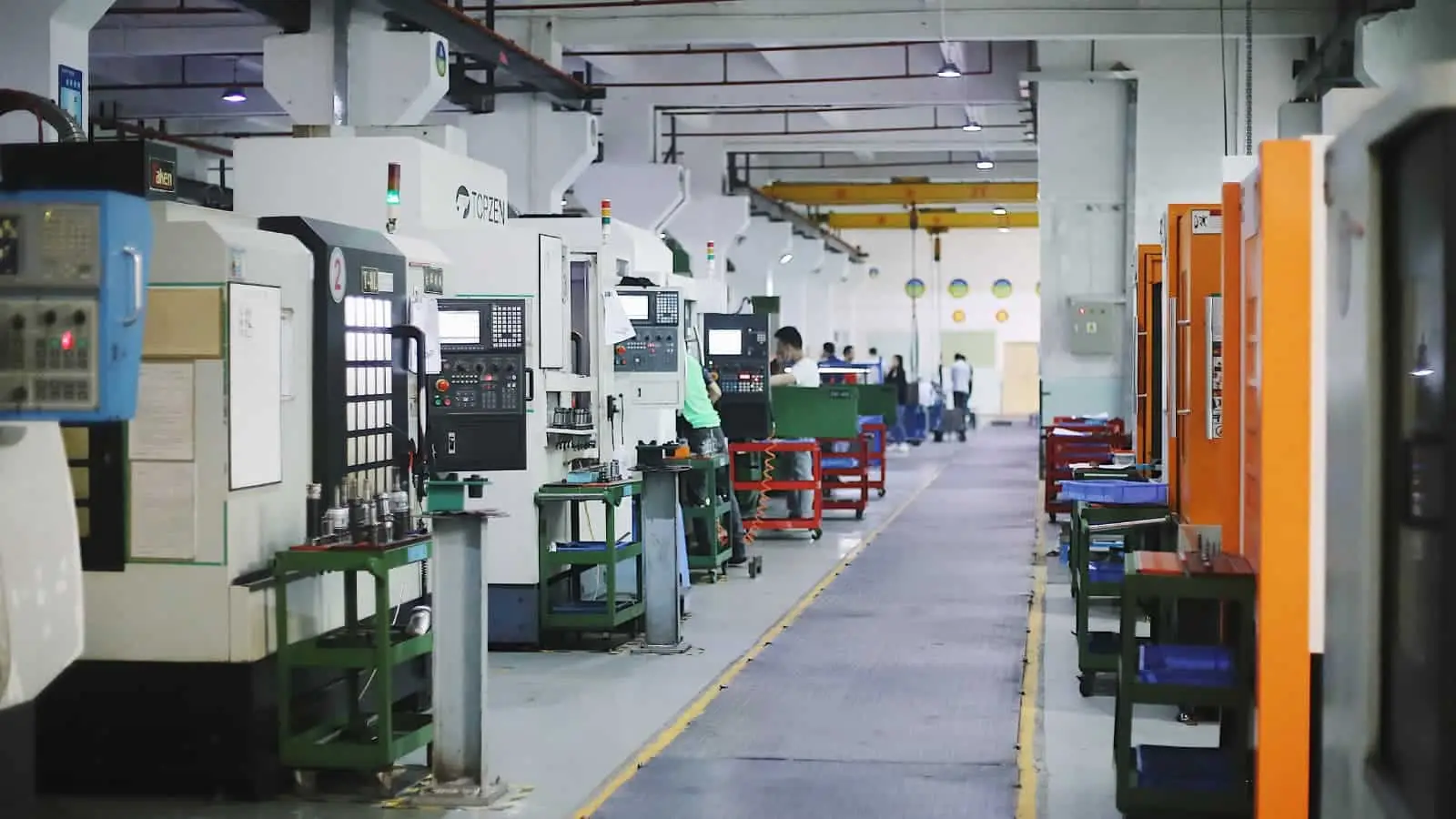
You've mastered the technical fundamentals—processes, materials, tolerances, and finishes. Now comes the decision that determines whether all that knowledge translates into successful parts: choosing the right manufacturing partner. Selecting a cnc machining parts supplier isn't simply about finding the lowest quote. It's about identifying a partner whose capabilities, quality systems, and communication practices align with your project requirements.
Evaluating Manufacturer Capabilities
When assessing potential machined parts manufacturers, you need a systematic approach that goes beyond surface-level claims. According to industry best practices, evaluating CNC suppliers requires examining multiple dimensions of their operation.
Equipment and Technology Assessment
A machined parts supplier equipped with advanced multi-axis machining centers demonstrates capability for handling complex geometries. But don't stop at machine count—investigate these specific factors:
- Machine age and condition: Newer equipment typically maintains tighter tolerances with less downtime
- CAD/CAM software integration: Modern software enables faster programming and fewer translation errors from your design files
- Automation capabilities: Robotic loading, pallet systems, and lights-out machining indicate production efficiency
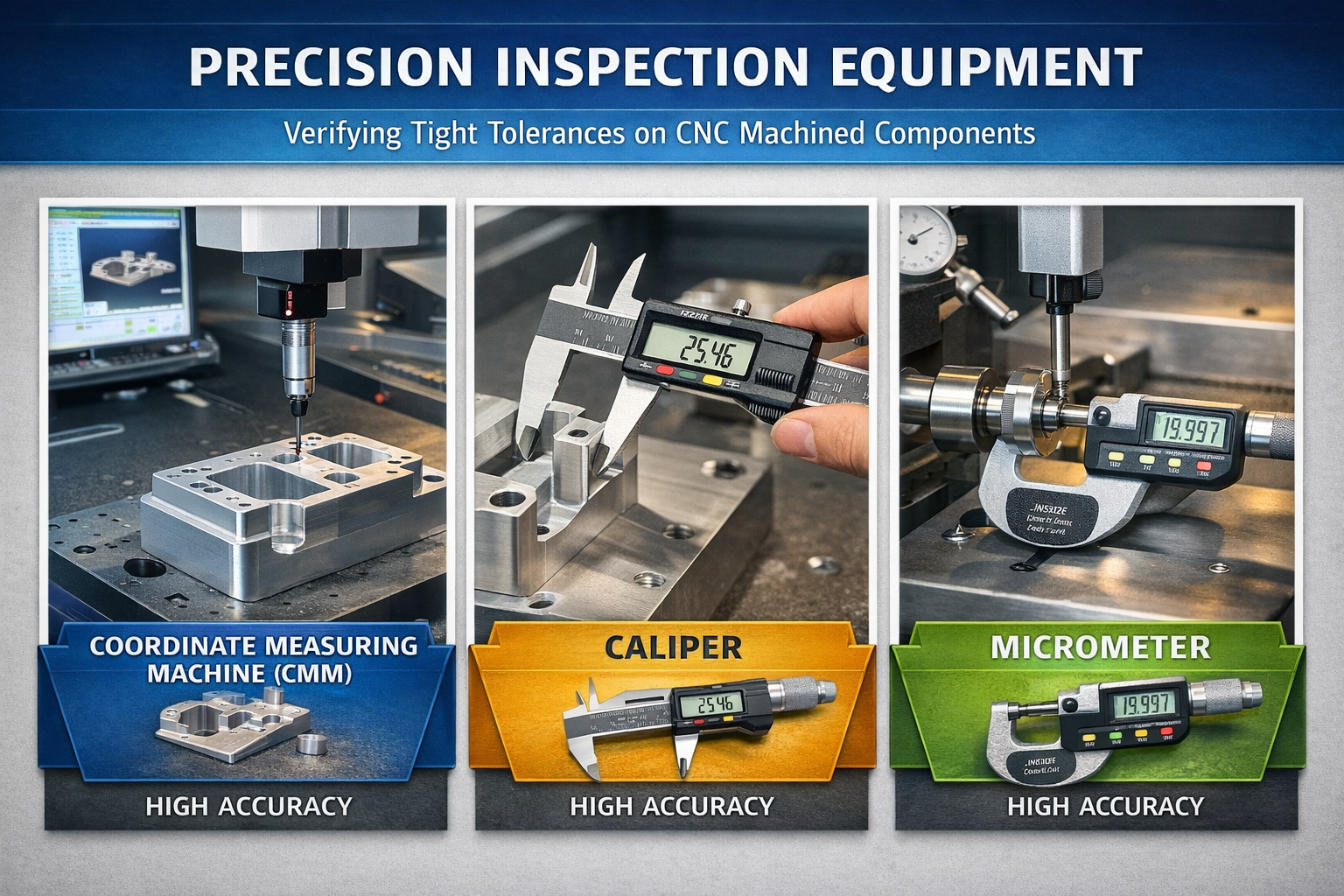
- Inspection equipment: Coordinate measuring machines (CMMs), optical comparators, and surface roughness testers validate precision claims
Material expertise represents another critical capability indicator. Machined components manufacturers experienced with your specific material—whether aluminum, titanium, or engineering plastics—can anticipate machining challenges and optimize processes accordingly. A broad material portfolio demonstrates technical competence and flexibility across different applications.
Production Capacity Evaluation
Can the manufacturer handle both your current order and future growth? Assess these capacity indicators:
- Number of machines dedicated to your part type (milling, turning, or EDM)
- Shift scheduling—single, double, or 24/7 operation
- Current capacity utilization and typical lead times
- Scalability from prototype quantities to production volumes
A supplier with scalable capacity reduces the risk of bottlenecks when your project moves from prototyping to full production. For automotive applications, manufacturers like Shaoyi Metal Technology exemplify this capability, offering rapid prototyping with lead times as fast as one working day while scaling seamlessly to mass production volumes—a combination that supports agile product development cycles.
Quality Systems That Matter
Beyond certifications displayed on websites, understanding how manufacturers actually implement quality control separates reliable partners from those who simply check compliance boxes.
Statistical Process Control (SPC)
SPC represents the gold standard for process monitoring in precision manufacturing. Rather than inspecting parts after completion—when defects have already occurred—SPC tracks process variables in real-time, enabling operators to catch deviations before they produce bad parts.
According to quality management research, effective SPC implementation delivers measurable benefits:
- Early detection of tool wear before it affects dimensional accuracy
- Process capability metrics (Cpk values) demonstrating consistent performance
- Trend analysis preventing drift toward tolerance limits
- Documentation supporting traceability requirements
When evaluating a potential CNC machining components supplier, ask about their SPC implementation. Manufacturers with SPC-backed quality systems—like IATF 16949-certified facilities—demonstrate commitment to preventing defects rather than just detecting them.
Inspection Protocols
Robust inspection goes beyond owning expensive equipment. Investigate the manufacturer's inspection workflow:
- First article inspection (FAI): Comprehensive dimensional verification before production runs begin
- In-process inspection: Regular checks during production catching issues early
- Final inspection: Complete verification against your specifications before shipment
- Documentation: Inspection reports, material certifications, and traceability records
Top-tier suppliers maintain complaint rates well below industry averages through systematic quality approaches. Double testing procedures—inspection at the manufacturing point followed by independent verification—reduce defects reaching customers to fractions of a percent.
Red Flags to Watch For
Experience teaches buyers to recognize warning signs that predict future problems. Watch for these indicators during your evaluation:
- Vague capability claims: Manufacturers unable to specify tolerance capabilities or material expertise may lack genuine competence
- Pricing significantly below competitors: Unrealistically low quotes often signal shortcuts in materials, quality control, or hidden fees appearing later
- Reluctance to provide references: Established suppliers readily share customer contacts for capability verification
- Poor communication responsiveness: Slow or incomplete responses during quoting predict similar issues during production
- Missing or expired certifications: Always verify certificate currency directly with issuing bodies
- No dedicated project management: Complex CNC components require technical guidance throughout production—suppliers without engineering support leave you navigating problems alone
According to supplier evaluation research, transparent pricing structures matter as much as the final number. A detailed quotation breaking down material costs, machining time, and finishing services indicates a supplier who understands their own cost structure—and can therefore maintain consistent pricing and quality.
Building Productive Supplier Relationships
Finding the right manufacturer is just the beginning. Maximizing value requires building collaborative relationships that benefit both parties.
Communication Practices
Clear communication prevents the misunderstandings that cause delays, rework, and frustration. Evaluate potential partners on:
- Response time to technical inquiries
- Availability of engineering support for design optimization
- Proactive communication about production status or potential issues
- Language capabilities matching your team's needs
Suppliers offering dedicated project managers provide better guidance throughout design and production phases. This single point of contact simplifies coordination and ensures your requirements don't get lost in translation between departments.
Long-Term Partnership Benefits
Treating CNC machine parts sourcing as a transactional exercise limits the value you can extract from manufacturing relationships. Long-term partnerships deliver advantages that one-time orders cannot:
- Process optimization: Suppliers familiar with your parts continuously improve efficiency
- Priority scheduling: Established relationships often mean preferential treatment during capacity constraints
- Design input: Experienced partners catch manufacturability issues before they become expensive problems
- Inventory programs: Blanket orders and kanban arrangements reduce your inventory carrying costs
Manufacturer Evaluation Checklist
Use this comprehensive checklist when comparing potential CNC machining components suppliers:
| Evaluation Category | Key Questions | What to Look For |
|---|---|---|
| Technical Capabilities | What machine types and axis configurations are available? What CAD/CAM systems are used? | Multi-axis machines, modern software, automation capabilities |
| Material Expertise | Which materials do you regularly machine? Can you provide examples? | Experience with your specific materials; broad portfolio indicates versatility |
| Quality Certifications | What industry certifications do you hold? When were they last audited? | Current ISO 9001 minimum; IATF 16949 for automotive; AS9100 for aerospace |
| Quality Systems | How do you implement SPC? What inspection equipment do you use? | CMM capabilities, documented SPC procedures, in-process inspection protocols |
| Production Capacity | What are typical lead times? Can you scale from prototype to production? | Realistic timelines, demonstrated scalability, contingency planning |
| Communication | Who will be my primary contact? How do you handle technical questions? | Dedicated project management, engineering support availability, responsiveness |
| Pricing Transparency | Can you provide detailed cost breakdowns? | Clear separation of material, machining, finishing, and setup costs |
| Track Record | Can you provide customer references? What's your on-time delivery rate? | Verifiable references, delivery metrics above 95%, low complaint rates |
For buyers sourcing automotive CNC components, IATF 16949 certification provides essential assurance of supplier readiness for the industry's demanding requirements. Manufacturers like Shaoyi Metal Technology combine this certification with SPC-backed quality systems and rapid prototyping capabilities—the combination buyers should seek when building automotive supply chains that balance speed, quality, and cost-effectiveness.
With a systematic approach to manufacturer evaluation in hand, you're ready to move from assessment to action. The final step involves translating your requirements into clear specifications and establishing productive working relationships that deliver consistent results over time.
Taking Action on Your CNC Parts Requirements
You've absorbed the critical factors most buyers miss—now it's time to put that knowledge into action. Moving from research to results requires a structured approach that transforms your understanding of CNC machined parts into successful project outcomes. Let's map out exactly how to proceed.
Your CNC Parts Sourcing Roadmap
Ready to source your next CNC part? Follow this proven sequence to minimize risk and maximize results:
- Finalize your design files: Prepare complete CAD models in universal formats (STEP, IGES) with accompanying 2D drawings specifying critical tolerances, surface finishes, and material requirements
- Define your specifications clearly: Document material grade, tolerance requirements for each critical dimension, finish specifications, and any industry certifications required
- Identify potential manufacturers: Screen suppliers based on equipment capabilities, relevant certifications, and experience with your specific application
- Request detailed quotations: Submit RFQs with complete documentation and ask for itemized cost breakdowns showing material, machining, and finishing separately
- Evaluate and compare responses: Assess technical capability, quality systems, communication responsiveness, and total value—not just price
- Conduct due diligence: Verify certifications, request references, and confirm lead time commitments before placing orders
- Start with prototype validation: Order sample quantities to verify dimensional accuracy and finish quality before committing to production volumes
From Specification to Production
Clear communication prevents costly misunderstandings. When submitting your CNC machining part requirements, include these essential elements:
- Tolerance tables: Specify which dimensions are critical versus standard—avoid over-tolerancing non-functional features
- Material certifications: State whether you require mill test reports or specific material traceability
- Inspection requirements: Define first article inspection needs and ongoing quality documentation expectations
- Assembly of machined parts considerations: If your component interfaces with other parts, provide mating component drawings or assembly context
According to design preparation experts, consulting with your manufacturer's technologists during the design phase can reduce costs by 20-30% while improving manufacturability. This collaborative approach catches potential issues before they become expensive production problems.
Taking the Next Step
Armed with the nine critical factors covered in this guide, you're positioned to make informed sourcing decisions that balance quality, cost, and reliability. Whether you need a single CNC machine part for prototyping or thousands of production components, the principles remain consistent: specify clearly, evaluate systematically, and build relationships with capable partners.
For automotive applications demanding precision chassis assemblies, custom metal bushings, or other critical components, manufacturers with IATF 16949 certification and SPC-backed quality systems deliver the consistency your supply chain requires. Shaoyi Metal Technology exemplifies this comprehensive capability—offering precision CNC machining services that scale from rapid prototyping with lead times as fast as one working day through full mass production volumes.
Your next CNC machined parts project starts with a single step: preparing your specifications and reaching out to qualified manufacturers who can transform your designs into precision components. The knowledge you've gained here ensures that conversation begins from a position of informed confidence.
Frequently Asked Questions About CNC Parts Manufacturing
1. What is CNC machining and how does it work?
CNC machining is a subtractive manufacturing process where pre-programmed computer software controls cutting tools to produce precision parts from raw materials. The process begins with a CAD file containing part specifications, which gets translated into G-code that CNC machines understand. The machine then executes each cutting path with mechanical precision, achieving tolerances as tight as ±0.0002 inches for standard machining and ±0.0001 inches for EDM operations. This technology enables repeatable accuracy whether producing 10 or 10,000 identical units.
2. What certifications should I look for in a CNC parts manufacturer?
The certifications you need depend on your industry. ISO 9001 serves as the baseline quality management certification for general manufacturing. IATF 16949 is essential for automotive applications, focusing on defect prevention and traceability. AS9100 is required for aerospace components, covering configuration management and first article inspection. ISO 13485 governs medical device manufacturing with strict risk management requirements. NADCAP accreditation validates special processes like heat treating for aerospace applications. Always verify certificate currency directly with issuing bodies before partnering with a manufacturer.
3. How much does CNC machining cost?
CNC machining costs depend on several factors ranked by impact: design complexity (simple designs cost $20/hour vs. $35-70/hour for complex parts), material selection (aluminum at $5-10/pound vs. stainless steel at $8-16/pound), tolerance requirements (tighter tolerances can increase machining time by 50%), production volume (setup costs spread across all units), machine type (3-axis at $10-20/hour vs. 5-axis at $20-40/hour), and finishing requirements. Per-unit costs can drop to 10-20% of single-unit pricing when ordering 1,000+ parts due to economies of scale.
4. What materials can be CNC machined?
CNC machines work with a wide range of metals and plastics. Aluminum 6061 offers the best overall performance for general-use parts with excellent machinability. Steel and stainless steel provide superior durability and corrosion resistance for demanding applications. Brass delivers excellent machinability for electrical connectors and decorative hardware. Titanium offers the highest strength-to-weight ratio for aerospace and medical implants. Engineering plastics like Delrin, Nylon, PEEK, and PTFE provide advantages including lower weight, chemical resistance, and electrical insulation for specific applications.
5. How do I choose between CNC milling, turning, and EDM?
Choose based on your part geometry and material. CNC milling uses rotating cutters on stationary workpieces, ideal for flat surfaces, pockets, slots, and 3D contours on prismatic parts. CNC turning rotates the workpiece against a stationary tool, best for cylindrical parts like shafts, bushings, and threaded components. EDM uses electrical sparks to erode material without physical contact, essential for hardened tool steels, sharp internal corners, and delicate parts that cannot withstand cutting forces. Many projects require multiple processes, making manufacturers with all capabilities under one roof advantageous for quality control.