 Small batches, high standards. Our rapid prototyping service makes validation faster and easier —
  EN
EN


Online Machining Shop Secrets: From Upload To Doorstep Decoded
What Is an Online Machining Shop and How Does It Work
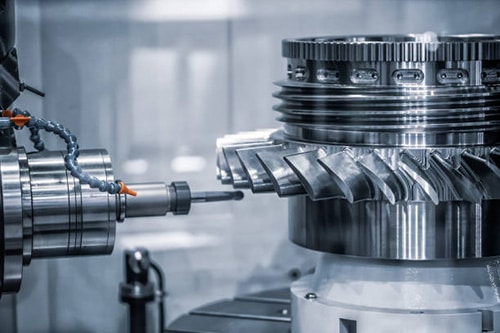
Ever wondered how you could get precision-machined parts delivered to your door without ever stepping foot in a factory? That is exactly what an online machining shop makes possible. These digital-first platforms have transformed how businesses and individuals access professional cnc fabrication and machine shop services, eliminating the traditional barriers of geography, minimum orders, and lengthy quote processes.
An online machining shop is a digital platform that connects you directly with CNC machining capabilities through a streamlined, web-based interface. Instead of driving to local machine shops, negotiating in person, and waiting days for quotes, you simply upload your CAD files, select your materials, and receive pricing almost instantly. The entire process—from design submission to doorstep delivery—happens without a single in-person visit.
The Digital Manufacturing Revolution Explained
Think of it like ordering a custom product online, but for precision-engineered parts. You upload a 3D design file, the platform analyzes your geometry automatically, and within seconds or minutes, you have a detailed quote. Behind the scenes, these platforms leverage artificial intelligence, automated design validation, and networks of vetted manufacturing partners to deliver parts that once required weeks of coordination.
This approach democratizes manufacturing access. Startups, independent inventors, and small businesses that previously faced high entry barriers can now order prototype parts or small production runs with the same ease as large corporations. Whether you need a single prototype or a hundred custom components, the digital workflow remains the same.
When you search for "cnc machine shops near me" or "local machine shops," you are typically looking for traditional facilities that require phone calls, in-person meetings, and manual quote processes. An online machining shop flips this model entirely. You get online machining quotes through automated systems, often receiving a cnc quote online in under a minute—something that might take days through conventional channels.
How Online Shops Differ From Traditional Machine Shops
Understanding the practical differences helps you choose the right approach for your project. Here is a side-by-side comparison:
| Factor | Online Machining Shop | Traditional Machine Shop |
|---|---|---|
| Ordering Process | Upload CAD files via web platform; automated workflow | Phone calls, emails, in-person meetings required |
| Quote Speed | Instant to same-day (often within seconds) | Days to weeks depending on complexity |
| Geographic Limitations | None—order from anywhere with internet access | Limited to shops within reasonable driving distance |
| Minimum Order Quantities | Often no minimums; single-part orders welcome | May require minimum quantities to be cost-effective |
| Design Feedback | Automated design-for-manufacturability (DFM) checks | Manual review by engineers (adds time) |
| Order Tracking | Real-time status updates via online dashboard | Requires phone calls or emails for updates |
| Typical Lead Time | As fast as 2-4 days for standard parts | Often 10+ days due to scheduling and communication delays |
The core advantage of these digital platforms lies in transparency and speed. According to Fictiv, customers working with traditional shops often experience multi-day email trails just for quoting and order status updates, while digital platforms compress this into a single day or less.
This does not mean traditional shops have no place—they excel in specific scenarios we will explore later. But for rapid prototyping, small-batch production, and projects where speed and convenience matter, online platforms have fundamentally changed what is possible. You can compare prices, validate designs, and place orders at midnight if that is when inspiration strikes.
The Complete Online Machining Workflow Explained
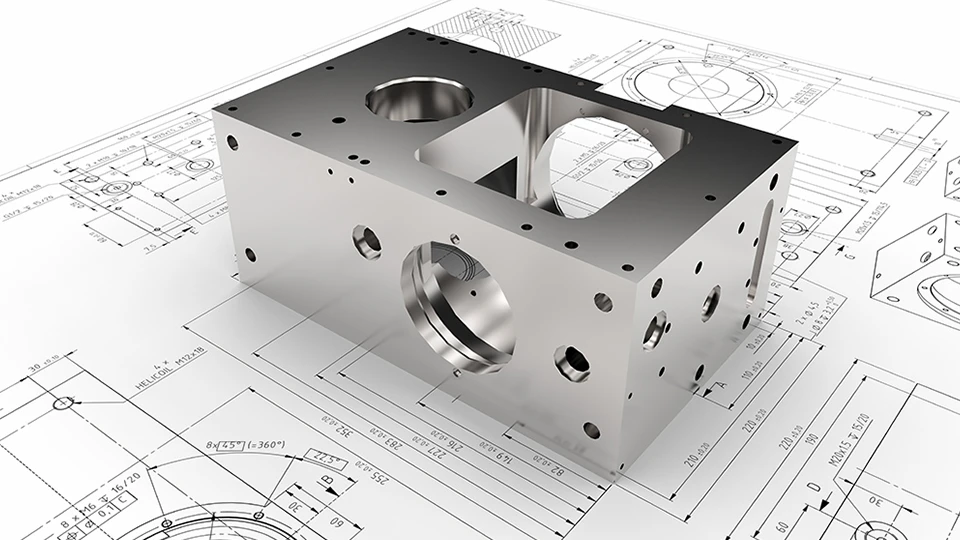
So you have a design ready and want custom machined parts delivered to your door. What actually happens between clicking "upload" and receiving your package? Understanding this workflow helps you prepare better files, avoid costly revisions, and set realistic expectations for your project timeline. Let us walk through each stage of the online cnc machining services process.
From CAD Upload to Doorstep Delivery
The journey from digital design to physical cnc machining part follows a structured sequence that balances automation with expert oversight. Here is exactly what happens at each stage:
-
CAD File Preparation
Before uploading anything, you need a 3D model in a compatible format. Most platforms accept STEP, IGES, DXF, or PDF files. Your file should be a solid model without open surfaces or geometry errors. Take a moment to check wall thicknesses, hole depths, and feature sizes—undersized features can cause manufacturing issues later. -
File Upload and Parameter Selection
You upload your design through the platform's secure interface. According to CNC24, data is transmitted in encrypted form and can be anonymized for suppliers to protect your intellectual property. During upload, you specify key parameters: material type, quantity needed, surface finish requirements, and tolerance specifications. -
Automated Feasibility Analysis
The platform immediately begins analyzing your geometry. Automated systems check for manufacturability issues like undercuts, inaccessible features, or tool reach problems. This initial screening catches obvious problems before any human review. -
Design for Manufacturability (DFM) Feedback
You receive actionable suggestions to improve your design for production. This might include recommendations to add draft angles, adjust corner radii, or modify pocket depths. Production-oriented design feedback helps reduce costs and minimize manufacturing risks. -
Quote Generation and Review
Within seconds to 48 hours depending on complexity, you receive a binding quote. This includes unit pricing, delivery dates, and any special processing costs. For cnc prototyping projects, quotes often arrive faster since simpler geometries analyze quickly. -
Order Confirmation and Supplier Matching
Once you approve the quote and place your order, the platform matches your project to the most suitable manufacturing partner. As InstaWerk explains, similar parts are bundled with other orders and allocated to specialized CNC manufacturers—titanium turned parts go to different facilities than 5-axis aluminum components. -
Production
Your cnc machine parts enter the manufacturing queue. CNC machining milling, turning, or multi-axis operations begin based on your specifications. The selected manufacturer has been verified for the specific capabilities your project requires. -
Quality Inspection
Completed parts undergo quality verification. This ranges from visual inspection and dimensional checks to full coordinate measuring machine (CMM) reports for precision machining parts. Some platforms operate their own measuring centers to guarantee quality even for safety-critical applications. -
Shipping and Delivery Tracking
Parts are packaged and shipped via express service or freight depending on size and urgency. You receive tracking information and can monitor delivery status digitally. Platforms typically intervene proactively if delays occur.
Understanding the Instant Quote Technology
Sounds complex? The magic behind rapid pricing actually relies on sophisticated but logical systems. When you upload a design, AI-based algorithms immediately examine your component and compare it against a database of hundreds of thousands of previously manufactured parts.
The quoting engine analyzes multiple factors simultaneously:
- Geometry complexity – Number of features, undercuts, and required tool changes
- Material selection – Raw material costs and machinability characteristics
- Tolerances specified – Tighter tolerances require slower cutting speeds and more inspection
- Quantity ordered – Setup costs are amortized across larger batches
- Machine requirements – 3-axis versus 5-axis, part size constraints
- Clamping and fixturing – How many setups are needed to complete all features
This automated analysis replaces the traditional process where engineers manually reviewed drawings, estimated machining time, and calculated material costs over several days. For cnc machining prototyping projects especially, this speed advantage is transformative—you can iterate through multiple design versions in the time it would take to receive a single traditional quote.
The system also continuously updates pricing based on current material costs and manufacturing capacity. In volatile markets, this means you receive accurate quotes reflecting real-time conditions rather than outdated price sheets.
Behind the algorithms sits a network of verified suppliers, each specializing in different capabilities. High throughput through these platforms allows continuous quality evaluation—manufacturers with excellent track records receive more orders, while repeated issues lead to reduced volume or exclusion from the network. This creates a self-improving system where quality standards rise over time.
Now that you understand how the workflow operates, the next critical decision involves choosing the right material for your application—a choice that significantly impacts both performance and cost.
Choosing the Right Material for CNC Machined Parts
You have uploaded your CAD file and received an instant quote. Now comes a question that can make or break your project: which material should you choose? Most online machining platforms list dozens of options, but rarely explain when each makes sense. This gap leaves many customers guessing—or defaulting to whatever seems familiar.
Material selection directly affects part strength, durability, weight, cost, and manufacturing complexity. Choose wisely, and your component performs exactly as intended. Choose poorly, and you face premature failures, unnecessary expenses, or parts that simply cannot be machined to your specifications.
Metals vs Plastics for Your Application
The first major decision involves choosing between metals and engineering plastics. Each category serves fundamentally different purposes.
Metals excel when you need high strength, hardness, or thermal resistance. They handle heavy loads, resist wear, and perform reliably in extreme temperatures. Applications like automotive brackets, aerospace components, and industrial machinery almost always require metal parts.
Plastics shine when weight reduction matters, when chemical resistance is essential, or when electrical insulation is required. According to Hubs, plastics are also ideal for producing prototypes before committing to injection molding tooling. Their lower material costs and faster machining times make iteration affordable.
Consider your operating environment carefully. Will the part experience high temperatures? Corrosive chemicals? Repeated impact loading? These factors narrow your options quickly.
Material Properties That Impact Your Project
Four key properties should guide every material decision:
- Machinability – How easily the material cuts affects both cost and achievable precision. Highly machinable materials like aluminum and delrin plastic produce clean finishes with less tool wear. Difficult materials require slower cutting speeds and more frequent tool changes.
- Strength – Measured as tensile yield strength, this determines how much load a part can handle before permanently deforming. Structural applications demand higher strength materials.
- Corrosion Resistance – Parts exposed to moisture, chemicals, or salt air need materials that resist degradation. Stainless steels and many plastics excel here, while mild steels require protective coatings.
- Cost – Raw material price plus machining difficulty determines your final part cost. Sometimes a more expensive material machines faster, resulting in lower overall expense.
Here is a comparison of common materials available through most online machining platforms:
| Material | Key Properties | Machinability | Typical Applications |
|---|---|---|---|
| Aluminum 6061 | Excellent strength-to-weight ratio; good corrosion resistance; can be anodized | Excellent | Prototypes, enclosures, brackets, aerospace components |
| Aluminum 7075 | High strength comparable to steel; excellent fatigue resistance | Good | Aerospace structural parts, high-stress applications |
| Stainless Steel 304 | High strength; excellent corrosion resistance; non-magnetic | Moderate | Food equipment, medical devices, marine hardware |
| Stainless Steel 316 | Superior corrosion resistance to 304; handles saline environments | Moderate | Marine applications, chemical processing, outdoor fixtures |
| Mild Steel 1018 | Good toughness and weldability; low cost; susceptible to rust | Excellent | Jigs, fixtures, general-purpose components |
| Brass C36000 | High tensile strength; natural corrosion resistance; decorative appearance | Excellent | Fittings, valves, architectural hardware, electrical connectors |
| Bronze (CNC Bronze) | Excellent wear resistance; low friction; good for bearings | Good | Bushings, bearings, gears, marine components |
| Delrin (POM) | Highest machinability among plastics; excellent dimensional stability; low moisture absorption | Excellent | Gears, bearings, valve components, precision mechanisms |
| Nylon 6/6 | High impact strength; good heat resistance; absorbs moisture | Moderate | Structural parts, wear pads, rollers, impact-resistant housings |
| Polycarbonate | Exceptional impact strength; optical clarity; good machinability | Good | Transparent covers, fluidic devices, safety shields |
| Acrylic (PMMA) | Optical clarity; UV resistance; brittle compared to polycarbonate | Good | Display components, light guides, decorative parts |
When you need to machine bronze for bearing surfaces or bushings, bronze cnc machining offers distinct advantages. CNC bronze parts provide excellent wear characteristics and self-lubricating properties that make them ideal for rotating assemblies. Machining bronze requires attention to cutting parameters, but the resulting components deliver long service life in demanding applications.
For engineering plastics, the choice between nylon for machining versus delrin plastic often comes down to moisture exposure. As Penta Precision explains, nylon is hygroscopic—it absorbs moisture from the air, which changes its dimensions and strength over time. Delrin barely absorbs any moisture, maintaining dimensional stability even in wet conditions. If your assembly requires tight tolerances in variable humidity, delrin is the safer choice.
However, nylon handles heat better than delrin. Glass-filled nylon grades tolerate continuous temperatures around 120-130°C, while standard delrin caps out near 100-110°C. For parts near heat sources or experiencing frictional heating, nylon performs more reliably.
CNC polycarbonate machining creates transparent or translucent components with impact strength far exceeding acrylic. Choose polycarbonate for safety shields, fluid handling devices, or any application where durability matters more than scratch resistance. Acrylic machines beautifully and offers superior optical clarity, but shatters more easily under impact.
The cost equation often surprises first-time buyers. Aluminum 6061 typically represents the most economical metal choice—not just because of lower material cost, but because its excellent machinability reduces machining time. Similarly, delrin often costs less per finished part than nylon despite higher raw material prices, since it machines faster and requires less post-processing.
With your material selected, understanding tolerances and surface finishes becomes the next critical step in specifying parts that meet your exact requirements.
Understanding Tolerances and Surface Finishes
You have selected your material and uploaded your design. Now the platform asks about tolerances and surface finishes—two specifications that significantly impact both cost and lead time. Yet most online machining platforms mention these options without explaining what they actually mean for your project. Let us fix that knowledge gap.
What Tolerances Mean for Your Project
Imagine ordering a bolt designed to be exactly 100 mm long. In reality, achieving absolute perfection is impossible—there will always be tiny variations between the finished part and your original design. Tolerances define how much variation is acceptable before a part becomes unusable.
According to HLH Rapid, tolerances are expressed as the maximum allowable dimension (upper limit) and minimum allowable dimension (lower limit), often written as ±0.x mm. That 100 mm bolt with a tolerance of ±0.05 mm? Its actual length can range from 99.95 mm to 100.05 mm and still be considered acceptable. Anything outside that range gets rejected.
For precision cnc machining, understanding tolerance grades helps you specify exactly what you need. The international standard ISO 2768 divides tolerances into four classes:
- Fine (f) – Tightest standard tolerances, typically ±0.05 mm for small dimensions. Used for precision machining services requiring close fits.
- Medium (m) – The default for most cnc milled parts, around ±0.1 to ±0.13 mm. Balances precision with cost-effectiveness.
- Coarse (c) – Looser tolerances around ±0.2 mm, suitable for non-critical dimensions where exact fit is unnecessary.
- Very Coarse (v) – The loosest grade, used when dimensional variation has minimal functional impact.
Most online platforms default to ISO 2768-1 Medium for cnc milled components unless you specify otherwise. This delivers precision machining parts suitable for the vast majority of applications without unnecessary cost.
When Do You Actually Need Tighter Tolerances?
Here is honest guidance: only about 1% of parts genuinely require tolerances in the ±0.005 mm to ±0.0127 mm range. Tight tolerances demand specialized cutting tools, slower machining speeds, and extended production times—all of which significantly increase costs.
Request tighter tolerances only when:
- Parts must mate precisely with other components in an assembly
- Functional performance depends on exact dimensions (sealing surfaces, bearing fits)
- Industry regulations mandate specific precision (aerospace, medical implants)
For everything else, standard tolerances work perfectly. Over-tolerancing wastes money without improving your product. A practical approach? Apply tight tolerances only to critical features while keeping non-critical dimensions at standard grades.
Surface Finish Options and When to Use Them
Surface finish describes the texture and appearance of your completed part. According to XC Machining, surface finishes impact durability, corrosion resistance, friction characteristics, and visual appeal. Designers measure surface roughness using Ra (roughness average)—lower Ra values mean smoother surfaces.
Here are the most common surface finish options available through online machining platforms:
- As-Machined – The part comes directly from the CNC machine with visible tool marks and typical roughness around Ra 3.2 μm. Choose this for internal components, prototypes, or parts where appearance does not matter. It is the fastest and most economical option.
- Bead Blasted – Fine glass beads create a uniform matte or satin texture without changing dimensions. This finish hides minor imperfections and provides an even appearance. Ideal for consumer products, housings, and parts requiring a professional look without high costs.
- Polished – Mechanical polishing reduces roughness to as low as Ra 0.2 μm, creating a shiny, reflective surface. Essential for optical components, medical devices, and consumer electronics where smoothness affects function or aesthetics.
- Anodized – This electrochemical process thickens the natural oxide layer on aluminum, improving corrosion resistance and allowing color options. Type II sulfuric acid anodizing works for decorative applications, while Type III hard anodizing suits industrial wear resistance. Particularly popular for cnc acrylic service alternatives when you need durable aluminum housings.
- Powder Coated – Dry powder is applied electrostatically and heat-cured to form a thick, durable colored layer. Thicker than anodizing, powder coating excels for parts facing impact, outdoor exposure, or heavy handling.
- Brushed – Abrasive belts create directional grain patterns for a sophisticated industrial appearance. Common on architectural hardware and consumer products where fingerprint resistance and visual texture matter.
Matching Finish to Application
For acrylic cnc machining projects, surface finish choices are more limited since anodizing and powder coating apply only to metals. Polishing acrylic to optical clarity works well for display components and light guides.
Consider your operating environment when selecting finishes. Outdoor parts benefit from anodizing or powder coating for weather protection. Precision machining services for medical or food applications often require polished surfaces that are easy to clean and sterilize.
Cost increases with surface finish complexity. As-machined costs nothing extra. Bead blasting adds modest expense. Anodizing and powder coating require additional processing time and materials. Polishing to mirror finishes demands the most labor and carries the highest premium.
With tolerances and finishes specified, understanding how these choices—along with material and geometry—affect your final price becomes essential for optimizing your project budget.

How Online Machining Pricing Works
You have uploaded your design, selected aluminum 6061, and specified medium tolerances with a bead-blasted finish. Now comes the question everyone wants answered but few platforms explain clearly: what determines your final cnc machining price? Understanding the cost structure helps you make smarter design decisions and avoid sticker shock when quotes arrive.
Unlike traditional shops where pricing feels like a black box, online platforms calculate costs through transparent algorithms. Each factor contributes predictably to your total—once you understand how the math works, you can optimize designs for budget without sacrificing functionality.
Key Factors That Drive Machining Costs
Every cnc prototype or production part passes through the same cost calculation framework. Here are the primary drivers that determine what you will pay:
- Material Type and Volume – Raw material cost forms the foundation of your quote. According to Unionfab, aluminum sits at the lowest price tier ($), while titanium and specialty plastics like PEEK command premium prices ($$$$$). Beyond material cost, harder materials increase machinist metal cost through slower cutting speeds and faster tool wear.
- Part Complexity and Geometry – Intricate features requiring multiple tool changes, deep pockets, or tight internal corners extend machining time significantly. Each additional setup—repositioning the part to access different faces—adds programming and fixturing costs. As Fictiv explains, parts requiring six setups cost substantially more than those machinable in one or two.
- Tolerance Requirements – Tighter tolerances demand slower cutting speeds, specialized tooling, and additional inspection. Standard ISO 2768 Medium tolerances add nothing to base pricing, while precision specifications in the ±0.01 mm range can increase costs by 30% or more.
- Surface Finish Selection – As-machined finishes cost nothing extra. Add bead blasting, anodizing, or polishing, and you layer on processing time and materials. According to Unionfab's cost breakdown, anodizing runs $3-12 per part while electroplating can reach $10-30 depending on complexity.
- Quantity Ordered – This is where small cnc machining through online platforms truly shines. Setup and programming costs remain fixed whether you order one part or fifty. Spreading these non-recurring engineering (NRE) costs across larger batches dramatically reduces per-unit pricing.
- Lead Time – Need parts in three days instead of three weeks? Expedited production carries premium pricing. Standard lead times of 10-15 business days typically offer the best value, while rush orders can double or triple your costs.
Design Tips to Reduce Your Project Budget
Smart design choices made before uploading can cut costs substantially without compromising functionality. Here is how to optimize your prototype machining projects:
- Simplify geometry where possible – Eliminate decorative features, unnecessary pockets, and complex curves that extend machining time. Every intricate detail requires smaller tools running at slower speeds.
- Use standard tool sizes – Design internal radii and features compatible with common end mills. According to TFG USA, the smaller the internal radius, the smaller the end mill required—and smaller end mills machine much slower.
- Minimize setups – Design parts so all critical features can be machined from one or two orientations. Each repositioning adds setup time and fixturing costs.
- Specify tight tolerances only where essential – Apply precision specifications to mating surfaces and functional dimensions. Let non-critical features default to standard tolerances.
- Choose machinable materials – Aluminum 6061 machines roughly twice as fast as stainless steel. Unless you genuinely need stainless properties, the machining savings often exceed any raw material cost difference.
- Avoid extremely thin walls – Walls thinner than 1.0 mm for plastics or 0.5 mm for metals require careful machining to prevent vibration and deflection, adding time and risk.
- Consider as-machined finishes – Prototype machining rarely requires polished surfaces. Save finishing costs for production parts where appearance matters.
Online vs Traditional Pricing Reality
Here is something competitors rarely mention: online machining shops and traditional local shops occupy different sweet spots on the quantity-cost curve.
For cnc prototype work and small batches under 100 units, online platforms typically deliver better pricing. Their automated quoting, streamlined workflows, and distributed manufacturing networks eliminate overhead that traditional shops pass along. You avoid the phone tag, site visits, and manual quote preparation that consume hours of engineering time at local facilities.
However, for high-volume production runs exceeding several hundred parts, traditional shops often become more competitive. They can negotiate bulk material discounts, dedicate machines to your job continuously, and amortize setup costs across thousands of units. The relationship-based pricing that feels frustrating for prototype quantities becomes advantageous at scale.
The crossover point varies by part complexity and material, but a useful rule of thumb: online platforms excel up to 200-500 units, while traditional shops merit quotes for larger volumes. Many experienced buyers use online platforms for development and early production, then transition to traditional partnerships as volumes grow.
Understanding these cost dynamics prepares you to evaluate providers effectively—which requires knowing what certifications and quality standards actually mean for your specific application.
Quality Certifications and What They Mean
You have compared quotes, reviewed lead times, and narrowed down your options. But then you notice one provider lists ISO 9001, another mentions IATF 16949, and a third highlights AS9100 certification. What do these acronyms actually mean for your parts? Most online machining platforms display certification logos without explaining their significance—leaving customers guessing whether these credentials matter for their specific application.
Understanding certifications helps you separate precision machining companies with verified quality systems from those making empty claims. These credentials are not just wall decorations; they represent audited processes, documented procedures, and ongoing compliance that directly affect whether your parts arrive within specification.
Certifications That Signal Manufacturing Excellence
Industry certifications function as independent verification that a manufacturer maintains specific quality standards. Third-party auditors examine everything from document control to production processes, ensuring companies actually follow the procedures they claim. According to Hartford Technologies, these certifications demonstrate commitment to customers and profession, providing assurance that manufactured items meet all requirements.
Here is what each major certification actually means for your projects:
| Certification | Focus Area | Industries Served | What It Means for You |
|---|---|---|---|
| ISO 9001 | Quality management systems; customer satisfaction; continuous improvement | All industries (universal baseline) | The provider has documented procedures for consistent quality and addresses nonconformities systematically |
| IATF 16949 | Automotive-specific quality; defect prevention; supply chain requirements | Automotive manufacturing | Parts meet stringent automotive standards with robust traceability and process control |
| AS9100 | Aerospace quality; risk management; product integrity; documentation control | Aerospace and defense | Components meet safety-critical aerospace requirements with complete traceability |
| ISO 13485 | Medical device quality; design controls; risk mitigation; complaint handling | Medical device manufacturing | Parts suitable for medical machining applications with patient safety prioritized |
| ITAR | Export control; information security; defense article handling | Defense and military | Provider can legally handle controlled technical data and defense-related components |
| NADCAP | Special process accreditation; heat treating; chemical processing; NDT | Aerospace and defense | Specialized processes like heat treatment meet aerospace cnc machining standards |
For general machining services without industry-specific requirements, ISO 9001 certification provides sufficient assurance of quality management. According to American Micro Industries, this internationally recognized standard serves as a baseline demonstrating consistent, high-quality output through customer focus, process approach, and evidence-based decision-making.
Working on aerospace cnc machining projects? AS9100 becomes essential. This certification builds upon ISO 9001 with additional requirements for risk management, stringent documentation, and product integrity control throughout complex supply chains. For kovar machining services or other specialty aerospace materials, AS9100-certified providers offer the traceability and process controls these demanding applications require.
Why Quality Standards Matter for Your Parts
Certifications translate into tangible benefits at the production floor level. A certified shop does not just claim to check parts—they follow documented inspection procedures, maintain calibrated equipment, and record results for traceability.
One critical tool that certified manufacturers employ is Statistical Process Control (SPC). Unlike traditional inspection where you discover problems after they occur, SPC catches dimensional drift before parts go out of tolerance. According to CNC First, SPC uses frequent sampling and control chart analysis to amplify small trends, giving operators time to act before dimensions cross specification limits.
Imagine this scenario: your first article inspection passes perfectly, but by the 200th part, dimensions have drifted out of tolerance. Without SPC monitoring, you might not discover the problem until parts arrive at your facility—or worse, after assembly into your product. With SPC, the manufacturer detects tool wear or thermal drift at part 80 and makes corrections before any rejects occur.
This proactive approach matters especially for medical machining applications where patient safety depends on consistent precision. One case study from CNC First documented how implementing SPC improved yield from 92% to 99.7% for a medical device customer, saving approximately ¥12,000 in rework and scrap on a single project.
When evaluating providers, ask specific questions about their quality systems:
- Which certifications do they hold, and are they current?
- Do they use SPC monitoring for production runs?
- Can they provide inspection reports with your shipment?
- How do they handle nonconforming parts?
The answers reveal whether certifications represent genuine operational discipline or merely paperwork. Providers who enthusiastically explain their quality processes typically maintain stronger systems than those who deflect questions.
With quality standards clarified, the next consideration involves understanding when online platforms make sense versus scenarios where traditional local shops might serve you better.
Online Machining vs Traditional Shops
Here is a question nobody else seems willing to answer honestly: should you actually use an online machining shop, or would a traditional local facility serve you better? The truth is, neither option wins in every scenario. Understanding when each approach excels helps you make smarter decisions—and avoid costly mismatches between your project needs and your chosen provider.
When you search for "machinist shops near me" or "cnc machine shop near me," you are typically looking for the personal touch that comes with local relationships. But that personal touch comes with tradeoffs. Similarly, online platforms offer remarkable convenience and speed, yet they have limitations that rarely get discussed. Let us break down the real-world scenarios where each approach shines.
When Online Machining Makes Sense
Online platforms have fundamentally changed what is possible for certain project types. They excel in specific situations where their automated workflows and distributed manufacturing networks create genuine advantages.
Rapid prototyping and iteration represents the clearest win for online platforms. When you need three design variations tested quickly, the instant quoting and streamlined ordering process saves days compared to coordinating with local shops. You can upload a modified design at 10 PM, receive a quote before midnight, and have parts in production the next morning—all without a single phone call.
Small to medium batch production between 1 and 200 units typically favors online ordering. According to GyaanSetu's analysis, online CNC machining services handle scaling efficiently through automation, while local shops often struggle with capacity for larger orders. The fixed setup costs get distributed across your batch without the overhead of relationship management.
Standard materials and common specifications process smoothly through online platforms. Need aluminum 6061 parts with standard tolerances and as-machined finishes? Online platforms have optimized their entire workflow for exactly these requests. The pricing reflects that efficiency.
Geographic flexibility matters when you lack good local options. Rural areas, regions without strong manufacturing bases, or situations where local shops are backlogged for weeks all favor online ordering. Your location becomes irrelevant when parts ship directly to your door from wherever capacity exists.
Budget-conscious projects often find better pricing online. Without storefront overhead, dedicated sales staff, or the inefficiencies of manual quoting, online platforms pass savings along. For cost-sensitive prototypes or bootstrapped startups, this difference matters.
Scenarios Where Local Shops Excel
Despite the digital revolution, traditional machine shops remain the better choice for specific situations. Recognizing these scenarios prevents frustration and wasted effort.
Very large production runs exceeding several hundred units often favor local partnerships. As Kirmell notes, traditional shops can negotiate bulk material discounts, dedicate machines continuously to your job, and build relationship-based pricing that becomes advantageous at scale. The crossover point varies, but quantities above 500 units typically merit local quotes.
Highly specialized materials requiring specific expertise may not fit online platforms. Exotic alloys, unusual plastics, or materials with tricky machining characteristics benefit from machinists who have worked with them before. When you search "cnc near me" for titanium aerospace components or medical-grade polymers, local specialists with relevant experience often deliver better results.
Projects requiring extensive collaboration favor face-to-face relationships. If your design is evolving rapidly, requires frequent adjustments based on machinist feedback, or involves complex assemblies where parts must be fitted together during production, the back-and-forth communication flows more naturally with local partners. Standing at a machine discussing modifications beats email chains every time.
Extremely tight deadlines with local pickup eliminate shipping time entirely. When you absolutely need parts tomorrow and shipping timelines will not work, driving to a "machining shops near me" result and picking up finished components yourself solves problems that online platforms cannot address.
Ongoing relationships with consistent work create value through familiarity. A local shop that knows your typical specifications, understands your quality expectations, and keeps your preferred materials in stock can streamline repeat orders in ways that transactional online platforms cannot match.
Comparing Scenarios Side by Side
This table summarizes which approach typically works better for common project scenarios:
| Project Scenario | Online Machining Shop | Traditional Local Shop | Recommended Choice |
|---|---|---|---|
| Single prototype, standard material | Fast quotes, low minimums, convenient | May require relationship building for small orders | Online |
| 10-50 units, aluminum or steel | Competitive pricing, streamlined workflow | Good option if existing relationship exists | Online |
| 500+ units, production run | Less competitive at volume | Bulk discounts, dedicated capacity | Local |
| Exotic material (Inconel, PEEK) | Limited material options on some platforms | Specialists with material-specific expertise | Local specialist |
| Rush order, same-day pickup needed | Shipping adds minimum 1-2 days | Can pick up directly when complete | Local |
| Design still evolving, frequent changes | Requires new uploads and quotes for each revision | Easier real-time collaboration | Local |
| Remote location, limited local options | Geography irrelevant, ships anywhere | May not exist nearby | Online |
| First-time buyer, comparing options | Instant quotes enable easy comparison | Requires multiple calls and meetings | Online for quotes |
| Repeat orders, established specifications | Streamlined reordering possible | Familiarity reduces errors and communication | Either—depends on relationship |
The Hybrid Approach
Many experienced buyers use both channels strategically. They leverage online platforms for rapid prototyping during development, then transition to local partnerships as designs stabilize and volumes increase. This hybrid approach captures the speed and convenience of digital ordering during iteration-heavy phases while building relationships for production scaling.
Consider your specific situation honestly. If you are searching "cnc shop near me" primarily because it feels familiar, challenge that assumption. But if your project genuinely requires the collaboration, specialized expertise, or local pickup that traditional shops provide, do not force it into an online workflow that will frustrate everyone involved.
The best choice depends on your actual needs—not marketing claims from either side. With this honest comparison in hand, evaluating specific providers becomes the next critical step in your selection process.
How to Evaluate Online Machining Providers
You have decided that an online machining shop fits your project requirements. Now comes the harder question: which provider deserves your business? With dozens of platforms competing for your order, distinguishing between reliable partners and risky choices requires systematic evaluation. Most customers rely on gut feelings or simply choose the lowest quote—approaches that frequently lead to disappointment.
The right provider delivers parts that meet specifications, arrives on schedule, and communicates clearly when issues arise. The wrong provider costs you weeks of delays, rejected parts, and frustrating back-and-forth that consumes more time than the savings justified. Let us walk through the criteria that actually matter when evaluating custom cnc machining services.
Essential Criteria for Provider Selection
Think of provider evaluation like interviewing a critical supplier—because that is exactly what you are doing. These factors separate professional operations from those cutting corners:
- Certifications and Quality Standards – Start here. According to 3ERP, quality assurance is non-negotiable when choosing CNC machining services. Look for ISO 9001 as a baseline for any provider. Industry-specific certifications matter more for specialized applications—IATF 16949 for automotive cnc turning parts, AS9100 for aerospace, ISO 13485 for medical devices. Ask whether certifications are current and request documentation if the provider hesitates.
- Material and Process Capabilities – Verify the platform supports the specific cnc machining materials your project requires. Does the provider offer 3-axis, 4-axis, and 5 axis cnc machining services? Can they handle both cnc turning services and milling operations? According to Norck, advanced capabilities like Swiss turning for intricate components, live tooling, and EDM open up possibilities for sophisticated cnc milling parts that meet strict performance criteria.
- Lead Time Options – Evaluate both standard and expedited timelines. Can the provider meet your schedule without rush fees? What happens if production falls behind? Some platforms guarantee specific delivery windows while others provide estimates that slip regularly. For time-sensitive projects, providers offering prototype machining services with lead times as fast as one working day provide genuine competitive advantage.
- Communication and Support – Even automated platforms should offer responsive human support for complex questions. As PT Engineers emphasizes, the best partners are responsive—in breakdown situations or urgent projects, you need a supplier who will take your call, review your drawings, and get to work quickly. Test responsiveness before ordering by submitting a technical question and measuring reply time.
- File Format Compatibility – Confirm the platform accepts your CAD file formats without conversion hassles. Most support STEP and IGES, but if you work primarily in SolidWorks, Fusion 360, or other native formats, verify compatibility. According to Norck, the best platforms accept STEP, IGES, and STL files at minimum, with quoting within seconds or minutes.
- Track Record and Reputation – Check customer reviews, case studies, and testimonials. According to 3ERP, every company will have a mix of good and bad reviews—the key is observing how they handle negative feedback. Look for patterns in complaints: consistent delivery delays, quality issues, or communication breakdowns signal systemic problems.
- Scalability – Can the provider grow with your needs? A cnc prototyping service that handles single units beautifully may struggle when you need 500 production parts. Evaluate whether the platform supports the full journey from prototype machining services through volume production without forcing you to switch suppliers mid-project.
- Data Security and IP Protection – Your CAD files represent valuable intellectual property. According to Norck, trustworthy providers prioritize data security with encrypted file uploads, secure login portals, and non-disclosure agreements. Ask specifically about their IP protection policies before uploading proprietary designs.
Red Flags to Watch For
Knowing what to avoid proves equally important as knowing what to seek. These warning signs should trigger caution or prompt you to look elsewhere:
- Vague or missing certification claims – Legitimate certifications are easy to verify. If a provider mentions ISO certification without specifying the standard or providing certificate numbers, investigate further. Expired certifications or certifications from unrecognized bodies offer no real assurance.
- No DFM feedback provided – Quality providers catch manufacturability issues before production begins. According to Norck, good platforms use AI or expert review to flag potential problems like thin walls, undercuts, or tolerances exceeding machine capabilities. Platforms that accept any geometry without comment may be setting you up for failed parts.
- Hidden fees appearing at checkout – Transparent pricing should include material, machining, finishing, and shipping costs upfront. Providers adding unexpected charges for standard services, setup fees buried in fine print, or vague "handling" costs deserve skepticism.
- Unrealistically low quotes – If one quote comes in dramatically lower than competitors, investigate why. Are they using inferior materials? Skipping inspection steps? Operating from regions with quality control concerns? The cheapest option rarely delivers the best value when rework or rejection costs enter the equation.
- Poor communication during quoting – How a provider handles pre-order inquiries predicts how they will handle production issues. Slow responses, unclear answers, or dismissive attitudes during the sales process typically worsen after payment.
- No quality inspection documentation – Professional operations provide inspection reports, dimensional verification, or at minimum confirmation that parts were checked before shipping. Providers unwilling to discuss their quality control process may not have one worth discussing.
- Negative review patterns – One bad review means little. Five reviews mentioning the same problem—late deliveries, dimensions out of spec, unresponsive support—reveals systemic issues unlikely to improve for your order.
Automotive Applications: A Case Study in Provider Standards
For demanding applications like automotive components, provider selection becomes even more critical. Automotive parts face extreme requirements: high tolerances, rigorous traceability, and zero-defect expectations from OEM customers.
IATF 16949 certification represents the gold standard for automotive manufacturing. This certification builds upon ISO 9001 with automotive-specific requirements for defect prevention, variation reduction, and supply chain management. Providers holding this certification have demonstrated their quality systems meet the rigorous standards that major automakers require.
Equally important is Statistical Process Control (SPC)—the continuous monitoring approach that catches dimensional drift before parts go out of tolerance. For high-tolerance chassis assemblies or custom metal bushings where consistency matters across every unit, SPC provides the assurance that part 500 matches part 1.
Shaoyi Metal Technology exemplifies these standards for precision CNC machining, combining IATF 16949 certification with strict SPC quality control and lead times as fast as one working day. For automotive engineers requiring reliable manufacturing solutions from prototyping through mass production, their approach demonstrates what proper provider credentials look like in practice.
Whether your application demands automotive-grade rigor or more general precision, the evaluation criteria remain consistent: verify certifications, test responsiveness, confirm capabilities, and watch for warning signs. The time invested in proper provider selection pays dividends through fewer quality issues, reliable deliveries, and parts that actually meet your specifications.
With evaluation criteria established, first-time users often face additional concerns about intellectual property, communication challenges, and how to ensure success on initial orders—topics we will address next.
Getting Started With Online Machining Services
You have evaluated providers, compared quotes, and selected a platform that meets your criteria. Now comes the moment of truth: placing your first order. If you are feeling hesitant, you are not alone. First-time users of online machining services often face concerns that competitors rarely address—questions about protecting your designs, communicating effectively without face-to-face interaction, and ensuring quality from a supplier you have never visited.
These concerns are legitimate. But understanding how to navigate them transforms anxiety into confidence. Let us tackle the most common worries head-on and provide actionable guidance for making your first order successful.
Addressing First-Time User Concerns
Intellectual Property Protection
Your CAD files represent hours of design work and potentially proprietary innovations. The fear of sensitive designs ending up with unknown suppliers or competitors is understandable. According to FACTUREE, the best data protection strategy involves minimizing exposure of sensitive data in the first place.
Reputable platforms address this through multiple layers of protection:
- Encrypted file transmission during upload
- Anonymized inquiries that hide company identity from manufacturing partners
- Non-disclosure agreements (NDAs) built into supplier contracts
- Secure data storage on certified infrastructure
- Targeted supplier selection rather than broadcasting designs to dozens of manufacturers
Before uploading proprietary designs, ask specifically about IP protection policies. Quality providers welcome these questions and provide clear documentation of their security measures.
Communication Challenges
Without walking into a shop and speaking directly with a machinist, how do you ensure your requirements are understood? According to PartzPro, the primary challenge of online services is reduced direct communication—nuances in design intent may be lost in translation, and addressing unexpected issues during production becomes complicated.
Mitigate this by using every communication channel available. Most platforms offer online chat, email support, and phone consultations for complex projects. Take advantage of these options before placing orders, not just when problems arise. A five-minute call clarifying critical dimensions prevents days of rework later.
Quality Assurance Processes
How do you know parts will meet specifications when you cannot inspect the facility yourself? This is where certifications and documented processes matter. Look for providers who offer inspection reports with shipments, use Statistical Process Control for production runs, and maintain calibrated measuring equipment.
For cnc prototyping service projects, request first-article inspection reports that document actual dimensions against your specifications. This creates accountability and provides documentation if issues arise.
Handling Revisions and Issues
What happens when parts arrive and something is wrong? Understand the provider's warranty and return policies before ordering. According to PartzPro, reputable services offer quality guarantees and straightforward return processes for parts that fail to meet required standards. Know the procedure for reporting issues, the timeline for resolution, and who bears responsibility for shipping costs on replacements.
Building Long-Term Supplier Relationships
While online platforms emphasize transactional convenience, the best outcomes often come from developing ongoing partnerships. Start with smaller orders to evaluate performance, then consolidate volume with providers who demonstrate reliability. Many platforms offer account management for repeat customers, providing personalized support that rivals traditional shop relationships.
Tips for a Successful First Order
Reduce risk and build confidence by following these practical guidelines for your initial rapid cnc prototyping or production order:
- Start with simpler parts – Your first order is not the time to test complex geometries or exotic materials. Choose a straightforward component with standard tolerances to validate the provider's capabilities before committing critical projects.
- Request samples when possible – Some platforms offer sample parts or discounted trial orders. Take advantage of these opportunities to evaluate surface finish quality, dimensional accuracy, and packaging before larger commitments.
- Verify DFM feedback carefully – When the platform flags manufacturability concerns, do not dismiss them. Review each suggestion against your functional requirements. Sometimes DFM recommendations improve your design; other times they indicate the provider lacks specific capabilities.
- Document your specifications clearly – Include detailed notes with your order about critical dimensions, surface finish expectations, and any features requiring special attention. The more explicit your requirements, the fewer assumptions suppliers make.
- Order a small quantity first – Even if you need 100 units, consider ordering 5-10 initially. Inspect these thoroughly before releasing the full production order. The modest additional cost of split shipping prevents major losses from systematic issues.
- Track lead times against promises – Note when your order was placed and when parts actually arrive. Providers who consistently meet or beat quoted timelines deserve your repeat business; those who routinely miss dates warrant caution.
- Provide feedback after delivery – Whether positive or negative, letting providers know about your experience helps them improve and establishes you as an engaged customer worth prioritizing.
Moving From Prototype to Production
For many users, cnc prototype machining represents just the beginning. The real value emerges when you can transition seamlessly from precision machining parts for development through small parts manufacturing for production—all with the same trusted provider.
This continuity matters especially for demanding applications. Automotive components requiring high-tolerance chassis assemblies or custom metal bushings cannot afford quality variation between prototype and production phases. When specifications tighten and volumes increase, partnering with certified providers becomes essential rather than optional.
Shaoyi Metal Technology demonstrates this approach for automotive-grade manufacturing, combining IATF 16949 certification with strict SPC quality control to deliver consistent results from initial prototyping through mass production. With lead times as fast as one working day, they address the speed requirements that make online machining attractive while maintaining the quality standards that demanding applications require.
Whether you are ordering your first prototype or scaling to production volumes, the principles remain consistent: verify credentials, start conservatively, communicate clearly, and build relationships with providers who earn your trust through performance. The online machining revolution has made professional manufacturing more accessible than ever—your job is simply to navigate it wisely.
Frequently Asked Questions About Online Machining Shops
1. What is an online CNC machining service and how does it work?
An online CNC machining service is a digital platform where you upload CAD files, receive instant or rapid quotes, and have precision parts manufactured without in-person visits. The process includes automated design analysis, DFM feedback, production by vetted manufacturers, quality inspection, and direct shipping to your location. Unlike traditional shops requiring phone calls and meetings, online platforms compress the entire workflow into a streamlined digital experience with quotes often generated in seconds.
2. How do I get a quote for CNC machining online?
Getting a CNC quote online is straightforward: upload your 3D CAD file (STEP, IGES, or similar format) to the platform, select your material, quantity, tolerances, and surface finish requirements. AI-powered algorithms analyze your geometry, compare it against databases of previously manufactured parts, and generate pricing within seconds to minutes. The quote includes unit costs, lead times, and any special processing fees, allowing you to make informed decisions instantly.
3. What materials are available for online CNC machining?
Online machining platforms typically offer extensive material options including metals like aluminum 6061/7075, stainless steel 304/316, mild steel, brass, and bronze for wear-resistant applications. Engineering plastics include delrin (POM) for dimensional stability, nylon for impact resistance, polycarbonate for transparency and toughness, and acrylic for optical clarity. Material selection should consider machinability, strength requirements, corrosion resistance, and cost—aluminum 6061 often provides the best value due to excellent machinability.
4. How fast can I get CNC machined parts from an online service?
Lead times vary by provider and order complexity, but online platforms typically deliver standard parts in 3-7 business days, with some offering expedited options as fast as 1-2 days. Factors affecting speed include part complexity, material availability, tolerance requirements, and surface finish specifications. IATF 16949-certified providers like Shaoyi Metal Technology offer lead times as fast as one working day for automotive-grade precision components, combining speed with rigorous quality control.
5. Is online CNC machining suitable for production runs or just prototypes?
Online machining excels for both prototyping and small-to-medium production runs up to 200-500 units. The automated workflows, distributed manufacturing networks, and fixed setup costs make these platforms highly competitive for these quantities. For larger production runs exceeding several hundred parts, traditional shops may offer better bulk pricing. Many buyers use a hybrid approach—online platforms for rapid prototyping during development, then transitioning to established partnerships as volumes increase.