 Small batches, high standards. Our rapid prototyping service makes validation faster and easier —
  EN
EN


Machining Suppliers Decoded: From First Quote To Trusted Partner
Understanding Machining Suppliers and Their Role in Manufacturing
When you're sourcing precision parts for your next project, finding the right machining suppliers can feel overwhelming. With thousands of options ranging from small local workshops to large-scale contract manufacturers, how do you know which type fits your needs? Understanding the fundamental categories of these suppliers—and what sets them apart—is your first step toward making smarter procurement decisions.
What Defines a Machining Supplier
A machining supplier is any company that removes material from raw stock to create finished components using cutting tools, lathes, mills, or other precision equipment. But here's where it gets interesting: not all suppliers operate the same way. The cnc meaning—Computer Numerical Control—refers to the automated process that guides most modern machining operations, and understanding what is cnc technology helps you evaluate supplier capabilities more effectively.
At its core, the cnc definition describes machines programmed to execute precise movements repeatedly, ensuring consistent quality across hundreds or thousands of parts. A skilled cnc machinist programs and operates this equipment, transforming digital designs into physical components with tolerances measured in thousandths of an inch.
The Manufacturing Ecosystem Explained
Machining suppliers typically fall into three distinct categories, each serving different buyer needs:
- Job Shops: These smaller operations handle diverse, low-volume projects. When searching for "machine shops near me," you'll often find job shops that excel at quick-turn prototypes and custom one-off parts.
- Contract Manufacturers: Larger facilities offering comprehensive services, including assembly, finishing, and supply chain management. They're ideal for medium-to-high volume production runs.
- Specialized Machining Houses: Focused on specific processes (like Swiss turning or 5-axis milling) or industries (aerospace, medical), these suppliers bring deep expertise to complex applications.
Why does this matter for your procurement strategy? Selecting the wrong supplier category often leads to misaligned expectations—overpaying for simple parts at a specialized house or overwhelming a job shop with production volumes they can't sustain. In the sections ahead, you'll discover a comprehensive framework for evaluating capabilities, certifications, and partnership potential that transforms your supplier search from guesswork into a strategic process.
Core Machining Capabilities Every Buyer Should Understand
Imagine walking into a supplier's facility and actually understanding what each machine does—and more importantly, whether it's right for your project. That knowledge transforms you from a passive buyer into a strategic partner. Let's break down the essential machining processes you'll encounter when evaluating potential suppliers.
CNC Milling and Turning Fundamentals
These two processes form the backbone of most machining operations, yet they serve fundamentally different purposes.
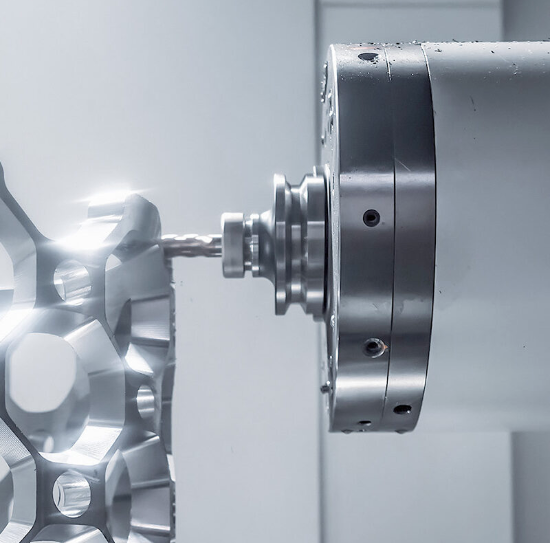
CNC Milling involves rotating cutting tools that move across a stationary workpiece to remove material. A cnc milling machine excels at creating flat surfaces, slots, pockets, and complex 3D contours. When you need brackets, housings, or plates with intricate features, milling is typically your go-to process. A vertical milling machine positions the spindle perpendicular to the table—ideal for face milling and drilling operations—while horizontal configurations handle heavier cuts and longer workpieces.
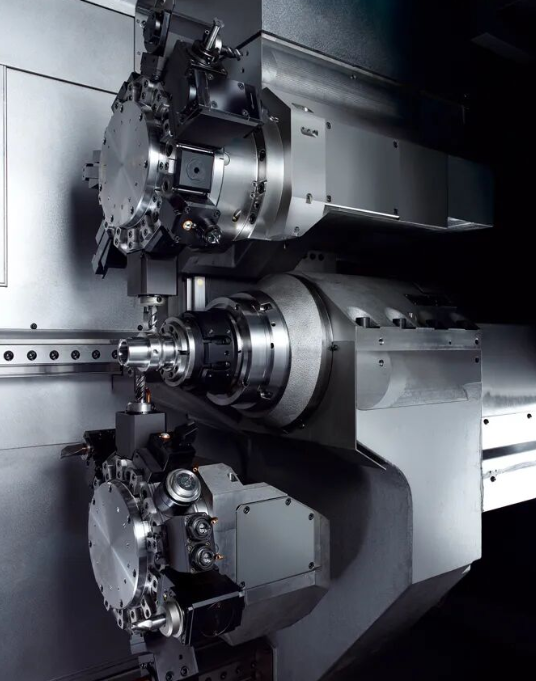
CNC Turning flips the equation: the workpiece rotates while a stationary cutting tool shapes it. A cnc lathe produces cylindrical parts like shafts, pins, bushings, and threaded components with exceptional concentricity. If your part is round or has rotational symmetry, turning delivers faster cycle times and better surface finishes than milling the same geometry.
Here's a practical tip: when reviewing supplier capabilities, don't just ask if they have a milling machine or lathe. Ask about spindle speeds, axis travels, and whether they run live tooling on their lathes. Live tooling allows turning centers to perform milling operations without moving parts to a second machine—reducing handling errors and lead times.
Advanced Multi-Axis and Specialty Processes
As part complexity increases, so does the sophistication of required equipment. Understanding these advanced capabilities helps you identify which suppliers can handle challenging geometries.
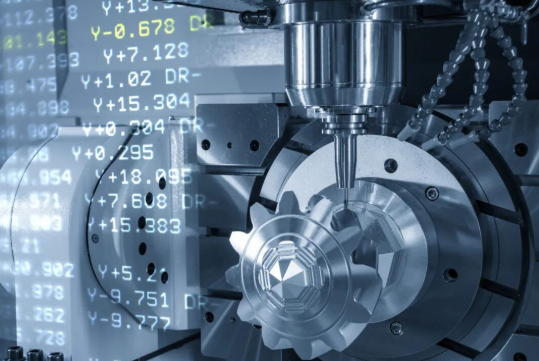
5-Axis Machining: A 5 axis cnc machine moves the cutting tool or workpiece along five different axes simultaneously. This capability allows complex aerospace components, medical implants, and automotive parts to be machined in a single setup. Fewer setups mean tighter tolerances and reduced cumulative error—critical when your design demands precision.
Swiss Machining: Originally developed for watchmaking, Swiss-type lathes excel at producing small-diameter, long, slender parts with exceptional precision. If your components include pins under 1.25 inches in diameter with length-to-diameter ratios exceeding 3:1, Swiss machining often outperforms conventional turning.
EDM (Electrical Discharge Machining): When conventional cutting tools can't reach tight internal corners or process hardened materials, an edm machine becomes essential. Wire edm uses an electrically charged thin wire to cut intricate profiles in conductive materials—perfect for die components, aerospace slots, and medical device features. Sinker EDM creates complex cavities using shaped electrodes.
Grinding: A grinding machine removes material through abrasive action rather than cutting, achieving surface finishes and tolerances that machining alone cannot match. When your drawings specify surface finishes below 16 Ra or tolerances within ±0.0002 inches, grinding capabilities become non-negotiable.
| Process Type | Best Applications | Typical Tolerances | Material Compatibility |
|---|---|---|---|
| CNC Milling | Housings, brackets, plates, 3D contours | ±0.001" to ±0.005" | Aluminum, steel, titanium, plastics |
| CNC Turning | Shafts, pins, bushings, threaded parts | ±0.0005" to ±0.002" | Most metals, engineering plastics |
| 5-Axis Machining | Complex aerospace/medical components | ±0.0005" to ±0.001" | Titanium, Inconel, aluminum, composites |
| Swiss Machining | Small precision parts, medical screws | ±0.0002" to ±0.0005" | Stainless steel, brass, titanium |
| Wire EDM | Intricate profiles, hardened materials | ±0.0001" to ±0.0005" | Any conductive material |
| Grinding | Precision finishing, tight tolerances | ±0.0001" to ±0.0002" | Hardened steels, ceramics, carbide |
When matching supplier strengths to your requirements, consider this approach: start with your most demanding feature. If your part includes a ±0.0003" bore, you need a supplier with grinding or honing capabilities—regardless of how well they mill the external features. The tightest specification on your drawing dictates the minimum capability threshold. Now that you understand what each process delivers, the next critical question becomes: does the supplier have the quality certifications to prove their work meets industry standards?
Certification Requirements and Quality Standards Decoded
You've found a supplier with the right equipment and capabilities—but how do you know they'll deliver consistent quality? Certifications provide the answer. They're not just plaques on a wall; they represent verified systems that ensure repeatable processes, documented procedures, and continuous improvement. Understanding which certifications matter for your industry helps you separate qualified partners from risky vendors.
Industry-Standard Quality Certifications
Quality certifications function as independent validation that a supplier's processes meet established standards. Think of them as a third-party audit confirming that the supplier does what they claim—from how they calibrate measurement tools like depth gauges and pin gauges to how they handle nonconforming parts.
Here's what each major certification validates:
- ISO 9001:2015 – The foundational quality management standard applicable to any industry. It verifies that a supplier maintains documented processes, conducts internal audits, tracks customer feedback, and pursues continuous improvement. Consider ISO 9001 your baseline requirement—any serious machining supplier should hold this certification.
- IATF 16949 – The automotive industry's mandatory quality standard, building on ISO 9001 with additional requirements for defect prevention, reduction of variation, and waste elimination. Automotive OEMs and Tier 1 suppliers typically require this certification. It emphasizes statistical process control, production part approval processes (PPAP), and failure mode analysis.
- AS9100 – The aerospace industry equivalent, adding stringent requirements for traceability, configuration management, and risk assessment. If your parts fly—whether in commercial aircraft, defense systems, or space applications—AS9100 certification is typically non-negotiable.
- ISO 13485:2016 – Designed specifically for medical device manufacturers and their suppliers. This certification ensures processes address regulatory requirements, product traceability, and risk management throughout the product lifecycle. As noted in Tapecon's quality documentation, ISO 13485:2016 registration provides the ability to create medical devices and solutions that consistently meet customer and regulatory requirements.
- ITAR (International Traffic in Arms Regulations) – Not a quality standard per se, but a compliance requirement for companies manufacturing or handling defense-related items. ITAR registration with the U.S. State Department demonstrates a supplier's commitment to protecting controlled technical data and restricting access to authorized personnel only.
- FDA Registration – Required for facilities manufacturing medical devices sold in the United States. While not a quality certification, FDA registration indicates the supplier operates under Current Good Manufacturing Practice (CGMP) regulations.
Beyond certifications, capable suppliers maintain calibrated machinist tools—including micrometers, calipers, and coordinate measuring machines—with traceable calibration records. Ask to see their calibration schedule and gauge block standards during facility assessments.
Why Certification Level Matters for Your Project
Here's where many buyers stumble: they either over-specify certifications (paying premium prices for unnecessary compliance) or under-specify them (creating supply chain risk). Matching certification requirements to your actual needs optimizes both cost and quality outcomes.
Mandatory vs. Preferred Certifications:
If you're manufacturing components for aerospace prime contractors, AS9100 isn't optional—it's a contractual requirement that flows down through the supply chain. Similarly, automotive OEMs mandate IATF 16949, and medical device companies face regulatory pressure to source from ISO 13485-certified suppliers.
However, if you're producing industrial equipment or commercial products without regulatory oversight, ISO 9001 provides sufficient quality assurance. Demanding automotive or aerospace certifications for general industrial parts inflates costs without adding value.
What Certifications Actually Verify:
A certified quality management system ensures the supplier maintains controlled processes for everything from incoming material inspection to final part verification. This includes proper use of deburring tools to remove machining artifacts that could affect fit or function, documented inspection procedures using calibrated measurement tools, and systematic approaches to corrective action when issues arise.
Certifications also validate training programs. Operators learn standardized procedures for using deburring tools correctly, inspectors understand statistical sampling requirements, and quality engineers maintain process control documentation. This systematic approach reduces variability and catches problems before parts ship.
Questions to Ask About Quality Systems:
- When was your last certification audit, and were any nonconformances identified?
- Can you provide copies of your current certificates with registration numbers?
- How do you handle calibration for precision measurement tools?
- What's your process for addressing customer quality complaints?
Certifications tell you a supplier has the systems in place—but systems alone don't guarantee results. In the next section, you'll learn how to build a comprehensive evaluation framework that goes beyond certificates to assess real-world capabilities, capacity, and reliability.

A Practical Framework for Evaluating Machining Suppliers
Certifications confirm a supplier has quality systems in place—but how do you verify they actually perform? Whether you're searching for "cnc near me" or evaluating overseas partners, you need a structured approach that transforms subjective impressions into objective decisions. The following framework gives you actionable criteria to score potential suppliers before committing to a partnership.
Building Your Supplier Scorecard
A supplier scorecard turns scattered observations into comparable data points. Think of it as your standardized checklist that ensures every candidate gets evaluated against the same criteria—eliminating bias and making apples-to-apples comparisons possible.
According to procurement research from Smartsheet, effective vendor evaluation requires three core elements: an organized roster based on value to your organization, a system to track performance against metrics, and utilization of a strategic ranking system. Here's how to build yours:
Technical Capabilities Assessment
Start by matching supplier equipment to your project requirements. Don't just ask "Do you have 5-axis machines?"—dig deeper:
- What specific machine brands and models do they operate?
- What's the maximum workpiece envelope for their largest equipment?
- Do they have machine monitoring systems that track spindle utilization and cycle times?
- Can they provide capability studies (Cp/Cpk data) for processes similar to your parts?
A skilled cnc operator running well-maintained equipment produces different results than an undertrained team on aging machines. Request sample parts or visit the facility to observe actual production quality firsthand.
Quality System Verification
Beyond checking certification dates, verify that quality systems function in daily operations. Ask to review recent internal audit findings, customer complaint logs, and corrective action reports. A supplier comfortable sharing this information demonstrates transparency—a green flag for long-term partnerships.
Capacity and Scalability Analysis
Can this supplier grow with you? Evaluate current machine utilization rates, shift patterns, and expansion plans. A fabrication shop running three shifts with 95% utilization has little room for your urgent orders. Conversely, a facility with available capacity and documented growth plans signals readiness to scale alongside your business.
Communication Responsiveness
Test responsiveness before signing contracts. How quickly do they return calls? Do quotes arrive within promised timeframes? Early communication patterns predict future partnership dynamics. Suppliers who struggle to respond during the courtship phase rarely improve after winning your business.
Financial Stability Indicators
A technically capable supplier facing financial distress poses serious supply chain risk. Request credit references, review public financial filings if available, or use third-party credit monitoring services. Industry surveys recommend asking for Dun & Bradstreet risk ratings or equivalent credit scores during supplier onboarding.
Follow this step-by-step vetting process to systematically evaluate each candidate:
- Initial Screening: Verify basic qualifications—certifications, equipment lists, and industry experience relevant to your application.
- Documentation Request: Collect quality manuals, capability statements, equipment lists with model numbers, and sample inspection reports.
- Reference Checks: Contact at least three current customers, asking specifically about on-time delivery, quality consistency, and problem resolution.
- Facility Assessment: Visit the production floor to observe organization, equipment condition, and worker engagement. Look for pictures of machine shops that match what you see in person versus marketing materials.
- Trial Order: Place a small initial order to evaluate real-world performance before committing to larger volumes.
- Scorecard Compilation: Rate each criterion on a consistent scale and calculate weighted scores based on your priorities.
Red Flags That Signal Supplier Risk
Knowing what to look for during evaluations helps you avoid costly mistakes. Based on quality advisory research, these warning signs during initial visits often predict future problems:
Process and Quality Red Flags
- Missing or outdated calibration stickers on measurement equipment suggest inspection results can't be trusted.
- Defect rates exceeding 2% indicate systemic process control issues that will eventually affect your parts.
- Fluctuating capability metrics (Cp/Cpk values that swing between acceptable and unacceptable) signal unstable manufacturing processes.
- Incomplete production records or reluctance to share daily reports often hide deeper management problems.
Operational Warning Signs
- Disorganized workspaces with blocked aisles and missing safety equipment reveal lapses in operational discipline.
- Outdated or poorly maintained machines lacking current maintenance tags increase breakdown risks.
- Overcrowded facilities with materials stored in temporary areas suggest capacity constraints that will affect your delivery schedules.
- Excessive reliance on buyer oversight—if they need your constant direction to solve routine problems, their internal management is weak.
Commercial Red Flags
- Prices significantly below market rates often hide costs that surface later through change orders, tooling fees, or quality failures.
- Vague contract terms around tooling ownership, payment schedules, or delivery responsibilities create future disputes.
- Overpromising without specifics—phrases like "we can do anything you need" without concrete process explanations signal more focus on winning contracts than delivering results.
- Confidentiality excuses blocking legitimate questions may hide process weaknesses or compliance gaps.
Questions That Reveal Supplier Readiness
Use these questions during initial conversations to surface potential issues early:
- "What percentage of your current capacity is utilized, and how would you accommodate a 50% increase in our orders?"
- "Can you walk me through your process for handling a quality escape that reaches a customer?"
- "Who are your critical sub-suppliers, and how do you manage risks in your own supply chain?"
- "What was the last major equipment investment you made, and what's planned for the next two years?"
- "May I speak with your quality manager about recent corrective actions you've implemented?"
An auto machine shop or precision manufacturer confident in their operations welcomes these questions. Evasive answers or defensive responses during this discovery phase often predict problematic partnerships.
Facility audits deserve special attention. Beyond the formal walkthrough, observe how employees interact with each other and their equipment. Do operators follow documented procedures, or do they improvise? Are work instructions posted at each station and clearly referenced? These details reveal whether quality systems exist only in manuals or function in daily practice.
Document everything during your evaluation—photos, notes, and specific observations. This record becomes invaluable when comparing multiple candidates and provides a baseline for future performance monitoring. With your scorecard completed and red flags identified, you're ready to make an informed selection—and in the next section, we'll explore how pricing structures change as your projects evolve from prototype to production volumes.
Navigating Prototype to Production Transitions
You've identified qualified machining suppliers with the right capabilities and certifications—but here's a question many buyers overlook: can they grow with you? The supplier who delivers ten flawless prototypes might struggle when you need ten thousand production parts. Understanding how pricing, lead times, and operational demands shift across project phases helps you select partners who support your entire product lifecycle.
From Prototype to Production Scaling
The transition from prototype to full-scale manufacturing isn't just about ordering more parts. It fundamentally changes the supplier relationship, cost structure, and quality expectations.
Minimum Order Quantities (MOQs): Prototype-focused shops often accept orders as small as one piece, absorbing setup costs into higher per-unit pricing. Production-oriented facilities typically require minimum quantities—sometimes 100, 500, or even 1,000 pieces—to justify the efficiency investments they've made. Before committing to a prototype supplier, ask whether they maintain production MOQs and what volumes trigger different pricing tiers.
Setup Costs and Tooling Investments: Every machining job requires programming, fixture setup, and first-article verification. According to industry pricing research, this Non-Recurring Engineering (NRE) cost typically ranges from $200 to $500 or more for complex parts—regardless of whether you're ordering 1 piece or 1,000. For prototypes, this fixed cost dominates your per-unit price. As volumes increase, it amortizes across more parts, dramatically reducing unit costs.
Tooling investments add another dimension. While prototypes often use standard cutters and soft jaws, production runs may require custom fixtures, dedicated workholding, or specialized cutting tools that improve cycle times but demand upfront capital. Some suppliers charge separately for this tooling; others bundle it into piece prices. Clarify ownership early—if you've paid for custom fixtures, can you transfer them to another supplier if needed?
Here's a practical consideration: if you're still refining your design, investing heavily in production tooling doesn't make sense. A desktop cnc mill might produce acceptable prototypes for fit-checks, but production demands industrial equipment with the repeatability to hold tolerances across thousands of cycles. Match your supplier's equipment class to your project stage.
Understanding Volume-Based Pricing Models
Why does the same part cost $315 for one piece but only $15.30 for 1,000? The math is straightforward once you understand the formula:
Unit Price = (One-Time Setup Cost / Order Quantity) + Variable Cost per Part
Let's see this in action with a real example. Assume a part has a $300 setup cost and a $15 variable cost per piece:
| Order Quantity | Setup Cost per Unit | Variable Cost | Total Unit Price | Price Drop from Previous Tier |
|---|---|---|---|---|
| 1 | $300.00 | $15.00 | $315.00 | — |
| 10 | $30.00 | $15.00 | $45.00 | 86% |
| 100 | $3.00 | $15.00 | $18.00 | 60% |
| 1,000 | $0.30 | $15.00 | $15.30 | 15% |
Notice how the most dramatic savings occur early—moving from 1 to 10 pieces slashes your unit price by 86%. The "sweet spot" for many procurement teams falls between 10 and 100 units, where setup costs shrink from 66.7% of the price to just 16.7%. Beyond 1,000 pieces, you're approaching the true variable cost floor.
A critical warning from pricing analysts: be cautious of suppliers who claim "$0 NRE" on prototype quotes. More often than not, they're hiding that setup cost inside inflated unit prices. This makes their quote seem attractive for small quantities but creates problems when scaling—you're essentially paying the setup fee repeatedly rather than amortizing it once.
Lead Time Expectations by Project Stage:
- Prototypes (1-10 pieces): Expect 3-10 business days depending on complexity. Suppliers often expedite prototypes to win future production work.
- Low-volume production (10-100 pieces): Lead times typically extend to 2-4 weeks as quality documentation and first-article inspections become more rigorous.
- Production volumes (100+ pieces): Standard lead times range from 4-8 weeks, though suppliers with dedicated capacity may offer faster turnarounds. Confirm capacity allocation before assuming quoted lead times hold for repeat orders.
Cnc programming also affects the prototype-to-production timeline. Initial programs developed for prototypes often prioritize flexibility over speed. Production runs justify optimization efforts—refining tool paths, reducing air cuts, and implementing efficient chip evacuation strategies that shave seconds per cycle. Those seconds multiply across thousands of parts, delivering meaningful cost reductions.
Finding Suppliers Who Scale With You:
According to manufacturing transition research, switching suppliers between prototyping and production injects complexity and risk. Re-tooling alone can cost $100,000 or more depending on process and complexity. The ideal partner handles both phases seamlessly.
When evaluating suppliers, ask these scaling questions:
- Do you offer both prototype and production services, or specialize in one?
- How do your pricing structures change between 10, 100, and 1,000 piece orders?
- Can you share examples of customers you've scaled from development to full production?
- What's your typical lead time for production volumes versus prototypes?
Some manufacturers—especially those advertising a desktop cnc machine or mini mill capabilities—excel at prototypes but lack production infrastructure. Conversely, high-volume shops with Haas mini mill equipment may decline small prototype orders or quote prohibitive prices for them. Identifying suppliers who bridge both worlds positions you for smoother transitions and stronger negotiating leverage as volumes grow.
With pricing dynamics and scaling considerations clarified, the next strategic decision involves geography: should you source domestically, explore offshore options, or develop a hybrid approach? The answer depends on factors beyond simple cost comparisons.
Geographic Considerations and Supply Chain Strategy
Should you source from an american factory direct, explore offshore manufacturing, or build a hybrid supply chain? This decision extends far beyond comparing unit prices. Your geographic sourcing strategy affects lead times, communication efficiency, intellectual property security, and your ability to respond when problems arise. Understanding these trade-offs helps you make informed decisions aligned with your specific priorities and risk tolerance.
Domestic Supplier Advantages and Considerations
When you're searching for an "auto machine shop near me" or evaluating regional machining suppliers, proximity delivers benefits that don't always appear on quotes—but significantly impact total cost of ownership.
Faster Lead Times and Logistics Simplicity: Domestic machining eliminates international shipping complexities. According to industry research from Frigate, local production removes customs-related delays, minimizes buffer inventory requirements, and supports just-in-time delivery models. An engine machine shop located within your region can ship finished parts overnight rather than waiting weeks for ocean freight clearance.
Real-Time Communication: Same timezone operations mean issues get resolved during your business hours. When a design change requires immediate tooling adjustments or a quality question demands clarification, domestic suppliers respond in hours rather than days. This communication speed becomes critical during prototype development or when managing engineering change orders.
Stronger IP Protection: Domestic manufacturing operates within familiar legal frameworks. According to international manufacturing legal experts, transferring design files internationally introduces vulnerability points where data may be intercepted, duplicated, or used without authorization—especially in regions with lax intellectual property enforcement. Domestic suppliers provide higher assurance against IP leakage.
Quality Oversight Accessibility: Visiting a local supplier for audits, first-article inspections, or problem resolution requires a short drive rather than international travel. This accessibility enables the kind of hands-on oversight that prevents quality escapes and builds genuine partnership relationships.
The trade-off? Domestic manufacturing typically carries higher per-unit pricing due to labor costs and overhead structures. However, when you factor in reduced inventory carrying costs, eliminated customs fees, and faster time-to-market, the total landed cost gap often narrows considerably.
Evaluating Offshore Manufacturing Trade-offs
Offshore machining promises lower unit costs—but those savings come with operational complexities that demand careful evaluation.
Hidden Cost Realities: That attractive offshore quote rarely tells the complete story. The total landed cost includes freight forwarding fees, customs duties, import tariffs, buffer inventory to cover transit time variability, and quality inspection costs. Research from Frigate shows these hidden costs can erode much, if not all, of the perceived savings.
Supply Chain Vulnerability: Offshore dependencies mean any disruption in the global supply chain—container shortages, port congestion, or geopolitical tensions—can result in idle production lines and missed market windows. A Deloitte report found that over 40% of global manufacturers identified offshore sourcing instability as a top operational risk.
Intellectual Property Concerns: Legal experts specializing in international manufacturing emphasize that standard NDAs rarely protect your designs overseas. Effective offshore IP protection requires registering trademarks and patents in the country of manufacture—even if you don't sell there—and using country-specific NNN agreements that prevent suppliers from using your information, disclosing it, or selling directly to your customers.
Quality Control Challenges: Monitoring quality from a distance requires hiring third-party inspectors, scheduling regular audits, and accepting that "quality fade"—the gradual decline in product quality over time—becomes harder to detect and correct. Offshore CNC machining vendors may lack standardized record-keeping or operate outside ISO certifications, creating compliance risks during audits.
Manufacturing automation and factory automation investments have narrowed some quality gaps, as modern offshore facilities increasingly deploy the same CNC equipment found domestically. However, process discipline, operator training, and management systems vary widely—making thorough vetting essential.
Comparing Domestic vs. Offshore Sourcing Factors
Use this comparison table to evaluate which factors matter most for your specific application:
| Factor | Domestic Sourcing | Offshore Sourcing |
|---|---|---|
| Lead Time | 1-4 weeks typical; expediting possible within days | 6-12 weeks including transit; limited expedite options |
| Communication | Same timezone; real-time issue resolution | 12+ hour timezone gaps; delayed response cycles |
| IP Protection | Strong legal framework; enforceable contracts | Variable enforcement; requires local IP registration |
| Cost Structure | Higher unit prices; lower hidden costs | Lower unit prices; significant hidden costs possible |
| Quality Oversight | Easy facility access; hands-on audits feasible | Requires third-party inspections; travel-intensive audits |
| Supply Chain Risk | Lower exposure to global disruptions | Vulnerable to shipping delays and geopolitical events |
| Regulatory Compliance | Familiar standards; easier verification | Variable standards; certification verification required |
Making the Right Geographic Decision
Your optimal sourcing strategy depends on weighing these factors against your specific priorities:
- Choose domestic when lead time sensitivity, IP concerns, or regulatory compliance (ITAR, AS9100, FDA) take priority. Projects requiring frequent engineering changes or close quality collaboration also benefit from local partners.
- Consider offshore for high-volume, stable-design products where cost reduction justifies longer lead times and you can invest in robust quality monitoring systems.
- Develop hybrid strategies by prototyping domestically for speed and flexibility, then transitioning stable production offshore—or maintaining dual sources to mitigate supply chain risk.
For turnkey solution requirements where a single supplier manages everything from raw material through finished assembly, domestic partners typically deliver smoother execution. The coordination complexity of offshore turnkey arrangements introduces additional failure points.
Whatever geographic strategy you choose, remember that the lowest quoted price rarely represents the lowest total cost. Factor in all elements—from shipping and duties to quality oversight and inventory carrying costs—before making commitments. With geographic considerations clarified, the next critical step involves understanding how industry-specific requirements shape your supplier selection criteria.
Industry-Specific Requirements for Machining Partners
You've evaluated capabilities, verified certifications, and considered geographic factors—but here's where many buyers stumble: industry-specific requirements vary dramatically. A supplier perfectly suited for automotive components may lack the traceability systems medical devices demand. Understanding what your industry actually requires helps you match supplier specializations to compliance needs without over-specifying or leaving critical gaps.
Automotive Sector Supplier Requirements
Automotive machining manufacturing operates under some of the most demanding quality frameworks in any industry. OEMs and Tier 1 suppliers flow down these requirements to every link in the supply chain—meaning your machining partner must meet standards originally designed for billion-dollar manufacturers.
IATF 16949 Certification: This isn't optional for serious automotive work. IATF 16949 builds on ISO 9001 but adds automotive-specific requirements for defect prevention, variation reduction, and waste elimination. Suppliers holding this certification demonstrate systems capable of meeting major automaker expectations.
Production Part Approval Process (PPAP): Before production begins, automotive suppliers must complete PPAP documentation proving their process produces conforming parts. This includes dimensional reports, material certifications, process flow diagrams, control plans, and capability studies. Many cnc machinist jobs in automotive facilities focus specifically on supporting these documentation requirements.
Statistical Process Control (SPC): Automotive suppliers don't just inspect parts—they monitor processes in real time. SPC charts track critical dimensions throughout production runs, catching drift before it creates defects. When evaluating suppliers, ask to see their SPC implementation and how operators respond to out-of-control signals.
Key automotive supplier requirements include:
- IATF 16949 certification with current registration and clean audit history
- PPAP capability at all five submission levels, including Level 3 full documentation packages
- SPC implementation on critical-to-quality dimensions with documented reaction plans
- FMEA expertise for process failure mode and effects analysis during launch
- 8D problem-solving methodology for corrective action when quality issues arise
- Annual capacity planning documentation showing ability to meet volume forecasts
Professionals pursuing cnc jobs or cnc machinist jobs near me in the automotive sector will find these requirements shape daily operations. The discipline required translates into consistent quality—but also means higher supplier costs compared to general industrial work.
Aerospace, Medical, and Semiconductor Considerations
Beyond automotive, other industries impose their own specialized demands. Matching your supplier's expertise to your specific vertical prevents compliance gaps that could ground aircraft, delay FDA approvals, or contaminate semiconductor processes.
Aerospace Precision Requirements
When parts fly, the stakes couldn't be higher. Aerospace machining demands:
- AS9100 certification as the baseline quality standard for aviation, space, and defense manufacturing
- 5 axis cnc capabilities for complex airfoil geometries, turbine components, and structural fittings that can't be produced on simpler equipment
- Material traceability from raw stock through finished part, with mill certifications and heat lot documentation
- First Article Inspection (FAI) per AS9102 requirements, documenting every dimension on initial production parts
- Special process certifications for Nadcap-approved heat treating, plating, or NDT when applicable
- Configuration management systems preventing unauthorized design changes
Aerospace suppliers often invest in 5th axis machining capabilities specifically because complex aerospace geometries require simultaneous multi-axis movement to maintain tight tolerances across compound surfaces. If your parts include blisks, impellers, or structural components with undercuts, verify your supplier operates true 5 axis cnc equipment—not just 3+2 positioning.
Medical Device Traceability Needs
Medical device machining operates under regulatory scrutiny from the FDA and international equivalents. Suppliers serving this vertical must demonstrate:
- ISO 13485 certification specifically designed for medical device quality management systems
- Complete traceability linking every finished device to raw material lots, machine serial numbers, operator identification, and inspection records
- Validated processes with documented Installation Qualification (IQ), Operational Qualification (OQ), and Performance Qualification (PQ)
- Clean manufacturing environments appropriate for device classification and intended use
- Design History File (DHF) support for components incorporated into regulated devices
- Biocompatibility awareness ensuring machining processes don't introduce contaminants affecting patient safety
The tool and die maker tools and fixtures used in medical manufacturing often require dedicated storage and cleaning protocols to prevent cross-contamination between projects. Ask potential suppliers how they segregate medical work from general industrial production.
Semiconductor Cleanliness Standards
Semiconductor equipment components operate in environments where microscopic contamination causes catastrophic failures. Suppliers serving this industry must meet:
- Ultra-clean machining protocols preventing particle generation during manufacturing
- Specialized cleaning and passivation processes removing machining residues to parts-per-billion levels
- Cleanroom-compatible packaging preventing recontamination during shipping and handling
- Material purity documentation verifying alloy compositions meet semiconductor-grade specifications
- Electrostatic discharge (ESD) controls throughout the manufacturing and handling process
- Outgassing verification for components operating in vacuum environments
Semiconductor suppliers often maintain dedicated equipment for this work, as residues from cutting fluids or other materials can contaminate ultra-clean processes. When evaluating suppliers for semiconductor applications, ask whether they segregate this work and what validation protocols they follow for cleaning processes.
Matching Supplier Specialization to Your Needs
Here's practical guidance for aligning supplier expertise with your compliance requirements:
- Don't over-specify: Requiring AS9100 for general industrial parts inflates costs without adding value. Match certifications to actual regulatory requirements.
- Verify specialization depth: A supplier listing "medical" experience may have produced one simple bracket—or thousands of Class III implants. Ask for specific examples relevant to your device classification.
- Confirm current certifications: Certifications lapse. Request copies with registration numbers and verify status directly with registrars when compliance is critical.
- Assess industry experience: Suppliers with deep vertical expertise understand unwritten requirements—the informal standards and customer expectations that don't appear in formal specifications.
The investment in finding industry-aligned suppliers pays dividends through smoother audits, fewer documentation revisions, and reduced risk of compliance findings that delay your product launches. With industry-specific requirements clarified, the final pieces of your supplier strategy involve managing the ongoing relationship—from initial RFQ through long-term partnership development.
Building and Managing Supplier Relationships
You've identified qualified machining suppliers, evaluated their capabilities, and verified their certifications—but selecting a partner is just the beginning. The real work starts when you send that first RFQ and extends through years of production, quality discussions, and evolving requirements. Understanding the complete supplier relationship lifecycle transforms transactional purchasing into strategic partnerships that deliver consistent value.
Managing the RFQ and Selection Process
Your Request for Quotation sets the tone for the entire relationship. A vague RFQ invites misunderstandings; a comprehensive one establishes professionalism and attracts serious responses from capable suppliers.
RFQ Best Practices That Get Better Quotes
Think of your RFQ as a communication tool, not just a pricing request. Include these elements to receive accurate, comparable quotes:
- Complete technical documentation: Provide dimensioned drawings, 3D CAD files (STEP or native formats), and material specifications. Ambiguity here creates quote variations that complicate comparisons.
- Realistic quantity ranges: Quote multiple volumes (10, 100, 1,000 pieces) to understand pricing structures and identify suppliers whose sweet spot matches your needs.
- Target lead time requirements: Specify whether you need prototype-speed delivery or can accommodate standard production timelines.
- Quality documentation expectations: Indicate whether you'll require first-article inspection reports, material certifications, or ongoing SPC data.
- Secondary operations: List finishing requirements, heat treatment, plating, or assembly services needed beyond machining.
A well-structured RFQ also signals to potential suppliers that you're a professional buyer worth prioritizing. Suppliers recognize that organized customers typically maintain organized payment practices and reasonable expectations—making your projects more attractive to their best cnc machine operator teams and production schedulers.
Evaluating Quotes Beyond Unit Price
When responses arrive, resist the temptation to sort by price alone. Application engineering expertise—the supplier's ability to suggest design improvements that reduce cost or improve manufacturability—often delivers more value than the lowest quote. Consider these factors:
- Tooling and setup charges: Are these itemized separately or buried in unit prices?
- Lead time commitments: Can they meet your timeline, or is the quote aspirational?
- Payment terms: Net 30 versus prepayment significantly affects your cash flow.
- Included services: Does the quote include inspection reports, packaging specifications, or delivery to your facility?
- Assumptions and exclusions: What's explicitly not included that might surface as change orders later?
Contract Negotiation Considerations
Before finalizing agreements, address these often-overlooked contractual elements:
- Tooling ownership: If you're paying for custom fixtures, specify that they remain your property and can be transferred to another supplier if needed.
- Pricing validity periods: How long do quoted prices hold? Material cost volatility may justify escalation clauses for long-term agreements.
- Quality escape provisions: What happens when defective parts reach your facility? Define responsibilities for sorting, rework, and replacement costs.
- Capacity reservations: For critical production parts, consider agreements that guarantee capacity allocation in exchange for volume commitments.
- Intellectual property protections: Ensure contracts prohibit suppliers from sharing your designs or producing your parts for competitors.
Suppliers who resist reasonable contract terms often reveal operational or financial concerns worth investigating further. Transparency during negotiation predicts transparency during production.
Building Long-Term Supplier Partnerships
Signing a purchase order marks the transition from evaluation to partnership. How you manage onboarding, communication, and performance monitoring determines whether that partnership thrives or struggles.
Onboarding for Success
Effective onboarding prevents the misunderstandings that derail new supplier relationships. During this phase:
- Conduct a formal kickoff meeting: Review specifications, quality expectations, and communication protocols with the production team—not just sales representatives.
- Establish primary contacts: Identify your counterpart for technical questions, quality issues, and scheduling coordination. Single source technologies for communication prevent conflicting instructions.
- Share historical context: If transferring work from another supplier, explain past issues and what you're trying to improve.
- Align on production tool supply: Confirm whether you're providing special tooling, haas tooling, or other equipment, or whether the supplier sources everything.
- Define inspection requirements: Specify which dimensions require documented inspection versus standard process control.
Communication Expectations That Prevent Problems
Most supplier relationship failures trace back to communication breakdowns. Establishing clear expectations upfront prevents costly misunderstandings:
- Response time standards: How quickly should each party respond to emails? 24-hour turnaround for routine matters and same-day for urgent issues works for many relationships.
- Escalation paths: When normal channels fail, who gets contacted? Define escalation for both technical and commercial issues.
- Change management: How should design revisions be communicated? Require formal revision notices with clear effectivity dates rather than informal markups.
- Status reporting: For ongoing production, establish regular check-ins—weekly calls or monthly reports depending on volume and criticality.
Handling Quality Issues When They Arise
Even excellent suppliers occasionally produce nonconforming parts. How you handle these situations shapes the long-term relationship:
- Document objectively: Provide clear evidence of the nonconformance—measurements, photos, and reference to specification requirements. Emotional complaints invite defensive responses.
- Request containment first: Before discussing root cause, ensure suspect inventory is identified and quarantined at both facilities.
- Collaborate on investigation: Share any information that might help identify the cause. Was there a design change? New material lot? Different end-use condition?
- Evaluate corrective actions: Effective suppliers propose systemic fixes, not just rework of affected parts. Look for process improvements, updated work instructions, or enhanced inspection protocols.
- Verify effectiveness: Follow up on corrective actions to confirm implementation. Request evidence that changes actually occurred.
Partners who handle quality issues professionally—acknowledging problems, investigating thoroughly, and implementing genuine corrections—often become your most reliable suppliers. The test of a relationship isn't avoiding all problems; it's how you solve them together.
Performance Monitoring Approaches
Ongoing measurement keeps relationships healthy and provides data for annual reviews and sourcing decisions:
- On-time delivery tracking: Measure actual ship dates against committed dates. Industry benchmarks target 95%+ on-time performance.
- Quality metrics: Track defect rates as parts-per-million (PPM) or lot acceptance rates. World-class suppliers achieve below 100 PPM.
- Responsiveness scores: Periodically assess communication quality and issue resolution speed.
- Cost competitiveness: Benchmark pricing annually against market alternatives to ensure continued value.
Share these metrics with suppliers regularly. Transparency about performance expectations—and how they're being met—motivates continuous improvement and prevents surprises during annual reviews. The strongest partnerships emerge when both parties invest in communication, respond constructively to challenges, and align around shared success metrics. With relationship management practices established, you're ready to synthesize everything into an actionable sourcing strategy.
Putting Your Supplier Selection Strategy Into Action
You've navigated the complete journey—from understanding supplier categories and machining capabilities to evaluating certifications, building scorecards, and managing ongoing relationships. Now it's time to transform this knowledge into decisive action. The difference between procurement professionals who struggle with supplier issues and those who build reliable supply chains comes down to systematic execution of the principles we've covered.
Key Takeaways for Supplier Selection
Before sending your next RFQ, remember the core principles that separate successful sourcing from costly mistakes:
Match supplier capabilities to your specific requirements. The right partner isn't the cheapest option or the most impressive facility—it's the one whose cnc equipment, certifications, and operational strengths align precisely with your project demands.
Here's your condensed decision framework:
- Start with technical fit: Verify that the supplier's cnc machine inventory, vertical machining center capabilities, and specialty processes match your part geometries and tolerance requirements.
- Validate certifications for your industry: ISO 9001 serves as baseline; automotive demands IATF 16949, aerospace requires AS9100, and medical needs ISO 13485. Don't over-specify, but never under-specify for regulated applications.
- Assess scalability honestly: Can this partner grow with you from milling prototypes through high-volume production? Switching suppliers mid-program introduces risk and cost.
- Evaluate total landed cost: Unit price tells only part of the story. Factor in lead times, quality consistency, communication efficiency, and the hidden costs of supply chain disruptions.
- Prioritize relationship quality: Responsiveness during quoting predicts partnership dynamics during production. Choose suppliers who communicate proactively and solve problems collaboratively.
Taking Action on Your Sourcing Strategy
Ready to apply these principles? Follow this action sequence to accelerate your supplier selection:
- Document your requirements clearly: Before contacting any machining center, compile complete technical packages including drawings, material specifications, volume projections, and quality documentation needs.
- Build your shortlist strategically: Screen candidates against your mandatory criteria—required certifications, geographic preferences, and demonstrated experience in your industry vertical.
- Request comprehensive quotes: Ask for pricing at multiple volume tiers, itemized tooling costs, and realistic lead time commitments. Vague quotes invite future surprises.
- Conduct thorough vetting: Reference checks, facility visits, and trial orders reveal capabilities that certifications and quotes cannot. Invest time upfront to avoid problems downstream.
- Establish clear expectations: Formalize communication protocols, quality requirements, and performance metrics before production begins.
Consider how leading suppliers demonstrate these standards in practice. Shaoyi Metal Technology, for example, exemplifies the criteria discussed throughout this guide. Their IATF 16949 certification validates automotive-grade quality systems, while their Statistical Process Control implementation ensures consistent output across production runs. What sets partners like this apart is their ability to scale seamlessly—from rapid prototyping with lead times as fast as one working day through full-scale mass production—eliminating the costly supplier transitions that plague many procurement teams.
Whether you're sourcing lathe machine components, complex milling assemblies, or precision-turned parts, the framework you've learned transforms supplier selection from guesswork into strategic decision-making. Your next step? Apply these principles to your current sourcing challenge and experience the difference systematic evaluation delivers.
Frequently Asked Questions About Machining Suppliers
1. What is the hourly rate for a CNC machine?
CNC machining rates vary significantly based on machine type and complexity. 3-axis machines typically range from $25-$50 per hour, while advanced 5-axis equipment can cost $75-$150 per hour. These rates factor in machine depreciation, operator wages, overhead costs, and material handling. When requesting quotes, ask suppliers to break down setup costs separately from hourly machining rates, as setup fees ($200-$500+) significantly impact unit prices on smaller orders.
2. Do CNC machinists make a lot of money?
CNC machinists in the United States earn an average of $27.43 per hour, with experienced programmers and multi-axis operators commanding higher wages. Specialized industries like aerospace and medical devices often pay premium rates due to stricter quality requirements. Career advancement opportunities include CNC programming, quality inspection, and production supervision roles. Suppliers with well-compensated, experienced operators typically deliver more consistent quality and fewer production issues.
3. What are the top CNC machine tool manufacturers?
Leading CNC machine tool manufacturers include Yamazaki Mazak, DMG MORI, Trumpf, Haas Automation, Okuma, Makino, Doosan Machine Tools, AMADA, Hardinge, and HELLER. When evaluating machining suppliers, knowing their equipment brands helps assess capability levels. Haas machines are common in job shops for their reliability and value, while Makino and DMG MORI equipment often indicates higher precision capabilities suited for aerospace and medical applications.
4. How do I choose between domestic and offshore machining suppliers?
Domestic suppliers offer faster lead times (1-4 weeks vs. 6-12 weeks), real-time communication, stronger IP protection, and easier quality oversight. Offshore options provide lower unit prices but add hidden costs including freight, customs duties, buffer inventory, and third-party inspection fees. Choose domestic for time-sensitive projects, prototype development, and regulated industries requiring strict compliance. Consider offshore for high-volume, stable-design products where cost savings justify extended timelines and robust quality monitoring investments.
5. What certifications should I require from machining suppliers?
ISO 9001 serves as the baseline quality certification for any serious supplier. Industry-specific requirements include IATF 16949 for automotive (mandatory for OEM and Tier 1 work), AS9100 for aerospace applications, ISO 13485 for medical devices, and ITAR registration for defense-related manufacturing. Match certification requirements to your actual regulatory needs—over-specifying increases costs without adding value, while under-specifying creates compliance risks that can delay product launches or cause audit failures.