 Small batches, high standards. Our rapid prototyping service makes validation faster and easier —
  EN
EN


Machining Supplier Red Flags: 9 Warning Signs Before You Sign
What Is a Machining Supplier and Why They Matter
Imagine you've designed the perfect component for your product. It exists as a CAD file, precise down to the micron. But how does that digital blueprint become a physical part you can hold in your hands? That's where a machining supplier enters the picture.
A machining supplier is a specialized manufacturing partner that transforms raw materials into finished components using precision cutting, shaping, and finishing processes. Unlike companies that simply sell parts off the shelf, these machine solution providers take your exact specifications and produce custom components tailored to your requirements. They operate as the critical bridge between your design team's vision and the tangible parts your production line needs.
In today's competitive manufacturing landscape, the role of a reliable machining supplier cannot be understated. These partners don't just cut metal—they provide engineering collaboration, process reliability, and value creation throughout the entire lifecycle of a component. From aerospace brackets to surgical-grade implants, they turn concepts into reality.
Defining the Machining Supplier Role in Manufacturing
So what exactly does a machining supplier do day-to-day? Think of them as your manufacturing problem-solvers. They receive your drawings, select appropriate materials, program their machining center equipment, and execute precision operations to deliver components that meet your tolerances.
Here are the key functions a quality machining supplier performs:
- Precision part production: Using CNC machines to cut, mill, turn, and shape materials with accuracy often measured in thousandths of an inch
- Material sourcing: Procuring metals, plastics, and composites that meet your specifications and industry standards
- Quality inspection: Verifying dimensions and tolerances through CMM measurements, surface analysis, and documentation
- Delivery coordination: Managing logistics to ensure parts arrive when your production schedule demands them
The best suppliers don't wait until a final drawing lands in their inbox. According to industry experts, top-tier machining manufacturing partners engage early in the product development cycle. They suggest tolerance adjustments to reduce machining time, recommend materials with better performance-price balance, and identify geometric features that could cause quality issues down the line.
How Machining Suppliers Differ from OEMs and Distributors
Here's where many buyers get confused. The manufacturing ecosystem includes several types of companies, and understanding their differences helps you find the right partner for your needs.
OEMs (Original Equipment Manufacturers) create products marketed under another company's brand. When you work with an OEM, you provide design specifications, and they use existing machinery and components to manufacture your product. The key distinction? OEMs typically specialize in specific product types and often contribute their own design elements using standard components they already produce.
Distributors are middlemen. They purchase finished parts or materials in bulk and resell them. While convenient for standard components, they can't customize or manufacture parts to your unique specifications.
Raw material providers supply the metals, plastics, and composites that become machined parts. They sell stock materials—not finished components.
A machining supplier sits in a unique position. With contract machining, as noted by Bent River Machine, you provide all specifications and designs, and the provider builds the product based on your drawings. You maintain complete control over design, structure, and specifications while gaining access to specialized machining solutions and technical expertise without investing in your own equipment or workforce.
This distinction matters because it affects everything from intellectual property ownership to production flexibility. When you need custom components built precisely to your requirements—not adapted from existing products—a dedicated machining supplier is your answer.
Types of Machining Suppliers and When to Use Each
Now that you understand what a machining supplier does, here's the next question: which type should you choose? Not all suppliers operate the same way, and selecting the wrong category for your needs can lead to mismatched expectations, budget overruns, or production delays.
The machining supplier landscape breaks down into three primary categories: job shops, contract manufacturers, and full-service suppliers. Each serves different buyer needs, and understanding these distinctions helps you avoid one of the most common sourcing mistakes—partnering with a supplier whose business model doesn't align with your project requirements.
Job Shops vs Contract Manufacturers
Picture this scenario: you need 50 custom brackets for a prototype run, and you need them fast. Would you approach the same supplier you'd use for 10,000 units per month? Probably not. That's why the job shop versus contract manufacturer distinction matters.
Job shops specialize in low-volume, high-variety work. They're the go-to choice when you need custom parts quickly without committing to long-term contracts. These shops typically operate with milling machines, lathes, and other versatile machinist tools that can switch between different jobs efficiently. Their strength lies in flexibility—they can machine a titanium aerospace fitting today and an aluminum automotive bracket tomorrow.
However, job shops come with trade-offs. Because they handle diverse projects from multiple customers, your order competes for machine time with everyone else's. Lead times can fluctuate based on their current workload, and per-unit costs tend to run higher since setup time gets spread across fewer parts.
Contract manufacturers take a different approach. These suppliers establish ongoing production relationships, often dedicating specific CNC milling machine capacity to your parts. When your production needs remain consistent month over month, contract manufacturers deliver predictable costs, stable lead times, and deeper process knowledge about your specific components.
The relationship depth differs significantly too. Job shops typically handle transactions—you send drawings, they quote, you order, they deliver. Contract manufacturers invest in understanding your broader production requirements. They might stock raw materials on your behalf, maintain dedicated tooling for your parts, or align their quality systems with your industry certifications.
When Full-Service Suppliers Make Sense
What if you need more than just machining? Maybe your component requires casting before it gets machined, or perhaps you need engineering support to optimize your design for manufacturability.
Full-service suppliers—sometimes called single-source providers—offer end-to-end solutions spanning the entire production lifecycle. As LeClaire Manufacturing notes, combining services like casting and machining under one roof eliminates the communication breakdowns and scheduling conflicts that plague multi-vendor arrangements.
Consider the practical benefits: parts don't ship between separate facilities, you negotiate with one company instead of coordinating multiple contracts, and quality issues get resolved faster because there's no finger-pointing between vendors. Full-service suppliers can also approach manufacturing challenges from multiple angles simultaneously, optimizing both the casting and machining processes rather than treating them as isolated steps.
The catch? Full-service capabilities only matter if both services meet your quality standards. A foundry that added basic machining as an afterthought won't deliver the same precision as a dedicated machine shop running advanced cnc mills. Before committing, verify that each capability could stand independently—ask about equipment investments, certifications, and track records for each service area.
Comparing Your Options
Which supplier type fits your situation? Use this comparison to guide your initial evaluation:
| Criteria | Job Shop | Contract Manufacturer | Full-Service Supplier |
|---|---|---|---|
| Typical Order Volumes | 1-500 units; prototype to small batch | 500-100,000+ units; recurring production | Variable; prototyping through mass production |
| Lead Times | 1-4 weeks (variable based on shop load) | 2-6 weeks (more predictable with scheduling) | 3-8 weeks (longer for integrated processes) |
| Relationship Depth | Transactional; project-by-project basis | Partnership; dedicated capacity and planning | Strategic; engineering collaboration included |
| Cost Structure | Higher per-unit; lower commitment | Lower per-unit; volume discounts apply | Premium pricing; value in consolidation |
| Best For | Prototypes, one-off parts, urgent repairs | Steady production, cost optimization | Complex assemblies, turnkey solutions |
Your ideal choice depends on where you are in the product lifecycle and how your needs might evolve. Many companies start with job shops during development, transition to contract manufacturers as volumes grow, and eventually consolidate with full-service suppliers when complexity warrants a deeper partnership.
Understanding supplier categories is just the first step. Next, you'll need to evaluate the specific machining processes each potential partner offers—and whether those capabilities match the technical requirements of your components.
Essential Machining Processes Every Buyer Should Understand
You've identified the type of machining supplier that fits your business model. But here's where many buyers stumble: they can't evaluate whether a supplier's technical capabilities actually match their part requirements. Understanding core machining processes isn't about becoming a manufacturing engineer overnight—it's about asking the right questions and recognizing when a supplier's equipment matches your needs.
Think of it this way: you wouldn't hire a contractor without understanding the difference between framing and finishing work. The same logic applies when selecting a machining supplier. Let's break down the essential processes you'll encounter.
CNC Milling and Turning Fundamentals
These two operations form the backbone of most machining work. Nearly every precision component you'll source involves one or both processes, so understanding their capabilities helps you communicate effectively with potential suppliers.
CNC milling uses rotating cutting tools to remove material from a stationary workpiece. According to YCM Alliance's machining guide, milling creates complex geometries including pockets, slots, and contoured surfaces. Modern CNC systems achieve micron-level precision, making them ideal for applications requiring extreme accuracy.
What does this mean for your parts? If your component has flat surfaces, angular features, or complex 3D contours, milling is likely involved. Typical applications include:
- Housings and enclosures with multiple machined faces
- Brackets and mounting plates with precise hole patterns
- Mold components requiring intricate cavity details
- Aerospace structural parts with weight-reducing pockets
CNC turning works differently—the workpiece rotates while a stationary cutting tool shapes the material. This lathe-based process excels at producing cylindrical components. As noted in Inotech Machining's comprehensive process guide, turning is highly productive for rotational features with excellent chip control and accuracy.
When should you expect turning operations? Any part that's round or has round features likely requires this process:
- Shafts, spindles, and axles
- Bushings and sleeves
- Threaded fasteners and fittings
- Pistons and cylindrical housings
Here's what matters most when evaluating suppliers: tolerance capabilities. Standard CNC machining typically achieves IT7-IT9 tolerances (roughly ±0.01-0.05mm). If your drawings call for tighter specs, you'll need a supplier with precision equipment and proven process controls.
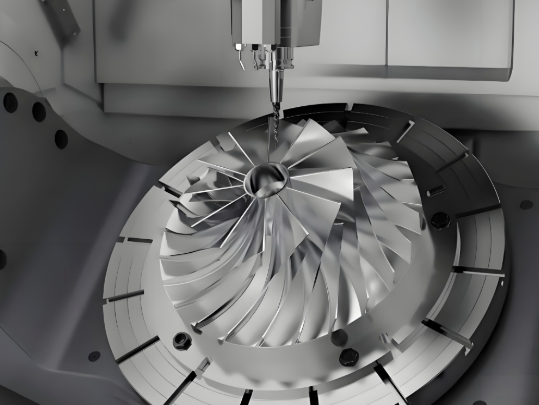
Advanced suppliers may offer 5 axis machining capabilities—machines that move along five different axes simultaneously. This technology produces complex freeform surfaces in a single setup, reducing handling and improving accuracy for aerospace blisks, medical implants, and automotive components with intricate geometries.
Specialized Processes Including EDM and Grinding
Sometimes conventional milling and turning can't achieve what your design requires. That's when specialized processes become essential—and knowing when to ask about them separates informed buyers from those who get surprised by capability gaps.
Electric discharge machining (EDM) removes material through electrical sparks rather than mechanical cutting. This process works on any conductive material, regardless of hardness—a critical advantage when machining hardened tool steels or exotic alloys that would destroy conventional cutting tools.
Two main EDM types exist. A wire edm machine uses a thin wire electrode to cut precise 2D and 3D profiles, producing excellent accuracy with minimal burrs. It's ideal for dies, punches, and delicate features where surface finish matters. Sinker EDM (also called die-sinking or ram EDM) uses shaped electrodes to create 3D cavities—essential for injection molds, forging dies, and complex internal geometries that conventional tools can't reach.
Typical EDM applications include:
- Injection mold cavities with sharp internal corners
- Extrusion dies and stamping tools
- Precision slots in hardened components
- Micro-features in medical and aerospace parts
Grinding machine operations deliver superior surface finishes and exceptional dimensional accuracy. Unlike milling or turning, grinding removes material using bonded abrasives—think of it as ultra-precise polishing that can achieve flatness and surface finishes measured in microinches.
When do you need grinding? Consider it essential for:
- Hardened steel components requiring tight tolerances
- Bearing surfaces and precision shafts
- Gauge blocks and reference surfaces
- Any application where surface finish directly affects performance
As noted in industry references, grinding typically achieves tolerances of IT5-IT6 (±0.004-0.01mm) with surface finishes that conventional machining simply cannot match. However, material removal rates are slower, making grinding a finishing operation rather than a bulk removal process.
Matching Processes to Your Requirements
Why does this knowledge matter when vetting suppliers? Because capability claims without context can mislead you. A supplier might advertise "precision machining" while lacking the edm machine capabilities your hardened components require. Another might own impressive equipment but lack the inspection tools to verify their work meets your tolerances.
When evaluating a potential machining supplier, ask specific questions tied to your actual part requirements:
- What equipment will you use for this specific component?
- What tolerances can you consistently hold on this material?
- How do you verify critical dimensions before shipment?
- Do you have secondary processes in-house, or will parts ship elsewhere?
A supplier confident in their capabilities will answer these questions directly. Vague responses or reluctance to discuss technical details? That's a warning sign worth noting as you continue your evaluation.
Understanding processes is foundational, but it's not enough on its own. Quality certifications provide objective evidence that a supplier's systems actually deliver consistent results—and knowing which certifications matter for your industry can save you from costly mistakes.
Quality Certifications That Signal Supplier Reliability
You've learned about machining processes and supplier types. But here's a critical question many buyers overlook: how do you know a supplier actually delivers consistent quality rather than just claiming they do? The answer lies in certifications—third-party verification that a supplier's systems meet recognized standards.
Certifications aren't just wall decorations or marketing checkboxes. According to American Micro Industries, certifications serve as pillars within a quality management system that uphold and validate every stage of production. They formalize procedures, define control points, and make it easier for organizations to trace and continuously improve operations.
But not all certifications carry equal weight for every application. Understanding which credentials matter for your industry—and what they actually require—separates informed buyers from those who get burned by suppliers who look good on paper but fail in practice.
Understanding ISO and Industry-Specific Certifications
Think of quality certifications as a hierarchy. At the foundation sits ISO 9001, the internationally recognized baseline. Industry-specific certifications build on that foundation with additional requirements tailored to sectors where failure carries higher consequences.
ISO 9001 establishes the fundamentals of quality management. When a machining supplier holds this certification, they've demonstrated documented workflows, performance monitoring, and corrective action procedures. The core principles include customer focus, process approach, continual improvement, and evidence-based decision-making. Every part produced should meet precise standards and customer requirements.
But here's what ISO 9001 doesn't guarantee: it doesn't verify that a supplier can handle aerospace-grade titanium, medical device traceability, or defense-related security protocols. That's where industry-specific certifications become essential.
AS9100 builds upon ISO 9001 with requirements specific to aerospace manufacturing. This certification emphasizes risk management, stringent documentation, and product integrity control throughout complex supply chains. Suppliers must demonstrate meticulous part verification and material traceability—non-negotiables when components might end up in commercial aircraft or spacecraft.
IATF 16949 serves the automotive sector with similar rigor. This global standard combines ISO 9001 principles with requirements for continuous improvement, defect prevention, and stringent supplier oversight. Automotive components demand consistent, defect-free production at scale, and this certification verifies the systems that make that possible.
ITAR (International Traffic in Arms Regulations) takes a different approach entirely. Rather than focusing on quality systems, ITAR controls the handling of sensitive technical data and components related to defense. Compliance requires registered status with the U.S. Department of State and strict information security protocols. If your parts have any defense application, working with an unregistered supplier creates serious legal exposure.
ISO 13485 addresses medical device manufacturing with strict controls over design, manufacturing, traceability, and risk mitigation. The emphasis on documentation and complaint handling ensures every medical component remains safe, reliable, and fully traceable—requirements that directly affect patient safety.
How do these certifications translate to actual shop floor practices? Consider precision measuring instruments. Certified suppliers maintain calibrated micrometers, calipers, and dial indicators with documented verification schedules. A vernier caliper reading might seem straightforward, but without calibration records tied to traceable standards, those measurements carry no certified validity. Quality certifications require this documentation chain to exist and remain current.
Certification Comparison at a Glance
Use this reference when evaluating whether a supplier's certifications match your requirements:
| Certification | Industry Focus | Key Requirements | Verification Method |
|---|---|---|---|
| ISO 9001 | General manufacturing (baseline) | Documented QMS, management reviews, corrective action procedures, calibrated measuring tools | Request certificate copy; verify with issuing registrar; check expiration date |
| AS9100 | Aerospace and aviation | Risk management, configuration control, product traceability, supplier flow-down requirements | Verify via OASIS database; confirm scope covers your component types |
| IATF 16949 | Automotive manufacturing | APQP/PPAP compliance, statistical process control, continuous improvement systems | Request certificate; verify with IATF database; review surveillance audit dates |
| ITAR | Defense and munitions | State Department registration, data security protocols, personnel screening, export controls | Request registration number; verify via DDTC public database |
| ISO 13485 | Medical devices | Design controls, risk management, complaint handling, device traceability throughout lifecycle | Request certificate; verify scope includes relevant device classifications |
| NADCAP | Aerospace special processes | Process-specific controls for heat treating, NDT, chemical processing, coatings | Verify via eAuditNet database; confirm specific process accreditations |
Why Certification Verification Protects Your Supply Chain
Here's an uncomfortable truth: certificates can be falsified, expired, or misrepresented. A supplier might display an ISO 9001 certificate from 2019 that was never renewed, or claim AS9100 certification while their actual scope excludes the machining processes you need.
According to SourceReady's compliance guide, even if a certification checks out on paper, that doesn't mean the supplier's capabilities are actually compliant in practice. Documentation is just the starting point—real compliance shows up in operations, processes, and performance over time.
So how do you verify that certifications are current and legitimate? Follow these steps:
- Request the actual certificate—not just a logo or claim. Examine the issuing body, scope statement, and expiration date.
- Cross-reference with official databases. AS9100 certifications appear in the OASIS database. ITAR registrations can be verified through DDTC. NADCAP accreditations are searchable via eAuditNet.
- Confirm the scope matches your needs. A supplier might hold AS9100 certification for assembly operations while lacking certification for the precision machining you actually require.
- Check surveillance audit dates. Certifications require ongoing audits to remain valid. Recent audit dates indicate active compliance; gaps suggest potential issues.
- Ask about nonconformances. Certified suppliers should discuss how they handle quality escapes and what corrective actions they've implemented. Defensiveness around this topic raises red flags.
Beyond certificate verification, SupplierGateway research recommends building a supplier scorecard that tracks certifications alongside past performance, risk indicators, and audit results. This transforms qualitative research into quantifiable benchmarks you can compare across potential partners.
Why does this matter for your bottom line? Organizations that implement rigorous supplier verification experience fewer supply chain disruptions. A digital caliper can measure a part to four decimal places, but if the supplier's quality system lacks documented calibration procedures, those measurements mean nothing when problems arise.
Certification verification isn't about bureaucracy—it's about protecting yourself from suppliers who talk a good game but can't deliver when it counts. The time you invest upfront saves exponentially more when you avoid quality failures, delivery delays, or compliance violations that certified systems are designed to prevent.
With certification fundamentals covered, the next step is building a comprehensive vetting process that goes beyond credentials to evaluate real-world capabilities, financial stability, and the warning signs that should disqualify a supplier before you sign any contract.
How to Vet and Select the Right Machining Supplier
You've identified potential suppliers, verified their certifications, and understand their machining capabilities. Now comes the critical phase that separates successful partnerships from costly mistakes: systematic vetting. This is where many buyers rush—eager to get production started—only to discover fundamental problems after contracts are signed and deposits are paid.
According to HighRadius research, organizations that apply robust supplier selection criteria typically reduce procurement disputes by 25% and unlock an average of $3 million in working capital within the first year. That's not theoretical—it's the measurable difference between reactive firefighting and proactive partner selection.
Think of supplier vetting like buying a house. The listing photos might look perfect, but you'd never skip the inspection. The same logic applies to your machining supplier. Let's walk through the complete evaluation process, from initial research to final selection.
Building Your Supplier Evaluation Checklist
A structured approach prevents critical oversights. Rather than relying on gut feelings or impressive sales presentations, evaluate every potential partner against consistent criteria. Here's a step-by-step vetting process that covers the essential bases:
- Define your requirements first. Before contacting any supplier, document exactly what you need: part specifications, expected volumes, tolerance requirements, material types, and delivery schedules. This clarity prevents scope creep and ensures you're comparing apples to apples.
- Assess technical capabilities. Can their cnc equipment handle your specific parts? Request their machine list and verify they have appropriate cnc machining tools for your materials and geometries. Ask about their experience with similar components—not just claims, but specific examples with measurable outcomes.
- Evaluate capacity and scalability. A supplier might produce excellent prototypes but struggle when volumes increase. According to Ben Machine's buyer guide, overlooking scalability can result in stockouts or emergency sourcing at premium rates. Always assess production capacity, response times, and contingency plans before committing.
- Verify financial stability. Request credit references or financial statements. A supplier facing cash flow problems may cut corners on materials, delay your orders to prioritize higher-margin work, or disappear entirely mid-project. This step feels awkward but prevents catastrophic disruptions.
- Test communication responsiveness. How quickly do they respond to your initial inquiry? The speed and quality of pre-contract communication often predicts post-contract behavior. If getting answers takes weeks before they have your business, imagine the delays after.
- Conduct reference checks. Request three to five customer references—preferably in your industry—and actually call them. Ask specific questions: Did parts meet specifications consistently? How did the supplier handle problems? Would you use them again?
- Review quality documentation. Beyond certifications, examine their actual quality processes. Request sample inspection reports, first article inspection (FAI) documentation, and examples of how they track and resolve nonconformances. Vague answers here signal systemic problems.
- Schedule a facility visit. Whether in-person or virtual, seeing the operation reveals what marketing materials hide. Industry experts note that a clean, well-maintained facility with documented processes often signals a disciplined and reliable operation. Look at their grinding machines, edm machines, and lathe tools—are they modern and maintained, or aging and neglected?
- Request a trial order. Before committing to production volumes, test the relationship with a small pilot run. This real-world validation confirms whether the supplier meets your performance expectations when actual deliverables are on the line.
This process takes time—typically four to eight weeks for thorough evaluation. But consider the alternative: rushing into a partnership that fails during critical production, costing far more in expedited replacements, quality failures, and damaged customer relationships.
Red Flags That Should Disqualify a Machining Supplier
Sometimes the most valuable information isn't what suppliers tell you—it's what they avoid discussing. Smartsheet's vendor assessment research emphasizes performing ongoing reviews to identify red flags when vendors don't meet expectations, with proper documentation and oversight making this process easier.
Watch for these warning signs during your evaluation. Any one of them warrants serious concern; multiple red flags together should disqualify a supplier entirely:
- Reluctance to provide references. Every established machining supplier has satisfied customers willing to vouch for their work. Excuses about confidentiality or "we're too busy" mask deeper problems. No references means no verifiable track record.
- Vague tolerance specifications. When you ask what tolerances they can hold, answers like "very tight" or "whatever you need" indicate either inexperience or dishonesty. Professional suppliers cite specific capabilities: "We consistently hold ±0.001 inches on aluminum with our machine technology." Vagueness invites quality failures.
- Inconsistent communication. Does your contact disappear for days? Do different people give conflicting information? Communication problems during courtship predict nightmares during production. A dependable partner should be open, organized, and transparent from the first interaction.
- Unclear quality documentation. If they can't show you sample inspection reports, calibration records, or nonconformance procedures, their quality system exists only on paper. Real quality requires documented evidence—not just claims.
- Resistance to facility visits. Legitimate suppliers welcome the opportunity to showcase their operations. Excuses about proprietary processes or scheduling difficulties often hide outdated equipment, disorganized operations, or capability gaps.
- Unrealistic pricing or timelines. Quotes dramatically lower than competitors usually mean corners will be cut—on materials, inspection, or both. Similarly, promised lead times that seem too good often result in missed deadlines or rushed, defective parts.
- No clear escalation process. When you ask how problems get resolved, blank stares or vague assurances signal trouble. Every production relationship encounters issues; what matters is having documented procedures for addressing them quickly.
- Outdated or poorly maintained equipment. During facility visits, observe their machine monitoring practices and equipment condition. Neglected machines produce inconsistent parts. A shop that doesn't invest in maintenance won't invest in your quality either.
- Unwillingness to discuss failures. Every machining supplier has experienced quality escapes or delivery problems. Mature organizations discuss these openly, explaining what happened and what corrective actions they implemented. Defensiveness or denial suggests they haven't learned from mistakes—and will repeat them with your parts.
What Thorough Vetting Actually Looks Like
Consider what a structured evaluation reveals. When assessing a potential supplier's cnc equipment and technical capabilities, you're not just checking boxes—you're building confidence that this partner can execute when it matters.
A supplier confident in their capabilities answers technical questions directly. They explain which edm machines they'll use for hardened components, how their grinding machines achieve the surface finishes your drawings specify, and what lathe tools they select for different materials. They show you their machine monitoring systems and explain how they track tool wear and process drift.
Conversely, evasive responses reveal capability gaps suppliers hope you won't discover until problems emerge. The time to uncover these gaps is during vetting—not during a critical production run when your customer is waiting.
The investment in thorough vetting pays dividends throughout the relationship. As supplier selection research confirms, focusing solely on the lowest bid often leads to hidden expenses through late deliveries, quality defects, or extra support needs. Evaluating long-term value—including defect rates, warranty claims, and rush-freight fees alongside unit price—prevents these surprises.
With a vetted supplier identified, the next step involves negotiating the business terms that govern your partnership. Lead times, order quantities, contract protections, and communication protocols all require careful discussion before any agreement is finalized.
Critical Business Terms to Discuss Before Partnering
You've vetted your potential machining supplier, verified certifications, and confirmed technical capabilities. Now comes the conversation that determines whether your partnership succeeds or stumbles: negotiating the business terms that govern day-to-day operations. Skip this step, and you'll find yourself blindsided by unexpected lead times, pricing disputes, or contractual gaps that leave you exposed when problems arise.
Think of this phase like finalizing a lease before moving in. The property might be perfect, but without clear terms on rent increases, maintenance responsibilities, and early termination clauses, you're setting yourself up for conflict. The same principles apply to your machining supplier relationship—clarity now prevents costly disputes later.
Negotiating Lead Times and Order Quantities
Lead time expectations represent one of the most common sources of buyer-supplier friction. Why? Because "lead time" means different things to different people. Does it start when you submit the purchase order, when the supplier confirms receipt, or when materials arrive at their facility?
According to Netstock's industrial equipment planning research, lead time covers the entire product journey from order placement until the product reaches the customer—including engineering, manufacturing, testing, logistics, and installation. For precision machining, this means factoring in material procurement, programming, machine time, inspection, and shipping. A supplier quoting "two weeks" might mean two weeks of machining time, while you're expecting parts on your dock in fourteen days.
Before signing any agreement, clarify these lead time components explicitly:
- Order acknowledgment window: How quickly will they confirm receipt and review your specifications?
- Material procurement time: Is raw material stocked, or does ordering add days or weeks?
- Production scheduling: Where does your order fall in their queue?
- Quality inspection: Does first article inspection add time before production runs?
- Shipping and logistics: What transit time applies to your location?
The reality? Industry data indicates lead time variability can fluctuate by 50-200% from quoted estimates. A vertical machining center that typically completes your parts in three weeks might take six during peak demand periods. Understanding this variability—and building it into your planning—prevents production line disruptions.
Realistic Lead Time Expectations by Order Type
What should you actually expect? Use this table as a baseline when evaluating supplier quotes:
| Order Type | Typical Lead Time Range | Key Variables |
|---|---|---|
| Prototypes (1-10 units) | 1-4 weeks | Design complexity, material availability, first article requirements |
| Small Batch (10-500 units) | 3-6 weeks | Setup time amortization, tooling requirements, inspection protocols |
| Production Runs (500+ units) | 4-10 weeks | Capacity allocation, material bulk ordering, quality documentation |
| Complex/Exotic Materials | 6-16 weeks | Material sourcing delays, specialized tooling, extended machining cycles |
| Expedited/Emergency | 3-10 days | Premium pricing (typically 50-200% surcharge), capacity availability |
Notice how complexity affects everything. A straightforward aluminum bracket on a horizontal machining center follows different timelines than a titanium aerospace component requiring specialized fixturing and extended cycle times.
Minimum Order Quantities and Pricing Impact
Here's where economics intersects with practicality. Every machining operation involves fixed costs—programming, setup, first article inspection—that get spread across the parts produced. CNC machining cost analysis confirms that larger quantities spread these fixed setup costs across more units, reducing the cost per part.
What does this mean for your negotiations? A supplier might quote $50 per part for 100 units but $25 per part for 1,000 units—not because they're gouging small orders, but because setup costs represent a larger percentage of the total. Understanding this dynamic helps you make smarter decisions:
- Consolidate orders when possible: Combining requirements into larger batches reduces per-unit costs
- Negotiate volume price breaks: Establish tiered pricing based on annual commitments, not just individual orders
- Consider blanket orders: Lock in pricing for forecasted annual quantities with scheduled releases
- Evaluate inventory carrying costs: Sometimes smaller, more frequent orders cost less than storing large batches
Be cautious about minimum order quantity (MOQ) requirements that don't align with your actual needs. A supplier insisting on 500-piece minimums when you need 50 might indicate their equipment isn't suited for your production profile—or they're trying to force volume that benefits their utilization rather than your requirements.
Contract Terms That Protect Both Parties
The handshake might feel good, but contracts protect you when relationships sour or circumstances change. According to Keystone Law's contract manufacturing guidance, contract manufacturing arrangements differ from straightforward supply relationships in crucial ways—particularly around customer-supplied materials and intellectual property ownership.
What specific terms deserve attention before you sign?
Liability and Quality Guarantees
Who bears responsibility when parts don't meet specifications? This sounds straightforward until you're arguing about whether the supplier followed your drawing correctly or whether your drawing contained errors. Clear contract language should address:
- Specification compliance warranties: The supplier warrants that parts will conform to agreed specifications
- Inspection and acceptance windows: How long do you have to identify defects after delivery?
- Remedy procedures: Will they rework, replace, or refund non-conforming parts?
- Limitation of liability: What's the maximum exposure for quality failures?
If you're supplying materials or technical specifications, legal experts recommend including "dependencies drafting"—language stating that if your supplied materials are defective, the supplier is released from responsibility for resulting end-product issues. This prevents finger-pointing when problems span both parties' contributions.
Intellectual Property Protection
Your designs represent significant investment. Who owns improvements developed during production? Can the supplier use your specifications to manufacture similar parts for competitors? These questions require explicit answers.
Key IP provisions to negotiate include:
- Confidentiality obligations: Your drawings, specifications, and technical data remain confidential
- Non-compete restrictions: The supplier cannot produce identical parts for direct competitors
- Tooling ownership: If you pay for dedicated tooling, you own it—and can retrieve it if the relationship ends
- Background IP protection: The supplier retains ownership of their pre-existing manufacturing know-how
According to contract manufacturing specialists, never assign ownership of background intellectual property—the supplier's pre-existing know-how—in broad contract language. Watch for terms stating that "all IP transfers" to either party, which could inadvertently capture assets neither side intended to transfer.
Communication Protocols and Project Management
How will you interact day-to-day? Undefined communication expectations create frustration when urgent questions go unanswered or project updates never arrive. Establish these protocols upfront:
- Primary contacts: Named individuals responsible for technical questions, commercial issues, and escalations
- Response time commitments: Expected turnaround for RFQs, technical inquiries, and status updates
- Progress reporting: Frequency and format of production status communications
- Change order procedures: How design changes get documented, priced, and approved
- Issue escalation paths: Who to contact when normal channels fail to resolve problems
Consider equipment like a press brake or sheet metal brake used for secondary operations—if your parts require bending or forming after machining, knowing who coordinates these multi-step processes prevents parts from getting lost between departments. Similarly, if a metal brake operation affects final dimensions, clear handoff protocols ensure everyone measures consistently.
Some suppliers offer formal project management approaches with dedicated account managers and regular review meetings. Others operate more informally. Neither is inherently better, but mismatched expectations—expecting white-glove service from a lean job shop—create unnecessary friction. Match your communication needs to the supplier's operating style before committing.
The time to negotiate business terms is before you need parts urgently—not when production pressure limits your leverage and options.
With clear business terms established, the next consideration involves matching supplier capabilities to your specific industry requirements. Automotive, aerospace, medical, and industrial applications each carry unique demands that influence which machining supplier fits your needs.
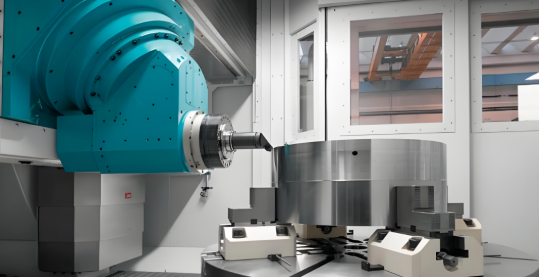
Industry-Specific Requirements for Machining Suppliers
You've established business terms and verified certifications. But here's a question that trips up even experienced procurement professionals: does your potential machining supplier actually understand your industry? A shop that excels at general industrial components might struggle with aerospace traceability requirements. A supplier producing excellent automotive brackets could lack the cleanroom protocols medical devices demand.
Industry specialization isn't about snobbery—it's about risk management. Each sector carries unique regulatory burdens, material challenges, and quality expectations that generalist suppliers often underestimate. Selecting a partner without relevant industry experience means you're paying for their learning curve while your production schedule suffers.
Let's examine what each major sector requires and why matching supplier expertise to your application prevents costly surprises.
Automotive and Aerospace Supplier Requirements
These two industries might seem similar—both involve precision metal components for vehicles—but their requirements differ significantly in ways that affect your supplier selection.
Automotive Sector Demands
Automotive manufacturing operates on a simple principle: consistent quality at massive scale. When you're producing thousands of identical components monthly, even small defect rates create enormous problems. A 0.1% failure rate sounds impressive until you calculate what that means across 50,000 parts.
What should you look for in an automotive machining supplier?
- IATF 16949 certification: This automotive-specific quality standard builds on ISO 9001 with requirements for continuous improvement, defect prevention, and statistical process control. Without this certification, suppliers cannot serve most tier-one automotive manufacturers.
- High-volume production capability: Your supplier needs cnc milling machines and turning centers with the capacity to handle recurring production runs without quality drift. Ask about their machine utilization rates and scheduling flexibility.
- Statistical Process Control (SPC): Automotive quality isn't verified through inspection alone—it's built into the process. Suppliers should demonstrate real-time monitoring systems that catch process drift before defects occur.
- APQP/PPAP compliance: Advanced Product Quality Planning and Production Part Approval Process documentation ensures components meet specifications before production begins and remain consistent throughout.
- Rapid prototyping to mass production scaling: Automotive development cycles demand suppliers who can deliver prototype parts quickly, then scale seamlessly to production volumes without requalification delays.
For automotive applications requiring certified precision machining with these capabilities, suppliers like Shaoyi Metal Technology demonstrate what the industry expects. Their IATF 16949-certified facility combines SPC-controlled processes with lead times as fast as one working day, supporting everything from rapid prototyping through mass production of complex chassis assemblies and custom metal bushings.
Aerospace Sector Demands
Where automotive emphasizes volume, aerospace prioritizes absolute reliability. Components that fail at 35,000 feet create catastrophic consequences, so the regulatory framework reflects that reality.
Critical requirements for aerospace machining suppliers include:
- AS9100 certification: This aerospace-specific quality standard requires rigorous configuration control, risk management, and traceability that exceeds general manufacturing standards. Verify the certification scope covers your specific component types.
- Exotic materials expertise: Aerospace applications frequently involve titanium, Inconel, and other difficult-to-machine alloys. Your supplier needs demonstrated experience—not just equipment capability—with these demanding materials.
- 5 axis cnc machining capabilities: Complex aerospace geometries often require simultaneous multi-axis movement. A 5 axis cnc machine produces organic shapes and compound angles in single setups, reducing positional errors that accumulate with multiple operations.
- NADCAP accreditation for special processes: Heat treating, non-destructive testing, and chemical processing require separate accreditation beyond AS9100. Confirm your supplier holds appropriate NADCAP credentials for any special processes your parts require.
- Complete material traceability: Every aerospace component must trace back to certified material with documented chain of custody. Suppliers should demonstrate lot control systems that track materials from mill certification through finished part.
Wire edm machines play a particularly important role in aerospace manufacturing. When machining hardened tool steels or creating intricate cooling channels in turbine components, wire edm delivers the precision and surface finish these applications demand. Similarly, edm machining enables internal geometries that conventional cutting tools simply cannot reach.
Medical Device and Industrial Sector Considerations
Medical manufacturing operates under perhaps the most stringent regulatory framework of any industry. When your components contact human tissue or support life-critical functions, the tolerance for error approaches zero.
Medical Device Requirements
According to industry specialists, medical CNC machining differs primarily in its exceptional precision requirements, biocompatible material selection, strict regulatory compliance, and comprehensive documentation protocols that exceed standard manufacturing practices. The stakes are simply higher when you're creating parts for surgical instruments or implantable devices.
What distinguishes qualified medical machining suppliers?
- ISO 13485 certification: This medical device-specific quality management standard emphasizes risk management, regulatory compliance, and traceability throughout the product lifecycle. It's the baseline credential for any supplier producing medical components.
- FDA registration and compliance: Suppliers serving U.S. medical markets must maintain FDA registration and demonstrate compliance with 21 CFR Part 820 Quality System Regulation. This includes design controls, complaint handling, and corrective action procedures.
- Cleanroom manufacturing capabilities: Many medical components require production in controlled environments classified by ISO 14644-1 standards. Ask about cleanroom classifications and contamination control protocols.
- Biocompatible material expertise: Medical devices require materials that won't cause adverse reactions in human tissue. Suppliers should demonstrate experience with titanium alloys, medical-grade stainless steel, PEEK, and other biocompatible materials.
- Sterilization compatibility: Components must withstand repeated sterilization without degradation. Your supplier should understand how different sterilization methods—autoclave, EtO, gamma radiation—affect material properties and dimensional stability.
- Complete documentation and traceability: Medical regulations require comprehensive records linking every component to specific material lots, production dates, inspection results, and operator certifications. As medical manufacturing experts note, documentation of surface finish verification is as important as the finish itself—maintaining detailed records of measurement methods, calibration, and results for traceability.
Surface finish requirements illustrate how medical specifications exceed other industries. Implantable devices typically require Ra values between 0.1-0.4 μm—mirror-like finishes that prevent bacterial adhesion and tissue trauma. Achieving these specifications consistently requires specialized equipment, validated processes, and meticulous inspection protocols.
General Industrial Applications
Not every component demands aerospace traceability or medical-grade cleanliness. General industrial applications—hydraulic systems, material handling equipment, agricultural machinery—operate under different constraints where durability and cost-effectiveness often outweigh regulatory complexity.
Key considerations for industrial machining suppliers include:
- ISO 9001 certification as baseline: While industry-specific certifications may not apply, ISO 9001 demonstrates fundamental quality management systems are in place.
- Material versatility: Industrial applications use diverse materials—carbon steels, aluminum alloys, brass, plastics—and suppliers should demonstrate broad material experience.
- Cost-competitive pricing: Without regulatory overhead driving costs, industrial components should reflect efficient production. Compare quotes carefully, but remember that the lowest price often signals quality compromises.
- Reasonable tolerances for function: Not every industrial component needs aerospace-level precision. Matching tolerance specifications to actual functional requirements reduces costs without sacrificing performance.
- Reliable delivery performance: Industrial equipment downtime costs money. Your supplier's on-time delivery record matters more than impressive capabilities they don't consistently execute.
Why Industry Experience Actually Matters
Sounds complex? Consider what happens when industry-specific knowledge is missing. A supplier unfamiliar with automotive PPAP requirements submits incomplete documentation, delaying your production launch by weeks. An aerospace supplier without exotic materials experience quotes titanium work, then struggles with tool wear that creates dimensional drift. A medical device manufacturer receives components from a supplier lacking cleanroom protocols, only to find contamination during validation testing.
According to certification research, certifications in CNC machining play a critical role in reducing machine downtime and mitigating risks associated with manufacturing processes. Certified suppliers implement preventive maintenance, efficient workflows, and error reduction protocols that translate directly to consistent quality for your specific application.
The lesson? Industry specialization isn't optional—it's essential. A generalist supplier might produce acceptable parts for low-stakes applications, but when regulatory compliance, patient safety, or flight-critical performance depends on your components, relevant industry experience separates capable partners from costly mistakes.
When you evaluate machining suppliers, ask pointed questions about their industry experience. Request case studies involving components similar to yours. Verify they understand not just how to make parts, but how to make parts that satisfy your specific industry's regulatory and quality demands.
With industry requirements understood, the next challenge involves managing your supplier relationship over time. Establishing performance metrics, conducting regular reviews, and building long-term partnerships require deliberate effort that pays dividends in consistent quality and collaborative problem-solving.
Managing Supplier Relationships for Long-Term Success
You've selected your machining supplier, negotiated terms, and received your first shipments. Now what? Here's where many buyers make a critical mistake: they treat supplier selection as a one-time event rather than the beginning of an ongoing relationship requiring active management.
Think of it this way: you wouldn't hire an employee and never conduct performance reviews. The same logic applies to your machining supplier. According to Graphite Connect's supplier management research, businesses rely heavily on their suppliers, and any delay, quality issue, or compliance failure can ripple through the entire operation. The companies that thrive don't just select good partners—they actively monitor, develop, and strengthen those relationships over time.
What separates reactive firefighting from proactive relationship management? Structured performance monitoring, regular communication, and continuous improvement collaboration that transforms transactional vendors into strategic partners delivering innovative machinery solutions year after year.
Establishing Performance Metrics and KPIs
If you're wondering how to measure supplier performance, start by identifying which metrics actually matter for your operation. Not every KPI applies to every relationship, but establishing clear expectations—and tracking them consistently—creates accountability that drives improvement.
According to supplier relationship management experts, setting clear Key Performance Indicators aligned with your organization's objectives is essential for holding suppliers accountable and driving ongoing improvement. Without quantifiable benchmarks, conversations about performance become subjective debates rather than data-driven discussions.
Which metrics should you track for your machining supplier? Focus on these essential KPIs:
- On-time delivery rate: The percentage of shipments arriving on or before the agreed-upon date. This directly impacts your production scheduling and customer commitments. Industry leaders target 95%+ on-time performance.
- First-pass yield (quality rate): The percentage of parts passing inspection without rework or rejection. This measures consistent manufacturing automation and process control. Defects that slip through create downstream costs far exceeding the part's value.
- Response time: How quickly your supplier addresses inquiries, quotes, and issues. Slow communication during production emergencies compounds problems. Track average response times for different request types.
- Cost variance: The difference between quoted and actual costs, including unexpected charges for expediting, rework, or specification changes. Consistent overruns signal estimating problems or scope creep that erodes your margins.
- Defect rate: The percentage of orders containing non-conforming parts. Even small defect rates multiply across production volumes—a 0.5% rate means 50 rejected parts per 10,000 ordered.
- Corrective action effectiveness: When problems occur, does the supplier implement fixes that prevent recurrence? Track whether the same issues reappear after corrective actions are supposedly complete.
How do you actually gather this data? Industry research recommends using a supplier performance scorecard that records these metrics over time. By tracking trends rather than snapshots, you can identify issues before they cause significant problems—for example, noticing a supplier's defect rate creeping upward over three months rather than waiting for a quality crisis.
Building Long-Term Supplier Partnerships
Metrics tell you what's happening. Relationships determine whether problems get fixed or fester. According to supplier management research, strategic Supplier Relationship Management involves proactive, long-term planning and collaboration—monitoring performance and assessing risk on an ongoing basis while engaging suppliers in working toward shared goals.
What does this look like in practice? Consider these relationship-building elements:
Regular Communication Cadence
Don't wait for problems to schedule conversations. Establish a predictable rhythm:
- Weekly operational updates: Brief status checks on active orders, especially for critical components
- Monthly performance reviews: Formal discussion of KPI trends, quality issues, and upcoming requirements
- Quarterly business reviews: Strategic conversations about capacity planning, technology investments, and relationship development
- Annual partnership assessments: Comprehensive evaluation of the relationship's value, including certification renewals and contract adjustments
Quality Audit Schedules
Certifications verify systems exist; audits confirm they're actually working. According to supplier audit guidance, conducting regular audits ensures products or services meet requirements and expectations while identifying potential risks before they become problems.
Plan periodic audits based on supplier criticality and past performance. New suppliers or those recovering from quality issues might warrant quarterly reviews. Established partners with strong track records might require only annual verification. The goal isn't bureaucratic box-checking—it's continuous confirmation that quality systems remain effective.
Continuous Improvement Collaboration
The best machining suppliers don't just meet specifications—they help you improve them. This application engineering mindset transforms vendors into partners who proactively suggest design optimizations, identify cost reduction opportunities, and invest in capabilities that serve your evolving needs.
Foster this collaboration by sharing your product roadmap, involving suppliers early in design discussions, and recognizing contributions that create mutual value. When suppliers understand where your business is heading, they can align their investments accordingly—perhaps adding single source technologies that expand their capabilities in your direction.
Escalation Procedures When Issues Arise
Every supplier relationship encounters problems. What matters is having clear procedures for resolving them quickly. Establish escalation paths before you need them:
- First contact: Your day-to-day production contact addresses routine issues within 24 hours
- Supervisor escalation: Unresolved issues elevate to quality or operations managers within 48 hours
- Management involvement: Persistent problems trigger executive-level discussion within one week
- Formal corrective action: Recurring issues require documented CAR (Corrective Action Request) with root cause analysis and prevention measures
According to quality management experts, working collaboratively with suppliers to develop comprehensive Corrective Action Plans—including specific actions, responsibilities, timelines, and measurable objectives—ensures successful implementation and prevents recurrence.
When to Consider Backup Suppliers
Even excellent relationships carry risk. What happens if your machining supplier faces a fire, loses key personnel, or experiences financial difficulties? Smart supply chain management includes contingency planning.
Consider qualifying backup suppliers when:
- Your primary supplier represents a single point of failure for critical components
- Lead times are stretching beyond acceptable limits due to capacity constraints
- Geographic concentration creates risk from regional disruptions
- Performance trends suggest declining reliability despite corrective efforts
This doesn't mean abandoning your primary partner. Instead, it provides a turnkey solution for emergencies while giving you negotiating leverage when contract renewals approach. Communicate openly about this strategy—mature suppliers understand risk management and won't interpret backup qualification as a threat.
Effective supplier relationship management transforms what could be adversarial vendor transactions into collaborative partnerships that deliver consistent value. The investment in structured monitoring, regular communication, and continuous improvement pays dividends in quality, reliability, and cost optimization that compound over time.
Putting Your Supplier Selection Strategy Into Action
You've absorbed a lot of information—from understanding machining processes and certification requirements to vetting procedures and relationship management strategies. Now comes the moment that separates informed buyers from those who remain stuck in research mode: taking action.
Finding the right machining supplier isn't about perfection. It's about applying systematic evaluation criteria that reduce risk and increase your odds of building a productive, long-term partnership. The companies that succeed don't just know what to look for—they follow through with structured processes that transform knowledge into results.
Ready to move forward? Let's consolidate everything into actionable steps you can implement immediately.
Your Machining Supplier Selection Checklist
Before reaching out to potential partners, ensure you've addressed these foundational elements. Think of this as your pre-flight checklist—skipping steps now creates problems later.
The most critical selection criteria: verify certifications independently, request specific references in your industry, and never skip the facility evaluation. These three steps eliminate 90% of problematic suppliers before they become your problem.
What separates successful sourcing from costly mistakes? According to precision machining experts, evaluating six essential areas—certifications, quality control, machine capabilities, DFM support, communication, and project experience—provides the foundation for reliable supplier selection. Skipping any element introduces unnecessary risk.
Your engineered machining solutions depend on partners who deliver consistently. As industry specialists note, a supplier that deflects responsibility will tell you that poor casting quality caused their sub-par machining performance—vendors that avoid accountability hurt your ability to meet quality requirements and supply chain deadlines.
Taking the Next Step in Your Search
Knowledge without action produces nothing. Here's your roadmap for translating everything you've learned into a successful supplier partnership:
- Document your requirements completely. Before contacting any supplier, specify tolerances, materials, volumes, and delivery expectations in writing. Clarity here prevents misunderstandings later.
- Create your shortlist using certification filters. Eliminate suppliers lacking the industry-specific certifications your application demands—ISO 9001 as baseline, plus AS9100, IATF 16949, or ISO 13485 depending on your sector.
- Request detailed capability information. Ask for machine lists, tolerance capabilities on similar materials, and examples of comparable projects. Vague responses signal capability gaps.
- Verify certifications independently. Don't accept certificates at face value. Cross-reference with official databases and confirm the certification scope covers your specific requirements.
- Contact references and ask specific questions. Did parts meet specifications consistently? How did the supplier handle problems? Would they work with them again?
- Schedule facility evaluations. Whether virtual or in-person, seeing operations reveals what marketing materials hide. Look for advanced machine solutions and organized, well-maintained environments.
- Negotiate clear business terms before committing. Lead times, MOQs, quality guarantees, and IP protections deserve explicit contract language—not handshake agreements.
- Start with a trial order. Test the relationship with a small batch before committing to production volumes. Real-world performance confirms what sales presentations promise.
- Establish performance metrics from day one. Define KPIs for delivery, quality, and communication so both parties understand expectations and accountability.
This systematic approach to finding cnc machining solutions transforms overwhelming choices into manageable decisions. Each step builds confidence that your selected partner can deliver high-precision machining solutions consistently.
For automotive applications requiring certified precision machining with scalable production capabilities, suppliers like Shaoyi Metal Technology exemplify the criteria discussed throughout this article. Their IATF 16949-certified facility combines SPC-controlled processes with lead times as fast as one working day, supporting everything from rapid prototyping through mass production—one reliable option worth evaluating against your specific requirements.
The difference between buyers who struggle with supplier quality and those who build reliable supply chains? Action. You now have the framework. The next step is yours.
Frequently Asked Questions About Machining Suppliers
1. What is the hourly rate for CNC machining services?
CNC machining rates typically range from $25 to $120 per hour depending on machine type, complexity, and location. 3-axis machines generally cost $25-$50 per hour, while advanced 5-axis machining centers command premium rates of $75-$120 per hour. Factors affecting pricing include material type, tolerance requirements, setup time, and order volume. Larger production runs reduce per-unit costs since setup expenses are spread across more parts. When evaluating machining suppliers, request detailed quotes breaking down machine time, programming, inspection, and material costs rather than relying solely on hourly rates.
2. How do I verify a machining supplier's quality certifications?
Verify machining supplier certifications through official databases rather than accepting certificates at face value. For AS9100 aerospace certification, check the OASIS database. IATF 16949 automotive certifications can be verified through the IATF database. ITAR registrations are searchable via the DDTC public database, and NADCAP special process accreditations appear in eAuditNet. Always confirm the certification scope covers your specific component types and check surveillance audit dates to ensure ongoing compliance. Request the actual certificate copy and examine the issuing body, expiration date, and scope statement.
3. What are the key differences between job shops and contract manufacturers?
Job shops specialize in low-volume, high-variety work with typical orders of 1-500 units and lead times of 1-4 weeks. They operate transactionally on a project-by-project basis with higher per-unit costs but lower commitment requirements. Contract manufacturers handle recurring production of 500-100,000+ units with dedicated capacity, predictable lead times of 2-6 weeks, and lower per-unit pricing through volume discounts. Contract manufacturers invest in understanding your broader production needs, may stock materials on your behalf, and maintain dedicated tooling. Choose job shops for prototypes and urgent repairs; contract manufacturers for steady production and cost optimization.
4. What certifications should a machining supplier have for automotive parts?
Automotive machining suppliers should hold IATF 16949 certification, the global automotive quality standard that builds on ISO 9001 with requirements for continuous improvement, defect prevention, and statistical process control. Additional requirements include APQP (Advanced Product Quality Planning) and PPAP (Production Part Approval Process) compliance for documentation and approval procedures. Look for suppliers demonstrating SPC-controlled processes, high-volume production capability, and the ability to scale from prototyping to mass production. Suppliers like Shaoyi Metal Technology exemplify these standards with IATF 16949 certification and lead times as fast as one working day.
5. What red flags should disqualify a machining supplier?
Key red flags that should disqualify a machining supplier include reluctance to provide customer references, vague tolerance specifications like 'very tight' instead of specific measurements, inconsistent communication during the evaluation phase, unclear quality documentation, resistance to facility visits, unrealistic pricing significantly below competitors, and no clear escalation process for problem resolution. Additional warning signs include outdated or poorly maintained equipment, unwillingness to discuss past failures and corrective actions, and inability to provide sample inspection reports or calibration records. Multiple red flags together warrant immediate disqualification.