 Small batches, high standards. Our rapid prototyping service makes validation faster and easier —
  EN
EN


How Thick Is 24 Gauge Metal? One Number, Several Real Answers
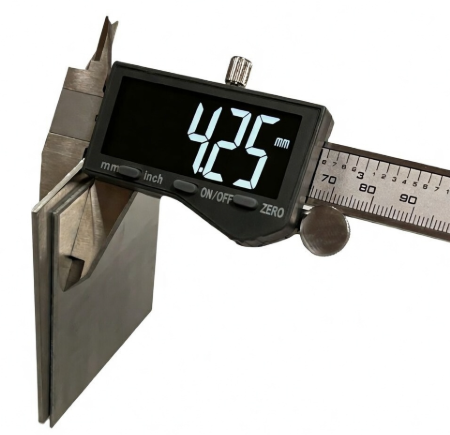
24 Gauge Thickness Fast Answer
How Thick Is 24 Gauge Metal
There is no single universal answer. On a standard steel gauge chart, 24 gauge is 0.0239 in. or 0.607 mm, but 24 gauge metal can measure differently when the material or gauge standard changes.
If you searched how thick is 24 gauge sheet metal, start with the metal type, not the number alone. The exact thickness of 24 gauge depends on the chart tied to that material. For standard steel, the 24 gauge thickness in inches is 0.0239. That is a useful benchmark, but it is not a universal rule for every sheet product sold as 24 gauge. In other words, 24 gauge thickness is a starting point, not a final specification.
Why 24 Gauge Is Not One Universal Thickness
Gauge is a traditional sizing system, not one exact measurement shared by every metal. The CustomPartNet library notes that standard steel, galvanized steel, and stainless steel use Manufacturers' Standard Gage, while many nonferrous metals use Brown and Sharpe. SheetMetal.me also points out that processing and coatings can affect the actual sheet you receive. That is why the thickness of 24 gauge should always be read with the material name beside it.
What This 24 Gauge Reference Covers
To keep this guide useful, the next sections focus on the numbers and context people usually need before buying or fabricating sheet metal:
- a material-by-material lookup for 24 gauge thickness
- a separate 24 vs 26 comparison for quick decisions
- plain-English notes on where the difference matters in real projects
One quick rule avoids most mistakes: use gauge as shorthand, but use decimal thickness when precision matters. Two suppliers can both say "24 gauge" and still mean different actual dimensions. That small distinction is why sheet metal charts can look inconsistent at first glance, and why the chart behind the label matters more than the label alone.
Why 24 Gauge Is Not Universal
The reason 24 gauge cannot mean one exact thickness is simple: in sheet metal, gauge is a label tied to a chart, not a direct unit like inches or millimeters. A sheet metal gauge tells you where a sheet sits inside a traditional sizing system. To find the real thickness, you still need the matching sheet metal gauge chart for that specific metal.
What Gauge Means in Sheet Metal
The gauge system is older than the modern habit of listing every sheet by decimal thickness. A guide from SendCutSend describes gauge as a standardized way to describe thickness, but not a standalone measurement by itself. That is why a gauge number needs a chart beside it. One rule usually holds true for sheet products: as the gauge number goes up, the material gets thinner. So 24 gauge is thinner than 18 gauge, even though the number is larger.
Why Different Metals Use Different Thickness Charts
This is where confusion starts. There is no single gauge size chart that works for every metal. Both SendCutSend and metals4U show that mild steel, stainless steel, aluminum, and other metals can assign different real thicknesses to the same gauge number. Historic systems, material properties, and manufacturing tolerance all affect how a chart is built. A wire chart can also mislead readers. Wire gauge and sheet metal gauge come from related measuring traditions, but they are not charts you should swap when checking sheet stock.
- Myth: A higher gauge means thicker sheet. Reality: Higher gauge usually means thinner sheet.
- Myth: One sheet metal gauge chart covers every metal. Reality: The chart must match the material.
- Myth: Wire gauge and sheet gauge are interchangeable. Reality: They are not the same reference.
- Myth: Gauge is more precise than decimal thickness. Reality: Inches and millimeters are clearer for quotes and fabrication.
Gauge and Gage Mean the Same Thing Here
If you have searched gauge vs gage, the short answer is that both spellings may appear, but gauge is the normal one. Dictionary.com notes that gage survives mainly as a rare variant in technical contexts. For most readers, the spelling difference matters far less than choosing the right material chart. That is why a material-by-material 24 gauge lookup is not just convenient. It is the only reliable way to turn the label into a thickness you can actually use.
24 Gauge Thickness by Material
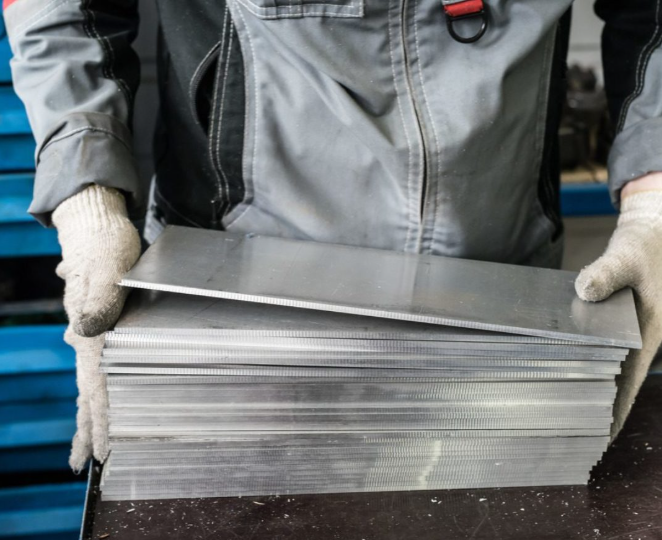
Numbers get more useful when they are lined up side by side. The values below come from the Metal Supermarkets sheet metal gauge chart, which makes it easy to see why a steel gauge thickness chart cannot be swapped with a stainless steel gauge chart or an aluminum chart.
24 Gauge Thickness by Material Type
| Material type | Thickness in inches | Thickness in mm | Where you commonly encounter it |
|---|---|---|---|
| Sheet steel / mild steel | 0.0239 | 0.607 | Plain steel sheet |
| Galvanized steel | 0.0276 | 0.701 | Zinc-coated steel sheet |
| Stainless steel | 0.0250 | 0.635 | Stainless sheet stock |
| Aluminum | 0.0201 | 0.511 | Lightweight sheet stock |
| Brass | 0.0201 | 0.511 | Brass sheet stock |
| Copper | 0.0220 | 0.559 | Copper sheet stock |
If your job calls for 24 gauge steel, the row to remember is sheet steel at 0.0239 in. or 0.607 mm. That is the figure many readers mean when they search for a quick answer, but the surrounding rows show why the gauge number alone never tells the whole story.
Notice the spread. Aluminum and brass share the same 24 gauge value in this chart, copper sits between aluminum and plain steel, and galvanized lands thicker than both. One gauge number, several actual thicknesses.
Steel Galvanized and Stainless at 24 Gauge
The biggest source of confusion usually shows up inside the steel family itself. In this chart, 24 gauge galvanized steel is thicker than 24 gauge sheet steel, and 24 gauge stainless steel also differs from plain steel. That is normal behavior in sheet metal, not an error. Material-specific gauge systems assign the number, then the chart turns that number into a real measurement.
A second reference makes that point even clearer. The Stainless Supply gauge chart also lists 24 gauge sheet steel at 0.0239 in. and galvanized at 0.0276 in., but it shows 24 gauge stainless at 0.0235 in. rather than 0.0250 in. Published charts are not always identical, so the chart attached to your quote, drawing, or supplier listing matters more than memory. Metal Supermarkets also notes that actual thickness can vary due to tolerances.
How to Read the 24 Gauge Lookup Table
Use the table like a filter, not a shortcut:
- Pick the material first.
- Read only the thickness listed on that material row.
- Keep the source chart with your quote or print.
- Treat gauge as shorthand and decimal thickness as the working dimension.
That last habit prevents expensive mix-ups. A steel sheet metal gauge chart gives one answer, while a stainless version may give another. Small changes like these look minor on paper, but they become much more important when the choice narrows to 24 gauge versus 26 gauge.
24 vs 26 Gauge Metal Roof Thickness
A 24 vs 26 gauge metal roof decision looks small on paper, but it changes how the panel behaves in the field. For steel and Galvalume roofing products, Sheffield Metals lists 24 gauge at a minimum of 0.023 in. and 26 gauge at a minimum of 0.018 in. That means the thicker option is about 27.8 percent heavier in section thickness than the lighter one. A separate comparison from Western States Metal Roofing shows similar steel ranges, which supports the same practical takeaway: yes, 24 gauge is thicker than 26.
24 Gauge Versus 26 Gauge in Simple Terms
Thickness affects more than a spec sheet. In simple terms, 24 gauge is the stiffer, more rigid choice, while 26 gauge is lighter and easier to bend, hem, and work with. That is why 24 gauge is commonly associated with standing seam, engineered systems, and projects exposed to tougher wind, snow, hail, or appearance demands. By contrast, 26 gauge is often used where budget matters more and the panel is installed in less demanding conditions, such as many residential or agricultural applications.
24 vs 26 Gauge Thickness Table
| Gauge | Minimum thickness cited for roofing steel or Galvalume | Thickness in mm | Relative stiffness | Common use cases | Selection considerations |
|---|---|---|---|---|---|
| 24 gauge | 0.023 in. | 0.584 mm | More rigid | Standing seam, commercial and architectural panels, projects needing engineering | Better fit when appearance, span, weather exposure, or lower oil canning tolerance matter |
| 26 gauge | 0.018 in. | 0.457 mm | Less rigid, easier to form | Exposed fastener panels, many residential roofs, agricultural and budget-driven jobs | Often suitable where engineering is not required and conditions are milder |
If you are wondering how thick is 26 gauge sheet metal in a roofing context, that 0.018 in. minimum is the number these roofing references commonly use. Western States also presents the thickness of 26 gauge steel as a range rather than one fixed decimal, which helps explain why supplier literature may not always match line for line. For many buyers, that 0.018 in. benchmark is the practical answer behind 26 gauge metal thickness.
When the Difference Actually Matters
The gap matters most when panels span from support to support, when visual flatness is important, or when the roof faces harsher weather. Western States notes that 24 gauge can handle greater spans and load capacity than 26 gauge, while Sheffield explains that 24 gauge is often the minimum thickness for engineered standing seam systems. Still, 26 gauge is not automatically wrong. Over a solid wood substrate, or on projects in milder climates, it may be fully adequate. Those small decimals start to make real sense only when they are tied to the job itself, which is exactly where the next section goes: actual uses, tradeoffs, and where 24 gauge earns its place.
Where 24 Gauge Metal Makes Sense
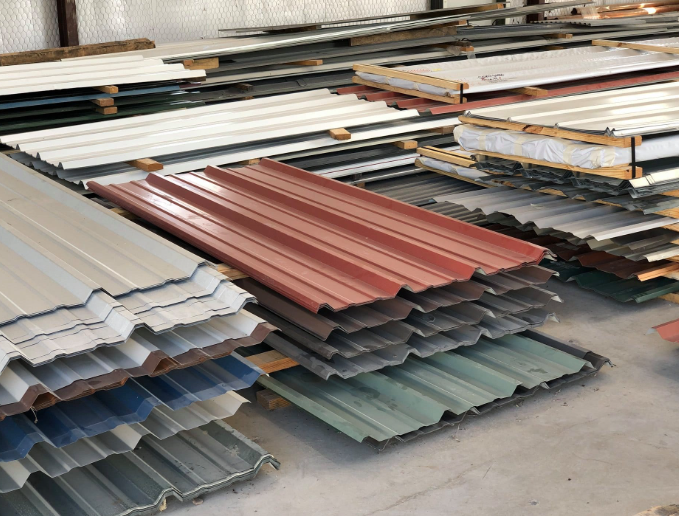
A thickness chart answers the measurement question. The buying question is different: where does 24 gauge actually make sense? In guidance from Western States and Mill Steel, 24 gauge shows up most often when a project needs more rigidity than 26 gauge, especially in standing seam roofing, commercial panels, and installations facing tougher span or weather demands.
Common Uses for 24 Gauge Sheet Metal
In practice, 24 gauge is often chosen for panel systems that need to feel more solid without jumping all the way to a heavier option. That makes it a common checkpoint when buyers compare corrugated metal, commercial siding panels, and other architectural metal sheet products.
- Standing seam roofing: Western States notes that this roof type is normally made in 24 gauge.
- Panels spanning support to support: 24 gauge is often favored when the sheet must carry itself and meet greater span or load demands.
- Commercial roofing and siding: Mill Steel describes 24 gauge as a strong, resilient choice often used for standing seam roofing and commercial buildings.
- Trim and flashing decisions: buyers often apply the same logic here, weighing a sturdier feel against easier bending and handling.
Where 24 Gauge Balances Strength and Workability
This gauge often lands in the practical middle. Western States explains that 24 gauge can offer greater span and load capacity than 26 gauge and is also less likely to show oil canning. At the same time, 26 gauge may still work well over a solid wood substrate or in milder conditions. For a flat metal sheet, galvalume panel, or stainless sheet, that same tradeoff still matters, but the actual decimal thickness must come from the correct material chart.
When to Move Thicker or Thinner
- Move thicker: when panels span supports, weather exposure is harsher, or appearance and rigidity matter more.
- Stay with 24 gauge: when you want a balanced mix of stiffness, workability, and broad project suitability.
- Move thinner: when the panel sits over solid decking, easier handling matters, or the application is less demanding.
That is why experienced buyers do not stop at the gauge label. They pair the material name with the exact inch or millimeter value on the quote, especially for coated steel, galvalume, or stainless sheet. The unit conversion looks simple on paper, but only after the right material chart has been chosen.
Convert 24 Gauge to Inches and Millimeters
That chart is the real starting point. A 24 gauge label only becomes useful on a quote or drawing when you match it to the correct material row, then read the decimal thickness beside it. Published references from CNCCookbook and Metal Supermarkets show why this matters. In their charts, 24 gauge standard steel is 0.0239 in. and 0.607 mm, galvanized steel is 0.0276 in. and 0.701 mm, and stainless steel is 0.0250 in. and 0.635 mm. The gauge number stays the same, but the starting thickness does not.
How to Convert Gauge to Inches and Millimeters
Use this simple workflow instead of guessing from memory:
- Identify the metal first, such as standard steel, galvanized steel, stainless steel, or aluminum.
- Open the matching sheet metal thickness chart, not a general chart or a wire chart.
- Find the 24 gauge row and read the nominal thickness already listed in inches and in millimeters.
- If your document uses a different unit format, convert that material-specific value into the units your print, quote, or shop system requires, including mils when needed.
This is the safest gauge to inches and gauge to mm workflow because it keeps you from doing correct math on the wrong base number.
Why Gauge Conversion Starts With Material Type
A gauge conversion chart is only reliable when the material matches the chart. Metal Supermarkets lists 24 gauge aluminum at 0.0201 in. and 0.511 mm, while 24 gauge standard steel is 0.0239 in. and 0.607 mm. If a supplier sends a metric-only spec, an mm to inches chart or unit converter can help, but only after you confirm which metal the gauge refers to.
Avoiding Common Unit Mistakes
Most conversion problems are not math problems. They are chart problems. People grab the wrong sheet metal thickness chart, assume coated and uncoated steel share one value, or copy a number from a gauge conversion chart without keeping the material name attached. A quick check on the decimal thickness can prevent bigger issues later, especially where bending, forming, and tooling setup depend on the nominal value being interpreted correctly.
24 Gauge in Fabrication and Stamping
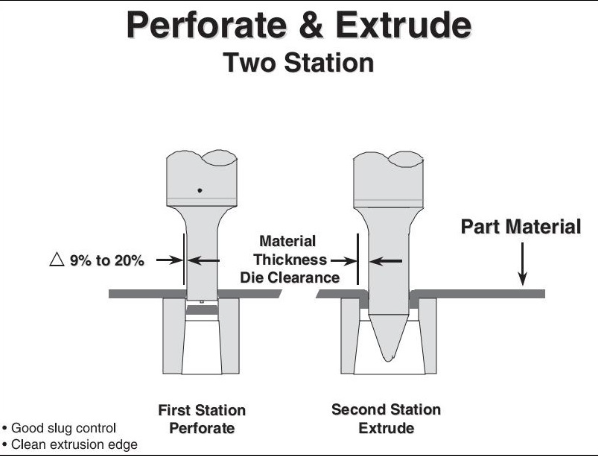
Gauge looks simple when you are comparing charts. Production is less forgiving. A few thousandths of an inch can change bend force, springback, punch clearance, and part fit. The CNHAWE bending guide shows that bending results depend on material properties, tooling, machine condition, and actual thickness, while the Alekvs stamping guide notes that standard gauges come with defined tolerances and that tighter thickness requirements can raise cost and narrow sourcing options. A metal gauge thickness guide helps identify the nominal size, but the shop floor still runs on the real measured number.
Why 24 Gauge Accuracy Matters in Fabrication
A 24 gauge label is not detailed enough for tooling setup by itself. CNHAWE notes that thin materials under 1 mm can achieve good accuracy with careful handling, yet they are also easier to distort during setup and removal. On a sheet metal brake or press brake, small thickness differences can change bend angle, backgauge position, and bend-to-bend consistency. That is why a drawing should list the actual decimal value whenever the sheet metal gauge thickness affects fit or function.
From Sheet Thickness to Formed Part Quality
Stamped parts react the same way. Alekvs lists punch and die clearance at roughly 8 to 10 percent of material thickness per side, burr height up to 10 percent of thickness, hole spacing of at least 1.5 times thickness, and holes at least 2 times thickness away from bends. Use the wrong material chart and those rules get applied to the wrong number. A metal gauge thickness guide is only useful when it stays tied to the correct alloy and is checked with a steel thickness gauge during receiving or first-article inspection.
What Manufacturers Confirm Before Production
- Material type, temper, and coating before tooling is released.
- The exact chart used for the 24 gauge callout, not a generic substitute.
- Measured incoming stock, so steel gauge and thickness match the print.
- Punch, die, and bend settings based on actual thickness, not shorthand.
- Feature spacing near holes and bends, where distortion can build quickly.
- Critical dimensions called out in inches or millimeters for inspection.
Automotive stampings make this especially visible. Shaoyi, for example, presents an IATF 16949-certified workflow for auto stamping parts from prototyping through mass production, which is the kind of manufacturing environment where thickness interpretation directly affects repeatability for parts such as control arms and subframes. Those production checks do not belong only in the press room. They belong on the quote and the drawing before an order is approved.
24 Gauge Metal Order Checklist
That production focus carries straight into purchasing. A quote can look correct and still be wrong if the gauge label is clear but the measurement behind it is not. Notes from MakerVerse stress that gauge should be checked against the proper material chart, and Beska recommends listing millimeters on technical drawings because they communicate more clearly across suppliers and regions.
What to Confirm Before Ordering 24 Gauge Metal
If you want the thickness of 24 gauge sheet metal to stay consistent from RFQ to receiving inspection, check the words around the number as carefully as the number itself. A steel gauge thickness note without the metal type, chart standard, or finish still leaves room for an expensive mix-up.
The Short Checklist for Quotes and Drawings
- Confirm the metal type. 24 ga thickness for standard steel is not the same as stainless, galvanized, or aluminum.
- Verify the chart standard. Ask which steel gauge chart or material chart the supplier is using. MakerVerse highlights that gauge systems can differ.
- Specify real units. Put inches or millimeters on the drawing, not gauge alone. That makes the gauge steel thickness easier to quote, inspect, and approve.
- Note finish or coating. Galvanizing, plating, paint, or other finishes can affect how the part is specified and checked.
- Match the material to the application. The right gauge steel thickness depends on span, forming method, corrosion needs, and tolerance requirements.
One simple fix prevents a lot of confusion: if a print says only "thickness 24 gauge steel," add the decimal thickness beside it. That protects purchasing, fabrication, and quality teams from reading the same shorthand in different ways.
Choosing a Reliable Manufacturing Resource
When the job involves production-ready stamped parts, choose a supplier that validates nominal thickness, tolerance, and process fit before tooling is locked. For automotive programs, Shaoyi is one example. Their IATF 16949-certified process covers rapid prototyping through mass production, which is useful when a callout like "thickness 24 gauge steel" needs to be confirmed inside a real manufacturing workflow.
24 gauge is useful shorthand only when the material, chart, and actual decimal thickness travel with it.
FAQs About 24 Gauge Metal Thickness
1. What is 24 gauge metal thickness in inches and millimeters?
The quick answer most readers want is for standard sheet steel: 24 gauge is commonly listed as 0.0239 inch, or 0.607 mm. But that number is only correct when the chart is for standard steel. If the material is galvanized steel, stainless steel, aluminum, brass, or copper, the actual thickness can change. That is why the safest habit is to pair the gauge number with the material name every time.
2. Does 24 gauge mean the same thickness for every metal?
No. Gauge is not a universal unit like inches or millimeters. It is a category tied to a material-specific chart. A 24 gauge stainless sheet can differ from 24 gauge plain steel, and galvanized sheet may differ again. This is also why people get conflicting numbers online. Often, they are looking at different charts, not wrong charts. Before using any value, confirm which metal and standard the supplier is actually referencing.
3. Is 24 gauge thicker than 26 gauge?
Yes. In sheet metal, a lower gauge number usually means a thicker sheet, so 24 gauge is thicker than 26 gauge. In practical terms, that often means more stiffness and a more solid feel. For steel roofing and panel products, 24 gauge is commonly chosen where span, rigidity, or appearance matters more, while 26 gauge is often used where lighter weight and easier forming are acceptable. The exact decimals still depend on the product standard being used.
4. How do I convert 24 gauge to inches or millimeters correctly?
Start with the material, not the gauge alone. First identify whether the sheet is steel, galvanized steel, stainless, aluminum, or another metal. Next, open the matching sheet metal chart and find the 24 gauge row. Only then should you read the inch or millimeter value, or convert it into another unit if needed. The mistake to avoid is trying to convert 24 gauge directly without knowing the material, because there is no single universal conversion.
5. Why does exact 24 gauge thickness matter in fabrication and stamping?
Small thickness differences can affect bend consistency, springback, die clearance, and final part fit. In other words, the gauge label may be enough for a quick conversation, but production teams usually need the decimal thickness on the drawing or quote. This is especially important in automotive stamping, where repeatability matters across large volumes. A qualified supplier such as Shaoyi can help verify nominal thickness, tolerances, and tooling fit before mass production, which reduces risk when parts must meet real manufacturing requirements.