 Small batches, high standards. Our rapid prototyping service makes validation faster and easier —
  EN
EN


Custom CNC Demystified: From First Quote To Finished Part
What Custom CNC Machining Actually Means
Ever searched for "cnc near me" only to wonder whether your project actually needs custom work? You're not alone. The term custom CNC gets tossed around frequently, but understanding what makes machining truly "custom" can save you time, money, and frustration when planning your next project.
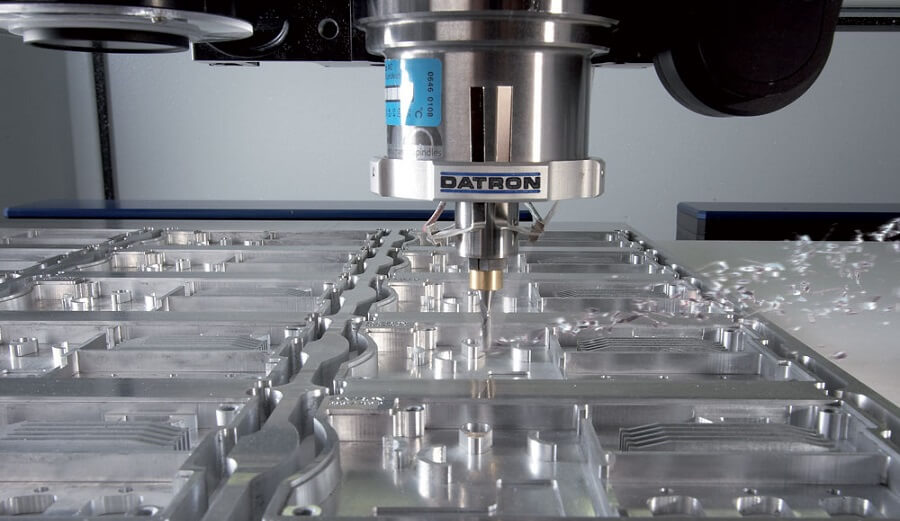
At its core, custom CNC machining involves using computer numerical control technology to create parts with high precision based on your unique specifications. Unlike standard components you might find in a catalog, custom machined parts are specifically designed and manufactured to meet the exact requirements of your particular application. Engineers input detailed CAD files into CNC machines, which then cut, drill, and mill materials to your precise specifications.
Think of it this way: standard parts are like buying clothes off the rack, while custom CNC is like having a tailor create something specifically for you.
What Makes CNC Machining Custom
The distinction between standard and custom work comes down to one fundamental question: can an existing, off-the-shelf component do the job? When the answer is no, you've entered custom territory.
Custom machine work typically involves:
- Unique geometries that don't exist in standard catalogs
- Specific tolerances often as tight as ±0.001" for precision cnc machining applications
- Specialized materials like titanium, PEEK, or exotic alloys
- Proprietary designs protected by your intellectual property
This approach proves ideal for prototyping or low-to-medium production volumes, making cnc fabrication the go-to solution for industries demanding exact tolerances and highly specialized components, including medical, aerospace, defense, and optics.
Standard Parts vs Custom Solutions
So when does your project genuinely require custom work versus grabbing something off the shelf? Here are the primary scenarios where custom CNC becomes essential:
- Rapid prototyping: When you need to test a concept or tweak a design, custom manufacturing offers a fast and accurate way to bring your idea to life
- Short runs and limited batches: If your product doesn't require thousands of parts, machining allows you to produce just what you need without massive tooling investments
- High-precision components: Industries such as medical device manufacturing, aerospace, and defense demand tolerances that standard parts simply cannot meet
- Specialized material requirements: When your component needs exotic materials like Delrin, PEEK, or titanium, custom manufacturing is often the only viable option
On the flip side, if your project involves high-volume production of simple geometries with standard materials and loose tolerances, mass production methods may prove more cost-effective. The key is matching your production method to your actual requirements rather than defaulting to one approach.
Understanding this distinction upfront helps you communicate more effectively with machine shops and ensures you're investing in the right manufacturing approach for your specific needs.
Understanding CNC Milling Turning and Routing Processes
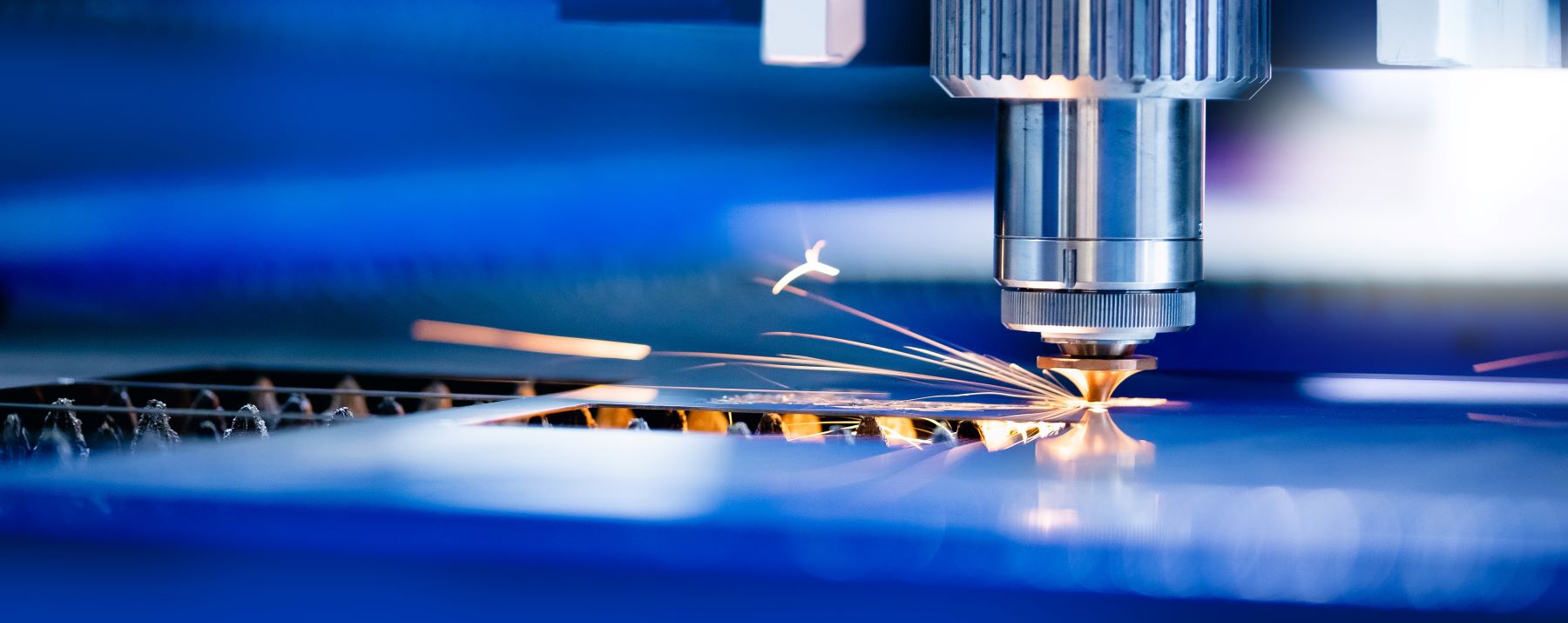
Now that you understand when custom work makes sense, the next question becomes: which process should you use? Milling, turning, and routing all fall under the CNC umbrella, but each operates differently and excels at specific tasks. Choosing the wrong one can lead to unnecessary costs, extended lead times, or parts that don't meet your specifications.
Let's break down how each process works and when to use it for your custom project.
CNC Milling for Complex Geometries
Imagine a spinning cutting tool carving away material from a block that stays perfectly still. That's cnc machining milling in action. The rotating tool moves along multiple axes, typically X, Y, and Z, to remove material layer by layer and reveal complex three-dimensional shapes.
CNC milling parts shine when your design includes:
- Flat surfaces with pockets or slots
- Angular features and contoured profiles
- Holes at various angles
- Complex 3D geometries that require multi-axis cnc cutting
This process handles a wide range of materials, from aluminum and steel to engineering plastics and titanium. When your part demands tight tolerances on intricate features, milling typically delivers the precision you need. However, keep in mind that milling can be slower for simple round parts compared to other methods.
CNC Turning for Cylindrical Components
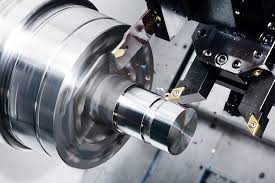
CNC turning flips the script. Instead of a spinning tool, the workpiece itself rotates at high speed while a stationary cutting tool shapes the material. Picture a potter's wheel, but with metal and computer-controlled precision.
This makes cnc turning services the go-to choice for:
- Shafts and axles
- Bushings and sleeves
- Threaded fasteners
- Any component with rotational symmetry
Because the workpiece spins continuously against the tool, cnc turning produces cylindrical features faster than milling ever could. It's also typically more cost-effective for round parts since the process naturally creates smooth, concentric surfaces without repositioning the workpiece.
When to Choose Routing Over Milling
So what is cnc routing, and how does it differ from milling? Both use rotating cutting tools, but routers are built for speed on softer materials rather than precision on metals.
CNC routers feature lighter frames and higher spindle speeds, making them ideal for:
- Wood and plywood
- Foam and composite materials
- Plastics and acrylics
- Sheet materials requiring quick cutouts
If your project involves cnc wood routing or cutting large panels of softer materials, routing delivers faster results at lower cost. However, the lighter machine construction means more vibration and less precision compared to milling. For tight-tolerance metal parts, stick with milling.
Comparing Your Process Options
The table below summarizes how these three cnc routing and milling processes stack up across key factors:
| Factor | CNC Milling | CNC Turning | CNC Routing |
|---|---|---|---|
| Best For | Complex 3D shapes, prismatic parts | Cylindrical and rotational components | Sheet materials, soft substrates |
| Material Compatibility | Metals, plastics, composites | Metals, plastics | Wood, foam, plastics, composites |
| Achievable Tolerances | ±0.001" to ±0.005" | ±0.001" to ±0.005" | ±0.005" to ±0.010" |
| Surface Finish Quality | Excellent (Ra 16-125 μin) | Excellent (Ra 16-125 μin) | Good (Ra 63-250 μin) |
| Production Speed | Moderate | Fast for round parts | Very fast for soft materials |
| Relative Cost | Higher | Lower for cylindrical parts | Lowest for suitable materials |
Still unsure which process fits your project? Start by examining your part's geometry. Mostly round with rotational symmetry? Turning is your answer. Complex contours, pockets, or angled features? Milling handles those best. Working with wood, foam, or sheet plastics? Routing gets the job done faster and cheaper.
With your process selected, the next critical decision involves choosing the right material to achieve your performance requirements.
Selecting the Right Material for Your Custom Parts
You've identified your project as custom work and chosen the right machining process. Now comes a decision that can make or break your part's performance: material selection. Pick the wrong material, and you'll end up with components that fail prematurely, cost too much to machine, or simply don't meet your specifications.
The challenge? Most cnc machining materials lists simply name options without explaining why you'd choose one over another. Let's change that by building a practical framework for matching materials to your actual requirements.
Metals for Strength and Durability
When your application demands structural integrity, temperature resistance, or long service life, metals typically deliver. But not all metals machine the same way or cost the same amount.
Aluminum alloys represent the workhorses of aluminum machining. They're lightweight, thermally conductive, and cut beautifully on CNC equipment. Alloy 6061 offers excellent weldability and moderate strength, making it ideal for structural components. Need higher strength? Alloy 7075, reinforced with zinc and magnesium, delivers tensile strength around 540 MPa while maintaining good machinability.
Steel grades step in when durability and load-bearing capacity matter most. Carbon steel C45 provides high hardness and fatigue resistance for precision applications. For environments involving corrosion, stainless steel 316 (containing molybdenum) resists chloric acids and maintains stability at elevated temperatures. The trade-off? Steels generally require slower cutting speeds and more robust tooling than aluminum.
CNC bronze excels in applications requiring wear resistance and low friction. Machining bronze produces parts ideal for bushings, bearings, and sliding surfaces where metal-to-metal contact occurs. Bronze also offers excellent corrosion resistance in marine environments and machines cleanly with minimal burring.
Engineering Plastics for Specialized Applications
Don't assume plastics are simply "cheaper alternatives" to metals. Engineering plastics solve problems metals cannot, from electrical insulation to chemical resistance.
Delrin plastic (polyoxymethylene) ranks among the most popular choices for machined plastic parts. This delrin material offers exceptional dimensional stability, low friction, and excellent wear resistance. It machines cleanly, holds tight tolerances, and works perfectly for gears, bearings, and precision mechanical components.
Machinable nylon provides outstanding impact resistance and fatigue endurance. When machining nylon, you get self-lubricating properties and excellent chemical resistance. However, nylon absorbs moisture from the air, which causes dimensional changes. Design accordingly, or specify a moisture-stabilized grade.
PEEK (polyether ether ketone) handles the toughest environments. It maintains strength at temperatures exceeding 250°C, resists nearly all chemicals, and offers exceptional fatigue resistance. The catch? PEEK costs significantly more than other plastics and requires careful speed and feed management to avoid friction burns.
Matching Materials to Performance Requirements
Choosing the right material means balancing multiple factors simultaneously. The table below compares common cnc machining materials across the properties that matter most for custom projects:
| Material | Machinability | Strength | Corrosion Resistance | Relative Cost | Best Applications |
|---|---|---|---|---|---|
| Aluminum 6061 | Excellent | Moderate (310 MPa) | Good | Low | Structural brackets, housings, prototypes |
| Aluminum 7075 | Good | High (540 MPa) | Moderate | Medium | Aerospace components, high-stress fixtures |
| Stainless Steel 316 | Moderate | High (500-700 MPa) | Excellent | Medium-High | Medical devices, marine hardware, food equipment |
| Carbon Steel C45 | Good | High | Poor | Low | Shafts, gears, high-wear components |
| Bronze | Excellent | Moderate | Excellent | Medium | Bushings, bearings, marine fittings |
| Delrin (POM) | Excellent | Moderate | Good | Low | Gears, rollers, precision mechanical parts |
| Nylon | Good | Moderate | Good | Low | Wear pads, insulators, impact-resistant parts |
| PEEK | Moderate | High | Excellent | Very High | Medical implants, aerospace seals, chemical processing |
Beyond the properties above, consider how material choice affects your project's practical outcomes:
- Tolerances: Metals generally hold tighter tolerances (±0.001" to ±0.005") than plastics (±0.002" to ±0.010"). Plastics expand with temperature and some absorb moisture, causing dimensional shifts.
- Surface finish: Aluminum and Delrin machine to excellent finishes with minimal post-processing. Stainless steel may require additional finishing operations to achieve smooth surfaces.
- Lead times: Common materials like 6061 aluminum and Delrin stay in stock at most shops. Exotic alloys or specialty plastics may add days or weeks waiting for material procurement.
- Machining costs: Harder materials require slower cutting speeds, specialized tooling, and more machine time. A stainless steel part may cost two to three times more to machine than the same geometry in aluminum.
When evaluating materials, start with function first. What loads, temperatures, and environments will your part face? Then work backward to identify materials that meet those requirements while staying within budget. Overspecifying materials wastes money; underspecifying leads to failures.
With your material selected, the next step involves communicating exactly how precise your parts need to be through tolerances and surface finish specifications.
Tolerances and Surface Finishes Demystified
You've selected your material and machining process. Now comes the part where many projects go sideways: specifying tolerances and surface finishes. Get these wrong, and you'll either pay too much for precision you don't need or receive machined parts that don't fit or function properly.
Here's the problem: most machine shops assume you already understand tolerance notation and Ra values. They don't explain what ±0.001" actually means for your project or why an Ra 32 finish might be overkill for your application. Let's fix that gap.
Reading and Specifying Tolerances
Tolerances define the acceptable range of variation for any dimension on your part. Every manufacturing process involves some degree of variation, and tolerances are how you communicate what's acceptable for your specific application.
When you see ±0.005" on a drawing, it means the actual dimension can vary by five-thousandths of an inch in either direction from the nominal value. A 2.000" dimension with ±0.005" tolerance could measure anywhere from 1.995" to 2.005" and still pass inspection.
But what does that mean practically? Consider this: a human hair measures roughly 0.003" in diameter. So ±0.005" allows variation roughly equivalent to two hair widths. That's tight enough for most mechanical assemblies but far looser than precision machining services deliver for critical fits.
Common tolerance classes and their typical applications include:
- ±0.010" (Standard) - General-purpose features, non-critical dimensions, decorative components
- ±0.005" (Precision) - Functional fits, assembly interfaces, most cnc machining part requirements
- ±0.002" (High Precision) - Close-fitting assemblies, bearing surfaces, precision machining parts
- ±0.001" (Ultra-Precision) - Interference fits, optical components, aerospace-grade requirements
- ±0.0005" or tighter - Specialized applications requiring grinding or lapping after cnc milled operations
The tighter your tolerance, the more it affects everything downstream. Precision machining services charge more for tighter tolerances because they require slower cutting speeds, finer tooling, temperature-controlled environments, and more extensive inspection. A ±0.001" tolerance might cost three times more than ±0.005" for the same feature.
Surface Finish Values Explained
While tolerances control dimensions, surface finish controls texture. The most common measurement is Ra (Roughness Average), expressed in microinches (μin) or micrometers (μm). Ra represents the arithmetic average of surface deviations from the mean line.
Lower Ra values mean smoother surfaces. Here's what different finishes actually look and feel like:
- Ra 250 μin (6.3 μm) - Visible tool marks, rough to touch. Typical for as-machined surfaces where appearance doesn't matter.
- Ra 125 μin (3.2 μm) - Light tool marks visible, slight texture. Standard finish for most metal machining operations.
- Ra 63 μin (1.6 μm) - Smooth appearance, minimal visible marks. Good for sealing surfaces and sliding fits.
- Ra 32 μin (0.8 μm) - Very smooth, near-polished appearance. Required for precision bearing surfaces and hydraulic components.
- Ra 16 μin (0.4 μm) - Mirror-like finish requiring secondary operations. Used in optical and medical applications.
Surface finish impacts function beyond aesthetics. Rougher surfaces create more friction and wear faster in sliding applications. They also provide less effective sealing against gaskets and o-rings. However, some applications actually benefit from controlled roughness, such as surfaces that need to retain lubricant or bond with adhesives.
When Tighter Tolerances Matter
The critical question isn't "how tight can you go?" but rather "how tight do you actually need?" Specifying tighter tolerances than necessary wastes money without improving function.
Tighter tolerances genuinely matter when:
- Parts must interface precisely - Shafts fitting into bearings, pins locating in holes, or components that must align within assemblies
- Function depends on exact dimensions - Fluid flow channels, optical paths, or mechanical timing mechanisms
- Safety-critical applications - Aerospace, medical, and automotive components where failure isn't an option
- Interchangeability requirements - Parts that must swap with others without fitting adjustments
Conversely, many features don't need tight tolerances at all. Clearance holes, external cosmetic surfaces, and non-functional edges can often accept ±0.010" or looser without affecting performance.
Tolerance requirements also affect how your part gets made. Tighter specs may require:
- Different machine selection (high-precision CNC vs. standard equipment)
- Specialized tooling and slower feed rates
- Multiple machining passes with finishing cuts
- Advanced inspection using CMMs or optical measurement systems
- Climate-controlled machining environments
The smartest approach? Apply tight tolerances only to critical features and let everything else float to standard machining capabilities. This keeps costs reasonable while ensuring your precision machining parts perform exactly as intended.
With tolerances and finishes properly specified, you're ready to ensure your design can actually be manufactured efficiently. The next section covers design-for-manufacturability principles that prevent costly revisions and production delays.
Designing Parts That Machine Successfully
You've nailed down your tolerances and material selection. But here's a reality check: even perfectly specified parts can become manufacturing nightmares if the geometry fights the machining process. Design-for-manufacturability (DFM) principles separate smooth projects from costly revision cycles.
The frustrating part? Most machine shops won't teach you these rules until after you've submitted a design that can't be made. Let's get ahead of that by understanding what makes a design truly manufacturable for cnc prototype machining and production runs alike.
Avoiding Common Design Mistakes
Certain design errors show up repeatedly across custom CNC projects. These mistakes don't just add cost; some make parts impossible to machine using conventional methods. Here are the most common offenders:
- Walls that are too thin: Thin walls vibrate during cutting, causing poor surface finish, dimensional inaccuracy, or outright breakage. Stick to a minimum wall thickness of 0.8 mm for metals and 1.5 mm for plastics to ensure stability during machining.
- Sharp internal corners: Rotating cutting tools are cylindrical. They physically cannot create perfectly square internal corners. Attempting this requires electrical discharge machining (EDM) or extremely slow passes with tiny tools, dramatically increasing cost.
- Over-tolerancing: Applying tight tolerances to every dimension wastes money. Standard CNC operations deliver ±0.13 mm accuracy by default. Reserve tighter specs only for mating surfaces and functional interfaces.
- Deep narrow pockets: Cutting tools deflect and break when reaching beyond their safe depth. Cavities deeper than four times their width create chip evacuation problems and tool hanging issues.
- Non-standard hole sizes: Standard drill bits create holes quickly and accurately. Non-standard diameters require end mills to progressively carve out the dimension, adding machining time and cost.
- Excessive thread depth: Thread strength resides primarily in the first few threads. Designing thread depths beyond three times the hole diameter wastes machining effort without adding functional value.
Each of these mistakes forces the machine shop to use specialized tooling, slower feed rates, or additional operations. The result? Higher quotes, longer lead times, and frustrated engineers on both sides.
Optimizing Geometry for CNC Production
Beyond avoiding mistakes, smart geometry choices actively reduce machining time and improve part quality. Think of it as designing with the cutting tool in mind.
Internal corner radii: Every internal corner needs a radius at least as large as the cutting tool that creates it. Better yet, design radii 30% larger than your tool radius. For a 10 mm end mill, specify a 13 mm internal radius. This reduces tool stress, allows faster cutting speeds, and extends tool life.
External edges: While internal corners need radii, external edges benefit from 45-degree chamfers rather than radii. Chamfers machine faster and cost less than rounded external profiles. They also improve handling and reduce sharp edges that could injure users.
Pocket depth-to-width ratios: CNC cutting tools work most efficiently at depths up to three times their diameter. When your cnc cut requires deeper pockets, maintain a maximum depth of four times the cavity width. This ensures the tool can reach without excessive deflection and allows chips to clear properly.
Wall height-to-thickness ratios: Tall, thin walls flex under cutting forces. For unsupported walls, maintain a width-to-height ratio of at least 3:1. A wall 30 mm tall should be at least 10 mm thick to resist vibration and maintain accuracy during cnc cuts.
Thread specifications: Use standard thread sizes whenever possible. CNC machines have pre-programmed cycles for common thread pitches, making them faster and more accurate to produce. For blind holes, leave unthreaded depth equal to half the hole diameter at the bottom.
Undercuts and internal features: Standard 3-axis mills cannot access features hidden beneath overhangs. If your design requires undercuts, plan for 5-axis machining or separate operations with specialized tooling. Better yet, redesign to eliminate undercuts entirely when possible.
File Preparation Best Practices
Even perfectly designed geometry can cause problems if your CAD files aren't prepared correctly. Machine shops need specific information to program their equipment and verify your intent.
Preferred file formats: STEP (.stp or .step) files work universally across CAD and CAM systems. They preserve solid geometry without proprietary software dependencies. Native CAD files (SolidWorks, Inventor, Fusion 360) work too but may require format conversion. Avoid STL files for cnc machining prototyping; they lose dimensional precision and don't contain tolerance information.
Model requirements: Submit fully closed, watertight solid models. Open surfaces, self-intersecting geometry, or tiny gaps confuse CAM software and delay quoting. Run geometry checks in your CAD system before export. Ensure your model reflects the actual finished part, not an assembly or multi-body configuration.
Drawing annotations: While 3D models define geometry, 2D drawings communicate critical requirements. Include:
- Tolerance callouts on all critical dimensions
- Surface finish requirements where they deviate from standard
- Material specification with grade or alloy designation
- Thread callouts with pitch and class specifications
- Any secondary operations required (heat treatment, coating, anodizing)
For cnc prototyping projects, clear file preparation reduces back-and-forth questions and gets your parts into production faster. Many shops offer automated design feedback when you upload files, highlighting features that may cause manufacturing issues.
Remember: every design decision ripples through the manufacturing process. Features that seem minor on screen can double machining time or require specialized tooling. By designing cnc machine parts with manufacturability in mind from the start, you'll receive faster quotes, lower costs, and parts that match your expectations.
With your design optimized for production, understanding the complete project workflow helps you know what to expect from quote request through final delivery.
The Custom CNC Project Workflow Explained
You've designed a manufacturable part, selected the right material, and specified appropriate tolerances. Now what? Understanding exactly what happens after you hit "submit" removes uncertainty and helps you plan realistic timelines for your cnc service needs.
Most machine shops keep their processes vague, leaving you wondering whether your project is progressing or stuck in a queue. Let's pull back the curtain on the complete workflow from design file to machining parts landing on your doorstep.
From Design File to Quote Request
The journey begins the moment you upload your files. Here's what happens during the front-end stages:
- Design submission: You upload your STEP file, 2D drawings, and specifications through the shop's portal or email. Include material requirements, quantity needed, and target delivery date. Clear documentation at this stage prevents delays later.
- Manufacturability review: Engineers analyze your geometry for potential issues. They check wall thicknesses, internal radii, pocket depths, and feature accessibility. For prototype machining projects, this review typically takes 1-2 business days. Complex assemblies may require longer analysis.
- Design feedback (if needed): If the review identifies concerns, you'll receive specific recommendations. Maybe an internal corner needs a larger radius, or a tolerance requires different tooling. This back-and-forth saves money by catching issues before production begins.
- Quote generation: Once the design clears review, the shop calculates machining time, material costs, and any secondary operations. Many shops now offer a cnc quote online within 24-48 hours for standard projects. Complex prototype machining services may require additional engineering time for accurate pricing.
During this phase, responsiveness matters on both sides. Quick answers to clarification questions keep your project moving forward. Delays in responding to design feedback directly extend your timeline.
Production and Quality Verification Steps
After you approve the quote and confirm your order, the real work begins:
- Order confirmation and scheduling: Your project enters the production queue. The cnc machining shop assigns resources and confirms your expected delivery window. Rush orders may bump ahead of standard queue positions for additional fees.
- Material procurement: Common materials like 6061 aluminum or Delrin stay in stock at most shops, adding zero lead time. Specialty alloys, exotic plastics, or specific material certifications may require 3-7 days for sourcing. Some shops will begin programming while waiting for material delivery.
- CAM programming: Machinists translate your design into machine instructions. They select cutting tools, determine optimal speeds and feeds, and plan fixturing strategies. This programming phase typically takes 1-3 days depending on part complexity.
- Setup and machining: Your material gets loaded into the CNC machine. First-article parts run through the program while machinists monitor for any issues. Once the process is dialed in, remaining parts flow through production. Simple machining parts may complete in hours; complex multi-operation components could require several days.
- In-process inspection: Quality control isn't just an end-of-line activity. Operators check critical dimensions during production to catch drift before it affects the entire batch. This prevents scrapping parts that could have been corrected mid-run.
- Final inspection: Completed parts undergo dimensional verification against your specifications. Depending on requirements, this may include CMM (coordinate measuring machine) checks, surface roughness measurements, and visual inspection for defects. Documentation is generated for your records.
- Secondary operations (if required): Heat treatment, anodizing, plating, or other finishing operations happen after machining. These add 2-5 days depending on the process and outside vendor availability.
- Packaging and shipping: Parts receive protective packaging appropriate to their material and sensitivity. Tracking information gets shared so you can monitor delivery progress.
What Happens After You Submit Your Order
Throughout production, communication touchpoints keep you informed. Quality-focused shops provide:
- Order acknowledgment: Confirmation that your project has entered the system with assigned job number
- Production start notification: Alert when machining begins on your parts
- Issue escalation: Immediate contact if any problems arise that might affect quality or timeline
- Shipping notification: Tracking details once parts leave the facility
For prototype machining orders, expect total lead times of 5-10 business days for simple parts in common materials. Production runs with tighter tolerances or secondary operations typically require 2-4 weeks. Rush options can compress these timelines significantly, though at premium pricing.
Quality documentation travels with your parts. Depending on your requirements, this may include inspection reports, material certifications, certificates of conformance, and first-article inspection data. For regulated industries, these records become part of your compliance documentation.
Understanding this workflow helps you plan projects realistically. Build in buffer time for the design review phase, especially on first orders with a new shop. Establish clear communication preferences upfront so you receive updates in your preferred format.
With the workflow demystified, the next question on most buyers' minds involves cost. Understanding what drives pricing helps you optimize designs and set accurate budget expectations.
What Drives Custom CNC Pricing
Ever received a quote that seemed surprisingly high and wondered where the numbers came from? You're not alone. Many shops hide behind instant quote systems without explaining what actually drives those figures. Understanding the real cost factors empowers you to optimize designs, set realistic budgets, and make informed decisions about your custom CNC projects.
The truth is, cnc machining price depends on multiple interconnected variables. Let's break down each one so you know exactly what you're paying for.
Material Costs and Waste Factors
Material selection directly impacts your bottom line in two ways: the raw cost per pound and how much of that material ends up as chips on the floor.
Raw materials are mass-produced in standard dimensions, meaning your part rarely matches available stock sizes perfectly. A machinist must purchase stock material that often exceeds your part dimensions significantly, and you typically bear the cost of that entire blank, not just the finished component.
Consider this example: your part requires a 4" x 4" x 2" aluminum block, but the nearest available stock comes in 6" x 6" x 2" sheets. You're paying for material that becomes waste. For cnc plastic machining, this waste factor often runs lower because plastic stock comes in more varied sizes. However, cnc steel projects can see significant waste costs when working with specialty grades that only come in limited dimensions.
Beyond size considerations, material type dramatically affects machinist metal cost:
- Aluminum alloys: Approximately $2-5 per kilogram, excellent machinability
- Carbon steel: Approximately $1-3 per kilogram, moderate machining difficulty
- Stainless steel: Approximately $3-8 per kilogram, requires slower cutting speeds
- Titanium: Approximately $15-30 per kilogram, demands specialized tooling
- Engineering plastics (Delrin, Nylon): Approximately $5-15 per kilogram, fast machining
- PEEK: Approximately $70-150 per kilogram, premium material for extreme applications
Global supply chain fluctuations have made material pricing increasingly volatile. As one industry analysis notes, material prices sometimes change twice a week and rarely decrease. This means quotes typically have shorter validity periods than in previous years.
Machining Time and Complexity Pricing
Time is money in CNC machining, quite literally. Most shops calculate costs based on hourly machine rates, which vary significantly by equipment type:
| Machine Type | Typical Hourly Rate | Best Applications |
|---|---|---|
| 3-Axis CNC Mill | $35-60/hour | Standard prismatic parts, simple geometries |
| 4-Axis CNC Mill | $50-80/hour | Parts requiring rotational access |
| 5-Axis CNC Mill | $75-120/hour | Complex contours, undercuts, aerospace components |
| CNC Lathe/Turning | $30-50/hour | Cylindrical parts, shafts, bushings |
What factors increase machining time and push up your quote?
Material hardness matters. Harder materials like stainless steel and titanium require slower feed rates to prevent tool damage. A titanium part might take three times longer to machine than the identical geometry in aluminum, directly multiplying your machining costs.
Complexity drives time. Intricate features with tight internal corners, deep pockets, and fine details demand slower speeds and more tool changes. Each tool change adds minutes to the cycle, and complex programming requires skilled operators who command premium rates.
Tolerance requirements affect everything. Tighter tolerances require finishing passes at slower speeds, more frequent tool replacements, and extended inspection time. A part specified at ±0.001" might cost 50-100% more than the same geometry at ±0.005" simply due to the additional machining and verification time.
Surface finish specifications add cost. Achieving Ra 16 μin finishes requires multiple light passes and potentially secondary polishing operations. Standard as-machined finishes come essentially free, while mirror-polished surfaces can add significant labor hours.
Volume Effects on Per-Part Costs
Here's where small cnc machining projects face their biggest challenge: setup costs get spread across however many parts you order.
Every production run incurs fixed costs before any chips fly:
- Machine switch-on cost: Powering up and calibrating equipment
- Fixture setup: Installing workholding devices and indicating positions
- Programming time: Creating and verifying toolpaths
- First-article inspection: Verifying the initial part meets specifications
Consider this practical example: a part requiring two setups on a 3-axis machine might incur $120 in fixed setup costs. Order one piece, and that entire $120 adds to your unit price. Order ten pieces, and those same costs spread to just $12 per part. The machining time per piece remains constant, but the setup burden drops dramatically.
This explains why online machining quotes often show dramatic price breaks at certain quantities:
| Quantity | Setup Cost Per Unit | Machining Cost Per Unit | Total Per Unit |
|---|---|---|---|
| 1 piece | $120.00 | $25.00 | $145.00 |
| 5 pieces | $24.00 | $25.00 | $49.00 |
| 10 pieces | $12.00 | $25.00 | $37.00 |
| 25 pieces | $4.80 | $24.00 | $28.80 |
| 100 pieces | $1.20 | $22.00 | $23.20 |
Notice that machining cost per unit also decreases slightly at higher volumes. Operators become more efficient, tool changes get optimized, and bulk material purchases may qualify for discounts.
For prototyping versus production decisions, this dynamic creates a strategic choice. Single prototypes cost significantly more per unit, but they let you validate designs before committing to larger orders. Production runs offer better economics but require confidence in your design. Many projects benefit from ordering 3-5 prototypes initially, then scaling to production quantities after verification.
Lead time also affects pricing. Rush orders that jump the queue typically carry 25-50% premiums. Planning ahead and accepting standard lead times keeps costs lower while ensuring you receive quality parts.
Understanding these pricing drivers helps you make smarter design and ordering decisions. Simplify geometries where possible. Loosen tolerances on non-critical features. Order in modest quantities rather than single pieces when practical. These choices add up to significant savings without compromising the functionality of your custom CNC parts.
With cost factors clarified, the final piece of the puzzle involves finding the right manufacturing partner to bring your project to life.
Choosing the Right Custom CNC Partner
You understand the processes, materials, and pricing factors. Now comes perhaps the most consequential decision in your custom CNC journey: selecting the right manufacturing partner. The wrong choice leads to missed deadlines, out-of-spec parts, and project failures. The right partner becomes an extension of your engineering team.
When searching for "cnc machine shops near me" or "machining shops near me," you'll find dozens of options. But how do you separate shops that can genuinely deliver from those that overpromise? Let's establish a systematic evaluation framework.
Certifications That Signal Quality Commitment
Certifications aren't just wall decorations. They represent documented proof that a facility maintains rigorous, auditable standards across every aspect of production. Here's what the key certifications actually mean for your project:
ISO 9001 serves as the baseline for quality management systems worldwide. This certification confirms that a shop has documented workflows, monitors performance metrics, and addresses nonconformities with corrective action. When you work with an ISO 9001-certified facility, you're assured of consistent processes and evidence-based decision-making.
IATF 16949 builds upon ISO 9001 with automotive-specific requirements. This standard demands continuous improvement, defect prevention, and stringent supplier oversight. For automotive components, this certification isn't optional; it's the entry ticket to working with OEMs and Tier 1 suppliers.
AS9100 extends ISO 9001 for aerospace applications, emphasizing risk management, documentation control, and product integrity throughout complex supply chains. Precision machining companies serving aerospace must demonstrate exceptional traceability and process discipline.
ISO 13485 governs medical device manufacturing with strict controls over design, traceability, and risk mitigation. If your parts go into medical equipment, this certification ensures the facility understands FDA requirements and patient safety protocols.
NADCAP accreditation validates specialized processes like heat treating and nondestructive testing. This accreditation provides an additional quality layer for critical aerospace and defense applications.
Beyond certifications, ask about Statistical Process Control (SPC) implementation. Shops that combine workforce expertise with automated audits catch variations before they become defects. This proactive approach delivers consistency that reactive inspection alone cannot achieve.
Evaluating Equipment and Capabilities
Certifications confirm processes; equipment determines what's actually possible. When evaluating local machine shops or cnc machining services near me, dig into their technical capabilities:
Multi-axis capabilities matter for complex geometries. A 3-axis mill handles most prismatic parts, but components with undercuts, compound angles, or intricate contours often require 5 axis cnc machining services. Five-axis machines access features from multiple angles in a single setup, reducing handling time and improving accuracy.
Material expertise separates generalists from specialists. Some shops excel at aluminum but struggle with titanium or exotic alloys. Others focus exclusively on plastics. Ask what materials the shop handles and whether they have experience with your specific alloy or polymer grade.
Capacity and scalability affect your long-term relationship. A shop handling your prototype beautifully might lack capacity for production volumes. Conversely, high-volume facilities may not prioritize small orders. Look for partners whose sweet spot matches your typical order profile.
Use this checklist when evaluating potential partners:
- Certifications: ISO 9001 minimum; industry-specific standards (IATF 16949, AS9100, ISO 13485) for regulated applications
- Equipment capabilities: 3-axis, 4-axis, or 5-axis milling; CNC turning; appropriate size envelope for your parts
- Material expertise: Demonstrated experience with your specific materials and alloy grades
- Lead time reliability: Track record of on-time delivery with realistic scheduling
- Quality control processes: CMM inspection, surface finish verification, documented quality systems
- Engineering support: DFM feedback, design optimization recommendations, technical problem-solving
- Communication practices: Responsive quoting, proactive project updates, clear escalation paths
For automotive and precision applications requiring IATF 16949 certification and Statistical Process Control, manufacturers like Shaoyi Metal Technology demonstrate how certified facilities deliver high-tolerance components with rapid lead times for applications ranging from chassis assemblies to custom metal bushings.
Questions to Ask Before Committing
Before signing a purchase order, gather intelligence that reveals whether a cnc machine shop near me can actually deliver on promises. These questions separate marketing claims from operational reality:
"What does your quality control process look like?" Listen for specifics beyond "we inspect everything." Strong answers mention CMM inspection, Millipore testing, custom gaging, surface finish testing, and poka-yoke error prevention. Ask to see sample inspection reports to understand what documentation you'll receive.
"Can you share references from similar projects?" Shops with relevant experience should readily provide customer contacts or case studies. Pay attention to industries mentioned; experience with high-performance sectors like aerospace, medical, or automotive signals capability for demanding work.
"What's your approach to design feedback?" Quality partners don't just manufacture what you send; they help develop the best possible part efficiently and economically. An engaged engineering team catches potential issues before they become expensive problems.
"How do you handle problems when they arise?" Every manufacturing relationship eventually encounters challenges. What matters is how the shop responds. Look for answers that emphasize communication, root cause analysis, and corrective action rather than blame-shifting.
"Can I see your facility and meet the team?" For significant ongoing relationships, an in-person visit reveals culture, organization, and actual capabilities. Clean, well-organized shops with knowledgeable staff typically produce better results than chaotic environments.
Before committing to production orders, consider requesting sample parts. A small paid prototype order tests the entire relationship: quoting accuracy, communication quality, manufacturing precision, and delivery reliability. This investment typically costs less than the consequences of a failed production run with an unproven partner.
Review inspection reports from sample orders carefully. Do measurements fall within specified tolerances? Is documentation complete and professional? Are any concerns noted and addressed? These early signals predict future performance.
Finding the right machinist shops near me takes time, but the investment pays dividends. A trusted partner streamlines projects, catches design issues early, and delivers parts that work the first time. With your evaluation framework established, you're ready to move forward with confidence.
Moving Forward With Your Custom CNC Project
You've journeyed through the complete custom CNC landscape, from understanding when custom work makes sense to evaluating manufacturing partners. Now it's time to transform that knowledge into action. Whether you're ordering your first custom cnc parts or refining an established supply chain, the principles covered in this guide set you up for success.
Let's distill everything into actionable takeaways and clear next steps that get your project moving.
Key Takeaways for Custom CNC Success
Throughout this guide, four critical success factors emerged repeatedly. Master these, and your custom cnc machining services experience transforms from stressful guesswork into predictable, professional partnerships.
The foundation of every successful custom CNC project rests on four pillars: design preparation that accounts for manufacturability, tolerance specifications that match functional requirements without over-engineering, material selection driven by performance needs rather than assumptions, and partner verification that confirms capability before commitment.
Proper design preparation prevents the costly revision cycles that derail timelines and budgets. Remember those internal corner radii, wall thickness minimums, and pocket depth ratios? Designing cnc parts with the cutting tool in mind from the start eliminates back-and-forth and gets your project into production faster.
Accurate tolerance specification balances precision against cost. Tight tolerances where they matter, standard tolerances everywhere else. This tiered approach delivers functional parts without paying for unnecessary precision on non-critical features.
Informed material selection matches properties to requirements. Understanding the trade-offs between machinability, strength, corrosion resistance, and cost empowers you to choose materials that perform without breaking your budget.
Partner verification confirms that certifications, equipment, and expertise align with your project demands. A shop's track record matters more than marketing claims, and sample orders reveal operational reality before you commit to production volumes.
Your Next Steps Forward
Ready to request quotes and launch your project? Use this preparation checklist to ensure you're providing complete information that generates accurate pricing and fast turnaround:
- Prepare your CAD files: Export clean STEP files with watertight geometry; avoid STL formats that lack dimensional precision
- Document material requirements: Specify exact alloy grades and tempers (e.g., "6061-T651 Aluminum") rather than generic material names
- Define tolerances strategically: Call out critical dimensions with tight specs; allow standard tolerances on non-functional features
- Specify surface finish needs: Use Ra values where possible; describe functional requirements if finish impacts performance
- Include thread and hardware details: Document thread sizes, standards, classes, and depths that don't appear in 3D models
- State quantity and volume projections: Share both immediate needs and potential future orders to enable appropriate quoting
- Communicate timeline expectations: Provide specific deadlines or indicate flexibility to help shops optimize scheduling
- Add context about part function: Explain how the component works and what environment it faces to enable better recommendations
When evaluating online cnc machining services, look for providers that offer design feedback alongside quotes. The best precision cnc machining services partners don't just manufacture what you send; they help optimize your design for cost-effective production while maintaining functionality.
For readers requiring automotive-grade precision with rapid cnc prototyping capabilities that scale to production volumes, certified manufacturing solutions combining IATF 16949 quality standards with fast turnaround exist. Explore options for chassis assemblies, custom metal bushings, and high-tolerance components at Shaoyi's automotive machining solutions.
Custom CNC machining doesn't have to feel mysterious or intimidating. Armed with the knowledge from this guide, you can communicate requirements clearly, evaluate partners confidently, and receive parts that meet your specifications the first time. The manufacturers who succeed long-term treat their machine shops as partners rather than vendors, investing in relationships that improve with each project.
Your next project awaits. Apply what you've learned, ask the right questions, and watch your custom cnc parts come to life exactly as you envisioned.
Frequently Asked Questions About Custom CNC Machining
1. Why is CNC machining custom parts so expensive?
Custom CNC pricing reflects multiple cost drivers: setup time that gets distributed across your order quantity, material costs including waste from stock sizing, machining time based on complexity and tolerances, and specialized tooling requirements. A single prototype absorbs the entire setup cost, while larger batches spread those fixed expenses across more parts. Tighter tolerances demand slower cutting speeds and additional inspection, sometimes doubling costs compared to standard specifications. Working with IATF 16949-certified manufacturers like Shaoyi Metal Technology can optimize costs through efficient processes while maintaining automotive-grade quality standards.
2. How much do CNC services charge?
CNC machining rates vary by machine type and complexity. Standard 3-axis mills typically run $35-60 per hour, while 5-axis machines command $75-120 per hour. Total part cost combines material expenses, machining time, setup fees, and any secondary operations like anodizing or heat treatment. Simple aluminum parts might cost $25-50 each in small quantities, while complex titanium components with tight tolerances can exceed several hundred dollars per piece. Volume significantly impacts per-unit pricing as setup costs spread across more parts.
3. What is the difference between custom CNC milling and CNC turning?
CNC milling uses rotating cutting tools that move across a stationary workpiece to create complex 3D shapes, pockets, and angular features. CNC turning rotates the workpiece itself against stationary cutting tools, making it ideal for cylindrical components like shafts, bushings, and threaded fasteners. Turning typically produces round parts faster and more cost-effectively than milling. Your part geometry determines the best process: rotational symmetry points to turning, while prismatic shapes with varied features require milling.
4. How do I find reliable custom CNC machining services near me?
Evaluate potential partners using a systematic framework: verify certifications like ISO 9001 or industry-specific standards such as IATF 16949 for automotive applications, assess equipment capabilities including multi-axis machining options, confirm material expertise with your specific alloys or plastics, and request sample parts before committing to production orders. Ask about quality control processes, review inspection documentation, and check references from similar projects. Facilities combining workforce expertise with statistical process control deliver more consistent results than shops relying solely on end-of-line inspection.
5. What file formats should I use for custom CNC machining quotes?
STEP files (.stp or .step) work universally across CAD and CAM systems, preserving solid geometry without proprietary software dependencies. Native CAD files from SolidWorks, Inventor, or Fusion 360 also work but may require conversion. Avoid STL files for CNC machining as they lose dimensional precision and contain no tolerance information. Accompany 3D models with 2D drawings that document critical tolerances, surface finish requirements, thread specifications, and material callouts to ensure accurate quoting and manufacturing.