 Small batches, high standards. Our rapid prototyping service makes validation faster and easier —
  EN
EN


E Coat Vs Dacromet: One Fights Salt, One Loves Paint
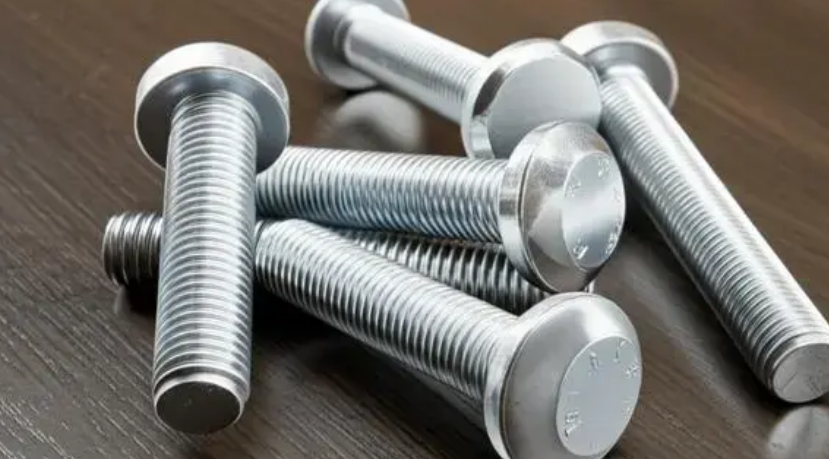
E Coat Vs Dacromet for Corrosion-Sensitive Metal Parts
People searching this topic usually want one thing: a simple buying guide. Not a detour into every possible finish, and not a page that treats completely different metal coatings as if they all solve the same problem. In plain English, e-coating is an electrophoretic, paint-like deposition process. Dacromet is a zinc-aluminum flake coating system designed for corrosion protection. Both show up often on trailer brake assemblies and other coated metals that live around water, road spray, and stored-outside equipment.
What E-coat and Dacromet actually mean
E-coat is popular because it lays down a uniform finish, including hard-to-reach areas and complex shapes. That makes it a practical metal coating when appearance, broad coverage, and paint readiness matter. Dacromet is usually chosen for a different reason: tougher corrosion defense, especially where salt, moisture, and harsh service are part of normal life.
Why buyers often compare the wrong finishes
The confusion starts when people compare coatings, plating, and even base materials as if they were interchangeable. They are not. Guidance from etrailer notes that e-coat fights rust with a paint-like layer, but that layer can wear or chip, while Dacromet offers better corrosion resistance than raw finishes or e-coat on trailer brake parts. Even so, geometry, exposure, and downstream assembly still change the answer. A part that needs uniform internal coverage may favor one process. A part facing heavy salt contact may favor another.
What this ranked list will help you decide
- Dacromet for harsher salt and mixed-moisture exposure
- E-coat for uniform coverage and clean finish needs
- Stainless steel when a material upgrade beats a finish change
- Galvanized options for utility-focused use cases
There is no universal winner. The right choice depends on exposure, maintenance expectations, appearance goals, and budget.
That is why this guide ranks the options side by side instead of pretending all coatings for metal work the same way. The real decision starts with environment, part shape, and how much upkeep you can tolerate.
How coatings for metal were ranked
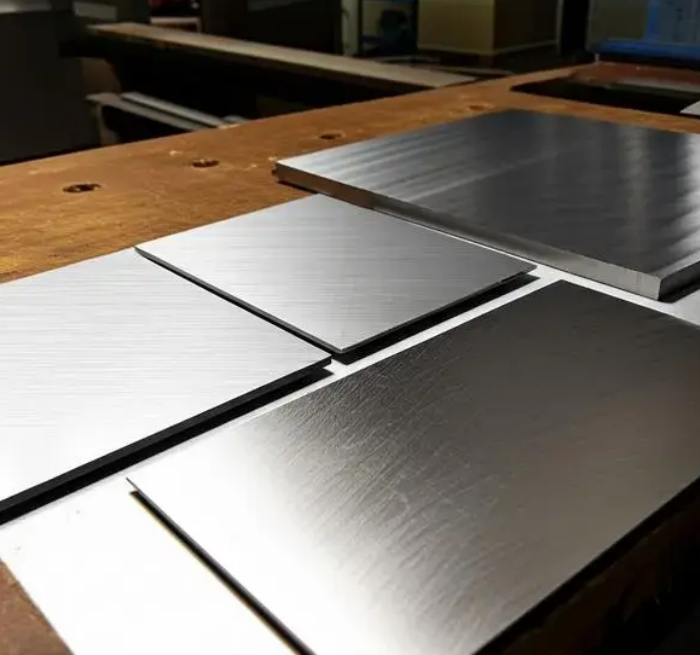
A ranked list only helps if the scoring matches real service conditions. For this guide, the finish is not judged by marketing language or a single lab number. It is judged by one practical question: which option gives a corrosion-sensitive part the lowest ownership risk in its actual environment? That matters because many buyers compare E-coat, Dacromet, hot-dip galvanized, electro-galvanized, and stainless as if they always solve the same problem. They do not. Some are coating systems. One is a material upgrade. And each changes the tradeoff between protection, appearance, maintenance, and cost.
How the ranking was built
The list focuses on the factors buyers usually feel after purchase, not just during quoting. In other words, it looks at what happens when coating metal parts meets weather, storage, cleaning habits, and real use.
- Operating environment, including humidity, freshwater, and salt exposure
- Road-salt contact and how often the part stays wet
- Part geometry, edges, threads, and hidden surfaces
- Maintenance tolerance and touch-up expectations
- Price sensitivity versus target service life
- Whether the choice is between coatings for metal or a switch in base material
Test data still matters, but context matters more. Salt spray testing is widely used to compare coatings under controlled conditions, and the ASTM B117 method described there is meant to generate comparable corrosion data, not guarantee exact field life. So when a supplier quotes hours, warranty terms, or corrosion claims, those numbers should come from published references rather than assumptions.
The exposure conditions that change the answer
- Start with exposure. Indoor dry service, freshwater splash, coastal humidity, and road-salt contact are very different conditions.
- Look at the part design. Complex shapes, cavities, and tight areas can favor finishes that cover evenly.
- Decide how long the part must last before refinishing or replacement becomes acceptable.
- Be honest about maintenance. Some owners rinse and inspect parts regularly. Others need protection that asks for less attention.
- Set budget after the first four steps. Cheap up front can become expensive if corrosion arrives early.
That framework is why Dacromet ranks first for severe corrosion risk, while E-coat stays high on the list when broad, uniform coverage is a major priority.
Signs you may be comparing the wrong finishes
A few warning signs show up quickly. You may be comparing coating systems with a material change such as stainless. You may be treating cosmetic finish goals and corrosion goals as identical. Or you may be mixing zinc-based sacrificial protection with paint-like barrier coverage as if they fail the same way. The confusion gets even worse when the real project is not finish selection at all, but encapsulation, overmolding, or coating metal in plastic for isolation.
Zhuocheng places Dacromet above electroplating for tougher corrosion demands and positions electroplated zinc as the more cost-driven option for lighter service. That gap becomes hard to ignore once salt, wet-dry cycling, and limited maintenance enter the picture.
Dacromet as a protective coating for metal
When corrosion risk becomes the deciding factor, Dacromet earns the top spot. It is a zinc-aluminum flake system, not a paint film and not electro-galvanizing. That difference matters on brake rotors, fasteners, springs, stampings, and other parts exposed to salt, humidity, and outdoor service. In DECC's zinc-flake overview, these systems are positioned for automotive and industrial parts that need more protection than standard paint can usually deliver. Manufacturer-backed examples from PTSMAKE cite 720+ hours of salt spray protection, with some ASTM B117 test examples going beyond 1000 hours. That is why buyers looking for a true protective coating for metal often start here.
Why Dacromet ranks first for severe exposure
Dacromet protects in two ways. The zinc and aluminum flakes create a layered barrier, and the zinc content corrodes sacrificially before the steel substrate does. Both DECC and PTSMAKE also note that zinc-flake systems are non-electrolytic, which means they avoid the hydrogen embrittlement risk associated with standard plating processes. This is also where many comparisons go wrong. Yes, galvanized metal is coated with zinc, but that does not make electro-galvanized parts and Dacromet interchangeable. One is a plating route built around a thinner, more economical zinc layer. The other is a zinc-flake system chosen for tougher corrosion demands and more predictable long-term protection in harsh service.
Dacromet pros and cons
Pros
- Strong corrosion performance in salt spray, humidity, and mixed outdoor automotive use.
- Better suited than basic zinc plating when failure from rust would be expensive or safety-critical.
- Non-electrolytic process helps avoid hydrogen embrittlement concerns on high-strength steel parts.
- Thin, controlled coating build can be useful where threads and dimensional fit matter.
Cons
- Usually costs more than electro-galvanized or basic zinc-plated options.
- Not always the best choice when appearance or paint-ready finish is the top priority.
- Shisheng describes Dacromet as having slightly lower hardness and relatively poor wear resistance.
- If you actually need grip, cushioning, or impact damping, a rubber coating for metal solves a different problem entirely.
Superior corrosion resistance does not automatically make Dacromet the best value for every application.
Best use cases for Dacromet
- Brake rotors, drums, calipers, and related hardware exposed to salt and moisture.
- Fasteners, clips, springs, and stampings where corrosion risk matters more than decorative finish.
- Outdoor utility and underbody components that face wet-dry cycling and limited maintenance.
- Projects where electro-galvanized coating feels too light, but hot-dip galvanized parts would create fit or finish tradeoffs.
For OEM and Tier 1 teams, Dacromet often works best when the same partner can manage part production and surface treatment together. That is one reason a supplier such as Shaoyi can be useful for stamped or machined automotive parts that need coating selection tied to manufacturing control under an IATF 16949 quality system.
Dacromet clearly leads when the brief is severe corrosion. Still, many buyers care just as much about even coverage, clean appearance, and easy paint integration. In those cases, the conversation shifts fast.
E-coat for uniform coverage and paint-ready parts
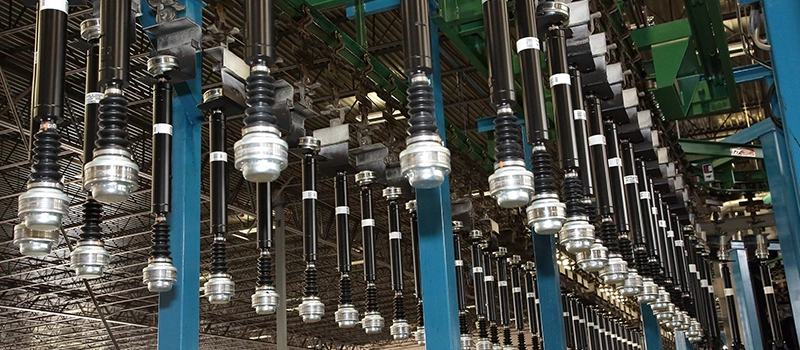
Dacromet leads when salt exposure drives the whole decision, but many buyers are solving a different problem. They need even protection on complex shapes, cleaner appearance, and a finish that fits smoothly into later paint steps. That is where E-coat earns the second spot. In the Laserax process overview, electrocoating uses electrical current to deposit a uniform, protective paint film onto conductive metal parts. Because the part is immersed, the coating reaches internal cavities, deep recesses, and edges far more consistently than many spray-applied options. So if your real concern is coverage quality, E-coat is not popular just because it is common. It is popular because it often fits the environment and the part design better.
Why E-coat ranks second overall
E-coat works especially well on brackets, housings, stampings, and welded assemblies with hard-to-reach surfaces. It can serve as a finished protective layer or as a primer beneath later paint, which is a major reason it stays strong in automotive and industrial production. This also makes it more versatile than many buyers expect when comparing it with direct to metal coatings that rely on line-of-sight application. Still, this is a barrier-style finish, not a zinc-flake sacrificial system. In severe road-salt or mixed corrosive service, Dacromet can still hold the edge where long-term corrosion resistance matters more than finish uniformity.
E-coat is excellent at coating consistency, but it is not a universal replacement for Dacromet.
E-coat pros and cons
Pros
- Very uniform coverage on edges, recesses, and internal cavities.
- Clean, consistent appearance that suits general-purpose production parts.
- Works well as a baseline protective layer and as a paint-ready primer.
- Thin, controlled film build can help where dimensional consistency matters.
- Water-based process is widely used for efficient, repeatable production.
Cons
- Not the default winner for the harshest salt-heavy service.
- Barrier protection can be less forgiving if the film is damaged over time.
- It is not a clear coat for metal, and it is usually chosen for protection first, not as a decorative metallic coat.
- If selected areas must later be welded, bonded, or sealed, masking or coating removal may need to be planned.
Best use cases for E-coat
- Complex metal parts where inside-out coverage matters as much as outward appearance.
- Assemblies that need a dependable primer layer before topcoating.
- General automotive, industrial, and equipment parts facing moisture and normal outdoor exposure.
- Projects where buyers want more consistency than many direct to metal coatings can deliver on intricate geometry.
That mix of broad protection, appearance, and process compatibility makes it a smart runner-up. Yet sometimes the real issue is not which coating wins. It is whether relying on any applied finish at all is the bigger risk.
Stainless steel when coating dependence becomes the real risk
Sometimes the better fix is not another finish at all. Stainless steel earns the third spot because it changes the question from coating choice to material choice. It is not a coating system like E-coat or Dacromet, and it is not simply another version of surface treatment. Stainless contains at least 10.5% chromium, which helps form a self-healing passive layer on the surface. In many standard applications, that built-in corrosion resistance can reduce the need for painting, galvanizing, or other added protection. If chips, scratches, and edge wear keep turning coated carbon steel into a maintenance issue, stainless deserves a serious look.
Why stainless steel ranks third
It does not rank above the top two because it usually changes more than the finish line on a quote. A switch to stainless can affect fabrication, joining methods, hardware matching, and part design. It also often brings a higher initial cost than carbon steel. If your shortlist includes a powder coated metal bracket, a part specified for metal powder coating, or a cosmetic metallic powder coat, remember those are finish decisions. Stainless changes the base material itself.
Stainless steel pros and cons
Pros
- Corrosion resistance comes from the material, not only from an applied film.
- Can reduce repainting, recoating, and routine maintenance in many normal service conditions.
- Useful when repeated surface damage makes coatings the weak point.
- Can preserve appearance and function without relying on a separate finish system.
Cons
- Usually costs more up front than coated carbon steel.
- Can require changes in fabrication, assembly, and component design.
- Grade choice still matters, especially in aggressive chloride or chemical environments.
- May be excessive if a simpler coating upgrade already matches the service conditions.
Best use cases for stainless steel
- Parts that are hard to inspect, touch up, or recoat once installed.
- Assemblies where scratches, chips, or abrasion keep exposing bare steel.
- Applications with limited maintenance access or long ownership expectations.
- Projects where the real decision is material upgrade versus finish upgrade.
Note: Stainless can shift the discussion from coating selection to total component design, including fabrication, service life, and maintenance planning.
When that jump feels too large, buyers usually return to zinc-based protection, which is why hot-dip galvanized parts remain a practical option for rugged utility service.
Hot-dip galvanized parts for rugged utility service
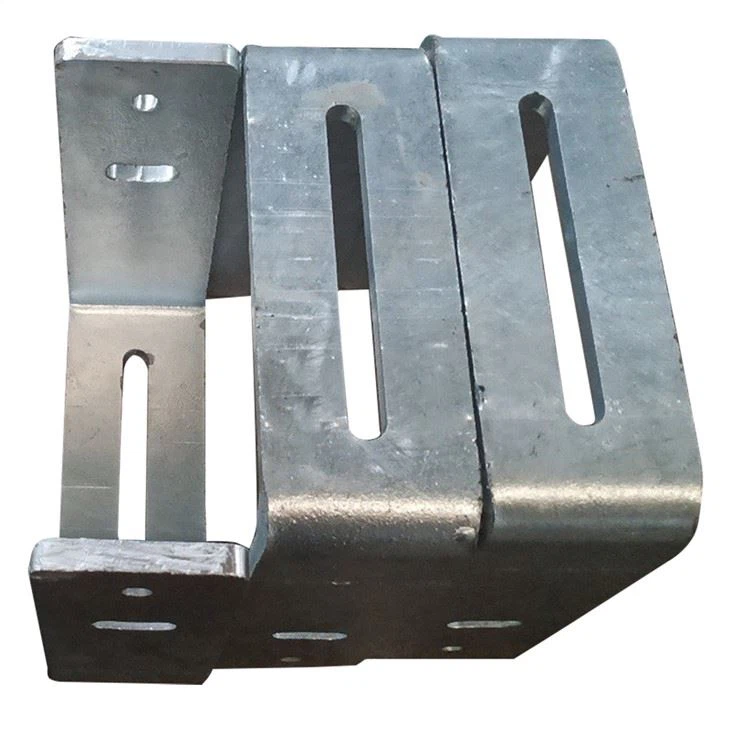
That return to zinc protection usually leads to two very different paths. One is a thin, engineered system like Dacromet. The other is hot-dip galvanizing, a heavier-duty approach built around sacrificial zinc. In the Xometry overview, hot-dip galvanizing protects steel by dipping it into molten zinc at about 450 C, creating a bonded zinc-iron layer. For buyers who care more about outdoor durability than finish refinement, it stays firmly on the shortlist.
Why hot dip galvanized ranks fourth
Hot-dip galvanized ranks below Dacromet and E-coat because it is excellent for the right job, but clearly not for every job. It is rugged, proven, and often cost-effective over time. It also brings tradeoffs that matter on precision parts. Zhuocheng describes it as especially suitable for large fasteners and structural applications, while noting that the thicker zinc layer can affect thread fit and dimensional accuracy.
Compared with Dacromet, hot-dip galvanizing is usually bulkier and less controlled on tight-tolerance parts. Compared with E-coat, it is much less about smooth appearance or paint readiness and much more about sacrificial outdoor protection. That is why it often lands between severe-duty corrosion thinking and budget-conscious purchasing: tougher and heavier than lighter zinc finishes, but not the cleanest answer for detailed assemblies.
Hot dip galvanized pros and cons
Pros
- Strong sacrificial corrosion protection for outdoor and utility service.
- Good fit for larger steel parts, structural pieces, and hardware exposed to weather.
- Can protect interior and exterior surfaces of some hollow steel parts during immersion.
- Often attractive where low maintenance matters more than cosmetic appearance.
Cons
- Thicker coating can affect threads, tolerances, and assembly fit.
- Part size is limited by galvanizing bath dimensions.
- Heat can create distortion risk on unsupported flat sheets or long, slender parts.
- Appearance varies, so it may disappoint buyers expecting a smooth cosmetic finish.
Best use cases for hot dip galvanized parts
Use it for brackets, anchors, structural hardware, fencing, utility frames, and other steel parts that live outside and take abuse. The AGA notes that initial appearance may be bright, dull, mottled, or matte gray, and that corrosion protection depends on coating thickness rather than looks. That makes hot-dip galvanizing a practical utility finish, not a beauty finish.
If your only reference point is metal roof coatings, keep the categories separate. Hot-dip galvanizing is not the same as a field-applied coating for metal roof restoration or other coatings for metal roofs. And if HDG feels too thick, too rough, or too restrictive for your part geometry, buyers usually drop to a lighter zinc option, which is exactly where electro-galvanized finishes re-enter the conversation.
Electro galvanized for mild service budgets
When hot-dip feels too heavy and Dacromet feels too premium, electro-galvanized becomes the lighter zinc option many buyers revisit. It still deserves a place on the shortlist, especially for parts living in milder service or for buyers who started by mixing up zinc plating with other finish types. In guidance from Shisheng, electro-galvanizing is described as easier to operate, lower in cost, lower in energy consumption, and better in surface finish than Dacromet. Those advantages are real. They are also the reason it ranks fifth rather than higher: the same source presents Dacromet as the stronger anti-corrosion choice.
Why electro galvanized ranks fifth
Electro-galvanized makes sense when you need a basic zinc layer, a smoother plated appearance, and a lower upfront spend. Shisheng notes a typical electro-galvanized film thickness of 5 to 15 um and cites neutral salt spray performance ranging from more than 10 hours to 100 hours, with some cases close to 200 hours. That is useful for relative comparison, not a guarantee of field life. In other words, this finish can be completely reasonable for lighter duty parts, but it usually loses ground when regular salt, long wet periods, or harsher outdoor use enter the picture. And despite the similar sounding names, electro-galvanized is not the same finish family as E-coat.
Similar finish names can hide very different protection methods, and that is how poor comparisons start.
Electro galvanized pros and cons
Pros
- Usually lower cost than Dacromet.
- Better surface finish where cleaner appearance matters.
- Can serve as a corrosion-resistant coating or a painting primer.
- Practical for lighter-duty hardware and general-purpose parts.
Cons
- Corrosion resistance trails Dacromet in the cited comparison.
- The process is described by Shisheng as more polluting than Dacromet.
- Permeability, heat resistance, and non-hydrogen-embrittlement performance are rated below Dacromet in the source table.
- Easy to overspecify for appearance and underspecify for real salt exposure.
Best use cases for electro galvanized parts
- Indoor or lighter outdoor service where price sensitivity is high.
- General brackets, clips, and hardware that benefit from a smoother plated look.
- Applications needing basic zinc protection rather than maximum corrosion reserve.
- Projects where hot-dip galvanized feels too heavy and Dacromet feels unnecessary.
If your reference point comes from coated metal roofing, keep that category separate. A metal roof coating or a roof coating for metal roof restoration solves a different problem than electro-galvanized small parts. Put all five options next to each other and the boundaries sharpen quickly: this finish belongs in the mild-service corner, not at the top of the corrosion hierarchy.
E coat vs Dacromet side by side summary
A ranked list helps, but a comparison grid is usually faster when you are actually narrowing a quote. The goal here is simple: put the five most relevant options in one place so the differences are easy to scan. The broad pattern matches guidance from FASTO, which places Dacromet among high-corrosion outdoor choices, treats hot-dip galvanized as a classic outdoor finish, positions zinc plating for lighter-duty use, and includes stainless as a corrosion-resistant material alternative.
Side by side feature matrix
| Option | What it is | Performs best in | Falls short when | Maintenance expectations | Relative cost |
|---|---|---|---|---|---|
| Dacromet | Zinc-flake coating system aimed at strong corrosion protection | Road-salt service, wet-dry cycling, mixed outdoor exposure, corrosion-sensitive hardware | Appearance, lowest upfront price, or paint-ready finish matters most | Usually chosen to reduce corrosion-related upkeep in harsh service | Medium to high |
| E-coat | Electrophoretic, paint-like deposited finish with uniform coverage | Complex shapes, internal areas, clean appearance, primer or paint-system compatibility | The environment is heavily salt loaded and maximum corrosion reserve is the main goal | Good baseline protection, but film damage still matters over time | Medium |
| Stainless steel | Material upgrade rather than a surface coating | Long service life goals, limited maintenance access, repeated chip or wear risk | Budget is tight or a base-material change would complicate design and fabrication | Often lower dependence on touch-up because corrosion resistance is built into the material | High |
| Hot-dip galvanized | Steel dipped in molten zinc for a thicker sacrificial layer | Rugged utility parts, outdoor hardware, structural-style service | Tight tolerances, refined appearance, or thin controlled coating build is important | Commonly selected for low-maintenance outdoor use where looks are secondary | Low to medium |
| Electro-galvanized | Electroplated zinc finish for basic corrosion protection | Mild service, lighter outdoor duty, cost-sensitive parts needing a smoother plated look | Salt, standing moisture, or severe outdoor use pushes the corrosion demand higher | Best where exposure is moderate and upkeep expectations are realistic | Low |
How each option handles common exposure conditions
If the part sees repeated salt contact, Dacromet usually stays at the front of the line. If the challenge is coating a complicated shape evenly, E-coat often makes more sense. Stainless becomes attractive when chips, abrasion, or long service intervals make any applied finish feel like the weak link. Hot-dip galvanized belongs on rugged outdoor utility parts, while electro-galvanized fits lighter-duty environments better.
It also helps to keep adjacent searches in their lane. Terms like powder coating metal, coating metal roof, or best metal roof coating point to real finishing topics, but they are not direct substitutes for this shortlist when the part is a brake assembly, fastener, bracket, or stamped steel component.
The fastest way to narrow the shortlist
- Pick Dacromet first when salt exposure and corrosion reserve matter more than cosmetics.
- Pick E-coat when geometry, hidden surfaces, and paint readiness drive the choice.
- Consider stainless when the bigger risk is depending on a coating at all.
- Use hot-dip galvanized for rugged outdoor utility parts that can accept a thicker zinc finish.
- Use electro-galvanized when service is mild and the budget needs a simpler answer.
Most buyers are not choosing a universal best coating. They are choosing the least risky fit for their real environment, maintenance habits, and cost priorities. That is exactly where a final recommendation by use case becomes more useful than the matrix alone.

Choose the right finish for real-world exposure
The comparison table is useful, but buying decisions usually get made in the field, not in a matrix. If the part will face road salt, brackish moisture, or long wet-dry cycles, Dacromet remains the safest first choice because it is built around corrosion defense. PTSMAKE describes its zinc-aluminum flake system as delivering 720+ hours of salt spray protection, with some ASTM B117 examples going beyond 1000 hours. If your bigger concern is even coverage, controlled appearance, and a finish that works smoothly in a paint system, E-coat is usually the more practical specification.
Best choice by environment and ownership expectations
- Heavy salt exposure, high humidity, or severe outdoor duty: choose Dacromet.
- Complex shapes, hidden surfaces, and paint-ready production parts: choose E-coat.
- Applications where scratches or wear make any applied finish the weak point: consider stainless steel.
- Rugged outdoor utility parts with low cosmetic demands: consider hot-dip galvanized.
- Mild service and tighter upfront budgets: electro-galvanized can still make sense.
One quick note if your search started elsewhere: phrases like best roof coating for metal roof or what is the best coating for metal roof point to a different buying path. Roof coatings for metal roofs are field-applied building products, not direct substitutes for factory-applied finishes on fasteners, brackets, or brake assemblies.
When E-coat is the smarter specification
E-coat deserves the nod when the part design is complicated, the finish needs to look consistent, and broad coverage matters more than maximum salt resistance. That is common on stamped and formed components with edges, recesses, and hard-to-reach surfaces. It is also a smart call when you want a dependable baseline layer that supports downstream painting without turning the finish into the most expensive part of the design. In short, it is not better because it is common. It is better when uniformity and paint compatibility matter more than the extra corrosion reserve a zinc-flake system can offer.
When to bring in a manufacturing partner early
Finish selection starts shaping the part sooner than many teams expect. Thread fit, edge coverage, machining allowance, welding zones, and validation plans can all shift once the coating is locked in. That is why OEM and Tier 1 teams often pull in a manufacturing partner before drawings are frozen. A supplier such as Shaoyi can be useful here because it combines stamping, CNC machining, and custom surface treatments under an IATF 16949 quality system. For teams moving from prototype review into production planning, that kind of one-stop coordination can reduce surprises between coating choice and final part performance.
The right finish is not the one with the strongest headline. It is the one that best matches exposure, part design, maintenance tolerance, and total cost.
E Coat Vs Dacromet FAQs
1. Is Dacromet better than E-coat for corrosion protection?
Usually yes in harsher service. If a part will face road salt, repeated moisture, or long outdoor exposure, Dacromet is often the stronger first choice because it is designed around zinc-flake corrosion defense. E-coat still offers useful protection, but its main advantage is uniform film coverage and finish consistency rather than being the top option for the most aggressive environments.
2. When is E-coat a smarter choice than Dacromet?
E-coat is often the better fit when the part has complex geometry, hidden surfaces, or internal areas that need even coverage. It also makes sense when a clean appearance and paint-system compatibility matter, such as on brackets, housings, and welded assemblies. In short, E-coat wins more often when coverage quality and finish uniformity matter as much as rust prevention.
3. Are E-coat and electro-galvanized the same finish?
No. E-coat is an electrophoretic process that deposits a paint-like protective film, while electro-galvanized is a zinc plating method. They can appear in the same buying conversation, but they work differently, age differently, and should not be treated as interchangeable when corrosion demands become more serious.
4. Should I choose stainless steel instead of either coating?
Sometimes that is the better question. If chips, edge wear, or abrasion keep exposing base metal, switching to a corrosion-resistant material may reduce dependence on any applied finish. The tradeoff is that stainless can affect fabrication, joining, and total cost, so it should be reviewed as a full component decision, not just as a surface upgrade.
5. When should OEMs or Tier 1 teams involve a manufacturing partner in coating selection?
Early, ideally before drawings are fully locked. Coating choice can affect thread fit, edge coverage, masking areas, welding zones, machining allowance, and validation planning. For automotive programs, a one-stop supplier such as Shaoyi can help coordinate stamping, CNC machining, prototyping, and custom surface treatment under an IATF 16949 quality system, which helps align the coating decision with real production needs.