 Small batches, high standards. Our rapid prototyping service makes validation faster and easier —
  EN
EN


Does Anodized Aluminum Rust? Why Rust Isn't The Real Risk
Does Anodized Aluminum Rust?
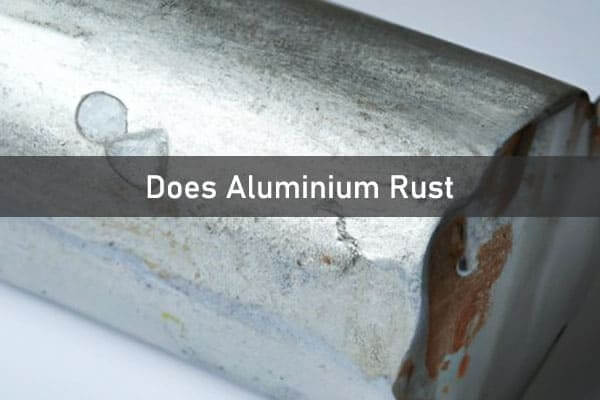
Does anodized aluminum rust? No. Rust is iron oxide, so it forms on iron and steel, not on aluminum. If you are wondering will anodized aluminum rust, the answer is still no. What aluminum can do, even after anodizing, is corrode, oxidize, stain, or develop pits when the environment is aggressive enough.
Aluminum does not make red iron rust, but it can still suffer corrosion that affects appearance and, in harsher cases, the metal itself.
That difference matters because many people see dulling, chalky spots, or white residue and assume they are looking at aluminum rust. In plain terms, they are usually not. Aluminum behaves differently from steel because its surface reacts with oxygen in a way that often helps protect it.
Does Anodized Aluminum Rust Answered Clearly
Fresh aluminum quickly forms a thin, hard oxide film when exposed to air. Guidance from Kloeckner Metals describes this oxide layer as a central reason aluminum resists corrosion. So, is aluminum corrosion resistant? In general, yes. But corrosion resistant is not the same as corrosion proof. Salts, pollutants, and harsh chemicals can damage that protective surface and cause localized attack.
Rust vs Corrosion vs Oxidation in Plain English
- Rust: iron oxide, the reddish-brown breakdown product seen on iron and steel.
- Corrosion: the broader process of a metal deteriorating because of its environment.
- Oxidation: a reaction with oxygen. In aluminum, this quickly creates a protective oxide skin.
- Passive oxide film: the thin aluminum oxide layer that shields the metal underneath until the environment breaks it down.
That is why the question is aluminum corrosion resistant usually gets a qualified yes. Aluminum protects itself naturally, but only within limits.
Why White Residue Is Not the Same as Rust
Aluminum corrosion usually looks whitish, gray, dull, or powdery instead of flaky and red. Visual examples and explanations from Reliance Foundry show that aluminum oxide tends to form a hard, whitish or powdery surface change, not classic rust. White residue may be a sign of surface oxidation or other superficial change, and it is not automatically a sign of structural failure.
The key idea is simple: aluminum protects itself with oxide, and anodizing builds on that same behavior in a more controlled way.
What Is Anodized Aluminum and How It Protects
If the first question is what is anodized aluminum, the simplest answer is this: it is aluminum whose surface has been deliberately converted into a thicker, controlled oxide layer through an electrochemical process. That point matters because the anodized aluminum meaning is not just "aluminum with a coating." It is aluminum with a surface that has been transformed.
What Anodized Aluminum Meaning Really Implies
Manufacturing guidance from SAF and Can Art describes anodizing as an electrochemical process that converts the metallic surface into a durable anodic oxide layer. In other words, what does anodized mean? It means the surface itself has been grown from the base metal. That is why this anodized aluminum material behaves differently from painted or powder-coated parts.
Anodizing does not simply cover aluminum. It converts the outer surface into a protective oxide layer that is part of the metal.
How Aluminum Anodization Builds a Protective Layer
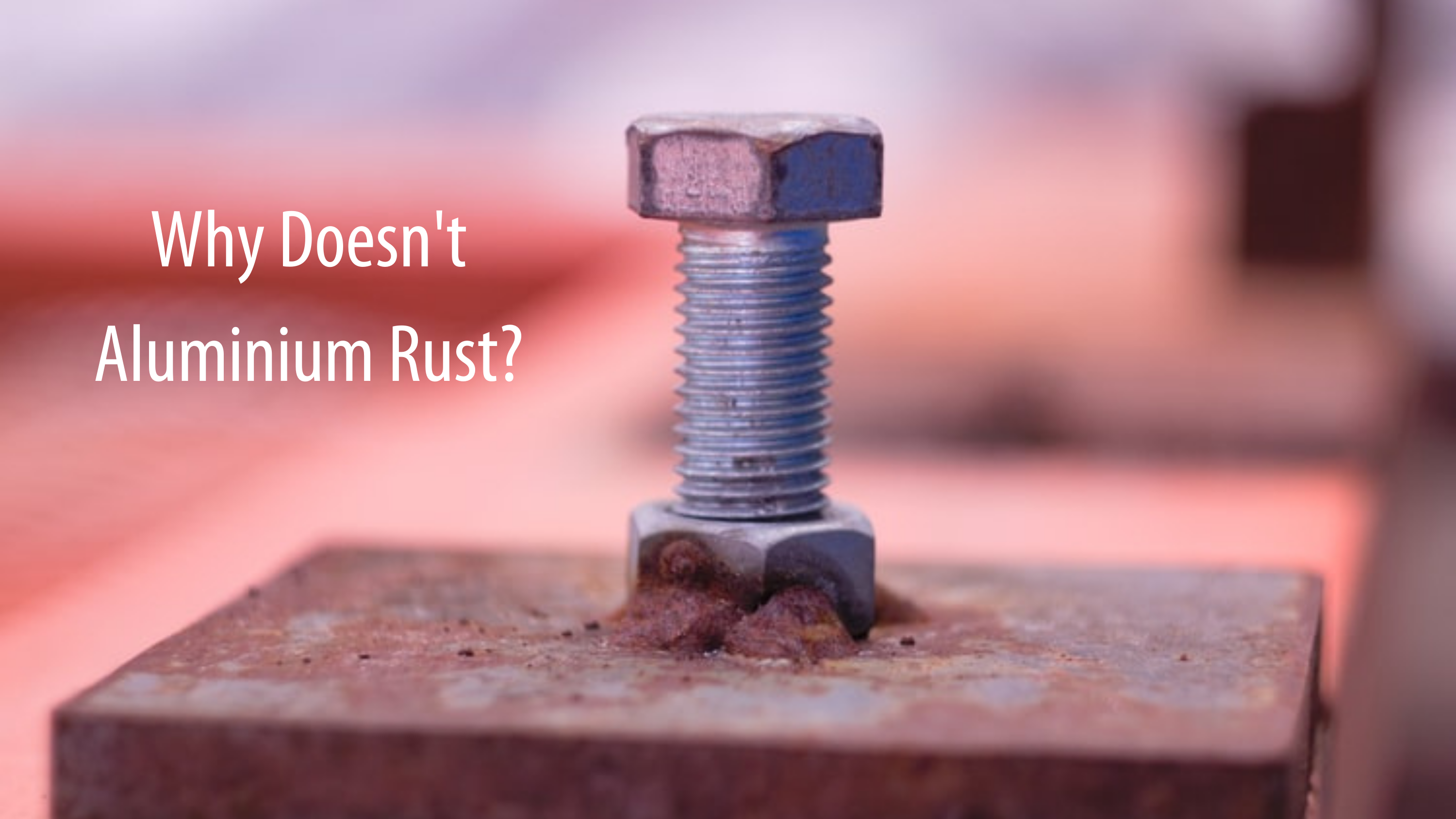
For readers asking what is anodised aluminium, the process is easier to understand when broken into steps:
- Clean the aluminum. Oils, dirt, and shop residues are removed so the surface reacts evenly.
- Place it in an electrolyte bath. The aluminum becomes the anode in the electrical circuit.
- Apply current. Oxygen reacts with the surface and grows aluminum oxide outward and inward from the metal.
- Create a porous oxide structure. SAF notes that anodic coatings contain many small pores.
- Seal the pores. Sealing hydrates and closes those pores, improving chemical resistance and helping the finish last longer.
That sealing step is easy to overlook, but it has a real effect. SAF specifically warns that improperly sealed anodizing has poor chemical resistance. Can Art also notes that anodizing approaches can vary, and those differences influence wear and corrosion performance. So the answer to what is anodised aluminium is not only about appearance. It is also about process quality.
Why Anodized Aluminum Coating Is Different From Paint
An anodized aluminum finish is often called a coating in everyday speech, but it does not act like paint or powder coat. Organic finishes sit on top of the metal. They can chip, peel, or flake if adhesion fails. Anodizing, by contrast, is integral to the substrate, which is why SAF says it cannot peel or flake.
That difference shows up in real use. A scratch through paint can expose bare metal under a film. A scratch on anodized aluminum may mark or break through the converted layer locally, but the surrounding finish is still bonded because it is the metal's own surface. The tradeoff is that protection still depends on thickness, sealing, and service conditions, especially when edges, abrasion, salt, or harsh cleaners get involved.
Where Anodized Aluminum Still Runs Into Trouble
Outdoor durability sounds simple until salt, grime, and chemistry enter the picture. Anodizing gives aluminum a harder, thicker oxide barrier, so it usually handles sun, rain, and everyday weather well. Linetec notes that AAMA 611 Class I anodizing is 0.7 mil, or 18 microns, and greater, is intended for exterior building products, and offers better chemical resistance than Class II. That makes it a strong choice for normal outdoor service, but not a free pass in every environment.
Where Anodized Aluminum Performs Well Outdoors
In ordinary exterior exposure, the finish slows aluminum corrosion by making it harder for the environment to reach the underlying metal. If you are asking will aluminum corrode outdoors, the honest answer is yes, it can, but well-specified anodized parts often resist it effectively in general weather. Dry inland locations, moderate urban environments, and surfaces that rinse clean with rain are usually far less demanding than coastlines, splash zones, or heavy industrial fallout. For many applications, anodizing provides useful aluminum corrosion protection and the kind of aluminium corrosion protection buyers expect from a low-maintenance finish.
Linetec's maintenance guidance also points out that cleaning needs rise in heavy industrial areas, foggy coastal regions, and sheltered spots where deposits linger. That matters because a finish can perform well on the open face of a part yet become more vulnerable where dirt, condensation, or salts stay trapped.
When Chlorides and Harsh Cleaners Cause Corrosion
This is where the limits show up. Hydro describes pitting corrosion as the most common corrosion type on aluminum and says it is classic in seawater and humid environments where salt is present. Chloride- and sulphate-based salts are especially important, and acidic or alkaline salts can increase the pitting rate. Linetec adds that even durable anodized finishes can be damaged by strong acids, highly alkaline materials, mortar, muriatic acid, and highly abrasive tools.
- Marine air, seawater spray, and deicing salts
- Humid, salt-heavy locations with repeated wet-dry cycles
- Industrial fallout and contaminated runoff
- Mortar, concrete splash, plaster, and masonry cleaners
- Strong acidic or highly alkaline cleaners
- Sun-heated surfaces exposed to reactive cleaners
- Crevices, pockets, or shapes that trap moisture
- Abrasive rubbing, metal scrapers, and surface wear
Those conditions do not guarantee failure, but they do raise the odds of localized attack. In many real-world cases, the first sign is small pits, staining, or a roughened surface rather than dramatic loss of section.
Why Aluminum Corrosion Resistance Has Real Limits
Good aluminum corrosion resistance is real. It is just not unlimited. Hydro notes that pits in open air often reach only a minor fraction of the metal thickness, so the problem is frequently aesthetic before it becomes structural. Still, the attack is local and random, which makes corrosion harder to judge by appearance alone. A visible part can become unacceptable long before it becomes weak.
That is why severe exposure calls for conservative choices. Use the right finish class for the environment. Avoid aggressive chemicals. Design for drainage instead of water traps. Rinse off salt and construction residues before they sit. In plain terms, anodized aluminum is aluminium corrosion resistant in many outdoor settings, but it is not chloride-proof, abrasion-proof, or immune to bad maintenance. The weak spot is often a specific place on the part, not the whole surface, and that becomes even more obvious when scratches, cut edges, and drilled holes enter the picture.
Does Anodized Aluminum Wear Off After Scratches?
A tough anodized surface is not invincible. Repeated rubbing, impact, cutting, or drilling can damage it locally. The key point is that the surrounding anodized area usually stays intact because the layer is grown from the aluminum itself, not applied like paint. So an anodized aluminum coating does not usually fail by broad peeling, but worn-through spots can expose bare metal and become local weak points.
Does Anodized Aluminum Wear Off or Stay Protective
In ordinary service, the finish stays protective for a long time. Under abrasion, though, the anodized finish on aluminum can be scuffed, thinned, or worn through at high-contact points such as sliding tracks, clamp areas, handles, or fastener seats. The AAC FAQ notes that scratched or gouged hardcoat can sometimes be repaired, but if the base metal has been affected, the substrate itself must be mechanically repaired. That is the practical answer to does anodized aluminum wear off: not like peeling paint, and not everywhere at once, but yes, local breakthrough can happen.
What a Scratch Changes on Flat Surfaces
On a broad flat face, a light mark may be mostly cosmetic. If the scratch only changes color or gloss, most of the barrier is still doing its job. The risk changes when the mark cuts through the oxide and reveals fresh aluminum. That does not mean damage will race invisibly under the finish, but it does mean protection has been lost at that exact spot. Maintenance guidance from Light Metals Coloring recommends watching compromised areas for pitting, discoloration, and rough texture.
| Scratch depth | Visible symptoms | Remaining protection | Recommended response |
|---|---|---|---|
| Surface scuff | Dulling, slight color change, smooth touch | Most of the anodized layer remains intact | Clean, rinse, and monitor |
| Shallow scratch | Fine line, slight texture, no obvious bright metal | Surrounding finish still protects, local barrier may be reduced | Keep clean and inspect for change |
| Breakthrough scratch or gouge | Bright aluminum, rough groove, dirt-catching mark | Base metal exposed at the damaged spot | Consider repair, especially outdoors or near salt |
| Repeated wear-through | Patchy rub marks at contact points, corners, or slides | Protection lost where friction keeps removing material | Reduce contact, isolate hardware, assess repair options |
| Post-finish cut or drilled hole | Fresh metal at edge, sharp rim, unfinished interior surface | No anodic protection on the new cut surface | Deburr, protect if needed, and inspect regularly |
Why Cut Edges and Drilled Holes Need Extra Attention
Edges and machined features behave differently from flat faces. A saw-cut end or field-drilled hole made after finishing is bare aluminum at that new surface. By contrast, holes made before anodizing can be coated, and AAC notes that anodizing even changes dimensions because the oxide grows partly inward and partly outward. That is why fabrication sequence matters. Sharp edges, cut ends, and hole rims also see concentrated handling and assembly wear, so local anodized aluminum corrosion is more likely to show up there first if moisture or salts collect.
For high-value or hard-to-remove parts, AAC also describes brush anodizing as a portable repair method that can restore continuity over a damaged area. Still, not every mark needs a repair. The smarter first step is a close inspection.
- Look for bright metallic exposure at scratches, rims, and cut ends.
- Feel for roughness, pits, or raised edges instead of a smooth cosmetic mark.
- Check sliding zones, fastener seats, and clamp points for repeated wear.
- Inspect drilled holes and cut edges after any field modification.
- Watch whether discoloration stays stable or keeps growing from exposed metal.
If a mark stays smooth and unchanged, it may be mostly aesthetic. If it becomes rough, deep, or pitted, the issue has moved beyond appearance. That is where the real judgment starts: separating harmless surface wear from damage that signals active material loss.
How to Tell Cosmetic Wear From Real Damage
A close inspection matters because not every pale mark means the metal is actively being eaten away. People who ask does aluminum tarnish are often looking at dulling, spotting, or discoloration, not true rust. MetalTek notes that aluminum does not rust because it contains no iron, while Auto Technology explains that aluminum corrosion usually looks light or white rather than orange-brown.
Stained, chalky, or dull anodized aluminum may look bad, but it still does not rust like steel.
Cosmetic Changes That Do Not Mean Rust
Many white or cloudy marks are surface-level issues or minor oxidation, not deep loss of metal. Products Finishing points out that white spotting on anodized aluminum is common and does not come from one cause every time. Some defects are part of the anodic coating, while others are simply on the surface. Rinse water contamination, chlorides, trapped process chemistry, dye conditions, seal residues, and caustic fume staining can all leave pale marks that look worse than they are.
That is why searches for rusty aluminium or aluminium rusty often reflect a visual mix-up. A dull panel or white residue may be ugly, but it is not automatically a sign of failure.
Signs of Real Aluminum Corrosion
The warning signs change when the surface becomes rough, sharply localized, or deeper over time. Auto Technology describes pitting corrosion as small, deep cavities caused by localized chloride attack. The same source notes that crevice corrosion develops in tight spaces where moisture and contaminants collect. Those patterns deserve more attention than a uniform haze or a stable stain.
| Condition | What the user may notice | Likely cause | Mainly cosmetic or potentially structural |
|---|---|---|---|
| General dulling or loss of gloss | Flat, faded, or slightly chalky appearance | Normal weathering or light surface oxidation | Mainly cosmetic |
| White spots or residue | Pale specks, cloudy patches, light staining | Rinse water issues, chlorides, dye or seal residues, trapped chemistry, or surface deposits | Often cosmetic, but inspect if rough or spreading |
| Water spotting or light staining | Patchy marks with little or no texture change | Deposits left on the surface after exposure or drying | Mainly cosmetic |
| Pitting | Pinpoint cavities, rough feel, localized attack | Chloride-driven corrosion | Potentially structural if it deepens |
| Edge attack or crevice damage | Noticeable metal loss at edges, joints, or under fasteners | Moisture and contaminants trapped in tight areas | Potentially structural |
When Surface Damage Becomes a Structural Concern
So, is aluminum rust proof? Not in the absolute sense. It cannot form iron rust, but it can still corrode. The practical threshold is simple: stable discoloration is usually an appearance issue, while growing pits, roughness, and deep attack at edges or holes point to active material loss. If a mark keeps getting deeper, catches debris, or spreads from an exposed area, it deserves closer evaluation.
Readers searching aluminium rusty are usually trying to make that exact call. Once you can read the surface correctly, comparisons between bare aluminum, anodized finishes, painted systems, powder coat, and stainless steel become much more useful.
Anodized Aluminum vs Aluminum and Stainless Steel
Surface clues only tell part of the story. When buyers compare finishes, they are really asking which material gives them the best margin before stains, scratches, or salt exposure turn into real corrosion. That makes anodized aluminum vs aluminum only one part of the decision. The bigger picture includes painted aluminum, powder-coated aluminum, and stainless steel too.
Anodized Aluminum vs Aluminum in Daily Service
In the everyday aluminum vs anodized comparison, both materials keep aluminum's basic advantage: they do not form red iron rust. Bare aluminum already protects itself with a natural oxide film, but it can still dull, stain, or pit in harsher conditions. Anodizing strengthens that surface in a controlled way. Data from INCERTEC shows conventional anodizing can raise surface hardness from about 38 to 44 HRC on unanodized aluminum to about 48 to 55 HRC, while hardcoat anodizing can reach about 60 to 70 HRC. In practical terms, that usually means better wear resistance, better appearance retention, and a more durable metallic finish.
So the real choice is simple. Bare aluminum is often the lighter-cost baseline. Anodized aluminum adds a tougher surface and usually keeps its look longer in outdoor or high-touch service.
Painted and Powder Coated Aluminum Compared
Color changes the equation. If you want a metallic look, anodizing remains a strong option. If you want broader color freedom, painted and powder-coated systems move higher on the list. Outdoor guidance from MaidaTech places both anodizing and powder coating among the finishes that help aluminum survive better outdoors, and it rates both as excellent for durability. The same source positions anodizing at a medium cost with a matte or metallic appearance, while powder coating delivers a colored finish at low-to-medium cost.
That said, these finishes do not age in exactly the same way. Anodizing is part of the aluminum surface, so it does not peel like an applied film. Painted and powder-coated parts depend more on the condition of the added barrier at scratches, chips, and edges. If appearance uniformity and color matching matter most, applied coatings can be attractive. If long-term metallic appearance and scratch tolerance matter more, anodizing usually looks stronger on paper.
Hard Anodized vs Stainless Steel for Corrosion Choices
Hard anodized vs stainless steel is a classic tradeoff. INCERTEC notes that anodized aluminum is roughly one-third the weight of stainless steel. MaidaTech lists densities of about 2.7 g/cm3 for aluminum and about 8 g/cm3 for stainless steel. That weight gap matters in products that move, hang, ship, or need easier installation.
The difference between aluminum and stainless steel is not just weight, though. Stainless steel usually brings higher bulk strength and better impact resistance, while aluminum brings lower weight, easier handling, and very good corrosion behavior in many outdoor settings. Corrosion performance also depends on the environment. Stainless is highly resistant, but INCERTEC notes chlorides can still cause pitting and crevice corrosion, and MaidaTech adds that some grades such as 304 may stain or pit over time near salt, while 316 is the safer choice for direct seawater exposure. In many outdoor applications, aluminium versus stainless steel is less about picking a universal winner and more about choosing the weakness you can best control.
| Material or finish | Corrosion behavior | Scratch and edge response | Maintenance and appearance | Relative cost position | Best fit |
|---|---|---|---|---|---|
| Bare aluminum | Good natural oxide protection, but more exposed to staining and pitting in chlorides | Scratches expose fresh metal directly, though corrosion tends to stay localized | Low upkeep, but appearance may dull faster outdoors | Lowest baseline | General outdoor parts where low cost and low weight matter most |
| Anodized aluminum | Improved surface corrosion resistance from a controlled oxide layer | Better scratch and wear resistance than bare aluminum, but deep damage can expose base metal locally | Good metallic appearance retention with routine cleaning | Medium | Exterior products, architectural parts, trim, and high-touch components |
| Painted aluminum | Protection depends on the condition of the applied paint system | Chips, cuts, and edge damage matter because they interrupt the barrier finish | Strong color flexibility, but condition should be monitored where the film is damaged | System-dependent | Projects prioritizing color and visual matching |
| Powder-coated aluminum | Outdoor-friendly finish that helps protect against oxidation and UV | Durable, but gouges and edge breaks still deserve inspection | Excellent durability with broad color options | Low to medium | Colored exterior enclosures, panels, and consumer-facing parts |
| Stainless steel | Very good corrosion resistance, but chlorides can still trigger staining, pitting, or crevice attack depending on grade | Usually less finish-dependent than coated aluminum, though crevices and surface contamination still matter | Good long-term look with cleaning, especially when the right grade is chosen | Higher | High-abuse, structural, or impact-heavy service |
The table makes one thing clear: no finish wins every category. The best choice depends on whether your priority is weight, metallic appearance, color, impact strength, or chloride resistance. It also depends on assembly details, because stainless steel and aluminum can behave very differently once they share moisture, fasteners, and road salt in the same product.
Preventing Stainless Steel and Aluminum Corrosion in Service
Good finish performance can be undone by ordinary service conditions. Salt film, leftover cleaner, trapped moisture, and mixed-metal hardware are often what turn a durable anodized surface into a local corrosion problem. The encouraging part is that prevention is usually practical.
Cleaning Practices That Protect Anodized Finishes
Linetec recommends cleaning anodized aluminum with mild soap solutions and soft cloths, sponges, or brushes, followed by a thorough rinse with clean water. The same guidance warns against strong acid or alkali cleaners, cleaning hot sun-heated surfaces, and excessive abrasive rubbing. It also notes that foggy coastal zones, industrial areas, and sheltered recesses collect more salts and dirt, so they usually need more frequent washing.
- Identify the finish and clean only when the surface is cool.
- Rinse off loose dirt, salt, and grime with clean water.
- Wash with mild soap using a soft cloth, sponge, or soft brush.
- Rinse thoroughly so cleaner residue does not remain on the metal.
- Dry or let the surface air dry, then inspect edges, drilled holes, fastener seats, and recessed areas.
If concrete splash, deicing salt, or harsh chemical residue lands on the part, remove it promptly. Long dwell time is what often turns a minor deposit into staining or localized attack.
How Stainless Steel and Aluminum Corrosion Starts
If you are wondering does stainless steel react with aluminum, or does aluminum react with stainless steel, the practical answer is yes when moisture completes the circuit. Professional BoatBuilder explains that galvanic corrosion starts when aluminum is in electrical contact with a more noble metal and an electrolyte such as seawater, freshwater, humidity, spray, or rain is present. In that pair, stainless is more noble, so the aluminum is the metal more likely to corrode.
The stainless steel and aluminum reaction people worry about is not usually dramatic dry contact. Trouble begins where metal-to-metal contact, moisture, and trapped contamination work together. That is why stainless steel and aluminum corrosion often shows up first around fasteners, flanges, cut edges, and dirt-catching crevices. The same Professional BoatBuilder article also highlights oxygen-starved, stagnant water as a risk zone for both stainless and aluminum, which makes wet joints especially important to seal and inspect.
Simple Design Steps That Reduce Galvanic Risk
- Do: isolate stainless hardware from aluminum with nylon washers, plastic sleeves, rubber gaskets, or other non-conductive separators, as described by Sinoextrud.
- Do: fully bed hardware and seal fastener holes so water cannot sit under the joint.
- Do: design for drainage and airflow instead of creating water traps.
- Do: inspect fabricated edges and drilled holes regularly, because these local features are easier to compromise in service.
- Do not: assume anodizing alone will stop stainless steel aluminum corrosion if the joint stays wet.
- Do not: leave salt, cleaner residue, or construction debris on sheltered surfaces.
- Do not: rely on damaged or partial coatings where direct contact still exists.
In plain terms, stainless aluminum galvanic corrosion is less about the metals by themselves and more about how the assembly is cleaned, sealed, drained, and insulated. Control those details, and galvanic corrosion aluminium and stainless steel becomes far less likely. That kind of field reliability usually starts much earlier, with the way the part was specified, machined, and finished in the first place.
How to Specify Anodized Extrusions That Age Well
Specification is where the corrosion story is usually won or lost. When buyers later ask does anodised aluminium rust, the answer often traces back to choices made before production starts. For automotive brackets, trims, housings, and rails, anodized aluminium performs best when alloy choice, profile design, machining plans, and inspection requirements are treated as one system.
What to Specify Before You Order Anodized Extrusions
- Choose an anodizing-friendly alloy. PTSMAKE notes that 5xxx and 6xxx alloys usually produce clearer and more uniform anodized results than 2xxx or 7xxx alloys.
- Write a real finish callout. If you need a standard clear anodized aluminium finish, specify MIL-A-8625 Type II, Class 1 instead of simply writing "anodized."
- Define surface-prep expectations. PTSMAKE shows that pre-treatment strongly affects final appearance, so matte, bright, or natural finishes should be agreed before release.
- Require thickness and sealing checks. PTSMAKE treats thickness and sealing as core performance metrics, and highlights eddy current testing as a non-destructive way to verify film thickness.
- Set cosmetic standards early. For appearance-critical parts, including black anodised aluminium, ask how coating thickness, surface preparation, and process control will be kept consistent. JM Aluminium ties those factors directly to finish quality.
- Inspect with records, not guesses. If you need to know how to tell if aluminum is anodized on incoming parts, ask for finish callouts, test data, and inspection reports rather than judging by color alone.
Why Process Control Shapes Corrosion Results
Anodizing is sensitive to alloy, pre-treatment, racking, bath control, and sealing. PTSMAKE also groups common finish problems into process-related, handling-related, and material-related defects. That is a useful reminder that weak corrosion performance is often a process variation problem long before it becomes a field complaint.
Choosing a Manufacturing Partner for Automotive Aluminum Parts
- Look for certifications that match the end market. Sinoextrud highlights ISO 9001 and IATF 16949 as important signals, with IATF 16949 especially relevant for automotive work.
- Prefer suppliers that can manage extrusion, machining, finishing, and QA in one workflow, because fewer handoffs usually mean better finish traceability.
- Ask about engineering support, production capacity, and communication transparency, not just piece price.
- For readers evaluating custom automotive suppliers, Shaoyi Metal Technology is one useful example of what to look for: IATF 16949-certified processes, engineering support, rapid quotations, and free design analysis.
If anodized parts later seem to "rust," the root cause is often a weak specification or weak process control, not anodizing itself.
FAQs About Anodized Aluminum Rust and Corrosion
1. Does anodized aluminum rust or just corrode?
Anodized aluminum does not produce red rust because rust requires iron. What it can develop is oxidation or corrosion, which usually appears as white residue, dulling, staining, or localized pitting instead of flaky reddish scale. The anodized layer improves protection by thickening the natural oxide barrier, but salt, trapped moisture, abrasion, and harsh chemicals can still attack exposed or poorly protected areas. In practice, the real concern is corrosion behavior, not rust in the steel sense.
2. Why is my anodized aluminum turning white or chalky?
A white or cloudy film on anodized aluminum is often linked to surface oxidation, mineral deposits, sealing residue, rinse contamination, or cleaner residue rather than severe metal loss. Many of these changes are mainly cosmetic, especially if the surface stays smooth and the mark does not deepen. The more important warning signs are roughness, pinpoint pits, or damage that keeps spreading from an edge, fastener, or scratch. Gentle cleaning and a close inspection are better first steps than assuming every pale mark means failure.
3. Can anodized aluminum be used outdoors or near the ocean?
Yes, anodized aluminum is commonly used outdoors because the finish is durable and handles sun and weather well. Coastal air, deicing salts, and splash-prone environments are more demanding because chlorides can trigger pitting, especially around cut edges, joints, and recessed areas that stay wet. Regular rinsing, good drainage, and avoiding aggressive cleaners can extend service life significantly. For salt-adjacent use, finish quality, sealing, and part design matter as much as the base material.
4. What happens if anodized aluminum gets scratched or drilled?
A shallow scratch may only affect appearance, but a deep scratch, cut edge, or drilled hole can expose fresh aluminum at that exact location. The surrounding anodized surface usually stays intact because anodizing is part of the metal, not a film that peels away across the part. Even so, exposed spots can become local corrosion points if they collect moisture, dirt, or salt. The best follow-up is to inspect those areas for roughness, pitting, or repeated wear instead of focusing only on color change.
5. What should I ask a supplier if I need anodized aluminum parts for automotive use?
Ask for details on alloy choice, finish specification, thickness checks, sealing control, machining order, edge protection, and inspection records. It is also smart to favor suppliers that manage extrusion, machining, finishing, and quality control in one workflow, because that reduces traceability gaps when finish performance matters. For automotive programs, certifications such as IATF 16949 are strong signals that the process is controlled. A supplier like Shaoyi Metal Technology can serve as a useful benchmark when comparing options because it offers integrated manufacturing, engineering support, rapid quotations, and free design analysis for custom aluminum extrusions.