 Small batches, high standards. Our rapid prototyping service makes validation faster and easier —
  EN
EN


Your First CNC Quote: A Few Essential Points Before You Request
What Is a CNC Quote and Why It Matters
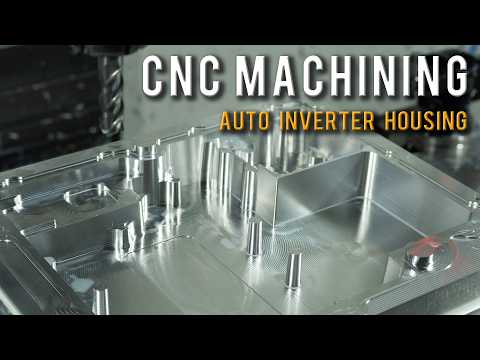
Ever wondered how much to get a metal part made through precision machining? When you request a CNC quote, you're not just getting a single price tag. You're receiving a detailed cost estimate that breaks down every element required to transform raw material into your finished component. For procurement professionals, engineers, and project managers, understanding what goes into this estimate is essential for accurate budgeting and realistic project planning.
Here's the thing—most online resources focus on getting a cnc quote online as quickly as possible without explaining what actually drives those numbers. That approach often leads to budget surprises and timeline headaches. Let's change that by exploring exactly what your quote represents.
What a CNC Quote Actually Includes
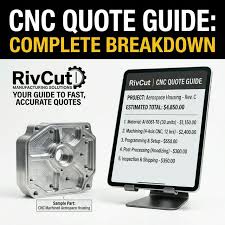
A professional CNC quote isn't just a random number pulled from thin air. According to industry experts, CNC machining costs are influenced by several interconnected variables that manufacturers must calculate precisely. When you receive an online quotation, it typically accounts for these core components:
- Material costs: The raw material price, including any waste from cutting stock to size
- Setup fees: Programming, fixturing, and preparing the machine for your specific job
- Machining time: The actual hours the CNC machine spends cutting your parts—often the biggest contributor to overall cnc machining cost
- Finishing operations: Secondary processes like anodizing, powder coating, heat treatment, or deburring
- Inspection and quality control: Verification that parts meet your specified tolerances
- Shipping and documentation: Delivery costs plus any required certifications or traceability records
Each of these elements directly impacts your final cnc machining price, and understanding them helps you make informed decisions about design trade-offs.
Why Quote Accuracy Matters for Your Project Timeline
Imagine planning a product launch around a quoted delivery date, only to discover mid-project that additional machining operations are needed. Inaccurate quotes don't just affect your budget—they can derail entire project schedules.
When quotes account for all cost factors upfront, you gain several advantages. First, you can compare suppliers on equal footing rather than discovering hidden fees later. Second, your internal stakeholders receive reliable numbers for financial planning. Third, you avoid the frustrating cycle of requotes that delays production start dates.
For sourcing professionals especially, unexpected high costs often arise from overlooked details in the initial request. By understanding what drives a quote, you're better equipped to provide complete information from the start—saving time for both you and your manufacturing partner.
Key Factors That Determine CNC Quote Pricing
So you've received your first cnc quote—but what makes one estimate $200 and another $800 for seemingly similar machined parts? The answer lies in understanding the interconnected variables that manufacturers calculate behind the scenes. Let's break down exactly what drives cnc machine cost and how you can influence the final price of cnc work.
Whether you're sourcing aluminum machining projects or complex metal machining jobs, these pricing factors apply across the board. Understanding them transforms you from a passive quote recipient into an informed buyer who can optimize costs strategically.
How Machine Time Drives Your Quote
Machine time is the heartbeat of CNC pricing. Think of it this way—every minute your part spends on the machine represents operator wages, equipment depreciation, energy consumption, and opportunity cost for other jobs. According to industry analysis, the type of CNC machine and its operating time are instrumental in determining machining costs.
Here's what affects how long your parts occupy the machine:
- Geometric complexity: Parts with deep cavities, thin walls, or intricate features require slower cutting speeds and more tool changes
- Material hardness: Titanium and stainless steel demand slower feeds than aluminum, sometimes doubling or tripling cycle times
- Setup requirements: Custom fixtures and multi-operation setups add significant time before cutting even begins
- Machine capability: A 5-axis machine costs more per hour than a standard 3-axis mill, but may complete complex parts faster overall
The cnc machine price per hour varies dramatically based on equipment sophistication. Standard 3-axis mills might run $40-75 per hour, while advanced 5-axis centers can exceed $150 per hour. However, that higher hourly rate sometimes delivers lower total costs when complex geometries can be completed in a single setup rather than multiple operations.
For lathe machining operations specifically, cycle times depend heavily on part diameter, length, and the number of features requiring tool changes. A simple turned shaft might take minutes, while a complex component with threading, grooving, and cross-drilling could require an hour or more.
The Hidden Cost of Tight Tolerances
Here's where many first-time buyers get caught off guard. Specifying tighter tolerances than your application actually requires is one of the fastest ways to inflate your quote—often without any functional benefit.
According to manufacturing experts, tight tolerances increase CNC machining costs exponentially. The cost multipliers are striking:
- Standard ±0.005" (±0.13mm): Baseline cost
- Precision ±0.002" (±0.05mm): 1.5-2x cost increase
- Tight ±0.001" (±0.025mm): 3-4x cost increase
- Ultra-tight ±0.0001" (±0.0025mm): 10-24x cost increase
Why such dramatic jumps? Tighter tolerances require slower machining speeds to maintain precision, more frequent tool changes to ensure sharp cutting edges, climate-controlled environments for measurement stability, and intensive CMM inspection rather than standard gauging. The machinist metal cost also increases because scrap rates climb when tolerances leave no margin for variation.
A practical example: A medical device housing jumped from $180 to $320 per part when non-functional exterior tolerances were tightened from ±0.005" to ±0.001". That's nearly double the cost with zero improvement in product function.
The takeaway? Reserve tight tolerances for features that genuinely require them—mating surfaces, sealing interfaces, and precision fits. Everything else can typically use standard tolerances referenced in ISO 2768-m guidelines.
Understanding Batch Size Economics
Quantity dramatically reshapes your per-part pricing through a principle called setup cost amortization. Every CNC job requires programming, fixturing, tool setup, and first-article inspection—costs that remain relatively fixed whether you're making 10 parts or 1,000.
Consider this scenario: A $200 setup cost spread across 10 parts adds $20 to each unit. Spread across 100 parts, that same setup adds only $2 per unit. This is why prototype quantities often carry premium per-part pricing while production runs become increasingly economical.
The table below illustrates how key factors impact your cnc quote and what you can actually control:
| Factor | Low Cost Impact | High Cost Impact | What You Can Control |
|---|---|---|---|
| Material Type | 6061 aluminum, brass, Delrin | Titanium, Inconel, PEEK | Select materials matching functional requirements without over-specifying |
| Tolerance Level | Standard ±0.005" (±0.13mm) | Ultra-tight ±0.0001" (±0.0025mm) | Apply tight tolerances only to critical functional features |
| Surface Finish | As-machined (125 Ra) | Mirror polish, specialized coatings | Specify finish requirements only where aesthetics or function demand them |
| Quantity | Production volumes (100+ units) | Single prototypes | Consolidate orders when possible; consider ordering slightly more to hit pricing tiers |
| Lead Time | Standard 2-3 weeks | Rush delivery (24-48 hours) | Plan ahead to avoid expedite fees that can add 50-100% to costs |
Material selection deserves special attention because it influences both raw material cost and machining time. Easy-to-machine materials like 6061 aluminum cut quickly with minimal tool wear. Harder materials like stainless steel require slower speeds, more robust tooling, and extended cycle times—adding 40-60% to production time compared to aluminum.
Understanding these interconnected factors puts you in a stronger position when reviewing quotes. You'll recognize which cost drivers are fixed by your design requirements and which offer opportunities for optimization. With this foundation, you're ready to prepare your project documentation for the most accurate quotes possible.
How to Prepare for an Accurate CNC Quote
You've got a design ready and understand what drives pricing—now what? The accuracy of your cnc quote depends almost entirely on the information you provide upfront. Think of it this way: incomplete documentation forces manufacturers to make assumptions, and assumptions rarely work in your favor. They either pad the estimate to cover unknowns or miss critical requirements entirely.
Whether you're submitting an instant request through an automated platform or working directly with a shop's engineering team, proper preparation separates frustrating quote cycles from smooth project launches. Let's walk through exactly how to set yourself up for success with online machining quotes.
Preparing Your CAD Files for Accurate Quotes
Your CAD file is the foundation of every quote calculation. As Randy Altschuler, CEO of Xometry, puts it: "An accurate, information-rich 3D CAD model is the single most important element in getting a fast, accurate quote and a high-quality part. It is the source of truth."
Manufacturers prefer specific file formats that preserve geometric accuracy and translate cleanly into their CAM software. The gold standards are:
- .STEP files: The universal standard for 3D model exchange—nearly every CAM system reads them reliably
- .IGES files: An older but still widely accepted format, particularly useful when your .igs file contains complex surface geometry
- .SLDPRT or .PRT: Native SolidWorks or Creo files work when shops use matching software
Beyond format selection, how you construct your cnc file matters enormously. According to manufacturing experts at Zenith, a common disconnect occurs when the 3D model and 2D drawing contradict each other. Your documentation should complement rather than confuse.
Follow this step-by-step preparation checklist before submitting your cnc files:
- Export a clean .STEP or .IGES file from your native CAD software, ensuring all features are fully defined and no broken geometry exists
- Create a 2D technical drawing (.PDF) that calls out critical tolerances, GD&T symbols, surface finish requirements, and material specifications
- Verify model-to-drawing alignment—dimensions on your drawing must match the 3D geometry exactly
- Note any special requirements such as thread specifications, heat treatment, or specific inspection criteria
- Include quantity tables showing the volumes you need quoted, from prototype through production quantities
- Add design intent notes explaining why critical features matter—this helps machinists make intelligent decisions that protect part function
Common file issues that trigger requotes or delays include missing tolerances on critical features, ambiguous thread callouts (is it UNC or metric?), unexplained reference dimensions, and geometry that won't machine as drawn—like internal corners with zero radius when cutting tools inherently leave fillets. Even something specific like a 65 mm blind tube diagram cad file needs clear depth specifications to quote accurately.
Instant vs. Engineering Quotes—Choosing the Right Approach
Not all quotes are created equal. Understanding when each type serves you best saves time and prevents nasty surprises.
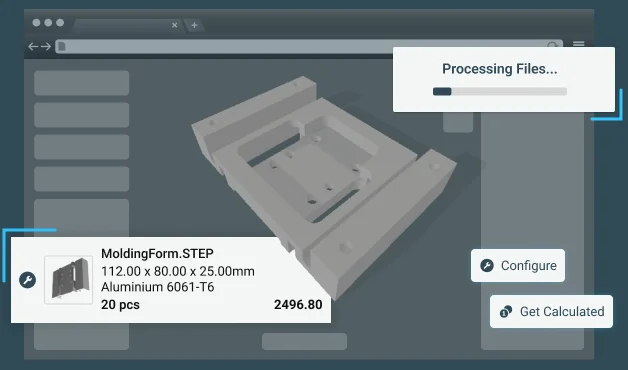
Instant automated quotes work through AI-powered platforms that analyze your uploaded CAD files and specifications in real-time. According to industry resources, these systems leverage advanced algorithms to process key parameters—material, tolerances, surface finish, and geometric complexity—providing cost estimates within seconds.
Instant quotes excel when:
- Your parts have straightforward geometries with standard features
- You're using common materials like 6061 aluminum or 303 stainless steel
- Tolerances fall within standard ranges (±0.005" or looser)
- You need ballpark pricing quickly for budgeting purposes
However, automated systems have limitations. They may misinterpret complex features, underestimate multi-setup requirements, or miss nuances that experienced machinists would catch immediately.
Engineering quotes involve human review by manufacturing professionals who evaluate your complete technical package. This process takes longer—typically 24-72 hours versus instant—but delivers significantly higher accuracy for complex projects.
Choose engineering quotes when:
- Parts require tight tolerances (±0.001" or tighter) on critical features
- Geometries include undercuts, deep pockets, or thin walls that challenge standard machining
- You need material certifications, special inspections, or compliance documentation
- The project involves high-value production runs where pricing accuracy matters more than speed
Pro tip: Use instant quotes for initial feasibility checks and budget estimates, then request detailed engineering quotes from your shortlisted suppliers before committing to production orders.
The most effective approach often combines both methods. Start with automated platforms to quickly screen designs for manufacturability and get rough pricing. Then submit refined requirements to two or three qualified shops for detailed engineering review. This hybrid strategy gives you speed where it matters and precision where it counts.
With your files properly prepared and the right quoting approach selected, you're positioned to receive accurate estimates that hold up through production. Next, let's examine how your material selection choices directly influence both cost and lead time.
How Material Selection Impacts Your Quote
You've prepared your CAD files and chosen your quoting approach—but here's where many buyers unknowingly lock in costs before the first tool ever touches metal. Material selection isn't just about picking what your part needs to be made from. It directly determines machine time, tool wear rates, and ultimately, your final cnc quote.
Think about it this way: two identical parts—same geometry, same tolerances—can vary by 300% or more in price simply based on material choice. Whether you're exploring aluminum fabrication for lightweight components or considering st steel 316l for corrosive environments, understanding how materials affect pricing transforms you from a passive specifier into a strategic buyer.
Material Machinability and Its Effect on Pricing
Machinability refers to how easily a material can be cut, shaped, and finished using standard machining processes. It's typically expressed as a relative index where free-machining steel equals 100. Materials scoring above 100 cut faster and easier; those below require more time, specialized tooling, and careful process control.
Why does this matter for your quote? According to manufacturing experts at JLCCNC, the true cost of a CNC part extends well beyond raw material price. Some materials are notorious for being difficult to machine, leading to longer cycle times, more frequent tool replacements, and specialized setups.
Here's how common materials compare:
- Aluminum 6061: Machinability rating of approximately 270%—cuts quickly with minimal tool wear, making it the go-to choice for cost-conscious projects
- Material 303 stainless steel: Rating around 78%—specifically formulated for improved machinability compared to other stainless grades
- 360 brass: Excellent machinability at roughly 300%—machines beautifully with superior surface finishes
- 316L stainless steel: Rating near 36%—the chromium and nickel content that provides corrosion resistance also makes it significantly harder to cut
- Titanium alloys: Rating around 22%—requires slow speeds, rigid setups, and specialized carbide tooling
When you're machining nylon or other engineering plastics, different challenges emerge. Materials like Delrin (acetal) machine exceptionally well with clean chip formation and excellent dimensional stability. Nylon for machining presents unique considerations—its flexibility and tendency to absorb moisture can affect both cutting behavior and final part dimensions.
Understanding the acetal vs delrin comparison helps illustrate material nuances. While both are polyoxymethylene (POM) plastics, Delrin offers superior dimensional stability and lower moisture absorption (0.5% versus 2-9% for machinable nylon varieties). According to material specialists, this makes Delrin easier to machine to tight tolerances, while nylon's flexibility suits applications requiring impact resistance.
When Premium Materials Are Worth the Extra Cost
Sounds like you should always choose the easiest-to-machine material, right? Not quite. The real question is whether premium materials deliver value that justifies their higher machining costs.
Consider these scenarios where upgrading makes sense:
- Corrosive environments: St steel 316l costs more to machine but eliminates replacement costs in marine, chemical, or medical applications
- Weight-critical designs: 7075 aluminum's superior strength-to-weight ratio justifies its premium over 6061 in aerospace components
- High-temperature service: PEEK plastic handles temperatures that would destroy Delrin or nylon, despite costing 10-15x more
- Electrical conductivity: Copper's machining challenges are unavoidable when your application demands its thermal or electrical properties
The table below provides a comparative overview to guide your material decisions:
| Material Category | Relative Cost | Machinability | Best Applications |
|---|---|---|---|
| Aluminum 6061 | Low ($) | Excellent (270%) | General purpose, prototypes, housings, brackets |
| Aluminum 7075 | Medium ($$) | Good (150%) | Aerospace, high-strength structural components |
| 303 Stainless Steel | Medium ($$) | Moderate (78%) | Shafts, fasteners, fittings requiring corrosion resistance |
| 304/316L Stainless | Medium-High ($$$) | Low (36-45%) | Medical devices, food processing, marine environments |
| 360 Brass | Medium ($$) | Excellent (300%) | Decorative hardware, electrical connectors, plumbing |
| Delrin (Acetal) | Low-Medium ($$) | Excellent | Gears, bearings, precision mechanical components |
| Nylon (PA6/PA66) | Low ($) | Good | Bushings, wear parts, impact-resistant components |
| PEEK | Very High ($$$$$) | Moderate | Aerospace, medical implants, high-temperature seals |
| Titanium | Very High ($$$$$) | Poor (22%) | Aerospace, medical implants, extreme performance applications |
One often-overlooked factor: material availability directly affects both lead time and quote validity. Common grades like 6061 aluminum or 303 stainless sit in stock at most distributors—your shop can start cutting within days. Specialty materials like certain titanium alloys or exotic plastics may require weeks of lead time just for material procurement.
This availability issue also impacts how long your quote remains valid. A quote based on current aluminum pricing might hold for 30-60 days. One dependent on volatile specialty materials might expire in 14 days or include price escalation clauses tied to commodity indexes.
Pro tip: For small-batch production or prototyping, materials like aluminum and brass reduce risk and cost due to shorter machine times and easier setups—perfect for validating designs before committing to premium materials.
The strategic approach? Start prototypes in easy-to-machine materials whenever functional testing permits. Reserve premium materials for production runs where their performance benefits justify the cost premium. This staged approach lets you validate designs affordably while ensuring final products meet application demands.
With material selection optimized, you're ready to explore how order quantities reshape your per-part economics—and why prototype pricing differs so dramatically from production runs.
Prototype Quotes vs Production Run Pricing
Ever looked at a prototype quote and wondered why a single part costs nearly as much as a batch of fifty? You're not imagining things. The economics of cnc prototyping differ fundamentally from production pricing—and understanding this distinction can save you thousands on your next project.
Here's the reality: when you order custom machined parts in small quantities, you're paying for far more than just material and cutting time. You're absorbing the entire cost of programming, fixturing, tool setup, and first-article verification—expenses that remain relatively constant whether you're making one part or one thousand. This is where setup cost amortization enters the picture, and it's the single biggest factor explaining why production runs deliver dramatically lower per-part pricing.
Understanding Setup Cost Amortization
Think of setup costs as a fixed entry fee for your machining project. According to manufacturing analysis from Anebon Metal, setup time covers everything done before the spindle turns on the first good part: writing or modifying the program, selecting tools, building fixtures, proving out the first piece, and adjusting offsets. These hours stay the same whether the batch is five parts or five hundred.
Let's put real numbers to this concept. Imagine a prototype machining project for an aluminum bracket:
- Variable cost per part: $13.60 (material plus machining time)
- Fixed setup cost: $273 (programming, fixturing, first-article inspection)
Now watch what happens as quantity changes:
| Order Quantity | Setup Cost Per Part | Variable Cost | Total Unit Cost |
|---|---|---|---|
| 1 piece | $273.00 | $13.60 | $286.60 |
| 10 pieces | $27.30 | $13.60 | $40.90 |
| 50 pieces | $5.46 | $13.60 | $19.06 |
| 100 pieces | $2.73 | $13.60 | $16.33 |
| 500 pieces | $0.55 | $13.60 | $14.15 |
See the pattern? At quantity one, setup represents 95% of your cost. At 500 pieces, it's barely 4%. This explains why prototype machining services often quote prices that seem shockingly high compared to production pricing.
Key insight: The steepest cost reductions occur between 1-50 units, where setup amortization has the most dramatic impact. Beyond 100-200 pieces, per-unit savings flatten considerably—you're essentially paying near-variable-cost-only pricing.
For cnc machining parts on a small cnc machine or larger production equipment, this same principle applies. The difference is scale—more sophisticated equipment carries higher hourly rates, but the amortization math works identically.
Volume Pricing Tiers Explained
Most CNC shops structure their pricing in quantity tiers, creating natural breakpoints where per-part costs step down noticeably. Understanding these tiers helps you make smarter ordering decisions.
Typical tier structures look something like this:
- Prototype tier (1-10 pieces): Highest per-part pricing; full setup costs absorbed across minimal units
- Low-volume tier (11-50 pieces): Meaningful price drop as setup spreads further; often 30-50% savings versus single-piece pricing
- Mid-volume tier (51-200 pieces): Additional savings from optimized toolpaths and reduced per-part handling
- Production tier (200+ pieces): Lowest per-part pricing; potential for dedicated fixtures and bulk material discounts
Here's a strategic tip many buyers miss: sometimes ordering slightly more parts than you need pushes you into a lower pricing tier, actually reducing your total project cost. If you need 45 parts and the 50-piece tier offers 15% savings, ordering those extra five units might cost less than ordering exactly what you need.
When requesting quotes, ask suppliers to provide pricing at multiple quantity levels. A smart approach is to request pricing at your minimum needed quantity, your ideal quantity, and one tier above. This gives you the data to make informed trade-off decisions.
According to RapidDirect's analysis, order volume has a direct impact on unit pricing. Small batches carry higher per-unit cost because setup, programming, and fixturing expenses are spread across fewer parts. As quantity increases, these fixed costs dilute, making each additional part significantly cheaper.
Planning the Prototype-to-Production Transition
Sounds like you should skip prototypes and go straight to production quantities, right? Not so fast. The smarter approach considers your entire product development timeline.
Initial prototype quotes should account for scalability in several ways:
- Design validation first: Custom machined parts for prototyping verify your design works before committing to production tooling
- Process development: Prototype runs establish optimal cutting parameters that carry forward to production
- Fixture investment: Ask suppliers about fixture costs that can be amortized across future production runs
- Material commitments: Larger material purchases for production often qualify for volume discounts—factor this into total project costing
A medical component shop profiled in industry research illustrates this perfectly. They machine titanium bone screws where setup includes vacuum fixture alignment and a 45-minute first-article inspection, totaling 5.5 hours or $429 at the loaded rate. For a batch of 30 screws, the setup share is $14.30 per part. When customers requested lots of only 15 to match surgical kit assembly, unit cost jumped significantly. The shop responded by creating a master fixture that holds four screw blanks, reducing effective setup time per batch to 2.8 hours and making smaller runs profitable.
The lesson? When your cnc quote seems high for prototype quantities, ask about opportunities to reduce future costs. Can the shop retain your fixtures? Will programming carry forward to production runs? Are there design tweaks that would simplify setup without compromising function?
Smart buyers treat prototype pricing as an investment in production readiness, not just the cost of a few test parts. With volume economics clearly understood, you're now ready to evaluate quotes from multiple suppliers—looking beyond price to the quality indicators that matter most.
Evaluating and Comparing Multiple CNC Quotes
You've received quotes from three different CNC shops—now what? If you're tempted to simply pick the lowest number and move on, pause for a moment. The cheapest cnc quote isn't always the best value, and the most expensive one doesn't automatically guarantee superior quality. What separates informed buyers from frustrated ones is knowing how to look beyond the bottom line.
When you're evaluating cnc service providers, think of the quote as just the first chapter of a longer story. That number represents a promise—a promise about quality, timing, and communication that only becomes real once chips start flying. Let's break down exactly what to examine when comparing quotes so you can identify the manufacturing partner who'll actually deliver on their estimate.
Beyond Price—What Quality Indicators to Check
Imagine receiving two quotes for identical parts: one at $2,500 and another at $3,200. Your instinct says take the lower price. But what if that $700 savings comes with hidden costs—delayed deliveries, parts that don't meet spec, or quality issues that shut down your assembly line?
According to manufacturing experts at XTJ, comparing CNC machining quotes effectively requires looking beyond the total price. A thorough evaluation involves analyzing the breakdown of costs alongside crucial factors like supplier certifications, lead times, and post-processing services.
Here's your comprehensive comparison checklist:
- Quality certifications: Does the shop hold ISO 9001 as a baseline? For automotive work, look for IATF 16949 certification. Aerospace projects typically require AS9100 compliance. Medical device components demand ISO 13485.
- Lead time reliability: Ask for on-time delivery statistics. A shop quoting 2 weeks that delivers in 4 costs you far more than one quoting 3 weeks and hitting that target consistently.
- Inspection capabilities: What measurement equipment do they use? CMM inspection, optical comparators, and calibrated gauging indicate serious quality commitment.
- Communication responsiveness: How quickly did they respond to your RFQ? Did they ask clarifying questions or just spit out a number? Engaged suppliers catch issues before they become problems.
- Revision policies: What happens if your design changes mid-project? Understanding requote policies upfront prevents surprises.
- Documentation provided: Will you receive material certifications, inspection reports, and first-article data? Or just parts in a box?
- References and case studies: Can they point to similar projects they've successfully completed?
For precision cnc machining services, certifications aren't just nice-to-have—they're evidence of systematic quality control. According to American Micro Industries, certified processes mean the methods and equipment themselves are held to documented standards, promoting consistency from one batch to the next. The result is a significant reduction in defects, rework, and material waste.
When evaluating cnc turning services or 5 axis cnc machining services, pay particular attention to machine-specific certifications and operator qualifications. Advanced multi-axis work requires specialized training that directly impacts part quality and consistency.
When Certifications Actually Matter
Not every project requires a certified supplier—but many do, and understanding when matters saves headaches down the road.
Automotive applications: IATF 16949 certification is typically mandatory for Tier 1 and Tier 2 suppliers. This standard builds on ISO 9001 while adding automotive-specific requirements for continuous improvement, defect prevention, and supply chain oversight. If your parts end up in vehicles, your cnc manufacturing shops need this credential.
Aerospace components: AS9100 certification is essential, adding risk management and stringent documentation requirements beyond standard ISO protocols. Many aerospace primes also require NADCAP accreditation for special processes like heat treating or surface finishing.
Medical devices: ISO 13485 governs quality management for medical manufacturing, with strict controls over design, traceability, and risk mitigation. FDA 21 CFR Part 820 compliance adds another layer of regulatory requirements for U.S.-bound products.
For machine shop services handling less regulated applications—industrial equipment, consumer products, or general prototyping—ISO 9001 certification demonstrates baseline quality commitment without the specialized overhead of industry-specific standards.
Red Flags in CNC Quotes to Watch For
Experience teaches buyers to recognize warning signs that signal potential trouble ahead. When a quote seems too good to be true, it usually is.
Be cautious when you encounter these red flags:
- Unusually low pricing: If one quote comes in 40% below competitors, ask why. Are they cutting corners on material quality? Skipping inspection steps? Using inexperienced operators? Low-ball quotes often lead to hidden fees, quality issues, or delivery failures.
- Vague specifications: A professional quote should clearly state material grade, tolerances, surface finish, and inspection methods. Quotes that simply say "aluminum part per drawing" without details leave too much open to interpretation.
- No mention of tolerances: If your drawing specifies ±0.001" on critical features but the quote doesn't acknowledge tolerance requirements, the supplier may not have actually reviewed your specifications.
- Reluctance to provide references: Established cnc precision machining services should readily share customer references or case studies. Hesitation suggests they may lack relevant experience—or have unhappy past customers.
- Missing line-item breakdown: Bundled quotes that show only a total price hide where your money goes. Transparent suppliers itemize material, machining time, finishing, and inspection costs.
- No inspection documentation offered: Quality-focused shops expect to provide inspection reports. Those that don't mention documentation may not perform thorough quality checks.
- Unclear revision policies: What happens if you need to modify quantities or change a tolerance? Suppliers who can't explain their change-order process may become difficult partners when project realities shift.
According to industry guidance on quote evaluation, an unusually low price can be a red flag for cut corners, hidden fees, or subpar quality that will cost more in the long run through delays, rework, or part failure.
Positive Indicators That Justify Higher Prices
On the flip side, certain elements in a quote—and in your interactions with a supplier—can signal high quality and reliability that justify paying more:
- Detailed technical questions: Suppliers who ask about design intent, application environment, or functional requirements are thinking beyond just making parts—they're protecting your project's success.
- Proactive DFM feedback: Quotes that include suggestions for improving manufacturability demonstrate engineering engagement and can save you money on future orders.
- Clear escalation procedures: Professional shops explain how they handle issues—whether quality concerns, schedule changes, or design questions.
- Investment in modern equipment: Shops running current-generation CNC machines and inspection equipment typically deliver better consistency and faster turnaround.
- Transparent lead time commitments: Reliable suppliers provide realistic schedules based on current capacity rather than overpromising to win the job.
When comparing cnc turning service providers or evaluating any machine shop services, remember that the true cost of a part includes not just the quoted price but also the cost of quality issues, delivery delays, and communication friction. A slightly higher quote from a proven, certified supplier often delivers better total value than a bargain-basement price from an unknown quantity.
With clear criteria for evaluating quotes in hand, you're better positioned to make informed supplier decisions. But even with the right partner selected, common quoting mistakes can still derail your project—let's examine what pitfalls to avoid.
Common CNC Quoting Mistakes to Avoid
You've selected a qualified supplier and understand what makes a solid quote—but here's where things can still go sideways. Even experienced procurement professionals fall into traps that inflate costs, trigger requotes, or push delivery dates weeks beyond expectations. The frustrating part? These mistakes are entirely preventable.
When your cnc quote comes back higher than expected or your project timeline slips, the root cause often traces back to decisions made before you ever submitted your RFQ. Let's walk through the most damaging errors in order of how frequently they derail projects—and exactly how to avoid each one.
Over-Tolerancing and Its Cost Penalty
This one tops the list for good reason. According to manufacturing experts at XTJ Precision, over-specifying tolerances is one of the most prevalent and costly errors in CNC machining. Buyers often over-specify due to a lack of understanding of the manufacturing process or as a perceived safety margin.
Here's the reality: that ±0.005 mm tolerance you specified on non-critical features might have doubled your production time and increased scrap rates due to minor deviations. The result? A 25-35% cost hike that could have been avoided by simply reserving tight tolerances for features that actually need them.
According to tolerance specialists at Modus Advanced, the relationship between tolerance and manufacturing complexity isn't linear—it's exponential. That 0.025 mm (0.001 inch) tolerance you specified on a machined housing might have doubled your part cost and tripled your lead time.
Communication Gaps That Derail Projects
Beyond tolerances, a cascade of communication failures can turn a straightforward cnc cutting job into a costly nightmare. Here are the most impactful mistakes ranked by how often they cause problems:
- Over-tolerancing non-critical features: Apply tight tolerances only to functional surfaces—mating interfaces, sealing surfaces, and precision fits. Everything else can typically accept standard machining tolerances per ISO 2768-m. Solution: Review your drawing and ask yourself: "What happens if this dimension varies by ±0.005 inches?" If the answer is "nothing functional," loosen it.
- Submitting incomplete drawings: Missing material callouts, undefined thread specifications, or ambiguous reference dimensions force manufacturers to guess—or delay your quote while they ask questions. Solution: Use a pre-submission checklist covering material grade, all critical tolerances, surface finish requirements, thread specifications, and quantity breaks.
- Not specifying surface finish requirements: A quote assuming as-machined finish differs dramatically from one requiring mirror polish. According to industry analysis, surface finish can significantly influence machining time and tools required—a Ra 0.8 μm finish might require additional grinding or polishing operations. Solution: Specify finish only where function or aesthetics demand it. Note "as machined acceptable" on non-critical surfaces.
- Requesting unrealistic lead times: Rushing a cnc metal cutting project leads to overtime labor charges, expedited shipping costs, and higher error rates. Standard lead times exist for good reason. Solution: Plan ahead. If you need parts in two weeks, submit your RFQ four weeks out to avoid rush premiums that can add 50-100% to your costs.
- Failing to communicate design intent: When machinists understand why a feature matters, they make smarter decisions that protect part function. Without context, they can only follow dimensions blindly. Solution: Add notes explaining critical features: "This surface mates with bearing housing—flatness critical" or "Clearance hole only—position non-critical."
- Designing features difficult to machine: Deep narrow pockets, sharp internal corners, and undercuts in cnc fabrication work require specialized tooling or EDM operations that dramatically increase costs. Solution: Add internal corner radii matching standard tool sizes. Limit pocket depth-to-width ratios to 4:1 or less. Eliminate undercuts where possible.
How DFM Reviews Prevent Costly Requotes
Imagine submitting a design and receiving not just a price, but actionable feedback that reduces your costs by 30% before production begins. That's what Design for Manufacturability reviews deliver.
According to manufacturing process experts, DFM reviews first address whether the requested part can even be made according to specifications. Surprisingly often, designs arrive that simply cannot be manufactured as drawn—tolerances that exceed machine capabilities, features that would require impossible tool access, or material specifications that contradict geometric requirements.
A proper DFM review from your cnc fab partner evaluates:
- Whether specified tolerances are achievable with standard processes
- Opportunities to simplify geometry without affecting function
- Material alternatives that machine faster or cost less
- Feature modifications that eliminate secondary operations
- Setup optimizations that reduce overall cnc cut time
The earlier you involve your manufacturing partner, the better. According to DFM specialists, the first step of every review starts with "Is it possible?" followed immediately by "Is it feasible?" Parts that pass both checks move to process optimization, where engineers identify changes that reduce costs without sacrificing quality.
Pro tip: Request DFM feedback at the quote stage rather than after placing an order. Shops with robust engineering support—like those holding IATF 16949 or AS9100 certifications—typically include this analysis as part of their standard quoting process.
The investment in upfront collaboration pays dividends throughout your project. Designs optimized through DFM reviews quote lower, produce faster, and yield fewer quality issues—turning potential cost overruns into opportunities for savings.
With these common pitfalls identified and solutions in hand, you're positioned to submit quotes that generate accurate estimates the first time. But how quickly should you expect those quotes to arrive? Let's examine what affects turnaround times and when to expect detailed engineering review.
Understanding Quote Turnaround Times
You've submitted your RFQ with complete documentation—now the waiting game begins. But how long should that wait actually be? Quote turnaround times vary wildly across the industry, and understanding what drives those differences helps you plan projects realistically and identify suppliers with the infrastructure to deliver reliable estimates quickly.
Whether you're searching for cnc machines near me for a local partnership or exploring cnc machining services near me for faster communication, knowing what to expect from the quoting process prevents frustration and keeps your project timeline on track.
What Affects Quote Turnaround Time
Several interconnected factors determine how quickly you'll receive your cnc quote. Understanding these helps you set realistic expectations—and take steps to accelerate the process when timing matters.
Part complexity sits at the top of the list. Simple parts with straightforward geometries often qualify for instant quote systems that deliver pricing within seconds. According to Fictiv's quoting documentation, simple CNC parts receive instant quotes similar to 3D printing uploads. However, complex geometries with tight tolerances, unusual features, or multi-setup requirements trigger manual engineering review—extending turnaround to hours or days.
Here's what typically pushes parts from instant to manual review:
- Multi-axis machining requirements: Parts needing 5-axis work require more detailed process planning
- Tight tolerances: Features specified below ±0.002" often need engineering assessment
- Attached 2D drawings: Supplemental documentation containing additional specifications requires human review
- Unusual materials: Exotic alloys or specialty plastics may need sourcing verification
- Secondary operations: Heat treatment, plating, or special finishes add complexity to estimates
RFQ clarity dramatically impacts response speed. Complete documentation with clear specifications enables quick evaluation. Missing tolerances, ambiguous material callouts, or contradictory dimensions force suppliers to pause and request clarification—adding days to your timeline.
Shop workload plays a significant role that buyers often overlook. During peak periods, quoting departments may face backlogs that extend turnaround times. Shops with dedicated estimating teams and robust quoting software typically maintain more consistent response times regardless of production volume.
According to Paperless Parts analysis, machine shops using specialized CNC quoting software can identify the most important jobs quickly, maintain consistency across estimators, and reduce data entry mistakes—all factors that accelerate quote delivery while improving accuracy.
Instant vs. Manual: The Speed-Accuracy Trade-off
Here's the fundamental tension in cnc quote turnaround: speed and precision often pull in opposite directions.
Instant automated quotes leverage AI algorithms to analyze your CAD geometry and deliver pricing in seconds or minutes. According to industry sources, most simple parts receive instant cost range estimates for guidance immediately upon upload. If the part is straightforward, you'll see final pricing right away.
These systems excel for:
- Standard geometries with common features
- Well-documented parts using typical materials
- Budgetary estimates during early design phases
- High-volume quote requests requiring rapid screening
However, instant systems have limitations. They may misinterpret complex features, underestimate setup requirements for multi-operation parts, or miss nuances that experienced machinists would catch immediately.
Manual engineering quotes involve human review by manufacturing professionals who evaluate your complete technical package. This process typically takes 2-48 hours depending on complexity, but delivers significantly higher accuracy for challenging projects.
Expect manual review when:
- Parts include supplemental 2D drawings with additional callouts
- Geometries require complex fixturing or multi-setup machining
- Tolerances fall into precision or ultra-precision ranges
- Special certifications or inspection documentation are required
For CNC machining, after uploading a part, you'll get an instant cost range estimate for guidance. If the part is complex, or you attached a 2D drawing containing supplemental information, expect the official quote and any DFM feedback in less than two hours from shops with efficient quoting infrastructure.
When to Expect Manual Engineering Review
Certain project types almost always require extended quote cycles due to documentation and certification requirements. If you're working in regulated industries, build these timelines into your planning.
Automotive projects requiring IATF 16949 compliance typically need longer quote cycles. Suppliers must verify their processes meet certification requirements, confirm material traceability documentation, and often assess PPAP (Production Part Approval Process) implications before committing to pricing.
Aerospace components face similar extended timelines. AS9100 documentation requirements, special process certifications (NADCAP for heat treatment, plating, etc.), and rigorous first-article inspection planning all add complexity to the quoting process.
Medical device parts under ISO 13485 require validation of quality system alignment, material biocompatibility verification, and often detailed traceability planning—all before an accurate quote can be generated.
For these regulated applications, expect quote turnaround of 48-72 hours minimum, with complex projects sometimes requiring a week or more for complete technical and commercial evaluation.
Finding Faster, More Reliable Quotes
Shops with robust quoting infrastructure consistently outperform those relying on manual spreadsheet-based estimating. According to manufacturing software specialists, modern quoting systems allow shops to codify pricing methodologies, automate calculations, and maintain consistency across estimators—all factors that reduce turnaround time while improving accuracy.
When you need a cnc machinist near me or are evaluating cnc services near me, look for suppliers who demonstrate:
- Structured RFQ intake: Digital forms that capture all necessary information upfront
- Defined turnaround commitments: Clear SLAs for quote response times
- Proactive communication: Quick follow-up when clarification is needed rather than silent delays
- Modern quoting technology: Platforms that provide instant feedback on simple parts while routing complex ones to engineering review
Your role in accelerating quotes matters too. Complete documentation, clear specifications, and responsive communication when suppliers have questions all contribute to faster turnaround. The preparation work covered in earlier sections—clean CAD files, complete drawings, and realistic tolerance specifications—directly translates to quicker, more accurate estimates.
With realistic expectations for quote turnaround established, you're ready to take the final step: putting all these insights into action and finding a manufacturing partner who delivers on their estimates.
Taking the Next Step With Your CNC Quote
You've absorbed a lot of information—from understanding what drives cnc quote pricing to evaluating suppliers and avoiding costly mistakes. Now comes the part that matters most: putting this knowledge into action. Whether you're sourcing cnc parts for a prototype or scaling up to full production, the preparation work you've done positions you to request accurate estimates and build productive manufacturing partnerships.
Let's consolidate everything into actionable steps you can use immediately, then explore what to look for when you're ready to connect with a qualified supplier for your cnc machined parts.
Your CNC Quote Preparation Checklist
Before submitting your next RFQ, run through this comprehensive checklist. Each item directly impacts the accuracy and speed of your quote—skip any step, and you risk delays, requotes, or unexpected costs down the line.
- Export clean CAD files: Provide .STEP or .IGES formats with fully defined geometry and no broken features
- Create complete 2D drawings: Include all critical tolerances, GD&T callouts, surface finish requirements, and material specifications
- Specify tolerances strategically: Reserve tight tolerances (±0.001" or tighter) only for functional features—mating surfaces, sealing interfaces, and precision fits
- Define material requirements clearly: Call out specific grades (6061-T6, not just "aluminum") and any certification requirements
- Include quantity breakpoints: Request pricing at minimum, target, and stretch quantities to understand volume economics
- Note secondary operations: Specify any finishing, heat treatment, plating, or assembly requirements
- Communicate design intent: Add notes explaining why critical features matter so machinists can protect part function
- Set realistic timelines: Build adequate lead time into your schedule to avoid rush premiums
- Verify certification needs: Confirm whether your application requires ISO 9001, IATF 16949, AS9100, or other quality system compliance
- Prepare questions for suppliers: Ask about DFM feedback, inspection documentation, and revision policies upfront
This checklist isn't just about getting a lower price—it's about getting an accurate price that holds through production. Complete documentation enables suppliers to quote confidently rather than padding estimates to cover unknowns.
Finding a Reliable Manufacturing Partner
With your documentation ready, the next challenge becomes identifying companies that manufacture custom metal parts with the capabilities and certifications your project demands. The evaluation criteria covered earlier—quality certifications, communication responsiveness, transparent pricing, and proven track records—apply regardless of project size.
For general industrial applications, ISO 9001 certification demonstrates baseline quality commitment. But when you're sourcing custom cnc parts for automotive applications, the stakes rise considerably. IATF 16949 certification becomes essential, as it ensures suppliers maintain the rigorous quality systems, defect prevention protocols, and supply chain controls that automotive OEMs and Tier 1 suppliers require.
According to certified manufacturing specialists, the IATF 16949 standard identifies suppliers who fulfill customer-specific requirements rather than solely maintaining quality management systems. This distinction matters when your cnc machine parts must integrate into larger assemblies where dimensional consistency and material traceability are non-negotiable.
Beyond certification, look for partners who demonstrate:
- Statistical Process Control (SPC) implementation: Real-time monitoring that catches variation before it becomes scrap
- Scalability from prototype to production: The ability to support your project through development phases into volume manufacturing
- Responsive lead times: Infrastructure that delivers custom metal parts when you need them, not weeks later
- Engineering collaboration: Proactive DFM feedback that improves your designs rather than just executing drawings blindly
- Transparent communication: Clear answers to your questions and quick responses when issues arise
For metal parts manufacturing in automotive applications specifically, Shaoyi Metal Technology exemplifies these qualities. Their IATF 16949 certification and strict SPC protocols ensure that quote accuracy translates directly to production quality—what they estimate is what you'll actually pay, and what they promise is what you'll receive. With capabilities spanning rapid prototyping through mass production and lead times as fast as one working day, they demonstrate the infrastructure that separates reliable partners from shops that struggle to deliver on their commitments.
Whether you choose Shaoyi or another qualified supplier, the principles remain constant: verify certifications match your application requirements, confirm their quality systems prevent rather than just detect defects, and ensure they have the capacity and responsiveness your project timeline demands.
Moving Forward With Confidence
Requesting a cnc quote no longer needs to feel like a leap into the unknown. You now understand what drives pricing, how to prepare documentation that generates accurate estimates, and what separates reliable suppliers from risky ones. That knowledge transforms you from a passive quote recipient into an informed buyer who can optimize costs, evaluate proposals critically, and build partnerships that deliver consistent results.
The next step is yours. Gather your CAD files, complete your technical drawings, and reach out to qualified suppliers with the confidence that comes from preparation. Your first quote request armed with this knowledge will be dramatically more productive than the one before—and the manufacturing relationship that follows will be stronger for it.
Frequently Asked Questions About CNC Quotes
1. How do I get an instant CNC machining quote online?
Upload your CAD file in .STEP or .IGES format to an automated quoting platform. These AI-powered systems analyze your geometry, material selection, and tolerances to generate pricing within seconds. For simple parts with standard specifications, instant quotes work well. However, complex geometries with tight tolerances or supplemental 2D drawings typically trigger manual engineering review for more accurate estimates.
2. What factors affect CNC machining cost the most?
Machine time, material selection, tolerance requirements, and quantity are the primary cost drivers. Tighter tolerances can increase costs exponentially—moving from standard ±0.005" to ultra-tight ±0.0001" may multiply your price by 10-24x. Material machinability also matters significantly; titanium machines 12x slower than aluminum, directly impacting cycle time and tooling costs.
3. How much does CNC machining cost per hour?
Standard 3-axis CNC mills typically run $40-75 per hour, while advanced 5-axis machining centers can exceed $150 per hour. The higher hourly rate for multi-axis equipment often delivers lower total costs when complex parts can be completed in a single setup rather than requiring multiple operations and fixtures.
4. What information should I provide when requesting a CNC quote?
Submit clean .STEP or .IGES CAD files with a complete 2D technical drawing specifying material grade, critical tolerances, GD&T callouts, surface finish requirements, and quantity breakpoints. Include design intent notes explaining why critical features matter. Missing information forces manufacturers to make assumptions, often resulting in padded estimates or delayed quotes.
5. Why is my prototype CNC quote so expensive compared to production pricing?
Setup cost amortization explains this difference. Every CNC job requires programming, fixturing, tool setup, and first-article inspection—costs that remain fixed whether making 1 part or 1,000. A $273 setup cost adds $273 to a single prototype but only $2.73 per unit when spread across 100 pieces. The steepest savings occur between 1-50 units.