 Small batches, high standards. Our rapid prototyping service makes validation faster and easier —
  EN
EN


Inside A Precision Metal Factory: Essential Points Before You Order
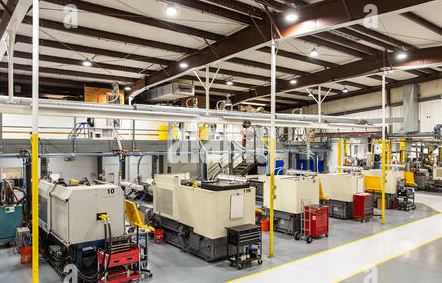
What Makes a Precision Metal Factory Different
Ever wondered why some metal parts fit together flawlessly while others require constant adjustments? The answer often lies in where they were made. A precision metal factory operates on an entirely different level than standard metal fabrication facilities, and understanding this distinction can save you significant time, money, and frustration on your next project.
Defining Precision Metal Manufacturing
So what exactly separates a precision metal parts factory from a conventional metalworking shop? It comes down to one critical factor: tolerance.
A precision metal factory is a manufacturing facility engineered to produce components with tight dimensional tolerances, often within ±0.001 inches or even tighter, ensuring parts meet exact specifications for performance and reliability.
Think of tolerance as the permissible limit of variation in a part's physical dimensions. In standard fabrication, you might see tolerances of ±0.030 inches or more. A high-precision metal fabrication factory, however, operates within margins so tight that deviations are nearly invisible to the naked eye. This level of accuracy matters tremendously in industries where even the tiniest misalignment can create serious performance or safety issues.
When you work with a precision metal fabrication factory, you're partnering with a facility where every stage of the manufacturing process is governed by strict specifications. From material selection to final measurements, nothing is left to chance.
What Sets Precision Facilities Apart
Standard metal shops can bend, cut, and weld metal into various shapes. But a metal precision components factory takes this several steps further through:
- Advanced Technology Integration: Precision facilities utilize cutting-edge equipment like CNC machining centers, laser cutting systems, and computer-aided design (CAD) software to achieve pinpoint accuracy.
- Controlled Environmental Conditions: Temperature and humidity fluctuations cause material expansion or contraction. Precision facilities maintain stable environments to ensure tolerance stability throughout production.
- Rigorous Quality Protocols: Real-time monitoring of part dimensions during production allows for immediate corrective actions, reducing scrap and maintaining consistent quality standards.
- Skilled Workforce: Operators receive ongoing training in best practices and precision methods, enabling them to maintain tight tolerances as equipment and design complexities grow.
When sourcing components globally, buyers often search for the best china precision metal casting factory to balance cost-effectiveness with quality. The key differentiator remains the same regardless of location: the facility's commitment to maintaining strict tolerances and repeatable accuracy across every production run.
The Accuracy Standard Difference
Why does precision matter so much? Consider this: a product manufactured with carefully calculated tolerances can withstand environmental pressures and operate consistently for an extended period. A slight miscalculation, however, may result in increased wear, structural vulnerabilities, or complete product breakdown.
The financial implications are significant too. While achieving strict tolerances demands sophisticated machinery and experienced workers, this investment pays dividends over time. High-quality components that meet specific requirements prevent expensive repairs, reworking, or replacements down the road. The best china precision metal casting factory operations understand this balance, delivering accuracy without unnecessarily inflating costs.
As you explore the following sections, you'll discover exactly what processes, materials, and certifications define true precision manufacturing, giving you the knowledge to make informed decisions for your next project.
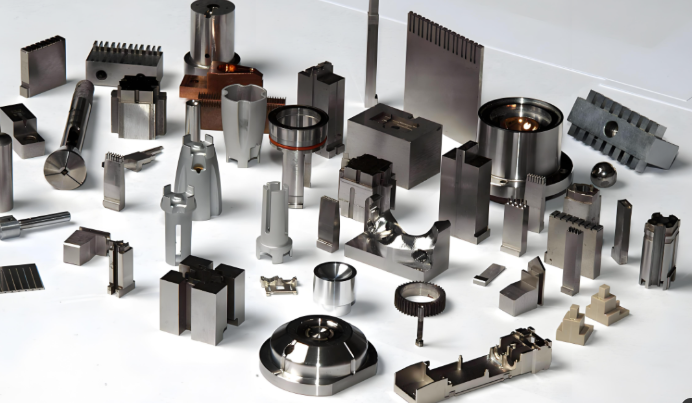
Core Processes in Precision Metal Manufacturing
Now that you understand what distinguishes a precision metal factory from standard operations, let's explore the actual processes that make tight tolerances possible. Each fabrication method serves specific purposes, and knowing when to use which technique can dramatically impact your project's success.
CNC Machining for Complex Geometries
When your design demands intricate shapes and ultra-precise dimensions, CNC machining becomes your go-to solution. A cnc precision metal factory uses computer-controlled equipment to remove material from solid blocks with remarkable accuracy. The process works like this: digital design files guide cutting tools through programmed paths, creating complex geometries that would be nearly impossible to achieve manually.
What makes CNC machining particularly valuable? Consider these capabilities:
- Multi-Axis Movement: Modern CNC machines can move in five or more axes simultaneously, allowing cuts from virtually any angle without repositioning the workpiece.
- Repeatability: Once programmed, a cnc precision metal manufacturing factory can produce thousands of identical parts with consistent quality.
- Material Versatility: From soft aluminum to hardened steel, CNC equipment handles diverse metals while maintaining tight tolerances.
- Complex Internal Features: Channels, cavities, and undercuts that challenge other methods become achievable through strategic tool path programming.
For projects requiring intricate details combined with volume production, partnering with a cnc machining milling service precision metal parts factory ensures your specifications translate precisely from digital design to finished component.
Laser Cutting and Stamping Precision
Not every project requires the complexity that CNC machining offers. For flat sheet metal parts, laser cutting and stamping provide efficient alternatives with their own precision advantages.
Laser cutting excels at producing clean edges on thin materials. According to industry analysis from Engineer News Network, thin materials can achieve a very thin kerf—approximately the size of a human hair. However, the technology has limitations: as material thickness increases, cut quality decreases because molten metal slag can fill the cut line, requiring secondary cleaning processes.
High precision metal cutting machine factories utilize advanced laser systems optimized for specific material thicknesses. When selecting a facility, consider whether their equipment matches your material requirements. Thicker workpieces may benefit from alternative methods.
Stamping, by contrast, offers advantages for high-volume production. The automated, high-speed process works well when:
- Production quantities justify initial tooling investments
- Part geometries aren't excessively complex
- Consistent repeatability across thousands or millions of units is essential
A china precision metal stamping factory typically positions stamping as the economical choice for large runs. However, conventional stamping can require secondary operations to achieve the flatness and edge precision that demanding applications need. The key is matching the process to your tolerance requirements rather than defaulting to the fastest option.
Deep Drawing and Forming Techniques
Imagine transforming a flat metal sheet into a seamless, three-dimensional hollow shape—that's deep drawing in action. This tensile compression forming process, regulated under DIN 8584 standards, creates open-top metallic hollow bodies or reduces the cross-section of preformed hollow components.
China precision deep drawing metal part factories serve diverse industries because the process accommodates both small and large batch sizes. Common materials include:
- Unalloyed thin and extra-thin sheets
- Aluminum
- Stainless steel
- Copper, brass, and bronze
You'll encounter deep-drawn components daily without realizing it. Automotive body parts, faucets, bathtubs, sinks, and cooking pots all frequently emerge from this forming technique. The process creates smooth, seamless parts that welded alternatives simply cannot match.
When evaluating factory high precision metal cutting machine capabilities alongside forming equipment, look for facilities that integrate quality assurance directly into their deep-drawing operations. Dimensional verification at each production stage prevents tolerance drift that compounds through subsequent steps.
Grinding and Secondary Finishing
Primary fabrication processes get parts close to final specifications, but grinding often delivers that last measure of precision. Surface grinding removes microscopic amounts of material to achieve extremely tight tolerances and superior surface finishes.
This process becomes essential when:
- Initial machining leaves parts slightly oversized intentionally
- Surface smoothness requirements exceed what cutting operations provide
- Flatness specifications demand micron-level accuracy
Precision grinding transforms good parts into exceptional ones, particularly for components that interface with other precision elements in assemblies.
Choosing the Right Process
How do you determine which fabrication method suits your project? Start by considering these factors:
- Part Geometry: Complex 3D shapes favor CNC machining; flat profiles work well with laser cutting or stamping; hollow cylindrical forms suggest deep drawing.
- Production Volume: Low volumes often align with CNC or laser cutting; high volumes may justify stamping's tooling investment.
- Tolerance Requirements: Tighter tolerances may require grinding as a finishing step regardless of the primary process.
- Material Type and Thickness: Some processes handle specific materials or thicknesses more effectively than others.
Understanding these core manufacturing processes prepares you to ask informed questions when evaluating potential suppliers. But process capability represents only one piece of the puzzle—the materials being processed matter just as much, which brings us to the critical topic of material selection in precision fabrication.
Materials Used in Precision Metal Fabrication
You've seen how different manufacturing processes achieve tight tolerances. But here's something many buyers overlook: the material you choose affects precision outcomes just as much as the equipment cutting it. A China precision metal parts factory working with the wrong material for your application will struggle to deliver consistent results, regardless of how advanced their machinery is.
Let's explore the materials that drive precision manufacturing and why each one matters for your project.
Steel and Aluminum in Precision Work
Steel and aluminum dominate precision metal fabrication for good reason—they offer predictable behavior under machining conditions and serve diverse application needs.
Aluminum Alloys
When weight reduction matters without sacrificing structural integrity, aluminum becomes your material of choice. According to Hubs' CNC material guide, aluminum alloys offer an excellent strength-to-weight ratio, high thermal and electrical conductivity, and natural corrosion protection. Their machinability makes them cost-efficient in bulk, often representing the most economical option for prototypes and production parts alike.
Common aluminum grades you'll encounter include:
- Aluminum 6061: The most common general-use alloy with good strength-to-weight ratio and excellent machinability—ideal for a wide range of applications.
- Aluminum 7075: Heavily utilized in aerospace applications where weight reduction is critical. It can be heat-treated to high strength and hardness comparable to steels.
- Aluminum 5083: Offers higher strength than most aluminum alloys with exceptional seawater resistance, making it optimal for marine and construction applications.
Steel Grades
Steel remains the backbone of industrial manufacturing. China precision metal machining factories work extensively with various steel classifications, each serving specific precision requirements.
| Steel Type | Key Properties | Typical Applications |
|---|---|---|
| Stainless Steel 304 | Excellent corrosion resistance, good machinability, non-magnetic | General industrial components, food processing equipment |
| Stainless Steel 316 | Superior chemical and saline resistance | Marine environments, chemical processing |
| Mild Steel 1018 | Good machinability, weldability, and toughness | General-purpose components, jigs, and fixtures |
| Alloy Steel 4140 | Good strength and toughness, wear-resistant | Industrial machinery, automotive components |
| Tool Steel D2 | Exceptional hardness, retains properties up to 425°C | Cutting tools, dies, precision molds |
Stainless steel alloys, as noted in Mead Metals' comparison guide, combine iron and carbon with chromium and nickel to create their unique sheen and corrosion-resistant properties. This makes them particularly valuable when parts face exposure to moisture or chemicals.
Specialty Alloys for Demanding Applications
Sometimes standard materials simply won't cut it. Aerospace, medical, and high-performance industrial applications often demand specialty metals that push the boundaries of what's achievable.
Titanium
When you need exceptional strength-to-weight ratio combined with corrosion resistance, titanium delivers. Ryerson's specialty metals analysis highlights titanium's critical role in aerospace and defense applications. The material withstands extreme conditions while keeping component weight manageable—a combination few other metals can match.
Nickel Alloys
High-temperature environments demand materials that maintain structural integrity when things heat up. Nickel alloys, including Inconel variants, resist thermal degradation and corrosion under conditions that would compromise standard steels. You'll find these in jet engines, power generation equipment, and chemical processing systems.
Copper and Brass
Electrical conductivity and low friction make copper and brass essential for specific applications. Brass C36000, according to material specifications, offers high tensile strength with natural corrosion resistance. Its exceptional machinability makes it popular for high-volume applications requiring consistent precision across thousands of parts.
Material Properties That Affect Precision
Choosing a material isn't just about matching properties to your application—it's about understanding how those properties interact with manufacturing processes.
Machinability Matters
Some materials cut cleanly and predictably. Others fight the tooling at every turn. Aluminum's excellent machinability translates directly to lower costs and tighter tolerances. Harder materials like tool steels require specialized equipment and slower feed rates, which affects both pricing and lead times.
Thermal Behavior
Metals expand when heated and contract when cooled. During machining, friction generates heat that can temporarily alter part dimensions. China precision metal parts factories account for this by:
- Controlling ambient temperatures in production environments
- Using appropriate cutting fluids to manage heat buildup
- Allowing parts to stabilize before final measurement
Material Hardness
Hardness affects both machinability and final part performance. Tool steels can achieve hardness levels of 45-65 HRC after heat treatment, making them ideal for wear-resistant applications but more challenging to machine. Softer materials like aluminum machine easily but may require surface treatments like anodizing to improve durability.
Making the Right Choice
The best material for your project balances performance requirements against manufacturing realities. A custom precision metal parts factory can guide you through options, but coming prepared with application requirements—load conditions, environmental exposure, weight constraints—speeds the selection process considerably.
Material selection sets the foundation for quality outcomes, but even the best materials require verification throughout production. That's where quality standards and certifications come into play, ensuring your chosen material transforms into parts that meet specifications every time.
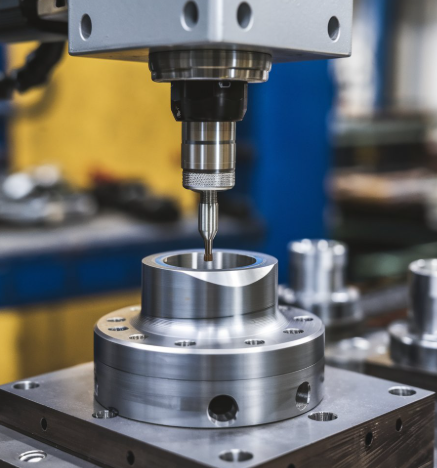
Quality Standards and Certifications Explained
You've selected the right material for your project. Now comes a critical question: how do you know the factory producing your parts will deliver consistent quality? This is where certifications move from background noise to essential evaluation criteria.
Many suppliers mention certifications in their marketing materials, but few explain what these standards actually mean for you as a customer. Let's change that.
Understanding ISO and IATF Certifications
When evaluating a precision metal factory, you'll encounter various certification acronyms. Here's what the most important ones actually guarantee:
- ISO 9001:2015: The foundation of quality management systems. According to Northstar Metal Products, this certification demonstrates that a company has implemented an effective quality system with proper procedures to continuously monitor and improve processes. It establishes clear guidelines for every production stage—from new product introduction through final inspection and shipping.
- IATF 16949: Built on ISO 9001's foundation, this automotive-specific standard goes further. As OGS Industries explains, IATF 16949 ensures compliance with lean manufacturing principles, defects prevention, variance deterrence, and waste reduction—all while meeting company-specific requirements.
- AWS Certified Welding Fabricator (CWF): Signifies proficiency in welding techniques, ensuring the integrity and durability of welded structures in your precision components.
- UL Certifications: Globally recognized safety certifications ensuring products meet rigorous safety and performance standards through thorough testing and evaluation.
The difference between ISO 9001 and IATF 16949 matters significantly. While ISO 9001 centers on customer satisfaction, the automotive standard demands additional rigor around defect prevention and manufacturing consistency. A china precision metal stamping parts factory holding IATF 16949 certification has demonstrated capabilities that exceed general quality management expectations.
Quality Control Methods and Inspection
Certifications establish frameworks, but daily execution determines actual quality. What should you expect from a high-quality cnc precision metal factory in terms of inspection protocols?
In-Process Monitoring
The best precision metal machining factory operations don't wait until parts are complete to check quality. Real-time monitoring during production catches deviations before they compound across entire batches. This approach reduces scrap, maintains tolerance stability, and prevents costly rework.
Measurement Standards
Precision inspection requires calibrated equipment traceable to national or international standards. Coordinate measuring machines (CMMs), optical comparators, and surface roughness testers verify that parts meet specifications—not just "close enough" approximations.
Statistical Process Control
Rather than inspecting every single part, statistical sampling methods mathematically ensure batch quality. This approach, central to IATF 16949 requirements, identifies process drift before it creates defective parts.
What Certifications Mean for Your Project
Beyond the technical requirements, certifications deliver tangible benefits that directly impact your project outcomes:
- Consistent Quality: Monitored and measured processes maximize productivity and deliver predictable outcomes across production runs.
- Reduced Product Variation: Reviewed and improved manufacturing processes ensure metal components consistently meet specifications, regardless of batch timing.
- Reliable Supply Chain: Working with oem precision metal stamping part factories holding recognized certifications simplifies your supplier qualification process and strengthens your own quality documentation.
- Reduced Waste: Streamlined manufacturing processes and improved management systems minimize material waste while meeting environmental initiatives.
- Defect Prevention: Tested and proven processes meet product safety requirements, diminish inefficiencies, and minimize defects before they reach your facility.
When a china precision metal stamping parts factory invests in certification, they're committing to infrastructure that benefits every customer—including you. The internal costs of maintaining these systems translate directly into improved quality and manufacturing effectiveness.
Certifications tell you what a facility can do. But how do you know if those capabilities match your specific industry requirements? Different sectors demand different precision standards, and understanding these variations helps you select the right manufacturing partner.
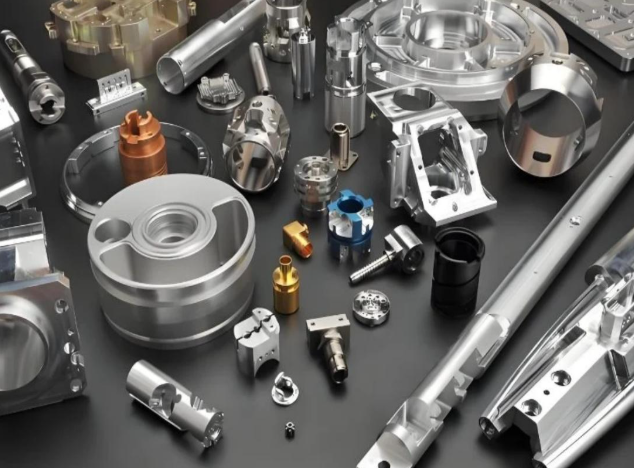
Industry Applications and Precision Requirements
Now you understand certifications and quality systems. But here's what really matters: how do these capabilities translate to your specific industry? A custom precision electronic metal stamping parts factory serving the automotive sector operates under entirely different constraints than one producing medical implants.
Let's explore how precision requirements vary across major industries—and why these differences should shape your supplier selection.
Automotive Precision Requirements
Automotive manufacturing demands a unique balance: extreme precision at massive production volumes. When you're producing chassis components, suspension parts, or structural elements, every piece must meet specifications consistently across runs of thousands or millions.
What makes automotive precision particularly challenging?
- Tolerance Consistency: According to Modus Advanced's precision manufacturing analysis, connector housings and valve bodies typically require tolerances of ±0.0127 mm (±0.0005"), while structural components operate within ±0.0254 mm (±0.001").
- IATF 16949 Compliance: This automotive-specific certification goes beyond general quality management, demanding lean manufacturing principles, defect prevention, and waste reduction across every production stage.
- High-Volume Repeatability: Parts produced on day one must match parts produced months later—statistical process control becomes essential.
- Material Traceability: Every batch of steel or aluminum must be documented and traceable throughout the supply chain.
A china precision sheet metal fabrication factory serving automotive clients needs stamping capabilities that maintain dimensional stability across extended production runs. The best precision metal parts factories in this sector combine automated production with real-time quality monitoring to catch variations before they compound.
Aerospace and Medical Applications
When lives depend on part performance, precision requirements reach their most demanding levels. Aerospace and medical manufacturing share this critical characteristic—failure isn't an option.
Aerospace Structural Parts
Aerospace components operate under conditions that would destroy lesser materials and tolerances. Engine components face temperatures exceeding 1000°C (1832°F) while requiring micron-level precision. According to industry standards, aerospace-specific requirements include:
- Extreme Tolerance Control: Tolerances of ±0.0025 mm (±0.0001") for precision bearings and critical flight components.
- Material Certification: Complete documentation of titanium, aluminum, and specialty alloy properties from mill to finished part.
- AS9100D Compliance: The aerospace-specific quality management standard that addresses unique industry requirements.
- Fatigue and Fracture Testing: Components must demonstrate resistance to cracking under repeated stress cycles.
As noted by Primo Medical Group, titanium's high strength-to-density ratio makes it increasingly popular for aerospace parts. The material offers fatigue strength, fracture durability, and resistance to cracking—all highly favorable for aircraft, shuttles, spacecraft, and other aerospace applications.
Medical Device Components
Medical manufacturing represents perhaps the most demanding precision application. Surgical instruments, implantable devices, and diagnostic equipment all require dimensional accuracy that directly impacts patient safety.
- Micron-Level Tolerances: Industry leaders routinely hold tolerances of 1-3 microns for medical device components, particularly for procedures like laser eye surgery requiring perfect positioning.
- Biocompatibility Requirements: Materials must not trigger adverse reactions in the human body—titanium's natural biocompatibility makes it essential for implants.
- Surface Finish Standards: Implantable devices require specific surface characteristics that promote tissue integration while preventing bacterial colonization.
- FDA Compliance: Extensive documentation and quality control throughout manufacturing ensures regulatory approval.
An oem precision metal stamping part factory serving medical clients invests heavily in clean room capabilities, specialized measurement equipment, and traceability systems that most industries don't require.
Electronics and Industrial Uses
Electronics enclosures and industrial components might seem less demanding than aerospace or medical applications—but they present their own precision challenges.
Electronics Enclosures
Modern electronics generate heat that must dissipate efficiently. Enclosures need precise dimensions to ensure proper fit with internal components while managing thermal performance. A factory online precision electronic metal stamping parts manufacturer addresses requirements including:
- EMI Shielding: Precise seams and connections prevent electromagnetic interference from affecting sensitive electronics.
- Thermal Management: Accurate heat sink mounting surfaces and ventilation patterns require consistent dimensional control.
- Assembly Integration: Enclosures must align perfectly with circuit boards, connectors, and mounting hardware.
- Surface Finish: Aesthetic requirements for consumer-facing products add another layer of quality control.
Industrial Equipment
Heavy machinery and industrial systems demand durability alongside precision. A china precision sheet metal stamping services factory serving industrial clients typically focuses on:
- Wear Resistance: Components in moving assemblies must maintain dimensional stability over extended service life.
- Structural Integrity: Load-bearing parts require consistent material properties and dimensional accuracy.
- Interchangeability: Replacement parts must fit existing equipment without modification—even years after original production.
Matching Precision to Application
Understanding these industry-specific requirements helps you evaluate potential suppliers more effectively. Ask yourself:
- Does the factory hold certifications relevant to your industry?
- Can they demonstrate experience with your specific tolerance requirements?
- Do their inspection capabilities match the precision level your application demands?
- Have they produced similar components for comparable end-use environments?
The right precision metal factory for your project isn't necessarily the one with the most capabilities—it's the one whose capabilities align precisely with your requirements. With industry applications clarified, you're ready to dive into the practical process of evaluating and selecting the factory that fits your specific needs.
How to Evaluate and Select the Right Factory
You've learned about processes, materials, certifications, and industry requirements. Now comes the practical question: how do you actually choose the right precision metal factory for your specific project? Many buyers struggle here because no clear evaluation framework exists—until now.
Selecting a manufacturing partner involves more than comparing price quotes. The lowest bidder often becomes the most expensive choice when quality issues, delays, or communication breakdowns derail your production schedule. Let's walk through a systematic approach that protects your project from the start.
Technical Capability Assessment
A supplier's equipment list tells you what they can theoretically produce. But capability goes deeper than machinery specifications. When evaluating a china precision sheet metal factory or any potential partner, investigate these factors:
Equipment Alignment
According to KY Hardware's supplier selection guide, the type and tonnage of presses determine the size, thickness, and complexity of parts a facility can produce. Don't just count machines—verify that their equipment matches your specific requirements.
Process Expertise
Does the facility specialize in your required fabrication method? A cnc precision metal processing customization factory excelling at complex machined parts may not deliver optimal results for high-volume stamping projects. Look for demonstrated experience with your specific process needs.
Material Experience
As noted in industry research, different materials behave differently during fabrication. A supplier with deep experience in your specified material—whether stainless steel, aluminum alloys, or specialty metals—can anticipate challenges and optimize processes accordingly.
Value-Added Services
Consider whether you need heat treating, plating, deburring, assembly, or specialized packaging. A high-quality customized cnc precision metal factory offering these services in-house or through trusted networks significantly simplifies your supply chain.
Evaluating Production and Prototyping Speed
Timeline capabilities often separate adequate suppliers from exceptional partners. Your evaluation should address both prototyping agility and production capacity.
Prototyping Turnaround
How quickly can the facility produce sample parts? Rapid prototyping capabilities—sometimes as fast as 5 days—accelerate your development cycle and allow design validation before committing to production tooling. An odm cnc precision metal factory with strong prototyping services helps you catch problems early when changes cost less.
Quote Response Time
A supplier's quote turnaround time reveals much about their operational efficiency and customer focus. Facilities offering 12-24 hour quote responses typically maintain streamlined processes throughout their operations. Slow quotes often predict slow everything else.
Production Capacity
Can the supplier meet your volume demands today and scale with future growth? Assess their current capacity utilization and ask how they manage production scheduling during peak periods. A precision sheet metal servo feeder factory with automated feeding systems often handles volume fluctuations more reliably than manually-operated facilities.
Delivery Track Record
According to Staub Manufacturing's reliability analysis, on-time delivery data reveals a supplier's true operational discipline. Ask for their delivery performance metrics—reputable suppliers willingly share this information. Those unwilling to provide data may be hiding inconsistent performance.
Communication and Support Factors
Technical capabilities mean nothing if communication breaks down. The best manufacturing relationships function as partnerships, not transactions.
Design for Manufacturability (DFM) Support
Does the supplier proactively identify design improvements that reduce cost or improve quality? As CNC WMT's buyer guide emphasizes, experienced suppliers provide DFM feedback and suggest machining alternatives during the design phase—potentially saving significant costs before production begins.
Technical Competence
Evaluate the supplier's ability to understand complex technical drawings and specifications. Their questions during the quoting process reveal their expertise level. A high-quality customized cnc precision metal factory asks insightful questions about tolerances, material requirements, and end-use conditions—not just quantity and delivery date.
Responsiveness
How quickly do they respond to inquiries? Clear, prompt communication during the evaluation phase typically continues throughout the relationship. Suppliers who struggle to answer pre-sale questions rarely improve after receiving your purchase order.
Your Supplier Evaluation Checklist
Use this numbered process to systematically evaluate potential manufacturing partners:
- Define Your Requirements First: Document part specifications, tolerances, materials, quantities, and timeline expectations before contacting suppliers. Include functional requirements and assembly environment details.
- Verify Relevant Certifications: Confirm ISO 9001:2015 at minimum. For automotive applications, require IATF 16949. Request copies of current certificates and recent audit results—no non-conformance issues indicates operational excellence.
- Request Equipment and Capability Details: Ask for specific machine types, tonnage ratings, and measurement equipment. Ensure their capabilities align with your part requirements.
- Evaluate Material Sourcing: Confirm they have experience with your specified materials and maintain relationships with reputable mills. Ask about material traceability and certification documentation.
- Assess Quality Metrics: Request external quality yield data. According to industry benchmarks, top suppliers achieve 99.5% or higher quality ratings. Ask about their employee turnover rate—low turnover indicates stable, experienced teams.
- Test Communication Responsiveness: Note how quickly they respond to initial inquiries and whether their questions demonstrate technical understanding of your project.
- Request References: Ask for case studies or contacts from companies in similar industries. Speaking with existing customers provides unfiltered insight into actual performance.
- Start with a Prototype Project: Before committing to production volumes, validate capabilities with a small order. This reveals true process discipline and quality mindset with minimal risk.
Beyond the Checklist: Partnership Potential
The lowest price per part rarely represents best value. True value comes from suppliers who function as strategic partners—anticipating problems, suggesting improvements, and scaling with your growth.
Consider creating a weighted scorecard assigning importance to each criterion based on your priorities. Quality systems might warrant 30% weight, engineering support 25%, pricing 20%, with remaining weight distributed across other factors. This objective approach removes personal bias and identifies suppliers aligned with your most critical needs.
With a clear evaluation framework in hand, you're ready to understand realistic timeline expectations. Knowing what affects production schedules helps you plan effectively and recognize when a supplier's promises seem too good to be true.
Project Timelines and Production Scheduling
You've identified the right factory for your project. Now comes a question that surprisingly few suppliers address upfront: how long will this actually take? Understanding realistic timelines prevents costly surprises and helps you plan inventory, product launches, and downstream operations with confidence.
The typical lead time for custom metal parts ranges from 2 to 6 weeks, according to Custom Metal Pro's manufacturing analysis. But that range represents only part of the story. Let's break down what happens at each stage—and what extends or compresses your schedule.
From Prototype to Production Timeline
Your precision metal project moves through distinct phases, each with its own timeline considerations. Understanding these stages helps you anticipate where delays commonly occur.
Prototyping Phase (3-10 Days for Simple Parts)
When you just need a quick prototype to test your design, CNC or laser cutting shops can often deliver within 3-10 days. This speed comes from eliminating tooling requirements—CNC machines work directly from digital files. One consumer electronics client, as documented in industry case studies, received CNC prototypes in just 4 days for design validation.
However, prototyping speed depends heavily on:
- Design Complexity: Simple geometries machine faster than intricate multi-feature parts
- Material Availability: Standard aluminum and steel stock ships immediately; specialty alloys may require sourcing time
- Revision Cycles: Each design iteration adds another round of production and review
Tooling Development (2-4 Weeks Additional)
Here's where timelines extend significantly. If your production method requires custom tooling—stamping dies, forming tools, or fixtures—factor in additional development time. A drilling precision metal parts factory switching from CNC prototypes to stamped production parts needs time to design, manufacture, and validate tooling before the first production piece runs.
According to UPTIVE's prototype-to-production guide, this transition represents a critical phase where design modifications become expensive. Validate your prototype thoroughly before committing to production tooling.
Production Runs (4-6 Weeks for Mass Production)
Once tooling is validated, production timelines stretch to 4-6 weeks for mass quantities. This includes:
- Material procurement and preparation
- Production setup and first-article inspection
- Full production run with in-process quality checks
- Final inspection and packaging
Plan for an extra 1-2 weeks on your first production batch, especially for new product launches. Initial runs require additional verification steps that subsequent orders won't need.
Factors That Impact Your Schedule
Several variables can extend your timeline—even when the design is finalized and ready. Understanding these factors helps you plan realistically and identify where proactive management prevents delays.
Design Complexity
Complex geometries require more machining operations, tighter process controls, and extended inspection time. A hot sale precision metal machined parts factory producing simple brackets operates on entirely different timelines than one manufacturing multi-feature aerospace components.
Material Selection
Standard materials ship from stock. Specialty alloys, specific heat treatments, or unusual thicknesses may require mill orders with their own lead times. Confirm material availability early—this hidden factor catches many buyers off guard.
Tolerance Requirements
Tighter tolerances demand slower machining speeds, additional finishing operations, and more rigorous inspection. CNC made precision metal parts factories achieving micron-level accuracy invest more time per part than those working to standard tolerances.
Surface Treatment Requirements
Here's a timeline trap many overlook: surface treatments like plating, anodizing, or powder coating often happen off-site. Even if machining finishes on schedule, your part isn't complete until finishing operations conclude. High precision bending metal part factories with in-house finishing capabilities eliminate this handoff delay.
Shipping and Logistics
Production might finish on time, but shipping can still derail your schedule. International shipments face customs processing, while domestic ground freight takes longer than expected during peak seasons. Fast-track logistics through carriers like DHL or FedEx Priority shorten delivery—but at higher cost. Consider split shipments if speed matters more than shipping expense.
Accelerating Without Sacrificing Quality
Tight timelines don't have to mean compromised quality. Strategic approaches compress schedules while maintaining precision standards.
Work With Integrated Suppliers
Facilities that handle everything in-house—from machining to finishing—eliminate handoff delays between specialized vendors. A cnc machining milling precision metal parts factory wholesale operation with integrated capabilities delivers faster than one coordinating multiple subcontractors.
Submit Complete Documentation
Incomplete or ambiguous drawings create back-and-forth clarification cycles. Submitting complete CAD files (STEP, IGES, or detailed PDFs) with clear specifications accelerates quoting and prevents production holds for technical questions.
Leverage Rapid Prototyping
Validating designs quickly through rapid prototyping prevents expensive corrections during production. A factory for precision metal parts maker offering 5-day prototyping helps you confirm specifications before committing to longer production timelines.
Communicate Deadlines Early
Share your required delivery date during initial discussions—not after placing the order. Suppliers can often prioritize scheduling or suggest process modifications that meet aggressive timelines when they understand constraints upfront.
Key Questions Before Ordering
Before finalizing any order, clarify these timeline-critical details:
- What's the realistic lead time for my specific part and quantity?
- Are quoted materials currently in stock, or do they require procurement?
- Does the timeline include all finishing operations and quality verification?
- What shipping options exist, and how do they affect total delivery time?
- What happens if issues arise during production—how are delays communicated?
Clear questions lead to predictable results. Don't assume—confirm every timeline element before production begins.
With realistic timeline expectations established, you're ready to take the final step: initiating your precision metal project with a manufacturing partner equipped to deliver on their promises.
Getting Started With Your Precision Metal Project
You've explored the full landscape of precision metal manufacturing—from understanding what sets these specialized facilities apart to evaluating processes, materials, certifications, and realistic timelines. Now comes the moment that matters most: turning knowledge into action.
Taking Your Next Step
Starting a precision metal project can feel overwhelming when you're juggling specifications, supplier options, and deadline pressures. But the framework you've learned simplifies the path forward. Here's how to move from planning to production with confidence.
Prepare Your Documentation
Before contacting any china precision metal factory, organize these essential elements:
- Complete CAD files (STEP, IGES, or detailed PDFs) with clear dimensional callouts
- Material specifications including grade, finish, and any special requirements
- Tolerance requirements for critical dimensions
- Target quantities for both prototype and production phases
- Required delivery timeline and any flexibility you have
Apply Your Evaluation Criteria
Use the evaluation checklist from earlier sections to assess potential partners systematically. Look for facilities that demonstrate the specific capabilities your project demands—whether that's oem precision deep drawing metal part factory expertise, complex CNC machining, or high-volume stamping.
What Excellence Looks Like
Consider what separates adequate suppliers from exceptional partners. A custom precision metal turned parts factory worth your business typically offers:
- Rapid Prototyping: 5-day turnaround validates designs before production commitment
- Fast Quote Response: 12-hour quote turnaround indicates operational efficiency
- IATF 16949 Certification: Particularly critical for automotive applications where defect prevention matters
- Comprehensive DFM Support: Proactive design feedback reduces costs and improves outcomes
For example, Shaoyi (Ningbo) Metal Technology exemplifies these criteria—delivering IATF 16949-certified quality for automotive chassis, suspension, and structural components while maintaining 5-day rapid prototyping and 12-hour quote turnaround capabilities. Their comprehensive DFM support helps optimize designs before production begins.
Start Small, Then Scale
When working with any factory for precision metal turned parts company, begin with a prototype order to validate capabilities before committing to production volumes. This approach minimizes risk while revealing the supplier's true process discipline and quality mindset.
Whether you're sourcing from a customized precision metal stamping sino factory or a domestic facility, the evaluation principles remain consistent. Technical capability, quality certifications, communication responsiveness, and timeline reliability all contribute to successful outcomes.
Your precision metal project deserves a manufacturing partner who treats your specifications with the same care you invested in developing them. With the knowledge you've gained, you're equipped to find exactly that partner—and transform your designs into precision components that perform flawlessly.
Frequently Asked Questions About Precision Metal Factories
1. What is a precision metal factory and how does it differ from standard fabrication?
A precision metal factory produces components with tight dimensional tolerances, often within ±0.001 inches or tighter, using advanced CNC equipment, controlled environments, and rigorous quality protocols. Unlike standard fabrication shops that work with tolerances of ±0.030 inches or more, precision facilities maintain strict specifications throughout every production stage, from material selection to final inspection, ensuring repeatable accuracy across production runs.
2. What certifications should I look for when choosing a precision metal factory?
ISO 9001:2015 certification establishes foundational quality management systems. For automotive applications, IATF 16949 is essential as it demands lean manufacturing principles, defect prevention, and waste reduction. Aerospace projects require AS9100D compliance. Additional certifications like AWS Certified Welding Fabricator and UL certifications ensure specialized capabilities. Facilities like Shaoyi Metal Technology hold IATF 16949 certification, demonstrating automotive-grade quality standards.
3. How long does it take to get custom precision metal parts manufactured?
Typical lead times range from 2 to 6 weeks depending on complexity. Simple CNC prototypes can be delivered in 3-10 days, while projects requiring custom tooling add 2-4 weeks for development. Mass production runs typically take 4-6 weeks including material procurement, production, and quality verification. Facilities offering rapid prototyping capabilities, such as 5-day turnaround, can significantly accelerate development cycles.
4. What materials are commonly used in precision metal fabrication?
Common materials include aluminum alloys (6061, 7075, 5083) for lightweight applications, stainless steel grades (304, 316) for corrosion resistance, and mild and alloy steels for structural components. Specialty applications use titanium for aerospace, nickel alloys for high-temperature environments, and copper/brass for electrical conductivity. Material selection directly impacts precision outcomes, machinability, and final part performance.
5. How do I evaluate and select the right precision metal factory for my project?
Assess technical capabilities including equipment alignment with your requirements, process expertise, and material experience. Verify relevant certifications and request quality metrics like external quality yield data. Evaluate prototyping turnaround times, quote response speed (12-hour turnaround indicates efficiency), and DFM support capabilities. Start with a prototype order to validate capabilities before committing to production volumes, and check delivery track records from existing customers.