 Small batches, high standards. Our rapid prototyping service makes validation faster and easier —
  EN
EN


Choosing A Precision Sheet Metal Company: 8 Critical Factors Most Buyers Miss
What Defines a Precision Sheet Metal Company
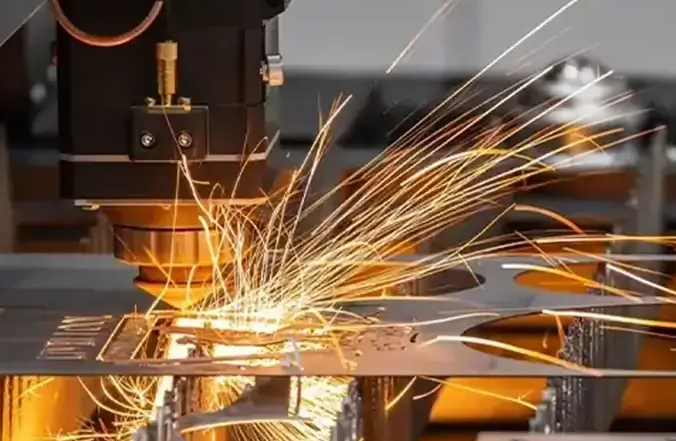
When you start searching for a fabrication partner, you'll quickly notice that many shops claim to offer "precision" work. But what actually separates a true precision sheet metal company from a standard fabricator? The difference isn't just marketing language—it comes down to measurable specifications that directly impact whether your parts will function as designed.
Precision sheet metal fabrication represents engineering-grade manufacturing with the highest accuracy and quality standards, typically maintaining tolerances between ±0.005" and ±0.010" (±0.13mm to ±0.25mm) across complex geometries.
This matters because components that don't meet exact specifications can lead to assembly failures, product recalls, and costly rework. Understanding what defines precision work helps you ask the right questions before committing to a fabrication partner.
What Separates Precision from Standard Fabrication
Imagine ordering a custom enclosure for medical equipment. With standard fabrication, you might receive parts with tolerances of ±1/16" to ±1/8" (±1.6mm to ±3.2mm). That variation might seem small, but when multiple components need to fit together perfectly, those deviations compound quickly.
Precision sheet metal fabrication companies operate at an entirely different level. They use advanced fiber laser systems, coordinate measuring machines (CMM), and automated bending systems with angle correction technology. More importantly, they understand material behavior—how different alloys spring back after bending, how grain direction affects forming, and how thermal expansion impacts final dimensions.
The key differentiators between standard and precision fabrication include:
- Equipment sophistication: Standard shops use basic calipers and visual inspection; precision sheet metal companies employ CMM systems, optical comparators, and laser measurement technology
- Material expertise: Precision fabricators understand how 316L stainless steel behaves differently than 304 during forming operations
- Tooling investment: Application-specific tooling and precision fixtures that may cost 3-5 times more than standard tools but deliver repeatable accuracy
- Quality systems: Statistical process control, first article inspection, and complete material traceability
Understanding Tolerance Specifications in Metal Work
Tolerances function as a "precision contract" that runs through your product's entire lifecycle. Every tolerance specification influences future performance, manufacturing cost, and assembly efficiency. Think of tolerances as guardrails around your nominal dimensions—stay within them, and your parts function correctly.
According to industry standards, tolerance grades are classified into 18 levels. Precision sheet metal fabrication companies typically work within IT5 through IT7 grades for engineering applications, while standard shops operate in IT12 through IT14 ranges.
Here's what this means practically:
- Laser cutting: Modern fiber laser systems maintain tolerances between ±0.1mm and ±0.3mm, varying with material thickness
- Bending operations: Precision press brakes achieve angular tolerances of approximately ±0.5°
- Precision stamping: Capable of dimensional tolerances of ±0.05mm or tighter
Industries like aerospace, medical devices, and defense require these tight specifications because component failure carries serious consequences. In aerospace applications, a 0.020" deviation might render a part completely unusable. For medical device housings, dimensional accuracy directly impacts FDA compliance and patient safety.
The challenge? Applying unnecessarily tight tolerances significantly extends lead times and increases costs. The goal is finding the balance—tolerances tight enough to preserve function, but practical enough to manufacture efficiently. Understanding this balance is your first step toward choosing the right precision sheet metal fabrication partner.
Core Fabrication Processes and Equipment Capabilities
Now that you understand what separates precision work from standard fabrication, let's explore the actual processes that make those tight tolerances possible. A precision sheet metal fabrication company doesn't just own expensive equipment—they understand how each process contributes to dimensional accuracy and surface quality. When evaluating potential partners, knowing what these processes enable helps you ask smarter questions and recognize genuine capability.
The core processes used by precision sheet metal fab companies fall into several categories, each serving specific purposes in transforming flat stock into finished components:
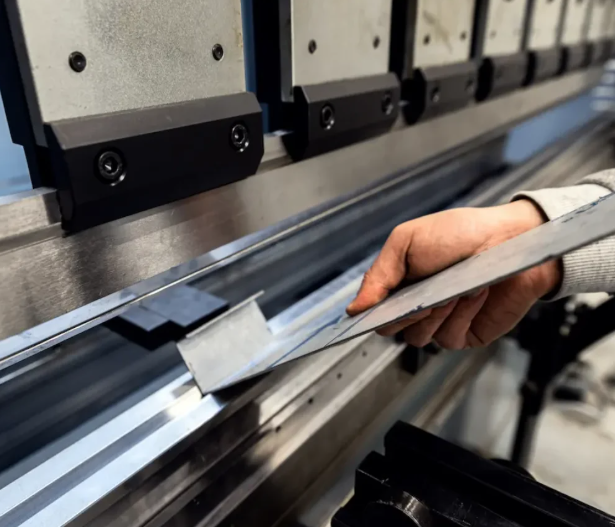
- Laser cutting: Uses focused light energy to make precise cuts with minimal material distortion and edge quality suitable for visible surfaces
- CNC punching: Positions material under a punching ram for rapid hole creation and forming operations in high-volume applications
- Bending and forming: Transforms flat blanks into three-dimensional shapes using press brakes and specialized tooling
- Welding: Joins multiple components using heat and pressure, with various methods suited to different materials and applications
- Water jet cutting: Uses high-pressure water (often with abrasives) for heat-sensitive materials or thick stock where thermal distortion is unacceptable
Laser Cutting and Its Role in Precision Work
When you need parts with clean edges, tight dimensional tolerances, and minimal heat-affected zones, laser cutting becomes your primary fabrication method. Modern precision sheet metal fab companies typically operate two main laser technologies: CO2 lasers and fiber lasers.
Fiber laser cutting has become the industry standard for most precision applications. According to industry sources, fiber lasers use laser diodes transmitted through optical fibers to create cuts, offering high-power output and exceptional efficiency. The technology excels at cutting reflective materials like aluminum and copper alloys that challenged older CO2 systems.
Equipment specifications matter significantly here. Consider how different laser capabilities affect your project options:
| Laser Type | Power Range | Best Applications | Material Thickness Capability |
|---|---|---|---|
| 8kW Fiber Laser | High power output | General engineering, thick plate cutting | Mild steel up to 30mm; stainless up to 30mm |
| 4kW CO2 Laser | Medium power output | Signage, decorative work, thin materials | Mild steel up to 16mm; stainless up to 12mm |
| Wire EDM | Electrical discharge | Extremely tight tolerances, hardened materials | Limited by bath size, not material hardness |
Beyond the laser itself, look for automated material handling systems. Leading precision sheet metal companies integrate decoil lines that feed raw material directly into cutting systems, reducing handling damage and improving throughput. Plasma cutting tables serve as complementary equipment for thicker materials where laser cutting becomes less economical.
One often-overlooked capability? Wire EDM processing, where a charged thin metal wire uses electrical sparks to melt material without ever contacting the workpiece. The wire never touches the material—instead, controlled sparks bridge the gap while dielectric fluid cools the cut zone and flushes away excess material. This process achieves tolerances impossible with conventional cutting methods.
Bending, Forming, and Welding Techniques Explained
Cutting flat blanks represents only half the fabrication challenge. Transforming those blanks into three-dimensional components requires equally sophisticated bending and forming capabilities.
Press brake technology has evolved dramatically. Modern CNC press brakes like the Bystronic Xpert series offer 150 tons of bending force with working speeds up to 20mm/s and maximum rapid speeds of 220mm/s. More importantly, they feature real-time angle measurement and correction—the machine actually measures bend angles during the forming process and adjusts automatically to compensate for material springback.
Why does this matter for your parts? Different materials spring back differently after bending. A 90-degree bend in 304 stainless steel might require overbending to 88 degrees to achieve the final angle. Without automatic angle correction, operators must rely on experience and trial-and-error—adding time and introducing variation between parts.
Welding capabilities round out the fabrication process. A comprehensive precision sheet metal fab company offers multiple welding methods matched to specific applications:
- TIG welding (Tungsten Inert Gas): Produces the cleanest welds for visible surfaces and thin materials; preferred for stainless steel and aluminum
- MIG welding (Metal Inert Gas): Faster than TIG, ideal for longer weld runs and thicker materials
- Resistance spot welding: Creates discrete connection points without visible surface marks; common for enclosures and brackets
- Laser welding: Provides minimal heat input and distortion for precision assemblies requiring tight dimensional control
Beyond primary fabrication, look for secondary capabilities that complete your parts. Professional precision sheet metal fabrication companies offer hardware installation, grinding and sanding for surface preparation, powder coating or liquid painting for corrosion resistance, and assembly services that deliver finished products rather than individual components.
The equipment a fabricator operates tells you about their capability ceiling—but how they combine these processes into efficient workflows determines whether they can deliver precision results consistently. That brings us to another critical factor: the materials these processes work with and how material selection directly impacts your precision outcomes.
Materials and Their Impact on Precision Outcomes
You've selected a fabricator with impressive equipment and proven processes. But here's what many buyers miss: the material you choose influences dimensional accuracy just as much as the machines doing the work. A precision sheet metal forming company understands that each alloy behaves differently under cutting, bending, and welding operations—and this behavior directly determines whether your parts meet specification.
Think about it this way: aluminum springs back less predictably than mild steel after bending. Stainless steel work-hardens during forming, changing its properties mid-process. Copper alloys conduct heat so efficiently that welding requires completely different parameters. These aren't minor details—they're the hidden variables that separate successful projects from costly rework.
Stainless Steel, Aluminum, and Specialty Alloys
Precision sheet metal manufacturing companies typically work with a core group of materials, each selected for specific performance characteristics. Understanding these options helps you match material properties to your application requirements.
Stainless Steel remains the workhorse for applications demanding strength and corrosion resistance. According to material analysis from precision manufacturing specialists, stainless steel variants serve distinct purposes:
- Austenitic grades (304, 316): Excellent corrosion resistance, non-magnetic when annealed, high ductility and formability—ideal for medical devices and food processing equipment
- Ferritic grades (430, 446): Magnetic, heat resistant, suitable for high-temperature applications like industrial furnaces and exhaust systems
- Martensitic grades (410, 420): Hardenable through heat treatment, excellent strength and wear resistance—commonly specified for aerospace components and precision tooling
Aluminum alloys offer the best strength-to-weight ratio for applications where mass reduction matters. The 6061 alloy dominates precision work because it machines cleanly, holds tolerances of ±0.01–0.02mm with stable setups, and accepts anodizing for premium finishes. For enclosures in electronics, audio equipment, and portable devices, aluminum delivers both performance and aesthetics.
Specialty alloys enter the picture when standard materials can't meet extreme requirements. Titanium provides exceptional strength-to-weight ratio and corrosion resistance for medical implants and aerospace applications—though its low thermal conductivity and work-hardening tendency demand specialized fabrication expertise. Copper and brass offer superior electrical and thermal conductivity for electronic applications, but their weight and cost limit usage to function-critical components.
How Material Properties Affect Fabrication Precision
Here's where material selection gets practical. Each property you see on a datasheet translates directly into fabrication challenges or advantages. A precision sheet metal manufacturing company evaluates these factors before quoting your project:
| Material | Typical Tolerance Achievable | Minimum Bend Radius | Weldability | Best Applications |
|---|---|---|---|---|
| Stainless 304/316 | ±0.01–0.02mm | ≥1.5–2× thickness | Readily weldable with TIG/MIG | Medical devices, food equipment, marine environments |
| Aluminum 6061 | ±0.01–0.02mm | ≥1× thickness | Weldable but loses 30-50% strength in heat-affected zone | Lightweight enclosures, heat sinks, aerospace structures |
| Mild Steel | ±0.05mm (prone to warping) | ≥1× thickness | Excellent—most forgiving to weld | Structural brackets, frames, cost-sensitive components |
| Copper/Brass | ±0.02–0.05mm | ≥0.5–1× thickness | Difficult to weld; brazing preferred | Electrical contacts, heat exchangers, decorative elements |
| Titanium | ±0.02–0.05mm | ≥1.5× thickness | Requires specialized inert atmosphere | Medical implants, aerospace, high-performance applications |
Notice how mild steel—often the most affordable option—shows "prone to warping" in the tolerance column. This isn't a limitation of equipment; it's material behavior. Thin-gauge mild steel tends to distort during machining or welding, making ±0.05mm more realistic than the tighter tolerances achievable with aluminum or stainless.
Bend radius requirements reveal another critical consideration. According to fabrication specialists, designers who specify sharp 90-degree bends in stainless steel without sufficient radius often discover edge cracking during forming. The safe default? Set bend radius equal to or greater than material thickness for ductile metals, and scale up to 1.5–2× for less forgiving alloys like stainless.
Environmental conditions also influence material selection in ways buyers often overlook. Stainless 304 or 316 becomes mandatory for outdoor, marine, or sterilized applications where corrosion is constant. Aluminum resists corrosion in general use but needs anodizing or protective coatings in saltwater environments. Mild steel works indoors with proper coating but will rust quickly if exposed to moisture without protection.
The takeaway? Material choice isn't independent of your precision requirements—it's integral to them. The same ±0.010" tolerance costs significantly more to achieve in work-hardening titanium than in well-behaved 6061 aluminum. A capable precision sheet metal manufacturing company helps you navigate these trade-offs, matching material properties to both functional needs and budget constraints.
With materials understood, your next challenge becomes evaluating whether potential fabrication partners can actually deliver the precision they promise. That evaluation goes beyond equipment lists to include certifications, quality systems, and manufacturing approaches that separate reliable partners from risky choices.
How to Evaluate and Choose a Precision Sheet Metal Partner
You've reviewed processes, examined equipment specifications, and compared material options. But here's where most buyers stumble: translating that technical knowledge into a reliable evaluation framework. How do you actually verify that a custom precision sheet metal fab company can deliver consistent results over months or years of production?
The answer lies in understanding what quality certifications actually prove, how to assess manufacturing approaches beyond equipment lists, and which operational indicators separate world-class precision partners from mediocre performers. Let's build a practical evaluation checklist you can apply to any potential fabrication partner.
Quality Certifications and What They Mean
Certifications aren't just plaques on a lobby wall—they represent verified quality management systems that influence every part your supplier produces. But not all certifications carry equal weight for every application. Understanding the hierarchy helps you set appropriate expectations.
ISO 9001 serves as the foundation. According to manufacturing certification experts, this internationally recognized standard establishes requirements for consistent quality assurance across all industries. An ISO 9001-certified precision sheet metal inc company has demonstrated formal quality management focused on "satisfying customers, optimizing processes for efficiency and precision and motivating and engaging employees at all levels." The certification requires passing an in-depth audit every three years—so it represents ongoing commitment, not a one-time achievement.
AS9100 takes ISO 9001 requirements and extends them specifically for aerospace, aviation, and defense applications. If your components could affect human safety—think aircraft structures, medical devices, or defense systems—this certification becomes essential rather than optional. AS9100 adds rigorous protocols for:
- Risk management with assigned departmental responsibility
- Counterfeit parts prevention and verification
- Equipment storage protocols with defined maintenance schedules
- Information verification through independent testing and inspection
IATF 16949 represents the automotive industry's quality management standard, emphasizing defect prevention and waste reduction throughout the supply chain. For chassis components, suspension parts, or structural assemblies, this certification signals that a fabricator understands automotive-specific requirements.
What should you look for in your specific situation? Use this framework:
| Your Application | Minimum Certification | Preferred Certification | Why It Matters |
|---|---|---|---|
| General commercial products | ISO 9001 | ISO 9001 | Ensures documented quality processes and continuous improvement |
| Aerospace or defense components | AS9100 | AS9100 + NADCAP | Mandatory for most aerospace OEMs; demonstrates safety-critical capability |
| Automotive parts | ISO 9001 | IATF 16949 | Aligns with OEM supply chain requirements and defect prevention focus |
| Medical devices | ISO 9001 | ISO 13485 | Addresses regulatory compliance and traceability requirements |
Evaluating Equipment and Technology Investments
Certifications verify systems and processes. But what about actual manufacturing capability? Here's where you need to look beyond the equipment list and understand how a precision sheet metal inc company organizes production.
Cellular manufacturing layouts represent one of the clearest indicators of operational sophistication. Rather than organizing equipment by process type—all lasers in one area, all press brakes in another—cellular layouts group machines to serve specific product families. According to lean manufacturing specialists, this approach dramatically reduces work-in-process inventory and lead times while improving quality consistency.
Why does this matter for precision? When parts travel shorter distances between operations, handling damage decreases. When the same team manages a complete product family, they develop deep expertise in that family's tolerances and material behavior. The result: fewer defects, faster throughput, and more predictable quality.
Takt time discipline provides another quality indicator. Shops that calculate and maintain manufacturing rhythm—the rate at which products must be completed to meet demand—demonstrate process control maturity. As one industry veteran noted, "Sleeping parts make no money." Large batches of work-in-process sitting on racks signal unpredictable flow that often correlates with quality inconsistency.
When evaluating equipment, ask questions that reveal operational philosophy:
- How do you separate high-volume contract work from low-quantity prototype jobs?
- What's your typical work-in-process inventory level, measured in days of production?
- How quickly can you respond to engineering changes mid-production?
- What percentage of parts require rework or scrap?
The answers reveal more about precision capability than any equipment specification sheet.
Your Partner Evaluation Checklist
Before committing to a precision sheet metal partner, work through this comprehensive checklist. Not every item applies to every project, but covering these areas prevents costly surprises:
- Certification verification: Request copies of current certificates and verify expiration dates; certifications require triennial audits
- Quality system documentation: Ask for sample inspection reports, first article inspection procedures, and corrective action examples
- Equipment capabilities: Confirm specific machines can handle your material types, thicknesses, and tolerance requirements
- Material traceability: Verify they maintain complete records linking finished parts to raw material certifications
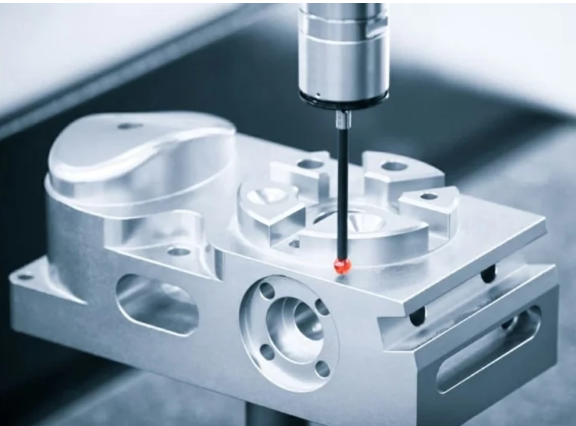
- Inspection equipment: Look for CMM systems, optical comparators, and calibrated measurement tools appropriate to your tolerance requirements
- Statistical process control: Ask whether they track process capability (Cpk values) for critical dimensions
- Lead time transparency: Request realistic timelines and understand what drives them—capacity constraints, material availability, or process complexity
- Communication responsiveness: Note how quickly they respond to quote requests and technical questions during evaluation
- Sample or prototype availability: Consider requesting sample parts before committing to production volumes
- Reference accounts: Ask for customer references in your industry or with similar precision requirements
The best precision sheet metal inc companies welcome this level of scrutiny. They've invested in systems and capabilities specifically to demonstrate verified quality—and they understand that thorough evaluation builds the foundation for successful long-term partnerships.
With evaluation criteria established, you're ready to consider another factor that separates successful projects from frustrating ones: how your design decisions enable—or constrain—the precision outcomes you need.
Design for Manufacturability in Sheet Metal Projects
Here's a reality that catches many buyers off guard: your design decisions influence fabrication outcomes as much as the equipment doing the work. A perfectly capable precision sheet metal fabrication company can struggle with parts that ignore fundamental manufacturing constraints—while straightforward designs fly through production with consistent quality and lower costs.
Design for Manufacturability (DFM) represents the bridge between what you envision on screen and what's physically achievable in metal. According to sheet metal DFM specialists, this concept means designing your parts in a way that makes them easy—and therefore economical—to build. Ignore these principles, and you'll face what fabricators call "manufacturing friction": higher prices, longer wait times, and elevated error risk.
Whether you're an experienced engineer or a business owner developing a prototype, understanding these DFM fundamentals helps you communicate effectively with your fabrication partner and recognize potential issues before they become expensive problems.
Design Elements That Enable Precision Fabrication
Think of sheet metal like cardboard with very specific folding rules. Every bend, hole, and cutout interacts with material properties in predictable ways—if you know what to look for. These key DFM principles guide designs that precision sheet metal companies can manufacture reliably:
- Bend radius sizing: The inside curve of your bend should at least match the material thickness. As DFM experts explain, if you try to fold metal too sharply, the outer edge will crack or develop "crazing." Designing all bends to the same radius enables fabricators to use a single tool for every fold—saving setup time and reducing your costs.
- Hole-to-bend distance: Keep holes a minimum of 2.5 times the material thickness plus one bend radius away from bend lines. Holes placed too close to bends stretch into ovals during forming, making screws or pins impossible to insert properly.
- Bend relief features: When bends terminate at flat edges, add small rectangular or circular cutouts where bend lines meet edges. This prevents stress concentration and cracking at bend interfaces.
- Minimum flange length: Make flanges at least four times as long as the material is thick. Press brakes need sufficient surface area to grip material during forming—short flanges require custom, expensive tooling that can double production costs.
- Grain direction awareness: Sheet metal has a "grain" from the rolling process at the mill. Bends made parallel to grain direction are far more likely to crack. Design parts so folds happen across the grain whenever possible.
- Slot and cutout width: Keep narrow cutouts at least 1.5 times wider than material thickness. Laser cutting generates intense heat—thin slots and fingers warp or twist from thermal stress, compromising flatness and fit.
Understanding the K-factor becomes essential for parts with multiple bends. According to technical references, the K-factor represents the ratio between the neutral axis location and material thickness, ranging between 0.25 and 0.50 depending on material and bending operation. Getting this value correct in your CAD software ensures accurate flat patterns and prevents tolerance stack-up across complex assemblies.
Common Design Mistakes That Compromise Quality
Even experienced designers make errors that create manufacturing challenges. Watch for these common pitfalls that precision sheet metal companies encounter regularly:
- Over-tolerancing non-critical features: Specifying ±0.005" on dimensions that don't affect function dramatically increases inspection time and cost. Be flexible with tolerances where it isn't necessary—standard sheet metal tolerances keep projects on budget while maintaining quality where it matters.
- Non-standard hole sizes: Specifying holes at dimensions like 5.123mm may require custom drill bits. Using off-the-shelf sizes (5mm, 6mm, 1/4") allows fabricators to punch your order with existing tools, enabling nearly instant turnaround through high-speed equipment.
- Ignoring springback: Metal is slightly elastic. A bend formed to 90 degrees naturally wants to spring back to 88 or 89 degrees. Precision fabricators compensate for this, but overly tight angular tolerances without springback allowance create inspection failures.
- Insufficient hole spacing: Holes should be located approximately 1.5 times material thickness from edges and two times thickness apart from each other. Closer spacing causes material distortion during punching operations.
- Missing coating considerations: Powder coating and anodizing add dimensional thickness. Designs must account for this change, especially on mating surfaces and threaded features. Additionally, parts need hanging points during coating—communicate where uncoated sections are acceptable.
Self-locating features represent an often-missed opportunity. Where possible, design parts that align themselves during assembly, minimizing the need for jigs and fixtures. Using PEM inserts or rivets instead of welding can save significant time and money when functionality permits—welding requires skilled labor and creates heat distortion, while mechanical fastening maintains tighter dimensional control.
The business impact of good DFM extends beyond manufacturing efficiency. Parts designed with these principles in mind typically pass first article inspection without rework, maintain consistent quality across production runs, and cost less because fabricators can use standard tooling and processes. When you present a design that demonstrates DFM awareness, precision sheet metal companies recognize a customer who understands manufacturing realities—often leading to better pricing, faster quotes, and priority scheduling.
With design principles established, the next step in your precision fabrication journey involves understanding how prototyping and new product introduction processes validate designs before committing to full production volumes.
Prototyping and New Product Introduction Services
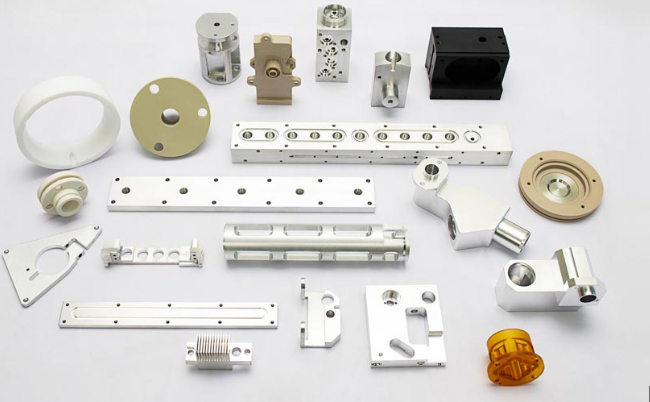
You've designed your part with manufacturability in mind. But how do you know it will actually work before committing thousands of dollars to production tooling? This is where precision sheet metal prototyping services become invaluable—transforming digital designs into physical parts you can hold, test, and refine.
New Product Introduction (NPI) represents the structured process that moves your concept from initial idea through validated production readiness. According to manufacturing specialists, NPI encompasses the entire range from concept creation to development and production of the end product—eliminating as many risks as possible while embracing opportunities for success.
For buyers evaluating a precision sheet metal NPI company, understanding this process helps you recognize which partners can genuinely accelerate your timeline versus those who simply take orders without adding value.
From Concept to First Article Approval
Imagine you're developing a new enclosure for industrial equipment. You have CAD files, material specifications, and tolerance requirements—but questions remain. Will the bends produce the expected angles? Do the mounting holes align correctly with mating components? Will the assembly process reveal unforeseen interference issues?
The prototyping workflow answers these questions systematically. Based on industry practices, the typical process follows these stages:
- Identify and define objectives: Your fabrication partner works with you to understand the core requirements—functional specifications, aesthetic expectations, testing protocols, and timeline constraints. This stage sets the foundation for everything that follows.
- Design review and DFM optimization: Engineers analyze your CAD data for manufacturability, recommending adjustments that improve precision outcomes without compromising function. This collaborative phase often catches issues that would cause production delays later.
- Prototype fabrication: Using the same equipment designated for production, fabricators create initial samples. This approach ensures prototypes accurately represent what full-scale manufacturing will deliver.
- Testing and validation: Prototypes undergo functional testing, fit checks with mating components, and performance evaluation under operational conditions. Finite element analysis (FEA) may simulate stress patterns, while physical tests confirm real-world behavior.
- Design iteration: Based on test results, designs are refined and new prototypes created as needed. As one industry expert notes, "Not every concept is a winner—you want to learn quickly what works and what needs adjustment."
- Design approval and production quoting: Once prototypes meet specifications, the design is locked and detailed production quotes are developed. Fabricators who built your prototypes can quote accurately because they've already tested the manufacturing process.
- First article inspection (FAI): The initial production parts undergo comprehensive dimensional verification against specifications, creating documented evidence that manufacturing processes deliver conforming parts.
This structured approach dramatically reduces the risk of expensive surprises during full production. When evaluating precision sheet metal prototyping services, look for partners who offer comprehensive DFM support during the design review phase—this collaboration often determines whether projects succeed or stumble.
Rapid Prototyping Versus Production Runs
Speed matters differently at each stage of product development. During prototyping, fast turnaround enables rapid iteration—the "fail faster" philosophy that helps you learn quickly whether designs work as intended. As prototyping specialists explain, if a particular design isn't viable, determining this quickly is far more resource-efficient than investing prolonged time and effort.
What separates rapid prototyping from standard fabrication timelines? Leading precision sheet metal companies maintain dedicated prototyping departments isolated from production schedules. This separation ensures prototype work doesn't compete with high-volume orders for machine time—a critical distinction when you're racing to validate designs before market windows close.
Consider what rapid prototyping capability actually looks like in practice. Top-tier partners like Shaoyi (Ningbo) Metal Technology deliver 5-day rapid prototyping combined with comprehensive DFM support and 12-hour quote turnaround—the kind of responsiveness that accelerates development cycles significantly. Their IATF 16949 certification demonstrates the quality systems required for automotive chassis, suspension, and structural components where precision tolerances are non-negotiable.
The transition from prototyping to production introduces different priorities:
| Factor | Rapid Prototyping | Production Runs |
|---|---|---|
| Primary goal | Design validation and iteration speed | Consistent quality at volume |
| Typical timeline | 3-10 days for initial samples | 2-6 weeks depending on complexity and volume |
| Tooling approach | Soft tooling or direct fabrication | Production-grade tooling for repeatability |
| Cost structure | Higher per-part cost, lower total investment | Lower per-part cost, higher tooling investment |
| Volume range | 1-50 pieces typical | Hundreds to thousands of pieces |
Pilot production serves as the bridge between these phases. Before scaling to full volume, fabricators produce small batches—typically 50-200 pieces—to validate that manufacturing processes are repeatable and stable. This step identifies any manufacturability issues that didn't surface during prototyping and confirms that quality systems can maintain specifications across extended production runs.
When selecting a precision sheet metal servo feeder company or rapid prototyping sheet metal fabrication partner, evaluate their entire capability spectrum. The best partners guide projects from initial concept through validated production, applying consistent quality systems at every stage. They understand that prototyping isn't just about making parts quickly—it's about learning fast enough to make better decisions before production investments lock in design choices.
With prototyping processes understood, you're ready to address a topic most fabricators avoid discussing openly: what actually drives pricing in precision sheet metal work, and how can you optimize costs without sacrificing quality?
Understanding Pricing Factors and Cost Drivers
Here's a conversation most fabricators avoid: what actually determines your project cost? While getting custom sheet metal fabrication quotes often feels like receiving mysterious numbers from a black box, the reality is more straightforward than you might expect. Understanding precision sheet metal fabrication cost drivers empowers you to make informed decisions—and potentially reduce expenses without sacrificing quality.
According to precision fabrication specialists, several interconnected factors influence pricing. The key is understanding which factors you can control, which require trade-offs, and which are simply fixed realities of manufacturing physics.
Material Costs and Complexity Factors
Let's start with the most tangible precision metal work cost drivers: what your parts are made from and how complicated they are to produce.
Material selection represents one of the biggest variables in your quote. As industry sources explain, metals like aluminum, stainless steel, and carbon steel vary in both price per pound and workability:
- Aluminum is lightweight and corrosion-resistant but requires more care during forming and welding operations
- Stainless steel offers excellent strength and durability but costs significantly more per pound and often demands specialized finishing
- Carbon steel remains affordable and versatile but typically needs protective coatings to prevent corrosion
Material thickness compounds these costs directly. Thicker stock takes longer to cut, requires more force to bend, and demands extended welding time—all translating to increased production hours and higher pricing.
Design complexity creates the second major cost multiplier. Components with multiple bends, intricate cutouts, or tight tolerances require more programming time, additional setup operations, and frequent inspection cycles. The difference between a simple bracket with two bends and an enclosure with twelve bends, hardware inserts, and welded assemblies can be dramatic—even when using identical materials.
Here's a practical framework for understanding how different sheet metal fabrication pricing factors affect your bottom line:
| Cost Factor | Impact Level | What Drives This Cost | How to Optimize |
|---|---|---|---|
| Material type | High | Raw material market prices, alloy specifications | Specify standard alloys; consider alternatives with similar performance |
| Material thickness | Medium-High | Cutting speed, forming force, welding time | Use minimum thickness that meets structural requirements |
| Geometric complexity | High | Programming, setup changes, specialized tooling | Simplify designs; standardize bend radii and hole sizes |
| Tolerance requirements | High | Slower machining speeds, frequent inspection, rework risk | Apply tight tolerances only to critical dimensions |
| Surface finishing | Medium | Additional process steps, coating materials, curing time | Specify finishes only where functionally required |
| Assembly operations | Medium-High | Labor hours, hardware costs, inspection points | Design for simplified assembly; use self-locating features |
| Setup and programming | Medium | Initial machine configuration, tooling preparation | Design families of parts that share tooling requirements |
Notice that tolerance requirements carry a "High" impact rating. According to manufacturing experts, the tighter the tolerances, the higher the cost—meeting stringent dimensional requirements involves more frequent inspections, slower machining speeds, and advanced measuring tools like coordinate measuring machines (CMM) and laser-based inspection systems.
Volume Considerations and Lead Time Trade-offs
Quantity changes everything in precision fabrication pricing. A single prototype or small batch run will cost significantly more per unit than a large-volume order because setup and programming time are spread across fewer parts.
Think about it practically: whether you're ordering 10 parts or 1,000, the fabricator still needs to program the laser, set up the press brake, and configure quality inspection protocols. Those fixed costs get divided differently depending on your order size:
- Prototype quantities (1-10 pieces): Setup costs dominate; expect highest per-part pricing but lowest total investment
- Low-volume production (50-500 pieces): Setup costs amortize more favorably; per-part pricing drops significantly
- High-volume production (1,000+ pieces): Efficiency gains maximize; automated handling and optimized nesting reduce waste and labor
Lead time introduces another cost dimension that many buyers underestimate. According to fabrication estimating specialists, rush orders or projects requiring accelerated delivery often involve overtime or production schedule adjustments—both of which add premium charges.
The relationship between lead time and cost creates important trade-offs:
| Lead Time Scenario | Cost Impact | Typical Timeline | Best For |
|---|---|---|---|
| Standard production | Baseline pricing | 2-4 weeks | Planned production with predictable demand |
| Expedited delivery | Premium charges apply | 1-2 weeks | Critical deadlines with budget flexibility |
| Rush/emergency | Significant premium | Days rather than weeks | True emergencies where cost is secondary |
| Flexible/scheduled | Potential discount | 4-6+ weeks | Non-urgent orders where timing is negotiable |
As lead time specialists note, the simpler your design and the more standard your materials, the faster your parts will arrive—and faster often means less expensive when you avoid rush premiums.
One often-overlooked cost factor? Shipping and logistics. According to industry sources, production might finish on time, but shipping can still impact your schedule. Fast-track logistics through priority carriers shortens delivery but usually at higher cost. For international orders, consider requesting split shipments if speed matters more than minimizing freight expenses.
The most cost-effective approach combines smart design decisions with realistic timeline planning. Work with your precision sheet metal partner early—during the design phase rather than after drawings are finalized. Experienced fabricators can identify cost optimization opportunities you might miss, from suggesting standard hole sizes that reduce tooling changes to recommending material alternatives that deliver equivalent performance at lower cost.
With pricing factors understood, you're equipped to evaluate quotes intelligently and have informed conversations with potential fabrication partners about where costs come from—and where you might find savings that don't compromise the precision your application demands.
Making the Right Precision Sheet Metal Decision
You've covered significant ground—from understanding what precision tolerances actually mean to evaluating certifications, DFM principles, prototyping processes, and cost drivers. Now it's time to synthesize these insights into actionable guidance that helps you move forward with confidence.
Whether you're a technical specifier comparing fabrication capabilities or a business decision-maker evaluating potential supply chain partners, the precision sheet metal selection criteria we've explored share a common thread: verified capability matters more than marketing claims.
Key Takeaways for Your Next Precision Project
Before requesting quotes or scheduling facility tours, keep these critical evaluation points front of mind:
The best precision sheet metal company demonstrates three non-negotiable qualities: industry-appropriate certifications verified through current documentation, equipment capabilities matched to your specific tolerance requirements, and collaborative engineering support that improves your designs before production begins.
Here's your condensed precision fabrication partner evaluation framework:
- Verify certifications actively: Request current certificates with expiration dates. ISO 9001 serves general applications; AS9100 is mandatory for aerospace; IATF 16949 signals automotive supply chain readiness
- Match capabilities to requirements: Don't overpay for capabilities you don't need—but don't compromise on tolerances your application demands
- Evaluate DFM collaboration: Partners who improve your designs during prototyping prevent expensive production problems later
- Assess responsiveness early: How quickly potential partners respond to quote requests predicts how they'll communicate during production challenges
- Understand cost drivers: Material selection, geometric complexity, tolerance requirements, and lead time all influence pricing—optimize where flexibility exists
Moving Forward with Confidence
Your next steps depend on where you are in the buyer journey. If you're still defining requirements, focus on tolerance specifications and material selection—these decisions cascade through every subsequent choice. If you're actively comparing suppliers, prioritize certification verification and request sample parts demonstrating their precision capabilities.
For automotive applications specifically, choosing the right precision partner becomes even more critical. As noted by precision stamping specialists, certifications like IATF 16949 signal that a fabricator understands automotive-specific requirements including defect prevention, traceability, and continuous improvement protocols.
Consider what an ideal precision partner looks like in practice. Shaoyi (Ningbo) Metal Technology exemplifies the criteria we've discussed throughout this guide: IATF 16949 certification for automotive chassis, suspension, and structural components; 5-day rapid prototyping that accelerates your development timeline; comprehensive DFM support that catches design issues before production; and 12-hour quote turnaround that keeps your projects moving. This combination of verified quality systems, responsive service, and technical collaboration represents exactly what you should seek in a precision sheet metal partner.
The precision fabrication landscape rewards informed buyers. Armed with the evaluation framework, DFM knowledge, and cost understanding you've gained here, you're positioned to select partners who deliver consistent quality—not just on the first order, but across years of production collaboration.
Frequently Asked Questions About Precision Sheet Metal Companies
1. What is precision sheet metal fabrication?
Precision sheet metal fabrication is the process of manufacturing sheet metal parts and components to extremely high accuracy standards, typically maintaining tolerances between ±0.005" and ±0.010" (±0.13mm to ±0.25mm). This involves specialized equipment like fiber laser systems, CNC press brakes with angle correction technology, and coordinate measuring machines (CMM) for inspection. Industries requiring exact specifications—such as aerospace, medical devices, and automotive—rely on precision fabrication because component failures from dimensional inaccuracies can lead to assembly problems, product recalls, and safety issues.
2. Who is the best fabricator in the world?
The best fabricator depends on your specific application requirements, industry certifications needed, and precision tolerances required. For automotive applications, look for IATF 16949-certified partners like Shaoyi (Ningbo) Metal Technology, which offers 5-day rapid prototyping, comprehensive DFM support, and 12-hour quote turnaround for chassis, suspension, and structural components. For aerospace work, AS9100 certification is essential. Evaluate potential partners based on their equipment capabilities, quality systems, material expertise, and responsiveness rather than relying on general rankings.
3. How much does it cost to install sheet metal?
Precision sheet metal fabrication costs vary significantly based on several factors: material type and thickness, geometric complexity, tolerance requirements, surface finishing needs, and order volume. While simple projects may cost a few hundred dollars, complex precision components with tight tolerances can run into thousands. Setup and programming costs remain relatively fixed regardless of quantity, making per-unit costs much higher for prototypes than production runs. To optimize costs, specify tight tolerances only on critical dimensions, use standard hole sizes and bend radii, and plan realistic lead times to avoid rush premiums.
4. What certifications should a precision sheet metal company have?
The required certifications depend on your industry. ISO 9001 serves as the foundation for general commercial applications, demonstrating documented quality management systems. AS9100 extends ISO requirements for aerospace, aviation, and defense applications where safety-critical manufacturing is mandatory. IATF 16949 signals automotive supply chain readiness with emphasis on defect prevention and continuous improvement. ISO 13485 addresses medical device regulatory compliance. Always request current certificates with expiration dates, as certifications require triennial audits to maintain validity.
5. How do I choose the right precision sheet metal partner?
Start by verifying industry-appropriate certifications match your application requirements. Evaluate equipment capabilities against your specific tolerance needs and material types. Assess their DFM support during the design phase—partners who improve designs before production prevent costly problems later. Check responsiveness during the quote process as an indicator of future communication quality. Request sample parts or references from customers with similar precision requirements. Consider their prototyping capabilities if you need rapid iteration, and ensure their quality systems include material traceability and statistical process control for critical dimensions.