 Small batches, high standards. Our rapid prototyping service makes validation faster and easier —
  EN
EN


Custom Sheet Metal Manufacturing: From Raw Material To Finished Part
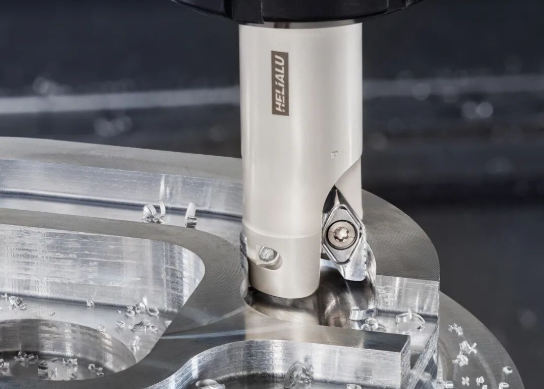
What Custom Sheet Metal Manufacturing Really Means
Ever wondered how a flat metal sheet transforms into the precise bracket in your car's engine bay or the sleek enclosure protecting sensitive electronics? That's custom sheet metal manufacturing at work—a process that turns raw materials into exactly what your project demands, nothing more, nothing less.
Defining Custom Sheet Metal Manufacturing
So, what is metal fabrication in its custom form? At its core, custom sheet metal manufacturing refers to the process of transforming flat metal sheets into functional components, assemblies, and structures that meet exact customer specifications. Unlike grabbing standard parts off a shelf, this approach builds every piece around your unique design requirements.
Custom sheet metal manufacturing is an engineered workflow that combines material science, digital design, and precision equipment to produce parts that perform reliably under demanding conditions—tailored specifically to each project's requirements.
This distinction matters more than you might think. Standard fabrication relies on pre-designed catalog dimensions, forcing engineers to adapt their designs around available options. Custom fabrication flips that equation. Your design drives the process, not the other way around.
From Flat Stock to Finished Parts
The journey from a raw metal sheet to a finished component involves several interconnected stages. Picture a flat piece of aluminum or steel entering a facility. Through cutting, bending, and forming processes, that simple sheet becomes a precisely engineered part ready for its intended application.
Sheet metal fabrication typically follows this progression:
- Cutting – Laser, punching, or waterjet methods trim the metal sheet to required geometries
- Forming and bending – CNC press brakes shape flat pieces into three-dimensional components
- Joining – Welding, fastening, or hardware insertion creates complete assemblies
- Finishing – Surface treatments like powder coating or anodizing add protection and aesthetics
Each stage is digitally managed, ensuring consistent results and measurable quality across every part produced. This integration allows manufacturers to move from concept to reality with remarkable precision.
Why Custom Matters in Metal Fabrication
Why invest in custom fabrication when standard parts exist? The answer lies in fitness for purpose. According to Wiley Metal's analysis, custom-fabricated parts built for exact applications tend to last longer, perform better, and reduce failure risks compared to adapted standard components.
Metal fab professionals understand that small deviations can lead to performance issues or compliance failures—especially in aerospace, medical, and electronics manufacturing. Custom fabrication eliminates those risks through careful control of geometry and tolerance.
This guide serves as your educational resource for understanding the complete sheet metal manufacturing process. Whether you're an engineer specifying parts, a procurement specialist evaluating suppliers, or a business owner exploring fabrication options, you'll find practical insights to inform better decisions throughout your project lifecycle.
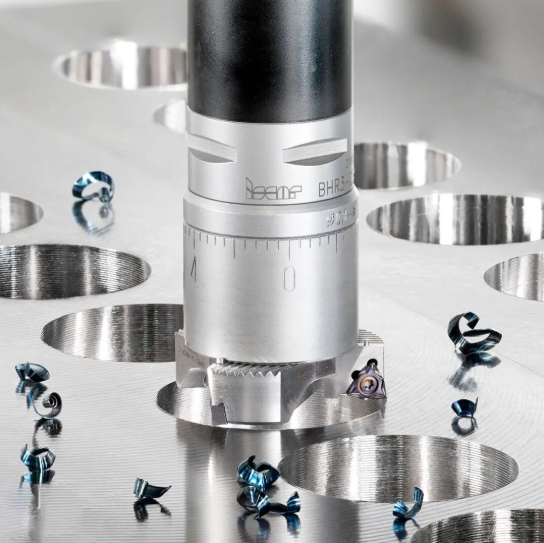
Core Processes Behind Custom Sheet Metal Parts
Now that you understand what custom sheet metal manufacturing involves, let's explore the actual processes that make it happen. Each technique serves a specific purpose, and knowing when to use which method can significantly impact your part's quality, cost, and lead time.
Laser Cutting and Precision Profiling
Imagine a focused beam of light slicing through steel like a hot knife through butter—that's laser cutting in action. A laser cutter uses concentrated thermal energy to vaporize material along programmed paths, producing remarkably precise cuts with minimal material distortion.
Two primary laser types dominate the industry:
- CO2 lasers – Excellent for cutting thinner gauge materials quickly, though they struggle with highly reflective metals like copper
- Fiber lasers – Handle reflective materials effectively and offer faster cutting speeds on thin to medium thickness sheets
One critical factor to consider is the assist gas used during cutting. According to Hansen Industries, steel parts cut with oxygen assist gas can develop scaling on the edges that creates problems during welding and powder coating. Switching to nitrogen gas eliminates this issue, producing cleaner edges ready for secondary operations.
For thin gauge materials featuring curves or long cut lines, laser cutting often delivers the fastest cycle times. Flying optics systems minimize scratches on material surfaces and can eliminate the need for microjoints that hold parts in place during cutting.
Comparing Cutting Methods: What Works Best?
Choosing the right metal cutter depends on your specific application. Each technology has distinct strengths worth understanding:
| Method | Precision Level | Thickness Range | Relative Speed | Best Applications |
|---|---|---|---|---|
| Laser Cutting | ±0.005" typical | Up to 1" steel | Fast for thin materials | Intricate profiles, curves, thin gauge work |
| CNC Punching | ±0.005" typical | Up to 0.25" steel | Very fast for holes | Electronic chassis, parts with many holes |
| Waterjet Cutting | ±0.003" to ±0.010" | Up to 6"+ materials | Slower but versatile | Thick materials, heat-sensitive metals |
CNC punching excels when your design includes numerous holes—common in electronic chassis. The process offers excellent hole roundness and can form features and tap holes in a single setup. Meanwhile, waterjet cutting becomes the preferred choice as material thickness approaches half an inch, producing superior edge quality without heat-affected zones.
Understanding kerf—the width of material removed during cutting—helps engineers design parts accurately. Laser kerf typically measures 0.008" to 0.025" depending on thickness, while waterjet kerf ranges from 0.020" to 0.060" based on the mixing tube and orifice configuration. Your design files should account for these differences to achieve proper final dimensions.
Bending and Forming Techniques
Cutting produces flat profiles, but bending transforms them into three-dimensional components. This process applies force exceeding the material's yield strength to achieve permanent plastic deformation—essentially reshaping metal without breaking it.
V-bending remains the most common approach, with three variations handling roughly 90% of bending jobs:
- Air bending – The workpiece contacts only two points on the die, offering flexibility to achieve angles between 90° and 180° without tool changes
- Bottoming – The punch presses metal onto the die surface, reducing springback and improving precision
- Coining – Uses 5-8 times more force than air bending, virtually eliminating springback for high-precision requirements
Springback—where bent material partially returns toward its original shape after the load releases—represents a key consideration. Larger inside radii produce more springback, so operators often overbend slightly to compensate. According to Fractory's technical guide, a good rule of thumb is setting the inside radius equal to material thickness, which simplifies calculations while avoiding common problems.
For large-radius curves, step bending (also called bump bending) uses repetitive V-bends in succession. Roll bending handles tube formation and cylindrical shapes, making it essential for applications like conical hoppers and architectural elements.
Joining Methods From Welding to Hardware
Once parts are cut and formed, joining methods bring them together into functional assemblies. The debate around mig vs tig welding often surfaces when engineers specify joining requirements for sheet metal projects.
MIG welding (Gas Metal Arc Welding) feeds a continuous wire electrode through the gun, making it faster and more forgiving for operators. It handles thicker materials well and maintains high production rates. However, Metal Works of High Point notes that MIG can produce more spatter and may not deliver the aesthetic finish some applications demand.
TIG welding (Gas Tungsten Arc Welding) uses a non-consumable tungsten electrode with a separate filler rod, offering exceptional precision and control. This method shines for aluminum welding and applications requiring clean, visually appealing welds. The tradeoff? Slower speeds and higher skill requirements increase production costs.
Beyond welding, mechanical fastening offers another joining path:
- Self-clinching hardware – Nuts, studs, and standoffs pressed into pre-punched holes
- Riveting – Permanent fastening without heat exposure
- PEM inserts – Threaded elements installed during fabrication for later assembly
A die cut machine can integrate hardware insertion into the punching process, reducing secondary operations and improving efficiency. The choice between welding and mechanical fastening depends on structural requirements, material compatibility, and whether the assembly needs future serviceability.
With these core processes understood, selecting the right materials becomes the next critical decision—a topic that directly impacts which processes work best for your application.
Material Selection Guide for Custom Projects
You've got cutting and forming processes figured out—but here's the thing: none of that matters if you pick the wrong material. The metal you choose determines everything from how your part performs under stress to whether it survives its operating environment. Let's break down your options.
Steel vs Stainless Steel vs Aluminum
These three materials dominate custom sheet metal manufacturing, each bringing distinct advantages to the table. Understanding their differences helps you match material properties to application requirements.
Carbon steel offers excellent strength and weldability at the lowest cost. According to Xometry's material guide, grades like DC01 provide good formability with low carbon content, making them ideal for general fabrication. However, carbon steel requires protective coatings to prevent rust.
Stainless steel sheet metal contains a minimum of 10.5% chromium, which reacts with oxygen to form a self-healing protective layer. This makes it virtually immune to rust in most environments—including marine settings, high humidity zones, and chemical processing facilities. The two most common grades include:
- 304 stainless – Excellent corrosion resistance with good machinability; widely used in food and beverage equipment
- 316 stainless – Adds molybdenum for enhanced resistance to chlorides and non-oxidizing acids; preferred for marine and chemical applications
Aluminum sheet delivers an unbeatable strength-to-weight ratio. The 5000-series alloys (like 5052 and 5083) offer excellent corrosion resistance and weldability without heat treatment. Meanwhile, 6061 aluminum—a precipitation-hardened alloy—provides good mechanical properties and is commonly extruded for structural applications.
| Material | Tensile Strength | Corrosion Resistance | Relative Weight | Cost Factor | Typical Applications |
|---|---|---|---|---|---|
| Carbon Steel | High (400-550 MPa) | Low (requires coating) | Heavy | $ | Structural components, enclosures, brackets |
| Stainless Steel 304 | High (515-620 MPa) | Excellent | Heavy | $$$ | Food equipment, medical devices, architectural |
| Stainless Steel 316 | High (485-620 MPa) | Superior | Heavy | $$$$ | Marine hardware, chemical processing, pharmaceuticals |
| Aluminum 5052 | Moderate (230-280 MPa) | Very Good | Light | $$ | Marine components, fuel tanks, appliances |
| Aluminum 6061 | Moderate (290-310 MPa) | Good | Light | $$ | Structural frames, automotive parts, electronics |
Understanding Sheet Metal Gauge Thickness
Here's where things get counterintuitive. When someone mentions "14 gauge steel," they're using a system where lower numbers mean thicker material. A 14 gauge steel thickness measures approximately 1.9mm (0.0747 inches), while 11 gauge steel thickness comes in at roughly 3.0mm (0.1196 inches).
Why does this matter? According to Xometry's gauge chart reference, the gauge system developed from historical drawing operations rather than linear measurement logic. This means you'll need a sheet metal gauge chart handy when specifying materials—especially since gauge sizes vary between material types.
Key points to remember about gauge sizes:
- Sheet metal typically ranges from 0.5mm to 6mm thick—anything thicker becomes "plate"
- A 10-gauge metal sheet (3.4mm) suits heavy-duty structural applications
- Steel, stainless steel, and aluminum each have different gauge-to-thickness conversions due to density differences
- Thicker gauges don't improve corrosion resistance—they simply take longer to corrode through
When specifying custom parts, consider stating thickness in millimeters or inches alongside gauge numbers. This eliminates confusion and ensures your fabricator delivers exactly what you need.
Specialty Materials for Demanding Applications
Beyond the big three, specialty materials serve specific performance requirements:
Galvanized sheet metal combines carbon steel's affordability with zinc coating protection. The hot-dip galvanization process creates a sacrificial layer—the zinc corrodes before the underlying steel, extending service life in moderately corrosive environments. Common applications include HVAC ducting, outdoor railings, and automotive body panels.
Stainless steel sheet becomes the clear choice when you need maximum corrosion resistance without maintenance. As Metalbook's comparison notes, galvanized steel works well in rural or low-exposure settings, but coastal areas, acidic environments, and industrial zones demand stainless.
Choosing between galvanized sheet metal and stainless steel sheet comes down to three factors:
- Environment severity – Galvanized handles moderate conditions; stainless survives harsh ones
- Lifecycle costs – Stainless costs 2-3x more upfront but may eliminate replacement cycles
- Maintenance access – If components can be easily serviced, galvanized remains viable
Copper and brass bring excellent electrical conductivity and natural antimicrobial properties. Copper sheet appears frequently in electrical components and heat exchangers, while brass—a copper-zinc alloy—offers good machinability for decorative and functional hardware.
With material selection sorted, the next challenge involves designing parts that actually work in production. That's where Design for Manufacturability principles come into play—principles that can make or break your project's success.
Design for Manufacturability Essentials
You've selected the perfect material and understand the processes involved. But here's the catch—even the best material choice won't save a design that ignores how sheet metal actually behaves during fabrication. Design for Manufacturability (DFM) bridges the gap between what looks good on screen and what works on the shop floor.
Think of DFM as a set of practical rules that prevent costly surprises. According to meviy's DFM guide, a small oversight in bend design or sheet thickness can result in parts that crack, distort, or cost significantly more to produce than necessary. Getting these details right from the start saves time, money, and frustration.
Bend Radius and Material Thickness Rules
Every bend in your design interacts with material thickness. Get this relationship wrong, and you're looking at cracked parts or rejected prototypes.
The fundamental rule? Your inside bend radius should be at least equal to the sheet thickness. But material properties change this equation:
- Aluminum fabrication – Softer alloys typically accept a radius equal to material thickness without issues
- Steel sheet bending – Mild steel usually requires a radius of 1 to 1.5 times thickness
- Stainless steel – Harder grades often need 1.5 to 2 times thickness to prevent cracking
Why does this matter? During bending, the material stretches along the outside surface and compresses on the inside. If that stretch exceeds the metal's tensile limit, cracks form. A radius that's too large, however, creates problems achieving precision in tight-fitting assemblies.
The K-factor also plays a critical role here. According to Geomiq's design guide, this value—typically ranging from 0.3 to 0.5—determines where the neutral axis sits within your material during bending. Most CAD programs calculate bend allowance automatically, but you'll need accurate K-factor values matching your specific material and fabrication equipment for precise flat patterns.
Hole and Feature Placement Guidelines
Sounds straightforward, right? Just drop holes where you need them. Unfortunately, sheet metal working doesn't forgive careless feature placement.
When holes sit too close to bend lines, they distort during forming—sometimes oval, sometimes warped beyond tolerance. The same applies to edges, cutouts, and other features. Follow these spacing rules to avoid problems:
- Hole-to-bend distance – Maintain at least two times the sheet thickness plus the bend radius between any hole edge and the bend line
- Hole-to-edge distance – Keep holes at least 1.5 to 2 times the material thickness from part edges
- Bend-to-edge distance – Position bends at least two times the sheet thickness from edges to prevent tearing
- Grain direction – Orient bends perpendicular to the material grain whenever possible; bending parallel to grain increases cracking risk
- Minimum flange height – Flanges must be long enough for the die to support them—typically three times material thickness plus the bend radius, though this varies by equipment
These aren't arbitrary numbers. SendCutSend's analysis shows that minimum flange length varies significantly by material: 0.250" stainless steel requires at least 1.150" before the bend, while 0.040" aluminum can work with flanges as short as 0.255". Always verify specifications with your fabricator.
Avoiding Common Design Mistakes
Even experienced engineers sometimes overlook sheet metal engineering fundamentals. Here are the mistakes that cause the most headaches in sheet metal custom fabrication—and how to prevent them:
Missing bend relief
Bend relief refers to small cuts or notches at the intersection of two bend lines. Without them, material tears or distorts unpredictably during forming. Insufficient relief creates stress risers that may not cause immediate cracking but lead to premature failure under repeated loading. Most CAD programs can add bend relief automatically—use that feature.
Ignoring bend allowance
Your flat pattern dimensions must account for how much material stretches during bending. Relying on generic formulas instead of manufacturer-provided bend tables leads to parts that don't fit together properly. For custom sheet metal fab, request specific K-factor and bend radius values from your fabrication partner, then input these into your CAD software.
Creating collision-prone geometries
Complex bending sequences can cause parts to collide with press brake tooling or with themselves during forming. If your design forces operators to flip and reorient the sheet multiple times, production slows and error rates climb. Simplify bend geometry where possible, and verify that your bend sequence doesn't create interference.
Designing unsupported flanges
When a flange edge isn't parallel to the bend line—or when irregular cutouts interrupt the bend zone—the brake can't support the material evenly. This produces inconsistent angles and potential quality failures. If your design requires an irregular edge, consider adding a temporary reference edge that gets trimmed after forming.
Over-constraining tolerances across bends
Natural variation in bend angles makes tight tolerances across bent surfaces unrealistic. Apply strict tolerances only where functionally necessary, and allow more generous ones elsewhere to optimize cost during sheet metal prototype development.
When you're developing a sheet metal prototype, catching these issues early through DFM review prevents expensive rework later. Many fabricators offer design feedback as part of their quoting process—take advantage of it before committing to production tooling.
With your design optimized for manufacturability, the next consideration involves understanding what precision levels are actually achievable—and when tighter tolerances justify their added cost.
Tolerances and Quality Standards Explained
Your design is optimized, your material is selected—but how precise will the finished part actually be? Understanding tolerances separates projects that assemble smoothly from those requiring costly rework. Let's demystify what these numbers mean and when precision truly matters.
Standard Tolerances by Process Type
Here's the reality: different fabrication processes deliver different precision levels. Assuming uniform accuracy across all operations leads to parts that don't fit together correctly. According to Yijin Hardware's tolerance guide, sheet metal manufacturing tolerances typically range from ±0.005" to ±0.060" depending on the process and equipment involved.
What do these numbers actually mean? When you see ±0.005", it indicates the acceptable variation from your specified dimension—the part could be 0.005" larger or smaller than designed and still pass inspection. That's roughly the thickness of two sheets of paper.
Typical tolerance ranges by process:
- Laser cutting – ±0.005" for parts under 100mm; ±0.5mm for larger parts up to 1000mm
- CNC punching – ±0.010" for most hole and profile features
- Bending operations – ±0.5° for angular dimensions; ±0.4mm to ±0.8mm for linear dimensions
- Welding and assembly – ±0.5mm to ±2mm for linear dimensions; ±2° for angular dimensions
- Stamping – ±0.1mm to ±0.5mm standard; ±0.05mm achievable for critical features
Notice how tolerances loosen as parts move through secondary operations? Each process introduces variables. Sytech Precision notes that when multiple parts assemble together, each component's small dimensional variations accumulate—a phenomenon called tolerance stack-up. A three-piece bracket assembly might fall out of alignment if any piece exceeds its tolerance range.
When Precision Sheet Metal Fabrication Matters
Tighter tolerances sound better, right? Not necessarily. Holding ±0.005" versus ±0.030" dramatically increases production time, inspection requirements, and scrap rates. Those added costs compound quickly across production runs.
A precision sheet metal fabricator applies strict tolerances only where they're functionally necessary. Consider these scenarios:
Tight tolerances justified:
- Mating surfaces that must align precisely for proper assembly
- Features interfacing with precision components like bearings or sensors
- Medical or aerospace applications with regulatory compliance requirements
- Electronic enclosures requiring specific EMI shielding characteristics
Standard tolerances sufficient:
- Cosmetic surfaces where visual appearance matters more than exact dimensions
- Non-critical mounting holes with clearance for adjustment
- Internal brackets or supports hidden from view
- Prototypes where you're validating form and function before production commitment
Material properties also influence achievable precision. According to Yijin Hardware's research, stainless steel typically permits stricter tolerances (±0.005") compared to aluminum (±0.010") due to differences in malleability and thermal expansion. Thinner gauge materials require tighter control during processing, while thicker stock provides more dimensional stability.
When evaluating precision sheet metal fabrication companies, ask about their standard versus achievable tolerances for your specific material and geometry. The best partners help you optimize specifications—applying precision where it matters while relaxing requirements elsewhere to control costs.
Quality Certifications and What They Mean
Certifications provide objective evidence that a fabricator maintains consistent quality standards. But what do these acronyms actually guarantee?
ISO 9001 establishes the foundation for quality management systems across all industries. It requires documented processes, regular audits, and continuous improvement practices. According to Xometry's certification guide, ISO 9001-certified companies typically maintain tolerances within ±0.005" for critical dimensions through established quality controls.
IATF 16949 builds on ISO 9001 specifically for automotive manufacturing. This certification—developed by the International Automotive Task Force—addresses the unique quality demands of vehicle production. It covers defect prevention, reduction of variation and waste in the supply chain, and continuous improvement methodologies.
Why does IATF 16949 matter? Xometry explains that while not legally required, many automotive OEMs and Tier 1 suppliers won't work with fabricators lacking this certification. It signals that a manufacturer understands automotive-grade quality requirements and has systems to consistently deliver them.
When certification is awarded, it confirms the organization has met rigorous requirements including:
- Context of the organization and quality management system documentation
- Leadership commitment and quality policy implementation
- Planning for quality objectives and risk mitigation
- Support systems including competent personnel and proper resources
- Operational controls for production and service delivery
- Performance evaluation through internal audits and management review
- Continuous improvement processes
Other industry-specific certifications include AS9100 for aerospace, ISO 13485 for medical devices, and various military specifications (MIL-SPEC) for defense applications. Each adds requirements relevant to that sector's unique safety and performance demands.
For accurate metal fabricating results, the combination of proper process selection, realistic tolerance specifications, and verified quality systems creates parts that perform as designed. Understanding these elements helps you communicate effectively with fabrication partners and avoid the costly surprises that derail projects.
With tolerances and quality standards clarified, you're ready to see how the complete manufacturing workflow unfolds—from your initial CAD file through finished, inspected parts ready for delivery.
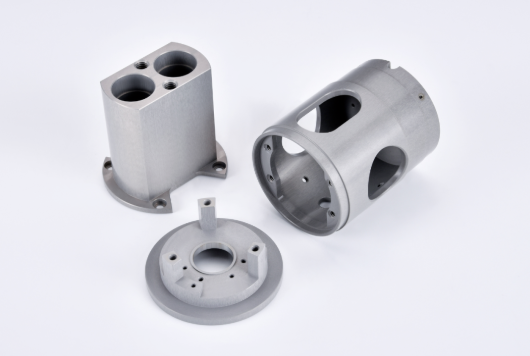
The Complete Custom Manufacturing Workflow
You've got your design optimized and tolerances specified—but what actually happens when you submit that file to a fabrication partner? Understanding the complete journey from digital design to delivered parts helps you plan timelines, avoid bottlenecks, and communicate effectively throughout your project.
Unlike purchasing off-the-shelf components, sheet metal production follows a structured workflow where each stage builds on the previous one. According to KAL Manufacturing's process guide, this sequence ensures quality while giving you multiple checkpoints to catch issues before they become expensive problems.
From CAD File to Quote
Every custom project starts with your design files. Most fabricators accept standard formats including STEP, IGES, and native CAD files from SolidWorks, AutoCAD, or similar programs. Some partners also work with flat DXF files for simpler parts.
Here's what happens after you submit:
- File review and clarification – Engineers examine your design for completeness, checking that all dimensions, tolerances, and material specifications are clearly defined
- DFM analysis – The fabricator evaluates manufacturability, identifying potential issues like insufficient bend radii, problematic feature placement, or collision-prone geometries
- Process planning – Engineers determine the optimal sequence of operations—cutting method, forming order, joining approach, and finishing requirements
- Quote generation – Based on material costs, machine time, secondary operations, and quantity, you receive pricing and lead time estimates
This metal processing stage often reveals opportunities to reduce costs without sacrificing performance. An experienced fabricator might suggest minor design modifications that simplify production—like adjusting a bend radius to use standard tooling or repositioning holes to prevent distortion.
Don't skip the DFM feedback. According to Restaurant Headquarters' prototyping guide, catching problems at this stage costs nothing compared to discovering them after parts are cut and formed.
Prototyping Before Production
Imagine committing to 5,000 parts only to discover a critical flaw during assembly. Rapid sheet metal prototyping eliminates this nightmare by validating your design with physical samples before full production begins.
Why does prototyping matter so much? Traditional fabrication requires expensive dies and stamping presses that take weeks or months to manufacture. A design flaw found after tooling is made means costly rework or starting over completely. Prototyping uses flexible methods—laser cutting and CNC forming—that adapt to any design instantly without custom tooling investments.
During the prototyping phase, you can:
- Verify form – Confirm the part matches your intended geometry and fits within available space
- Test fit – Check how components interface with mating parts, fasteners, and assemblies
- Validate function – Assess whether the part performs its intended purpose under realistic conditions
The speed advantage is dramatic. While traditional methods might require weeks for tooling setup, rapid sheet metal prototyping delivers functional parts in days. This accelerates your entire development cycle, letting you iterate quickly and perfect designs before committing to production volumes.
For complex assemblies, prototyping each component individually first makes sense. Then, welding and hardware insertion bring everything together for real-world testing. This hands-on validation catches interference issues, identifies weaknesses, and confirms that your entire design works as a system—not just as individual parts on a screen.
Surface Finishing and Final Inspection
Once fabrication is complete, your parts likely have rough edges, weld marks, or oxidation that must be addressed. Surface finishing transforms raw metal into components ready for their intended environment.
According to CIMtech Green Energy's finishing guide, the right finish dramatically improves performance, durability, and aesthetics. Here are your primary options:
Powder coat delivers a tough, attractive, and corrosion-resistant finish. This dry process electrostatically applies finely ground powder to your part, then cures it in an oven. Powder coating services offer extensive color options, excellent durability, and consistent coverage even on complex geometries. It works on steel, aluminum, and other metals—making it versatile for enclosures, control panels, and exterior components.
Anodized aluminum creates a protective, colored layer through an electrolytic process that thickens aluminum's natural oxide coating. Anodizing produces a hard, wear-resistant surface that's integral to the base metal rather than sitting on top like paint. This finish excels in aerospace applications, electronic housings, and anywhere aluminum needs enhanced durability without added weight.
Metal plating deposits a thin metallic layer—zinc, nickel, or chrome—onto your part's surface. Plating improves conductivity, hardness, or appearance depending on the metal used. Zinc plating offers excellent corrosion protection at low cost, while nickel provides hardness and solderability for electronic components.
| Finishing Method | Best Materials | Key Benefits | Typical Applications |
|---|---|---|---|
| Powder Coating | Steel, aluminum, zinc | Durable, colorful, corrosion-resistant | Electronics enclosures, outdoor equipment, control panels |
| Anodizing | Aluminum only | Hard surface, integral color, lightweight | Aerospace components, consumer electronics, architectural |
| Plating (Zinc/Nickel) | Steel, copper, brass | Conductivity, hardness, thin protective layer | Electrical components, fasteners, marine hardware |
Beyond coatings, secondary operations complete your parts. Hardware insertion adds threaded fasteners, standoffs, or clinch nuts during fabrication. Silk screening applies logos or graphics. Assembly services combine multiple components into finished products ready for installation.
The final step? Quality inspection. According to KAL Manufacturing, this involves visual checks, dimensional verification, and sometimes advanced non-destructive testing depending on your application. Parts are compared against specifications, documented, and packaged for delivery.
Understanding this complete workflow helps you set realistic expectations and identify where to focus attention during your project. With production mechanics clear, the next consideration involves understanding how each decision affects your project's bottom line.
Understanding Cost Factors in Custom Fabrication
So you've designed your part, selected your material, and mapped out the production workflow. Now comes the question everyone asks: how much will this actually cost? Understanding the economics of custom sheet metal manufacturing helps you make smarter decisions—and avoid sticker shock when quotes arrive.
Here's the thing: fabrication pricing isn't arbitrary. According to Mid-Atlantic Steel Fabrication, most businesses can expect to pay around three times the cost of raw sheet metal for fabrication services. But that multiplier varies dramatically based on specific project variables. Let's break down what actually drives your costs.
Material and Thickness Cost Drivers
Your material selection establishes the cost baseline before a single cut is made. According to Komacut's cost guide, aluminum's lightweight properties come with higher per-kilogram pricing compared to mild steel. Stainless steel—particularly 316 grade—commands premium pricing due to its superior corrosion resistance.
But raw material cost tells only part of the story. Thickness impacts pricing through multiple channels:
- Material cost per part – Thicker gauges require more metal, directly increasing material expense
- Cutting speed – Thicker materials slow laser and waterjet operations, adding machine time
- Tooling wear – Heavy-gauge work accelerates die and punch wear, increasing maintenance costs
- Forming force – Press brake capacity limits may require specialized equipment for thick materials
When searching for a metal fabrication shop near me, you'll find that material availability also affects pricing. Standard sheet sizes and common alloys cost less than specialty dimensions or exotic grades. If your design requires non-standard stock, expect longer lead times and premium pricing as fabricators source materials specifically for your project.
How Complexity Affects Pricing
Imagine two parts using identical material quantities. One features simple rectangular geometry with two 90-degree bends. The other includes intricate cutouts, multiple bend angles, and tight-tolerance features. Which costs more? The complex design—often significantly so.
Complexity drives costs through several mechanisms:
- Machine time – Intricate profiles require longer cutting cycles; multiple bends extend forming operations
- Secondary operations – Hardware insertion, welding, and assembly add labor and equipment costs
- Tooling requirements – Non-standard bends may require custom tooling or multiple tool changes
- Material waste – Complex nesting patterns often leave more scrap than simple rectangular parts
- Quality control – Tighter tolerances demand additional inspection time and specialized measurement equipment
According to Makerverse's cost reduction guide, over-specifying tolerances escalates costs quickly. Holding ±0.005" versus standard ±0.030" requires slower processing speeds, more careful handling, and rigorous inspection—all adding expense without functional benefit if the application doesn't demand that precision.
This is where DFM optimization pays dividends. Simple design changes—standardizing bend radii, consolidating hole sizes, relaxing non-critical tolerances—can reduce fabrication costs by 20% or more while maintaining every functional requirement. When you contact fabrication shops near me for quotes, ask about their DFM review process and what modifications they'd suggest.
Volume Considerations and Setup Costs
Whether you need ten parts or ten thousand, setup costs remain relatively constant. Programming CNC equipment, loading material, configuring tooling, and establishing quality checks happen regardless of quantity. The difference? How those fixed costs get distributed across your order.
Consider this breakdown of primary cost factors:
- Setup and programming – One-time costs that remain fixed whether you order 5 or 500 parts
- Material procurement – Bulk purchasing often reduces per-unit material costs for larger volumes
- Production efficiency – Longer runs allow operators to optimize processes and reduce per-part cycle times
- Finishing and coating – Batch processing for powder coating or plating reduces per-part finishing costs at volume
- Shipping and handling – Consolidated shipments cost less per piece than multiple small deliveries
For prototypes and small batches, setup costs dominate your per-part pricing. As quantities increase, those fixed costs spread thinner while material and machine time become the primary drivers. This explains why per-unit pricing drops substantially between ordering 10 parts versus 1,000.
When evaluating quotes from steel fabrication near me searches, look beyond per-part pricing. Some fabricators specialize in high-volume production with lower unit costs but higher minimums. Others excel at prototyping with quick turnaround but premium pricing for small quantities. Matching your project's volume requirements to a fabricator's strengths optimizes your total investment.
Planning ahead also reduces costs. Rushing orders triggers expedite fees and limits material sourcing options. Providing accurate specifications from the start eliminates costly mid-project changes. And consolidating multiple part orders into single shipments reduces both production and logistics expenses.
With cost factors understood, the next step involves exploring how different industries apply these principles to meet their specific manufacturing requirements.
Industry Applications and Requirements
Now that you understand cost factors, here's where theory meets reality. Different industries don't just use custom metal parts differently—they demand entirely distinct specifications, certifications, and quality benchmarks. What works perfectly for an electronics enclosure might fail catastrophically in an automotive chassis application.
Let's explore what each major sector actually requires from steel fabrication and stainless steel fabrication partners.
Automotive and Transportation Components
Imagine the forces acting on your car's suspension system during highway driving—thousands of stress cycles per journey, temperature swings from freezing winters to scorching summers, and constant exposure to road debris and corrosive salts. Custom steel fabrication for automotive applications must survive all of this while maintaining precise fit and function.
According to EABEL's automotive fabrication guide, sheet metal forms the backbone of modern vehicles. Body panels, chassis parts, and structural brackets all rely on precisely fabricated metal to deliver crash performance, aerodynamics, and long-term durability.
What makes automotive fabrication unique?
- Material demands – Advanced High-Strength Steels (AHSS) provide exceptional crash protection with reduced weight, while aluminum alloys support fuel efficiency goals
- Tolerance requirements – Tight dimensional accuracy ensures proper fit during high-speed assembly line operations
- Volume expectations – Production runs often reach tens of thousands of identical parts, demanding repeatable quality
- Certification mandates – IATF 16949 certification has become the baseline standard for automotive suppliers, confirming quality management systems meet OEM requirements
The joining methods also differ from other sectors. Resistance spot welding dominates for its speed and consistency in joining steel panels. For mixed-material structures—increasingly common as manufacturers pursue lightweighting—self-piercing riveting and adhesive bonding avoid heat distortion while maintaining structural integrity.
When evaluating partners for chassis, suspension, and structural components, look for fabricators offering comprehensive DFM support alongside rapid prototyping capabilities. For example, Shaoyi (Ningbo) Metal Technology delivers IATF 16949-certified quality with 5-day rapid prototyping and 12-hour quote turnaround—benchmarks that demonstrate automotive-grade responsiveness and quality systems.
Electronics Enclosures and Chassis
Electronics enclosures present a completely different challenge. Here, the primary mission isn't surviving crash forces—it's protecting sensitive components from electromagnetic interference, managing heat dissipation, and enabling user access for maintenance or upgrades.
According to SendCutSend's enclosure design guide, sheet metal enclosures offer significant manufacturing advantages including faster turnaround times and reduced costs compared to cast or machined alternatives. But achieving these benefits requires thoughtful design.
Key considerations for electronics applications include:
- EMI shielding – Continuous metal surfaces block electromagnetic radiation; joints and seams require careful design to maintain shielding integrity
- Thermal management – Ventilation patterns, heat sink mounting provisions, and material selection all influence cooling performance
- Access requirements – Removable panels, hinged doors, and modular construction enable component replacement without specialized tools
- Aesthetic standards – Consumer-facing enclosures often require powder coating, silk screening, or polished finishes
Material selection balances cost, weight, and performance. Aluminum sheet offers excellent shielding with reduced weight—ideal for portable equipment. Steel provides superior strength and lower cost for stationary installations. Metal fabrication stainless steel becomes essential when enclosures face harsh environments or require frequent cleaning, as in food service or laboratory settings.
Feature placement matters enormously in enclosure design. Bend radii must accommodate panel thickness while maintaining consistent gaps. Hardware insertion points need proper reinforcement. And tolerances on mating surfaces must ensure weatherproof or dust-proof sealing where required.
Medical and Industrial Applications
Medical equipment fabrication operates under perhaps the most demanding requirements of any sector. Lives depend on these components performing flawlessly, which explains why regulatory compliance dominates every decision.
According to Mechanical Power's medical fabrication guide, metal components manufactured through advanced fabrication techniques are deployed globally in hospitals and clinics, where they become part of lifesaving equipment. This demands exceptional precision and reliability.
Medical metal parts manufacturing requires:
- Biocompatible materials – Stainless steel grades 304 and 316 dominate due to corrosion resistance and cleanability
- Surface finish specifications – Smooth, polished surfaces prevent bacterial accumulation and enable proper sterilization
- Traceability systems – Every material lot and process step must be documented for regulatory compliance
- Validation protocols – Parts must demonstrate consistent performance across production runs
Industrial fabrication services for heavy equipment, agricultural machinery, and infrastructure components prioritize durability over cosmetics. These applications often involve thicker gauges, heavier weldments, and surface treatments optimized for corrosion resistance rather than appearance.
The table below compares requirements across major industry sectors:
| Industry Sector | Typical Materials | Tolerance Requirements | Key Certifications | Common Part Types |
|---|---|---|---|---|
| Automotive | AHSS, aluminum alloys, galvanized steel | ±0.1mm to ±0.5mm | IATF 16949 | Body panels, chassis, brackets, structural reinforcements |
| Aerospace | Aluminum 6061, titanium, specialty alloys | ±0.05mm to ±0.1mm | AS9100 | Structural frames, mounting brackets, access panels |
| Electronics | Aluminum, steel, stainless steel | ±0.1mm to ±0.3mm | ISO 9001, UL certification | Enclosures, chassis, heat sinks, mounting plates |
| Medical | 304/316 stainless steel, titanium | ±0.05mm to ±0.1mm | ISO 13485 | Equipment housings, surgical instrument components, carts |
| Industrial | Carbon steel, galvanized steel, aluminum | ±0.5mm to ±2mm | ISO 9001 | Guards, covers, structural supports, machine frames |
Notice how tolerance requirements correlate with application criticality? Aerospace and medical components—where failure consequences are severe—demand the tightest precision. Industrial applications, where parts often include adjustment provisions, accept wider tolerances that reduce manufacturing costs.
Certification requirements also reflect industry priorities. IATF 16949 for automotive ensures supply chain consistency. AS9100 for aerospace adds rigorous configuration management. ISO 13485 for medical devices emphasizes risk management and design controls.
Understanding these sector-specific requirements helps you communicate effectively with fabrication partners and ensures your specifications match your application's actual demands. With industry requirements clarified, the next step involves evaluating potential fabrication partners to find the right match for your specific project needs.
Choosing the Right Custom Fabrication Partner
You've mapped out your industry requirements and understand what your project demands. But here's the critical question: which fabrication partner can actually deliver? Selecting the right custom metal fabricators isn't just a purchasing decision—it's a long-term investment in your product's performance and reliability.
According to TMCO's fabrication partner guide, the true value of working with experienced sheet metal fabricators lies in craftsmanship, technology, scalability, and a proven commitment to quality. Let's break down how to evaluate potential partners systematically.
Evaluating Fabricator Capabilities
When searching for metal fabricators near me, you'll quickly discover that not all shops offer the same level of capability. Some only cut metal, while others outsource machining, finishing, or assembly—which can lead to delays, communication gaps, and inconsistencies in quality.
Full-service, integrated facilities streamline the entire process under one roof. This provides tighter control over production, faster turnaround times, and consistent quality standards. Here's what to look for when evaluating sheet metal fabricators near me:
- Equipment capabilities – Laser cutting, plasma cutting, waterjet cutting, CNC machining and turning, precision forming and press brake bending
- Joining methods – TIG/MIG welding, robotic welding, and hardware insertion options
- Finishing options – Powder coating, anodizing, plating, or other surface treatments available in-house
- Quality certifications – ISO 9001 baseline; IATF 16949 for automotive; AS9100 for aerospace; ISO 13485 for medical
- Prototyping speed – Look for partners offering rapid prototyping in days, not weeks. Benchmarks like 5-day rapid prototyping indicate serious capability
- DFM support availability – Comprehensive Design for Manufacturability review that catches problems before production
- Quote turnaround time – Fast response times (12-hour quote turnaround, for example) signal operational efficiency and customer focus
A fabricator's experience is one of the strongest indicators of their capabilities. According to TMCO, years in business often translate into deeper material knowledge, refined processes, and the ability to anticipate challenges before they become costly problems.
Before choosing a partner, ask these questions:
- How long have they been fabricating complex metal parts?
- Do they have experience in your industry or with similar applications?
- Can they share examples, case studies, or references?
Certifications That Matter
Certifications provide objective evidence that custom metal fabricators near me maintain consistent quality standards. But understanding what each certification actually guarantees helps you match partners to your specific requirements.
ISO 9001 establishes the foundation for quality management systems. It requires documented processes, regular audits, and continuous improvement practices. For general industrial applications, this baseline certification confirms that a fabricator follows established quality protocols.
IATF 16949 builds specifically on ISO 9001 for automotive manufacturing. As noted in our industry applications section, many automotive OEMs and Tier 1 suppliers won't work with fabricators lacking this certification. It addresses defect prevention, variation reduction, and continuous improvement methodologies unique to vehicle production.
For automotive applications requiring chassis, suspension, or structural components, Shaoyi (Ningbo) Metal Technology exemplifies the IATF 16949-certified quality standard that automotive programs demand—combining rapid prototyping capability with automated mass production capacity.
Other critical certifications include:
- AS9100 – Aerospace quality management with rigorous configuration control
- ISO 13485 – Medical device manufacturing with emphasis on risk management
- NADCAP – Special process accreditation for critical operations like welding and heat treatment
When evaluating metal fabrication companies near me, don't just accept certification claims at face value. Ask when certifications were last renewed and whether they cover the specific processes relevant to your project.
Communication and Support Considerations
The foundation of any strong supplier relationship is clear, consistent communication and a commitment to follow through. According to an experienced buyer's perspective at Southern Metalcraft, great suppliers don't just deliver parts—they collaborate to make your products better and more cost-effective.
When evaluating sheet metal fabrication shops near me versus overseas options, communication dynamics change significantly.
Domestic Fabrication Partners
Advantages:
- Same time zone enables real-time problem-solving
- No language barriers or cultural misunderstandings
- Easier facility visits for quality audits and relationship building
- Faster shipping and reduced logistics complexity
- Quicker response to design changes or urgent orders
Considerations:
- Potentially higher labor costs reflected in pricing
- May have capacity constraints during peak demand periods
Overseas Fabrication Partners
Advantages:
- Often lower per-unit costs for high-volume production
- Access to diverse manufacturing expertise and specialized equipment
- Infrastructure to handle large-scale projects
Considerations:
- Time zone differences complicate real-time communication
- Longer lead times due to international shipping and customs
- Hidden costs including import duties, freight, and quality control challenges
- Supply chain vulnerabilities highlighted by recent global disruptions
According to Zetwerk's analysis, while global fabricators might offer competitive rates due to lower operational costs, it's essential to factor in hidden costs like import duties, shipping, and potential quality control issues. The convenience, trust, and ease of communication with local partners can often offset higher upfront costs.
When searching for stainless fabrication near me, consider the project's specific requirements. Smaller, quick-turnaround projects often benefit from local partnerships. Large-scale production with stable designs and longer lead time tolerance may justify overseas sourcing—provided quality systems are verified through third-party audits or on-site inspections.
The future may see a hybrid approach, leveraging both local and global strengths. Technology tools now facilitate virtual site visits and digital quality checks, making overseas partnerships more manageable. But the personal touch of a local shop—the ability to walk the floor, meet the team, and build genuine partnerships—remains invaluable for critical applications.
Ultimately, choosing the right fabrication partner comes down to alignment between their capabilities and your project's actual needs. A trusted partner doesn't just build parts—they support your goals, improve your product, and help position your project for long-term success.
Frequently Asked Questions About Custom Sheet Metal Manufacturing
1. What is custom sheet metal fabrication?
Custom sheet metal fabrication transforms flat metal sheets into precisely engineered components through cutting, bending, forming, and joining processes tailored to exact customer specifications. Unlike standard fabrication using pre-designed catalog dimensions, custom fabrication builds every piece around your unique design requirements—your design drives the process, not the other way around. This approach delivers parts that perform reliably under demanding conditions for industries including automotive, aerospace, electronics, and medical equipment.
2. How much does custom sheet metal fabrication cost?
Most businesses can expect to pay approximately three times the cost of raw sheet metal for fabrication services, though this varies based on several factors. Key cost drivers include material type and thickness, design complexity, tolerance requirements, production volume, and finishing options. Setup and programming costs remain fixed regardless of quantity, meaning per-unit pricing drops significantly at higher volumes. Optimizing your design through DFM review can reduce manufacturing costs by 20% or more while maintaining functional requirements.
3. What materials are commonly used in sheet metal manufacturing?
The three dominant materials are carbon steel, stainless steel, and aluminum. Carbon steel offers excellent strength and weldability at the lowest cost but requires protective coatings. Stainless steel (304 and 316 grades) provides superior corrosion resistance ideal for marine, chemical, and medical applications. Aluminum delivers an unbeatable strength-to-weight ratio for aerospace and automotive uses. Specialty options include galvanized steel for moderate corrosion protection, copper for electrical conductivity, and brass for decorative applications.
4. What certifications should a sheet metal fabricator have?
ISO 9001 establishes the baseline for quality management systems across all industries. IATF 16949 certification is essential for automotive applications, confirming the fabricator meets OEM quality requirements for chassis, suspension, and structural components. AS9100 addresses aerospace-specific needs with rigorous configuration management. ISO 13485 covers medical device manufacturing with emphasis on risk management. Partners like Shaoyi (Ningbo) Metal Technology hold IATF 16949 certification alongside rapid prototyping capabilities, demonstrating automotive-grade quality systems.
5. How do I choose between laser cutting, waterjet, and CNC punching?
Each cutting method excels in specific applications. Laser cutting offers fast, precise cuts (±0.005" typical) ideal for intricate profiles, curves, and thin gauge materials up to 1" steel. CNC punching provides excellent speed and hole roundness for parts with numerous holes, like electronic chassis. Waterjet cutting handles thick materials (up to 6"+) without heat-affected zones, making it perfect for heat-sensitive metals. Your choice depends on material thickness, part geometry, edge quality requirements, and production volume.