 Small batches, high standards. Our rapid prototyping service makes validation faster and easier —
  EN
EN


Custom Metal Stamping Manufacturer Secrets: Essential Points Buyers Miss
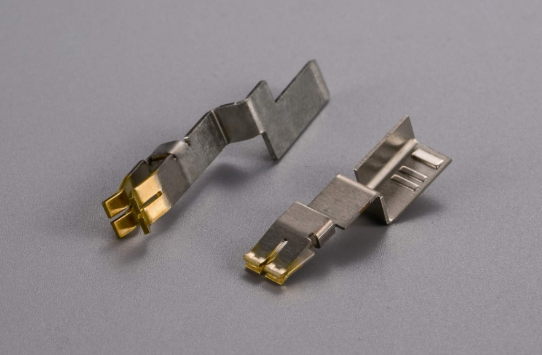
What Defines a Custom Metal Stamping Manufacturer
When you need precision metal components that match your exact specifications, understanding what sets a custom metal stamping manufacturer apart becomes essential. But what exactly makes these specialized producers different from standard stamping operations?
Custom metal stamping describes metal forming processes that require custom tooling and techniques to produce parts specified by the customer, transforming flat sheet metal into precise components through specialized dies and presses.
So, what is metal stamping at its core? The process involves placing flat sheet metal - either in coil or blank form - into a stamping press where tool and die surfaces form the material into your desired shape. Techniques like punching, blanking, bending, coining, embossing, and flanging work together to create everything from simple brackets to complex automotive components.
How Custom Stamping Differs from Standard Production
Standard stamping operations typically produce generic, off-the-shelf components using existing tooling. A custom metal stamping manufacturer, however, takes a fundamentally different approach. These specialists develop tooling designed exclusively for your specific part and its unique functions.
Consider this key distinction: while mass-produced stampings serve general purposes, custom metal stamping becomes the choice when precision and complex dimensions are non-negotiable. Whether you need large automotive frames or micro-miniature parts for medical devices, the metal stamping manufacturing process adapts entirely to your requirements.
The versatility of stamped metal parts extends across industries. You'll find custom stampings in:
- Automotive chassis and suspension systems
- Medical device housings and shields
- Electronic connector covers and terminals
- Appliance structural components
The Role of Specialized Tooling in Custom Work
Here's where custom capabilities truly shine - the tooling development process. Before any metal gets formed, stamping professionals design custom metal stamping dies using CAD/CAM engineering technology. These designs must achieve remarkable precision to ensure each punch and bend maintains proper clearance for optimal part quality.
Imagine this: a single tool 3D model can contain hundreds of individual parts, making the design process both complex and time-intensive. Once the tool design is finalized, manufacturers employ various machining, grinding, and wire EDM processes to complete production. This upfront investment in a custom metal stamp for metal forming is what enables the creation of truly unique components.
Why does this matter for buyers with unique specifications? The answer lies in control and precision. When you partner with a manufacturer offering genuine custom capabilities, you gain access to engineering expertise that can reverse-engineer existing parts, optimize designs for manufacturability, and develop tooling that delivers consistent quality across production runs - whether you need 500 pieces or 500,000.
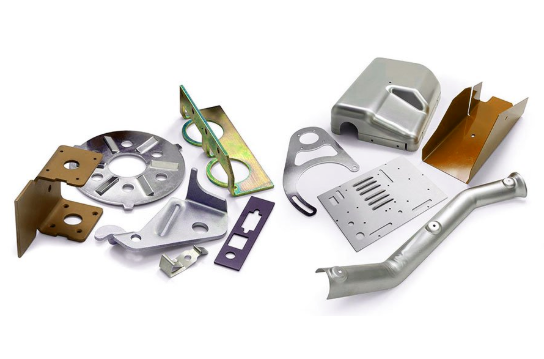
Core Stamping Processes Every Buyer Should Understand
Now that you understand what defines a custom manufacturer, let's explore the actual metal stamping process options available to you. Sounds complex? It doesn't have to be. When you break it down, most custom stamping operations rely on three primary techniques - and knowing which one fits your project can save significant time and money.
Each stamping process offers distinct advantages depending on your part geometry, production volume, and budget constraints. The key is matching your specific requirements to the right technique from the start.
Progressive Die Stamping for Volume Efficiency
When high volume metal stamping is your goal, progressive die stamping stands as the industry workhorse. Here's how it works: a strip of metal feeds through a series of dies, with each station performing a specific operation - cutting, bending, forming - until a finished metal stamped part emerges with every press stroke.
Why does this matter for your production needs? Consider that each cycle produces a complete part, making this precision metal stamping method exceptionally efficient for large quantities. According to industry data, progressive stamping is commonly used across automotive, aerospace, and electronics sectors where complex parts must be produced quickly and consistently.
Key characteristics of progressive die stamping include:
- High production rates with automated, continuous operation
- Exceptional consistency and precision across every part
- Cost-effectiveness for large production volumes
- Ability to create complex geometries with multiple features
- Material versatility - works with steel, aluminum, copper, and exotic alloys
The stamping manufacturing setup involves specialized equipment including feeders for proper metal strip alignment, die sets containing multiple operation stations, presses providing the forming force, and strippers that cleanly release finished stamping products. This orchestrated system delivers remarkable efficiency once tooling development is complete.
Deep Draw vs Fourslide Process Selection
What happens when your part needs to be three-dimensional or requires intricate multiple bends? This is where deep draw and fourslide techniques enter the picture.
Deep Draw Stamping uses a punch and die to transform flat metal sheets into three-dimensional shapes with significant depth. Imagine creating a seamless cup, enclosure, or housing from a single flat blank - that's deep drawing in action. This technique excels when you need:
- Parts with deep recesses or cup-like shapes
- High depth-to-diameter ratios
- Seamless construction without welding or joining
- Stamped steel parts for automotive fuel tanks, cookware, or electronic enclosures
Fourslide and Multislide Stamping takes a different approach. Instead of vertical press action, these machines use four or more horizontal slides working in coordinated motion to create intricate small parts with multiple bends. Picture complex wire forms, clips, or connectors - components that require bending from multiple angles.
The process comparison below helps clarify when each technique makes the most sense:
| Factor | Progressive Die | Deep Draw | Fourslide/Multislide |
|---|---|---|---|
| Best For | Complex flat parts, high volume | 3D shapes with depth | Small parts, multiple bends |
| Volume Sweet Spot | High volume runs | Medium to high volume | Medium to high volume |
| Part Geometry | Multiple features, tight tolerances | Cup shapes, enclosures | Intricate bends, wire forms |
| Tooling Investment | Higher initial cost | Moderate cost | Lower tooling cost |
| Typical Applications | Automotive brackets, electronic shields | Housings, tanks, containers | Clips, connectors, springs |
Here's a practical way to think about selection: If your part stays relatively flat but needs multiple operations (holes, bends, embossing), progressive stamping likely fits best. If you need a deep, seamless container shape, deep draw becomes your method. And if you're producing small parts requiring complex bending from multiple directions, fourslide or multislide tooling offers the precision you need.
One additional technique worth noting is transfer die stamping, which moves individual blanks between stations rather than using a continuous strip. This approach works well for larger, more complex stamped steel parts where progressive methods become impractical.
Understanding these core processes positions you to have more productive conversations with potential manufacturing partners. The next critical decision? Choosing the right material for your stamped components - a topic that directly impacts both tooling requirements and final part performance.
Material Selection Guide for Custom Stamped Components
You've identified the right stamping process for your project - but which material will deliver the performance you need? This decision impacts everything from part durability to production costs, yet many buyers overlook the nuances that separate good material choices from optimal ones.
When selecting metal stamping materials, you'll want to consider several critical factors: What environment will the finished part operate in? Does weight matter for your application? Are electrical or thermal properties important? And of course, what's your budget? Let's break down the most common options and when each makes sense.
Steel Grades and Their Stamping Applications
Steel remains the workhorse of sheet metal stamping operations, and for good reason. It's strong, affordable, and readily available in numerous grades tailored to specific applications. But not all steel is created equal.
Carbon Steel offers the most cost-effective option for structural applications. According to Talan Products, carbon steel grades vary based on carbon content:
- Low carbon steel (mild steel) - Easy to form and weld, ideal for brackets, enclosures, and general-purpose components
- Medium carbon steel - Offers increased strength for automotive parts and machinery components
- High carbon steel - Provides maximum hardness for cutting tools and springs, though more challenging to stamp
High-Strength Low-Alloy (HSLA) Steel steps up when you need better strength without adding weight. This material is particularly popular in steel sheet stamping for automotive applications like chassis components, suspension systems, and seat frames. The key advantage? HSLA delivers enhanced mechanical properties and corrosion resistance compared to standard carbon steel while maintaining good formability.
Stainless Steel Metal Stamping becomes essential when corrosion resistance is non-negotiable. Different grades serve different purposes:
- 304 stainless - The most common grade, offering excellent corrosion resistance for food processing and medical applications
- 316 stainless - Superior resistance to chlorides and harsh chemicals
- 430 stainless - A more economical ferritic option for decorative applications
One consideration with stamped steel: advanced high-strength steels (AHSS) offer superior load-bearing capabilities but present challenges including greater springback, increased tool wear, and higher forming forces. Work closely with your manufacturer to ensure tooling is designed for these demanding materials.
When Aluminum Outperforms Steel in Stamped Parts
Aluminum stamping has gained significant traction, particularly in automotive and aerospace sectors where weight reduction drives design decisions. When does aluminum sheet metal stamping make sense for your project?
Consider aluminum when you need:
- Lightweight construction without sacrificing reasonable strength
- Natural corrosion resistance without additional coatings
- Excellent thermal and electrical conductivity
- Attractive surface finish for visible components
Common stamped aluminum grades include 3003 for general forming, 5052 for marine and automotive applications requiring good corrosion resistance, and 6061 for structural components needing higher strength. The trade-off? Aluminum typically costs more than carbon steel and requires careful attention to tooling design to prevent galling and surface scratching.
Copper and Brass occupy a specialized niche in metal stamping materials. Their softness makes them easy to form into complex shapes, but the real value lies in their exceptional electrical and thermal conductivity. You'll find copper alloys in electrical connectors, terminals, and HVAC components where conductivity matters more than structural strength.
The following table provides a quick reference for comparing your material options:
| Material | Formability | Strength | Cost Factor | Typical Applications |
|---|---|---|---|---|
| Carbon Steel | Excellent | Good to High | Low | Brackets, enclosures, structural parts |
| HSLA Steel | Good | High | Low-Medium | Automotive frames, suspension, heavy equipment |
| Stainless Steel | Moderate | High | Medium-High | Medical devices, food equipment, marine parts |
| Aluminum Alloys | Good to Excellent | Moderate | Medium-High | Aerospace, automotive panels, electronics |
| Copper/Brass | Excellent | Low | High | Electrical connectors, terminals, decorative parts |
Thickness Considerations also affect your material decision. Thinner materials generally form more easily but may lack structural rigidity. Thicker stock provides strength but requires more press tonnage and may limit geometric complexity. Your material choice directly impacts tooling requirements - harder materials like stainless steel cause greater die wear, while softer materials like copper may require specialized tool coatings to prevent adhesion.
Working with an experienced manufacturer helps navigate these trade-offs. They can recommend the optimal material grade and thickness that balances performance requirements with production economics - setting the stage for the next critical factor: designing your parts for efficient, cost-effective manufacturing.
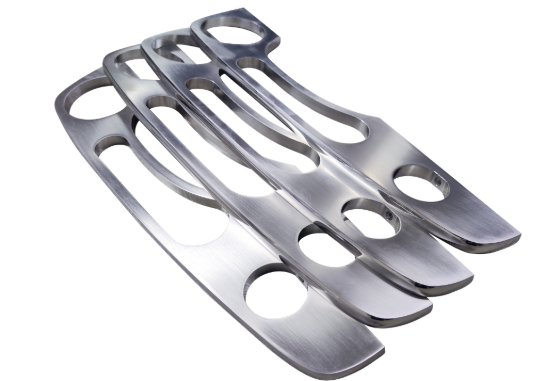
Design for Manufacturability in Metal Stamping
You've selected your material and identified the right stamping process - but here's where many projects go off track. A design that looks perfect in CAD can become a costly nightmare once it hits the production floor. Why? Because precision metal stamping parts require more than just accurate dimensions; they need geometry that works with the forming process, not against it.
Design for Manufacturability (DFM) ensures your stamped parts can be produced efficiently, consistently, and economically. According to Jennison Corporation, involving your stamping partner early in the design process helps identify risks and suggest cost-saving alternatives before tooling is built. Let's examine the critical rules that separate problematic designs from production-ready ones.
Critical Design Rules for Stampable Parts
Every bend, hole, and feature in your metal stamped parts must follow specific guidelines to ensure consistent quality. Here are the fundamental DFM principles that apply to steel stamping and other materials:
- Minimum Bend Radii: Never design bends tighter than the material thickness allows. As a general rule, inside bend radii should equal at least the material thickness for most metals. Tighter bends risk cracking, especially in harder materials like stainless steel.
- Hole-to-Edge Distance: Position holes at least 1.5 times the material thickness away from edges and bends. Holes placed too close to bends can warp or distort during forming, compromising part integrity.
- Hole-to-Hole Spacing: Maintain minimum spacing between holes of at least twice the material thickness to prevent material tearing between features.
- Grain Direction Alignment: According to Fictiv, bends made perpendicular to the grain are stronger and far less susceptible to cracking than bends made parallel to the grain. Critical bends must be aligned correctly in the strip layout.
- Minimum Flange Lengths: Flanges should be at least 2.5 times the material thickness to ensure proper forming and prevent distortion.
When designing a custom metal stamping die, engineers must also account for springback - the material's tendency to partially return to its original shape after bending. This means dies are often designed to over-bend slightly, compensating for this natural behavior.
Common Design Mistakes That Increase Costs
Understanding what not to do is equally valuable. These frequent errors drive up tooling costs, extend lead times, and reduce part quality:
- Over-specifying Tolerances: Tighter tolerances require more complex tooling, slower press speeds, and more frequent maintenance. Reserve your tightest specifications for features that truly require them. Standard blanking and forming operations typically achieve tolerances of ±0.005 inches (±0.127 mm), while specialized processes like fineblanking can reach ±0.001 inches (±0.025 mm).
- Ignoring Progressive Die Requirements: Parts designed without considering strip layout can waste material or require multiple dies instead of one. Feature placement affects how smoothly material flows through the tooling.
- Overlooking Secondary Operations: A part that looks complete may still need plating, tapping, or deburring. Identifying these needs early helps optimize the primary design and reduce overall costs.
- Designing in Isolation: Finalizing drawings without input from your manufacturing partner means missing opportunities for simplification that could save tooling complexity and material waste.
Here's a practical perspective on tolerances: precision is not free. Every decimal point on a drawing carries a cost. According to industry experience, separating truly critical tolerances from non-critical ones during the design phase often saves significant cost without sacrificing function.
Tolerance accuracy in stamped metal parts depends on several factors including material type and thickness, die condition and maintenance, press speed and consistency, and part geometry complexity. When tolerances tighter than ±0.0005 inches are needed, secondary operations like CNC machining or grinding become necessary.
The bottom line? Effective DFM isn't about compromising your design - it's about optimizing it for the realities of production. Parts designed with these guidelines produce better quality, require less tooling maintenance, and cost less over their production lifetime. With your design optimized for manufacturing, the next consideration becomes understanding how all these factors translate into project costs.
Cost Factors and Pricing Economics Explained
You've optimized your design and selected the right material - now comes the question every buyer eventually asks: what will this actually cost? Unlike off-the-shelf components with fixed price tags, metal stamping service pricing involves multiple interconnected variables. Understanding these cost drivers empowers you to make informed decisions and have more productive conversations with potential manufacturing partners.
Here's the reality: metal stamping solutions become remarkably cost-effective at scale, but the path to that efficiency requires understanding how each factor influences your project economics. Let's break down what really drives pricing in custom stamping parts production.
Understanding Tooling Investment and Amortization
Tooling represents the largest upfront cost in any stamping metal project - and often catches first-time buyers off guard. Why is this investment so significant? Because your custom dies must be precision-engineered specifically for your part, requiring advanced design work, specialized materials, and meticulous manufacturing.
According to industry analysis, tooling cost depends on several key factors:
- Die complexity: Simple single-operation dies cost far less than progressive dies with multiple stations. Parts requiring intricate features, tight tolerances, or deep draws demand more sophisticated tooling.
- Tool material and longevity: High-quality hardened steel tooling costs more initially but lasts longer and requires less maintenance. Lower-quality dies may need frequent repairs, increasing long-term expenses.
- Number of cavities: Multi-cavity dies produce multiple parts per press stroke, increasing output but also tooling investment.
- Part size: Larger parts require larger dies, more press capacity, and correspondingly higher tooling costs.
Here's where the concept of amortization becomes crucial. While tooling requires significant upfront investment, that cost is spread across your total production volume. Imagine a $50,000 die producing 100,000 parts - that's just $0.50 per part for tooling. The same die producing only 5,000 parts? Now tooling adds $10.00 to each piece.
This relationship explains why low volume metal stamping carries higher per-piece costs than production stamping at scale. The fixed tooling investment remains constant regardless of quantity - only the number of parts sharing that burden changes.
How Volume Breakpoints Affect Your Project Economics
Production volume directly influences your unit price, but the relationship isn't always linear. Understanding volume breakpoints helps you plan orders strategically and maximize cost efficiency.
Consider how volume affects your project:
- Setup and changeover costs: Each production run requires machine setup, material loading, and first-article inspection. These fixed costs get distributed across your order quantity.
- Material efficiency: Larger runs allow better nesting and strip layout optimization, reducing scrap percentages.
- Press efficiency: High-volume runs keep equipment running longer without interruption, improving overall throughput.
- Quality consistency: Stable, continuous production typically yields better consistency than frequent start-stop cycles.
For short run metal stamping projects requiring hundreds or low thousands of pieces, the economics shift significantly. According to manufacturing experts, metal stamping becomes increasingly cost-effective as production volume grows, making it ideal for mass production. When volumes don't justify full tooling investment, alternatives like soft tooling, laser cutting, or sheet metal fabrication may prove more economical.
The following table illustrates how different cost factors relate to volume:
| Cost Factor | Low Volume Impact | High Volume Impact |
|---|---|---|
| Tooling Cost per Part | High - fixed cost spread over few units | Low - amortized across many parts |
| Setup Cost per Part | Significant - each run carries full setup | Minimal - setup absorbed by volume |
| Material Cost per Part | Higher - less bulk purchasing power | Lower - volume discounts apply |
| Quality Consistency | More variable - frequent adjustments | More stable - optimized processes |
| Lead Time Flexibility | Often faster initial delivery | Requires production scheduling |
Beyond tooling and volume, several other factors significantly influence your metal stamping services quote:
- Material selection: As discussed earlier, aluminum and stainless steel cost more than carbon steel. Material thickness also matters - thicker stock requires more forming force and causes greater tool wear.
- Part complexity: Features like deep draws, tight bends, and intricate geometries require more sophisticated tooling and slower press speeds.
- Tolerance requirements: Tighter tolerances demand more precise tooling, additional inspection steps, and potentially higher reject rates - all adding cost.
- Secondary operations: Plating, painting, tapping, deburring, and assembly add labor and material costs beyond the primary stamping operation.
What about minimum order quantities? Many metal stamping services establish MOQs based on the economics described above. These minimums ensure projects remain viable for both buyer and manufacturer. When your quantities fall below typical MOQs, discuss options with your supplier - some offer prototype tooling, shared die arrangements, or alternative processes that make smaller runs feasible.
The key takeaway? Metal stamping pricing isn't arbitrary - it reflects real cost drivers that you can influence through smart design, material selection, and volume planning. Armed with this understanding, you're better positioned to evaluate quotes accurately and identify where adjustments might improve your project economics. But before committing to stamping, it's worth considering whether alternative manufacturing methods might better serve certain applications.
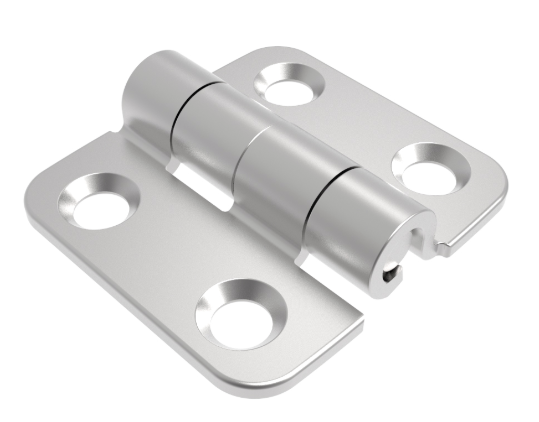
Metal Stamping vs Alternative Manufacturing Methods
Here's a question many buyers overlook: is metal stamping actually the right choice for your project? While stamping offers tremendous advantages in the right applications, it's not universally optimal. Understanding when stamping and pressing methods excel - and when alternatives make more sense - can save you significant time, money, and frustration.
Let's be transparent about this: a manufacturer who steers you toward the best process for your needs, even if that means recommending something other than their core service, is one worth partnering with. This decision framework helps you evaluate your options objectively.
Stamping vs CNC Machining Decision Criteria
The choice between metal pressing and CNC machining often comes down to volume, geometry, and material considerations. Each process has distinct strengths that make it ideal for specific applications.
When stamping wins:
- High-volume production: According to Frigate, die casting and stamping excel in producing large volumes of identical parts. Once tooling is developed, stamped sheet metal parts can be produced at remarkable speeds - often hundreds or thousands per hour.
- Sheet-based geometries: Parts that start as flat material and require bending, forming, or blanking are natural candidates for sheet metal pressings.
- Material efficiency: Stamping typically generates less waste than subtractive machining, where material is removed from solid stock.
- Lower per-piece cost at scale: While tooling investment is significant, the cost per part drops dramatically as volume increases.
When CNC machining makes more sense:
- Low-to-medium volumes: CNC machining eliminates the need for hard tooling by operating directly from CAD/CAM files, enabling rapid setup without significant upfront investment.
- Ultra-tight tolerances: CNC machining consistently achieves tolerances of ±0.001 inches or tighter - levels that may require secondary operations in stamped parts.
- Complex 3D geometries: Parts with deep cavities, undercuts, or intricate internal features that can't be formed from sheet metal.
- Material versatility: CNC machining handles titanium, Inconel, engineering plastics, and other materials that are difficult or impossible to stamp.
- Rapid iteration: Design changes require only new programming rather than modified tooling, making prototype metal stamping alternatives more agile.
Consider the timeline factor as well. Tooling development for die stamped parts can take 4-10 weeks and involve costs ranging from $10,000 to $100,000 or more. CNC machining can often begin production within days of receiving final CAD files.
When Alternative Methods Make More Sense
Beyond CNC machining, several other manufacturing methods compete with stamping for certain applications. Here's when to consider each:
Die Casting becomes preferable when you need:
- Complex three-dimensional shapes with intricate geometries
- High-strength components with excellent surface finish
- Parts with thin walls and fine details
- Engine components, housings, or structural elements in non-ferrous metals
According to Die-Matic, die casting allows for the creation of intricate shapes with high precision and smooth surfaces. However, it comes with higher initial mold costs, longer lead times, and is limited primarily to aluminum, zinc, and magnesium alloys.
Laser Cutting and Sheet Metal Fabrication offer advantages for:
- Sheet metal prototype fabrication and small production runs
- Parts requiring frequent design changes
- Complex cut patterns without forming operations
- Quick turnaround with minimal tooling investment
The following comparison table helps clarify when each method delivers optimal results:
| Decision Factor | Metal Stamping | CNC Machining | Die Casting | Laser/Fabrication |
|---|---|---|---|---|
| Ideal Volume | 10,000+ parts | 1-5,000 parts | 5,000+ parts | 1-500 parts |
| Tooling Cost | High upfront | None/minimal | Very high | None/minimal |
| Per-Piece Cost (High Vol) | Very low | Moderate-high | Low | High |
| Lead Time (First Parts) | 4-12 weeks | Days to weeks | 8-16 weeks | Days |
| Geometric Complexity | Sheet-based forms | Any 3D geometry | Complex castable shapes | 2D cuts, simple bends |
| Material Options | Most sheet metals | Nearly unlimited | Non-ferrous only | Most sheet metals |
| Tolerance Capability | ±0.005" typical | ±0.001" achievable | ±0.005-0.010" | ±0.005" typical |
Honest assessment - when NOT to use metal stamping:
- Volumes under 1,000 pieces: Tooling costs rarely justify stamping for very small quantities unless parts are simple enough for soft tooling.
- Thick-walled solid parts: Sheet metal pressing works with thin gauge materials. Parts requiring solid blocks or thick cross-sections need machining or casting.
- Frequent design changes: If your design is still evolving, investing in hard tooling is premature.
- Extremely complex geometries: According to Eigen Engineering, small to medium-sized parts with relatively basic geometries are typically better suited for metal stamping. Extremely complex shapes may require alternative methods.
- Exotic or very hard materials: Materials like titanium or hardened tool steel present significant challenges for stamping operations.
The bottom line? Die stamped components deliver unmatched efficiency for high-volume sheet metal parts, but forcing the wrong application into stamping wastes resources. Smart buyers evaluate alternatives honestly before committing. With this decision framework in place, understanding how different industries apply these principles helps refine your approach to finding the right manufacturing partner.
Industry-Specific Applications and Requirements
Different industries don't just use different parts - they operate under entirely different rules. What passes quality inspection in one sector might fall dramatically short in another. Understanding these industry-specific demands helps you identify manufacturers equipped to meet your particular requirements, not just general stamping capabilities.
Let's explore what each major industry vertical expects from its stamped components and the certifications that validate a manufacturer's readiness to serve these markets.
Automotive Stamping Quality Requirements
Automotive metal stamping represents one of the most demanding applications for precision metal components. Think about it: chassis components, suspension brackets, and structural reinforcements directly affect vehicle safety and performance. There's no room for inconsistency.
What makes automotive stamping parts unique? The combination of high volumes, tight tolerances, and zero-defect expectations creates an environment where only certified manufacturers can compete. According to Xometry, IATF 16949 certification has become the baseline requirement for automotive supply chains - not optional, but essential for serious suppliers.
IATF 16949 builds on ISO 9001 quality management principles but adds automotive-specific requirements including:
- Defect prevention focus: Systems designed to catch problems before they occur, not just after
- Continuous improvement mandates: Documented processes for ongoing quality enhancement
- Supply chain management: Requirements extending quality expectations to sub-tier suppliers
- Production Part Approval Process (PPAP): Rigorous validation before production begins
- Statistical process control: Data-driven monitoring of production consistency
For buyers sourcing automotive metal fabrication, verifying IATF 16949 certification is step one. But certification alone doesn't tell the whole story. Ask potential suppliers about their specific experience with chassis components, suspension systems, or structural parts relevant to your application. A manufacturer stamping decorative trim has different expertise than one producing safety-critical structural reinforcements.
Medical and Aerospace Certification Demands
If automotive requirements seem stringent, medical metal stamping and aerospace metal stamping raise the stakes even higher. These industries add layers of complexity around traceability, material verification, and documentation that many stamping operations simply aren't equipped to handle.
Metal stampings for the medical industry must address concerns beyond dimensional accuracy. According to Clamason Industries, regulatory compliance in medical device manufacturing is governed by bodies including the FDA, EMA, and ISO - all designed to ensure devices meet specific safety and performance criteria.
Key requirements for medical stamping include:
- ISO 13485 certification: The medical device-specific quality management standard ensuring consistent production of safe, effective devices
- Material traceability: Complete documentation of material origin, composition, and any treatments or modifications
- Biocompatibility considerations: Material selection must account for patient contact and potential biological interactions
- Validation and testing protocols: Rigorous verification that stamping processes consistently produce components meeting predefined specifications
- Risk management documentation: Formal assessment and mitigation of potential hazards at every production stage
Aerospace metal stamping demands similar rigor with different emphases. Weight reduction drives material selection toward aluminum and titanium alloys, while structural integrity requirements push tolerance expectations to their limits. Aerospace suppliers typically need AS9100 certification - the aerospace equivalent of ISO 9001 - plus additional customer-specific approvals.
For defense-related aerospace projects, ITAR registration becomes mandatory. This ensures sensitive technical data is handled only by authorized personnel and parts are manufactured in compliance with federal law.
Appliance metal stampings present different challenges - primarily volume and cost efficiency. While quality requirements may be less stringent than automotive or medical applications, the economics demand manufacturers capable of producing millions of consistent parts at competitive prices. Look for suppliers with progressive die capabilities, automated material handling, and proven experience managing high-volume production schedules.
The bottom line? Your industry determines which certifications matter most. Before requesting quotes, verify that potential suppliers hold the specific certifications your application requires - and that they have documented experience in your particular market segment. This due diligence sets the foundation for evaluating manufacturer quality and capabilities more deeply.
Evaluating Manufacturer Quality and Capabilities
Certifications tell you a manufacturer meets baseline standards - but they don't tell you everything. What happens when stamped metal components arrive with burrs, dimensional inconsistencies, or surface defects that weren't caught during production? Knowing how to identify quality issues and evaluate a metal stamping manufacturer's true capabilities separates successful projects from costly failures.
Beyond checking certificates on a wall, you need to understand what defects look like, what quality systems actually prevent them, and what inspection capabilities ensure problems don't reach your assembly line. Let's dive into the practical aspects of quality evaluation that many buyers overlook.
Recognizing Quality Red Flags in Stamped Parts
Even the best metal stamping components can develop defects when processes aren't properly controlled. According to industry experts, poor quality stamping can result in parts prone to cracking, surface scratches, deformation, inconsistent sizing, and excessive burrs during processing. Knowing what to look for helps you catch problems early - or better yet, identify manufacturers likely to produce them.
Common stamping defects to watch for include:
- Burrs: Sharp edges or raised material along cut edges, typically caused by worn tooling, improper die clearance, or incorrect punch-to-die alignment. Excessive burrs create safety hazards and assembly problems.
- Wrinkles and Wrinkling: Surface irregularities in drawn or formed areas, often resulting from insufficient blank holder pressure, improper material flow, or incorrect die geometry.
- Dimensional Variations: Parts falling outside specified tolerances due to die wear, inconsistent material thickness, or improper press settings. These variations compound during assembly.
- Cracking and Splitting: Material failure at bend lines or draw areas, typically indicating bend radii that are too tight, incorrect material selection, or grain direction issues.
- Surface Scratches: Marks from improper handling, contaminated dies, or inadequate lubrication during forming operations.
- Springback Issues: Parts that don't hold their formed shape, requiring compensation in die design or secondary correction operations.
What causes these defects? The root causes typically trace back to four key areas: improper tool design, tool wear from overuse or inadequate maintenance, incorrect material selection, and process control failures. A custom metal stamping company with robust quality systems addresses each of these systematically.
Here's an important perspective: addressing defects proactively rather than reactively not only improves product quality but also reduces scrapped parts, minimizes rework costs, and ultimately boosts customer satisfaction. The best metal precision stamping operations build defect prevention into their processes from the start.
Essential Quality Capabilities to Verify
When evaluating a potential metal stamping manufacturer, certifications provide a starting point - but you need to dig deeper. According to manufacturing experts, a reputable supplier should have quality assurance procedures in place, supported by process controls, quality programs, and capacity studies. But what does this look like in practice?
Key quality capabilities to verify in any custom metal stamping services provider:
- In-Process Inspection Equipment: CMM (Coordinate Measuring Machines), optical comparators, height gauges, and surface finish analyzers that catch problems during production, not after.
- Statistical Process Control (SPC): Real-time monitoring of critical dimensions to identify trends before they produce out-of-spec parts.
- First Article Inspection (FAI) Protocols: Documented procedures for validating initial production parts against specifications before full runs begin.
- Die Maintenance Programs: Scheduled inspection and maintenance of tooling to prevent wear-related defects. Ask how frequently they perform tooling maintenance and how long they test parts from their facilities.
- Material Verification: Incoming inspection procedures confirming material specifications, thickness, and condition before processing.
- Traceability Systems: Lot tracking and documentation that connects finished precision stamping products back to raw material certifications and production records.
Advanced quality stamping & machining operations also employ non-destructive testing methods including visual inspection, ultrasonic testing, and X-ray scanning to identify internal defects. These techniques catch problems that surface inspection alone might miss.
Die Transfer and Tooling Takeover Services
What if you already own tooling from a previous supplier? Many buyers don't realize that reputable manufacturers offer die transfer services - the ability to take over existing tooling, evaluate its condition, and resume production. This capability matters when:
- You're changing suppliers due to quality or delivery issues
- Your current supplier is closing or divesting capabilities
- You need to consolidate tooling from multiple sources
- Production volume has outgrown your current partner's capacity
A manufacturer offering tooling takeover should assess die condition, recommend any necessary refurbishment, and validate parts before committing to production. This evaluation protects you from inheriting someone else's problems while preserving your tooling investment.
What Quality-Focused Manufacturers Look Like in Practice
Consider how leading custom metal stamping services providers demonstrate their quality commitment. For example, manufacturers serving the automotive sector with IATF 16949 certification - like Shaoyi (Ningbo) Metal Technology - exemplify the quality indicators discussed here. Their combination of comprehensive DFM support and rigorous certification demonstrates how engineering expertise and quality systems work together. When a manufacturer offers both 5-day rapid prototyping and automated mass production capabilities, it indicates investment in both agility and consistency - qualities essential for stamped metal components destined for critical applications.
The transparency factor also matters significantly. A reliable stamping company should clearly explain its capabilities and limitations, provide updates on project progress, and offer creative solutions when challenges arise. Strong customer support indicates commitment to the relationship, not just the transaction.
Ultimately, evaluating manufacturer quality requires looking beyond surface credentials. Visit facilities when possible, review sample parts, and ask detailed questions about their quality systems. The answers reveal whether a manufacturer genuinely prioritizes quality stamping & machining excellence - or simply checks certification boxes. With a clear understanding of what quality looks like, you're prepared to navigate the journey from initial inquiry to successful production.
Your Path to Successful Custom Stamping Projects
You've evaluated processes, materials, designs, costs, and manufacturer capabilities - now what? Knowing all the right questions means little without a clear action plan to move from concept to production. The difference between projects that succeed and those that stall often comes down to how well buyers prepare their initial outreach and manage expectations throughout the development timeline.
Whether you're searching for "metal stamping near me" or evaluating global stamping companies, the engagement process follows similar patterns. Let's map out exactly how to prepare your documentation, what to expect at each stage, and how to accelerate your path to quality custom stamped metal parts.
Preparing Your RFQ for Accurate Quotes
Weak RFQs create weak quotes. According to industry experts, many emails simply say "see drawing and quote" - and buyers already know the result: attractive initial prices followed by tool changes, delays, and hidden costs later. A complete RFQ eliminates ambiguity and enables any custom metal stamper to design the right process and provide an honest price.
Your RFQ should include these essential elements:
- Clear technical drawings: 2D drawings with GD&T callouts, plus 3D CAD files (STEP, IGES, or native formats) when geometry is complex. Mark critical-to-function dimensions clearly.
- Material specifications: Specify exact grade, thickness, and any acceptable alternatives. For example, "SPCC 1.2mm" or "304 Stainless 0.8mm ± 0.05mm."
- Surface treatment requirements: Define plating, coating, painting, or passivation needs with specific standards (e.g., zinc plating per ASTM B633).
- Tolerance requirements: Distinguish between critical tolerances and standard manufacturing tolerances to avoid over-specification.
- Annual volume projections: Provide realistic yearly quantities and expected product lifetime volume - this directly impacts tooling investment decisions.
- Sample and approval stages: Define how many prototype stampings you need, what testing they'll undergo, and your approval criteria.
- Inspection requirements: Specify inspection level, required documentation (FAI reports, material certifications, capability studies), and any industry-specific compliance needs.
- Tooling ownership terms: Clarify whether you'll own the tooling and what happens if the relationship ends.
- Packaging and logistics: Define packing requirements, labeling standards, and shipping terms.
Here's a practical tip: open material options when possible. If your design can accept multiple material grades, say so. This flexibility allows manufacturers to propose the best option considering your function, market, and volume - potentially saving significant cost without sacrificing performance.
From Prototype to Production Timeline
Understanding realistic timelines prevents frustration and enables proper planning. Metal parts stamping projects don't happen overnight, but knowing what to expect at each stage helps you plan inventory, coordinate with other suppliers, and set accurate expectations with your stakeholders.
A typical project with an experienced stamping services provider follows this flow:
- RFQ Review and Quotation (1-5 days): Technical review of your requirements, DFM analysis, and preliminary cost estimation. Some manufacturers offer remarkably fast turnaround - leading suppliers like Shaoyi provide 12-hour quote turnaround for automotive projects, dramatically accelerating this initial phase.
- Design Optimization (1-2 weeks): Collaborative DFM review identifying potential issues and cost-saving opportunities before tooling begins.
- Tooling Design and Approval (2-4 weeks): Tool 3D modeling, simulation, and your approval of the final design concept.
- Tool Build (4-10 weeks): Actual die manufacturing. Simple single-operation dies take less time; complex progressive dies require more. Medium-complexity progressive dies typically need 6-10 weeks from design approval to first samples.
- Trial Runs and Sampling (1-2 weeks): Initial parts produced for dimensional verification and your approval. Multiple trial loops may be needed for complex custom metal stampings.
- PPAP/Sample Approval (1-3 weeks): Formal documentation, capability studies, and final approval before production release.
- Mass Production Launch: Transition to stable, high-volume production with ongoing quality monitoring.
The total timeline from RFQ to first production shipment typically ranges from 10-20 weeks depending on complexity. However, rapid prototyping capabilities can significantly compress early phases. Manufacturers offering 5-day rapid prototyping - like those serving automotive supply chains - enable faster design validation and accelerate the path to production.
What can you do to accelerate timelines?
- Freeze design early - changes after tooling begins cause costly delays
- Respond quickly to technical questions during the review phase
- Provide complete, accurate documentation in your initial RFQ
- Establish clear approval authority to avoid decision bottlenecks
One final consideration: many buyers benefit from working with one-stop manufacturers who handle custom metal stampings alongside CNC parts, casting, welding, and assembly. Consolidating suppliers under one quality system simplifies logistics, reduces communication overhead, and often improves overall project economics. When evaluating stamping companies, ask whether they can support your complete assembly needs - the answer may streamline your entire supply chain.
Your journey from concept to production-ready custom stamped metal parts requires preparation, clear communication, and realistic expectations. Armed with the insights from this guide, you're positioned to engage manufacturers confidently, ask the right questions, and build partnerships that deliver quality components on time and on budget.
Frequently Asked Questions About Custom Metal Stamping
1. What is the difference between custom metal stamping and standard stamping?
Custom metal stamping involves developing tooling designed exclusively for your specific part requirements, whereas standard stamping produces generic, off-the-shelf components using existing tooling. Custom manufacturers use CAD/CAM engineering to create specialized dies that transform flat sheet metal into precise components matching your exact specifications. This approach is essential when precision, complex dimensions, or unique geometries are non-negotiable for your application.
2. What materials are best for metal stamping?
The best material depends on your application requirements. Carbon steel offers cost-effectiveness for structural parts, while HSLA steel provides enhanced strength for automotive components. Stainless steel delivers corrosion resistance for medical and food processing applications. Aluminum alloys excel in lightweight aerospace and automotive applications. Copper and brass are ideal for electrical connectors requiring superior conductivity. Material thickness, formability, and tooling requirements should all factor into your selection.
3. How much does custom metal stamping tooling cost?
Tooling costs vary significantly based on die complexity, material, and part size. Simple single-operation dies cost less than progressive dies with multiple stations. The key concept is amortization - while upfront investment is significant, costs are spread across total production volume. A die producing 100,000 parts makes tooling cost per piece minimal, while low-volume runs carry higher per-piece tooling costs. Manufacturers like Shaoyi offer DFM support to optimize designs and reduce tooling investment.
4. What certifications should a metal stamping manufacturer have?
Required certifications depend on your industry. Automotive suppliers need IATF 16949 certification, which ensures defect prevention, continuous improvement, and rigorous production part approval processes. Medical device manufacturers require ISO 13485 for quality management and material traceability. Aerospace applications demand AS9100 certification. Defense projects require ITAR registration. Always verify that potential suppliers hold certifications specific to your application requirements.
5. How long does it take to go from design to production in metal stamping?
Typical timelines range from 10-20 weeks depending on complexity. The process includes RFQ review (1-5 days), design optimization (1-2 weeks), tooling design approval (2-4 weeks), tool build (4-10 weeks), trial runs (1-2 weeks), and final approval before production. Leading manufacturers like Shaoyi accelerate this with 12-hour quote turnaround and 5-day rapid prototyping capabilities, helping compress early development phases significantly.