 Small batches, high standards. Our rapid prototyping service makes validation faster and easier —
  EN
EN


Custom Sheet Metal Fabrication Services: From First Sketch To Final Part
What Custom Sheet Metal Fabrication Services Actually Deliver
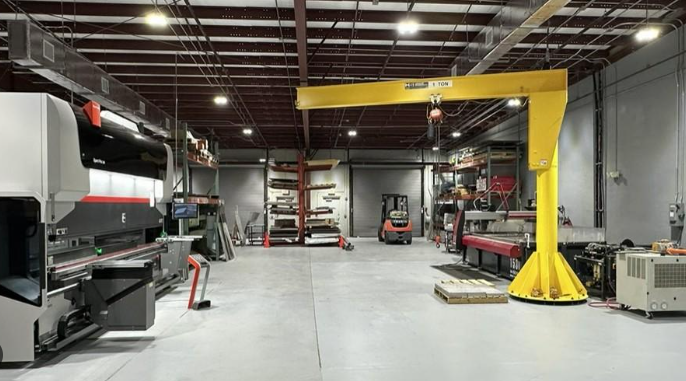
When you need a metal component that simply does not exist on any shelf, custom sheet metal fabrication services transform your concept into a tangible, functional part. But what exactly does this process involve, and why do engineers across industries rely on it?
Defining Custom Sheet Metal Fabrication
Custom sheet metal fabrication is the process of designing and building metal components for one specific purpose. Unlike purchasing pre-made parts, this approach starts with flat metal sheets and uses a combination of cutting, bending, forming, and welding techniques to create products tailored precisely to your project requirements.
Think of it as the difference between buying off-the-rack clothing versus having a suit custom-tailored. The fundamental metal processing techniques remain similar, but the outcome addresses your exact specifications rather than generic industry standards.
According to G.E. Mathis Company, this collection of subtractive manufacturing methods enables scalable, versatile, and cost-effective solutions for diverse businesses and applications. Manufacturers use advanced CNC equipment along with 2D and 3D CAD files to produce components with reliable precision.
How Custom Differs from Standard Manufacturing
Standard metal fab typically produces identical components in massive quantities using fixed tooling. You select from a catalog, and what you see is what you get. Custom fabrication flips this model entirely.
With custom fabrication, the process begins with your concept or design blueprint. This initial planning stage lays the foundation for a precisely crafted product that meets your unique needs. Every bend angle, hole placement, and surface finish reflects decisions made specifically for your application.
Industrial fabrication for custom projects also offers something standard manufacturing cannot: iterative design refinement. If circumstances change or you upgrade your equipment, CAD files make modifications straightforward without starting from scratch.
Businesses across multiple sectors choose custom sheet metal manufacturing for applications where standard parts simply will not work:
- Automotive: Custom brackets, enclosures, and structural components designed for specific vehicle configurations
- Aerospace: Lightweight, tight-tolerance parts where even minor deviations affect performance and safety
- Electronics: Precision enclosures, heat sinks, and mounting brackets that protect sensitive components
- Medical: Surgical instrument housings and diagnostic equipment components meeting strict regulatory requirements
- Construction: Architectural elements, beams, and custom structural components
What truly defines custom sheet metal services? Four core characteristics set these capabilities apart:
- Design flexibility: Components can be created in almost any shape, from simple brackets to intricate enclosures with complex contours
- Material variety: Fabricators work with aluminum, stainless steel, carbon steel, brass, copper, titanium, and specialty alloys based on your application requirements
- Precision tolerances: Advanced CNC technology and skilled craftsmanship deliver parts meeting industry-best dimensional accuracy
- Scalable production volumes: Orders can range from a single prototype to thousands of pieces, with quantities adjustable as your needs evolve
The result? Metal components designed to last because they are engineered specifically for their intended environment. If you need a part to function underwater, marine-grade stainless steel protects against corrosion. If weight reduction matters, aluminum alloys deliver strength without bulk. Pre-made parts might not withstand your intended purpose, but custom-fabricated products are built to perform.
Core Fabrication Processes Explained Step by Step
Understanding what happens during fabrication helps you make smarter design decisions. Many manufacturers list their capabilities without explaining the manufacturing journey behind each process. Let's change that by walking through exactly how your flat metal sheet transforms into a finished component.
Laser Cutting and CNC Precision Methods
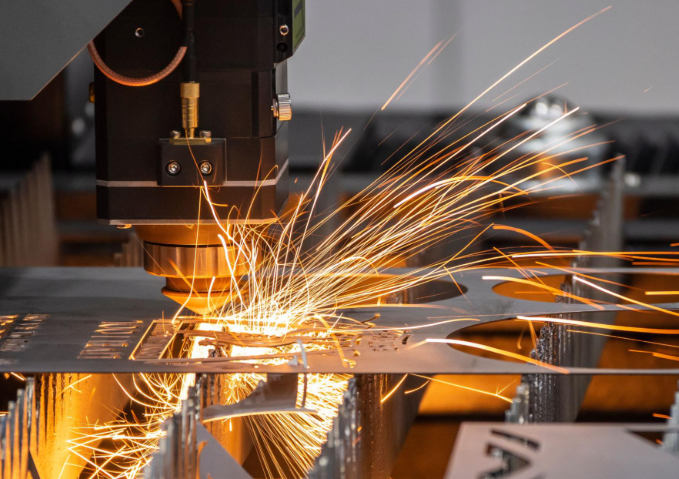
Imagine a concentrated beam of light powerful enough to slice through steel like butter. That's essentially how a laser cutter operates. Modern fabrication shops use fiber lasers ranging from 4kW to 12kW, along with CO2 lasers for specific applications. These machines follow programmed paths with remarkable accuracy, creating intricate shapes and clean edges that would be impossible with traditional metal cutter tools.
But here's something most fabricators won't tell you: every laser cut removes slightly more material than your design specifies. This phenomenon is called kerf, and understanding it matters for precision parts.
When a laser beam passes through material, it burns away a small amount beyond the intended cut line. According to SendCutSend's technical documentation, fiber laser kerf typically ranges from .006" to .040" depending on material thickness, while CO2 laser kerf falls between .010" and .020". The exact width varies based on cutting geometry, assist gas, beam power, and even the specific alloy being processed.
Why does kerf matter? If you're designing parts with small geometry or intricate details, features smaller than the kerf width will simply disappear during sheet metal cutting. Industrial brackets and panels rarely encounter issues, but jewelry or detailed decorative pieces require careful planning. Quality fabricators compensate for kerf automatically through software adjustments, offsetting the laser path to maintain your original dimensions.
CNC punching takes a different approach. Instead of burning through material, a die cut machine uses shear force to punch holes, cutouts, and shapes into metal sheets. The process works by positioning a punch above the workpiece while a die sits below. When the punch descends with tremendous force, it shears the metal cleanly.
According to New Mexico Metals LLC, modern CNC punching machines can create complex hole patterns rapidly because computer programming controls every movement. Turret punch presses take this further with rotating tool heads containing multiple punch shapes, eliminating the need to swap tools between operations.
Bending, Forming, and Assembly Techniques
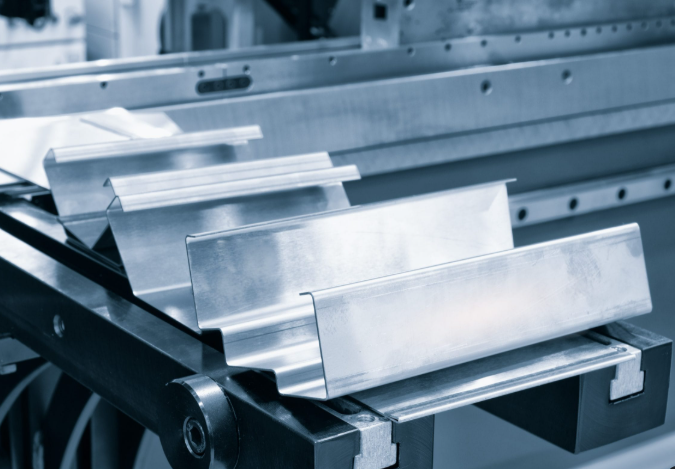
Flat sheets become three-dimensional components through bending and forming operations. Press brakes apply controlled force along specific lines, creating angles ranging from subtle curves to sharp 90-degree bends. The relationship between material thickness, bend radius, and the tooling used determines what geometries are achievable.
Think about a simple electrical enclosure. It starts as a flat pattern with carefully calculated bend lines. Each fold transforms it progressively into a box shape. The sequence matters tremendously because once you create one bend, it affects how subsequent bends can be positioned and formed.
Roll forming handles curves and cylindrical shapes that press brakes cannot produce. The material passes through a series of rollers that gradually shape it into the desired profile. This technique excels for gutters, tubes, and architectural elements requiring consistent curved geometry.
Once individual pieces are cut and formed, assembly brings everything together. Welding joins components permanently through localized melting of the base metals. Different welding methods suit different applications. MIG welding works well for steel and offers fast deposition rates. TIG welding provides superior control for thin materials and aesthetic welds. Aluminum welding requires specialized techniques due to the metal's thermal properties and oxide layer.
Hardware insertion, riveting, and mechanical fastening provide alternatives when welding isn't appropriate or when disassembly might be needed later.
| Process Type | Best Applications | Typical Tolerances | Material Compatibility |
|---|---|---|---|
| Laser Cutting | Intricate shapes, clean edges, detailed patterns | ±0.005" to ±0.010" | Steel, stainless, aluminum, brass, copper |
| CNC Punching | High-volume hole patterns, standard shapes, louvers | ±0.005" to ±0.015" | Steel, stainless, aluminum up to 1/4" thick |
| Press Brake Bending | Angles, channels, box shapes, flanges | ±0.5° to ±1° angular | Most sheet metals depending on thickness |
| Welding/Assembly | Joining components, structural connections | ±0.030" typical | Steel, stainless, aluminum (process-dependent) |
Each process in this manufacturing journey builds upon the previous one. Your design decisions at the beginning ripple through every subsequent operation. Understanding these technical realities helps you create parts that are not just functional but also cost-effective to produce. Speaking of design decisions, material selection plays an equally critical role in determining how your fabricated parts will perform.
Material Selection Guide for Sheet Metal Projects
You've designed a brilliant component and selected the right fabrication processes. Now comes a decision that will determine whether your part thrives or fails in its intended environment: choosing the right material. Surprisingly, many fabricators mention material availability without explaining how to actually choose between options. Let's fix that.
Aluminum vs Stainless Steel for Your Application
These two metals dominate custom fabrication projects, yet they serve fundamentally different purposes. Understanding their core differences helps you avoid costly mistakes before production even begins.
Aluminum sheet metal offers an unbeatable strength-to-weight ratio. According to A-3 Fab's fabrication guide, aluminum is much lighter than steel while providing natural corrosion resistance and excellent malleability for forming complex shapes. This makes it ideal when weight reduction matters, such as aerospace components, transportation equipment, and portable electronic enclosures.
The aluminum sheet you specify typically comes in alloys like 5052, 6061, or 7075, each offering different properties. Alloy 5052 provides excellent corrosion resistance and weldability. Alloy 6061 balances mechanical properties with good machinability. Alloy 7075 delivers the highest strength among common aluminum alloys but sacrifices some corrosion resistance.
Stainless steel sheet metal takes a different approach. This iron-chromium alloy prioritizes strength, durability, and hygiene over weight savings. The chromium content creates a self-healing oxide layer that resists corrosion even in harsh environments. Industries requiring frequent cleaning and sanitization, like food processing and medical equipment manufacturing, rely heavily on stainless steel.
The most common grades include 304 and 316 stainless steel. Grade 304 handles most general-purpose applications with good corrosion resistance and formability. When your application involves chlorides, saltwater, or aggressive chemicals, 316 stainless steel provides superior protection through added molybdenum content.
Specialty Metals and When to Specify Them
Not every project fits neatly into the aluminum versus stainless debate. Several other materials deserve consideration based on specific application requirements.
Carbon steel remains the workhorse for structural applications where corrosion protection comes from coatings rather than the base metal. It offers excellent tensile strength at a fraction of stainless steel's cost. However, raw carbon steel rusts quickly, so most applications require powder coating, painting, or galvanizing.
Galvanized sheet metal solves the corrosion problem by applying a zinc coating to carbon steel. This sacrificial layer protects the underlying steel even when scratched, making it popular for outdoor enclosures, HVAC components, and agricultural equipment.
Copper and brass serve specialized roles where electrical conductivity or aesthetics matter most. Copper conducts electricity better than any practical alternative, making it essential for electrical bus bars, grounding components, and heat exchangers. Brass adds zinc to copper, creating a gold-like appearance popular in decorative hardware and architectural elements while maintaining good corrosion resistance.
| Material Type | Key Properties | Common Applications | Relative Cost |
|---|---|---|---|
| Aluminum (5052, 6061) | Lightweight, corrosion-resistant, excellent formability | Aerospace, electronics enclosures, transportation | $$ |
| Stainless Steel (304) | Strong, hygienic, good corrosion resistance | Food equipment, medical devices, architectural | $$$ |
| Stainless Steel (316) | Superior chemical resistance, marine-grade | Marine environments, pharmaceutical, chemical processing | $$$$ |
| Carbon Steel | High strength, excellent weldability, requires coating | Structural components, machinery, frames | $ |
| Galvanized Steel | Corrosion-protected carbon steel | Outdoor enclosures, HVAC, agricultural | $-$$ |
| Copper/Brass | Electrical conductivity, antimicrobial, decorative | Electrical components, architectural, plumbing | $$$$ |
Understanding the Sheet Metal Gauge Chart
Here's where material selection gets confusing for newcomers. When fabricators discuss thickness, they often use gauge numbers rather than direct measurements. Sounds complex? It actually follows a logical pattern once you understand the system.
According to Xometry's technical documentation, gauge numbers work inversely to thickness. A lower gauge number means thicker material. For example, 11 gauge steel measures approximately 0.120 inches (3.0 mm), while 14 gauge steel measures about 0.075 inches (1.9 mm). The difference might seem small on paper, but 11 gauge material weighs significantly more and provides substantially greater rigidity.
Why does this matter for your project? Thicker gauges handle higher loads and resist denting, but they cost more and require more powerful equipment to form. Thinner gauges save weight and material cost but may flex or deform under stress. A 10 gauge metal sheet at 3.4 mm thickness suits heavy-duty structural components, while 18 gauge at 1.2 mm works better for light enclosures and decorative panels.
Tensile Strength Considerations for Load-Bearing Parts
When your fabricated component must support weight or resist forces, tensile strength becomes the critical specification. This measurement indicates how much pulling force a material can withstand before breaking.
Carbon steel typically offers tensile strength around 400-550 MPa depending on the specific grade. Stainless steel 304 provides approximately 515 MPa, while 316 stainless reaches similar levels with better corrosion performance. Aluminum alloys vary widely, from around 125 MPa for pure aluminum to over 570 MPa for heat-treated 7075.
However, tensile strength alone doesn't tell the complete story. You'll also want to consider yield strength, which indicates when permanent deformation begins, and fatigue resistance for parts experiencing repeated loading cycles. A qualified fabrication partner helps you balance these factors against weight, cost, and environmental requirements.
Choosing materials wisely sets your project up for success, but even the best material selection won't compensate for poor design decisions. Understanding how to design for manufacturability ensures your parts can actually be produced efficiently and cost-effectively.
Design for Manufacturability Guidelines That Reduce Costs
Ever submitted a design that looked perfect on screen, only to receive feedback that it would cost three times your budget to produce? You're not alone. The gap between what CAD software allows and what sheet metal working processes can achieve economically catches many engineers off guard.
Design for Manufacturability (DFM) bridges this gap by incorporating manufacturing constraints into your design decisions from the start. When you understand how steel sheet bending actually works, where holes can and cannot be placed, and which tolerances genuinely matter, your parts become easier and cheaper to fabricate without sacrificing functionality.
Bend Radius and Feature Size Requirements
Every material has a minimum bend radius below which it cracks, tears, or deforms unpredictably. This isn't a limitation fabricators impose arbitrarily. It's physics.
When metal bends, the outer surface stretches while the inner surface compresses. The neutral axis sits somewhere between, neither stretching nor compressing. According to Geomiq's design guide, the K-factor represents the neutral axis location as a ratio to material thickness, typically ranging between 0.25 and 0.50 depending on material type, bend angle, and tooling used.
What does this mean practically? Aluminum requires larger bend radii than steel because it's more prone to cracking under tension. A general rule specifies minimum inside bend radius equal to the material thickness for steel and 1.5 times thickness for aluminum. Thicker materials need proportionally larger radii to prevent surface cracking.
Bend relief cuts prevent another common problem. Without proper relief at corners where bends meet, material tears and deforms unpredictably. According to Consac's DFM guidelines, relief cuts should be proportional to material thickness, typically 1 to 1.5 times the thickness. Skipping this step seems like a shortcut until you see the mangled corners on your first sheet metal prototype.
Minimum feature sizes also constrain your design options. Small holes, narrow slots, and thin walls that look fine in CAD may be impossible or prohibitively expensive to produce. Holes smaller than material thickness become difficult to punch cleanly. Slots narrower than 1.5 times thickness tend to close during bending operations. Walls thinner than twice the material thickness lack sufficient rigidity for most applications.
Tolerance Specifications That Affect Cost
Here's a secret that could save you thousands: specifying unnecessarily tight tolerances is one of the fastest ways to inflate fabrication costs. Many engineers default to tight tolerances out of habit or uncertainty, not actual functional requirements.
Standard sheet metal processes typically achieve ±0.010" to ±0.030" economically. According to industry data from Consac, specifying tolerances below ±0.005" drives costs up dramatically because parts require additional inspection, specialized tooling, or secondary machining operations.
When do tighter tolerances genuinely matter? Consider these scenarios:
- Mating surfaces: Where parts must fit together precisely, such as interlocking enclosure panels
- Bearing or shaft interfaces: Where rotating or sliding components require specific clearances
- Optical or sensor mounting: Where alignment directly affects system performance
- Sealing surfaces: Where gaskets or O-rings require consistent contact pressure
For most other features, standard tolerances work perfectly fine. That mounting hole doesn't need ±0.003" precision if the fastener has a 0.050" clearance anyway. Sheet metal prototyping becomes faster and cheaper when you specify only the precision you actually need.
Common Design Mistakes to Avoid
Even experienced engineers stumble into these traps when designing for sheet metal fabrication. Avoiding them upfront saves time, money, and frustration during production.
- Placing holes too close to bends: Holes positioned closer than 2 times the material thickness from a bend line distort during forming. The metal stretches as it bends, pulling holes out of round or shifting their position beyond tolerance.
- Specifying unnecessarily tight tolerances: As discussed above, this drives costs up without functional benefit. Ask yourself whether each tolerance specification actually affects part performance.
- Ignoring material grain direction: Sheet metal has a grain direction from the rolling process. Bending perpendicular to the grain produces cleaner results than bending parallel, especially in materials prone to cracking.
- Designing features requiring secondary operations: Every additional process step adds cost and lead time. Features like threaded holes, countersinks, or complex curves that cannot be produced during primary fabrication require separate machining operations.
- Forgetting tool access: Hidden fasteners and internal features may look cleaner but require special tooling or assembly sequences that increase production time significantly.
If you're searching for metal bending near me or evaluating sheet metal bending services, ask potential partners about their DFM review process. Quality fabricators catch these issues before production begins, saving you revision cycles and unexpected costs.
Design changes become exponentially more expensive as a project progresses. Early attention to manufacturability pays dividends throughout the product lifecycle.
Sheet metal design services that include DFM review help you optimize geometry before cutting begins. This collaborative approach between sheet metal engineering teams and fabrication experts produces parts that are not just functional but also economical to manufacture at any volume. With your design optimized for production, the next consideration becomes how you want the finished part to look and perform, which brings us to surface finishing options.
Surface Finishing Options and Selection Criteria
Your fabricated part is cut, bent, and assembled. Now comes a decision that affects both appearance and long-term performance: how should the surface be finished? Many fabricators list finishing options without explaining when to choose each one. Let's explore what actually matters when selecting surface treatments for your custom metal components.
Powder Coating vs Anodizing Decision Factors
These two finishes dominate custom fabrication discussions, yet they serve fundamentally different purposes and work with different materials. Choosing incorrectly can mean premature failure or unnecessary expense.
Powder coating applies a dry powder electrostatically to metal surfaces, then cures it in an oven to create a tough, uniform layer. According to Gabrian's finishing guide, no solvents are used, making powder coat an environmentally friendly alternative to liquid paints. The resulting finish resists chipping, scratching, and fading remarkably well.
What makes powder coating particularly attractive? Color selection is virtually unlimited, from subtle metallics to vibrant primary colors. Texture options range from smooth gloss to rough matte finishes. You'll often see powder coating services applied to outdoor equipment, automotive parts, lawn equipment, playgrounds, and household appliances where brilliant, fade-resistant colors matter.
Anodizing takes a completely different approach. Rather than adding a coating on top, anodizing thickens the natural oxide layer that forms on aluminum surfaces. Technicians submerge the aluminum part in an electrolytic bath and run electrical current through it, using the aluminum as the anode in the circuit.
The resulting anodized aluminum surface becomes significantly harder and more wear-resistant than untreated metal. According to the same Gabrian comparison, anodizing enhances heat dissipation and improves adhesion for glues and primers. The finish maintains tighter dimensional margins because it grows from the existing surface rather than adding material on top.
Here's the critical distinction: anodizing works exclusively on aluminum, while powder coating applies to steel, aluminum, and other metals. If you're working with stainless steel or carbon steel, anodizing simply isn't an option.
Functional Finishes for Industrial Applications
Beyond powder coating and anodizing, several other finishes serve specific functional requirements rather than purely aesthetic purposes.
Electroplating deposits thin metallic layers onto base materials through electrochemical processes. Chrome plating provides a hard, reflective surface resistant to wear and corrosion. Zinc plating offers sacrificial corrosion protection at lower cost. Nickel plating combines corrosion resistance with improved hardness and a professional appearance. Each plating type suits different performance requirements and budget constraints.
Brushed and polished finishes modify the existing metal surface without adding coatings. According to Timesavers Inc., numbered finishes ranging from No. 3 through No. 8 create progressively more reflective surfaces. A No. 4 satin finish remains popular for stainless steel applications in food processing, kitchen equipment, and architectural elements. A No. 8 mirror finish provides the most reflective surface achievable, suitable for decorative panels and signage.
When is raw metal acceptable? Interior structural components hidden from view often need no finish at all. Parts that will receive additional coatings during final assembly may ship unfinished. Copper and brass components intended for aesthetic applications sometimes look best when their natural patina develops over time. However, any part exposed to moisture, chemicals, or outdoor environments typically requires protective finishing to prevent corrosion and extend service life.
| Finish Type | Best Materials | Durability Rating | Typical Applications |
|---|---|---|---|
| Powder Coating | Steel, aluminum, iron | Excellent (outdoor rated) | Outdoor equipment, automotive, appliances, furniture |
| Anodizing | Aluminum only | Excellent (wear resistant) | Aerospace, electronics, architectural, sporting goods |
| Chrome Plating | Steel, brass, copper | Very Good (hard surface) | Automotive trim, hydraulic cylinders, decorative hardware |
| Zinc Plating | Steel, iron | Good (sacrificial protection) | Fasteners, brackets, outdoor structural components |
| Brushed/Polished | Stainless steel, aluminum | Moderate (requires maintenance) | Food equipment, architectural, consumer products |
Finish selection directly impacts total project cost. Powder coating typically costs less than anodizing for equivalent surface areas. However, anodized parts may eliminate the need for separate metal bending services followed by coating, since the finish integrates with the base metal. Complex geometries with recessed areas may cost more to powder coat due to coverage challenges, while anodizing treats all surfaces uniformly regardless of shape complexity.
Consider your application environment carefully. Will the part face UV exposure, chemical contact, or frequent handling? Does it need to dissipate heat or maintain electrical conductivity? Must it meet food-contact or medical device regulations? Answering these questions narrows your finishing options to those that will actually perform in service. With materials selected, designs optimized for manufacturing, and surface finishes specified, you're ready to consider how your project will progress from initial prototype through production volumes.
From Rapid Prototyping to Production Volume
You've finalized your design, selected materials, and specified surface finishes. Now comes a question that shapes both your timeline and budget: should you start with sheet metal prototypes or jump straight into production? Understanding the journey from first part to full-scale manufacturing helps you make smarter decisions at every stage.
Rapid Prototyping for Design Validation
Imagine investing thousands in production tooling only to discover a critical flaw during assembly. Sheet metal rapid prototyping exists precisely to prevent this nightmare scenario.
Rapid sheet metal fabrication produces functional prototype sheet metal parts using the same materials and processes as production runs, just without the commitment to high-volume tooling. This approach lets you hold physical parts in your hands, test fit and function, and identify problems before they become expensive.
When does rapid prototyping make sense? Consider these scenarios:
- New product development where design assumptions need physical validation
- Complex assemblies requiring fit checks between multiple components
- Customer presentations where functional samples outperform CAD renderings
- Regulatory testing requiring physical specimens before production approval
- Design iterations where changes happen frequently based on testing feedback
Sheet metal prototype fabrication typically uses flexible manufacturing methods like laser cutting and press brake bending rather than dedicated production tooling. According to Hynes Industries, press braking is commonly used for low volume metal fabricating because press brakes can produce parts efficiently at low cost that would otherwise require thousands of dollars worth of tooling to complete.
The tradeoff? Per-part costs run higher than production volumes. But when you're validating designs, that premium buys invaluable insurance against costly mistakes downstream.
Scaling from Prototype to Mass Production
Once your custom metal fabrication prototype proves successful, the path to volume manufacturing involves strategic decisions about tooling, processes, and production methods.
Here's where volume economics become critical. Setup costs for any fabrication run remain relatively fixed regardless of quantity. Machine programming, material handling, quality documentation, and first-article inspection happen whether you're making 10 parts or 10,000. As quantities increase, these fixed costs spread across more units, driving per-piece prices down dramatically.
The typical project phases follow a logical progression:
- Design review: Engineering teams analyze your CAD files for manufacturability, identifying potential issues before cutting begins
- Prototype fabrication: Initial parts produced using flexible methods, typically 1-10 pieces for validation
- Testing and iteration: Physical testing reveals design refinements, with modifications incorporated into updated files
- Production tooling (if applicable): For high volumes, dedicated dies, fixtures, or roll forming tooling may justify investment
- Volume manufacturing: Full sheet metal production using optimized processes for your specific quantity requirements
Tooling Decisions That Affect Your Bottom Line
When should you invest in production tooling versus continuing with flexible fabrication methods? The answer depends on your expected volumes and long-term production plans.
According to Hynes Industries' production analysis, 5,000 feet of product typically serves as a useful benchmark. Above this threshold, processes like roll forming and stamping become advantageous because per-piece setup and labor costs decrease as production levels increase. Below this volume, flexible methods like press braking combined with turret punching often prove more economical.
Consider tooling costs carefully. Roll forming and progressive die stamping require significant upfront investment in custom tooling. These costs make sense only when amortized across substantial production quantities. However, if your fabricator has a diverse catalog of standard tooling, you may eliminate the need for custom tooling entirely, substantially reducing costs even at lower volumes.
Labor costs compound across every production run. Companies fabricating sheet metal products may incur significant labor costs producing and assembling individual parts. Rapid sheet metal prototyping accepts higher labor content per piece, while production methods aim to minimize handling and maximize automation.
Lead Time Factors That Shape Your Timeline
Beyond cost considerations, several factors influence how quickly your project moves from concept to completion:
- Material availability: Common alloys in standard gauges ship quickly from distributor stock. Specialty materials or unusual thicknesses may require mill orders with extended lead times.
- Complexity: Parts requiring multiple fabrication operations, tight tolerances, or intricate geometries take longer than simple brackets or panels.
- Finishing requirements: Powder coating, anodizing, or plating add processing time and potentially outside vendor coordination.
- Current shop capacity: Fabricators balance multiple projects simultaneously. Rush requirements may incur premium charges or push schedules.
- Quality documentation: Aerospace, automotive, and medical applications often require extensive inspection records that add time but ensure compliance.
Rapid sheet metal prototyping services specifically optimize for speed, often delivering prototype sheet metal parts within days rather than weeks. Production runs take longer due to larger quantities but benefit from economies of scale that offset the extended timeline.
The most expensive prototype is the one you skip, only to discover problems after committing to production tooling.
Understanding these prototype-to-production dynamics positions you to make informed decisions about timing, investment, and manufacturing approach. But volume and timeline represent only part of the equation. What actually drives the dollars on your quote, and how can you optimize costs without sacrificing quality?
Cost Factors and Pricing Transparency in Fabrication
How much does it cost to get a metal part made? If you've ever requested quotes from multiple metal fabrication shops, you've probably noticed significant price variations for seemingly identical parts. The frustrating truth? Most fabricators won't explain what drives those numbers. Let's pull back the curtain on fabrication pricing so you can make informed decisions and optimize your budget effectively.
Understanding What Drives Fabrication Costs
Every custom metal parts quote breaks down into several interconnected cost drivers. Understanding each one helps you identify where optimization opportunities exist.
Material costs form the foundation of any quote. According to Komacut's cost guide, selecting the right material directly affects both cost and performance. Three primary factors determine material expense:
- Material type: Mild steel costs significantly less than stainless steel or aluminum. Specialty alloys like copper and brass command premium prices.
- Thickness: Thicker gauges require more raw material and often demand more powerful equipment to process, increasing both material and processing costs.
- Quantity: Buying material in bulk reduces per-unit costs, but only if your order volume justifies larger sheet purchases.
Complexity factors drive processing time and equipment requirements. Every additional operation adds cost:
- Number of bends: Each bend requires machine setup and operator time. Parts with 12 bends cost more than parts with 3.
- Hole patterns: Dense hole patterns extend laser cutting or punching time. Custom cut sheet metal with intricate perforations takes longer than simple outlines.
- Tight tolerances: Precision beyond standard capabilities requires additional inspection, specialized tooling, or secondary machining operations.
Finishing requirements often surprise customers who focus only on fabrication. Powder coating, anodizing, plating, and polishing each add processing steps, outside vendor coordination, and additional lead time. A raw steel bracket might cost half what a powder-coated version costs once finishing expenses factor in.
Volume Pricing and Setup Cost Considerations
Here's where metal parts manufacturing economics get interesting. Setup costs remain relatively fixed regardless of quantity. Programming CNC machines, loading materials, documenting quality procedures, and performing first-article inspection happen whether you order 5 parts or 500.
As quantities increase, these fixed costs spread across more units. A $200 setup charge adds $40 per piece to a 5-unit order but only $0.40 per piece to a 500-unit run. This explains why per-piece prices drop dramatically at higher volumes.
According to MakerVerse's cost reduction guide, ordering multiple components simultaneously or merging several designs can streamline fabrication processes and reduce setup and shipping costs. Consolidation leads to economies of scale throughout production.
Cost Optimization Strategies That Actually Work
You don't have to sacrifice quality to reduce costs. These proven strategies help you get better pricing without compromising functionality:
- Simplify designs: Evaluate every feature's necessity. Each additional bend, hole, or complex geometry increases processing time and cost.
- Relax non-critical tolerances: Specifying ±0.005" everywhere when standard ±0.020" tolerances suffice drives costs up without functional benefit.
- Choose cost-effective materials: If mild steel meets your requirements, don't specify stainless steel for aesthetic reasons alone. Material substitution often delivers significant savings.
- Consolidate orders: Combining multiple part numbers into single orders reduces setup charges and shipping costs.
- Use standard sizes and tooling: Custom dimensions and specialty tooling add expense. Standard sheet sizes, common bend radii, and readily available hardware keep costs down.
- Optimize nesting: Designing parts that nest efficiently on standard sheet sizes minimizes material waste and reduces per-piece costs.
What Fabricators Need for Accurate Quotes
When you request quotes for metal cutting and bending services, incomplete information leads to inflated pricing. Fabricators add contingency when specifications remain unclear. Providing complete documentation upfront gets you accurate quotes faster:
- Complete CAD files in standard formats (STEP, DXF, or native CAD files)
- Material specifications including type, grade, and thickness
- Quantity requirements and expected annual volumes
- Tolerance requirements with critical dimensions clearly identified
- Surface finish specifications and any coating requirements
- Delivery timeline expectations
- Quality documentation or certification requirements
Many fabricators now offer custom metal fabrication online quoting systems where you upload files and receive pricing within hours. These platforms work best when your files are complete and specifications are clearly defined.
Domestic vs Overseas Fabrication: An Honest Assessment
The overseas fabrication question deserves straightforward analysis rather than blanket recommendations. Both options have legitimate advantages depending on your specific situation.
According to Sintel Inc.'s analysis, while labor rates might be lower overseas, the Total Cost of Ownership for fabrication is often higher. Hidden costs like tariffs, duties, complex logistics management, inventory carrying costs, and travel expenses for quality checks can quickly erode any perceived savings.
| Factor | Domestic Fabrication | Overseas Fabrication |
|---|---|---|
| Unit Cost | Higher labor rates | Lower labor rates |
| Lead Time | Days to weeks | Weeks to months (including shipping) |
| Communication | Same time zone, no language barriers | Time zone challenges, potential language issues |
| Quality Control | Easy site visits and audits | Difficult to verify, travel required |
| Shipping Costs | Lower, predictable | Higher, variable with fuel and container rates |
| Flexibility | Quick design changes, rush orders possible | Changes difficult once production starts |
| IP Protection | Stronger legal protections | Higher risk of unauthorized replication |
Domestic partners provide engineering collaboration that overseas vendors often cannot match. According to the same analysis, working locally enables true Design for Manufacturability support. Your design team can work directly with fabricators' engineers to identify cost-saving changes before production begins.
For high-volume, stable designs where specifications won't change, overseas fabrication may offer savings. For prototypes, complex assemblies, or projects requiring iteration, domestic partners typically deliver better total value despite higher quoted unit prices.
Understanding cost drivers positions you to ask better questions and make smarter decisions. But knowing what drives costs is only half the equation. How do you identify a fabrication partner capable of delivering quality results consistently? That evaluation process deserves careful attention.
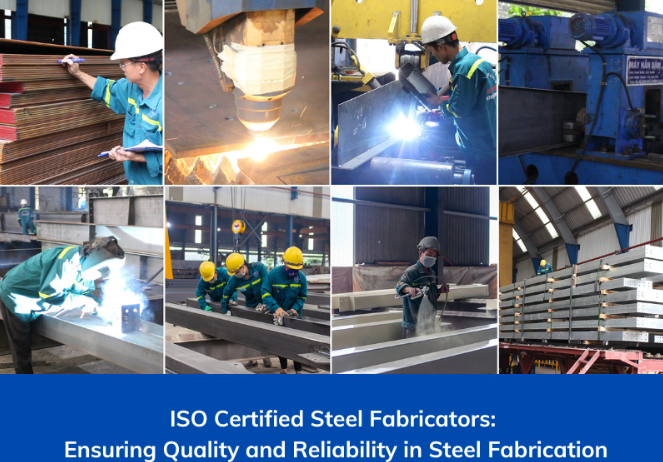
Selecting the Right Custom Fabrication Partner
You've optimized your design, selected materials, and understand what drives costs. Now comes perhaps the most consequential decision: choosing which fabrication partner will transform your plans into physical parts. Whether you're searching for metal fabrication near me or evaluating global suppliers, the selection criteria remain consistent. Getting this choice right determines whether your project succeeds or becomes a cautionary tale.
Certification and Quality Standards to Verify
Think of certifications as a fabricator's resume, but one that's been independently verified by third-party auditors. These credentials tell you immediately whether a potential partner operates at the quality level your project demands.
According to Plastics Manufacturing Resources, ISO 9001 serves as the baseline Quality Management System applicable across industries. It provides a generic framework offering flexibility for almost any business. However, if your application falls within specific industries, you'll want partners holding Advanced Quality Certifications that incorporate additional requirements beyond the baseline.
Here's what each major certification signals about a fabricator's capabilities:
- ISO 9001: General quality management foundation covering documentation, process control, and continuous improvement. Suitable for most commercial applications without industry-specific requirements.
- IATF 16949: Automotive industry standard that strongly emphasizes defect prevention and waste reduction within the supply chain. A production line stoppage at an automotive plant is catastrophic, so this certification prioritizes prevention above all else.
- AS9100: Aerospace and defense standard with provisions for product safety and counterfeit parts prevention. This requirement emerged after the military discovered counterfeit electronic processors in critical aircraft systems.
- ISO 13485: Medical device manufacturing standard requiring significant documentation for patient safety. Manufacturers must maintain Device Master Records with accuracy that becomes part of regulatory submissions.
Which certification matters for your project? If you're sourcing components for automotive applications, insist on IATF 16949 certification. Aerospace work demands AS9100. Medical devices require ISO 13485. For general commercial applications, ISO 9001 provides adequate assurance of quality systems.
When evaluating metal fabrication companies, ask directly for certification documentation. According to Michaels Sheet Metal, legitimate fabricators will always be transparent and ready to share this information. Hesitation or excuses suggest certifications may have lapsed or never existed.
Evaluating Fabricator Capabilities and Responsiveness
Certifications verify quality systems, but they don't guarantee a fabricator can actually produce your specific parts. Equipment capabilities, material expertise, and communication responsiveness separate exceptional partners from adequate ones.
According to Thin Metal Parts, partnering with the right fabricator is crucial because metal fabrication requires the best quality equipment and years of training to get it right. Before committing, verify capabilities across multiple dimensions.
Ask potential fabricators these essential questions before making your selection:
- Turnaround times: How quickly can they quote, prototype, and deliver production volumes? Will your project require review by limited engineering staff before pricing, creating bottlenecks?
- DFM support availability: Do they offer in-house engineering and design services? Fabricators with on-site expertise help optimize your designs for efficient manufacturing.
- Prototype capabilities: Can they build a prototype for design validation before committing to production? This helps assess quality and confirms they understand your requirements.
- Production capacity: What is their production run capability? If they lack resources and workforce, they may not complete your project on time.
- Quality inspection processes: What repeatability can they achieve on the production line? Inconsistent quality makes your production unreliable.
- Material processing range: What thickness and material types can they handle? Understanding their range helps determine fit for current and future projects.
- Precision capabilities: How precise can each cut be? Some equipment achieves incredibly high precision with repeatability, while others cannot.
- Communication structure: Who will be your point of contact? Effective communication keeps the production chain running smoothly.
Response time itself reveals volumes about a potential partner. According to industry benchmarks, fabricators who take weeks to return quotes often struggle with production timelines as well. When searching for a sheet metal fabricator near me or evaluating distant suppliers, note how quickly they respond to initial inquiries.
Benchmarking Against Industry Leaders
What does a best-in-class fabrication partner actually look like? Examining manufacturers who excel across all evaluation criteria provides a useful benchmark for comparison.
Consider Shaoyi (Ningbo) Metal Technology as an example of a fabricator meeting rigorous automotive industry standards. Their IATF 16949 certification demonstrates commitment to the defect prevention and supply chain efficiency the automotive industry demands. Beyond certification, they deliver 5-day rapid prototyping, comprehensive DFM support, and 12-hour quote turnaround times that set benchmarks for responsiveness.
When evaluating fabrication shops near me or global suppliers, use these capabilities as measuring sticks. Can your potential partner match these turnaround times? Do they offer equivalent engineering support? How do their quality certifications compare?
Samples remain one of your most powerful evaluation tools. According to Thin Metal Parts, samples help you determine the quality of work and whether it matches your requirements and needs. Request sample parts similar to your project before committing to production volumes.
Red Flags That Signal Problems Ahead
Equally important as knowing what to look for is recognizing warning signs that suggest a fabricator may underperform:
- Vague answers about certifications: Quality-focused fabricators discuss their certifications proudly. Evasiveness suggests problems.
- No prototype capabilities: Fabricators unwilling or unable to produce validation samples may lack flexibility for your project's needs.
- Single-person bottlenecks: If one engineer must review every quote, delays become inevitable as workload increases.
- Limited material experience: Fabricators comfortable only with common materials may struggle with your specialty alloy requirements.
- Poor communication responsiveness: Partners who communicate poorly during the sales process rarely improve after receiving your order.
The best fabrication partner isn't necessarily the lowest bidder. Total value encompasses quality, responsiveness, engineering support, and reliability that justify investment in a capable partner.
Steel fabrication shops near me might offer convenience, but don't let geography alone drive your decision. A slightly more distant partner with superior capabilities, certifications, and responsiveness often delivers better results than a nearby shop lacking critical competencies. Finding reliable fabrication companies requires balancing proximity against capability, ultimately prioritizing partners who can consistently deliver quality parts on schedule. With your fabrication partner selected, you're ready to prepare your project for manufacturing success.
Next Steps for Your Custom Fabrication Project
You've learned what distinguishes custom sheet metal fabrication services from standard manufacturing, explored the processes that transform flat sheets into functional components, and discovered how to evaluate potential partners. Now it's time to translate that knowledge into action. Whether you're launching a new product or optimizing an existing supply chain, these final steps position your project for success.
Preparing Your Project for Fabrication Success
Before requesting quotes from sheet metal fabricators, invest time in preparation that pays dividends throughout production. Rushing to RFQ without proper groundwork leads to inaccurate pricing, extended timelines, and frustrating revision cycles.
Start by defining your project requirements with precision:
- Functional specifications: What must this part do? Document load requirements, environmental exposure, mating interfaces, and performance criteria that drive material and tolerance decisions.
- Quantity projections: Estimate both initial order quantities and expected annual volumes. This information shapes tooling recommendations and pricing structures.
- Timeline expectations: Identify critical milestones for prototypes, production samples, and volume delivery. Realistic schedules prevent costly rush charges.
- Budget parameters: Establish target costs per piece so fabricators can recommend design optimizations that fit your financial constraints.
Next, review your design files against DFM principles. According to JC Metalworks' DFM checklist, applying manufacturability principles early minimizes risks and improves the likelihood of delivering on time and budget. Verify that bend radii meet material requirements, hole placements avoid interference with forming operations, and tolerance specifications reflect actual functional needs rather than arbitrary precision.
Material selection deserves final confirmation before quoting. Consider whether aluminum sheet metal fabrication meets your weight and corrosion requirements, or whether stainless steel fabrication better serves applications demanding strength and hygiene. Verify gauge thickness aligns with structural requirements without unnecessary over-specification that inflates costs.
Prepare complete documentation packages including:
- CAD files in standard formats (STEP, DXF, or native files)
- Dimensioned drawings with critical tolerances identified
- Material and finish specifications
- Quality requirements and any certification needs
- Assembly context showing how parts interface with other components
Successful custom fabrication projects start with clear requirements and design optimization before requesting quotes. The time invested in preparation returns exponentially through accurate pricing, faster turnaround, and fewer revision cycles.
Taking the Next Step with Confidence
With preparation complete, you're ready to engage fabrication partners and move your project forward. The evaluation criteria covered earlier now become your practical checklist for vendor selection.
For precision sheet metal fabrication serving automotive applications, specialized expertise matters tremendously. Manufacturers like Shaoyi (Ningbo) Metal Technology demonstrate what comprehensive capabilities look like in practice. Their focus spans chassis and suspension components to structural parts, combining automated mass production capacity with rapid prototyping flexibility. This breadth allows them to support projects from initial validation through high-volume manufacturing without switching suppliers mid-stream.
When evaluating custom sheet metal parts suppliers, prioritize partners offering:
- Rapid prototyping: Five-day turnaround for prototype validation prevents design assumptions from becoming expensive production problems.
- DFM collaboration: Engineering support that optimizes your designs for efficient manufacturing before cutting begins.
- Appropriate certifications: IATF 16949 for automotive, AS9100 for aerospace, or ISO 9001 for general commercial applications.
- Responsive communication: Quote turnaround within 12 hours signals operational efficiency that extends through production.
- Scalable capacity: Ability to transition smoothly from prototypes to automated mass production as your volumes grow.
For readers with automotive supply chain needs specifically, working with IATF 16949-certified sheet metal fabrication shops near me or globally ensures the defect prevention and traceability your industry demands. Partners like Shaoyi exemplify this standard, delivering the quality documentation and process controls that automotive OEMs require throughout their supply chains.
Ready to move forward? Take these concrete actions:
- Finalize your CAD files with DFM principles applied
- Compile complete specification packages for accurate quoting
- Identify two to three qualified fabricators matching your certification requirements
- Request quotes with sufficient detail to enable apples-to-apples comparison
- Evaluate responses based on total value, not just unit price
Custom sheet metal fabrication near me searches connect you with local partners offering proximity advantages, while global suppliers may provide specialized capabilities or capacity unavailable domestically. The right choice depends on your specific requirements for turnaround time, engineering collaboration, and volume scalability.
From first sketch to final part, custom sheet metal fabrication transforms your concepts into functional reality. The journey requires thoughtful decisions about materials, processes, finishes, and partners. Armed with the knowledge from this guide, you're positioned to navigate that journey successfully. For automotive applications requiring IATF 16949-certified manufacturing with rapid turnaround, explore how Shaoyi's 12-hour quote response and comprehensive capabilities can accelerate your supply chain. Your next fabrication project starts with a single step: reaching out to qualified partners who understand your requirements and deliver results that exceed expectations.
Frequently Asked Questions About Custom Sheet Metal Fabrication
1. What is included in custom sheet metal fabrication services?
Custom sheet metal fabrication services encompass the complete transformation of flat metal sheets into functional components tailored to specific project requirements. This includes laser cutting for precision shapes, CNC punching for hole patterns, press brake bending for creating angles and geometries, welding and assembly for joining components, and surface finishing options like powder coating or anodizing. Unlike off-the-shelf parts, custom fabrication starts with your design specifications and produces unique components across industries including automotive, aerospace, electronics, and medical applications. IATF 16949-certified manufacturers like Shaoyi offer comprehensive capabilities from rapid prototyping to mass production.
2. How much does custom sheet metal fabrication cost?
Custom sheet metal fabrication costs depend on several interconnected factors: material type and thickness (stainless steel costs more than mild steel), design complexity including number of bends and hole patterns, tolerance requirements (tighter tolerances increase costs), finishing specifications like powder coating or plating, and order quantity. Setup costs remain fixed regardless of quantity, so per-piece prices drop significantly at higher volumes. To optimize costs, simplify designs, relax non-critical tolerances, choose cost-effective materials where appropriate, and consolidate orders. Request quotes with complete CAD files and specifications for accurate pricing.
3. What materials are used in sheet metal fabrication?
Common sheet metal fabrication materials include aluminum alloys (5052, 6061, 7075) offering lightweight corrosion resistance ideal for aerospace and electronics; stainless steel grades 304 and 316 providing strength and hygiene for food and medical equipment; carbon steel delivering high strength at lower cost for structural applications; galvanized steel with zinc coating for outdoor corrosion protection; and copper and brass for electrical conductivity and decorative applications. Material selection depends on your application's requirements for strength, weight, corrosion resistance, and budget constraints. Each material requires specific fabrication techniques and finishing approaches.
4. How do I choose the right sheet metal fabrication company?
Selecting the right fabrication partner requires evaluating certifications (IATF 16949 for automotive, AS9100 for aerospace, ISO 9001 for general quality), equipment capabilities, material expertise, and communication responsiveness. Key questions include turnaround times for quotes and prototypes, DFM support availability, production capacity, and quality inspection processes. Partners like Shaoyi demonstrate best practices with 12-hour quote turnaround, 5-day rapid prototyping, and comprehensive engineering support. Request sample parts, verify certifications directly, and assess responsiveness during initial contact as indicators of production performance.
5. What is the difference between prototyping and production in sheet metal fabrication?
Rapid prototyping uses flexible manufacturing methods like laser cutting and press brake bending to produce functional validation parts quickly, typically 1-10 pieces within days, without production tooling investment. Per-part costs run higher but enable design validation before commitment. Production manufacturing transitions to optimized processes with potential dedicated tooling as volumes increase, spreading fixed setup costs across more units to reduce per-piece pricing significantly. The typical progression includes design review, prototype fabrication, testing and iteration, optional production tooling, and volume manufacturing. Quality fabricators support both phases seamlessly.