 Small batches, high standards. Our rapid prototyping service makes validation faster and easier —
  EN
EN


Custom Parts Machining Costs Exposed: What Shops Won't Tell You
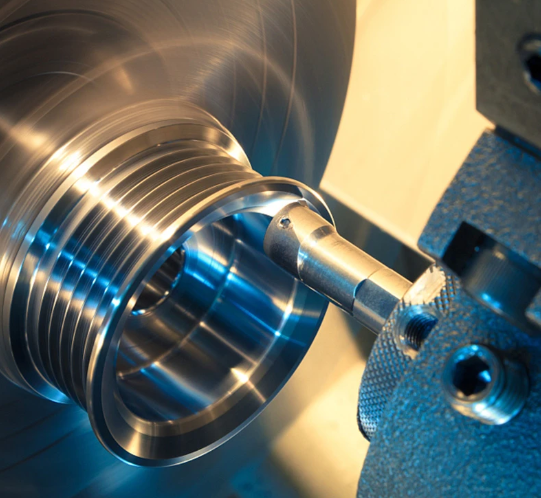
Understanding Custom Parts Machining Fundamentals
Have you ever needed a component that simply doesn't exist in any catalog? Maybe you're developing a breakthrough product, replacing an obsolete part, or solving a unique engineering challenge. This is exactly where custom parts machining becomes invaluable.
At its core, custom parts machining is the process of creating unique components tailored precisely to your specific design requirements. Unlike grabbing a standard bolt from a hardware store or ordering mass-produced fittings from a supplier, custom machined parts are manufactured from scratch based on your exact specifications. Every dimension, tolerance, and material choice reflects your unique application needs.
What Makes Machining Custom vs Standard
Standard parts are pre-designed, mass-produced components available in fixed sizes and configurations. They're convenient and cost-effective when your needs align with what's already on the market. But what happens when they don't quite fit, perform adequately, or meet your durability requirements?
Custom parts manufacturing fills this gap by delivering components engineered specifically for your application. According to industry specialists, this approach is commonly sought out when tight tolerances and unique geometry are crucial for product integrity. Whether you need a specialized bracket for aerospace applications, a precision surgical instrument, or a prototype engine component, custom machining delivers exactly what standard options cannot.
Here's what sets custom machining apart from standard and mass-produced parts:
- Design Flexibility: Your engineering team defines the exact dimensions, shapes, and features—not a catalog. Complex geometries and multi-feature components are easily achievable.
- Material Options: Choose from metals like aluminum, titanium, and stainless steel, or engineering plastics such as Delrin, PEEK, and nylon based on your application's specific demands.
- Tolerance Control: Precision CNC machining can achieve tolerances as tight as ±0.001 inches—critical for industries like medical devices and aerospace where exact specifications matter.
- Quantity Flexibility: Need just one prototype? A batch of 500? Custom machining scales efficiently from single pieces to medium production volumes without the massive setup costs of mass production.
The Role of CNC Technology in Custom Fabrication
So how do manufacturers actually create these precision components? The answer lies in CNC technology—computer numerical control systems that transform digital designs into physical parts with remarkable accuracy.
The process begins when your engineering team creates a detailed CAD model outlining exact dimensions, tolerances, and material specifications. This digital blueprint is then translated into machine instructions that guide CNC equipment through cutting, drilling, milling, or turning operations. The result? CNC parts that match your design with exceptional precision.
CNC fabrication offers several advantages that make it ideal for custom work. The computer-controlled process ensures consistency across every part produced—whether you're making one or one hundred. Modern multi-axis machines can create complex geometries that would be impossible with manual machining. And because the process is programmable, modifications to your design can be implemented quickly without expensive tooling changes.
Industries that demand specialized components—aerospace, automotive, medical, and defense—rely heavily on this precision cnc machining capability. When a custom machine component must withstand extreme temperatures, fit with micron-level accuracy, or meet strict regulatory requirements, CNC technology delivers the precision and repeatability these applications demand.
The fundamental value of custom parts machining lies in three pillars: precision that meets exact specifications, flexibility to produce any design, and the capability to manufacture components that simply don't exist in standard catalogs.
Understanding these fundamentals helps you recognize when custom machining is the right choice—and sets the stage for making informed decisions about methods, materials, and costs as you move forward with your project.
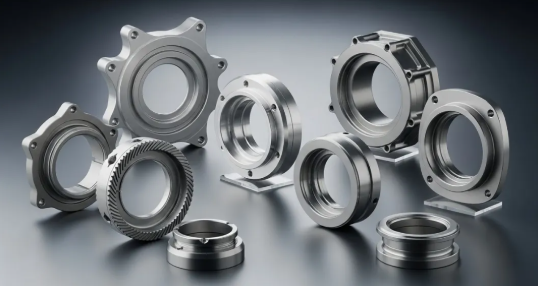
CNC Machining Methods and When to Use Each
Now that you understand the fundamentals, here's a question many buyers overlook: which machining method is actually right for your part? Choosing the wrong process can inflate costs, extend lead times, or compromise quality. Let's break down the primary CNC machining methods so you can make informed decisions—or at least ask the right questions when getting quotes.
Milling Operations for Complex Geometries
When your part features flat surfaces, pockets, slots, or intricate contours, CNC machining milling is typically your go-to method. Milling uses a rotating cutting tool that moves across a stationary workpiece, removing material to create precise shapes.
But not all milling is created equal. The number of axes determines what geometries are achievable:
3-Axis Milling operates along three linear directions—X, Y, and Z. Think of it as approaching your workpiece from the top and sides. According to AMFG's comprehensive guide, 3-axis machines excel at creating flat surfaces, simple molds, and basic components like rectangular plates. They're fast, cost-effective, and widely available. However, complex angles or undercuts often require multiple setups, which adds time and cost.
5-Axis Milling introduces two additional rotational axes (typically labeled A and B), allowing the cutting tool to approach the workpiece from virtually any angle. This capability transforms manufacturing possibilities. As noted in industry resources, 5 axis cnc machining services prove especially valuable for aerospace components, medical implants, and any part with sculpted surfaces or compound angles. The machine can execute complex cuts in a single setup, reducing handling errors and improving precision.
When should you specify 5-axis over 3-axis? Consider these factors:
- Parts with undercuts, deep cavities, or surfaces angled in multiple directions
- Components requiring tight tolerances on complex contours
- Designs where minimizing setups improves accuracy and reduces cost
- Applications in aerospace, medical, or automotive industries demanding intricate geometries
Turning Methods for Cylindrical Components
What if your part is round? Shafts, bushings, pins, and threaded components call for a different approach. CNC turning rotates the workpiece while a stationary cutting tool shapes it—essentially the opposite of milling.
A standard cnc turning service handles cylindrical or conical geometries efficiently. The part spins on a spindle while tools remove material to create features like threads, grooves, tapers, and smooth cylindrical surfaces. According to Autodesk's machining guide, the rule of thumb is simple: "If it's round, turn it. If it's any other shape, mill it."
Modern CNC turning services often include live tooling capabilities, meaning the machine can perform some milling operations while the part is still mounted. This hybrid approach—sometimes called mill-turn machining—reduces handling, improves precision, and cuts cycle times for parts requiring both cylindrical and non-cylindrical features.
Swiss Machining takes turning precision to another level. Originally developed for Swiss watchmaking, this method uses a sliding headstock and guide bushing to support the workpiece extremely close to the cutting tool. The result? Tolerances as tight as ±0.0002 inches, according to Avanti Engineering.
Swiss machining shines when you need:
- Small-diameter parts (typically under 1.25 inches)
- Long, slender components that would deflect in standard lathes
- High-volume production with exceptional repeatability
- Complex features completed in a single setup using multi-axis control
Industries like medical devices (surgical tools, implants), electronics (terminals, pins), and aerospace (fasteners, connectors) rely heavily on swiss machining for precision-critical components.
Electrical Discharge Machining for Specialized Applications
Some parts can't be cut with traditional tools. Extremely hard materials, intricate internal features, or geometries that would damage conventional cutters require CNC cutting through a different mechanism entirely.
Electrical Discharge Machining (EDM) removes material using electrical sparks rather than physical contact. This process handles hardened steels, tungsten carbide, and other difficult-to-machine materials without inducing mechanical stress. EDM is commonly used for injection mold cavities, aerospace components with complex internal passages, and precision dies.
Machining Method Comparison
Selecting the right process depends on your part's geometry, material, tolerance requirements, and production volume. Here's a practical comparison:
| Method Type | Best Applications | Geometric Capabilities | Typical Tolerance Range |
|---|---|---|---|
| 3-Axis Milling | Flat surfaces, simple molds, plates, basic housings | Prismatic shapes, pockets, slots from top and sides | ±0.005" to ±0.001" |
| 5-Axis Milling | Aerospace parts, medical implants, complex contoured surfaces | Compound angles, undercuts, sculptured surfaces | ±0.002" to ±0.0005" |
| CNC Turning | Shafts, bushings, bolts, threaded components | Cylindrical, conical, and rotationally symmetric parts | ±0.005" to ±0.001" |
| Swiss Screw Machining | Medical devices, electronics pins, precision fasteners | Small-diameter, long/slender parts with complex features | ±0.0005" to ±0.0002" |
| EDM | Mold cavities, hardened materials, intricate internal features | Complex internal passages, sharp corners, hard materials | ±0.0005" to ±0.0001" |
Understanding these methods helps you communicate effectively with machining partners and evaluate quotes intelligently. A shop recommending 5-axis milling for a simple flat bracket might be overcomplicating things. Conversely, trying to force a complex aerospace component through 3-axis machining could compromise quality and actually cost more due to multiple setups.
The machining method directly impacts your project's cost, lead time, and quality—which brings us to another critical decision: selecting the right material for your cnc milled components.
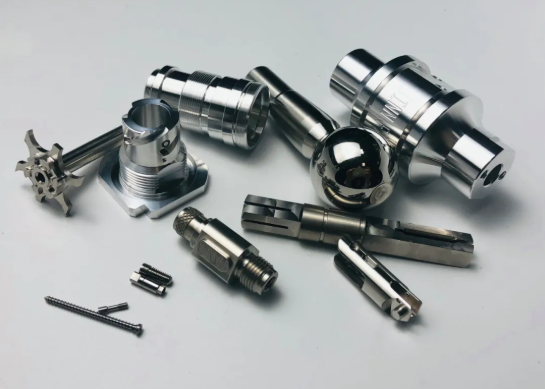
Material Selection Guide for Custom Machined Components
You've identified the right machining method for your part's geometry—but here's where many projects go sideways: material selection. Choosing aluminum when you need stainless steel's corrosion resistance, or specifying titanium when aluminum machining would suffice, directly impacts your budget, lead time, and part performance. Let's cut through the confusion with practical guidance on selecting materials that actually match your application requirements.
According to Hubs' material selection guide, the process involves three critical steps: define your material requirements (mechanical, thermal, environmental), identify candidate materials that fulfill those requirements, and then select the most suitable option—often requiring compromise between performance and cost.
Metal Alloys for Structural Applications
When strength, hardness, and thermal resistance top your priority list, metals are typically the answer. But which metal? The differences between aluminum, steel, and bronze cnc options significantly affect both manufacturability and final part performance.
Aluminum Alloys
Aluminum machining represents the most common and cost-effective choice for custom metal parts. With an excellent strength-to-weight ratio, high thermal conductivity, and natural corrosion protection, aluminum alloys work beautifully for prototypes and production parts alike.
- 6061 Aluminum: The general-purpose workhorse with good machinability and weldability—ideal when you need balanced properties without breaking the budget
- 7075 Aluminum: Aerospace-grade with excellent fatigue properties; can be heat treated to hardness levels comparable to steel
- 5083 Aluminum: Superior seawater resistance makes this optimal for marine and construction applications
Stainless Steel Alloys
Need high strength combined with wear and corrosion resistance? Stainless steel delivers—though at higher material and machining costs than aluminum.
- 304 Stainless: The most common grade, offering excellent mechanical properties and resistance to most environmental conditions
- 316 Stainless: Higher chemical and saline resistance; your choice for harsh environments or marine exposure
- 17-4 Stainless: Can be precipitation hardened to tool-steel levels—used in high-performance applications like turbine blades
Bronze and Specialty Alloys
Machining bronze presents unique advantages for specific applications. Bronze alloys like C36000 offer excellent machinability (among the easiest materials to cut), natural corrosion resistance, and low-friction properties. You'll find cnc machining bronze commonly specified for bearings, bushings, and architectural components requiring that distinctive gold appearance.
Titanium, while expensive and challenging to machine, provides unmatched strength-to-weight ratios and biocompatibility—critical for aerospace structures and medical implants where performance justifies the premium.
Engineering Plastics for Lightweight Solutions
When weight reduction, chemical resistance, or electrical insulation matters more than raw strength, engineering plastics offer compelling advantages. According to Rally Precision's machining guide, plastics generally cost less to machine due to faster cutting speeds, reduced tool wear, and simpler fixturing requirements.
Delrin (POM)
Delrin plastic—technically polyoxymethylene—delivers the highest machinability among plastics. This delrin material offers high stiffness, low friction, excellent dimensional stability at elevated temperatures, and very low water absorption. When precision matters in plastic parts, Delrin is often the optimal choice.
Nylon (Polyamide)
Nylon for machining provides excellent mechanical properties, good impact strength, and high chemical resistance. Common grades include Nylon 6 and Nylon 66. One caution: nylon absorbs moisture, which can affect dimensional stability in humid environments.
Polycarbonate
CNC polycarbonate combines high toughness with better impact strength than ABS. Its transparency makes it ideal for fluidic devices, protective covers, and automotive glazing where visibility matters.
UHMW Polyethylene
Ultra-high molecular weight polyethylene excels in high-wear applications requiring low friction. It's commonly used for conveyor components, wear strips, and applications demanding excellent abrasion resistance.
Material Comparison at a Glance
Choosing between these options requires balancing multiple factors. Here's a practical comparison to guide your selection:
| Material Type | Key Properties | Common Applications | Machinability Rating |
|---|---|---|---|
| Aluminum 6061 | Lightweight, corrosion resistant, good strength | Prototypes, structural components, housings | Excellent |
| Aluminum 7075 | High strength, fatigue resistant, heat treatable | Aerospace structures, high-stress components | Good |
| Stainless Steel 304 | Corrosion resistant, high strength, weldable | Food equipment, medical devices, marine hardware | Moderate |
| Stainless Steel 316 | Superior chemical resistance, saline tolerant | Chemical processing, marine, pharmaceutical | Moderate |
| Bronze C36000 | Low friction, corrosion resistant, easy to machine | Bearings, bushings, architectural hardware | Excellent |
| Titanium Grade 5 | Highest strength-to-weight, biocompatible | Aerospace, medical implants, racing components | Difficult |
| Delrin (POM) | High stiffness, low friction, dimensionally stable | Gears, bearings, precision plastic components | Excellent |
| Nylon 6/66 | Good strength, chemical resistant, impact resistant | Bushings, wear components, structural plastics | Very Good |
| Polycarbonate | High impact strength, transparent, tough | Protective covers, optical components, housings | Good |
| UHMW | Excellent wear resistance, low friction, self-lubricating | Conveyor parts, wear strips, food processing | Very Good |
Practical Selection Criteria
Rather than simply listing options, consider these questions when narrowing your material choice:
- Environmental exposure: Will the part contact saltwater, chemicals, or UV light? This immediately narrows your options.
- Mechanical loads: Calculate actual stress requirements—you may find aluminum sufficient where you assumed steel was necessary.
- Weight constraints: Aerospace and portable applications often justify premium materials like titanium or engineering plastics.
- Temperature range: Standard plastics degrade above 100°C; PEEK handles temperatures approaching 250°C.
- Cost sensitivity: Aluminum 6061 and Delrin plastic offer the best balance of machinability and economy for most applications.
Material selection directly influences your quote—not just through raw material costs, but through machining time, tool wear, and finishing requirements. Understanding these tradeoffs positions you to have informed conversations with machining partners and avoid costly over-specification. Speaking of costs, let's examine how tolerance requirements affect both pricing and manufacturability.
Tolerance Specifications and Their Practical Implications
Here's something most machining shops won't volunteer upfront: specifying tolerances tighter than your application actually requires is one of the fastest ways to inflate your project costs. Yet many engineers default to tight tolerances "just to be safe"—not realizing they're paying a premium for precision that adds zero functional value.
Understanding tolerance specifications transforms you from a passive quote recipient into an informed buyer who can optimize designs for both performance and budget. Let's demystify what tolerances actually mean in practice.
Standard vs Precision Tolerance Requirements
Tolerance defines the acceptable dimensional variation in machined parts—essentially, how much a feature can deviate from its specified dimension while still functioning correctly. According to American Micro Industries, since no machine delivers identical results every time, tolerances establish controlled margins for error that ensure parts fit together and perform as intended.
Standard CNC machining tolerances typically fall around ±0.005" (±0.127 mm). This baseline accommodates normal variations in machine accuracy, thermal effects, tool wear, and setup repeatability—while maintaining economical production rates. For many applications, this standard tolerance works perfectly.
But what about precision machining parts requiring tighter specifications? Here's where costs escalate quickly. As Modus Advanced explains, achieving tighter tolerances requires temperature-controlled environments, specialized equipment, and enhanced quality control measures.
Typical tolerance ranges by machining method:
- Standard CNC Milling/Turning: ±0.005" to ±0.010" (±0.127 mm to ±0.254 mm)—suitable for most general applications
- Precision CNC Machining: ±0.001" to ±0.002" (±0.025 mm to ±0.050 mm)—requires climate control and careful process management
- High-Precision Operations: ±0.0005" (±0.0127 mm)—demands temperature-controlled rooms within ±0.5°C and vibration isolation
- Swiss Screw Machining: ±0.0002" to ±0.0005" (±0.005 mm to ±0.0127 mm)—specialized for small-diameter precision components
- EDM Processes: ±0.0001" to ±0.0005" (±0.0025 mm to ±0.0127 mm)—achievable for intricate features in hardened materials
Material properties also influence achievable tolerances. Aluminum's relatively low thermal expansion coefficient makes it well-suited for precision machining services. Titanium, however, presents challenges due to work hardening and heat generation—achieving tight tolerances requires specialized cutting tools, reduced speeds, and enhanced cooling systems.
How Tolerances Impact Manufacturing Cost
The relationship between tolerance specifications and pricing isn't linear—it's exponential. Moving from ±0.005" to ±0.001" doesn't simply cost five times more; the actual increase can reach 50-100% depending on part complexity and material.
Why such dramatic cost increases? Each step toward tighter tolerances triggers cascading requirements:
- Temperature Control: Precision work often requires dedicated climate-controlled areas maintaining ±0.5°C (±1°F) to minimize thermal expansion effects on both machine tools and workpieces
- Specialized Equipment: High-precision spindles with ceramic or air bearings maintain runout tolerances below 0.0025 mm—but cost significantly more than standard equipment
- Extended Cycle Times: Tighter tolerances typically require slower cutting speeds, lighter cuts, and additional finishing passes
- Enhanced Inspection: Every CNC machining part with tight tolerances demands more rigorous quality control, often including statistical process control and 100% inspection
- Tool Wear Monitoring: Precision machining requires tracking tool wear progression and triggering tool changes before dimensions drift beyond limits
According to Protolabs' tolerancing guidelines, geometric dimensioning and tolerancing (GD&T) provides deeper quality control through specifications like true position, flatness, cylindricity, and concentricity. However, implementing GD&T typically routes projects through manual quoting processes rather than automated systems—adding both time and cost.
Tighter tolerances should only be specified where functionally necessary. Over-tolerancing non-critical features wastes money without improving part performance.
Here's practical guidance: apply tight tolerances selectively to mating surfaces, bearing interfaces, and functionally critical dimensions. Leave non-critical features at standard tolerances. A bushing's inner diameter might genuinely need ±0.001" to ensure proper fit—but the same bushing's outer edge chamfer rarely requires anything beyond standard ±0.005".
Surface finish requirements also interact with tolerance specifications. Standard finishes of 63 µin. for flat surfaces work adequately for most uses, but cosmetic or functional surfaces requiring smoother finishes add processing time. Understanding these interdependencies helps you communicate precisely with machining partners and avoid paying for precision you don't actually need.
With tolerance fundamentals clarified, let's examine how all these factors—material, method, and precision requirements—combine to determine your project's final price.
Cost Factors and Pricing Transparency in Custom Machining
Ever received a quote for custom metal parts and wondered how shops actually arrive at those numbers? You're not alone. Pricing in custom parts machining often feels like a black box—shops provide totals without explaining what drives them. Let's change that by breaking down exactly what influences your final invoice and, more importantly, how your design decisions directly affect your budget.
According to U-Need's pricing analysis, CNC machining costs stem from four core elements: machine operational time, material costs, setup costs, and labor. But these factors don't carry equal weight—and understanding their relative impact helps you focus optimization efforts where they'll make the biggest difference.
Primary Cost Drivers in Custom Machining
Not all cost factors are created equal. Here's how they typically rank by impact level on your final cnc machining price:
- Design Complexity and Machining Time: This is typically the largest cost driver. Parts with deep cavities, undercuts, thin walls, or compound angles require advanced machinery (like 5-axis systems) and significantly longer cycle times. A complex geometry can easily double or triple machining costs compared to a simplified design with equivalent functionality.
- Material Selection: Raw material costs vary dramatically—titanium costs roughly 10-15 times more than aluminum 6061. But material choice also affects machining time: harder materials like stainless steel and titanium require slower cutting speeds, more frequent tool changes, and specialized cutters, compounding the cost impact.
- Tolerance Requirements: As covered in the previous section, moving from standard ±0.005" tolerances to precision ±0.001" specifications can increase costs by 50-100%. Each tighter tolerance tier triggers requirements for climate control, specialized equipment, and enhanced inspection protocols.
- Production Quantity: Setup costs remain relatively fixed regardless of whether you're making one part or fifty. According to SendCutSend's cost analysis, ordering just one part might cost $29, while ordering ten drops the per-unit price to around $3—an 86% reduction thanks to setup amortization.
- Surface Finishing Operations: Post-machining finishes like anodizing, powder coating, bead blasting, or chemical film treatments add significant cost. The same aluminum part costing $27 raw might reach $43 with powder coating—a 59% increase for the finish alone.
Understanding this hierarchy helps you prioritize optimization efforts. Simplifying a complex geometry typically yields larger savings than switching materials, while ordering in modest batches rather than single units dramatically improves per-unit economics.
Design Decisions That Affect Your Budget
Here's what many buyers miss: by the time you're requesting quotes, most of your costs are already locked in by design decisions made weeks earlier. The good news? Applying Design for Manufacturing (DFM) principles early can significantly reduce costs without sacrificing functionality.
According to 6 Sigma's DFM guide, integrating manufacturability considerations from the design phase's outset prevents expensive rework and optimizes production efficiency. Here's how to apply these principles:
- Simplify Geometries: Every feature adds machining time. Ask yourself: does this pocket, chamfer, or complex curve serve a functional purpose? Reducing the number of features and avoiding unnecessary complexity directly reduces cycle time and metal fabrication parts costs.
- Use Standard Hole Sizes and Features: Specifying non-standard hole diameters requires custom tooling. Standard sizes allow shops to use readily available drill bits and end mills, reducing both setup time and tool costs.
- Avoid Unnecessary Tight Tolerances: Apply precision only where functionally required. Mating surfaces and bearing interfaces may genuinely need ±0.001", but non-critical dimensions rarely benefit from anything tighter than standard ±0.005".
- Consider Material Machinability: Aluminum 6061 machines roughly three times faster than 304 stainless steel and doesn't require the specialized tooling titanium demands. If your application permits, choosing highly machinable materials significantly reduces cycle time.
- Design for Standard Setup: Parts requiring multiple setups or complex fixturing add both time and cost. Where possible, design components that can be machined in a single setup or with standard workholding.
- Minimize Deep Pockets and Thin Walls: Deep cavities require longer tools prone to deflection, demanding slower feeds and lighter cuts. Thin walls risk vibration and distortion, often requiring specialized fixturing or reduced cutting parameters.
Real-world impact? A smartphone manufacturer implementing DFM principles from initial design achieved a 30% reduction in assembly time. An automotive parts manufacturer reduced production costs by 25% through three iterations of DFM analysis and design refinement.
Getting Accurate Quotes
When requesting online machining quotes or a cnc quote online, provide complete information upfront:
- Detailed CAD files in standard formats (STEP, IGES, or native CAD)
- Clear tolerance callouts with GD&T where applicable
- Material specifications including grade and condition
- Surface finish requirements
- Quantity requirements and anticipated annual volumes
- Any certifications or inspection documentation needed
Wondering how much to get a metal part made? Honest answer: it depends entirely on the factors above. But armed with this knowledge, you can now evaluate quotes intelligently. If one shop quotes significantly higher than another, ask specifically which cost driver is responsible. Sometimes the higher quote reflects better tolerance control or material traceability that justifies the premium—other times it simply reflects inefficiency you can avoid.
Machinist metal cost transparency benefits everyone. Shops that explain their pricing build trust; buyers who understand cost drivers make better design decisions. With pricing fundamentals clarified, let's explore how your project moves from CAD file to finished component.
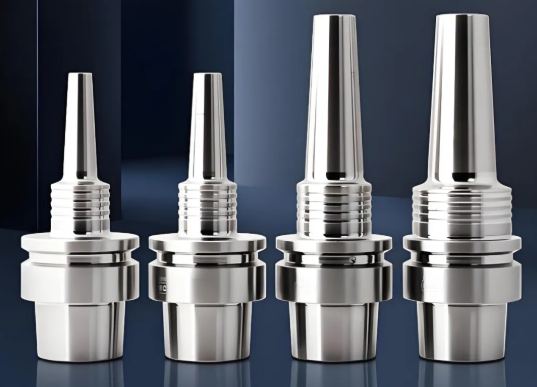
The Design to Delivery Workflow Explained
You've selected your material, defined tolerances, and optimized your design for manufacturability. Now what? Many buyers submit their CAD files and simply wait—unaware that file preparation errors can delay projects by days or weeks. Understanding the complete workflow from digital design to physical delivery helps you avoid common pitfalls and accelerate your timeline.
According to UPTIVE's manufacturing guide, even the best products face design challenges—the first iPhone went through dozens of iterations before launch. Whether you're developing a single cnc prototype or scaling to volume production, knowing what happens at each stage positions you for success.
Preparing Your CAD Files for Manufacturing
Your CAD file isn't just a visual representation—it's the mathematically precise blueprint that dictates every aspect of your finished part. According to LeadCNC's preparation guide, any ambiguity, error, or missing information in the CAD file will propagate downstream, resulting in faulty toolpaths, machine collisions, or parts that fail quality checks.
Before submitting files for cnc prototyping or production, verify these critical elements:
- File Format Selection: STEP (.step or .stp) is the preferred format for B2B exchange. It captures exact geometry and crucial topological information, ensuring the model transfers as a true solid rather than just graphical data. IGES files work but are more prone to surface continuity errors.
- Coordinate System Definition: Clearly define your part's X, Y, and Z axes relative to how it will be fixtured on the machine. Poorly defined coordinate systems cause dimensional inaccuracies and require complex manual offsets.
- Unit Verification: A model created in inches but interpreted as millimeters results in a part scaled down by a factor of 25.4—immediate scrap. Always explicitly state units in your file properties.
- Watertight Geometry: Ensure your model is completely closed with no gaps between surfaces. Open boundaries prevent CAM software from generating reliable toolpaths.
Common file formats and their appropriate uses:
| Format | Best For | Limitations |
|---|---|---|
| STEP (.step, .stp) | Precision 3D machining, complex geometries | None significant—industry standard |
| IGES (.igs, .iges) | Surface data exchange, legacy systems | Prone to gaps and surface errors |
| STL (.stl) | Rapid cnc prototyping, 3D printing, basic 3-axis work | Approximated surfaces, not ideal for tight tolerances |
| DXF/DWG | 2D cutting operations (laser, waterjet) | Lacks volume information for 3D parts |
| Native CAD formats | Direct integration with matching CAM systems | Limited interoperability |
Design Errors That Cause Delays
Even geometrically correct files can be unmachineable. These common errors delay projects and require design revisions:
- Sharp Internal Corners: CNC tools are cylindrical—internal corners must have a radius larger than the smallest end mill. Specifying sharp 90-degree internal corners forces expensive EDM operations or causes non-conformance.
- Non-Watertight Solids: Gaps between surfaces prevent CAM software from distinguishing solid material from empty space, leading to incomplete toolpaths.
- Missing Datum References: Without clearly defined primary datums (A, B, C), the CAM programmer must guess your intended orientation—risking alignment errors.
- Excessive Tolerancing: Specifying ±0.001" on non-critical features adds inspection time and cost without functional benefit.
The Complete Workflow Process
Prototype machining services and production runs follow a structured sequence. Understanding each step helps you anticipate timelines and prepare appropriate deliverables:
- CAD File Submission: Upload your prepared files in STEP or native format. Include technical drawings with tolerance callouts, material specifications, and surface finish requirements.
- Design for Manufacturability (DFM) Review: Engineers analyze your design for potential issues—undercuts requiring multi-axis work, features too small to machine reliably, or tolerances that dramatically increase cost. Expect feedback within 24-48 hours for straightforward parts.
- Quoting and Confirmation: Based on DFM analysis, you'll receive pricing reflecting material, machining time, finishing, and inspection requirements. For cnc prototype machining, quotes typically arrive within hours; complex production runs may take several days.
- Prototyping Phase: For new designs, starting with prototype machining services validates your concept before committing to volume production. This stage catches design issues, confirms material suitability, and verifies that tolerances are achievable.
- CAM Programming: Once approved, programmers generate toolpaths from your CAD model, defining cutting strategies, tool selections, and machine movements. This is where file preparation quality directly impacts efficiency.
- Production: Your parts are machined according to programmed specifications. CNC machining prototyping runs typically complete in 1-5 days; production volumes scale based on complexity and quantity.
- Quality Inspection: Parts are measured against your specifications using CMM (coordinate measuring machines), optical comparators, or calibrated hand tools depending on tolerance requirements.
- Finishing Operations: If specified, parts receive surface treatments like anodizing, powder coating, or passivation before final inspection.
- Delivery: Completed parts ship with inspection reports and material certifications as required.
From Prototype to Production Scaling
The transition from single prototypes to volume production is where many projects stumble. Rapid cnc prototyping methods that work beautifully for one-off parts may not scale economically—or processes optimized for high volume may be cost-prohibitive for initial development.
According to UPTIVE's manufacturing guidance, low-volume production serves as a critical bridge between prototype machining and full-scale manufacturing. This intermediate step helps:
- Validate that manufacturing processes deliver consistent quality across multiple units
- Identify bottlenecks before they become expensive problems at scale
- Assess supplier responsiveness, quality control, and lead time reliability
- Gather data to set quality benchmarks for future production runs
Before scaling from cnc prototyping to production, ensure you have:
- A Complete Bill of Materials (BOM): Document all components, materials, and quantities required—this guides ordering and ensures consistency.
- Defined Quality Standards: Establish inspection protocols and sampling techniques before the first production run, not after.
- Change Documentation: Maintain detailed records of modifications made during prototyping. This documentation guides production setup.
- Optimized Design: Address any DFM feedback received during prototyping before committing to volume production.
For specialized applications like carbon fiber prototyping or complex composite parts, material-specific expertise becomes critical during this transition. The machining parameters, tooling, and quality control methods that work for aluminum may fail entirely with carbon fiber's abrasive characteristics and delamination risks.
Smooth prototype-to-production scaling requires clear communication with your manufacturing partner at each stage. Document changes, confirm specifications, and verify that production processes can deliver the quality established during prototyping. With workflow fundamentals covered, let's examine how industry certifications and quality standards ensure your parts meet the rigorous requirements of aerospace, automotive, and medical applications.
Industry Certifications and Quality Assurance Standards
When evaluating precision machining companies, you'll encounter alphabet soup: ISO 9001, AS9100D, IATF 16949, ISO 13485. But what do these certifications actually mean for your project? More importantly, which ones matter for your specific application—and which are just marketing noise?
Understanding manufacturing certifications transforms you from a passive buyer into an informed partner who can evaluate whether a cnc machining shop genuinely meets your industry's requirements. Let's decode what these standards mean in practice.
Understanding Manufacturing Certifications
Each certification builds on foundational quality management principles but adds industry-specific requirements that address unique risks and regulatory demands. According to 9001Simplified's certification comparison, the main difference between these standards lies in their scope and level of requirements—ISO 9001 applies broadly, while specialized certifications add stricter, industry-focused controls.
ISO 9001:2015 — The Foundation
ISO 9001 is the world's most widely adopted quality management standard, with over one million certified organizations across 170+ countries. It establishes the baseline framework for consistent quality: documented procedures, management commitment, continuous improvement, and customer focus.
Think of ISO 9001 as the minimum credential for any serious precision cnc machining services provider. It demonstrates that a shop has formalized quality processes rather than relying on ad hoc methods. However, ISO 9001 alone may not satisfy regulated industries requiring specialized controls.
AS9100D — Aerospace Requirements
For aerospace cnc machining applications, AS9100D certification is typically mandatory. This standard includes all ISO 9001:2015 requirements plus aerospace-specific clauses addressing:
- Risk management for flight safety throughout the manufacturing process
- Configuration management ensuring parts match approved designs
- Complete product traceability with detailed records
- Counterfeit part prevention protocols
- Supplier performance monitoring and flow-down requirements
Without AS9100D certification, a shop cannot qualify for contracts with major aerospace manufacturers like Boeing, Airbus, or Lockheed Martin. The certification signals that the supplier understands aerospace's zero-tolerance approach to quality failures—when parts operate at 30,000 feet, there's no margin for error.
IATF 16949 — Automotive Excellence
Automotive supply chains operate differently from aerospace. High volumes, tight margins, and just-in-time delivery create unique quality challenges. IATF 16949 certification addresses these through requirements for Statistical Process Control (SPC), process capability studies, and supplier management aligned with automotive production rhythms.
If you're sourcing components for automotive applications, IATF 16949 certification indicates a shop understands automotive's emphasis on defect prevention, process capability, and continuous improvement across high-volume production.
ISO 13485 — Medical Device Standards
Medical machining demands absolute traceability and risk management. ISO 13485 certification demonstrates compliance with regulatory requirements from agencies like the FDA and addresses:
- Risk management throughout the product lifecycle
- Design and development controls
- Validated sterilization processes where applicable
- Complete documentation and traceability for regulatory audits
For surgical instruments, implants, or diagnostic equipment components, ISO 13485 certification isn't optional—it's a regulatory expectation.
Certification Comparison at a Glance
Selecting the right certified partner depends on your industry's specific requirements. Here's a practical comparison:
| Certification | Industry Focus | Key Requirements | When Required |
|---|---|---|---|
| ISO 9001:2015 | All industries | Documented QMS, continuous improvement, customer focus, risk-based thinking | Baseline for professional manufacturing; often sufficient for general industrial applications |
| AS9100D | Aerospace, aviation, defense | Flight safety risk management, configuration control, counterfeit prevention, full traceability | Mandatory for aerospace supply chain contracts with major OEMs |
| IATF 16949 | Automotive | Statistical Process Control, defect prevention, supplier development, production part approval | Required by most automotive OEMs and Tier 1 suppliers |
| ISO 13485 | Medical devices | Design controls, risk management, traceability, regulatory compliance documentation | Essential for FDA-regulated medical device components |
Quality Control Methods That Ensure Consistency
Certifications establish systems—but what happens on the shop floor determines actual part quality. Cnc precision machining services employ specific quality control methods to maintain consistency across production runs.
Statistical Process Control (SPC)
Rather than inspecting every part after completion, SPC monitors manufacturing processes in real-time to detect drift before it produces defective parts. Control charts track critical dimensions throughout production, triggering alerts when measurements approach tolerance limits. This proactive approach prevents scrap rather than simply identifying it.
Shops using SPC can demonstrate process capability indices (Cp and Cpk) that quantify how reliably their processes stay within specification. A Cpk of 1.33 or higher indicates the process consistently produces parts well within tolerance—exactly what you want for critical applications.
Inspection Protocols
Different applications demand different inspection intensities:
- First Article Inspection (FAI): Complete dimensional verification of the first production part against all drawing specifications. Essential for aerospace cnc machining and other regulated industries.
- In-Process Inspection: Verification at critical manufacturing stages before proceeding to subsequent operations. Catches issues before they compound.
- Final Inspection: Comprehensive verification of finished parts before shipment. May include 100% inspection for critical dimensions or statistical sampling for high-volume production.
- CMM Measurement: Coordinate Measuring Machines provide precise, automated dimensional verification for complex geometries and tight tolerances.
Documentation and Traceability
For regulated industries, knowing what happened during manufacturing is as important as the final measurements. Complete traceability records link each part to:
- Raw material lot numbers and certifications
- Machine and operator assignments
- Inspection results at each stage
- Any deviations or corrective actions
This documentation enables root cause analysis if issues arise and satisfies regulatory audit requirements for medical machining and aerospace applications.
Certifications verify that quality systems exist; inspection protocols and SPC ensure those systems actually deliver consistent results.
When evaluating potential partners, ask specifically about their quality methods—not just their certifications. A shop may hold ISO 9001 certification but lack the SPC capabilities or inspection equipment your application requires. Understanding both the certifications and the practical quality controls behind them positions you to select a partner capable of delivering the consistency your project demands.
Choosing the Right Custom Machining Partner
Searching for "cnc machine shops near me" or "machining shops near me" returns hundreds of options—but how do you separate capable partners from shops that will miss deadlines, deliver out-of-spec parts, or disappear when problems arise? The lowest quote rarely equals the best value, and the consequences of choosing poorly extend far beyond the initial order.
According to PEKO Precision's evaluation guide, choosing a precision CNC machine shop requires careful evaluation across multiple dimensions. With thousands of shops across the US, ensuring you select a competent partner with the right capabilities demands structured assessment—not just price comparison.
Evaluating Machining Partner Capabilities
When you're evaluating a cnc shop near me or considering machining services near me versus distant suppliers, capabilities matter more than proximity. A local machine shop without proper equipment or quality systems will underperform compared to a well-equipped partner located further away. Here's what to assess:
Equipment and Capacity Assessment
According to Criterion Precision's partner selection framework, machine inventories alone don't reveal a shop's true capability. A facility can have five new 5-axis mills and still deliver poor parts if their GD&T execution is weak, their CAM strategy kills tool life, or their fixturing introduces uncorrected deflection.
Evaluate these equipment-related factors:
- Machine Type Alignment: Does the shop have the specific equipment your parts require—whether that's 5-axis milling, Swiss screw machining, or EDM capabilities?
- Capacity Availability: Can they accommodate your volume requirements without pushing your order to the back of the queue?
- Process Optimization: How do they approach cycle time reduction, setup strategies, and workflow efficiency?
- Tooling and Fixturing: Do they design fixtures aligned with your part's failure modes, or simply clamp and cut?
Quality Systems Beyond Certificates
As covered in the previous section, certifications like ISO 9001 or AS9100D indicate quality systems exist—but they don't guarantee execution. Criterion Precision notes that ISO certificates show a shop has passed an audit, not that they maintain discipline under production pressure.
Look for evidence of embedded quality discipline:
- In-Process Metrology: Do they catch deviations in real-time rather than discovering problems at final inspection?
- Statistical Process Control (SPC): Are control charts tied to critical dimensions, with documented corrective actions when trends appear?
- Complete FAI Packages: Can they produce traceable material, process, and dimensional records on request?
- Deviation Logs: Do they document problems and resolutions, or simply sweep issues under the rug?
Engineering Support and DFM Expertise
Transactional shops execute prints as-is—often driving hidden costs, tool wear, or production delays. Engineering-backed partners go further, reviewing tolerances, optimizing toolpaths, and suggesting strategies to prevent costly mistakes.
The difference shows in smoother launches, predictable production, and fewer surprises across your production run. Ask potential partners:
- Will they review your design for manufacturability before quoting?
- Do they suggest tolerance rationalization or feature modifications that reduce cost?
- Can they recommend secondary operations or fixturing strategies proactively?
Digital Infrastructure and Change Management
Production changes are only as reliable as the systems managing them. A drawing moving from Rev B to Rev C can result in parts machined to the old spec if revision control isn't rigorous.
Evaluate digital discipline indicators:
- ERP/MRP Integration: Does their system propagate changes automatically without manual gaps?
- Version Control: Are CAD/CAM files and inspection plans synced with drawing revisions?
- Traceability: Can they trace every part back to its material lot, machine, operator, and inspection records?
- IP Protection: Do they maintain secure file transfer and NDA compliance?
Scaling from Prototype to Volume Production
Finding machinist shops near me that handle prototypes is relatively easy. Finding custom cnc machining services that scale smoothly from one-off development to consistent volume production is considerably harder.
According to UPTIVE's manufacturing guide, low-volume production serves as a critical bridge between prototyping and full-scale manufacturing. This transition is where many projects stumble—processes optimized for prototypes may not scale economically, and shops focused on high-volume work may not give small orders adequate attention.
What to Assess for Scalability
When evaluating local machine shops or regional suppliers for long-term partnership, consider these scalability factors:
- Prototype-to-Production Track Record: Have they successfully transitioned similar projects from development to volume? Ask for references.
- Process Stability Data: Can they demonstrate dimensional consistency across multiple production runs—not just one-off precision?
- Lead Time Flexibility: Can they accommodate urgent prototype needs while maintaining reliable production schedules?
- Volume Pricing Models: How does their pricing scale? Are setup costs amortized appropriately across larger orders?
- Supply Chain Reliability: Do they manage material sourcing effectively, or will you face delays waiting for raw stock?
Red Flags to Watch For
Criterion Precision identifies warning signs that signal potential program collapse:
- Documentation Gaps: Absence of structured verification or approval processes
- Process Variability: Inconsistent outputs from one lot to another
- Untracked Outsourcing: Critical tasks sent to secondary suppliers without proper oversight
- Limited Engineering Involvement: Operations without technical guidance on tolerances, cycle optimization, or design updates
- Unusually Low Quotes: Pricing 30% below market often reflects underestimated complexity or optimistic yield assumptions—not superior efficiency
Business Health Considerations
PEKO Precision emphasizes asking tough business questions before committing to a partnership. Putting faith in a financially troubled company creates supply chain risk that extends far beyond part quality:
- What is the company's annual revenue trajectory?
- What are their long-term strategic goals?
- Is there significant debt that could affect operational stability?
- How long have key personnel been with the organization?
Finding the Right Automotive Manufacturing Partner
For automotive applications specifically, the stakes are particularly high. IATF 16949 certification isn't just a nice-to-have—it's typically required by major OEMs and Tier 1 suppliers. Combined with robust SPC implementation, this certification indicates a shop understands automotive's emphasis on defect prevention and process capability across high-volume production.
Shaoyi Metal Technology exemplifies what to look for in an automotive machining partner. Their facility maintains IATF 16949 certification with strict Statistical Process Control protocols, delivering high-tolerance components for chassis assemblies and custom metal bushings with lead times as fast as one working day. For buyers sourcing automotive components, their precision CNC machining services demonstrate the combination of certification, quality control, and rapid response that automotive supply chains demand.
Making Your Final Selection
The right manufacturing partner reduces your team's oversight burden, stabilizes schedules, and frees engineers to focus on design rather than production policing. A relationship like that is rare—and it's why evaluation effort upfront pays dividends throughout your project lifecycle.
Before committing, request:
- Sample parts demonstrating their precision capabilities on similar materials and geometries
- References from customers in your industry with similar volume requirements
- A facility tour (virtual or in-person) to observe shop floor discipline
- SPC data from recent production runs showing process stability
- Clear communication about lead times, capacity constraints, and escalation procedures
Whether you're searching for a cnc machine shop near me for convenience or evaluating distant suppliers for specialized capabilities, the evaluation criteria remain consistent: verified capabilities, embedded quality discipline, engineering expertise, scalable processes, and business stability. Shops meeting these standards become genuine partners in your success—not just vendors filling purchase orders.
Custom Parts Machining: Frequently Asked Questions
1. How much does it cost to have parts machined?
CNC machining costs typically range from $50 to $150 per hour depending on equipment complexity and precision requirements. Key cost drivers include design complexity (the largest factor), material selection, tolerance specifications, production quantity, and finishing operations. A single prototype part might cost $29, while ordering ten can drop per-unit costs to around $3 due to setup amortization. Tighter tolerances beyond standard ±0.005 inches can increase costs by 50-100%. For automotive applications requiring IATF 16949-certified production with rapid turnaround, specialized partners like Shaoyi Metal Technology offer competitive pricing with lead times as fast as one working day.
2. What is the difference between 3-axis and 5-axis CNC machining?
3-axis milling operates along X, Y, and Z directions, ideal for flat surfaces, simple molds, and basic components. It's cost-effective but complex angles often require multiple setups. 5-axis milling adds two rotational axes, allowing the cutting tool to approach workpieces from virtually any angle. This enables complex geometries like undercuts, sculptured surfaces, and compound angles in a single setup—reducing handling errors and improving precision. Choose 5-axis for aerospace components, medical implants, or parts requiring tight tolerances on complex contours.
3. What materials can be used for custom CNC machined parts?
Custom machining accommodates metals including aluminum alloys (6061, 7075), stainless steel (304, 316, 17-4), bronze, and titanium. Engineering plastics include Delrin (excellent machinability and dimensional stability), nylon (good mechanical properties), polycarbonate (high impact strength), and UHMW polyethylene (superior wear resistance). Material selection depends on mechanical requirements, environmental exposure, weight constraints, temperature range, and budget. Aluminum 6061 and Delrin offer the best balance of machinability and economy for most applications.
4. What file formats are needed for CNC machining quotes?
STEP files (.step or .stp) are the preferred format for CNC machining, capturing exact geometry and topological information as true solids. IGES files work but are prone to surface continuity errors. STL is acceptable for basic prototyping but approximates surfaces. DXF/DWG suit 2D cutting operations only. Before submitting, verify coordinate system definition, unit specifications (inches vs. millimeters), and ensure watertight geometry with no gaps between surfaces. Include technical drawings with tolerance callouts, material specifications, and surface finish requirements.
5. What certifications should a CNC machining partner have?
ISO 9001 is the baseline for professional manufacturing. AS9100D is mandatory for aerospace supply chains, adding flight safety risk management and counterfeit prevention. IATF 16949 is required for automotive applications, emphasizing Statistical Process Control and defect prevention. ISO 13485 is essential for medical device components. Beyond certifications, evaluate actual quality practices: in-process metrology, SPC implementation, First Article Inspection capabilities, and complete traceability documentation. Certified automotive suppliers like Shaoyi Metal Technology combine IATF 16949 certification with strict SPC protocols for high-tolerance component production.