 Small batches, high standards. Our rapid prototyping service makes validation faster and easier —
  EN
EN


Custom CNC Machines Decoded: From Concept To Factory Floor
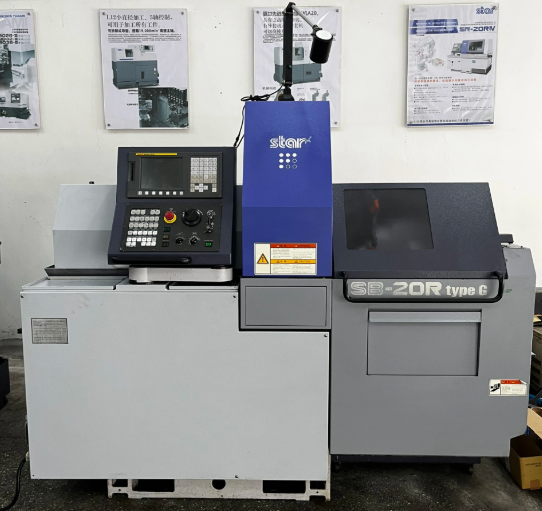
What Custom CNC Machines Are and Why They Matter
Imagine you need to machine aerospace components with tolerances as tight as 0.00004 inches, but no standard machine on the market fits your factory layout or handles your specific material requirements. What do you do? This is precisely where custom CNC machines enter the picture.
A custom CNC machine is purpose-built or significantly modified equipment designed to address manufacturing challenges that off-the-shelf solutions simply cannot solve. Unlike standard industrial CNC machine options that come with predetermined specifications, these tailored systems are engineered around your unique production demands, whether that means an oversized work envelope, specialized material handling, or unconventional axis configurations.
What Makes a CNC Machine Custom
The term "custom" covers a broad spectrum in CNC fabrication. On one end, you might have a standard machine with aftermarket modifications, such as upgraded spindles or extended bed lengths. On the other end, you'll find fully bespoke builds designed from the ground up to solve a specific manufacturing problem no existing equipment can handle.
Think of it this way: a standard CNC machine is like buying a car off the lot. A custom machine is like commissioning a vehicle built specifically for your terrain, payload requirements, and performance specifications. When you're working with a large CNC machine designed for oversized components or need the biggest CNC machine available to handle industrial-scale projects, customization often becomes the only viable path forward.
Here are the key differentiators that set custom machines apart from their standard counterparts:
- Tailored bed sizes: Work envelopes engineered to accommodate specific part dimensions, from compact precision components to massive structural assemblies
- Specialized spindle configurations: Power ratings, speed ranges, and cooling systems matched to your exact material and cutting requirements
- Unique axis arrangements: Non-standard axis configurations, including rotary tables, tilting heads, or additional linear axes for complex geometries
- Custom control systems: Software and hardware interfaces designed for seamless integration with existing production workflows and automation systems
- Application-specific tooling: Tool changers, fixtures, and workholding solutions purpose-built for your particular parts and production volumes
Standard vs Custom CNC Equipment
Standard CNC machines serve the majority of manufacturing applications admirably. They're cost-effective, readily available, and come with established support networks. However, they're designed for broad market appeal, which means they represent compromises across various specifications.
A custom machine eliminates these compromises. When your production requirements fall outside the parameters of what manufacturers offer as standard, whether due to part geometry, material properties, tolerance demands, or throughput requirements, customization becomes not just beneficial but necessary.
Consider industries like aerospace, where manufacturers must adhere to extremely tight tolerances, sometimes as little as 0.00004 inches, particularly when working with materials like aluminum, nickel, and titanium. Standard equipment often cannot guarantee such precision consistently, making custom solutions essential for competitive manufacturing operations.
The decision between standard and custom isn't always black and white. Many manufacturers start with modified standard equipment before graduating to fully custom builds as their requirements evolve and justify the investment.
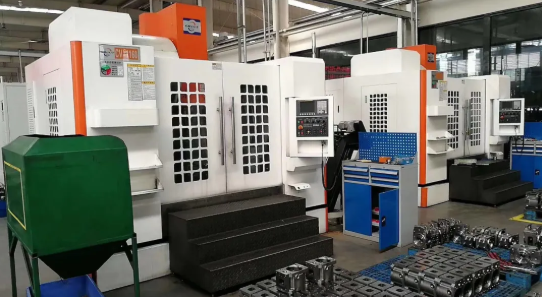
CNC Machine Types and Axis Configurations Explained
So, what is a CNC router machine, and how does axis configuration affect your custom equipment decisions? Understanding the fundamental differences between 3-axis, 4-axis, and 5-axis machines is essential before diving into customization options. Each configuration opens different possibilities for part complexity, production efficiency, and ultimately, whether you need a tailored solution or can work with standard equipment.
Understanding Axis Configurations
In CNC machining, an axis represents a direction of movement that the cutting tool or workpiece can travel along. The more axes your machine controls, the more complex geometries you can achieve without manually repositioning your material.
A 3-axis CNC machine moves the cutting tool in three linear directions: X (side to side), Y (front to back), and Z (up and down). This configuration handles most flat sheet work beautifully. When you need parts cnc milled from panels, enclosures, or flat stock materials, 3-axis machines deliver reliable results for 2D and 2.5D geometry. However, machining multiple sides of a part requires additional setups, each introducing potential alignment errors and consuming valuable production time.
A 4-axis CNC machine adds rotational movement around one axis, typically designated as the A-axis rotating around the X-axis. This configuration comes in two operational modes:
- Indexing (3+1): The workpiece rotates to a fixed position, then standard 3-axis cutting strategies execute
- Simultaneous: The part rotates while the machine cuts continuously, enabling helixes and complex arcs
CNC turning operations and cylindrical work benefit tremendously from 4-axis capability, as you can machine four sides of a part in a single setup while holding tighter tolerances across all features.
A 5-axis CNC machine introduces two additional rotational axes, allowing the tool to approach material from virtually any angle. Both the workpiece and spindle can rotate, enabling manufacturers to create parts that previously required molds or multiple specialized setups. For aerospace components, medical devices, and intricate cnc router work demanding complex 3D surfaces, 5-axis capability often proves indispensable.
Matching Machine Type to Application Needs
Choosing the right axis configuration for custom applications requires honest assessment of your production requirements. A cnc router machine handling flat signage materials operates in an entirely different world than equipment machining turbine blades or orthopedic implants.
Here's where it gets interesting for custom CNC machines: many tailored solutions combine standard axis configurations with specialized features that no off-the-shelf machine offers. You might need a 5-axis machine with an oversized work envelope, or a 4-axis system with custom material handling for continuous production runs. The axis configuration provides the foundation, while customization addresses everything else.
Consider these guiding questions when evaluating your needs:
- Are you currently performing multiple setups to reach all sides of a part?
- Do your parts feature angled surfaces or undercuts that require tool access from non-vertical angles?
- Would reducing setup time significantly impact your production costs or lead times?
- Does your CAM software and team have the capability to program multi-axis operations?
| Configuration Type | Typical Applications | Complexity Level | When Customization Adds Value |
|---|---|---|---|
| 3-Axis | Flat panels, enclosures, signage, 2D/2.5D parts, drilling, pocketing | Entry-level; accessible for most operators | Oversized bed requirements, specialized spindles for unique materials, integrated automation for high-volume production |
| 4-Axis | Cylindrical parts, curved furniture, spiral components, multi-sided machining | Moderate; requires understanding of rotational programming | Custom rotary configurations, extended axis travel for long workpieces, specialized fixturing for irregular shapes |
| 5-Axis | Aerospace components, medical implants, complex 3D surfaces, mold making | Advanced; demands skilled programming and CAM expertise | Extreme tolerance requirements, specialized material handling, unique axis arrangements for specific part geometries |
The decision isn't always about choosing the most capable option. According to industry specialists, a well-built 3-axis cnc machine routers setup can serve workshops for years when producing high volumes of 2D work. Adding complexity only makes sense when your production demands justify the investment in equipment, training, and programming capabilities.
Understanding these configurations becomes crucial when exploring custom solutions because your axis requirements directly influence every other specification, from machine footprint to control system complexity. With this foundation in place, the next consideration becomes identifying which industries and applications truly benefit from investing in customized equipment.
Industries That Benefit from Custom CNC Solutions
Now that you understand axis configurations and machine fundamentals, a natural question emerges: which industries actually need custom CNC machines? The short answer is almost any sector requiring parts that standard equipment cannot produce efficiently. The longer answer reveals fascinating application-specific requirements that drive manufacturers toward tailored solutions.
According to Manufacturing.Net, custom CNC machining "entails creating parts that do not exist anywhere else," whether that means nonstandard sizes, unusual materials, or entirely new inventions that suppliers simply don't stock. This reality shapes investment decisions across multiple sectors.
Industry-Specific Custom CNC Applications
Different manufacturing environments present unique challenges that push operations beyond what catalog machines can deliver. Here's where custom solutions create measurable advantages:
- Aerospace and Defense: Aerospace CNC machining demands tolerances that standard equipment often cannot guarantee consistently. Flight-critical components require precision measured in ten-thousandths of an inch, along with specialized aluminum machining capabilities for lightweight structural parts. Custom machines built for this sector often feature enhanced vibration dampening, climate-controlled enclosures, and traceability systems integrated directly into the control architecture.
- Automotive Manufacturing: Chassis components, drivetrain parts, and suspension assemblies require machines capable of handling high-volume production while maintaining tight tolerances across thousands of identical pieces. Custom solutions address specific fixture requirements, automated loading systems, and spindle configurations optimized for the particular alloys used in vehicle construction.
- Medical Device Production: Medical machining presents unique challenges around biocompatible materials and sterilization requirements. Titanium implants, surgical instruments, and diagnostic equipment housings demand machines designed for cleanroom integration, specialized coolant systems compatible with medical-grade materials, and documentation capabilities that satisfy regulatory requirements.
- Woodworking and Furniture: CNC routers for woodworking often require bed sizes far exceeding standard offerings. When you're machining full-size cabinet panels, architectural millwork, or custom furniture components, a router wood CNC with a tailored work envelope eliminates the need for part segmentation and secondary assembly operations.
- Electronics and Semiconductors: Enclosure cases, heat sinks, and precision housings require machines optimized for specific materials and surface finish requirements. Cnc machining bronze and machining bronze components for electrical contacts demands spindle speeds and tooling configurations that general-purpose machines may not offer.
When Standard Machines Fall Short
Understanding why manufacturers invest in custom equipment requires examining the specific pain points that drive these decisions. It's rarely about wanting something special; it's about production realities that demand solutions standard catalogs cannot provide.
Three primary factors push operations toward customization:
- Production Volume Requirements: When you're running parts 24/7, every efficiency gain compounds dramatically. Custom machines designed around your specific workflow, with integrated automation, optimized tool changers, and purpose-built fixturing, can deliver throughput improvements that justify significant capital investment.
- Material Specifications: Exotic alloys, composites, and specialized plastics often require machine configurations that manufacturers never anticipated. Custom spindle designs, coolant systems, and chip evacuation solutions address material-specific challenges that would otherwise limit your capabilities or compromise quality.
- Precision Specifications: When your tolerances exceed what standard machines reliably achieve, customization becomes necessary rather than optional. Enhanced way systems, thermal compensation, and specialized feedback mechanisms can push accuracy beyond catalog specifications.
Consider the construction industry, where heavy equipment components often don't exist in standard configurations, especially for projects with unique structural designs. Similarly, agriculture relies on custom-machined parts for specialized farm vehicles and tools that commercial suppliers simply don't stock.
The common thread across all these applications? Standard machines represent compromises designed for broad market appeal. When your requirements fall outside those compromises, custom solutions deliver the precision, efficiency, and capability your production demands. But how do you decide whether customization makes sense for your operation, or whether outsourcing to a specialized machining service offers a better path forward?
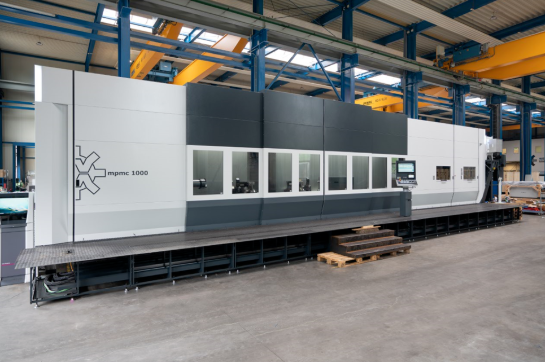
Deciding Between Custom Machines and Alternative Solutions
Here's the question that keeps manufacturing managers up at night: should you invest in custom CNC machines, modify standard equipment, or outsource your machining entirely? The answer isn't straightforward, and getting it wrong can mean either overspending on capabilities you don't need or underinvesting in equipment that limits your growth.
Before committing capital to any path, you need a structured framework for evaluating your options. How much does a CNC machine cost compared to the long-term expense of outsourcing? What production volumes justify equipment ownership versus paying per-part through a cnc service? These questions require honest assessment across multiple decision factors.
Build vs Buy vs Outsource Decision Matrix
The fundamental choice breaks down into three distinct paths, each with compelling advantages and significant trade-offs. Understanding these options requires looking beyond initial price tags toward total cost of ownership and strategic alignment with your manufacturing goals.
According to industry analysis, the real total cost of ownership for in-house CNC capabilities is far more complicated than most businesses initially realize. Beyond equipment purchase, you'll face extreme depreciation, regular maintenance, staff wages, and substantial electricity consumption, all quietly eroding profit margins.
Consider these key decision factors when evaluating your options:
- Production Volume Requirements: High-volume, consistent production favors equipment ownership, while variable or lower volumes often benefit from outsourced flexibility
- Part Complexity: Highly specialized geometries may require custom builds, while standard parts can leverage existing service provider capabilities
- Material Specifications: Exotic materials or specialized handling requirements might necessitate purpose-built equipment
- Tolerance Demands: Ultra-precision requirements often push toward custom machines with enhanced accuracy systems
- Budget Constraints: Available capital significantly influences whether ownership or service models make financial sense
| Decision Criteria | Custom Build | Modified Standard Machine | Outsourced Machining Service |
|---|---|---|---|
| Best For | Unique requirements no standard machine addresses; competitive advantage through proprietary capability | Specific enhancements needed but core requirements align with available equipment | Variable volumes; need for flexibility; focus on core competencies |
| Typical Capital Investment | High: Often exceeds mid-six figures; significant financial risk | Moderate: Base machine cost plus modification expenses | Minimal: Convert CapEx to OpEx; pay per part produced |
| Lead Time to Production | Longest: Custom engineering, component sourcing, assembly, testing | Moderate: Equipment availability plus modification timeline | Shortest: Leverage existing provider capabilities immediately |
| Long-term Operational Costs | Maintenance, skilled operators, facility costs, depreciation, utilities | Similar to custom but potentially lower initial engineering costs | Per-part pricing scales with demand; no fixed overhead burden |
| Quality Control | Full internal control; requires investment in metrology and QA staff | Internal control with standard equipment quality as baseline | Certified providers (ISO 9001, IATF 16949) deliver validated quality |
| Scalability | Requires additional equipment purchases for capacity increases | Limited by machine capability; expansion requires new purchases | Elastic capacity; providers absorb volume surges without client investment |
| Risk Profile | High: Equipment obsolescence, utilization uncertainty, maintenance liability | Moderate: Standard platform reduces some technology risk | Low: Providers absorb equipment, labor, and capacity risks |
Evaluating Your Custom CNC Needs
Sounds complex? Let's break it down into practical questions you can answer about your specific situation. The right choice depends heavily on your operational context, growth trajectory, and strategic priorities.
When equipment ownership makes sense:
Consider investing in custom or modified machines when your operations require daily design-validation prototyping cycles, when you've established a mature machining division with skilled technicians, or when mission-critical intellectual property demands full control and confidentiality. If you're running parts continuously and can guarantee equipment utilization above 70-80%, ownership economics typically favor in-house capabilities.
When outsourcing delivers better value:
Professional CNC machining services excel when you're facing volatile production volumes, seeking compressed lead times without capital expenditure, or requiring precision-tolerance components without internal quality infrastructure investments. Leading providers absorb scaling complexity through elastic capacity while mitigating workforce, equipment, and supply chain risks.
For many manufacturers, the decision isn't binary. You might maintain core capabilities in-house while leveraging cnc machining near me for overflow work, specialized operations, or rapid prototyping needs. Searching for cnc machine shops near me or machining shops near me can reveal local machine shops with complementary capabilities that extend your effective capacity without capital investment.
Online platforms have transformed procurement workflows, enabling instant quoting through cnc quote online systems that provide transparent pricing within minutes. These online machining quotes eliminate the traditional "black box" quoting process, giving you accurate cost data for informed decision-making. Many engineers now start their outsourcing evaluation by uploading CAD files to receive immediate feedback on manufacturability and pricing.
The Hidden Costs of Each Path
Before finalizing your decision, consider expenses that don't appear in initial quotes or equipment price tags:
- In-house ownership: Skilled programmer and operator salaries, benefits, and ongoing training; factory rent and utilities (CNC equipment draws substantial power); tool and supply inventory; software licenses for CAD/CAM systems; quality inspection equipment and calibration
- Outsourced services: Potential intellectual property exposure; communication overhead for complex specifications; shipping costs and lead time buffers; relationship management across multiple suppliers
The strategic decision framework ultimately comes down to where your organization creates value. If precision machining represents a core competency that differentiates your products, ownership investments align with your competitive strategy. If machining supports your core business but doesn't define it, converting capital expenditure into operational expenditure through professional services often delivers superior returns.
With your decision framework established, the next critical step involves understanding the technical specifications that define custom CNC equipment, whether you're commissioning a new machine or evaluating outsourced partner capabilities.
Key Technical Specifications for Custom CNC Projects
You've decided that custom CNC machines fit your manufacturing strategy. Now comes the critical question: what specifications actually matter when commissioning tailored equipment? Understanding these parameters prevents costly misalignments between your production requirements and delivered capabilities.
Whether you're working with a machine builder or evaluating precision machining services partners, speaking the language of technical specifications ensures you get exactly what your operation demands. Let's break down the essential parameters that define custom CNC equipment performance.
Critical Specifications for Custom CNC Machines
Every custom machine project starts with defining specifications that align with your production goals. These parameters form the foundation of your equipment design and directly influence project costs, lead times, and ultimate performance. Here are the specification categories you'll need to address:
- Bed Size and Work Envelope: The physical dimensions your machine can accommodate determine what parts you can produce. Work envelope refers to the total travel distance across all axes, essentially defining the maximum part size. Custom machines often feature non-standard envelopes, whether that means extended X-axis travel for long components or increased Z-axis clearance for tall workpieces. Remember that the relationship between bed size and usable work envelope matters. Fixturing, tool length, and spindle clearance all consume space within your theoretical maximum.
- Spindle Power and Speed Ranges: Your spindle configuration directly affects what materials you can cut and how efficiently you can remove material. Power ratings typically range from fractional horsepower for light-duty work to 50+ horsepower for aggressive metal machining operations. Speed ranges matter equally. Aluminum requires high RPM for optimal chip evacuation, while harder materials often demand lower speeds with higher torque. Custom spindle configurations match these requirements precisely to your material specifications.
- Control System Options: The brain of your CNC machine determines programming flexibility, automation integration, and operator interface. Major control manufacturers like Fanuc, Siemens, and Heidenhain offer varying capabilities at different price points. Custom machines may integrate specialized controls for specific applications or retrofit advanced controls onto purpose-built mechanical platforms.
- Material Handling Capabilities: How material enters and exits your machine significantly impacts throughput. Custom solutions often include automated loading systems, pallet changers, bar feeders, or robotic integration tailored to your specific workpiece geometry and production volumes. These systems transform standalone machines into integrated manufacturing cells.
- Structural Rigidity and Thermal Stability: The machine's physical construction affects every cnc cut you make. Heavy castings, granite composite bases, or polymer concrete foundations each offer different vibration dampening and thermal characteristics. When your cnc cutting requirements demand exceptional surface finishes or ultra-tight tolerances, structural specifications become paramount.
Understanding Tolerance Requirements
Tolerance specifications arguably influence custom CNC machine design more than any other factor. When your machined parts require precision beyond standard equipment capabilities, every aspect of machine construction must support those demands.
Two critical measurements define positioning performance:
- Positional Accuracy: How close the machine moves to a commanded position. Expressed in units like ±0.0001 inches or ±0.003mm, this specification indicates maximum deviation from programmed coordinates.
- Repeatability: How consistently the machine returns to the same position across multiple movements. Often tighter than accuracy specifications, repeatability matters most for production runs where dimensional consistency across parts outweighs absolute positional precision.
Here's what many buyers overlook: achieving and maintaining tight tolerances requires more than precise mechanical components. Environmental controls, thermal compensation systems, regular calibration protocols, and appropriate cutting parameters all contribute to actual machining performance. A machine capable of 0.0001-inch positioning in a climate-controlled showroom may struggle to maintain that precision in a hot, humid production environment.
Certification Standards and Quality Systems
When evaluating custom machine builders or cnc metal service providers, certifications provide meaningful quality indicators:
- ISO 9001:2015: The foundational quality management system certification demonstrates documented processes, consistent procedures, and commitment to continuous improvement. Virtually any serious manufacturing operation should hold this certification.
- IATF 16949: Specific to automotive supply chain requirements, this certification adds stringent process control, traceability, and quality documentation requirements. For chassis components, drivetrain parts, or any automotive application, working with IATF-certified partners reduces qualification complexity.
- AS9100: Aerospace-specific quality management adds requirements for product traceability, configuration management, and risk mitigation critical for flight-critical components.
These certifications matter because they indicate systematic approaches to quality rather than ad-hoc inspection. Statistical Process Control (SPC) implementation, documented measurement protocols, and traceable calibration records all flow from proper quality system adherence.
For custom machine procurement specifically, understanding how tolerance requirements cascade through your specifications helps control project costs. Specifying ±0.0005-inch tolerances when ±0.002 inches would satisfy functional requirements dramatically increases machine complexity and price. Start with functional requirements, then specify tolerances that actually matter rather than defaulting to the tightest numbers available.
With specifications clearly defined, the next consideration becomes understanding what the actual development process looks like, from initial consultation through final delivery and installation.
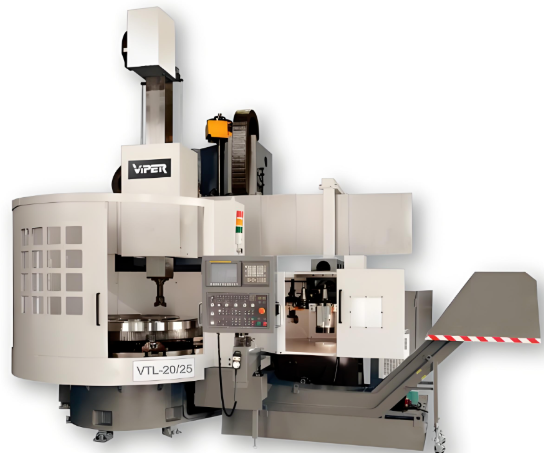
The Custom CNC Machine Development Process
You've defined your specifications and committed to a custom CNC machine project. Now what happens? Unlike ordering standard equipment with predictable delivery timelines, custom machine development follows a structured process that transforms your requirements into production-ready equipment. Understanding this journey helps set realistic expectations and ensures smoother collaboration with your machine builder.
Every great machine begins with a problem or opportunity. According to AHE Automation, the process from concept to commissioning involves technical complexity and human decision-making at every stage. Whether you're working with specialized cnc manufacturing shops or engaging a machinist near me for initial consultations, knowing what each phase entails prevents surprises and keeps your project on track.
The Custom Machine Development Timeline
Custom CNC machine projects typically progress through six distinct phases, each building on the previous stage. While timelines vary based on complexity, most projects span several months from initial consultation to production-ready equipment. Here's what to expect at each milestone:
- Requirements Gathering and Feasibility Analysis: This foundational phase involves detailed discussions about your production goals, part geometries, material specifications, and tolerance requirements. Engineers assess whether your requirements are technically achievable within budget constraints. Expect multiple conversations covering everything from daily production volumes to environmental conditions in your facility. This stage typically takes two to four weeks, with thorough documentation preventing costly redesigns later. Including software specialists from the outset helps clarify system requirements like I/O configurations, HMI interfaces, and safety interlocks.
- Design and Engineering: Once feasibility is confirmed, designers produce detailed schematics, 3D models, and electrical layouts. CAD software creates digital representations of every component, from the frame structure to the smallest fastener. Engineers run virtual stress tests simulating cutting forces, thermal expansion, and vibration patterns. This phase identifies potential problems before expensive physical prototypes are built. CNC prototyping of critical components may occur during this stage to validate design assumptions. Depending on machine complexity, engineering typically requires six to twelve weeks.
- Component Sourcing: With designs finalized, procurement begins for motors, drives, spindles, linear guides, ball screws, control systems, and structural materials. Lead times for precision components significantly impact overall project duration. Some items arrive within weeks, while specialized spindles or custom castings may require months. Experienced builders maintain supplier relationships that accelerate procurement, but exotic specifications inevitably extend timelines. Budget four to sixteen weeks for sourcing, depending on component availability.
- Assembly and Integration: This phase transforms components into a functioning machine. Frames are welded, stress-relieved, and precision-machined. Moving systems are installed and aligned. Electrical wiring connects motors, sensors, and controls. As industry experts note, every bolt, motor, and moving part must be aligned perfectly. If something is even slightly off, the machine won't perform as designed. Assembly duration ranges from four to twelve weeks based on machine size and complexity.
- Testing and Calibration: Before shipping, machines undergo Factory Acceptance Testing (FAT) in controlled environments. Axis alignment is verified using laser interferometers. Spindle runout and thermal characteristics are measured. Test cuts validate machining parts performance across representative materials. PLC code is downloaded, HMIs configured, and safety protocols tested. This rigorous validation ensures custom machined parts meet specifications before the machine leaves the factory. Testing typically requires two to four weeks.
- Installation and Training: On delivery day, technicians install, level, wire, and power up your machine on-site. Commissioning teams align software and hardware by adjusting timings, sensor thresholds, and operational parameters. Site Acceptance Tests (SAT) confirm performance in your actual production environment. Comprehensive operator training ensures your team can maximize equipment capabilities. Installation and training typically span one to three weeks, depending on machine complexity and integration requirements.
What to Expect During Your Project
Realistic timeline expectations prevent frustration and enable proper production planning. Total project duration from initial consultation to production-ready equipment typically ranges from six months for simpler modifications to eighteen months or longer for complex bespoke builds.
Several factors significantly influence project duration:
- Specification complexity: Ultra-tight tolerances, unusual axis configurations, or exotic material handling requirements extend engineering and testing phases
- Component availability: Standard components ship quickly, but specialized spindles, oversized linear guides, or custom castings may require extended lead times
- Integration requirements: Connecting with existing automation systems, factory networks, or proprietary software adds coordination complexity
- Approval cycles: Your internal review processes for design approval, change orders, and acceptance testing directly impact schedule
- Builder experience: Established cnc machining parts specialists with proven processes typically deliver faster than builders tackling unfamiliar requirements
Communication throughout the project prevents misunderstandings and enables timely course corrections. Request regular progress updates, participate in design reviews, and consider attending Factory Acceptance Testing to observe your machine's performance before shipping.
A commissioned machine is just the beginning. Ongoing maintenance, both preventative and predictive, keeps downtime low. Analytics from PLCs can identify wear patterns, inefficiencies, and bottlenecks before they become costly problems.
Documentation delivered with your machine should include code walkthroughs, maintenance manuals, logic flow diagrams, and operator guides. This investment in knowledge transfer ensures your team isn't just handed a new system but supported with deeper insight into its operation and maintenance requirements.
With development timelines understood, the next consideration becomes evaluating different paths to custom CNC capability, from fully bespoke builds to modified standard equipment and DIY solutions.
Custom Built vs Modified vs DIY CNC Solutions
You've mapped out your requirements, understood the development process, and now face a pivotal decision: which acquisition path actually makes sense for your situation? The answer varies dramatically depending on whether you're a hobbyist crafting weekend projects or an industrial manufacturer producing thousands of precision components monthly.
Three distinct approaches exist for obtaining custom CNC capabilities, each serving fundamentally different needs, budgets, and skill levels. Understanding how much does a CNC cost across these options helps you allocate resources effectively and avoid overspending on capabilities you won't use—or underinvesting in equipment that limits your potential.
Comparing Custom CNC Acquisition Paths
Let's examine each approach honestly, including trade-offs that equipment sellers rarely mention upfront.
Fully Custom-Built Machines represent the pinnacle of tailored manufacturing capability. Specialized manufacturers engineer these systems from the ground up around your specific requirements. When no existing platform addresses your production challenges, whether due to unique axis configurations, oversized work envelopes, or specialized material handling, fully custom builds deliver exactly what you need.
This path demands significant investment. According to industry pricing guides, entry-level CNC models cost a few thousand dollars, while sophisticated custom configurations can reach into the hundreds of thousands. The investment extends beyond purchase price to include extended engineering timelines, installation complexity, and specialized operator training.
Modified Standard Machines offer a middle ground that many manufacturers overlook. This approach starts with proven production equipment and adds aftermarket customizations addressing specific gaps. Extended beds, upgraded spindles, enhanced control systems, or specialized fixtures transform capable machines into tailored solutions.
Modifications leverage existing engineering while adding precisely the features you need. Lead times compress significantly compared to ground-up builds since you're not waiting for complete machine design and fabrication. However, base machine limitations constrain what's achievable—you can't fundamentally redesign a platform through modifications alone.
DIY and Kit-Based Solutions serve hobbyists, educational environments, and small operations with limited budgets. A hobby CNC machine or hobby CNC router built from kits provides hands-on learning alongside functional capability. These budget CNC machines offer entry points that would otherwise remain inaccessible.
As CNC specialists explain, buying a cnc kit router and assembling parts personally works well for small-size or simple-structure machines. Hobbyists or those wanting a DIY solution for home use can meet their demands through kit assembly. However, these machines typically handle only light-duty work and lack the rigidity for sustained production runs.
| Approach Type | Best For | Typical Investment Range | Lead Time | Key Considerations |
|---|---|---|---|---|
| Fully Custom-Built | Industrial manufacturers with unique requirements no standard machine addresses; operations seeking competitive advantage through proprietary capability | $75,000 to $500,000+ | 6-18 months from consultation to production | Requires clear specifications upfront; extensive engineering collaboration; long-term maintenance planning; skilled operators essential |
| Modified Standard Machine | Manufacturers needing specific enhancements while core requirements align with available equipment; faster deployment than custom builds | $25,000 to $150,000 (base plus modifications) | 2-6 months depending on modification complexity | Base machine quality determines upgrade ceiling; aftermarket support varies; integration complexity with existing systems |
| DIY/Kit-Based | Hobbyists, makers, educational settings, prototyping labs, small workshops with limited budgets seeking the cheapest CNC router options | $500 to $10,000 | Days to weeks for assembly | Limited to light-duty work; requires technical assembly skills; ongoing troubleshooting likely; not suited for production environments |
Pros and Cons of Each Approach
When you're wondering how much does cnc machine cost for your specific situation, the comparison reveals important trade-offs beyond simple price tags.
Fully Custom-Built Machines
Pros:
- Precisely matched to your production requirements without compromise
- Potential competitive advantage through capabilities competitors lack
- Purpose-built reliability when designed around your specific materials and tolerances
- Long-term efficiency gains from optimized workflow integration
Cons:
- Highest capital investment with significant financial risk
- Extended lead times delay production capability
- Specialized training requirements for operators and maintenance staff
- Limited resale value if production needs change
Modified Standard Machines
Pros:
- Proven base platform reduces engineering risk
- Faster deployment than ground-up custom builds
- Existing documentation, training resources, and spare parts availability
- Flexibility to add modifications incrementally as needs evolve
Cons:
- Inherent platform limitations constrain customization potential
- Modifications may void manufacturer warranties
- Integration challenges between original and aftermarket components
- Potential compatibility issues with future upgrades
DIY and Kit-Based Solutions
Pros:
- Lowest barrier to entry—how much is a CNC machine becomes an accessible question
- Hands-on learning builds deep machine understanding
- Complete customization control over every component choice
- Strong sense of accomplishment from successful assembly
Cons:
- Small sizes and simple functions limit production capability
- Assembly requires significant time investment and technical knowledge
- Quality depends entirely on builder skill and component selection
- Limited support when problems arise—troubleshooting falls on you
The path you choose should align with both your current needs and realistic growth projections. A hobby CNC router serves weekend projects beautifully but will never handle production volumes. Conversely, commissioning a fully custom industrial machine for occasional prototyping wastes capital that could fund years of outsourced machining services.
Consider where you'll be in three to five years, not just today. If your production volumes are growing steadily and tolerances are tightening, investing in capable equipment now prevents costly upgrades later. If demand remains uncertain, preserving capital flexibility through lower-investment options or outsourcing may prove wiser.
With your acquisition path selected, the final step involves translating decisions into action—whether that means commissioning custom equipment, engaging machining services, or launching a DIY build project.
Moving Forward with Your Custom CNC Project
You've absorbed the fundamentals of custom CNC machines, explored axis configurations, evaluated acquisition paths, and understood technical specifications. Now comes the most important phase: translating knowledge into action. Whether you're commissioning purpose-built equipment, searching for cnc services near me, or exploring outsourced machining partnerships, clear next steps prevent analysis paralysis and move your project forward.
The journey from concept to factory floor looks different for every manufacturer. Your production volumes, tolerance requirements, and strategic priorities shape which path delivers the best return on investment. Let's break down actionable guidance tailored to your specific situation.
Taking the Next Step with Custom CNC
Different readers arrive at this point with vastly different needs. Here's what comes next based on where you stand:
If you're considering custom machine builds:
- Document your production requirements thoroughly before approaching builders—part geometries, materials, tolerance specifications, daily volumes, and integration requirements
- Request consultations from multiple specialized manufacturers to compare engineering approaches and cost structures
- Plan for realistic timelines: six to eighteen months from initial consultation to production-ready equipment
- Budget beyond equipment purchase for installation, training, tooling, and first-year maintenance
- Verify builder references by speaking with existing customers running similar applications
If you're evaluating outsourced machining services:
- Prepare CAD files and detailed specifications to request accurate quotes from multiple providers
- Prioritize certified manufacturers—ISO 9001 as baseline, IATF 16949 for automotive applications, AS9100 for aerospace components
- Assess scalability: can the partner handle both prototype quantities and eventual production volumes?
- Evaluate lead time capabilities relative to your production schedules and customer commitments
- Request sample parts or pilot runs before committing to volume production
If you need rapid prototyping capabilities:
- Look for partners offering fast turnaround—some precision cnc machining services deliver within days rather than weeks
- Confirm the provider's experience with your specific materials and tolerance requirements
- Evaluate their Design for Manufacturability feedback—as industry experts note, the best partners will review your design and suggest improvements that reduce manufacturing costs
- Ensure prototyping capabilities align with eventual production methods to prevent redesign when scaling
Finding the Right Manufacturing Partner
For many manufacturers, outsourcing precision CNC machining services offers advantages over equipment ownership: converted capital expenditure to operational expenses, elastic capacity scaling, and access to specialized capabilities without internal investment. But finding machinist shops near me that deliver consistent quality requires careful vetting.
When evaluating potential partners, prioritize these factors:
- Certifications and quality systems: Look beyond basic ISO 9001 compliance. For automotive components, IATF 16949 certification indicates rigorous process controls, statistical process monitoring, and traceability systems that prevent defects before they reach your assembly line.
- Technical capabilities: Verify equipment lists, axis configurations, and material experience. A cnc shop near me might excel at aluminum prototypes but lack capacity for production titanium work.
- Scalability: According to manufacturing specialists, working with the right partner can significantly mitigate risks because they bring design optimization expertise that helps refine your prototype for cost-effective and scalable production.
- Lead time reliability: Request references specifically addressing on-time delivery performance. Missed deadlines cascade through your production schedule.
- Communication responsiveness: How quickly do they return quotes? Do they proactively flag potential issues? Partners who communicate poorly during quoting rarely improve after receiving orders.
For readers exploring outsourced cnc turning services and precision machining for automotive applications, Shaoyi Metal Technology exemplifies the certified partner approach. Their IATF 16949 certification and Statistical Process Control implementation deliver high-tolerance components with lead times as fast as one working day. Whether you need complex chassis assemblies or custom metal bushings, their scalable solutions support everything from rapid prototyping through mass production volumes.
The strategic question isn't whether to pursue custom CNC capabilities—it's determining which path aligns with your operational reality and growth trajectory.
Remember the core insight from this guide: custom CNC machines exist to solve problems that standard solutions cannot address. Whether that means commissioning purpose-built equipment, modifying existing platforms, or partnering with specialized machining services, the right choice depends on your unique production requirements, capital position, and strategic priorities.
Start by honestly assessing where precision machining fits within your competitive strategy. If it represents a core differentiator, investment in custom equipment may deliver lasting advantages. If machining supports your core business without defining it, converting fixed costs to variable expenses through trusted cnc near me partners often proves wiser.
The path from concept to factory floor demands informed decisions at each stage. Armed with the knowledge from this guide, you're equipped to navigate that journey confidently—whether you're specifying your first custom machine or selecting a precision cnc machining services partner to scale your production capabilities.
Frequently Asked Questions About Custom CNC Machines
1. How much does custom CNC machining cost?
Custom CNC machining costs vary significantly based on machine type, complexity, and specifications. Entry-level CNC models start around a few thousand dollars, while sophisticated custom configurations can reach hundreds of thousands. Hourly machining rates typically range from $50 to $150 depending on equipment and precision requirements. For outsourced services, per-part pricing offers flexibility without capital investment, making it ideal for variable production volumes.
2. Is it cheaper to build your own CNC?
Building your own CNC machine costs less in materials compared to purchasing finished equipment, but requires significant time investment for design, assembly, and tuning. DIY solutions work well for hobbyists and light-duty applications with budgets between $500 and $10,000. However, production environments typically require professionally built or modified machines to ensure reliability, precision, and consistent performance under demanding conditions.
3. How much does a personal CNC machine cost?
Personal CNC machine prices range widely based on capability and build quality. Entry-level hobby CNC routers start between $500 and $5,000 for kit-based solutions. Mid-range machines suitable for small businesses range from $5,000 to $20,000, while professional-grade equipment with enhanced features costs $20,000 to $75,000 or more. The right choice depends on your material requirements, tolerance needs, and production volumes.
4. What is the hourly rate for a CNC machine?
CNC machine hourly rates range from $25 to $150 depending on machine type, complexity, and location. Basic 3-axis machines typically charge $25 to $50 per hour, while advanced 5-axis equipment commands $75 to $150 per hour. These rates reflect equipment costs, operator expertise, and precision capabilities. For certified manufacturers with IATF 16949 certification, rates may be higher but include quality assurance and traceability documentation.
5. When should I choose a custom CNC machine over standard equipment?
Custom CNC machines become necessary when standard equipment cannot meet your specific requirements—whether due to oversized work envelopes, unique axis configurations, specialized material handling, or ultra-tight tolerances. Industries like aerospace, medical device manufacturing, and automotive production often require customization to achieve precision measured in ten-thousandths of an inch or to handle proprietary processes that provide competitive advantages.