 Small batches, high standards. Our rapid prototyping service makes validation faster and easier —
  EN
EN


Custom Machining Parts Decoded: From Material Selection To Final Inspection
What Makes Custom Machining Parts Different From Standard Components
Ever found yourself searching for a component that fits your exact specifications, only to discover that nothing off the shelf quite works? You're not alone. This is precisely where custom machining parts enter the picture, offering solutions that generic components simply cannot match.
Defining Custom Machining Parts
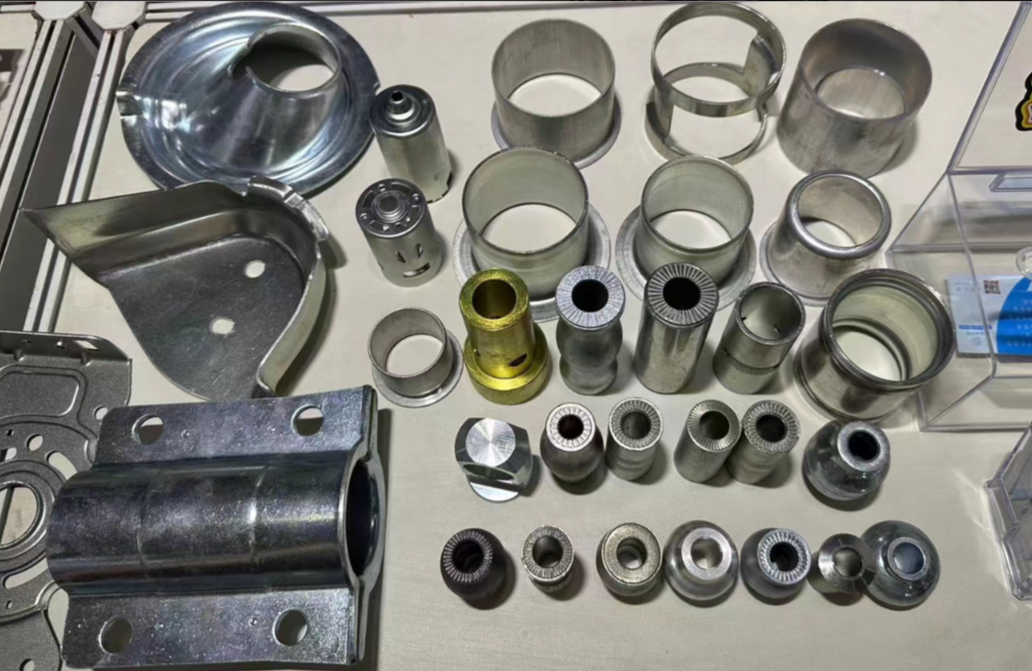
Custom machined parts are unique components manufactured to specific customer requirements using precision machining services. Unlike mass-produced alternatives, these parts are crafted according to precise drawings, tolerances, and material selections that ensure a perfect fit for their intended application. Think of them as tailored suits for machinery - every dimension, feature, and finish is designed with your exact needs in mind.
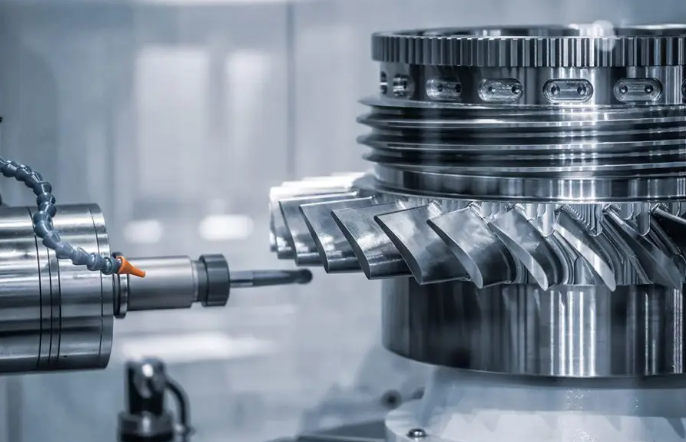
The production process involves removing material from raw stock using cutting tools, resulting in components with complex geometries and tailored functionality. Whether you need a single prototype or a small batch of specialized components, a custom machine approach gives you complete control over quality and performance.
- Unique specifications: Every dimension matches your exact design requirements
- Tight tolerances: Precision that mass production cannot consistently achieve
- Specialized materials: Full control over material selection based on application demands
- Application-specific design: Components engineered for optimal performance in their intended environment
Custom vs Standard Components
So what's the real difference? Standard off-the-shelf components are manufactured in high volumes with standardized dimensions and features. They offer convenience and lower upfront costs, but they come with significant limitations. According to industry research, 1 in 5 consumers are willing to pay a 20% premium for personalized goods or services - a testament to the value of customization.
Custom components, on the other hand, eliminate the guesswork. They're produced to match your exact specifications, ensuring proper alignment, reduced vibration and wear, and improved mechanical efficiency. While off-the-shelf parts might save money initially, custom metal parts often prove more cost-effective over time by avoiding costly replacements and reducing equipment downtime.
Material choice represents another crucial advantage. Custom machining allows you to select specific materials - whether high-strength alloys, corrosion-resistant metals, or lightweight alternatives - that might simply not be available in pre-made components. This flexibility is essential when durability, weight, or compatibility with other materials matters.
When Precision Matters Most
Why do engineers and product developers consistently choose machined parts over standard alternatives? The answer lies in performance-critical applications. When you're developing specialized industrial equipment, creating replacement parts for discontinued machinery, building prototypes, or engineering performance upgrades, generic solutions fall short.
Custom machined parts shine in scenarios where:
- Standard parts don't meet dimensional or performance requirements
- Equipment performance needs significant improvement
- Original equipment manufacturer (OEM) parts are unavailable or discontinued
- Precision and durability are non-negotiable
- Complex internal geometries or unique shapes are required
Industries from aerospace to medical devices rely on precision machining services because these sectors demand accuracy that mass production cannot consistently deliver. The ability to achieve tighter tolerances, create complex geometries impossible through other manufacturing methods, and select optimal materials makes custom machining indispensable for innovation and product differentiation.
Core Machining Processes Behind Custom Part Production
Now that you understand what sets custom machining apart, let's explore how these precision components actually get made. Each machining process offers distinct advantages depending on your part's geometry, material, and tolerance requirements. Understanding these methods helps you make smarter decisions when specifying your next project.
CNC Milling Explained
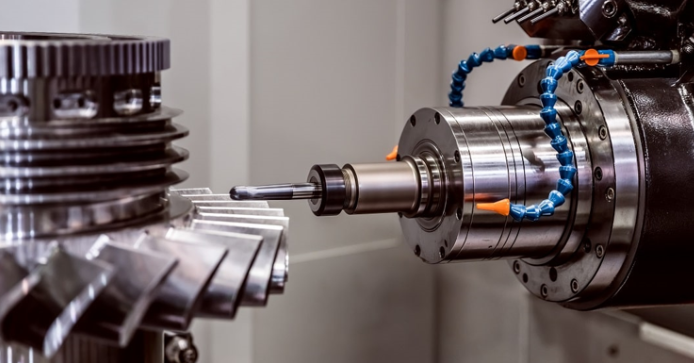
CNC milling is the workhorse of custom part production. Imagine a rotating cutting tool moving across a stationary workpiece, removing material layer by layer until your design emerges. That's the essence of how cnc cuts transform raw stock into precision components.
The process comes in several configurations based on complexity:
- 3-axis milling: The cutting tool moves along X, Y, and Z axes - perfect for flat surfaces, pockets, and straightforward geometries
- 4-axis milling: Adds rotational movement around one axis, enabling cnc cutting on multiple sides without repositioning
- 5-axis milling: Simultaneous movement along all five axes allows machining of complex contours, undercuts, and intricate features in a single setup
When should you choose milling? This process excels at creating cnc milled parts with flat surfaces, complex pockets, slots, and angular features. It's ideal for brackets, housings, mounting plates, and components requiring multiple machined faces. The ability to work with virtually any machinable material - from aluminum to hardened steel - makes milling incredibly versatile for cnc prototyping and production runs alike.
Turning Operations for Cylindrical Parts
What if your component is round? That's where cnc turning takes center stage. Unlike milling, turning rotates the workpiece while a stationary cutting tool shapes it. This method is fundamentally different in approach but equally precise in results.
CNC turned parts include shafts, pins, bushings, fittings, and any component with rotational symmetry. The process handles everything from simple cylinders to complex profiles with grooves, threads, and tapered sections. Modern CNC lathes equipped with live tooling can even perform milling operations, creating hybrid parts that would otherwise require multiple setups.
The efficiency of cnc turning makes it particularly cost-effective for cylindrical components. Since the cutting action is continuous rather than intermittent, material removal rates are typically higher than milling for appropriate geometries. This translates to faster cycle times and lower per-part costs when your design suits the process.
Advanced Processes for Complex Geometries
Sometimes conventional cnc cutting reaches its limits. What happens when you need razor-sharp internal corners, extremely hard materials, or features that cutting tools simply cannot access? Advanced processes fill these gaps.
Electrical Discharge Machining (EDM) provides solutions when milling just won't cut it. According to Makino, EDM uses energized spark erosion to machine conductive materials of any hardness with extreme precision. The process excels at creating intricate geometries that would be difficult or impossible through traditional methods.
EDM comes in three primary forms:
- Wire EDM: Uses a thin wire electrode to cnc cut complex profiles and contours with exceptional accuracy
- Sinker EDM: Employs a shaped electrode to create cavities and complex internal features in hardened materials
- EDM hole drilling: Produces fast, accurate small-diameter holes in any conductive material
Precision grinding serves as the finishing touch for components requiring superior surface quality or extremely tight tolerances. While not a primary shaping process, grinding removes minimal material to achieve mirror-like finishes and dimensional accuracy beyond what cutting operations alone can deliver. It's essential for bearing surfaces, sealing areas, and precision fits.
Metal punching, while not a machining process per se, sometimes complements these methods for sheet metal components requiring holes or cutouts in high volumes.
| Process Type | Best Applications | Typical Tolerances | Material Compatibility | Relative Cost |
|---|---|---|---|---|
| CNC Milling (3-axis) | Flat surfaces, pockets, simple geometries | ±0.005" (0.127mm) | All machinable metals and plastics | Low to Medium |
| CNC Milling (5-axis) | Complex contours, undercuts, aerospace parts | ±0.002" (0.05mm) | All machinable metals and plastics | Medium to High |
| CNC Turning | Cylindrical parts, shafts, fittings, threads | ±0.005" (0.127mm) | All machinable metals and plastics | Low to Medium |
| Wire EDM | Complex profiles, hard materials, fine details | ±0.0002" (0.005mm) | Conductive materials only | High |
| Sinker EDM | Cavities, internal features, mold making | ±0.0005" (0.013mm) | Conductive materials only | High |
| Precision Grinding | Fine finishes, tight tolerances, bearing surfaces | ±0.0001" (0.0025mm) | Metals and some ceramics | Medium to High |
Choosing the right process - or combination of processes - depends on your specific requirements. Simple geometries with standard tolerances might only need basic 3-axis milling. Complex aerospace components might require 5-axis milling followed by EDM for specific features and grinding for critical surfaces. Understanding these options empowers you to work more effectively with your machining partner and optimize both quality and cost.
Material Selection Guide for Custom Machined Components
You've got the perfect design and selected the ideal machining process. Now comes a decision that can make or break your project: what material should you use? Material selection isn't just about picking something strong enough - it's about matching properties to performance requirements while keeping machinability and cost in check.
Metal Selection for Strength and Durability
Metals remain the backbone of custom machining parts, offering unmatched combinations of strength, durability, and thermal performance. But with dozens of alloys available, how do you choose the right one?
Aluminum alloys dominate custom machining for good reason. According to Xometry, aluminum's lightweight nature and excellent thermal conductivity make it ideal for producing high-precision parts efficiently. Popular grades include:
- 6061: The go-to general-purpose alloy with excellent weldability and corrosion resistance
- 7075: High-strength aluminum with zinc and magnesium, offering tensile strength up to 540 MPa - perfect for aerospace applications
- 2024: Copper-enhanced alloy suited for high-speed machining and threading operations
Steel and stainless steel step in when strength and wear resistance matter most. Carbon steels like C45 deliver high tensile strength for demanding structural applications, while stainless grades provide corrosion resistance for harsh environments. Austenitic stainless steels (304, 316) offer good machinability combined with excellent corrosion protection, though they require slower cutting speeds than aluminum.
Titanium offers an exceptional strength-to-weight ratio - roughly 40% lighter than steel at comparable strength levels. Grade 5 titanium (Ti-6Al-4V) combines 6.75% aluminum and 4.5% vanadium, providing more strength than pure titanium while maintaining excellent machinability. Medical implants and aerospace components frequently specify titanium for its biocompatibility and durability.
When machining bronze and brass, you'll find excellent freedom of cutting and natural corrosion resistance. Brass machines beautifully with superior chip formation, making it cost-effective for fittings, valves, and decorative components. Bronze alloys excel in bearing and bushing applications where self-lubrication matters.
Engineering Plastics and Their Advantages
Not every application demands metal. Engineering plastics offer lighter weight, natural lubricity, and often superior chemical resistance - all while being more economical to machine.
Delrin material (also known as polyacetal delrin or POM-H) stands out as perhaps the most machinable plastic available. This acetal plastic delivers exceptional dimensional stability, low friction, and impressive wear resistance. Machinists often consider delrin plastic their preferred material because it produces clean chips, holds tight tolerances, and yields excellent surface finishes without extra effort.
But when should you choose delrin versus alternatives? According to Interstate Plastics, the decision often comes down to environment and load requirements:
- Delrin (POM-H): Choose for highest strength, best machinability, and heavy-load applications like precision gears and bushings
- Acetal copolymer (POM-C): Better for parts requiring tight tolerances in moist or chemically exposed environments - no centerline porosity makes it ideal for thick parts
- Nylon for machining: Superior choice for large, heavy-duty parts needing maximum toughness and wear life in dry conditions
Here's a key distinction: polyacetal (both homopolymer and copolymer) absorbs minimal moisture, maintaining dimensional stability in humid conditions. Nylon, while offering higher ultimate tensile strength when dry, swells and changes properties as it absorbs moisture - sometimes by several percent.
Polycarbonate brings exceptional impact resistance to the table. It's naturally translucent and often substitutes for glass where shatter resistance matters. For applications requiring optical clarity combined with toughness, polycarbonate excels.
PEEK (polyether ether ketone) represents the high-performance end of engineering plastics. It maintains chemical resistance at elevated temperatures, resists fatigue and stress-cracking, and handles radiation exposure - making it suitable for demanding aerospace and medical applications where other plastics fail.
Specialty Alloys for Demanding Applications
Some applications push beyond what standard materials can handle. That's where specialty alloys earn their place.
Kovar solves a problem that plagued engineers for decades: creating reliable seals between glass and metal. According to Premium Parts, Kovar's composition - roughly 17% cobalt, 29% nickel, and 53% iron - gives it thermal expansion properties matching glass. This makes it indispensable for hermetic seals in electronics, medical devices like pacemakers, and aerospace sensors.
However, Kovar machining presents challenges. The alloy work-hardens rapidly during cutting, meaning the surface hardens immediately under heat and pressure. This demands sharp carbide tooling, slower cutting speeds, and generous coolant application. Tool wear is significantly higher than when machining aluminum or brass, so expect increased tooling costs.
Nitronic 60 delivers exceptional wear and galling resistance - critical for components that slide against other metal surfaces. Unlike standard stainless steels that can seize or gall under pressure, Nitronic 60 maintains smooth operation even in demanding valve and pump applications.
| Material | Key Properties | Machinability | Common Applications | Cost Tier |
|---|---|---|---|---|
| Aluminum 6061 | Lightweight, corrosion resistant, weldable | Excellent | Brackets, housings, general components | Low |
| Aluminum 7075 | High strength (540 MPa), fatigue resistant | Good | Aerospace structures, high-stress parts | Medium |
| Stainless Steel 304 | Corrosion resistant, food-safe | Moderate | Food equipment, medical devices | Medium |
| Titanium Grade 5 | High strength-to-weight, biocompatible | Difficult | Aerospace, medical implants | High |
| Brass | Corrosion resistant, excellent machinability | Excellent | Fittings, valves, decorative parts | Medium |
| Delrin (POM-H) | Low friction, dimensionally stable, strong | Excellent | Gears, bushings, precision parts | Low |
| Nylon 6/6 | High strength, wear resistant, tough | Moderate | Bearings, wear pads, structural parts | Low |
| PEEK | High-temp, chemical resistant, strong | Good | Aerospace, medical, semiconductor | Very High |
| Kovar | Matches glass thermal expansion | Difficult | Hermetic seals, electronics | High |
| Nitronic 60 | Galling resistant, wear resistant | Moderate | Valves, pumps, sliding components | High |
What ultimately drives material selection? Start with functional requirements - strength, weight, corrosion resistance, thermal properties. Then consider machinability's impact on cost and lead time. Finally, factor in material availability and price volatility. The "best" material balances all these factors against your specific application needs, not just the datasheet specifications.
Tolerance Specifications and Surface Finish Requirements
You've selected your material and machining process. Now comes a decision that directly impacts both your budget and part performance: how precise does your component really need to be? Tolerances and surface finishes are where engineering requirements meet manufacturing reality - and where many projects go wrong by specifying more precision than necessary.
Understanding Tolerance Grades
What exactly is a tolerance? Simply put, it's the controlled allowance for deviation from a specified dimension. No machining process produces perfectly dimensioned parts - tolerances acknowledge this reality while ensuring components still function as intended.
According to First Mold, tolerances define the acceptable range for deviation from the perfect form of a geometrical product. For example, if a part is designed with a nominal size of 50 mm and a tolerance of ±0.1 mm, the finished part can measure anywhere between 49.9 and 50.1 mm and still be acceptable.
International standards like ISO 2768 categorize tolerances into distinct classes, making specification straightforward:
- Fine (f): ±0.05 to ±0.15 mm depending on dimension - for precision fits and critical assemblies
- Medium (m): ±0.1 to ±0.3 mm - the most common grade for general machining applications
- Coarse (c): ±0.2 to ±0.8 mm - suitable for non-critical dimensions and structural components
- Very coarse (v): ±0.5 to ±1.5 mm - for rough castings or dimensions without functional importance
So what is the tolerance for thread holes and similar features? Thread tolerances follow separate standards, with typical classes ranging from 6H (standard) to 4H (precision) for internal threads. When specifying threaded features like 3/8 NPT thread dimensions or determining the 1 4 NPT hole size, standard thread tolerance charts provide specific allowances. Similarly, the through hole for a 4 M bolt follows established clearance hole standards that balance assembly ease with positional accuracy.
Beyond simple dimensional tolerances, Geometric Dimensioning and Tolerancing (GD&T) addresses the shape, orientation, and location of features. Where conventional tolerancing focuses on size, GD&T uses symbols to specify tolerances for flatness, concentricity, true position, and other geometric characteristics. This advanced approach ensures parts meet complex design requirements that simple plus/minus tolerances cannot capture.
Surface Finish Specifications Explained
Surface finish describes the texture of a machined surface - and it matters more than many engineers realize. According to the GD&T Basics reference, surface finish comprises three elements: roughness, lay, and waviness. However, most specifications focus on roughness, the small irregularities that determine how a surface feels and performs.
The two most common roughness parameters you'll encounter are:
- Ra (Average Roughness): The arithmetic average of surface height variations from the mean line - commonly used in the United States
- Rz (Mean Roughness Depth): The average of the five highest peak-to-valley measurements - commonly used internationally
What do these numbers actually mean? Since Ra represents average values while Rz measures maximum variations, Rz is almost always greater than Ra for the same surface. As a rough rule, Rz can be up to 7 times higher than Ra, though this varies with surface uniformity.
Surface finishes are measured in micro-inches (µin) in the United States or micrometers (µm) internationally. Common specifications include:
- 125 µin (3.2 µm) Ra: Standard machined finish - suitable for most general applications
- 63 µin (1.6 µm) Ra: Fine machined finish - appropriate for bearing surfaces and precision fits
- 32 µin (0.8 µm) Ra: Very smooth finish - required for sealing surfaces and precision sliding components
- 16 µin (0.4 µm) Ra: Ground or polished finish - necessary for optical or high-precision applications
Different machining processes produce different surface finishes naturally. Milling and turning typically achieve 63-125 µin Ra, while grinding can reach 8-32 µin Ra. Specifying finishes beyond a process's natural capability requires additional operations - and additional cost.
Balancing Precision and Cost
Here's where many projects go off track. Tighter tolerances and smoother surface finishes sound better on paper, but they come with real consequences.
Over-specifying tolerances is one of the most common and costly mistakes in custom machining. Tighter tolerances demand slower machining speeds, specialized tooling, more frequent tool changes, and intensive inspection - all of which increase costs without improving part function.
According to GD&T Basics, if your desired end-product does not require high tolerance values such as ±0.002mm, machinists can deliver the part in less time and charge you significantly less. The key is matching precision to actual functional requirements.
Consider these cost implications:
- Machining time: Tighter tolerances require slower feeds and speeds, increasing cycle time per part
- Tooling costs: Precision work demands higher-quality cutting tools that wear faster and cost more to replace
- Inspection burden: Parts with tight tolerances require CMM measurement rather than simple gauge checks
- Rejection rates: Narrower acceptable ranges mean more parts fall outside specification
The same logic applies to surface finishes. A designer could specify 32 Ra when 125 Ra would function perfectly well - but that decision adds grinding or polishing operations, increasing both lead time and cost. As one industry expert notes, if a surface can function acceptably at 500 Ra, stating that on the drawing prevents quality personnel from rejecting perfectly functional parts.
How do you find the right balance? Start by identifying which dimensions truly matter for function, fit, or assembly. Apply tight tolerances only to critical features - mating surfaces, bearing fits, and precision alignments. Let non-critical dimensions float with standard machining tolerances. Similarly, specify demanding surface finishes only where sealing, friction, or appearance requires them.
Material properties also influence achievable tolerances. Metals like aluminum and brass hold tighter tolerances more easily than plastics, which may creep or warp. Harder materials like titanium or hardened steel require specialized approaches. Understanding these material behaviors helps you specify tolerances that are both necessary and achievable without excessive cost.
The bottom line? Precision costs money. Invest it where it matters for your application, and save it everywhere else. Your machining partner will thank you - and your budget will too.
Choosing Between CNC Machining and Alternative Manufacturing Methods
You've nailed down your material and tolerance requirements. But here's a question that could save you thousands: is CNC machining actually the right manufacturing method for your project? Sometimes it is. Sometimes it isn't. The answer depends on volume, complexity, material needs, and budget - and getting it wrong can be expensive.
Let's break down when cnc machining parts makes sense versus when alternative methods deliver better value.
CNC Machining vs 3D Printing
These two technologies seem to compete directly, but they actually serve different sweet spots. Understanding where each excels helps you make smarter decisions.
CNC machining removes material from solid blocks using precision cutting tools. The result? Parts with excellent mechanical properties, tight tolerances, and superior surface finishes. You're working with the actual production material - not a printed approximation of it.
3D printing (additive manufacturing) builds parts layer by layer from powder or filament. It excels at complex geometries that would be impossible to machine - internal channels, organic shapes, and lattice structures. According to Makerverse, the choice between these processes depends heavily on your specific requirements for geometry, material, and volume.
When should you choose each method?
- Choose CNC for: Functional prototypes requiring real material properties, parts needing tight tolerances (±0.005" or better), metal components, and production quantities from 1 to several thousand
- Choose 3D printing for: Concept models and visual prototypes, extremely complex internal geometries, one-off parts where material properties are less critical, and titanium DMLS/CNC hybrid approaches for aerospace
Here's the practical reality: prototype machining delivers parts that behave exactly like production components because they're made from production materials using production processes. A cnc prototype in aluminum or steel gives you functional testing data you can trust. 3D printed prototypes excel at form and fit verification but may not represent final mechanical performance.
Cost dynamics differ significantly too. 3D printing has minimal setup costs - just upload and print. CNC requires programming and fixturing. But as quantities increase, CNC's faster cycle times often make it more economical. For most functional parts beyond 10-20 units, cnc plastic machining or aluminum machining typically wins on cost per part.
When Injection Molding Makes Sense
Injection molding represents mass production's heavyweight champion. But it comes with a catch that trips up many projects.
According to QDJ Prototype, injection molding works like a waffle iron - molten plastic or metal gets squeezed into custom molds, then pops out as identical parts. The per-part cost plummets at scale. But here's the catch: molds cost thousands upfront, with the breakeven point typically around 1,000 units.
The decision framework is straightforward:
- Below 500 units: CNC machining almost always wins on total cost
- 500-1,000 units: The gray zone - run the numbers for your specific part
- Above 1,000 units: Injection molding starts delivering significant per-unit savings
- Above 10,000 units: Injection molding becomes dramatically cheaper
But volume isn't the only consideration. Injection molding limits material choices and requires design-for-molding considerations like draft angles and uniform wall thickness. CNC handles exotic materials and complex features that molding cannot. As one industry engineer notes, "Designing for molding? Avoid undercuts. They trap parts in molds."
Here's a hybrid approach worth considering: CNC machine your prototypes, validate the design, then CNC machine the mold itself before transitioning to injection molding for volume production. According to industry data, 78% of mold shops use CNC for mold creation - it's faster than EDM or hand carving.
Casting Alternatives for Volume Production
When you need metal parts in medium to high volumes, casting methods offer alternatives worth evaluating against CNC machining.
According to MG Precision, different casting processes serve different needs:
- Die casting: Best for 2,000+ units with tolerances of ±0.002" (±0.1mm) - Ford die-casts 90% of transmission cases using this method
- Investment casting: Handles complex geometries with tolerances of ±0.003" to ±0.005" - ideal for under 1,000 intricate parts
- Sand casting: Lowest tooling costs ($800-$4k) but looser tolerances (±0.5-3.0mm) - suitable for larger parts where precision is less critical
The tradeoff? Castings typically require secondary CNC machining to achieve final tolerances on critical surfaces. A cast housing might be 90% complete from the mold, with CNC finishing the bearing bores and mounting faces. This hybrid approach often delivers the best economics for medium-volume production.
| Method | Ideal Volume Range | Material Options | Lead Time | Unit Cost Trend | Best For |
|---|---|---|---|---|---|
| CNC Machining | 1 - 5,000 | All machinable metals and plastics | Days to weeks | Flat - consistent per unit | Prototypes, low-medium volume, precision parts |
| 3D Printing (FDM/SLS) | 1 - 100 | Limited plastics and metals | Hours to days | Flat - consistent per unit | Visual prototypes, complex geometries |
| 3D Printing (DMLS) | 1 - 50 | Titanium, steel, aluminum | Days to weeks | High but flat | Aerospace, complex metal geometries |
| Injection Molding | 1,000+ | Thermoplastics, some metals (MIM) | Weeks (tooling) + days | Drops sharply with volume | High-volume plastic parts |
| Die Casting | 2,000+ | Aluminum, zinc, magnesium | 4-6 weeks (tooling) | Drops with volume | High-volume metal housings |
| Investment Casting | 100 - 1,000 | Most metals including exotic alloys | 2-4 weeks | Moderate, drops slightly | Complex metal parts, medium volume |
| Sand Casting | 1 - 500 | Ferrous and non-ferrous metals | 1-5 weeks | Low setup, moderate per unit | Large parts, low-medium volume |
What's the bottom line? Start by asking three questions: How many parts do you need? What material properties are essential? How tight are your tolerance requirements? CNC machining wins for precision, material flexibility, and volumes under a few thousand. Injection molding and casting take over when volumes climb and designs stabilize. And 3D printing fills the gap for complex geometries and rapid concept validation.
One client learned this the hard way - spending $22,000 molding 300 units when CNC would have saved $15,000. Don't repeat that mistake. Match your manufacturing method to your actual requirements, not your assumptions about what "should" be cheapest.
Understanding Custom Machining Costs and Pricing Factors
Ever wondered how much it costs to get a metal part made? You're not alone. Pricing for machining parts remains one of the least transparent aspects of custom manufacturing. Unlike buying off-the-shelf components with fixed prices, custom work involves numerous variables that shape your final quote. Understanding these factors empowers you to make smarter design decisions and communicate more effectively with your machining partner.
Let's decode what actually drives the numbers on that cnc quote online you just received.
Key Cost Drivers in Custom Machining
When you request online machining quotes, the price you see reflects a complex calculation involving multiple factors. According to Komacut, everything from material selection to design complexity directly impacts machinist metal cost. Here's how these factors typically rank by their impact on your final pricing:
- Material selection and usage: The raw material itself represents a significant portion of your quote. Titanium costs dramatically more than aluminum - both for the stock material and because harder materials demand slower machining speeds and cause faster tool wear. Choosing aluminum 6061 over stainless steel can slash material costs substantially while still meeting many application requirements.
- Machining time and complexity: How long your part spends on the machine directly affects cost. Complex geometries with tight internal corners, deep pockets, or intricate features require slower feed rates and more tool changes. A simple bracket might take 15 minutes to machine; a complex housing with multiple features could take hours.
- Setup and programming time: Before any chips fly, your part requires CAM programming and machine setup. According to Fictiv, this non-recurring engineering (NRE) cost typically makes up a large portion of prototyping bills. Parts requiring multiple setups - flipping the workpiece to machine different faces - multiply this expense.
- Tolerance requirements: Tighter tolerances demand slower speeds, specialized tooling, and intensive inspection. Standard machining tolerances cost far less than precision requirements. When you specify ±0.001" instead of ±0.005", expect your quote to reflect the additional time and care required.
- Secondary operations and finishing: Anodizing, plating, heat treatment, and surface finishing add processing steps - each with its own cost. A raw machined part costs less than one requiring multiple finishing operations.
- Machine type required: Different machines carry different hourly rates. According to industry data, 3-axis CNC milling typically runs lower rates than 5-axis machining. CNC turning is generally faster and more cost-effective than milling for appropriate geometries. The complexity of your part dictates which machine - and which rate - applies.
How Quantity Affects Unit Price
Here's where understanding cnc machine parts economics gets interesting. The relationship between quantity and unit cost isn't linear - it follows a curve that rewards volume without penalizing small orders as harshly as you might expect.
According to JLCCNC, economies of scale work powerfully in custom machining. The cost per part generally decreases as quantity increases because setup and programming costs spread across more units. That $200 programming charge divided by one part adds $200 per unit. Divided by 100 parts? Just $2 per unit.
But the savings extend beyond simple math:
- Bulk material purchasing: Larger orders often qualify for material discounts from suppliers
- Optimized machine utilization: Running multiple parts in sequence maximizes spindle uptime
- Reduced handling per unit: Loading and inspection time spreads across more parts
- Tooling amortization: Specialized tools get used more fully before replacement
The practical implication? If you're ordering prototypes, consider ordering a few extra units. The incremental cost for additional parts is often surprisingly low once setup is complete. Going from one part to five might only increase your total quote by 50-60%, not 400%.
However, there's a ceiling to these savings. Once you've maximized machine efficiency and material discounts, additional volume yields diminishing returns. The sweet spot varies by part complexity, but most custom machining operations see the steepest cost-per-unit drops between 1-50 parts, with more gradual improvements beyond that.
Hidden Costs to Consider
That attractive quote might not tell the whole story. Several cost factors often fly under the radar until they appear on your final invoice - or worse, cause project delays.
Special fixturing requirements: Parts with complex geometries sometimes cannot be held in standard vises. According to Fictiv, soft jaws machined to match your part's contours or sine bars for angled features add setup costs. Reduce geometric complexity where possible to eliminate these expenses.
Inspection and documentation: Standard parts get basic dimensional checks. Parts with tight tolerances or quality certification requirements need CMM inspection and formal documentation - both of which add time and cost.
Material certifications: Need a mill certificate proving your aluminum meets aerospace specifications? That traceability has a price, especially for specialty materials where certified stock costs more than commercial grade.
Expedite fees: Rush orders disrupt shop scheduling and may require overtime labor. Planning ahead saves money; last-minute urgency costs money.
Design-for-Manufacturability Tips That Reduce Costs
Smart design decisions made early save money throughout production. Here's how to optimize your parts for cost-effective manufacturing:
- Avoid unnecessarily tight tolerances: Apply precision only where function demands it. Let non-critical dimensions float with standard machining tolerances.
- Use standard hole sizes: Standard drill sizes cut faster than interpolated holes. Specifying 0.250" instead of 0.247" uses readily available tooling.
- Design accessible features: Deep pockets and small internal radii require smaller tools running at slower speeds. Keep pocket depths under 4x the smallest internal radius when possible.
- Minimize setups: Design parts that can be machined from one or two orientations rather than requiring multiple repositioning operations.
- Consider material optimization: Sometimes a slightly more expensive, more machinable material reduces total cost by cutting machining time dramatically.
- Eliminate unnecessary features: Every hole, pocket, and contour adds machining time. If a feature doesn't serve a functional purpose, remove it.
According to JLCCNC, working with manufacturers early in the design phase helps identify cost-saving modifications before production begins. A conversation about design changes can result in recommendations that reduce production costs while maintaining functionality.
The bottom line? Understanding what drives custom machining costs transforms you from a passive quote recipient into an informed buyer who can optimize designs for value. You don't need exact dollar figures to make smart decisions - you need to understand the levers that move pricing up or down. Now you have that framework.
Quality Assurance and Certification Standards in Custom Machining
You've specified the right material, nailed your tolerances, and found a competitive price. But here's a question that separates professional procurement from wishful thinking: how do you know the parts you receive actually meet specifications? Quality assurance isn't just paperwork - it's the verification process that ensures your custom machining parts perform as designed.
Let's explore what happens between machining completion and part shipment, and why those certification logos on a supplier's website actually matter for your project.
Inspection Methods That Verify Accuracy
Modern precision cnc machining services rely on sophisticated measurement technologies to verify dimensional accuracy. Understanding these methods helps you specify appropriate inspection requirements without over-engineering your quality demands.
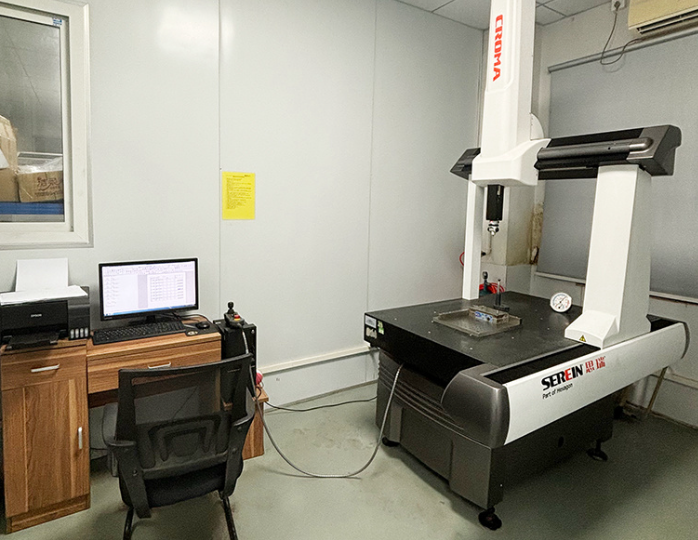
Coordinate Measuring Machines (CMM) represent the gold standard for dimensional verification. These computer-controlled systems use touch probes or optical sensors to map part geometry point-by-point, comparing measured values against your CAD model. CMM inspection catches deviations that manual gauges might miss - particularly for complex 3D geometries and GD&T features like true position and concentricity.
Optical measurement systems excel at inspecting features that contact probes struggle to reach. Vision systems and laser scanners capture surface data without touching the part - critical for delicate components or soft materials that might deform under probe pressure. Medical machining applications frequently require non-contact inspection to preserve sterile surfaces.
Surface profilometry verifies that your surface finish specifications have been achieved. Stylus-based profilometers drag a fine needle across the surface, measuring Ra, Rz, and other roughness parameters with micron-level precision. For aerospace machining applications where surface quality affects fatigue life, this verification is non-negotiable.
First Article Inspection (FAI) provides comprehensive verification before production proceeds. The first part off the line undergoes complete dimensional analysis, documenting every specified feature. This baseline establishes that the manufacturing process can consistently produce conforming parts. For medical device machining - where patient safety depends on dimensional accuracy - FAI documentation becomes part of the permanent device history record.
Understanding Quality Certifications
Those ISO and IATF logos represent more than marketing badges. They signify independently audited quality management systems that ensure consistent processes and documented procedures. But which certifications matter for your application?
According to industry analysis, not all Quality Management Systems are created equal - choosing the right standard can transform operations.
ISO 9001 serves as the universal foundation for quality management. It emphasizes customer satisfaction, risk-based thinking, and continual improvement. This certification suits general manufacturing across industries and demonstrates that a supplier has documented processes and systematic quality controls. If you're sourcing non-critical components or working with suppliers across multiple sectors, ISO 9001 provides baseline assurance.
IATF 16949 builds on ISO 9001 with automotive-specific requirements. The focus shifts to defect prevention, product traceability, and contingency planning. This certification drives a zero-defect culture essential for automotive supply chains where quality failures can trigger costly recalls. If you're sourcing chassis components, powertrain parts, or any automotive-destined machining parts, IATF 16949 certification should be mandatory.
AS9100 addresses the unique demands of aerospace and defense manufacturing. Beyond standard quality management, it emphasizes risk management, product safety, and configuration control. Aerospace machining requires rigorous supplier vetting, counterfeit component prevention, and full traceability. For flight-critical components where failure isn't an option, AS9100 certification provides the assurance that manufacturing processes meet aviation industry standards.
Documentation and Traceability Requirements
Certifications only matter if they translate into documented quality evidence for your specific parts. Here's what thorough quality assurance documentation includes:
- Material certifications: Mill test reports verifying that raw material meets specified alloy composition and mechanical properties
- First Article Inspection reports: Complete dimensional verification of initial production parts against drawing specifications
- In-process inspection records: Documentation of quality checks performed during manufacturing
- Final inspection data: CMM reports, surface finish measurements, and visual inspection results
- Certificates of Conformance: Formal declaration that parts meet all specified requirements
- Traceability records: Lot numbers, machine identification, and operator records linking finished parts to raw materials and processes
For regulated industries, these records aren't optional extras - they're legal requirements. Medical device machining under FDA regulations demands complete device history records. Aerospace components require traceability throughout their service life. Even general industrial applications benefit from documentation that supports warranty claims and failure analysis.
When evaluating precision cnc machining services, ask specifically about inspection capabilities and documentation practices. A supplier with comprehensive quality systems reduces your risk and provides the verification data you need to confidently put parts into service. Quality assurance isn't where you cut corners - it's where you confirm that every other decision in your project was the right one.
Industry Applications From Automotive to Aerospace
Now that you understand quality assurance fundamentals, let's explore how these standards play out across different industries. Each sector brings unique challenges, material requirements, and regulatory frameworks that shape how custom machining parts must be produced. Whether you're sourcing chassis components or surgical instruments, understanding these industry-specific demands helps you specify requirements correctly and select qualified manufacturing partners.
Automotive Component Requirements
The automotive industry operates on a simple principle: zero defects at massive scale. When a single faulty component can trigger recalls affecting millions of vehicles, quality systems must be bulletproof.
What makes automotive machining different? Volume demands meet precision requirements in ways that challenge manufacturing capabilities. Chassis assemblies, powertrain components, and transmission parts must maintain tight tolerances across production runs that can span years. According to American Micro Industries, IATF 16949 is the global standard for automotive quality management, combining ISO 9001 principles with sector-specific requirements for continuous improvement, defect prevention, and stringent supplier oversight.
Key requirements for automotive custom machining parts include:
- IATF 16949 certification: Non-negotiable for tier suppliers - demonstrates zero-defect culture and systematic quality controls
- Statistical Process Control (SPC): Real-time monitoring of critical dimensions to catch drift before defects occur
- Production Part Approval Process (PPAP): Comprehensive documentation proving manufacturing capability before production begins
- Complete traceability: Lot tracking from raw material through finished component for recall management
- Consistent material performance: CNC steel components must meet exact alloy specifications batch after batch
For manufacturers serving automotive supply chains, facilities like Shaoyi Metal Technology demonstrate how IATF 16949 certification and Statistical Process Control ensure quality for chassis assemblies and precision components. Their automotive machining capabilities illustrate the certified manufacturing standards major automakers require from their suppliers.
Aerospace and Defense Standards
If automotive demands zero defects, aerospace demands zero failures. Flight-critical components operate under extreme conditions where machining errors can prove catastrophic. This reality shapes every aspect of aerospace cnc machining.
According to Frigate, over 80% of global aerospace companies require AS9100 certification from CNC suppliers. This standard builds on ISO 9001 with aerospace-specific controls including:
- Risk management: Systematic identification and mitigation of potential failure modes
- Configuration control: Rigorous documentation of design revisions and manufacturing changes
- Counterfeit prevention: Verification procedures ensuring authentic materials and components
- First Article Inspection (FAI): AS9102-compliant documentation verifying initial production meets all specifications
- Full material traceability: Heat lot tracking from billet to finished part
Material requirements in cnc machining aerospace applications push capabilities to their limits. Machining titanium demands specialized expertise - the material's poor thermal conductivity and tendency to work-harden require carefully controlled cutting parameters. Kovar machining services address hermetic sealing applications where thermal expansion matching becomes critical. Specialty alloys like Nitronic 60 serve valve and actuator applications where galling resistance prevents component seizure.
Space systems add another dimension of complexity. Components for satellites and launch vehicles face extreme mechanical loads, thermal cycling, and cosmic radiation. According to industry data, precision often reaches micron levels, with process validation and embedded traceability making AS9100 certification indispensable for these applications.
Medical Device Manufacturing Considerations
Medical machining presents a unique challenge: parts that interact directly with human bodies. A dimensional error in an orthopedic implant or surgical instrument isn't just a quality issue - it's a patient safety concern.
According to PTSMAKE, medical CNC machining differs primarily in its exceptional precision requirements, biocompatible material selection, strict regulatory compliance, and comprehensive documentation protocols that exceed standard manufacturing practices.
The regulatory framework for medical device machining includes:
- ISO 13485: Quality management standard specifically for medical devices, addressing design controls, risk management, and traceability
- FDA 21 CFR Part 820: Quality System Regulation governing U.S. medical device manufacturing
- Biocompatibility testing: Material verification per ISO 10993 for any component contacting tissue or fluids
- Sterilization validation: Documented processes ensuring components withstand sterilization without degradation
- Device History Records: Complete documentation linking finished devices to all manufacturing inputs
Material selection becomes particularly critical. Bronze cnc components serve bearing applications in medical equipment, while titanium dominates implantable devices due to its biocompatibility and strength-to-weight ratio. Surface finish specifications for implants often reach Ra values of 0.1-0.4 micrometers - mirror-like finishes that prevent tissue trauma and bacterial adhesion.
Tolerances in medical applications push precision boundaries. Implantable devices may require tolerances as tight as ±0.0001 inches (2.54 micrometers). Surgical instruments must balance functionality with cleanability, requiring smooth surfaces that support repeated sterilization cycles.
Industrial Equipment Applications
Beyond these highly regulated sectors, industrial equipment manufacturing presents its own demands for custom machined components. Hydraulic systems, automation equipment, and heavy machinery rely on precision parts that must perform reliably under demanding operating conditions.
Industrial applications typically emphasize:
- Wear resistance: Components subject to continuous operation must maintain dimensional stability over extended service life
- Interchangeability: Parts must fit and function identically across equipment fleets
- Cost-effective precision: Tolerances tight enough for function without over-specification
- Material versatility: Applications range from standard steels to specialty alloys based on operating environment
While ISO 9001 certification typically suffices for general industrial components, specific applications may require additional qualifications. Pressure vessel components follow ASME standards. Food processing equipment demands FDA-compliant materials and finishes. Each application brings requirements that qualified machining partners must understand and meet.
The common thread across all these industries? Documentation, traceability, and verified quality. Whether you're producing aerospace brackets or medical implants, the ability to prove that every part meets specification - and trace any issues back to their source - separates professional manufacturing from guesswork. Your industry dictates which specific certifications apply, but the underlying principle remains constant: custom machining parts must perform exactly as designed, every single time.
Selecting the Right Custom Machining Partner
You've defined your specifications, selected materials, and understand what quality standards apply to your industry. Now comes a decision that can make or break your project: choosing the right manufacturing partner. Searching for "cnc machine shops near me" or "machining shops near me" might generate dozens of options, but how do you separate capable partners from those who'll deliver headaches?
The difference between a successful custom machining project and a costly failure often comes down to partner selection. Let's walk through a systematic approach to finding, evaluating, and building relationships with machining suppliers who'll deliver consistently.
Evaluating Machining Partner Capabilities
Think of potential machining partners as job applicants. They want your contract, and you need to "hire" the best one. According to Modus Advanced, interviewing prospective partners with direct questions about their experience yields revealing answers - especially when a supplier would rather dodge the question.
Here's a systematic approach to vetting potential partners:
- Assess equipment and technology: Verify that any partner you're considering has the specific machines necessary to complete your job. Even if they claim they could acquire the right tools, that immediately signals they lack in-depth experience with those processes. Look for cutting-edge operations software and quality control systems - serious cnc service providers invest in the best platforms.
- Verify certifications: Don't just ask what certifications they hold - request copies and verify validity. For automotive applications, IATF 16949 is non-negotiable. Aerospace requires AS9100. Medical needs ISO 13485. Match certifications to your industry requirements.
- Request quality metrics: Ask what they actually achieve, not just what they aim for. According to industry experts, quality-focused suppliers should have impressively high quality numbers, low escape rates, and be able to speak at length about their quality systems.
- Evaluate vertical integration: According to PEKO Precision, suppliers that keep more work in-house usually deliver faster iteration, tighter quality control, and shorter lead times. If subcontractors are involved, understand who they are and how they affect project risk.
- Test design feedback capabilities: Send your design to prospective partners and wait a couple of days. The best partners will return with Design for Manufacturability (DFM) feedback quickly. This shouldn't critique your design's function - it should identify opportunities to improve manufacturability and reduce costs.
- Check communication responsiveness: How quickly do they respond to inquiries? Clear, prompt communication during the quoting phase typically indicates how they'll perform during production.
When searching for "local machine shops" or "machinist shops near me," proximity offers advantages for prototyping and urgent needs - you can visit facilities, inspect capabilities firsthand, and receive parts faster. However, don't sacrifice capability for convenience. A qualified partner across the country often delivers better results than an underequipped shop down the street.
Lead Time Expectations and Planning
How long should custom machining actually take? The answer varies dramatically based on several factors, and understanding these helps you plan realistic project timelines.
According to industry analysis, delivery time has become a crucial factor for customers when choosing suppliers. Determining reasonable lead times requires understanding what drives production schedules:
- Part complexity: Simple components with straightforward geometries machine faster than intricate parts requiring multiple setups, specialized tooling, or secondary operations
- Material availability: Common materials like 6061 aluminum ship quickly. Specialty alloys like Kovar or Nitronic 60 may require weeks to source
- Quantity: Single prototypes often complete faster than production runs, though setup time spreads across larger orders
- Finishing requirements: Heat treatment, plating, anodizing, and other secondary operations add days or weeks to timelines
- Current shop loading: A busy shop with full queues takes longer than one with available capacity
- Inspection requirements: Parts requiring CMM inspection and formal documentation need additional processing time
Typical lead time ranges for cnc turning services and milling operations:
- Rapid prototypes: 1-5 business days for simple parts in common materials
- Standard production: 2-4 weeks for typical custom components
- Complex assemblies: 4-8 weeks when multiple operations and tight tolerances apply
- Specialty materials: Add 1-3 weeks for material procurement
The best partners offer flexibility for urgent needs. Facilities with rapid prototyping to mass production scalability can accommodate rush requirements - some offering lead times as fast as one working day for critical situations. However, expedite requests typically carry premium pricing, so plan ahead when possible.
For automotive supply chains where just-in-time delivery is essential, partners like Shaoyi Metal Technology demonstrate the combination of capabilities buyers should seek: IATF 16949 certification ensuring quality systems, Statistical Process Control for consistency, and the ability to deliver high-tolerance components with lead times as fast as one working day when production schedules demand it.
Building Successful Supplier Relationships
Finding a qualified partner is just the beginning. The most successful custom machining projects result from collaborative relationships built over time.
According to manufacturing experts, strengthening communication and feedback helps build good customer relationships while enhancing satisfaction and loyalty. Throughout production, manufacturers should maintain close communication, reporting progress and quality results in a timely manner.
What separates transactional purchasing from strategic partnerships?
- Early engagement: Involve your machining partner during design phases, not just when you need quotes. Their DFM input can save significant costs and prevent manufacturability issues
- Clear specifications: Provide complete drawings, material specifications, and quality requirements upfront. Ambiguity creates problems; clarity prevents them
- Reasonable expectations: Understand that tight tolerances, exotic materials, and rush timelines all carry cost implications. Work collaboratively to balance requirements against budget
- Consistent feedback: Let suppliers know when parts perform well, not just when problems arise. Positive feedback reinforces good practices
- Volume forecasting: Share production forecasts when possible. Suppliers who understand your future needs can better prepare capacity and materials
- Fair pricing discussions: The cheapest quote isn't always the best value. Evaluate total cost including quality, reliability, and communication - not just part price
According to PEKO Precision, the strongest supplier relationships are collaborative. Partners with deep engineering capabilities can propose cost and performance optimizations while guiding prototyping, iteration, and manufacturability improvements. For buyers - especially those developing new products - this collaborative approach becomes a significant differentiator.
When a "cnc machine shop near me" search leads you to evaluate multiple options, remember that capability, certification, and communication matter more than geography alone. The right partner combines technical excellence with responsive service, delivering custom machining parts that meet specifications consistently while supporting your broader manufacturing goals.
Whether you need complex chassis assemblies, custom metal bushings, or precision prototypes, the partner selection process remains consistent: verify capabilities, confirm certifications, test responsiveness, and build relationships that deliver value beyond individual transactions. Your manufacturing success depends on it.
Frequently Asked Questions About Custom Machining Parts
1. How much does it cost to have parts machined?
CNC machining costs depend on material type, complexity, tolerances, and quantity. Hourly rates typically range from $50 to $150 depending on equipment and precision requirements. Setup and programming costs spread across larger orders, making per-unit pricing more economical at higher volumes. Material selection significantly impacts total cost - aluminum machines faster and cheaper than titanium or hardened steel. For accurate pricing, request quotes from certified manufacturers like Shaoyi Metal Technology who offer transparent pricing and fast turnaround times.
2. What is the hourly rate for a CNC machine?
CNC machine hourly rates vary based on equipment complexity and precision level. 3-axis milling typically runs lower rates than 5-axis machining, while CNC turning is generally more cost-effective for cylindrical parts. Rates also reflect operator expertise, quality systems, and inspection requirements. Shops with IATF 16949 or AS9100 certifications may charge premium rates but deliver superior quality assurance and documentation essential for automotive and aerospace applications.
3. What is the difference between custom machined parts and off-the-shelf components?
Custom machined parts are manufactured to exact customer specifications with unique dimensions, tight tolerances, and specialized materials tailored for specific applications. Off-the-shelf components are mass-produced with standardized dimensions offering convenience but limited flexibility. Custom parts eliminate fit issues, reduce equipment downtime, and allow optimal material selection for performance-critical applications. While standard parts cost less upfront, custom components often prove more cost-effective long-term by preventing costly replacements and improving mechanical efficiency.
4. How do I choose the right material for custom machining?
Material selection starts with functional requirements - strength, weight, corrosion resistance, and thermal properties. Aluminum alloys like 6061 offer excellent machinability and corrosion resistance for general applications. Stainless steel provides durability in harsh environments. Titanium delivers exceptional strength-to-weight ratios for aerospace and medical uses. Engineering plastics like Delrin offer low friction and dimensional stability. Consider machinability impact on cost - harder materials require slower speeds and increase tooling expenses. Match material properties to application demands while balancing budget constraints.
5. What certifications should I look for in a custom machining partner?
Certification requirements depend on your industry. ISO 9001 provides baseline quality assurance for general manufacturing. Automotive applications require IATF 16949 certification ensuring zero-defect culture and Statistical Process Control. Aerospace components demand AS9100 for rigorous risk management and traceability. Medical device machining needs ISO 13485 compliance. Always verify certifications are current and request documentation. Partners like Shaoyi Metal Technology with IATF 16949 certification demonstrate the systematic quality controls essential for demanding supply chains.