 Small batches, high standards. Our rapid prototyping service makes validation faster and easier —
  EN
EN


CNC Machining Manufacturing Decoded: From Raw Metal To Precision Parts
What CNC Machining Manufacturing Really Means
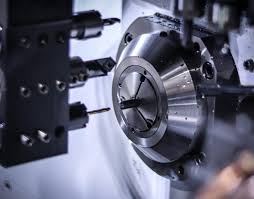
Ever wondered how raw metal transforms into the precision engine parts in your car or the surgical instruments used in hospitals? The answer lies in CNC machining manufacturing—a process that has fundamentally changed how we create physical products from digital designs.
So, what is CNC exactly? To define CNC, we need to start with its full form: Computer Numerical Control. According to Thomas Net, CNC machining is a subtractive manufacturing process that employs computerized controls and machine tools to remove layers of material from a stock piece—known as the blank or workpiece—to produce custom-designed parts. The c.n.c meaning essentially describes machines that follow precise digital instructions to cut, drill, and shape materials with remarkable accuracy.
From Digital Design to Physical Part
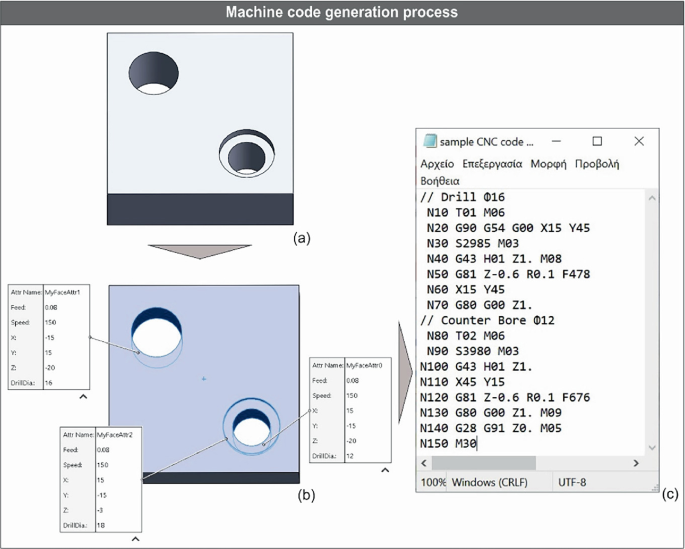
Imagine starting with a solid block of aluminum and ending up with a complex aerospace component—that's the magic of machining manufacturing. The process begins when an engineer creates a 3D digital model using CAD (Computer-Aided Design) software. This design then gets translated into machine-readable instructions that tell the CNC equipment exactly where to cut, how deep to go, and at what speed to move.
The cnc meaning becomes clearer when you understand this digital-to-physical transformation. Your computer screen shows the finished part; the CNC machine makes it real. Every curve, hole, and surface feature in that digital file gets precisely replicated in metal, plastic, or other materials—often within tolerances as tight as +/- 0.005 inches, roughly twice the width of a human hair.
The Subtractive Manufacturing Advantage
What sets this machining meaning apart from other production methods? It's all about how material gets shaped. Consider the three main approaches to manufacturing:
- Subtractive (CNC Machining): Starts with a solid block and removes material to reveal the final shape—like sculpting from stone
- Additive (3D Printing): Builds parts layer by layer from the ground up
- Formative (Injection Molding): Forces material into molds to create shapes
CNC machining delivers exceptional precision and works with an extensive range of materials—from soft plastics to hardened steel and titanium. While 3D printing excels at rapid prototyping and complex internal structures, and injection molding dominates high-volume plastic production, CNC machining remains the go-to choice when you need tight tolerances, superior surface finishes, and proven material properties.
Why Precision Manufacturing Matters Today
The meaning of cnc machinist work extends across virtually every industry you can imagine. In aerospace, these machines craft landing gear components and engine parts where failure isn't an option. Medical device manufacturers rely on this technology for surgical instruments and implants that must meet stringent quality standards. The automotive sector uses CNC-machined components throughout vehicles—from engine blocks to transmission parts.
What makes this cnc definition so important in modern manufacturing? Three key factors stand out:
- Consistency: Each part comes out identical to the last, whether you're making 10 or 10,000
- Automation: Once programmed, machines can operate continuously with minimal human intervention
- Versatility: The same equipment can produce vastly different parts simply by loading new programs
As you'll discover in the following sections, understanding this technology opens doors to smarter product development decisions—whether you're an engineer designing your first prototype or a procurement specialist evaluating manufacturing partners.
How CNC Machining Technology Works
Now that you understand what CNC machining manufacturing means, you might be wondering: how did we get here? The journey from manually operated lathes to today's computer numerically controlled machines is a fascinating story of innovation—and understanding this evolution helps you appreciate why modern CNC machine operations deliver such remarkable precision.
The Journey from Manual to Automated
Before automation, skilled machinists controlled every movement of cutting tools by hand. They turned cranks, adjusted feeds, and relied on years of experience to produce accurate parts. While craftsmen achieved impressive results, manual operations had inherent limitations—human fatigue, inconsistency between parts, and the sheer time required for complex geometries.
The breakthrough came after World War II when the U.S. Air Force funded research to speed up production without sacrificing accuracy. According to American Micro Industries, a team led by John Parsons developed the first nc machine using punch-tape technology. Parsons calculated coordinates for helicopter blade templates and fed them into a Swiss jig borer via punch cards—a revolutionary approach that laid the groundwork for everything that followed.
By 1952, researchers at MIT demonstrated the first three-axis NC milling machine. This device used vacuum tubes and servomotors to follow programmed instructions, though the technology remained expensive and complex. The real transformation came in the late 1960s when computer technology advanced enough to replace punch cards with software. This shift from NC to CNC—adding that critical "Computer" to numerical control—changed everything.
How CAD/CAM Powers Modern Machining
So what is CNC programming in today's manufacturing environment? It's the seamless integration of design and production through specialized software. Think of it as a digital bridge connecting your imagination to physical reality.
Computer-Aided Design (CAD) software lets engineers create detailed 3D models of parts on their computers. Every dimension, curve, and feature gets defined digitally before any metal gets cut. But here's the challenge: your CNC machine doesn't understand 3D models directly. That's where Computer-Aided Manufacturing (CAM) enters the picture.
As explained by Tormach, CAM software takes your digital CAD design and creates toolpaths for manufacturing it. The software determines which tools to use, what speeds work best, and the most efficient cutting sequences. There's an art to optimizing these toolpaths—skilled programmers balance precision against production time, tool wear, and material properties.
What is a CNC system without proper toolpath planning? Essentially, it's expensive equipment sitting idle. CAM software ensures every movement serves a purpose, minimizing wasted motion while maximizing accuracy.
Understanding G-Code and Machine Instructions
Once CAM processing completes, the software generates G-code—the fundamental language that CNC machines understand. Named after Gerber Scientific Instruments, G-code consists of alphanumeric commands that control every aspect of machine operation.
Computer numerical control programming might sound complex, but the concept is straightforward. Each line of G-code tells the machine something specific: move to these coordinates, spin the tool at this speed, turn on the coolant, change to a different cutting tool. M-codes handle auxiliary functions like starting or stopping the spindle. Together, these instructions form a complete cncs program that transforms raw material into finished parts.
Some experienced machinists still write G-code manually for simple operations—looking at a blueprint and calculating coordinates by hand. However, for complex geometries and high-volume production, CAM-generated code offers significant advantages: faster programming, built-in error checking, and the ability to simulate operations before cutting begins.
CAM has the ability to create G-code for your machine tool to follow. You can think of CAM as part of the bridge from the world of digital manufacturing to the world of physical manufacturing.
The complete CNC programming workflow follows a logical sequence that ensures accuracy from concept to completion:
- Design Phase: Engineers create 3D CAD models defining all part specifications and tolerances
- CAM Processing: Software analyzes the design and generates optimized toolpaths for each feature
- Code Generation: CAM converts toolpaths into G-code and M-code instructions the machine understands
- Machine Setup: Operators load materials, install proper cutting tools, and verify program parameters
- Production: The CNC machine executes programmed instructions, transforming raw stock into finished components
Modern CNC systems have become remarkably sophisticated. Today's machines are electronically controlled with predictable outcomes, unlike earlier models that could experience uncontrollable fluid flow if feedback cables failed. Advanced controllers adapt to conditions in real-time, with some machines automatically changing worn tools without operator intervention.
Understanding this workflow helps you communicate more effectively with manufacturing partners and make smarter decisions about your projects. With this foundation in place, let's explore the different types of CNC machines available and when to use each one.
Types of CNC Machines and Their Applications
You've learned how digital designs become machine instructions—but which machine should actually cut your parts? Choosing the wrong equipment leads to wasted time, inflated costs, and compromised quality. The good news? Understanding a few key distinctions makes selection surprisingly straightforward.
Think about it this way: you wouldn't use a sledgehammer to hang a picture frame. Similarly, each type of CNC machine excels at specific tasks based on how it moves, what it holds, and how cutting forces interact with your workpiece. Let's break down the major categories and when each makes sense for your project.
Milling Machines and Axis Configurations
A cnc mill machine remains the workhorse of precision manufacturing. These versatile systems use rotating cutting tools to remove material from stationary workpieces—imagine a high-speed drill that can move in multiple directions simultaneously. The real question isn't whether milling works for your project, but how many axes you actually need.
3-Axis Milling: This represents the most common configuration. Your cnc tool moves along X (left-right), Y (front-back), and Z (up-down) axes. According to CNC Cookbook, 3-axis machines can produce basic parts in 2.5 dimensions and handle most straightforward geometries effectively. They're ideal when your part features exist primarily on one side—think flat panels with pockets, simple brackets, or basic housings.
4-Axis Milling: Adding rotation around the X-axis (the A-axis) opens new possibilities. Now you can machine features on multiple sides without manually repositioning the workpiece. This reduces setups, improves accuracy between features, and cuts production time for parts like cam shafts or components requiring radial features.
5-Axis Milling: When your design demands complex contours, undercuts, or features accessible only from unusual angles, 5-axis machines deliver. They enable the tool to approach the workpiece from virtually any direction, creating intricate aerospace components, turbine blades, and medical implants in single setups. The trade-off? Higher equipment costs, more complex programming, and specialized operator skills.
Turning Centers for Rotational Parts
While milling excels at prismatic shapes, cnc lathe machining dominates when you need cylindrical or round components. The fundamental difference? In machining turning operations, the workpiece spins while a stationary cutting tool shapes it—the opposite of milling.
A computer numerical control lathe machine produces everything from simple pins and bushings to complex shafts with multiple diameters, threads, and grooves. As CNC Cookbook explains, these machines can generate external and internal features through operations like turning, drilling, boring, and threading.
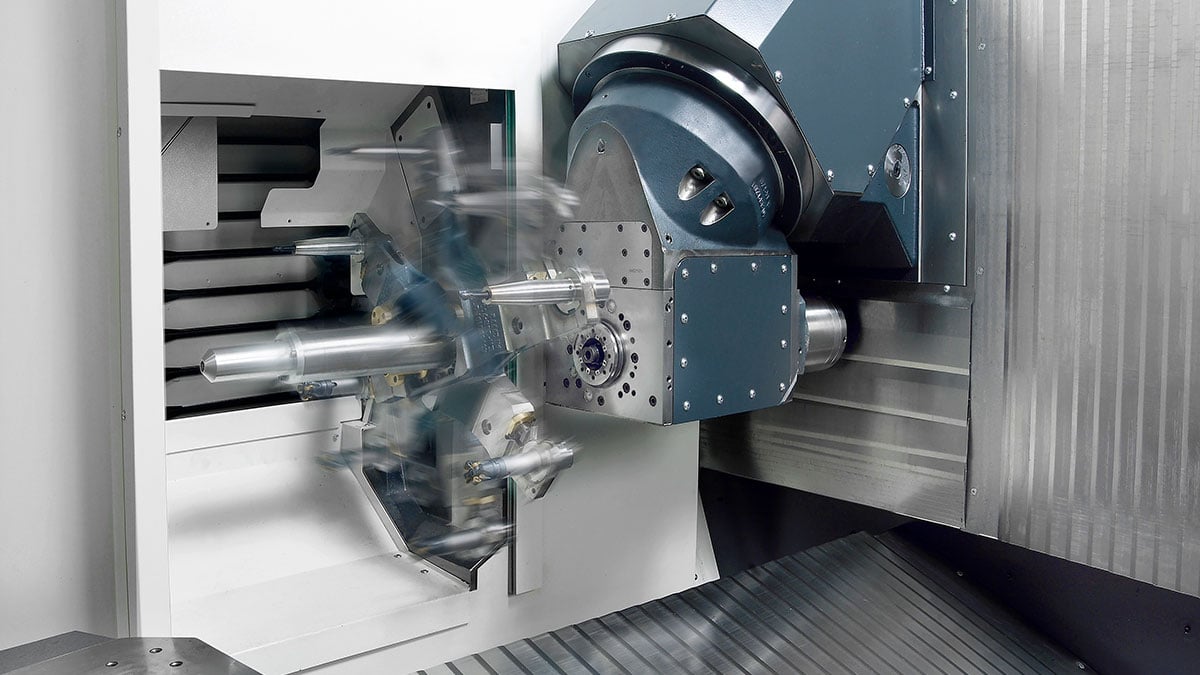
Modern turning centers often incorporate live tooling—powered spindles mounted on the turret that allow milling, drilling, and tapping operations while the part remains clamped. Add a Y-axis and sub-spindle, and you've got a mill-turn platform capable of complete machining in one setup. This dramatically improves concentricity and reduces handling for complex rotational parts.
When should you choose a lathe over a mill? Ask yourself: is my part fundamentally round? Does it have a central axis of symmetry? Will the majority of features be created by rotation? If yes, turning likely offers faster cycle times and better surface finishes than attempting the same geometry on a milling machine.
Specialized CNC Machines
Beyond milling and turning, several types of computer numerical control address specific manufacturing challenges:
CNC Drilling Machines: While mills can certainly drill holes, dedicated cnc drilling machine systems optimize for high-volume hole production. They create holes with tolerances as tight as 0.001mm and feature intelligent tool swapping for different diameters. Consider these when your parts require numerous precisely-positioned holes—think circuit board mounting plates or fluid manifolds.
CNC Grinding Machines: Need surface finishes beyond what cutting tools achieve? Grinding machines use abrasive wheels to produce ultra-smooth surfaces on hardened materials. They're essential for precision shafts, bearing surfaces, and components requiring exceptional flatness or roundness.
Multi-Axis Machining Centers: The most advanced types of cnc machine combine capabilities in single platforms. 6-axis configurations add rotation to both the workbed and cutting tool, enabling geometries impossible on simpler equipment. These machines excel in aerospace, medical device, and high-precision mold manufacturing.
Choosing the Right Machine for Your Project
Sounds complex? Let's simplify the decision. When evaluating which machine type fits your needs, consider these factors:
- Part Geometry: Prismatic shapes favor milling; rotational symmetry suggests turning
- Feature Accessibility: Complex undercuts or multi-sided features may require 4+ axes
- Material: Hard alloys demand rigid machines with high-torque spindles
- Volume: High-production runs justify automation investments
- Tolerance Requirements: Tighter specs may necessitate specialized equipment or secondary grinding
The following comparison helps match common project requirements to appropriate machine types:
| Machine Type | Axis Configuration | Best Applications | Geometric Complexity | Typical Industries |
|---|---|---|---|---|
| 3-Axis Mill | X, Y, Z | Flat parts, pockets, simple contours | Low to Medium | General manufacturing, prototyping |
| 4-Axis Mill | X, Y, Z + A rotation | Multi-sided parts, cam profiles | Medium | Automotive, industrial equipment |
| 5-Axis Mill | X, Y, Z + A, B rotation | Complex contours, turbine blades, implants | High | Aerospace, medical devices |
| CNC Lathe | X, Z (basic) | Shafts, pins, bushings, threaded parts | Low to Medium | Automotive, hydraulics, fasteners |
| Mill-Turn Center | Multiple + live tooling | Complex rotational parts, complete machining | Medium to High | Medical, aerospace, connectors |
| CNC Drilling | X, Y, Z | High-volume hole production | Low | Electronics, fabrication |
| CNC Grinding | Varies | Precision finishes, hardened materials | Low to Medium | Tooling, bearings, automotive |
According to YCM Alliance, matching machine type and configuration to industry demands ensures durable performance and scalable capacity. Don't overlook practical considerations either—shop floor space, electrical requirements, and available operator expertise all influence what equipment actually works in your environment.
With a clear picture of which machines handle different part types, you're ready to tackle the next critical decision: selecting the right materials for your CNC machining project.
CNC Machining Materials and Selection Criteria
You've identified the right machine for your project—but what about the material going into it? Selecting cnc machining materials isn't just about picking aluminum because it's popular or steel because it's strong. The wrong choice leads to scrapped parts, blown budgets, and missed deadlines. The right choice? It balances performance, machinability, and cost in ways that serve your specific application.
Here's what many engineers overlook: the material you choose directly impacts everything downstream. Tool wear rates, achievable tolerances, surface finish quality, and even cycle times all change based on what's sitting in that machine. Let's build a framework that helps you make smarter decisions.
Metals for Strength and Durability
When strength, thermal resistance, or conductivity matter, metal cnc machines become your primary manufacturing solution. But not all metals behave the same under cutting tools. Understanding machinability ratings—typically indexed against free-machining steel at 100—helps predict how efficiently different alloys will process.
Aluminum: This remains the king of cnc machining metal operations for good reason. According to JLCCNC, aluminum 6061 comes out as the best overall performer for general-use parts where moderate strength and low cost matter most. With machinability ratings around 180—meaning it machines 80% faster than baseline steel—aluminum reduces cycle times and extends tool life. Grade 6061 offers excellent corrosion resistance and weldability for general applications, while 7075 delivers higher strength for aerospace components.
Steel and Stainless Steel: Need more muscle? Cnc steel options range from easy-machining 1018 carbon steel to challenging 316 stainless. Carbon steels machine efficiently and offer excellent strength, making them ideal for structural components and tooling. Stainless varieties add corrosion resistance critical for medical, food processing, and marine applications—though they demand slower speeds and more rigid setups. As industry experts note, stainless steel justifies its higher machining cost when durability or hygiene is paramount.
Brass and Copper: These soft metals cut like butter—brass machines at roughly 300 on the machinability index. They're perfect for electrical components, plumbing fittings, and decorative hardware. Modelcraft highlights their excellent electrical and thermal conductivity alongside high corrosion resistance. However, copper's premium price means reserving it for applications where conductivity is non-negotiable.
Titanium: The ultimate performance metal comes with serious trade-offs. Titanium delivers exceptional strength-to-weight ratios and resists corrosion from saltwater and bodily fluids—making it invaluable for aerospace structural components and medical implants. But here's the reality: it's expensive, difficult to machine, and demands specialized tooling. Manufacturing data suggests titanium is only cost-effective in industries where performance demands override all else.
Engineering Plastics and Their Advantages
What if you need precision without metal's weight or conductivity? Engineering plastics fill that gap beautifully. These cnc machine materials offer excellent mechanical properties, chemical resistance, and often lower costs than metallic alternatives.
Delrin (Acetal): When dimensional stability matters most, Delrin delivers. This material holds tight tolerances exceptionally well, resists moisture absorption, and offers low friction for moving parts. It's a go-to choice for gears, bushings, and precision mechanical components.
PEEK: Need high-temperature performance? PEEK withstands continuous service at 250°C while maintaining mechanical properties that rival some metals. Its chemical inertness makes it ideal for demanding environments—think semiconductor processing equipment or medical sterilization applications.
Nylon: Durable, affordable, and naturally low-friction, nylon works well for wear components, structural parts, and applications requiring impact resistance. It's slightly less dimensionally stable than Delrin but costs less and machines easily.
ABS: This versatile plastic offers good impact resistance and machinability at economical price points. It's commonly used for prototypes, housings, and components where appearance matters alongside function.
According to Protolabs, using the same resin for machined prototypes as for injection-molded production gives you prototypes that can be tested and will perform similarly to production parts—a valuable consideration when planning product development timelines.
Matching Materials to Application Requirements
So how do you actually decide? When cnc machines metal parts for your project, consider three primary axes as recommended by manufacturing specialists:
- Raw Material Cost: What's the stock price per kilogram, and how much material will your part require?
- Machining Time + Tool Wear: Difficult materials extend cycle times and consume tooling faster—both adding hidden costs
- Final Part Performance: Will the material deliver required strength, conductivity, corrosion resistance, or other critical properties?
Metal parts machining projects benefit from this holistic evaluation rather than focusing solely on material price. That inexpensive steel stock might cost more overall if it triples your machining time and burns through three times as many end mills.
| Material Category | Common Grades | Machinability | Typical Tolerances | Best Applications |
|---|---|---|---|---|
| Aluminum | 6061, 7075 | Excellent (180+) | ±0.005" standard | Aerospace, electronics, consumer products |
| Carbon Steel | 1018, 1045 | Good (80-100) | ±0.005" standard | Structural parts, tooling, machinery |
| Stainless Steel | 303, 304, 316 | Moderate (45-70) | ±0.005-0.010" | Medical, food processing, marine |
| Brass | C360 | Excellent (300) | ±0.003" achievable | Electrical, plumbing, decorative |
| Titanium | Grade 2, Grade 5 | Poor (30-40) | ±0.005-0.010" | Aerospace, medical implants |
| Delrin | Acetal homopolymer | Excellent | ±0.005" standard | Gears, bearings, precision parts |
| PEEK | Unfilled, glass-filled | Good | ±0.005-0.010" | High-temp, chemical resistant |
| Nylon | 6/6, cast | Good | ±0.010" typical | Wear components, structural |
Notice how material choice affects achievable tolerances? Stable materials like aluminum and Delrin hold tighter specs more consistently than plastics prone to moisture absorption or metals that work-harden during cutting. When your application demands the tightest possible tolerances, material selection becomes inseparable from dimensional requirements.
Protolabs advises starting with must-haves and working down to nice-to-haves—chances are good this process will reduce your material options to a workable number and help you make a more informed choice. Consider strength requirements, corrosion exposure, temperature extremes, electrical properties, and cost constraints in that priority order.
For small-batch production or prototyping, materials like aluminum and brass reduce risk and cost due to shorter machine times and easier setups. Save the exotic alloys and challenging materials for applications where their unique properties genuinely justify the added expense and complexity.
With your material selected, another critical decision awaits: should you prototype first, or dive straight into production? The answer impacts cost, timeline, and ultimately product success.
Prototyping vs Production in CNC Manufacturing
You've selected your material and understand which machines can handle your geometry—but here's a question that trips up even experienced engineers: should you prototype first, or jump straight into production? The answer isn't always obvious, and getting it wrong costs serious money.
Here's the reality: cnc prototyping and production machining aren't just different quantities of the same thing. They serve fundamentally different purposes in product development. Understanding when to use each—and how to transition between them—separates successful projects from expensive failures.
Rapid Prototyping for Design Validation
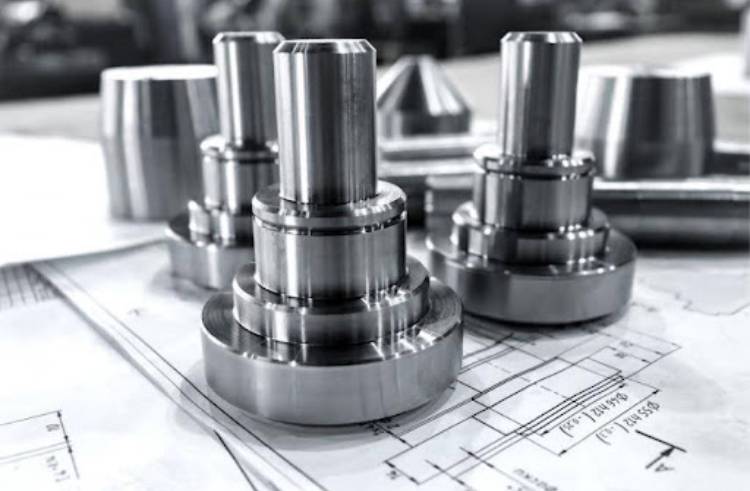
Think of prototype machining as your design safety net. Before committing to production tooling and high-volume runs, you need answers: Does this part actually fit? Will it survive real-world stress? Can users assemble it without confusion?
Cnc machining prototyping excels at answering these questions quickly. According to industry research, rapid prototyping can cut development time by as much as 42% by catching design flaws early. That's not a small number—it represents weeks or months saved and potentially thousands in avoided rework.
What makes cnc machined prototypes particularly valuable? Unlike 3D printed alternatives, they're made from production-grade materials using the same subtractive processes as final parts. This means your prototype exhibits isotropic strength—consistent mechanical performance in all directions—rather than the layer-dependent properties of additive manufacturing. When you need to test how a component handles actual loads, cnc prototype machining delivers reliable data.
Turnaround times for prototyping cnc machining typically range from 1-3 days for straightforward geometries. This speed enables rapid iteration: machine a part, test it, refine the design, and machine another. You might cycle through five or six versions in the time traditional methods would take for one.
Scaling from Prototype to Production
So your prototype works perfectly—now what? Transitioning to production machining isn't simply ordering more parts. Several critical considerations determine whether that leap succeeds:
Design Validation: Has the prototype actually been tested under realistic conditions? As manufacturing experts note, CNC machined parts from production-grade materials ensure prototypes can be tested and will perform similarly to production parts. Don't skip functional testing just because the prototype looks right.
Tooling Optimization: Prototype runs often use general-purpose tooling and conservative cutting parameters. Production demands optimized setups—specialized fixtures that reduce cycle time, dedicated tooling matched to your material, and refined toolpaths that balance speed against quality.
Process Refinement: What worked for ten parts might not scale efficiently to ten thousand. Production machining requires documented procedures, statistical process controls, and inspection protocols that ensure part one matches part one thousand. This infrastructure takes time to establish but pays dividends in consistency.
The transition point matters financially too. Industry analyses suggest the break-even point between prototype-style production and optimized production machining typically occurs between 500 and 2,000 parts. Below that threshold, setup costs don't amortize effectively; above it, you're leaving money on the table without proper production optimization.
Volume Considerations and Cost Optimization
Understanding the economics of low volume cnc machining versus high-volume production helps you make smarter decisions at every project stage.
Low-Volume Economics: When you need fewer than 100 parts, setup costs dominate. Programming time, fixture creation, and first-article inspection represent fixed investments regardless of quantity. A single prototype might cost $200-$2,500 depending on complexity, and that per-unit cost doesn't drop dramatically until volumes increase significantly.
High-Volume Economics: Once you're producing thousands of parts, everything changes. Setup costs spread across more units, automated material handling becomes viable, and cycle time optimization delivers compounding returns. Per-part costs can drop to $5-$50 for production runs, making CNC machining highly economical for mass production.
Lead times also shift between these modes. Prototype machining delivers parts in days; production machining—with its tooling development, process qualification, and ramp-up phases—may require weeks or months before full-rate production begins. However, once operational, production lines can output thousands of parts daily with exceptional consistency.
When deciding between prototyping and production runs, evaluate these key factors:
- Design Maturity: Is your design finalized, or do you anticipate changes? Prototype first if revisions seem likely—production tooling for an evolving design wastes money.
- Volume Requirements: How many parts do you actually need? Low hundreds often stay in prototype-style production; thousands justify full production optimization.
- Timeline Constraints: Need parts next week? Prototyping delivers speed. Can you wait months for lower per-unit costs? Production setup becomes worthwhile.
- Cost Per Unit: Calculate total project cost, not just piece price. Sometimes paying more per part for faster prototypes saves money overall by accelerating time-to-market.
- Quality Standards: Production runs require documented quality systems, statistical controls, and traceability. Prototypes offer more flexibility but less formal assurance.
The smartest manufacturers treat prototyping and production as complementary phases rather than competing options. Start with rapid prototyping to validate designs cheaply, transition through functional prototypes made with production methods, then scale to optimized high-volume manufacturing once designs are proven. This staged approach—moving from low-cost additive or quick-turn CNC to fully optimized production—minimizes risk while maximizing efficiency.
Of course, even perfect parts coming off the machine aren't truly finished. Surface treatments, quality certifications, and inspection protocols all influence what your customer actually receives.
Post-Processing and Quality Standards
Your cnc machined parts just came off the machine—but are they actually finished? Not necessarily. What happens after machining often determines whether components merely function or truly excel. Post-processing transforms good parts into great ones, while quality certifications give you confidence that every piece meets specifications.
Here's something many buyers overlook: surface finishing and quality assurance aren't afterthoughts. They're integral to part performance, longevity, and customer satisfaction. Understanding your options helps you specify exactly what your application demands.
Surface Finishing for Function and Aesthetics
Why does surface finishing matter so much? According to Fictiv's finishing guide, surface roughness plays a key role in contact mechanics—higher roughness values increase friction and cause faster wear on components. More roughness also means more surface irregularities that can become nucleation sites for corrosion and cracks. The right finish protects your cnc machined components while enhancing their appearance.
Common finishing options for machining parts include:
- Anodizing: This electrochemical process creates a durable oxide layer on aluminum parts. Type II anodizing adds corrosion resistance and accepts dyes for colored finishes—think Apple's MacBook housings. Type III (hard anodizing) delivers exceptional wear resistance for demanding applications.
- Powder Coating: Electrostatically applied powdered paint gets cured in an oven, creating a thick, uniform coating in virtually any color. It's tougher than conventional paint and works on steel, stainless steel, and aluminum.
- Plating: Electroless nickel plating deposits a nickel-alloy coating without electric current, providing excellent corrosion resistance across aluminum, steel, and stainless steel. Zinc plating (galvanization) protects steel economically—when the coating is damaged, zinc oxidizes first, sacrificing itself to protect the base metal.
- Heat Treatment: While not a surface coating, heat treatment fundamentally changes material properties. Hardening, tempering, and stress relieving alter strength, toughness, and dimensional stability. Always apply electroless nickel plating after heat treating to preserve corrosion-resistant properties.
- Precision Grinding: When cutting tools can't achieve required surface quality, grinding uses abrasive wheels to produce ultra-smooth finishes on hardened materials. Electropolishing offers an alternative for steel and stainless steel, using electric current and chemical baths to achieve mirror finishes faster than manual polishing.
Media blasting—firing glass beads, plastic beads, or sand at surfaces under pressure—often serves as preparation before other finishes. It removes machining marks and creates uniform matte textures. Combining media blasting with anodizing, for example, produces the sophisticated finish found on premium consumer electronics.
One practical consideration: finishes add thickness. Powder coating and plating can interfere with tight tolerances, threaded holes, and press fits. Masking critical features with rubber plugs or protective lacquer prevents unwanted buildup—but this manual process adds cost and extends lead times.
Understanding Quality Certifications
When evaluating cnc machined products from potential suppliers, certifications offer immediate insight into their capabilities and commitment to quality. But what do those acronyms actually mean for your project?
ISO 9001 establishes the baseline. According to Modo Rapid's certification guide, this standard verifies the supplier has documented quality control processes and continuous improvement practices. Think of it as a driver's license for manufacturing—it confirms basic competence and systematic approaches to quality.
IATF 16949 layers automotive-specific requirements onto ISO 9001. It mandates defect prevention, statistical process control, and lean production systems. If you're sourcing cnc milled parts for automotive applications, this certification is non-negotiable. Suppliers meeting this standard already understand the tight deadlines and microscopic defect rates your industry demands.
AS9100 addresses aerospace and defense requirements—essentially ISO 9001 with additional safety and reliability protocols. When lives depend on precision, AS9100-certified suppliers operate under stricter documentation, process validation, and risk management standards.
Specialized certifications matter for specific industries too. ISO 13485 covers medical device manufacturing, ensuring suppliers understand biocompatibility requirements and traceability standards. ITAR registration confirms capability to handle controlled technical data for defense projects.
Inspection and Quality Assurance Methods
Certifications establish systems; inspection verifies results. How do manufacturers actually ensure every part meets specifications?
Statistical Process Control (SPC) monitors machining processes continuously using statistical methods. According to Violin Technologies, SPC helps identify trends and deviations, allowing for proactive adjustments before problems occur. Rather than inspecting every part after machining, SPC catches issues in real-time—maintaining consistency across entire production runs.
Coordinate Measuring Machines (CMM) provide precision dimensional verification. These systems use probes to measure complex geometries against CAD models, confirming that critical features meet both dimensional and geometric tolerances. CMM inspection is essential for cnc machining parts requiring tight tolerances or complex shapes.
First-Article Inspection validates new setups before production begins. The first part from any new run undergoes comprehensive measurement, confirming that tooling, programs, and processes will deliver conforming parts. This investment prevents entire batches of scrap.
Beyond dimensions, quality control addresses material properties too. Hardness testing confirms heat treatment results. Surface roughness measurement verifies finishing operations. Assembly fit checks ensure components integrate properly with mating parts.
The goal? Consistent quality from the first part to the last. Without effective quality control, defective parts result in significant financial losses—whether through scrapped material, rework costs, or warranty claims from failed components in the field.
Understanding finishing options and quality standards prepares you for the next critical conversation: what should all this actually cost?
Understanding CNC Machining Costs and Pricing
So you've designed your part, selected materials, and identified the right machine type—but how much will it actually cost? This question trips up engineers and procurement specialists alike. The reality is that CNC machining pricing involves multiple interconnected factors, and understanding them helps you budget accurately while identifying opportunities to reduce expenses without sacrificing quality.
Here's the fundamental formula that drives every quote you'll receive: Total Cost = Material Cost + (Machining Time × Machine Rate) + Setup Cost + Finishing Cost. Sounds simple, right? But each component hides layers of complexity that can dramatically swing your final price. Let's break down what really influences your cnc machining part costs.
Breaking Down CNC Machining Costs
Every CNC project carries both fixed and variable expenses. Understanding which is which helps you predict how costs scale with quantity and complexity.
Material Costs: Your raw stock represents the starting point. According to TFG USA's cost analysis, material selection significantly impacts per-part pricing—not just through stock cost but through machinability effects downstream. Aluminum costs less than titanium, but material expense also includes waste. Parts that require oversized billets or non-standard stock sizes generate more scrap, inflating true material costs beyond raw price per kilogram.
Machine Time: This typically represents the largest portion of CNC pricing. Hourly rates vary dramatically by equipment type:
- 3-axis milling: $35-$50 per hour
- 4-axis milling: $50-$75 per hour
- 5-axis milling: $75-$120+ per hour
- CNC turning: $35-$60 per hour
Complex geometries requiring slower feeds, multiple tool changes, or specialized equipment push machining time—and costs—upward. A part taking 30 minutes on a 3-axis mill might cost $25 in machine time; the same geometry requiring 5-axis capability could triple that figure.
Setup Costs: Here's where small cnc machining orders get expensive. Setup includes CAM programming, fixture creation, tool loading, and first-article verification. These fixed costs remain constant whether you're making one part or one hundred. RapidDirect's analysis illustrates this dramatically: a $300 setup fee adds $300 to a single-piece order but only $3 per part in a 100-piece batch.
Tooling Expenses: Cutting tools wear out—especially when machining hard materials like stainless steel or titanium. Specialized cutters for unique geometries add cost, and tool replacement during production runs factors into per-part pricing. Designs requiring numerous tool changes extend cycle times while consuming tooling inventory faster.
Finishing Costs: Post-processing scales with surface area and complexity. Simple deburring adds minimal expense, but anodizing, plating, or precision grinding can significantly increase total cost. Industry data confirms that finishing and inspection expenses scale with your surface requirements, cosmetic expectations, and compliance level.
Design Choices That Impact Your Budget
Want to know a secret? According to Modus Advanced's research, approximately 70% of manufacturing costs are determined during the design phase. That means your CAD decisions matter more than almost anything else when it comes to final pricing.
Geometry Complexity: Every curve, pocket, and feature adds machining time. Deep narrow cavities require slow feeds and specialized long-reach tooling. Thin walls demand careful machining to prevent deflection and chatter. Undercuts often force 5-axis operations or expensive secondary setups. The difference between an optimized design and an over-engineered one can mean the difference between a $50 part and a $500 part—with identical functionality.
Tolerance Requirements: This is where costs can explode exponentially. As manufacturing experts explain, as tolerances tighten beyond ±0.13 mm (±0.005"), costs increase exponentially. Moving from standard to precision tolerances can multiply part costs by factors of three to ten. Why? Tighter specs require slower machining, specialized equipment, environmental controls, and 100% inspection rather than sampling.
| Tolerance Category | Typical Range | Cost Multiplier | Additional Requirements |
|---|---|---|---|
| Standard | ±0.13 mm (±0.005") | 1x (baseline) | Standard equipment, sampling inspection |
| Precision | ±0.025 mm (±0.001") | 3-5x | Specialized tooling, environmental control |
| Ultra-Precision | ±0.010 mm (±0.0004") | 8-15x | Specialized equipment, 100% inspection |
Material Selection: Beyond raw stock price, material choice affects machining time and tool wear. Aluminum machines roughly 80% faster than baseline steel—meaning lower labor costs and more parts per shift. Titanium demands slow feeds, frequent tool changes, and rigid setups that extend cycle times dramatically. When performance allows, choosing machinable materials is one of the fastest ways to reduce costs.
Surface Finish Specifications: Standard machined finishes (Ra 1.6-3.2 μm) require no additional processing. Fine machined finishes add 50-100% to surface processing costs. Ground or polished surfaces? Expect 200-1000% increases depending on requirements. Only specify premium finishes where function or aesthetics genuinely demand them.
Strategies for Cost-Effective Manufacturing
Now that you understand cost drivers, how do you actually reduce expenses? Effective design for cnc machining and smart project planning deliver savings without compromising quality.
- Design for Manufacturability: Simplify geometry wherever possible. Use standard radii that match common end mills. Avoid deep pockets with small corner radii—these force tiny tools and extended cycle times. Keep wall thicknesses above 1mm for metals to prevent deflection. Replace blind pockets with through-features when feasible. RapidDirect notes that up to 80% of manufacturing cost is locked in during the design phase.
- Material Selection: Match material to actual requirements—not worst-case scenarios. If your application doesn't need titanium's performance, aluminum or steel likely works at a fraction of the cost. Standardizing materials across product lines increases volumes and simplifies procurement.
- Tolerance Optimization: Specify the loosest tolerances that maintain functionality. Apply tight tolerances only to critical mating surfaces or functional interfaces. General tolerances (ISO 2768-m) significantly lower cost by enabling faster machining and fewer setups.
- Batch Sizing: Larger quantities dramatically reduce per-unit costs by spreading fixed setup expenses across more parts. Industry data shows the ideal price point often appears at 50-500 pieces, where setup costs distribute efficiently without overwhelming machining workflow.
- Supplier Selection: Partner with manufacturers who offer cnc design feedback and DFM reviews. Experienced machining and manufacturing partners identify cost-saving geometry changes that preserve performance. Their insights often uncover simple adjustments that drastically reduce expenses.
One often-overlooked strategy: consult your manufacturer early. A quick design review with engineering support frequently reveals practical ways to achieve cost efficiency before you've committed to expensive features. Many suppliers offer automated DFM checks that flag thin walls, deep holes, and features requiring premium equipment—helping you revise designs before ordering.
Volume also plays a non-linear role in pricing. According to cost analysis data, a part costing $85 per unit at quantity one might drop to $27 at 10 pieces and $12 at 100 pieces. However, extremely high quantities don't always guarantee the lowest price—capacity constraints and finishing bottlenecks may limit further reductions.
The bottom line? Smart cnc design decisions made early save orders of magnitude in cost. By understanding these pricing levers—and working with suppliers who can guide optimization—you control expenses while maintaining the precision and quality your application demands.
With cost factors clearly understood, let's explore how different industries apply this technology to solve their unique manufacturing challenges.
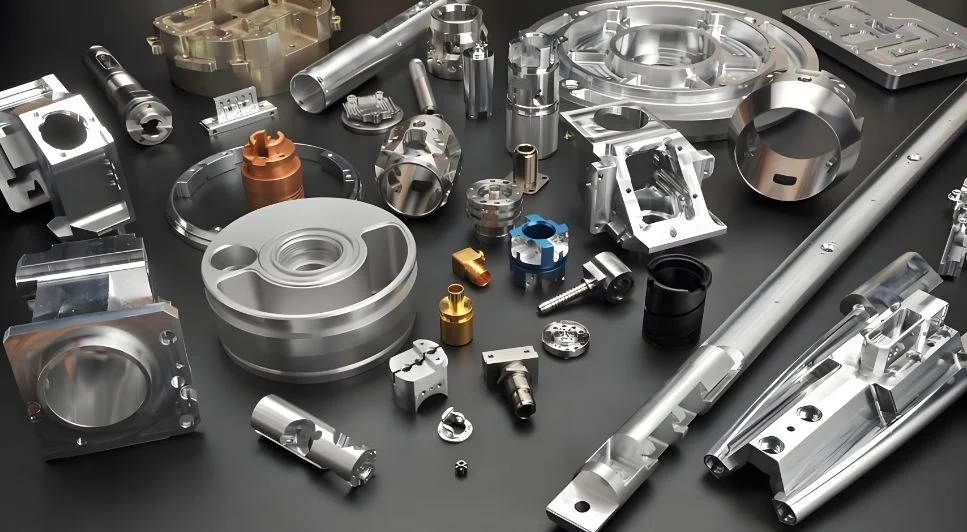
Industry Applications and Specialized Manufacturing
Every industry demands precision—but not the same kind. Aerospace engineers obsess over weight-to-strength ratios. Medical device manufacturers prioritize biocompatibility and sterilization resistance. Automotive suppliers focus on defect prevention across millions of identical parts. Understanding these distinct requirements helps you appreciate why cnc machining and manufacturing has become indispensable across virtually every sector that builds physical products.
What makes industrial machining so versatile? The same fundamental technology—computer-controlled cutting tools removing material with micron-level precision—adapts to wildly different specifications, materials, and quality standards. Let's examine how the cnc machining industry serves four critical sectors, each with unique challenges that demand specialized approaches.
Automotive Precision Components
When you're producing components that will appear in hundreds of thousands of vehicles, consistency isn't optional—it's everything. The automotive machining industry operates under relentless pressure: tight margins, zero-defect expectations, and just-in-time delivery schedules that leave no room for error.
Cnc machined automotive components span the entire vehicle. Engine blocks, transmission housings, suspension components, and braking system parts all require precise machining. Chassis assemblies demand particularly tight tolerances—these structural components must fit together perfectly while withstanding years of road stress, vibration, and temperature cycling.
According to American Micro Industries, the automotive industry demands consistent, defect-free parts, making IATF 16949 the global standard for automotive quality management. This certification combines ISO 9001 principles with sector-specific requirements for continuous improvement, defect prevention, and stringent supplier oversight. Without it, suppliers simply cannot access major OEM contracts.
What sets automotive manufacturing apart? Statistical Process Control (SPC) monitors every critical dimension in real-time, catching drift before it produces out-of-spec parts. First-article inspections validate new setups. Production Part Approval Process (PPAP) documentation ensures traceability from raw material to finished component. These systems enable manufacturers to produce millions of parts while maintaining microscopic defect rates.
For example, Shaoyi Metal Technology demonstrates what IATF 16949-certified automotive manufacturing looks like in practice. Their facility produces complex chassis assemblies and custom metal bushings with lead times as fast as one working day—combining the precision automotive applications demand with the speed modern supply chains require. This combination of certification, capability, and responsiveness represents the standard for serious automotive suppliers.
Aerospace and Medical Applications
When component failure means catastrophic consequences, advanced cnc technologies become mission-critical. Aerospace and medical manufacturing share a common thread: absolute reliability with zero margin for error.
Aerospace Requirements: Aircraft components operate under extreme conditions—temperature swings from -60°C to +50°C, constant vibration, and stress loads that would destroy lesser materials. According to Frigate's certification analysis, over 80% of global aerospace companies require AS9100 certification from CNC suppliers. This standard builds on ISO 9001 while adding aerospace-specific controls for traceability, risk management, and configuration management.
Typical aerospace components include landing gear assemblies, turbine blade mounting hardware, structural brackets, and flight control system parts. Materials like titanium and Inconel dominate—chosen for strength-to-weight performance despite being notoriously difficult to machine. Full traceability from billet to finished part is mandatory, with documentation tracking raw material heat numbers, tool paths, operator shifts, and inspection logs.
Medical Device Manufacturing: Surgical instruments, orthopedic implants, and diagnostic equipment components demand biocompatible materials machined to exceptional precision. As industry experts note, even minor defects can jeopardize patient safety, making ISO 13485 mandatory under FDA 21 CFR Part 820 regulations.
Medical cnc machine industrial applications include:
- Titanium bone screws and plates requiring biocompatibility and precise thread profiles
- Stainless steel surgical instruments demanding mirror finishes and absolute dimensional accuracy
- PEEK spinal fusion devices combining machinability with long-term implant performance
- Aluminum diagnostic equipment housings requiring tight tolerances and cosmetic finishes
Both sectors share emphasis on documentation, validation, and process control. First Article Inspections using AS9102-compliant formats ensure every part meets specifications before production begins. These aren't bureaucratic hurdles—they're systematic approaches to preventing the kind of failures that cost lives.
Electronics Machining Precision
Your smartphone's aluminum housing, the heat sinks cooling your computer's processor, the connector housings linking circuit boards—electronics machining touches virtually every device you use daily. This sector demands a unique combination of precision, cosmetic quality, and thermal management.
According to Worthy Hardware's industry analysis, CNC machining allows for casings and enclosures with exact dimensions and tolerances, ensuring a perfect fit for the electronic components they house. This precision protects sensitive electronics from environmental factors while enabling the slim profiles consumers demand.
Electronics machining applications extend beyond enclosures:
- Heat Sinks: Complex fin geometries maximize surface area for thermal dissipation. CNC machining produces intricate cooling structures directly integrated into housings—impossible with simpler manufacturing methods.
- PCB Components: While boards themselves are typically etched, CNC machining creates the mechanical infrastructure—mounting brackets, connector housings, and structural frames that hold electronics assemblies together.
- Semiconductor Parts: Wafer carriers, precision housings, and thermal management components require exact tolerances and exceptional cleanliness. Manufacturing facilities equipped with advanced filtration and clean room environments ensure components meet stringent contamination standards.
Material selection in electronics often prioritizes thermal and electrical properties. Aluminum dominates for heat dissipation and lightweight enclosures. Copper appears where maximum thermal conductivity matters. Engineering plastics like PEEK and Delrin serve applications requiring electrical insulation combined with dimensional stability.
Finding the Right Manufacturing Partner
With such varied requirements across industries, how do you identify suppliers capable of meeting your specific needs? Certifications provide the first filter—but capabilities, communication, and track record matter equally.
Start with certification requirements for your industry:
| Industry | Required Certifications | Key Quality Focus |
|---|---|---|
| Automotive | IATF 16949, ISO 9001 | Defect prevention, SPC, PPAP documentation |
| Aerospace | AS9100, NADCAP (for special processes) | Traceability, risk management, FAI |
| Medical | ISO 13485, FDA registration | Biocompatibility, sterilization, batch traceability |
| Electronics | ISO 9001 (minimum) | Precision, cosmetic quality, cleanliness |
Beyond certifications, evaluate practical capabilities. Can the supplier handle your materials? Do they offer the finishing options your application requires? What inspection equipment validates dimensional accuracy? Partners like Shaoyi Metal Technology demonstrate how certified manufacturers combine quality systems with production flexibility—scaling from rapid prototyping to mass production while maintaining IATF 16949 compliance and SPC quality control throughout.
The right manufacturing partner understands your industry's unique demands—not just general machining capabilities. They speak your language, anticipate your documentation needs, and deliver components that integrate seamlessly into your supply chain.
Of course, finding capable suppliers is only part of the equation. The next section explores how to evaluate potential partners systematically and avoid common mistakes that derail manufacturing projects.
Selecting a CNC Manufacturing Partner
You've mastered materials, understood machine types, and calculated costs—but here's where projects succeed or fail: choosing the right manufacturing partner. What does CNC machine stand for in practical terms? It means nothing if your supplier can't deliver quality parts on time. The journey from digital design to finished components requires more than technical capability—it demands a partner who anticipates problems, communicates proactively, and scales with your needs.
Think about it this way: a CNC machine is only as good as the team operating it. What is a CNC machinist without proper training, quality systems, and engineering support? Just someone pressing buttons. The difference between a vendor and a partner lies in how they handle challenges, provide feedback, and invest in your success.
Avoiding Common Project Mistakes
Before evaluating suppliers, let's address the mistakes that derail cnc machining equipment projects—often before production even begins. According to Zenithin Manufacturing, procurement teams often fall into what they call the "Total Cost Fallacy"—focusing on unit price while ignoring the hidden expense of managing problematic suppliers.
Consider this scenario: Supplier A quotes $5.00 per part while Supplier B quotes $5.50. The spreadsheet says choose Supplier A. But what happens when Supplier A delivers late, sends parts requiring rework, and stops returning calls when problems arise? Your engineering time—valued at $100 per hour or more—gets consumed chasing issues instead of designing new products.
Mistake #1: Ordering Production Before Validating Prototypes
The most dangerous transition in CNC manufacturing occurs between prototyping and low-volume production. As manufacturing experts explain, many projects fail at this jump because prototype methods don't represent actual production processes. A flawless sample crafted by the shop's best machinist on their finest equipment proves nothing about consistent production capability.
Mistake #2: Ignoring Design for Manufacturability Feedback
Here's a revealing statistic: as much as 80% of a product's cost is locked in during the design phase. Yet many buyers send drawings to suppliers expecting simple quotes—not engineering input. The best partners call with questions: "We see this tolerance at ±0.005mm. Is this surface a functional fit, or can we relax it to ±0.05mm?" That conversation often saves 40% on production costs.
Mistake #3: Choosing Based on Perfect Samples
A flawless sample part arrives on your desk. The finish is impeccable, dimensions spot-on. Impressive? Yes. Meaningful? Not necessarily. According to supplier audit guidelines, that sample might have been painstakingly crafted outside normal production flow—essentially a marketing piece rather than proof of capability. Always demand First Article Inspection reports and process capability (Cpk) data for critical features.
Mistake #4: Confusing Certificates with Capability
A certificate hanging on the wall proves eligibility, not execution. One manufacturing consultant recalls auditing a supplier with pristine ISO 13485 certification. When asked for complete traceability records from a random production batch, it took two days to piece together incomplete, contradictory documents. Their quality system was an illusion—binders on a shelf rather than daily practice.
Evaluating Manufacturing Partners
So how do you separate genuine partners from polished salespeople? Understanding cnc capabilities requires looking beyond equipment lists and certifications. According to industry experts, four critical questions reveal the truth about any supplier's capability and mindset.
Question 1: Do They Provide DFM Feedback Before Quoting?
This is the most important test. Send your part drawing and observe how they respond. A "Shop" gives you a price and says "we can make it." A "Partner" calls you and says: "We noticed this feature requires a special long-reach tool. If we modify the geometry slightly, we can reduce cost by 30% and improve part strength."
This proactive engineering feedback is the most valuable service you can receive—and it happens before production even begins.
Question 2: Are They a Unified Manufacturer or a Middleman?
Many automated quoting platforms route work to whichever shop is cheapest that week. Your prototype might come from one facility, your production run from another, and your finishing from a third party they've never met. When problems arise—and they will—nobody owns the solution.
Ask directly: "Will the same facility that makes my prototype also handle production? Who performs finishing and inspection?" Unified manufacturers maintain quality control across the entire process.
Question 3: What Quality Documentation Will I Receive?
Don't accept vague promises. Ask specifically: Will you receive dimensional inspection reports? Material certifications? Statistical process control data? First Article Inspection packages? Suppliers with robust quality systems can answer these questions immediately—because documentation is built into their standard workflow, not scrambled together when customers demand it.
Question 4: Who Handles Technical Issues?
When problems arise at 10 PM on a Tuesday—and they will—you need to know who answers. During evaluations, observe whether the salesperson answers every technical question while engineers remain silent. Politely bypass sales and ask engineers directly about CAM strategies or quality procedures. You need to assess capabilities of the people actually doing the work.
Use this comprehensive checklist when evaluating potential manufacturing partners:
- Certifications and Quality Standards: Verify ISO 9001 as baseline, IATF 16949 for automotive, AS9100 for aerospace, ISO 13485 for medical. Request recent audit reports—not just certificates. Confirm they use Statistical Process Control and can demonstrate process capability data.
- Production Capabilities: Assess equipment range, axis configurations, and capacity. Confirm they handle your specific materials and required tolerances. Evaluate whether they offer in-house finishing or manage reliable subcontractors.
- Lead Time Performance: Ask for realistic timelines at different volumes. Verify claims with references from similar projects. Some manufacturers, like Shaoyi Metal Technology, deliver lead times as fast as one working day for prototypes—a benchmark worth comparing against.
- Communication and Support: Evaluate responsiveness during the quoting process. Identify your technical contact for production issues. Assess language capabilities and timezone overlap for international suppliers.
- Scalability: Confirm capacity to grow with your needs—from prototypes through production volumes. Understand how pricing changes at different quantities. Evaluate their cnc machine and fabrication flexibility for future project variations.
From First Contact to Final Delivery
Understanding the complete buyer journey helps you navigate each stage effectively—from initial inquiry through ongoing production partnership.
Stage 1: Discovery and Inquiry
Start by sharing your most challenging drawing—not your simplest part. How a supplier responds to complexity reveals their true cnc machine basic knowledge and engineering depth. The first thing you should receive isn't a quote—it should be a professional DFM analysis identifying potential issues and improvement opportunities.
Stage 2: Prototype Validation
Never skip this phase, even under deadline pressure. Your prototype should be made using production methods and materials—not special techniques that won't scale. According to manufacturing partners, the prototype stage should validate the production process, not just the part. Verify that your supplier documents the setup, tooling, and parameters used—this becomes the foundation for production.
Stage 3: Low-Volume Production
This transitional phase industrializes the process. Your supplier should perfect the "recipe" for making parts repeatedly—optimizing toolpaths, refining fixturing, and establishing inspection protocols. Statistical Process Control begins monitoring critical dimensions. First Article Inspection packages validate that documented processes produce conforming parts consistently.
Manufacturers with robust systems—like Shaoyi Metal Technology with their SPC quality control and IATF 16949 certification—demonstrate exactly this progression. Their approach represents what serious automotive and industrial buyers should expect: seamless scaling from rapid prototyping to mass production with documented quality at every stage.
Stage 4: Full Production
With processes validated, production becomes execution. Regular reporting confirms ongoing conformance. Quality data trends enable proactive adjustments before drift causes problems. Strong partners treat this phase as continuous improvement opportunity—not just order fulfillment.
Stage 5: Ongoing Partnership
The best supplier relationships evolve beyond transactional purchasing. Partners collaborate on design improvements, suggest material alternatives, and anticipate your future needs. They become extensions of your engineering team rather than vendors requiring constant management.
Your goal isn't finding the lowest quote—it's finding the partner with zero management cost. A supplier who proactively solves problems amplifies your capability rather than draining your time.
As you evaluate potential partners, remember that cnc machining manufacturing success depends as much on relationships as on technical capability. The right partner transforms your designs into precision components while freeing you to focus on innovation. The wrong choice creates endless management headaches that consume your most valuable resource: time.
Whether you're sourcing your first prototype or scaling to production volumes, apply these evaluation criteria systematically. Request DFM feedback before committing. Verify quality systems through documentation, not just certificates. And prioritize partners who demonstrate genuine investment in your success—because that's what transforms suppliers into strategic assets.
Frequently Asked Questions About CNC Machining Manufacturing
1. What is CNC machining in manufacturing?
CNC machining in manufacturing is a subtractive process where computer-controlled machines remove material from solid blocks to create precision parts. The technology uses programmed instructions (G-code) to control cutting tools with exceptional accuracy, achieving tolerances as tight as ±0.005 inches. This automated approach enables consistent production of complex components for industries including aerospace, automotive, medical devices, and electronics.
2. What are the different types of CNC machines used in manufacturing?
The main CNC machine types include 3-axis, 4-axis, and 5-axis milling machines for prismatic parts, CNC lathes and turning centers for rotational components, drilling machines for high-volume hole production, and grinding machines for ultra-smooth finishes. Mill-turn centers combine milling and turning capabilities for complete machining in single setups. Selection depends on part geometry, tolerance requirements, and production volume needs.
3. How do I choose the right CNC machining materials for my project?
Material selection should balance performance requirements, machinability, and cost. Aluminum offers excellent machinability and corrosion resistance for general applications. Stainless steel provides durability for medical and food-processing components. Titanium delivers superior strength-to-weight ratios for aerospace applications despite higher machining costs. Engineering plastics like Delrin and PEEK serve applications requiring dimensional stability or chemical resistance. Consider raw material cost, machining time impact, and final part performance requirements.
4. What certifications should I look for in a CNC machining supplier?
Essential certifications vary by industry. ISO 9001 establishes baseline quality management. IATF 16949 is mandatory for automotive suppliers, covering defect prevention and statistical process control. AS9100 addresses aerospace requirements with enhanced traceability and risk management. ISO 13485 covers medical device manufacturing standards. IATF 16949-certified manufacturers like Shaoyi Metal Technology demonstrate the quality systems and SPC controls required for demanding automotive applications with lead times as fast as one working day.
5. How can I reduce CNC machining costs without sacrificing quality?
Cost optimization starts during design—approximately 70% of manufacturing costs are determined at this stage. Simplify geometry by using standard radii matching common end mills. Specify the loosest tolerances that maintain functionality, as tolerances tighter than ±0.005 inches exponentially increase costs. Choose machinable materials like aluminum over difficult alloys when performance allows. Batch orders strategically since setup costs spread across larger quantities. Partner with manufacturers offering DFM feedback to identify cost-saving geometry modifications before production.