 Small batches, high standards. Our rapid prototyping service makes validation faster and easier —
  EN
EN


Best Online Machine Shop Secrets: 9 Costly Mistakes Buyers Regret
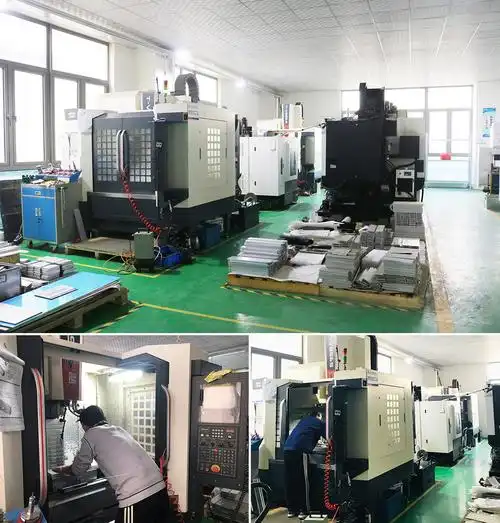
What Makes an Online Machine Shop Different
Ever uploaded a CAD file and received a quote in minutes? That experience defines what the best online machine shop offers compared to traditional manufacturing. Instead of phone calls, faxed drawings, and days of waiting, you're getting instant feedback on your designs right from your browser.
An online machine shop operates on a digital-first model. You upload your 3D CAD files to a web platform, configure material and finish options, and receive pricing almost immediately. Parts are then manufactured remotely and shipped directly to you. It's a fundamentally different experience from walking into local machine shops with printed blueprints.
How Online Machine Shops Transform Part Ordering
Traditional machining relied heavily on relationship-based quoting. You'd call a shop, describe your project, send drawings via email or fax, and wait for a machinist to manually review everything. This process could take days or even weeks for complex parts.
Digital manufacturers have flipped this model entirely. According to Protolabs, their proprietary technology turns CAD models into machined parts in as fast as a single day. The reduction in manual labor enables these platforms to operate at larger-scale capacity, producing more parts on quicker turnarounds.
When you submit a cnc quote online, automated systems analyze your geometry instantly. They identify features that might be challenging to machine before production begins, allowing modifications early in the design process. This automated design for manufacturability (DFM) feedback can return an interactive quote with pricing in hours rather than days.
The Digital Manufacturing Revolution
The shift from traditional to digital represents more than convenience. It's part of what industry experts call Industry 4.0, where technology fundamentally changes how manufacturing operates.
Here's what this means for you as a buyer:
- Consistent lead times: Technology enables an infinite capacity operating model that guarantees reliable delivery schedules
- Transparent pricing: Online machining quotes update daily based on current material and production costs
- Reduced risk: Automated DFM analysis catches problems before you commit to production
- Faster iterations: Multiple design versions can be quoted and compared in minutes
For engineers searching "cnc near me," the answer increasingly isn't geographic. A cnc cutting machine in another state or country can deliver parts faster than a local shop using traditional methods, simply because the digital workflow eliminates so much friction.
This guide focuses entirely on helping you navigate this landscape as a buyer. Whether you're a product developer needing rapid prototypes, a procurement professional sourcing production parts, or an engineer validating designs, understanding how to select and work with these platforms will save you time, money, and frustration.
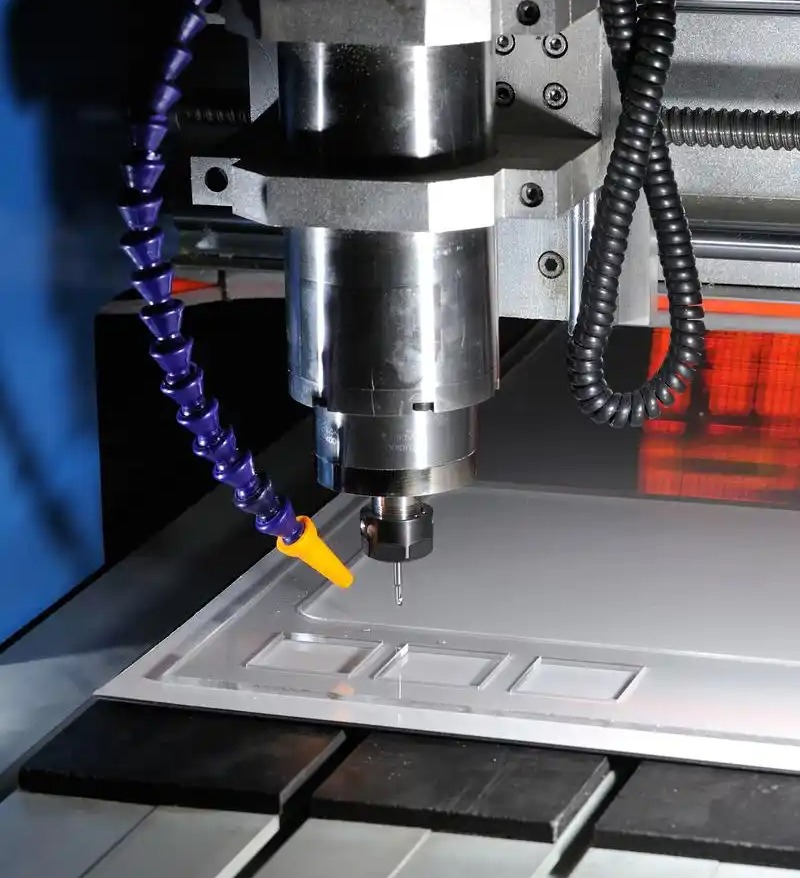
Three Types of Online Machine Shops Explained
Not every online machine shop serves the same purpose. Before you upload your first CAD file, understanding which type of provider matches your project needs can save you from costly mismatches. Think of it like choosing between a fast-food restaurant, a catering company, and a specialty bakery—each excels at something different.
The best online machine shop for your project depends entirely on what you're trying to accomplish. Are you validating a design concept? Scaling to production volumes? Working with materials that make most machinists nervous? Let's break down your options.
Rapid Prototyping Specialists vs Production Partners
Rapid prototyping specialists are built for speed above all else. These platforms optimize their entire workflow around getting parts into your hands as quickly as possible, sometimes within 24 hours. They excel at small quantities, typically one to fifty parts, where time-to-market matters more than per-unit cost.
According to JetCrafted's analysis, CNC prototyping allows for the creation of parts with complex geometries that manual machining couldn't achieve efficiently. Whether you're developing a single prototype or testing multiple design iterations, these specialists offer the scalability and versatility needed to adapt to rapid development demands.
Production-focused facilities operate differently. They're designed for volume manufacturing with tighter quality controls, statistical process control documentation, and consistent repeatability across thousands of parts. Setup costs are higher, but unit economics improve dramatically at scale.
Here's how these two categories compare:
-
Rapid Prototyping Specialists
- Ideal use cases: Design validation, functional testing, investor samples, bridge production
- Typical lead times: 1-5 business days
- Quantity sweet spot: 1-50 parts
- Strengths: Speed, flexibility, instant quoting, easy design iterations
-
Production Partners
- Ideal use cases: Manufacturing runs, supply chain integration, ongoing product lines
- Typical lead times: 2-4 weeks (longer setup, faster per-batch)
- Quantity sweet spot: 100-10,000+ parts
- Strengths: Lower unit costs, quality documentation, process consistency
A cnc prototyping service optimized for speed might charge premium rates that become prohibitive at volume. Conversely, a production partner's setup costs make no sense for a five-piece prototype run. Matching your project phase to the right provider type is essential for small parts manufacturing efficiency.
When Specialty Material Expertise Matters
The third category often gets overlooked: specialty material shops. These providers focus on exotic alloys, challenging plastics, and materials that require specific expertise to machine successfully.
Why does this matter? According to AMP CNC's technical documentation, exotic materials like titanium, Inconel, and carbon fiber composites are notoriously tough on cutting tools. Their hardness, strength, and thermal conductivity can quickly wear down standard tooling, leading to frequent tool replacements, lower productivity, and increased costs.
Consider these scenarios where specialty expertise becomes critical:
- Aerospace alloys: Materials like Inconel require specialized carbide, ceramic, or CBN tooling with specific cutting parameters to prevent rapid tool wear
- Medical-grade plastics: PEEK and other implantable polymers demand clean-room protocols and material traceability
- High-performance engineering plastics: Nylon for machining and delrin plastic require careful thermal management to prevent dimensional distortion
- Copper alloys: CNC machining bronze presents unique challenges with chip formation and surface finish quality
Heat buildup presents particular challenges with exotic materials. As the research notes, materials with low thermal conductivity don't dissipate heat efficiently, leading to thermal distortion, tool damage, or poor surface finishes. Specialty shops invest in high-pressure coolant systems and optimized cutting parameters specifically for these demanding materials.
Precision machining services handling exotic materials typically cost more per hour, but they avoid the expensive trial-and-error that occurs when general-purpose shops attempt unfamiliar materials. The expertise translates to fewer rejected parts, better surface finishes, and more reliable delivery schedules.
Before selecting any provider, honestly assess which category your project requires. A prototype in standard aluminum? Rapid prototyping specialists will serve you well. Scaling a validated design to production volumes? Look for production partners with appropriate certifications. Working with titanium or specialized polymers? Seek out shops that machine those materials regularly—not occasionally.
Understanding Certifications and Quality Standards
Imagine ordering parts from what appears to be the best online machine shop, only to discover they can't provide the quality documentation your customer requires. Certifications aren't just fancy logos on a website—they determine whether your parts are actually usable in your intended application.
Here's a reality check: the certification you need has nothing to do with how complex your part looks. A simple bracket destined for an aircraft requires AS9100D certification. A geometrically intricate component for a consumer product might need nothing beyond basic quality checks. Understanding this distinction saves you from costly supplier switches mid-project.
Decoding Quality Certifications for Your Industry
Let's cut through the alphabet soup. Each certification standard addresses specific industry requirements, audit protocols, and quality guarantees. Whether you're sourcing general machining services or complex machining services, the certification requirements depend entirely on where your parts end up.
| Certification | Industries Requiring It | What It Guarantees | Typical Audit Requirements |
|---|---|---|---|
| ISO 9001:2015 | General manufacturing, consumer products, industrial equipment | Baseline quality management system; customer satisfaction focus; risk-based thinking; continual improvement processes | Annual surveillance audits; full recertification every 3 years |
| ISO 13485 | Medical devices, surgical instruments, diagnostic equipment | Regulatory compliance for medical manufacturing; risk management integration; design controls; full traceability | Annual audits; more prescriptive documentation requirements than ISO 9001 |
| IATF 16949 | Automotive OEMs, Tier-1/Tier-2 suppliers, high-volume automotive components | Zero-defect culture; defect prevention; product traceability; contingency planning; customer-specific requirement compliance | Annual audits; customer-specific audits; CAPA system verification |
| AS9100D | Aerospace, aviation, space, defense contractors | Enhanced risk management; product safety; configuration control; counterfeit part prevention; full traceability | Rigorous third-party audits; supplier vetting requirements; performance data validation |
| ITAR | Defense contractors, military equipment, munitions-related components | Controlled access to defense-related technical data; US citizen-only handling of sensitive information; supply chain security | State Department registration; annual fees; strict documentation and security protocols |
According to quality management expert Govind Tiwari, choosing the right QMS standard isn't just about certification—it's about the value it brings to your quality culture, customer trust, and business growth. Each standard serves distinct operational purposes.
Which Certifications Your Project Actually Requires
Here's where buyers often stumble. They assume certification requirements scale with part complexity. In reality, your end-use application dictates everything.
Medical machining demands ISO 13485 regardless of part simplicity. According to Protomatic's analysis, ISO 13485 is the medical version of ISO 9001 but is significantly more prescriptive, requiring thoroughly documented quality management systems designed for regulatory compliance. The standard also integrates with ISO 14971 for risk management—increasingly an international requirement for medical device manufacturers.
Aerospace cnc machining requires AS9100D certification. This standard goes beyond general quality management to address configuration control, counterfeit prevention, and rigorous supplier vetting. A machine shop producing cnc machining services for aviation must demonstrate full product and process traceability.
Defense-related components add another layer entirely. As Staub Inc. explains, ITAR compliance requires that only authorized US citizens can access restricted information. There's no such thing as ITAR certification—companies must develop their own procedures and policies to comply with regulations, then register with the State Department's Directorate of Defense Trade Controls. Infractions can result in fines reaching hundreds of thousands of dollars, reputational damage, and even imprisonment.
For kovar machining services or other specialty materials used in aerospace applications, the certification requirements follow the application, not the material. A kovar component for a satellite requires AS9100D. The same material machined for a research laboratory might need only ISO 9001.
When evaluating any provider, ask these questions:
- What certifications does your facility currently hold?
- When was your last third-party audit, and what were the findings?
- Can you provide certification documentation before we place an order?
- Do you have experience with customer-specific requirements in my industry?
The best online machine shop for your project isn't necessarily the one with the most certifications—it's the one with the right certifications for your application. A shop with ISO 9001 excels at general manufacturing but cannot legally produce ITAR-controlled defense components. Understanding this match prevents project delays and compliance headaches down the road.
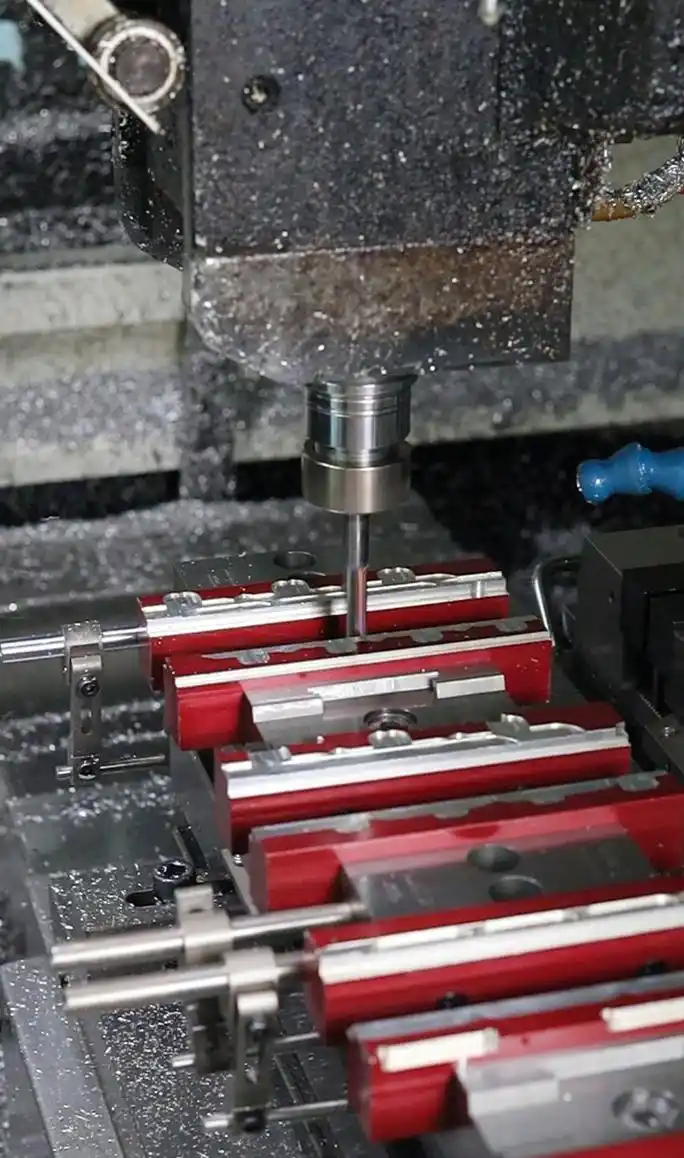
How to Evaluate and Compare Service Providers
You've identified the right type of online machine shop and confirmed they hold appropriate certifications. Now comes the harder question: how do you objectively compare two or three providers who all look qualified on paper?
The difference between a good experience and a frustrating one often comes down to capabilities you didn't think to ask about. Tolerance guarantees, material options, secondary operations, and quality documentation vary dramatically between providers. Understanding these evaluation criteria before you commit prevents expensive surprises after production begins.
Tolerance Requirements by Application Type
Not every part needs ultra-tight tolerances. Paying for precision you don't actually require wastes money, while underspecifying critical dimensions leads to rejected parts. The best online machine shop for your project matches their tolerance capabilities to your functional requirements.
Here's how tolerance levels typically break down:
- Standard machining (±0.005" / ±0.127mm): Suitable for most non-critical features, general enclosures, brackets, and structural components where fit isn't precise
- Precision machining (±0.001" / ±0.025mm): Required for bearing fits, mating surfaces, assembly interfaces, and anywhere components must align accurately
- Ultra-precision machining (±0.0005" / ±0.0127mm or tighter): Reserved for optical components, aerospace interfaces, medical implants, and high-performance assemblies
Swiss machining capabilities become essential when you're working with small-diameter parts requiring exceptional concentricity and surface finish. This specialized cnc turning process uses a sliding headstock to support the workpiece close to the cutting tool, enabling tighter tolerances on long, slender components that would deflect in conventional lathes.
When evaluating custom machined parts suppliers, ask specifically about their inspection equipment. A shop claiming ±0.0005" tolerances should have CMM (Coordinate Measuring Machine) capabilities, not just hand micrometers. The measurement system must be more precise than the tolerances being held.
Evaluating Secondary Operations and Finishing
Your cnc milled or turned part rarely ships directly from the machine. Secondary operations—threading, heat treatment, surface finishing, assembly—often determine project success or failure. A provider handling everything in-house delivers faster and more consistently than one outsourcing critical steps.
Consider these common secondary requirements:
- Surface treatments: Anodizing, plating, powder coating, passivation
- Heat treatment: Hardening, stress relief, aging
- Additional machining: Threading, knurling, EDM for complex features
- Assembly: Press-fit inserts, hardware installation, sub-assembly
- Inspection: CMM reports, first-article inspection, material certifications
Metal machined parts destined for harsh environments often require protective coatings. If your supplier outsources anodizing, add a week to your lead time and expect potential communication gaps between facilities. Understanding the full production flow helps you anticipate realistic delivery schedules.
The machinist metal cost calculation extends beyond raw material pricing. Secondary operations frequently represent 30-50% of total part cost. When comparing quotes, ensure you're evaluating complete delivered cost, not just machining charges.
Quality Documentation and Delivery Performance
How do you verify a supplier actually delivers what they promise? Quality inspection documentation and on-time delivery metrics provide objective evidence beyond marketing claims.
For machined parts going into production applications, ask about Statistical Process Control (SPC) implementation. According to CNC manufacturing quality research, SPC offers a systematic approach to monitor production processes, identify anomalies, analyze issues, and implement corrective measures. Through continuous optimization of process parameters and enhanced equipment precision, manufacturers can elevate part quality while reducing production costs.
SPC matters because it catches problems before they become defects. Rather than inspecting finished parts and rejecting bad ones, SPC monitors the production process in real-time. Control charts track key variables—dimensional measurements, surface roughness, tool wear—and flag when processes drift toward out-of-spec conditions.
For production runs of cnc turning components or any volume manufacturing, SPC documentation demonstrates process capability. Ask potential suppliers:
- Do you maintain control charts for critical dimensions?
- What is your Cpk (process capability index) for similar part features?
- How do you handle out-of-control conditions when detected?
- Can you provide SPC data with shipments?
The Buyer's Evaluation Checklist
According to Dr. Shahrukh Irani's manufacturing research, businesses too often treat job shops as interchangeable, sending blanket RFQs and choosing the lowest price or fastest turnaround. But countless projects get derailed by partnerships with shops that weren't thoroughly evaluated. What sounds good in a quote often turns out to be overpromising, leading to delays and reworks.
Before committing to any supplier, work through these questions:
- Tolerance capabilities: What are your standard, precision, and best-case tolerances? What inspection equipment verifies these?
- Material selection: Do you stock the materials I need, or must they be ordered? What's your experience with my specific alloy or plastic?
- Secondary operations: Which finishing operations do you perform in-house versus outsource?
- Quality documentation: What inspection reports accompany shipments? Can you provide material certifications and first-article inspection reports?
- Delivery performance: What is your on-time delivery rate over the past 12 months? How do you communicate delays?
- Production capability: Do you implement SPC for production runs? What's your typical Cpk for precision features?
- Communication: Who is my primary contact? What's your response time for technical questions?
No single provider excels at everything. A shop optimized for rapid prototyping may lack the SPC infrastructure needed for production. A high-volume production facility might quote prohibitive setup costs for your five-piece prototype. The goal isn't finding a perfect supplier—it's finding the right match for your specific project requirements.
As you narrow your options, consider requesting sample parts or visiting facilities when possible. Quotes tell you what a shop promises; delivered parts reveal what they actually produce.
Navigating the Quoting Process Successfully
You've found a promising online machine shop, verified their certifications, and confirmed they can handle your materials. Now you're staring at their quoting interface wondering: should you use the instant quote engine or request a manual RFQ? The answer determines how quickly you get pricing—and how accurate that pricing actually is.
Understanding the quoting process helps you avoid one of the costliest mistakes buyers make: assuming all quotes work the same way. The best online machine shop for your project might use either approach depending on part complexity, and knowing when each method applies saves you time and prevents pricing surprises.
Instant Quotes vs Manual RFQ Processes
Instant quoting platforms analyze your CAD file automatically the moment you upload it. Within minutes—sometimes seconds—you receive pricing based on automated Design for Manufacturability (DFM) analysis. The system identifies features, calculates machining time, and generates a quote without human intervention.
According to LS Manufacturing's research, traditional manufacturers relying heavily on manual labor require several days to generate a quote. Their intelligent platform achieves automatic parsing of design documents and precise matching with optimal process solutions. The system identifies material requirements in real time, automatically plans processing paths, and accurately calculates labor costs—completely eliminating manual intervention and approval delays.
Here's when each approach works best:
-
Instant quoting excels for:
- Standard geometries with common features
- Materials regularly stocked by the supplier
- Parts within typical size and tolerance ranges
- Cnc fabrication projects needing rapid turnaround estimates
- Early-stage design iterations where you're comparing options
-
Manual RFQ processes are necessary for:
- Complex geometries that automated systems can't fully analyze
- Exotic materials requiring special handling or sourcing
- Ultra-tight tolerances beyond standard capabilities
- Large parts exceeding typical machine envelopes
- Projects requiring custom fixturing or specialized setups
When instant systems encounter complexity they can't handle, they typically flag the part for engineer review. As LS Manufacturing notes, if non-standard parts are particularly complex, the system immediately marks them after the initial quote and automatically transfers them to senior process engineers for detailed manual review. Engineers examine manufacturing feasibility and provide professional advice, ensuring reliable feedback within hours rather than days.
What Affects Your CNC Machining Quote
Whether you're using instant quoting or requesting manual review, the same fundamental factors drive your machine shop quote. Understanding these variables helps you optimize designs before submission—and explains why seemingly similar parts can have dramatically different prices.
According to Xometry's cost analysis, the most important factors affecting CNC machined parts can be classified under equipment, materials, design, manufacturing volume, and finishing operations. The more expensive it is to procure, operate, and maintain a machine, the more expensive parts manufactured with that machine will be.
| Cost Factor | Impact on Price | Optimization Strategy |
|---|---|---|
| Material Selection | High—both raw cost and machinability affect pricing | Choose machinable alloys when performance allows; aluminum 6061 offers excellent cost-to-performance ratio |
| Tolerances | Medium to High—tighter specs require slower cuts and more inspection | Apply tight tolerances only to functional features; use standard ±0.005" where possible |
| Surface Finish | Medium—finer finishes require additional passes and time | Specify finish requirements only on visible or functional surfaces |
| Quantity | Very High—setup costs spread across more parts dramatically reduce unit price | Order higher volumes when possible; even 5 vs 1 can cut costs significantly |
| Lead Time | Medium—expedited orders command premium pricing | Plan ahead; standard lead times cost less than rush orders |
| Part Complexity | High—deep cavities, thin walls, and intricate features increase cycle time | Simplify geometries where function allows; avoid features requiring special tooling |
Quantity breaks deserve special attention. According to Hubs' manufacturing research, unit price drops rapidly with quantity: increasing an order from one to five can cut price by about half, and very high volumes over 1,000 parts can reduce unit cost by five to ten times. Start-up costs covering CAD file preparation and process planning are significant at low volumes but remain fixed—if the design scales efficiently, unit price decreases dramatically.
Material machinability directly impacts how long each cnc cut takes. Softer, more ductile alloys machine faster than hardened steels or exotic superalloys. As Xometry notes, materials with low machinability take more time and effort to machine, and in CNC machining, time is literally money. Hard-to-machine materials also consume more cutting fluids, electricity, and cutting tools.
Design Optimization for Better Quotes
Smart design choices reduce cnc cutting time without sacrificing functionality. Before uploading your next file, consider these proven strategies from Hubs' DFM guidelines:
- Internal corner radii: Specify a corner radius at least one-third of the cavity depth. Smaller radii require smaller tools running at lower speeds with multiple passes.
- Cavity depth: Limit depth to no more than four times the feature length. Deeper cavities require special tooling or multi-axis systems that increase cost.
- Wall thickness: Design metal walls thicker than 0.8mm and plastic walls above 1.5mm. Thin walls require multiple light passes to prevent deformation.
- Hole sizes: Use standard drill bit sizes in 0.1mm increments up to 10mm. Non-standard diameters require additional machining steps.
- Thread depth: Limit threads to no more than three times the hole diameter. Additional depth adds cost without meaningful strength improvement.
Perhaps the most impactful optimization involves setup reduction. Design parts for machining parts in as few setups as possible—ideally a single setup. Rotating or repositioning a part increases cost because it's often a manual step. Complex geometries may require custom fixturing, adding expense.
Consider splitting complex designs into multiple components that can each be machined in a single setup, then bolted or welded together. This approach often reduces total cost while simplifying quality control for each individual piece.
The goal isn't squeezing every fraction of a cent from your quote—it's eliminating unnecessary costs that don't add functional value. A well-optimized design gets you competitive pricing while still meeting all performance requirements, setting you up for smoother production when you're ready to scale
.
Common Ordering Mistakes and How to Avoid Them
You've selected the best online machine shop for your project, uploaded your CAD file, and received a competitive quote. Everything looks good—until your parts arrive and they're completely wrong. What happened?
The truth is, most ordering failures trace back to preventable mistakes made before clicking "submit." First-time buyers often assume the quoting platform catches everything, but automated systems can only work with the information you provide. Missing specifications, unclear callouts, and overlooked requirements create gaps that lead to rejected cnc parts and costly delays.
According to JUPAICNC's manufacturing research, proper planning and clear communication are essential to ensuring a smooth experience and achieving desired results. Let's examine the specific mistakes that derail projects—and exactly how to avoid them.
File Preparation Errors That Delay Your Order
The most expensive mistakes happen before your order ever reaches a machine. File preparation errors force shops to pause production, request clarification, or worse—proceed with assumptions that don't match your intent.
Insufficient tolerance callouts top the list of cnc machining parts failures. As manufacturing tolerance experts explain, tolerances define the acceptable range of variation for dimensions, geometry, and surface finish. If actual measurements fall within tolerance, parts are conforming and acceptable. If they exceed tolerance, parts are defective.
Here's where buyers stumble: they specify tolerances everywhere or nowhere. Overly tight tolerances on non-critical features drive costs up dramatically, while missing tolerances on critical interfaces lead to parts that don't fit. The solution? Apply tight tolerances only where functionally necessary—bearing fits, mating surfaces, and assembly interfaces—while allowing standard tolerances elsewhere.
Missing material specifications create equally serious problems. According to JUPAICNC, different materials have distinct properties—hardness, durability, machinability, and cost—which influence the overall outcome of the machining process. Selecting the wrong material for your application may cause premature wear, functionality problems, or higher costs than anticipated.
Don't simply specify "aluminum" when you need 6061-T6. Don't say "steel" when your application requires 303 stainless for corrosion resistance. Complete material callouts include:
- Specific alloy designation (e.g., 7075-T6, 316L SS, C360 brass)
- Temper or heat treatment condition when applicable
- Any certification requirements (e.g., mill certs, material traceability)
Overlooking secondary operation requirements catches buyers mid-project when they realize their custom machine parts need additional work. Threading, heat treatment, surface finishing, and assembly operations must be specified upfront. A shop quoting raw machined parts can't read your mind about the anodizing you assumed was included.
As Eurotech CNC's design analysis notes, designers often focus solely on workpiece functionality while overlooking manufacturing process limitations. The result? Higher costs, extended lead times, and sometimes the inability to make the part at all.
Communication Gaps That Lead to Rejected Parts
Even perfect files fail when communication breaks down. Parts cnc machining involves interpretation—and every interpretation introduces opportunity for error. Your job is minimizing ambiguity before production begins.
Unclear critical dimension callouts cause the most frustrating rejections. When everything on a drawing appears equally important, nothing stands out. Machinists can't distinguish which features absolutely must hit tolerance versus which have room for variation.
According to tolerance communication research, specifying tolerances correctly means providing context. Which dimensions are crucial for functionality and interchangeability? Highlight critical features explicitly. Many buyers use balloon callouts or separate critical dimension tables to ensure key measurements receive appropriate attention during inspection.
Not accounting for lead time in project schedules creates pressure that compromises quality. As industry research confirms, many buyers fail to account for manufacturing and delivery time, assuming the process is quicker than reality. Rushing timelines creates unnecessary stress and may result in rushed production that negatively impacts part quality.
Build realistic buffers into your schedule. Factor in:
- Quoting and order confirmation (1-3 days)
- Material sourcing if not stocked (3-10 days for specialty alloys)
- Production time based on complexity
- Quality inspection and documentation
- Shipping and potential customs delays
- Time for revisions if first articles don't pass inspection
Incomplete order notes leave shops guessing about your intent. The notes field isn't optional—it's your opportunity to communicate everything the CAD file can't convey. Use it to specify surface finish requirements on specific faces, identify which features are cosmetic versus functional, note any orientation preferences, and highlight areas requiring special attention.
Your Pre-Submission Checklist
Before uploading your next cnc machining part file, work through this verification sequence. Each step catches errors that cost time and money once production begins:
- Verify file format and integrity: Confirm your CAD file opens correctly and contains all features. STEP files are universally accepted; proprietary formats may lose data in translation.
- Review all tolerance callouts: Ensure critical dimensions have explicit tolerances. Apply GD&T where appropriate for form, orientation, and position requirements.
- Confirm complete material specification: Include alloy, temper, and any certification requirements. Note acceptable substitutes if applicable.
- List all secondary operations: Thread specifications, surface treatments, heat treatment, assembly requirements—if you need it, specify it.
- Define surface finish requirements: Specify Ra values for critical surfaces. Note which faces are cosmetic versus functional.
- Identify critical features explicitly: Use notes or callouts to highlight dimensions that absolutely cannot vary.
- Verify quantity and delivery requirements: Confirm piece count, delivery address, and required delivery date.
- Include inspection requirements: Specify if you need first-article inspection reports, material certifications, or dimensional inspection data.
- Add contextual notes: Explain the part's function if relevant. Note any handling or packaging requirements.
- Review quote assumptions: Before confirming, verify the quote reflects your actual requirements—material, finish, tolerances, and lead time.
What Your Order Notes Should Include
Think of order notes as your direct line to the machinist who'll make your cnc milled parts. Clear notes prevent assumptions that lead to wrong parts. Include:
- Part function context: "This is a bearing housing—bore concentricity is critical" tells the machinist where to focus attention
- Cosmetic surface identification: "External surfaces are customer-facing; internal cavity finish is non-critical"
- Edge break requirements: Specify chamfer or radius requirements for sharp edges
- Orientation preferences: "Machine marks acceptable parallel to long axis only"
- Marking requirements: Part numbers, revision levels, or other identification needs
- Packaging requirements: Individual wrapping, desiccant, or other protection needs
The few minutes spent completing thorough order notes saves days of back-and-forth clarification—or worse, receiving parts that technically match your file but fail your actual requirements. When in doubt, over-communicate. Shops appreciate clarity far more than they appreciate guessing.
Industry-Specific Requirements and Considerations
A precision bracket for a consumer electronics enclosure and an identical-looking bracket for a medical ventilator require completely different manufacturing approaches. Why? Because industry-specific requirements dictate everything from documentation depth to traceability protocols—and choosing the wrong supplier for your application creates compliance nightmares that far exceed any cost savings.
Understanding how requirements differ across industries helps you find the best online machine shop for your specific application. Let's break down what each major sector demands and how lead time expectations shift based on project phase.
Automotive Parts and Supply Chain Integration
Automotive manufacturing operates under some of the most demanding quality requirements in precision cnc machining services. The stakes are simple: parts that fail in vehicles create safety hazards, recalls costing millions, and reputational damage that takes years to repair.
IATF 16949 certification isn't optional for serious automotive supply chain integration. This standard builds on ISO 9001 but adds automotive-specific requirements including defect prevention protocols, product traceability, and customer-specific requirement compliance. If you're sourcing metal machining components for any OEM or Tier-1 supplier, your machine shop must hold this certification.
According to IATF 16949 implementation research, Statistical Process Control (SPC) is required under clause 9.1.1.1, which mandates organizations determine appropriate use of statistical tools. SPC monitors manufacturing processes in real-time, catching drift before it produces defective parts. The methodology ensures continuous improvement in product quality and workforce productivity—exactly what automotive buyers demand.
What does this mean practically? Your aluminum machining supplier should provide:
- Control charts tracking critical dimensions throughout production runs
- Cpk data demonstrating process capability meets your specifications
- Traceability documentation linking every part to raw material lots and production records
- First-article inspection reports verifying initial production matches design intent
- PPAP documentation for production part approval when required
For automotive applications requiring rapid turnaround, Shaoyi Metal Technology exemplifies what buyers should expect from an IATF 16949-certified facility. Their capabilities span chassis assemblies to custom metal bushings with lead times as fast as one working day—critical when you're validating designs or addressing urgent supply chain gaps. This combination of certification compliance and speed demonstrates that quality and responsiveness aren't mutually exclusive.
Lead time expectations in automotive vary dramatically by project phase. Prototype validation might need parts in days. Production launches require consistent weekly or monthly deliveries aligned with assembly schedules. Ongoing production demands kanban-style inventory management with statistical controls ensuring zero-defect shipments.
Medical and Aerospace Compliance Requirements
Medical device manufacturing adds regulatory complexity that extends far beyond dimensional accuracy. ISO 13485 certification establishes the baseline, but the real requirements involve comprehensive traceability, risk management integration, and documentation that satisfies FDA or international regulatory scrutiny.
According to Jaco Machine Works' traceability documentation, medical device customers require full product traceability maintained for all production processes. This includes:
- Raw stock traceability: Source, specifications, inspection records, and transaction registers linking material to original mill certifications
- Production records: Each operation documented with machine, operator, date, quantity, in-process inspection approval, and scrap disposition
- Outside process verification: Receiving inspection and conformance certification for any supplier-provided processes
- Certificate of conformance: Detailed final inspection reports meeting regulatory requirements
This integrated traceability eliminates costly recalls by enabling rapid isolation of affected product lots and accurate root cause analysis traceable to each process and personnel involved.
Aerospace cnc metal requirements under AS9100D add configuration control, counterfeit part prevention, and enhanced risk management. Large part machining services for aerospace applications face particular scrutiny—structural components demand full material and process documentation that traces every step from raw billet to finished assembly.
Here's how documentation requirements compare across industries:
| Industry | Primary Certification | Traceability Requirements | Testing/Inspection Expectations |
|---|---|---|---|
| Automotive | IATF 16949 | Lot-level material traceability; production records | SPC data; Cpk documentation; PPAP packages |
| Medical | ISO 13485 | Unit-level traceability for implants; lot-level for instruments | Validated processes; biocompatibility testing; FDA compliance documentation |
| Aerospace | AS9100D | Full traceability from raw material through all processes | First-article inspection; material certifications; dimensional inspection reports |
| Consumer Products | ISO 9001 (minimum) | Batch-level typically sufficient | Dimensional verification; cosmetic inspection; functional testing |
Lead Time Realities Across Industries
Your industry and project phase directly impact realistic lead time expectations. Consumer product prototypes might ship in three days. A production run of cnc turning services components for aerospace could require eight weeks when you factor in material sourcing, processing, inspection, and documentation.
Consider these typical timelines:
- Consumer product prototypes: 3-7 days for standard materials and tolerances
- Automotive prototype validation: 5-10 days including inspection documentation
- Medical device prototypes: 1-3 weeks depending on material certification requirements
- Aerospace production parts: 4-8 weeks including full traceability documentation
- Automotive production runs: 2-4 weeks initial setup; ongoing orders on scheduled releases
Material sourcing significantly impacts these timelines. Common aluminum alloys ship from stock. Aerospace-grade titanium or medical PEEK might require weeks to procure with proper certifications. When evaluating suppliers, ask specifically about material lead times for your required alloys.
For automotive buyers needing both speed and compliance, identifying suppliers who maintain certified material inventory becomes critical. Facilities serving automotive supply chains—like Shaoyi's automotive machining division—stock common automotive-grade materials and maintain the SPC infrastructure to deliver quality-documented parts on aggressive timelines.
The bottom line? Match your supplier selection to your industry's actual requirements. A shop excelling at consumer product prototypes may lack the certification infrastructure medical devices demand. A production-focused automotive supplier may not offer the rapid iteration speed product development requires. Understanding these distinctions before you commit prevents costly supplier transitions mid-project.
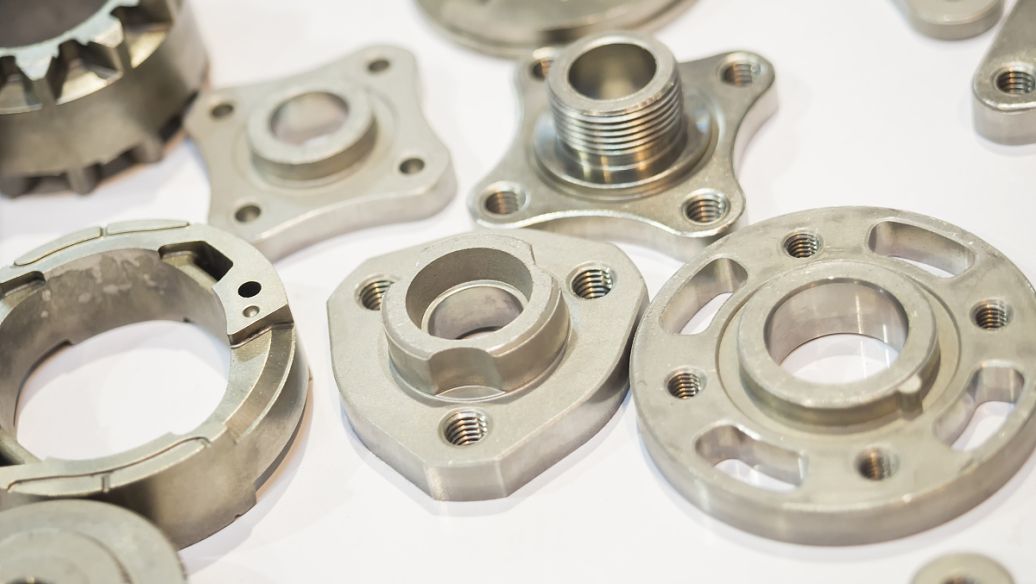
The Complete Buyer Journey from Quote to Delivery
You've done the research—identified the right type of online machine shop, verified certifications, compared quotes, and avoided common ordering mistakes. Now what? The gap between clicking "confirm order" and receiving parts that actually work is where many projects succeed or fail.
Understanding the complete buyer journey transforms you from a passive customer hoping for the best into an active participant ensuring success. Whether you're ordering machined parts online for the first time or refining your procurement process, this roadmap helps you navigate every phase from initial planning through final quality verification.
From CAD File to Delivered Parts
Think of ordering from a cnc service provider as a structured process with distinct phases. Each phase requires specific actions from you—and skipping steps creates problems that compound downstream. Here's the complete sequence:
- Define project requirements clearly: Before uploading anything, document your functional requirements. What does this part need to do? Which dimensions are critical for assembly? What surface finishes matter? What certifications must accompany delivery? Write these down—they become your verification checklist later.
- Prepare complete technical documentation: Your CAD file tells the machinist what to make. Your specifications tell them how precisely to make it. Include tolerance callouts on critical features, complete material specifications with alloy and temper, surface finish requirements, and secondary operation needs.
- Select appropriate suppliers: Match supplier capabilities to your requirements. Rapid prototyping specialists for speed, production partners for volume, specialty shops for exotic materials. Verify certifications match your industry needs before requesting quotes.
- Submit quote requests with full context: Upload files to your selected machine shop services providers. Include detailed notes explaining part function, critical features, and any special requirements. Complete information yields accurate quotes; vague requests produce surprise charges later.
- Evaluate quotes comprehensively: Compare total delivered cost—not just machining charges. Factor in secondary operations, inspection documentation, shipping, and lead time. The lowest quote often excludes requirements you assumed were standard.
- Confirm order with explicit specifications: Before finalizing your cnc order, verify the quote reflects your actual requirements. Confirm material, tolerances, finish, quantities, and delivery date. This is your last opportunity to catch misunderstandings.
- Monitor production status: Professional suppliers provide order tracking. Check progress at key milestones. Address questions promptly—delays in responding to clarification requests delay your parts.
- Receive and verify delivered parts: Inspection doesn't end at the supplier. Verify dimensions, check material certifications, test fit and function. Document any discrepancies immediately.
- Close the loop: Provide feedback to your supplier. Confirm successful receipt or document issues for resolution. Build the relationship for future orders.
This sequence applies whether you're ordering a single prototype or launching production runs. The difference lies in documentation depth and verification rigor—but the fundamental process remains consistent.
Quality Verification After Delivery
Receiving a box of parts isn't the finish line—it's the verification starting point. Even the best online machine shop occasionally ships parts that don't meet specifications. Your inspection process catches problems before they become expensive failures in your assembly or your customer's hands.
Dimensional verification confirms parts match your drawings. According to Factorem's tolerance verification research, various inspection methods and tools are used to measure dimensions and geometric characteristics. The level and method employed depend on tolerance tightness and industry requirements.
For most buyers, practical dimensional checks include:
- Calipers and micrometers: Verify critical external dimensions and hole diameters
- Pin gauges: Confirm hole sizes meet tolerance specifications
- Thread gauges: Verify internal and external threads are correctly sized
- Height gauges: Check step heights and surface positions
- CMM reports: For complex geometries, review supplier-provided coordinate measuring machine data
Material certification review verifies you received the alloy you specified. Request mill certifications tracing material to original production lots. According to Unisontek's quality evaluation research, capable machine shops maintain procedures for verifying incoming material certifications, testing material properties, and preventing mix-ups. Your job is verifying this documentation accompanies delivery.
Functional testing answers the ultimate question: does the part work? Custom machine parts designed for specific assemblies should be test-fitted before approving full production runs. Check:
- Assembly fit with mating components
- Fastener engagement and thread function
- Clearances and interference fits
- Movement in dynamic assemblies
- Surface finish suitability for intended function
Troubleshooting Common Delivery Issues
Even careful planning can't prevent every problem. Knowing how to address common issues efficiently preserves your project timeline and supplier relationship.
Dimensional discrepancies require systematic investigation. According to Frigate's dimensional analysis research, even a few microns of deviation can trigger malfunctions or increase rejection rates. When dimensions don't match specifications:
- Verify you're measuring correctly—confirm measurement technique and instrument calibration
- Compare your measurement to supplier inspection reports
- Identify whether deviation is consistent across all parts or isolated to specific pieces
- Document discrepancies with photographs and measurement data
- Contact supplier with specific data—"Feature X measures 10.05mm versus specified 10.00mm ± 0.02mm"
Surface finish concerns often stem from specification ambiguity. If parts look rougher than expected:
- Review what surface finish you actually specified (Ra value, not subjective descriptions)
- Identify whether the issue affects function or is purely cosmetic
- Compare finish on critical surfaces versus non-critical areas
- Request profilometer data if supplier didn't provide surface finish verification
Material questions require certification verification. If parts seem wrong—different hardness, magnetic properties, or appearance than expected—review the material certification. Request testing if certifications are missing or suspect.
Professional suppliers address legitimate quality issues promptly. Document problems thoroughly, communicate specifically, and work toward resolution rather than confrontation. A good machine shop service provider values quality feedback—it helps them improve processes for future orders.
The complete buyer journey extends beyond simply receiving parts. Your verification process, documentation practices, and feedback loop determine whether you're building a reliable supply chain or constantly firefighting quality issues. Invest time upfront defining requirements, then verify consistently upon delivery. This discipline separates successful procurement from perpetual frustration.
Choosing the Right Online Machine Shop for Your Needs
You've absorbed a lot of information—certification requirements, evaluation criteria, quoting strategies, ordering best practices, and industry-specific considerations. Now comes the practical question: how do you synthesize all this into a decision that actually works for your project?
Finding the best online machine shop isn't about identifying a single "best" provider. It's about matching your specific requirements to a supplier whose capabilities, certifications, and operational strengths align with what you need. Let's translate everything we've covered into actionable recommendations you can apply immediately.
Matching Your Project to the Right Partner
Your project type determines which evaluation criteria matter most. A custom machine shop excelling at rapid prototypes may lack the SPC infrastructure production runs demand. Conversely, a production-focused facility might quote prohibitive setup costs for your five-piece validation run.
Here's how to match your scenario to the right provider type:
- Early-stage prototyping (1-10 parts): Prioritize speed and design iteration flexibility. Look for online cnc machining services with instant quoting, fast turnaround, and DFM feedback. Certifications matter less unless your end application requires them. Focus on responsive communication and willingness to handle quick design changes.
- Design validation (10-50 parts): Balance speed with quality documentation. You need parts that accurately represent production intent. Seek custom cnc machining services offering first-article inspection reports and dimensional verification. Material certifications become important if you're validating material performance.
- Bridge production (50-500 parts): Transition focus toward consistency and cost efficiency. Evaluate suppliers on their ability to maintain tolerances across larger quantities. Ask about process capability data and quality documentation depth. This phase reveals whether a supplier can scale with you.
- Volume production (500+ parts): Certifications, SPC implementation, and on-time delivery history become critical. For automotive applications, IATF 16949 is non-negotiable. Medical and aerospace demand ISO 13485 and AS9100D respectively. Prioritize suppliers demonstrating process control and continuous improvement culture.
When searching "cnc machine shops near me" or "machining shops near me," remember that geographic proximity matters less than capability alignment in digital manufacturing. A certified facility across the country delivering the best machining quality often outperforms a local shop lacking your required certifications or equipment.
Building Long-Term Manufacturing Relationships
Here's a perspective shift that separates successful procurement professionals from perpetually frustrated buyers: stop treating every order as a one-time transaction.
According to Stecker Machine's partnership research, solid client-vendor relationships are vital to any company's success. So much is on the line: quality, customer service, efficiencies, low costs, supply chain integration, and future growth. A poor relationship invites miscommunication, contentiousness, quality issues, and missed deadlines.
The benefits of developing ongoing partnerships with reliable suppliers extend far beyond transactional convenience:
- Institutional knowledge: Your supplier learns your quality expectations, communication preferences, and critical requirements. According to Arbiser Machine's sourcing guidance, ideally a customer should be able to return to the same shop in five years to remake a part without having to reinvent the wheel.
- Priority handling: When partnerships are strong, they naturally develop momentum. As Stecker Machine notes, when a machine shop vendor receives consistent orders and on-time payments, a rush project is seen as an opportunity to perform and impress a valued partner, not as a headache.
- Risk mitigation: When shops close suddenly, you risk losing vital knowledge about your part as well as any components they kept in stock for you. Long-term relationships with stable suppliers prevent this disruption.
- Continuous improvement: Trusted partners share insights that improve your designs and reduce costs. They'll flag manufacturability issues proactively rather than simply quoting what you submit.
For automotive production applications requiring both speed and certified quality, Shaoyi Metal Technology demonstrates what production-ready partnerships look like. Their IATF 16949 certification ensures automotive supply chain compliance, while SPC controls maintain consistency from prototyping through mass production. With lead times as fast as one working day, they bridge the gap between rapid iteration and production-grade quality—exactly the capability profile you should evaluate when assessing potential long-term manufacturing partners.
The vetting process for long-term partners deserves more rigor than one-off orders. According to Stecker Machine's research, if the vendor isn't already ISO- or IATF-certified, the machine shop will perform a full site audit to ensure their quality meets standards. Consider whether potential partners can answer these questions beyond standard audit criteria:
- What's their financial stability and business longevity?
- How do they handle capacity constraints during peak demand?
- What's their communication protocol when problems arise?
- Can they scale with your growth over the next 3-5 years?
Your Decision Framework
After evaluating machinist shops near me or online providers worldwide, apply this framework to make confident decisions:
- Define your non-negotiables: Which certifications does your application absolutely require? What tolerance capabilities are essential? What lead time constraints exist?
- Categorize your project phase: Prototype, validation, bridge production, or volume manufacturing? Each phase has different priority weightings.
- Match provider type to needs: Rapid prototyping specialist, production partner, or specialty material shop? Don't force a mismatch.
- Verify capabilities with evidence: Request sample parts, review inspection reports, ask for customer references. Claims are easy; evidence is convincing.
- Evaluate partnership potential: Even if this order is small, consider whether this supplier could grow with your needs.
The best online machine shop for your project isn't the one with the most impressive website or the lowest quote—it's the one whose certifications, capabilities, and operational strengths align precisely with your functional requirements, industry compliance needs, and partnership expectations.
This principle applies whether you're sourcing a single prototype or establishing a multi-year production relationship. The evaluation criteria remain consistent; only the weighting changes based on your specific situation.
According to UPTIVE's manufacturing research, when comparing top rapid prototyping companies, consider their service offerings, reliability, scalability, and expertise in handling your product type. Selecting the right partner with relevant experience can potentially save you thousands of dollars because they're familiar with common pitfalls and the most effective ways to steer clear of them.
Start with your requirements, not with available suppliers. Define what success looks like before you begin evaluating options. Then systematically assess each potential partner against your criteria—certifications, capabilities, quality systems, delivery performance, and partnership potential. This disciplined approach transforms supplier selection from guesswork into strategic decision-making that serves your projects for years to come.
Frequently Asked Questions About Online Machine Shops
1. How to find a good machine shop?
Start by defining your project requirements including tolerances, materials, and certifications needed. Evaluate potential suppliers based on their equipment capabilities, quality control systems like SPC implementation, and relevant industry certifications such as ISO 9001, IATF 16949, or AS9100D. Request sample parts, review inspection reports, and check on-time delivery metrics. For automotive applications, IATF 16949-certified facilities like Shaoyi Metal Technology offer both rapid prototyping and production-scale capabilities with documented quality controls.
2. Which company is best for CNC machines?
The best CNC machining provider depends on your specific application. Rapid prototyping specialists excel at speed and small quantities with 1-5 day turnarounds. Production partners offer better unit economics for volumes over 100 parts with tighter quality controls. Specialty material shops handle exotic alloys requiring specific expertise. Match your project phase and industry requirements to the appropriate provider type rather than seeking a one-size-fits-all solution.
3. What certifications should an online machine shop have?
Required certifications depend on your end-use application. ISO 9001:2015 serves as the baseline for general manufacturing. Medical devices require ISO 13485 for regulatory compliance. Automotive supply chains demand IATF 16949 certification with SPC documentation. Aerospace applications need AS9100D for enhanced traceability and risk management. Defense-related components require ITAR compliance with State Department registration. Always verify certification status before placing orders.
4. What affects the cost of CNC machining quotes?
Key cost drivers include material selection and machinability, tolerance tightness requiring slower cuts and more inspection, surface finish specifications, quantity volume where setup costs spread across more parts, lead time urgency, and part complexity requiring special tooling. Optimize designs by applying tight tolerances only on functional features, using standard drill sizes, limiting cavity depths to four times feature length, and designing for single-setup machining when possible.
5. How long does it take to receive CNC machined parts?
Lead times vary by project type and industry requirements. Consumer product prototypes typically ship in 3-7 days. Automotive prototype validation takes 5-10 days including documentation. Medical device prototypes require 1-3 weeks depending on material certification needs. Aerospace production parts may take 4-8 weeks with full traceability documentation. Some certified facilities offer expedited service with lead times as fast as one working day for urgent automotive applications.