 Small batches, high standards. Our rapid prototyping service makes validation faster and easier —
  EN
EN


From Upload To Quote: How A Machining Website Turns Your CAD Into Parts
What Is a Machining Website and Why Categories Matter
Ever tried searching for custom cnc parts online and felt overwhelmed by the sheer number of options? You're not alone. The digital landscape for machining services has exploded, yet most buyers struggle to understand the fundamental differences between platforms. Here's the thing: not all machining websites work the same way, and choosing the wrong type can cost you time, money, and unnecessary frustration.
A machining website is any online platform that connects buyers with cnc fabrication capabilities—whether that's CNC milling, turning, or multi-axis machining. But that broad definition masks critical distinctions that affect everything from how quickly you receive quotes to how much control you have over supplier relationships.
The Four Types of Machining Platforms Online
Understanding these categories gives you a strategic advantage when sourcing cnc service providers. Let's break down the four distinct models you'll encounter:
- Instant Quote Platforms: These automated systems analyze your CAD files and generate pricing within minutes. Upload your design, select materials, and receive a quote almost immediately. Platforms like Xometry and Protolabs pioneered this approach, prioritizing speed and convenience for prototyping needs.
- Traditional RFQ Portals: Request-for-quote portals collect your project specifications and distribute them to multiple cnc manufacturing shops for competitive bidding. This model offers more pricing flexibility but typically requires longer wait times—sometimes days rather than minutes.
- Marketplace Models: These relationship-focused platforms connect you directly with vetted suppliers, emphasizing ongoing partnerships over one-off transactions. According to industry analysis, platforms like Jiga prioritize direct communication with machinists and supplier consistency across multiple projects.
- Software-as-a-Service (SaaS) Tools: Rather than connecting buyers with manufacturers, these platforms provide quoting, project management, or design-for-manufacturing software that machine shops use internally. They're aimed at improving shop operations rather than facilitating part procurement.
Why Understanding Website Categories Matters for Buyers
Imagine needing a one-off prototype by next week versus sourcing 10,000 production parts over the next quarter. Would you use the same approach? Probably not—and that's exactly why category awareness matters.
When you're seeking online machining quotes for rapid prototyping, instant quote platforms deliver unmatched speed. But when scaling from R&D to production volumes, marketplace models offering supplier continuity become invaluable. The mismatch between your needs and platform type creates friction: longer lead times, communication gaps, or quality inconsistencies that could have been avoided.
Consider these practical implications:
- Budget predictability: Instant platforms show pricing upfront, while RFQ portals reveal market-rate variations.
- Supplier relationships: Marketplaces foster ongoing partnerships; automated platforms rotate jobs across anonymous shops.
- Design feedback: Some platforms offer consultative DFM support; others are purely transactional.
- Scalability: Moving from prototype to production requires different capabilities than one-time orders.
By recognizing which category fits your project stage and priorities, you transform from a passive buyer into a strategic sourcing professional. The following sections will walk you through exactly how each platform type works—starting with the instant quote process that's revolutionizing how engineers and designers source machined parts.
How Instant Quote Platforms Transform Your Design Into Parts
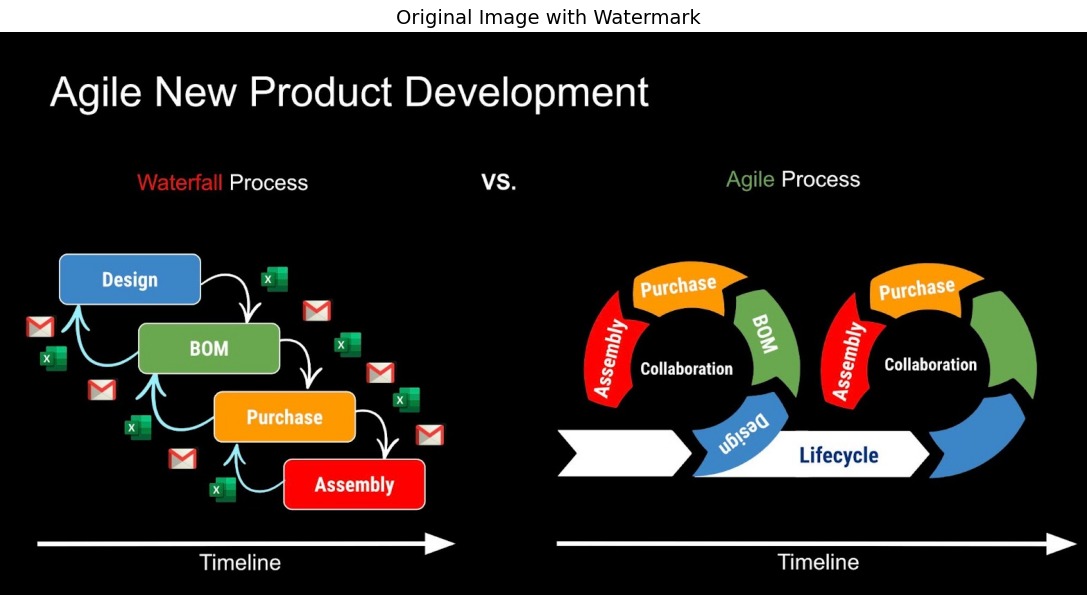
So you've designed a component in your CAD software and you're ready to get it manufactured. What happens next? For first-time users, the journey from digital file to physical cnc machining parts can feel like a black box. Let's demystify the entire process so you know exactly what to expect when using an instant quote platform.
The beauty of modern instant quoting lies in its simplicity: upload your design, configure your specifications, and receive pricing—sometimes in under a minute. But understanding the nuances behind each step helps you avoid delays and get accurate quotes on your first attempt.
The CAD Upload and Quote Generation Process
Think of the upload process as a conversation between your design and AI-powered algorithms. When you submit your CAD file, the platform immediately begins analyzing geometry, identifying features, and calculating machining requirements. According to InstaWerk, these AI-based systems compare your component against databases containing hundreds of thousands of previously manufactured parts to generate accurate pricing.
Here's the typical workflow you'll experience:
- File Upload: Select and upload your CAD model. Most platforms accept common formats including STEP (.STP), IGES, Parasolid (X_T), SLDPRT (SolidWorks native), and SAT files. RapidDirect's platform, for example, accepts STP, IGES, PRT, SLDPRT, SAT, and X_T formats with a maximum file size of 15MB.
- Geometry Analysis: The system automatically evaluates your part's features—wall thicknesses, hole depths, undercuts, and surface complexity. This determines which machine types and operations are required.
- Material Selection: Choose from available stock materials. Your selection affects both cost and lead time, as some materials require specialized tooling or slower cutting speeds.
- Tolerance Specification: Define dimensional accuracy requirements. Standard tolerances are typically included in base pricing, while precision tolerances add cost.
- Quantity and Finishing: Specify order quantity and any post-processing needs like anodizing, plating, or heat treatment.
- Quote Generation: Within seconds to minutes, you receive itemized pricing and estimated delivery dates.
What makes this process remarkable is the elimination of traditional back-and-forth. Gone are the days of emailing drawings, waiting days for responses, and comparing handwritten quotes. When you need a cnc quote online, instant platforms deliver pricing transparency that previously required weeks of supplier communication.
What Happens After You Submit Your Design
Once you place an order, your part enters a sophisticated allocation system. Unlike traditional shops where one facility handles everything, modern platforms route orders to specialized manufacturers within their network. As InstaWerk explains, orders are grouped by characteristics—titanium turned parts go to different specialists than 5-axis aluminum components. This bundling achieves better pricing through combined purchasing power while ensuring each manufacturer receives work matching their expertise.
Regarding turnaround expectations, here's what first-time users often misunderstand: quote speed and manufacturing speed are completely different things. You might receive a quote in 60 seconds, but actual part delivery depends on:
- Material availability: Common aluminum alloys ship faster than exotic titanium grades.
- Part complexity: Simple machined parts requiring basic 3-axis work complete faster than intricate multi-setup components.
- Post-processing: Heat treatments, coatings, or specialized finishes add days to lead times.
- Queue position: Expedited options exist but cost more than standard production timelines.
For cnc prototyping projects, many platforms offer expedited options with delivery as fast as two days. Production volumes typically require one to three weeks depending on complexity and quantity.
File Format Best Practices and Common Delay Causes
Want to avoid quote delays? Start with the right file format. STEP files (.STP) are the gold standard for CNC submissions because they preserve precise solid geometry while maintaining broad software compatibility. Unlike STL files used in 3D printing, STEP files contain the mathematical surface definitions that CNC machines require for accurate toolpath generation.
Common issues that delay quotes include:
- Unit mismatches: Submitting a file in inches when your system defaults to millimeters creates scaling errors. Always verify units before export.
- Surface gaps: IGES files sometimes contain unstitched surfaces that CAM software can't interpret as solid bodies. Platforms may require you to resubmit in STEP format.
- Missing geometry: Features like internal threads or chamfers occasionally fail to translate during file conversion. Double-check critical features after export.
- Overly complex assemblies: Some platforms analyze individual parts rather than full assemblies. Export components separately for cleaner processing.
Whether you're sourcing components for a cnc cutting machine prototype or exploring cnc wood routing applications, the upload process remains consistent. The platform doesn't care about end-use—it evaluates geometry, material, and manufacturing requirements to generate your quote.
With your design uploaded and quote in hand, the next critical decision awaits: material selection. Understanding how different metals and engineering plastics affect your project's cost, lead time, and performance separates successful sourcing from costly mistakes.
Material Selection Guide for Machining Website Users
You've uploaded your CAD file and configured your specifications. Now comes the question that directly impacts your project's cost, timeline, and ultimate success: which material should you choose? Most machining websites display impressive material libraries—sometimes hundreds of options—but rarely explain why one choice outperforms another for your specific application.
Here's the reality: material selection isn't just about picking something strong enough. It's a strategic decision balancing machinability (how easily it cuts), performance requirements, budget constraints, and lead time. Let's break down the major categories so you can navigate those dropdown menus with confidence.
Metals vs Engineering Plastics for CNC Projects
When browsing any machining website, you'll immediately notice the primary division: metals and plastics. Each category serves distinct purposes, and understanding their fundamental differences prevents costly mismatches between material and application.
Metal Materials: Strength, Durability, and Precision
Metals dominate CNC machining for good reason. They offer superior strength, thermal stability, and the ability to hold tight tolerances across demanding applications. According to Jiga's material selection guide, material properties like hardness, strength-to-weight ratio, and thermal stability directly dictate part performance and machining economics.
Aluminum Alloys represent the workhorses of CNC machining. Grades like 6061-T6 combine good strength, excellent corrosion resistance, and outstanding machinability—making them ideal for prototypes and production parts alike. For higher-strength requirements, 7075 aluminum approaches low-alloy steel properties while maintaining relatively low weight. Expect aluminum to machine faster than steel, reducing costs significantly.
Steel and Stainless Steel provide durability when aluminum falls short. Low carbon steels offer cost-effective solutions for general industrial parts, while grades like 304 and 316 stainless deliver corrosion resistance for food, medical, and marine environments. Bronze CNC applications excel in wear-resistant components like bushings and bearings, where the material's natural lubricity extends service life.
Titanium occupies the premium tier, offering exceptional strength-to-weight ratios and corrosion resistance. Grade 5 Ti-6Al-4V remains the aerospace and biomedical standard, though its difficulty to machine—requiring slower feeds and specialized tooling—commands significantly higher pricing.
Engineering Plastics: Lightweight Performance
When weight reduction, electrical insulation, or chemical resistance takes priority, engineering plastics deliver capabilities metals simply cannot match.
Delrin plastic (also called acetal or POM) stands out for its exceptional dimensional stability and low coefficient of friction. As detailed in polymer comparisons, delrin material functions between -60°C and 100°C with minimal moisture absorption—just 0.5%—ensuring consistent dimensions even in humid environments. Its superior machinability makes it a favorite for precision gears, valve components, and sliding mechanisms.
Machining nylon presents different tradeoffs. While nylon offers greater flexibility and impact resistance than delrin, its 2-9% moisture absorption rate can compromise dimensional stability. This hygroscopic behavior means nylon for machining requires careful environmental consideration—parts may swell or warp in humid conditions.
Polycarbonate PC combines impact resistance with optical clarity, making it ideal for transparent enclosures and protective covers. However, machinists must use sharp tools and controlled parameters to prevent stress cracking during cutting operations.
Specialty Materials and When They Make Sense
Beyond standard metals and plastics, machining websites increasingly offer specialty materials for demanding applications. PEEK (polyetheretherketone) withstands continuous service temperatures up to 250°C while resisting most solvents—perfect for aerospace and medical pump housings. Superalloys like Inconel handle extreme temperatures where even titanium fails, though machining costs reflect their difficulty.
The question isn't whether specialty materials perform better—they almost always do. The question is whether your application actually requires those enhanced properties. A part that could function perfectly in 6061 aluminum becomes unnecessarily expensive when over-specified in titanium.
Material Comparison for CNC Machining Projects
The following table summarizes key characteristics to guide your selection. Note that machinability ratings directly affect both lead times and pricing—faster-cutting materials generally cost less to manufacture.
| Material | Typical Applications | Relative Cost | Machinability Notes |
|---|---|---|---|
| Aluminum 6061-T6 | Housings, prototypes, structural components | Low | Excellent; fast cycle times, low tool wear |
| Aluminum 7075 | Aerospace parts, high-performance components | Low-Medium | Very good; slightly more demanding than 6061 |
| Stainless Steel 304 | Food equipment, medical, architectural | Medium | Moderate; higher tool wear, slower feeds |
| Stainless Steel 316 | Marine, chemical processing, pharmaceutical | Medium-High | Moderate; work-hardens, requires sharp tooling |
| Machining Bronze | Bushings, bearings, wear components | Medium | Good; excellent chip formation |
| Titanium Grade 5 | Aerospace, defense, medical implants | High | Difficult; slow speeds, specialized tooling required |
| Delrin (POM/Acetal) | Gears, valve parts, precision mechanisms | Low-Medium | Excellent; low friction, tight tolerances achievable |
| Nylon (PA) | Bushings, gears, wear-resistant components | Low | Good; moisture absorption affects stability |
| Polycarbonate (PC) | Transparent enclosures, impact covers | Low-Medium | Good; requires care to prevent stress cracking |
| PEEK | Aerospace, medical, chemical processing | High | Moderate; excellent performance justifies cost |
How Material Choice Affects Your Bottom Line
Here's what most buyers overlook: the true cost of a CNC part extends far beyond raw material price. According to JLCCNC's analysis, some materials are notorious for longer cycle times, more frequent tool replacements, and specialized setups—all adding to final part cost.
Consider this practical example: a part machined in aluminum might require 20 minutes of machine time, while the same geometry in titanium could take 60 minutes due to slower feed rates and frequent tool changes. Even if titanium stock costs only twice as much as aluminum, the finished part may cost four times more.
When selecting materials through any machining website, ask yourself:
- What's the minimum strength required? Over-specifying material wastes budget without improving function.
- What environment will the part face? Corrosion, temperature, and chemical exposure dictate material categories.
- How tight are dimensional requirements? Materials with high thermal expansion or moisture absorption complicate precision work.
- What's my production volume? Premium materials may be justified for critical single parts but become cost-prohibitive at scale.
With material selection understood, there's another specification that dramatically influences both pricing and part function: tolerances. The next section reveals how tolerance choices affect your quote—and when tighter isn't always better.
Understanding Tolerances and Design for Manufacturing Basics
You've selected your material and uploaded your CAD file. Then you encounter a dropdown menu asking about tolerances—and suddenly you're staring at options like ±0.005" versus ±0.001" wondering which one your project actually needs. Sound familiar? Tolerance specification remains one of the most misunderstood aspects of using any machining website, yet it directly impacts both your quote and whether your machining parts will actually function as intended.
Here's the uncomfortable truth: tighter isn't always better. Every decimal place you add to precision requirements can significantly increase your costs without necessarily improving part performance. Understanding when precision cnc machining is genuinely necessary—and when standard tolerances work perfectly—separates cost-effective sourcing from budget-draining over-specification.
Standard vs Precision Tolerances Explained
When you submit a design to a machining website, tolerances define how much variation is acceptable between your specified dimensions and the actual manufactured part. According to ASME standards, tolerances ensure a part fits and functions correctly while acknowledging that perfect precision is physically impossible—and economically impractical.
Think of tolerances as your acceptable margin of error. A dimension specified as 1.000" ±0.005" means you'll accept anything between 0.995" and 1.005". That seemingly tiny range has massive implications for how machinists approach your part.
Standard Tolerances: The Cost-Effective Default
Most machining websites apply standard tolerances automatically—typically around ±0.005" (0.127mm) for CNC milled features and similar ranges for cnc turning operations. These represent what a quality machine shop produces without extraordinary measures. Protolabs notes that standard tolerances are bilateral, meaning the acceptable range extends equally in both directions from your nominal dimension.
For many applications, standard tolerances work perfectly. Housings, brackets, non-mating surfaces, and structural components rarely require anything tighter. The parts function exactly as intended while keeping costs reasonable.
Precision Tolerances: When Tighter Matters
Precision machining services become necessary when parts must interface with extremely tight fits, when functional requirements demand consistency, or when assembly tolerances stack up across multiple components. Think bearing seats, precision shafts, or optical mounting surfaces where even small variations cause functional problems.
But here's what is the tolerance for thread holes and similar critical features? Thread tolerances follow established standards (like Class 2 or Class 3 fits) rather than arbitrary precision levels. Specifying unnecessarily tight general tolerances on threaded features wastes money because the threading operation itself follows standardized parameters.
How Tolerance Choices Affect Your Quote
The relationship between tolerances and pricing isn't linear—it's exponential. Moving from ±0.005" to ±0.001" doesn't increase costs by 5x; it might increase them by 10x or more depending on geometry and material. Here's why:
- Machine time increases: Achieving tighter tolerances requires slower feed rates and lighter cuts, extending cycle time substantially.
- Inspection requirements multiply: Precision machining services demand additional quality checks, often with specialized measurement equipment.
- Tool wear accelerates: Maintaining tight tolerances requires fresher cutting tools, increasing consumable costs.
- Scrap rates rise: Tighter specifications mean more parts fall outside acceptable ranges, increasing effective per-part costs.
- Setup complexity grows: Precision work demands additional fixturing, temperature stabilization, and process controls.
When a machining website displays its tolerance capabilities (often down to ±0.0005" or better), that represents what's technically possible—not what every part requires. The platforms capable of extreme precision are simultaneously capable of standard tolerances at lower costs.
Design for Manufacturing: Optimizing Before You Submit
Here's where smart designers separate themselves from the crowd. Design for Manufacturing (DFM) principles help you create parts that machine efficiently, reducing costs while maintaining functionality. As manufacturing experts explain, the goal is to simplify machining, reduce tool wear, and ensure consistent quality—all of which translate directly to better quotes.
Consider these DFM principles before submitting to any machining website:
- Apply tolerances selectively: Specify tight tolerances only on critical mating surfaces. Leave non-functional dimensions at standard tolerances.
- Include thread reliefs: For both internal and external threads, add relief grooves (at least 1.5x thread pitch in width) to allow clean tool exit and prevent damage.
- Design for tool access: Ensure cutting tools can reach all features without interference. Deep pockets with small radii may require expensive specialty tooling.
- Avoid unnecessarily thin walls: Thin sections deflect during cutting, making tight tolerances difficult or impossible to hold.
- Specify standard thread sizes: Custom thread pitches require special tooling and extended lead times.
- Add chamfers and fillets: Sharp external edges are difficult to produce consistently; slight chamfers improve both machinability and part handling.
- Consider material stability: Plastics and thin-walled metals can warp after machining due to internal stress relief. Design geometry that minimizes distortion.
For cnc turning applications specifically, DFM takes on additional importance. Long slender shafts deflect under cutting pressure, making tight tolerances on extended OD threads particularly challenging. Either design for additional support during machining or accept wider tolerances on extended features.
Geometric Dimensioning and Tolerancing (GD&T)
Beyond basic dimensional tolerances, precision cnc machining often requires GD&T callouts that control feature relationships and form. Protolabs identifies several common GD&T controls:
- True Position: Controls hole or feature location relative to reference datums rather than edge distances.
- Flatness: Defines two parallel planes within which a surface must lie—critical for sealing surfaces or mounting interfaces.
- Cylindricity: Ensures holes and turned surfaces maintain roundness throughout their length, preventing oblong conditions.
- Concentricity: Guarantees coaxial features share a common center axis.
- Perpendicularity: Controls the squareness of surfaces relative to each other.
Note that adding GD&T requirements typically moves your order out of automated quoting systems and into manual review, extending quote turnaround times. Only specify these controls when functional requirements genuinely demand them.
With tolerances and DFM principles understood, you're equipped to submit designs that balance precision with cost-effectiveness. But before committing to any machining partner, there's another critical factor to evaluate: certifications. The next section decodes what those ISO, IATF, and AS9100 badges actually mean for your project quality.
Decoding Industry Certifications on Machining Platforms
You're browsing a machining website and notice a row of certification logos in the footer—ISO 9001, AS9100, IATF 16949. They look impressive, but what do they actually mean for your project? Most platforms display these credentials as trust signals without explaining why they matter or which ones you genuinely need.
Here's the reality: certifications aren't just marketing badges. They represent verified quality management systems, documented processes, and third-party audits that directly affect whether your parts arrive on spec and on time. Understanding these credentials transforms you from a passive buyer into someone who can evaluate manufacturing partners with confidence.
Industry Certifications Decoded for Buyers
Each certification addresses specific quality requirements and industry demands. Let's break down the major credentials you'll encounter when evaluating any machining website.
ISO 9001: The Universal Quality Foundation
ISO 9001 represents the baseline quality management standard that crosses all industries. According to industry research, 67% of OEMs require ISO 9001 certification from their suppliers—making it essentially mandatory for serious manufacturing partners.
When a shop holds ISO 9001 certification, you're guaranteed they maintain documented procedures, conduct regular internal audits, and implement continuous improvement processes. The certification doesn't specify what tolerances they can hold or what materials they can machine—it confirms they have systems in place to consistently deliver what they promise.
For general commercial manufacturing, ISO 9001 provides sufficient assurance. You'll find standardized processes, traceable documentation, and accountability structures that prevent quality issues from slipping through unnoticed.
AS9100: Aerospace CNC Machining Standards
Aerospace machining demands more than standard quality management. AS9100 builds upon ISO 9001 with additional requirements specific to aviation, space, and defense applications. As certified facilities explain, this registration confirms that quality management systems conform to the strict standards necessary for complex aerospace components.
If your project involves flight-critical parts, satellite components, or anything destined for aerospace applications, AS9100 certification isn't optional—it's a regulatory requirement. The standard addresses configuration management, risk assessment, supply chain controls, and verification processes that general manufacturing certifications don't cover.
Aerospace cnc machining through AS9100-certified shops also means enhanced traceability. Every material lot, every process step, and every inspection result gets documented in ways that allow full reconstruction of manufacturing history years later.
IATF 16949: Automotive Manufacturing Excellence
Automotive supply chains operate under unique pressures: high volumes, tight schedules, and zero tolerance for quality escapes. IATF 16949 (formerly TS 16949) addresses these demands with requirements for production part approval processes, statistical process control, and failure mode analysis.
When evaluating a machining website for automotive components—whether chassis assemblies, transmission parts, or sensor housings—IATF 16949 certification signals a manufacturer capable of sustained high-volume production with consistent quality. These shops understand PPAP documentation, control plans, and the capacity planning that automotive tier-one suppliers demand.
ITAR: Defense and Export-Controlled Work
International Traffic in Arms Regulations (ITAR) registration differs fundamentally from quality certifications. ITAR compliance isn't about manufacturing capability—it's about legal authorization to handle defense-related technical data and products.
If your project involves military applications, weapons systems, or export-controlled technologies, working with non-ITAR-registered facilities creates serious legal exposure. ITAR-registered shops maintain facility security, personnel screening, and data handling procedures that prevent sensitive information from reaching unauthorized parties.
Medical Machining Standards
Medical device machining operates under FDA oversight and often requires ISO 13485 certification—the medical-specific quality management standard. This certification addresses risk management, design controls, and validation requirements unique to devices that affect patient safety.
For implantable devices, surgical instruments, or diagnostic equipment housings, ISO 13485 certification provides assurance that manufacturing partners understand biocompatibility considerations, sterilization compatibility, and the documentation requirements that medical device regulations demand.
Certification Comparison for Machining Buyers
The following table summarizes which certifications apply to different project types and what each one guarantees:
| Certification | Industry Focus | What It Guarantees | When You Need It |
|---|---|---|---|
| ISO 9001 | General manufacturing across all sectors | Documented quality management system with continuous improvement processes | Baseline requirement for any professional manufacturing relationship |
| AS9100 | Aerospace, aviation, space, and defense | Enhanced traceability, configuration management, risk controls beyond ISO 9001 | Any flight-critical, satellite, or regulated aerospace components |
| IATF 16949 | Automotive OEMs and tier suppliers | Statistical process control, PPAP capability, high-volume production systems | Automotive supply chain components requiring production-level quality |
| ITAR Registration | Defense, military, export-controlled items | Legal authorization to handle controlled technical data and products | Any defense-related or export-controlled manufacturing |
| ISO 13485 | Medical devices and equipment | Risk management, design controls, validation processes for patient safety | Implants, surgical instruments, diagnostic equipment components |
| NADCAP | Aerospace special processes | Accreditation for heat treatment, NDT, surface enhancement, and other special processes | Parts requiring certified special processing beyond standard machining |
Matching Certification Requirements to Your Project
Not every project requires every certification. Matching requirements to actual needs prevents both under-specification (risking quality issues) and over-specification (paying premiums for unnecessary credentials).
Ask yourself these questions before selecting a machining partner:
- What industry regulates your end product? Aerospace, automotive, medical, and defense each have specific certification requirements that aren't negotiable.
- Who is your end customer? Large OEMs often mandate specific certifications regardless of technical necessity. Check their supplier requirements before committing.
- What documentation will you need? Certified shops provide comprehensive quality records. If your downstream processes require full traceability, certification matters.
- Are you prototyping or producing? Prototype quantities may not require production-level certifications, but transitioning to volume production will.
Industry data shows that shops with industry-specific certifications win 15% more contracts on average—reflecting the competitive advantage these credentials provide. But the advantage only materializes when certifications match project requirements.
"Certifications show our clients we're serious about quality. They're not just paperwork—they're a commitment to excellence in every part we make."
Beyond verifying that a machining website displays relevant certifications, consider requesting copies of current certificates. Certifications require periodic surveillance audits and full recertification every three years—an expired certificate provides no assurance.
With certification requirements understood, you're equipped to evaluate manufacturing partners based on verified capabilities rather than marketing claims. But certifications represent just one dimension of the sourcing decision. The next section reveals how pricing actually works on CNC platforms—and practical strategies to optimize your budget without compromising quality.
What Drives Pricing on CNC Machining Platforms
Ever received quotes from three different machining websites for the identical part—and wondered why prices varied by 40% or more? You're experiencing the opacity that frustrates buyers across the industry. Unlike commodity products with standardized pricing, CNC machining price calculations involve multiple interacting variables that platforms rarely explain in accessible terms.
Here's the good news: once you understand what drives costs, you gain leverage. You can design smarter, specify strategically, and recognize when a quote reflects genuine value versus unnecessary overhead. Let's break down the seven primary factors that determine what you'll pay—ranked by their typical impact on your final invoice.
The Seven Factors That Drive CNC Machining Costs
When a machining website generates your quote, algorithms evaluate multiple cost components simultaneously. According to manufacturing economics research, machining time alone often outweighs material costs, setup expenses, and finishing operations combined. Understanding this hierarchy helps you prioritize optimization efforts where they'll actually move the needle.
- Machine Time (Highest Impact): This is the single largest cost driver for most parts. Every minute your component occupies a CNC machine represents direct expense—machine depreciation, energy consumption, and operator wages all accumulate by the second. Complex geometries requiring multiple tool changes, deep cavities, or intricate features extend cycle time dramatically. A part taking 60 minutes versus 20 minutes doesn't cost 3x more—but it's close. When aluminum machining runs at high speeds with minimal tool changes, costs stay low. Titanium requiring slow feeds and frequent tool replacements? Expect significant premiums.
- Material Costs: Raw material pricing varies enormously based on alloy, market conditions, and availability. Metal machining in common aluminum grades costs far less than exotic superalloys. But material cost extends beyond stock price—it includes the percentage that becomes chips rather than finished parts. A design requiring substantial material removal from expensive titanium block wastes money with every cnc cut. As manufacturing experts note, harder and more exotic materials increase tool wear and machining time, compounding the raw material expense.
- Tolerance Requirements: Remember our earlier discussion about tolerances? Here's where it hits your wallet. Standard tolerances (±0.005") are included in baseline pricing. Precision requirements (±0.001" or tighter) trigger slower feed rates, additional inspection steps, and higher rejection rates. The relationship isn't linear—each decimal place of added precision can double or triple processing costs.
- Setup Complexity: Before cnc cutting begins, machinists must fixture your part, load programs, set tool offsets, and verify first-article dimensions. Simple prismatic parts requiring single setups minimize this overhead. Complex geometries needing multiple orientations, specialized workholding, or 5-axis positioning multiply setup time—and cost. Some designs force shops to use more complex equipment simply due to feature accessibility.
- Quantity: Fixed setup costs spread across production volumes create powerful economies of scale. Industry analysis confirms that larger production volumes benefit from bulk pricing, resulting in lower cost per part as fixed expenses distribute across more units. A single prototype might cost $200, while ordering 100 identical parts might drop per-unit pricing to $25.
- Surface Finishes: As-machined surfaces come standard. But anodizing, plating, bead blasting, polishing, or heat treatment add secondary operations—each with its own setup, processing time, and potential for adding lead time. Manufacturing economics data shows that achieving fine surface finishes requires multiple passes and precise tool selection, translating to longer machining times and higher labor costs.
- Overhead and Labor: Behind every quote sits facility costs, quality control systems, administrative operations, and skilled operator wages. Shops with advanced certifications, climate-controlled facilities, or specialized inspection equipment carry higher overhead—reflected in pricing. This isn't necessarily negative; premium infrastructure often correlates with premium quality.
Smart Strategies to Optimize Your Budget
Understanding cost drivers is valuable. Applying that knowledge to reduce expenses without compromising quality? That's where strategic buyers separate themselves from the crowd.
Design Optimization: Your Highest-Leverage Opportunity
Since machine time dominates costs, designs that minimize cycle time deliver the biggest savings. Consider these approaches:
- Avoid deep pockets with small radii: These require small-diameter tools running at reduced speeds, dramatically extending machining time.
- Eliminate unnecessary features: Every hole, slot, and chamfer adds tool changes and processing time. Ruthlessly evaluate whether each feature serves functional requirements.
- Design for standard tooling: Features matching common tool sizes machine faster than those requiring specialty cutters.
- Minimize setups: Parts machinable in a single orientation cost less than those requiring repositioning.
Material Selection Strategy
Don't over-specify materials. If 6061 aluminum meets your strength requirements, there's no economic justification for 7075—let alone titanium. As manufacturing specialists advise, select the material that meets project specifications while providing the best combination of durability, machinability, and cost.
Tolerance Rationalization
Apply tight tolerances only where function demands them. A housing with one critical bore for a bearing press-fit doesn't need ±0.001" on every dimension—just the bore. Selective tolerance application can reduce costs by 30% or more compared to blanket precision specifications.
Volume Considerations
If you anticipate needing additional quantities within months, consider ordering larger initial quantities. The per-part savings often outweigh carrying costs for modest inventory. Conversely, don't order 1,000 parts when you need 100—the savings evaporate if designs change.
Finishing Trade-offs
Evaluate whether secondary finishes are genuinely necessary. Could a different material eliminate the need for plating? Would as-machined surfaces work for internal components? Each eliminated secondary operation removes cost and lead time from your project.
"Many factors go into CNC pricing. Short lead times drive cost due to overtime and expedites on material and finishing. Special tooling or processes can also play a significant role in driving cost."
When comparing quotes across multiple machining websites, don't simply chase the lowest number. Evaluate what's included: Does the quote cover inspection reports? First-article approval? Material certifications? A slightly higher quote with comprehensive quality documentation often delivers better total value than bargain pricing requiring you to manage quality independently.
Armed with pricing knowledge, you're prepared to evaluate quotes critically and optimize designs strategically. But how do you evaluate the machining partner themselves? The next section provides a practical framework for assessing manufacturing partners—whether you're sourcing for commercial production or personal maker projects.
How to Evaluate and Choose the Right Machining Partner
You've mastered the upload process, understand materials and tolerances, decoded certifications, and grasped what drives pricing. Now comes the decision that ties everything together: which machining website actually deserves your business? Whether you're sourcing production components for a Fortune 500 supply chain or prototyping a weekend project, the evaluation criteria differ significantly—yet both require systematic assessment rather than gut instinct.
Here's what experienced buyers know: the lowest quote rarely delivers the best value. According to manufacturing consultants, businesses too often treat job shops as interchangeable, sending blanket RFQs and choosing based on price alone. The result? Delays, quality issues, and budget overruns that damage customer trust and internal efficiency.
Let's break down evaluation criteria for both commercial manufacturing buyers and individual makers—because what matters for a 10,000-unit automotive production run differs fundamentally from what matters for a one-off robotics bracket.
Evaluation Criteria for Commercial Manufacturing Buyers
When sourcing for B2B manufacturing, you're not just buying parts—you're integrating a supplier into your value chain. As industry analysts note, the CNC supplier you select influences your speed to market, product reliability, and overall profitability. A wrong choice cascades through your entire operation.
Quote Speed and Responsiveness
How quickly does the platform generate quotes? More importantly, how quickly do they respond when questions arise? Instant quote platforms deliver pricing in minutes, but what happens when you need clarification on a tolerance callout or material substitution? Test responsiveness before committing significant orders. Send a technical question and measure response time—it reveals how they'll perform when production issues emerge.
Communication Quality
Can you speak directly with the machinists who'll produce your parts? Some platforms route all communication through customer service representatives who lack technical depth. Others connect you with engineers who can provide genuine Design for Manufacturability feedback. Experienced suppliers anticipate problems before they arise, understand technical drawings, and suggest machining alternatives that improve outcomes.
Quality Assurance Processes
Beyond certifications (which we covered earlier), investigate actual quality practices. Ask about inspection tools—coordinate measuring machines (CMMs), optical comparators, surface roughness testers. Request sample inspection reports from similar projects. How do they handle non-conforming parts? What's their documented corrective action process? These operational details predict whether your parts will arrive in spec.
Lead Time Reliability
Quoted lead times mean nothing without consistent delivery. Ask potential partners about their on-time delivery rate—reputable shops track and share this metric. Good suppliers use scheduling software, maintain excess capacity buffers, and provide real-time order tracking that reduces uncertainty in your planning. A shop promising two-week delivery but averaging three weeks creates more problems than one honestly quoting three weeks.
Post-Delivery Support
What happens when something goes wrong? Does the supplier offer warranties, replacements, or technical support? Reviewing testimonials and speaking with existing customers offers real insight into post-sale engagement. A quality supplier doesn't disappear after invoicing—they stand behind their work.
What Makers and Prototypers Should Prioritize
Individual makers and prototypers operate under different constraints. You're likely ordering smaller quantities, iterating designs rapidly, and working within tighter personal budgets. Your evaluation priorities should shift accordingly.
Low Minimum Order Quantities
Many machining websites target production volumes—minimum orders of 10, 50, or 100 parts make sense for manufacturers but crush hobbyist budgets. Seek platforms explicitly welcoming single-part orders without prohibitive setup fees. Some specialize in prototype quantities, understanding that today's one-off experiment might become tomorrow's production contract.
Design Feedback Availability
When you're learning CNC design principles, platforms offering DFM feedback become educational resources, not just manufacturing services. Look for partners who'll flag problematic features, suggest improvements, and explain why certain geometries increase costs. This guidance accelerates your learning curve while improving immediate project outcomes.
Transparent Pricing Structure
Instant quote platforms excel here—you see exactly what each feature, material choice, and tolerance specification adds to your total. This transparency helps you iterate designs intelligently, understanding precisely which modifications reduce costs. Platforms requiring manual quotes for simple parts signal potential pricing opacity.
Geographic Accessibility
For prototypers who want to inspect parts personally or pick up orders directly, local options matter. Searching for cnc machine shops near me or machinist shops near me reveals nearby facilities. Local machine shops often provide flexibility that larger platforms cannot—walking in to discuss a project face-to-face solves communication challenges that email exchanges prolong. When you need cnc services near me with rapid turnaround, geographic proximity eliminates shipping delays entirely.
Your Buyer's Checklist: Questions Before Committing
Before placing significant orders with any machining website, work through these verification questions:
- What's your on-time delivery rate for the past 12 months? Reputable shops track this metric and share it openly.
- Can I see sample inspection reports from similar projects? Quality documentation should be readily available, not reluctantly provided.
- Who will I communicate with if technical issues arise? Direct access to engineering resources matters more than polished sales responses.
- What happens if parts arrive out of specification? Understand warranty terms, replacement processes, and dispute resolution before problems occur.
- How do you handle design changes mid-order? Flexibility in accommodating modifications reveals operational maturity.
- What certifications do you maintain, and when were they last audited? Current certifications require recent surveillance audits—expired credentials provide no assurance.
- Can you provide customer references in my industry? Speaking with existing customers offers unfiltered insight into actual performance.
- What's your typical lead time for expedited orders? Understanding rush capabilities before emergencies arise prevents panic-driven decisions.
Manufacturing experts recommend not overlooking "soft" factors during evaluation. Engaged leadership, employee satisfaction, and management involvement correlate strongly with manufacturing performance. Understanding a job shop holistically gives you the best insight into its underlying reliability.
Whether you're evaluating machining shops near me for local convenience or global platforms for competitive pricing, systematic assessment beats impulse selection every time. A trustworthy supplier becomes a long-term extension of your team, capable of supporting rapid innovation and sustained excellence.
With evaluation frameworks established, you're ready to explore specific applications where machining websites deliver exceptional value. The next section examines automotive manufacturing—where the transition from prototype to high-volume production demands partners capable of scaling quality alongside quantity.
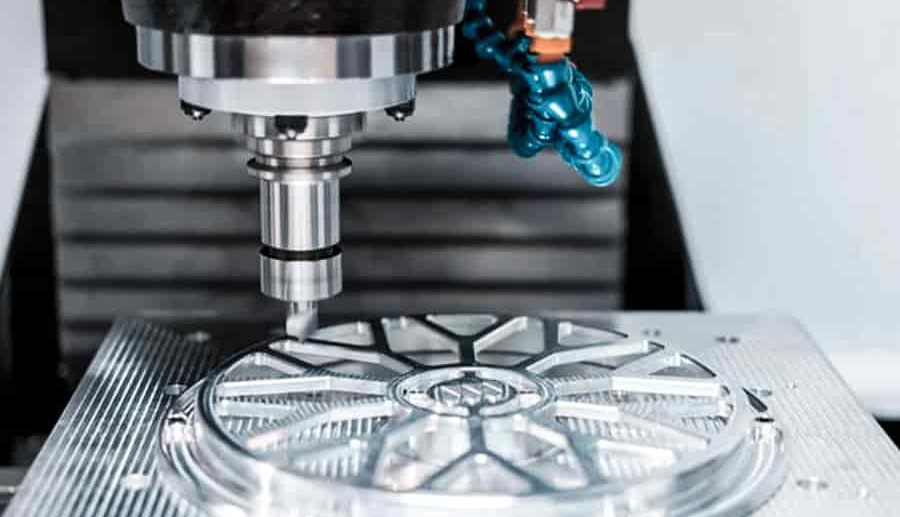
Automotive Applications and Scaling Production Volumes
Imagine this scenario: your engineering team just validated a cnc prototype that performs flawlessly. Now procurement needs 5,000 units monthly—starting in eight weeks. Can your current machining website partner actually deliver? For automotive applications, this transition from prototype machining to sustained high-volume production separates capable manufacturing partners from those who'll become supply chain bottlenecks.
The automotive industry operates under unique pressures that amplify every sourcing decision. According to industry analysis, modern automotive supply chains face unprecedented complexity—electric vehicle transitions, global sourcing challenges, and relentless pressure for faster delivery at lower costs. Precision cnc machining services have become strategic assets rather than mere commodity purchases, helping organizations reduce risk, control quality, and respond faster to changing market demands.
Scaling from Prototype to Production Volumes
The journey from a single validated prototype to thousands of production parts involves challenges that many buyers underestimate. What works beautifully for ten parts may fail catastrophically at ten thousand—unless your manufacturing partner understands the transition requirements.
Consider what changes when volumes scale:
- Process validation becomes critical: A prototype made by your best machinist using careful manual adjustments won't replicate across three shifts. Production requires documented, repeatable processes that any trained operator can execute consistently.
- Tooling strategies shift: Single prototypes tolerate standard tooling. Production volumes justify custom fixtures, specialized cutters, and optimized setups that reduce per-part cycle time—investments that only make sense at scale.
- Quality systems must industrialize: Measuring every dimension on one prototype is feasible. Maintaining quality across 5,000 monthly units demands statistical process control, sampling plans, and automated inspection where practical.
- Material supply chains matter: Ordering aluminum for ten parts is trivial. Securing consistent material lots for ongoing production requires supplier relationships and inventory planning that prototype shops often lack.
Companies that manufacture custom metal parts for automotive applications understand these transitions intimately. They've built infrastructure specifically designed to bridge the prototype-to-production gap without quality degradation or delivery failures.
What Production-Ready Capabilities Look Like
When evaluating a machining website for automotive-scale volumes, look beyond impressive machine lists. As supply chain experts explain, reliable delivery for mass-production requirements demands engineering support for drawing optimization, cost-effective machining for large-batch components, and full documentation for traceability and quality assurance.
Specifically, production-capable partners demonstrate:
- Capacity planning systems: They can show you how your orders fit into existing production schedules without displacing other customers or creating unrealistic commitments.
- Scalable quality infrastructure: CMM equipment, documented inspection plans, and calibrated measurement systems that don't bottleneck as volumes increase.
- Material management: Established relationships with material suppliers, inventory buffers for common alloys, and lot traceability systems.
- Flexible workforce depth: Multiple trained operators capable of running your parts, not dependence on single individuals whose absence stops production.
Automotive Supply Chain Requirements
Automotive OEMs and tier-one suppliers impose requirements that exceed general manufacturing standards. Understanding these demands helps you evaluate whether a potential partner can genuinely support automotive programs—or will create compliance headaches downstream.
IATF 16949: The Automotive Quality Standard
According to certification experts, IATF 16949 sets strict requirements for quality management systems in the automotive industry, designed to ensure consistent and continuous improvement in product and service quality. This isn't optional checkbox compliance—it's fundamental to automotive supply chain participation.
Key IATF 16949 requirements that affect your sourcing decisions include:
- Statistical Process Control (SPC): Continuous monitoring of critical dimensions using statistical methods, not just final inspection. This catches drift before it produces defective parts.
- Failure Mode and Effects Analysis (FMEA): Systematic identification of potential failure points and preventive measures before production begins.
- Production Part Approval Process (PPAP): Documented demonstration that the manufacturing process can consistently produce parts meeting all specifications.
- Supply chain management: Clear communication channels with suppliers, regular audits of supplier processes, and continuous improvement programs.
For cnc metal components destined for automotive applications—whether chassis assemblies, transmission housings, or sensor brackets—working with IATF 16949-certified facilities eliminates the compliance burden you'd otherwise manage yourself.
Speed as Competitive Advantage
Automotive programs operate on aggressive timelines. New model launches, engineering change implementations, and urgent replacement part needs all demand manufacturing partners capable of rapid response without quality compromise.
Industry research confirms that CNC machining offers shorter lead times through digital programming and minimal setup requirements, making it easy to switch between part runs or implement last-minute design changes without downtime. This agility transforms manufacturing from a constraint into an enabler of product development speed.
The best automotive machining partners offer tiered lead time options:
- Expedited prototypes: One to three days for design validation samples
- Bridge production: One to two weeks for initial production quantities while full-scale capacity ramps
- Sustained production: Reliable weekly or monthly deliveries matching your consumption rates
A Practical Example: Automotive-Grade Manufacturing in Action
To illustrate how these capabilities come together, consider Shaoyi Metal Technology's automotive machining solutions. As an IATF 16949-certified facility, they demonstrate the production-ready infrastructure we've discussed: Statistical Process Control monitoring critical dimensions, documented quality systems satisfying automotive OEM requirements, and the capacity to scale from rapid prototyping to sustained mass production.
Their operational model reflects what serious automotive buyers should expect from any qualified partner:
- Lead times as fast as one working day for urgent component needs—addressing the speed requirements that automotive programs demand
- Custom machined parts capability spanning chassis assemblies to precision metal bushings
- Seamless scaling from single prototypes through production volumes without quality degradation
This combination of certification, speed, and scalability exemplifies the evaluation criteria discussed earlier. When assessing any machining website for automotive applications, use Shaoyi's capabilities as a benchmark for what production-ready infrastructure looks like.
Optimizing Your Automotive Supply Chain
Beyond individual part sourcing, strategic use of CNC machining platforms strengthens your entire automotive supply chain. According to supply chain research, the benefits extend across multiple dimensions:
- Predictable production: CNC machines deliver consistent, repeatable results with tight tolerances, significantly reducing variation, rework, and defect risk.
- Localized manufacturing: CNC technology enables near-shoring strategies, allowing suppliers to produce cnc machine parts closer to assembly plants for just-in-time delivery.
- Inventory efficiency: Frequent small-batch capability minimizes stock requirements and warehousing costs while maintaining demand responsiveness.
- Demand flexibility: Whether ramping up for a new model launch or responding to unexpected volume surges, capable partners scale without sacrificing quality.
For automotive buyers navigating complex supplier networks, consolidating cnc metal work with certified partners simplifies qualification processes, reduces quality management overhead, and creates supply chain resilience that distributed sourcing cannot match.
With automotive requirements and scaling considerations understood, you're ready for the final step: translating everything you've learned into a practical action plan. The next section provides your pre-quote preparation checklist—ensuring you're fully prepared to engage with precision cnc machining services and move from learning to ordering.
Your Action Plan for Getting Started with CNC Services
You've absorbed the essential knowledge—platform types, materials, tolerances, certifications, pricing factors, and partner evaluation criteria. Now what? Knowledge without action remains theoretical. This final section transforms everything you've learned into a concrete sequence of steps that gets you from "interested buyer" to "parts in hand."
Whether you're searching for cnc machining near me for local convenience or evaluating global platforms for competitive pricing, preparation determines success. As manufacturing experts note, a well-prepared design file guarantees a smooth transition from the design phase to production, fewer errors, and optimum manufacturing cost. Let's walk through exactly what that preparation looks like.
Your Pre-Quote Preparation Checklist
Before uploading anything to a machining website, work through this systematic preparation sequence. Each step builds on the previous, ensuring you're ready for efficient quoting and successful manufacturing.
- Finalize Your CAD Model: Ensure your 3D model represents exactly what you need manufactured. Verify all features are properly defined—no missing holes, incomplete fillets, or unintentional geometry. According to Eurotech CNC, an incorrect CAD model, a lack of tolerances, or an under-specified material can result in production delays and costly revisions.
- Export in the Correct Format: Save your file as STEP (.STP) for maximum compatibility across platforms. Avoid native formats like .SLDPRT or .IPT when submitting to external contractors—they may not be compatible with the platform's systems. Double-check that units (millimeters or inches) match your intended specifications before export.
- Document Your Material Requirements: Write down exactly which material your project requires—not just "aluminum" but "6061-T6 aluminum" or "316 stainless steel." Including specific material data allows appropriate cutting parameters, cooling, and tools to be selected, directly affecting quality and cost.
- Define Tolerance Requirements: Identify which dimensions are critical and require tight tolerances versus which can accept standard specifications. Remember: selective tolerance application can reduce costs by 30% or more compared to blanket precision requirements.
- Prepare 2D Documentation: Even though instant quote platforms analyze 3D models, having a 2D drawing ready helps communicate critical tolerances, surface finish requirements, and special instructions. Save drawings in PDF format for universal accessibility.
- Determine Quantity and Timeline: Know exactly how many parts you need and when you need them. As JLCCNC notes, online CNC platforms can offer turnaround times as short as 3-5 business days for standard orders. Understanding your timeline helps you evaluate whether expedited options are necessary—and budget accordingly.
- Identify Surface Finish Requirements: Determine whether as-machined surfaces work for your application or whether secondary finishes (anodizing, plating, bead blasting) are necessary. Each additional operation adds cost and lead time, so specify only what's genuinely required.
- Gather Certification Requirements: If your industry mandates specific certifications (IATF 16949 for automotive, AS9100 for aerospace, ISO 13485 for medical), document these requirements before contacting suppliers. This prevents wasted time evaluating partners who can't meet compliance needs.
Taking the First Step with Confidence
With preparation complete, you're ready to engage with machining platforms. But where should you start? The answer depends on your specific requirements and priorities.
For Rapid Prototyping and General Parts
If you need quick turnaround on relatively straightforward components, instant quote platforms offer the fastest path from design to parts. Upload your prepared STEP file, select your material and tolerances, and receive pricing immediately. Many platforms deliver cnc turned parts and milled components within days rather than weeks.
For Production Volumes Requiring Supplier Relationships
When your project demands ongoing production quantities, marketplace platforms offering supplier consistency become more valuable than pure automation. The ability to build relationships with specific manufacturers pays dividends through quality consistency, communication efficiency, and preferential scheduling during capacity crunches.
For Automotive-Grade Quality with Rapid Response
When your application demands both certified quality systems and fast turnaround, specialized partners make sense. For users seeking automotive-grade precision with production scalability, Shaoyi Metal Technology's precision CNC machining services exemplify what to look for: IATF 16949 certification backing their quality systems, lead times as fast as one working day for urgent components, and demonstrated capability spanning high-tolerance chassis assemblies to custom metal bushings.
This combination of certification, speed, and scalability represents the benchmark we discussed in the evaluation section—a partner capable of supporting both rapid prototyping and sustained mass production without compromising quality standards.
For Local Service and Personal Consultation
Sometimes nothing beats walking into a cnc machine shop near me to discuss your project face-to-face. Local machine shops offer flexibility that larger platforms cannot—immediate feedback on your drawings, rapid adjustments based on conversation, and the ability to inspect parts before they ship. For complex projects where communication matters more than automation, geographic proximity solves problems that email exchanges prolong.
Your First Quote: What to Expect
When you submit your first quote request, here's the typical experience:
- Instant platforms: Upload your file, configure options, and receive pricing within seconds to minutes. Review the quote carefully—verify material, quantity, and tolerance selections match your requirements.
- RFQ platforms: Submit your specifications and wait for multiple suppliers to respond, typically within 24-48 hours. Compare not just pricing but responsiveness and communication quality.
- Direct supplier contact: Email or call with your requirements. Expect technical questions about your application—good suppliers want to understand your needs, not just process transactions.
Regardless of which path you choose, remember that the first quote isn't always final. Many platforms and suppliers offer DFM feedback that identifies cost reduction opportunities. A slightly modified design might reduce your quote by 20% or more while maintaining full functionality.
"Correct preparation of the design file is the first step to success in CNC machining. Well-drafted documentation minimises errors, reduces lead times and achieves maximum precision."
You now possess the knowledge to navigate any machining website with confidence. From understanding platform categories through material selection, tolerance specification, certification requirements, pricing factors, and partner evaluation—you've built the foundation for successful CNC sourcing. The next step is yours: prepare your files, define your requirements, and take that first step from digital design to physical reality.
Frequently Asked Questions About Machining Websites
1. What is the hourly rate for a CNC machine?
CNC machining hourly rates typically range from $30 to $100+ depending on location, machine complexity, and project requirements. However, most machining websites don't charge by the hour—they calculate quotes based on machine time, material costs, setup complexity, tolerances, quantity, and surface finish requirements. Instant quote platforms analyze your CAD file and provide itemized pricing within minutes, giving you transparent cost breakdowns rather than hourly estimates.
2. What software do machinists use?
Machinists use CAD/CAM software to design parts and generate toolpaths. Popular options include SolidWorks with CAMWorks for engineers, Mastercam for industrial CNC machining, and Fusion 360 for prototypers. When submitting to machining websites, you'll typically export your design as a STEP file (.STP), which is the universal format that CNC platforms accept for quote generation and manufacturing.
3. What are the different types of machining websites?
Machining websites fall into four distinct categories: instant quote platforms that analyze CAD files and generate pricing within minutes, traditional RFQ portals that distribute your project to multiple shops for competitive bidding, marketplace models that connect you directly with vetted suppliers for ongoing relationships, and SaaS tools that help machine shops manage operations internally. Each type serves different needs—instant platforms excel for prototyping speed while marketplaces support production volume relationships.
4. How do I get an online CNC machining quote?
Getting an online CNC quote involves uploading your CAD file (preferably STEP format), selecting your material, specifying tolerance requirements, choosing quantity and surface finish options, then receiving automated pricing. Most instant quote platforms generate results within seconds to minutes. For best results, verify your file units before export, ensure all geometry is properly defined, and apply tight tolerances only where functionally necessary to avoid inflated costs.
5. What certifications should I look for on a machining website?
The certifications you need depend on your industry: ISO 9001 serves as the baseline quality standard for general manufacturing, AS9100 is required for aerospace components, IATF 16949 is essential for automotive supply chains, ITAR registration is mandatory for defense-related work, and ISO 13485 applies to medical device manufacturing. IATF 16949-certified facilities like Shaoyi Metal Technology offer Statistical Process Control and PPAP capability for automotive-grade quality assurance.