 Small batches, high standards. Our rapid prototyping service makes validation faster and easier —
  EN
EN


كيفية قص صفائح المعدن: قطع نظيفة دون انحناءات أو حواف مسننة أو التخمين
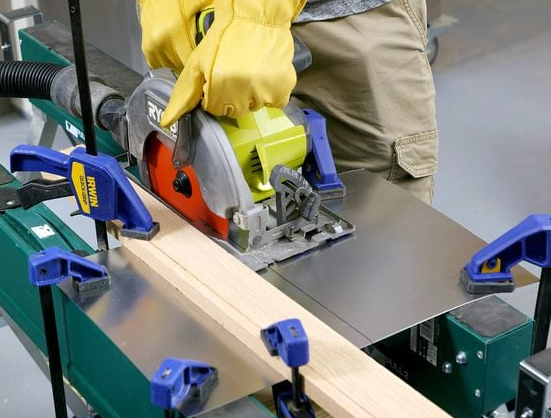
الخطوة ١: فحص اللوحة وتحديد خط القصّ
إذا رغبت في التعلُّم كيفية قص الصفائح المعدنية ، ابدأ بهذه الفكرة: القصّ ليس هو نفسه إجراء قطع خشن. فالقصّ يعني إزالة كمية صغيرة من المادة بأسلوب نظيف، مع الحفاظ على استواء اللوحة، والتحكم في الحافة، وبقاء السطح النهائي سليمًا قدر الإمكان. ولذلك تتطلّب هذه المهمة عادةً دقةً أكبر من النصائح العامة حول كيفية قص الصفائح المعدنية أو كيفية قص المعادن.
ما المقصود حقًّا بـ «كيفية قص الصفائح المعدنية»
قبل أن يلامس أي أداة اللوحة، حدد خمسة أمور. أولًا: نوع المعدن. فالصلب والفولاذ المقاوم للصدأ والصفائح المجلفنة والألومنيوم لا يتصرف كلٌّ منها بنفس الطريقة. ثانيًا: تحقق مما إذا كانت السطح مطليًّا أو مغطًّى بطبقة واقية أو عاريًّا، لأن الطبقة السطحية قد تُخدش أو تحترق. ثالثًا: تأكَّد من السماكة. ففي أعمال الصفائح المعدنية، كلما زاد رقم العيار (Gauge) قلَّت سماكة المعدن، وتتفاوت قيم العيار باختلاف نوع المعدن. كما يُحدَّد الألومنيوم غالبًا بالسماكة العشرية بدلًا من العيار القياسي، كما هو مذكور في دليل العيارات هذا. رابعًا: قِسْ كمية المعدن التي تحتاج إلى إزالتها. فشريط التقطيع الضيق يكون غالبًا أصعب في التحكم به مقارنةً بقطع العرض الواسعة. خامسًا: حدِّد الشكل المطلوب: هل هو حافة مستقيمة أم منحنى أم قصّة زاوية أم قطع داخلي؟
يجب دعم اللوحة بالقرب من خط القطع، وإلا قد تنثني أو تتموَّج الصفائح قبل الانتهاء من عملية القطع حتى.
افحص اللوحة قبل قص الصفائح المعدنية
تفحص سريع يمنع حدوث حواف سيئة. ابحث عن التصدعات، والانحناءات الموجودة مسبقًا، والوصلات البارزة، وأي منطقة تكون فيها الصفيحة بالفعل تحت توتر. وحدد كذلك ما هو الأهم في هذه المهمة: السرعة، أو الحصول على أوضح حافة ممكنة، أو حماية الطبقة السطحية. ويؤثر هذا الاختيار في كل قرار لاحق يتعلق باختيار الأداة والتجهيزات.
- ارتدِ واقي العين لحماية نفسك من الشظايا، والشظايا الحادة، وقطع القطع المكسورة.
- استخدم قفازات تحميك من الحواف الحادة مع الحفاظ على قدرتك على التحكم في الصفيحة.
- أضف واقي السمع إذا كانت أدوات التشغيل المزودة بالطاقة مثل المقصات الكهربائية أو المنشار أو الجلاخات تُستخدم في العملية.
- ادعم القطعة المراد قصها من كلا جانبي خط القص لضمان بقاء اللوحة مسطحة.
- راقب وجود الشرارات بالقرب من الطبقات السطحية، والمواد المجاورة، والأسطح النهائية المُنفَّذة.
هذا التفتيش القصير يُطلعك على معلوماتٍ أكثر بكثيرٍ مما يتوقعه الناس. فهو يكشف ما إذا كانت المهمة تتطلب استخدام مقصات يدوية بسيطة، أم نهج قصٍّ أنظف، أم خيارًا كهربائيًّا يُقدِّم السرعة على حساب الجودة السطحية.
الخطوة الثانية: اختر أفضل أداة تناسب مهمة القص
تؤثر تلك النقطة الأخيرة للقرار، المتمثلة في التوازن بين السرعة وجودة الحافة وحماية الطلاء، في كل ما يلي هنا. ولا توجد أداة قص واحدة للمعادن تقوم بتنفيذ جميع عمليات التشذيب بشكل جيد. فعملية تنظيف الحافة القصيرة على الصفائح الرقيقة تتطلب دقةً وحساسيةً عاليةً . أما التشذيب الطويل على مواد أكثر صلابة فيميل عادةً إلى الاعتماد على أدوات كهربائية مساعدة. ومن بين العديد من أدوات قص المعادن، فإن أفضل أداة لقص الصفائح المعدنية هي التي تتناسب بدقة مع نوع القطع المطلوب: سواء كان قطعًا مستقيمًا أو منحنيًا أو قطعًا لفتحات أو فتحات داخلية أو حتى هامش تشذيب نهائي.
اختر أفضل أداة لقص المعادن حسب مهمة التشذيب
وفي أعمال التشذيب، فكّر وفق المهمة لا وفق القدرة الحصانية. فعادةً ما توفر أدوات قص المعادن اليدوية إحساسًا أفضل، وضوضاءً أقل، ومخاطر أدنى لتلف السطح النهائي. أما الأدوات الكهربائية فهي غالبًا الأسرع والأكثر اتساقًا في الأداء، لكنها قد تُسبب ظهور شرارات أو رقائق أو حرارة زائدة، وتتطلب عادةً خطوة إضافية لإزالة الحواف غير المنتظمة (Deburring). كما أن تعليمات الشركة المصنِّعة لها أهمية كبيرة أيضًا؛ إذ تتفاوت سعة المقصات باختلاف الموديلات، وتختلف شفرات المنشار باختلاف المواد، كما أن الألواح المطلية غالبًا ما تأتي مع إرشادات خاصة بالعناية بها.
| نوع الأداة | أفضل مهمة تشذيب | التوافق العام مع المعادن | ملاحظات حول المقياس أو السماكة | جودة الحافة | المفاضلات النموذجية |
|---|---|---|---|---|---|
| مقصات القصدير أو مقصات الطيران | قصات مستقيمة قصيرة، وتقليم الزوايا، ومنحنيات لطيفة | فولاذ رقيق، ألومنيوم، نحاس، قصدير | تحقق من الحدود القصوى للمُصنِّع؛ فالفولاذ الأسمك يصبح بسرعةٍ ما صعب التقطيع على الأداة | نظيف ودقيق ولا ينتج عنه فقدان في عرض الشق | بطيء، ويسبب إرهاق اليد، وقد يلتف جزء القطعة المرفوض |
| مقصات يدوية أو كهربائية | قصات مستقيمة طويلة، ومنحنيات واسعة | المعادن الورقية الشائعة | قد تزيل المقصات الكهربائية اليدوية شريطًا ضيقًا من النفايات | نقيٌ جدًّا مع تشوه منخفض | سريع ومُتحكَّمٌ، لكن تخطيط الفتحة (Kerf) مهمٌ في بعض الموديلات |
| مقص بلا حافة (Throatless shear) أو أداة لعمل فتحات زاوية (notcher) | منحنيات دقيقة وفتحات زاوية متكررة | الصفائح المعدنية المستخدمة في التصنيع | الأفضل عند إمكانية توجيه اللوحة بعناية عبر الأداة | ممتاز | تحكم عالٍ، لكنه أقل راحةً في أعمال الموقع الميداني |
| أداة قطع صغيرة (Nibbler) | منحنيات حادة، وContours معقدة، وفتحات داخلية | المعادن الورقية الشائعة | يزيل كميات صغيرة من المعدن بدلًا من قطع خط مستمر | يُنتج سطحًا نظيفًا مع أقل تشويه ممكن للوحة | مرن جدًّا، لكنه يترك شرائح معدنية تحتاج إلى تنظيف لاحق |
| منشار دائري أو منشار هيكل | قصات طويلة مستقيمة، خاصة على الصفائح الأصعب | صفائح معدنية باستخدام الشفرة المناسبة | يعمل بكفاءة عالية على الخطوط المستقيمة في الغالب لتفادي الالتصاق | أداء جيد عند دعمه بشكل كافٍ | سريع، ومُصدر للضجيج، وأكثر عرضةً لتلف الطبقات السطحية |
| منشار ترددي | فتحات داخلية، وصول ضيق، أشكال غير منتظمة | صفائح معدنية باستخدام شفرة ذات أسنان دقيقة | اختيار الشفرة أمرٌ بالغ الأهمية للمواد الرقيقة | مقبول إلى جيد | متعددة الاستخدامات، لكنها أكثر عرضة للانحراف مقارنةً بالمقصات أو القواطع اليدوية |
| أداة قطع دوارة أو جلخ زاوي | قصات قصيرة وقوية، قصّ خشن، أماكن ضيقة | مختلف المعادن باستخدام القرص الكاشط المناسب | تتآكل العجلات الكاشطة أثناء عملية القطع | عادةً ما تكون النتيجة خشنة وتحتوي على حواف حادة (بروزات معدنية) | سريعة ومدمجة، لكنها تُنتج شرارات وحرارة وتتطلب تنظيفًا إضافيًا |
تساعد نقاط المرجع المفيدة في تضييق نطاق هذا الخيار. إن دليل إيستوود يُشير إلى أن ماكينات القص اليدوية ذات الشفرات الثلاثة عادةً ما تُهدر حوالي ١/٨ بوصة من المادة، وأن مناشير التردد المتذبذب المستخدمة في قص صفائح المعدن تستخدم عادةً شفرات تتراوح درجة نعومتها بين ٢٤ و٣٢ سنّاً لكل بوصة، وأن الأقراص الدوارة تكون مرنة لكنها تتآكل بسرعة أكبر عند إجراء قطع طويلة. كما يذكّر دليل المقصات المعدنية القرّاء بأن حدود مقياس المقصات تختلف باختلاف الشركة المصنِّعة، وأن الصفائح الفولاذية التي تزيد سماكتها عن العيار ١٦ غالبًا ما يكون من الأفضل تركها لآلة القطع الدوارة.
متى يكون المقص المعدني أفضل من أدوات قص صفائح المعدن الكهربائية
يتفوق المقص المعدني عندما يكون التحكم في العملية أكثر أهمية من السرعة. فإذا كنت تقوم بتقليم شريط ضيق، أو التسلل إلى زاوية ضيقة، أو اتباع منحنى محدَّد مسبقاً على صفيحة معدنية رقيقة العيار، فإن المقصات اليدوية غالباً ما تُنتج نتيجة أنظف من أداة كهربائية أعلى صوتاً. ويمكن أن تساعد الأسنان المسننة في فكّات المقص على الإمساك بالمعادن أثناء عملية القص، كما أن الإصدارات المخصصة للقطع من اليسار واليمين والمستقيم تجعل من السهل إدارة المنحنيات. ولهذا السبب تظل هذه المقصات واحدةً من أكثر أدوات قص المعادن اليدوية فائدةً في أي ورشة عمل.
ما زال مِجْرَش الزاوية المستخدم لقطع المعادن يحتل مكانه المهم، خاصةً عند ضيق مساحة الوصول أو عندما تتجاوز سُمك المادة ما يمكن للمقصات قطعه بسهولة. لكن بالنسبة للأجزاء الخارجية الحساسة من الألواح، يُعد هذا الأداة عادةً الخيار الأقل دقةً. وقد تصادف أيضًا نصائح تتعلق باستخدام منشار الزاوية (الميتري) لقطع المعادن، إلا أن ذلك يقع خارج نطاق الممارسات الاعتيادية عند تقليم الصفائح الرقيقة بدقة. ومع ذلك، فإن اختيار الأداة لا يحل سوى نصف المشكلة. فحتى أفضل أداة لقطع المعادن قد تنحرف عن الخط المطلوب إذا كان الخط صعب الرؤية أو إذا سُمح للوح بالانحناء.
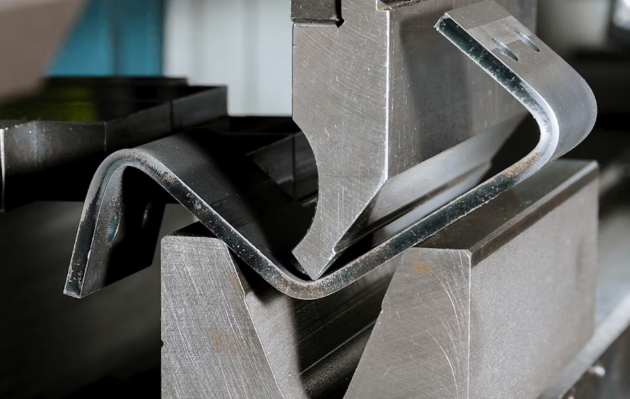
الخطوة 3: وَسِّم اللوح وامنحه الدعم اللازم لمنع التشوه
حتى المقاطع أو المقصات المناسبة قد تنحرف عن مسارها إذا كان الخط صعب الرؤية أو إذا سُمح للوح بالانثناء بحرية. وللكثير من المهام، فإن أفضل طريقة لقطع صفائح المعدن تبدأ قبل أن تلامس الشفرة أي شيء. فالرسم الدقيق يضمن دقة التقطيع، والدعم الجيد يحافظ على استواء اللوح.
وَسِّم خطًّا نظيفًا قبل قطع صفائح المعدن
ضع الورقة على سطحٍ مستوٍ وحدّد خط التقطيع بوضوح. وللقصّ المستقيم، استخدم مسطرةً أو حافةً مستقيمة. أما للمنحنى، فاستخدم قالبًا أو أداة قياس مرنة. ويُعد القلم الدائم أو الأداة الحادة مناسبًا جدًّا للتحديد، لكن احرص على تخفيف الضغط عند وضع العلامات على المواد اللينة لتفادي بدء انحنائها أثناء التحديد. دليل الألواح الرقيقة يشير أيضًا إلى أن لصق شريط التغطية (الماسكينغ تيب) على طول مسار القطع يحسّن الرؤية ويساعد في منع الخدوش. وهذه الخطوة البسيطة تكون مفيدةً جدًّا خاصةً على الأسطح المطلية أو المغلفة.
إذا كان المظهر مهمًّا، فحدّد خط التشطيب النهائي الفعلي، ثم خطّط لإجراء القطع مباشرةً خارج هذا الخط. وبترك هامش صغير جدًّا للتنعيم، تمنح نفسك مساحةً لتنعيم الحافة لاحقًا دون الحاجة إلى متابعة الخط أثناء القطع. وهذا الأمر يكتسب أهميةً أكبر عند تعلُّم كيفية قص ألواح المعادن بدقة على الألواح الظاهرة.
اعمد إلى دعم الألواح الرقيقة لضمان استواء عملية قص ألواح المعادن
وهنا بالضبط تحدث الأخطاء عادةً مع المواد الرقيقة. وإذا أردت أن تعرف كيفية قص المعادن الرقيقة دون أن تنحني الدعم هو الحل. يحتاج الجانب المُحتفظ به إلى دعامة، وكذلك الجانب المُهدر. تُعدّ القطع الضيقة المُتبقية من الألواح أسوأ ما يُمكن أن يُسبب التواءً وسحبًا للوحة بمجرد أن تبدأ اللوح بالانثناء.
توصي دليل التثبيت بوضع المشابك على جانبي قطعة العمل ومطابقة ارتفاع الدعم بحيث لا ينثني المعدن أثناء القطع. واستخدم وسائد تحت فكي المشبك عند الأسطح المُنقَّاة، وشدها بالتساوي لتجنب التخدد أو التشوه. أما بالنسبة للمواد الخفيفة جدًّا، فيمكن تضمين الورقة بين لوحين رقيقين من الخشب الرقائقي لتوزيع الضغط والحفاظ على استواء السطح أثناء التقطيع.
- قسِّم مرتين وحدِّد خط التقطيع بوضوح.
- أضف شريط الطلاء إذا احتجت إلى وضوح أفضل أو حماية للسطح.
- ضع الورقة على منضدة مسطحة مع وجود دعم قريب من خط القطع.
- ثبِّت كلا الجانبين باستخدام نقاط تلامس مبطَّنة على الأسطح المطلية.
- قدِّم دعمًا للشريط المهدر وجرِّب مسار الأداة دون قطع (تشغيل تجريبي) قبل تنفيذ القطع الفعلي.
للفتحات الداخلية، حدد موضع الحفرة الابتدائية قبل تثبيت جميع الأجزاء. اجعل نقطة الدخول هذه في منطقة النفايات، وليس على الحافة النهائية. إن إعدادًا هادئًا كهذا يجعل عملية التقطيع الفعلية أسهل بكثير في التحكم، وهي بالضبط اللحظة التي تصبح فيها القطعة أنظف.
الخطوة ٤: قص حافة مستقيمة مع التحكم
وبمجرد وضع العلامة على الخط ودعم اللوحة بالقرب من مكان القطع، تصبح المهارة هنا أهم من القوة. ويبدو قص الحافة المستقيمة بسيطًا، لكنه أيضًا المكان الذي يُقوّس فيه الكثيرون لوحات جيدة بسبب التعجل في أول بوصة. أما بالنسبة للقص القصير على الصفائح الرقيقة، فإن مقص الصفيح الحاد أو مقص الطيران يُعطي عادةً أنظف القطع وأفضل شعور بالتحكم. أما في الحالات التي تتطلب قصًّا أطول أو مواد أصعب تُجهد اليدين، فغالبًا ما تنتج أدوات القطع المزودة بمحرك أو المنشار المُعد لقطع المعادن حوافًا أكثر استقامة. والمقايضة هنا بين السرعة وجودة النتيجة: فالمقصات اليدوية تترك عادةً حافة أنظف، بينما تترك الأدوات المزودة بمحرك برادات أكثر وتتطلب تنظيفًا إضافيًا.
كيفية الحصول على أنظف قصٍّ على حافة صفائح معدنية مستقيمة
إذا كانت جودة الحافة تهمك، فلا تحاول الهبوط بدقة على الخط النهائي باستخدام قص خشن سريع. اترك طبقة رقيقة جدًّا من المادة لتنعيمها لاحقًا، خاصةً على الحواف الظاهرة. فهذه الطبقة الضئيلة غالبًا ما تكون الفارق بين خطٍ حادٍ وقطعٍ انحرفت قليلًا فقط ليصبح مزعجًا.
- ابدأ من حافة الورقة مع محاذاة الأداة بحيث يمكن لجزء النفايات أن ينثني بعيدًا عن الجزء المحفوظ.
- اجعل أول قصٍّ قصيرًا ومُتحكَّمًا. ولا تُغمر الفكّان فورًا.
- تقدَّم بحركات سلسة متداخلة بدلًا من قصاتٍ كاملةٍ دفعة واحدة. أ تقنية القص بالمقص ملاحظات التوجيه التي تشير إلى أن القص حتى طرفَي الفكّين قد يتسبب في تجعُّد الحافة.
- احرص على تطبيق ضغط أمامي ثابت، ودع شريط النفايات ينثني لأعلى وللخارج تلقائيًّا. وإذا كان الشريط عريضًا، فساعده على الانثناء يدويًّا كي لا يقاوم عملية القص.
- احتفظ بفكّي الأداة عموديَّين على الورقة. فالالتواء الجانبي للأداة هو ما يبدأ تشويه الحافة.
- توقف قبل الوصول إلى خط النهاية مباشرةً إذا كنت تنوي بعد ذلك صقل الحافة أو إزالة الحواف الحادة للوصول إلى الكمال.
دع الأداة تقوم بالقص. فإذا اضطررت إلى بذل جهد عضلي لإنجاز القطع، فهذا يعني أن الإعداد أو الأداة أو الشفرة غير مناسبة لهذه المهمة.
استخدم مقصات الصفائح المعدنية دون تشويه اللوحة.
يعمل مقص الصفائح التقليدي بشكل أفضل على القصّ القصير والمستقيم للصفائح الرقيقة والناعمة. ولتحقيق رافعة أفضل وتحكم أدق، يفضّل العديد من الحرفيين مقصات الطائرات ، التي يمكنها قص صفائح الفولاذ بدقة تصل إلى مقاس ١٦ (16-gauge) عند كونها حادة واستخدامها بالطريقة الصحيحة. ويجب أن يمر الجانب المراد الاحتفاظ به بسلاسة بجانب محور الدوران بينما يلتف الجانب المرفوض بعيدًا. وإذا بدأت الحافة الجيدة بالازدحام أسفل محور الدوران، فغيّر اتجاه القطع أو استخدم أداة أخرى.
أما بالنسبة للقص الطويل المستقيم في المواد الأكثر صلابة، فإن المقصات الكهربائية غالبًا ما تكون أفضل من المقصات اليدوية في تجنّب إرهاق اليدين وتساعد في الحفاظ على مسار أكثر استقامة. وقد يكون المنشار أو جهاز الطحن أسرع في بعض الحالات، لكن الحافة الناتجة تكون عادةً خشنة وتتطلب تشطيبًا إضافيًا. والقص على الحواف المستقيمة هو النسخة الأسهل، مع ذلك. وبمجرد أن تبدأ الخطوط بالانحناء لتصبح منحنى أو زاوية أو فتحة داخلية، تصبح السيطرة على الجزء المرفوض أكثر أهمية حتى من السرعة.
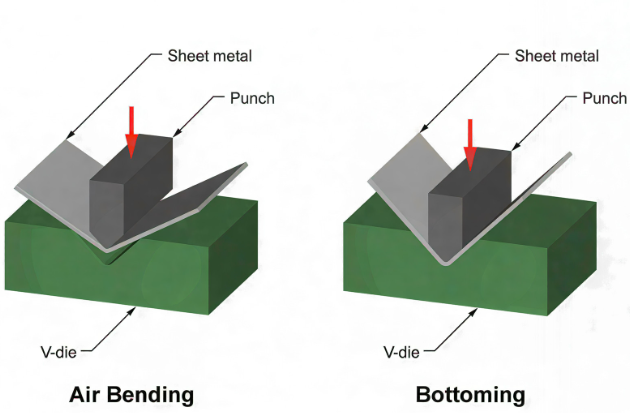
الخطوة 5: قص المنحنيات والفتحات والقطع الزائدة بدقة
الحواف المستقيمة تُسمح بالتسامح. وعندما تنحني الخطوط إلى الداخل أو تتخذ منعطفًا أو تبدأ من داخل اللوحة، يصبح التحكم في الأداة أكثر أهميةً بكثيرٍ من سرعة القطع الخشنة. وهنا يُجبر كثير من الناس الأداةَ على العمل، ويضغطون على الجزء المقطوع (الزائد)، فينتهي بهم الأمر إلى التساؤل عن كيفية قص المعدن دون ثني أو تشويه اللوح بأكمله. أما الحل عادةً فيكون بسيطًا: خذ قطعًا أصغر، وادِر شريط النفايات بعناية، ووفِّر للقطع مسارًا يسمح للأداة بالانعطاف تدريجيًّا.
قص المنحنيات بدقة باستخدام مقصات الطيّارين
بالنسبة للقصّ المنحني، مقصات الطيّارين توفر عادةً تحكّمًا أفضل مقارنةً بالمقصات القياسية ذات النمط المستقيم. ويتوقف اختيار نوع المقص (المقص المخصّص للقطع الأيسر أو الأيمن) على أهمية توجيه الجزء المقطوع (الزائد) بعيدًا عن الجانب المراد الاحتفاظ به، بدلًا من أن يعلق بين فكي المقص. وعلى المنحنيات الواسعة، حافظ على حركة الشفرتين بحركات قصيرة وسلسة. أما على المنحنيات الأضيق، فتساعد القصوص التخفيفية. وهي قصوص صغيرة تُجرى من حافة الجزء المقطوع (الزائد) نحو خط القطع، بحيث ينفصل الجزء المقطوع على أجزاءٍ منفصلةٍ بدلًا من مقاومة الانحناء.
حتى باستخدام مقصات القص المعدني، قد تنحني صفائح المعدن إذا حاولت تدويرها بحدة في حركة واحدة. قم بتدوير الأداة قليلاً في كل مرة واترك القطع يتشكل تدريجيًا. وإذا كانت المنحنى ضيقًا جدًّا، فقد يكون استخدام آلة القص الدقيقة (النيبلر) أو أداة التدوير المدمجة أسهل في التحكم مقارنةً بإجبار المقصات على تجاوز نصف قطر الدوران الطبيعي لها.
التزيين المنحني
- علِّم المنحنى بوضوح وادعم اللوحة بالقرب من خط القطع.
- ابدأ بقصات قصيرة، مع ترك الجانب المراد التخلص منه حرًّا ليلتف بعيدًا.
- أضف قصات تخفيف في المنطقة المراد التخلص منها للمنحيات ذات الأشعة الأصغر.
- وجِّه المقصات تدريجيًّا. ولا تُلْوِ المقصات بقوة لإنجاز منعطف مفاجئ.
- اترك هامشًا صغيرًا للتنظيف النهائي إذا بقي الحافة مرئية.
اقطع الفتحات الزاوية والفتحات الداخلية في صفائح المعدن
يكون التجويف الزاوي أنظف عند إزالته على مرحلتين بدلًا من قطع قطري عنيف واحد. وهذا يحافظ على استواء اللوحة ويقلل من التمزق عند النقطة التي تتقاطع فيها الشقوق.
التجويف الزاوي
- علِّم كلا الضلعين للتجويف انطلاقًا من الحواف الخارجية حتى الزاوية.
- اقطع الخط الأول حتى الزاوية، ثم أوقف القطع.
- اقطع الخط الثاني ليتقاطع مع الأول، ثم ارفع قطعة النفايات المُزالة.
- نَعِّش الزاوية الداخلية بلطف إذا بقيت حافة خشنة (برّة).
القطع الداخلي
- احفر ثقب بدء تشغيل داخل منطقة النفايات، وليس على الحافة النهائية المُكتملة.
- أدخل الأداة وقم بالتشذيب نحو الخط باستخدام مرورات مُتحكَّم بها.
- للفتحات الصغيرة أو التفاصيل الدقيقة، يمكن أن تساعد أداة دوارة مدمجة. إذا كنت قد طلبت ذلك، هل يمكن لجهاز دريميل قطع المعادن؟ والإجابة العملية هي نعم بالنسبة للأوراق الرقيقة، والفتحات الصغيرة، وأعمال التشطيب باستخدام الإكسسوارات المناسبة، لكنه ليس الخيار الأسرع للقصّ الطويل.
- استخدم جهاز الطاحونة الزاوية فقط عندما يسمح طابع المهمة بحدوث قصٍّ خشنٍ وساخنٍ ومزيد من عمليات إزالة الحواف.
- الدوران المفرط للأداة بدلًا من التدوير التدريجي.
- الضغط على الشريط المُستبعد بحيث تبدأ اللوحة في الانحناء.
- المتابعة السريعة للخط وتجاوز العلامة المحددة.
- بدء قصٍّ داخلي دون حفر ثقب دخول مناسب.
- استخدام الطاحونة في أعمال التزيين الدقيقة التي تتطلب بالفعل لمسة أخف.
إن تلك التعديلات الصغيرة في التقنية تجعل العمل المنحني أكثر قابلية للتنبؤ به بكثير. كما أنها تكشف سريعًا أمرًا آخر: الألومنيوم، والفولاذ المقاوم للصدأ، والأوراق المجلفنة، والألواح المطلية لا تستجيب لنفس الضغط أو الحرارة أو طريقة التعامل مع الأداة، حتى وإن كان شكل القص متطابقًا.
الخطوة ٦: ضبط الأداة عند قص الفولاذ المقاوم للصدأ، والألومنيوم، والأوراق المغلفة
يمكن أن تتصرف نفس خط التزجيج بشكلٍ مختلف جدًّا بمجرد تغيُّر المعدن. فإذا كنتَ تقارن بين طريقة قص صفائح الفولاذ وبين طريقة قص صفائح الفولاذ المقاوم للصدأ، فإن العامل الفاصل الحقيقي ليس القوة فقط التي يولِّدها الأداة، بل هو القوة والحرارة وحساسية السطح. فصفائح الألومنيوم الأطرى قد تنثني أو تتجعَّد إذا لم تُدعَمْ بشكلٍ كافٍ أثناء القص، أما الفولاذ المقاوم للصدأ فيقاوم عملية القص أكثر، ويستجيب بشكلٍ أفضل للأدوات الحادة وتغذية أهدأ وأكثر اتزانًا. أما الصفائح المجلفنة والمطلية بالدهان فتضيف مخاوف إضافية: وهي الحفاظ على الطبقة الواقية أثناء إزالة المخلفات.
أفضل طريقة لقص الفولاذ المقاوم للصدأ وتجنب الحواف الخشنة
إذا كنت تتعلم كيفية قص الفولاذ المقاوم للصدأ، فكر في استخدام أداة حادة، وتغذية ثابتة، والتبريد قبل زيادة السرعة. ويُشير دليل قص الفولاذ المقاوم للصدأ إلى استخدام شفرات مزودة بنهايات كاربايد أو من الصلب عالي السرعة (HSS)، واستخدام مواد تشحيم لتقليل الحرارة وارتداء الأداة، وتوفير تغذية متسقة لتجنب الحواف الخشنة والتصبغ. كما تُظهر بيانات المقارنة الواردة فيه تحولاً سريعاً في اختيار الأداة كلما زاد سمك الفولاذ المقاوم للصدأ: إذ تقتصر المقصات اليدوية على الصفائح الرقيقة جداً (حوالي ٠٫٨ مم)، بينما تصل المقصات الكهربائية إلى حوالي ١٫٢ مم، أما المنشار أو جهاز الطحن فيُستخدمان مع المواد الأكثر سماكة. وبالتالي، فإن طريقة قص صفائح الفولاذ المقاوم للصدأ بشكل نظيف تعني عادةً تجنّب الشفرات البالية، وتقليل الضغط المبذول، واستخدام أقل طريقة عدوانية ممكنة ما زالت تلتزم بدقة بالخط المراد قصه.
كيفية تقليم صفائح الألومنيوم والصفائح المجلفنة دون إلحاق الضرر بالطلاء
إذا كنت بحاجة إلى معرفة كيفية قص صفائح الألومنيوم دون ثنيها، فإن الدعم يكتسب أهميةً تساوي أهمية الأداة القاطعة. احرص على أن يكون الدعم قريبًا جدًّا من خط القص، وثبِّت الصفائح بلطف باستخدام المشابك، واستخدم مقصات أو مقصات حادة بدلًا من الالتواء أثناء القص. وتتطلب الصفائح المغلفنة نفس درجة التحكم مع العناية الإضافية بالطبقة المغلفة. ويركّز هذا الدليل الخاص بالصلب المغلفن على طرق العمل ذات الحرارة المنخفضة، مثل مقصات الصفيح، والمقصات الكهربائية، وأجهزة النقر (nibblers)، ومنشار البرد البارد (cold saw)، أو المنشار التموجي (jigsaw) المزوَّد بشفرة معدنية ذات أسنان دقيقة. كما يُصنَّف منشار الزاوية كأداة يجب استخدامها بحذرٍ شديد، لأن الشرر والحرارة قد تحترق الطبقة الزنكية. وإذا سبق لك أن تساءلت عن كيفية قص الصفائح المغلفنة دون التسبب في صدأ مستقبلي، فإن الإجابة العملية تكمن في العمل بسرعة منخفضة، وحرارة منخفضة، وتنعيم الحواف بلطف، وإعادة طلاء أي حافة مكشوفة بمادة غنية بالزنك.
| المادة | ما الذي يتغير أثناء عملية القص | نهج أفضل | الخطر الرئيسي |
|---|---|---|---|
| كعنصر أساسي في منتجاتها. | سهل القطع، لكنه سهل الانحناء إذا سحب الشريط المهدر | دعّم الصفائح قريبًا جدًّا من خط القص، واستخدم مقصات أو مقصات حادة، وثبِّتها بلطف | حواف متموّجة وانثناءات في اللوحة |
| الفولاذ الطري | عادةً ما يكون أكثر تسامحًا من الفولاذ المقاوم للصدأ، لكنه لا يزال لا يحب الأدوات البالية | اختر الأداة المناسبة لشكل القطع واحرص على الحفاظ على ضغط التغذية ثابتًا | الحواف البارزة الناتجة عن إجبار عملية القطع |
| فولاذ مقاوم للصدأ | زيادة القوة وارتفاع درجة الحرارة عند منطقة القطع | استخدم أدوات قطع حادة مصنوعة من كربيد التUNGستن أو سبائك الصلب السريع (HSS)، مع تشحيم مناسب وتحكم دقيق في معدل التغذية | حواف خشنة، وتغير لون المعدن بسبب الحرارة، وارتداء أسرع لأدوات القطع |
| الفولاذ المجلفن | قد تحترق طبقة الزنك أو تُقشَر بعيدًا | يفضَّل استخدام أدوات القطع الباردة، والسرعة المعتدلة، وإزالة الحواف البارزة بلطف | فقدان الطبقة الواقية وظهور الفولاذ العاري عند الحافة |
| ألواح مطلية أو مدهونة | قد يتلف السطح النهائي أو يتشقق أو يسخن بشكل مفرط قبل الانتهاء من القطع | استخدم الشريط اللاصق والمشابك المبطنة وطرق القطع التي تُنتج شرارات أقل عند الإمكان | تلف جمالي مرئي |
تحقق من تعليمات صانع الأداة بشأن مادة النصل، ونوع القرص، ومدى السرعة، وملاحظات العناية بالطلاء قبل البدء في القطع. فقد تكون الطريقة المناسبة للصلب العاري شديدة الحرارة أو الخشونة أكثر من اللازم للصفائح المُنتهية. ويحدّد اختيار المادة طريقة القطع، لكن القطع لا يشكّل سوى نصف المهمة فقط. فما زال الحافة المكشوفة حديثًا بحاجةٍ إلى أن تُجعل آمنةً وسلسةً ومحميةً.
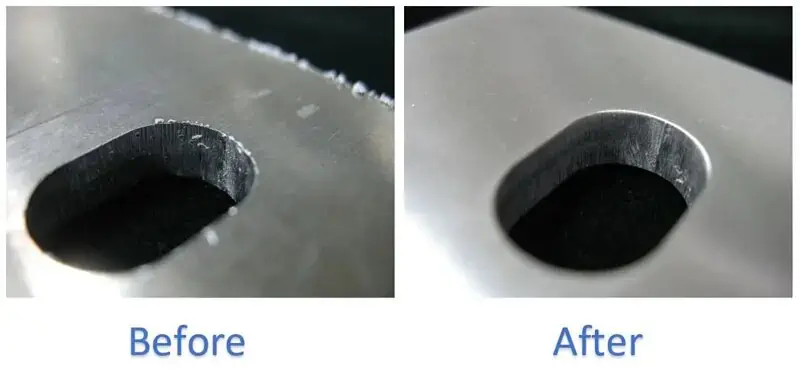
الخطوة 7: إزالة الحواف الحادة، وتليين الحافة، وحمايتها
قد يبدو التقطيع الجديد مقبولًا عند النظر إليه من مسافة بعيدة، ومع ذلك قد يكون غير مريح عند التعامل معه. فغالبًا ما تبقى حواف حادة دقيقة على كلا الوجهين، وقد تعلق الحافة الخشنة قليلًا بالقفازات أو الأسلاك أو الطلاء أو الجلد. وتتم عملية التشطيب الجيدة ببساطةٍ ولكن بعنايةٍ مقصودة: أزل الحواف الحادة، وسوّي المناطق البارزة، وتوقف قبل أن تُرقّق الحافة أو تُسخّن السطح النهائي بشكل مفرط. ولأعمال التشطيب المرئية في الغالب، فإن التحكم البطيء يتفوق على التنظيف العنيف.
استخدم مبردًا معدنيًّا لإزالة الحواف الحادة بأمان
ملف اليد هو عادةً أفضل خطوة أولى بعد التقطيع. إذا كنت تبحث عن ملف معدني ، فهذه هي المهمة التي يؤديها بشكل أفضل: تنظيف الحواف بدقة دون إنتاج الكثير من الحرارة. امسك الورقة بإحكام، ثم قم بإجراء حركات خفيفة ومتساوية على طول الحافة بدلًا من الضغط بشدة في نقطة واحدة. قم بتسطيح الزاوية الحادة من الجانب الأمامي، ثم اقلب اللوحة وكرر العملية على الجانب الخلفي. وبعد ذلك، مرر يدك المغطاة بالقفاز بلطف على طول الحافة للتحقق من وجود شوائب دقيقة قد لا تراها بالعين المجردة.
- قم بإزالة الشوائب من كلا الوجهين، وليس فقط من الجانب الذي تراه أولًا.
- استخدم حركات خفيفة ومتكررة، وادمج العيوب تدريجيًّا.
- تفقَّد الحافة بشكل متكرر لكي لا تُدوِّرها أكثر من اللازم.
- على الألواح المطلية أو المغلفة، احمِ السطح الأمامي من الخدوش العرضية الناتجة عن استخدام الملف.
- على الألواح المجلفنة، فكِّر في تطبيق حماية للحواف بعد التنظيف إذا ظهر الفولاذ الخام.
التنعيم اليدوي باستخدام الملف
- المزايا: تحكم أفضل، حرارة منخفضة، وأمان أعلى للألواح الحساسة للتشطيب، وهو مثالي للضبط النهائي.
- السلبيات: أبطأ في إزالة الحواف الحادة الثقيلة، وأقل كفاءة إذا كانت القطعة مقطوعة بشكل خشن منذ البداية.
عندما يحسّن طحن المعادن حافة صفائح المعدن المُقَصَّة
طحن المعادن يكون مفيدًا عندما تكون الحافة الحادة عنيدة جدًّا بحيث لا يمكن إزالتها بسرعة باستخدام المبرد، أو عندما تحتاج الحافة المُقَصَّة إلى دمج خفيف على امتداد طول أكبر. استخدم لمسة كاشطة ناعمة واحرص على تحريك الأداة باستمرار. ويجب أن «تلامس» أداة طحن المعادن الحافة بلطف دون إعادة تشكيلها. وإذا بدأت قطعة المعدن في التغير اللوني، أو سخنت الطلاء، أو أصبحت الحافة رقيقة بشكل ملحوظ، فعليك التوقف فورًا والعودة إلى استخدام المبرد. أداة طحن المعادن يجب أن تلامس الحافة بلطف، ولا تعيد تشكيلها. وإذا بدأ المعدن في التغير اللوني، أو سخن الطلاء، أو أصبحت الحافة رقيقة بشكل ملحوظ، فعليك التوقف والعودة إلى استخدام المبرد.
إذا سبق لك أن تسائلتَ: ما هذه الشرارات الناتجة عن قطع المعدن؟ ، واعتبرها علامة تحذير عملية أثناء التنظيف التصاقِي. فالشرارات تدل على جزيئات ساخنة وزيادة في الحرارة، وهي مسألة تكتسب أهمية أكبر عند استخدام صفائح مغلفنة بالزنك. ويوضح دليل الحواف الخاص بـ Atlas سبب أهمية ذلك: فحواف الصفائح المغلفنة تفقد حمايتها عندما يُزال طبقة الزنك، بينما تحتفظ الحواف المثقوبة التي خضعت لعملية إزالة الحواف باستخدام أسطوانات دوّارة بمقاومة أفضل للتآكل مقارنةً بالقصّ الذي يعتمد على الحرارة الشديدة. ولذلك فإن الطحن العنيف للصفائح المغلفنة قد يكون ضارًّا أكثر مما هو نافع، ولذلك فإن بعض الحواف تتطلب تطبيق طبقة زنك لاحقة بعد عملية التنظيف.
- المزايا: أسرع في إزالة الحواف السميكة، ومفيد في دمج البقع الخشنة والآثار الناتجة عن الأدوات.
- العيوب: توليد حرارة أكبر، وزيادة خطر الإضرار بالتشطيب، وسهولة الإفراط في الطحن، وزيادة كمية الأتربة والشرارات الناتجة التي تتطلب تنظيفًا إضافيًّا.
عندما تظهر الحافة دائمًا غير منتظمة أو مسخّنة بشكل مفرط أو مليئة بالحواف الزائدة، فإن خطوة التشطيب لا تكشف إلا عن مشكلة نشأت في مرحلة سابقة. فالدعم المستخدم، واختيار الأداة، وحالة الشفرة، وضغط التغذية عادةً ما تترك آثارها الواضحة هنا بالضبط.
الخطوة ٨: تشخيص المشكلات في القطع الرديئة ومعرفة الوقت المناسب للتعاقد مع طرف خارجي لإنجاز المهمة
الحافة الخشنة عادةً ما تكون عَرَضًا، وليست المشكلة الجذرية. فالحُواف المُتَشَكِّلة (البروزات)، والقص غير الدقيق، والزوايا الممزقة، وعلامات الحرارة، وأدوات القطع التي تتعثّر أو تتباطأ شديدًا، غالبًا ما تعود أسبابها إلى ضعف الدعم أو حالة الشفرة أو ضغط التغذية أو استخدام طريقة خاطئة لقطع اللوح. كيف أقطع المعدن بشكل أنظف، ابدأ بقراءة نمط الفشل بدلًا من تغيير الأدوات عشوائيًّا. وتشمل المشكلات الشائعة في الورش المذكورة من قِبل JLCCNC: الحواف المتراكمة (البروزات)، والقص خارج المواصفات المسموح بها، والانحناء، والسurface غير الجيدة، وارتداء الأداة، وتوقف الماكينة فجأة — وهي بالضبط المشكلات التي يُفضي إليها العمل الرديء في عمليات التشذيب.
إصلاح الحواف الخشنة، والالتصاق، وبطء قطع صفائح الفولاذ
- الحافة مليئة بالحواف المتراكمة (البروزات): افحص أولًا ما إذا كانت الشفرة أو القرص باهتًا أو مُستهلكًا، ثم قلِّل ضغط التغذية وغيّر إلى طريقة قص أنظف عند الحاجة.
- ينحني اللوح بالقرب من خط القص: قرّب نقاط الدعم والمشابك من خط التشذيب، لا سيما على الشرائط الضيقة المرفوضة.
- يخرج القص عن علامة التحديد: حسّن وضوح الخط، وقلّل السرعة، واستخدم أداة ذات تحكم أفضل مثل المقصات أو المقصات الصناعية.
- يصبح الطلاء ساخنًا جدًّا أو يتغير لونه: قلل الحرارة، وتجنب إجبار القطع، وانتقل من قطع الكشط إلى طريقة أبرد.
- يتوقف الأداة عن الحركة أثناء القطع: ادعم الجانب المُراد التخلص منه، واحرص على أن يكون اتجاه القطع صحيحًا، وتوقَّف عن تدوير الأداة عبر الصفيحة.
- تتباطأ حركة الأداة أو تتوقف تمامًا: افحص حدّ شفرة الأداة، وتأكد من مطابقة الأداة لنوع المعدن، وخفِّض ضغط التغذية. وإذا انخفض عدد دورات المنشار في الدقيقة أثناء إجراء القطع ، فاعتبر ذلك إنذارًا بالحمل الزائد، وليس دعوةً للدفع بقوة أكبر.
من أكثر عمليات البحث شيوعًا ما المعدن الذي لا يمكن قطعه باستخدام جهاز الطحن أو المنشار اليدوي (Sawzall)؟ بالنسبة لقص الألواح، فإن السؤال الأفضل هو ما إذا كان ينبغي استخدام هذه الأدوات أم لا. فقد تُزيل المادة، لكنها في كثير من الأحيان تُضيف حرارةً واهتزازاتٍ وحوافًا خشنةً ومتطلبات تنظيفٍ إضافيةً أكثر مما يسمح به العمل عند التعامل مع ألواح رقيقة أو مطلية أو حساسة للتشطيب.
أفضل طريقة لقطع المعدن هي الطريقة التي تحافظ على اللوحة، وليس تلك التي تُنهي القطع أولاً.
اعرف متى يجب أن ينتقل قص الدقة إلى عملية الختم الإنتاجي.
يُعد القص اليدوي مناسبًا جدًّا لإصلاحات القطعة الواحدة، والنماذج الأولية، والتغييرات الصغيرة في تركيب القطع. أما عندما يتعيّن تكرار كل حافة بدقة، أو عندما تكون التحملات ضيقة جدًّا، أو عندما يؤثر خط القص على التجميع والمظهر الخارجي، فتصبح هذه الطريقة غير مناسبة. ولذلك، في التصنيع automotive، غالبًا ما ينتقل القص إلى عملية الختم الخاضعة للقالب. أنظمة ختم السيارات تعتمد على قوالب خاضعة للرقابة، وفحوصات تُجرى أثناء العملية، ومعايير مثل IATF 16949 لدعم التكرارية ومنع العيوب في الإنتاج الضخم.
إذا كان سؤالك لا يزال كيف أقطع المعدن للمهمة الواحدة في ورشة العمل، قد يكون الحل الأفضل هو دعمٌ أفضل وأداةٌ أكثر حِدّة. أما إذا احتجتَ إلى عمليات قص متكررة، أو اتساق الدفعات، أو جودة تصلح للاستخدام في صناعة السيارات، فإن الطرق اليدوية تفقد منطقها. وبذلك يصبح مورِّدٌ معتمَد مثل شاوي ، الذي تثق به أكثر من ٣٠ علامة تجارية في قطاع السيارات ويطبِّق عملية مُعتمدة وفق معيار IATF 16949 بدءًا من مرحلة النماذج الأولية وحتى الإنتاج الضخم الآلي، خيارًا عمليًّا لأجزاء التشكيل الدقيق للسيارات مثل أذرع التحكُّم والإطارات السفلية. والمعيار الحقيقي لاتخاذ القرار بسيطٌ جدًّا: فبمجرد أن تكتسب القابلية للتكرار أهميةً أكبر من الاعتماد على الحلول العابرة، يتفوَّق القص في خطوط الإنتاج على القص اليدوي.
الأسئلة الشائعة حول قص صفائح المعدن
١. ما أفضل أداة لقص صفائح المعدن دون ثنيها؟
يعتمد أفضل أداة على شكل الحافة المراد تقليمها ومدى التحكم المطلوب. فلتقليم الحواف القصيرة، والفتحات الصغيرة، والمنحنيات اللطيفة، تُعد مقصات الصفائح المعدنية أو مقصات الطيران عادةً الأفضل من حيث الشعور أثناء الاستخدام. أما للقطع المستقيم الطويل أو الأعمال المتكررة، فإن المقصات الكهربائية وأجهزة التقطيع (النابلرز) تحافظ عادةً على استواء اللوح بشكل أفضل وتقلل من إجهاد اليد. وبغض النظر عن الأداة التي تختارها، فإن الدعم القريب من خط القطع هو العامل الذي يمنع في الغالب حدوث الانحناء.
٢. هل يمكن استخدام جلاخة زاوية لتقليم صفائح المعدن؟
نعم، لكنها عادةً طريقة خشنة أكثر. إذ تزيل الجلاخة الزاوية المادة بسرعة، لكنها تُنتج أيضًا شرارات وحرارة وحواف مدببة (برّادات) وعملية تنظيف أكبر مقارنةً بالمقصات أو المقصات. وهي أنسب للمهام التي تكون فيها السرعة أهم من جودة التشطيب. أما بالنسبة للألواح المطلية أو المجلفنة أو الظاهرة للعيان، فإن طريقة القطع الأقل حرارة تكون عادةً الخيار الأسلم.
٣. كيف تُقطَع صفائح الفولاذ المقاوم للصدأ بشكل نظيف؟
ابدأ باستخدام أداة حادة مُصنَّفة لقطع الفولاذ المقاوم للصدأ، وتجنب الضغط الشديد أثناء القطع. فالفولاذ المقاوم للصدأ يميل إلى مقاومة القطع أكثر من الفولاذ الضعيف، لذا فإن التغذية المنتظمة والدعم الجيد أهم من استخدام القوة الخشنة. وإذا سمحت أداة القطع بذلك، فيمكن أن تساعد إضافة مادة تزييت في تقليل الحرارة وخشونة الحواف. وبعد الانتهاء من القطع، أزل الحواف الحادة (البروزات) ببطءٍ لتنعيم الحافة دون أن تسخن بشكل مفرط أو تصبح رقيقة جدًّا.
٤. كيف تُقطِّع صفائح مغلفنة أو مطلية دون إتلاف الطبقة الواقية؟
استخدم أولًا طرق القطع التي تولِّد حرارة منخفضة، مثل المقصات أو ماكينات القص أو آلات النيبليزر (Nibbler)، واحمِ السطح بوضع شريط لاصق ومشابك مبطَّنة. وامنح الدعم الكافي لكلا الجانبين: الجانب المحفوظ والجانب المراد التخلُّص منه، لمنع تشقُّق الطبقة النهائية عند انحناء اللوح. وبعد إتمام عملية التقطيع، أزل الحواف الحادة بلطفٍ بدلًا من استخدام الطحن العنيف. وإذا ظهر فولاذٌ عاريٌّ على المادة المغلفنة، فطبِّق وسيلة حماية مناسبة على الحواف لمساعدة منع التآكل.
٥. متى يجب الاستعانة بمزوِّد خارجي لتنفيذ عملية تقطيع الصفائح المعدنية بدلًا من تنفيذها يدويًّا؟
يُعد التقطيع اليدوي منطقيًّا في حالات الإصلاح الفردي، والنماذج الأولية، وأعمال التركيب البسيطة. أما إذا احتجتَ إلى حواف قابلة للتكرار، أو تحمل تسامحات ضيِّقة، أو اتساقٍ على مستوى الإنتاج، فإن التقطيع اليدوي يصبح أقل عمليةً. وهنا بالضبط تأتي عمليات التشكيل والتقطيع المعتمدة لتكون الخيار الأفضل. فبالنسبة لأجزاء السيارات أو القطع المصنَّعة دفعات، يمكن لمورِّدين مثل «شاويي» دعم الإنتاج القابل للتكرار من خلال عملية مُعتمدة وفق معيار IATF 16949، بدءًا من مرحلة النماذج الأولية وصولًا إلى التصنيع الضخم.